Cracking a skill-specific interview, like one for Pneumonia, requires understanding the nuances of the role. In this blog, we present the questions you’re most likely to encounter, along with insights into how to answer them effectively. Let’s ensure you’re ready to make a strong impression.
Questions Asked in Pneumonia Interview
Q 1. Describe the different types of pneumonia and their causative agents.
Pneumonia is broadly classified based on the causative agent and the location of the infection within the lungs. We can categorize it into several types:
- Community-acquired pneumonia (CAP): This is the most common type, acquired outside of hospitals or healthcare facilities. It’s often caused by bacteria like Streptococcus pneumoniae (pneumococcus), Haemophilus influenzae, and Legionella pneumophila; viruses like influenza, respiratory syncytial virus (RSV), and adenoviruses; or atypical bacteria such as Mycoplasma pneumoniae and Chlamydophila pneumoniae.
- Hospital-acquired pneumonia (HAP): This develops at least 48 hours after hospital admission and is typically caused by more resistant bacteria, such as Pseudomonas aeruginosa, Acinetobacter baumannii, and Staphylococcus aureus (including methicillin-resistant S. aureus or MRSA).
- Ventilator-associated pneumonia (VAP): A specific type of HAP occurring in patients who are on mechanical ventilation. Similar to HAP, it involves highly resistant pathogens.
- Aspiration pneumonia: This arises from inhaling food, saliva, or stomach contents into the lungs. The causative agents are varied and depend on what is aspirated, but often include oral bacteria.
- Immunocompromised host pneumonia: Individuals with weakened immune systems (e.g., due to HIV/AIDS, cancer, or immunosuppressant medications) are susceptible to a wide range of organisms, including fungi like Pneumocystis jirovecii and opportunistic bacteria.
The causative agent significantly impacts the severity and treatment of pneumonia.
Q 2. Explain the pathophysiology of pneumonia.
The pathophysiology of pneumonia involves several steps: First, an infectious agent (bacteria, virus, or fungus) enters the lungs, usually through inhalation. The agent then infects the alveoli (tiny air sacs) in the lungs. This triggers an inflammatory response, causing fluid, white blood cells, and other inflammatory mediators to accumulate in the alveoli. This process leads to impaired gas exchange (oxygen uptake and carbon dioxide removal), resulting in hypoxemia (low blood oxygen levels) and potentially respiratory failure. In bacterial pneumonia, bacterial toxins can further damage lung tissue. Viral pneumonia may cause direct damage to lung cells as well as indirectly, through secondary bacterial infections.
Imagine the alveoli as tiny balloons responsible for gas exchange. In pneumonia, these balloons fill with fluid, making it difficult for oxygen to reach the bloodstream, leading to shortness of breath and other symptoms.
Q 3. What are the common clinical presentations of pneumonia?
Clinical presentation of pneumonia is variable, depending on the severity and causative agent. Common symptoms include:
- Cough: Often productive (with phlegm), potentially bloody.
- Shortness of breath (dyspnea): Can range from mild to severe.
- Fever and chills:
- Chest pain: Often worsened by deep breaths or coughs.
- Fatigue and weakness:
- Muscle aches:
- Headache:
- Confusion (especially in older adults):
Severe cases may present with rapid heart rate (tachycardia), low blood pressure (hypotension), and altered mental status.
Q 4. How do you differentiate between bacterial, viral, and atypical pneumonia based on clinical findings?
Differentiating between bacterial, viral, and atypical pneumonia based solely on clinical findings can be challenging, as symptoms overlap significantly. However, some clues can help:
- Bacterial Pneumonia: Often presents with a more abrupt onset of high fever, chills, productive cough with purulent (pus-like) sputum, and significant lung consolidation (areas of solidified lung tissue on chest X-ray).
- Viral Pneumonia: Usually has a more gradual onset, with less severe symptoms like a dry cough, less pronounced fever, and less prominent lung consolidation on imaging.
- Atypical Pneumonia (e.g., Mycoplasma): Tends to present with a milder illness, including a dry cough, low-grade fever, headache, and fatigue, with less pronounced physical examination findings.
It’s crucial to remember that these are general tendencies, and definitive diagnosis requires laboratory tests.
Q 5. Discuss the diagnostic tests used to confirm a diagnosis of pneumonia (e.g., chest X-ray, blood tests, sputum culture).
Confirming a diagnosis of pneumonia involves several diagnostic tests:
- Chest X-ray (CXR): The most important initial test. It reveals areas of consolidation, infiltrates, or other abnormalities within the lung fields, consistent with pneumonia. However, CXR alone cannot distinguish between bacterial, viral, or atypical causes.
- Sputum Culture: A sample of sputum (phlegm) is collected and cultured to identify the specific causative bacteria, allowing for targeted antibiotic therapy. It’s less useful in viral pneumonias.
- Blood Tests: Complete blood count (CBC) may show an elevated white blood cell count (leukocytosis), indicating infection. Blood cultures can detect bacteria in the bloodstream (bacteremia), suggesting a severe infection.
- Other tests: These may include arterial blood gas analysis (to measure oxygen and carbon dioxide levels), procalcitonin (a marker of bacterial infection), and PCR tests to detect specific viral or atypical bacterial DNA/RNA.
The choice of tests depends on clinical suspicion and the patient’s overall condition.
Q 6. Outline the treatment strategies for different types of pneumonia, including antibiotic selection.
Treatment strategies depend on the type and severity of pneumonia and the causative agent. Empirical treatment (starting antibiotics before lab results are available) is often necessary in severe cases.
- Bacterial Pneumonia: Antibiotics are the cornerstone of treatment. The choice of antibiotic depends on factors such as the suspected pathogen, local antibiotic resistance patterns, and the patient’s allergies. Commonly used antibiotics include macrolides (azithromycin), fluoroquinolones (levofloxacin, moxifloxacin), and beta-lactams (amoxicillin/clavulanate, ceftriaxone). For severe or hospital-acquired pneumonia, broader-spectrum antibiotics are often needed.
- Viral Pneumonia: Treatment is primarily supportive, focusing on managing symptoms (e.g., fever, cough, shortness of breath) with rest, fluids, and over-the-counter medications. Antiviral medications are occasionally used for specific viral infections (e.g., influenza).
- Atypical Pneumonia: Macrolides (azithromycin, erythromycin) or tetracyclines (doxycycline) are usually effective.
Hospitalization may be required for severe cases needing intravenous antibiotics, supplemental oxygen, or respiratory support.
Q 7. What are the potential complications of pneumonia?
Pneumonia can lead to several serious complications, including:
- Respiratory failure: Inability of the lungs to adequately exchange oxygen and carbon dioxide.
- Sepsis: A life-threatening condition caused by the body’s overwhelming response to infection.
- Pleurisy (pleuritis): Inflammation of the lining of the lungs (pleura).
- Empyema: Collection of pus in the pleural space.
- Lung abscess: A localized collection of pus within the lung.
- Bacteremia: Bacteria in the bloodstream.
- Acute respiratory distress syndrome (ARDS): Severe lung injury leading to widespread inflammation and fluid accumulation in the lungs.
- Death: Although uncommon in otherwise healthy individuals with prompt treatment, pneumonia can be fatal in those with underlying health conditions or severe infections.
Early diagnosis and appropriate treatment are crucial to prevent these complications.
Q 8. Describe the management of severe pneumonia, including supportive care.
Managing severe pneumonia requires a multi-pronged approach focusing on aggressive supportive care alongside targeted antimicrobial therapy. Think of it like this: we’re fighting a fire (the infection) and simultaneously preventing the building (the patient’s body) from collapsing.
Supportive Care: This forms the cornerstone of management. It includes:
- Oxygen Therapy: Essential to correct hypoxemia (low blood oxygen levels), often delivered via nasal cannula, face mask, or even mechanical ventilation in severe cases. We monitor oxygen saturation levels continuously to ensure adequate oxygenation.
- Fluid Management: Pneumonia can lead to dehydration, so intravenous fluids are often necessary to maintain adequate hydration and blood pressure. We closely monitor urine output and electrolyte levels.
- Respiratory Support: This can range from simple measures like encouraging deep breathing and coughing to more advanced techniques like non-invasive ventilation (NIV) or invasive mechanical ventilation (IMV) for patients with respiratory failure. NIV uses a mask to assist breathing, while IMV requires an endotracheal tube to directly support the lungs.
- Nutritional Support: Severe illness increases metabolic demands. Adequate nutrition, often provided via intravenous feeding or a high-calorie diet, is crucial for recovery. We ensure the patient is consuming sufficient calories and nutrients.
- Monitoring: Continuous monitoring of vital signs (heart rate, blood pressure, respiratory rate, oxygen saturation), blood gas analysis, and other relevant laboratory tests are vital to assess response to treatment and guide further management. Changes in these parameters can indicate worsening condition.
Antimicrobial Therapy: This is crucial to target the underlying infection. The choice of antibiotic depends on the suspected pathogen, local antibiotic resistance patterns, and patient-specific factors. Broad-spectrum antibiotics are often used initially, followed by narrowing to a more specific agent once culture results are available. We always consider the possibility of bacterial co-infection, especially in severe cases.
Example: A 70-year-old patient with severe pneumonia requiring intubation and mechanical ventilation would receive oxygen therapy, intravenous fluids, nutritional support via intravenous feeding, broad-spectrum antibiotics, and close monitoring of vital signs and blood gases in the ICU setting.
Q 9. Explain the role of vaccination in preventing pneumonia.
Vaccination plays a vital role in preventing pneumonia, particularly in vulnerable populations. Think of vaccines as training your body’s army to fight off specific invaders before they can cause serious damage.
Pneumococcal Vaccines: Two main types are available: pneumococcal conjugate vaccine (PCV13) and pneumococcal polysaccharide vaccine (PPSV23). PCV13 is recommended for infants, children, and adults at high risk, while PPSV23 is generally recommended for adults over 65 and those with certain medical conditions. These vaccines target the Streptococcus pneumoniae bacterium, a leading cause of pneumonia.
Influenza Vaccine: Influenza viruses frequently cause or worsen pneumonia. The annual influenza vaccine is crucial in reducing the risk of influenza and associated pneumonia, especially in high-risk groups like the elderly and those with chronic health conditions.
Impact: Vaccination significantly reduces the incidence of pneumonia, hospitalizations, and deaths. It’s especially effective in preventing severe disease and complications. For example, the introduction of PCV13 has dramatically reduced invasive pneumococcal disease in children.
Q 10. How do you assess the severity of pneumonia?
Assessing pneumonia severity requires a comprehensive approach, integrating clinical findings, laboratory data, and imaging results. We use various tools like CURB-65 score for quick assessment.
Clinical Assessment: This includes evaluating:
- Confusion: Altered mental state indicating severe illness.
- Urea: Elevated blood urea nitrogen (BUN) levels suggest impaired kidney function.
- Respiratory rate: A high respiratory rate indicates respiratory distress.
- Blood pressure: Hypotension (low blood pressure) implies severe illness.
- Age: Older adults are at higher risk of severe complications.
Laboratory Tests: These help identify the cause and assess the extent of infection, including:
- Complete blood count (CBC): Elevated white blood cell count may indicate infection.
- Blood cultures: Identify the infecting organism and guide antibiotic selection.
- Arterial blood gas analysis: Assess oxygenation and acid-base balance.
- C-reactive protein (CRP): Elevated levels suggest inflammation.
Imaging: Chest X-ray is crucial to confirm diagnosis and assess the extent of lung involvement. CT scans may provide more detailed information in complex cases.
CURB-65 score: This simple scoring system is useful for predicting mortality risk: Confusion (1 point), Urea >7 mmol/L (1 point), Respiratory rate ≥30 breaths/min (1 point), Blood pressure <90/60 mmHg or systolic <100 mmHg (1 point), Age ≥65 years (1 point). A score of 0-1 suggests low-risk pneumonia, 2 suggests intermediate-risk, and 3-5 suggests high-risk and usually needs hospital admission.
Q 11. What are the risk factors for developing pneumonia?
Numerous factors increase the risk of developing pneumonia. Think of them as weakening the body’s defenses, making it easier for the infection to take hold.
Age: Very young children and older adults have weaker immune systems.
Chronic Diseases: Conditions like COPD, heart failure, diabetes, and kidney disease weaken the immune system and can impair lung function.
Smoking: Damages the lungs, impairing their ability to clear infections.
Weakened Immune System: Conditions like HIV/AIDS, cancer, and autoimmune diseases suppress the immune system.
Hospitalization: Exposure to pathogens in healthcare settings increases risk.
Exposure to Infectious Agents: Close contact with individuals with respiratory infections increases the risk of transmission.
Aspiration: Inhaling food or fluids into the lungs increases risk.
Intubation and Mechanical Ventilation: These increase the risk of ventilator-associated pneumonia.
Example: A 75-year-old smoker with COPD who lives in a nursing home has a significantly increased risk of developing pneumonia compared to a healthy young adult.
Q 12. Discuss the epidemiology of pneumonia.
Pneumonia’s epidemiology reveals that it is a significant global health problem, affecting people of all ages. Understanding the patterns of pneumonia helps us target preventive measures and resource allocation.
Global Burden: Pneumonia is a leading cause of death worldwide, especially among young children and older adults. The burden is particularly high in low- and middle-income countries due to limited access to healthcare and vaccines.
Seasonal Variations: Pneumonia incidence typically peaks during winter months in temperate climates, reflecting increased viral circulation.
Geographic Distribution: Prevalence varies geographically, influenced by factors like climate, access to healthcare, and sanitation.
Risk Factors: As discussed earlier, age, underlying medical conditions, smoking, and immunosuppression are major risk factors influencing the epidemiology.
Causative Agents: Bacteria, viruses, and fungi can all cause pneumonia, with specific agents varying depending on the population and geographical location. Streptococcus pneumoniae and influenza viruses are frequent culprits.
Ongoing Research: Continuous surveillance and research are crucial to track changes in causative agents, antibiotic resistance patterns, and the overall impact of pneumonia globally.
Q 13. How would you approach the management of a patient with pneumonia and comorbidities (e.g., COPD, heart failure)?
Managing pneumonia in patients with comorbidities requires a more cautious and individualized approach. We must consider the interplay between the pneumonia and pre-existing conditions, preventing further complications.
Careful Assessment: A thorough assessment is vital to determine the severity of both the pneumonia and the comorbidities. This involves a detailed medical history, physical examination, and appropriate investigations, including chest X-ray and blood tests.
Multidisciplinary Approach: Collaboration with specialists like cardiologists, pulmonologists, and nephrologists is crucial for managing the complexities of multiple conditions. For instance, optimizing heart failure management is essential before starting aggressive treatment for pneumonia.
Medication Management: Prescribing medications needs careful consideration of potential drug interactions and the impact on pre-existing conditions. For example, some antibiotics can be nephrotoxic and should be used cautiously in patients with kidney failure. Adjusting doses or choosing alternative medications might be necessary.
Monitoring: Close monitoring of vital signs, oxygen saturation, and organ function (renal, cardiac) is crucial to detect any worsening of conditions.
Patient-Specific Strategies: Treatment should be tailored to the individual’s specific needs and health status. For example, a patient with severe COPD might require more aggressive respiratory support than a patient without lung disease.
Example: In a patient with pneumonia and COPD, careful attention is given to avoiding medications that could worsen bronchospasm and selecting antibiotics that are less likely to cause kidney problems if there is renal impairment. Oxygen therapy might need to be carefully titrated to avoid causing respiratory depression.
Q 14. What are the common causes of pneumonia in immunocompromised patients?
Immunocompromised patients are highly susceptible to opportunistic infections, including pneumonia, caused by a broader range of pathogens. Their weakened immune systems struggle to fight off common microbes.
Common Causes:
- Pneumocystis jirovecii (P. jirovecii): A fungus that causes Pneumocystis pneumonia (PCP), particularly prevalent in individuals with HIV/AIDS.
- Fungi: Aspergillus, Candida, and other fungi can cause serious pneumonia in immunocompromised individuals.
- Viruses: Cytomegalovirus (CMV), herpes simplex virus (HSV), and other viruses cause pneumonia in immunocompromised individuals, especially those with HIV/AIDS or undergoing organ transplantation.
- Bacteria: While common bacterial pathogens can affect immunocompromised individuals, some bacteria, such as Listeria monocytogenes and atypical bacteria like Legionella, may pose a higher risk.
Diagnosis: Diagnosis is often challenging because symptoms may be atypical or non-specific. Imaging (chest X-ray, CT scan), laboratory tests (blood cultures, fungal stains, PCR for viral and fungal pathogens), and bronchoscopy with bronchoalveolar lavage (BAL) may be necessary to identify the pathogen.
Treatment: Treatment is tailored to the identified pathogen and the patient’s overall health status. This may include antiviral, antifungal, or antibacterial agents, often requiring long courses of therapy.
Example: A patient with advanced HIV/AIDS presenting with shortness of breath and a characteristic interstitial pattern on chest X-ray would require evaluation for P. jirovecii pneumonia (PCP) and prompt treatment with anti-fungal medication such as trimethoprim-sulfamethoxazole (TMP-SMX).
Q 15. Describe your approach to diagnosing and managing aspiration pneumonia.
Diagnosing and managing aspiration pneumonia requires a multi-faceted approach focusing on early recognition, prompt treatment, and supportive care. Aspiration pneumonia, caused by the inhalation of material from the mouth or stomach into the lungs, often presents with a rapid onset of symptoms.
Diagnosis: It starts with a thorough history, focusing on risk factors like impaired swallowing, recent vomiting or seizures, and altered consciousness. A physical exam will reveal findings such as fever, cough (often productive of foul-smelling sputum), shortness of breath, and crackles or wheezes on lung auscultation. Chest X-ray is crucial to confirm the diagnosis, revealing patchy or lobar consolidation, often in the right lung (due to gravity). Blood tests are essential to assess the severity of infection, looking at white blood cell count and inflammatory markers (CRP, procalcitonin). In some cases, further investigations like bronchoscopy might be needed for a more definitive diagnosis, especially when typical findings are absent or the response to treatment is suboptimal.
Management: Treatment involves supportive care such as oxygen therapy to manage hypoxemia, intravenous fluids for hydration, and close monitoring of vital signs. Antibiotic therapy is tailored to the likely pathogens based on the patient’s presentation and local antibiogram (bacterial susceptibility pattern in a given geographic area). Early broad-spectrum antibiotic coverage is usually provided initially, which is then narrowed once culture results are available. For instance, if the patient presents with typical aspiration pneumonia, empirical therapy might start with a combination of antibiotics such as piperacillin-tazobactam or carbapenem. Supportive measures might also include nutritional support and pulmonary physiotherapy to help clear secretions.
Example: A 70-year-old patient with a history of stroke presenting with sudden onset fever, cough with foul-smelling sputum, and shortness of breath will undergo chest X-ray to confirm aspiration pneumonia. Based on findings, broad-spectrum antibiotics will be initiated, followed by tailored antibiotics once the pathogen is identified.
Career Expert Tips:
- Ace those interviews! Prepare effectively by reviewing the Top 50 Most Common Interview Questions on ResumeGemini.
- Navigate your job search with confidence! Explore a wide range of Career Tips on ResumeGemini. Learn about common challenges and recommendations to overcome them.
- Craft the perfect resume! Master the Art of Resume Writing with ResumeGemini’s guide. Showcase your unique qualifications and achievements effectively.
- Don’t miss out on holiday savings! Build your dream resume with ResumeGemini’s ATS optimized templates.
Q 16. Explain the principles of antibiotic stewardship in the management of pneumonia.
Antibiotic stewardship in pneumonia management is a cornerstone of responsible antimicrobial use, aiming to optimize treatment while minimizing the risk of antibiotic resistance. This multipronged approach involves:
Appropriate Antibiotic Selection: Choosing the narrowest spectrum antibiotic effective against the likely pathogen, guided by local antibiograms and clinical guidelines. This limits the collateral damage to beneficial gut flora and reduces the selection pressure for antibiotic resistance.
Duration Optimization: Using the shortest duration of antibiotic treatment that achieves clinical cure. Prolonged therapy increases the risk of side effects and promotes resistance.
Targeted Therapy: Using diagnostic tools like sputum cultures and procalcitonin levels to guide antibiotic selection and ensure the appropriate antimicrobial agent is used against the infecting organism. This strategy avoids unnecessary broad-spectrum antibiotics.
Infection Prevention and Control: Implementing measures to prevent the spread of pneumonia, such as hand hygiene and vaccination programs. This reduces the incidence of pneumonia and, consequently, the need for antibiotics.
Monitoring and Evaluation: Regularly reviewing antibiotic use patterns to identify areas for improvement, tracking antibiotic resistance trends, and implementing interventions to optimize antibiotic prescriptions.
Example: Instead of automatically prescribing broad-spectrum antibiotics for every case of community-acquired pneumonia, we would evaluate the patient’s risk factors, clinical presentation and use tools such as CURB-65 to guide the decision to prescribe antibiotics, or even to hospitalize the patient.
Q 17. What are the indications for admission to the hospital for a patient with pneumonia?
Hospital admission for pneumonia is indicated when patients exhibit signs of severity or complications that necessitate close monitoring and intensive care. This decision is often guided by clinical assessment tools such as the CURB-65 score (Confusion, Urea >7 mmol/L, Respiratory rate ≥30/min, Blood pressure <90/60 mmHg, Age ≥65 years) and the PSI (Pneumonia Severity Index).
High CURB-65 score: A higher score suggests greater severity and risk of mortality, warranting admission.
Respiratory Failure: Patients requiring supplemental oxygen or mechanical ventilation need admission for respiratory support.
Sepsis: Signs of systemic infection (e.g., hypotension, tachycardia, altered mental status) necessitate immediate hospitalization.
Comorbidities: Pre-existing conditions like chronic heart or lung disease increase the risk of complications and justify admission.
Patient Factors: Factors such as age, social support, and ability to manage at home can influence the decision to admit.
Example: A patient with pneumonia and a CURB-65 score of 3 will likely require admission to hospital for closer monitoring and management of oxygen saturation, intravenous antibiotics, and fluid balance. Another patient, young and healthy with a CURB-65 score of 0 may be safely managed as an outpatient.
Q 18. Discuss the role of imaging in the diagnosis and monitoring of pneumonia.
Imaging, primarily chest X-ray, plays a vital role in both diagnosing and monitoring pneumonia. It provides visual evidence of the infection’s extent and location within the lungs.
Diagnosis: Chest X-rays reveal characteristic findings of pneumonia, such as consolidation (opacification of lung tissue), infiltrates (areas of increased density), and pleural effusions (fluid accumulation in the pleural space). The pattern of the opacities (lobar, patchy, interstitial) can provide clues to the underlying cause.
Monitoring: Serial chest X-rays are used to track the response to treatment. Improvement is indicated by a decrease in the size and density of the opacities. A lack of improvement or worsening of the findings may necessitate a change in treatment strategy.
Other Imaging Modalities: In specific circumstances, computed tomography (CT) scans of the chest may provide more detailed information about the infection, particularly in cases of atypical pneumonia or when evaluating complications such as abscess formation.
Example: A chest X-ray showing a lobar consolidation in the right lower lobe is consistent with pneumonia. Follow-up chest X-rays at intervals would be used to assess the response to treatment, demonstrating the reduction in the consolidation.
Q 19. How do you monitor a patient’s response to treatment for pneumonia?
Monitoring a patient’s response to pneumonia treatment involves a multifaceted approach that includes clinical assessment, imaging, and laboratory tests.
Clinical Assessment: Closely observing the patient’s symptoms (fever, cough, shortness of breath, chest pain) is crucial. Improvement should be evident in a reduction in the severity and frequency of these symptoms.
Vital Signs: Regular monitoring of temperature, heart rate, respiratory rate, blood pressure, and oxygen saturation helps gauge the patient’s overall condition and response to treatment.
Laboratory Tests: Repeat blood tests to monitor inflammatory markers (CRP, procalcitonin) provide an objective measure of infection resolution. Sputum culture and sensitivity results (if obtained) confirm pathogen identification and guide antibiotic selection.
Imaging: Follow-up chest X-rays can demonstrate improvement in the radiographic findings as the pneumonia resolves. A repeat chest X-ray is usually performed after a period of antibiotic therapy.
Example: A patient with pneumonia initially exhibiting a high fever and shortness of breath is followed closely for changes in vital signs and symptoms. The resolution of fever, decreasing respiratory rate, improvement in oxygen saturation, and decreasing inflammatory markers, along with radiographic resolution on follow-up chest X-ray, indicate a favorable response to treatment.
Q 20. What are the common adverse effects of pneumonia treatments?
Adverse effects of pneumonia treatments are common and can range from mild to severe. They are largely associated with antibiotics and supportive care measures.
Antibiotic-Related Side Effects: Common side effects include gastrointestinal disturbances (nausea, vomiting, diarrhea), allergic reactions (rash, itching, hives), and alteration in gut microbiome leading to Clostridium difficile infections. Less common but serious adverse effects are drug-induced liver injury or kidney impairment.
Supportive Care Side Effects: Oxygen therapy, though life-saving, can have complications like oxygen toxicity in extreme cases. Intravenous fluids can lead to fluid overload, especially in patients with heart failure. Use of corticosteroids carries risks such as hyperglycemia and increased risk of infection.
Example: A patient receiving antibiotics for pneumonia might experience nausea, diarrhea, or an allergic skin reaction. The risk of these effects needs to be weighed against the benefits of treatment, especially for serious infections. Careful monitoring of medication interactions is crucial.
Q 21. Describe the different types of pneumonia vaccines available.
Several pneumonia vaccines are available, offering different levels of protection against various bacterial and viral causes of pneumonia.
Pneumococcal Vaccines: These vaccines target Streptococcus pneumoniae, a common bacterial cause of pneumonia. There are two main types:
Polysaccharide Vaccine (PPSV23): This vaccine is recommended for adults 65 years and older, individuals with certain medical conditions (chronic lung disease, heart disease, diabetes), and smokers.
Conjugate Vaccine (PCV13): This vaccine is generally recommended for children and adults at higher risk of pneumococcal disease. The conjugate vaccine has shown to have better immunogenicity in younger populations.
Influenza Vaccine: Influenza virus is a frequent cause of pneumonia, particularly in vulnerable populations. The annual influenza vaccine is highly recommended for everyone over six months old, especially those at increased risk of complications.
Note: Vaccine recommendations may vary based on individual risk factors and local guidelines. Vaccination is a crucial preventative measure to reduce the incidence and severity of pneumonia.
Q 22. Explain the role of oxygen therapy in the management of pneumonia.
Oxygen therapy plays a crucial role in pneumonia management because pneumonia impairs the lungs’ ability to take in oxygen and expel carbon dioxide. Essentially, the infection inflames the air sacs (alveoli), reducing their surface area for gas exchange. This leads to hypoxemia (low blood oxygen levels) and hypercapnia (high blood carbon dioxide levels). Oxygen therapy aims to correct this imbalance.
The administration method depends on the severity of the hypoxemia. Mild cases might only require supplemental oxygen via nasal cannula or a simple face mask. More severe cases might necessitate higher oxygen flow rates delivered via a mask with a reservoir bag or even non-rebreather masks. In critical cases, patients may require mechanical ventilation, which delivers oxygen and supports breathing.
Example: A patient with pneumonia presents with shortness of breath and an oxygen saturation (SpO2) of 88% on room air. We would initiate oxygen therapy, starting with a nasal cannula at 2 liters per minute, closely monitoring their SpO2. If the SpO2 doesn’t improve, we would escalate to a higher flow rate or different delivery method. The goal is to maintain an SpO2 above 90%, ideally closer to 95%.
Q 23. How do you manage ventilator-associated pneumonia?
Ventilator-associated pneumonia (VAP) is a serious and potentially life-threatening complication arising from mechanical ventilation. Managing VAP requires a multi-pronged approach focusing on prevention, early detection, and aggressive treatment.
- Prevention: This is paramount. Strategies include meticulous hand hygiene by healthcare workers, elevation of the head of the bed to at least 30 degrees, daily sedation vacations, and weaning the patient from the ventilator as soon as clinically appropriate. Prophylactic antibiotics are generally not recommended unless there’s a high risk.
- Early Detection: Close monitoring for signs and symptoms of VAP is crucial. This includes fever, increased white blood cell count, purulent sputum, new or worsening infiltrates on chest X-ray, and increased respiratory rate or work of breathing. Early diagnosis allows for timely intervention.
- Treatment: Treatment involves broad-spectrum antibiotics, targeted based on suspected pathogens (often identified through cultures of sputum or tracheal aspirates). The choice of antibiotics considers local antibiotic susceptibility patterns. Supportive care, including oxygen therapy, respiratory physiotherapy, and nutritional support, is also essential.
Example: A patient on a ventilator develops a fever and a new lung infiltrate on chest X-ray. We would immediately suspect VAP, collect cultures, initiate broad-spectrum antibiotics based on local antibiotic stewardship guidelines, and reassess the patient’s ventilation parameters to see if weaning is possible. We’d also intensify our infection control measures.
Q 24. What are the key performance indicators (KPIs) used to monitor the quality of pneumonia care?
Key Performance Indicators (KPIs) for pneumonia care help track the effectiveness and quality of treatment. They provide insights into areas for improvement and contribute to better patient outcomes. These include:
- Mortality rate: The percentage of patients who die from pneumonia within a specified timeframe (e.g., 30 days).
- Length of stay: The average number of days patients spend in the hospital after a pneumonia diagnosis.
- Readmission rates: The percentage of patients readmitted to the hospital within a certain period after discharge for pneumonia-related complications.
- Antibiotic resistance rates: The percentage of pneumonia cases caused by antibiotic-resistant bacteria.
- Time to antibiotic administration: How quickly patients receive appropriate antibiotics after diagnosis.
- Oxygen saturation rates: Monitoring the percentage of oxygen in the blood.
- Ventilator-free days: Number of days a patient is off mechanical ventilation post pneumonia.
Regular monitoring of these KPIs, combined with regular audits of clinical practice, enables healthcare facilities to identify areas needing optimization and implement quality improvement initiatives.
Q 25. Discuss the latest advances in the diagnosis and treatment of pneumonia.
Recent advances in pneumonia diagnosis and treatment significantly improve patient outcomes. These include:
- Improved diagnostic tools: Procalcitonin (PCT) testing helps differentiate bacterial from viral pneumonia, aiding in appropriate antibiotic use. Advanced imaging techniques like high-resolution computed tomography (HRCT) scans offer more detailed views of lung pathology.
- Targeted therapies: Better understanding of bacterial and viral pathogens allows for more precise antibiotic selection and development of antiviral agents. This reduces the risk of antibiotic resistance and improves treatment efficacy.
- Biomarkers: Research is ongoing to identify biomarkers that can predict disease severity and response to treatment, enabling personalized medicine approaches.
- Immunomodulatory therapies: Studies explore the use of immunomodulatory therapies to improve the body’s immune response to infection, potentially reducing the severity and duration of illness.
- Artificial intelligence (AI): AI algorithms can analyze chest X-rays to detect pneumonia with high accuracy, aiding in earlier diagnosis and improving efficiency.
Example: The use of PCT helps avoid unnecessary antibiotic use in viral pneumonia, conserving antibiotics and reducing the risk of antibiotic resistance. This represents a significant advance in responsible antibiotic stewardship.
Q 26. Describe your experience with managing pneumonia outbreaks.
During my career, I’ve been involved in managing several pneumonia outbreaks, primarily in healthcare settings. These experiences emphasized the importance of a coordinated and multidisciplinary approach.
Example: In one instance, a cluster of pneumonia cases occurred in a long-term care facility. Our response involved:
- Rapid case identification and isolation: Isolating affected patients to prevent further spread.
- Infection control measures: Implementing strict hand hygiene protocols, environmental cleaning, and cohorting of patients.
- Microbiological investigations: Identifying the causative pathogen(s) through laboratory testing to inform treatment strategies.
- Treatment and supportive care: Administering appropriate antibiotics and providing supportive care to patients.
- Staff education and training: Educating staff on infection control measures and appropriate use of personal protective equipment (PPE).
- Public health reporting: Reporting the outbreak to public health authorities for broader surveillance and prevention efforts.
Successful outbreak management requires proactive measures, early detection, coordinated efforts, and meticulous adherence to infection control protocols.
Q 27. How do you counsel patients about the prevention of pneumonia?
Counseling patients on pneumonia prevention involves educating them about modifiable risk factors and recommending appropriate preventative measures. The key aspects I emphasize are:
- Vaccination: Strongly recommending the pneumococcal vaccine (PPV) and the influenza vaccine annually. These vaccines are highly effective in preventing pneumonia, especially in high-risk groups.
- Hygiene practices: Frequent handwashing, covering coughs and sneezes, and avoiding close contact with infected individuals help reduce transmission.
- Smoking cessation: Smoking significantly increases the risk of pneumonia and other respiratory illnesses. I provide resources and support to help patients quit.
- Healthy lifestyle: Encouraging healthy lifestyle choices, including a balanced diet, regular exercise, and adequate sleep, strengthens the immune system.
- Managing underlying conditions: For patients with chronic health conditions such as diabetes, heart disease, or lung disease, managing these conditions effectively helps reduce their susceptibility to pneumonia.
I tailor my counseling to the individual patient’s needs and risk factors, emphasizing the importance of preventative measures in maintaining respiratory health.
Q 28. What are the ethical considerations related to the treatment of pneumonia?
Ethical considerations in pneumonia treatment encompass several key areas:
- Informed consent: Ensuring patients understand their diagnosis, treatment options, risks, and benefits before making decisions about their care.
- Resource allocation: Making equitable decisions about resource allocation, particularly in situations of limited resources (e.g., ICU beds, ventilators) during outbreaks.
- Antibiotic stewardship: Using antibiotics judiciously to prevent the development and spread of antibiotic-resistant bacteria. This includes appropriate diagnosis, targeted treatment, and avoiding unnecessary antibiotic use.
- End-of-life care: In severe cases, ethical considerations arise regarding end-of-life decisions, including discussions about comfort care and advanced directives. These discussions must involve the patient, their family, and the healthcare team.
- Patient autonomy: Respecting patient autonomy and allowing them to participate in decisions about their treatment even if their choices differ from what the clinician might recommend.
Ethical decision-making requires a collaborative approach involving the patient, their family, and the healthcare team to ensure that decisions are made in the patient’s best interest and aligned with ethical principles.
Key Topics to Learn for Pneumonia Interview
- Pathophysiology of Pneumonia: Understand the different types of pneumonia (bacterial, viral, fungal), their respective causative agents, and the mechanisms of infection and lung damage. Consider the role of inflammation and immune response.
- Clinical Presentation and Diagnosis: Learn to differentiate pneumonia from other respiratory illnesses through analysis of symptoms (cough, fever, shortness of breath), physical examination findings, and interpretation of diagnostic tests (chest X-ray, blood tests, sputum culture).
- Treatment Strategies: Familiarize yourself with antibiotic selection and stewardship principles for bacterial pneumonia. Understand the role of supportive care (oxygen therapy, fluid management) and antiviral treatments for viral pneumonia. Be prepared to discuss treatment considerations for specific patient populations (e.g., immunocompromised individuals).
- Prevention and Public Health Measures: Discuss vaccination strategies (pneumococcal and influenza vaccines), infection control practices in healthcare settings, and public health initiatives aimed at reducing pneumonia incidence.
- Complication Management: Understand potential complications of pneumonia, such as sepsis, respiratory failure, and pleural effusion, and the management strategies for each.
- Case Studies and Problem Solving: Practice applying your knowledge to clinical scenarios. Be prepared to discuss differential diagnoses, treatment plans, and monitoring strategies for hypothetical patients with pneumonia.
- Research and Emerging Trends: Stay updated on recent advancements in the diagnosis, treatment, and prevention of pneumonia. This demonstrates your commitment to continuous learning.
Next Steps
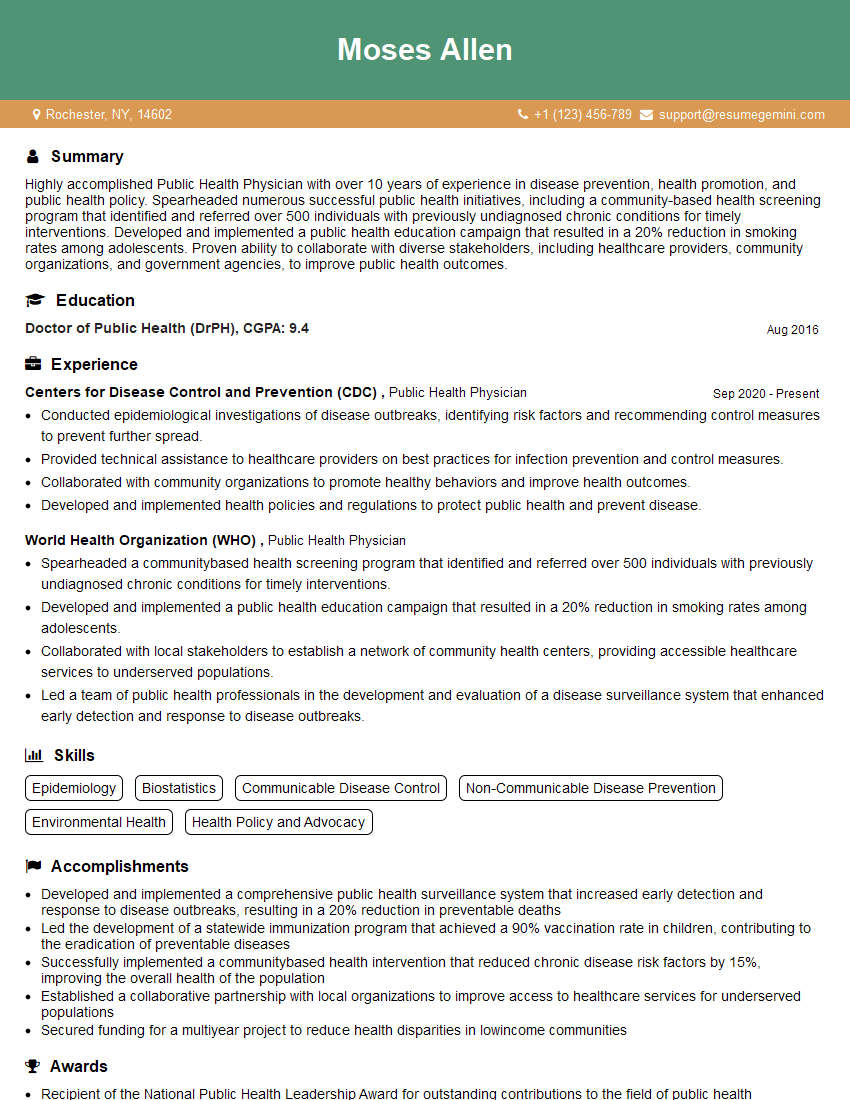
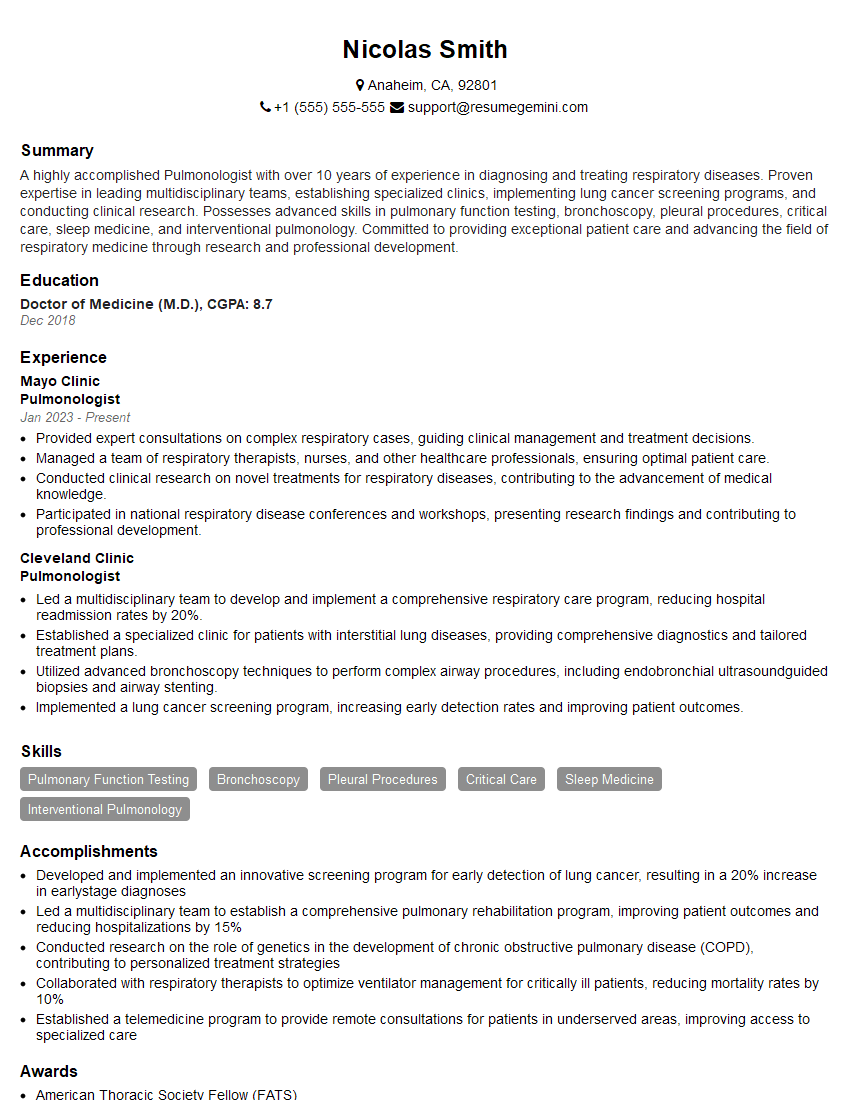
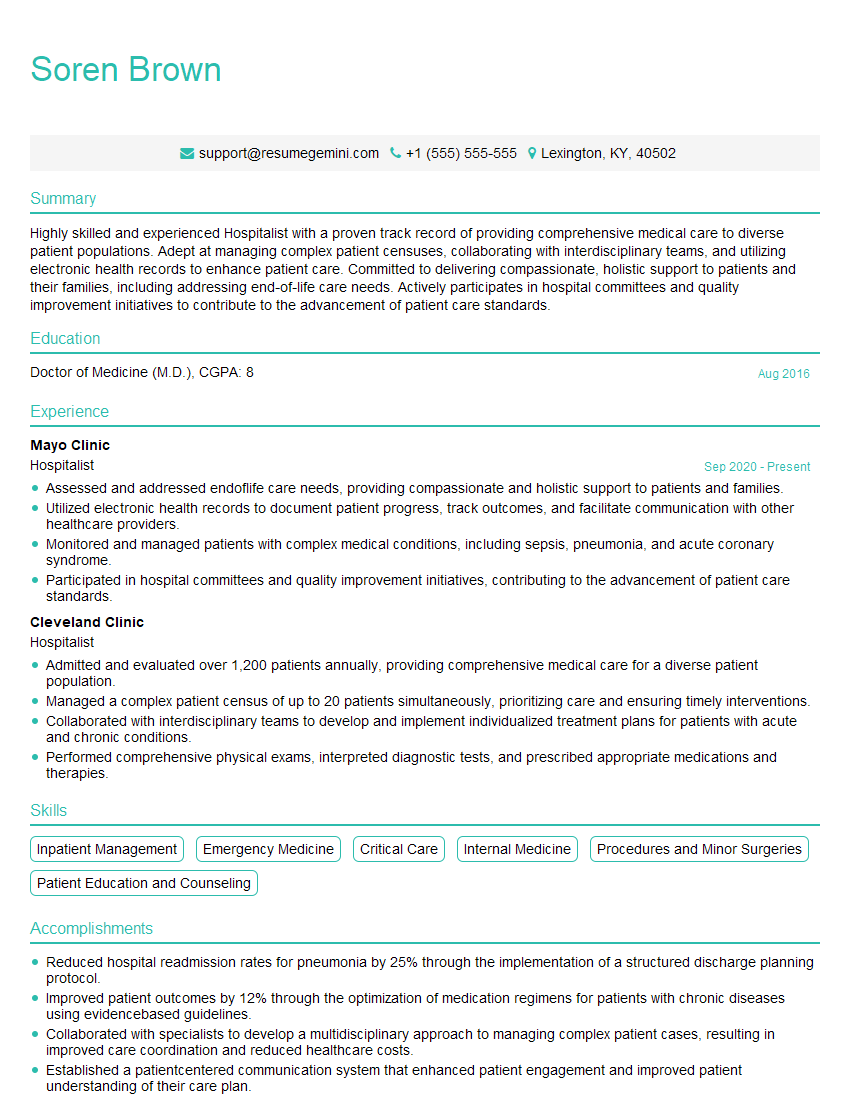
Mastering your understanding of pneumonia is crucial for career advancement in respiratory care, infectious disease, and related fields. A strong foundation in this area showcases your clinical skills and problem-solving abilities, making you a highly competitive candidate. To further enhance your job prospects, create an ATS-friendly resume that effectively highlights your qualifications. ResumeGemini is a trusted resource to help you build a professional and impactful resume that grabs recruiters’ attention. Examples of resumes tailored specifically to highlight experience in pneumonia are available, allowing you to showcase your expertise in the best possible light.
Explore more articles
Users Rating of Our Blogs
Share Your Experience
We value your feedback! Please rate our content and share your thoughts (optional).
What Readers Say About Our Blog
To the interviewgemini.com Webmaster.
Very helpful and content specific questions to help prepare me for my interview!
Thank you
To the interviewgemini.com Webmaster.
This was kind of a unique content I found around the specialized skills. Very helpful questions and good detailed answers.
Very Helpful blog, thank you Interviewgemini team.