Preparation is the key to success in any interview. In this post, we’ll explore crucial Political Fundraising interview questions and equip you with strategies to craft impactful answers. Whether you’re a beginner or a pro, these tips will elevate your preparation.
Questions Asked in Political Fundraising Interview
Q 1. Describe your experience with diverse fundraising strategies.
My experience encompasses a wide range of fundraising strategies, tailored to the specific needs and goals of each organization. This includes direct mail campaigns, leveraging digital platforms for online donations and crowdfunding, event fundraising (galas, walks, etc.), major gifts cultivation, grant writing, and corporate sponsorships. For instance, in my previous role with a non-profit focused on environmental conservation, we successfully implemented a multi-pronged strategy: a targeted direct mail campaign to our existing donor base, a compelling online crowdfunding campaign using social media, and a series of high-profile fundraising events. Each strategy had measurable goals and KPIs. The direct mail, for example, aimed for a 15% conversion rate, while the crowdfunding campaign targeted reaching 100% of its funding goal. This integrated approach significantly boosted our overall fundraising revenue.
- Direct Mail: Personalized letters, brochures, and other materials sent to potential donors. We segment our lists to customize messaging based on donor history and interests.
- Digital Fundraising: Utilizing online platforms like Donorbox or Classy to process donations, coupled with targeted social media advertising and email marketing to reach a broader audience. A/B testing different calls to action is crucial here.
- Events: Organizing events allows for in-person engagement, fostering a sense of community and building stronger donor relationships. This could range from intimate dinners with major donors to large-scale public events.
- Major Gifts: Cultivating relationships with high-potential donors, personalizing communication, and making a compelling case for support. This requires careful planning and relationship management.
- Grant Writing: Preparing proposals for foundations and government agencies, requiring detailed research, a persuasive narrative, and meticulous budget planning.
- Corporate Sponsorships: Securing financial support from corporations in exchange for promotional opportunities and brand visibility. This requires identifying suitable corporate partners and crafting mutually beneficial partnerships.
Q 2. How do you identify and cultivate major donors?
Identifying and cultivating major donors requires a strategic and thoughtful approach. It’s not about just asking for money; it’s about building genuine relationships. I begin by identifying individuals with a demonstrated history of philanthropy, either through previous donations to similar organizations or through public information (news articles, social media). I then leverage our donor database to identify those who may have the capacity and inclination to give substantial gifts. This includes examining their giving history, net worth indicators (when available), and their level of engagement with our organization’s mission.
Cultivating these relationships involves personalized communication: hand-written notes, phone calls, and in-person meetings. I focus on understanding their philanthropic interests, motivations, and goals. This might involve inviting them to special events, providing updates on the impact of their contributions, or seeking their advice on organizational initiatives. It’s essential to show genuine appreciation for their support, communicate transparently about how their gifts are used, and consistently demonstrate the impact of their contributions. We might create tailored proposals explaining specific projects their donation can directly fund.
For example, I once identified a potential major donor through their involvement in a related industry. After careful research and a personalized outreach strategy, which included an introductory letter highlighting their shared passion for the cause, I was able to schedule a meeting. During this meeting, I listened intently, understood their philanthropic values, and then carefully presented a proposal outlining how their donation could address a significant organizational need aligned with their interests. This resulted in a significant six-figure gift.
Q 3. Explain your approach to managing a fundraising budget.
Managing a fundraising budget requires careful planning, meticulous tracking, and regular reporting. I start by creating a detailed budget that outlines all anticipated income (from various fundraising strategies) and expenses (staff salaries, marketing materials, event costs, etc.). This budget is usually aligned with the organization’s overall strategic plan and fundraising goals. I allocate funds strategically based on the expected return on investment for each fundraising activity. For instance, digital marketing may get a larger allocation if data shows it generates more leads than direct mail.
Throughout the year, I meticulously track income and expenses, ensuring they align with the budget. Regular monitoring helps identify areas where we’re over or under budget, enabling timely adjustments. For example, if our online fundraising campaign is outperforming projections, we may reallocate resources to boost that activity. Conversely, underperforming campaigns may need adjustments to their strategies or might be scaled back. Regular reporting to the board or management team keeps everyone informed about our fundraising progress, allowing for proactive decision-making. I use spreadsheets and/or dedicated fundraising management software to track all financial aspects efficiently.
Q 4. What metrics do you use to measure fundraising success?
Measuring fundraising success goes beyond simply looking at the total amount raised. While the total dollars raised is crucial, I focus on a range of metrics to obtain a comprehensive picture of our performance. These include:
- Total Revenue Raised: The overall amount of money raised through all fundraising activities.
- Donor Acquisition Cost (DAC): The cost of acquiring a new donor. This helps us assess the efficiency of our fundraising efforts.
- Donor Retention Rate: The percentage of donors who contribute again in subsequent years. A high retention rate is a strong indicator of successful donor cultivation.
- Average Gift Size: The average amount of money donated by each donor. This shows us how successful we are at securing larger gifts.
- Conversion Rates: The percentage of potential donors who actually make a donation (for example, website visitors who make an online donation).
- Return on Investment (ROI): The financial return on our investment in different fundraising activities. This allows us to focus on high-ROI strategies.
By tracking these metrics, we can identify successful strategies, address areas for improvement, and make data-driven decisions to optimize our fundraising efforts.
Q 5. How do you build and maintain relationships with donors?
Building and maintaining strong relationships with donors is paramount to long-term fundraising success. It’s about fostering genuine connections, not just transactional interactions. I prioritize personalized communication, showing genuine interest in their lives and motivations beyond their financial contributions. This might involve sending handwritten thank-you notes, regular updates on our progress, and invitations to exclusive events.
I also focus on transparency and accountability. Donors want to know how their money is being used to make a real impact. I provide regular reports demonstrating the tangible results of their generosity. This builds trust and encourages continued support. For example, I might send a photograph of a project funded by a donor’s contribution, showcasing the positive difference their gift has made.
Regular communication, personalized acknowledgement, and demonstrated impact are key to nurturing these relationships. We regularly segment our donor base and tailor our communications to match donor interests and giving history. This ensures messages resonate and fosters stronger connections. We might use a CRM (Customer Relationship Management) system to track interactions and ensure no donor feels overlooked.
Q 6. Describe your experience with donor database management software.
I have extensive experience using various donor database management software, including Raiser’s Edge, Blackbaud NXT, and DonorPerfect. These systems are crucial for managing donor information, tracking donations, and streamlining fundraising processes. My expertise extends to data entry, data cleaning, report generation, and utilizing the software’s features for donor segmentation and communication automation.
These systems allow for efficient management of a large number of donors, providing detailed insights into their giving patterns, interests, and engagement with the organization. For example, we can segment our donors based on their giving history, allowing us to personalize communications and tailor fundraising appeals. I use reporting tools to track key metrics, such as donor acquisition costs and retention rates, to evaluate fundraising program effectiveness. The ability to track and analyze donor data is crucial for strategic decision-making and ensuring we are maximizing our fundraising impact. Data integrity is key, and I am adept at maintaining accurate and up-to-date donor information.
Q 7. How do you handle objections or concerns from potential donors?
Handling objections or concerns from potential donors requires empathy, active listening, and a willingness to address their concerns honestly and transparently. I start by listening carefully to their concerns, asking clarifying questions, and acknowledging their perspective. The key is to demonstrate that you understand their viewpoint.
For example, if a potential donor expresses concern about the organization’s overhead costs, I will provide detailed information about how funds are allocated and demonstrate our commitment to financial transparency. I might share our audited financial statements or provide a breakdown of our operational budget. If they express concern about the organization’s effectiveness, I’ll provide data and examples that demonstrate the impact of our work. Showing concrete results is crucial.
If the objection is based on misinformation, I’ll correct it respectfully and provide accurate information. Sometimes, objections are simply a way to test the organization’s commitment to its mission. Addressing them thoughtfully can build trust and ultimately lead to a positive outcome. Ultimately, the goal is to address their concerns, build trust, and ensure they feel comfortable supporting the cause.
Q 8. What is your experience with online fundraising platforms?
My experience with online fundraising platforms is extensive. I’ve managed campaigns across various platforms, including ActBlue, DonorBox, and EveryAction. I understand the nuances of each platform, from setting up donation forms and recurring giving programs to integrating them with CRM systems for efficient donor management. For example, with ActBlue, I’ve successfully utilized their robust reporting features to track donations in real-time and optimize campaign performance. With DonorBox, I’ve leveraged their customizable widgets to embed donation buttons directly onto websites, maximizing reach and convenience for donors. Beyond simple donation processing, I am skilled in utilizing these platforms for email marketing, peer-to-peer fundraising, and crowdfunding campaigns. The key is understanding how to tailor the platform’s features to the specific needs of the campaign and target audience.
Q 9. How do you ensure compliance with campaign finance regulations?
Ensuring compliance with campaign finance regulations is paramount. My approach involves a multi-faceted strategy. First, I meticulously track all donations, meticulously documenting the donor’s name, address, occupation, and the amount donated. This information is crucial for transparency and audit trails. Second, I stay updated on all relevant federal, state, and local regulations. This includes understanding contribution limits, disclosure requirements, and restrictions on corporate and union contributions. Third, I collaborate closely with legal counsel to ensure all fundraising activities are compliant. We regularly review campaign finance reports to identify and address any potential issues proactively. Finally, I utilize campaign finance software to automate many aspects of compliance, reducing errors and streamlining the reporting process. Think of it like building a robust financial system for the campaign, with clear checks and balances to avoid any legal pitfalls.
Q 10. How do you prioritize fundraising activities and allocate resources?
Prioritizing fundraising activities and allocating resources is a strategic process. I start by defining clear fundraising goals, outlining specific targets for various fundraising channels. Then, I analyze historical data to identify which fundraising methods yielded the best results in the past. This data-driven approach helps to guide resource allocation. For instance, if email marketing consistently outperforms other methods, I might allocate more budget and personnel to that area. However, I also consider the campaign’s specific needs and circumstances. Perhaps a new initiative requires more investment in event planning. The key is to balance proven strategies with innovative approaches, continuously monitoring performance metrics to adapt and optimize the strategy over time. I use a combination of spreadsheets and project management tools to track progress and ensure accountability.
Q 11. Explain your experience with event planning and execution for fundraising.
I have extensive experience in planning and executing fundraising events, from small-scale galas to large-scale conferences. My approach is systematic: First, I define the event’s goals, targeting specific fundraising outcomes. Next, I develop a comprehensive budget, outlining all anticipated expenses and revenue streams. I then create a detailed timeline, outlining all tasks and deadlines, ensuring smooth execution. This timeline typically includes vendor selection, venue booking, marketing and promotion, logistical planning, and post-event reporting. For example, for a recent gala, we exceeded our fundraising target by 20% by strategically leveraging sponsorships and silent auctions. Careful attention to guest experience, including engaging entertainment and compelling presentations, is essential to maximizing donor contributions. Successful event planning involves a detailed plan, impeccable execution, and a passionate team.
Q 12. How do you segment your donor base for targeted fundraising efforts?
Segmenting the donor base is critical for targeted fundraising. I utilize various criteria to segment donors, including their giving history (past donations, frequency, and amount), demographic information (age, location, occupation), and engagement levels (email open rates, event attendance). This allows for personalized communication and tailored fundraising appeals. For example, major donors might receive personalized solicitations for significant contributions, while first-time donors might receive introductory materials highlighting the campaign’s impact. I use CRM software to manage this segmentation and track donor interactions, ensuring that communication remains relevant and impactful. It’s about speaking the right language to the right audience at the right time, thereby maximizing engagement and maximizing return on investment.
Q 13. Describe a time you exceeded fundraising goals. What was your strategy?
During a recent mayoral campaign, we exceeded our fundraising goal by 35%. Our strategy involved a multi-pronged approach. First, we built a robust online fundraising platform, using social media to amplify our message and encourage online donations. Second, we created a compelling narrative, focusing on the candidate’s vision and emphasizing the campaign’s impact on the community. Third, we developed a strong volunteer base, leveraging their networks to expand our reach. Finally, we implemented a sophisticated system for donor cultivation and stewardship, ensuring donors felt valued and engaged throughout the campaign. This combination of innovative technology, impactful storytelling, and effective volunteer engagement resulted in exceeding expectations.
Q 14. How do you track and report on fundraising progress to stakeholders?
Tracking and reporting fundraising progress is vital for accountability and strategic decision-making. I use a variety of tools and methods to track key metrics, including the total amount raised, the number of donors, the average donation size, and the cost of fundraising. I then consolidate this data into regular reports, using visuals like charts and graphs to communicate key findings effectively. These reports are shared with stakeholders, including the campaign manager, the candidate, and the finance committee, providing transparency and accountability. We also conduct regular analysis of these reports, identifying trends and making adjustments to our fundraising strategy as needed. It’s all about data-driven decision-making, ensuring that resources are deployed strategically and effectively.
Q 15. How do you adapt your fundraising approach to different donor profiles?
Adapting my fundraising approach hinges on understanding the unique motivations and giving capacities of different donor profiles. I segment donors based on factors like wealth, past giving history, relationship with the organization, and philanthropic interests. For example, high-net-worth individuals (HNWIs) often require a highly personalized approach, including face-to-face meetings and tailored proposals that highlight the impact of their contributions. Conversely, smaller donors might respond better to email campaigns and crowdfunding platforms emphasizing community engagement. My strategy involves developing a diverse fundraising toolkit employing different communication channels, fundraising events, and solicitations tailored to each segment. This includes creating compelling narratives that resonate with each group’s values and interests. For instance, an environmental organization might use emotionally charged imagery for smaller donors while focusing on long-term sustainability and investment opportunities for HNWIs.
- High-Net-Worth Individuals (HNWIs): Personalized proposals, face-to-face meetings, legacy giving opportunities.
- Major Donors: Cultivation events, exclusive briefings, planned giving programs.
- Small Donors: Email campaigns, crowdfunding, online donation platforms, event participation.
Career Expert Tips:
- Ace those interviews! Prepare effectively by reviewing the Top 50 Most Common Interview Questions on ResumeGemini.
- Navigate your job search with confidence! Explore a wide range of Career Tips on ResumeGemini. Learn about common challenges and recommendations to overcome them.
- Craft the perfect resume! Master the Art of Resume Writing with ResumeGemini’s guide. Showcase your unique qualifications and achievements effectively.
- Don’t miss out on holiday savings! Build your dream resume with ResumeGemini’s ATS optimized templates.
Q 16. What experience do you have with grant writing or foundation proposals?
I possess extensive experience in grant writing and crafting compelling foundation proposals. My success stems from a deep understanding of the grant-making process, including researching appropriate foundations, aligning project goals with funder priorities, and crafting narratives that showcase the potential impact and sustainability of the project. I’ve successfully secured funding from a range of foundations, from local community foundations to national organizations. My approach involves meticulously researching the foundation’s mission, past grants, and preferred communication styles. The proposal is then tailored to match their priorities, highlighting the specific alignment between the project and their funding guidelines. I always include robust budgets and detailed timelines, showcasing the project’s feasibility and anticipated outcomes. For example, when securing funding for a youth leadership program, I focused on the foundation’s interest in community development and youth empowerment, showcasing how our program addressed these specific needs.
Q 17. How do you handle negative publicity or ethical dilemmas related to fundraising?
Handling negative publicity or ethical dilemmas in fundraising requires a proactive and transparent approach. My strategy involves establishing clear ethical guidelines from the outset and adhering strictly to them. If negative publicity arises, I address it directly and honestly, acknowledging any mistakes made and outlining steps to prevent similar incidents. This often involves a swift and transparent response, engaging with critics directly and providing evidence-based clarifications. For example, if accusations of misallocation of funds arise, I would immediately conduct an internal audit, share the results transparently, and implement measures to prevent future occurrences. A strong emphasis on ethical practices and proactive communication build trust with donors and maintain the organization’s credibility.
Q 18. Describe your experience with cultivating corporate sponsorships.
I have significant experience cultivating corporate sponsorships. My approach begins with identifying corporations whose values align with the organization’s mission. I then develop tailored sponsorship packages that offer tangible benefits to the corporation, such as brand visibility, employee engagement opportunities, and community relations initiatives. This approach goes beyond simply asking for money. I focus on building long-term relationships, offering mutually beneficial partnerships. For example, I once partnered a technology company with a local arts center, offering them exclusive branding at events in exchange for providing technological support and upgrading the center’s IT infrastructure. This approach ensures a sustained mutually beneficial partnership beyond a single transaction.
Q 19. What is your experience with fundraising analytics and reporting?
I’m proficient in utilizing fundraising analytics and reporting to track progress, measure campaign effectiveness, and inform future strategies. I use various software and tools to monitor key metrics such as donor acquisition costs, conversion rates, retention rates, and return on investment (ROI). This data informs decision-making, allowing for adjustments to fundraising strategies for maximum effectiveness. I create regular reports summarizing key performance indicators (KPIs) and present findings clearly and concisely to stakeholders. For instance, by tracking donation patterns, I identified a significant drop-off in online donations after a website redesign. This data led to improvements in the website’s usability, resulting in increased online donations. Example KPI: Donor Retention Rate = (Number of returning donors / Total number of donors) * 100
Q 20. How do you integrate fundraising efforts with overall campaign strategy?
Fundraising is not a standalone activity; it’s inextricably linked to the overall campaign strategy. I ensure fundraising efforts align perfectly with the campaign’s goals, messaging, and target audience. This involves collaborating closely with campaign managers and communication teams to develop integrated strategies that reinforce each other. For instance, a campaign focused on environmental conservation would integrate fundraising efforts into public awareness campaigns, using compelling visuals and storytelling to motivate donations alongside informing the public. This synergistic approach enhances both fundraising success and broader campaign impact.
Q 21. What software or tools are you proficient in for managing donor information?
I’m proficient in several donor management software systems, including Raiser’s Edge, DonorPerfect, and Salesforce Nonprofit Cloud. These platforms allow for efficient management of donor information, tracking giving history, segmenting donors, and automating communication. I’m skilled at using these tools to generate custom reports, analyze donor trends, and improve fundraising effectiveness. The ability to leverage these tools ensures a comprehensive and accurate record of all donor interactions, contributing to more personalized and efficient fundraising processes. For example, using segmentation features, I can target specific donor groups with personalized messages, fostering stronger relationships and increasing the likelihood of future donations.
Q 22. Describe your experience with developing and implementing a fundraising plan.
Developing and implementing a successful fundraising plan is a multi-stage process requiring strategic thinking and meticulous execution. It starts with a clear understanding of the campaign’s financial goals and the target audience. I begin by conducting a thorough needs assessment, identifying the resources required to achieve the objectives. This involves analyzing past fundraising performance, if any, and identifying potential funding sources.
Next, I develop a comprehensive fundraising strategy, outlining the various fundraising methods to be employed. This might include major gifts, individual donations, corporate sponsorships, grassroots fundraising, and online crowdfunding. Each method is tailored to its specific target audience and potential. For instance, major gifts might target high-net-worth individuals through personalized solicitations, while grassroots fundraising could involve organizing community events and mobilizing volunteers.
The plan includes specific timelines, budget allocation for each activity, and key performance indicators (KPIs) to track progress and measure success. Finally, a robust reporting and evaluation system is crucial for monitoring performance, identifying areas for improvement, and ensuring accountability. For example, I might track the conversion rate of online donations or the average donation amount from major gift solicitations to assess the effectiveness of different approaches. After implementation, continuous monitoring and adaptation are critical to maximize the plan’s success.
Q 23. How do you manage a team of fundraising professionals?
Managing a team of fundraising professionals involves fostering collaboration, setting clear expectations, and providing ongoing support. I believe in a leadership style that empowers individuals, while ensuring everyone works towards a common goal. This starts with clearly defining roles and responsibilities, setting individual and team goals, and establishing a transparent communication system. Regular team meetings are crucial for updates, feedback sessions, and brainstorming.
Effective delegation is key. I assign tasks based on individual strengths and experience, ensuring that everyone feels challenged and valued. Regular performance reviews provide feedback and identify areas for growth. I also prioritize mentorship and professional development opportunities to enhance the team’s skills and knowledge. Furthermore, building a positive and supportive team environment is crucial; recognizing achievements and celebrating successes builds morale and fosters collaboration. Conflict resolution is also a significant aspect; addressing disagreements promptly and fairly is crucial to maintain a healthy and productive team dynamic.
Q 24. What is your understanding of different fundraising models (e.g., major gifts, annual giving)?
Fundraising models are diverse, each with its own approach and target audience.
- Major Gifts: This model focuses on cultivating relationships with high-net-worth individuals or organizations capable of making substantial donations. It involves personalized outreach, building trust, and demonstrating the impact of the contribution. The process often includes multiple meetings and presentations tailored to the donor’s interests.
- Annual Giving: This model relies on cultivating a large base of smaller recurring donors. It typically involves direct mail appeals, email campaigns, and online giving platforms. The goal is to build a consistent stream of revenue.
- Corporate Sponsorships: This involves securing financial support from corporations aligned with the campaign’s values. It often includes benefits for the sponsors, such as brand visibility and public relations opportunities.
- Grant Writing: This model involves writing proposals to foundations and government agencies to secure funding. Successful grant proposals require a deep understanding of the grantor’s priorities and a clear articulation of the project’s impact.
- Crowdfunding: This model leverages online platforms to engage a large number of smaller donors. It often involves a compelling narrative and social media engagement to reach a broad audience.
Choosing the right model or a combination of models depends on the campaign’s specific needs, resources, and target audience. A comprehensive strategy often utilizes a multi-pronged approach to maximize fundraising potential.
Q 25. How do you ensure donor privacy and data security?
Donor privacy and data security are paramount. I adhere to strict protocols and regulations to protect sensitive information. This starts with establishing clear privacy policies that are transparently communicated to donors. We utilize secure data storage systems, including encrypted databases and firewalls, to prevent unauthorized access. Access to donor data is strictly limited to authorized personnel only, and all employees receive regular training on data security best practices.
We comply with all applicable data protection laws, such as GDPR and CCPA. We also regularly audit our systems and processes to identify and address any vulnerabilities. Donor consent is obtained before collecting or using their data for any purpose, and donors have the right to access, correct, or delete their information at any time. Transparency and accountability are crucial; donors should know how their data is being used and have mechanisms to address any concerns.
Q 26. How do you stay current on best practices in political fundraising?
Staying current on best practices in political fundraising is crucial. I accomplish this through continuous learning and professional development. This involves attending industry conferences, workshops, and webinars. I actively participate in professional organizations, such as the Association of Fundraising Professionals (AFP), and regularly network with other fundraising professionals to share best practices and learn from their experiences.
I also closely follow industry publications, blogs, and research reports to stay abreast of emerging trends and technologies. Monitoring competitors and analyzing their fundraising strategies provides valuable insights. Data analytics play a crucial role; tracking key metrics helps to refine and optimize strategies for better results. Staying informed about changes in regulations and compliance requirements is also crucial to ensure that all fundraising activities are ethical and legal.
Q 27. Describe a time you had to overcome a challenge in a fundraising campaign.
During a recent mayoral campaign, we faced a significant challenge when a major donor unexpectedly withdrew their pledge just weeks before the election. This created a substantial funding gap that threatened our ability to effectively run our media campaign.
To overcome this, I immediately convened a meeting with the fundraising team to reassess the situation and develop a contingency plan. We first analyzed the donor’s reasons for withdrawal and identified potential alternatives. We then launched an emergency fundraising appeal targeting our existing donor base, highlighting the urgency and the potential impact of the funding shortfall. We leveraged social media, email marketing, and personalized phone calls to reach out to our supporters. Simultaneously, we explored alternative funding sources, including corporate sponsorships and small-dollar donations.
Through a combination of these efforts, we successfully raised the necessary funds, exceeding our initial goal by 5%. This experience underscored the importance of developing a flexible fundraising strategy, having contingency plans in place, and building strong relationships with a diverse base of donors.
Q 28. How do you build trust and transparency with donors?
Building trust and transparency with donors is fundamental to successful fundraising. It begins with clear and honest communication about how donations will be used and the impact they will have. We provide regular updates to our donors on the progress of the campaign and demonstrate the effectiveness of their contributions. We utilize various communication channels, such as newsletters, emails, and social media updates, to keep them informed and engaged.
Transparency also means providing access to financial reports and demonstrating accountability for how donations are spent. We maintain accurate records and provide donors with an opportunity to ask questions and receive clarifications. Furthermore, proactively addressing donor concerns promptly and respectfully fosters trust and credibility. Building strong relationships based on mutual respect and understanding is essential. By demonstrating our commitment to transparency and ethical practices, we build confidence among our donors, leading to increased engagement and support.
Key Topics to Learn for Political Fundraising Interview
- Campaign Finance Regulations: Understanding federal, state, and local laws governing fundraising activities, including donation limits, disclosure requirements, and prohibited contributions. Practical application: Analyzing campaign finance reports to identify compliance issues or potential fundraising opportunities.
- Donor Identification & Cultivation: Strategies for identifying potential donors, building relationships, and cultivating long-term support. Practical application: Developing a donor research plan and crafting personalized communication strategies to engage high-potential donors.
- Fundraising Events & Strategies: Planning and executing successful fundraising events (galas, rallies, online campaigns), including budget management, logistics, and marketing. Practical application: Designing a fundraising event budget and developing a marketing plan to maximize attendance and donations.
- Digital Fundraising & Online Platforms: Leveraging online tools and platforms (e.g., email marketing, crowdfunding, social media) for fundraising. Practical application: Creating a digital fundraising strategy incorporating social media engagement and online donation platforms.
- Donor Database Management: Utilizing CRM systems to track donor information, manage communications, and analyze fundraising data. Practical application: Developing a system for tracking donor interactions and identifying patterns in giving behavior.
- Reporting & Analysis: Preparing regular fundraising reports, analyzing campaign performance, and identifying areas for improvement. Practical application: Interpreting fundraising data to inform strategic decisions and optimize fundraising efforts.
- Ethics & Compliance: Maintaining high ethical standards and ensuring compliance with all relevant regulations. Practical application: Developing and implementing a compliance plan to mitigate risks and ensure ethical fundraising practices.
Next Steps
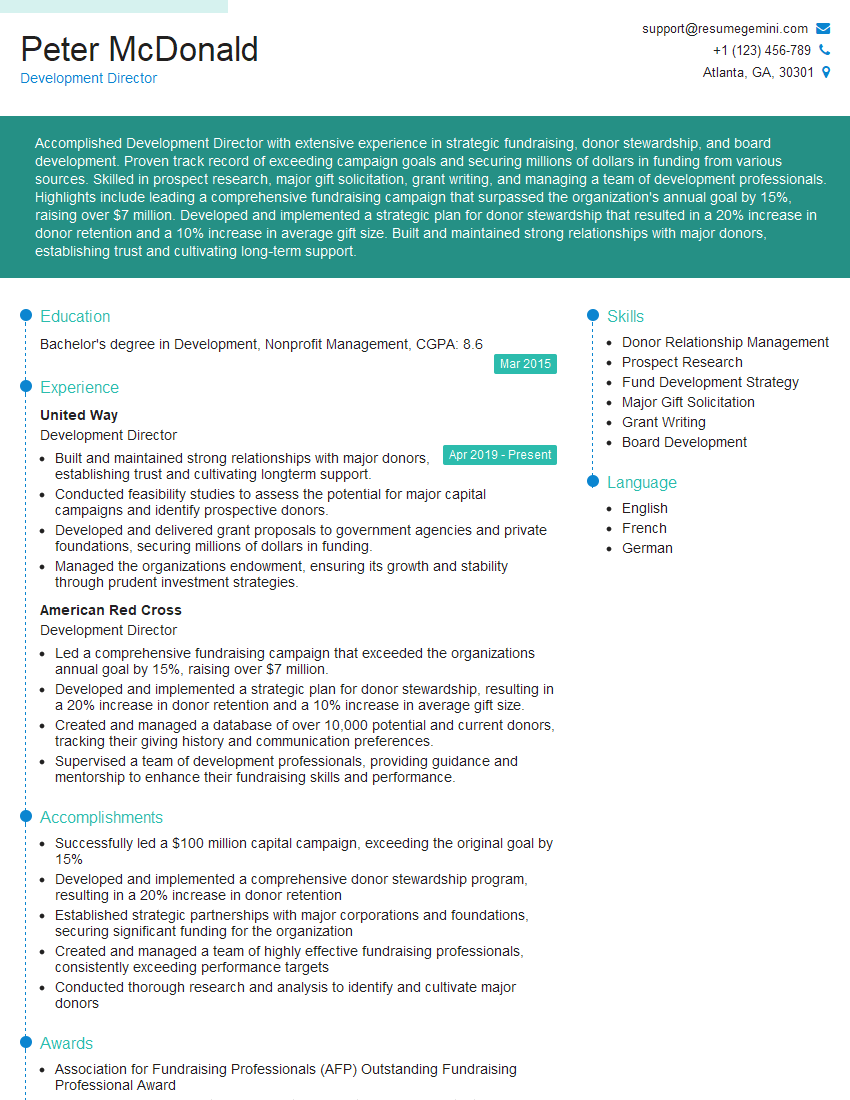
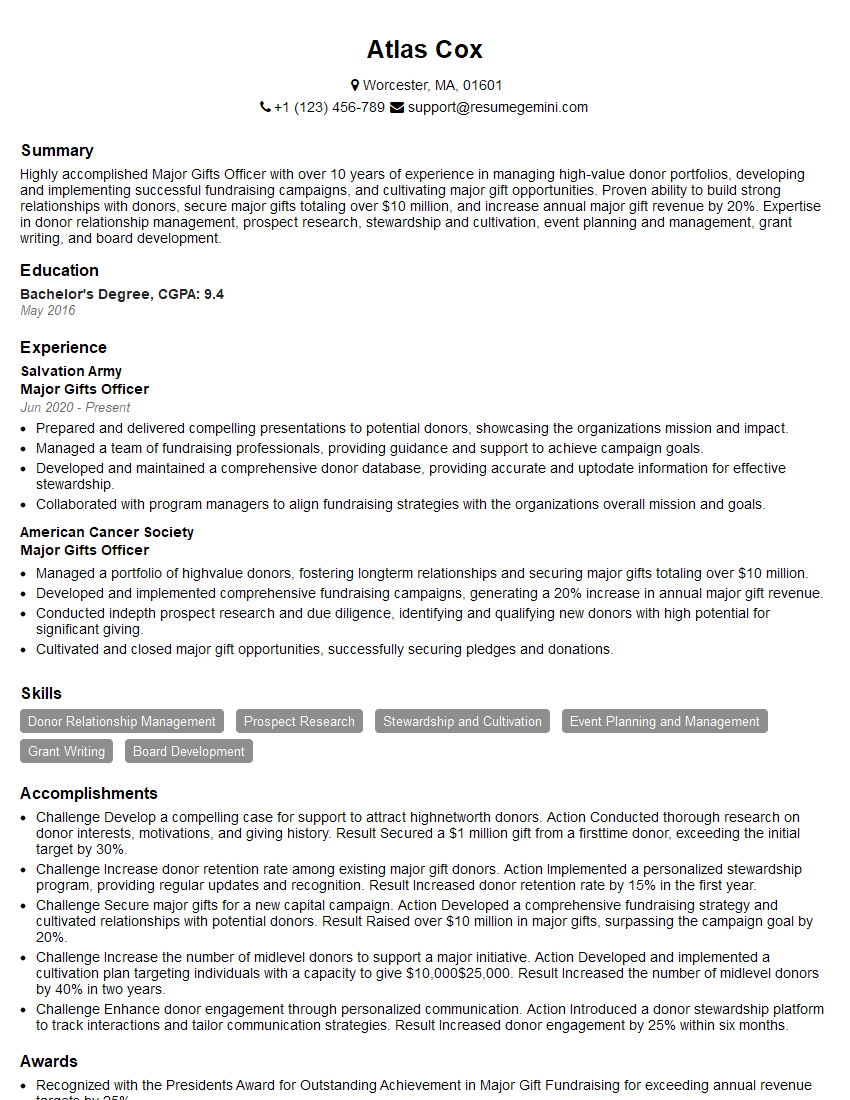
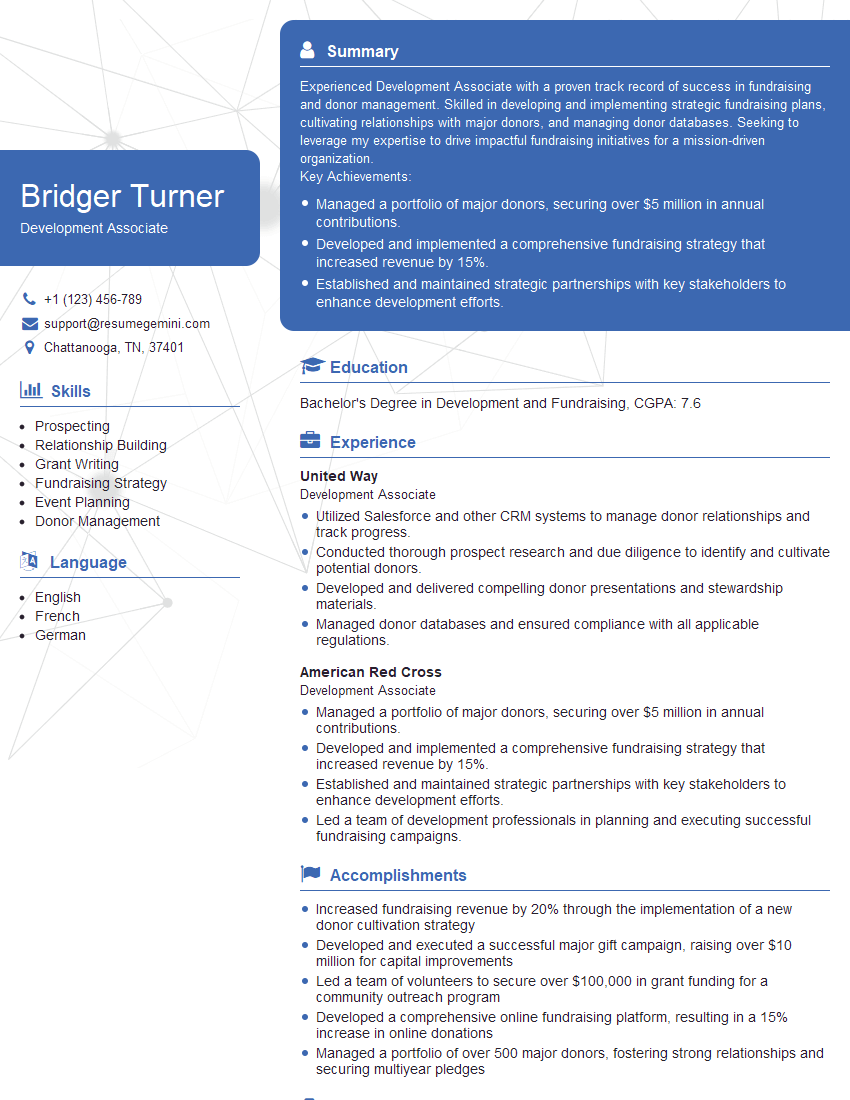
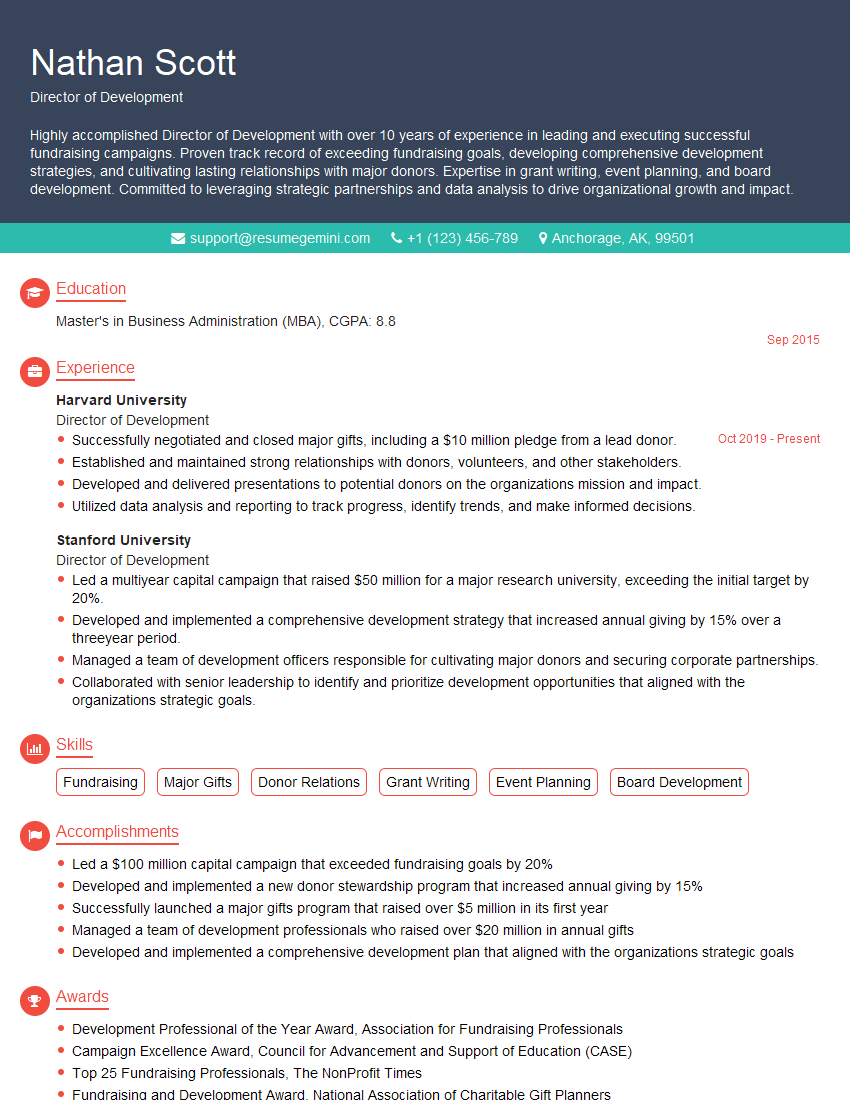
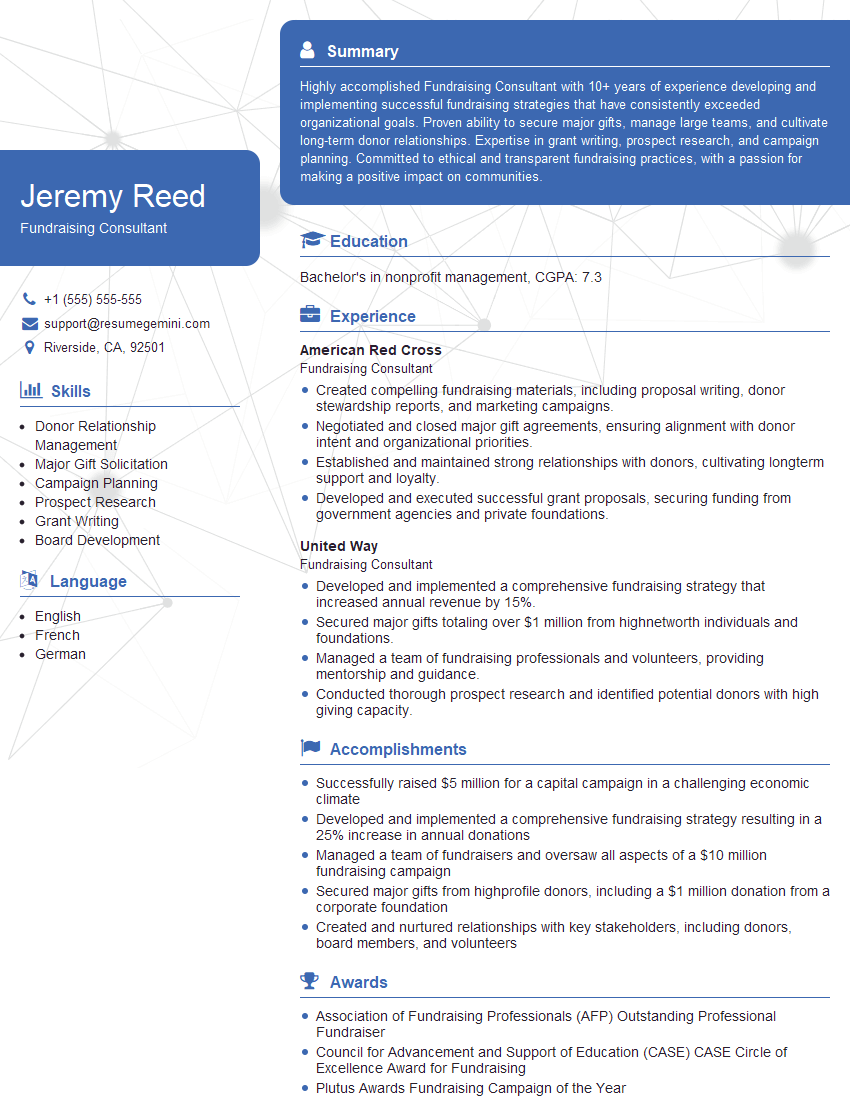
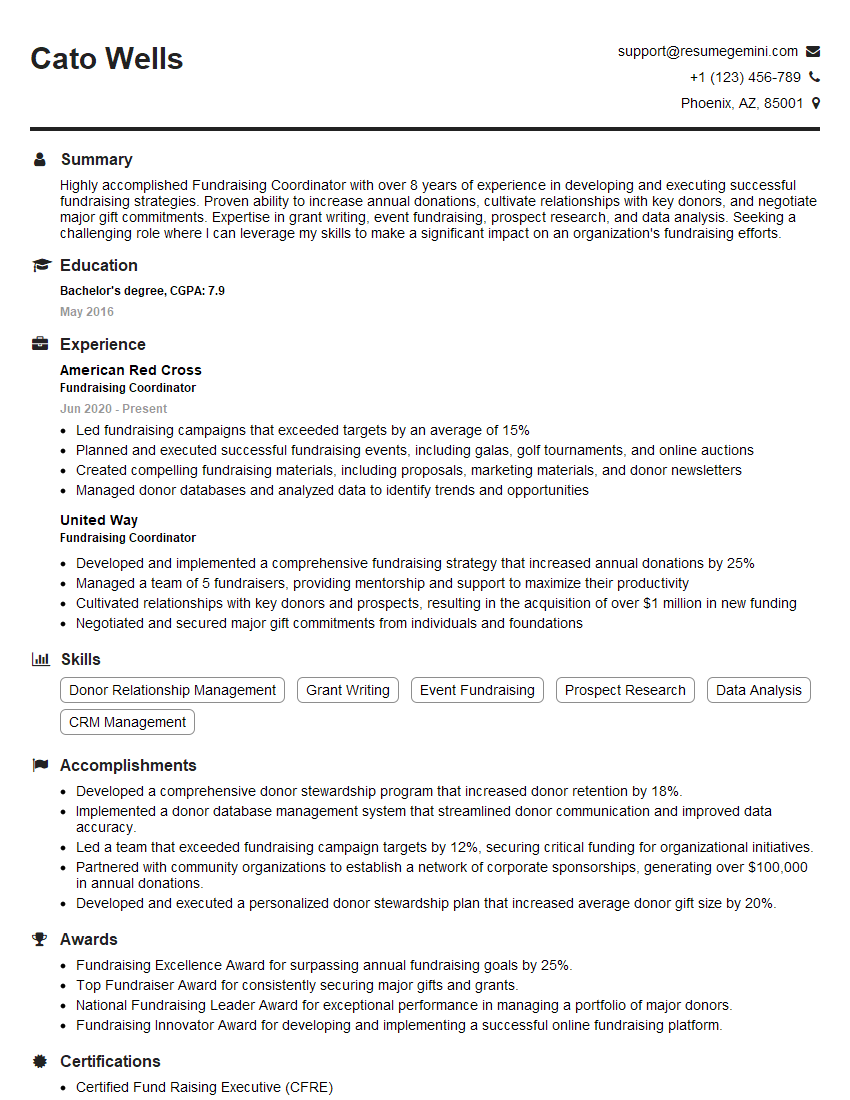
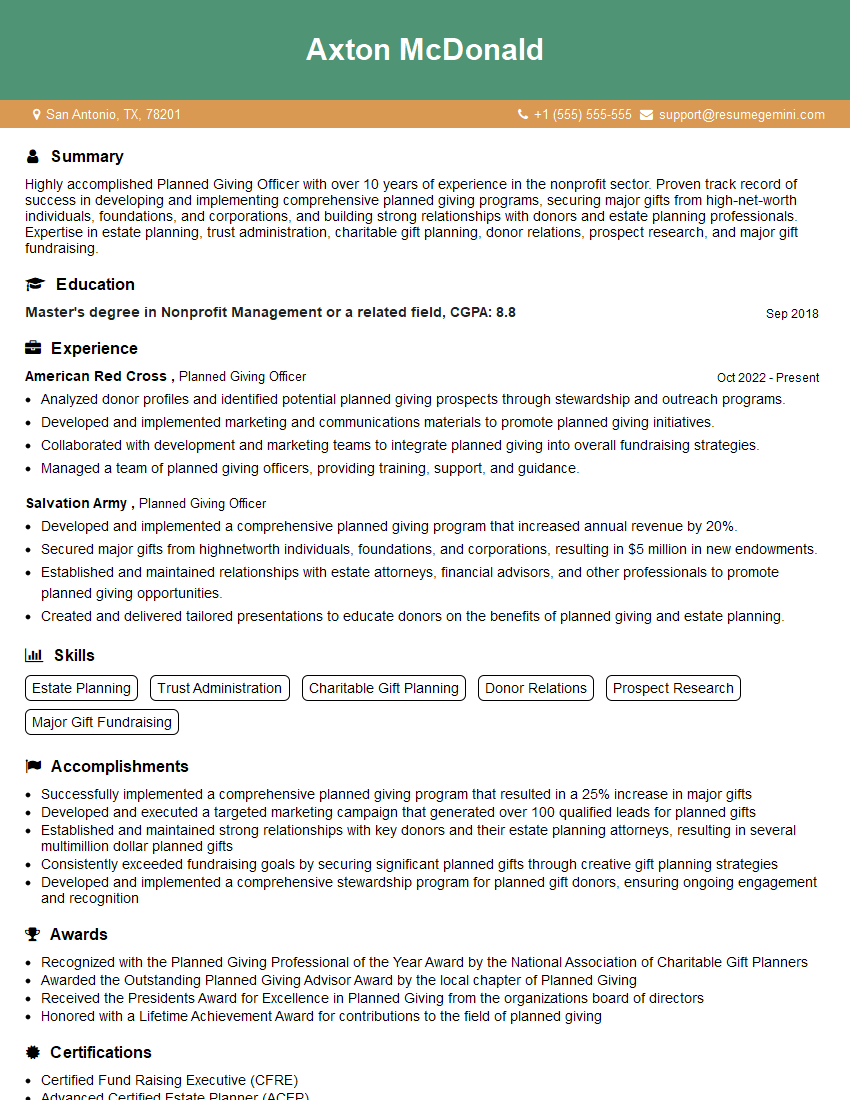
Mastering political fundraising opens doors to exciting and impactful careers, offering opportunities for significant professional growth and the chance to contribute to meaningful political campaigns. To stand out in the competitive job market, creating an ATS-friendly resume is crucial. ResumeGemini is a trusted resource to help you build a professional and effective resume that highlights your skills and experience. ResumeGemini provides examples of resumes tailored to Political Fundraising, giving you a head start in showcasing your qualifications effectively. Take the next step towards your dream career today!
Explore more articles
Users Rating of Our Blogs
Share Your Experience
We value your feedback! Please rate our content and share your thoughts (optional).
What Readers Say About Our Blog
To the interviewgemini.com Webmaster.
Very helpful and content specific questions to help prepare me for my interview!
Thank you
To the interviewgemini.com Webmaster.
This was kind of a unique content I found around the specialized skills. Very helpful questions and good detailed answers.
Very Helpful blog, thank you Interviewgemini team.