Cracking a skill-specific interview, like one for Pragmatics Therapy, requires understanding the nuances of the role. In this blog, we present the questions you’re most likely to encounter, along with insights into how to answer them effectively. Let’s ensure you’re ready to make a strong impression.
Questions Asked in Pragmatics Therapy Interview
Q 1. Define pragmatics and its relevance in communication.
Pragmatics is the branch of linguistics that deals with how context contributes to meaning. It’s not just about the words themselves (semantics) or the grammatical structure (syntax), but how we use language in social situations. Relevance in communication is paramount because it dictates how effectively we convey our message and understand others. Without effective pragmatics, communication breaks down, leading to misunderstandings and social difficulties. Imagine trying to order food at a restaurant without understanding the social nuances of ordering, asking for clarification, or expressing preferences – that’s the impact of poor pragmatic skills.
For example, saying “Can you pass the salt?” is grammatically correct and semantically clear. However, pragmatically, it’s a polite request, not a question about someone’s physical ability. The context (a dinner table) and the implied intention (a request) significantly contribute to the meaning.
Q 2. Explain the different aspects of pragmatic language skills.
Pragmatic language skills encompass several key areas:
- Using language for different purposes: This includes requesting, informing, commenting, persuading, and joking. A child with good pragmatic skills would know to use different language when asking for a toy versus explaining a rule to their sibling.
- Understanding different conversational styles: Recognizing formal vs. informal conversations, adapting language based on the listener (age, status), and understanding indirect language like sarcasm or metaphors. Imagine a teenager using different language with their parents compared to their friends—this reflects pragmatic competence.
- Following rules for conversation: This includes taking turns, staying on topic, repairing communication breakdowns, and showing an understanding of unspoken rules of conversation, like not interrupting excessively.
- Using nonverbal cues: Pragmatics also includes understanding and using facial expressions, body language, and tone of voice to support communication. A simple nod or smile can significantly impact how a message is received.
- Understanding the social context: Considering the situation, relationship with the listener, and cultural norms to appropriately convey meaning. This could involve using a different greeting in a formal business setting versus a casual party.
Q 3. Describe common pragmatic language impairments.
Common pragmatic language impairments can manifest in several ways:
- Difficulty understanding and using nonverbal cues: Children may struggle to interpret facial expressions or body language, leading to misinterpretations of social cues.
- Problems with turn-taking in conversation: They might interrupt frequently, talk excessively without giving others a chance to speak, or struggle to follow the flow of a conversation.
- Inappropriate language use: This can include using language that is too formal, informal, or direct for the context; difficulty understanding sarcasm or humor; or using socially unacceptable language.
- Difficulty understanding implied meaning: They might struggle with indirect requests, sarcasm, or metaphors, interpreting language literally.
- Topic maintenance issues: They may frequently change topics unexpectedly, struggle to stay on the subject, or have difficulty following the topic of a conversation.
- Difficulties initiating and maintaining conversations: They might struggle to start conversations or keep them going, leading to social isolation.
These difficulties can significantly impact social relationships, academic performance, and overall quality of life.
Q 4. How do you assess pragmatic language skills in children?
Assessing pragmatic language skills in children involves a multi-faceted approach. It goes beyond standardized tests and requires careful observation in various settings. We use a combination of methods:
- Observations in naturalistic settings: Observing the child’s interactions during playtime, with peers, and with adults to assess their conversational skills, nonverbal communication, and social interactions.
- Structured play tasks: Using games and activities to elicit specific pragmatic behaviors, such as turn-taking, request making, and responding to questions.
- Standardized tests: While not capturing the full picture, tests like the Pragmatic Profile of Early Childhood Communication (PPECC) or the Test of Pragmatic Language (TOPL) provide a quantitative measure of specific pragmatic skills.
- Parent and teacher reports: Gathering information from those who regularly interact with the child provides valuable context and insights into the child’s communication challenges in various settings.
- Language samples: Recording the child’s spontaneous speech during interactions provides valuable data for analysis of pragmatic features like turn-taking, topic maintenance, and cohesive language use.
It’s crucial to consider the child’s developmental level and cultural background during the assessment process.
Q 5. How do you assess pragmatic language skills in adults?
Assessing pragmatic skills in adults requires a different approach, focusing on more complex social situations and communication contexts. The assessment process often involves:
- Interviews: Gathering information about the individual’s communication difficulties through detailed conversations about their social interactions and challenges.
- Role-playing scenarios: Simulating realistic social situations to observe the individual’s communication strategies and problem-solving in those contexts.
- Observations in natural settings: Observing communication during meetings, social events, or job-related activities provides valuable insights into functional pragmatic skills.
- Analysis of discourse samples: Examining transcripts from conversations, presentations, or other communication samples to identify patterns of pragmatic challenges.
- Standardized measures for adults: While fewer standardized tools specifically target adult pragmatic skills, some tests, adapted or used in conjunction with other measures, might provide useful information.
- Questionnaires and self-reports: Gathering the adult’s perspective on their own communication strengths and weaknesses can enhance the overall assessment.
The focus here shifts towards the impact on the adult’s social, occupational, and personal life.
Q 6. What are the key assessment tools used in Pragmatics Therapy?
Several key assessment tools are used in pragmatics therapy, depending on the age and needs of the individual. These tools aid in identifying specific pragmatic deficits and guiding intervention strategies. Some examples include:
- Pragmatic Profile of Early Childhood Communication (PPECC): A widely used assessment tool for preschool-aged children.
- Test of Pragmatic Language (TOPL): Assesses pragmatic skills in older children and adolescents.
- Children’s Communication Checklist (CCC-2): Parent and teacher questionnaires that help identify communication difficulties.
- ABAB (or Reversal) Design: This is a research design, not a formal test, frequently used for single-case experimental designs to evaluate the effectiveness of therapeutic interventions, offering a means to assess progress.
- The Rating Scale of Nonverbal Communication (RSNC): This is a quantitative rating scale used to assess nonverbal communication skills in both children and adults.
Choosing the right tool depends on the individual’s age, suspected areas of weakness, and the specific goals of the assessment.
Q 7. Outline your approach to diagnosing pragmatic language disorders.
Diagnosing pragmatic language disorders involves a comprehensive process that goes beyond simply identifying pragmatic weaknesses. I adopt a holistic approach that takes into account:
- Comprehensive language assessment: This includes evaluating all aspects of language, including phonology, morphology, syntax, semantics, and pragmatics.
- Observations in various settings: Observing the individual’s communication in different contexts, such as at home, school, or work, to see how pragmatic skills function across situations.
- Review of medical and educational history: Gathering information about developmental milestones, medical conditions, and educational experiences can offer important contextual information.
- Consideration of cultural and linguistic background: Recognizing that cultural differences can influence communication styles and behaviors is crucial to avoid misinterpretations.
- Collaboration with other professionals: Working with teachers, therapists, physicians, and family members provides a multidisciplinary perspective and enhances the diagnostic accuracy.
The diagnosis isn’t just about labeling; it’s about understanding the individual’s strengths and weaknesses to develop a targeted intervention plan. A thorough assessment allows us to pinpoint specific areas needing improvement, leading to more effective therapy.
Q 8. Describe various intervention strategies used in Pragmatics Therapy.
Pragmatics therapy employs diverse intervention strategies tailored to the individual’s needs. These strategies aim to improve understanding and use of language in social contexts. They focus on improving communication skills like understanding social cues, turn-taking, topic maintenance, and using appropriate language in different situations.
- Social Stories™: These are personalized stories that describe social situations and the expected behaviors. For example, a social story might explain how to enter a conversation appropriately.
- Role-playing: Practicing social situations through role-playing allows clients to experience and rehearse appropriate responses. We might role-play ordering food at a restaurant or responding to a peer’s teasing.
- Video Modeling: Watching videos of peers or characters demonstrating appropriate social skills can be very effective. The client can then imitate the observed behaviors.
- Comic Strip Conversations: This visual approach helps clients sequence events in a conversation and understand the different perspectives involved. This is particularly useful for illustrating the nuances of indirect communication.
- Conversational Coaching: Providing real-time feedback and support during conversations helps clients learn to monitor their own communication and adjust their approach as needed.
- Direct Instruction: Explicitly teaching pragmatic language rules and strategies, such as understanding sarcasm or using different communication styles based on the relationship with the other person.
The choice of strategy depends on the client’s age, abilities, and specific pragmatic challenges. Often, a multimodal approach combining several strategies yields the best outcomes.
Q 9. Explain the role of social skills training in Pragmatics Therapy.
Social skills training is integral to pragmatics therapy. It’s not just about teaching grammar or vocabulary; it’s about teaching how to use language effectively within social interactions. We focus on the ‘how’ of communication, not just the ‘what’.
We incorporate specific social skills into therapy, including:
- Initiating and maintaining conversations: This involves learning how to start conversations, take turns, and keep the conversation flowing.
- Understanding nonverbal cues: This involves recognizing and interpreting body language, facial expressions, and tone of voice to understand the speaker’s intentions.
- Perspective-taking: This involves understanding different points of view and adapting communication style accordingly.
- Managing conflict: This involves learning how to resolve disagreements and handle difficult situations.
- Following social rules: This involves understanding and following the unwritten rules of social interaction in various settings.
For example, a client might struggle with understanding sarcasm. Social skills training would involve explicitly teaching the concept of sarcasm, practicing identifying it in various contexts, and then role-playing situations requiring a response to sarcastic comments.
Q 10. How do you adapt your therapy approach based on the client’s age and needs?
Adapting my approach to the client’s age and needs is crucial. Therapy for a preschooler will look significantly different from therapy for a teenager.
Younger Children (Preschool-Early Elementary): I rely more on play-based activities, visual aids like pictures and puppets, and simple, concrete examples. For example, I might use puppets to model appropriate turn-taking during a conversation.
Older Children and Adolescents: My approach becomes more abstract and incorporates advanced social scenarios, group activities, and peer interactions. We might use video modeling of realistic social situations and discuss the subtle nuances of communication.
Adults: Therapy may focus on workplace communication, social situations in community settings, or relationships. We might use cognitive behavioral techniques to address underlying anxieties or negative thought patterns that interfere with social interaction.
Regardless of age, I always assess the client’s strengths and challenges and tailor the therapy goals and strategies to their unique needs and learning styles. Regular progress monitoring allows for flexible adjustments to the plan as the client’s skills improve.
Q 11. Discuss the use of technology in Pragmatics Therapy.
Technology significantly enhances pragmatics therapy. It offers engaging and effective tools to supplement traditional methods.
- Augmentative and Alternative Communication (AAC) devices: These devices can help individuals with limited verbal skills communicate more effectively.
- Apps and software: Many apps provide interactive exercises and games to practice social skills and language comprehension. For example, apps that simulate different social situations can provide practice opportunities for various pragmatic skills.
- Video conferencing: This allows for remote therapy sessions, expanding access to care and providing opportunities for practicing skills in real-time virtual interactions.
- Virtual Reality (VR): Immersive VR environments can simulate realistic social situations, allowing clients to practice skills in a safe and controlled environment.
For instance, I might use a language app to practice using different types of questions or an AAC device to assist a client in expressing their needs more clearly. Technology can make therapy more interactive and motivating, improving client engagement and overall outcomes.
Q 12. Describe your experience working with clients with Autism Spectrum Disorder (ASD).
I have extensive experience working with clients with Autism Spectrum Disorder (ASD). Their pragmatic language skills often present unique challenges, such as difficulties with understanding nonverbal cues, maintaining eye contact, and interpreting social nuances.
My approach involves a combination of strategies, often including:
- Visual supports: Social stories, visual schedules, and picture exchange systems (PECS) can significantly help clients understand expectations and navigate social situations.
- Structured teaching: Breaking down social skills into smaller, manageable steps makes them more accessible. Using clear and consistent instructions is essential.
- Repetitive practice: Repetitive practice through role-playing and other activities helps build fluency and automaticity in social skills.
- Positive reinforcement: Reinforcing positive communication behaviors through praise and rewards greatly enhances motivation and learning.
I work closely with the client’s family and educational team to ensure consistency in implementing strategies across different settings. For example, I might collaborate with a teacher to implement a social skills group in the classroom, ensuring that the strategies used in therapy are consistently applied in the child’s daily life.
Q 13. How do you collaborate with other professionals (e.g., teachers, parents)?
Collaboration is essential for effective pragmatics therapy. I regularly communicate with teachers, parents, and other professionals to create a cohesive support system for the client.
With teachers, I share strategies for supporting pragmatic language skills in the classroom, such as providing visual supports, modifying assignments to suit the client’s needs, and reinforcing positive communication behaviors. We might collaboratively design social skills groups or create classroom-based interventions.
With parents, I provide guidance on how to support communication skills at home. This includes strategies for improving family communication, modeling appropriate social behaviors, and providing opportunities for practice in everyday situations. Regular feedback from parents is crucial for adjusting therapy goals and strategies based on the client’s progress in different environments.
Collaboration ensures consistency in applying strategies across various settings, maximizing the likelihood of success and generalizing the learned skills to real-world situations. It creates a unified approach and supports the holistic development of the client.
Q 14. Explain your understanding of evidence-based practices in Pragmatics Therapy.
Evidence-based practices are paramount in pragmatics therapy. I prioritize interventions supported by research demonstrating their effectiveness. This means relying on well-designed studies that show positive outcomes for clients with pragmatic language impairments.
I utilize several approaches based on current research findings:
- Social skills groups: Research consistently shows the benefits of peer interactions in improving social skills.
- Video modeling: Studies have proven the effectiveness of video modeling for teaching a variety of social skills.
- Conversational coaching: Real-time feedback and guidance have been shown to enhance communication skills significantly.
- Data-driven decision making: Regularly monitoring progress through data collection allows for effective modification of therapy strategies to ensure they are meeting the client’s needs and producing observable changes.
I continuously review current research to stay updated on the most effective and promising treatment approaches. I incorporate new evidence into my practice to ensure my clients receive the most beneficial and scientifically-supported intervention possible.
Q 15. How do you measure the effectiveness of your Pragmatics Therapy interventions?
Measuring the effectiveness of Pragmatics Therapy interventions requires a multifaceted approach, going beyond simple observation. We use a combination of standardized assessments, naturalistic observations, and parent/teacher reports.
Standardized Assessments: Tools like the CELF-5 (Clinical Evaluation of Language Fundamentals) or the Test of Pragmatic Language (TOPL) provide quantifiable data on specific pragmatic skills before and after intervention. We track changes in scores to see if the therapy is producing meaningful improvements. For example, we might see a significant improvement in a child’s ability to understand indirect requests, as measured by the TOPL.
Naturalistic Observations: We observe the child in their natural environment – classroom, playground, or home – to assess how they use language in real-life situations. This gives us a more holistic picture of their progress than standardized tests alone. We might record video and analyze the child’s turn-taking, topic maintenance, and use of nonverbal cues during social interactions.
Parent/Teacher Reports: Regular feedback from parents and teachers is crucial. They provide valuable insights into the child’s communication skills in various contexts, observing changes in behavior and communication that may not be immediately apparent during therapy sessions. We use rating scales or questionnaires to collect this information consistently.
By combining these methods, we gain a comprehensive understanding of the child’s progress and can adjust the therapy plan accordingly. It’s important to remember that progress is often gradual, and celebrating small wins is key to maintaining motivation.
Career Expert Tips:
- Ace those interviews! Prepare effectively by reviewing the Top 50 Most Common Interview Questions on ResumeGemini.
- Navigate your job search with confidence! Explore a wide range of Career Tips on ResumeGemini. Learn about common challenges and recommendations to overcome them.
- Craft the perfect resume! Master the Art of Resume Writing with ResumeGemini’s guide. Showcase your unique qualifications and achievements effectively.
- Don’t miss out on holiday savings! Build your dream resume with ResumeGemini’s ATS optimized templates.
Q 16. Describe a challenging case you encountered and how you addressed it.
One particularly challenging case involved a highly intelligent 10-year-old boy with Asperger’s Syndrome. He had exceptional vocabulary and grammatical skills but struggled significantly with social communication. He often misinterpreted social cues, engaged in tangential conversations, and had difficulty understanding nonverbal communication. His rigid thinking made adapting his communication style difficult.
My approach involved a combination of strategies. We started with social stories to help him understand and predict social situations. For example, we created a story about attending a birthday party to help him anticipate the flow of events and potential conversational challenges. We also used role-playing to practice specific social scenarios, allowing him to experiment with different responses and receive immediate feedback. Further, we utilized video modeling where he could observe appropriate social interactions and then mimic them. Finally, we integrated cognitive behavioral therapy (CBT) techniques to help him challenge his rigid thinking patterns and develop more flexible approaches to social interaction.
Progress was slow, but consistent. Over time, he showed improvements in his ability to initiate conversations, maintain topics, and understand nonverbal cues. The key was patience, consistency, and adapting the therapy to his specific needs and learning style.
Q 17. What are the ethical considerations in Pragmatics Therapy?
Ethical considerations in Pragmatics Therapy are paramount. They center around:
Informed Consent: Obtaining informed consent from parents or guardians and, where appropriate, the child themselves, is essential. This involves fully explaining the therapy process, its potential benefits and risks, and ensuring they understand their right to withdraw at any time.
Confidentiality: Maintaining strict confidentiality of all information shared during therapy is crucial. This includes protecting client records and only sharing information with relevant professionals with explicit consent.
Competence: Practitioners must only undertake interventions within their area of expertise. It’s vital to refer clients to other specialists if their needs fall outside this scope.
Cultural Sensitivity: Pragmatic language skills vary across cultures. Therapists must be sensitive to these differences and avoid imposing their own cultural norms on clients.
Beneficence and Non-maleficence: The overarching ethical principles are to act in the best interest of the client and to avoid causing harm. This includes constantly evaluating the effectiveness of the intervention and adapting it if it’s not beneficial.
Adherence to these ethical guidelines ensures that Pragmatics Therapy is conducted responsibly and effectively, promoting the well-being of the client.
Q 18. How do you maintain confidentiality in your work?
Maintaining confidentiality is a cornerstone of my practice. Several measures are implemented to ensure client privacy:
Secure Record Keeping: All client records, both physical and electronic, are stored securely and access is strictly limited to authorized personnel. Electronic records are password-protected and comply with HIPAA regulations.
Confidentiality Agreements: Where appropriate, I obtain signed confidentiality agreements from all involved parties, including parents, educators, and other professionals involved in the child’s care.
Limited Information Sharing: Information is only shared with other professionals involved in the child’s care (e.g., educators, physicians) when necessary and only with explicit consent. I carefully consider what information is absolutely necessary to share to avoid unnecessary disclosure.
Anonymization of Case Studies: When presenting case studies for educational or research purposes, all identifying information is removed to protect client privacy.
These measures ensure that client information remains protected and that their trust is maintained.
Q 19. How do you handle parental concerns or resistance to therapy?
Handling parental concerns or resistance to therapy requires a collaborative and empathetic approach. Open communication is key.
Active Listening: I start by actively listening to parents’ concerns, validating their feelings, and acknowledging their perspective. Understanding their concerns is the first step to addressing them.
Clear Explanation: I provide clear and concise explanations of the therapy process, its goals, and the expected outcomes, using language they can easily understand. I avoid technical jargon and use analogies to illustrate complex concepts.
Collaboration: I work collaboratively with parents, involving them in the decision-making process and seeking their input on the therapy plan. This makes them feel empowered and invested in their child’s progress.
Demonstrating Progress: Regularly sharing progress updates with parents, using both quantitative data (e.g., assessment scores) and qualitative observations, helps build their confidence in the therapy’s effectiveness.
Addressing Resistance: If parents are resistant, I attempt to understand the root cause of their resistance. It could be fear, lack of understanding, or past negative experiences. Addressing these concerns directly and offering alternatives or modifications to the therapy plan can help overcome resistance.
Building a strong therapeutic alliance with parents is crucial for successful therapy outcomes.
Q 20. What are the limitations of Pragmatics Therapy?
While Pragmatics Therapy is highly effective for many individuals, it does have some limitations.
Generalizability: Skills learned in therapy may not always generalize readily to all situations. Consistent practice and reinforcement in different contexts are essential to promote generalization.
Intensity and Duration: Effective Pragmatics Therapy often requires intensive and long-term intervention, which may not be feasible for all individuals or families due to time constraints, financial limitations, or other factors.
Individual Differences: The effectiveness of therapy varies depending on individual factors, such as the severity of the impairment, the child’s motivation, and the presence of co-occurring conditions.
Measuring Outcomes: Although various assessment tools are used, measuring the long-term impact of Pragmatics Therapy can be challenging. Some improvements might not be easily quantifiable.
It’s crucial to acknowledge these limitations and to manage expectations accordingly, emphasizing the importance of ongoing support and practice.
Q 21. How do you differentiate between pragmatic language difficulties and other communication disorders?
Differentiating between pragmatic language difficulties and other communication disorders requires a thorough assessment that considers the child’s overall communication profile.
Pragmatic language difficulties primarily affect the social use of language. While grammar and vocabulary might be intact, the child struggles with aspects like understanding and using nonverbal cues, initiating and maintaining conversations, adapting language to different contexts, and understanding implied meanings (sarcasm, humor). Examples include difficulty understanding indirect requests, interrupting excessively, or struggling to take turns in conversations.
Other communication disorders, such as phonological disorders (difficulty producing speech sounds), expressive language disorders (difficulty expressing ideas), or receptive language disorders (difficulty understanding language), impact different aspects of language. A child with an expressive language disorder might have difficulty forming grammatically correct sentences, while a child with a phonological disorder might struggle to pronounce certain sounds clearly.
A comprehensive assessment, including standardized language tests, naturalistic observations, and parent/teacher reports, is vital. This helps distinguish between a pragmatic language impairment and other communication disorders, ensuring that the child receives appropriate intervention tailored to their specific needs. The collaboration of a speech-language pathologist and other relevant professionals can often ensure an accurate diagnosis.
Q 22. Discuss the role of narrative skills in Pragmatics Therapy.
Narrative skills are absolutely central to Pragmatics Therapy. We use stories and narratives not just as a fun activity, but as a powerful tool to teach social communication skills. Children with pragmatic language difficulties often struggle to understand and use the nuances of language in social contexts; they might miss subtle cues, have trouble taking turns in conversation, or fail to understand the implied meaning in a statement. Narratives provide a structured framework for teaching these skills.
Understanding Story Structure: We work on understanding the elements of a story – beginning, middle, end, characters, plot – which translates directly to understanding the structure of a conversation or social interaction.
Inferencing and Predicting: Through storytelling, we practice making inferences and predictions, essential for understanding implicit meaning and anticipating conversational turns. For example, we might read a story and pause, asking the child to predict what will happen next, mimicking the anticipation needed in real-life interactions.
Perspective-Taking: Narratives can help children understand different perspectives. By discussing the characters’ feelings and motivations, we help them develop empathy and improve their ability to understand others’ viewpoints, a crucial pragmatic skill.
Retelling and Summarizing: Encouraging children to retell stories in their own words helps improve their expressive language skills and their ability to convey information effectively. Summarizing helps them focus on the key details of a conversation or social situation.
For instance, I worked with a child who struggled with understanding sarcasm. By using a story with a sarcastic character, we were able to unpack the meaning behind the words and the nonverbal cues, helping the child learn to identify and respond appropriately to sarcasm in real-life situations.
Q 23. How do you incorporate play therapy techniques into Pragmatics Therapy?
Play therapy is incredibly effective when integrated into Pragmatics Therapy. It provides a natural and engaging context for practicing social communication skills. The playful setting reduces anxiety and encourages spontaneous communication. We use various play-based activities to target specific pragmatic goals.
Role-playing: Children can act out different social scenarios, practicing turn-taking, requesting, refusing, and expressing emotions in a safe environment. For example, we might role-play a restaurant visit to practice ordering food and interacting with a server.
Board games and card games: These provide opportunities for turn-taking, following rules, and negotiating, all crucial pragmatic skills. We choose games that specifically target these skills, modifying the rules as needed.
Dramatic play: Using puppets or toys, children can explore social situations and practice communication strategies in a less threatening way. For example, puppets can be used to model appropriate conflict resolution strategies.
Creative Arts: Activities such as drawing, building, or storytelling can provide opportunities for expressing emotions and ideas, leading to meaningful communication. Creating a comic strip about a social scenario helps visualize communication steps.
The key is to link the play activities directly to the child’s pragmatic goals, providing opportunities for feedback and reinforcement. For example, after a role-playing activity, we would discuss what went well and identify areas for improvement, focusing on the child’s use of language and social cues.
Q 24. Explain the importance of generalization of skills in Pragmatics Therapy.
Generalization of skills is paramount in Pragmatics Therapy. The goal isn’t just to teach skills in the therapy room, but to ensure children can use them effectively in their daily lives – at school, at home, and with peers. Without generalization, therapy gains are limited.
Naturalistic Interventions: We strive to incorporate strategies and techniques that are easily transferable to real-world settings. For example, we practice skills in familiar contexts using realistic materials.
Collaboration with Parents and Teachers: We work closely with parents and teachers to reinforce skills learned in therapy. This ensures consistency and provides opportunities for generalization across different environments. We might provide specific strategies and activities for parents and teachers to use at home or school.
Behavioral Shaping: We gradually increase the complexity and challenge of tasks, helping children adapt their skills to new situations and contexts. Starting with simple scenarios and gradually increasing the complexity helps in skill development.
Self-Monitoring Strategies: We teach children self-monitoring strategies, empowering them to track their progress and identify situations where they can apply their newly acquired skills.
Imagine a child who learns to take turns in conversation during therapy. Generalization would mean the child consistently uses this skill during playground interactions or classroom discussions. We carefully monitor progress across settings and adjust strategies as needed to support generalization.
Q 25. What are your professional development goals related to Pragmatics Therapy?
My professional development goals focus on enhancing my expertise in Pragmatics Therapy and expanding my skillset to better serve my clients. Specifically, I aim to:
Deepen my knowledge of evidence-based practices: I want to stay updated on the latest research in pragmatic language development and intervention, implementing the most effective techniques in my practice.
Expand my expertise in working with diverse populations: I plan to enhance my ability to work effectively with children from diverse cultural and linguistic backgrounds, ensuring culturally sensitive and effective interventions.
Improve my skills in using technology in therapy: I aim to integrate technology and digital tools, such as AAC systems and language apps, to make therapy more engaging and effective.
Enhance my collaboration skills: Strengthening partnerships with parents, educators, and other professionals ensures comprehensive support for my clients.
I actively participate in professional development workshops, conferences, and continuing education courses to achieve these goals. I also regularly review research literature and engage in peer supervision to refine my skills and practice.
Q 26. Describe your experience using different communication modalities (e.g., AAC).
I have extensive experience using various communication modalities, particularly Augmentative and Alternative Communication (AAC) systems. I understand that AAC is not a replacement for speech but rather a support tool to enhance communication. My experience includes working with children using a range of AAC methods, from low-tech strategies like picture exchange systems (PECS) to high-tech devices like speech-generating devices (SGDs).
PECS: I’ve effectively used PECS to help non-verbal children initiate communication and express their wants and needs. This low-tech approach helps build foundational communication skills.
SGD: I’m proficient in programming and utilizing SGDs to support children with complex communication needs. We carefully consider the child’s abilities and preferences when selecting and customizing the device.
My approach involves integrating AAC seamlessly into therapy, focusing on functional communication in various contexts. We use AAC not only for requesting but also for expressing feelings, narrating events, and engaging in social interactions. The key is to make the AAC system as user-friendly and empowering as possible for the child.
Q 27. How do you create a supportive and engaging therapy environment?
Creating a supportive and engaging therapy environment is crucial for effective Pragmatics Therapy. I strive to make the therapy room a safe, comfortable, and stimulating space where children feel confident and motivated to participate.
Establishing rapport: Building a positive relationship with the child is my top priority. I use play and humor to create a relaxed atmosphere and build trust.
Child-centered approach: I adapt my therapy sessions to the child’s individual interests and preferences. I incorporate their favorite toys, games, and activities into therapy sessions to make it more enjoyable.
Positive reinforcement: I use positive reinforcement to encourage participation and celebrate successes. Praise, rewards, and a supportive environment motivate the child.
Structured yet flexible approach: I create a structured session plan but remain flexible and responsive to the child’s needs and interests. This ensures the session remains engaging and goal-oriented.
Sensory considerations: I am mindful of the child’s sensory preferences, ensuring that the environment is not overly stimulating or distracting. A calm and organized environment aids focus.
I regularly review and adjust the therapy environment to ensure it optimizes the child’s learning experience.
Q 28. Explain your familiarity with relevant legislation and guidelines related to speech-language pathology.
I am intimately familiar with all relevant legislation and guidelines pertaining to speech-language pathology. This includes, but is not limited to, the ethical guidelines established by ASHA (American Speech-Language-Hearing Association), HIPAA (Health Insurance Portability and Accountability Act) regulations regarding client confidentiality, and relevant state licensing requirements. My understanding of these guidelines ensures ethical and compliant practice.
ASHA Code of Ethics: I adhere strictly to ASHA’s code of ethics, upholding the highest standards of professional conduct in all aspects of my work, including client confidentiality, professional competence, and responsible practice.
HIPAA Compliance: I am thoroughly trained in HIPAA regulations and maintain strict adherence to client confidentiality, ensuring all electronic and paper records are securely stored and accessed.
State Licensing: I am a licensed and certified speech-language pathologist, maintaining current credentials and adhering to all state-specific licensing requirements and continuing education obligations.
Staying updated with these regulations and guidelines is an ongoing process. I regularly review updates and participate in professional development opportunities to ensure my practice remains compliant and ethical.
Key Topics to Learn for Pragmatics Therapy Interview
- Speech Act Theory: Understand the different types of speech acts (directives, commissives, expressives, declaratives, assertives) and how they relate to pragmatic communication breakdowns. Consider practical examples of miscommunication arising from misunderstandings of speech act intent.
- Conversational Maxims (Grice’s Maxims): Master the four maxims (quantity, quality, relevance, manner) and how violations or floutings of these maxims impact communication. Be prepared to analyze conversational excerpts and identify which maxim(s) are being violated and the potential consequences.
- Implicature and Inference: Explain the difference between literal meaning and intended meaning. Practice identifying and interpreting implicatures in various communication contexts. Consider how cultural background influences interpretation.
- Pragmatic Disorders: Demonstrate a strong understanding of different pragmatic language disorders (e.g., Autism Spectrum Disorder, Social Communication Disorder) and their impact on communication. Be prepared to discuss assessment and intervention strategies.
- Assessment and Intervention Techniques: Familiarize yourself with various assessment tools and therapeutic approaches used in pragmatics therapy. Be ready to discuss the rationale behind specific interventions and their effectiveness.
- Case Study Analysis: Practice analyzing case studies of individuals with pragmatic communication difficulties. Be prepared to discuss diagnostic considerations, treatment planning, and progress monitoring.
- Theoretical Frameworks: Gain a solid understanding of relevant theoretical frameworks, such as cognitive linguistics, sociolinguistics, and discourse analysis, and how they inform pragmatic therapy practice.
Next Steps
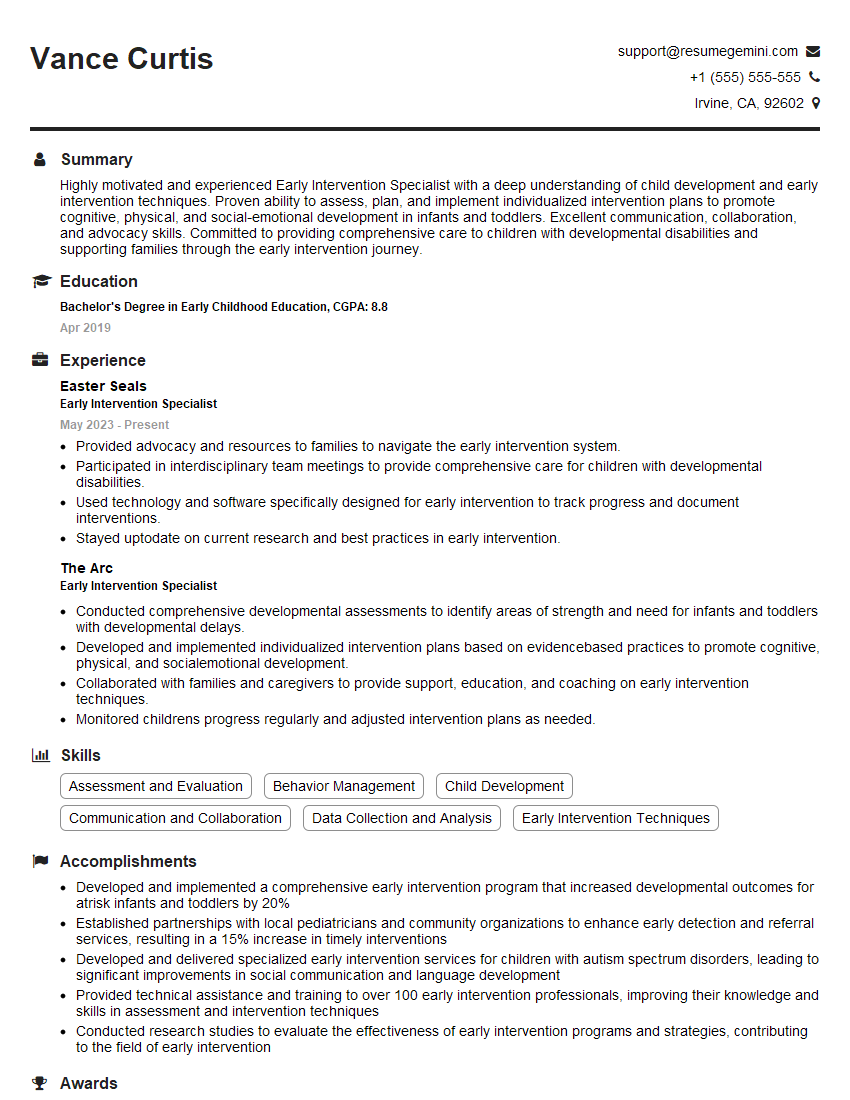
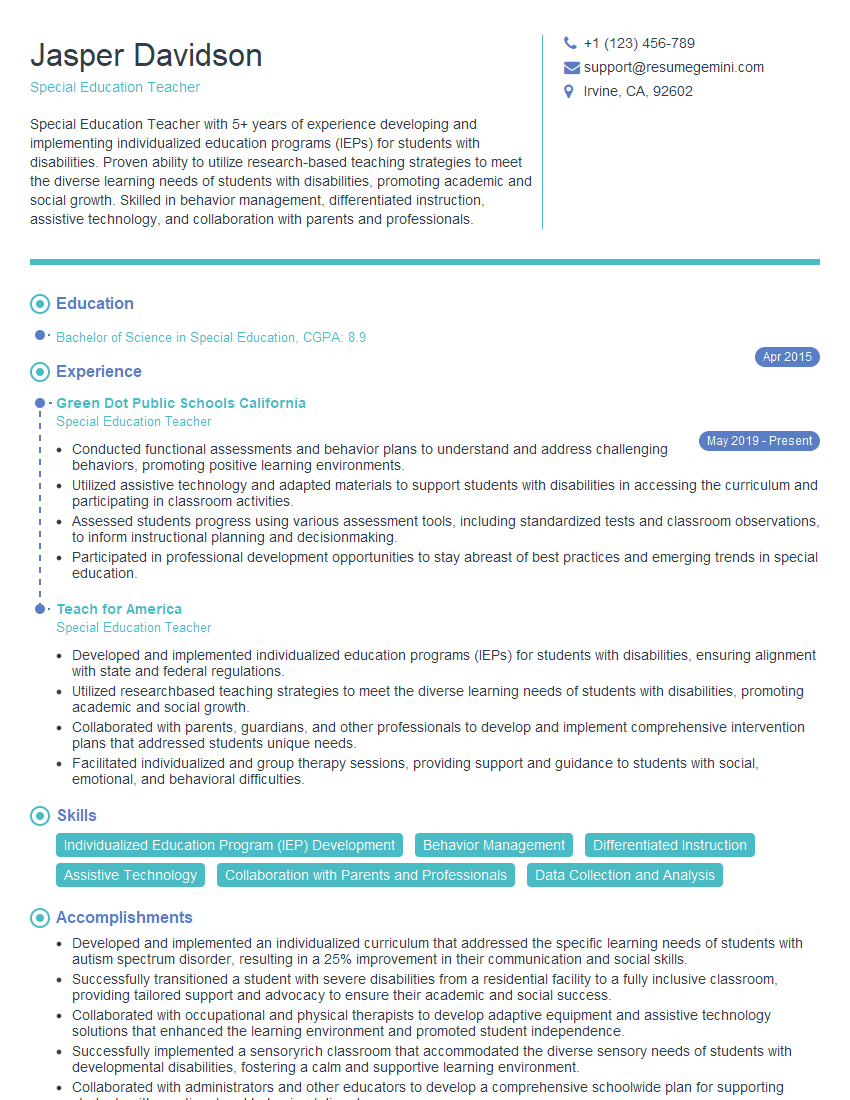
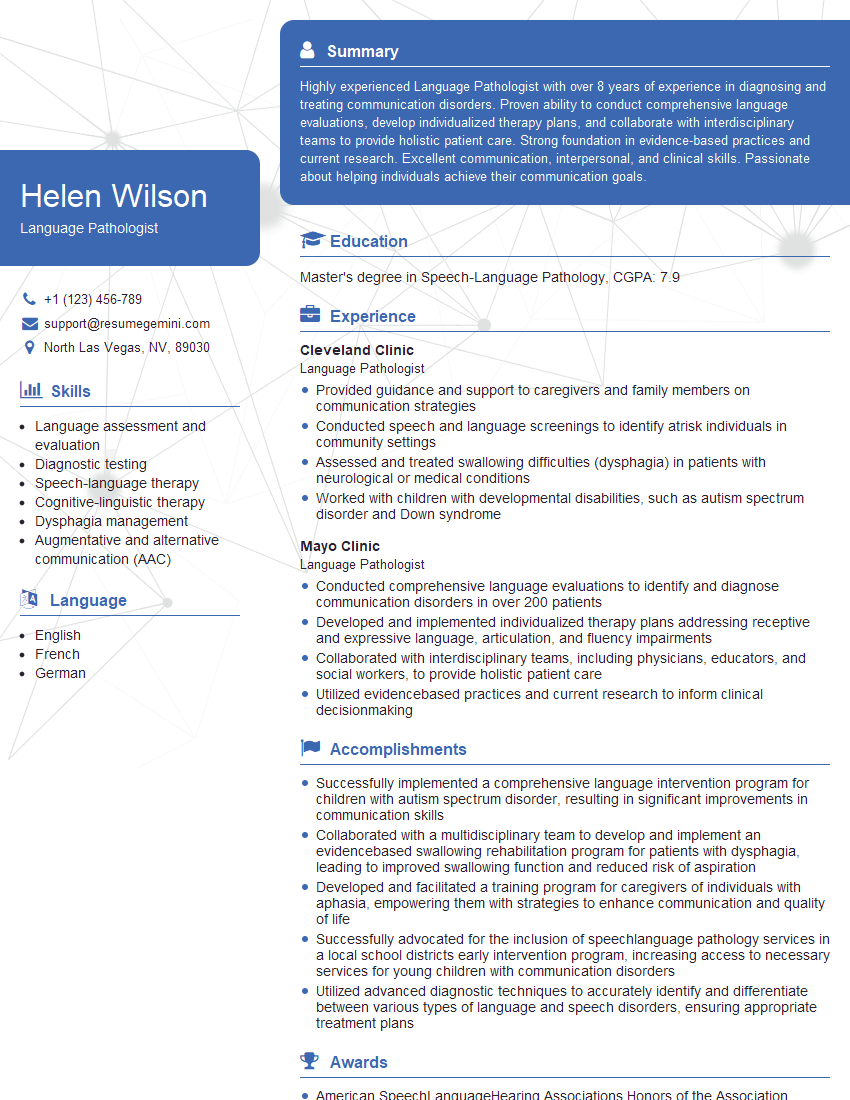
Mastering Pragmatics Therapy opens doors to rewarding careers in speech-language pathology, educational settings, and research. To stand out, a strong resume is essential. Creating an ATS-friendly resume significantly increases your chances of landing an interview. We recommend using ResumeGemini, a trusted resource for building professional resumes that grab recruiters’ attention. ResumeGemini provides examples of resumes tailored to Pragmatics Therapy to help you showcase your skills and experience effectively. Invest time in crafting a compelling resume—it’s your first impression!
Explore more articles
Users Rating of Our Blogs
Share Your Experience
We value your feedback! Please rate our content and share your thoughts (optional).
What Readers Say About Our Blog
To the interviewgemini.com Webmaster.
Very helpful and content specific questions to help prepare me for my interview!
Thank you
To the interviewgemini.com Webmaster.
This was kind of a unique content I found around the specialized skills. Very helpful questions and good detailed answers.
Very Helpful blog, thank you Interviewgemini team.