Unlock your full potential by mastering the most common Prepping Walls interview questions. This blog offers a deep dive into the critical topics, ensuring you’re not only prepared to answer but to excel. With these insights, you’ll approach your interview with clarity and confidence.
Questions Asked in Prepping Walls Interview
Q 1. What are the different types of wall surfaces you have experience preparing?
Over the years, I’ve worked with a wide variety of wall surfaces, each requiring a unique preparation approach. These include drywall (the most common), plaster walls (often found in older homes), concrete walls (common in basements or exterior applications), brick (requiring specialized treatments), and various types of paneling (wood, laminate, etc.). Understanding the material is the first step to proper preparation.
- Drywall: This is relatively easy to prepare, requiring mostly surface cleaning and minor repairs.
- Plaster: Can be more challenging, often needing patching and sanding due to its age and tendency to crack.
- Concrete: Requires specialized primers to ensure paint adhesion and often needs to be cleaned thoroughly to remove dust and debris.
- Brick: Needs to be cleaned and may require sealing before painting to prevent moisture absorption.
- Paneling: Preparation depends on the type of paneling; some may require cleaning and sanding, while others might need to be primed before painting.
Q 2. Describe your process for preparing a wall for painting.
Preparing a wall for painting is a meticulous process, crucial for a professional-looking finish. My process typically involves these steps:
- Assessment: I thoroughly inspect the wall for any imperfections, such as holes, cracks, stains, or loose paint.
- Repair: I repair any holes or cracks using appropriate filler and allow it to dry completely. I then sand the repaired areas smooth.
- Cleaning: I clean the wall using a suitable detergent or TSP (trisodium phosphate) to remove grease, dirt, and cobwebs. Thorough cleaning is key to paint adhesion.
- Priming: I apply a primer suited to the wall’s surface and existing paint (more on this in the next answer). This creates a uniform surface for the paint to adhere to.
- Sanding (Optional): Depending on the wall’s condition, I may lightly sand the primed surface to ensure a completely smooth finish.
- Painting: Finally, I apply the paint according to the manufacturer’s instructions.
For example, I once worked on a wall with significant water damage. This required extensive patching, sanding, and the use of a specialized primer designed for damp surfaces before we could even think about paint.
Q 3. How do you identify and address common wall imperfections?
Identifying and addressing wall imperfections is a key part of the preparation. Common imperfections include:
- Holes and Cracks: These are repaired using appropriate fillers, like spackle or joint compound, followed by sanding.
- Stains: These need to be addressed with stain-blocking primer to prevent them from bleeding through the paint. Water stains often require addressing the source of the moisture problem first.
- Loose Paint: Any flaking or peeling paint must be removed using a scraper or wire brush. This ensures proper adhesion of the new paint.
- Uneven Surfaces: These might require sanding or filling to create a smooth finish. This improves the overall look and the evenness of the paint application.
For instance, a large crack in a plaster wall might require a wider repair, possibly using mesh tape for reinforcement before filling, to prevent it from reappearing later. I’ve seen many projects where skipping this step later led to the crack showing through the paint.
Q 4. What are the different types of primers and when would you use each?
Primers are essential for ensuring paint adhesion and creating a uniform surface. Different types of primers serve different purposes:
- Oil-based Primer: Excellent for sealing stains, offering superior adhesion, and providing a durable base for paint. It’s best for surfaces prone to staining or those with high levels of moisture.
- Water-based Primer: Easier to clean up, dries quickly, and is low in VOCs (Volatile Organic Compounds), making it a more environmentally friendly option. It’s suitable for most interior walls.
- Stain-blocking Primer: Specifically designed to prevent stains, such as water stains or smoke damage, from bleeding through the topcoat.
- Adhesion Primer: Used on surfaces with poor paint adhesion, like glossy surfaces or certain types of metal, ensuring a good bond between the primer and the substrate.
The choice of primer depends entirely on the wall’s condition and the type of paint being used. Always check the manufacturer’s recommendations for compatibility.
Q 5. Explain the importance of proper surface cleaning before priming.
Proper surface cleaning before priming is paramount. A clean surface ensures optimal primer adhesion and prevents imperfections from showing through the final paint or wallpaper. Uncleaned surfaces can contain dust, grease, dirt, mildew, or other contaminants that interfere with bonding and can lead to peeling, bubbling, or a less than satisfactory finish.
Think of it like trying to glue two pieces of wood together – if one side is covered in dust and grime, the glue won’t hold properly. Similarly, primer won’t adhere effectively to a dirty wall.
I typically use a detergent or TSP solution to clean walls, followed by thorough rinsing and allowing the surface to completely dry before priming. This step may seem minor, but it directly impacts the longevity and quality of the paint or wallpaper.
Q 6. How do you prepare a wall for wallpaper installation?
Preparing a wall for wallpaper installation requires a slightly different approach than painting. The key is to create a smooth, clean, and even surface that the wallpaper can adhere to properly.
- Surface Preparation: This involves repairing holes and cracks, removing loose paint, and thoroughly cleaning the wall.
- Sizing: Applying a wallpaper sizing solution helps to create an even surface and improve the wallpaper’s adhesion, particularly on porous surfaces like plaster. This step is crucial for a professional result and helps prevent bubbling or peeling.
- Smoothing: After the sizing dries, any remaining imperfections are lightly sanded, ensuring a completely smooth surface for the wallpaper.
- Priming (Optional): In some cases, particularly with porous or heavily stained walls, a primer is used to enhance the adhesion of both the sizing and wallpaper. This prevents the wallpaper from being damaged by moisture or staining and ensures it won’t be affected by the wall materials underneath.
I remember one project where we didn’t properly size the wall before installing delicate wallpaper, resulting in several bubbles and difficulties smoothing the wallpaper. Proper sizing is an often-overlooked but critical step.
Q 7. What tools and equipment are essential for wall preparation?
Essential tools and equipment for wall preparation vary depending on the project’s complexity, but some staples are always necessary:
- Putty Knife/Spatula: For filling holes and cracks.
- Sandpaper (various grits): For smoothing surfaces after filling and priming.
- Sanding Block: Makes sanding more efficient and controlled.
- Paint Scrapers: To remove loose paint or wallpaper.
- Wire Brush: Helpful for cleaning rough surfaces or removing stubborn paint.
- Primer and Paint Brushes/Rollers: For applying primer and paint effectively.
- Paint Tray: For holding and distributing paint.
- Drop Cloths: Protect floors and surrounding areas from spills.
- Cleaning Supplies: Sponges, cloths, buckets, detergent (or TSP).
- Measuring Tape and Pencil: For marking and measuring.
- Safety Glasses and Dust Mask: To protect against dust and debris during sanding.
Investing in high-quality tools will significantly improve efficiency and the final outcome. A well-stocked tool kit is a mark of a professional wall preparer.
Q 8. How do you handle lead paint safely during wall preparation?
Lead paint is a serious hazard, and its removal requires strict adherence to safety protocols. Before starting any work involving lead paint, I always conduct a thorough risk assessment. This involves testing for the presence of lead using a lead paint testing kit. If lead is present, I never attempt DIY removal. Instead, I immediately contact a certified lead abatement contractor. They possess the specialized training, equipment (like HEPA vacuums and respirators), and expertise to safely remove and dispose of lead-based paint according to EPA regulations. This ensures the protection of both myself and the occupants of the building.
My role in such situations is usually to prepare the surfaces *after* professional lead abatement is complete. This might involve cleaning the area thoroughly, repairing any damage caused by the abatement process, and then priming and painting the surfaces to ensure a smooth, finished look.
Q 9. Describe your experience with drywall repair and finishing.
Drywall repair and finishing is a core competency of mine. I’m experienced in patching holes of varying sizes, from small nail holes to large areas of damage. My process typically involves cutting out damaged sections, creating a clean edge, and applying drywall compound to fill the void. I use multiple thin coats, allowing each to dry completely before applying the next, to avoid cracking. This is similar to building a layered cake; thin layers create a smoother, more durable finish.
For larger holes, I often use mesh tape to reinforce the patch and prevent it from sinking or cracking. After the compound is completely dry, I sand the area smooth, feathering the edges to ensure a seamless transition with the surrounding wall. Finally, I prime and paint to match the existing wall finish. I’m proficient in various finishing techniques, including achieving smooth, flat finishes or replicating existing wall textures to ensure a flawless repair that blends seamlessly with the rest of the wall.
Q 10. What safety precautions do you follow during wall preparation?
Safety is my top priority. On every job, I begin by assessing the work area for potential hazards. This includes checking for electrical wiring, gas lines, and asbestos. I always wear appropriate personal protective equipment (PPE), which typically includes safety glasses, gloves, a dust mask (often a HEPA respirator for sanding), and hearing protection when using power tools. I also ensure the work area is well-ventilated to minimize exposure to dust and fumes. I use caution when handling sharp tools and power equipment, following manufacturer’s instructions diligently. For example, when using a sanding machine, I will always use a vacuum attachment to collect dust and wear a HEPA respirator to prevent inhaling harmful particles. This methodical approach minimizes risks and creates a safe working environment.
Q 11. How do you determine the appropriate type of primer for a specific surface?
Choosing the right primer is crucial for a successful paint job. The type of primer needed depends entirely on the surface being prepped. For example, on previously painted surfaces, a high-quality bonding primer will ensure good adhesion and prevent the new paint from peeling. On bare drywall, I would use a drywall primer, specifically designed to seal the porous surface and prevent the absorption of paint, leading to a more even finish. For surfaces with stains (water, grease, smoke, etc.), I opt for a stain-blocking primer to prevent bleed-through. For surfaces that have been repaired with drywall compound, a primer is essential to seal the patch, improve the surface’s paint receptivity, and prevent any cracking or discoloration. Each surface presents unique challenges, and selecting the correct primer helps to overcome those challenges and ensure a lasting, high-quality finish.
Q 12. What is your experience with different types of wall textures?
I have experience with a wide range of wall textures, including smooth, orange peel, knockdown, and skip trowel. Understanding these textures is key to achieving a consistent and professional finish. For example, if I’m repairing a section of a wall with a knockdown texture, I wouldn’t simply apply a smooth finish. I’d use the appropriate tools (like a knockdown knife) to replicate the existing texture as closely as possible, blending the repair seamlessly into the surrounding area. I find that knowing how each texture is created—the tools used, the techniques employed—allows for accurate reproduction and better repair work. Sometimes, achieving an exact match is difficult, and I’ll consult with the client to determine the best approach, whether it’s a near-match repair or a whole-wall re-texturing.
Q 13. How do you repair cracks and holes in walls?
Repairing cracks and holes depends on their size and nature. For small cracks (less than 1/8 inch), I often use a high-quality spackling compound. For larger cracks or holes, I would first clean the area thoroughly, removing any loose debris. Then, I carefully fill the area with drywall compound, applying multiple thin coats to avoid shrinking and cracking. For larger holes, I might use a drywall patch or mesh tape to reinforce the area. Once the compound is dry, I sand the area smooth, feathering the edges to blend seamlessly with the surrounding wall surface. This meticulous approach ensures a durable and invisible repair.
For example, a small nail hole might only require a single application of spackle, followed by light sanding. However, a larger crack that extends through the drywall may require cutting out the damaged section and installing a patch before applying the compound. The approach is tailored to the specific defect to achieve the optimal result.
Q 14. Explain your process for caulking and sealing gaps.
Caulking and sealing gaps is essential for preventing air leaks, water damage, and pest infestations. Before applying caulk, I always clean the gap thoroughly, removing any loose debris or old caulk. Then, I use a quality caulk specifically designed for the application – interior or exterior, paintable or not. I apply the caulk smoothly and evenly, using a caulking gun and a smoothing tool to create a neat, professional finish. The goal is to fill the gap completely and ensure a watertight seal. I carefully choose the right caulk based on the material being joined (wood, drywall, metal, etc.) and the application. For example, I’d use a paintable caulk for interior applications that will be painted. I always allow sufficient drying time before painting over the caulked areas.
Proper caulking is crucial for energy efficiency as well. Small gaps can lead to significant energy loss over time. By thoroughly sealing these gaps, I help to improve the energy efficiency of the building.
Q 15. How do you ensure proper adhesion of paint to the prepared surface?
Proper adhesion is paramount for a long-lasting, beautiful paint job. It all starts with a clean, dry, and properly prepared surface. Think of it like gluing two pieces of wood together – you wouldn’t expect a strong bond if the surfaces were dusty or oily, right? The same principle applies to paint and walls.
- Cleaning: Thoroughly clean the walls to remove dust, cobwebs, grease, and any loose particles. A good wash with a sugar soap solution and a sponge is usually sufficient. For stubborn stains, consider a degreaser.
- Priming: Applying a primer is crucial, especially on porous surfaces like drywall or plasterboard, or over previously painted surfaces with a different sheen. Primer acts like a glue, creating a uniform surface for the paint to adhere to, and it often improves paint coverage and color consistency.
- Surface Repair: Fill any holes, cracks, or imperfections with spackling paste or joint compound. Sand the repaired areas smooth once dry to achieve a seamless surface. This ensures a smooth paint finish without imperfections showing through.
- Proper Drying Time: Allow adequate drying time between cleaning, priming, and painting. Rushing the process can lead to peeling or flaking.
For example, I once worked on a project where the previous contractor hadn’t properly cleaned the walls before painting. As a result, the new paint started peeling within weeks. A thorough cleaning and re-priming solved the issue. This illustrates how crucial proper adhesion is for a successful project.
Career Expert Tips:
- Ace those interviews! Prepare effectively by reviewing the Top 50 Most Common Interview Questions on ResumeGemini.
- Navigate your job search with confidence! Explore a wide range of Career Tips on ResumeGemini. Learn about common challenges and recommendations to overcome them.
- Craft the perfect resume! Master the Art of Resume Writing with ResumeGemini’s guide. Showcase your unique qualifications and achievements effectively.
- Don’t miss out on holiday savings! Build your dream resume with ResumeGemini’s ATS optimized templates.
Q 16. What is your experience with power tools used in wall preparation?
I’m proficient in using a variety of power tools for wall preparation, always prioritizing safety and efficiency. My experience includes the use of:
- Sanders (orbital, belt): For smoothing surfaces after filling imperfections or removing old paint. I carefully select the appropriate grit for each task, starting coarser and gradually refining the surface. For example, I use a belt sander for heavy-duty tasks like removing thick layers of old paint and an orbital sander for finer finishing.
- Dust extractors: Essential for maintaining a clean and healthy work environment while reducing cleanup time. I always ensure the dust extractor is properly connected and functioning before commencing work.
- Scrapers (electric or manual): For removing loose paint or wallpaper. I use electric scrapers carefully, avoiding excessive pressure to prevent damage to the wall surface.
Safety is my utmost concern. I always wear appropriate personal protective equipment (PPE), including safety glasses, a dust mask, and hearing protection when operating power tools. Regular maintenance of these tools also ensures safety and prevents damage to the wall or the tool itself.
Q 17. How do you manage your time efficiently during wall preparation?
Efficient time management in wall preparation involves meticulous planning and a structured approach. I break down the project into manageable tasks and prioritize them based on their importance and dependencies. For example, surface repair needs to be completed before priming, and priming needs to be finished before painting.
- Detailed Assessment: I start with a thorough assessment of the walls, identifying all necessary tasks and materials. This prevents unnecessary trips to the supply store.
- Task Sequencing: I prioritize tasks to minimize downtime. For example, while primer dries on one section, I can prepare another section.
- Organized Materials: I keep all tools and materials organized within easy reach, avoiding wasted time searching for things. I often use tool belts and buckets.
- Realistic Scheduling: I create a realistic timeline, accounting for drying time and potential unforeseen delays.
In my experience, a well-planned approach always saves time and minimizes stress. On a recent project, this systematic approach allowed me to complete wall prep for two rooms ahead of schedule.
Q 18. How do you handle unexpected problems during wall preparation?
Unexpected problems are part and parcel of wall preparation. My approach is to stay calm, assess the situation, and devise a solution. I rely on my experience and knowledge to find creative solutions.
- Problem Identification: The first step is accurately identifying the problem. Is it water damage? A structural issue? A flawed surface?
- Solution Development: Once the problem is identified, I research the best way to tackle it. This may involve consulting resources, contacting suppliers, or seeking advice from experienced colleagues.
- Risk Assessment: Before attempting any solution, I assess potential risks and take appropriate precautions.
- Documentation: I always document the unexpected problem and the solution implemented for future reference.
For instance, I once encountered unexpected water damage behind a section of drywall. Instead of simply patching it, I carefully investigated the source of the leak, repaired it, and then replaced the damaged drywall. This prevented future problems. A quick fix would have resulted in recurrence.
Q 19. How do you maintain a clean and organized workspace?
Maintaining a clean and organized workspace is essential for efficiency and safety. It prevents accidents, reduces cleanup time, and improves the overall quality of the work. I follow a system that combines pre-emptive measures and ongoing maintenance.
- Pre-Project Setup: Before starting any project, I clear the area, designating specific zones for tools, materials, and waste. This is like setting up a kitchen before cooking; you don’t want to be searching for ingredients mid-recipe.
- Organized Storage: I use labelled containers for screws, nails, and other small items. Tools are neatly arranged in their carrying cases.
- Regular Cleanup: I regularly clean up dust and debris during the project. This prevents accumulation and makes the work area safer and more comfortable.
- Waste Disposal: I dispose of waste properly, following all local regulations and safety guidelines.
A clean workspace translates to a more focused and efficient workflow. I find that this significantly reduces the overall project time and also minimizes the chances of accidents or errors.
Q 20. Describe your experience with various wall materials (e.g., plaster, drywall, brick).
My experience encompasses a wide range of wall materials, each requiring a unique preparation approach. I’ve worked with:
- Drywall: Common in modern construction, drywall requires filling imperfections with joint compound and sanding smooth. Priming is often essential for good paint adhesion.
- Plaster: This older material can be more challenging, often requiring repairs with patching compounds or plaster itself. Careful preparation is crucial to prevent cracking or peeling.
- Brick: Brick walls often need to be cleaned thoroughly to remove dust, dirt, and efflorescence (salt deposits). A primer is often necessary for better paint adhesion.
- Concrete: Concrete walls are usually quite durable, but they may need to be cleaned and primed to ensure optimal paint adhesion. I also account for the porosity of the material.
Understanding the properties of each material is critical. For example, the porous nature of plaster requires a more absorbent primer than drywall. Adapting my approach based on the material ensures the best possible outcome.
Q 21. What methods do you use to remove old wallpaper or paint?
Removing old wallpaper or paint requires careful consideration of the material and the wall’s condition. The method chosen impacts both the effectiveness of removal and the preservation of the underlying surface.
- Wallpaper Removal: I use a scoring tool to score the wallpaper’s surface and then apply a wallpaper stripper solution to loosen the adhesive. A scraper (manual or electric) helps remove the softened paper. Stubborn wallpaper might require steaming or multiple applications of stripper.
- Old Paint Removal: For peeling paint, a scraper is often sufficient. For firmly adhered paint, I might use a heat gun or chemical paint remover, always following the manufacturer’s safety instructions carefully. For lead-based paint, specific safety precautions and disposal methods are mandatory.
- Cleaning: After removing wallpaper or paint, I thoroughly clean the wall surface to ensure there are no remaining adhesive residue or paint particles. This ensures the new paint will adhere properly.
Safety is paramount during this process. Using appropriate personal protective equipment (PPE), such as gloves, eye protection, and a respirator when working with chemicals, is critical to protect myself and prevent health issues. Disposal of the waste materials is also a key consideration to protect the environment.
Q 22. How do you determine the necessary amount of primer or paint for a job?
Accurately estimating paint or primer is crucial for avoiding waste and ensuring you have enough. It’s not just about square footage; it depends on the wall’s surface texture and the paint’s coverage.
Here’s how I approach it:
- Measure the area: Calculate the total square footage of the walls to be painted, subtracting areas for windows and doors. I always double-check measurements.
- Assess the surface: New drywall requires less paint than a wall with heavy texture or many imperfections. Highly porous surfaces absorb more paint.
- Check the manufacturer’s specifications: The paint can will specify its coverage per gallon (e.g., 350-400 sq ft per gallon). I always err on the side of caution and add 10-15% extra to account for variations.
- Consider the number of coats: Most jobs require at least two coats for optimal coverage and color saturation. This needs to be factored into the total quantity.
Example: A room with 400 sq ft of wall space, needing two coats, and using a paint with 350 sq ft per gallon coverage would require approximately 2.3 gallons (400 sq ft * 2 coats / 350 sq ft/gallon ≈ 2.3 gallons). I’d purchase 3 gallons to be safe.
Q 23. What is your understanding of different paint finishes and their suitability for various surfaces?
Paint finishes significantly impact the final look and durability. Each finish offers a unique balance of aesthetics and practicality.
- Flat/Matte: Minimal sheen, excellent for hiding imperfections, but more difficult to clean. Ideal for low-traffic areas like bedrooms.
- Eggshell: Slightly more sheen than flat, more durable and washable, a good compromise for living areas.
- Satin: More sheen, very durable and washable, resists stains, suitable for kitchens and bathrooms.
- Semi-gloss: High sheen, very durable and easy to clean, often used for trim, doors, and areas prone to moisture.
- Gloss: Highest sheen, extremely durable and washable, ideal for high-traffic areas or areas needing frequent cleaning, but imperfections show more readily.
Choosing the right finish depends entirely on the surface and its usage: I wouldn’t use flat paint in a kitchen because of the increased risk of staining. Similarly, gloss paint on a textured wall would highlight imperfections.
Q 24. How do you ensure the prepared wall is ready for the next stage of the project?
Ensuring a properly prepared wall is key to a successful project. This involves several checks:
- Smooth Surface: The wall should be completely smooth to the touch, free from lumps, bumps, or scratches. Any remaining imperfections will show through the final finish.
- Clean Surface: The wall must be free from dust, debris, grease, or any other contaminants that could affect adhesion. I usually use a tack cloth for final cleaning.
- Dry Surface: The wall must be completely dry before applying primer or paint. Moisture will cause problems with adhesion and finish.
- Properly Primed (if necessary): Primer ensures better adhesion, especially on porous surfaces or when covering stains. It also provides a uniform base for the top coat.
- Consistent Color (if using primer): The primer should provide a consistent, even color across the entire surface.
I always perform a thorough visual inspection before proceeding to the next stage. It’s much easier to correct issues at this point than to deal with them after paint is applied.
Q 25. Describe your experience working with different types of joint compound.
Joint compound, also known as drywall mud, comes in various types, each suited to different tasks.
- All-Purpose Compound: Suitable for most taping and finishing jobs. It’s versatile and easy to use.
- Lightweight Compound: Easier to sand, reducing dust, ideal for larger areas or multiple coats.
- Fast-Setting Compound: Dries quickly, allowing for faster project completion, but requires more careful application to avoid cracking.
- Setting-Type Compound: Air-setting, these compounds are used for specific applications like textured finishes.
My experience involves using each type based on the job requirements. For example, lightweight compound is my go-to for large areas to minimize sanding time. Fast-setting compound is used strategically for quick repairs.
Q 26. How do you achieve a smooth and even finish after sanding?
Achieving a smooth, even finish after sanding requires careful technique and the right tools.
- Use the right sandpaper: Start with coarser grit (e.g., 80-100 grit) for removing larger imperfections, then gradually move to finer grits (e.g., 120-220 grit) for a smoother finish. I always use a sanding block for consistent pressure.
- Sand in multiple passes: Don’t try to remove too much material at once. Multiple light passes are more effective than aggressive sanding.
- Clean the surface regularly: Remove dust frequently using a tack cloth or vacuum to ensure you’re not sanding over previously accumulated debris.
- Check for evenness: Use your hand or a light source to check for inconsistencies. Feel for any remaining high or low spots.
The goal is to create a surface that’s not only smooth to the touch but also visually consistent when viewed under different lighting conditions.
Q 27. What is your experience with skim coating?
Skim coating involves applying a thin layer of joint compound over a wall to create a smooth, even surface. It’s ideal for covering imperfections in old or damaged drywall.
My experience includes applying skim coats to various surfaces, including walls with texture, cracks, or minor damage. The process involves:
- Surface Preparation: Clean the wall thoroughly and repair any significant damage.
- Application: Apply thin, even coats of joint compound using a broad knife, ensuring complete coverage.
- Drying Time: Allow the compound to dry completely before sanding.
- Sanding: Carefully sand the surface to achieve a smooth finish.
- Priming: Prime the wall before painting.
Successful skim coating depends on applying thin coats to avoid cracking and ensuring proper drying time between coats. A well-executed skim coat can dramatically improve the appearance of a wall.
Q 28. How do you prepare walls for different types of finishes (e.g., paint, wallpaper, tile)?
Wall preparation varies significantly depending on the final finish:
- Paint: Requires a clean, smooth, and dry surface, often primed for better adhesion and color consistency.
- Wallpaper: Needs a clean, smooth, and dry surface free of imperfections; any texture or flaws will show through the wallpaper. It’s often recommended to prime the wall with a sizing solution for better adhesion.
- Tile: Requires a solid, clean, and level surface. Any loose material must be removed, and the surface may need to be treated with a bonding agent to ensure proper adhesion of the tile adhesive.
For each finish, I tailor my preparation steps. For example, with tile, I will ensure the wall is perfectly plumb and level, which might include additional patching or shimming. Wallpaper preparation focuses on eliminating all imperfections because they will be visible through the paper.
Key Topics to Learn for Prepping Walls Interview
- Understanding the Prepping Walls Framework: Grasp the core principles and methodologies behind Prepping Walls. Explore its theoretical underpinnings and how it applies to various problem-solving scenarios.
- Practical Application & Case Studies: Analyze real-world examples of how Prepping Walls has been successfully implemented. Practice applying the framework to hypothetical situations and challenges.
- Data Analysis & Interpretation within Prepping Walls: Develop skills in extracting key insights from data and using it to inform decisions within the Prepping Walls framework. This includes understanding data visualization and statistical analysis techniques relevant to the context.
- Problem Decomposition & Strategic Planning: Master the art of breaking down complex problems into smaller, manageable components using the Prepping Walls approach. Learn to develop robust and effective strategic plans for tackling these challenges.
- Risk Assessment & Mitigation within Prepping Walls: Identify potential risks and challenges associated with Prepping Walls projects and develop effective mitigation strategies. This includes understanding risk management methodologies relevant to the field.
- Communication & Collaboration: Understand how to effectively communicate ideas, strategies, and findings within the Prepping Walls context. Develop skills in collaborating effectively with teams to achieve shared goals.
Next Steps
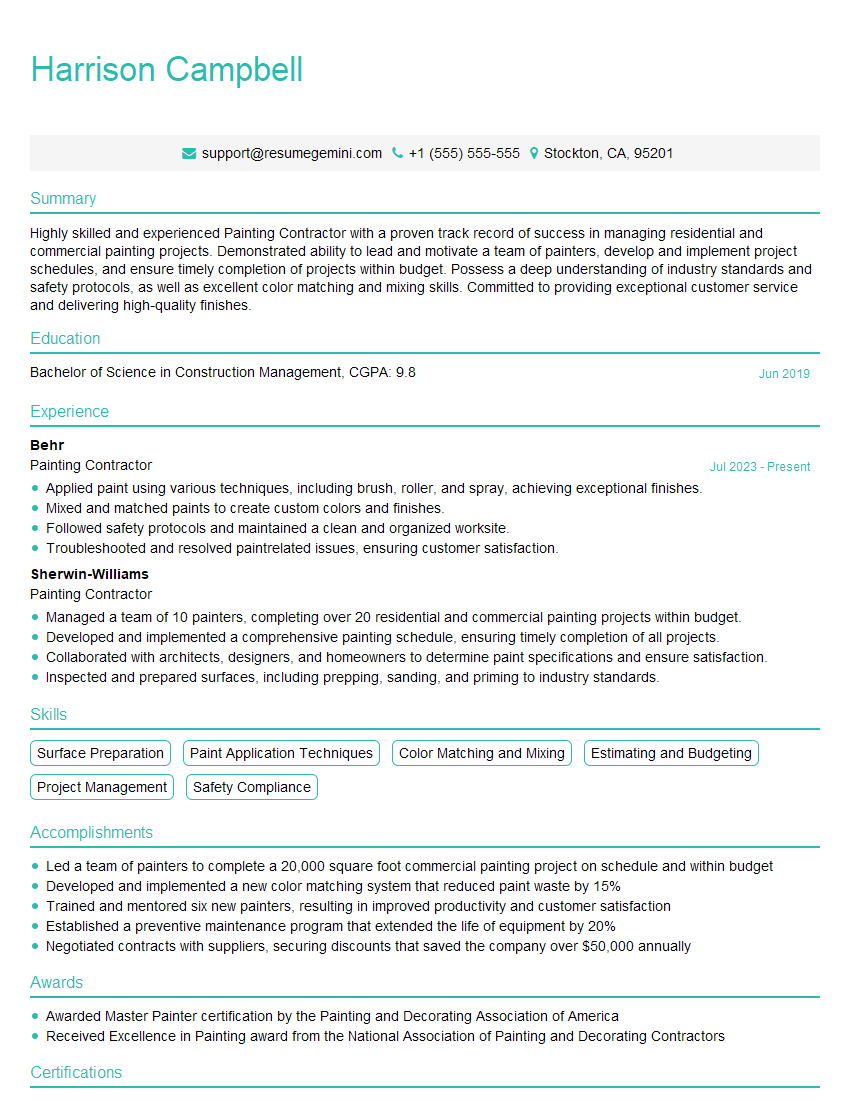
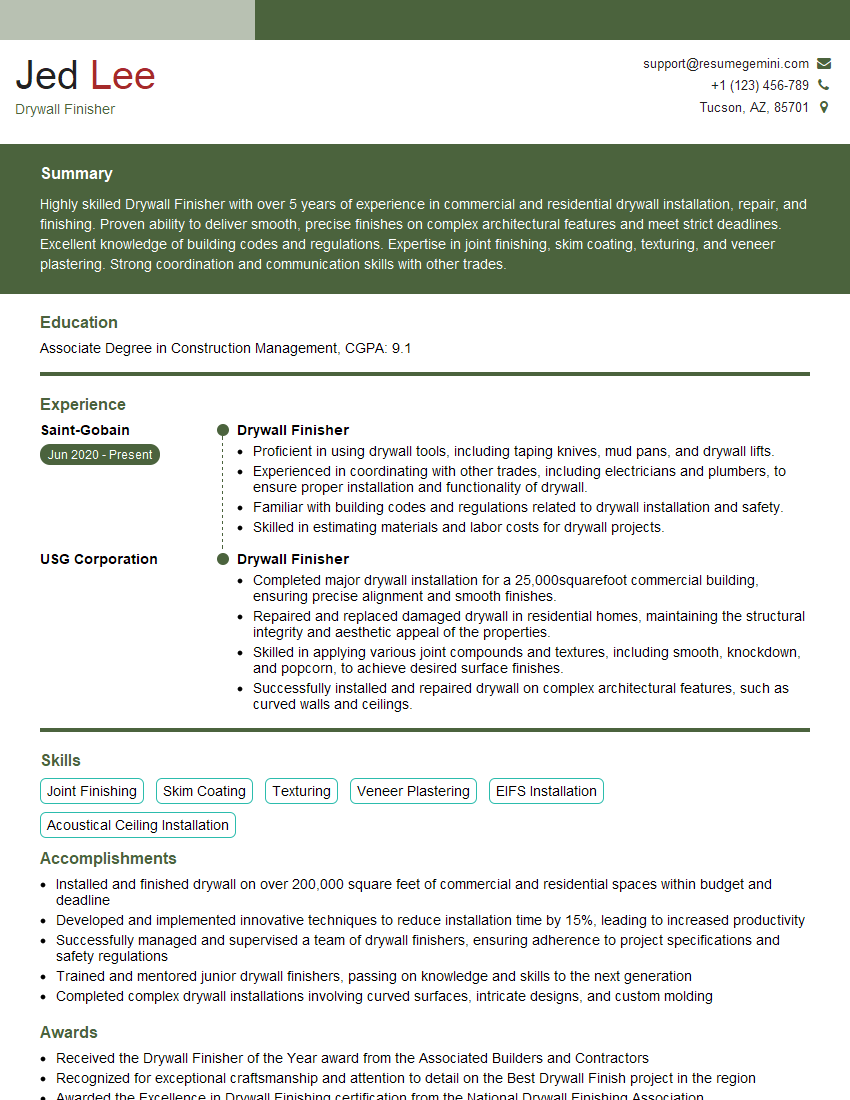
Mastering Prepping Walls is crucial for career advancement, opening doors to exciting opportunities requiring strong analytical and problem-solving skills. To maximize your job prospects, creating an ATS-friendly resume is essential. ResumeGemini can help you build a professional and impactful resume that highlights your skills and experience effectively. We offer examples of resumes tailored to the Prepping Walls domain to provide further guidance and inspiration. Take advantage of these resources to present yourself confidently to potential employers.
Explore more articles
Users Rating of Our Blogs
Share Your Experience
We value your feedback! Please rate our content and share your thoughts (optional).
What Readers Say About Our Blog
To the interviewgemini.com Webmaster.
Very helpful and content specific questions to help prepare me for my interview!
Thank you
To the interviewgemini.com Webmaster.
This was kind of a unique content I found around the specialized skills. Very helpful questions and good detailed answers.
Very Helpful blog, thank you Interviewgemini team.