The right preparation can turn an interview into an opportunity to showcase your expertise. This guide to Preventive and Corrective Action interview questions is your ultimate resource, providing key insights and tips to help you ace your responses and stand out as a top candidate.
Questions Asked in Preventive and Corrective Action Interview
Q 1. Explain the difference between preventive and corrective actions.
Preventive actions are proactive measures taken to prevent problems from occurring in the first place. Think of it as preventative maintenance on your car – regular oil changes and tire rotations to avoid major breakdowns. Corrective actions, on the other hand, are reactive measures taken to fix problems that have already happened. This is like getting your car towed after it breaks down on the highway and then getting it repaired.
Here’s a table summarizing the key differences:
| Feature | Preventive Action | Corrective Action |
|---|---|---|
| Timing | Before a problem occurs | After a problem occurs |
| Goal | Prevent problems | Fix problems |
| Focus | Proactive, anticipating issues | Reactive, addressing existing issues |
| Examples | Regular equipment maintenance, staff training, process improvements | Troubleshooting, repairs, rework, investigations |
Understanding this fundamental difference is crucial for effective quality management.
Q 2. Describe your experience developing a corrective action plan.
In my previous role at a pharmaceutical manufacturing plant, a batch of medication failed a purity test. This triggered a corrective action investigation. My role was to lead the development of the corrective action plan. We started by forming a cross-functional team including quality control, manufacturing, and engineering.
First, we used a Fishbone diagram (Ishikawa diagram) to identify potential root causes. This revealed a faulty mixing valve as the primary culprit. The corrective action plan then included: 1) immediate quarantine of the affected batch; 2) detailed inspection and replacement of the faulty valve; 3) thorough cleaning and validation of the mixing equipment; 4) operator retraining on proper equipment usage; 5) implementation of a more stringent preventative maintenance schedule for all mixing valves; and 6) a review of the existing quality control procedures to prevent similar occurrences. We documented every step, assigned responsibilities, and established deadlines. The plan was regularly monitored, and we held follow-up meetings to assess effectiveness. The entire process was documented thoroughly according to GMP guidelines.
Q 3. What methods do you use for root cause analysis?
Effective root cause analysis is vital for preventing recurrence. I utilize a combination of methods, adapting my approach to the specific situation. These include:
- 5 Whys: A simple yet powerful technique where you repeatedly ask ‘Why?’ to peel back the layers of a problem until you reach the root cause. For instance, if a machine broke down, we’d ask: Why did it break down? (Overheating). Why did it overheat? (Faulty cooling system). Why was the cooling system faulty? (Lack of maintenance). Why was there a lack of maintenance? (Insufficient training).
- Fishbone Diagram (Ishikawa Diagram): A visual tool that helps categorize potential root causes into groups (e.g., manpower, machinery, materials, methods, measurement, environment). This provides a structured approach to brainstorm potential issues.
- Fault Tree Analysis (FTA): A top-down, deductive approach that begins with the undesired event and works backward to identify the contributing factors. This is ideal for complex systems.
- Pareto Chart: A bar graph that helps visualize the frequency of different causes, allowing us to focus on the most significant issues (the ‘vital few’).
Often, I use a combination of these methods for a comprehensive analysis.
Q 4. How do you prioritize corrective actions?
Prioritizing corrective actions requires a structured approach. I typically use a risk-based prioritization matrix. This involves considering:
- Severity: How serious is the impact of the problem (e.g., safety risk, financial loss, customer dissatisfaction)?
- Urgency: How quickly does the problem need to be addressed? (Immediate action needed versus a longer-term solution)
- Probability: What is the likelihood of the problem occurring again?
I then assign scores to each factor and use the combined score to rank corrective actions. For example, a high-severity, high-urgency, and high-probability issue would take top priority.
Q 5. How do you ensure the effectiveness of preventive measures?
Ensuring the effectiveness of preventive measures involves continuous monitoring and evaluation. This includes:
- Regular Audits: Scheduled audits to ensure preventive measures are implemented consistently and effectively. This could involve checking maintenance logs, reviewing training records, or observing work practices.
- Key Performance Indicators (KPIs): Tracking relevant KPIs to measure the success of preventive measures. For example, reduced downtime, improved product quality, fewer customer complaints, or lower accident rates.
- Data Analysis: Analyzing data to identify trends and patterns that could signal potential problems. This could involve statistical process control (SPC) techniques.
- Feedback Mechanisms: Establishing feedback mechanisms to gather input from employees, customers, or other stakeholders. This helps identify areas for improvement and ensures preventive measures remain relevant.
- Management Review: Regularly reviewing the effectiveness of the preventive action program during management meetings.
By actively monitoring and adapting preventive measures, we can ensure they remain effective in preventing problems.
Q 6. Describe a time you implemented a preventive action that prevented a problem.
During my time at a food processing facility, we noticed a slight increase in the rejection rate for a specific product due to inconsistent texture. After a thorough analysis, we realized that the temperature fluctuations in the mixing tank were the culprit. Instead of waiting for a complete batch failure, we implemented a preventive action: installing a more precise temperature control system and adding automated temperature monitoring and alarms. This proactive step immediately addressed the inconsistent temperatures and prevented any further batch rejections, significantly improving product quality and saving considerable costs associated with waste and rework.
Q 7. How do you document preventive and corrective actions?
Documentation is paramount for traceability, compliance, and continuous improvement. We use a comprehensive system that includes:
- Centralized Database: A database to record all preventive and corrective actions, including dates, details, responsible parties, and effectiveness evaluation.
- Standard Forms: Standardized forms for recording observations, root cause analyses, and corrective/preventive action plans. This ensures consistency and clarity.
- Version Control: Implementing a version control system to track changes and revisions made to preventive and corrective actions.
- Digital Records: Utilizing digital record-keeping systems to enhance accessibility, searchability, and security. This ensures easy retrieval of information for audits or investigations.
- Regular Reporting: Generating regular reports summarizing the status of open and closed actions. These reports are reviewed during management meetings to evaluate effectiveness and identify trends.
Maintaining detailed and well-organized documentation is not merely a bureaucratic requirement; it’s essential for continuous improvement and demonstrating regulatory compliance.
Q 8. What are the key performance indicators (KPIs) you use to measure the success of PCA?
Measuring the success of a Preventive and Corrective Action (PCA) program requires a balanced set of Key Performance Indicators (KPIs). These KPIs should reflect both the effectiveness of preventing issues and the efficiency of resolving them. I typically focus on a few key areas:
- Reduction in the number of defects/non-conformances: This is a fundamental KPI, showing the direct impact of PCA on reducing errors. For example, tracking a reduction in customer complaints related to product defects. A successful PCA program should demonstrate a significant downward trend in this metric over time.
- Decrease in the severity of defects/non-conformances: Not only the number, but also the impact of defects matters. A shift from critical failures to minor issues indicates improved preventative measures. For example, a reduction in major production stoppages caused by equipment malfunction post-PCA implementation.
- Improved mean time to resolution (MTTR): This measures the efficiency of corrective actions. A lower MTTR signifies faster resolution times and reduced downtime. For instance, improving MTTR from 24 hours to 4 hours for a specific equipment malfunction indicates successful corrective action.
- Reduced costs associated with defects/non-conformances: Tracking cost savings related to rework, scrap, and customer returns directly demonstrates the financial benefits of PCA. For instance, comparing cost of rework before and after implementation of a specific PCA.
- Improved process efficiency and effectiveness: PCA should lead to improved processes, and KPIs like process yield and operational efficiency can reflect this. For example, an increase in manufacturing yield percentage following process improvements as a result of PCA findings.
By monitoring these KPIs, we gain a holistic view of the PCA program’s performance and can identify areas for improvement.
Q 9. How do you handle situations where corrective actions are ineffective?
When corrective actions prove ineffective, a structured approach is crucial. I wouldn’t simply dismiss the initial action; instead, I would initiate a thorough review using a systematic approach like this:
- Root Cause Analysis (RCA): Re-evaluate the original root cause analysis. Were there any assumptions made? Was the initial analysis sufficiently thorough? Perhaps additional data or perspectives are needed.
- Alternative Solutions: Brainstorm alternative corrective actions. This often involves engaging a wider team with diverse expertise. Consider different approaches and technologies.
- Pilot Testing: Before implementing a new corrective action broadly, pilot test it on a small scale to assess its effectiveness and identify potential unforeseen issues.
- Data Monitoring and Evaluation: Establish clear metrics to track the success of the new corrective action. Regularly review the data to ensure the action is producing the desired results.
- Escalation: If the problem persists despite these efforts, it might require escalation to a higher level of management for review and resource allocation. This may involve seeking external expertise.
For instance, if a corrective action aimed at reducing machine downtime through improved maintenance failed, I might revisit the RCA to see if we missed a latent defect, pilot a different maintenance schedule, or even consider replacing the machine entirely.
Q 10. How do you communicate PCA plans and results to stakeholders?
Effective communication is paramount in PCA. I employ a multi-faceted approach depending on the audience and information being shared.
- PCA Plan Communication: For initial plans, I use clear and concise reports detailing the problem, the proposed corrective and preventive actions, timelines, responsibilities, and expected outcomes. These reports are distributed through appropriate channels, such as email, project management software, or team meetings.
- Progress Updates: Regular updates are shared with stakeholders, highlighting progress against the plan, any challenges encountered, and any necessary adjustments. Visual aids, like dashboards or graphs, can be very effective here.
- Results Reporting: A final report summarizes the effectiveness of the implemented actions, including data demonstrating improvement. This report should be concise and easy to understand, focusing on key findings and quantifiable results.
- Stakeholder Engagement: I actively involve stakeholders throughout the process, ensuring transparency and facilitating feedback. This can include regular meetings, email correspondence, or informal discussions.
For example, I might use a presentation for upper management summarizing financial impacts, while team members receive detailed action items and progress reports via project management software.
Q 11. Explain your experience with 5 Whys analysis.
The 5 Whys is a simple yet powerful root cause analysis tool. It involves repeatedly asking “Why?” to drill down to the root cause of a problem. It’s iterative and effective in uncovering underlying issues that may not be immediately obvious.
For example, let’s say a machine is malfunctioning (the initial problem).
- Why? Because the safety mechanism failed.
- Why? Because the sensor was faulty.
- Why? Because the sensor wasn’t calibrated properly.
- Why? Because the maintenance schedule didn’t include sensor calibration.
- Why? Because the maintenance procedures were outdated and not reviewed regularly.
The root cause here is outdated and neglected maintenance procedures. The 5 Whys is not always limited to exactly five questions; the process continues until the root cause is identified and well-understood. I’ve used the 5 Whys countless times in various scenarios—from production line breakdowns to software bugs— and find its simplicity to be its greatest strength.
Q 12. Describe your experience with fishbone diagrams.
Fishbone diagrams, also known as Ishikawa diagrams or cause-and-effect diagrams, are a visual tool for brainstorming potential causes of a problem. They help organize thoughts and identify potential contributing factors. The diagram resembles a fishbone, with the problem statement forming the head and various branches representing potential root causes categorized into groups such as methods, materials, manpower, machinery, measurement, and environment.
In practice, I facilitate a brainstorming session with relevant stakeholders to identify potential causes under each category. We collaboratively identify potential causes and document them along the appropriate branches. The visual nature helps to identify relationships and potential overlaps among root causes.
For example, if the problem is low employee morale, I might have categories like ‘Management Style,’ ‘Compensation,’ ‘Work Environment,’ ‘Team Dynamics’ and ‘Training’ and list potential causes beneath each.
After completing the diagram, we prioritize causes based on their likely impact and address them accordingly as part of the PCA. The fishbone diagram provides a structured approach to brainstorming and understanding the multiple factors contributing to a problem, leading to more effective corrective actions.
Q 13. What is your experience with Pareto analysis in PCA?
Pareto analysis, based on the Pareto principle (the 80/20 rule), is invaluable in PCA. It helps prioritize efforts by identifying the vital few causes contributing to the majority of problems. It allows us to focus resources where they will have the greatest impact.
I typically use Pareto analysis to analyze defect data or non-conformances. By plotting the frequency of each cause, we can clearly see which few causes account for a disproportionate number of problems. This enables a focused approach on tackling the most impactful issues first.
For instance, if we’re analyzing customer complaints, Pareto analysis might show that 80% of complaints stem from just 20% of the causes (e.g., two specific product defects). This allows us to concentrate our corrective and preventive efforts on fixing these two key issues, maximizing impact and resource efficiency. The graphical representation of the Pareto chart makes these priorities immediately clear to all stakeholders.
Q 14. How do you use data to support PCA decisions?
Data is the cornerstone of effective PCA. I use data throughout the entire process, from identifying problems to evaluating the effectiveness of corrective actions. My approach involves:
- Identifying trends and patterns: Analyzing historical data on defects, downtime, customer complaints, and other relevant metrics allows us to identify trends and patterns that might indicate underlying problems. This helps prioritize areas for preventive actions.
- Root cause analysis: Data plays a crucial role in root cause analysis. For example, analyzing machine sensor data might reveal the actual reason for equipment failure, rather than relying on operator reports.
- Measuring effectiveness of corrective actions: Data is crucial for assessing the success of corrective and preventive actions. Tracking key metrics before, during, and after implementing the actions demonstrates their impact. For example, before and after data on machine downtime, defect rates, or customer satisfaction.
- Data visualization: I often use charts, graphs, and dashboards to visualize data and make it easily understandable for stakeholders. This improves communication and decision-making.
For example, by analyzing production data showing an increase in defects during a specific shift, we might discover a correlation with a particular operator or machine. This data-driven approach leads to more effective and targeted PCA.
Q 15. Explain your understanding of FMEA (Failure Mode and Effects Analysis).
FMEA, or Failure Mode and Effects Analysis, is a systematic approach to identifying potential failure modes in a system or process and assessing their potential effects. It’s a proactive risk assessment tool used to prevent problems before they occur. Think of it like a preemptive strike against potential issues, rather than reacting to them after they cause damage. The process involves identifying potential failure modes, analyzing their severity, occurrence, and detectability, and then prioritizing actions to mitigate the most critical risks.
A typical FMEA process involves:
- Identifying potential failure modes: What could go wrong?
- Analyzing effects: What are the consequences of each failure mode? This considers safety, quality, and cost implications.
- Assessing severity, occurrence, and detection: Each failure mode is rated on a scale for each of these factors. Severity is how bad the impact would be. Occurrence is how likely it is to happen. Detection is how easily the failure can be identified before it causes harm.
- Calculating the Risk Priority Number (RPN): This is a simple multiplication of the severity, occurrence, and detection ratings. High RPNs indicate areas needing immediate attention.
- Developing and implementing corrective actions: Based on the RPN, corrective actions are planned and implemented to reduce the risk.
- Monitoring and reviewing: The effectiveness of the corrective actions is monitored and reviewed regularly.
For example, in a manufacturing process, an FMEA might identify a potential failure mode as a machine malfunction. The effects could be production downtime, scrapped product, and potential injury to workers. By assigning severity, occurrence, and detection ratings, a RPN can be calculated, allowing the team to prioritize corrective actions, such as implementing preventative maintenance.
Career Expert Tips:
- Ace those interviews! Prepare effectively by reviewing the Top 50 Most Common Interview Questions on ResumeGemini.
- Navigate your job search with confidence! Explore a wide range of Career Tips on ResumeGemini. Learn about common challenges and recommendations to overcome them.
- Craft the perfect resume! Master the Art of Resume Writing with ResumeGemini’s guide. Showcase your unique qualifications and achievements effectively.
- Don’t miss out on holiday savings! Build your dream resume with ResumeGemini’s ATS optimized templates.
Q 16. How do you involve cross-functional teams in PCA processes?
Involving cross-functional teams is crucial for effective PCA. A siloed approach can lead to incomplete solutions and missed opportunities for improvement. I ensure robust cross-functional participation through several strategies:
- Clearly defined roles and responsibilities: Each team member understands their contribution and accountability.
- Structured meetings and communication channels: Regular meetings with clear agendas are essential, supplemented by efficient communication tools like email, project management software, or instant messaging to facilitate collaboration.
- Diverse team composition: The team includes representatives from all relevant functions—engineering, manufacturing, quality, purchasing, etc.—to ensure a holistic perspective.
- Collaborative problem-solving techniques: We use brainstorming, root cause analysis (e.g., 5 Whys, fishbone diagrams), and data-driven decision making to find the optimal solutions.
- Shared documentation and data: Utilizing centralized platforms for document storage and data analysis ensures transparency and efficient knowledge sharing among team members.
For instance, when investigating a production defect, the team would consist of engineers to assess the technical aspects, manufacturing personnel to understand the process flow, quality control experts for defect analysis, and procurement specialists to evaluate material quality. This collaborative effort ensures a comprehensive understanding of the root cause and the most effective corrective action.
Q 17. Describe a time you had to manage conflicting priorities in PCA implementation.
During a major product recall, we faced conflicting priorities. Engineering wanted to focus on redesigning the affected component, while manufacturing pushed for immediate production of replacement parts for existing inventory. Quality control, meanwhile, was focused on the root cause investigation and implementation of preventative actions. Each group had valid concerns.
To manage this, I facilitated a prioritization meeting using a decision matrix that weighed the risks and benefits of each approach. We analyzed the potential impact of each option on safety, customer satisfaction, production schedules, and financial implications. This led to a phased approach: immediate production of replacement parts to mitigate immediate customer impact, parallel root cause analysis to inform the redesign, and implementation of preventative measures during the redesign process.
Effective communication and transparent decision-making were key to navigating these competing priorities. Regular updates and clear explanations helped maintain team morale and ensured everyone understood the rationale behind the chosen path.
Q 18. How do you ensure that implemented corrective actions are sustainable?
Sustainability of corrective actions is paramount. A temporary fix will inevitably lead to recurrence of the problem. I ensure sustainability by:
- Clearly defined responsibilities: We assign ownership of corrective actions to specific individuals or teams.
- Integrated into standard operating procedures (SOPs): Changes are integrated into existing documentation and processes to become routine.
- Monitoring and review mechanisms: Regular audits and performance indicators track the effectiveness of implemented changes. This could be using control charts, key performance indicators (KPIs), or regular inspections.
- Training and communication: Affected personnel are thoroughly trained on the changes to ensure consistent execution.
- Continuous improvement approach: We view the corrective actions as opportunities for continuous improvement and further optimize processes over time.
For example, if a corrective action involves improving a machine’s maintenance schedule, we not only update the schedule but also provide training to the maintenance personnel, implement monitoring systems to track adherence to the schedule, and incorporate the updated schedule into the company’s overall maintenance management system.
Q 19. What is your approach to validating the effectiveness of a corrective action?
Validating corrective action effectiveness involves demonstrating that the root cause has been addressed and the problem won’t recur. My approach includes:
- Data-driven verification: We collect data before and after the corrective action is implemented to measure the impact on relevant parameters (e.g., defect rates, downtime, customer complaints).
- Process capability analysis: Statistical analysis is performed to assess whether the process is capable of meeting the required specifications.
- Root cause verification: We employ techniques like 5 Whys, fishbone diagrams, or fault tree analysis to ensure that the root cause was accurately identified and addressed.
- Periodic audits and inspections: Regular checks are carried out to ensure that the corrective action remains effective.
- Feedback mechanisms: We establish systems to receive feedback from operators and other stakeholders on the effectiveness of the corrective action.
For example, if a corrective action involved changing a supplier for a critical component, we’d monitor the defect rate for the new component over a defined period, compare it to the previous defect rate, and perform statistical tests to confirm a significant improvement.
Q 20. How do you handle resistance to change when implementing PCA?
Resistance to change is a common hurdle in PCA implementation. I address this through:
- Open communication and education: Clearly explaining the reasons behind the change, its benefits, and the process involved can alleviate concerns.
- Involving stakeholders early: Engaging affected personnel in the decision-making process increases buy-in and reduces resistance.
- Addressing concerns and providing support: Providing adequate training and support to those affected can mitigate anxiety and frustration.
- Incremental implementation: Introducing changes gradually can ease the transition and reduce disruption.
- Recognizing and rewarding contributions: Acknowledging the efforts and contributions of individuals helps foster a positive attitude towards change.
For example, if implementing a new quality control process, I would hold training sessions, conduct demonstrations, and answer questions from the staff. Open forums allow for addressing concerns directly and promoting collaboration. Positive reinforcement after successful implementation further solidifies the change.
Q 21. How familiar are you with ISO 9001 standards related to PCA?
I am very familiar with ISO 9001 standards related to Preventive and Corrective Actions (PCA). Clause 10 of ISO 9001:2015 (and the equivalent in the 202015 version) specifically addresses improvement. This includes requirements for establishing, implementing, and maintaining a process for addressing nonconformities, including corrective actions and preventive actions. The standard emphasizes the importance of determining the root cause of nonconformities, implementing corrective actions to prevent recurrence, and establishing preventive actions to address potential problems before they occur.
Key aspects of ISO 9001 related to PCA that I’m proficient in include:
- Establishing a documented process: Having clear procedures for handling nonconformities, initiating corrective and preventive actions, and conducting effectiveness checks.
- Root cause analysis: Using appropriate techniques to identify the root cause of nonconformities.
- Corrective action implementation and verification: Ensuring the implemented actions address the root cause and prevent recurrence.
- Preventive action implementation: Proactively identifying and addressing potential problems before they lead to nonconformities.
- Record keeping and documentation: Maintaining complete and accurate records of all nonconformities, corrective and preventive actions, and verification results.
- Management review: Regularly reviewing the effectiveness of the PCA process as part of the management review process.
My experience ensures compliance with these standards while also focusing on continuous improvement and exceeding minimum requirements.
Q 22. Describe your experience with CAPA (Corrective and Preventive Action) systems.
My experience with CAPA (Corrective and Preventive Action) systems spans over eight years, encompassing various roles within regulated industries like medical device manufacturing and pharmaceuticals. I’ve been deeply involved in every stage of the CAPA lifecycle, from initial problem identification and investigation through root cause analysis, corrective action implementation, preventive action development, and verification of effectiveness. I’m proficient in utilizing various CAPA software systems, including [mention specific software, e.g., TrackWise, Veeva Vault], and experienced in developing and implementing CAPA procedures that are compliant with relevant regulations (e.g., 21 CFR Part 820, ISO 13485).
I’ve led numerous CAPA investigations, including those related to product non-conformances, customer complaints, and internal audits. My approach emphasizes a data-driven, systematic investigation to identify root causes, rather than simply addressing symptoms. This ensures sustainable improvements and prevents recurrence.
Q 23. How do you balance the cost of preventive actions with the potential cost of failures?
Balancing the cost of preventive actions with the potential cost of failures requires a risk-based approach. It’s not simply about saving money in the short term; it’s about optimizing resource allocation to minimize the overall long-term cost of quality. We employ a cost-benefit analysis, considering factors such as:
- Potential impact of failure: What are the financial implications of a product recall, regulatory penalties, reputational damage, or patient safety risks?
- Probability of failure: How likely is the identified risk to materialize?
- Cost of preventive actions: This includes the cost of implementation, training, and validation.
- Cost of corrective actions (if failure occurs): This includes the cost of investigation, rework, replacement, and potential liability.
This analysis helps prioritize preventive actions, focusing on those with the highest potential return on investment. For example, a relatively inexpensive preventative measure might be justified if it prevents a high-probability, high-impact failure.
Q 24. How do you measure the return on investment (ROI) of preventive actions?
Measuring the ROI of preventive actions is crucial for demonstrating their value. We use several metrics, including:
- Reduction in non-conformances: Tracking the decrease in the number of defects, complaints, or deviations after implementing a preventive action.
- Cost savings from avoided failures: Estimating the cost savings achieved by preventing a specific failure mode.
- Improved efficiency: Measuring the improvements in process efficiency or reduced downtime after implementing a preventive action.
- Improved product quality: Assessing improvements in product quality metrics, such as defect rate or customer satisfaction.
For example, if a preventive action cost $10,000 to implement and resulted in a $50,000 reduction in rework costs, the ROI would be 400%. We also track qualitative benefits, such as improved employee morale and stronger compliance culture.
Q 25. Describe a situation where you had to escalate a PCA issue.
In one instance, we identified a potential contamination risk during the manufacturing of a critical medical device component. Our initial investigation indicated a possible breach in our cleanroom protocol. However, the full extent of the risk was initially underestimated. After a deeper dive, we uncovered a broader issue involving inconsistent training and inadequate oversight. The potential impact of this was severe, involving a potential product recall and significant regulatory scrutiny. I escalated this issue to the executive management team, providing a comprehensive risk assessment and proposed mitigation strategies. The executive team immediately formed a cross-functional task force to address the issue, resulting in significant improvements to our cleanroom protocols, training programs, and quality oversight.
Q 26. How do you maintain records and track the progress of preventive and corrective actions?
We maintain comprehensive records and track the progress of preventive and corrective actions using a dedicated CAPA management system. This system allows us to:
- Centralized data storage: All CAPA records, including investigation reports, root cause analyses, corrective and preventive actions, and verification of effectiveness, are stored securely in the system.
- Workflow management: The system facilitates workflow management, ensuring that CAPAs are progressed efficiently and timely, with automated reminders and escalation protocols.
- Auditable trail: The system provides a complete audit trail of all actions taken, ensuring traceability and accountability.
- Reporting and analytics: The system allows for the generation of reports and analysis of CAPA data to identify trends and areas for improvement.
We use a combination of electronic and paper-based records where necessary, following strict document control procedures.
Q 27. How do you ensure that preventive and corrective actions align with company goals?
We ensure alignment between preventive and corrective actions and company goals by integrating CAPA into our overall quality management system and strategic objectives. We regularly review our CAPA performance indicators and align our actions with key performance indicators (KPIs) related to quality, compliance, and operational efficiency. This means that the actions we take aren’t just about fixing problems but also about improving our processes and achieving our larger business goals. For instance, reducing defects might directly contribute to increased customer satisfaction and improved profitability.
Q 28. What is your process for closing out a PCA?
Our process for closing out a PCA involves a thorough verification of effectiveness. This includes:
- Implementation verification: Confirmation that the corrective and preventive actions have been implemented as planned.
- Effectiveness verification: Monitoring and data analysis to demonstrate that the implemented actions have effectively addressed the root cause and prevented recurrence. This often involves trending data and comparing performance before and after implementation.
- Documentation review: A comprehensive review of all documentation associated with the CAPA to ensure completeness and accuracy.
- Management review and approval: Final approval by management to close the CAPA.
Only after successful completion of these steps is a CAPA officially closed. We maintain records of the closed CAPA for a specified period to ensure traceability and compliance with regulatory requirements.
Key Topics to Learn for Preventive and Corrective Action Interview
- Understanding Root Cause Analysis (RCA): Mastering various RCA methodologies like 5 Whys, Fishbone diagrams, and Fault Tree Analysis is crucial. Focus on applying these techniques to real-world scenarios and identifying the underlying causes of problems, not just the symptoms.
- Preventive Action Planning: Learn to develop effective preventive action plans that mitigate identified risks and prevent future occurrences of similar problems. Consider the practical aspects of implementation, resource allocation, and monitoring effectiveness.
- Corrective Action Implementation: Explore strategies for implementing corrective actions efficiently and effectively. This includes documenting the process, tracking progress, and ensuring proper closure. Understand the importance of verification and validation.
- Documentation and Reporting: Understand the importance of clear, concise, and accurate documentation throughout the entire PCA process. This includes incident reports, RCA reports, action plans, and follow-up reports. Practice presenting this information clearly and professionally.
- Regulatory Compliance (if applicable): Familiarize yourself with relevant industry regulations and standards related to PCA, particularly if the role involves compliance with specific guidelines (e.g., ISO 9001, FDA regulations).
- Metrics and KPIs: Learn how to define and track key performance indicators (KPIs) related to PCA effectiveness. This demonstrates a data-driven approach to problem-solving and continuous improvement.
- Problem-Solving Methodologies: Beyond RCA, explore other problem-solving frameworks like DMAIC (Define, Measure, Analyze, Improve, Control) or PDCA (Plan, Do, Check, Act) to demonstrate a comprehensive approach.
Next Steps
Mastering Preventive and Corrective Action demonstrates crucial problem-solving skills and a proactive approach to quality management – highly valued attributes in many industries. This expertise significantly enhances your career prospects and positions you for leadership roles. To further boost your job search, create an ATS-friendly resume that highlights your skills and experience effectively. ResumeGemini is a trusted resource that can help you build a professional and impactful resume. We provide examples of resumes tailored to Preventive and Corrective Action roles to guide you through the process. Invest time in crafting a strong resume; it’s your first impression to potential employers.

Operations Manager Resume Sample
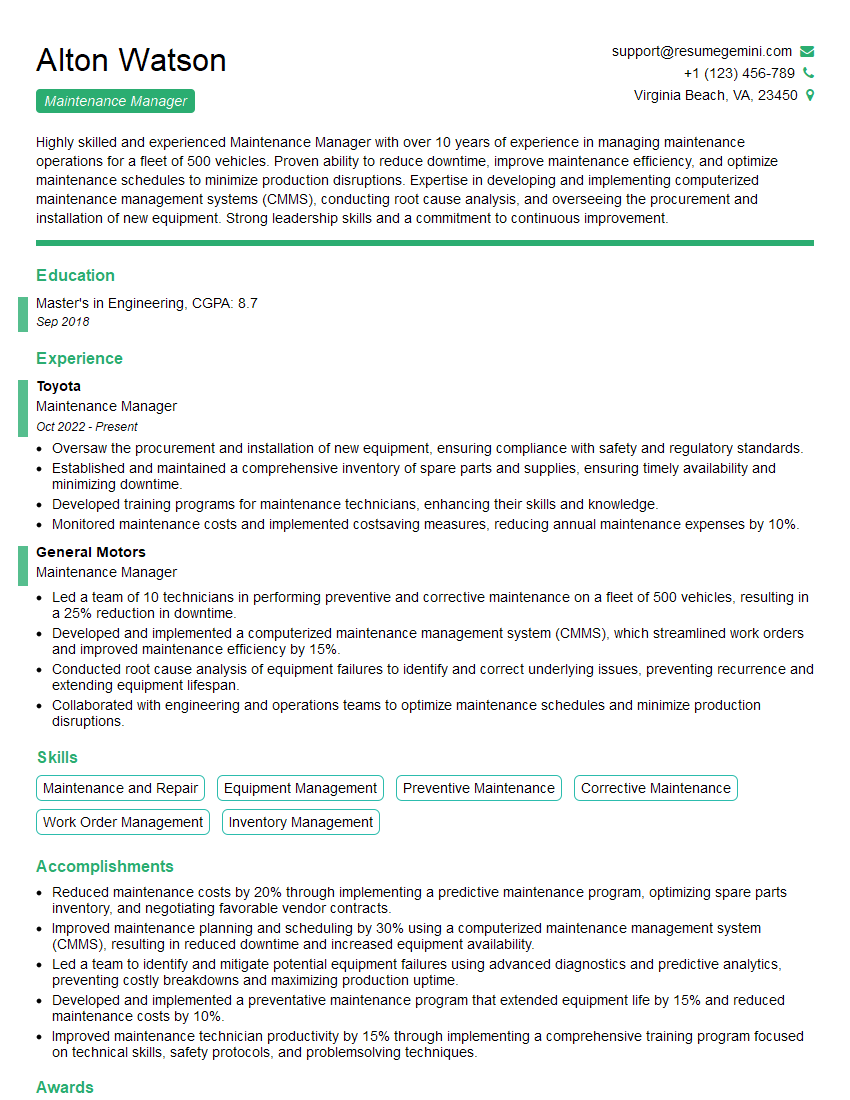
Maintenance Manager Resume Sample
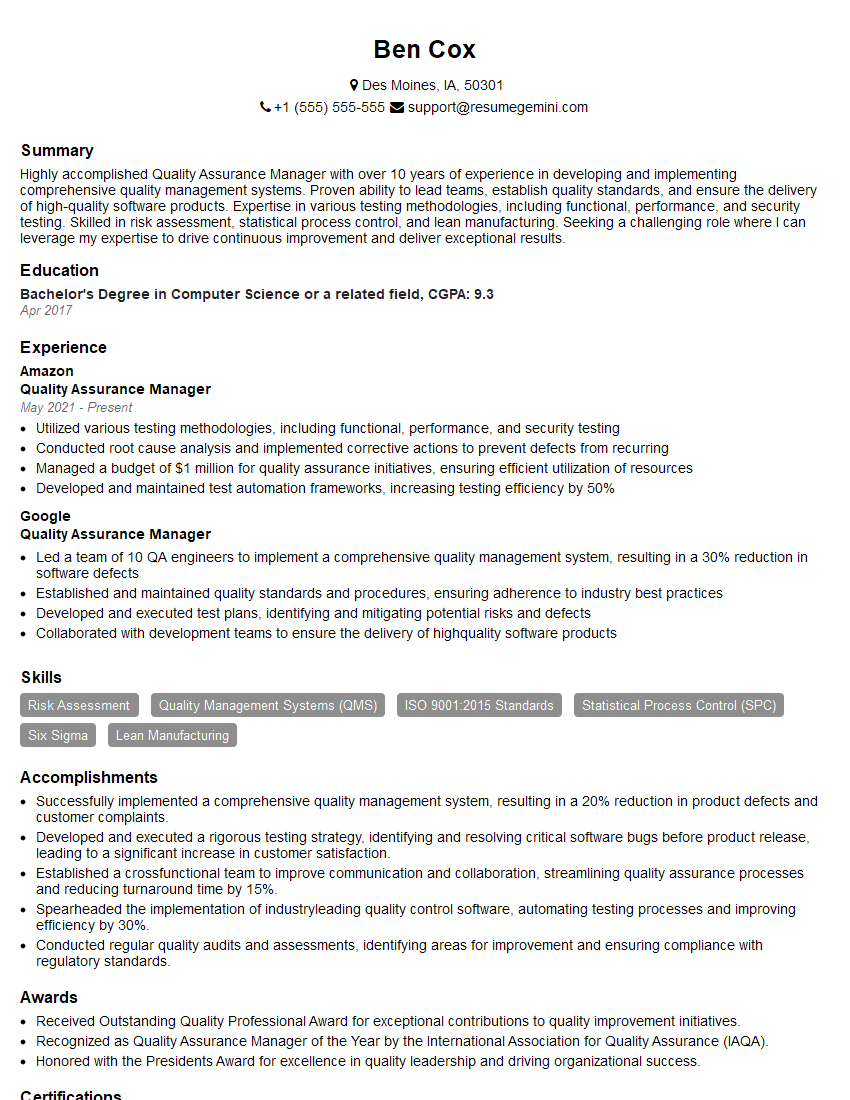
Quality Assurance Manager Resume Sample
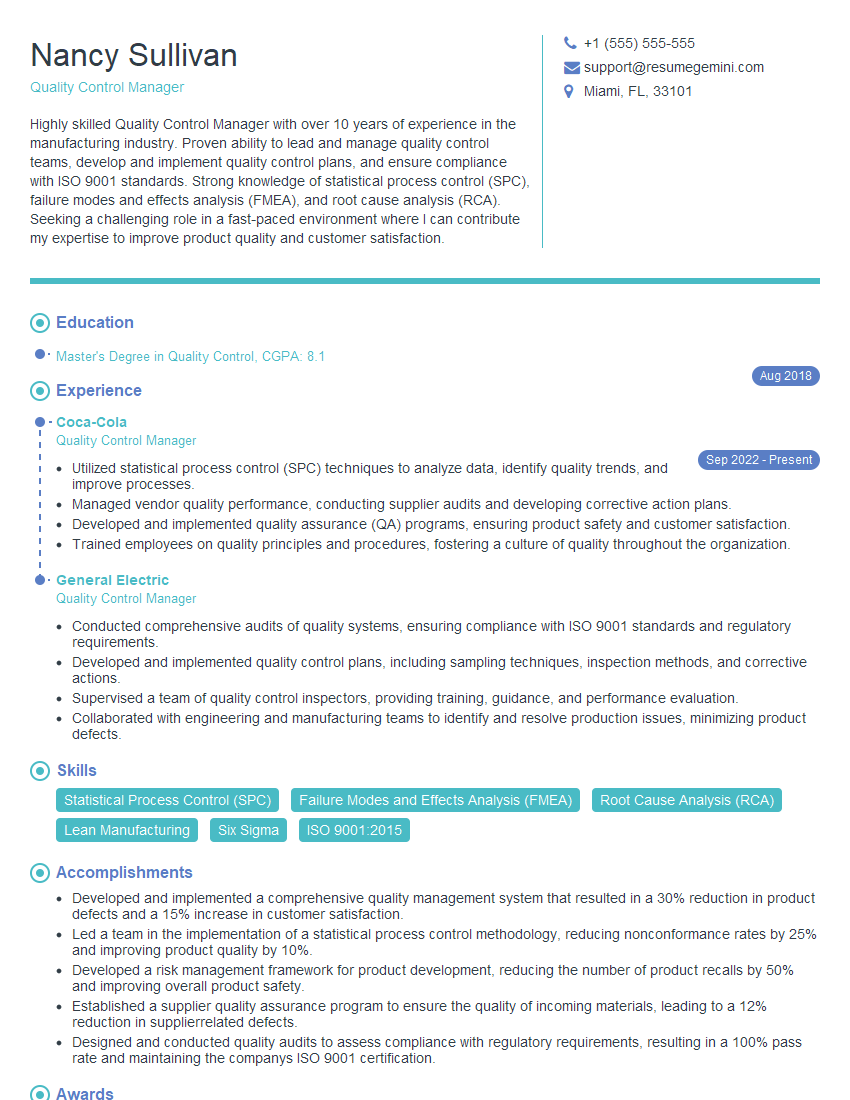
Quality Control Manager Resume Sample
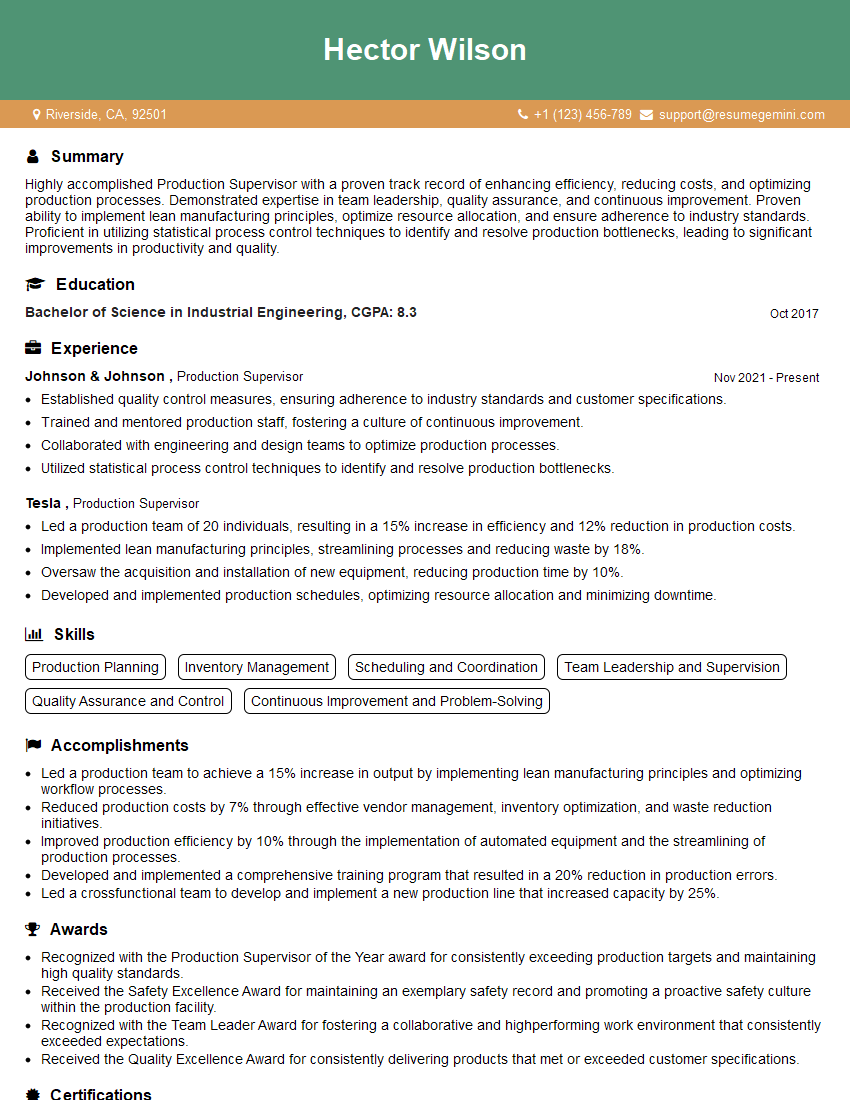
Production Supervisor Resume Sample
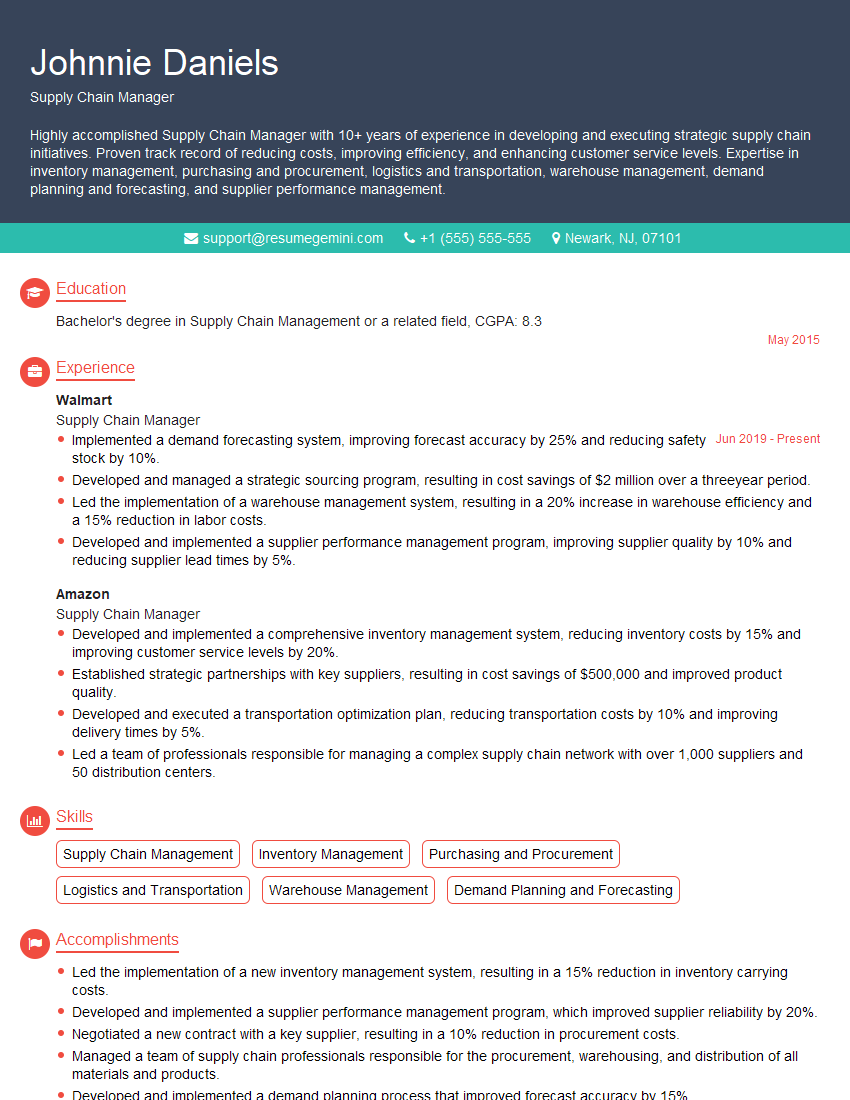
Supply Chain Manager Resume Sample

Compliance Officer Resume Sample
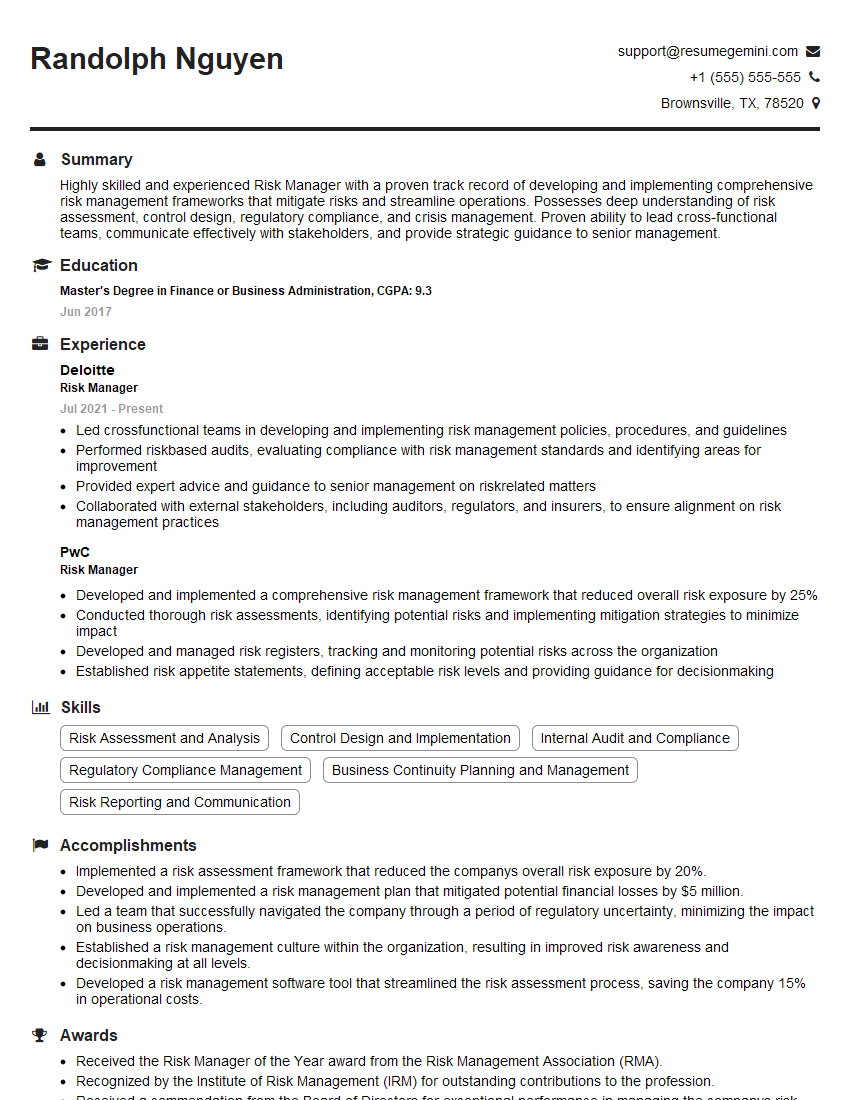
Risk Manager Resume Sample

Reliability Engineer Resume Sample
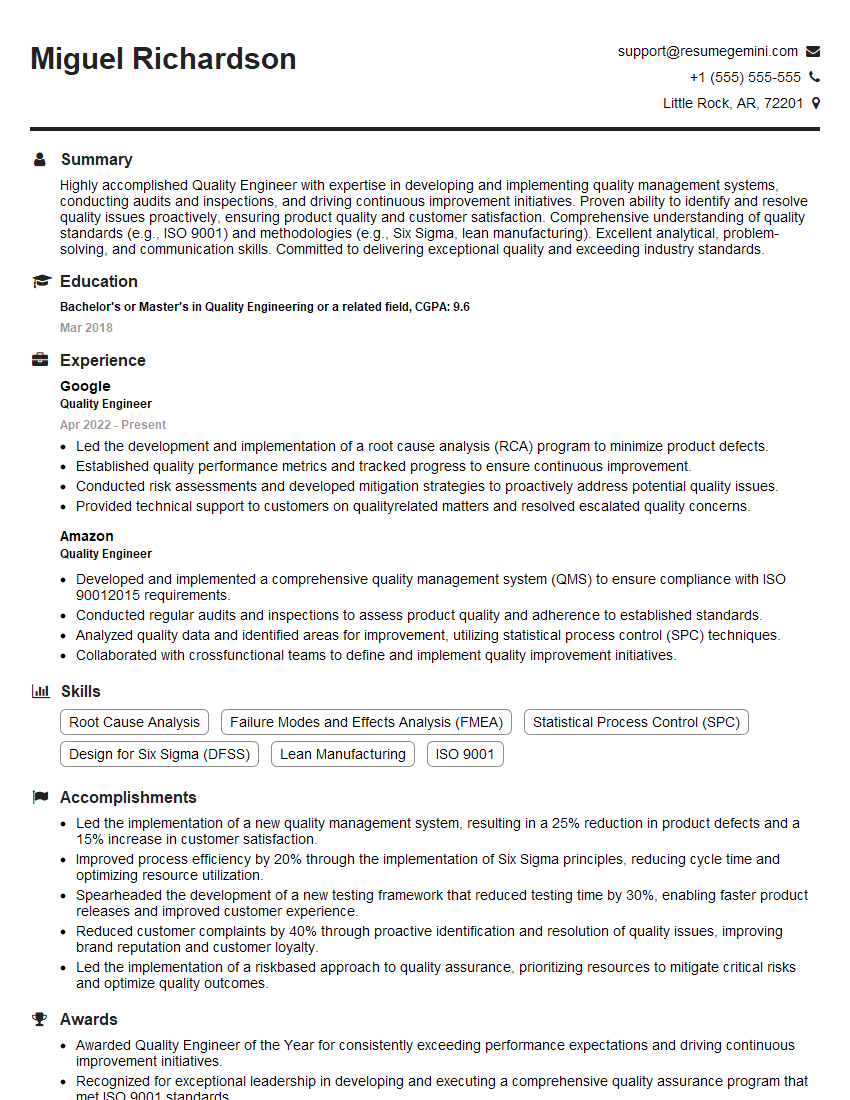
Quality Engineer Resume Sample
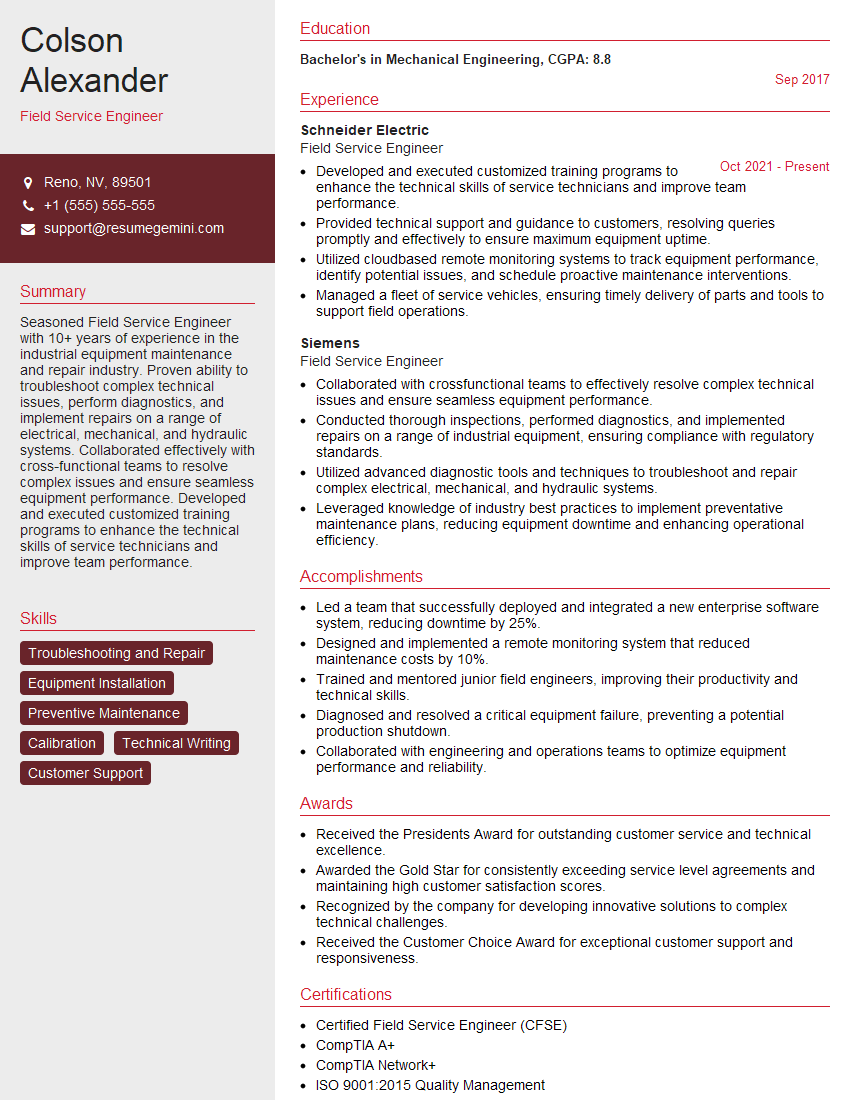
Field Service Engineer Resume Sample
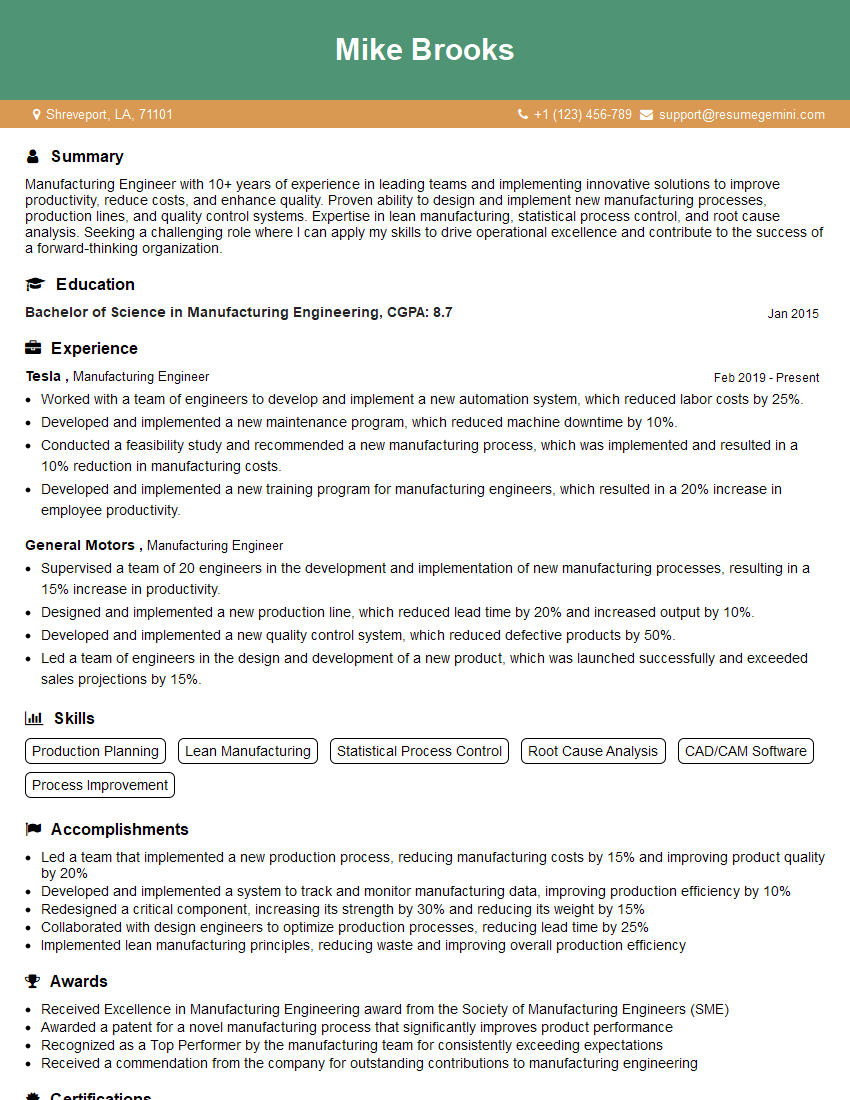
Manufacturing Engineer Resume Sample
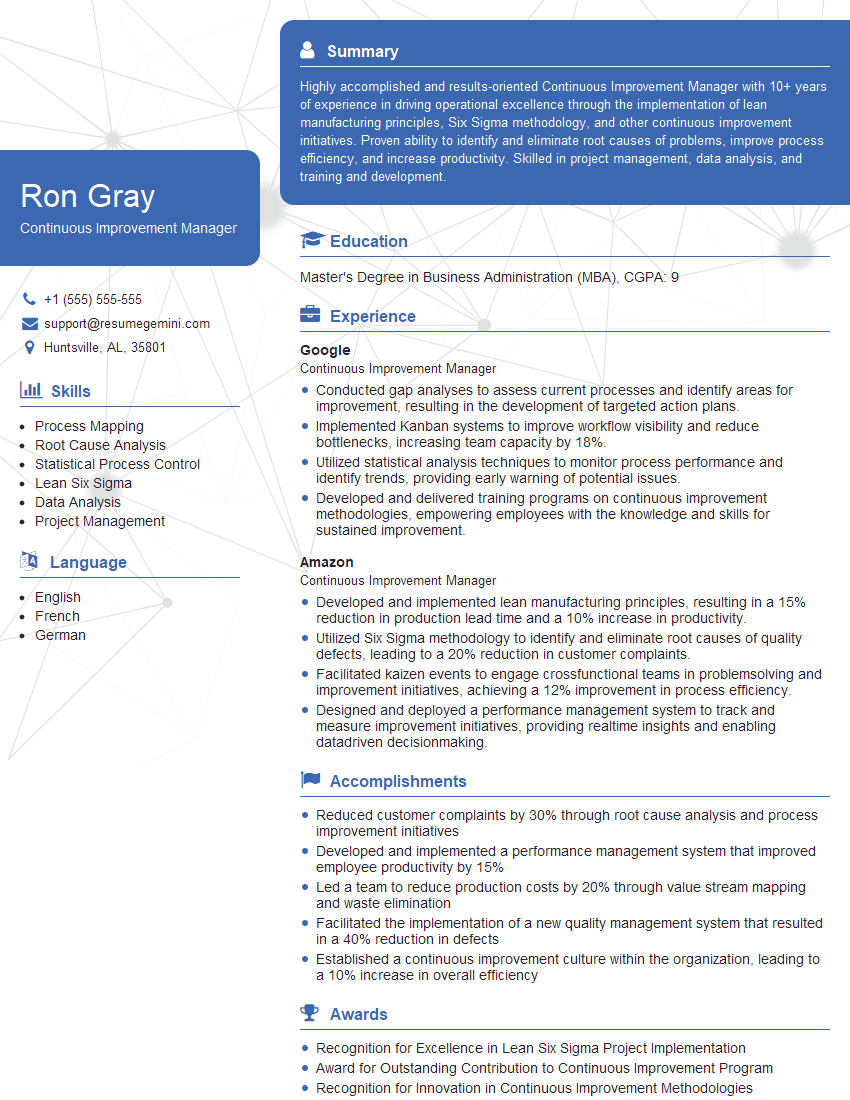
Continuous Improvement Manager Resume Sample
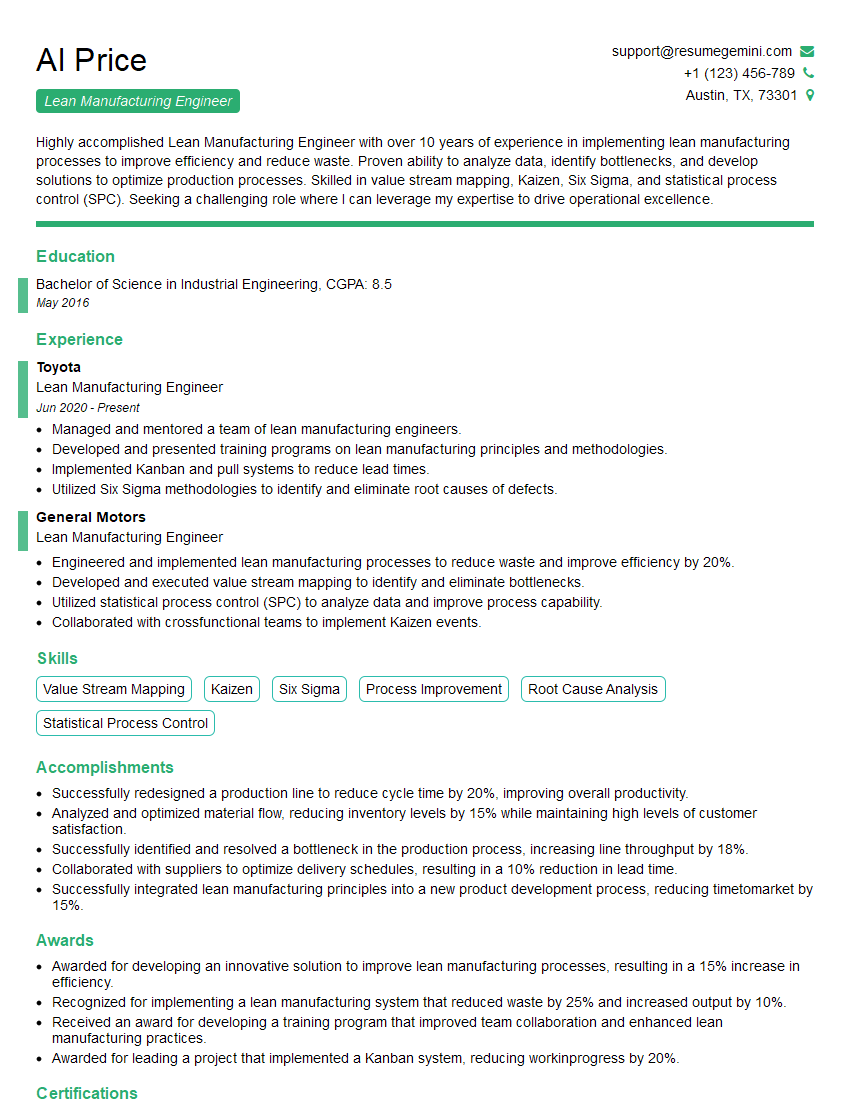
Lean Manufacturing Engineer Resume Sample
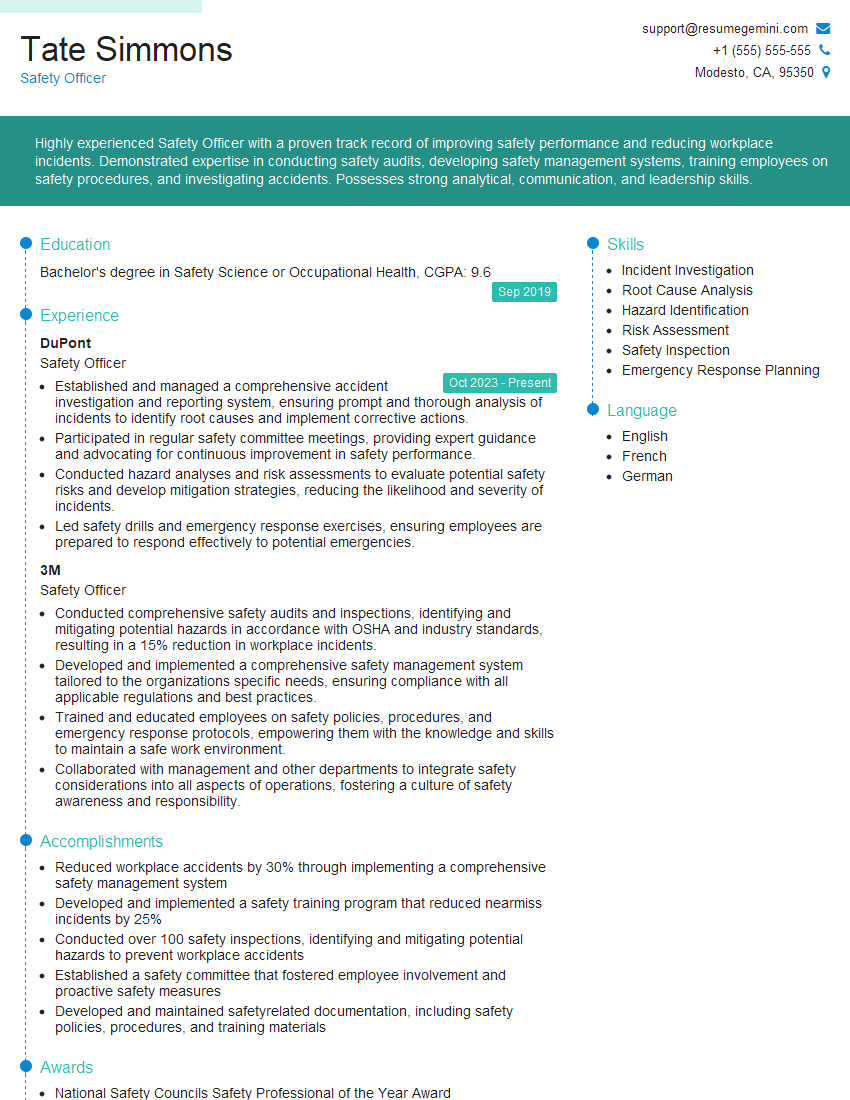
Safety Officer Resume Sample
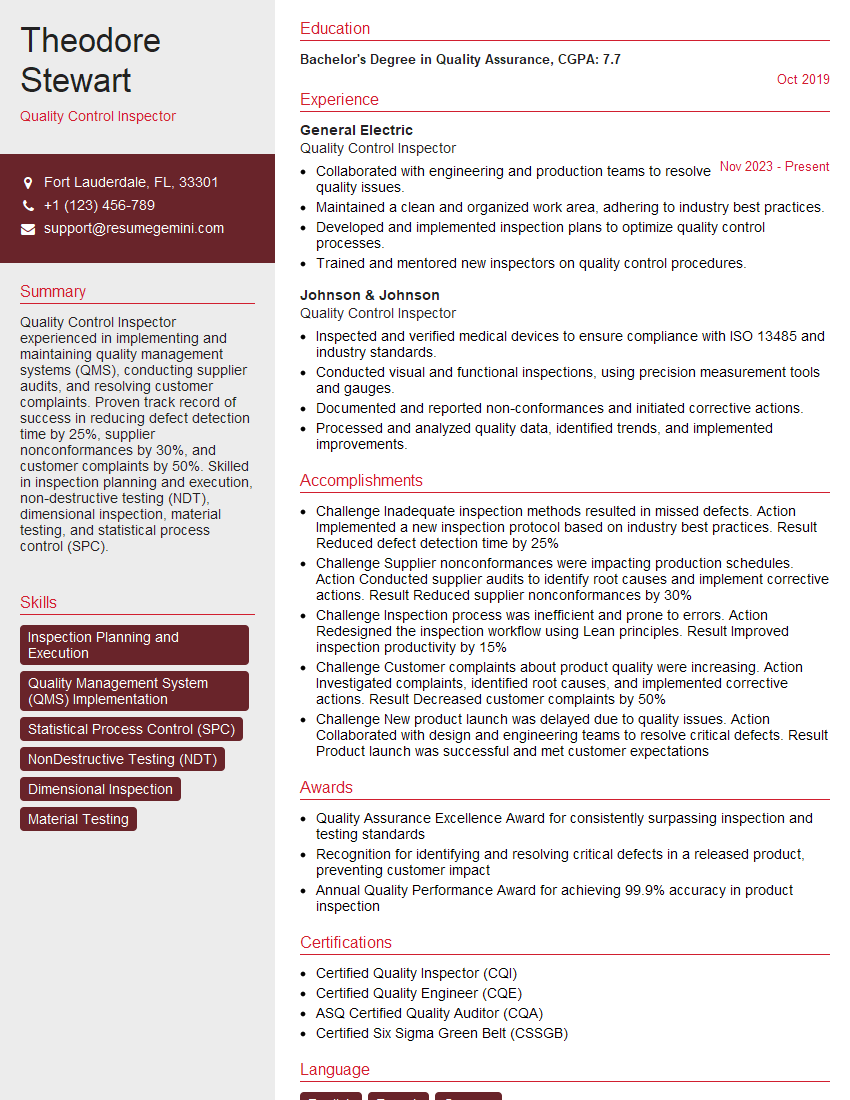
Quality Control Inspector Resume Sample
- Operations Manager
- Maintenance Manager
- Quality Assurance Manager
- Quality Control Manager
- Production Supervisor
- Supply Chain Manager
- Compliance Officer
- Risk Manager
- Reliability Engineer
- Quality Engineer
- Field Service Engineer
- Manufacturing Engineer
- Continuous Improvement Manager
- Lean Manufacturing Engineer
- Safety Officer
- Quality Control Inspector
Explore more articles
Users Rating of Our Blogs
Share Your Experience
We value your feedback! Please rate our content and share your thoughts (optional).
What Readers Say About Our Blog
To the interviewgemini.com Webmaster.
Very helpful and content specific questions to help prepare me for my interview!
Thank you
To the interviewgemini.com Webmaster.
This was kind of a unique content I found around the specialized skills. Very helpful questions and good detailed answers.
Very Helpful blog, thank you Interviewgemini team.