Preparation is the key to success in any interview. In this post, we’ll explore crucial Procedure Performance interview questions and equip you with strategies to craft impactful answers. Whether you’re a beginner or a pro, these tips will elevate your preparation.
Questions Asked in Procedure Performance Interview
Q 1. Describe your experience optimizing procedures for improved efficiency.
Optimizing procedures for improved efficiency involves a systematic approach focusing on streamlining workflows, eliminating redundancies, and leveraging technology. My experience encompasses analyzing existing processes to identify areas for improvement, proposing and implementing changes, and then measuring the impact of those changes. This often involves working closely with teams to understand their challenges and collaboratively develop solutions.
For example, in a previous role, I optimized the client onboarding process. By identifying and removing duplicate data entry steps and automating email notifications, we reduced the average onboarding time from three days to one day, resulting in a significant increase in client satisfaction and a faster time to revenue.
Q 2. How do you identify bottlenecks in a process?
Identifying bottlenecks in a process requires a multifaceted approach combining data analysis with observation and stakeholder interviews. I typically start by mapping the process flow, visually representing each step and its duration. This helps to identify potential choke points.
- Data Analysis: Examining process metrics like cycle time, throughput, and error rates can highlight areas where delays occur. For instance, a consistently high error rate in one step might indicate a training or process design issue.
- Observation: Observing the process in action can reveal hidden bottlenecks, such as inadequate equipment, poor workflow design, or communication breakdowns. This can be as simple as spending time shadowing employees.
- Stakeholder Interviews: Talking to individuals involved in the process can provide valuable insights into challenges and frustrations they face. Their perspectives can uncover bottlenecks not immediately apparent from data or observation.
Think of it like a highway with several lanes. If one lane is constantly congested, that’s your bottleneck. Identifying which lane (process step) is causing the problem requires analyzing traffic flow (data), observing the conditions (observation), and hearing from the drivers (stakeholders).
Q 3. Explain your approach to measuring process performance.
Measuring process performance involves defining key metrics and consistently collecting and analyzing data. A well-defined measurement system provides objective insights into process efficiency and effectiveness. This requires choosing the right metrics and tools.
- Define Metrics: This includes identifying quantifiable measures like cycle time, defect rate, throughput, cost per unit, and customer satisfaction. The specific metrics chosen will depend on the nature of the process and the organization’s goals.
- Data Collection: Data can be collected through various methods, including automated systems, manual data entry, and surveys. Ensuring data accuracy and consistency is critical.
- Data Analysis: Tools such as statistical process control (SPC) charts and run charts can be used to identify trends, patterns, and anomalies in the data. This helps pinpoint areas needing improvement.
For instance, in a manufacturing setting, measuring the number of units produced per hour (throughput) and the defect rate provides valuable insights into the efficiency and quality of the manufacturing process.
Q 4. What key performance indicators (KPIs) are most relevant to procedure performance?
Key Performance Indicators (KPIs) for procedure performance vary depending on the context, but some common and crucial ones include:
- Cycle Time: The total time it takes to complete a process.
- Throughput: The rate at which a process produces outputs.
- Defect Rate: The percentage of outputs that are defective or non-compliant.
- Cost per Unit: The cost associated with producing one unit of output.
- Customer Satisfaction: Measured through surveys or feedback mechanisms, this reflects the overall experience with the process.
- Efficiency Ratio: A comparison of actual output to expected output, indicating how well resources are utilized.
These KPIs provide a holistic view of process performance, highlighting areas for improvement across efficiency, quality, and customer satisfaction.
Q 5. How do you analyze process data to identify areas for improvement?
Analyzing process data involves using statistical tools and techniques to identify patterns, trends, and areas for improvement. This often involves visualizing the data to understand its distribution and relationships.
- Descriptive Statistics: Calculating metrics such as mean, median, standard deviation, and range provides a basic understanding of the data.
- Statistical Process Control (SPC): Using control charts allows for monitoring process stability and detecting special causes of variation.
- Root Cause Analysis: Techniques like the 5 Whys or fishbone diagrams help in identifying the underlying causes of problems.
- Data Visualization: Graphs, charts, and dashboards provide a visual representation of the data, making it easier to identify patterns and trends.
For example, if a control chart shows points consistently outside the control limits, it indicates a problem in the process that needs to be addressed. Root cause analysis can then be used to determine the root cause of the problem and implement a solution.
Q 6. Describe a time you successfully improved a procedure. What was the impact?
In a previous role, our team faced significant delays in the invoice processing procedure, leading to late payments and strained supplier relationships. We implemented a Lean methodology approach, focusing on eliminating waste and streamlining the process.
First, we mapped the current process to visualize bottlenecks. We identified redundant steps, such as manual data entry, and areas with unnecessary approvals. We then implemented changes including automating data entry, using digital workflows, and optimizing approval routes. The impact was dramatic: We reduced invoice processing time by 60%, improved accuracy significantly, and enhanced supplier satisfaction.
Q 7. What methodologies (e.g., Lean, Six Sigma) have you used to improve procedures?
I’ve extensively utilized Lean and Six Sigma methodologies to improve procedures. Lean principles, such as value stream mapping and 5S (Sort, Set in Order, Shine, Standardize, Sustain), focus on eliminating waste and maximizing value for the customer. Six Sigma, with its DMAIC (Define, Measure, Analyze, Improve, Control) framework, provides a structured approach to reducing process variation and defects.
For example, in a project using Six Sigma DMAIC, we defined the problem of high customer complaint rates, measured the current defect rate, analyzed the root causes using statistical tools, improved the process by implementing corrective actions, and then established controls to maintain the improvements. This resulted in a significant reduction in customer complaints and an improvement in customer satisfaction scores.
Q 8. How do you prioritize improvement projects based on potential impact?
Prioritizing improvement projects based on potential impact requires a structured approach. I typically use a combination of methods, including analyzing data on current performance, assessing the frequency and severity of issues, and evaluating the potential cost savings or revenue gains. A critical factor is stakeholder input.
- Impact Analysis: I use a matrix to score potential projects based on factors like impact on customer satisfaction, operational efficiency, and financial performance. Each factor is weighted based on its importance to the organization. For example, a project that improves customer satisfaction by 20% and reduces costs by 10% would score higher than a project with only a minor impact on one area.
- Data-Driven Decisions: This involves leveraging process performance data (e.g., cycle times, defect rates, customer feedback scores) to identify the areas with the greatest potential for improvement. This provides objective evidence to justify project selection.
- Risk Assessment: I consider the potential risks and challenges associated with each project. Some projects might offer substantial gains but require significant resources or present higher risks. A thorough risk assessment helps prioritize projects with a higher probability of success and lower risk profile.
For instance, in a previous role, we used this approach to prioritize streamlining our order fulfillment process. Data analysis showed that reducing order processing time by 15% would result in a significant increase in customer satisfaction and a decrease in shipping costs, making this project a high priority.
Q 9. How do you ensure buy-in from stakeholders when implementing process changes?
Securing stakeholder buy-in is crucial for the success of any process change. I believe in a collaborative and transparent approach. This involves clear communication, active engagement, and demonstrating the value proposition of the changes.
- Early Engagement: I begin by involving stakeholders early in the process, seeking their input and addressing their concerns proactively. This fosters a sense of ownership and collaboration.
- Data-Driven Communication: I use data to demonstrate the need for change and the potential benefits of the proposed improvements. This provides a factual basis for the proposed changes, mitigating concerns based on assumptions.
- Value Proposition: I clearly articulate how the proposed changes will benefit each stakeholder. This might include improved efficiency, reduced workload, increased revenue, or better customer satisfaction. Tailoring the message to the specific needs and priorities of each stakeholder group is essential.
- Pilot Programs: In some cases, a pilot program can be very effective in demonstrating the benefits of the change before a full-scale implementation. This allows stakeholders to see the impact firsthand, reducing resistance.
For example, when implementing a new customer relationship management (CRM) system, we conducted workshops with each department, demonstrating how the system would improve their individual workflows. This hands-on approach helped alleviate concerns and fostered buy-in across the organization.
Q 10. How do you manage resistance to change during process improvement initiatives?
Resistance to change is common during process improvement initiatives. I approach this by understanding the root causes of the resistance and addressing them through open communication, empathy, and collaborative problem-solving.
- Identify Root Causes: I strive to understand the source of resistance. Is it due to fear of the unknown, concerns about job security, lack of understanding, or past negative experiences with change?
- Open Communication: I encourage open dialogue and actively listen to stakeholder concerns. Addressing these concerns directly and honestly is essential.
- Address Fears: I provide reassurance and address any concerns about job security or changes in workload. Training and support are critical elements in mitigating these anxieties.
- Phased Implementation: Instead of a big-bang approach, I often recommend a phased implementation to reduce the impact of the changes and allow stakeholders to adapt gradually. This creates a manageable pace of change and allows for feedback and adjustments along the way.
- Celebrate Successes: Recognizing and celebrating early successes can help build momentum and demonstrate the value of the changes, ultimately reducing resistance.
In one project, employees were resistant to a new software because they were comfortable with the old system. By offering extensive training and providing ongoing support, we overcame this resistance and eventually saw the team embrace the new software and appreciate its enhanced capabilities.
Q 11. Explain your experience with process mapping and flowcharting.
Process mapping and flowcharting are fundamental tools in my work. I use them to visualize processes, identify bottlenecks, and improve efficiency. My experience spans various techniques, including swim lane diagrams, value stream mapping, and more detailed process flowcharts.
- Swim Lane Diagrams: These are excellent for illustrating who is responsible for which steps in a process, clearly showing hand-offs and potential areas for collaboration or conflict.
- Value Stream Mapping: This technique goes beyond basic process mapping by identifying value-added and non-value-added activities, providing a clear view of process waste.
- Process Flowcharts: I use standard flowcharting symbols (rectangles for processes, diamonds for decisions, etc.) to represent the steps in a process in a clear and concise manner. Detailed flowcharts can include data, timing, and other relevant information.
I use a combination of software tools like Visio or Lucidchart, alongside workshops with process owners to create accurate and collaborative process maps. This ensures that the maps reflect the real-world process and are accepted by those who will use them.
Q 12. How do you document and standardize procedures to ensure consistency?
Documenting and standardizing procedures is essential for consistency, efficiency, and compliance. My approach involves developing clear, concise, and easy-to-understand documentation that is readily accessible to all relevant personnel.
- Centralized Repository: I typically utilize a centralized document management system (e.g., SharePoint, Google Drive) to ensure that all procedures are easily accessible and up-to-date.
- Version Control: Version control is crucial to track changes and ensure everyone is working with the latest version of a procedure.
- Clear and Concise Language: The documentation needs to be easily understandable by all who will be using the procedures, avoiding technical jargon unless absolutely necessary. Using visuals like flowcharts and diagrams can further enhance clarity.
- Regular Reviews: Procedures should be reviewed and updated regularly to reflect changes in the business environment, technology, or best practices. This ensures that the procedures remain relevant and effective.
For example, in a previous role, we developed a standard operating procedure (SOP) for handling customer complaints. This SOP outlined the steps to be taken, the responsibilities of each team member, and the expected resolution times. The availability of this centralized and updated SOP ensured consistency in handling customer complaints across different teams and locations.
Q 13. How do you handle unexpected issues or deviations from established procedures?
Handling unexpected issues or deviations from established procedures requires a structured approach that balances adherence to established guidelines with the need for flexibility and adaptability. My approach typically involves:
- Incident Reporting: Establish a system for reporting unexpected issues, including a clear process for documenting the issue, its impact, and any immediate actions taken.
- Root Cause Analysis: Conducting a thorough root cause analysis to understand the underlying reasons for the deviation. Tools like the “5 Whys” can be helpful here.
- Exception Management: Define a process for handling exceptions to established procedures. This should outline the conditions under which deviations are permitted, the necessary approvals, and the required documentation.
- Process Improvement: Use the insights gained from investigating deviations to identify areas for process improvement and enhance the robustness of future procedures. This helps prevent similar issues from recurring.
In a past project, an unexpected surge in order volume caused a backlog in our processing system. By immediately reporting the incident, we were able to analyze the cause (server capacity limitations), implement temporary solutions (manual order processing), and initiate a long-term solution (upgrading server capacity). The whole process was documented, leading to updated procedures for handling future unexpected surges.
Q 14. How do you measure the success of procedure improvements?
Measuring the success of procedure improvements involves defining clear metrics beforehand and tracking them consistently after the implementation. The specific metrics will vary depending on the goals of the improvement initiative, but common metrics include:
- Cycle Time Reduction: Measuring the time it takes to complete a process, aiming for a reduction.
- Defect Rate Reduction: Tracking the number of errors or defects, aiming for a reduction.
- Cost Savings: Measuring the reduction in costs associated with the process.
- Customer Satisfaction: Using surveys or other feedback mechanisms to measure customer satisfaction.
- Employee Satisfaction: Assessing employee satisfaction with the improved process through feedback mechanisms.
After implementing improvements to our order fulfillment process, we tracked key metrics like order processing time, shipping costs, and customer satisfaction scores. We compared the pre- and post-improvement data to quantify the impact of the changes and demonstrate the overall success of the initiative. Regular reporting on these metrics provides ongoing monitoring and allows for further fine-tuning of procedures.
Q 15. What tools or software do you use to track and analyze procedure performance?
Tracking and analyzing procedure performance requires a multifaceted approach, leveraging a combination of tools and software. My experience involves using a variety of solutions depending on the specific needs of the project and the organization. For instance, for simple procedures with readily available data, spreadsheets might suffice, allowing for basic calculations of completion times, error rates, and other key metrics. However, for more complex procedures or larger organizations, dedicated software is usually necessary.
I’ve successfully utilized Business Process Management (BPM) suites, which provide robust capabilities for process mapping, monitoring, and analysis. These suites often include dashboards that visualize key performance indicators (KPIs) in real-time, facilitating quick identification of bottlenecks or areas needing improvement. Specific examples include tools like Pega, Appian, or even more specialized process mining software like Celonis or UiPath Process Mining. These platforms offer advanced features such as process discovery, conformance checking, and predictive analytics, enabling data-driven decision-making in procedure optimization.
Furthermore, integrating data from various sources, such as ERP systems or CRM databases, using data warehousing and business intelligence tools (e.g., Tableau, Power BI) is crucial for a comprehensive view of procedure performance. This integrated approach allows for the correlation of procedural data with other organizational factors, providing a holistic understanding of the impact and effectiveness of our procedures.
Career Expert Tips:
- Ace those interviews! Prepare effectively by reviewing the Top 50 Most Common Interview Questions on ResumeGemini.
- Navigate your job search with confidence! Explore a wide range of Career Tips on ResumeGemini. Learn about common challenges and recommendations to overcome them.
- Craft the perfect resume! Master the Art of Resume Writing with ResumeGemini’s guide. Showcase your unique qualifications and achievements effectively.
- Don’t miss out on holiday savings! Build your dream resume with ResumeGemini’s ATS optimized templates.
Q 16. Describe your experience with root cause analysis.
Root cause analysis (RCA) is a critical part of improving procedure performance. My approach typically follows a structured methodology, such as the 5 Whys or Fishbone diagram techniques. I’ve found that combining these with data analysis provides a more robust and evidence-based RCA.
For example, if a procedure consistently experiences delays, I wouldn’t just accept ‘lack of resources’ as the answer. Using the 5 Whys, I would drill down: Why is there a lack of resources? (Insufficient budget). Why is the budget insufficient? (Poor forecasting). Why was the forecasting poor? (Inadequate data collection). Why was the data collection inadequate? (Missing reporting procedures). This process reveals the underlying systemic issues that need addressing, rather than simply treating the symptom. The Fishbone diagram helps to visualize potential causes categorized by different factors, like people, methods, materials, and equipment.
Beyond these methods, I utilize data analytics to identify correlations between various factors and the problem, supplementing the qualitative information gained from the 5 Whys or Fishbone. This combination leads to more targeted and effective solutions, ensuring that the real root cause, not just a surface-level problem, is addressed. This approach has consistently resulted in significant improvements in procedure efficiency and reduced error rates across various projects.
Q 17. How do you ensure compliance with regulations and standards in your procedures?
Compliance is paramount. My approach to ensuring compliance with regulations and standards in our procedures involves a multi-layered strategy that begins at the design phase and continues through ongoing monitoring.
First, I ensure that procedures are designed with compliance in mind. This involves meticulous review of all relevant regulations, industry standards, and internal policies. We use checklists and templates to ensure all necessary elements (e.g., risk assessments, approval workflows, audit trails) are incorporated. For instance, in a healthcare setting, we would strictly adhere to HIPAA guidelines, ensuring patient data security and privacy within all procedures. Similarly, in manufacturing, we would follow stringent quality control protocols, such as those in ISO 9001.
Second, we establish a robust system for ongoing monitoring and auditing. This includes regular internal audits to assess adherence to procedures and relevant standards, along with documentation reviews to ensure all activities are properly recorded and verifiable. We leverage audit management software to streamline this process and track any discrepancies identified. Finally, employee training and awareness are crucial, as employees are the ones who directly implement the procedures. Regular training programs reinforce the importance of compliance and update employees on any changes in regulations or standards.
Q 18. How do you identify and mitigate risks associated with process changes?
Identifying and mitigating risks associated with process changes requires a proactive and structured approach. We employ a formal risk assessment process, often using a risk matrix to analyze the likelihood and impact of potential risks associated with any proposed change.
This matrix helps to prioritize risks, focusing our attention on the most critical ones. For each identified risk, we develop mitigation strategies. These strategies might involve additional training for employees, implementing new controls, or conducting pilot tests of the changes before full-scale implementation. A detailed risk assessment document is created and reviewed by stakeholders to ensure a shared understanding and buy-in.
For example, before implementing a new software system that affects a key procedure, we would carefully assess risks like data migration issues, system downtime, and user adoption challenges. We would then develop mitigation plans, including data backup strategies, contingency plans for system outages, and comprehensive training programs for users. By meticulously addressing potential risks upfront, we significantly reduce the likelihood of negative consequences and ensure a smooth transition during process changes.
Q 19. How do you communicate procedure changes to relevant stakeholders?
Communicating procedure changes effectively is crucial for successful implementation. My approach combines various communication methods to ensure all relevant stakeholders receive the information clearly and concisely.
We begin by identifying all affected stakeholders, which could include employees, management, clients, and external partners. We then develop communication materials tailored to each group’s needs and understanding. For example, employees might receive detailed instructions and training materials, while management might receive a high-level summary of the changes and their impact. We use a combination of methods including email announcements, formal memos, internal newsletters, training sessions, and even town hall meetings, depending on the scale and importance of the changes.
In addition to the initial communication, we establish a feedback mechanism to address any questions or concerns. This could involve Q&A sessions, suggestion boxes, or dedicated communication channels. This ensures transparency and fosters buy-in, leading to smoother implementation and better adoption of the revised procedures.
Q 20. How do you train employees on new or revised procedures?
Training employees on new or revised procedures is a critical step in ensuring successful implementation. My approach emphasizes a blended learning strategy that combines various methods for optimal knowledge retention and skill development.
The training program typically starts with a comprehensive overview of the new or revised procedure, explaining the rationale behind the changes and their benefits. This is often supplemented with visual aids, such as flowcharts or videos, to make the information more easily digestible. Hands-on training, including simulations or role-playing, is a vital component, allowing employees to practice the new procedures in a safe and controlled environment.
Following the initial training, we provide ongoing support and reinforcement through regular refresher courses, online modules, and readily available documentation. We also implement a system for tracking employee proficiency and addressing any knowledge gaps through targeted coaching or additional training. This multi-faceted approach leads to improved competency, increased confidence, and ultimately, enhanced procedure performance.
Q 21. What is your experience with automation in improving procedures?
Automation plays a significant role in improving procedure performance, increasing efficiency, and reducing errors. My experience includes implementing various automation solutions to streamline processes across diverse settings.
For example, I’ve successfully implemented Robotic Process Automation (RPA) to automate repetitive tasks within procedures. This involved using tools such as UiPath or Automation Anywhere to create software robots that handle tasks like data entry, report generation, and invoice processing. This resulted in significant time savings and reduced human error rates. In other instances, I’ve utilized workflow automation tools to manage and track the progress of procedures, improving visibility and collaboration among team members.
Beyond RPA and workflow automation, I’ve explored the use of Artificial Intelligence (AI) for tasks like intelligent document processing, predictive analytics, and anomaly detection within procedures. For instance, AI-powered systems can be used to automatically flag potential errors or deviations from the standard procedure, enabling proactive intervention and prevention of costly mistakes. By strategically integrating automation technologies, we can achieve significant gains in procedure efficiency and quality, freeing up human resources to focus on more value-added activities.
Q 22. How do you ensure data accuracy in procedure performance metrics?
Data accuracy is paramount in procedure performance metrics. Inaccurate data leads to flawed analysis and ineffective improvements. To ensure accuracy, I employ a multi-pronged approach:
- Robust Data Collection Methods: I utilize automated data capture whenever possible, minimizing manual entry errors. For manual data, clear, standardized forms and rigorous training for data collectors are crucial. Regular audits of data entry processes are conducted to identify and correct discrepancies.
- Data Validation and Cleaning: Before analysis, data undergoes thorough validation. This involves checking for inconsistencies, outliers, and missing values. Data cleaning techniques, such as imputation for missing values or outlier removal using statistical methods, are applied judiciously to maintain data integrity. I always document the cleaning process for transparency and reproducibility.
- Source Verification: Tracing data back to its source is key. Understanding where the data originates helps identify potential biases or errors early on. Cross-referencing data from multiple sources can also help identify discrepancies and improve accuracy.
- Regular Reporting and Feedback Loops: Regular reporting on data quality metrics, such as error rates and completeness, helps monitor performance and identify areas for improvement. Feedback loops with data collectors and users are established to address issues promptly.
For example, in a previous role, we implemented automated data extraction from our CRM system to track customer service call resolution times. This significantly improved accuracy compared to the previous manual recording method, reducing error rates by over 60%.
Q 23. How do you balance speed and accuracy in procedure improvements?
Balancing speed and accuracy in procedure improvements is a delicate act. Rushing the process often compromises accuracy, leading to ineffective or even harmful changes. Conversely, focusing solely on accuracy can delay implementation and hinder progress. I address this using a structured approach:
- Prioritize Critical Areas: I start by focusing on areas with the highest impact, where even small improvements can yield significant benefits. This allows for quick wins that build momentum and demonstrate value.
- Iterative Approach: Instead of aiming for a perfect solution immediately, I adopt an iterative approach, implementing changes in phases. Each phase involves testing, data analysis, and refinement before moving to the next. This allows for continuous improvement while minimizing risk.
- Pilot Programs: Before full-scale implementation, a pilot program with a smaller subset of users allows for real-world testing and identification of potential issues. This reduces the risk of large-scale failures.
- Appropriate Technology: Using appropriate technology, such as automated workflow tools or process mining software, can significantly increase speed and accuracy. These tools can automate repetitive tasks, reducing errors and accelerating the implementation of improvements.
Imagine streamlining a complex order fulfillment process. Instead of trying to overhaul the entire system at once, we might start by automating order confirmation emails, then move on to optimizing warehouse picking routes, and finally, implement a new inventory management system. This phased approach ensures accuracy while enabling quicker value delivery.
Q 24. Describe your experience working with cross-functional teams on process improvement.
Cross-functional collaboration is essential for successful procedure improvement. My experience working with diverse teams involves fostering communication, building consensus, and leveraging each team’s unique expertise. I’ve found success using the following strategies:
- Establish Shared Goals: Begin by clearly defining project objectives and ensuring all team members understand and agree on the desired outcomes. This provides a common direction and fosters shared ownership.
- Open Communication Channels: Establish regular meetings, utilize collaborative tools (e.g., project management software), and encourage open communication to ensure everyone is informed and involved.
- Leverage Diverse Perspectives: Encourage open discussion and value diverse viewpoints. Each team member brings a unique perspective and expertise; understanding these is key to developing comprehensive and effective solutions.
- Conflict Resolution: Addressing conflicts promptly and constructively is vital. Using mediation techniques and focusing on shared goals helps maintain positive team dynamics and facilitates progress.
- Recognize Contributions: Acknowledging and appreciating individual contributions strengthens team morale and encourages continued collaboration.
In one project, I worked with a team comprising operations, IT, and customer service to improve our customer onboarding process. By actively listening to each team’s concerns and leveraging their expertise, we developed a solution that addressed bottlenecks across all departments and resulted in a 20% reduction in onboarding time.
Q 25. How do you handle conflicting priorities in procedure improvement projects?
Conflicting priorities are inevitable in improvement projects. Addressing these effectively requires a structured approach:
- Prioritization Framework: Employing a prioritization framework, such as a weighted scoring system based on impact, urgency, and feasibility, helps objectively rank competing priorities.
- Stakeholder Alignment: Clearly communicate the rationale for prioritization decisions to all stakeholders. Involving stakeholders in the prioritization process can help build buy-in and reduce conflict.
- Trade-off Analysis: Conducting a thorough trade-off analysis to understand the potential benefits and drawbacks of each option helps make informed decisions.
- Negotiation and Compromise: Negotiation and compromise are often necessary to resolve conflicting priorities. Finding mutually acceptable solutions that address the needs of all stakeholders is key.
- Project Scope Management: Adjusting project scope to focus on the most critical priorities may be necessary. This requires transparent communication with stakeholders and a commitment to delivering value within the revised scope.
For instance, if a project to improve customer service is competing with one to reduce operational costs, a prioritization matrix might reveal that improving customer service has a higher overall impact on the business, even if it’s slightly more expensive in the short-term.
Q 26. What are some common pitfalls to avoid when improving procedures?
Several common pitfalls can derail procedure improvement efforts. Avoiding these pitfalls requires careful planning and execution:
- Ignoring Stakeholder Input: Failing to adequately involve stakeholders in the process can lead to resistance and ultimately hinder implementation.
- Lack of Clear Objectives: Without clearly defined objectives, it’s difficult to measure success or track progress.
- Insufficient Training: Inadequate training on new procedures can lead to errors, frustration, and ultimately, failure to adopt the improvements.
- Overlooking Data Analysis: Failing to collect and analyze data to assess the effectiveness of improvements can prevent identification of areas requiring further refinement.
- Resistance to Change: Addressing employee resistance to change requires effective communication, training, and addressing concerns.
- Lack of Follow-up: After implementing improvements, ongoing monitoring and evaluation are crucial to ensure sustained effectiveness.
For example, implementing a new software system without adequate training for users is a recipe for disaster. Users may resist using the system, leading to continued use of the old, less efficient methods. This highlights the critical importance of comprehensive training and ongoing support.
Q 27. How do you stay up-to-date on best practices in procedure performance?
Staying up-to-date on best practices is crucial in this rapidly evolving field. I actively utilize several methods:
- Professional Organizations: Membership in professional organizations such as the Association for Process Improvement (API) provides access to industry news, research, and networking opportunities.
- Industry Publications and Journals: Regularly reading industry publications, journals, and online resources helps me stay abreast of the latest trends and best practices.
- Conferences and Workshops: Attending conferences and workshops allows me to learn from experts, network with peers, and gain practical insights.
- Online Courses and Certifications: Pursuing online courses and certifications in process improvement methodologies (e.g., Lean, Six Sigma) enhances my skills and knowledge.
- Benchmarking: Studying successful procedure performance in similar organizations helps identify best practices and areas for improvement in my own work.
For example, I recently completed a Six Sigma Green Belt certification which broadened my understanding of data-driven process improvement techniques and provided practical tools for improving procedure performance.
Q 28. Describe your experience with developing and implementing a new procedure.
Developing and implementing a new procedure involves a systematic approach. My experience with this includes:
- Needs Assessment: Begin by clearly defining the need for a new procedure. This often involves identifying gaps in existing processes or addressing emerging challenges.
- Design and Development: Design the new procedure, incorporating best practices and considering factors such as user needs, feasibility, and compliance requirements. This may involve using process mapping tools to visually represent the procedure’s steps.
- Testing and Refinement: Thoroughly test the new procedure, preferably in a pilot program, to identify and address any potential issues before full-scale implementation. Incorporate feedback from pilot participants to make refinements.
- Training and Documentation: Develop comprehensive training materials and documentation to ensure users understand and can effectively follow the new procedure. This often includes visual aids, step-by-step instructions, and FAQs.
- Implementation and Monitoring: Implement the new procedure across the organization, providing ongoing support and addressing user questions. Monitor performance using appropriate metrics to track effectiveness and identify areas for further improvement.
In a previous role, I led the development of a new employee onboarding procedure that incorporated elements of gamification and social learning. This resulted in a significant increase in employee engagement and a faster time-to-productivity, surpassing our initial expectations.
Key Topics to Learn for Procedure Performance Interview
- Process Mapping and Optimization: Understanding how to analyze, document, and improve existing procedures. This includes identifying bottlenecks and inefficiencies.
- Standard Operating Procedures (SOPs): Developing, implementing, and maintaining clear, concise, and effective SOPs. Consider practical applications in various industries and how to ensure compliance.
- Performance Measurement and Metrics: Defining key performance indicators (KPIs) and using data analysis to track progress and identify areas for improvement. Think about how to present this data effectively.
- Root Cause Analysis (RCA): Mastering techniques to identify the underlying causes of procedural failures or inefficiencies. Practice applying different RCA methodologies (e.g., 5 Whys, Fishbone diagram).
- Change Management: Understanding the principles of change management and how to effectively implement procedural changes while minimizing disruption. This includes stakeholder communication and training.
- Automation and Technology: Exploring how technology can be leveraged to automate procedures and improve efficiency. Consider the implications of different automation tools and their limitations.
- Risk Assessment and Mitigation: Identifying potential risks associated with procedures and developing strategies to mitigate those risks. Think about how to proactively identify and address potential problems.
- Continuous Improvement Methodologies: Familiarity with methodologies like Lean, Six Sigma, or Kaizen and their application to procedural performance improvement.
Next Steps
Mastering Procedure Performance is crucial for career advancement in many fields, showcasing your ability to streamline operations, enhance efficiency, and drive positive outcomes. A strong resume is your first step towards securing your dream role. Creating an ATS-friendly resume is essential to ensure your application gets noticed. We highly recommend using ResumeGemini to build a professional and impactful resume. ResumeGemini provides tools and resources to help you craft a compelling narrative, highlighting your skills and experience in Procedure Performance. Examples of resumes tailored to Procedure Performance are available to further guide you.
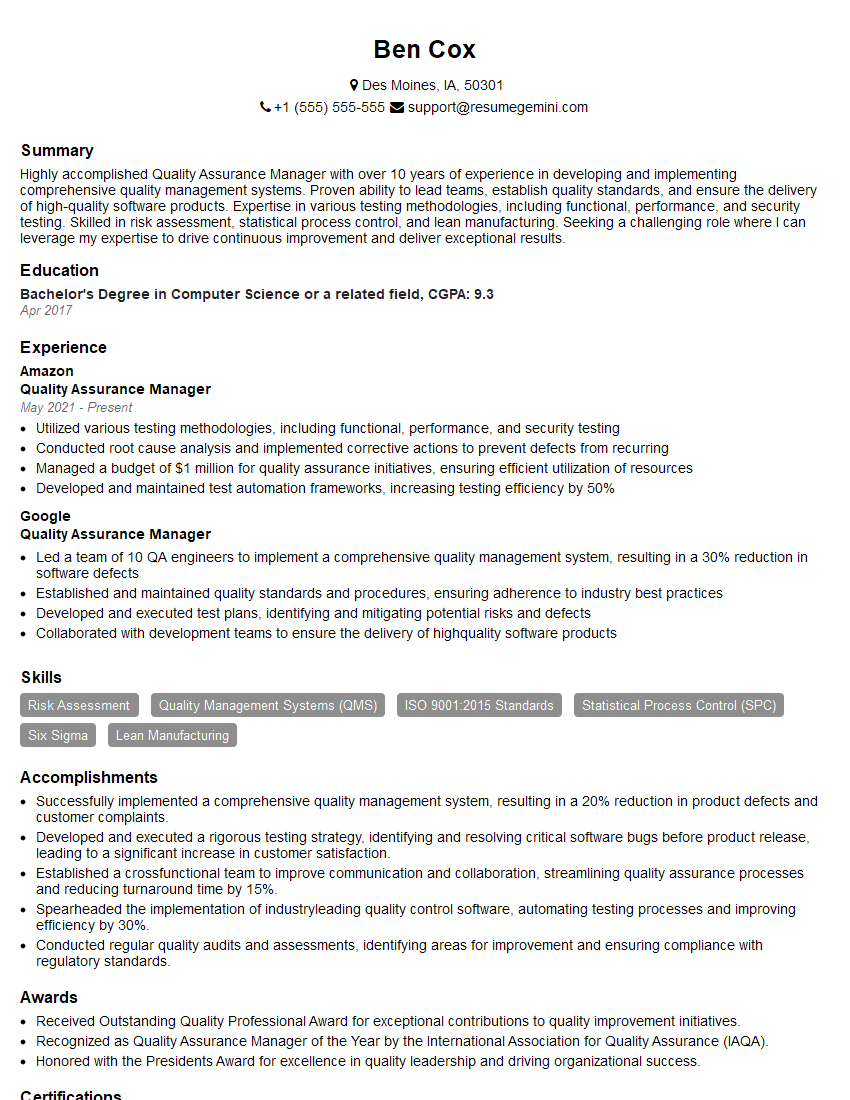
Quality Assurance Manager Resume Sample
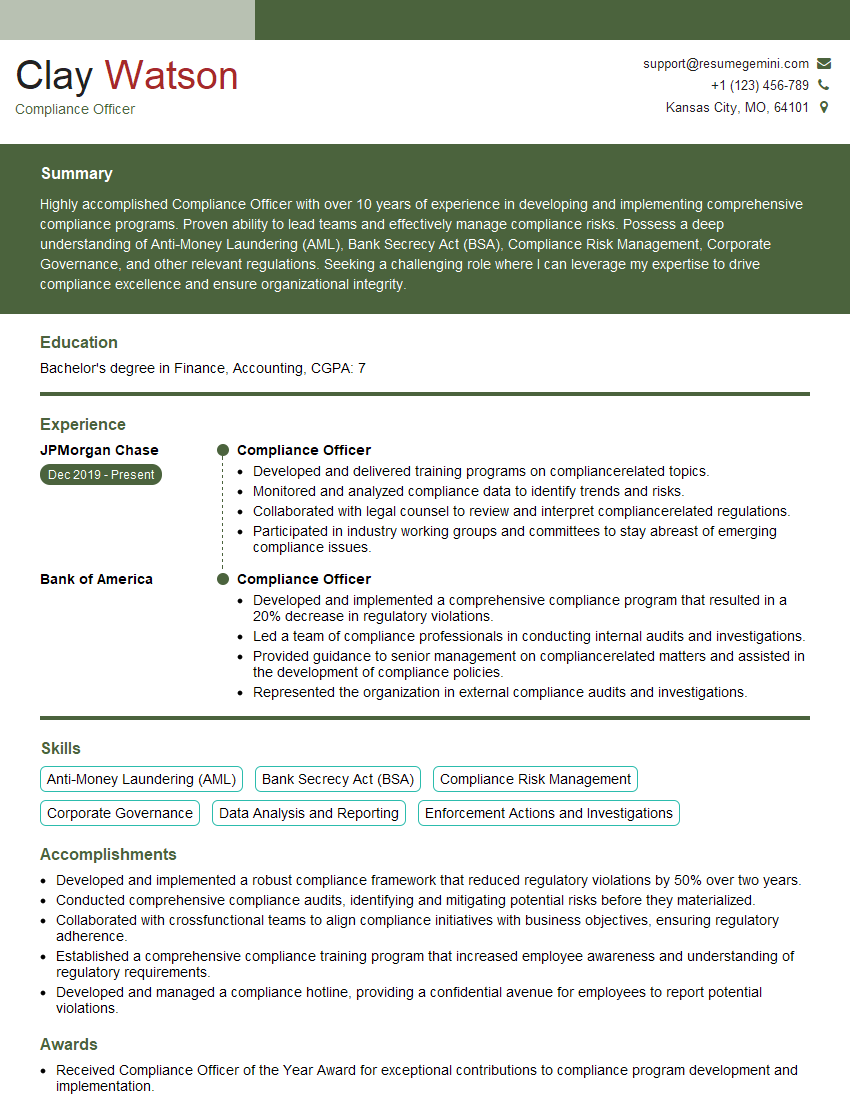
Compliance Officer Resume Sample
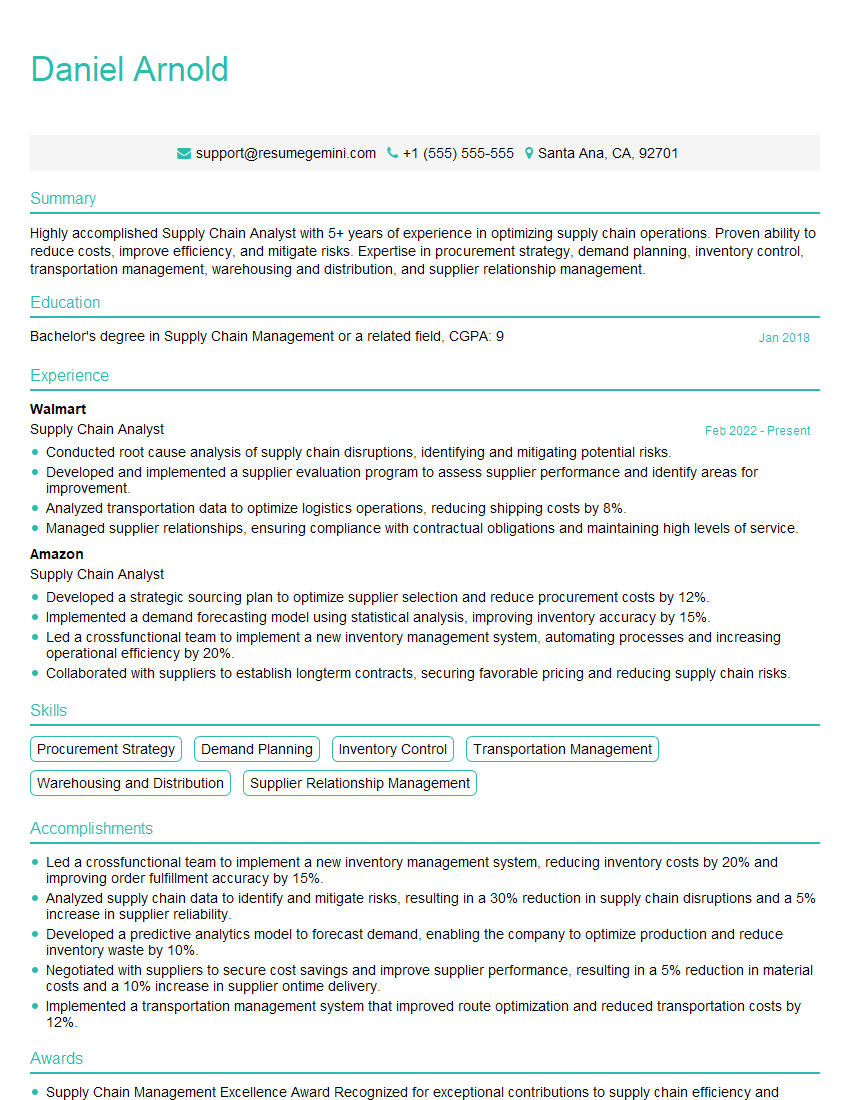
Supply Chain Analyst Resume Sample
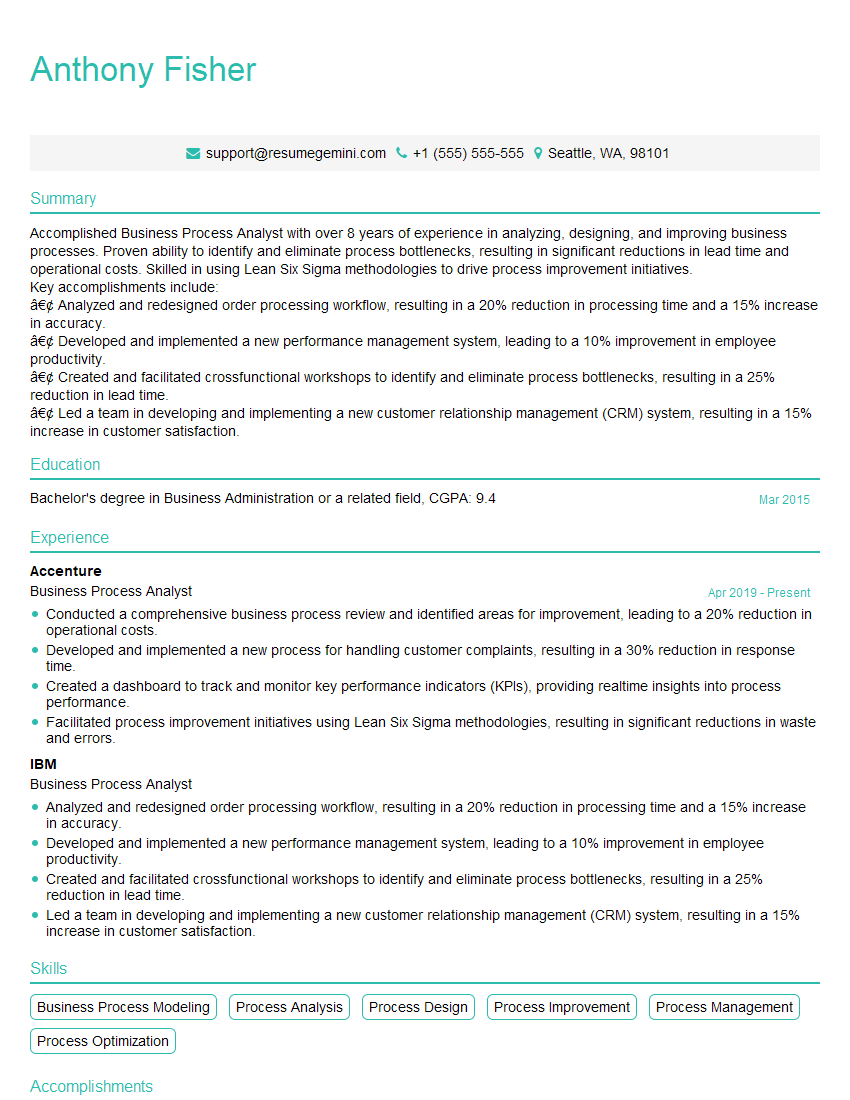
Business Process Analyst Resume Sample
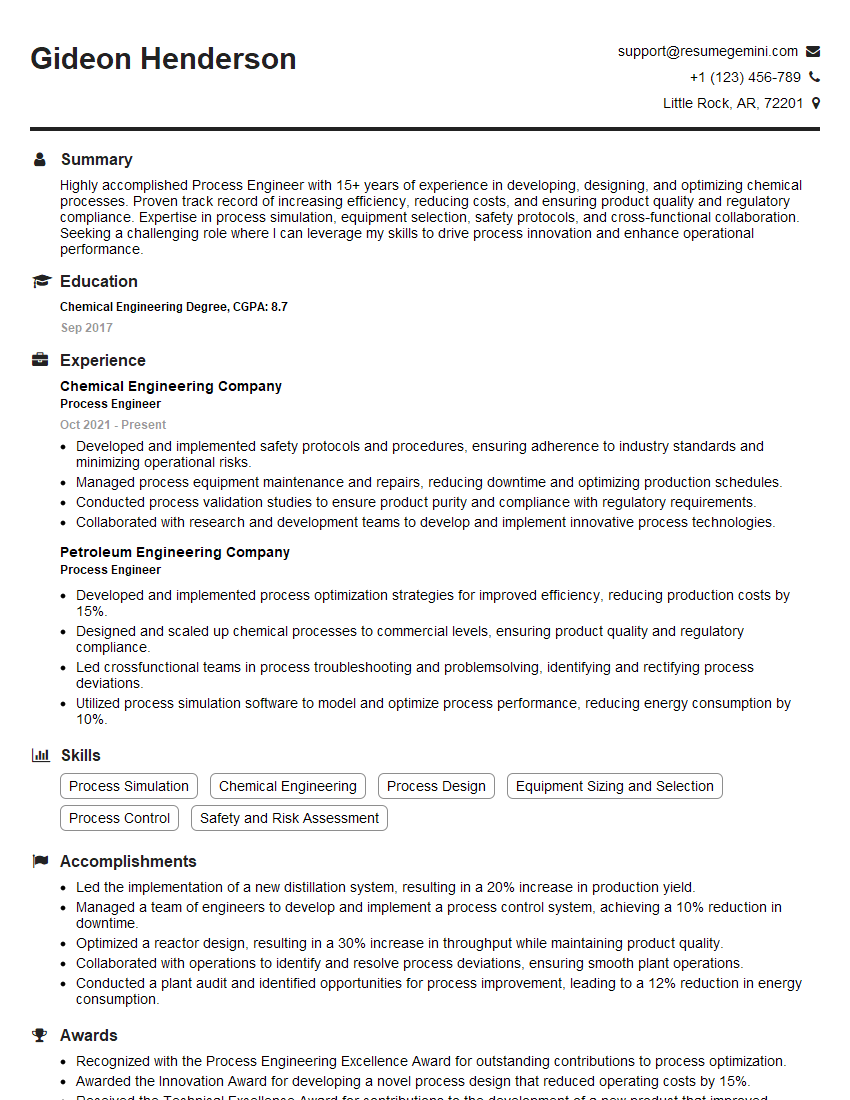
Process Engineer Resume Sample
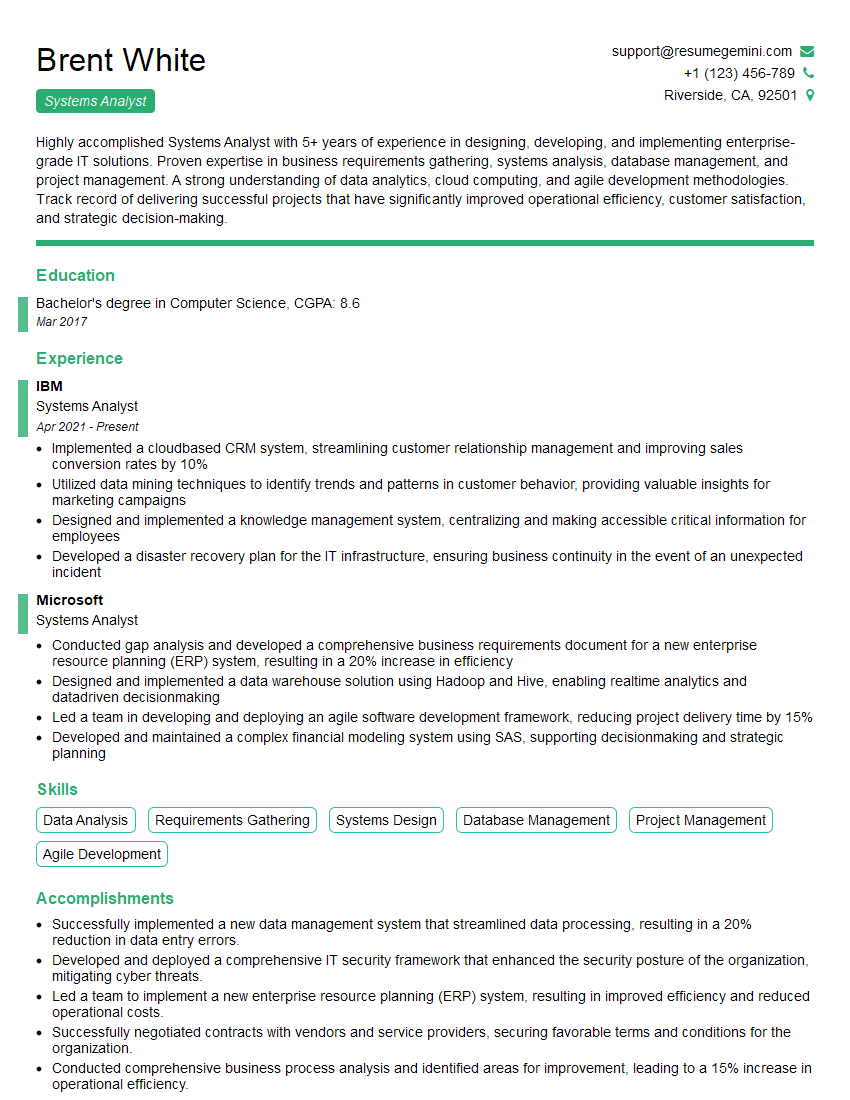
Systems Analyst Resume Sample
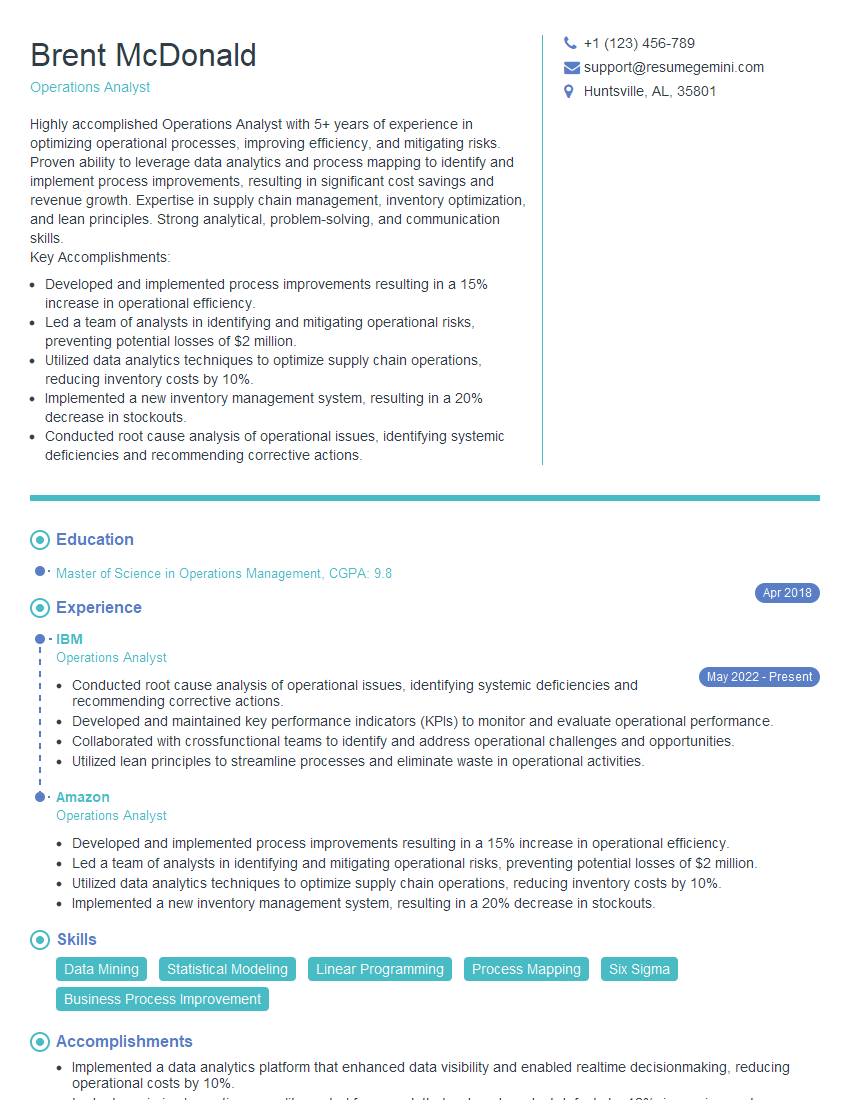
Operations Analyst Resume Sample
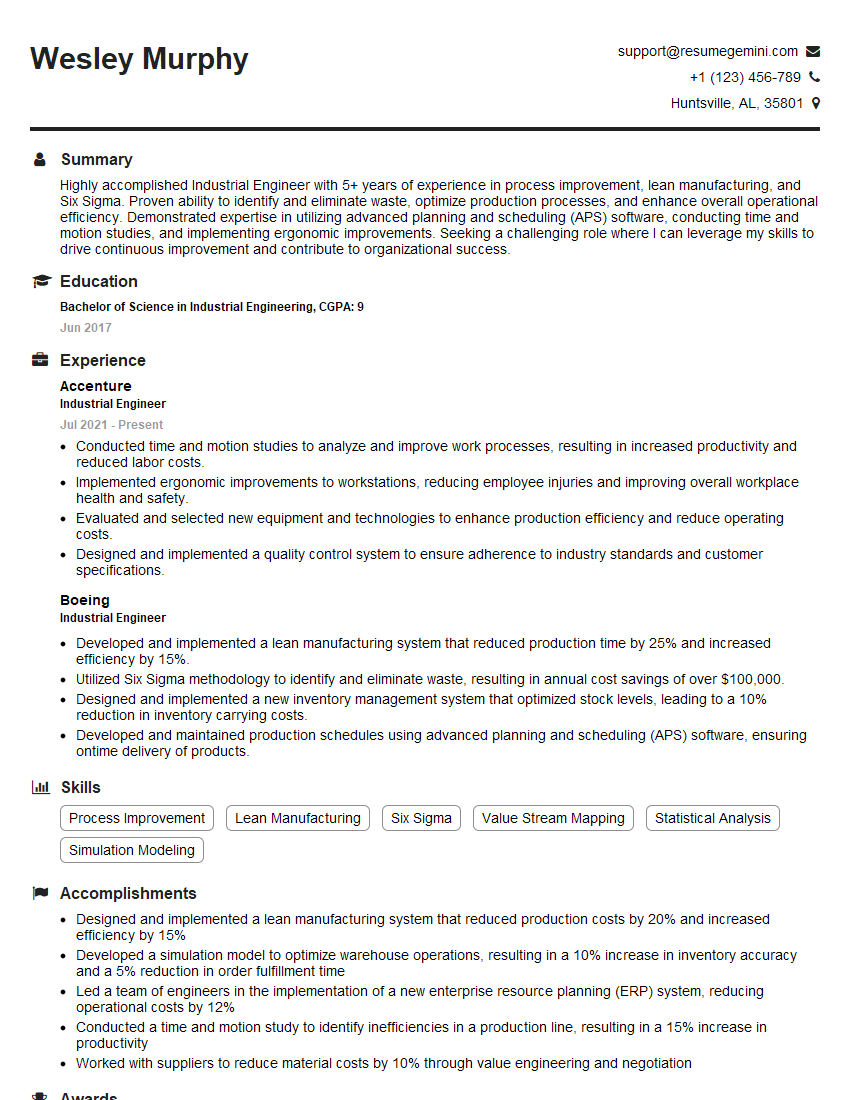
Industrial Engineer Resume Sample
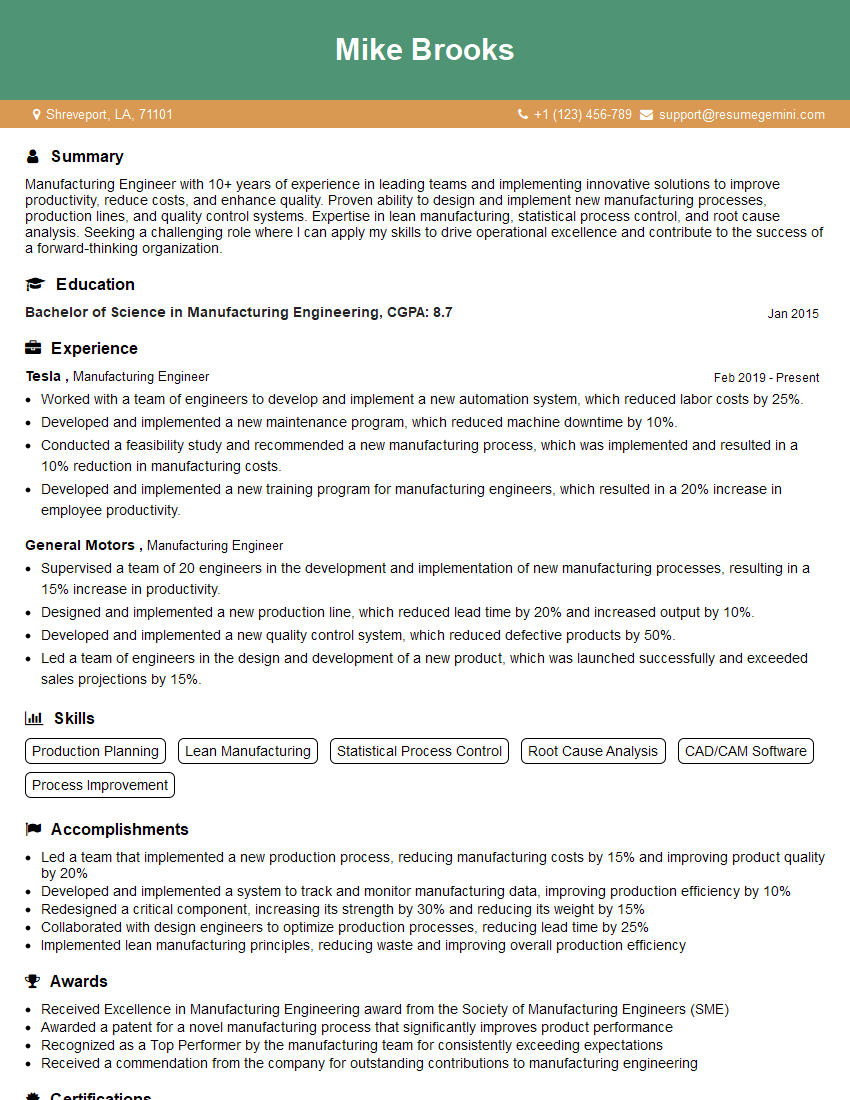
Manufacturing Engineer Resume Sample
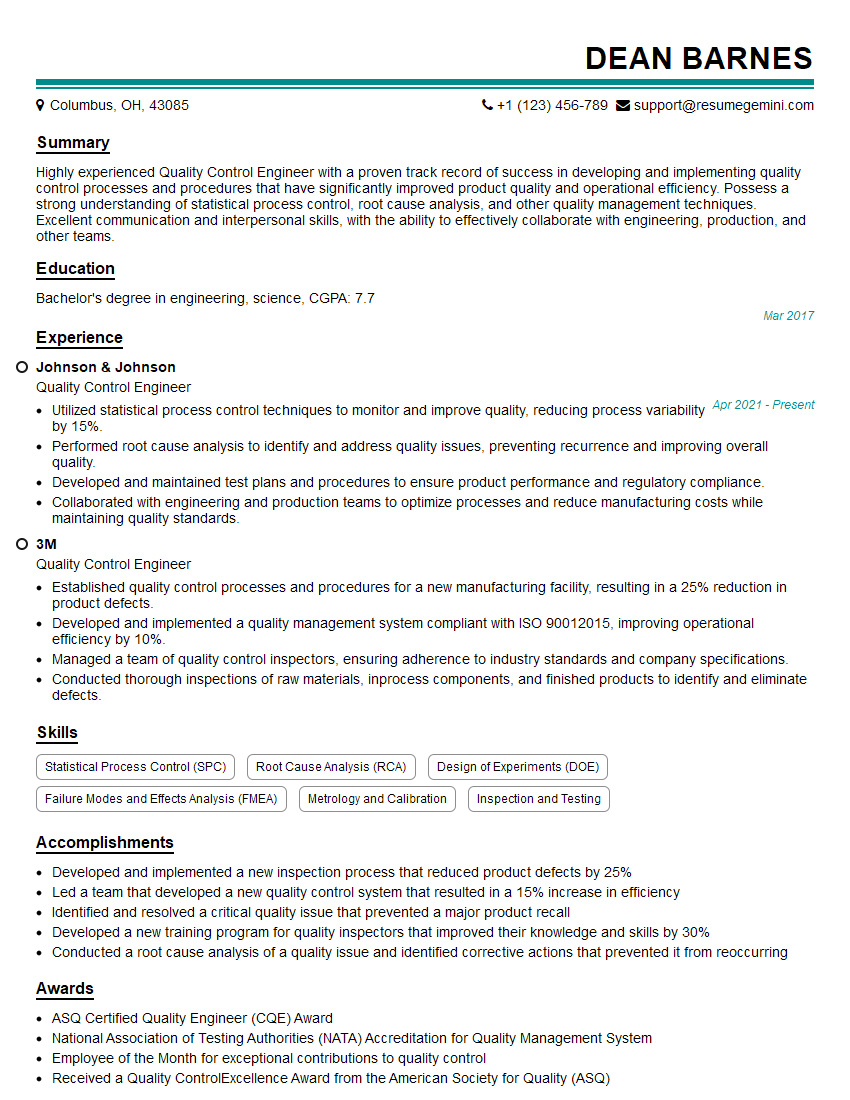
Quality Control Engineer Resume Sample
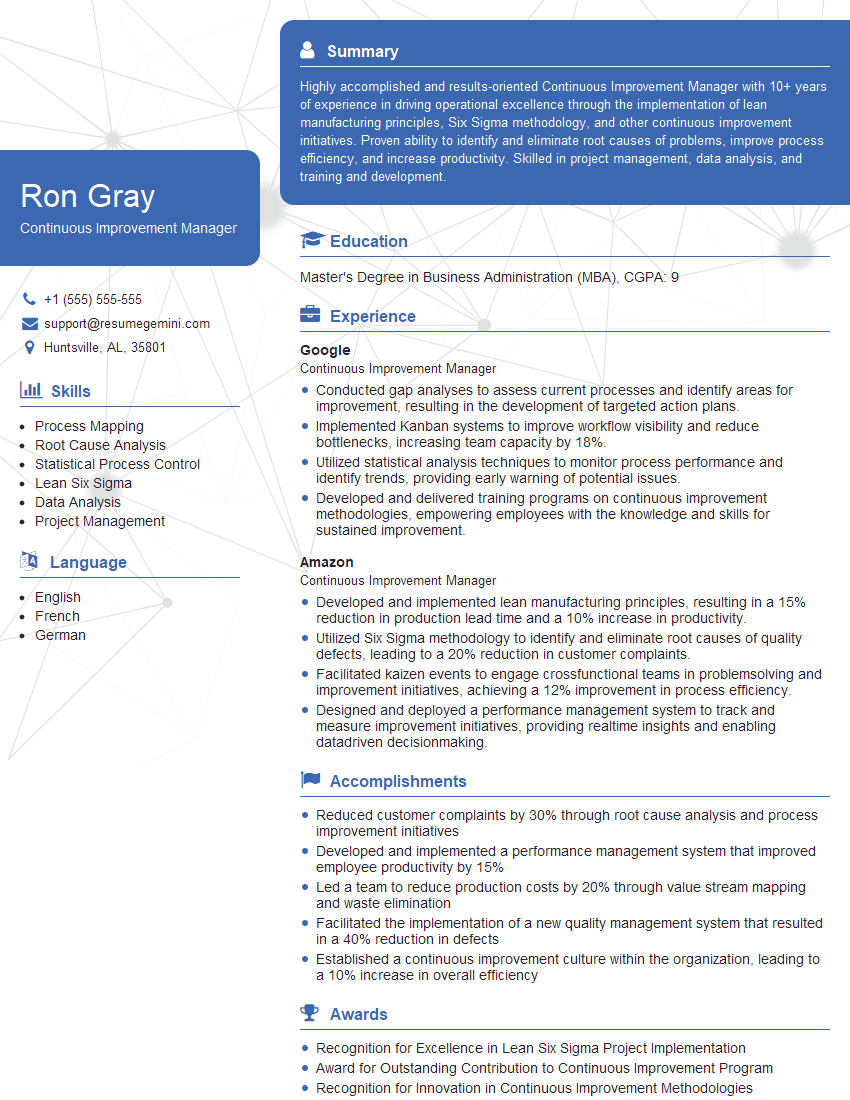
Continuous Improvement Manager Resume Sample
Explore more articles
Users Rating of Our Blogs
Share Your Experience
We value your feedback! Please rate our content and share your thoughts (optional).
What Readers Say About Our Blog
To the interviewgemini.com Webmaster.
Very helpful and content specific questions to help prepare me for my interview!
Thank you
To the interviewgemini.com Webmaster.
This was kind of a unique content I found around the specialized skills. Very helpful questions and good detailed answers.
Very Helpful blog, thank you Interviewgemini team.