Unlock your full potential by mastering the most common Proficient in data analysis using statistical software and spreadsheets interview questions. This blog offers a deep dive into the critical topics, ensuring you’re not only prepared to answer but to excel. With these insights, you’ll approach your interview with clarity and confidence.
Questions Asked in Proficient in data analysis using statistical software and spreadsheets Interview
Q 1. Explain the difference between correlation and causation.
Correlation and causation are two distinct concepts in statistics. Correlation refers to a statistical relationship between two or more variables; it simply means that changes in one variable are associated with changes in another. Causation, on the other hand, implies a direct cause-and-effect relationship where one variable directly influences another. Just because two variables are correlated doesn’t mean one causes the other.
Example: Ice cream sales and crime rates might be positively correlated – both tend to increase in the summer. However, this doesn’t mean that eating ice cream causes crime. The underlying factor (heat) influences both independently. This is a classic example of correlation without causation. To establish causation, you need to demonstrate a mechanism through which one variable affects the other, often through rigorous experimental design or strong longitudinal studies.
Q 2. What are the limitations of using p-values?
P-values, while widely used, have limitations. A p-value represents the probability of obtaining results as extreme as, or more extreme than, the observed results, assuming the null hypothesis is true. A small p-value (typically less than 0.05) is often interpreted as evidence against the null hypothesis. However, relying solely on p-values can be misleading:
- Doesn’t measure effect size: A statistically significant p-value doesn’t necessarily imply a practically significant effect. A small effect size could be significant with a large sample size.
- Influenced by sample size: Larger sample sizes are more likely to yield statistically significant p-values, even for small effect sizes.
- Doesn’t account for multiple comparisons: Conducting multiple tests increases the chance of finding a statistically significant result by chance alone. Adjustments like Bonferroni correction are needed.
- Misinterpretation of non-significance: A non-significant p-value doesn’t necessarily mean there’s no effect; it might simply mean the study lacked the power to detect a real effect.
Therefore, it’s crucial to consider other factors like effect size, confidence intervals, and the context of the research when interpreting p-values. They should be part of a broader analysis, not the sole determinant of conclusions.
Q 3. Describe your experience with different types of regression analysis (linear, logistic, etc.).
I have extensive experience with various regression analyses.
- Linear Regression: This is used to model the relationship between a continuous dependent variable and one or more independent variables. I’ve used it extensively to predict sales based on advertising spend, or to model the relationship between house size and price. I’m proficient in assessing model assumptions like linearity, normality of residuals, and homoscedasticity.
- Logistic Regression: This is used to model the probability of a categorical dependent variable (usually binary, like success/failure) based on independent variables. For instance, I’ve used it to predict customer churn based on usage patterns and demographics. I’m comfortable with interpreting odds ratios and understanding the limitations of assuming a linear relationship between log-odds and independent variables.
- Polynomial Regression: This extends linear regression by incorporating polynomial terms of the independent variables to capture non-linear relationships. I’ve utilized this when the relationship between variables isn’t linear.
- Other Regression Techniques: I have familiarity with other regression techniques such as Poisson regression for count data and ridge/lasso regression for handling multicollinearity.
My experience includes not only fitting models but also thoroughly evaluating their goodness of fit, assessing diagnostics, and choosing the most appropriate model for the specific data and research question.
Q 4. How do you handle missing data in a dataset?
Handling missing data is crucial for accurate analysis. The best approach depends on the nature and extent of the missingness.
- Deletion: Listwise deletion (removing entire rows with missing values) is simple but can lead to significant information loss, especially with a large number of missing values or non-random missingness. Pairwise deletion (using available data for each analysis) can lead to inconsistencies.
- Imputation: This involves replacing missing values with estimated values. Methods include:
- Mean/Median/Mode imputation: Simple but can distort the distribution and underestimate variance.
- Regression imputation: Predicting missing values based on other variables using regression models. This is more sophisticated but assumes a linear relationship.
- Multiple imputation: Creating multiple plausible imputed datasets and combining the results to account for uncertainty in imputation. This is often preferred for its robustness.
- Advanced Techniques: For complex missing data patterns, more advanced techniques like multiple imputation by chained equations (MICE) or maximum likelihood estimation might be necessary.
Before choosing a method, it’s essential to assess the mechanism of missingness (missing completely at random (MCAR), missing at random (MAR), or missing not at random (MNAR)) as this impacts the validity of the chosen approach.
Q 5. What are some common methods for data cleaning and preprocessing?
Data cleaning and preprocessing are essential steps before analysis. Common methods include:
- Handling Missing Values: As discussed earlier, this involves deciding on an appropriate strategy based on the nature of the missing data.
- Outlier Detection and Treatment: Identifying and dealing with outliers (extreme values) is crucial. This could involve removing them, transforming the data (e.g., log transformation), or using robust statistical methods less sensitive to outliers.
- Data Transformation: Transforming variables can improve model performance or meet assumptions of statistical tests. Common transformations include standardization (z-scores), normalization (scaling to a specific range), and logarithmic transformations.
- Data Reduction: Techniques like Principal Component Analysis (PCA) can reduce dimensionality by identifying the most important variables, simplifying analysis and potentially improving model performance.
- Feature Engineering: This involves creating new variables from existing ones to improve model accuracy. For example, combining several variables into a single index or creating interaction terms.
- Data Consistency Checks: Ensuring data consistency involves checking for duplicate entries, identifying inconsistencies in data types or formats, and correcting errors.
The specific techniques used depend heavily on the dataset and the goals of the analysis. A thorough understanding of the data is vital for effective cleaning and preprocessing.
Q 6. Explain your experience using SQL for data manipulation.
I’m proficient in using SQL for data manipulation. I have experience writing queries to extract, transform, and load (ETL) data from various sources. My skills include:
- Data Retrieval: Using
SELECTstatements with various clauses (WHERE,GROUP BY,HAVING,ORDER BY) to retrieve specific data subsets. - Data Aggregation: Using aggregate functions like
COUNT,SUM,AVG,MIN,MAXto summarize data. - Data Joining: Combining data from multiple tables using
JOINclauses (INNER JOIN,LEFT JOIN,RIGHT JOIN,FULL OUTER JOIN). - Data Manipulation: Using functions to transform data (e.g.,
DATEfunctions, string manipulation functions). - Subqueries and CTEs: Creating complex queries using subqueries and Common Table Expressions (CTEs) to improve readability and efficiency.
- Data Cleaning: Using SQL to identify and handle missing values or inconsistent data.
Example: A typical query might look like this: SELECT COUNT(*) FROM customers WHERE country = 'USA';
My SQL experience has been invaluable in cleaning, transforming, and preparing data for analysis in various projects.
Q 7. Describe your proficiency with statistical software such as R or Python.
I’m highly proficient in both R and Python for statistical analysis.
- R: I’m comfortable using packages like
dplyrfor data manipulation,ggplot2for visualization, and various statistical modeling packages (lmfor linear regression,glmfor generalized linear models, etc.). I have experience conducting exploratory data analysis, building and evaluating statistical models, and generating insightful reports. - Python: I utilize libraries like
pandasfor data manipulation,scikit-learnfor machine learning algorithms,matplotlibandseabornfor visualization, andstatsmodelsfor statistical modeling. My experience in Python also extends to data scraping and web-based data acquisition.
I’m adept at choosing the appropriate tool for the task, leveraging the strengths of each language for efficient and effective data analysis. My experience extends to working with large datasets and optimizing code for performance. I regularly utilize version control (Git) for collaborative projects.
Q 8. How would you approach analyzing a large dataset with limited computing resources?
Analyzing massive datasets with limited computing power requires strategic planning. The key is to avoid loading the entire dataset into memory at once. Instead, we employ techniques like sampling, data reduction, and incremental processing.
- Sampling: Instead of analyzing the whole dataset, I would create a representative sample. This could be a simple random sample, stratified sample (ensuring representation from different subgroups), or a clustered sample, depending on the data and research question. The sample size is determined by factors like the desired precision and confidence level. For example, if I’m analyzing customer purchase behavior, I might randomly sample 1% of the customer base.
- Data Reduction: Techniques like dimensionality reduction (Principal Component Analysis or PCA) can significantly reduce the size of the dataset without losing too much information. Feature selection methods can identify the most relevant variables, eliminating unnecessary columns.
- Incremental Processing: Instead of processing the entire dataset at once, I’d break it down into smaller, manageable chunks. This is particularly useful for iterative algorithms. I might use techniques like MapReduce or Spark to process these chunks in parallel, maximizing resource utilization.
Furthermore, I’d leverage tools designed for efficient data handling, such as database systems (like PostgreSQL or MySQL) that allow for querying and filtering before loading data into memory for analysis in R or Python. Selecting the most efficient data structures (like NumPy arrays in Python) is also vital. Finally, I would profile my code to identify bottlenecks and optimize performance.
Q 9. What are some common data visualization techniques and when would you use them?
Data visualization is crucial for communicating insights effectively. The choice of technique depends heavily on the type of data and the message you want to convey. Here are some common methods:
- Histograms: Show the distribution of a single numerical variable. Useful for identifying patterns like skewness or outliers. For example, I might use a histogram to show the distribution of customer ages.
- Scatter plots: Illustrate the relationship between two numerical variables. Useful for identifying correlations. For instance, a scatter plot could show the relationship between advertising spend and sales.
- Bar charts: Compare different categories. Ideal for displaying frequencies or averages across groups. I might use a bar chart to compare sales across different product categories.
- Line charts: Show trends over time. Essential for time series data. For example, I might use a line chart to track website traffic over a month.
- Box plots: Display the distribution of a numerical variable across different categories, highlighting median, quartiles, and outliers. Useful for comparing distributions across groups.
- Heatmaps: Represent data as colors in a matrix, showing the relationship between two categorical variables. Useful for visualizing correlation matrices or showing the intensity of data across a geographical region.
Choosing the right visualization requires considering the audience and the goal of the analysis. A clear, concise visual is always preferred over a complex one.
Q 10. How do you determine the appropriate statistical test for a given hypothesis?
Selecting the right statistical test depends entirely on the research question, the type of data (categorical, numerical, etc.), and the number of groups being compared. It’s a multi-step process:
- Define the hypothesis: Clearly state the null and alternative hypotheses. The null hypothesis is typically a statement of no effect or no difference.
- Determine the type of data: Is your data numerical (continuous or discrete) or categorical (nominal or ordinal)?
- Identify the number of groups: Are you comparing two groups, more than two groups, or examining the relationship between two variables?
- Choose the appropriate test: Based on the answers above, select the appropriate test. Some common examples include:
- t-test: Compares the means of two groups. A paired t-test is used for dependent samples (e.g., before-and-after measurements on the same subjects), while an independent t-test is for independent samples.
- ANOVA (Analysis of Variance): Compares the means of three or more groups.
- Chi-squared test: Analyzes the association between two categorical variables.
- Correlation analysis (Pearson, Spearman): Measures the strength and direction of the linear relationship between two numerical variables.
- Regression analysis: Models the relationship between a dependent variable and one or more independent variables.
There are many more statistical tests, and choosing the correct one is crucial for obtaining valid results. Consulting statistical resources or seeking advice from a statistician can be invaluable.
Q 11. Explain your experience with A/B testing.
A/B testing is a powerful technique for comparing two versions of something (e.g., a website, an advertisement) to determine which performs better. My experience involves designing, implementing, and analyzing A/B tests. This includes:
- Defining metrics: Identifying key performance indicators (KPIs) to measure the success of the test, such as click-through rate, conversion rate, or average order value.
- Sample size calculation: Determining the appropriate sample size needed to detect a statistically significant difference between the two versions with a given power and significance level. Tools and statistical software can be used for this calculation.
- Implementation: Using A/B testing platforms (such as Optimizely or Google Optimize) to randomly assign users to different versions of the item being tested. Ensuring a consistent user experience between the A and B versions is critical.
- Analysis: Analyzing the collected data to determine whether there is a statistically significant difference between the two versions. This typically involves using hypothesis testing, such as a t-test or chi-squared test, to assess the p-value.
- Reporting: Communicating the results clearly and concisely to stakeholders. Reporting should include the test methodology, results, and actionable insights.
In a recent project, we used A/B testing to optimize the call-to-action button on a landing page. By testing different button colors and text, we increased our conversion rate by 15%.
Q 12. Describe your experience with time series analysis.
Time series analysis involves analyzing data points collected over time. My experience includes modeling trends, seasonality, and other patterns in time-dependent data. The approach usually includes:
- Data Exploration: Plotting the data to visualize trends, seasonality, and potential outliers. This provides a crucial understanding of the data’s characteristics before any modeling.
- Stationarity Check: Determining if the data is stationary (meaning its statistical properties such as mean and variance remain constant over time) or non-stationary. Non-stationary data often requires transformations (like differencing) before modeling.
- Model Selection: Choosing an appropriate model based on the characteristics of the data. Common models include:
- ARIMA (Autoregressive Integrated Moving Average): A widely used model for stationary time series data.
- SARIMA (Seasonal ARIMA): An extension of ARIMA that handles seasonal patterns.
- Exponential Smoothing (Holt-Winters): A family of models suitable for forecasting with trend and seasonality.
- Model Fitting and Evaluation: Fitting the chosen model to the data and evaluating its performance using metrics like RMSE (Root Mean Squared Error), MAE (Mean Absolute Error), or MAPE (Mean Absolute Percentage Error).
- Forecasting: Using the fitted model to make predictions about future values.
For example, I’ve used time series analysis to forecast sales for a retail company, taking into account seasonal fluctuations and trends. This helped them optimize inventory management and improve planning.
Q 13. How familiar are you with different types of data distributions (normal, Poisson, etc.)?
Understanding data distributions is fundamental in data analysis. Different distributions imply different statistical properties and necessitate the use of different analytical techniques. Here are a few common distributions:
- Normal Distribution: A bell-shaped, symmetric distribution. Many statistical methods assume normality. It’s characterized by its mean and standard deviation. Examples include height, weight, and blood pressure.
- Poisson Distribution: Models the probability of a given number of events occurring in a fixed interval of time or space, given a known average rate of occurrence. Useful for modeling count data, such as the number of website visits per hour or the number of defects in a manufactured product.
- Binomial Distribution: Describes the probability of getting a certain number of successes in a fixed number of independent Bernoulli trials (each trial has only two possible outcomes: success or failure). For example, the probability of getting 3 heads in 5 coin flips.
- Exponential Distribution: Models the time until an event occurs in a Poisson process. Often used to model the lifespan of equipment or the time between customer arrivals.
- Uniform Distribution: All outcomes have an equal probability. For example, rolling a fair die.
Identifying the distribution of your data is important because it helps determine the appropriate statistical tests and modeling techniques. Visual inspection using histograms or Q-Q plots, along with statistical tests like the Shapiro-Wilk test, can help assess whether data follows a specific distribution. If the data doesn’t fit a known distribution, non-parametric methods may be needed.
Q 14. How do you evaluate the performance of a statistical model?
Evaluating a statistical model’s performance is crucial to ensure it’s reliable and accurate. The evaluation methods depend on the type of model (e.g., regression, classification, clustering). Common metrics include:
- R-squared (R²): For regression models, it measures the proportion of the variance in the dependent variable explained by the independent variables. A higher R² indicates a better fit.
- Adjusted R-squared: A modified version of R² that adjusts for the number of predictors in the model, penalizing the inclusion of irrelevant variables.
- RMSE (Root Mean Squared Error): Measures the average difference between the predicted and actual values. Lower RMSE indicates better accuracy. Used for regression models and also for forecasting time series.
- MAE (Mean Absolute Error): Similar to RMSE, but uses absolute differences instead of squared differences. Less sensitive to outliers.
- Accuracy, Precision, Recall, F1-score: For classification models, these metrics assess the model’s ability to correctly classify instances into different categories.
- AUC (Area Under the ROC Curve): A measure of a classifier’s ability to distinguish between classes. A higher AUC indicates better performance.
- Confusion Matrix: A table that visualizes the performance of a classification model, showing the counts of true positives, true negatives, false positives, and false negatives.
- Silhouette Score (for clustering): Measures how similar a data point is to its own cluster compared to other clusters. A higher score indicates better clustering.
Beyond these metrics, model evaluation also includes examining residual plots (for regression) to check for assumptions, assessing model interpretability, and considering the model’s generalizability to new, unseen data (through techniques like cross-validation).
Q 15. What are some common metrics used to assess model accuracy?
Assessing model accuracy depends heavily on the type of model and the problem you’re solving. For classification problems (predicting categories), common metrics include accuracy (the overall percentage of correct predictions), precision (the proportion of true positives among all predicted positives), recall (the proportion of true positives among all actual positives), and the F1-score (the harmonic mean of precision and recall, balancing their importance). For regression problems (predicting continuous values), we often use metrics like R-squared (the proportion of variance in the dependent variable explained by the model), Mean Squared Error (MSE), and Root Mean Squared Error (RMSE), which measure the average squared difference and the average difference between predicted and actual values, respectively. The choice of metric depends on the specific business context and the relative importance of different types of errors.
For example, in a medical diagnosis model, high recall is crucial – we want to identify as many true positives (sick patients) as possible, even if it means more false positives. In contrast, a spam filter might prioritize precision to minimize false positives (legitimate emails marked as spam).
Career Expert Tips:
- Ace those interviews! Prepare effectively by reviewing the Top 50 Most Common Interview Questions on ResumeGemini.
- Navigate your job search with confidence! Explore a wide range of Career Tips on ResumeGemini. Learn about common challenges and recommendations to overcome them.
- Craft the perfect resume! Master the Art of Resume Writing with ResumeGemini’s guide. Showcase your unique qualifications and achievements effectively.
- Don’t miss out on holiday savings! Build your dream resume with ResumeGemini’s ATS optimized templates.
Q 16. Explain your experience using Excel for data analysis.
Excel is an indispensable tool in my data analysis workflow, particularly for initial data exploration and cleaning. I’m proficient in using its various features, including data import and export (from various formats like CSV, TXT, and databases), data manipulation using formulas and functions (like VLOOKUP, INDEX-MATCH, and pivot tables), and data visualization using charts and graphs. I frequently use Excel for tasks such as:
- Data cleaning: Identifying and handling missing values, outliers, and inconsistencies.
- Data transformation: Creating new variables, standardizing data, and applying filters.
- Exploratory data analysis (EDA): Generating descriptive statistics, creating histograms and scatter plots to understand data distributions and relationships.
- Data summarization: Using pivot tables to aggregate and summarize data for reporting.
For instance, I once used Excel’s pivot table functionality to quickly summarize sales data across different regions and product categories, enabling me to identify top-performing products and regions with the highest growth potential.
Q 17. How would you handle outliers in a dataset?
Outliers are data points that significantly deviate from the rest of the dataset. Handling them requires careful consideration and depends on their cause. There’s no one-size-fits-all solution. My approach involves:
- Identification: I use visual methods like box plots and scatter plots, as well as statistical methods like the Z-score or IQR (Interquartile Range) to identify potential outliers.
- Investigation: I investigate the cause of the outlier. Is it a data entry error? A true anomaly? Or a result of a systematic issue?
- Treatment: Based on the investigation, I choose one of the following approaches:
- Removal: If the outlier is due to an error and is a small portion of the dataset, I might remove it.
- Transformation: If the outlier is a true anomaly but still relevant, I might transform the data (e.g., using logarithmic transformation) to reduce its impact.
- Winsorization or Clipping: Replace extreme values with less extreme ones (e.g., replace with a percentile value).
- Keeping it: In some cases, especially with robust models, keeping outliers might be necessary to prevent bias.
For example, in an analysis of housing prices, a house with an unusually high price might be an outlier. I would first check if there were any errors in the data. If not, I’d investigate if it was a unique property (e.g., a historical landmark), and then consider whether to keep it, transform the data, or create a separate analysis for high-value properties.
Q 18. Describe your experience working with different data types (categorical, numerical, etc.).
I have extensive experience working with various data types, including:
- Numerical data: Continuous (e.g., height, weight, temperature) and discrete (e.g., number of children, count of events). I’m comfortable performing statistical analyses on numerical data, including calculating means, standard deviations, correlations, and regressions.
- Categorical data: Nominal (e.g., gender, color) and ordinal (e.g., education level, customer satisfaction rating). I’m familiar with techniques like frequency analysis, contingency tables, and chi-square tests to analyze categorical data.
- Text data: I’m experienced in using techniques like text mining and natural language processing (NLP) to analyze unstructured text data, including sentiment analysis, topic modeling, and keyword extraction. This often involves using programming languages like Python with libraries like NLTK or spaCy.
- Date and time data: I’m proficient in working with date and time data, handling time zones, calculating time differences, and extracting relevant information.
For example, in a customer segmentation project, I used a combination of numerical (customer spending), categorical (customer location, demographics) and text data (customer reviews) to identify distinct customer segments with different needs and preferences. This combined approach allowed for a more nuanced understanding of the customer base.
Q 19. How do you ensure the accuracy and reliability of your data analysis?
Ensuring accuracy and reliability is paramount. My approach involves several key steps:
- Data validation: Rigorous checks for data quality, including completeness, consistency, and accuracy. This often involves comparing data sources and using data profiling techniques.
- Data cleaning: Addressing missing values, outliers, and inconsistencies through appropriate methods (as discussed previously).
- Documentation: Meticulous documentation of data sources, cleaning procedures, and analysis steps. This is crucial for reproducibility and transparency.
- Cross-validation: Using techniques like k-fold cross-validation to assess model performance and avoid overfitting.
- Sensitivity analysis: Investigating how changes in input data or model assumptions affect the results.
- Peer review: Having colleagues review my analysis to identify potential biases or errors.
For example, in a financial analysis project, I validated my data against multiple sources (financial statements, market data) to ensure consistency and accuracy, then used cross-validation to build a robust forecasting model.
Q 20. How do you communicate your findings to a non-technical audience?
Communicating findings effectively to a non-technical audience requires translating complex data analysis into a clear, concise, and engaging narrative. I use several strategies:
- Visualizations: Charts and graphs (bar charts, line graphs, pie charts) are powerful tools for conveying complex information visually. I choose the most appropriate chart type based on the data and the message I want to communicate.
- Storytelling: I structure my presentation as a compelling story, starting with a clear introduction, outlining the key findings, and ending with a conclusion and recommendations.
- Simple language: I avoid technical jargon and use clear, concise language that everyone can understand. I explain complex concepts using simple analogies and real-world examples.
- Focus on key takeaways: I highlight the most important findings and their implications. I avoid overwhelming the audience with excessive detail.
For example, instead of saying “the p-value was less than 0.05 indicating statistical significance”, I might say “our analysis shows a strong relationship between X and Y”. I use visual aids to highlight this relationship and summarize the practical implications.
Q 21. Describe a time you had to troubleshoot a complex data problem.
In a recent project analyzing customer churn, I encountered a significant discrepancy between the predicted churn rate and the actual churn rate. After initial investigation, the prediction model appeared sound. However, the data showed a spike in customer churn right before a system-wide outage, an event which was not reflected in the original dataset. This was a crucial piece of information that hadn’t been linked to the churn data initially. This was a complex problem to solve because it required not just statistical analysis but a deeper understanding of the underlying business context and potential external factors.
To troubleshoot, I followed these steps:
- Data review: I revisited the data sources, paying close attention to timestamps and potential external factors that may have influenced customer behavior.
- External data integration: I integrated data from system logs documenting the outage and its impact on customer access.
- Model refinement: I added variables to my churn model reflecting the impact of the outage and re-ran the analysis, this time resulting in much more accurate predictions which significantly improved the model’s accuracy and reliability.
- Documentation: I documented the entire troubleshooting process, including the identification of the issue, the steps taken to address it, and the updated analysis results.
This experience highlighted the importance of not only having strong statistical skills but also the ability to think critically and to delve deeper into the context of the problem.
Q 22. What are some ethical considerations in data analysis?
Ethical considerations in data analysis are paramount. They ensure fairness, transparency, and responsible use of data. Key concerns include:
- Data Privacy: Protecting sensitive personal information is crucial. This involves adhering to regulations like GDPR and CCPA, anonymizing data where possible, and obtaining informed consent.
- Bias and Fairness: Data often reflects existing societal biases. We must be aware of these biases and actively mitigate them to prevent discriminatory outcomes. For example, a loan application algorithm trained on historical data might unfairly discriminate against certain demographic groups if historical biases are present in the data.
- Transparency and Explainability: The methods used in data analysis should be transparent and the results easily interpretable. This allows for scrutiny and ensures accountability. ‘Black box’ models, which are difficult to understand, present ethical challenges.
- Data Security: Protecting data from unauthorized access and misuse is vital. This requires robust security measures and protocols.
- Misrepresentation and Manipulation: Data can be easily manipulated to support a particular narrative. Ethical analysts ensure their work is objective and avoids misleading conclusions.
For instance, in a medical study, ensuring patient data privacy is crucial. Any analysis must respect their anonymity and be conducted with ethical review board approval. Similarly, when developing a hiring algorithm, we need to carefully examine the data for potential biases related to gender, race, or age.
Q 23. Explain your understanding of hypothesis testing.
Hypothesis testing is a crucial statistical method used to make inferences about a population based on a sample of data. It involves formulating a null hypothesis (H0), which represents the status quo or no effect, and an alternative hypothesis (H1), which represents the effect we are trying to demonstrate. We then collect data, perform statistical tests (like t-tests, ANOVA, chi-squared tests), and calculate a p-value.
The p-value represents the probability of observing the obtained results (or more extreme results) if the null hypothesis were true. A low p-value (typically below a significance level, often 0.05) provides evidence against the null hypothesis, allowing us to reject it in favor of the alternative hypothesis. A high p-value suggests there’s not enough evidence to reject the null hypothesis.
For example, let’s say we want to test if a new drug lowers blood pressure. Our null hypothesis would be that the drug has no effect on blood pressure (H0: no difference in blood pressure), and our alternative hypothesis would be that the drug lowers blood pressure (H1: drug lowers blood pressure). We’d administer the drug to a sample group, measure their blood pressure, and use a t-test to compare it to a control group. A low p-value would suggest the drug is effective.
Q 24. How do you identify and address biases in data?
Identifying and addressing biases in data is critical for reliable analysis. Biases can stem from various sources, including sampling bias (non-representative samples), measurement bias (inaccurate or inconsistent data collection), and reporting bias (selective reporting of results).
Identifying Biases:
- Data Exploration: Thorough data exploration using visualizations and summary statistics can reveal patterns and outliers that suggest bias.
- Literature Review: Researching the data source and methodology can help identify potential biases introduced during data collection.
- Sensitivity Analysis: Testing the robustness of results to changes in data or model assumptions can highlight biases that significantly influence the outcomes.
Addressing Biases:
- Data Cleaning and Preprocessing: Handling missing values, outliers, and inconsistencies appropriately.
- Sampling Techniques: Employing appropriate sampling methods to ensure a representative sample of the population.
- Statistical Techniques: Using statistical methods designed to account for or adjust for known biases (e.g., propensity score matching).
- Algorithmic Fairness Techniques: Using techniques like fair classification and re-weighting to mitigate algorithmic bias.
For example, if our dataset on customer behavior is heavily skewed towards a specific demographic, we might use stratified sampling to ensure representation from other demographics in our analysis. If we find a strong correlation between two variables but suspect confounding factors, we might use regression analysis to control for those factors.
Q 25. What are your preferred methods for data storytelling?
Effective data storytelling transforms complex data into compelling narratives that resonate with the audience. My preferred methods include:
- Visualizations: Charts, graphs, and interactive dashboards are powerful tools for communicating insights. I choose visualizations appropriate to the data and the audience (e.g., bar charts for comparisons, line charts for trends, maps for geographical data).
- Narrative Structure: I structure my presentations with a clear beginning (setting the context), middle (presenting the findings), and end (drawing conclusions and implications). A strong narrative keeps the audience engaged.
- Interactive Elements: Incorporating interactive elements, such as clickable dashboards or animations, can enhance engagement and allow for deeper exploration of the data.
- Storytelling Techniques: Using compelling language, relatable examples, and analogies to make the data more accessible and memorable.
- Choosing the Right Medium: Tailoring the communication method to the audience and the context. This could range from a formal report to an interactive presentation or a short video.
For instance, instead of simply presenting a table of sales figures, I might create a line chart showing sales trends over time, highlight key milestones, and explain the underlying reasons for any significant changes. This creates a more impactful narrative than presenting the raw data alone.
Q 26. What are some of the challenges you’ve faced in data analysis projects?
Data analysis projects often present challenges. Some of the most common I’ve encountered include:
- Data Quality Issues: Dealing with missing data, inconsistent data formats, and errors in data entry is a frequent challenge. This often requires significant time for data cleaning and preprocessing.
- Data Volume and Complexity: Working with large datasets or complex data structures can be computationally intensive and require specialized tools and techniques. Efficient data management and processing become crucial.
- Ambiguous Requirements: Sometimes, project goals are not clearly defined, making it difficult to determine the appropriate analysis techniques and metrics. Close collaboration with stakeholders is necessary to clarify requirements.
- Interpreting Results: Drawing accurate and meaningful conclusions from data analysis is often challenging. It requires a strong understanding of statistical methods and domain knowledge.
- Communicating Findings Effectively: Transforming technical analysis into easily understandable and actionable insights is a crucial yet challenging skill.
In one project, I faced difficulties due to inconsistent data formats across multiple sources. Overcoming this involved developing a standardized data pipeline to preprocess and transform the data before analysis. In another project, the initial project goals were poorly defined. Through active communication with stakeholders, we iteratively refined the objectives, ensuring our analysis aligned with their needs.
Q 27. How do you stay updated with the latest advancements in data analysis techniques?
Staying current in the rapidly evolving field of data analysis requires a multi-faceted approach:
- Conferences and Workshops: Attending conferences and workshops provides exposure to the latest research and techniques. Networking with other professionals is also valuable.
- Online Courses and Tutorials: Platforms like Coursera, edX, and DataCamp offer excellent courses on various data analysis techniques.
- Journals and Publications: Reading research papers and articles published in reputable journals keeps me informed about new developments in the field.
- Online Communities: Engaging in online communities such as Stack Overflow and Reddit allows for collaborative learning and problem-solving.
- Industry Blogs and News: Following industry blogs and news websites helps to stay abreast of emerging trends and best practices.
I regularly dedicate time to reading research papers on new algorithms and techniques, and I actively participate in online forums and communities to discuss challenges and share knowledge with peers. This continuous learning ensures I am always prepared for the next project and capable of using the most current and effective methods.
Q 28. Describe your experience with data mining or machine learning techniques.
I have extensive experience in data mining and machine learning techniques. My expertise encompasses:
- Data Mining Techniques: I’m proficient in association rule mining (using Apriori or FP-Growth algorithms), clustering techniques (K-means, hierarchical clustering), and classification methods (decision trees, naive Bayes).
- Machine Learning Algorithms: I have hands-on experience with supervised learning algorithms (linear regression, logistic regression, support vector machines, random forests), unsupervised learning algorithms (principal component analysis, k-means clustering), and deep learning techniques (using frameworks like TensorFlow or PyTorch).
- Model Evaluation and Selection: I’m experienced in evaluating model performance using metrics like accuracy, precision, recall, F1-score, and AUC, and selecting the best model based on these metrics and business considerations.
- Model Deployment and Monitoring: I’m familiar with deploying models into production environments and monitoring their performance over time to ensure accuracy and reliability.
In a recent project, I used a random forest model to predict customer churn, achieving a significant improvement in accuracy compared to previous models. The model was deployed into a production system to proactively identify at-risk customers. Another project involved using clustering techniques to segment customers into distinct groups based on their purchasing behavior, enabling targeted marketing campaigns.
Example (Python with scikit-learn): from sklearn.ensemble import RandomForestClassifier; model = RandomForestClassifier(); model.fit(X_train, y_train); y_pred = model.predict(X_test)
Key Topics to Learn for Proficient in Data Analysis using Statistical Software and Spreadsheets Interview
- Descriptive Statistics: Understanding measures of central tendency (mean, median, mode), dispersion (variance, standard deviation), and their application in summarizing datasets. Practice interpreting these measures in different contexts.
- Inferential Statistics: Grasping concepts like hypothesis testing, confidence intervals, and p-values. Be prepared to discuss how these are used to draw conclusions from sample data and make informed decisions.
- Regression Analysis: Familiarize yourself with linear regression, understanding its assumptions, interpreting coefficients, and assessing model fit. Consider exploring multiple regression and other regression techniques.
- Data Cleaning and Preprocessing: Mastering techniques for handling missing data, identifying and addressing outliers, and transforming variables to improve data quality and model performance. This is crucial for real-world applications.
- Spreadsheet Software Proficiency (e.g., Excel, Google Sheets): Demonstrate expertise in data manipulation, formula creation (e.g., VLOOKUP, INDEX-MATCH), pivot tables, and data visualization using charts and graphs. Be ready to showcase your efficiency.
- Statistical Software Proficiency (e.g., R, Python with libraries like Pandas and Scikit-learn): Showcase your ability to import, clean, analyze, and visualize data using statistical packages. Be prepared to discuss your experience with specific functions and libraries.
- Data Visualization: Practice creating effective visualizations (histograms, scatter plots, box plots etc.) to communicate insights derived from data analysis clearly and concisely. Know when to use different chart types.
- Problem-Solving Approach: Develop a structured approach to tackling data analysis problems, including defining the problem, formulating hypotheses, selecting appropriate methods, interpreting results, and communicating findings effectively.
Next Steps
Mastering data analysis skills using statistical software and spreadsheets is paramount for career advancement in many fields. It demonstrates critical thinking, problem-solving abilities, and technical proficiency – highly sought-after qualities in today’s job market. To maximize your chances, focus on crafting an ATS-friendly resume that highlights your achievements and quantifiable results. ResumeGemini is a trusted resource to help you build a professional and impactful resume that showcases your skills effectively. Examples of resumes tailored to showcasing proficiency in data analysis using statistical software and spreadsheets are available to further guide you.
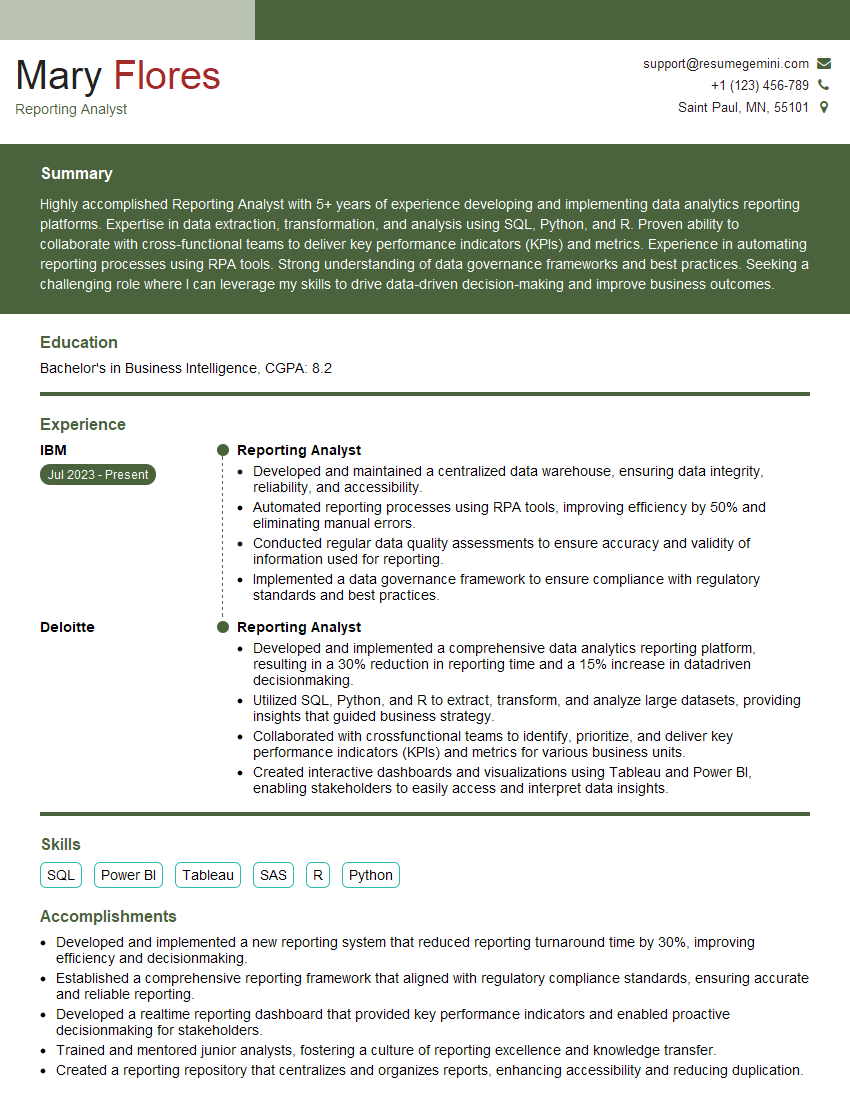
Reporting Analyst Resume Sample
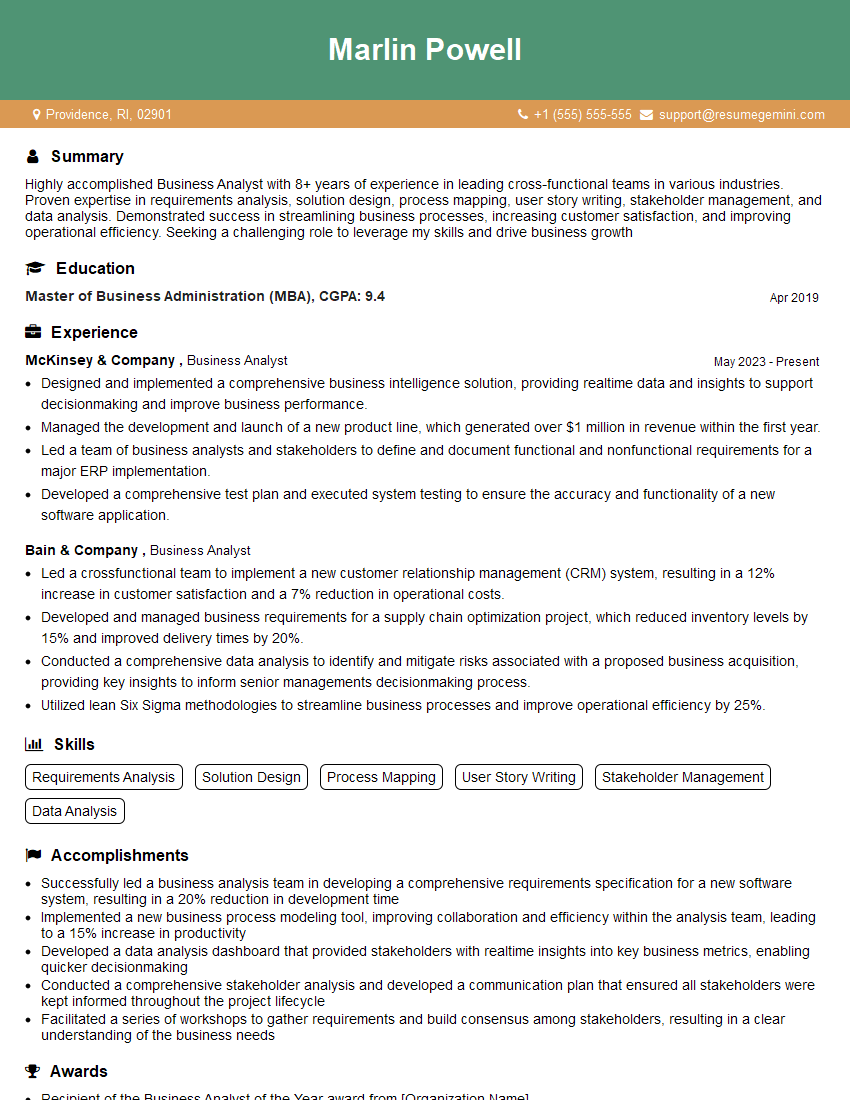
Business Analyst Resume Sample
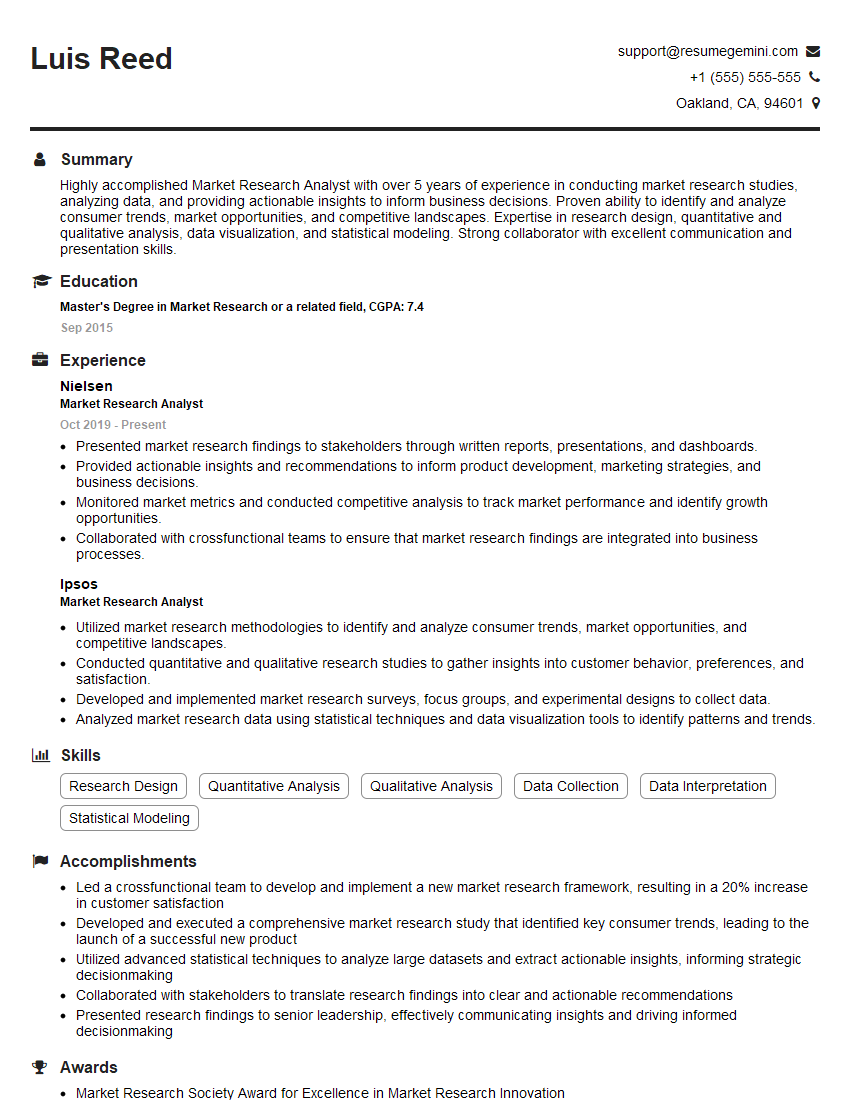
Market Research Analyst Resume Sample
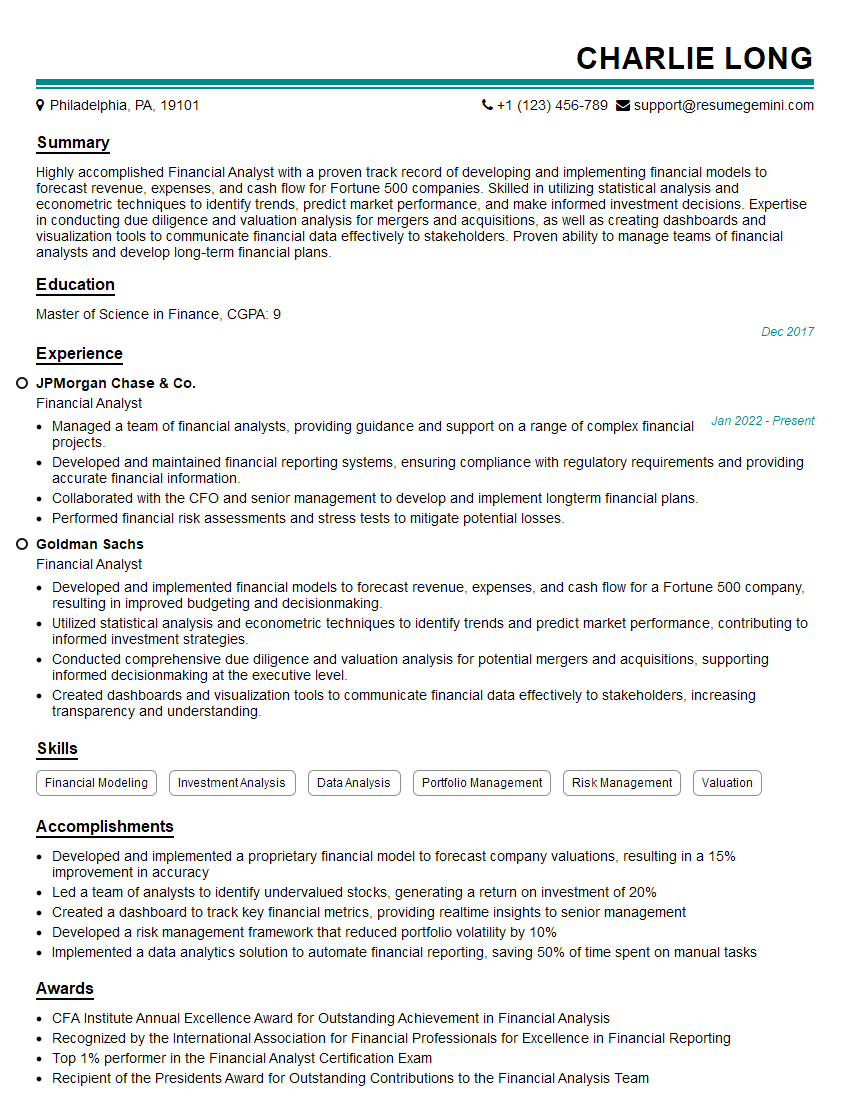
Financial Analyst Resume Sample
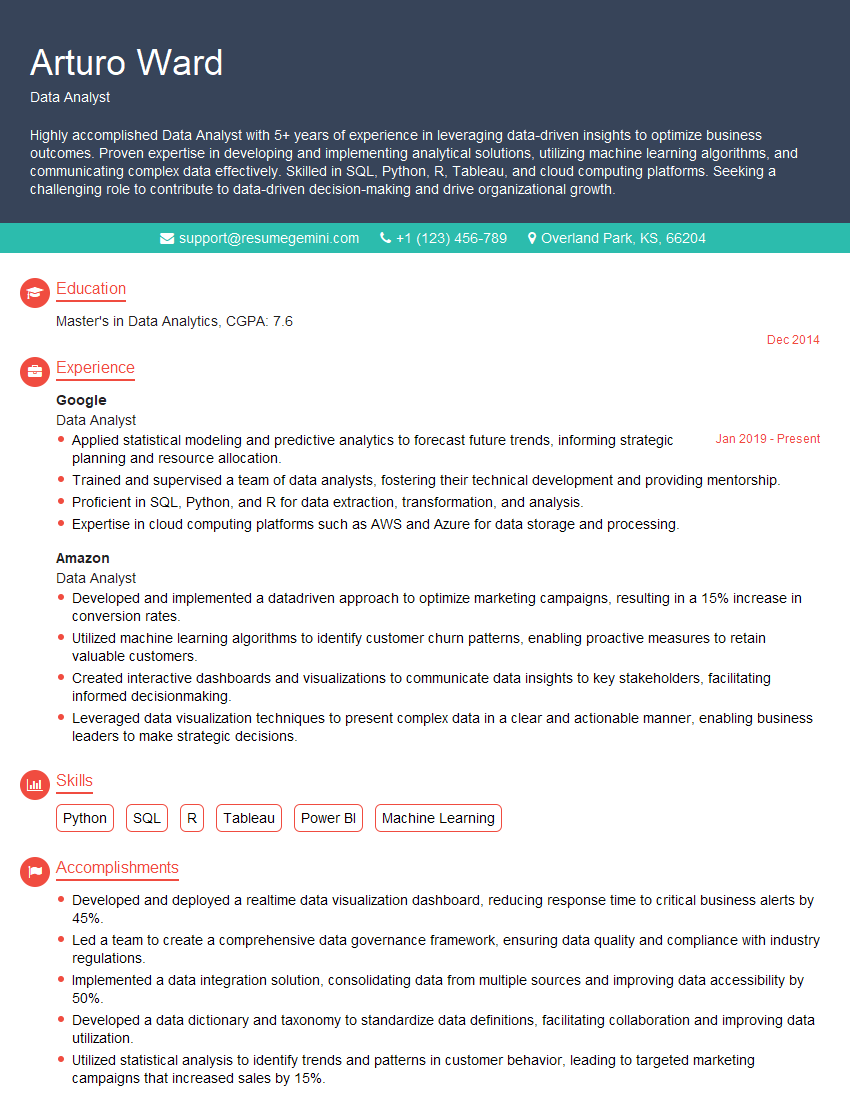
Data Analyst Resume Sample
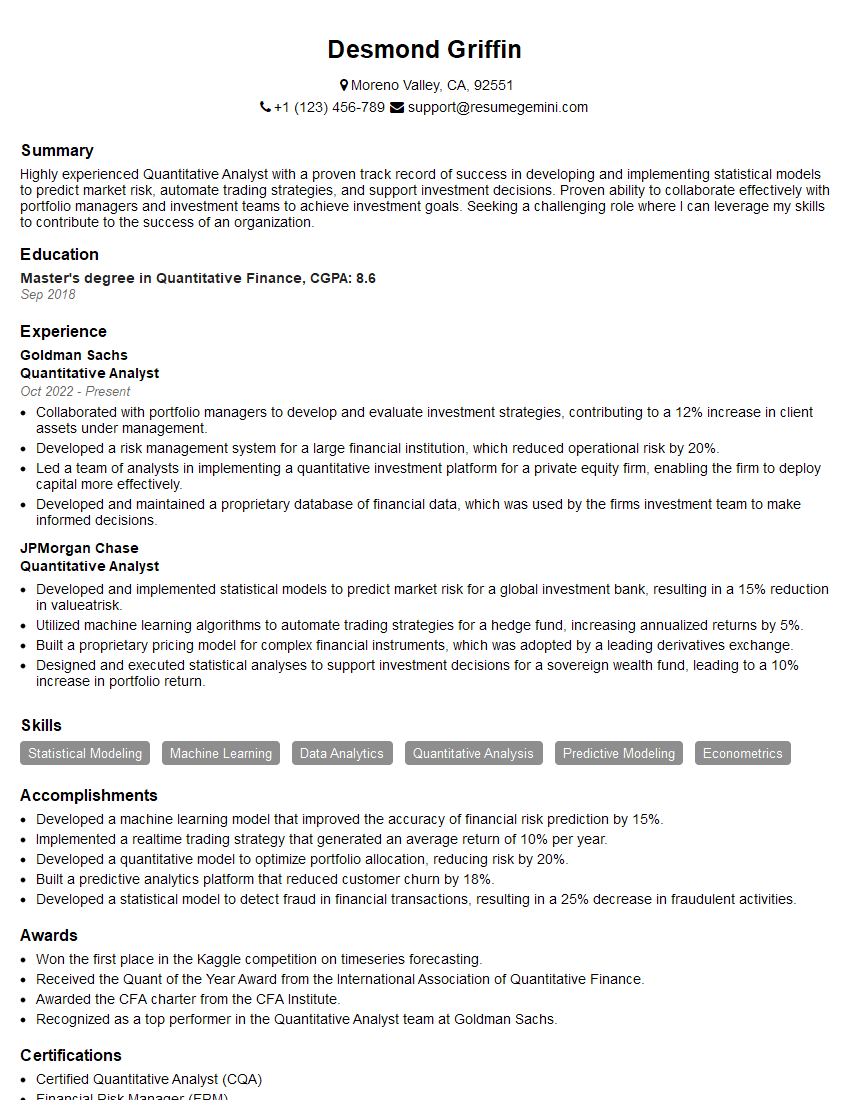
Quantitative Analyst Resume Sample
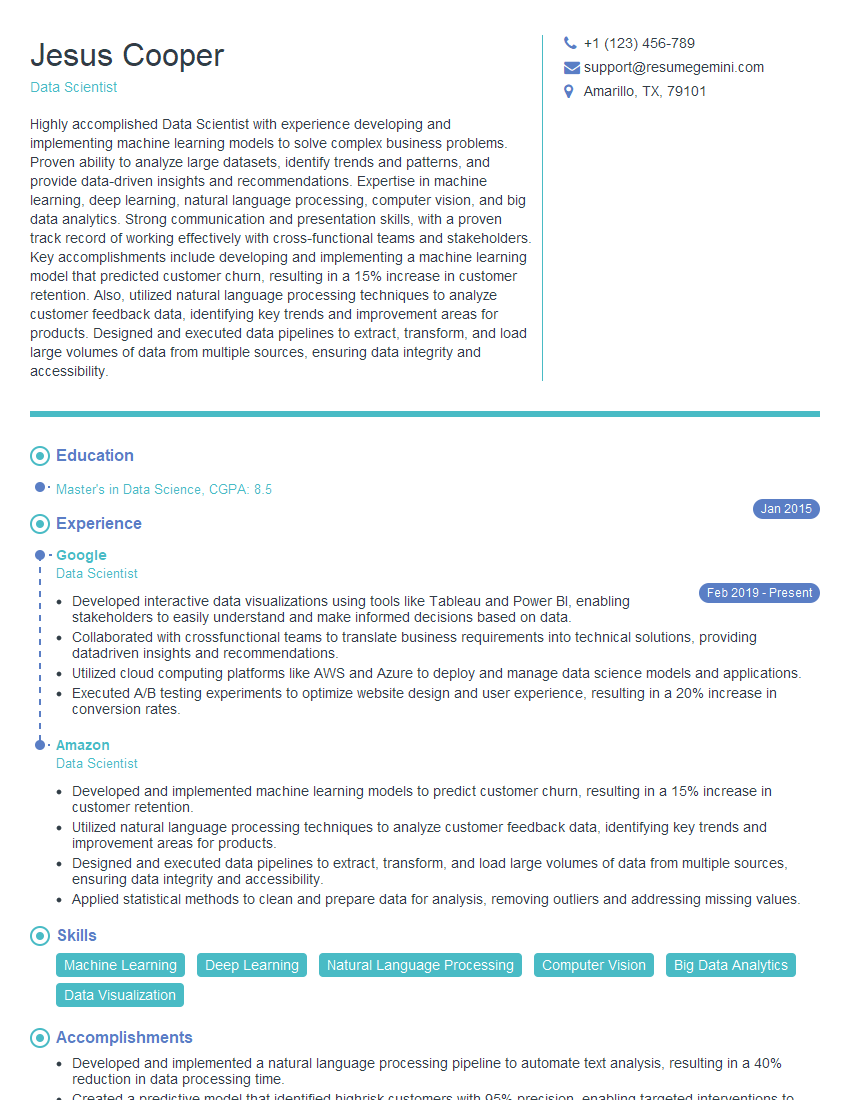
Data Scientist Resume Sample
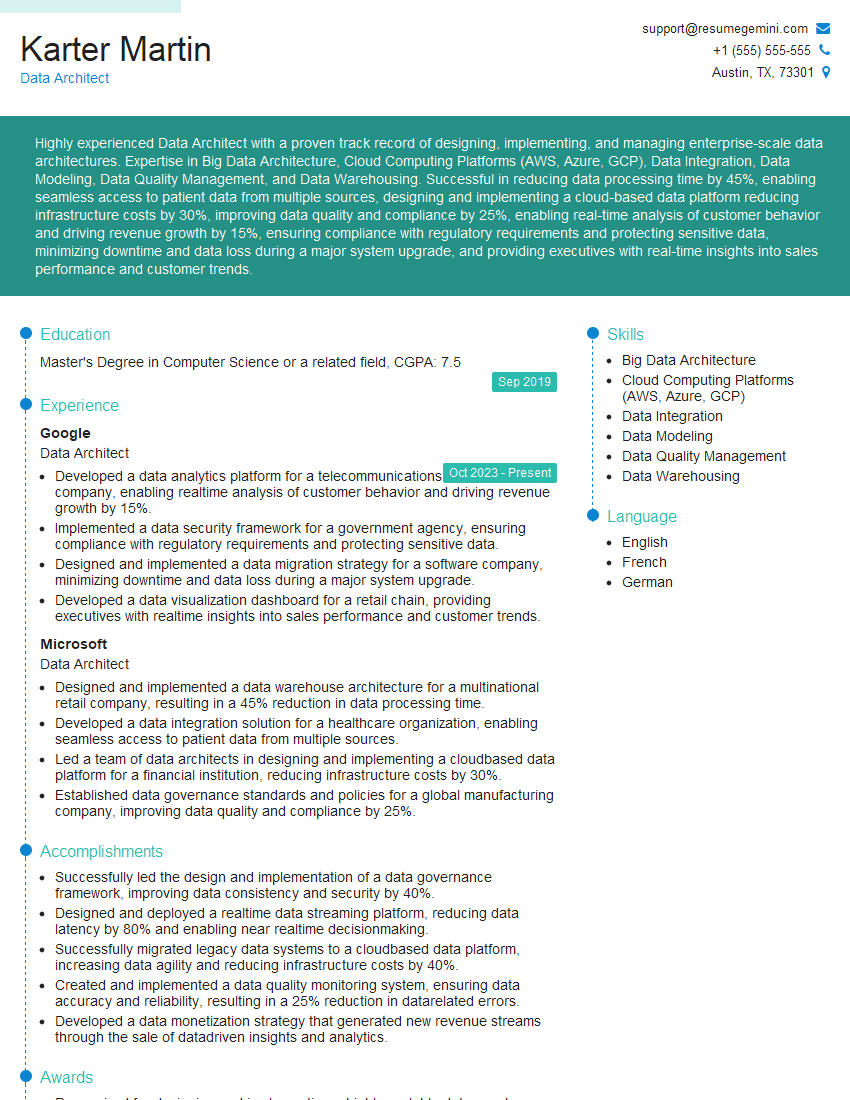
Data Architect Resume Sample
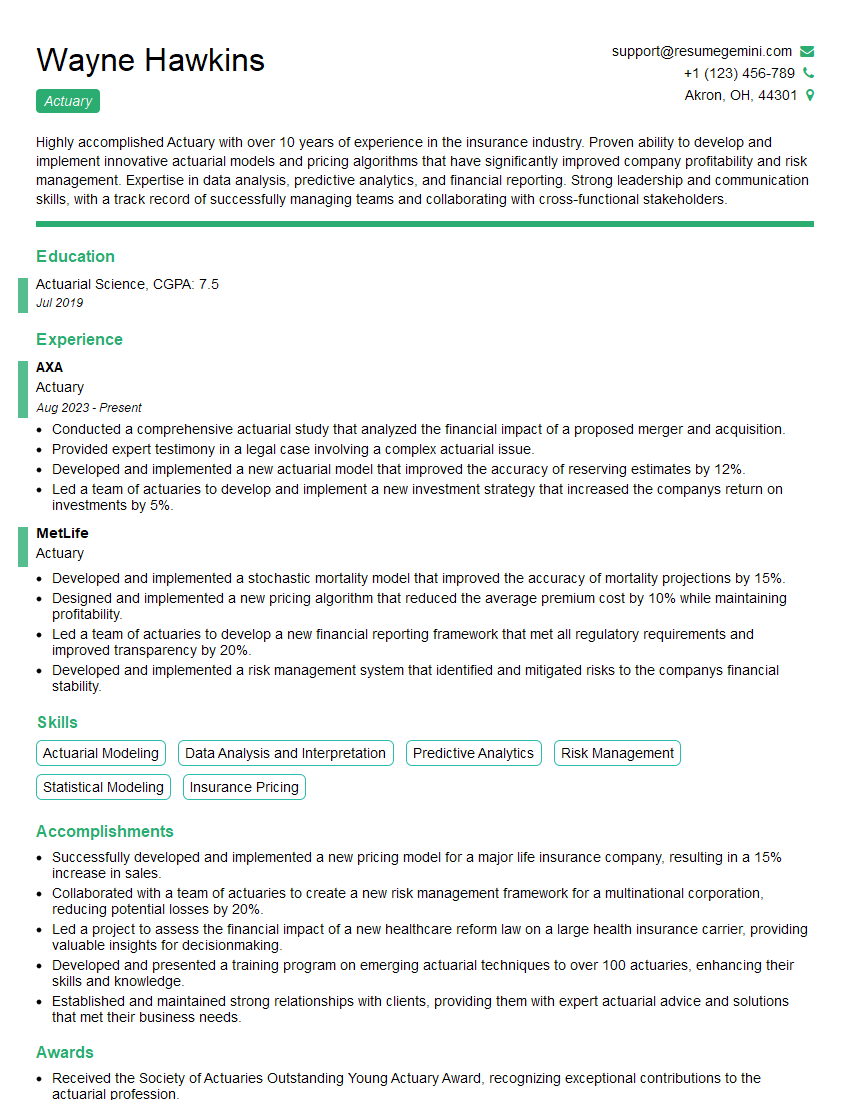
Actuary Resume Sample
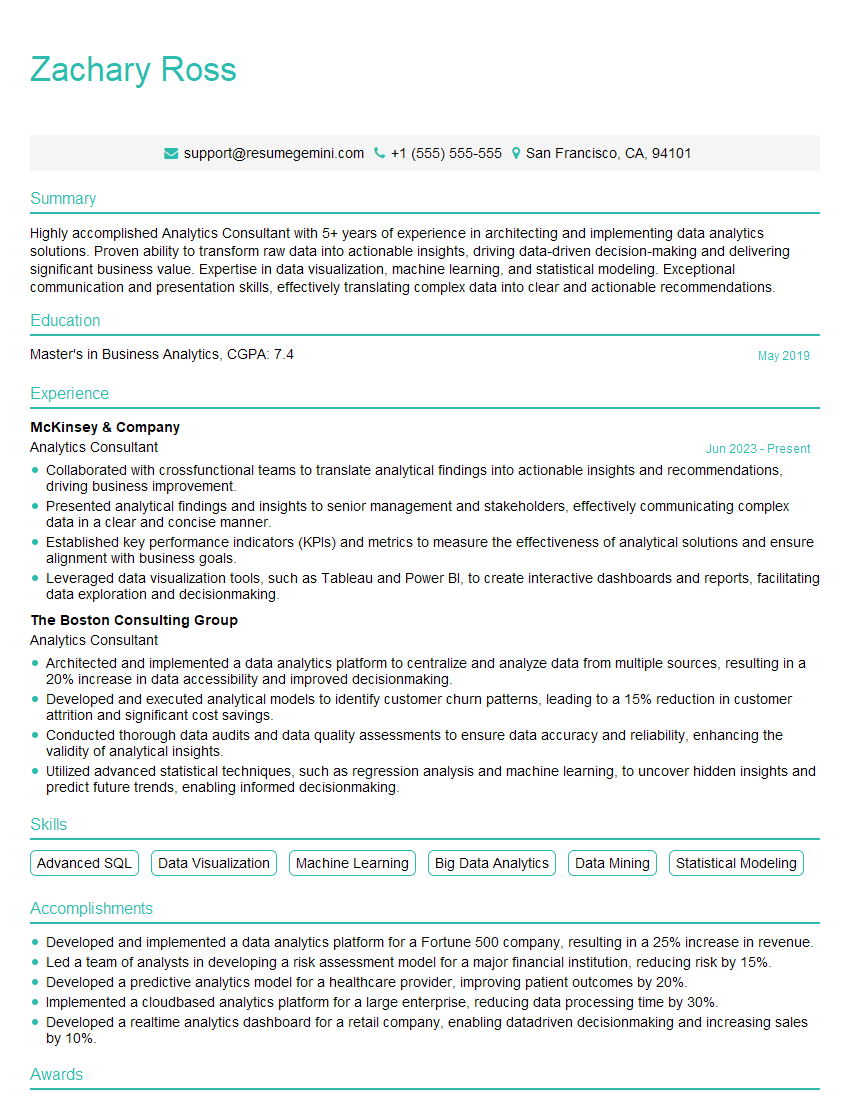
Analytics Consultant Resume Sample

Operations Research Analyst Resume Sample

Statistical Analyst Resume Sample
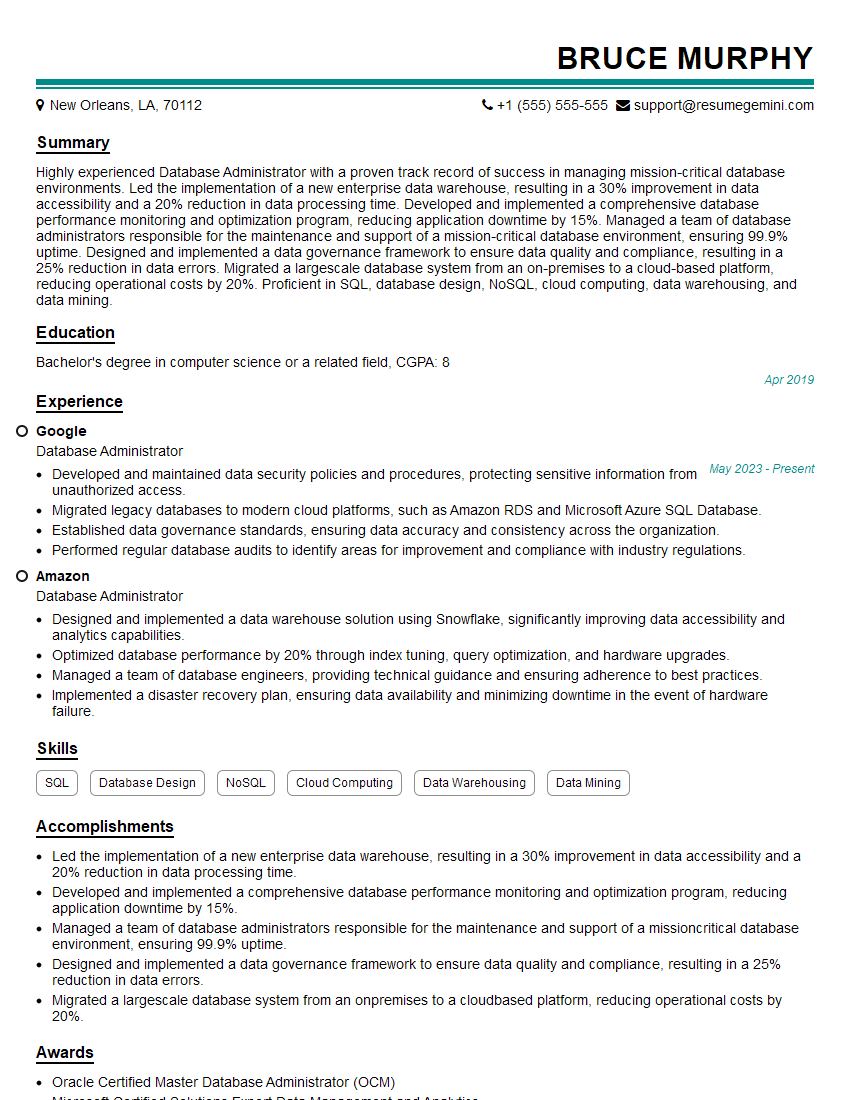
Database Administrator Resume Sample
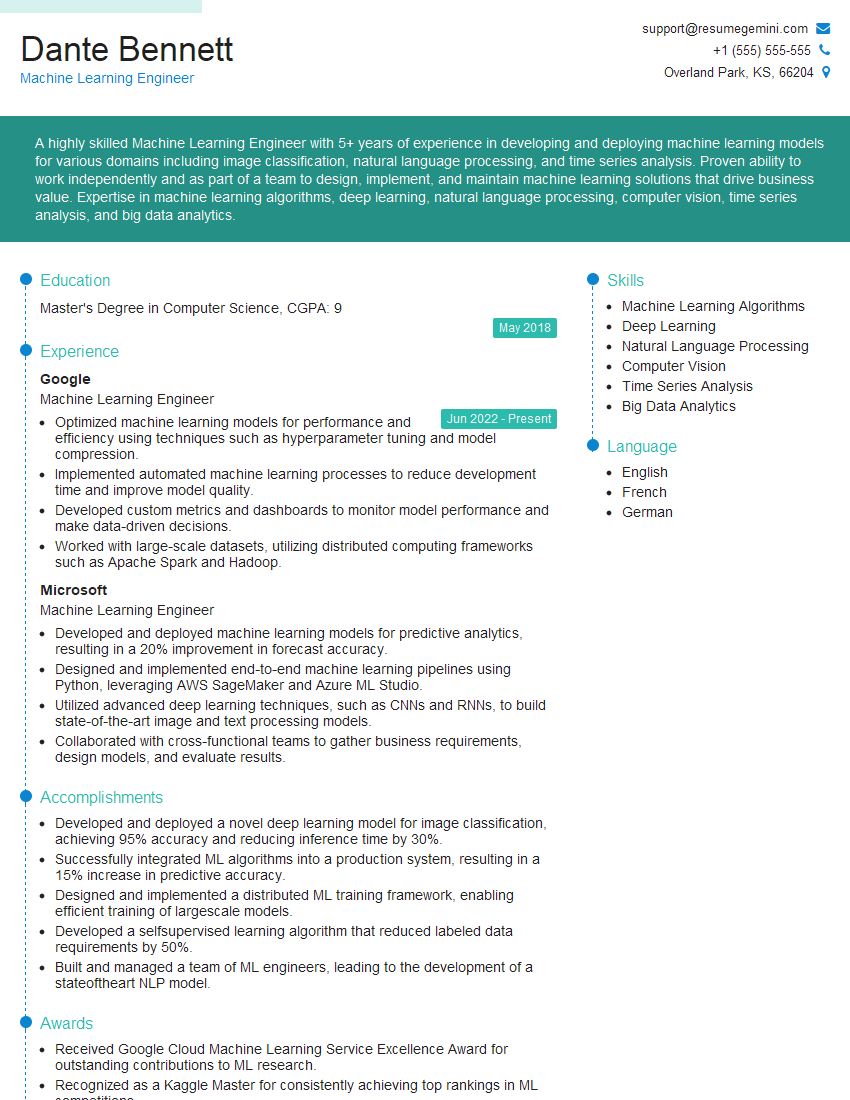
Machine Learning Engineer Resume Sample
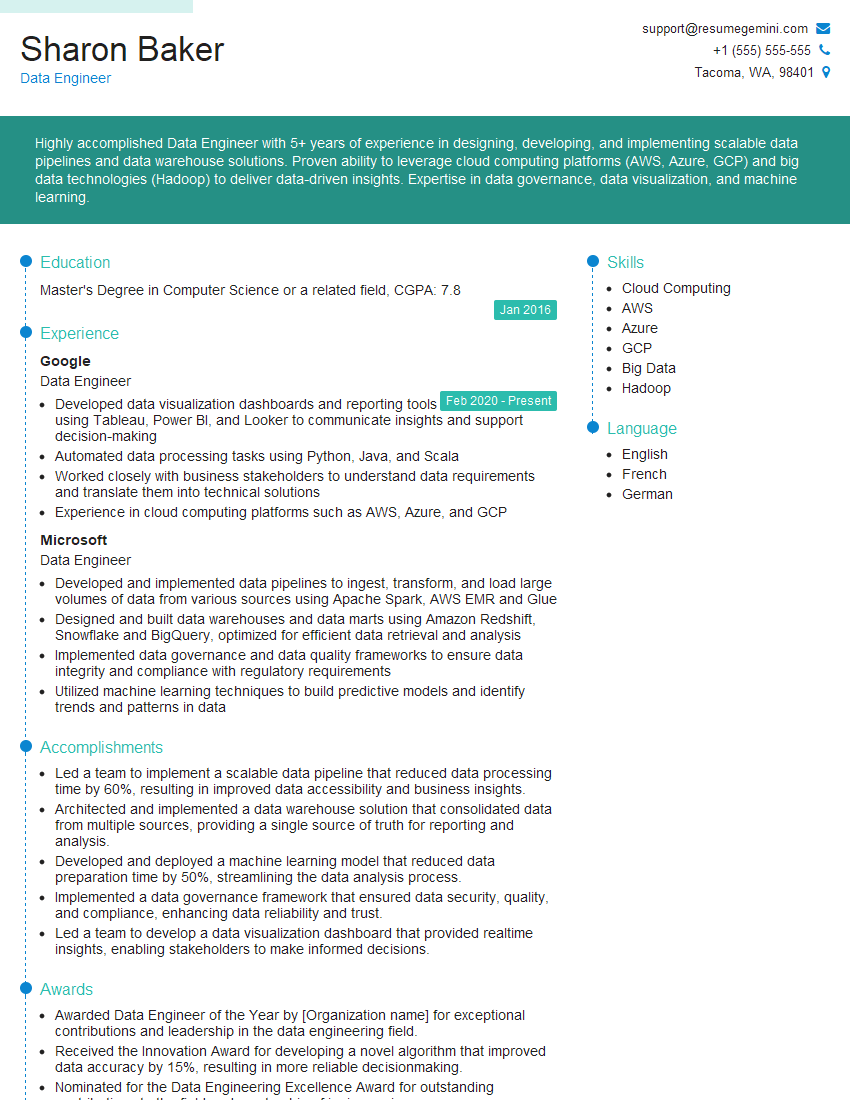
Data Engineer Resume Sample
Explore more articles
Users Rating of Our Blogs
Share Your Experience
We value your feedback! Please rate our content and share your thoughts (optional).
What Readers Say About Our Blog
To the interviewgemini.com Webmaster.
Very helpful and content specific questions to help prepare me for my interview!
Thank you
To the interviewgemini.com Webmaster.
This was kind of a unique content I found around the specialized skills. Very helpful questions and good detailed answers.
Very Helpful blog, thank you Interviewgemini team.