Feeling uncertain about what to expect in your upcoming interview? We’ve got you covered! This blog highlights the most important Proficient in laboratory techniques and equipment operation interview questions and provides actionable advice to help you stand out as the ideal candidate. Let’s pave the way for your success.
Questions Asked in Proficient in laboratory techniques and equipment operation Interview
Q 1. Describe your experience with different types of pipettes and their applications.
My experience encompasses a wide range of pipettes, each suited for specific applications. Think of pipettes as precision instruments for measuring and transferring liquids, much like a chef uses different knives for various tasks.
- Pasteur pipettes: These are simple, disposable glass pipettes used for transferring small volumes of liquids without precise measurement. I’ve used these for qualitative transfers, like adding a reagent dropwise to a reaction.
- Graduated pipettes: These glass pipettes have markings along their length, allowing for measuring varying volumes. They offer less precision than volumetric pipettes but are versatile. I often use them for preparing reagents where high accuracy isn’t crucial.
- Volumetric pipettes: These are designed to deliver a single, precise volume. The bulb’s calibration ensures accuracy, making them ideal for preparing standard solutions or performing quantitative analyses. For example, in preparing a 1M solution of NaCl, using a volumetric pipette is crucial for accuracy.
- Micropipettes (e.g., P20, P200, P1000): These are essential for handling microliter volumes, crucial in molecular biology and cell culture. I’ve extensively used these for PCR reactions, ELISA assays, and cell seeding. Proper technique, including using the correct pipette tip and avoiding air bubbles, is critical for accurate delivery.
Choosing the right pipette depends heavily on the application’s precision requirements and the volume being transferred. Incorrect pipette usage can lead to significant errors in experimental results.
Q 2. Explain the process of preparing a standard solution.
Preparing a standard solution is a fundamental procedure in analytical chemistry, like creating a precise recipe in cooking. It involves dissolving a precisely weighed amount of solute in a specific volume of solvent to achieve a known concentration. Accuracy is paramount.
- Calculate the required mass: First, determine the desired concentration (e.g., molarity, normality) and volume of the solution. Then, using the molar mass of the solute, calculate the required mass to achieve that concentration. For instance, if you need 100mL of 1M NaCl (Molar mass of NaCl ≈ 58.44 g/mol), you would need 5.844g of NaCl.
- Weigh the solute: Use an analytical balance to accurately weigh the calculated mass of the solute. Ensure the balance is calibrated and the weighing process is free from external influences (like drafts).
- Dissolve the solute: Carefully transfer the weighed solute into a volumetric flask of the appropriate size. Add a small amount of the solvent (usually distilled water) and swirl gently to dissolve the solute completely. Avoid losing any of the solute during this step.
- Fill to the mark: Once the solute is fully dissolved, carefully fill the volumetric flask to the calibration mark using a wash bottle or pipette. The meniscus should be exactly on the mark. Avoid overfilling.
- Mix thoroughly: Invert and gently swirl the flask several times to ensure the solution is homogenous. This guarantees uniform concentration throughout the solution.
After preparation, always label the solution clearly with its identity, concentration, date of preparation, and your initials. This is crucial for traceability and reproducibility.
Q 3. How would you troubleshoot a malfunctioning centrifuge?
Troubleshooting a malfunctioning centrifuge involves a systematic approach, akin to diagnosing a car problem. You need to check various components systematically.
- Check the rotor: Ensure the rotor is securely installed and balanced. An unbalanced rotor can cause excessive vibration and damage the centrifuge. I always visually inspect the rotor for cracks or damage.
- Examine the power supply: Verify that the centrifuge is properly connected to a functioning power outlet. Test the power supply using another device.
- Inspect the drive system: If the centrifuge makes unusual noises, the drive system could be malfunctioning. This might require professional servicing.
- Check the speed control: If the centrifuge isn’t reaching the desired speed, the speed control mechanism could be faulty. This needs to be checked by a qualified technician.
- Examine the safety features: Ensure the centrifuge lid is closing properly and the safety interlocks are working. A malfunctioning lid switch can prevent the centrifuge from operating.
If the problem persists after these checks, it is essential to contact a qualified technician for repair or maintenance. Continuing to operate a malfunctioning centrifuge is a serious safety hazard.
Q 4. What are the safety precautions you follow when handling hazardous materials?
Safety is paramount when handling hazardous materials. My approach follows stringent protocols and guidelines.
- Personal Protective Equipment (PPE): Always wear appropriate PPE, including lab coats, gloves (nitrile for most chemicals, specialized gloves for specific chemicals), safety glasses, and face shields when necessary. The selection of PPE depends entirely on the specific hazard.
- Proper ventilation: Work under a fume hood or in a well-ventilated area when handling volatile or toxic substances. Never assume the ventilation is sufficient, especially if dealing with concentrated acids or bases.
- Spill procedures: Familiarize yourself with the appropriate spill cleanup procedures for each hazardous material. Know the location of spill kits and how to use them. For instance, acid spills require a specific neutralization approach while organic solvent spills need different handling.
- Waste disposal: Dispose of hazardous waste properly according to established protocols. Each laboratory will have a detailed waste management plan that must be followed. Improper waste disposal poses environmental risks and health hazards.
- Safety data sheets (SDS): Always consult the safety data sheet (SDS) for any chemical before handling it. This document provides crucial information on the hazards, handling precautions, and emergency procedures.
Regular safety training and adherence to lab safety guidelines are crucial for maintaining a safe working environment. I always prioritize safety and responsible practices in the lab.
Q 5. Describe your experience with different types of microscopes.
My experience includes using several types of microscopes, each with its own advantages and applications. Think of them as specialized tools for visualizing different aspects of a sample.
- Bright-field microscope: This is the most common type, used for observing stained or naturally pigmented specimens. I’ve used this extensively for observing histological sections and cell cultures.
- Phase-contrast microscope: This is ideal for observing live, unstained cells and tissues. It enhances the contrast between different parts of a specimen by exploiting differences in refractive index. I’ve used this in observing living cells in culture.
- Fluorescence microscope: This microscope uses fluorescent dyes or proteins to visualize specific structures within cells or tissues. This has been vital for immunofluorescence studies and observing specific cellular components.
- Confocal microscope: A sophisticated fluorescence microscope that provides high-resolution 3D images by eliminating out-of-focus light. I’ve used this for advanced imaging of tissues and cell structures.
- Electron microscope (TEM & SEM): These use electron beams rather than light, providing extremely high resolution imaging at the nanometer scale. I’ve worked with these less frequently, typically needing access to specialized facilities.
The choice of microscope depends on the specific research question and the sample being examined. Each provides unique capabilities for visualization.
Q 6. How do you ensure accurate and precise measurements in the lab?
Accuracy and precision in measurements are fundamental in laboratory work, like precision in engineering. Inaccurate measurements can lead to flawed results and unreliable conclusions.
- Calibration of equipment: Regularly calibrated equipment (balances, pipettes, volumetric glassware) is crucial for ensuring accurate measurements. Calibration involves comparing the instrument’s readings to a known standard.
- Proper technique: Using equipment correctly is paramount. For instance, following proper pipetting technique, ensuring the meniscus is read at eye level, and using appropriate glassware are all critical.
- Multiple measurements: Taking multiple measurements and calculating the average minimizes the impact of random errors and improves precision.
- Appropriate equipment selection: Choosing the right tool for the job is essential. Using a graduated cylinder for precise measurements is inappropriate; a volumetric pipette would be a better choice.
- Control samples: Including control samples helps to validate the accuracy of the measurements. Positive and negative controls are used to check the reliability of the experimental procedure.
Maintaining a detailed lab notebook, including all measurements and methods, facilitates traceability and identification of potential errors.
Q 7. Explain the importance of proper calibration of laboratory equipment.
Proper calibration of laboratory equipment is essential for ensuring accurate and reliable results, much like regular servicing keeps a car running smoothly. Uncalibrated equipment leads to inaccurate measurements and potentially flawed conclusions.
- Accuracy and precision: Calibration ensures that the equipment is providing accurate and precise measurements, minimizing errors in experimental data.
- Data reliability: Reliable data is crucial for drawing valid conclusions and making informed decisions. Uncalibrated equipment compromises the reliability of data.
- Reproducibility: Calibrated equipment ensures that experiments can be reproduced accurately by other researchers, enhancing the reproducibility and validity of scientific findings.
- Safety: In some cases, uncalibrated equipment can pose safety risks. For example, a faulty balance could lead to incorrect reagent weighing, potentially causing hazardous reactions.
- Compliance: Many laboratories are subject to regulatory requirements that mandate regular equipment calibration. Failure to comply can result in penalties or invalidate research findings.
A comprehensive calibration schedule and thorough documentation are essential for maintaining the accuracy and reliability of lab equipment. This ensures compliance with regulations and promotes good laboratory practices.
Q 8. Describe your experience with spectrophotometry and its applications.
Spectrophotometry is a technique used to measure the absorbance or transmission of light through a solution. It relies on the principle that different substances absorb different wavelengths of light. By measuring the amount of light absorbed at a specific wavelength, we can determine the concentration of a substance in a sample, or even identify the substance itself. This is based on Beer-Lambert’s Law, which states that absorbance is directly proportional to concentration and path length.
In my previous role, I used spectrophotometry extensively for quantifying protein concentrations using Bradford assays. The Bradford assay utilizes a dye that changes color upon binding to protein; the intensity of the color change, measured using a spectrophotometer at a specific wavelength (typically 595 nm), is directly related to the protein concentration. I also employed spectrophotometry to monitor the growth of bacterial cultures by measuring the optical density (OD) at 600 nm. A higher OD indicates a larger number of bacteria.
Another application I’ve worked with involves measuring the enzyme activity of lactase, where the absorbance of the reaction products is measured over time to determine the rate of enzyme-catalyzed reactions.
Q 9. How do you maintain a clean and organized laboratory workspace?
Maintaining a clean and organized lab workspace is paramount for safety and efficient work. It’s not just about tidiness; it’s about preventing contamination and accidents. My approach is threefold: preventative measures, immediate cleanup, and regular organization.
- Preventative Measures: Before starting any experiment, I ensure my workspace is clear of unnecessary items. I label all containers clearly, and I use designated areas for different types of materials (e.g., chemicals, glassware, waste). I also meticulously plan my experiments to minimize the chance of spills or cross-contamination.
- Immediate Cleanup: Spills are dealt with immediately and properly, following the appropriate safety protocols. Any used materials are disposed of correctly. This minimizes the risk of accidents and simplifies the overall organization.
- Regular Organization: At the end of each day, I thoroughly clean my workspace, wiping down surfaces and disposing of waste. I restock supplies and organize reagents. This routine ensures the lab remains functional and safe.
Q 10. Describe your experience with HPLC or GC chromatography.
I have extensive experience with High-Performance Liquid Chromatography (HPLC), specifically reversed-phase HPLC. HPLC is a powerful technique used to separate, identify, and quantify the components in a mixture. It involves pumping a sample solution through a column packed with a stationary phase, and the components separate based on their differential interactions with the stationary and mobile phases. The separated components are then detected using a suitable detector, such as a UV-Vis detector or a mass spectrometer.
In my research, I utilized HPLC to analyze the composition of herbal extracts, separating and quantifying various bioactive compounds. I was responsible for method development, sample preparation, data acquisition, and interpretation. I also have experience troubleshooting HPLC systems, including pump maintenance and column regeneration. While I haven’t used Gas Chromatography (GC) as extensively, I understand its principles and applications, particularly in the analysis of volatile compounds. GC separates compounds based on their boiling points and interaction with a stationary phase inside a heated column.
Q 11. Explain the principles of PCR (Polymerase Chain Reaction).
Polymerase Chain Reaction (PCR) is an in-vitro technique used to amplify a specific DNA sequence exponentially. It’s based on the principle of DNA replication, utilizing a heat-stable DNA polymerase enzyme to synthesize millions of copies of the target DNA sequence from a small starting sample. The process involves cycles of heating and cooling, each cycle consisting of three main steps:
- Denaturation: The DNA template is heated to separate the double-stranded DNA into single strands.
- Annealing: Short DNA sequences called primers bind to specific regions on the single-stranded DNA, flanking the target sequence.
- Extension: The DNA polymerase enzyme extends the primers, synthesizing new DNA strands complementary to the template DNA.
Each cycle doubles the number of copies of the target DNA sequence, resulting in an exponential amplification. PCR is an incredibly versatile tool with applications in various fields, including diagnostics, forensics, and research. For example, I’ve used PCR to amplify specific genes for cloning purposes and to detect the presence of pathogens in clinical samples.
Q 12. How would you handle a spill of a hazardous chemical?
Handling chemical spills is crucial for safety and environmental protection. My response is guided by the principle of minimizing exposure and contamination, and always involves prioritizing personal safety. The steps I would take are:
- Immediate Action: Clear the area and restrict access, alerting colleagues and supervisors.
- Personal Protective Equipment (PPE): Don appropriate PPE, including gloves, eye protection, and a lab coat, based on the chemical’s hazard information.
- Containment: Contain the spill using absorbent materials (e.g., spill pads, vermiculite) to prevent it from spreading.
- Neutralization (if applicable): If appropriate and safe, neutralize the spill using a designated neutralizing agent, following established lab protocols. Note that not all chemical spills require or benefit from neutralization.
- Cleanup: Carefully collect the absorbent material and contaminated items, ensuring proper disposal according to institutional guidelines and the chemical’s safety data sheet (SDS).
- Decontamination: Decontaminate the affected area using appropriate cleaning solutions.
- Documentation: Thoroughly document the incident, including the time, location, chemical involved, quantity spilled, actions taken, and any injuries sustained. Submit the report according to institutional procedures.
Q 13. What are your experiences with data analysis and interpretation in a laboratory setting?
Data analysis and interpretation are fundamental to laboratory work. It involves much more than simply collecting numbers; it’s about extracting meaningful information from the raw data. My approach usually follows several steps: Data organization, quality control, statistical analysis, and reporting.
- Data Organization: I carefully organize my raw data, often using spreadsheets or dedicated lab management software to ensure accuracy and easy access.
- Quality Control: Before analysis, I meticulously review the data for any errors or outliers. This often involves visual inspection of graphs and charts and checking for any deviations from expected results. If errors are found, I attempt to understand the source and, if possible, correct them.
- Statistical Analysis: Depending on the type of data and the research question, I apply appropriate statistical methods such as t-tests, ANOVA, regression analysis, or other relevant statistical tests. I use statistical software (like GraphPad Prism or R) to perform these analyses.
- Reporting: The results are presented clearly and concisely using tables, figures, and statistical summaries. The interpretations are supported by the data, and any limitations are clearly stated.
For example, in a recent experiment involving enzyme kinetics, I used non-linear regression to determine the Michaelis-Menten constant (Km) and maximum velocity (Vmax), providing a quantitative measure of the enzyme’s catalytic efficiency.
Q 14. Describe your experience with cell culture techniques.
Cell culture techniques involve growing and maintaining cells outside of their natural environment. Sterile conditions are critical to prevent contamination and ensure accurate results. My experience encompasses various aspects, including cell passaging, media preparation, and cryopreservation.
- Aseptic Techniques: I am proficient in aseptic techniques, including working within a laminar flow hood to maintain a sterile environment. This involves careful handwashing, sterilizing equipment, and using sterile reagents and media.
- Cell Passaging: I am experienced in subculturing cells (passaging) to maintain sufficient cell numbers and prevent contact inhibition. This involves detaching cells from the culture vessel, diluting them in fresh media, and transferring them to new vessels. The specific procedure varies depending on cell type.
- Media Preparation: I’ve prepared various media formulations, ensuring precise concentrations of nutrients, salts, and supplements to meet the specific requirements of different cell types.
- Cryopreservation: I’m proficient in cryopreserving cells using controlled-rate freezers and liquid nitrogen to store cells for long periods without compromising their viability and function. This is essential for maintaining cell lines and preventing the need to repeatedly establish cultures.
For instance, I’ve successfully cultured various mammalian cell lines such as HeLa cells and HEK293 cells, using them for various assays, including cytotoxicity tests and transfection experiments.
Q 15. How do you maintain the sterility of a cell culture environment?
Maintaining sterility in cell culture is paramount to prevent contamination and ensure reliable experimental results. It’s like keeping a pristine operating room – any contamination can ruin the entire procedure. We achieve this through a multi-pronged approach focusing on aseptic technique, environmental control, and regular monitoring.
- Aseptic Technique: This involves meticulously cleaning the work area with 70% ethanol, using sterile equipment (pipettes, flasks, etc.), working under a laminar flow hood to create a sterile airflow, and employing proper hand hygiene. Every step is designed to minimize the introduction of microbes.
- Environmental Control: The cell culture incubator and the laminar flow hood are regularly cleaned and disinfected to prevent the growth of microorganisms. We also use HEPA filters to remove airborne particles and maintain a clean environment. Regular monitoring of the incubator’s temperature and CO2 levels is crucial for optimal cell growth.
- Regular Monitoring: We visually inspect cell cultures regularly for signs of contamination, such as turbidity (cloudiness), unusual color changes, or the presence of fungal or bacterial growth. Mycoplasma testing is performed periodically to detect this common, yet often invisible, contaminant.
For instance, during a recent experiment involving primary cell cultures, we noticed slight turbidity in one flask. Immediate action was taken, including discarding the contaminated culture and thoroughly disinfecting the incubator to prevent spread. This prevented a major setback to the project.
Career Expert Tips:
- Ace those interviews! Prepare effectively by reviewing the Top 50 Most Common Interview Questions on ResumeGemini.
- Navigate your job search with confidence! Explore a wide range of Career Tips on ResumeGemini. Learn about common challenges and recommendations to overcome them.
- Craft the perfect resume! Master the Art of Resume Writing with ResumeGemini’s guide. Showcase your unique qualifications and achievements effectively.
- Don’t miss out on holiday savings! Build your dream resume with ResumeGemini’s ATS optimized templates.
Q 16. Explain your experience with different types of sterilization techniques.
Sterilization is the process of eliminating all forms of microbial life, and I have extensive experience with various techniques, each suited for different applications and materials.
- Autoclaving: This is a high-pressure steam sterilization method effective for heat-resistant materials. It’s my go-to method for sterilizing glassware, media, and other heat-stable equipment. I always carefully monitor the temperature and pressure to ensure effective sterilization.
- Dry Heat Sterilization: This method uses high temperatures in a dry oven and is suitable for glassware and materials sensitive to moisture. It’s slower than autoclaving but is very effective.
- Filtration: This method uses filters with pore sizes small enough to remove bacteria and other microorganisms. I frequently use it for sterilizing heat-sensitive solutions such as certain media components and antibodies. I meticulously validate the pore size based on the application.
- Gamma Irradiation: This is a powerful method suitable for sterilizing large batches of materials, including disposable plasticware. It’s very effective but requires specialized equipment and safety protocols.
- Ethylene Oxide (EtO) Sterilization: This is used for sterilizing heat-sensitive and moisture-sensitive materials such as some plastics and medical devices. However, it’s less commonly used due to safety concerns and the need for specialized equipment and aeration processes to remove toxic residues.
Selecting the appropriate method depends entirely on the nature of the material being sterilized and the risk tolerance associated with its use. For instance, while autoclaving is very effective for many solutions, it will destroy heat-labile proteins, mandating filtration instead.
Q 17. How do you ensure the quality and integrity of your experimental data?
Data integrity is the cornerstone of any successful research project; maintaining its quality is a top priority. My approach is built on meticulous record-keeping, rigorous quality control, and robust analysis techniques.
- Detailed Record Keeping: I maintain detailed lab notebooks, accurately recording all experimental procedures, reagents used, raw data, and observations. I always date and sign each entry. Everything is clearly labelled and organized so that the experiment is fully reproducible.
- Appropriate Controls: I include positive and negative controls in all experiments to validate the accuracy and reliability of my findings. This helps to differentiate specific effects from random fluctuations or errors.
- Data Validation and Verification: I regularly check for inconsistencies, outliers, and errors in my data. Statistical analysis is crucial to evaluate the significance of my results. This ensures that results are not simply artifacts of the procedure.
- Calibration and Maintenance: All equipment is routinely calibrated and maintained to ensure accuracy and reliability of measurements. Calibration records are meticulously tracked.
- Data Backup and Security: All data is regularly backed up using multiple methods (cloud storage, external hard drives) to prevent data loss. Secure access controls are implemented to protect the data’s confidentiality.
For example, during a recent qPCR experiment, I identified a few outlier data points. Instead of ignoring them, I repeated the experiment for those samples, discovering a pipetting error. Thorough validation prevented flawed conclusions.
Q 18. Describe your experience with Western blotting.
Western blotting is a powerful technique used to detect specific proteins in a complex sample. It’s like searching for a specific needle in a haystack. I have extensive experience in performing Western blots, from sample preparation to data analysis.
- Sample Preparation: This involves lysing cells or tissues to extract proteins, then separating them by size using SDS-PAGE (Sodium Dodecyl Sulphate Polyacrylamide Gel Electrophoresis).
- Transfer to Membrane: The separated proteins are transferred from the gel onto a membrane (typically nitrocellulose or PVDF) where they can be probed with antibodies.
- Antibody Incubation: The membrane is incubated with a primary antibody that specifically recognizes the target protein. This is followed by incubation with a secondary antibody conjugated to an enzyme (e.g., horseradish peroxidase) or a fluorophore.
- Detection: The presence of the target protein is detected using chemiluminescence, fluorescence, or colorimetric methods. This generates an image showing the protein bands.
- Data Analysis: The intensity of the bands is quantified using image analysis software. This allows for comparison of protein levels between samples.
In a recent study, we used Western blotting to assess the expression levels of a particular protein under different treatment conditions. The results, carefully analyzed and quantified, supported our hypothesis and were a key component of the publication.
Q 19. Explain your understanding of standard operating procedures (SOPs).
Standard Operating Procedures (SOPs) are documented, step-by-step instructions for conducting routine laboratory tasks. They are crucial for ensuring consistency, reproducibility, and safety in the laboratory. They are the ‘recipe book’ of the lab, providing a standardized approach to each procedure.
- Consistency and Reproducibility: SOPs ensure that everyone performs the same task in the same way, regardless of their experience level. This significantly reduces variability in results.
- Safety: SOPs often include safety precautions, risk assessments, and emergency procedures, ensuring a safe working environment.
- Quality Control: They provide a framework for quality control by documenting every step of the process, which helps in identifying potential errors or inconsistencies.
- Training and Compliance: SOPs are essential for training new personnel and ensuring regulatory compliance.
For example, our lab has detailed SOPs for every procedure, from preparing reagents to handling hazardous materials. These are regularly reviewed and updated to reflect best practices and regulatory changes, ensuring a high level of quality and safety.
Q 20. How do you manage your time effectively in a fast-paced laboratory environment?
Effective time management in a fast-paced laboratory environment is key to productivity and success. I employ a combination of strategies to prioritize tasks, manage my time, and avoid feeling overwhelmed.
- Prioritization: I start each day by prioritizing tasks based on their urgency and importance. I use tools like to-do lists and project management software to help with organization.
- Time Blocking: I allocate specific time blocks for different tasks, minimizing distractions and maximizing focus. This allows for efficient completion of tasks.
- Planning and Organization: I plan my experiments and procedures carefully in advance, ensuring I have all the necessary materials and equipment readily available. This minimizes time wasted searching for things.
- Delegation and Teamwork: Where possible, I delegate tasks and collaborate with colleagues to share the workload and improve efficiency.
- Flexibility and Adaptability: I am flexible and adaptable, recognizing that unexpected events may arise in a lab setting. I adjust my schedule accordingly while maintaining my priorities.
For example, during a particularly busy week with multiple deadlines, I utilized time-blocking techniques to allocate specific time slots for critical tasks like data analysis, followed by less urgent tasks like equipment maintenance.
Q 21. Describe your experience with laboratory information management systems (LIMS).
Laboratory Information Management Systems (LIMS) are software solutions used to manage and track laboratory data, samples, and processes. I have experience using LIMS for sample tracking, data management, and reporting, leading to improved efficiency and data integrity.
- Sample Tracking: LIMS helps to manage the entire lifecycle of samples, from receipt to disposal. It provides a centralized system for tracking sample location, status, and analysis results, preventing loss or misidentification.
- Data Management: LIMS provides a secure platform for storing and managing large amounts of laboratory data. It allows for automated data entry and facilitates data analysis and reporting.
- Workflow Management: LIMS streamlines laboratory workflows by providing tools for scheduling tests, tracking progress, and generating reports. It helps to automate repetitive tasks.
- Reporting and Compliance: LIMS facilitates the generation of reports and assists in maintaining compliance with regulatory requirements.
In a previous role, we used a LIMS to track thousands of samples for a large-scale clinical trial. The system streamlined the entire process, reducing errors and improving turnaround time for results. The ability to generate customized reports was especially beneficial for regulatory compliance.
Q 22. How do you troubleshoot problems with laboratory equipment?
Troubleshooting laboratory equipment involves a systematic approach. My first step is always to observe the issue carefully – what’s the error message, what’s behaving unexpectedly, and under what conditions does it occur? This observation guides my next steps. Then, I check the most obvious things first: power supply, connections, and reagent levels. For example, if a centrifuge isn’t spinning, I’d first check if it’s plugged in and if the lid is properly closed. If the issue persists, I consult the equipment’s manual and troubleshooting guide. This guide usually provides a flowchart or decision tree to isolate the problem systematically. If the manual doesn’t help, I’d then try to identify the specific component causing the problem. This might involve checking fuses, inspecting wiring, or even contacting the manufacturer for technical support. Detailed record-keeping during this process is crucial, documenting every step, observation, and action taken. This allows me to track progress and potentially identify recurring problems. Finally, preventative maintenance, such as regular cleaning and calibration, is key to minimize equipment malfunctions.
Q 23. Describe your experience with different types of laboratory glassware and their appropriate uses.
I have extensive experience with various laboratory glassware, understanding their specific properties and appropriate uses. For example, beakers are versatile for mixing and heating liquids, but their accuracy isn’t high. Erlenmeyer flasks are ideal for titrations and swirling solutions due to their conical shape. Volumetric flasks are designed for precise volume measurements, crucial in preparing standard solutions. Graduated cylinders offer a wider range of volume measurements than pipettes, but with less precision. Pipettes (such as volumetric and serological pipettes) provide highly accurate liquid transfer for specific volumes. Burettes are essential for controlled liquid dispensing in titrations. Proper cleaning and handling are paramount to ensure accurate results and avoid contamination. I understand the importance of choosing the correct glassware based on the experiment’s requirements – using a beaker for a precise measurement would introduce unacceptable error, whereas using a volumetric flask for a simple mixing task might be unnecessarily precise and time consuming.
Q 24. What are your experiences with preparing samples for analysis?
Sample preparation is a critical step in obtaining reliable analytical results. My experience encompasses a wide range of techniques, adapting the approach to the specific analysis required. For example, in preparing samples for HPLC (High-Performance Liquid Chromatography), I’ve performed extractions using various solvents, followed by filtration to remove particulate matter. For ICP-MS (Inductively Coupled Plasma Mass Spectrometry), I’ve digested samples using acid digestion techniques, ensuring complete dissolution of the analyte. In preparing samples for microbiology, aseptic techniques are critical to prevent contamination. This includes proper sterilization of equipment and careful handling of samples to maintain purity. Depending on the analyte and the analytical method, I’m comfortable with techniques like dilution, centrifugation, homogenization, and solid-phase extraction. Each method requires careful optimization to ensure both accuracy and reproducibility. I understand the importance of controlling potential sources of error throughout the preparation process, such as sample contamination and degradation.
Q 25. Explain the importance of documentation in laboratory work.
Documentation is the backbone of reliable and reproducible laboratory work. It provides a clear record of the experimental process, allowing others to understand and potentially repeat the work. This includes detailed descriptions of procedures, materials used, and obtained results. My documentation practices incorporate: using properly labeled notebooks or electronic records; recording all observations, measurements, and calculations; documenting any modifications made to the standard operating procedures; and including any unexpected results or observations. The aim is to produce a detailed and accurate record that is both understandable and auditable. Proper documentation is vital for data integrity, error tracking, and regulatory compliance in many fields. Inaccurate or incomplete documentation can lead to unreliable conclusions and potentially compromise the validity of the research.
Q 26. How do you handle discrepancies in experimental results?
Discrepancies in experimental results are inevitable, and addressing them requires a methodical approach. First, I would carefully review my procedures and calculations to identify any potential errors. This might involve double-checking measurements, verifying the accuracy of calculations, and ensuring that equipment was properly calibrated and functioning correctly. Then, I examine the source of the discrepancy – was there an issue with the sample preparation, the equipment, or the experimental design itself? If the error is significant, I would repeat the experiment, making sure to pay close attention to detail and addressing any identified issues. If the discrepancy persists after repeated testing, I would investigate potential external factors, and consider whether the method is appropriate for the task. Documentation is key; I would thoroughly document all attempts, noting the inconsistencies and the steps taken to investigate the causes. Collaboration with colleagues can provide valuable insights and perspectives in resolving complex discrepancies.
Q 27. Describe your experience with laboratory safety training and protocols.
Laboratory safety is paramount. I’ve undergone extensive training covering various aspects of laboratory safety, including the handling of hazardous materials, proper use of personal protective equipment (PPE), and emergency procedures. My training includes awareness of chemical safety data sheets (SDS), which guide safe handling, storage, and disposal of chemicals. I’m proficient in using appropriate PPE, such as safety glasses, lab coats, gloves, and respirators, depending on the experiment. I’m also familiar with various emergency procedures, including fire safety protocols, spill clean-up techniques, and first-aid procedures. I strictly adhere to all established laboratory safety protocols and regulations, always prioritizing safety above all else. My experience includes working in environments with strict safety guidelines and regulatory compliance measures, and I understand the importance of a safe work environment for myself and my colleagues.
Q 28. How do you stay updated on new laboratory techniques and technologies?
Staying current with advancements in laboratory techniques and technologies is essential for maintaining professional competency. I achieve this through a variety of methods, including attending workshops, conferences, and webinars. Reading scientific journals and reviewing industry publications are essential for staying informed about current research and new techniques. I actively participate in online communities and forums that allow me to discuss new methodologies and troubleshoot challenges. Networking with other scientists and researchers provides valuable insight into best practices and emerging trends. Furthermore, I often engage in professional development courses to refine my skills and acquire new ones. This commitment to continuous learning allows me to adapt to evolving methodologies and incorporate them into my work, thus improving efficiency and accuracy.
Key Topics to Learn for Proficient in Laboratory Techniques and Equipment Operation Interview
- Laboratory Safety and Hygiene: Understanding and adhering to safety protocols, proper handling of hazardous materials, and maintaining a clean and organized workspace. This includes practical application in various lab settings and understanding relevant regulations.
- Basic Laboratory Equipment Operation: Proficient use of common equipment like balances, centrifuges, spectrophotometers, autoclaves, and microscopes. This involves understanding the principles behind their operation, troubleshooting common issues, and performing accurate measurements.
- Sterile Techniques and Aseptic Procedures: Mastering techniques for maintaining sterility, preparing sterile solutions, and performing aseptic transfers to prevent contamination. Practical application includes various microbiological and cell culture techniques.
- Sample Preparation and Handling: Proper techniques for collecting, storing, processing, and analyzing samples while maintaining sample integrity. Understanding the implications of improper handling on experimental results.
- Data Collection, Analysis, and Interpretation: Accurate recording of data, using appropriate statistical methods for analysis, and drawing meaningful conclusions from experimental results. This includes understanding error analysis and data presentation.
- Quality Control and Assurance: Implementing quality control measures to ensure accuracy and reliability of results. Understanding the importance of documentation and traceability in laboratory work.
- Troubleshooting and Problem-Solving: Identifying and resolving technical issues with equipment and experimental procedures. Demonstrating systematic approaches to problem-solving in a laboratory setting.
Next Steps
Mastering laboratory techniques and equipment operation is crucial for career advancement in scientific fields. A strong foundation in these skills opens doors to diverse and rewarding opportunities. To significantly improve your job prospects, creating a compelling and ATS-friendly resume is essential. ResumeGemini is a trusted resource to help you build a professional resume that highlights your skills and experience effectively. We provide examples of resumes tailored to showcasing proficiency in laboratory techniques and equipment operation, giving you a head start in crafting your application materials.
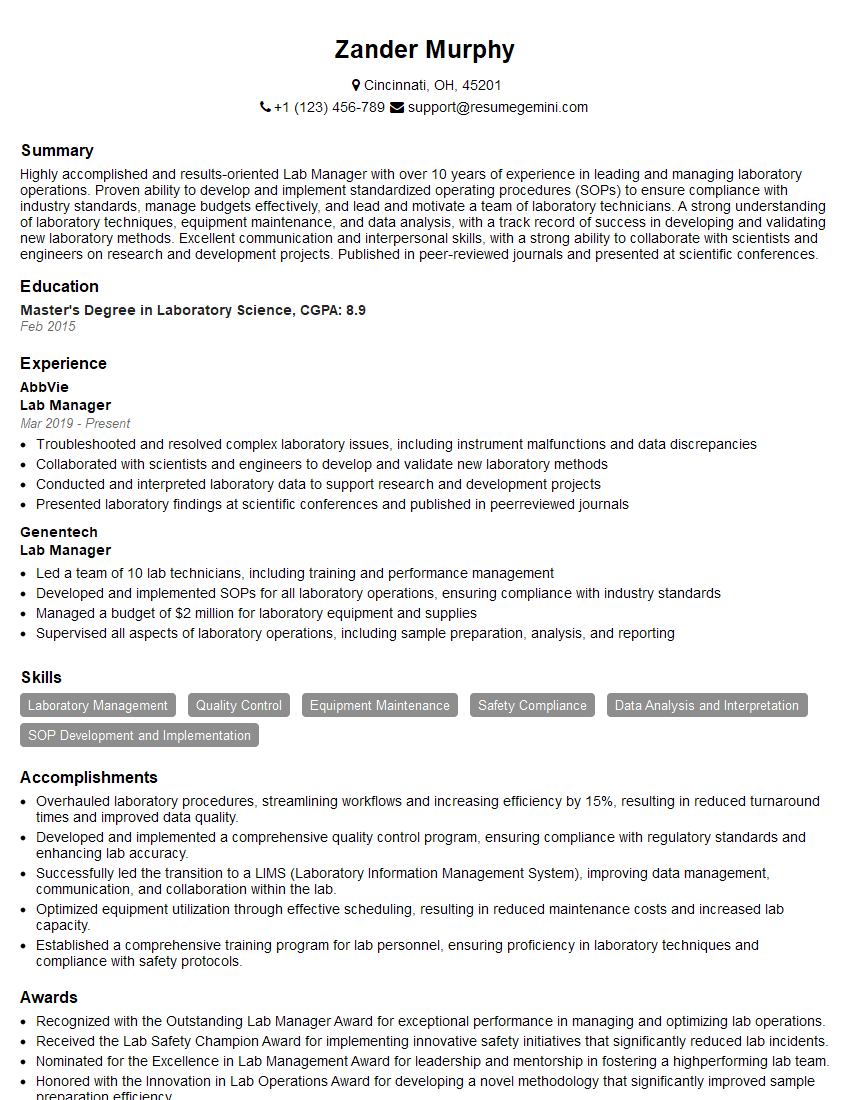
Lab Manager Resume Sample
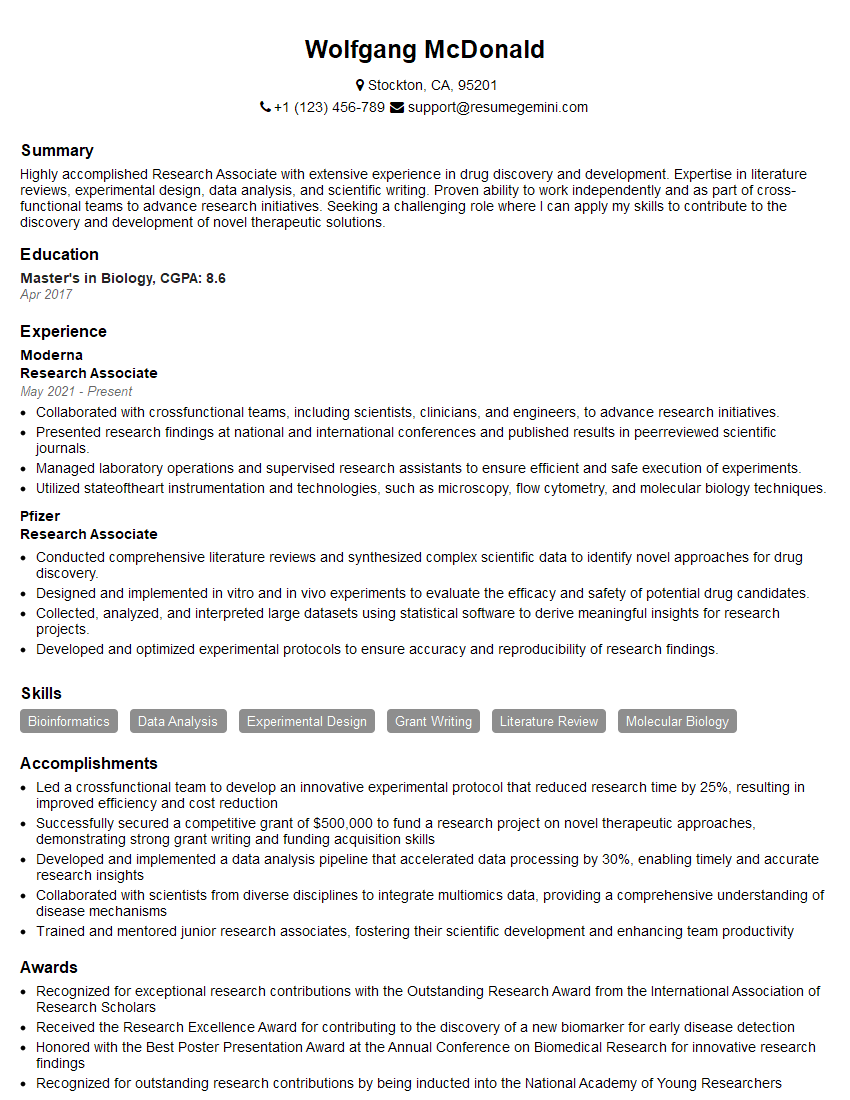
Research Associate Resume Sample
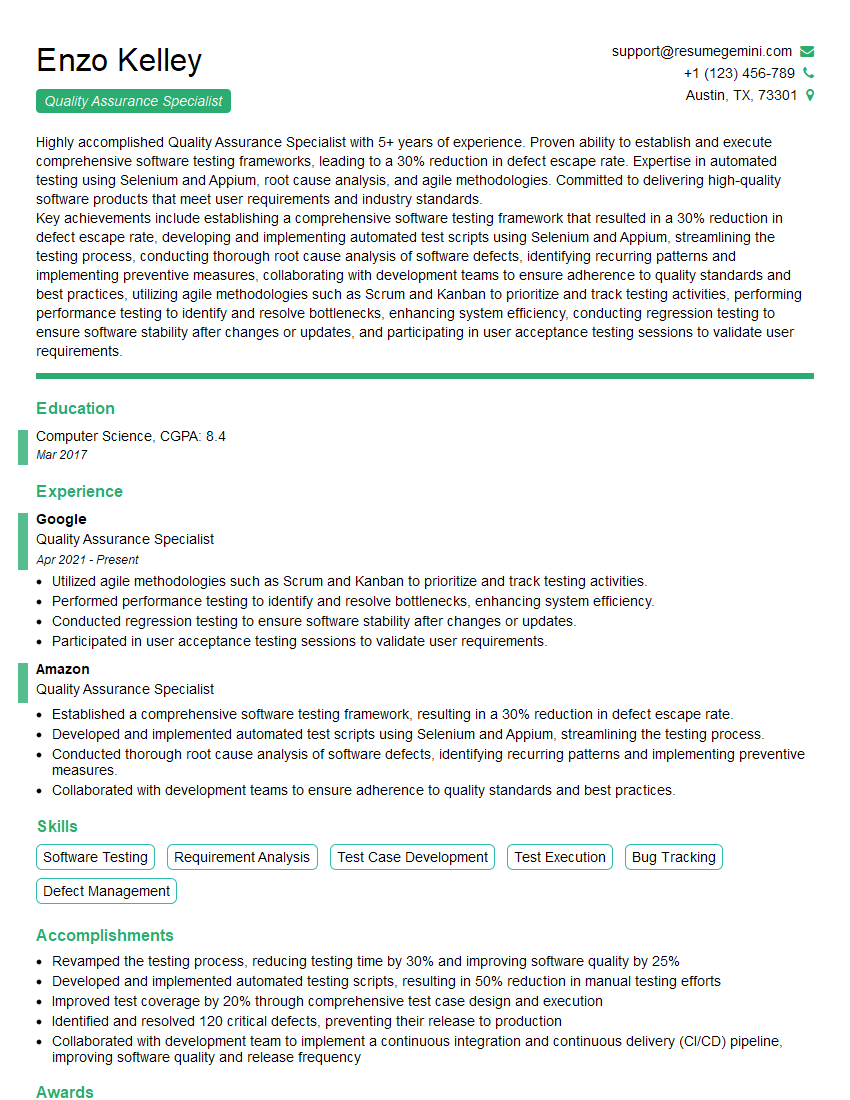
Quality Assurance Specialist Resume Sample
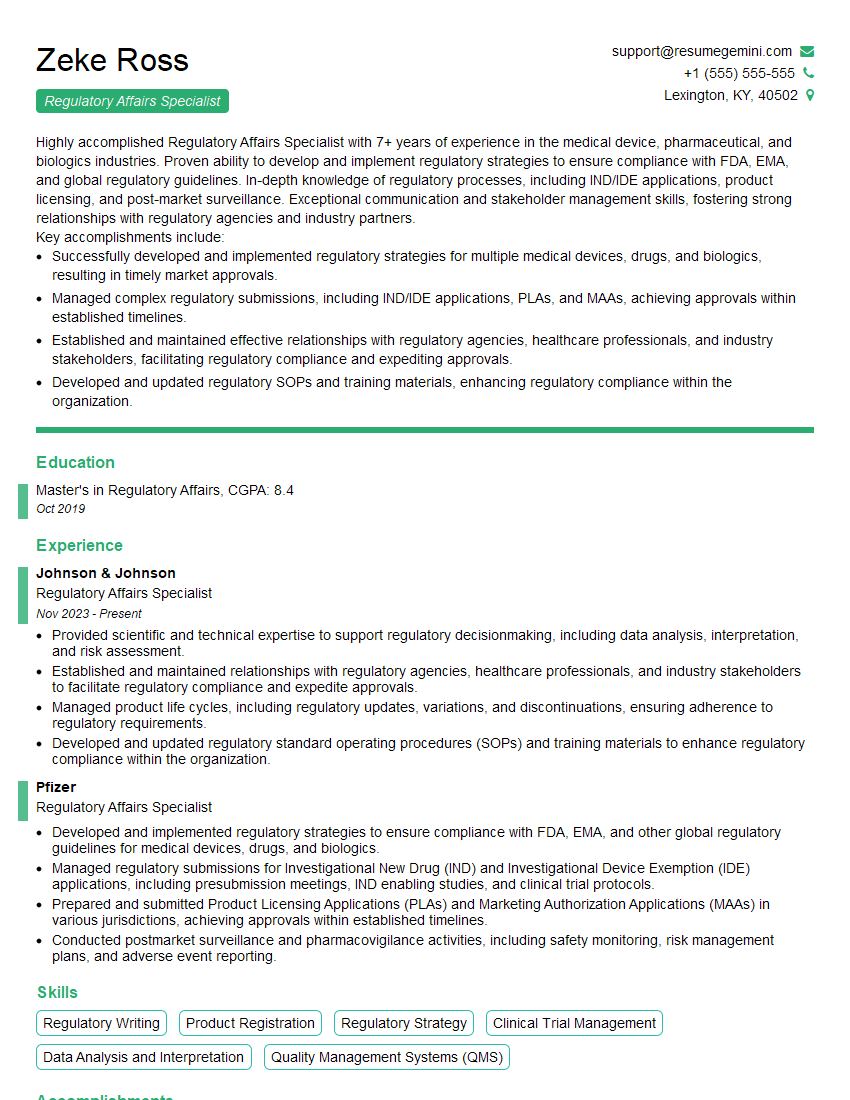
Regulatory Affairs Specialist Resume Sample
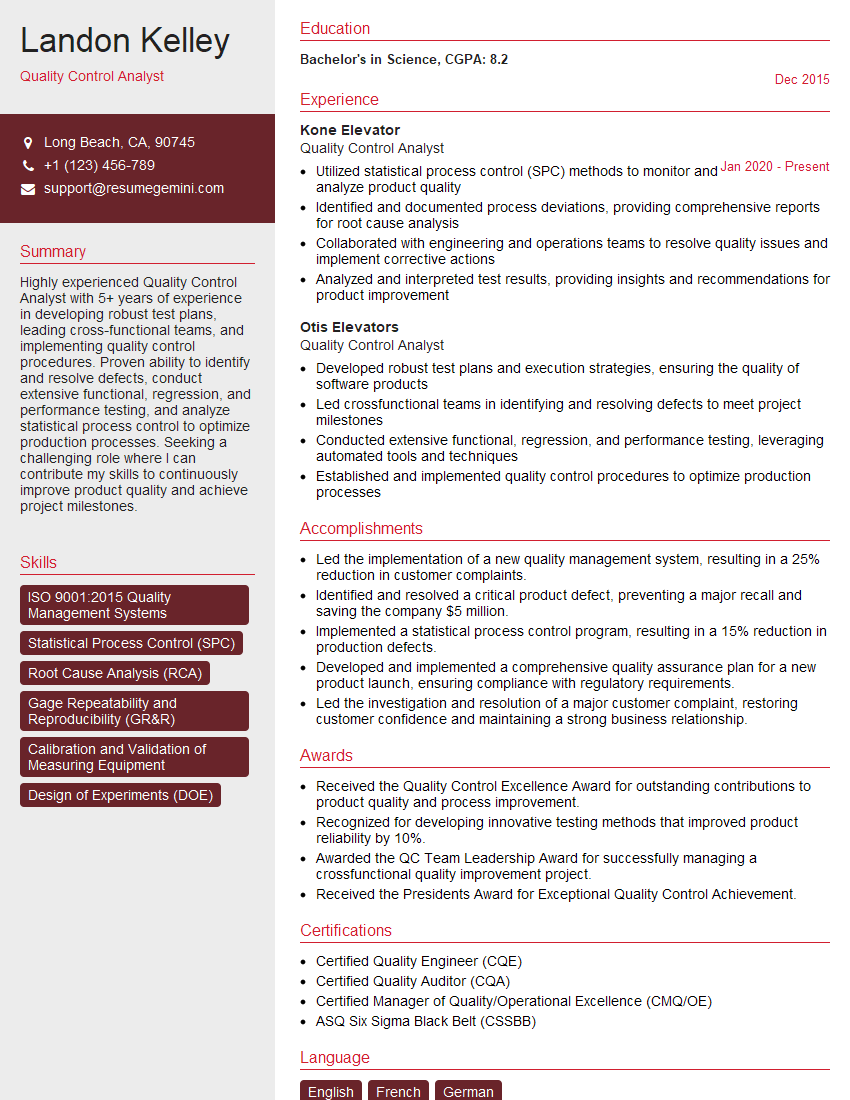
Quality Control Analyst Resume Sample
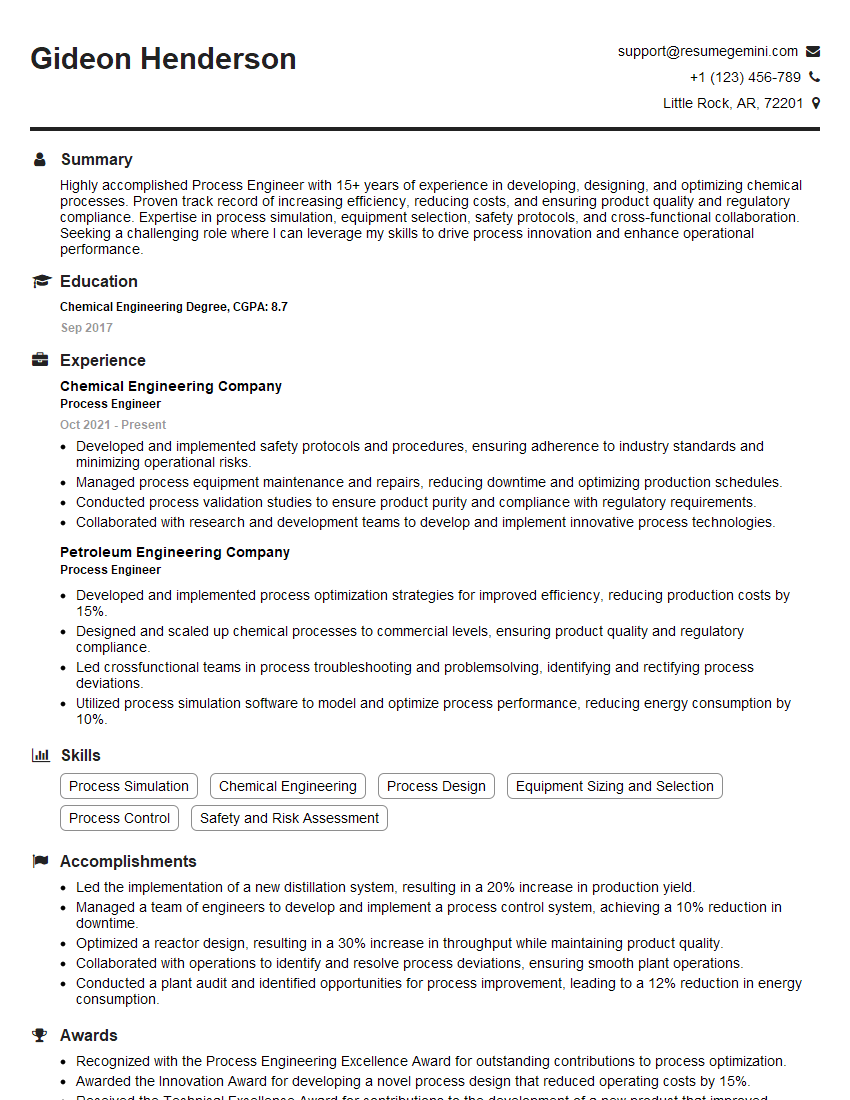
Process Engineer Resume Sample
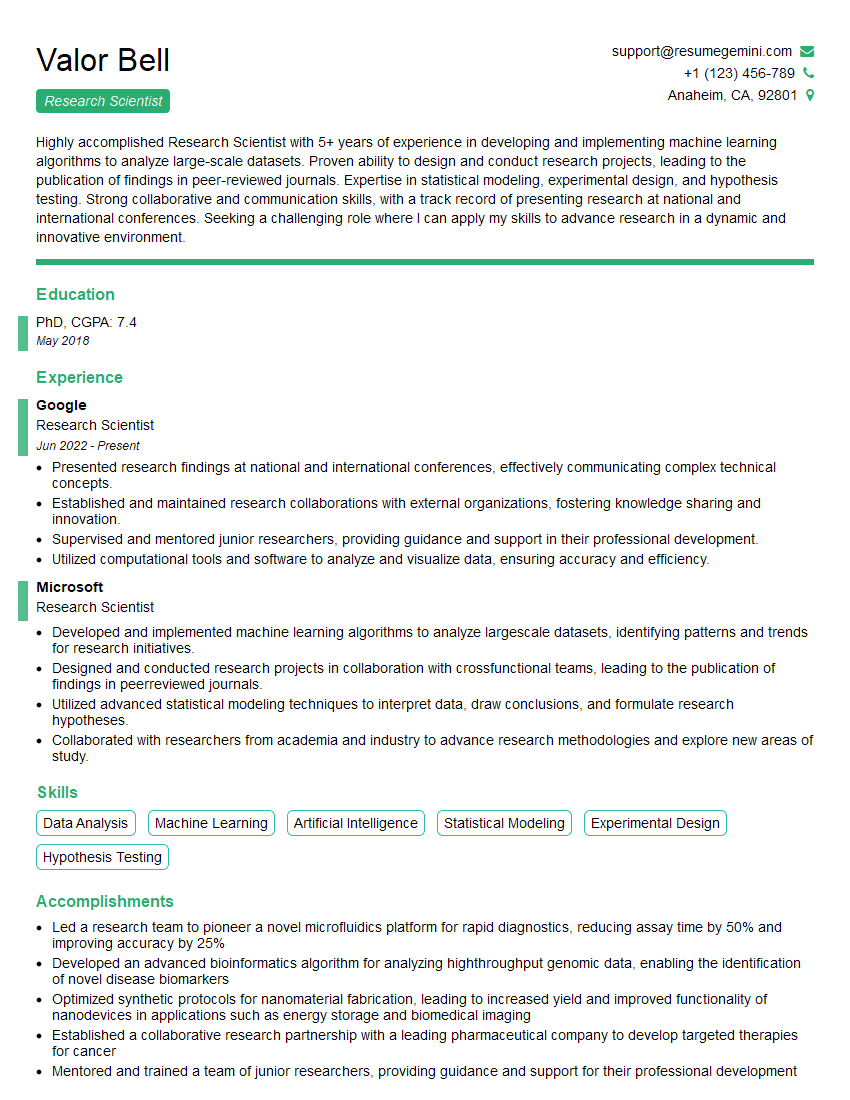
Research Scientist Resume Sample
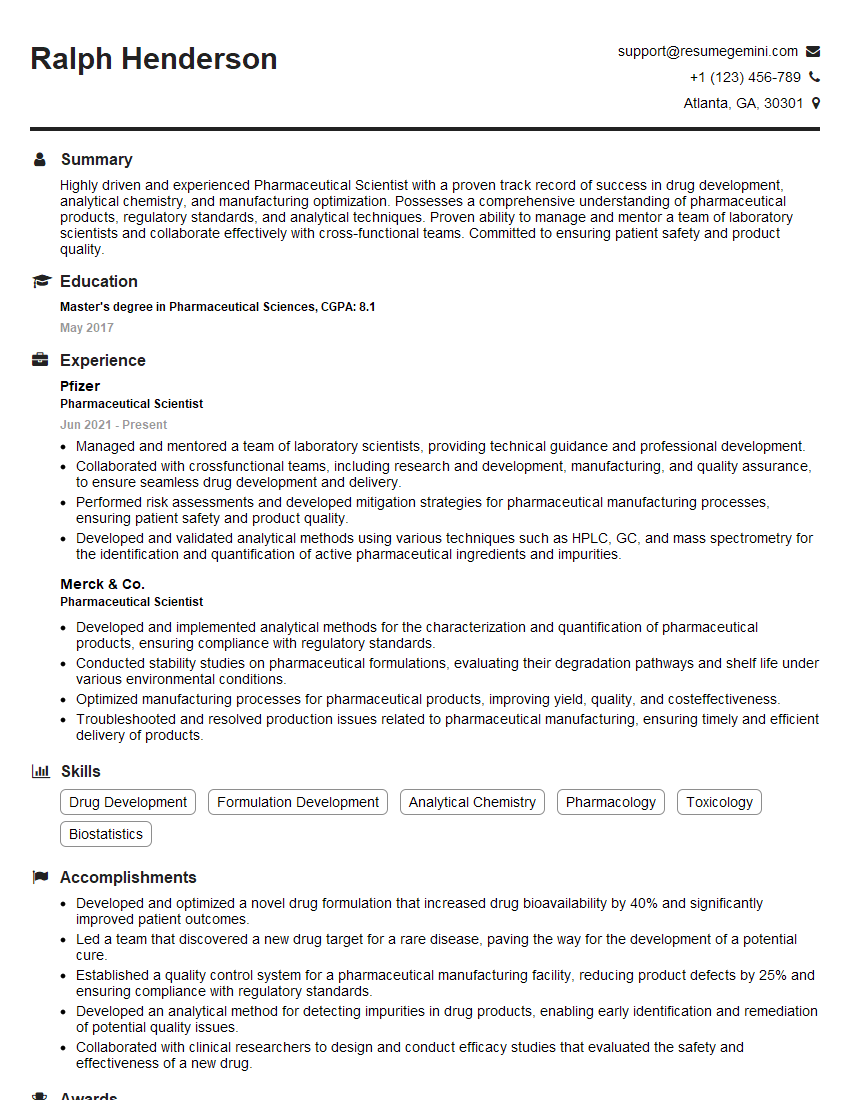
Pharmaceutical Scientist Resume Sample
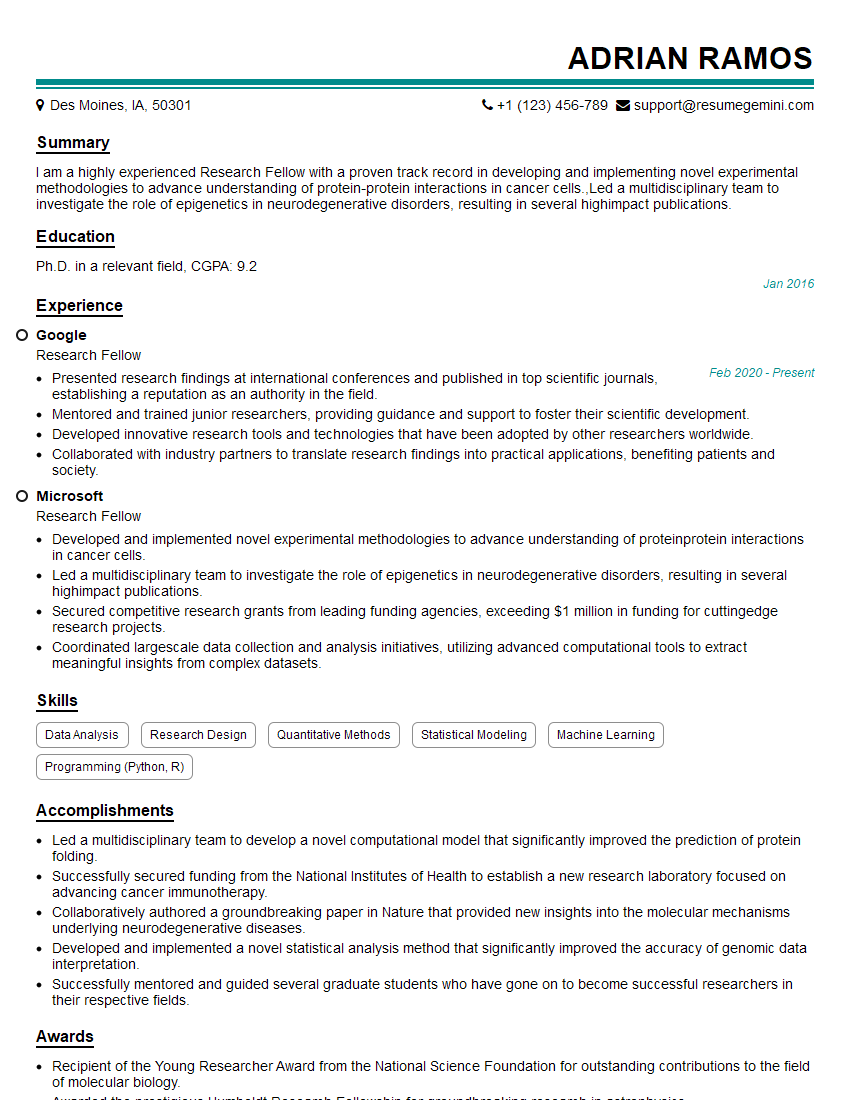
Research Fellow Resume Sample
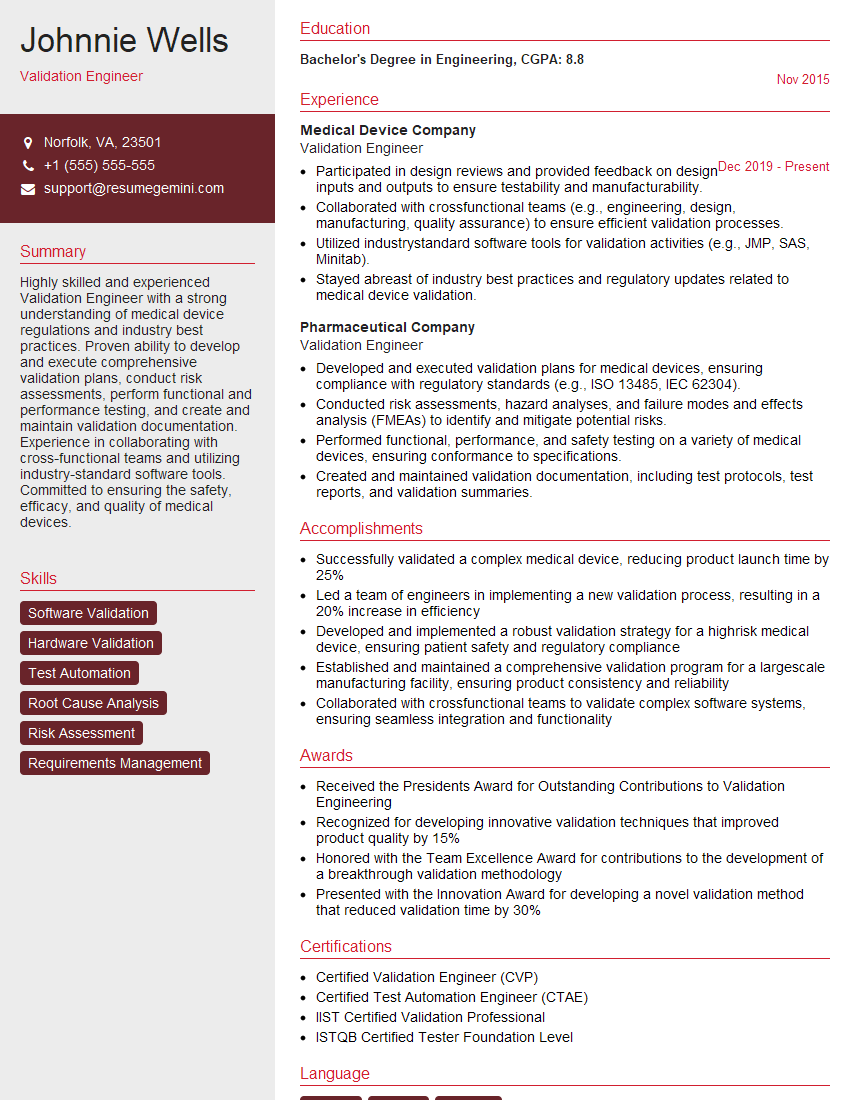
Validation Engineer Resume Sample
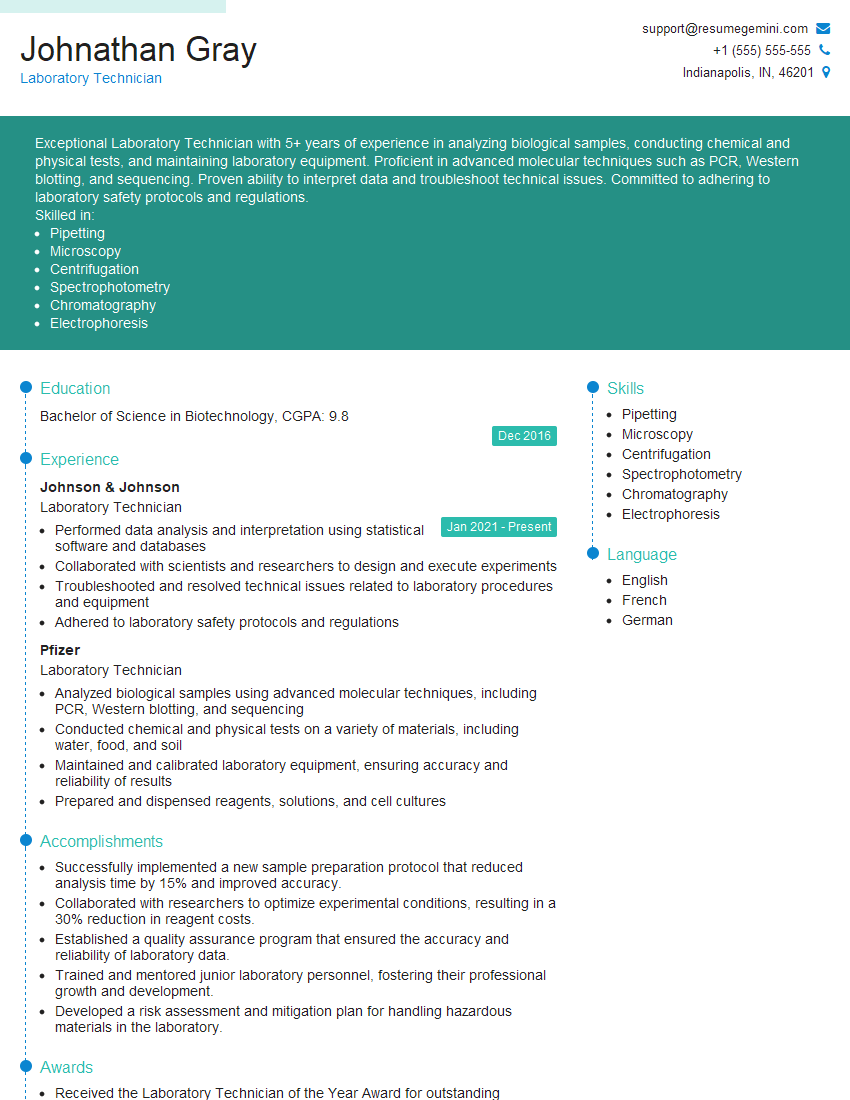
Laboratory Technician Resume Sample
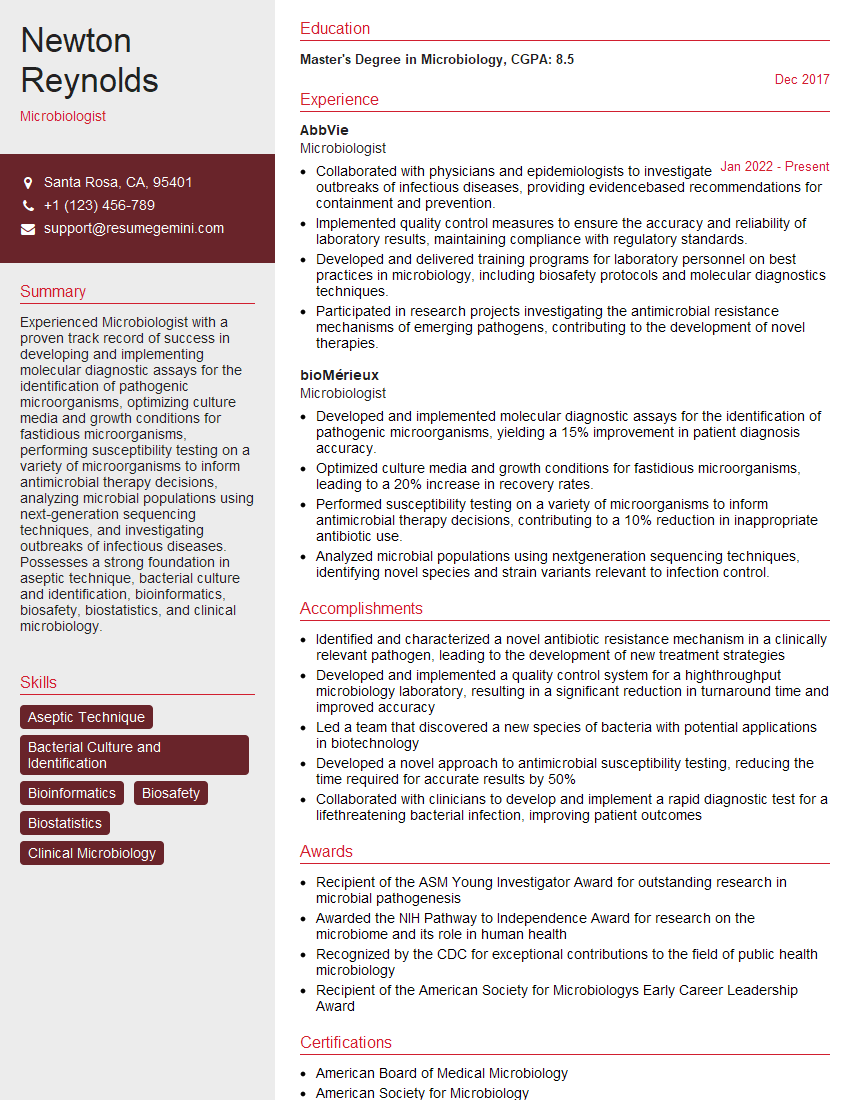
Microbiologist Resume Sample
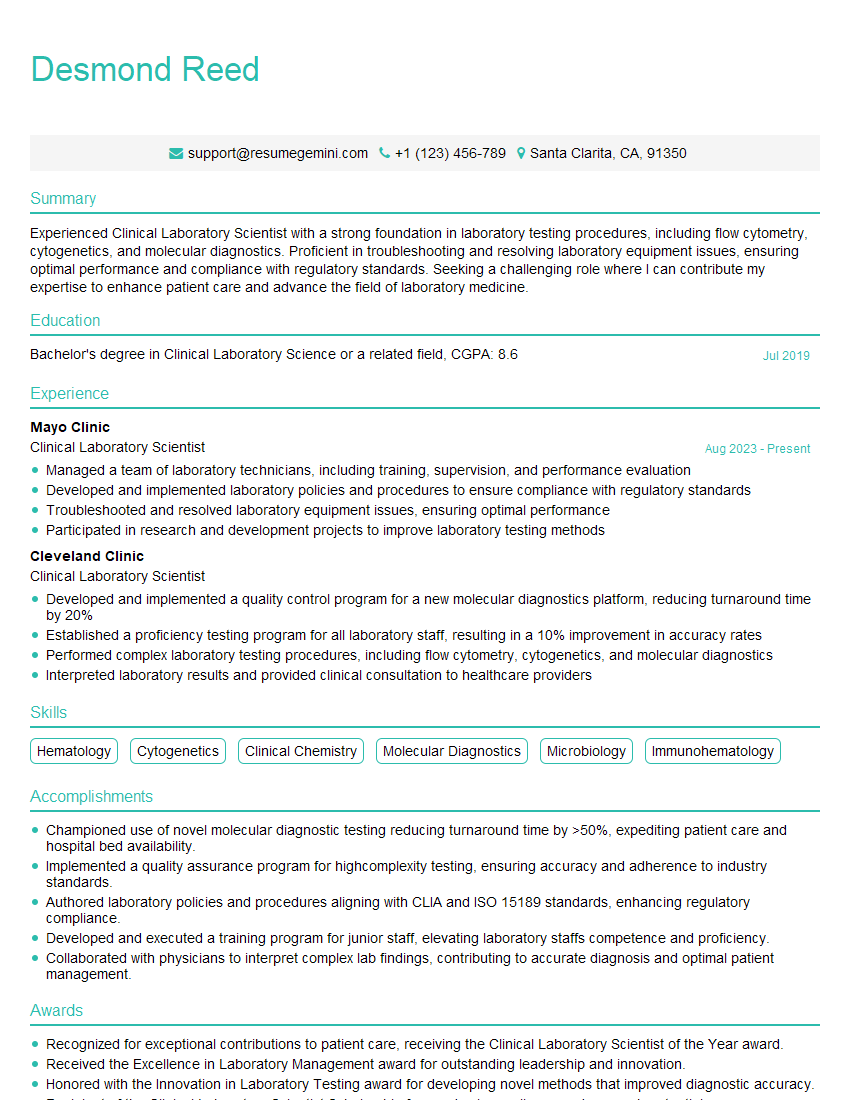
Clinical Laboratory Scientist Resume Sample
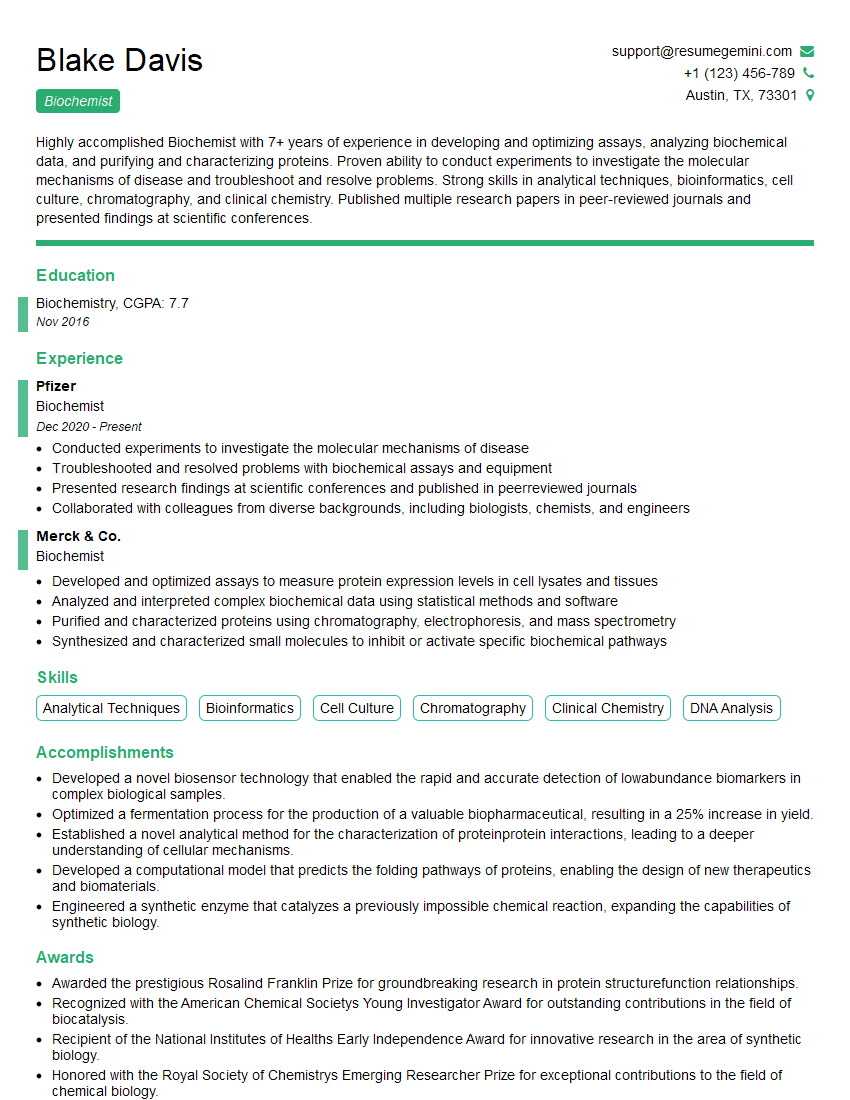
Biochemist Resume Sample
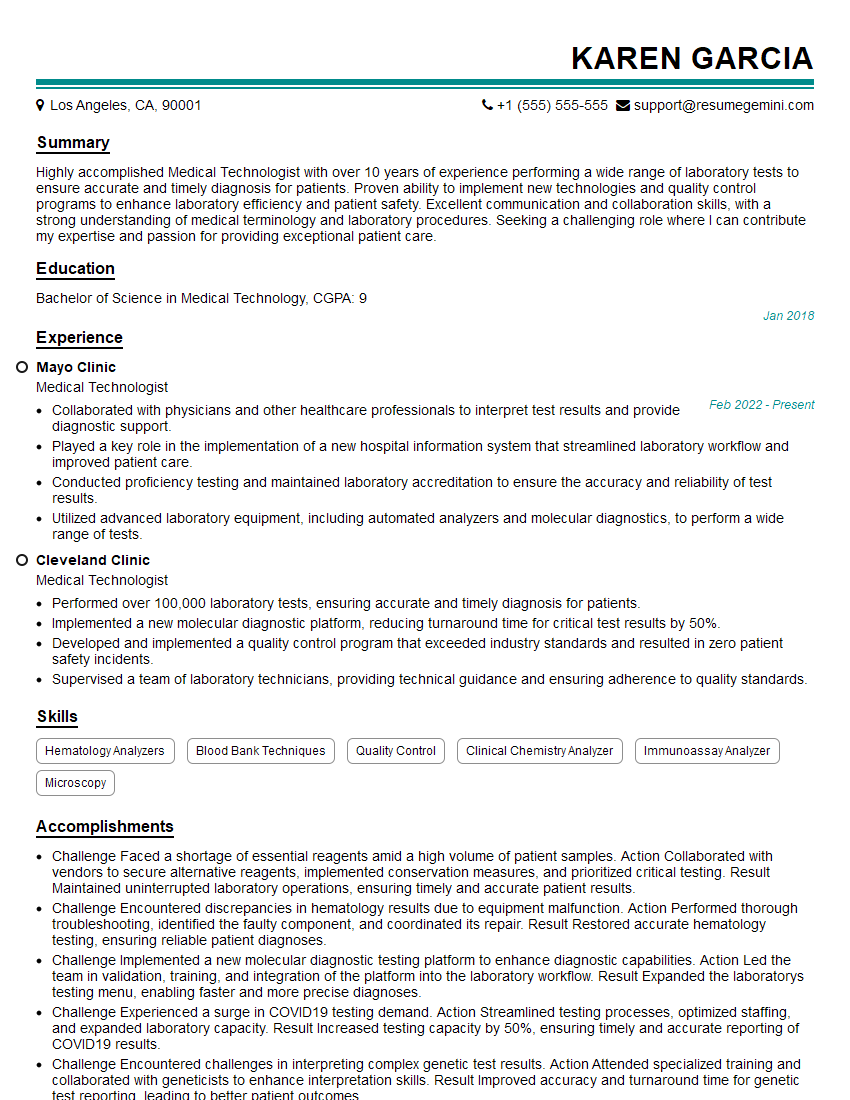
Medical Technologist Resume Sample

Analytical Chemist Resume Sample
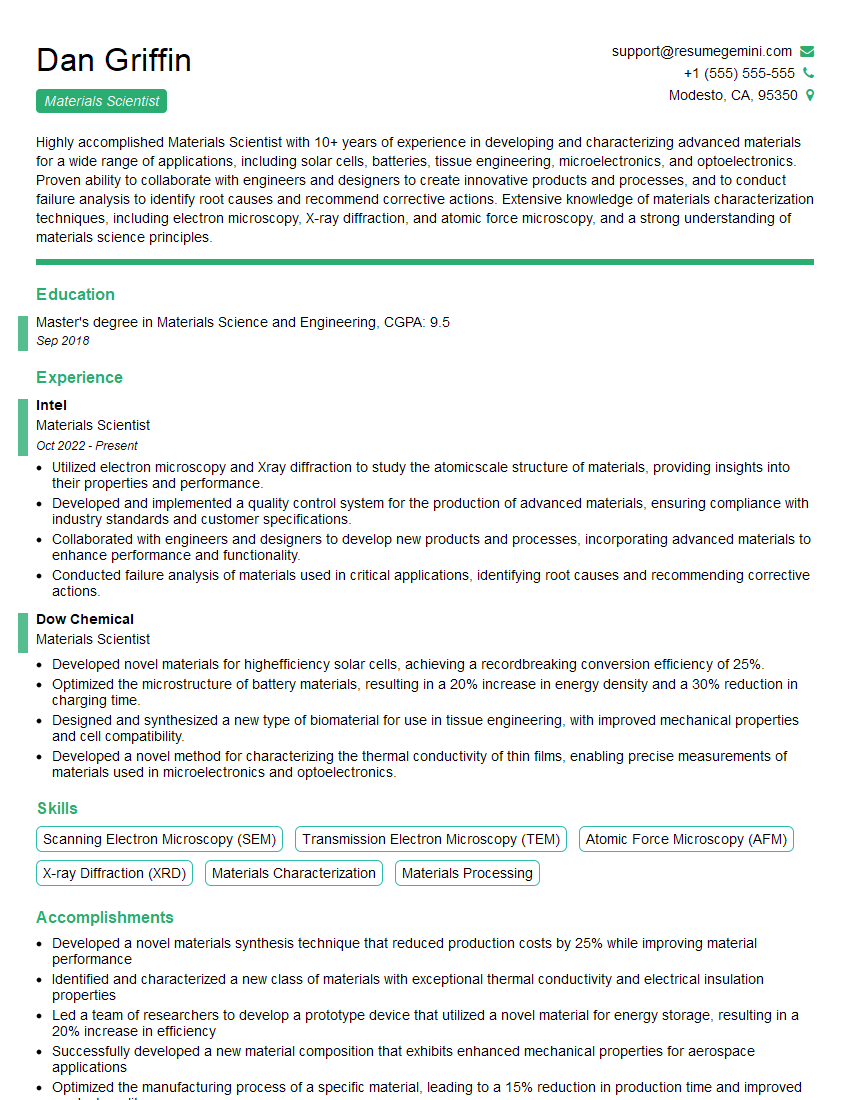
Materials Scientist Resume Sample
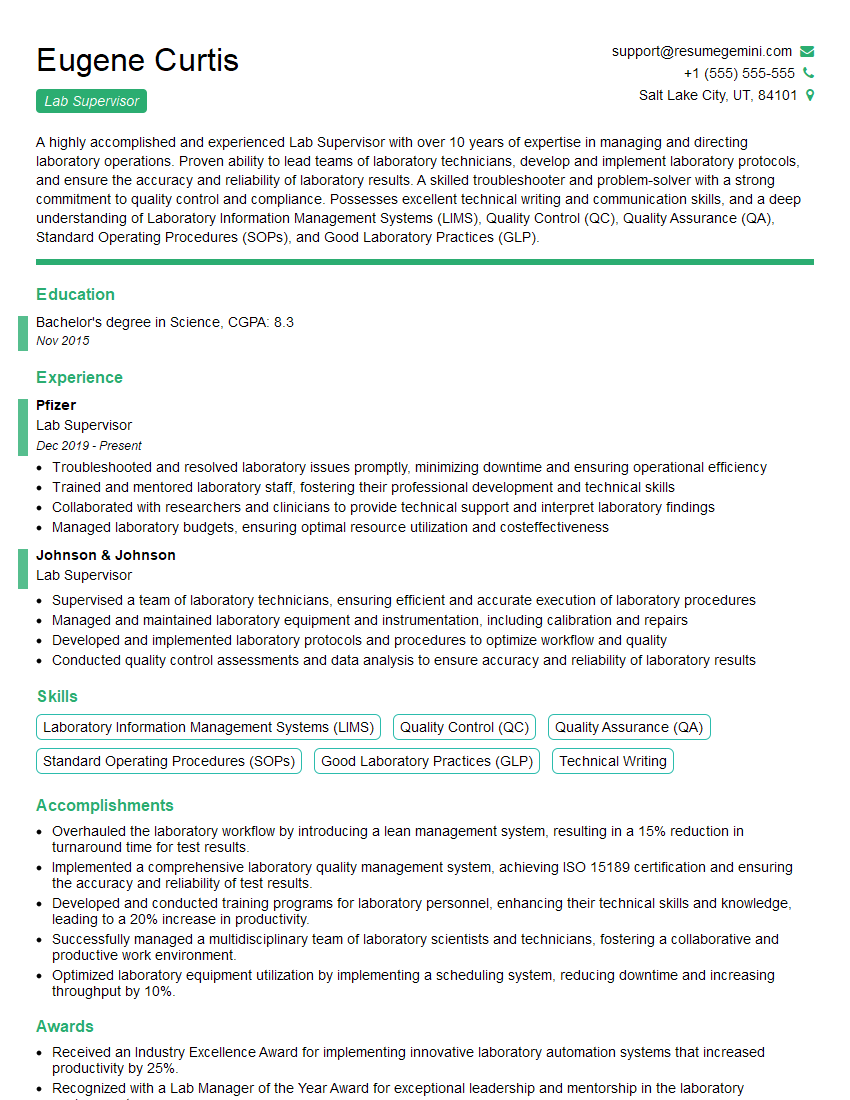
Lab Supervisor Resume Sample
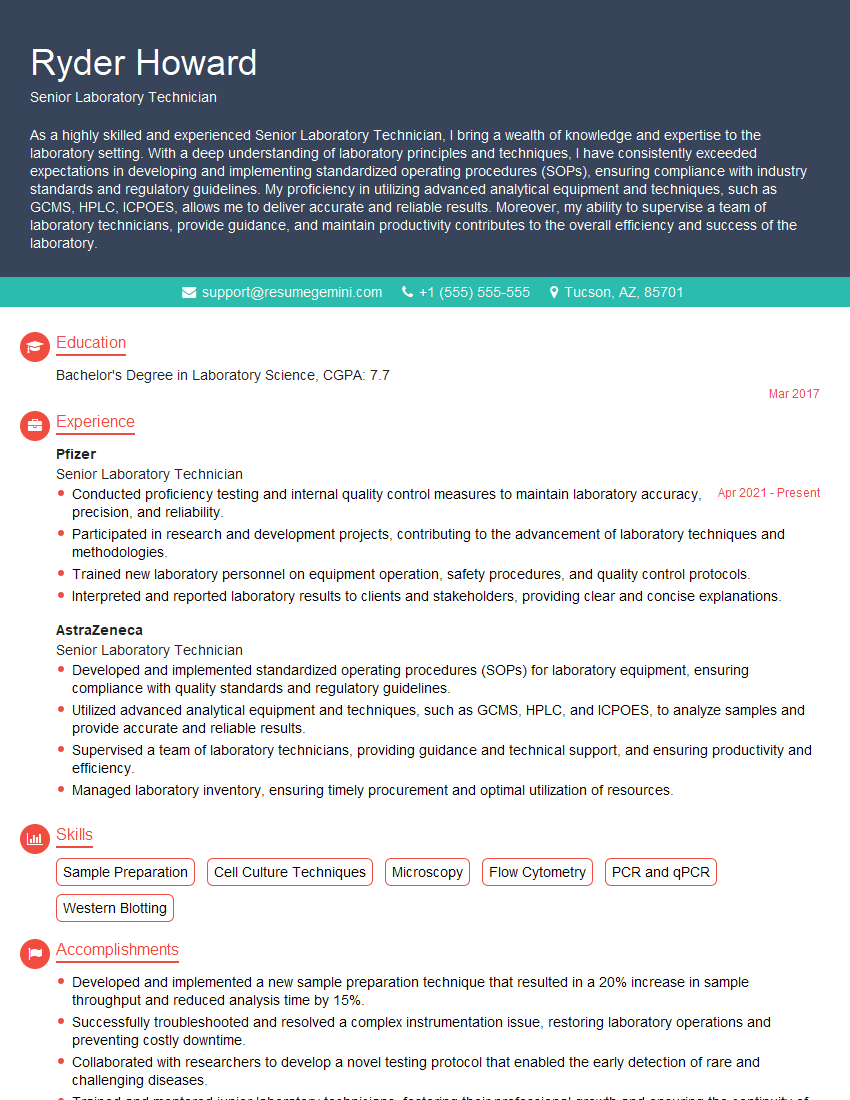
Senior Laboratory Technician Resume Sample
- Lab Manager
- Research Associate
- Quality Assurance Specialist
- Regulatory Affairs Specialist
- Quality Control Analyst
- Process Engineer
- Research Scientist
- Pharmaceutical Scientist
- Research Fellow
- Validation Engineer
- Laboratory Technician
- Microbiologist
- Clinical Laboratory Scientist
- Biochemist
- Medical Technologist
- Analytical Chemist
- Materials Scientist
- Lab Supervisor
- Senior Laboratory Technician
Explore more articles
Users Rating of Our Blogs
Share Your Experience
We value your feedback! Please rate our content and share your thoughts (optional).
What Readers Say About Our Blog
To the interviewgemini.com Webmaster.
Very helpful and content specific questions to help prepare me for my interview!
Thank you
To the interviewgemini.com Webmaster.
This was kind of a unique content I found around the specialized skills. Very helpful questions and good detailed answers.
Very Helpful blog, thank you Interviewgemini team.