Are you ready to stand out in your next interview? Understanding and preparing for Project Costing interview questions is a game-changer. In this blog, we’ve compiled key questions and expert advice to help you showcase your skills with confidence and precision. Let’s get started on your journey to acing the interview.
Questions Asked in Project Costing Interview
Q 1. Explain the different types of cost estimating methods.
Cost estimating methods are crucial for predicting project costs accurately. Different methods offer varying levels of detail and accuracy, depending on the project’s complexity and available information. Here are some key types:
- Bottom-up Estimating: This is a detailed approach where individual work items are estimated, and then aggregated to arrive at the total project cost. Think of it like building with LEGOs – you estimate each brick’s cost and then add them all up. This method is highly accurate but requires substantial time and detailed information. Example: Estimating the cost of a software project by breaking it down into individual modules, each with its own coding, testing, and documentation costs.
- Top-down Estimating: This is a more coarse-grained approach, often used in early project phases when details are scarce. It uses historical data or analogous projects to estimate the overall cost. It’s like estimating the cost of building a house by looking at the average cost of similar houses in the neighborhood. This method is quicker but less precise. Example: Estimating the cost of a new bridge construction by using cost data from similar bridge projects in the region.
- Parametric Estimating: This statistical method uses historical data and project parameters (like size, complexity, or duration) to predict cost. It’s like using a formula where you plug in your project’s specifics to get a cost estimate. This is useful when dealing with repetitive tasks. Example: Predicting the cost of a software development project based on the number of lines of code and the average cost per line of code from past projects.
- Three-point Estimating: This technique addresses uncertainty by using optimistic, pessimistic, and most likely estimates to calculate a weighted average cost. It acknowledges that things rarely go exactly as planned. Example: Estimating the time to complete a task by considering an optimistic estimate (best-case), a pessimistic estimate (worst-case), and a most likely estimate.
Q 2. Describe your experience with Earned Value Management (EVM).
Earned Value Management (EVM) is a powerful project management technique that integrates scope, schedule, and cost to provide a comprehensive performance measurement. I have extensive experience implementing EVM across various projects, from IT infrastructure upgrades to large-scale construction endeavors. My experience spans all phases, from baseline planning and metric definition to performance analysis and corrective action. For example, on a recent software development project, we used EVM to track progress against planned milestones and budget. By regularly calculating the Earned Value (EV), Planned Value (PV), and Actual Cost (AC), we were able to identify cost and schedule variances early on. This allowed us to proactively address potential issues and keep the project on track. The key metrics – Schedule Variance (SV), Cost Variance (CV), Schedule Performance Index (SPI), and Cost Performance Index (CPI) – provided clear and concise information that helped stakeholders understand the project’s health and make informed decisions. For example, a CPI of 0.8 indicates that the project is over budget, while an SPI of 1.1 indicates that the project is ahead of schedule.
Q 3. How do you handle cost overruns on a project?
Cost overruns are a serious concern, but a systematic approach can mitigate their impact. My first step is to understand the *root cause* of the overrun. This often involves a thorough analysis of the project’s performance using EVM or other cost control methods. Once the cause is identified (e.g., scope creep, inaccurate estimates, unforeseen risks), I work with the project team to develop a corrective action plan. This plan might involve:
- Negotiating scope changes: If the scope has expanded, we will determine if any features can be removed or deferred to bring the project back on track.
- Re-estimating remaining work: More accurate estimates can be produced based on lessons learned from the initial stages of the project.
- Optimizing resource allocation: Re-allocating resources or improving efficiency can help complete the project within the revised budget.
- Seeking additional funding: In some cases, it may be necessary to request additional funding from stakeholders. This is typically accompanied by a compelling justification for the requested increase.
Throughout this process, transparent communication with stakeholders is critical to maintain trust and buy-in for any corrective measures.
Q 4. What are the key performance indicators (KPIs) you monitor for project cost?
Several KPIs are essential for monitoring project cost effectively. These metrics provide a holistic view of the project’s financial health and allow for timely intervention if needed. Key KPIs I focus on include:
- Cost Variance (CV): Earned Value – Actual Cost (EV – AC). A positive CV indicates that the project is under budget, while a negative CV signifies a cost overrun.
- Cost Performance Index (CPI): Earned Value / Actual Cost (EV / AC). A CPI greater than 1 indicates the project is performing better than planned, while a CPI less than 1 indicates a cost overrun.
- Budget at Completion (BAC): The total approved budget for the project. Tracking this against actual costs allows us to assess overall performance.
- Estimate at Completion (EAC): A forecast of the total project cost based on current performance. Changes to EAC show evolving cost predictions.
- Actual Cost (AC): The total cost incurred up to a specific point in time.
- To-Complete Performance Index (TCPI): (BAC – EV) / (BAC – AC). This shows the cost efficiency needed to complete the project within the remaining budget.
By monitoring these KPIs regularly, I can proactively identify and address potential cost issues.
Q 5. Explain the concept of contingency reserves and management reserves.
Contingency reserves and management reserves are both funds set aside to cover unforeseen costs, but they serve different purposes.
- Contingency reserves are allocated to cover identified risks within the project’s scope. Think of it as insurance for known unknowns – risks we’ve identified and assessed, such as potential equipment failures or material price increases. The size of the contingency reserve is directly related to the identified risk probabilities and impacts.
- Management reserves are funds set aside to cover unforeseen circumstances outside the defined project scope. These are for the unknown unknowns – things we haven’t anticipated. This might include unexpected changes in regulations, major technological shifts, or high-impact external events that were not foreseen in the initial planning phase. Management reserves are typically controlled by higher management and are only released upon formal approval.
Both types of reserves are vital for project success, providing a safety net to manage unforeseen challenges.
Q 6. How do you identify and mitigate cost risks in a project?
Identifying and mitigating cost risks is a proactive process that starts in the project’s early phases. My approach involves:
- Risk identification workshops: Involving the project team in brainstorming sessions to uncover potential cost risks, such as supply chain disruptions, labor shortages, or technological challenges.
- Qualitative and quantitative risk analysis: Assessing the likelihood and impact of each identified risk. This helps prioritize risks based on their potential to impact the budget.
- Developing risk mitigation strategies: Creating plans to reduce the likelihood or impact of identified risks. For example, securing multiple suppliers to mitigate supply chain risks or employing experienced personnel to reduce the risk of project delays.
- Regular risk monitoring and review: Tracking identified risks throughout the project lifecycle. This helps adapt mitigation strategies based on the evolving project situation.
- Contingency planning: Developing alternative plans to handle the risks and their potential impacts if they occur. This may involve adding contingency reserves or adjusting the project plan.
By systematically addressing cost risks, I aim to minimize negative surprises and increase the likelihood of meeting budget targets.
Q 7. Describe your experience with different cost control tools and software.
My experience with cost control tools and software is extensive. I’m proficient in using various software packages, including Primavera P6, Microsoft Project, and spreadsheets such as Excel for cost tracking and analysis. I’ve also used specialized EVM software to manage and track cost performance against the baseline plan. These tools enable detailed tracking, reporting, and analysis of project costs. For instance, Primavera P6 facilitates comprehensive cost planning, scheduling, and monitoring, while Excel allows for the creation of custom reports and dashboards tailored to the specific needs of each project. Beyond software, I’m adept at employing various cost control techniques, such as the use of parametric models, earned value analysis, and regular cost variance reporting. The selection of tools and techniques is based on project specifics, scale, and complexity. I believe a combination of advanced software and robust methodologies is crucial for effective cost control.
Q 8. How do you develop a project budget?
Developing a project budget is a crucial first step in any project. It’s essentially a detailed financial plan that outlines all expected costs associated with completing the project successfully. Think of it as a roadmap for your project’s finances.
The process typically involves these steps:
- Defining the Scope: Clearly define the project’s objectives, deliverables, and timelines. A poorly defined scope is a major source of budget overruns.
- Work Breakdown Structure (WBS): Break down the project into smaller, manageable tasks. This allows for more accurate cost estimation at a granular level.
- Resource Identification: Identify all resources needed – labor, materials, equipment, software, etc. This often involves market research to get realistic pricing.
- Cost Estimation: Estimate the cost of each task, considering factors like labor rates, material costs, and potential risks. Techniques like parametric estimating, analogous estimating, and bottom-up estimating can be employed.
- Contingency Planning: Include a contingency reserve to account for unforeseen expenses or risks. A typical range is 5-10% of the total budget, but this depends on the project’s complexity and risk profile.
- Budget Approval: Present the detailed budget to stakeholders for review and approval. This often involves multiple rounds of revisions and discussions.
Example: Let’s say we’re building a website. The WBS might include tasks like design, development, testing, and deployment. We’d estimate the cost of each task (e.g., designer’s hourly rate x estimated hours, cost of hosting, etc.) to arrive at a total project budget.
Q 9. What is the difference between direct and indirect costs?
The distinction between direct and indirect costs is fundamental in project costing. Direct costs are directly attributable to a specific project, while indirect costs are shared across multiple projects.
Direct Costs: These are the costs that can be easily and specifically identified with a particular project. Think of them as the costs directly involved in producing the project’s deliverables. Examples include:
- Materials: Raw materials, components, supplies specifically used in the project.
- Labor: Wages, salaries, and benefits paid to individuals directly working on the project.
- Equipment: Costs associated with equipment specifically purchased or rented for the project.
Indirect Costs: These costs are not easily assigned to a single project but are necessary for the overall operation of the organization and support multiple projects. They’re often allocated to projects based on a specific method (e.g., percentage of total project cost, labor hours). Examples include:
- Rent: Office space used by multiple projects.
- Utilities: Electricity, water, and other utilities used by the entire organization.
- Administrative Salaries: Salaries of administrative staff supporting multiple projects.
Example: In a software development project, direct costs would include the salaries of the programmers, the cost of the software licenses, and the cost of any specialized hardware needed. Indirect costs would include the rent of the office space, the salaries of administrative staff, and general utilities.
Q 10. How do you forecast future project costs?
Forecasting future project costs is a crucial skill, requiring a combination of historical data, current market conditions, and expert judgment. Accuracy is key to effective project management.
Methods for forecasting include:
- Historical Data Analysis: Analyze past project costs to identify trends and patterns. This is particularly useful for similar projects or when using parametric estimating (e.g., cost per square foot for construction).
- Expert Judgment: Consult experienced professionals within the field to leverage their knowledge and intuition. This is particularly valuable when dealing with novel or highly complex projects.
- Analogous Estimating: Compare the current project to similar past projects to estimate its costs. Adjustments are needed to account for differences in scope, technology, or market conditions.
- Parametric Estimating: Use statistical relationships between project characteristics and costs. This involves identifying key drivers of project cost and establishing quantitative relationships between these drivers and cost outcomes.
- Bottom-Up Estimating: Break down the project into individual tasks and estimate the cost of each task. This provides a granular view and is the most accurate, but also the most time-consuming method.
Example: If a company has built similar apps in the past, they can use historical data to estimate the time and cost for a new app, making adjustments for new features and technologies. They might also consult with experts to validate these estimates.
Q 11. Explain your understanding of cost-benefit analysis.
Cost-benefit analysis (CBA) is a systematic approach to evaluating the financial viability of a project by comparing the total costs to the total benefits. It helps determine whether the project is worthwhile from an economic perspective.
The process typically involves:
- Identifying Costs: List all anticipated costs, both direct and indirect, including initial investment, ongoing operational costs, and potential risks.
- Identifying Benefits: Identify and quantify all anticipated benefits, both tangible (e.g., increased revenue, cost savings) and intangible (e.g., improved brand image, enhanced customer satisfaction).
- Monetary Valuation: Assign monetary values to all costs and benefits. This might involve using discounted cash flow analysis to account for the time value of money.
- Comparison: Compare the total costs to the total benefits. A positive net present value (NPV) indicates that the benefits outweigh the costs, making the project economically viable.
- Sensitivity Analysis: Conduct sensitivity analysis to assess the impact of changes in key parameters (e.g., interest rates, revenue projections) on the overall CBA. This helps understand the robustness of the analysis.
Example: A company considering implementing a new software system would compare the costs of purchasing and implementing the software (direct and indirect costs) to the potential benefits like increased efficiency, improved customer service, and reduced operational costs. If the benefits exceed the costs, the project is deemed economically sound.
Q 12. How do you communicate cost information to stakeholders?
Communicating cost information effectively to stakeholders is paramount for project success. It involves tailoring the message to the audience and using clear, concise language avoiding technical jargon.
Methods for effective communication include:
- Regular Reporting: Provide regular updates on project costs, highlighting variances from the budget and outlining potential risks.
- Visual Aids: Use charts, graphs, and dashboards to present cost data in a clear and visually appealing manner. People respond better to visual representations of data.
- Stakeholder Meetings: Hold regular meetings to discuss cost performance and address stakeholder concerns. Open communication fosters trust and collaboration.
- Progress Reports: Include a detailed financial section in your progress reports, clearly articulating the budget status and upcoming expenses.
- Tailored Communication: Tailor communication to the needs and understanding of different stakeholders. Executive summaries should provide a high-level overview, while technical teams will need detailed information.
Example: A simple bar chart comparing budgeted costs to actual costs provides a clear picture to stakeholders. For a more detailed explanation, a narrative explaining variances and their causes can be provided. Regular email updates with key metrics keep stakeholders informed without overwhelming them with unnecessary detail.
Q 13. Describe your experience with variance analysis.
Variance analysis is a critical process that involves comparing planned (budgeted) costs to actual costs to identify differences and understand the reasons behind them. It’s a crucial tool for monitoring project performance and making necessary adjustments.
The process generally involves:
- Calculating Variances: Calculate the difference between planned and actual costs for each cost category (labor, materials, etc.).
- Analyzing Variances: Investigate the causes of significant variances. Were there changes in scope, unexpected delays, pricing errors, or other contributing factors?
- Identifying Trends: Look for patterns or trends in variances over time. Are there recurring issues or systematic problems that need to be addressed?
- Corrective Actions: Develop and implement corrective actions to address identified issues and prevent future variances. This might involve refining cost estimation techniques, improving project planning, or enhancing risk management practices.
- Reporting: Report variance analysis findings to relevant stakeholders, including recommendations for corrective actions.
Example: If the actual cost of materials is significantly higher than the budgeted cost, variance analysis would involve investigating the cause – perhaps material prices increased unexpectedly, or there was an error in the initial quantity estimation. This analysis could then lead to revised cost forecasts and adjusted procurement strategies.
Q 14. How do you deal with conflicting priorities between cost, schedule, and scope?
Managing the competing priorities of cost, schedule, and scope is a common challenge in project management. Often, changes in one area will impact the others. Think of it as a three-legged stool – if one leg is too short, the whole thing becomes unstable.
Strategies for addressing these conflicts include:
- Prioritization: Clearly define which of the three constraints (cost, schedule, scope) are most important for the project’s success. Usually, one is prioritized, and the others are adjusted accordingly.
- Trade-off Analysis: Assess the trade-offs involved in altering each constraint. For example, reducing scope can save costs and shorten the schedule. However, it might also compromise the project’s objectives.
- Negotiation and Collaboration: Involve all stakeholders in the decision-making process. Open communication and collaboration can lead to solutions that satisfy everyone’s needs, to the greatest extent possible.
- Change Management: Establish a clear process for managing changes to the project’s scope, schedule, or budget. All changes should be documented, assessed for impact, and approved by the relevant stakeholders.
- Contingency Planning: Plan for potential disruptions and have contingency plans in place to deal with unexpected events that could impact cost, schedule, or scope.
Example: If a project is facing budget constraints, the team might need to reduce the scope by eliminating some features or simplifying others. This might lead to a slightly longer schedule, but the project can still be completed within the budget. Careful communication and stakeholder agreement are crucial for a successful outcome.
Q 15. What is your experience with parametric estimating?
Parametric estimating is a powerful technique for project cost estimation that leverages historical data and statistical relationships to predict the cost of future projects. Instead of meticulously breaking down each task, it uses parameters (like square footage for construction or lines of code for software development) and their associated costs to arrive at an overall estimate. Think of it like this: if building a similar house cost $200 per square foot last year, and this new house is 2,000 square feet, a preliminary estimate would be $400,000. This, of course, needs refinement.
My experience with parametric estimating involves extensively using it in large-scale construction projects. We developed a database containing historical cost data for various building elements, categorized by material, size, and complexity. By inputting the parameters of a new project into our model, we could generate a reasonably accurate cost estimate in a significantly shorter timeframe than a purely bottom-up approach. This allowed for faster decision-making and improved bidding processes.
However, it’s crucial to remember that the accuracy of parametric estimating relies heavily on the quality and relevance of the historical data. Outliers, changes in material costs, or unique project specifications can significantly impact the estimate’s accuracy. Therefore, rigorous data validation and adjustment based on site-specific conditions are vital.
Career Expert Tips:
- Ace those interviews! Prepare effectively by reviewing the Top 50 Most Common Interview Questions on ResumeGemini.
- Navigate your job search with confidence! Explore a wide range of Career Tips on ResumeGemini. Learn about common challenges and recommendations to overcome them.
- Craft the perfect resume! Master the Art of Resume Writing with ResumeGemini’s guide. Showcase your unique qualifications and achievements effectively.
- Don’t miss out on holiday savings! Build your dream resume with ResumeGemini’s ATS optimized templates.
Q 16. How do you ensure accuracy in cost estimations?
Ensuring accuracy in cost estimations is a multi-faceted process that involves a combination of methodologies and careful attention to detail. It starts with selecting the appropriate estimating technique, like parametric, bottom-up, or top-down, which should align with the project’s phase and available information.
- Detailed Scope Definition: A clear, unambiguous project scope is foundational. Uncertainties or scope creep are major contributors to inaccurate estimations.
- Multiple Estimating Methods: Using a combination of top-down and bottom-up methods offers a more robust estimate. Comparing the results helps identify potential discrepancies and areas needing further investigation.
- Contingency Planning: Incorporating a contingency buffer to account for unforeseen risks and uncertainties is critical. This buffer is not just a guess; it’s based on risk assessment and probability analysis.
- Regular Review and Updates: Cost estimations are not static. As the project progresses, new information becomes available, and the estimate should be updated accordingly through earned value management or similar techniques.
- Expert Judgment: Incorporating the experience and knowledge of seasoned professionals in the relevant field provides invaluable insight and helps in mitigating biases in the estimation process.
Imagine a scenario where we’re estimating the cost of a software development project. We’d use a bottom-up approach to estimate individual tasks, then cross-check that against a top-down approach based on similar projects’ costs per line of code. Regular progress monitoring and adjustments would maintain accuracy throughout the project lifecycle.
Q 17. How do you manage changes to the project scope and their impact on costs?
Managing scope changes and their cost implications is a critical aspect of project management. The first step is to establish a formal change management process. This process needs to clearly define how change requests are submitted, evaluated, and approved. Each change request should be accompanied by a detailed description, impact assessment, and a revised cost estimate.
We use a structured approach:
- Impact Analysis: A thorough impact analysis assesses the impact of the change on the project schedule, budget, and resources.
- Cost-Benefit Analysis: We carefully evaluate the cost of implementing the change against the benefits it would bring. Sometimes, a seemingly small change can ripple into significantly larger cost implications.
- Negotiation and Approval: Changes are not automatically approved; they are subjected to negotiation with stakeholders, and ultimately, approved by the appropriate decision-making authority.
- Documentation and Tracking: All changes, their associated costs, and approvals are meticulously documented and tracked. This allows for transparent monitoring of cost variances and overall project control.
For instance, if a client requests a new feature mid-project, we’d analyze the additional development time, testing, and resources needed. The associated costs would be presented to the client, and if approved, integrated into the revised project budget and schedule. We avoid the trap of making changes informally. Every adjustment has to go through our change management system to maintain budget control.
Q 18. What is your experience with bottom-up and top-down estimating?
Bottom-up estimating and top-down estimating represent two fundamentally different approaches to project cost estimation. They can complement each other when used in conjunction.
Bottom-up estimating starts with detailed estimations of individual work packages or tasks and aggregates these to reach a total project cost. Think of building with LEGO bricks; you count each brick individually before figuring out the total needed. It’s very detailed but can be time-consuming, especially on large, complex projects. It is highly accurate if the breakdown of tasks is complete and reliable.
Top-down estimating, also called analogous estimating, uses historical data from similar projects to develop an estimate. It’s faster and requires less detailed information. The risk is that the project being estimated may not be truly analogous to previous projects. This method is especially useful in the early stages of a project, where detailed information might be scarce.
My experience encompasses both approaches. I often employ bottom-up methods for projects where a high degree of accuracy is crucial and sufficient detail is available. Top-down estimating is ideal for preliminary budget planning and scoping when time is short or data is limited. Often, I’ll use a top-down approach initially, followed by a more detailed bottom-up process as the project evolves.
Q 19. Describe a time you had to make a difficult cost-related decision.
In a previous project, we were nearing the deadline for a large-scale software implementation. We discovered a critical flaw in a core module, requiring significant rework. The original budget did not account for this unforeseen issue. The options were to:
- Cut corners: Deliver a subpar product, risking reputational damage and future business.
- Request additional budget: This could jeopardize the relationship with the client and might not be approved.
- Re-scope the project: Reduce functionality to meet the existing budget, potentially sacrificing key features.
The decision was incredibly difficult. We opted for a combination of strategies. We meticulously assessed the risk of each option, prioritised fixing the most critical bugs, and worked closely with the client to explain the situation and renegotiate the scope and timeline, reducing the least critical features to fit the initial budget. This involved transparent communication and demonstrated our commitment to quality while maintaining a collaborative relationship. While it was stressful, it taught me the importance of proactive risk management and transparent communication during unforeseen circumstances.
Q 20. How do you integrate cost management with risk management?
Integrating cost management and risk management is crucial for effective project control. Costs and risks are intrinsically linked. Unmitigated risks can lead to cost overruns, while poor cost control can increase the project’s vulnerability to risks.
We achieve integration through:
- Risk Register Integration: Our risk register includes a cost impact assessment for each identified risk. This quantifies the potential cost implications of each risk occurring.
- Contingency Planning: The contingency reserve within the project budget is directly linked to the identified risks and their potential cost impacts. It’s not a random percentage; it’s calculated based on the probabilities and potential costs of identified risks.
- Risk Response Planning: Risk response plans are developed for each identified risk, and the cost of implementing each response is incorporated into the project budget. This includes costs for mitigation, avoidance, transfer, or acceptance strategies.
- Regular Monitoring and Reporting: Both risk and cost performance are monitored regularly, and deviations from the plan are analyzed to identify potential cost implications of emerging risks or to assess the effectiveness of implemented risk responses.
By proactively integrating risk and cost management, we aim to avoid surprises and ensure that the project stays within budget despite unexpected events.
Q 21. Explain your understanding of the three-point estimating technique.
Three-point estimating is a technique that uses three different estimates to produce a more realistic cost projection than a single-point estimate. These three estimates are:
- Optimistic Estimate (O): The best-case scenario, assuming everything goes perfectly.
- Most Likely Estimate (M): The most probable cost, based on the current understanding of the project.
- Pessimistic Estimate (P): The worst-case scenario, considering potential delays, problems, and other unforeseen circumstances.
The weighted average of these three estimates is calculated using a formula, often a triangular distribution:
Estimated Cost = (O + 4M + P) / 6
This formula gives more weight to the most likely estimate, recognizing that it’s the most probable outcome. The result is a more robust and less biased estimate than using only the most likely estimate alone. The three-point estimate, combined with probability analysis, gives a much clearer picture of the project’s potential cost range.
For example, if O = $10,000, M = $12,000, and P = $15,000, then the estimated cost using the three-point method is: (10000 + 4*12000 + 15000) / 6 = $12,167. This is a more accurate reflection of project cost than simply stating $12,000 alone, since it accounts for risk and uncertainty.
Q 22. How do you create and maintain a project cost baseline?
Creating and maintaining a project cost baseline is crucial for effective project control. It’s essentially a time-phased budget that serves as a benchmark against which actual project costs are measured. Think of it as a roadmap for your project’s finances, outlining planned expenditures over the project lifecycle.
The process typically involves these steps:
- Detailed Cost Estimation: This requires breaking down the project into smaller, manageable work packages and estimating the cost of each. Techniques like bottom-up estimating (estimating individual tasks and summing them up), parametric estimating (using historical data and statistical models), and analogous estimating (comparing to similar past projects) are employed.
- Resource Planning: Identifying and quantifying the resources needed (labor, materials, equipment) for each work package. This includes defining labor rates, material costs, and equipment rental fees.
- Contingency Planning: Building in a buffer for unforeseen costs or delays. A typical contingency reserve is 5-10% of the total estimated cost, but this can vary depending on project risk.
- Baseline Approval: The cost baseline, once developed, needs formal approval from stakeholders to ensure everyone is on the same page.
- Ongoing Monitoring and Updates: The baseline isn’t static. As the project progresses, you’ll need to track actual costs and compare them against the baseline. Any significant variances necessitate investigation and potential updates to the baseline (through a formal change control process) to reflect the revised project reality.
Example: In a software development project, the baseline might detail the costs associated with each sprint, including developer salaries, testing costs, and infrastructure expenses. Regular monitoring helps to identify cost overruns in a specific sprint, allowing for proactive mitigation measures.
Q 23. Describe your experience with different project accounting methods.
My experience encompasses several project accounting methods, each suited to different project types and organizational structures.
- Accrual Accounting: This method recognizes revenue and expenses when they are earned or incurred, regardless of when cash changes hands. It provides a more comprehensive picture of a project’s financial health, especially for longer-term projects. For instance, I’ve used this extensively in large-scale infrastructure projects where payments are often staggered throughout the project’s lifecycle.
- Cash Accounting: Simpler than accrual, this method records revenue and expenses only when cash is received or paid. It’s suitable for smaller projects or organizations with less complex financial structures. I utilized this approach during my early career on smaller-scale consulting engagements.
- Commitment Accounting: This method tracks the financial commitments made for a project, regardless of whether payments have been made or invoices issued. It offers insights into the project’s future financial obligations. This is particularly valuable when managing complex procurement processes, such as in large-scale construction projects.
I’m proficient in adapting my approach depending on the project’s scale, complexity, and client requirements. The choice of method often depends on regulatory requirements and internal accounting policies.
Q 24. How do you track and report project costs?
Tracking and reporting project costs involves a systematic approach using a combination of tools and techniques. I typically use a combination of:
- Time Tracking Software: Tools like Jira, Asana, or Monday.com help track time spent on tasks, allowing for accurate cost allocation based on labor rates.
- Expense Management Systems: Systems like Expensify or Concur streamline the process of capturing and categorizing project-related expenses, such as travel, materials, and subcontractor payments.
- Project Management Software (PMS): Many PMS platforms (e.g., MS Project, Primavera P6) integrate time tracking, expense reporting, and budget management functionalities, providing a centralized view of project costs.
- Regular Reporting: I prepare regular cost reports (weekly, bi-weekly, or monthly), comparing actual costs to the baseline budget and highlighting any variances. These reports often include earned value management (EVM) metrics such as schedule performance index (SPI) and cost performance index (CPI).
The reporting format and frequency are tailored to meet the needs of the project stakeholders. For example, a high-level summary might be sufficient for executive management, while detailed cost breakdowns are needed for project managers and team leads.
Q 25. How do you ensure the accuracy of cost data?
Ensuring cost data accuracy is paramount. It involves a multi-faceted approach:
- Robust Data Collection Processes: Implementing clear and consistent procedures for collecting time and expense data. This often involves training staff on proper data entry and documentation practices.
- Regular Data Validation: Periodically reviewing and validating the accuracy of the collected data. This can involve comparing data from different sources, performing plausibility checks, and reconciling discrepancies.
- Automated Checks: Using automated data entry and validation tools to reduce human error and ensure consistency.
- Auditing: Conducting regular internal audits to assess the reliability of the cost data and identify areas for improvement.
- Proper Coding and Categorization: Employing a well-defined cost accounting system to appropriately categorize and allocate expenses. This is crucial for accurate reporting and analysis.
Example: In one project, we discovered inconsistencies in expense reports. By implementing a mandatory approval workflow and providing detailed guidelines for expense categorization, we significantly reduced errors and improved data accuracy. This proactive approach helped prevent disputes and ensure accurate project cost reporting.
Q 26. What is your experience with using different project management software for cost tracking?
I have extensive experience using various project management software for cost tracking. My experience includes:
- Microsoft Project: Proficient in using its budgeting, scheduling, and cost tracking features. Its Gantt charts provide excellent visual representation of the project schedule and budget.
- Primavera P6: Experienced in using this powerful tool for managing complex projects. Its advanced scheduling and resource management capabilities are invaluable for large-scale endeavors.
- SAP ERP: Experienced in integrating project cost tracking with enterprise resource planning systems for comprehensive financial management. This enables a holistic view of the project’s financial performance within the broader organizational context.
- Cloud-based solutions like Asana, Monday.com, and Jira: I’m comfortable using these agile-friendly platforms for smaller projects or those requiring greater flexibility and collaboration.
My software proficiency allows me to select the most appropriate tool based on project requirements, organizational infrastructure, and client preferences. I also understand the limitations of each software and employ complementary tools and techniques when necessary.
Q 27. How do you handle conflicts between different stakeholders’ cost expectations?
Conflicts between stakeholder cost expectations are common. Addressing these requires skillful negotiation, clear communication, and a collaborative approach.
- Facilitation and Mediation: Creating a forum where stakeholders can express their concerns and expectations. This often involves guiding discussions, clarifying misunderstandings, and helping find common ground.
- Prioritization and Trade-offs: When resources are limited, difficult decisions about prioritization are unavoidable. This requires a transparent process of evaluating the trade-offs between different cost expectations and project goals.
- Value Engineering: Exploring alternative solutions that deliver comparable value at a lower cost. This may involve identifying areas where costs can be reduced without significantly compromising the project’s objectives.
- Documentation and Agreement: Once a resolution is reached, it’s vital to document it formally, ensuring all stakeholders are aware of and agree to the revised cost plan.
Example: In one project, the client wanted to add features that significantly increased the budget. Through value engineering and a collaborative discussion, we identified less expensive alternatives that provided similar functionality, ultimately satisfying the client’s needs without substantial cost overruns.
Q 28. Explain your approach to preparing for and managing a project audit.
Preparing for and managing a project audit requires meticulous organization and a thorough understanding of the project’s financials.
- Proactive Documentation: Maintaining comprehensive and accurate documentation throughout the project lifecycle. This includes contracts, change orders, invoices, timesheets, and all relevant financial records.
- Internal Review: Conducting a thorough internal review of the project’s cost data before the audit begins. This helps to identify and address potential issues proactively.
- Coordination with Auditors: Cooperating fully with external auditors, providing them with all the necessary information and documentation in a timely manner. This includes responding promptly to their requests and questions.
- Data Integrity: Ensuring the integrity of the cost data by adhering to strict data management procedures. This helps maintain the accuracy and reliability of the project’s financial information.
- Lessons Learned: After the audit, reviewing the findings and incorporating lessons learned to improve future project cost management practices.
A well-prepared project audit demonstrates transparency and strengthens stakeholder confidence. By actively participating in the audit process, you can enhance the project’s reputation and ensure its long-term success.
Key Topics to Learn for Project Costing Interview
- Cost Estimation Techniques: Understand various methods like parametric estimating, bottom-up estimating, and analogous estimating. Be prepared to discuss their strengths and weaknesses in different project contexts.
- Budgeting and Control: Learn how to develop a project budget, track expenses against the budget, and implement corrective actions when variances occur. Practice analyzing Earned Value Management (EVM) data.
- Cost Breakdown Structures (CBS): Master the creation and use of CBS for accurate cost tracking and reporting. Be ready to explain how a well-structured CBS facilitates better cost management.
- Risk Management and Cost Contingency: Explore how to identify, analyze, and respond to cost risks. Know how to calculate and justify contingency reserves.
- Software and Tools: Familiarize yourself with commonly used project management software and tools that incorporate cost management features. Discuss your experience with any relevant software.
- Cost Reporting and Communication: Practice presenting cost data clearly and concisely to stakeholders. Understand different reporting formats and their purpose.
- Life Cycle Costing: Explore the concept of considering all costs associated with a project throughout its entire life cycle, from initial planning to disposal.
Next Steps
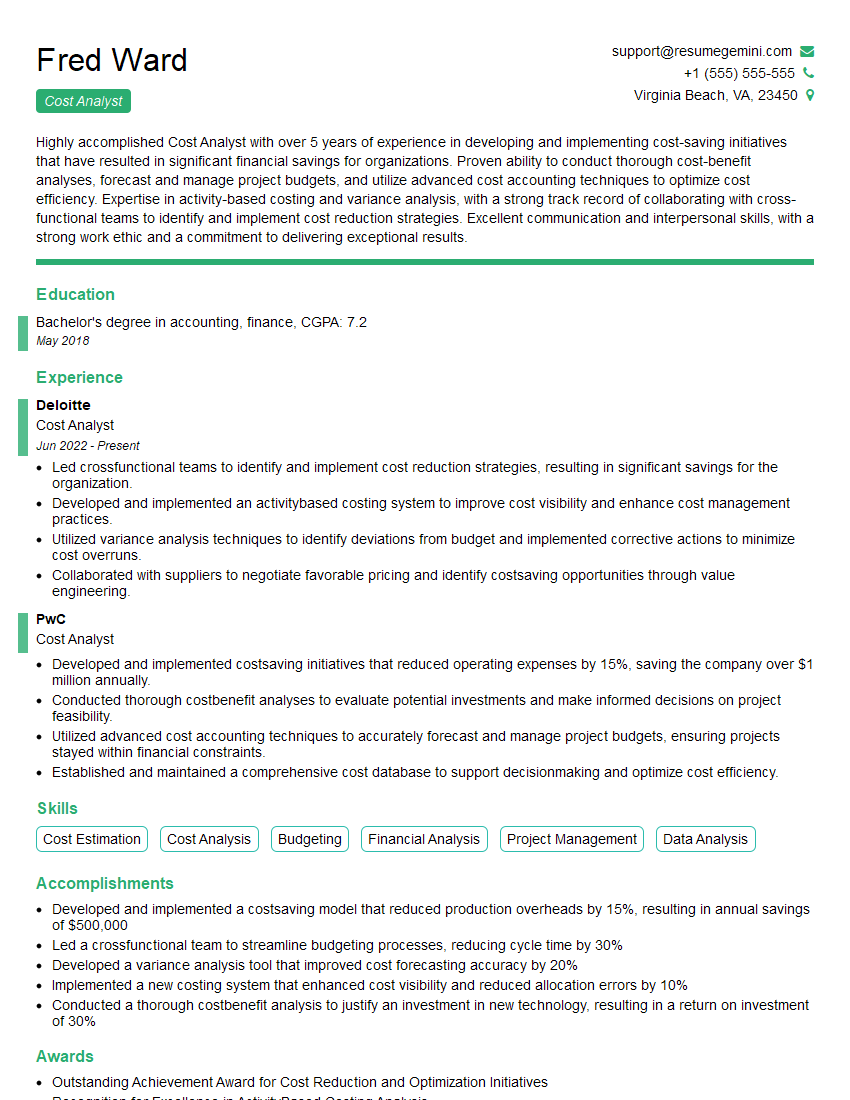
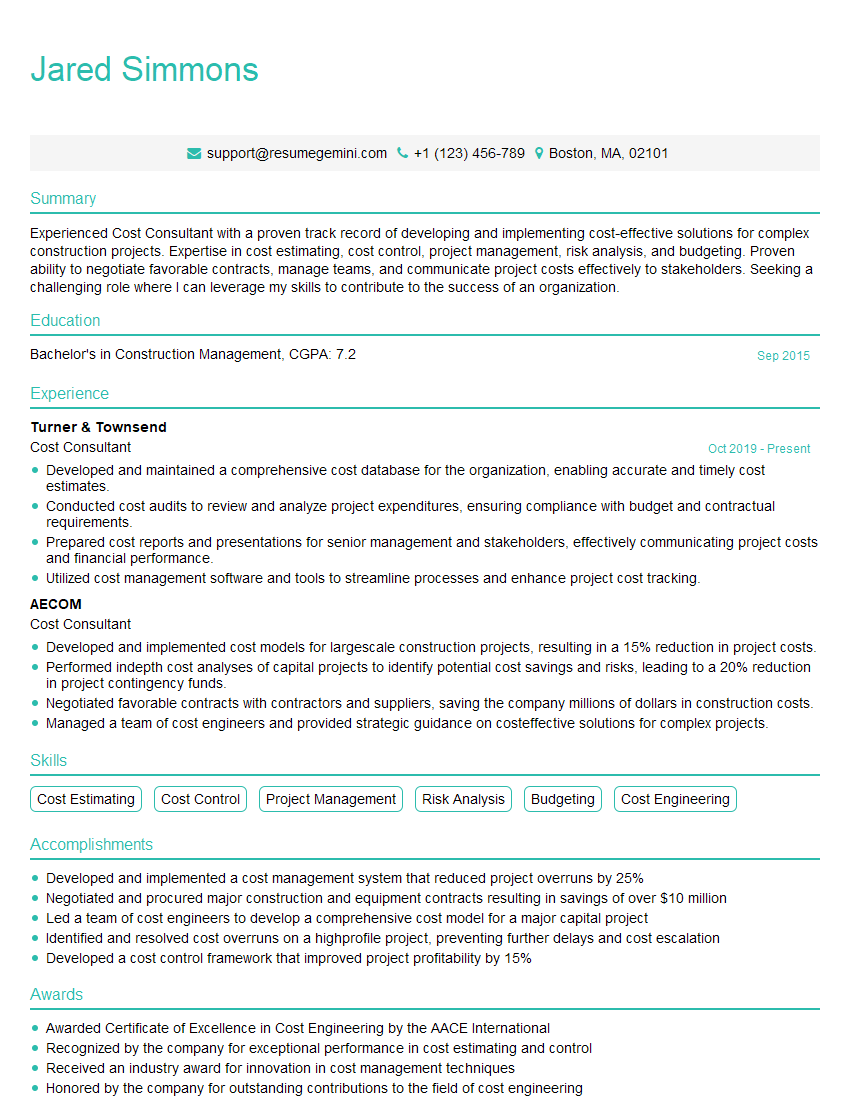
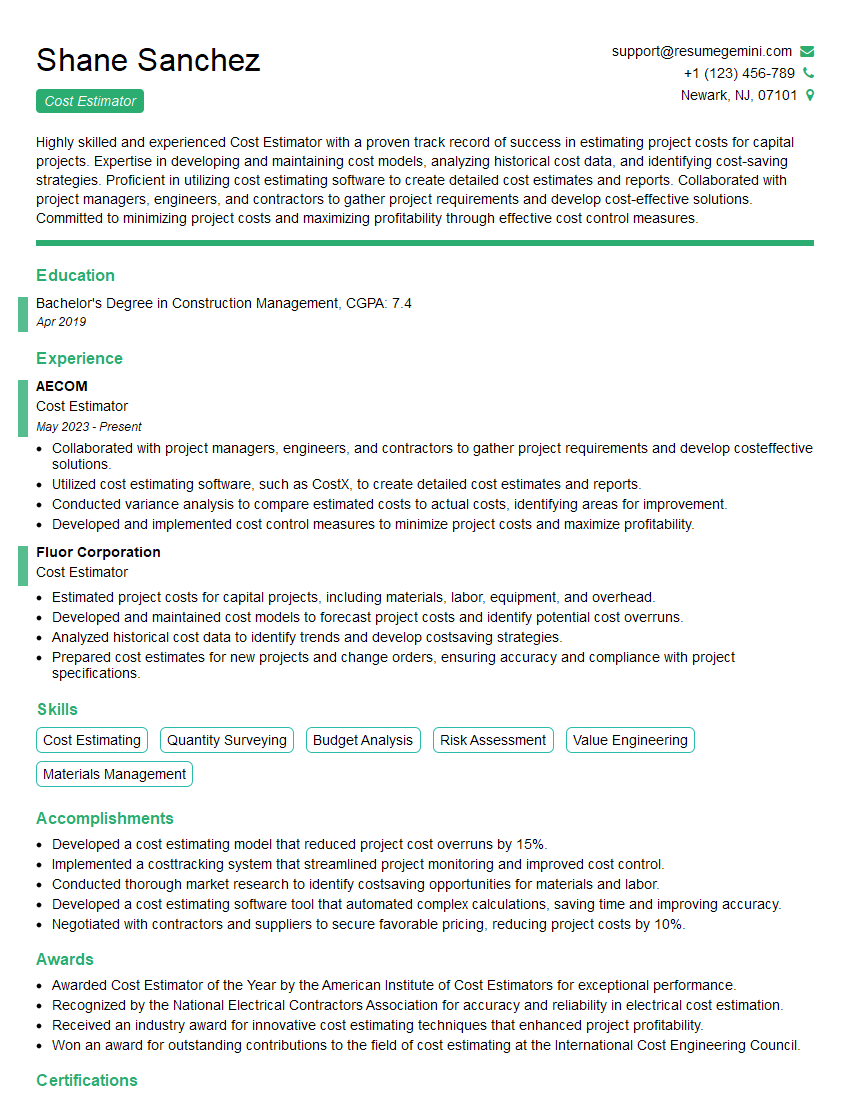
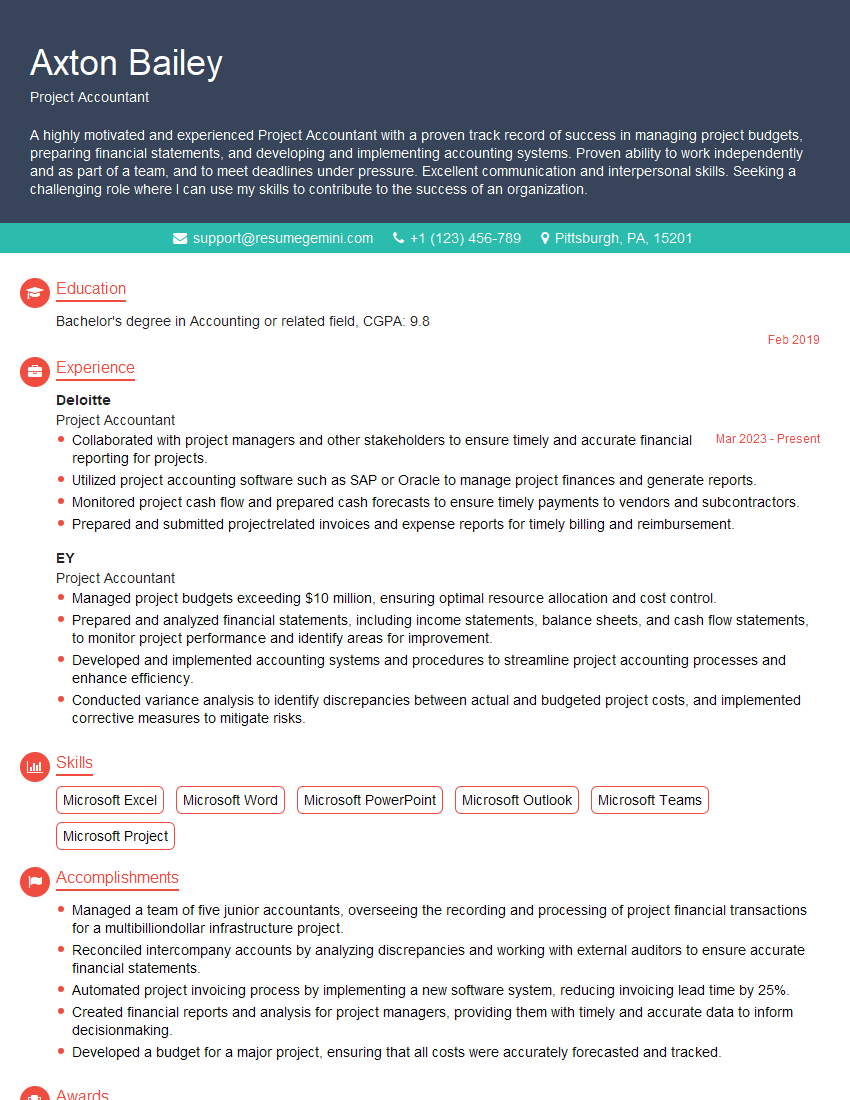
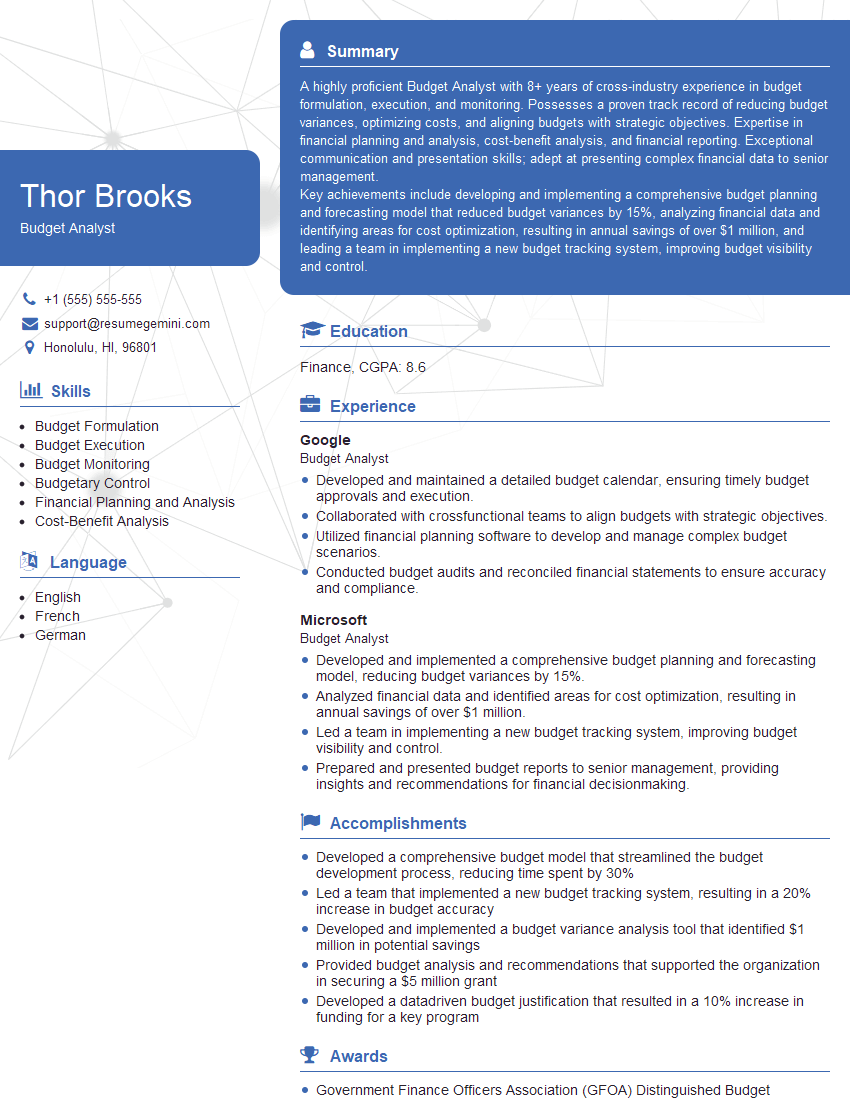
Mastering project costing is crucial for career advancement in project management and related fields. It demonstrates your ability to manage resources effectively and deliver projects within budget, highly valued skills in any organization. To maximize your job prospects, focus on building an ATS-friendly resume that showcases your skills and experience clearly. ResumeGemini is a trusted resource that can help you craft a professional and impactful resume tailored to the Project Costing field. Examples of resumes tailored to Project Costing are available to help you get started.

Explore more articles
Users Rating of Our Blogs
Share Your Experience
We value your feedback! Please rate our content and share your thoughts (optional).
What Readers Say About Our Blog
To the interviewgemini.com Webmaster.
Very helpful and content specific questions to help prepare me for my interview!
Thank you
To the interviewgemini.com Webmaster.
This was kind of a unique content I found around the specialized skills. Very helpful questions and good detailed answers.
Very Helpful blog, thank you Interviewgemini team.