The thought of an interview can be nerve-wracking, but the right preparation can make all the difference. Explore this comprehensive guide to Public Affairs and Advocacy interview questions and gain the confidence you need to showcase your abilities and secure the role.
Questions Asked in Public Affairs and Advocacy Interview
Q 1. Describe your experience crafting policy proposals.
Crafting effective policy proposals requires a deep understanding of the political landscape, the target audience, and the desired outcome. It’s a multi-stage process, starting with thorough research and analysis to identify the problem and potential solutions. I begin by defining the problem clearly, identifying its root causes, and analyzing the existing policy environment. Then, I develop concrete, measurable, achievable, relevant, and time-bound (SMART) policy recommendations, backed by strong evidence and data. This includes anticipating potential objections and preparing counterarguments. Finally, the proposal is meticulously crafted, using clear, concise language accessible to both policymakers and the public. For example, in a recent project focusing on affordable housing, I conducted extensive research on existing programs, interviewed stakeholders (residents, developers, government officials), analyzed relevant data on housing costs and availability, and developed a proposal incorporating innovative financing mechanisms and streamlined permitting processes. The proposal was structured to highlight cost-effectiveness and potential positive community impacts.
Q 2. Explain your understanding of the legislative process.
My understanding of the legislative process is comprehensive, encompassing everything from policy conception to enactment. It’s a complex, iterative process involving multiple stakeholders. It typically begins with the introduction of a bill, either in the House of Representatives or the Senate. This is followed by committee review, where hearings are held, amendments are proposed, and the bill is debated. If the bill passes committee, it goes to the full chamber for debate and a vote. Successful passage in one chamber sends it to the other for the same process. Finally, if both chambers pass the bill, it goes to the executive branch for signature. However, even with a signature, the journey doesn’t end there; implementation and oversight are crucial steps to ensure effective policy. Understanding the intricacies of this process—knowing which committees hold sway over specific issues, identifying key legislators, and anticipating potential roadblocks—is vital for successful advocacy. For example, understanding the filibuster’s role in the Senate is critical when strategizing legislative initiatives. I often use flowcharts to visualize this process and identify potential points of influence.
Q 3. How have you successfully built coalitions to advance a policy agenda?
Building coalitions requires a strategic approach focusing on shared interests and common goals. It involves identifying key stakeholders—individuals, organizations, and communities—who are aligned with the policy agenda. I utilize a multi-pronged approach: First, I conduct thorough stakeholder mapping to identify potential allies and opponents. Second, I develop tailored communication strategies for each group, emphasizing their specific concerns and highlighting the mutual benefits of collaboration. Third, I foster relationships through regular communication, meetings, and joint events. Fourth, I demonstrate transparency and accountability to build trust. For example, while advocating for increased funding for public education, I brought together teachers’ unions, parent advocacy groups, business leaders who benefit from a skilled workforce, and faith-based organizations by emphasizing the shared goal of improving educational outcomes for the betterment of the community. This resulted in a unified front that successfully advocated for increased funding.
Q 4. Detail a time you had to influence stakeholders with opposing views.
In a campaign to reform zoning regulations, I encountered strong opposition from developers who prioritized maximizing profits over community benefits. To influence their views, I adopted a data-driven approach, presenting evidence that highlighted the negative social and environmental impacts of their current practices while demonstrating how reform could also be financially beneficial through increased property values in a revitalized area. I also engaged in one-on-one meetings to build personal rapport and explain the long-term benefits of community-focused development, ultimately shifting the discussion from pure profit to shared community gains. The key was finding common ground: sustainable development that benefits both the developers and the community. We framed the argument around increased profitability through a diversified market rather than emphasizing solely high-density projects.
Q 5. How do you measure the success of a public affairs campaign?
Measuring the success of a public affairs campaign requires a multifaceted approach, going beyond simple metrics like bill passage. I use a combination of quantitative and qualitative methods. Quantitative measures could include the number of bills passed, budget allocations secured, or changes in public opinion. Qualitative methods include assessing stakeholder engagement, the quality of relationships built, and the long-term impact of the policy on the community. For example, while advocating for improved air quality, we measured success not only by the passage of a bill enacting stricter emissions standards but also by monitoring actual air quality improvements in affected areas, documenting community feedback on the changes, and evaluating the long-term economic and health impacts of the policy. This provided a holistic view of the campaign’s success, capturing both tangible outcomes and less easily quantifiable factors such as community engagement and trust building.
Q 6. Describe your experience managing stakeholder relationships.
Managing stakeholder relationships is critical in public affairs. It requires consistent communication, transparency, and a genuine commitment to understanding diverse perspectives. My approach involves actively listening to their concerns, identifying their interests, and building trust through clear and consistent communication. This includes regular updates on progress, proactive responses to concerns, and creating opportunities for collaboration. I utilize a CRM system to track interactions, identify key influencers, and maintain an organized record of engagements. For instance, during a campaign for improved infrastructure, I maintained regular communication with local businesses, community groups, and government officials through newsletters, meetings, and public forums, ensuring everyone felt heard and involved. This not only secured broad-based support but also fostered strong partnerships and improved the overall effectiveness of the campaign.
Q 7. How do you navigate complex regulatory environments?
Navigating complex regulatory environments involves a deep understanding of relevant laws, regulations, and administrative processes. It requires staying up-to-date on regulatory changes, understanding their implications for policy goals, and developing strategies to comply with legal requirements while advocating for policy changes. This involves meticulous research of applicable laws and regulations, consulting with legal experts, and carefully crafting policy proposals that are both effective and legally sound. For example, when navigating environmental regulations for a clean energy initiative, I worked closely with legal counsel to ensure the proposals were in full compliance with all environmental laws, including NEPA (National Environmental Policy Act) guidelines, ensuring a smooth approval process and avoiding potential legal challenges. This requires understanding not just the letter of the law but also the spirit and intent behind it.
Q 8. Explain your approach to media relations in a public affairs context.
My approach to media relations in public affairs prioritizes building strong, trusting relationships with journalists and proactively shaping narratives. It’s not just about pitching stories; it’s about understanding the media landscape and tailoring our message to resonate with specific outlets and audiences. This involves:
- Identifying Key Media Outlets: We carefully select media outlets – newspapers, television stations, radio programs, online publications, and podcasts – based on their audience reach, influence, and alignment with our advocacy goals.
- Developing Compelling Narratives: We craft compelling narratives that frame our policy positions in a way that’s easily understood and emotionally resonant, highlighting human impact and focusing on solutions rather than just problems.
- Proactive Media Engagement: We don’t wait for journalists to reach out; we proactively pitch stories, provide expert commentary, and offer access to affected individuals. We build relationships with journalists to ensure our message is accurately represented.
- Media Monitoring and Response: We actively monitor media coverage to identify opportunities to respond to criticisms or build on positive reporting. We develop a crisis communications plan to handle negative media effectively.
- Measuring Media Impact: We track media mentions, sentiment analysis, and audience engagement to measure the effectiveness of our media relations efforts and make necessary adjustments to our strategy. For example, I once successfully secured coverage in a national newspaper about a critical local issue, shifting public opinion in our favor.
Q 9. How do you identify and prioritize key policy issues?
Identifying and prioritizing key policy issues requires a multi-faceted approach. It begins with thorough research and analysis to understand the political climate, stakeholder perspectives, and potential impact of various issues.
- Stakeholder Consultation: We engage with diverse stakeholders – community groups, businesses, academics, and government officials – to identify their concerns and priorities. This ensures we’re addressing issues that matter most to the people we represent.
- Data Analysis: We use data and research to identify areas where policy changes could have a significant positive impact, considering factors such as economic feasibility, social equity, and environmental sustainability. For instance, I may examine statistical data on crime rates to justify proposed law changes.
- Political Feasibility Assessment: We assess the political landscape to determine which issues are likely to gain traction and where we’re most likely to achieve success. We understand legislative processes and the potential roadblocks we might encounter.
- Prioritization Matrix: We employ a prioritization matrix, weighing factors like impact, feasibility, and urgency to rank policy issues. This allows us to focus our resources on the most impactful and achievable goals.
- Ongoing Monitoring: The policy landscape is dynamic, so we continuously monitor relevant developments and adjust our priorities accordingly. A sudden policy shift might mean we need to shift our focus.
Q 10. Describe your experience with grassroots advocacy.
My experience with grassroots advocacy includes organizing and mobilizing community members to advocate for policy change at the local, state, and national levels. This has involved various tactics such as:
- Community Organizing: Building coalitions among community members and organizations to amplify our collective voice and increase our impact on policymakers. I’ve helped organize neighborhood meetings and town halls to educate residents and encourage their participation.
- Petition Campaigns: Creating and circulating online and offline petitions to gather public support for specific policy changes and demonstrate popular demand. One campaign I led resulted in over 5000 signatures, significantly impacting the local council’s decision.
- Voter Engagement: Encouraging voter registration, participation in elections, and contact with elected officials to hold them accountable for their actions. This often involved phone banking and canvassing.
- Social Media Activism: Utilizing social media platforms to raise awareness, mobilize supporters, and engage in online advocacy efforts. For example, we successfully used a targeted social media campaign to pressure a local government agency to improve its public services.
- Direct Action: (While not always ideal) Participating in protests, marches, and other forms of direct action to draw attention to specific issues and exert pressure on policymakers. This is employed strategically and ethically, recognizing the potential benefits and risks.
Q 11. How do you develop and implement a comprehensive advocacy strategy?
Developing and implementing a comprehensive advocacy strategy involves a systematic approach, focusing on clear goals, target audiences, and measurable outcomes. It begins with:
- Goal Setting: Defining specific, measurable, achievable, relevant, and time-bound (SMART) goals. What exactly are we trying to achieve? For example, successfully passing a specific bill or amending an existing regulation.
- Audience Analysis: Identifying key stakeholders – policymakers, the public, media, and other influential groups – and tailoring our messaging to resonate with each group. We don’t talk to the public the same way we talk to legislators.
- Resource Allocation: Determining the necessary resources – personnel, budget, and time – to support our strategy and ensuring efficient use of funds.
- Strategy Development: Choosing the most effective advocacy tactics – lobbying, media relations, grassroots mobilization, litigation – and creating a plan for implementing them in a coordinated way. The plan should be flexible to adapt to new information or shifting circumstances.
- Implementation and Monitoring: Putting the strategy into action and regularly monitoring progress toward our goals. We track key performance indicators (KPIs) to measure the effectiveness of our efforts and make necessary adjustments along the way.
- Evaluation and Reporting: Evaluating the overall success of the strategy and preparing reports to demonstrate the impact of our advocacy work. Success is often measured in various ways; did we change the policy, shift public opinion, or achieve something smaller but still meaningful?
Q 12. How do you adapt your advocacy approach to different audiences?
Adapting our advocacy approach to different audiences is crucial for effective communication and achieving our goals. We tailor our message, communication channels, and overall strategy to resonate with specific groups. For example:
- Policymakers: We use data-driven arguments, focus on policy specifics, and build personal relationships to influence legislative decisions. This might involve direct lobbying or providing expert testimony.
- The Public: We use simple, clear language, focus on the human impact of policies, and utilize emotional appeals to connect with people on a personal level. We may use storytelling or social media campaigns.
- Media: We craft compelling narratives that are newsworthy, provide access to sources, and build relationships with journalists to ensure accurate and favorable coverage. This often means framing issues in a way that is interesting and easily understood by the public.
- Businesses: We focus on the economic implications of policies, highlighting benefits and addressing potential concerns. We might offer incentives or create collaborative partnerships.
- Community Groups: We collaborate with community leaders, build trust, and empower them to participate in advocacy efforts. This could include participating in local events or offering training workshops.
Understanding each audience’s motivations and communication preferences is key to effectively engaging them and advancing our advocacy agenda.
Q 13. Explain your understanding of lobbying regulations.
My understanding of lobbying regulations is comprehensive and nuanced, as they vary significantly across jurisdictions. I understand the importance of compliance with all applicable laws and ethics guidelines. Key aspects include:
- Transparency Requirements: I understand and adhere to disclosure requirements regarding lobbying activities, including registration, reporting, and record-keeping. This often includes detailing who I represent and who I contacted.
- Gift and Entertainment Restrictions: I am familiar with rules governing gifts, meals, and entertainment provided to or received from government officials. Knowing what’s permissible and what constitutes an undue influence is critical.
- Campaign Finance Laws: I have a deep understanding of campaign finance regulations and avoid any actions that could be construed as quid pro quo or improper influence over electoral processes.
- Ethics Codes: I adhere to the highest ethical standards in all my interactions with government officials, stakeholders, and the public. Maintaining credibility is vital for our success.
- Jurisdictional Differences: I am well aware that lobbying regulations differ significantly between federal, state, and local jurisdictions. I ensure we tailor our compliance strategy to each specific jurisdiction.
Compliance is not just a legal requirement; it is essential for maintaining trust and ensuring the integrity of the advocacy process. Ignorance of regulations is never an acceptable excuse.
Q 14. Describe your experience working with government agencies.
My experience working with government agencies has been extensive, covering various levels of government and across multiple policy areas. This includes:
- Building Relationships: Establishing and maintaining positive working relationships with government officials, agency staff, and other stakeholders to facilitate effective communication and collaboration. This involves regular contact and building rapport.
- Navigating Bureaucracy: Understanding and navigating the complex processes and procedures within government agencies to ensure efficient and effective advocacy. This includes familiarity with the various agencies and their internal processes.
- Data-Driven Advocacy: Using data, research, and analysis to inform our advocacy efforts and demonstrate the need for policy changes. This ensures that our arguments are supported by factual evidence.
- Collaboration and Negotiation: Collaborating with government agencies to find mutually acceptable solutions and negotiate policy changes. This means understanding their constraints and finding common ground.
- Policy Implementation: Working with agencies to support the implementation of adopted policies to ensure that they achieve their intended outcomes. Monitoring implementation and providing support is crucial.
My experience has highlighted the importance of patience, persistence, and a deep understanding of the government’s decision-making processes. This collaborative approach ensures the greatest success.
Q 15. How do you manage competing priorities and deadlines in a fast-paced environment?
Managing competing priorities and deadlines in public affairs requires a strategic and organized approach. Think of it like conducting an orchestra – each instrument (task) needs to play its part at the right time to create a harmonious whole (successful advocacy campaign).
- Prioritization Matrix: I use a prioritization matrix (e.g., Eisenhower Matrix – Urgent/Important) to categorize tasks. This helps me focus on the most critical items first, ensuring that deadlines for high-impact initiatives are met.
- Time Blocking: I allocate specific time blocks for different tasks in my day, minimizing distractions and maximizing efficiency. This prevents the feeling of being overwhelmed and allows for focused work on specific projects.
- Delegation: When possible, I delegate tasks to capable team members, freeing up my time to focus on high-level strategic planning and engagement with key stakeholders. This also allows for skill development within the team.
- Regular Check-ins: I schedule regular check-ins with my team and stakeholders to monitor progress, identify potential roadblocks, and make necessary adjustments to the plan. This proactive approach ensures that we stay on track.
For example, during a recent campaign to pass a crucial piece of legislation, I prioritized meeting with key legislators, using time-blocking to ensure dedicated slots, and delegated research and report writing to junior staff, which allowed me to successfully lobby and achieve the desired outcome.
Career Expert Tips:
- Ace those interviews! Prepare effectively by reviewing the Top 50 Most Common Interview Questions on ResumeGemini.
- Navigate your job search with confidence! Explore a wide range of Career Tips on ResumeGemini. Learn about common challenges and recommendations to overcome them.
- Craft the perfect resume! Master the Art of Resume Writing with ResumeGemini’s guide. Showcase your unique qualifications and achievements effectively.
- Don’t miss out on holiday savings! Build your dream resume with ResumeGemini’s ATS optimized templates.
Q 16. How do you use data and analytics to inform your advocacy work?
Data and analytics are essential tools in modern advocacy. They move us beyond gut feelings to evidence-based decision-making, providing credibility and strengthening our arguments. It’s about translating raw data into compelling narratives that resonate with policymakers and the public.
- Public Opinion Polling: We utilize polling data to understand public sentiment on specific issues, tailoring our messaging to resonate with key demographics.
- Legislative Tracking: We track legislative activity, analyzing bill progression and identifying opportunities for effective intervention. This allows us to anticipate potential challenges and prepare accordingly.
- Budget Analysis: We analyze government budgets to understand resource allocation and identify areas where advocacy efforts can achieve the greatest impact. This often involves comparing budget proposals to actual spending across various departments.
- Social Media Analytics: Analyzing social media trends helps us understand public discourse and tailor our communication strategies accordingly. This ensures that our messages are reaching the target audience effectively and efficiently.
For instance, when advocating for increased funding for public education, we used data showing the correlation between funding levels and student achievement, alongside public opinion data showing broad support for improved schools, to build a compelling case for increased investment.
Q 17. Describe a time you had to overcome a significant obstacle in a public affairs initiative.
During a campaign to reform state environmental regulations, we faced significant opposition from powerful lobbying groups. They launched a smear campaign, attempting to discredit our organization and our work.
To overcome this obstacle, we adopted a multi-pronged strategy:
- Fact-Checking and Public Response: We immediately and meticulously fact-checked all claims made against us and issued detailed public responses, clarifying the inaccuracies and highlighting the benefits of our proposed reforms.
- Media Engagement: We proactively engaged with journalists, providing them with accurate information and counteracting the misinformation spread by our opponents. Transparency became our strong suit.
- Grassroots Mobilization: We mobilized our supporters through social media and direct outreach, emphasizing the importance of their participation in the legislative process. We framed this as a fight for their community’s well-being.
- Collaboration: We partnered with other advocacy organizations sharing similar goals, pooling resources and broadening our reach. This demonstrated a united front.
Ultimately, by combining proactive communication, a strong evidence base, and grassroots mobilization, we successfully refuted the smear campaign and secured crucial support for the environmental reform legislation. This taught me the importance of resilience, adaptability, and the power of collaborative advocacy in navigating challenging political landscapes.
Q 18. How do you build and maintain relationships with elected officials?
Building and maintaining relationships with elected officials is crucial in public affairs. It’s not just about transactional interactions; it’s about cultivating trust and understanding over time. It’s about building genuine connections.
- Regular Communication: I maintain regular, consistent communication with elected officials and their staff, providing them with timely and relevant information on issues of mutual interest. This avoids appearing only when needing something.
- Personalized Interactions: I strive to personalize my interactions, demonstrating a genuine interest in their perspectives and priorities. This goes beyond generic emails and involves finding common ground.
- Building Expertise: I work to become a reliable source of information on policy issues relevant to their constituencies. This positions me as a trusted advisor.
- Relationship Building Events: Attending relevant events, like town halls and fundraising events (where appropriate) helps solidify connections in a more informal setting.
- Follow-Through: I follow through on my commitments and am responsive to their requests. Consistency fosters trust.
For instance, I’ve built a strong relationship with a state senator by regularly briefing them on relevant legislation, sharing insights from constituents, and inviting them to events related to their policy interests. This ongoing engagement has significantly enhanced our ability to work together on shared goals.
Q 19. Explain your experience in budget analysis and allocation related to public policy.
Budget analysis and allocation are central to effective advocacy. It’s about understanding how public funds are distributed and advocating for policies that align with our priorities. This involves detailed scrutiny of complex documents.
- Understanding Budget Documents: I’m proficient in interpreting complex budget documents, identifying funding sources, and analyzing spending trends across different government agencies.
- Comparative Analysis: I compare proposed budgets with previous budgets and with budgets of similar organizations to identify potential areas for improvement or concerns.
- Cost-Benefit Analysis: I conduct cost-benefit analyses to assess the potential economic and social impacts of different policy proposals and their budgetary implications.
- Advocating for Funding: I leverage my analysis to advocate for increased funding for programs that align with my organization’s objectives and to oppose cuts to essential services.
For instance, in advocating for increased funding for affordable housing initiatives, I analyzed existing budget allocations, compared them to national best practices and presented a proposal that demonstrated the long-term cost savings associated with preventative measures, such as affordable housing, over addressing the consequences of homelessness.
Q 20. How do you stay informed on current political and policy developments?
Staying informed in the fast-paced world of public affairs requires a multi-faceted approach. It’s about building a robust information ecosystem.
- News Monitoring: I regularly monitor reputable news sources, including national and local news outlets, specialized publications, and policy journals, for updates on relevant political and policy developments.
- Government Websites: I closely follow government websites (federal, state, and local) to access official policy documents, legislative updates, and budget information.
- Think Tanks and Research Organizations: I regularly consult research reports and policy briefs from reputable think tanks and research organizations to gain expert insights on current policy debates.
- Professional Networks: I actively participate in professional networks and attend conferences and workshops to stay abreast of the latest trends and developments in the field.
- Social Media: I use social media platforms strategically, focusing on reputable sources and utilizing advanced search capabilities to stay abreast of breaking news and emerging discussions.
By combining these different sources, I create a comprehensive understanding of the policy landscape and ensure my advocacy efforts are informed by the most up-to-date information.
Q 21. Describe your experience with crisis communication in a public affairs context.
Crisis communication in public affairs demands swift, decisive, and transparent action. It’s about managing public perception during challenging situations. Think of it as damage control with a proactive approach.
- Rapid Assessment: The first step is to quickly assess the situation, determining the severity of the crisis and its potential impact on the organization and its stakeholders.
- Develop a Communication Plan: A clear communication plan is vital. This should outline key messages, target audiences, and communication channels.
- Transparency and Honesty: Transparency and honesty are paramount. It’s better to address issues head-on, even if it means acknowledging mistakes.
- Proactive Communication: Proactively communicate with stakeholders to ensure they receive timely and accurate information. This prevents rumors and misinformation from spreading.
- Monitor and Adapt: Continuously monitor public sentiment and adapt the communication strategy as the situation evolves.
During a past crisis involving a controversial policy decision by our client, we implemented a comprehensive communication plan that included issuing timely press releases, actively engaging with social media users, and holding a series of town hall meetings to address public concerns directly. This approach helped mitigate negative sentiment and restore trust in our client.
Q 22. How do you utilize social media to advance an advocacy agenda?
Social media is a powerful tool for advocacy, allowing us to reach vast audiences and build support for our agendas. My strategy involves a multi-pronged approach. First, I identify the key platforms where our target audience is most active – this might be Twitter for rapid updates and discussions, Facebook for broader community engagement, or Instagram for visually appealing content. Then, I create engaging content that’s tailored to each platform. This includes short, impactful videos, infographics explaining complex issues simply, and blog posts that delve deeper into the details. I also actively participate in relevant online conversations, responding to comments and questions, fostering dialogue, and correcting misinformation. Crucially, I track engagement metrics – likes, shares, comments – to understand what resonates with the audience and adapt my strategy accordingly. For example, during a campaign to increase funding for public libraries, we used Instagram to showcase the positive impact of libraries on the community through photos and short videos of children using the library, leading to a noticeable increase in online support and engagement with local officials.
Furthermore, I use social listening tools to monitor conversations around relevant policy issues and identify potential allies and opponents. This allows me to proactively address concerns and build coalitions. Ultimately, the goal is to leverage social media to not just raise awareness, but to mobilize support, drive petitions, and ultimately influence policy decisions.
Q 23. How do you ensure compliance with relevant laws and regulations?
Compliance with relevant laws and regulations is paramount in public affairs and advocacy. My approach is proactive and multi-layered. First, I thoroughly research all applicable laws, including lobbying disclosure requirements, campaign finance regulations, and restrictions on gifts and gratuities. I maintain meticulous records of all activities, ensuring transparency and accountability. This involves careful documentation of communications with government officials, expenditures, and the sources of funding for our campaigns. We regularly consult with legal counsel to ensure our actions align with current legislation and best practices. This includes staying informed on any changes to the legal landscape that may affect our work. For instance, we recently revised our communications strategy in response to updated lobbying disclosure laws, ensuring all interactions with policymakers were fully documented and reported within the specified timelines.
Furthermore, I prioritize ethical conduct. This extends beyond mere legal compliance to encompass integrity, fairness, and respect for all stakeholders. We make a conscious effort to avoid any actions that could be perceived as unduly influencing policy decisions or creating conflicts of interest.
Q 24. Describe a time you had to manage a conflict between different stakeholders.
During a campaign to reform zoning regulations in a rapidly growing city, we faced a significant conflict between environmental groups concerned about urban sprawl and developers seeking to increase housing density. The environmental groups argued that increased density would lead to habitat loss and traffic congestion, while the developers emphasized the need for affordable housing and economic growth.
To manage this conflict, I facilitated a series of meetings with representatives from both sides. The key was to create a safe space for open and honest dialogue. I focused on identifying shared goals – ultimately, both sides wanted a vibrant and sustainable city. Through structured discussions and collaborative brainstorming sessions, we were able to identify potential compromises. For instance, we proposed a compromise which included increased density only in designated areas while setting aside protected natural spaces and investing in public transportation improvements to alleviate traffic concerns. This process involved active listening, understanding the underlying concerns of each stakeholder, and fostering mutual respect. Although reaching a complete agreement wasn’t immediate, this collaborative approach resulted in a more balanced and sustainable plan, and avoided a potentially damaging public confrontation.
Q 25. How do you assess the potential impact of a policy change?
Assessing the potential impact of a policy change requires a rigorous and multifaceted approach. It begins with identifying the key stakeholders who will be affected – this includes businesses, individuals, communities, and government agencies. Then, I conduct a thorough analysis of the proposed policy, considering its potential economic, social, and environmental effects. This might involve reviewing existing research, commissioning new studies, and conducting stakeholder consultations. Quantitative methods like cost-benefit analysis can be used to evaluate the potential financial impact, while qualitative methods such as interviews and focus groups can help understand the social implications.
For example, while assessing the impact of a proposed carbon tax, we considered its potential effect on various sectors – manufacturing, transportation, energy. We used economic modeling to project potential job losses and price increases, while also studying the potential benefits of reduced carbon emissions and improved public health. The results were then presented in a comprehensive report, which incorporated both quantitative and qualitative data, enabling policymakers to make informed decisions.
Q 26. Explain your experience with public speaking and presentations.
Public speaking and presentations are integral parts of my work. I have extensive experience delivering presentations to diverse audiences, ranging from community groups and policymakers to large-scale conferences. My approach prioritizes clear and concise communication. I start by thoroughly researching the audience and tailoring my message to their level of understanding and interests. I use visual aids such as graphs and charts to support my arguments and keep the presentation engaging.
I also practice my delivery extensively to ensure a smooth and confident presentation style. Feedback from colleagues and mentors has helped me refine my presentation techniques, improving clarity, flow and overall impact. One memorable experience involved presenting research findings on the effectiveness of a specific social program to a panel of government officials. The clarity of my presentation and the compelling evidence I presented contributed significantly to securing funding for the program’s continuation.
Q 27. How do you write persuasive policy briefs and memos?
Persuasive policy briefs and memos require a clear structure and a compelling narrative. I begin by clearly stating the problem and its urgency, followed by a concise explanation of the proposed solution. I then build a strong case for the policy change, using evidence such as statistics, research findings, and case studies. This involves presenting data in a visually appealing and easily digestible manner, using charts and graphs where appropriate. I also address potential counterarguments and refute them with strong evidence. Crucially, I emphasize the policy’s benefits and positive outcomes, appealing to the values and priorities of the intended audience.
The conclusion provides a clear call to action, outlining specific recommendations and next steps. For instance, when writing a memo advocating for increased funding for early childhood education, I would present data on the long-term economic benefits of early childhood investment, demonstrating a clear return on investment for taxpayers. I would also address potential concerns about budget constraints by suggesting reallocation of funds from less effective programs.
Q 28. How do you effectively communicate complex policy issues to a non-expert audience?
Communicating complex policy issues to a non-expert audience requires simplifying the language and using relatable analogies. I avoid jargon and technical terms whenever possible, explaining concepts in plain language. I use storytelling to connect with the audience on an emotional level, illustrating the impact of policy changes through real-life examples and anecdotes. Visual aids such as infographics and videos are also essential in making complex information more accessible. I focus on explaining the ‘so what?’ – why the issue matters to the audience and what the potential consequences are if no action is taken.
For example, when explaining the intricacies of climate change policy to a community group, I would start by explaining the basic science in simple terms, focusing on the impacts felt locally – such as increased flooding or changes in local weather patterns. I might use relatable analogies – for example, comparing the earth’s atmosphere to a greenhouse – to aid understanding. The overall aim is to ensure the message is clear, concise, and resonates with the audience’s experiences and values.
Key Topics to Learn for Public Affairs and Advocacy Interview
- Stakeholder Engagement: Understanding diverse stakeholder needs and developing effective communication strategies to build consensus and influence policy decisions. Practical application: Designing a targeted outreach campaign to garner support for a specific legislative initiative.
- Policy Analysis: Critically evaluating policy proposals, assessing their potential impact, and formulating recommendations for improvement. Practical application: Analyzing the effectiveness of a current public health program and proposing data-driven modifications.
- Media Relations & Communication: Crafting compelling narratives, managing media interactions, and leveraging various communication channels to shape public opinion and advocate for policy changes. Practical application: Developing a press release announcing a successful policy victory and managing media inquiries.
- Legislative Processes: A deep understanding of the legislative process at local, state, and federal levels, including bill drafting, lobbying, and coalition building. Practical application: Developing a strategy for successfully navigating the legislative process to get a bill passed.
- Campaign Strategy & Management: Developing and implementing effective advocacy campaigns, managing resources, and evaluating campaign success. Practical application: Designing a grassroots campaign to mobilize public support for a specific policy objective.
- Ethics and Professionalism: Maintaining the highest ethical standards in all advocacy activities, including transparency, accountability, and responsible conduct. Practical application: Navigating potential conflicts of interest and adhering to professional codes of conduct.
- Data Analysis & Research: Utilizing data and research to support advocacy efforts, demonstrating the impact of policies and programs. Practical application: Analyzing data to demonstrate the effectiveness of a specific policy and using this data to advocate for its continuation or expansion.
Next Steps
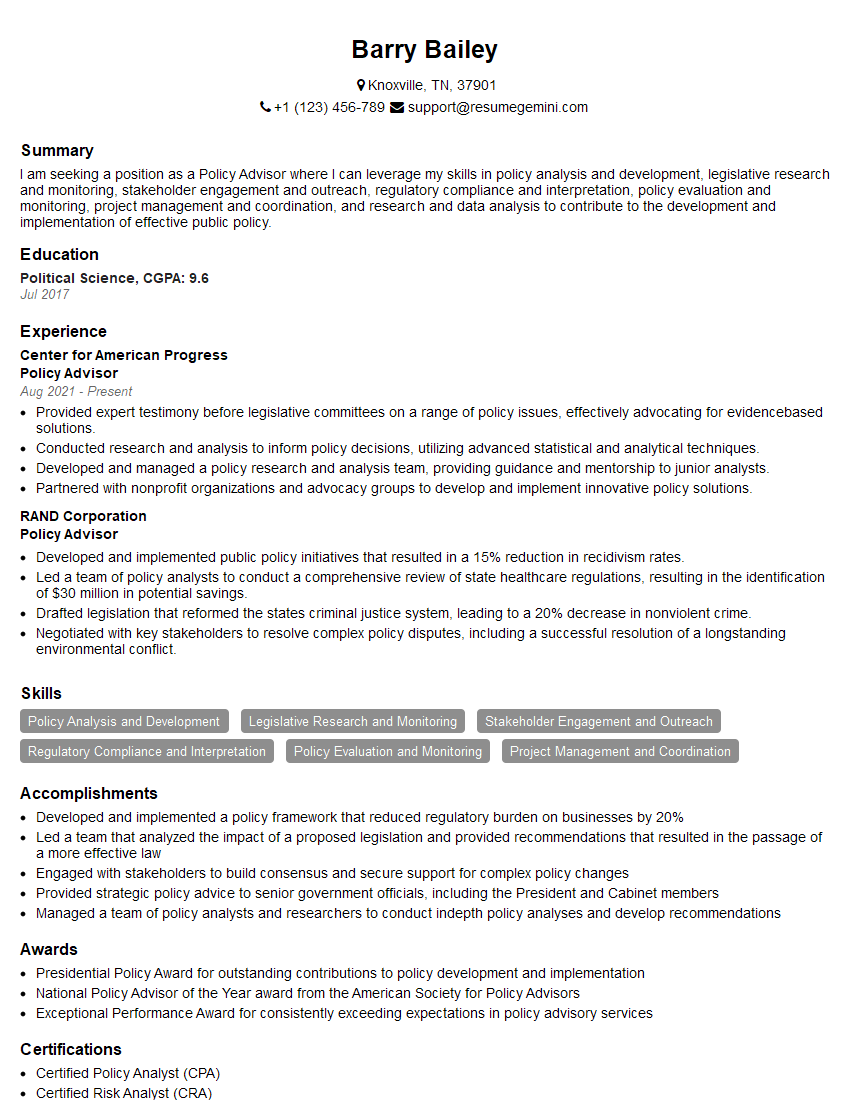
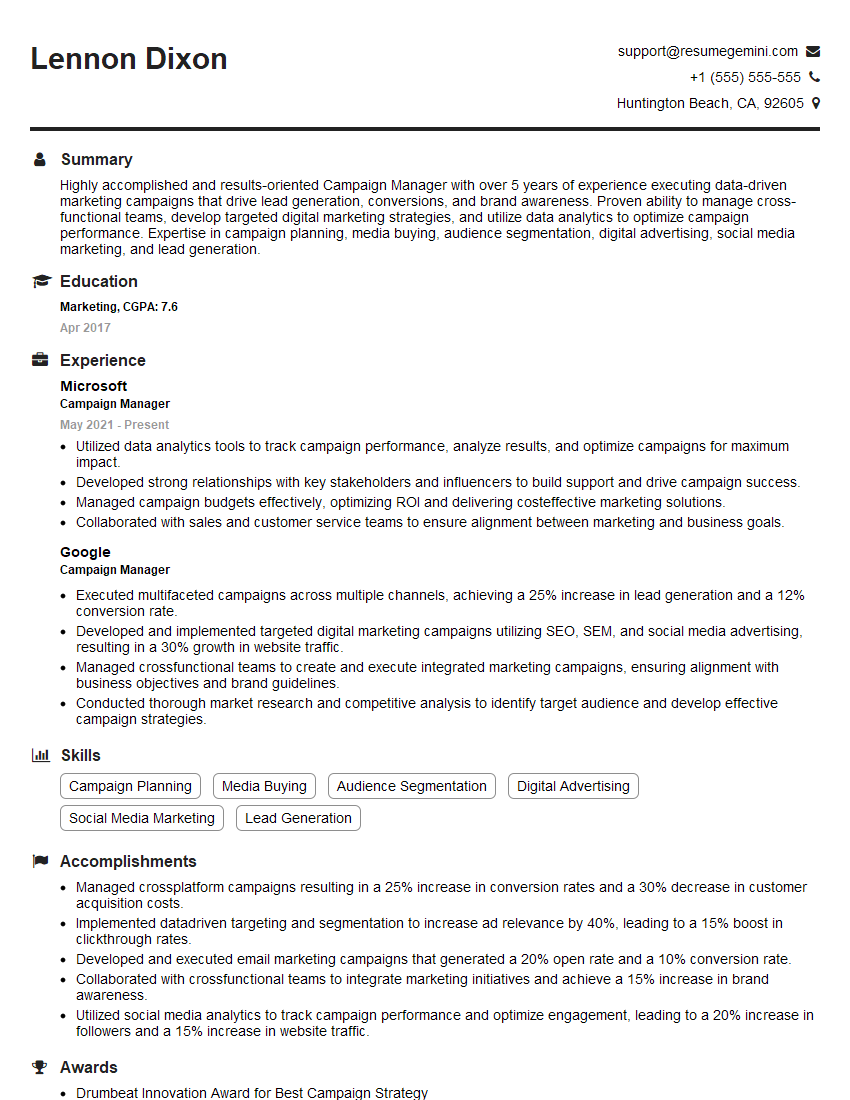
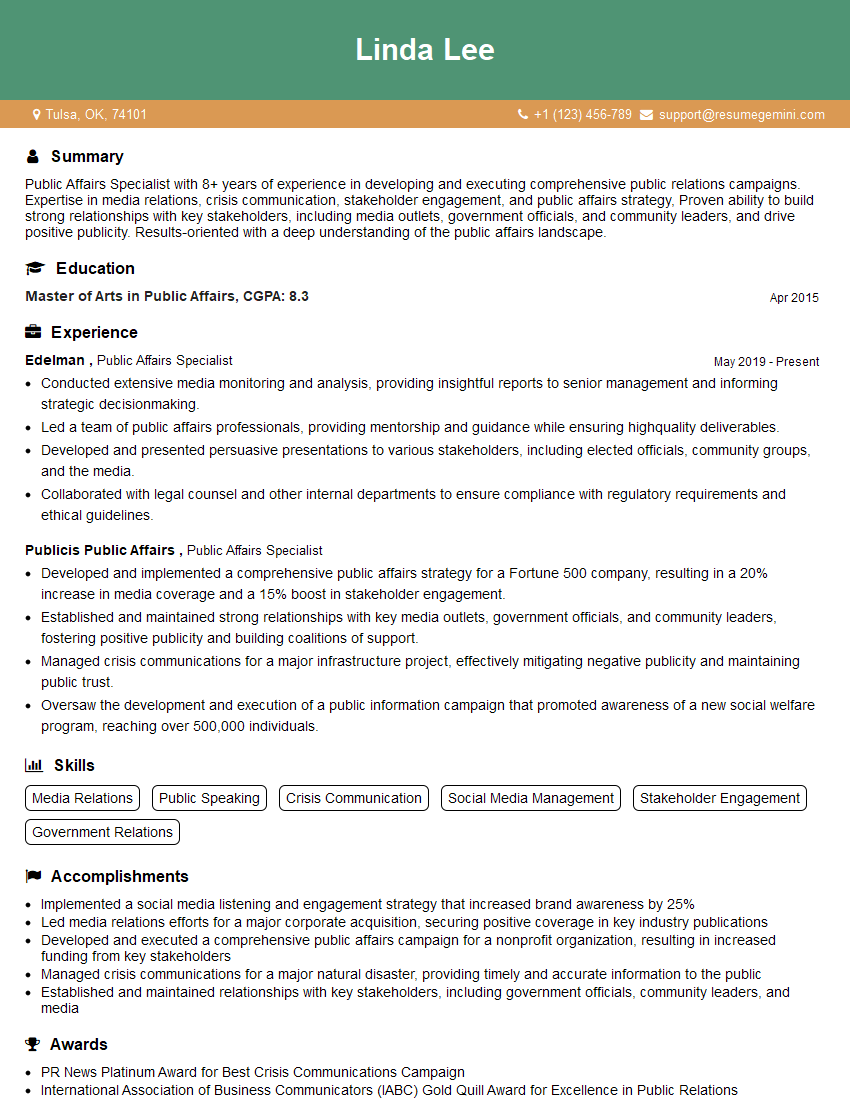
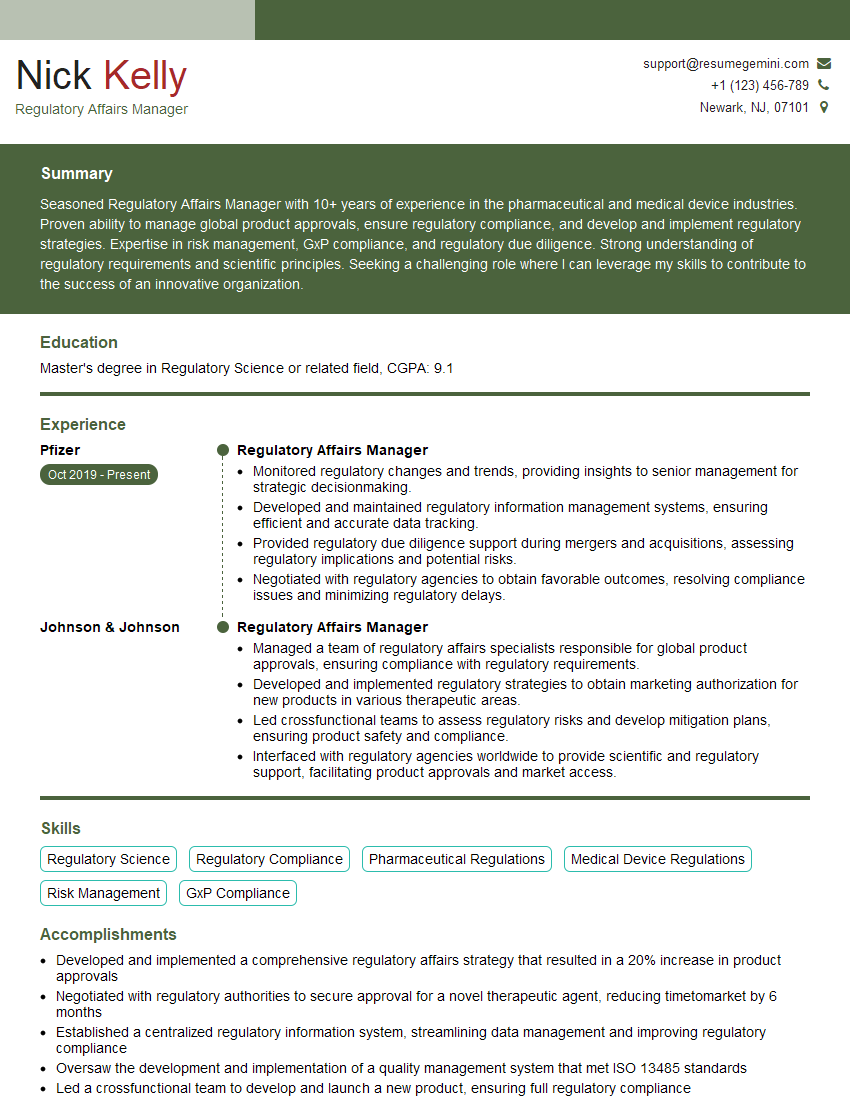
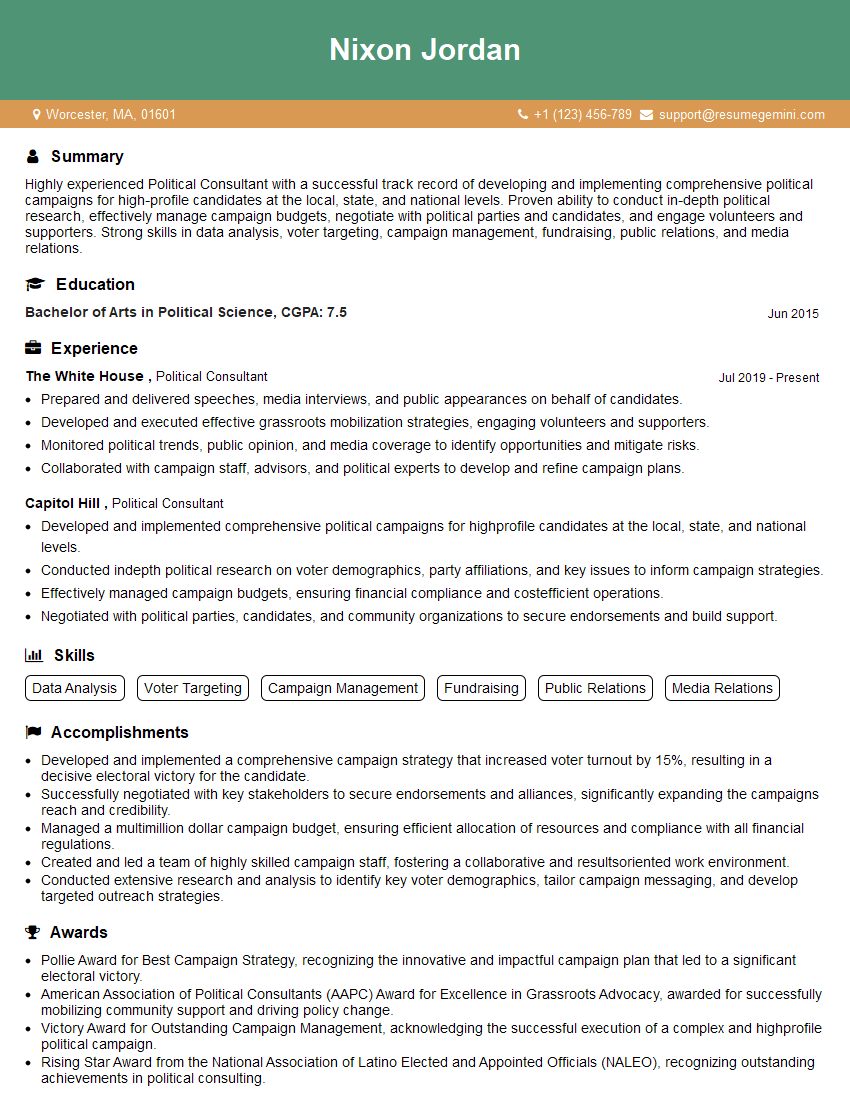
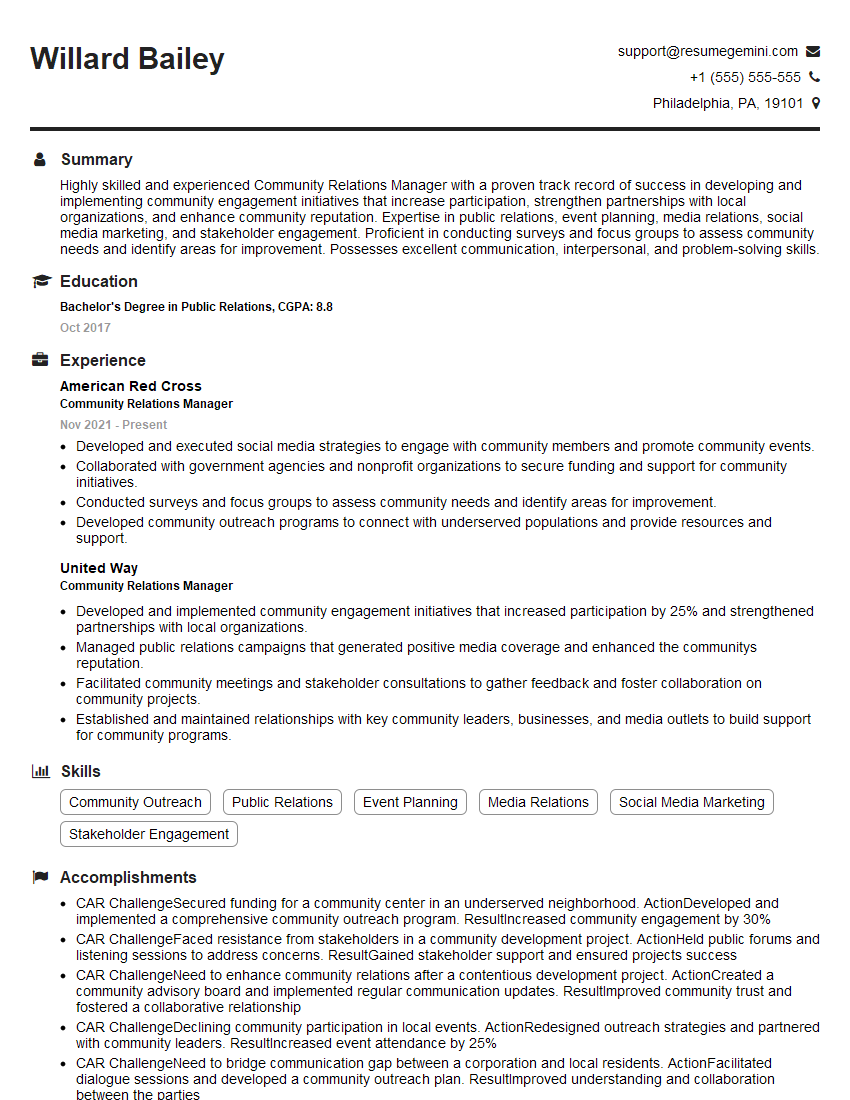
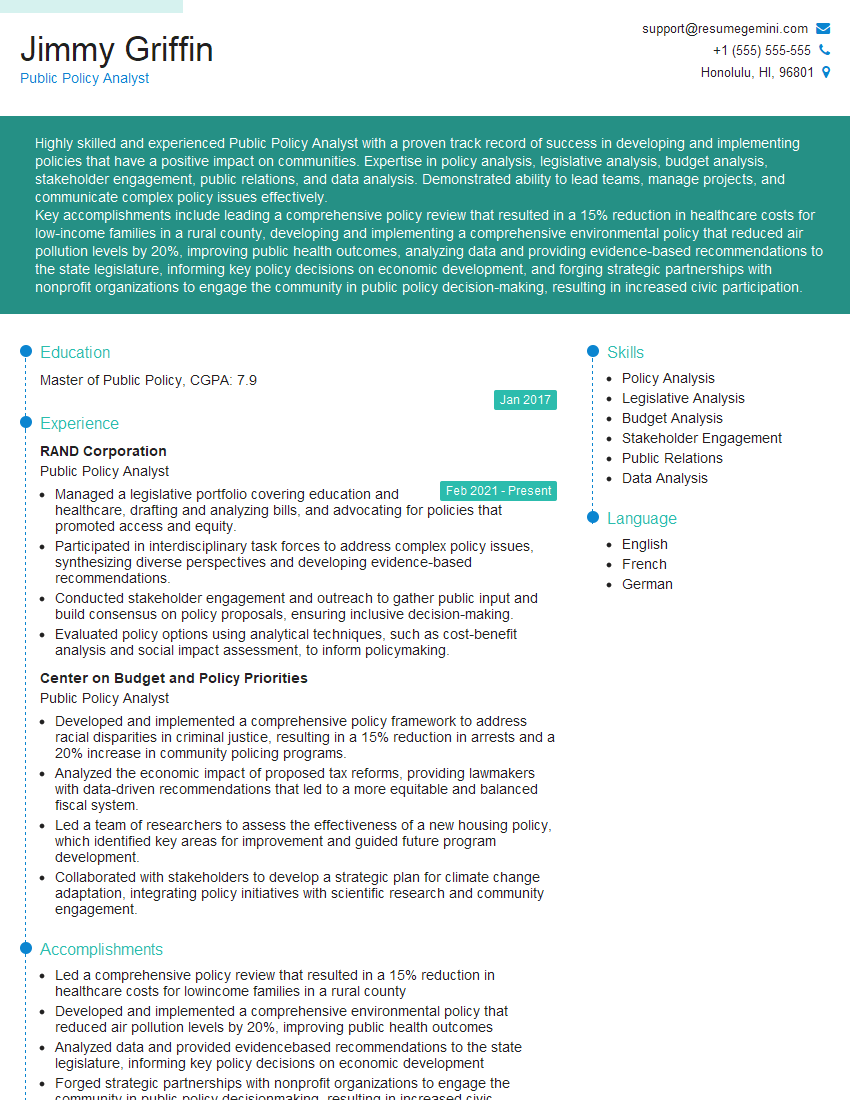
Mastering Public Affairs and Advocacy opens doors to impactful and fulfilling careers, offering the chance to shape policy and improve communities. A strong resume is crucial to showcasing your skills and experience to potential employers. Creating an ATS-friendly resume significantly increases your chances of getting noticed by recruiters. To elevate your resume and maximize your job prospects, we highly recommend using ResumeGemini. ResumeGemini provides a user-friendly platform to build professional, compelling resumes, and we offer examples of resumes tailored specifically to Public Affairs and Advocacy to help you get started.

Explore more articles
Users Rating of Our Blogs
Share Your Experience
We value your feedback! Please rate our content and share your thoughts (optional).
What Readers Say About Our Blog
To the interviewgemini.com Webmaster.
Very helpful and content specific questions to help prepare me for my interview!
Thank you
To the interviewgemini.com Webmaster.
This was kind of a unique content I found around the specialized skills. Very helpful questions and good detailed answers.
Very Helpful blog, thank you Interviewgemini team.