Preparation is the key to success in any interview. In this post, we’ll explore crucial Public Hearing Participation interview questions and equip you with strategies to craft impactful answers. Whether you’re a beginner or a pro, these tips will elevate your preparation.
Questions Asked in Public Hearing Participation Interview
Q 1. Describe your experience managing public comment during a hearing.
Managing public comment during a hearing requires a structured approach that balances efficient time management with ensuring every voice is heard. My experience involves utilizing a pre-registered speaker list to maintain order, employing a time-keeping system to ensure equitable speaking times, and clearly communicating these procedures to participants beforehand. This minimizes disruptions and ensures fairness. I also actively monitor the comments, noting recurring themes and ensuring clarity for both speakers and the decision-makers. For instance, in a recent zoning hearing concerning a new development, I managed over 50 speakers with diverse perspectives, ensuring each comment was recorded and appropriately categorized for later analysis.
In instances where the number of speakers is overwhelming, I implement a system of prioritized comment submissions allowing for written submissions in addition to verbal ones. This provides an additional avenue for participation, whilst ensuring the hearing progresses efficiently.
Q 2. How do you ensure fairness and impartiality in a public hearing?
Ensuring fairness and impartiality in a public hearing hinges on transparency and procedural consistency. This includes:
- Establishing clear guidelines: These guidelines are published in advance and cover rules regarding speaker time limits, acceptable conduct, and the comment submission process. They are also clearly explained at the beginning of the hearing.
- Impartial moderation: My role is to facilitate, not to influence. I remain neutral, ensuring all viewpoints are treated equally, even if I personally disagree with some opinions. I actively prevent any form of bias from impacting the process.
- Equal opportunity: Every individual has an equal chance to speak. We use a sign-up sheet or pre-registration to ensure this. We also cater to accessibility needs, providing interpreters or other assistance when required.
- Detailed record-keeping: Accurate documentation of all comments prevents any later claims of bias or unfair treatment. This documentation includes the speaker’s name, affiliation, and a verbatim record of their comments.
For example, during a hearing about a controversial highway project, I ensured that both proponents and opponents of the project had equal speaking time and opportunities to present their arguments. This commitment to neutrality ensured the integrity of the process.
Q 3. What techniques do you use to facilitate productive dialogue among diverse stakeholders?
Facilitating productive dialogue among diverse stakeholders requires skillful moderation and active listening. My techniques include:
- Structured discussions: Organizing discussions around specific topics allows for focused debate and prevents the conversation from becoming unfocused. This allows for more coherent summarization later.
- Active listening and summarizing: I actively listen to each speaker, summarizing their main points to ensure everyone understands each other’s positions. This avoids misunderstandings and fosters a respectful atmosphere.
- Encouraging respectful communication: I actively intervene when the discussion becomes unproductive or disrespectful. This involves reminding participants of the ground rules and encouraging them to express their views in a constructive manner.
- Identifying common ground: I help stakeholders find common ground by highlighting shared interests and concerns. This can be a powerful tool for bridging divides and finding collaborative solutions.
During a community meeting on a proposed park development, I used these techniques to bridge the gap between residents who wanted more recreational facilities and those who were concerned about environmental impact. By highlighting common goals – such as wanting a vibrant community – I facilitated a more productive dialogue.
Q 4. Explain your process for summarizing and documenting public comments.
My process for summarizing and documenting public comments involves several steps:
- Real-time note-taking: During the hearing, I take detailed notes, capturing the essence of each speaker’s comments. I use a system of abbreviations and keywords for efficiency.
- Audio/Video Recording: The hearing is always audio and/or video recorded to ensure a complete and accurate record. This serves as a backup to my notes and allows for precise transcription later if needed.
- Categorization and Summarization: After the hearing, I categorize comments by topic and summarize the main points of each category. This makes it easier for decision-makers to review and analyze the feedback.
- Preparation of a Summary Report: I produce a formal summary report that includes the number of comments received, a summary of the main themes, and any significant concerns or recommendations raised. This is submitted to the decision-making body.
For example, in a planning commission meeting, my summary report highlighted the strong public support for a bike lane expansion project, alongside concerns about parking availability and traffic flow. This comprehensive report ensured the commissioners received clear feedback from the public.
Q 5. How do you handle disruptive or inappropriate behavior during a public hearing?
Handling disruptive or inappropriate behavior requires a firm but respectful approach. My strategy involves:
- Verbal warnings: A polite but firm warning is usually sufficient to address minor disruptions. This may involve reminding the speaker about the ground rules.
- Temporary suspension: For persistent or serious disruptions, I may temporarily suspend the speaker’s speaking time. This is done with a clear explanation of the reasons.
- Removal from the hearing: In cases of extreme misconduct, such as personal attacks or threats, I may ask security personnel to remove the individual from the hearing.
- Documentation: All instances of disruptive behavior are documented, including the individual’s name, time, and the nature of the disruption. This documentation is included in the hearing record.
For example, if a speaker becomes overly aggressive or uses inappropriate language, I’ll issue a warning. If the behavior continues, I’ll request that they refrain from further participation in the current hearing.
Q 6. What strategies do you use to engage with stakeholders who have opposing viewpoints?
Engaging with stakeholders who have opposing viewpoints requires empathy, active listening, and a focus on finding common ground. My strategies include:
- Neutral facilitation: I create a safe space for respectful dialogue, ensuring all perspectives are heard without bias. I aim to be a facilitator, not an arbiter.
- Active listening and rephrasing: I listen carefully to both sides, and rephrase arguments to ensure understanding and to avoid misinterpretations.
- Identifying shared values: I help stakeholders find areas of common interest, even when their conclusions differ. This helps build bridges and find collaborative solutions.
- Focus on solutions: Rather than emphasizing points of contention, I encourage a focus on potential solutions. This shifts the conversation from confrontation to collaboration.
During a debate on a proposed wind farm, I facilitated discussions between environmental groups concerned about bird populations and community members who supported the project for economic reasons. By highlighting their shared desire for a sustainable future, I helped foster a constructive dialogue and identify compromise solutions.
Q 7. How familiar are you with Robert’s Rules of Order?
I am very familiar with Robert’s Rules of Order. I understand its principles and procedures for conducting meetings, including motions, amendments, voting procedures, and parliamentary procedure in general. My familiarity with Robert’s Rules ensures that public hearings are conducted in a fair, orderly, and efficient manner. While I don’t always strictly adhere to every rule (depending on the context and the specific needs of the hearing), understanding these rules provides a framework for ensuring fairness, preventing procedural chaos, and maintaining decorum. For example, knowing how to handle motions to amend or postpone a decision allows me to manage a potentially complex situation smoothly and maintain a productive flow to the public hearing process.
Q 8. Describe your experience with virtual public hearings and their challenges.
My experience with virtual public hearings spans several years, encompassing various technologies and regulatory contexts. While offering increased accessibility geographically, they present unique challenges. Initially, the biggest hurdle was ensuring equitable participation. Not everyone has reliable internet access or the technical skills to navigate virtual platforms. We’ve had instances where individuals struggled with audio or video, leading to frustration and missed contributions. Additionally, the lack of in-person interaction can diminish engagement. The subtle cues of body language and spontaneous dialogue that facilitate robust discussion are difficult to replicate virtually. For example, during a recent environmental impact assessment hearing, several elderly participants struggled to use the online Q&A system, necessitating extra phone support. We addressed this by implementing multiple access points – telephone, web-based chat, and video conferencing – and offering detailed instructions, including video tutorials. We also found that pre-recording testimony and distributing it ahead of the live session improved engagement and accessibility. Further, creating a virtual waiting room with staff available to resolve technological glitches proved vital.
Q 9. How do you ensure accessibility for all participants in a public hearing?
Ensuring accessibility is paramount. We employ a multi-pronged approach, starting with the design phase. This includes offering multiple formats for hearing materials – large print, Braille, audio, and translated versions – accessible through various methods (email, mail, download). We provide real-time captioning and translation services during the hearing itself. We actively solicit input from disability advocacy groups during planning to proactively identify and address potential barriers. For instance, for a hearing involving a significant infrastructure project, we consulted with organizations representing visually impaired, hearing impaired, and mobility-impaired individuals to ensure the meeting space, physical and virtual, met their needs. This included accessible website design conforming to WCAG guidelines, dedicated sign language interpreters, and ample time for questions and responses. We also extend the comment period to accommodate diverse participation styles.
Q 10. How do you balance the needs of different stakeholder groups with regulatory requirements?
Balancing stakeholder needs with regulatory requirements is a delicate act of diplomacy and careful consideration. Regulations often establish a framework, but they don’t always prescribe a specific solution. This necessitates creative problem-solving and negotiation. For example, in a zoning dispute involving residential development and environmental preservation, we had to reconcile the desires of developers with community concerns about noise pollution and habitat disruption. We facilitated a series of structured workshops with all parties involved to identify common ground and negotiate compromises, using mediation techniques where needed. The regulatory framework provided the parameters, but the process of achieving a balance depended on skillful communication and facilitating constructive dialogue amongst diverse groups with often competing priorities. We eventually achieved a compromise that fulfilled certain regulatory requirements while satisfying the majority of stakeholder concerns, demonstrating the importance of collaborative compromise to balance regulations and diverse voices.
Q 11. Describe a time you had to make a difficult decision during a public hearing.
During a hearing concerning a proposed landfill site, we faced significant opposition from local residents citing environmental and health concerns. The project, however, met all the relevant environmental regulations. The decision of whether to approve the project based solely on regulatory compliance without addressing legitimate community concerns was difficult. I decided to convene an independent scientific review panel, involving experts from various relevant fields, to further assess potential risks. This panel’s findings, which addressed the community’s concerns directly, were presented during a subsequent public hearing, leading to a more informed decision-making process. Transparency and independent verification proved crucial in navigating the opposition and building trust.
Q 12. How do you prioritize and manage multiple stakeholder concerns simultaneously?
Prioritizing and managing multiple stakeholder concerns requires a structured approach. We use a combination of techniques, including thematic analysis of submitted comments, ranking concerns by frequency and severity, and categorizing them into manageable groups. Then, we employ a matrix to track each concern, noting its source, status, and assigned action. This matrix informs the agenda, enabling us to systematically address concerns during the hearing and in subsequent communication. This prevents the process from being overwhelmed by a multitude of individual issues. Visual aids, such as charts and summaries, also aid in communicating the status of these concerns to stakeholders, fostering transparency and trust.
Q 13. What are your strategies for effectively communicating complex information to diverse audiences?
Effectively communicating complex information to diverse audiences necessitates a tailored approach. We begin by identifying the key messages and tailoring the language and format to the specific audience. We use clear, concise language, avoiding jargon. We employ various communication channels – presentations, written summaries, infographics, videos – to reach diverse learning styles. We also utilize visual aids, metaphors, and real-world examples to make the information accessible and relatable. For instance, when explaining complex environmental data related to air quality, we used easily understood maps and infographics rather than relying only on numerical data. Pre-hearing outreach and feedback sessions are key for determining the most effective communication strategies, making sure the chosen methods truly resonate with the audience.
Q 14. How do you handle challenging questions or objections from the public?
Handling challenging questions or objections requires patience, respect, and a commitment to transparency. We acknowledge the validity of concerns, even if we cannot fully address them. We explain the reasoning behind decisions clearly, citing relevant regulations and data. If the question falls outside the scope of the hearing, we acknowledge it and explain how it might be addressed through other channels. Sometimes, we need to redirect the conversation to keep it focused. For example, if the hearing is focused on traffic planning and a participant diverts attention to unrelated land use issues, I politely but firmly guide the discussion back to the agenda, while acknowledging the importance of the participant’s wider concerns. A well-prepared team capable of responding to frequently asked questions also helps manage challenging scenarios smoothly.
Q 15. How do you ensure the accuracy and completeness of the public hearing record?
Ensuring the accuracy and completeness of a public hearing record is paramount for transparency and due process. It’s like creating a meticulously detailed transcript of a crucial meeting, ensuring everyone’s voice is accurately represented.
Detailed Transcription/Recording: We use professional recording equipment and verbatim transcription services to capture every statement and comment accurately. Any discrepancies are immediately flagged and corrected.
Verification and Review: A multi-step verification process is implemented. This includes a review by the transcriptionist, a member of the hearing officer’s team, and ideally, a final check by the hearing officer themselves.
Time-Stamping and Indexing: Each comment is time-stamped for easy retrieval and referencing. A detailed index, organized by speaker or topic, further enhances the record’s usability.
Chain of Custody: Maintaining a clear chain of custody for all recordings and documents ensures authenticity and prevents tampering.
Public Access: The final, verified record is made readily accessible to the public, often online, to guarantee transparency.
For example, in a recent zoning hearing concerning a proposed development, a minor inaccuracy in a witness’s testimony was caught during our verification process. This correction, though seemingly minor, preserved the integrity of the entire record and ensured fair representation of all viewpoints.
Career Expert Tips:
- Ace those interviews! Prepare effectively by reviewing the Top 50 Most Common Interview Questions on ResumeGemini.
- Navigate your job search with confidence! Explore a wide range of Career Tips on ResumeGemini. Learn about common challenges and recommendations to overcome them.
- Craft the perfect resume! Master the Art of Resume Writing with ResumeGemini’s guide. Showcase your unique qualifications and achievements effectively.
- Don’t miss out on holiday savings! Build your dream resume with ResumeGemini’s ATS optimized templates.
Q 16. What is your experience with conflict resolution in a public hearing setting?
Conflict resolution is a critical skill in public hearings, where passionate individuals with differing perspectives often come together. It’s like being a referee in a heated debate, guiding the discussion towards a productive outcome.
Active Listening and Mediation: I actively listen to all sides, identifying the core issues and underlying concerns. I then facilitate a dialogue, helping parties understand each other’s perspectives.
Impartiality and Fairness: I maintain strict impartiality, ensuring all participants have equal opportunity to express their views and that no one feels silenced or unfairly targeted.
Ground Rules and Procedures: Clearly defined ground rules, including time limits and respectful communication guidelines, are established at the outset to maintain order and prevent escalation.
De-escalation Techniques: When tensions rise, I use de-escalation techniques, such as acknowledging emotions, re-framing arguments, and emphasizing shared goals.
Referral to External Resources: If conflicts prove insurmountable within the hearing, I refer parties to appropriate external resources, such as mediation services or conflict resolution specialists.
In one instance, a heated debate arose between a developer and local residents over a proposed highway expansion. By carefully mediating their concerns and focusing on their shared desire for a safe and functional community, I helped reach a compromise that addressed both perspectives.
Q 17. How familiar are you with relevant legislation and regulations concerning public hearings?
My understanding of relevant legislation and regulations concerning public hearings is comprehensive. This includes the procedural aspects, legal requirements for notice, and the rights of participants. It’s like possessing a comprehensive rulebook for conducting a fair and legal public hearing.
State and Local Laws: I possess in-depth knowledge of the specific state and local laws governing public hearings, including requirements for notice, accessibility, and the recording and archiving of proceedings.
Open Meetings Laws: I understand and adhere strictly to open meetings laws, guaranteeing transparency and public access to information.
Due Process Rights: I’m fully aware of the due process rights of all participants, ensuring everyone has an opportunity to be heard and present evidence.
Accessibility Requirements: I ensure compliance with accessibility requirements, making the hearing accessible to people with disabilities, such as providing interpreters and appropriate facilities.
Freedom of Information Laws: I am knowledgeable about Freedom of Information Laws and procedures for managing and disseminating public records.
For example, I recently ensured a public hearing complied with the newly amended state regulations regarding the provision of interpreters for non-English speakers, showcasing my practical understanding of current legislation.
Q 18. Describe your experience working with different government agencies and departments.
My experience working with various government agencies and departments is extensive. This involves understanding their different processes, priorities, and communication styles. It’s like being a skilled diplomat, navigating the complexities of different government entities.
Planning Departments: Collaborated extensively with planning departments on zoning issues, development permits, and environmental impact assessments.
Transportation Departments: Worked closely with transportation departments on highway projects, traffic management plans, and public transit initiatives.
Environmental Agencies: Partnered with environmental agencies to ensure compliance with environmental regulations and address community concerns related to environmental impact.
Public Works Departments: Collaborated with public works departments on infrastructure projects, community improvement initiatives, and addressing public concerns regarding infrastructure maintenance.
Legal Departments: Maintained close communication with legal departments to ensure compliance with all applicable laws and regulations.
For instance, I successfully coordinated a public hearing involving three different agencies – planning, transportation, and environmental – demonstrating my ability to bridge communication gaps between diverse governmental departments.
Q 19. How do you maintain objectivity and impartiality when dealing with strong opinions?
Maintaining objectivity and impartiality when dealing with strong opinions is crucial. It’s like being a judge, ensuring a fair trial even when faced with passionate arguments.
Structured Procedures: Following established procedures helps to ensure that all viewpoints are given equal consideration.
Focus on Facts: I focus on the facts presented rather than being swayed by emotional appeals.
Equal Treatment of Participants: I ensure all participants are treated with respect and given equal opportunity to express their views.
Conflict of Interest Management: I always disclose any potential conflicts of interest.
Self-Reflection and Review: I regularly review my performance to identify and address any potential biases.
In a controversial hearing regarding a proposed landfill, I managed to remain impartial despite intense public opposition, skillfully guiding the process and ensuring all perspectives were considered fairly.
Q 20. What is your experience with preparing agendas and conducting public hearings?
My experience in preparing agendas and conducting public hearings is extensive. It’s a multifaceted process, akin to orchestrating a well-run meeting with diverse stakeholders.
Agenda Development: Agendas are crafted to be clear, concise, and inclusive, providing ample time for public input and addressing all relevant topics.
Notice and Outreach: Effective notice and outreach strategies are employed to ensure broad public awareness and participation.
Meeting Facilitation: I skillfully facilitate meetings, guiding discussions, managing time effectively, and ensuring respectful interactions among participants.
Record Keeping: Comprehensive records of all proceedings are maintained, including verbatim transcriptions, exhibits, and other relevant documents.
Post-Hearing Procedures: Post-hearing procedures are followed diligently, including summarizing public input, preparing reports, and disseminating findings.
For example, I recently orchestrated a highly successful public hearing regarding a proposed city park, resulting in constructive public engagement and a well-informed decision-making process.
Q 21. How do you ensure the timely completion of public hearing processes?
Ensuring timely completion of public hearing processes requires careful planning and effective management. It’s like running a well-organized project with clear deadlines.
Project Planning: A detailed project plan is created with clear timelines, milestones, and responsibilities.
Resource Allocation: Appropriate resources, including personnel, facilities, and technology, are allocated to ensure efficient process flow.
Communication and Coordination: Consistent communication and effective coordination among stakeholders are maintained to keep the process on track.
Proactive Problem Solving: Potential problems are identified and addressed proactively to avoid delays.
Regular Monitoring and Evaluation: The process is regularly monitored and evaluated to identify and correct any deviations from the plan.
By adhering to a meticulously planned timeline and efficiently managing various stakeholders’ inputs, I ensured that a recent environmental impact assessment hearing concluded on time, enabling a prompt decision on the proposed project.
Q 22. Describe your experience with analyzing public input and incorporating it into decision-making.
Analyzing public input is crucial for effective decision-making. My approach involves a multi-stage process. First, I meticulously review all submitted comments, transcribing audio recordings where necessary. This includes categorizing feedback by topic (e.g., environmental concerns, economic impacts, social equity issues). Then, I use qualitative analysis techniques to identify recurring themes, sentiments, and the overall strength of support or opposition for different aspects of the proposal. Finally, I create a comprehensive summary report that presents this analysis, highlighting key findings and potential areas of conflict or consensus. This report then informs the decision-making process, helping stakeholders understand the public’s perspective and allowing for informed, evidence-based decisions. For example, in a recent zoning project, public input revealed strong opposition to increased traffic congestion. This feedback directly influenced the final decision, leading to adjustments in the project’s design to mitigate traffic impacts.
Q 23. How do you measure the success of a public hearing?
Measuring the success of a public hearing isn’t simply about attendance numbers; it’s about evaluating its impact on the decision-making process and public perception. I use a multifaceted approach. This includes analyzing the quantity and quality of public input received; a high volume of well-articulated comments indicates engagement. I also assess whether the hearing process felt fair and transparent to participants, gauging this through feedback surveys or post-hearing analysis of social media commentary. Ultimately, the success is measured by how effectively the public’s input shaped the final decision and whether the outcome fostered public trust and acceptance. For instance, a successful hearing might result in a revised project plan that directly addresses significant public concerns, leading to increased public support for the final outcome.
Q 24. What technology and software are you familiar with for conducting and recording public hearings?
I’m proficient in various technologies for conducting and recording public hearings. I have extensive experience using video conferencing platforms like Zoom and Microsoft Teams, which enable remote participation and recording. For live streaming, platforms such as YouTube Live are invaluable for broader reach and accessibility. I’m also familiar with transcription services that automate the process of converting audio recordings into text, aiding in analysis. Software like Otter.ai or Trint are incredibly helpful for this purpose. Moreover, I’m skilled in using digital platforms to manage public input, such as online comment portals which allow for efficient collection, organization, and review of comments submitted before, during, or after the hearing.
Q 25. Explain your experience in summarizing and reporting on the outcomes of public hearings.
Summarizing and reporting on public hearing outcomes requires careful attention to detail and accuracy. My process starts with a thorough review of all the gathered information—transcripts, recordings, and written submissions. I identify key themes, summarize the main points of view expressed, and quantify the level of support or opposition to the proposals under consideration. The report is structured to be clear, concise, and accessible to a broad audience, avoiding technical jargon whenever possible. It includes a section dedicated to recommendations based on the public input analysis. For example, a recent report included a detailed breakdown of public concerns related to environmental impact, and suggested mitigation strategies based on community feedback. The report is typically presented to decision-makers to inform their final choice, and a public summary may also be issued to enhance transparency.
Q 26. How do you address concerns about transparency and public access during a public hearing?
Transparency and public access are paramount. I ensure this by employing several strategies. First, we widely publicize the hearing dates, times, and locations through various channels: local newspapers, websites, social media, and community announcements. We provide information in multiple languages and accessible formats (e.g., large print, audio versions) for inclusivity. The hearing itself is live-streamed and recorded for those unable to attend in person. A clear process for submitting written comments in advance or during the hearing is established. Furthermore, all submitted comments and the final summary report are made publicly available on the project website for complete transparency. This proactive approach helps to build public trust and ensures everyone has the opportunity to participate.
Q 27. How would you handle a situation where a public hearing is disrupted by a large protest?
Managing a disrupted hearing requires a calm and decisive approach. My first priority is ensuring the safety and security of all attendees. I would coordinate with law enforcement to maintain order and control the situation. Depending on the nature and severity of the disruption, options include pausing the hearing temporarily, clearing the room if necessary, or redirecting the protestors to a designated area for expressing their concerns. It’s crucial to attempt to de-escalate the situation through respectful communication, explaining the procedures in place for public participation and encouraging respectful dialogue. If a safe and orderly continuation is impossible, the hearing might be adjourned and rescheduled, with clear communication to the public on the revised plans. However, every effort must be made to ensure all voices, even those protesting, are heard in a fair and equitable manner.
Q 28. What are the ethical considerations you prioritize during public hearing participation?
Ethical considerations are fundamental to my work. Impartiality is crucial – I strive to treat all participants equally, regardless of their viewpoints. I ensure accuracy and fairness in summarizing public input, avoiding bias in my analysis and reporting. Confidentiality is also vital; I protect the privacy of individuals who share personal information during the hearing. Transparency is a core principle, providing complete and accurate information to all stakeholders. Finally, I uphold the principles of due process and procedural fairness, ensuring all participants have the opportunity to express their views and have those views considered in the decision-making process. For instance, I would be careful to avoid selectively quoting comments to support a pre-determined conclusion. Integrity and objectivity are guiding principles that shape my approach.
Key Topics to Learn for Public Hearing Participation Interview
- Understanding the Public Hearing Process: Grasp the stages of a public hearing, from initial announcements to final decisions. Explore the roles of different participants (e.g., chairperson, speakers, audience).
- Effective Communication Strategies: Practice concise and persuasive speaking techniques. Learn how to articulate your points clearly, respond to questions confidently, and maintain composure under pressure. Consider techniques for addressing potentially hostile or challenging audiences.
- Stakeholder Engagement and Persuasion: Understand how to identify key stakeholders and tailor your message to resonate with their specific concerns and interests. Practice building consensus and navigating differing perspectives.
- Ethical Considerations and Best Practices: Familiarize yourself with ethical guidelines for public participation, including respectful communication, accurate information, and transparency.
- Analyzing and Interpreting Data: Learn how to effectively utilize data and research to support your arguments in a public hearing setting. Practice presenting complex information in a clear and understandable manner.
- Preparing and Delivering Effective Presentations: Master the art of structuring a compelling presentation, incorporating visual aids, and managing your time effectively. Practice your delivery to ensure confidence and clarity.
- Handling Difficult Questions and Objections: Develop strategies for gracefully handling challenging questions and objections during a public hearing. Practice maintaining composure and professionalism even in stressful situations.
Next Steps
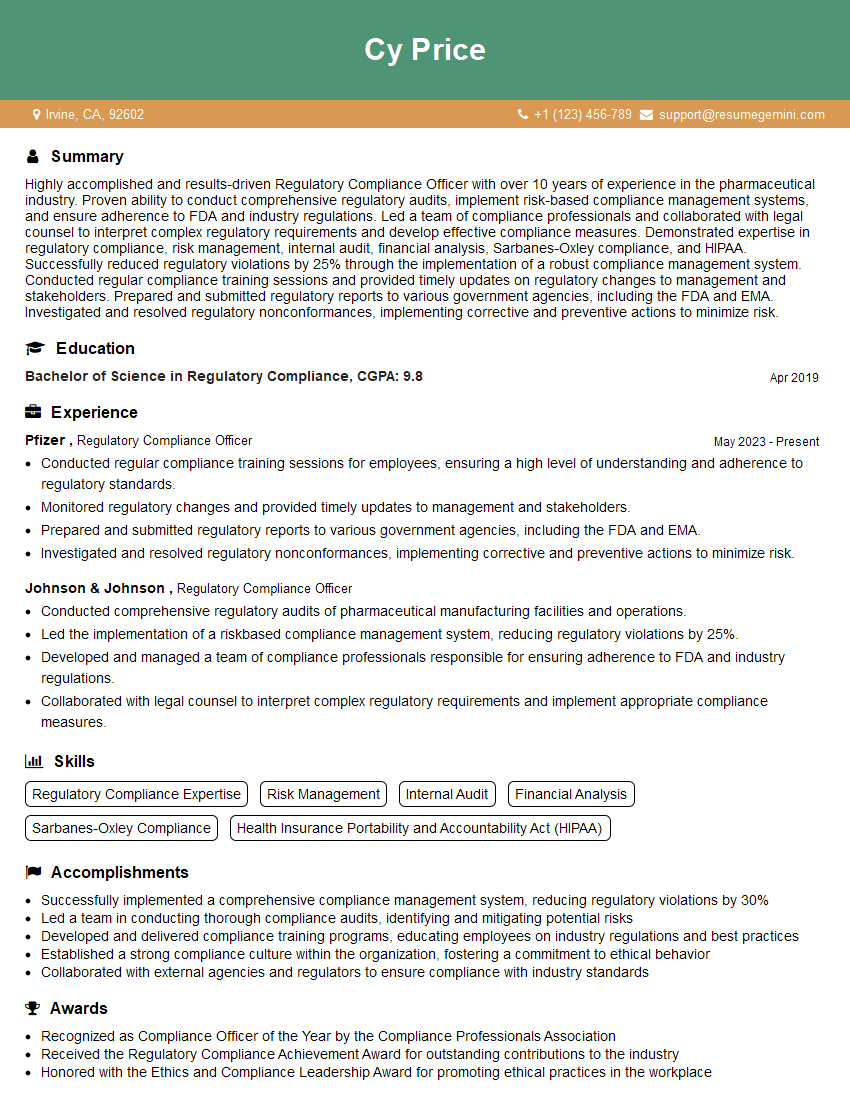
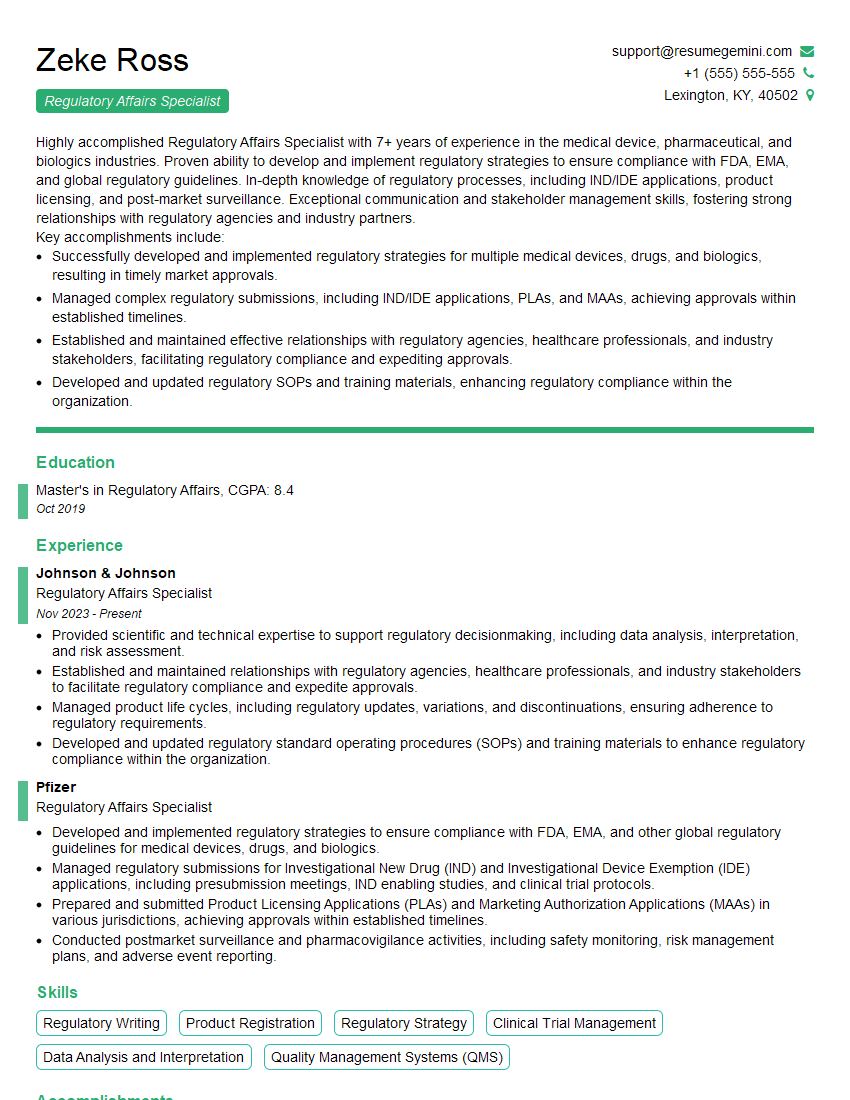
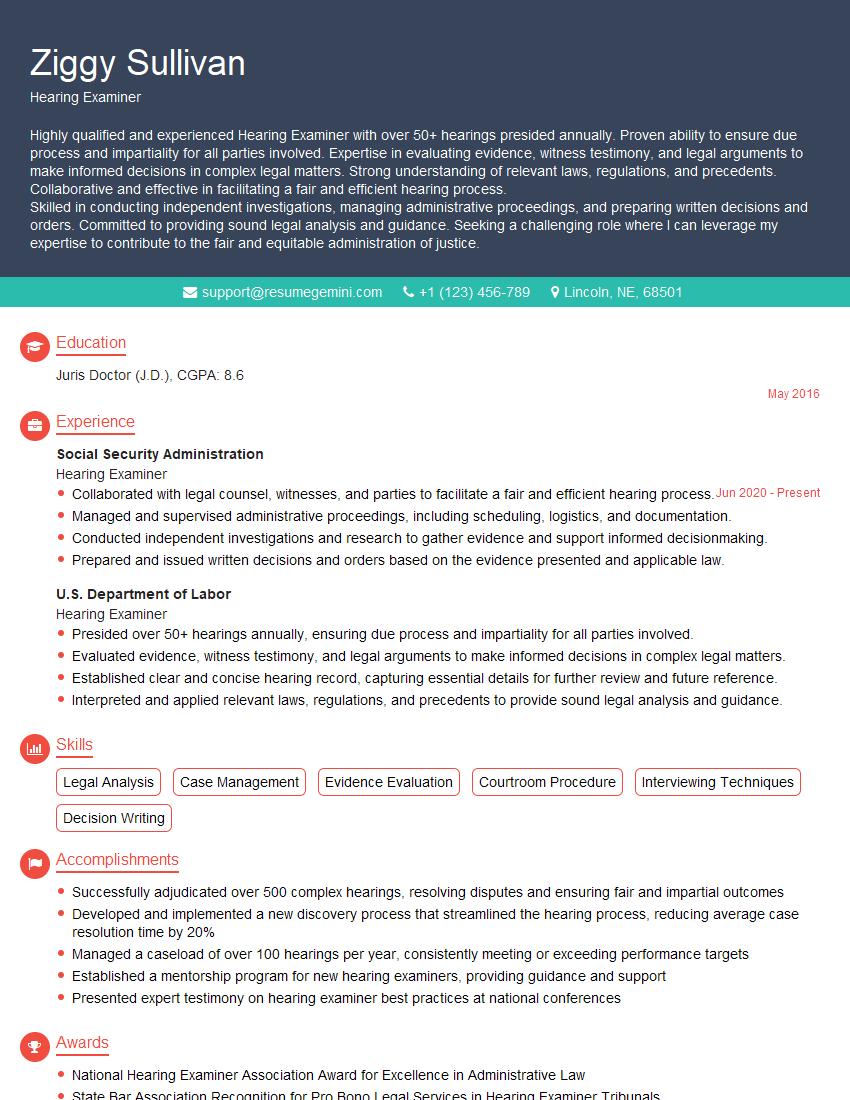
Mastering public hearing participation significantly enhances your career prospects, demonstrating valuable skills in communication, advocacy, and stakeholder engagement. These are highly sought-after qualities across many sectors. To maximize your job search success, focus on creating an ATS-friendly resume that effectively highlights these skills. ResumeGemini is a trusted resource to help you build a professional and impactful resume. We provide examples of resumes tailored to Public Hearing Participation to help you get started. Invest time in crafting a compelling resume—it’s your first impression on potential employers.
Explore more articles
Users Rating of Our Blogs
Share Your Experience
We value your feedback! Please rate our content and share your thoughts (optional).
What Readers Say About Our Blog
To the interviewgemini.com Webmaster.
Very helpful and content specific questions to help prepare me for my interview!
Thank you
To the interviewgemini.com Webmaster.
This was kind of a unique content I found around the specialized skills. Very helpful questions and good detailed answers.
Very Helpful blog, thank you Interviewgemini team.