The right preparation can turn an interview into an opportunity to showcase your expertise. This guide to Public Infrastructure Planning and Development interview questions is your ultimate resource, providing key insights and tips to help you ace your responses and stand out as a top candidate.
Questions Asked in Public Infrastructure Planning and Development Interview
Q 1. Describe your experience with different project delivery methods (e.g., Design-Bid-Build, Design-Build, CM at Risk).
Project delivery methods dictate how a project is planned, designed, and constructed. My experience spans three primary methods: Design-Bid-Build, Design-Build, and Construction Management at Risk (CM at Risk).
- Design-Bid-Build: This traditional approach separates design and construction. The owner hires a designer, then solicits bids from contractors based on the completed design. It’s straightforward but can lead to unforeseen costs and delays if design flaws emerge during construction. For example, I worked on a highway overpass project using this method. While the bidding process was competitive, subsequent unforeseen geological challenges led to significant cost overruns and schedule delays.
- Design-Build: Here, a single entity is responsible for both design and construction. This approach streamlines the process, fosters better communication, and allows for quicker problem-solving, often leading to cost savings and faster completion. I utilized this method on a large-scale water treatment plant where the integrated design and construction approach resulted in a 15% cost reduction compared to projected Design-Bid-Build estimates.
- CM at Risk: A construction manager acts as an advisor to the owner during the design phase and then takes on the risk of constructing the project within a guaranteed maximum price (GMP). This combines the benefits of both previous methods, offering cost certainty while allowing for design flexibility. A recent airport terminal expansion project leveraged CM at Risk. The GMP ensured budget control, and the CM’s expertise helped mitigate potential risks associated with complex airport operations during construction.
Q 2. Explain your understanding of Life Cycle Cost Analysis (LCCA) in infrastructure projects.
Life Cycle Cost Analysis (LCCA) is a crucial tool for evaluating the total cost of an infrastructure asset over its entire lifespan, from planning and construction to operation, maintenance, and eventual demolition or rehabilitation. It goes beyond the initial capital cost to encompass all future expenses and revenues.
Understanding LCCA allows informed decision-making. For example, choosing materials with a higher upfront cost but lower long-term maintenance needs can be financially advantageous over cheaper alternatives that require frequent repairs. We used LCCA on a bridge project. By comparing different material options for the deck, we found that while high-performance concrete had a higher initial cost, its longer lifespan and reduced maintenance needs resulted in significant lifecycle cost savings compared to traditional concrete.
A comprehensive LCCA considers factors like:
- Initial construction costs
- Operating and maintenance costs
- Rehabilitation and repair costs
- Replacement costs
- Energy consumption
- Residual value
Software tools and specialized expertise are often employed to perform accurate LCCAs. The results are presented in a format that facilitates easy comparison of different design alternatives and investment scenarios.
Q 3. How do you prioritize infrastructure projects given limited budgets and competing needs?
Prioritizing infrastructure projects with limited budgets demands a structured approach. I typically use a multi-criteria decision analysis (MCDA) framework, combining quantitative and qualitative factors.
Steps involved:
- Identify potential projects: This involves a thorough assessment of community needs and infrastructure deficiencies.
- Develop evaluation criteria: This includes factors such as cost, community impact, environmental impact, economic benefits, safety, and urgency. Weights are assigned to each criterion based on their relative importance.
- Gather data: Collect relevant data for each project, using metrics such as cost-benefit ratios, risk assessments, and stakeholder feedback.
- Score projects: Each project is scored against each criterion. These scores are then weighted based on their relative importance.
- Rank projects: Projects are ranked based on their total weighted scores. This provides a prioritized list for budget allocation.
- Sensitivity analysis: This involves testing the robustness of the ranking by varying the weights assigned to the criteria. This helps to identify the most critical factors influencing the prioritization.
For example, in a city facing aging water infrastructure and growing traffic congestion, we used this approach to prioritize replacing critical water mains over building a new highway bypass. Although the bypass had high community support, the analysis showed the water main replacement had a higher risk of failure, posing a greater threat to public health and safety, thus warranting higher priority.
Q 4. What are the key considerations for incorporating sustainable design principles into infrastructure projects?
Sustainable design in infrastructure is crucial for long-term environmental and economic viability. Key considerations include:
- Material selection: Using recycled, locally sourced, and low-embodied carbon materials reduces environmental impact and transportation costs. We recently incorporated reclaimed asphalt pavement (RAP) in a road resurfacing project, reducing the need for new materials and landfill waste.
- Energy efficiency: Designing for energy efficiency minimizes operational costs and reduces greenhouse gas emissions. This includes using energy-efficient lighting, employing renewable energy sources, and optimizing building design for natural ventilation and daylighting.
- Water management: Implementing strategies for stormwater management, water reuse, and water conservation minimizes environmental impact and reduces water bills. We incorporated green infrastructure elements like permeable pavements and rainwater harvesting systems in a recent urban development project.
- Waste reduction: Minimizing waste generation during construction and operation through careful planning and material selection is crucial. Implementing a construction and demolition waste management plan helps divert waste from landfills.
- Lifecycle assessment: Conducting a full life cycle assessment of materials and systems allows for a comprehensive evaluation of environmental impacts throughout the project’s lifespan.
- Resilience: Designing infrastructure to withstand climate change impacts such as extreme weather events is critical. This involves incorporating design features that enhance the resilience of infrastructure systems to natural disasters.
By incorporating these principles, we ensure projects are environmentally responsible, economically viable, and create long-term value for the community.
Q 5. Describe your experience with environmental impact assessments and permitting processes.
Environmental impact assessments (EIAs) are critical for evaluating the potential effects of infrastructure projects on the environment. My experience includes conducting and overseeing EIAs for a wide range of projects, from highway construction to renewable energy developments.
The EIA process typically involves:
- Scoping: Defining the project’s boundaries and potential impacts.
- Baseline data collection: Gathering data on existing environmental conditions.
- Impact prediction: Assessing the potential impacts of the project on various environmental components (air, water, noise, biodiversity, etc.).
- Mitigation measures: Identifying measures to minimize negative impacts.
- Public consultation: Engaging with stakeholders and the public to obtain feedback.
- Report preparation: Documenting the findings and recommendations.
Following the EIA, obtaining necessary permits from regulatory agencies is vital. This process varies depending on the project’s location and scale, often involving multiple agencies and extensive documentation. My expertise ensures the projects meet all environmental regulations and receive the necessary permits efficiently.
Navigating environmental regulations and engaging with relevant agencies effectively is crucial for project success. I have successfully managed EIA processes and permitting for several complex projects, ensuring timely completion and compliance with all applicable laws.
Q 6. How do you manage stakeholder engagement and communication throughout a project’s lifecycle?
Effective stakeholder engagement is paramount for successful infrastructure projects. It involves proactive communication and collaboration throughout the project lifecycle. My approach emphasizes transparency and inclusivity.
Key strategies include:
- Early stakeholder identification: Identifying all relevant stakeholders—residents, businesses, community groups, government agencies, etc.—from the project’s inception.
- Regular communication: Establishing clear and consistent communication channels, such as newsletters, public meetings, websites, and social media.
- Feedback mechanisms: Providing opportunities for stakeholders to provide input and feedback at various stages of the project.
- Conflict resolution: Developing strategies for addressing conflicts and disagreements among stakeholders.
- Transparency and accountability: Maintaining transparency about project progress, costs, and potential impacts.
In a recent highway widening project, I employed a multi-faceted communication strategy, including regular public forums, online surveys, and direct engagement with affected businesses. This proactive engagement mitigated potential opposition and ensured the project proceeded smoothly.
Q 7. Explain your experience with risk management in infrastructure projects.
Risk management is crucial in infrastructure projects, where unforeseen circumstances can significantly impact costs and schedules. My approach employs a proactive, multi-layered risk management framework.
Key elements include:
- Risk identification: Identifying potential risks through brainstorming sessions, checklists, and historical data analysis. Risks include technical challenges, environmental concerns, funding constraints, and stakeholder disputes.
- Risk assessment: Evaluating the likelihood and potential impact of each identified risk. This often involves a qualitative or quantitative assessment using risk matrices.
- Risk response planning: Developing strategies to mitigate or avoid identified risks. This could involve contingency planning, risk transfer through insurance, or risk acceptance.
- Risk monitoring and control: Regularly monitoring identified risks and implementing corrective actions as needed. This often involves regular progress reports, meetings, and risk audits.
For instance, during a large dam construction project, we identified the risk of flooding during heavy rainfall. Our risk response involved implementing robust drainage systems and developing a detailed emergency response plan. This proactive approach enabled us to successfully mitigate the risks and complete the project on schedule.
Q 8. Describe your proficiency in using GIS software for planning and analysis.
GIS software is indispensable for public infrastructure planning. My proficiency extends beyond basic mapping; I’m adept at utilizing advanced spatial analysis tools for everything from site selection and network optimization to impact assessment and visualization. I’m comfortable working with various GIS platforms, including ArcGIS, QGIS, and MapInfo Pro.
For example, in a recent project involving the expansion of a city’s public transportation system, I used ArcGIS to analyze population density, traffic patterns, and existing infrastructure to identify optimal locations for new bus stops and light rail stations. This involved overlaying various datasets – demographic data, road networks, and land use information – to create a comprehensive spatial model. The results guided decision-making, leading to a more efficient and cost-effective expansion plan. I also used geoprocessing tools to perform network analysis and identify potential bottlenecks, ensuring the proposed system could effectively meet the city’s needs.
Furthermore, I’m skilled in creating interactive maps and dashboards that communicate complex spatial data to stakeholders effectively. This visual representation helps build consensus and ensures everyone is on the same page, promoting transparency and stakeholder engagement throughout the planning process.
Q 9. How do you ensure projects are completed on time and within budget?
Ensuring project completion on time and within budget requires a proactive and multi-faceted approach. It begins with meticulous planning, encompassing detailed budgeting, realistic scheduling, and the identification and mitigation of potential risks.
I employ robust project management methodologies, such as Agile and PRINCE2, adapting them to the specific needs of each project. This includes defining clear deliverables, establishing milestones with associated deadlines, and regularly tracking progress against the baseline schedule and budget.
Regular monitoring and reporting are critical. I use project management software to track tasks, resources, and expenses, allowing for early identification of potential issues. For example, if a particular task is falling behind schedule, I immediately investigate the cause – be it resource constraints, unforeseen delays, or scope creep – and implement corrective actions. This may involve reallocating resources, adjusting the schedule, or negotiating with stakeholders to adjust the scope. Open communication with all stakeholders is vital to maintain transparency and manage expectations.
Finally, a strong emphasis on risk management is crucial. This involves identifying potential risks early on, assessing their likelihood and impact, and developing strategies to mitigate them. Having contingency plans in place for foreseeable challenges ensures the project stays on track even when things don’t go exactly as planned.
Q 10. What is your experience with public-private partnerships (PPPs) in infrastructure development?
Public-Private Partnerships (PPPs) are a powerful tool for financing and delivering large-scale infrastructure projects. My experience includes working on several projects that leveraged PPP models, primarily focusing on the development of transportation infrastructure, such as toll roads and bridges.
Understanding the intricacies of PPP agreements is essential. This includes negotiating contracts, managing relationships between public and private sector partners, and ensuring compliance with regulatory frameworks. A successful PPP requires careful consideration of risk allocation – identifying which risks are best borne by the public sector versus the private sector.
For instance, in a project involving the construction of a new highway, we structured the PPP to have the private sector responsible for design, construction, and financing, while the public sector retained responsibility for land acquisition and regulatory approvals. This approach effectively transferred some of the financial risk to the private sector, reducing the burden on public funds. Effective communication and transparent decision-making processes were crucial for maintaining positive relationships between the partners throughout the project lifecycle.
Q 11. Explain your understanding of different funding mechanisms for infrastructure projects.
Infrastructure projects require diverse funding mechanisms, and a deep understanding of these options is crucial for successful project development. Common funding sources include:
- Public Funding: This involves direct funding from government budgets at the local, regional, or national levels. This can include grants, loans, or direct appropriations.
- Private Funding: This includes investments from private equity firms, banks, and other private sector entities. This may take the form of equity investments, loans, or bonds.
- Public-Private Partnerships (PPPs): As described earlier, these combine public and private funding and risk-sharing to deliver projects.
- Tax Increment Financing (TIF): This method captures increases in property tax revenues generated by a project to help finance it.
- Bonds: Municipal bonds, revenue bonds, and other types of bonds can be issued to raise capital for infrastructure projects.
- Grants and Subsidies: Federal, state, and local governments often offer grants and subsidies to support projects that align with public policy goals.
Selecting the optimal funding strategy necessitates a comprehensive financial analysis considering project costs, potential revenues, risk tolerance, and the long-term financial implications for both the public and private sectors.
Q 12. How do you handle conflicts between different stakeholders in an infrastructure project?
Stakeholder management is paramount in infrastructure projects, given the often-conflicting interests of various groups. Handling conflicts requires a proactive and collaborative approach, emphasizing open communication and transparency.
My approach involves:
- Early Stakeholder Engagement: Identifying all stakeholders early in the project lifecycle and engaging them throughout the process. This allows for early identification and resolution of potential conflicts.
- Establish Clear Communication Channels: Setting up formal and informal channels for communication to ensure consistent information flow and address concerns promptly.
- Facilitation and Mediation: Employing effective facilitation and mediation techniques to manage disputes and help stakeholders reach mutually acceptable solutions.
- Transparency and Inclusivity: Maintaining transparent decision-making processes, ensuring all stakeholders have a voice and feel heard. This reduces mistrust and promotes collaborative problem-solving.
- Documenting Agreements: Formally documenting any agreements reached, outlining responsibilities and commitments.
For example, when faced with community opposition to a proposed highway route, I facilitated a series of public forums to address concerns, collect feedback, and incorporate community input into the design and planning process. This collaborative approach helped resolve conflicts and build community support for the project.
Q 13. Describe your experience with developing and managing project schedules.
Developing and managing project schedules is a cornerstone of successful infrastructure project delivery. I leverage various project scheduling techniques and tools to create realistic and achievable timelines.
This starts with a detailed work breakdown structure (WBS) that decomposes the project into smaller, manageable tasks. Then, I use tools like Microsoft Project or Primavera P6 to create a critical path method (CPM) schedule, identifying critical tasks and their dependencies. This allows for a clear visualization of the project timeline, highlighting potential bottlenecks and delays.
Regular monitoring and updates are crucial. I incorporate buffer time into the schedule to account for unforeseen delays and regularly review the progress against the baseline schedule. If issues arise, I use earned value management (EVM) techniques to assess project performance and implement corrective actions. This may involve adjusting task durations, reallocating resources, or revisiting the project scope. The key is proactive management, anticipating potential problems and mitigating their impact before they significantly affect the project timeline.
Q 14. How do you utilize data analytics to inform infrastructure planning decisions?
Data analytics plays a vital role in informing effective infrastructure planning decisions. I utilize various analytical techniques to derive insights from diverse data sources, leading to more informed, data-driven decisions.
Examples include:
- Predictive Modeling: Using historical data and statistical models to forecast future infrastructure needs, such as traffic volume or energy demand. This aids in capacity planning and resource allocation.
- Network Analysis: Analyzing transportation networks or utility grids to optimize performance, identify vulnerabilities, and improve efficiency. This involves assessing factors like travel time, congestion, and network reliability.
- Spatial Analysis: Integrating geographic data with other datasets (demographic, economic, environmental) to evaluate the spatial impacts of infrastructure projects. This helps optimize project location, minimize environmental effects, and ensure equitable distribution of benefits.
- Risk Assessment: Employing statistical analysis to quantify and assess the risks associated with infrastructure projects, such as natural hazards, construction delays, or cost overruns. This allows for proactive risk mitigation strategies.
By leveraging data analytics, we move from intuition-based planning to evidence-based decision-making, leading to more sustainable, efficient, and resilient infrastructure systems.
Q 15. Explain your understanding of traffic engineering principles and their application in planning.
Traffic engineering principles are the foundation of efficient and safe transportation systems. They involve the study of traffic flow, the design of roadways and intersections, and the implementation of strategies to manage traffic congestion and improve safety. These principles are applied throughout the planning process, from initial feasibility studies to detailed design and construction.
For example, understanding traffic volume and speed distributions helps determine appropriate lane widths and signal timing. Analyzing peak hour demands allows us to size roadways and intersections effectively, preventing bottlenecks. Incorporating roundabouts instead of traditional intersections can improve traffic flow and safety, reducing conflict points and delays. Another critical aspect is the use of traffic simulation software to model different scenarios and optimize design parameters before construction begins. This prevents costly rework later in the project.
- Capacity Analysis: Determining the maximum number of vehicles a roadway segment can handle.
- Signal Timing Optimization: Adjusting traffic signals to minimize delays and improve throughput.
- Geometric Design: Designing roadways and intersections with appropriate curves, grades, and sight distances.
- Traffic Management Strategies: Implementing strategies such as reversible lanes, ramp metering, and incident management to alleviate congestion.
Career Expert Tips:
- Ace those interviews! Prepare effectively by reviewing the Top 50 Most Common Interview Questions on ResumeGemini.
- Navigate your job search with confidence! Explore a wide range of Career Tips on ResumeGemini. Learn about common challenges and recommendations to overcome them.
- Craft the perfect resume! Master the Art of Resume Writing with ResumeGemini’s guide. Showcase your unique qualifications and achievements effectively.
- Don’t miss out on holiday savings! Build your dream resume with ResumeGemini’s ATS optimized templates.
Q 16. Describe your experience with transportation modeling software (e.g., TransCAD, VISSIM).
I have extensive experience using various transportation modeling software packages, including TransCAD and VISSIM. TransCAD is particularly useful for network analysis, trip generation modeling, and assignment of traffic flows to the network. I’ve utilized it in numerous projects to predict traffic volumes under various scenarios, such as new development or infrastructure improvements. For instance, in a recent project involving a highway expansion, we used TransCAD to model the impacts of adding an additional lane, comparing the resulting traffic flows and congestion levels to the existing conditions. This allowed us to justify the project based on quantifiable improvements in travel times and reduced congestion.
VISSIM, on the other hand, is a microscopic simulation software. I’ve used it to model the detailed behavior of individual vehicles at intersections and along roadways. This is particularly useful for evaluating the safety and efficiency of different intersection designs or traffic control strategies. For example, we used VISSIM to simulate the performance of a proposed roundabout, optimizing its geometry and traffic signal phasing to minimize delays and ensure pedestrian safety. The simulations provided visual representations of traffic flow and key performance indicators, allowing stakeholders to fully understand the benefits.
Q 17. How do you ensure the safety of workers and the public during infrastructure construction?
Ensuring worker and public safety during infrastructure construction is paramount. This requires a multi-pronged approach that begins with meticulous planning and extends throughout the construction process. A comprehensive safety plan is crucial, outlining specific procedures and risk mitigation strategies.
This plan should include:
- Detailed Site Safety Assessments: Identifying potential hazards such as trench collapses, falling objects, and heavy machinery operations.
- Traffic Control Measures: Implementing effective traffic control strategies, including signage, barricades, and flag persons, to protect both workers and the public from moving vehicles.
- Worker Training and PPE: Providing comprehensive safety training to all workers and ensuring they use appropriate personal protective equipment (PPE).
- Regular Safety Inspections: Conducting frequent inspections of the worksite to identify and address any potential hazards.
- Emergency Response Plans: Developing detailed emergency response plans to handle incidents such as accidents, fires, or medical emergencies.
- Public Communication: Keeping the public informed about construction activities and potential disruptions through clear and consistent communication channels.
For example, in a recent bridge construction project, we employed a sophisticated traffic management system with advanced warning signs and temporary lane closures, minimizing traffic disruption and ensuring worker safety.
Q 18. Explain your understanding of different pavement design and maintenance strategies.
Pavement design and maintenance strategies are critical for ensuring the long-term performance and safety of roadways. Several factors influence the selection of a suitable pavement design, including traffic volume, environmental conditions, and available budget. Common pavement types include flexible pavements (e.g., asphalt) and rigid pavements (e.g., concrete).
Flexible Pavements: These pavements are designed using layers of aggregate and asphalt binder, offering flexibility and adaptability to various soil conditions. Maintenance strategies include regular patching, crack sealing, and surface treatments.
Rigid Pavements: These pavements utilize concrete slabs, offering high durability and load-bearing capacity. Maintenance involves joint sealing, crack repair, and potentially overlaying with new concrete.
Pavement Management Systems (PMS): These sophisticated systems utilize data from pavement condition assessments, traffic counts, and environmental factors to optimize pavement maintenance and rehabilitation schedules, maximizing the lifespan of the pavement while minimizing costs. They often incorporate predictive modeling to forecast future pavement deterioration and prioritize maintenance activities.
For instance, we used a PMS in a recent project to identify sections of a highway requiring immediate attention, preventing more costly repairs down the line. By prioritizing repairs based on data-driven insights, we were able to optimize resource allocation and maximize the longevity of the pavement structure.
Q 19. Describe your experience with water resources management and planning.
My experience in water resources management and planning encompasses various aspects, from water supply planning and stormwater management to wastewater treatment and flood control. I have been involved in projects ranging from developing water resource master plans for municipalities to designing and implementing sustainable stormwater management systems for urban areas. This work often involves collaborating with various stakeholders, including government agencies, environmental groups, and the public.
For example, I worked on a project to develop a comprehensive water resource management plan for a rapidly growing city. This involved analyzing current water supply and demand, assessing future needs based on population projections and economic development, and identifying potential water sources and infrastructure upgrades. We developed strategies for water conservation, reuse, and supply augmentation, incorporating sustainable practices and ensuring the long-term sustainability of the water supply.
Another important aspect of my work is stormwater management. I’ve designed and implemented various stormwater management systems, such as green infrastructure solutions (rain gardens, bioswales) and low impact development techniques. These systems are crucial for reducing the impact of urbanization on water quality and mitigating the risks of flooding.
Q 20. How do you incorporate resilience into infrastructure design to mitigate the impacts of climate change?
Incorporating resilience into infrastructure design is essential for mitigating the impacts of climate change. This involves considering a wide range of climate-related hazards, such as extreme weather events, sea-level rise, and increased temperatures. The goal is to design and build infrastructure that can withstand these events and continue to function effectively even under stress.
Strategies for building resilient infrastructure include:
- Design for extreme events: Designing structures to withstand extreme loads and stresses associated with events such as hurricanes, floods, and earthquakes.
- Redundancy and diversification: Building redundancy into systems to ensure that if one component fails, others can take over. This might involve multiple water supply sources or diverse transportation routes.
- Adaptability and flexibility: Designing infrastructure that can be easily adapted and modified as climate conditions change. This could include elevating structures to account for sea-level rise or incorporating adaptable design features to withstand changing temperatures.
- Nature-based solutions: Utilizing nature-based solutions such as green infrastructure, wetlands, and coastal buffers to help mitigate the effects of climate change. These solutions are often more sustainable and cost-effective than traditional engineering approaches.
- Material selection: Choosing durable, sustainable materials that are less susceptible to damage from extreme weather events. For example, using materials that resist corrosion or heat damage.
For example, in a coastal protection project, we incorporated a combination of seawalls, breakwaters, and coastal dune restoration to create a more resilient barrier against storm surges and erosion. This multifaceted approach provided a more robust and sustainable solution compared to relying on a single type of defense.
Q 21. What are your preferred methods for quality control and assurance in infrastructure projects?
Quality control and assurance (QA/QC) are critical for ensuring the successful delivery of infrastructure projects. My preferred methods involve a multi-layered approach that begins in the design phase and continues throughout construction and beyond.
Design Phase QA/QC: This includes rigorous design reviews, peer reviews, and independent checks to ensure the design meets specifications and is feasible from a construction standpoint. We often use Building Information Modeling (BIM) to facilitate design coordination and error detection.
Construction Phase QA/QC: This involves regular inspections, testing of materials, and adherence to strict quality standards. Independent third-party inspections are also commonly used to verify compliance. We document all inspections and testing results thoroughly.
Post-Construction QA/QC: This includes thorough inspections after construction is complete, to verify that the infrastructure meets design specifications and performs as expected. We use performance monitoring and regular maintenance schedules to identify and address any issues that arise during operation.
A well-documented QA/QC program is vital for minimizing risks, reducing costs, and ensuring that the completed infrastructure meets its intended purpose and provides long-term value. We are constantly seeking to improve our QA/QC process and incorporate industry best practices and lessons learned from previous projects.
Q 22. Describe your understanding of building codes and regulations related to infrastructure.
Building codes and regulations are the cornerstone of safe and functional infrastructure. They are essentially sets of rules and standards that dictate design, construction, and maintenance practices to ensure public safety, accessibility, and environmental protection. These regulations vary depending on location (national, state, or local level), project type (roads, bridges, buildings, utilities), and other factors.
For example, building codes might specify minimum structural requirements for a bridge to withstand anticipated loads, while environmental regulations could govern the permissible level of noise pollution during construction. Compliance is crucial, as violations can lead to project delays, fines, legal issues, and even catastrophic failures. My experience includes a deep familiarity with various codes like the International Building Code (IBC), the American Society of Civil Engineers (ASCE) standards, and relevant local ordinances, enabling me to seamlessly integrate these requirements into project planning and execution. I’m adept at navigating complex code requirements and working with relevant authorities to ensure full compliance.
Q 23. How do you manage and resolve project change orders effectively?
Managing change orders in infrastructure projects requires a systematic and collaborative approach. Change orders, essentially modifications to the original project scope, frequently arise due to unforeseen site conditions, design revisions, or client requests. Effective management prevents cost overruns and schedule delays.
- Formal Process: I always begin with a formal change request process. This typically includes a detailed description of the proposed change, its impact on cost and schedule, drawings, and specifications.
- Impact Assessment: A thorough assessment is crucial. This involves analyzing the ripple effects of the change – does it impact other project components? Does it require revised permits or approvals?
- Negotiation and Approval: Negotiating fair pricing and a revised timeline with stakeholders is vital. This requires strong communication and collaboration skills. The change order needs formal approval from all relevant parties.
- Documentation: Meticulous documentation at each stage is critical. This minimizes future disputes and provides a clear audit trail.
For example, on a recent highway project, unexpected bedrock encountered during excavation required a change order to modify the foundation design. We promptly assessed the impact, negotiated a revised contract, and secured approvals before proceeding. This proactive approach prevented significant project delays and cost overruns.
Q 24. What is your experience with using BIM (Building Information Modeling) in infrastructure projects?
Building Information Modeling (BIM) is a transformative technology that I utilize extensively in infrastructure projects. BIM involves creating and managing digital representations of physical and functional characteristics of places. It’s more than just 3D modeling; it’s a collaborative platform integrating design, construction, and operations data.
My experience includes using BIM software like Revit and Civil 3D for various applications:
- Clash Detection: BIM software helps to identify and resolve clashes between different disciplines (structural, mechanical, electrical, plumbing) early in the design phase, preventing costly rework during construction.
- 4D and 5D BIM: I have integrated 4D (scheduling) and 5D (cost estimation) BIM functionalities for better project planning and resource allocation. This leads to more accurate cost estimates and improved construction scheduling.
- Collaboration: BIM facilitates seamless collaboration among different project stakeholders (architects, engineers, contractors). It provides a centralized platform for information sharing and coordination.
In a recent water treatment plant project, BIM significantly improved coordination between the structural, mechanical, and electrical teams, resulting in a smoother construction process and reduced conflicts. This ultimately saved time and money.
Q 25. Describe your experience with conducting feasibility studies for infrastructure projects.
Feasibility studies are critical in the early stages of infrastructure projects. They evaluate the viability of a proposed project, considering various technical, economic, social, and environmental factors. The goal is to determine whether the project is worthwhile and feasible before significant resources are invested.
My approach to conducting feasibility studies generally involves:
- Defining Scope and Objectives: Clearly outlining the project goals, and defining the parameters of the study.
- Data Collection and Analysis: Gathering data related to site conditions, demographics, traffic patterns, environmental impacts, etc. This may involve site visits, surveys, and analysis of existing data.
- Technical Assessment: Evaluating the technical feasibility of the project, considering aspects like design challenges, construction constraints, and technological requirements.
- Economic Analysis: Conducting a cost-benefit analysis, considering construction costs, operational costs, maintenance costs, and potential revenue streams. Techniques like discounted cash flow analysis might be employed.
- Social and Environmental Impact Assessment: Assessing the social and environmental impacts of the project, including its effect on local communities, ecosystems, and air/water quality. This often involves stakeholder consultations and environmental impact assessments.
- Risk Assessment: Identifying potential risks and developing mitigation strategies.
- Report Preparation and Recommendations: Presenting the findings in a comprehensive report with recommendations regarding the project’s viability.
For example, a feasibility study for a new light rail system would include a thorough analysis of ridership potential, construction costs, environmental impacts, and alternative transportation options.
Q 26. Explain your understanding of the procurement process for infrastructure projects.
The procurement process for infrastructure projects is a complex undertaking that involves selecting contractors or suppliers to carry out the project’s construction or supply of materials. The choice of procurement method significantly impacts project success. Different methods exist, each with its own advantages and disadvantages.
- Design-Bid-Build: The design is completed first, then bids are solicited from contractors. This is a traditional method, but it can lead to less collaboration between the designer and contractor.
- Design-Build: A single entity is responsible for both design and construction. This promotes better collaboration and potentially faster project delivery, but it might increase the risk for the owner.
- Construction Management at Risk (CMAR): A construction manager assists with design and construction, taking on some of the risk. This can improve coordination and cost control.
- Public-Private Partnerships (PPPs): The public sector partners with private entities to deliver the project. PPPs can leverage private sector expertise and capital, but they often involve complex contract negotiations.
Selecting the appropriate method requires careful consideration of project complexity, risk tolerance, available resources, and project goals. My experience encompasses all these methods. For example, for a large-scale bridge project, a design-build approach might be ideal due to its potential for enhanced collaboration and reduced schedule risk. A smaller project might benefit from a more traditional design-bid-build process.
Q 27. How do you ensure compliance with relevant environmental regulations and permits?
Environmental compliance is paramount in infrastructure projects. I’m proficient in ensuring projects adhere to all relevant regulations and secure necessary permits. This involves a multifaceted approach:
- Early Engagement: Environmental considerations must be integrated from the outset, starting with initial planning stages. This reduces the likelihood of encountering unforeseen environmental challenges.
- Environmental Impact Assessment (EIA): Conducting EIAs to identify and mitigate potential environmental impacts. This includes assessing impacts on water quality, air quality, noise levels, and protected species or habitats.
- Permitting: Obtaining all necessary environmental permits from relevant regulatory agencies (e.g., EPA, state environmental agencies). This involves submitting detailed applications and potentially navigating complex review processes.
- Monitoring and Reporting: Implementing robust environmental monitoring programs during construction to ensure compliance with permit conditions. Regular reporting to regulatory agencies is crucial.
- Mitigation Measures: Developing and implementing effective mitigation measures to minimize or offset negative environmental impacts. This might involve erosion and sediment control, noise reduction strategies, or habitat restoration.
For example, during a highway expansion project, we conducted a thorough EIA, secured necessary permits for wetlands mitigation, and implemented erosion control measures to protect water quality. Maintaining meticulous records of all environmental activities ensures compliance and minimizes environmental risks.
Q 28. Describe your experience with post-project evaluation and lessons learned.
Post-project evaluation and lessons learned are critical for continuous improvement in infrastructure development. A thorough evaluation identifies what worked well and what could be improved in future projects. My approach involves a structured process:
- Data Collection: Gathering data from various sources, including project documents, stakeholder feedback, performance metrics, and post-construction inspections.
- Performance Evaluation: Assessing the project’s performance against its original objectives, considering cost, schedule, quality, safety, and environmental impacts.
- Lessons Learned Workshop: Facilitating workshops with project stakeholders to identify lessons learned and best practices.
- Documentation: Documenting all findings and recommendations in a comprehensive report to inform future projects.
- Knowledge Sharing: Disseminating lessons learned across the organization to improve future project planning and execution.
For instance, after a recent dam construction project, our post-project evaluation highlighted the efficiency of using a specific construction technique. This information was shared with other teams to improve their productivity on subsequent projects. Similarly, any challenges encountered, such as unexpected geological conditions, are analyzed to identify improvements to the project planning process for future projects.
Key Topics to Learn for Public Infrastructure Planning and Development Interview
- Project Planning & Management: Understanding project lifecycles, risk assessment, stakeholder management, and budget control within the context of large-scale infrastructure projects. Consider practical applications like developing a phased implementation plan for a new highway system.
- Sustainable Infrastructure Design: Exploring environmentally conscious design principles, incorporating green technologies, and analyzing the long-term environmental impact of infrastructure choices. Think about case studies focusing on minimizing carbon footprint in building construction.
- Transportation Planning & Modeling: Mastering traffic flow analysis, transportation network design, and the use of simulation software to predict and optimize transportation systems. Consider the practical application of these skills to alleviate traffic congestion in a rapidly growing city.
- Public Procurement & Funding: Gaining a solid understanding of the procurement process for infrastructure projects, including bidding, contract negotiation, and public funding mechanisms. Analyze different funding models and their implications for project success.
- Community Engagement & Stakeholder Management: Developing effective strategies for community engagement and stakeholder consultation throughout the project lifecycle. Consider the challenges and best practices in handling community concerns and objections.
- Data Analysis & GIS: Utilizing Geographic Information Systems (GIS) and data analysis techniques for planning and decision-making. Explore how GIS can be used to optimize the location of new infrastructure and to assess its impact on the surrounding environment.
- Policy and Regulations: A strong understanding of relevant local, regional, and national regulations and policies governing infrastructure development.
Next Steps
Mastering Public Infrastructure Planning and Development is crucial for a rewarding and impactful career. It opens doors to challenging and fulfilling roles where you can shape the future of communities and contribute to essential societal advancements. To maximize your job prospects, creating an ATS-friendly resume is paramount. A well-crafted resume highlights your skills and experience effectively, ensuring your application gets noticed. We highly recommend using ResumeGemini to build a professional and impactful resume tailored to the specific requirements of Public Infrastructure Planning and Development roles. ResumeGemini provides examples of resumes specifically designed for this field to help guide you in crafting your own compelling application. Take the next step towards securing your dream job today!
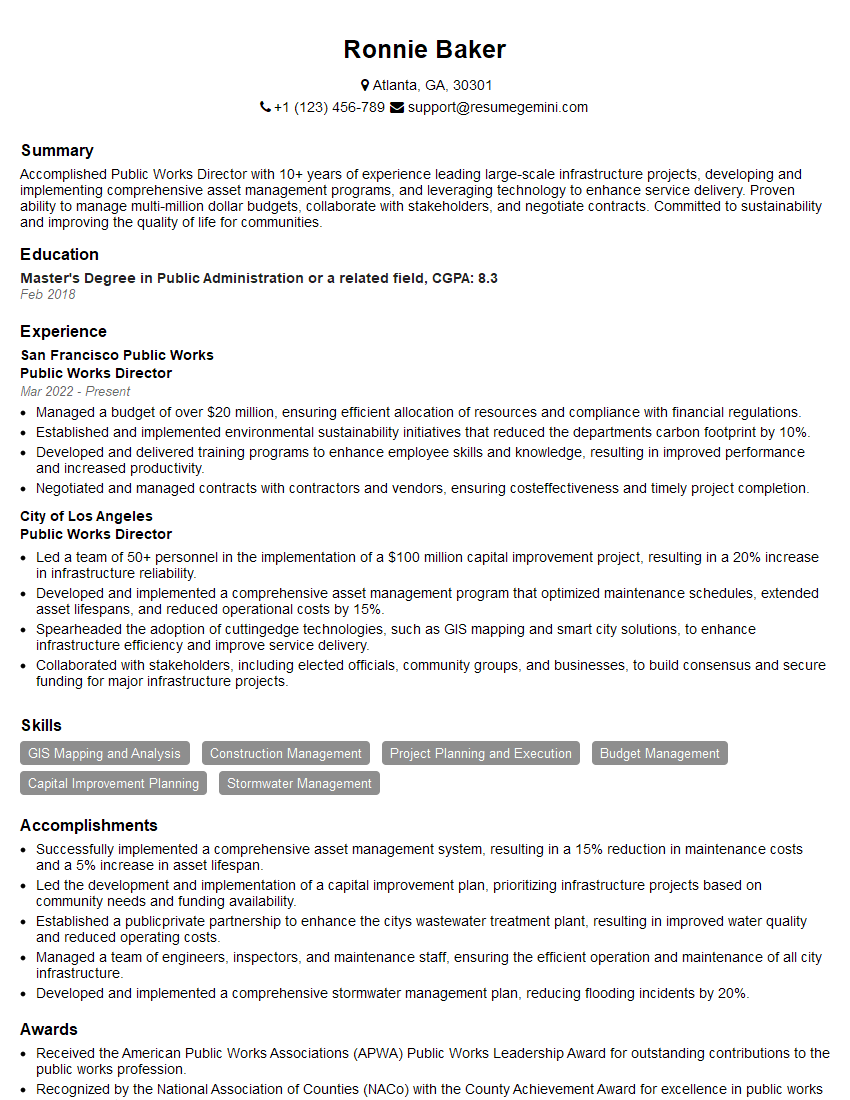
Public Works Director Resume Sample
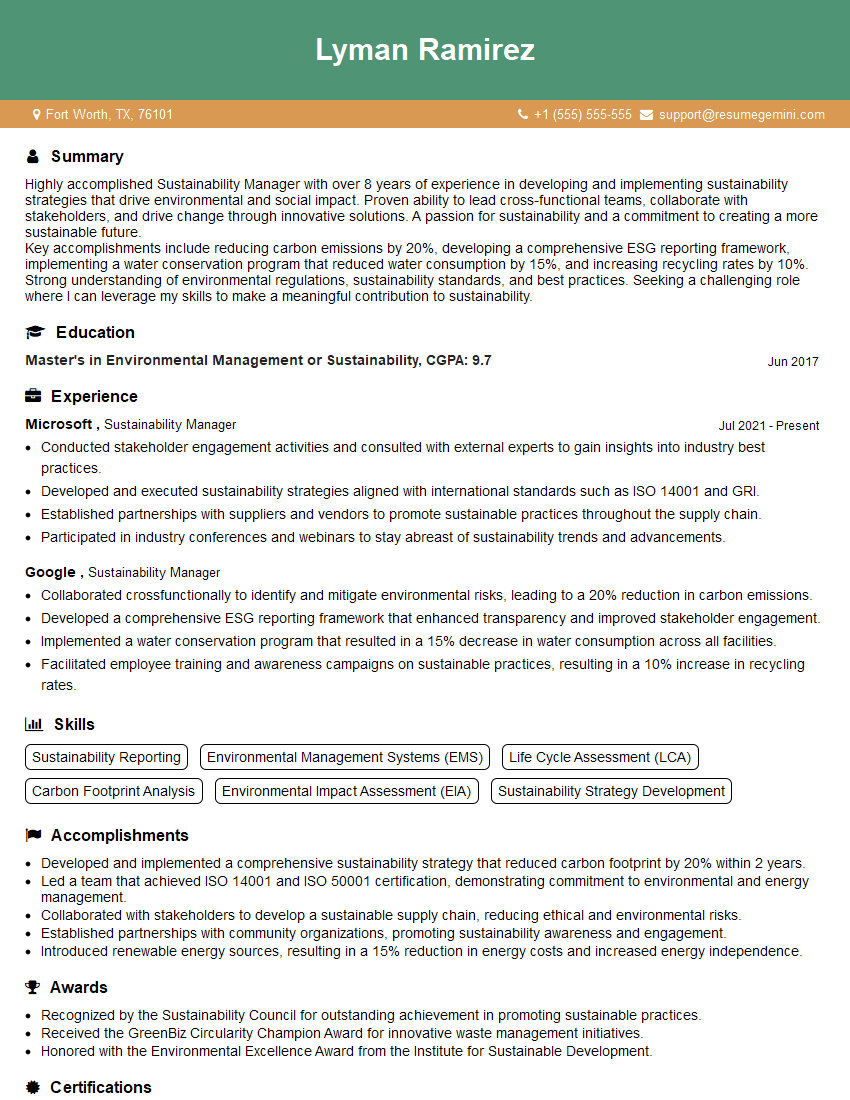
Sustainability Manager Resume Sample
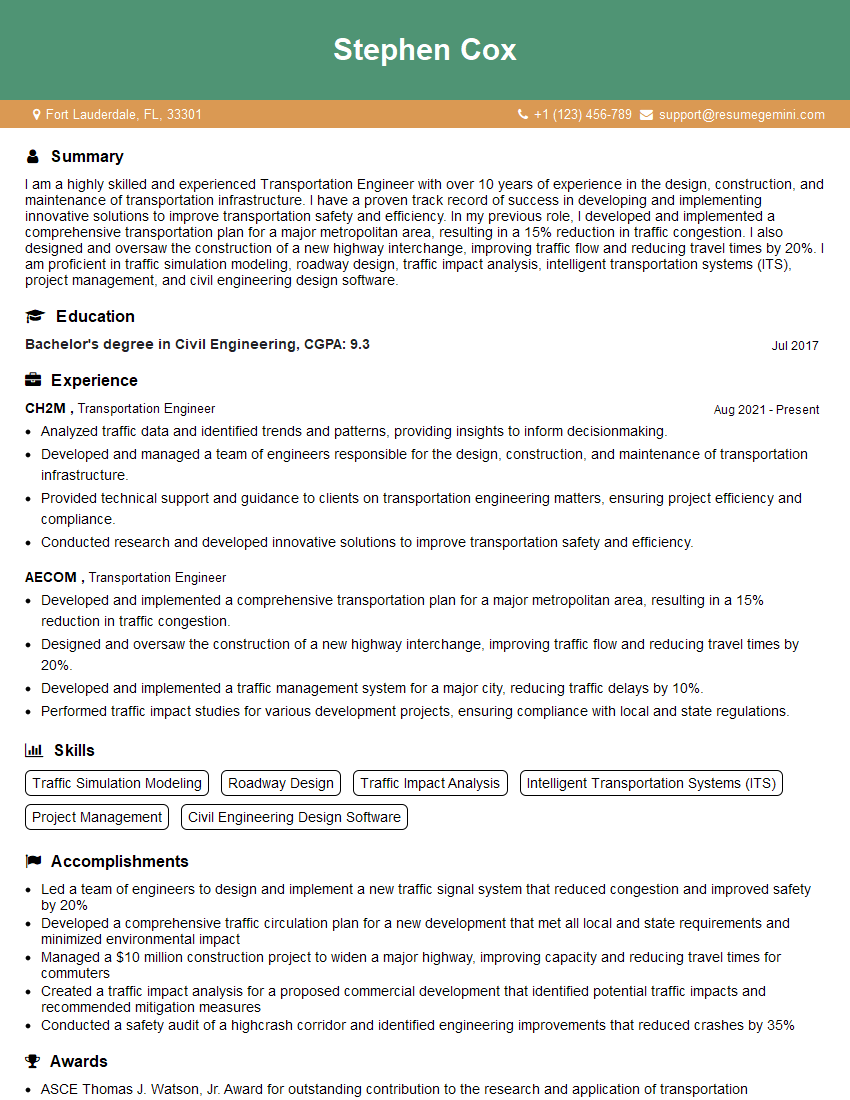
Transportation Engineer Resume Sample
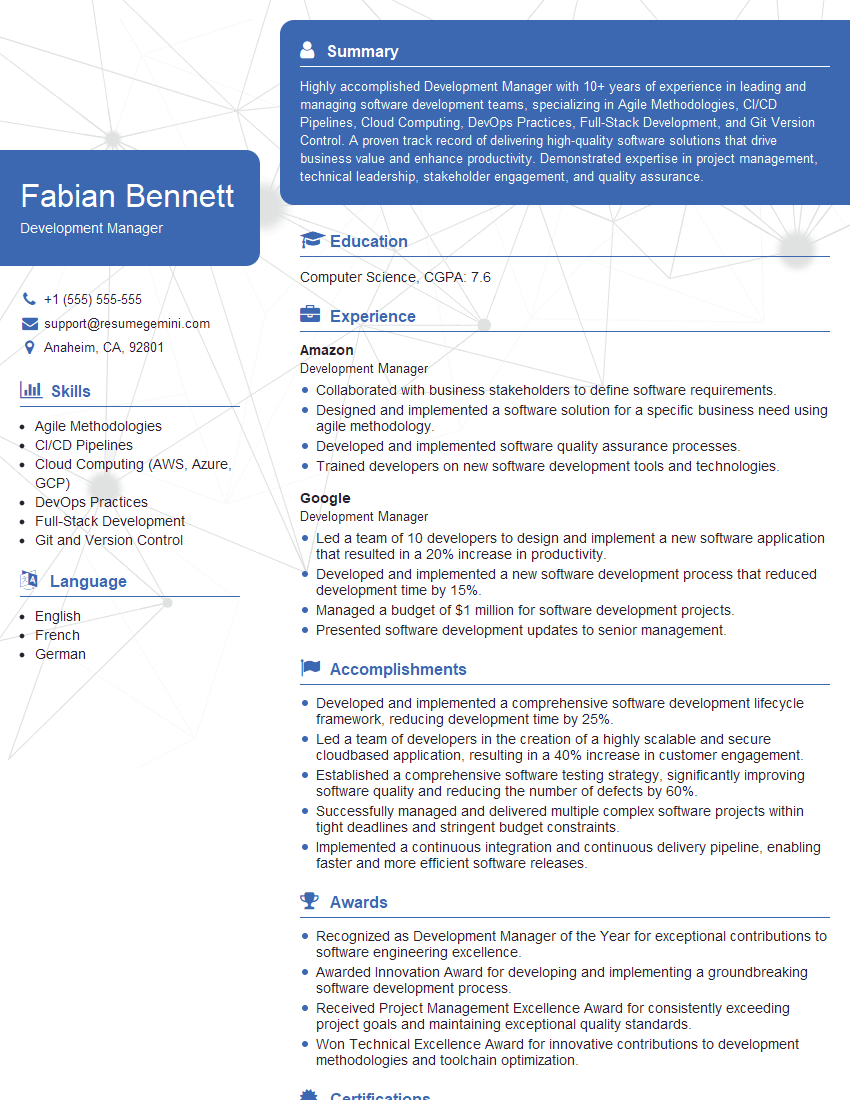
Development Manager Resume Sample
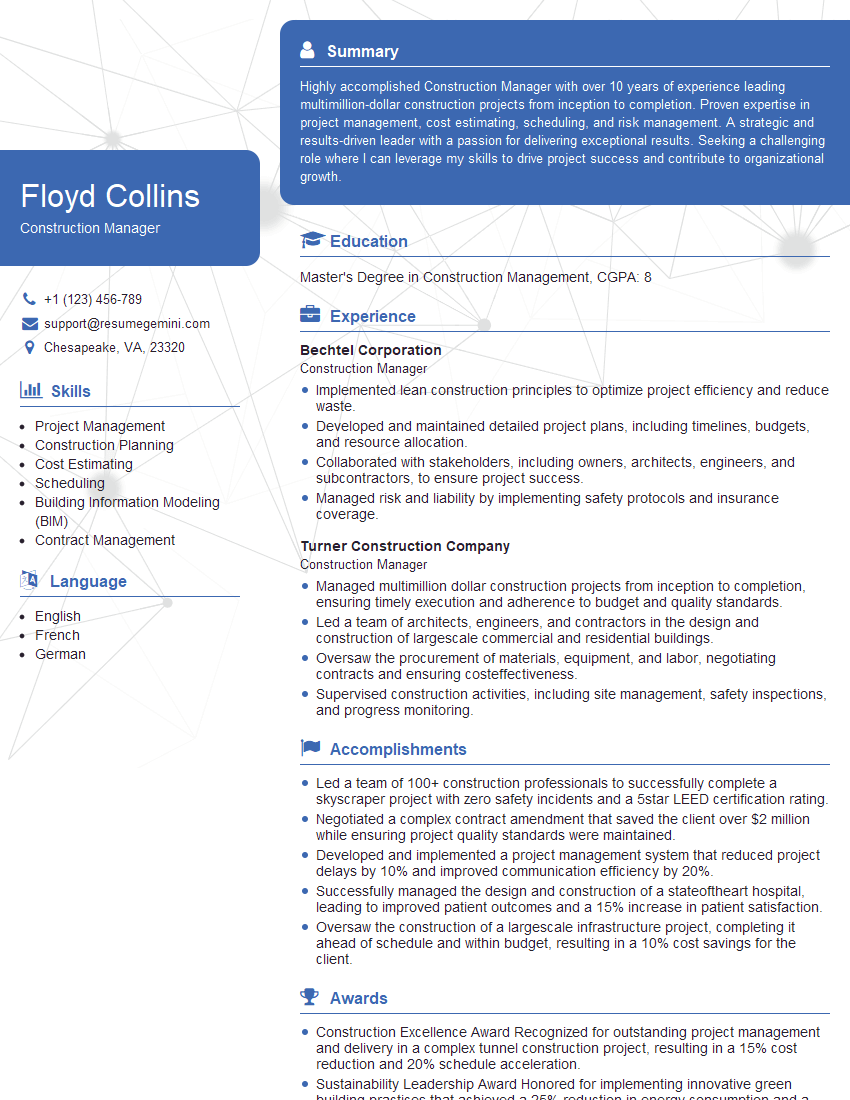
Construction Manager Resume Sample

Project Engineer Resume Sample
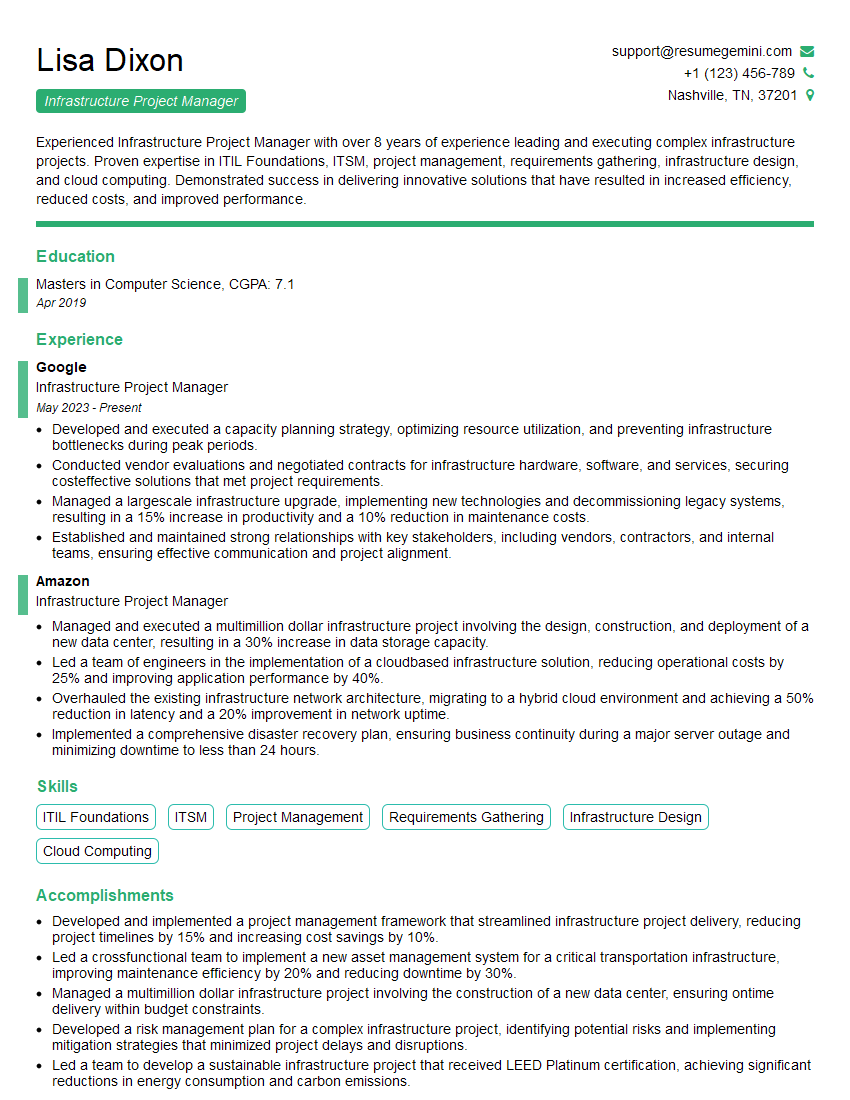
Infrastructure Project Manager Resume Sample
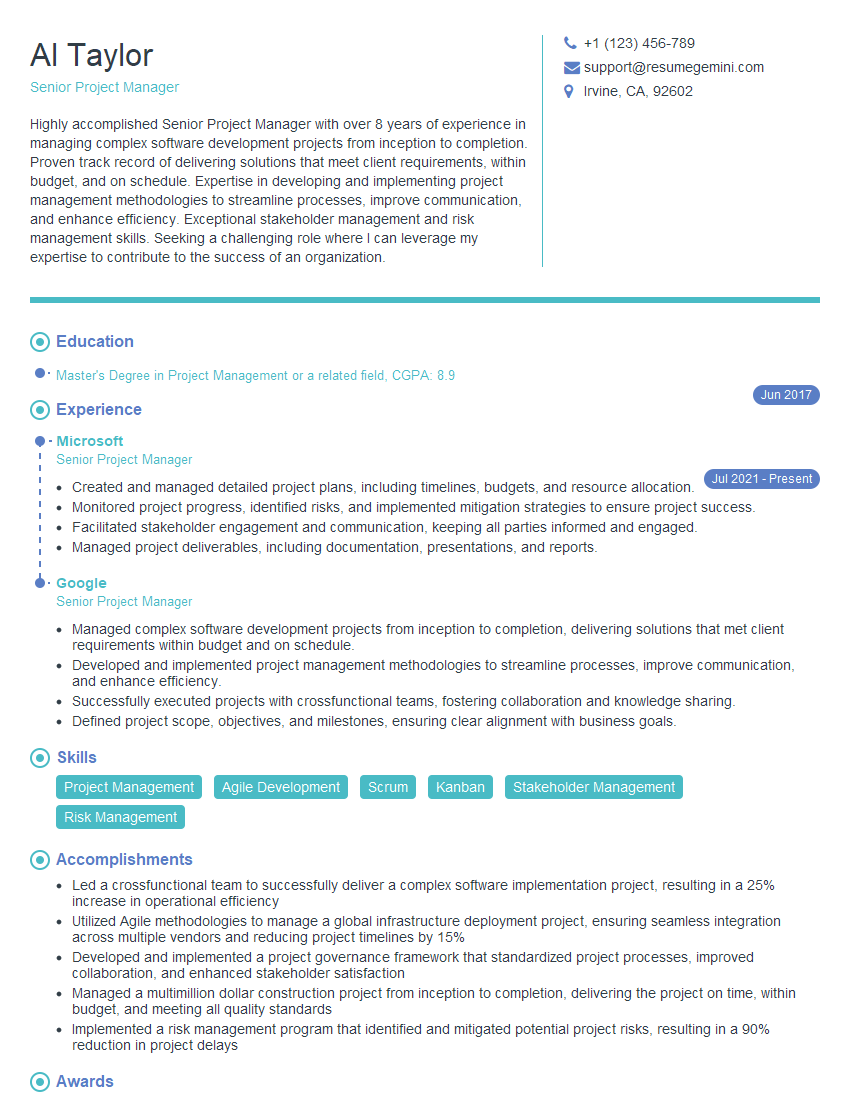
Senior Project Manager Resume Sample
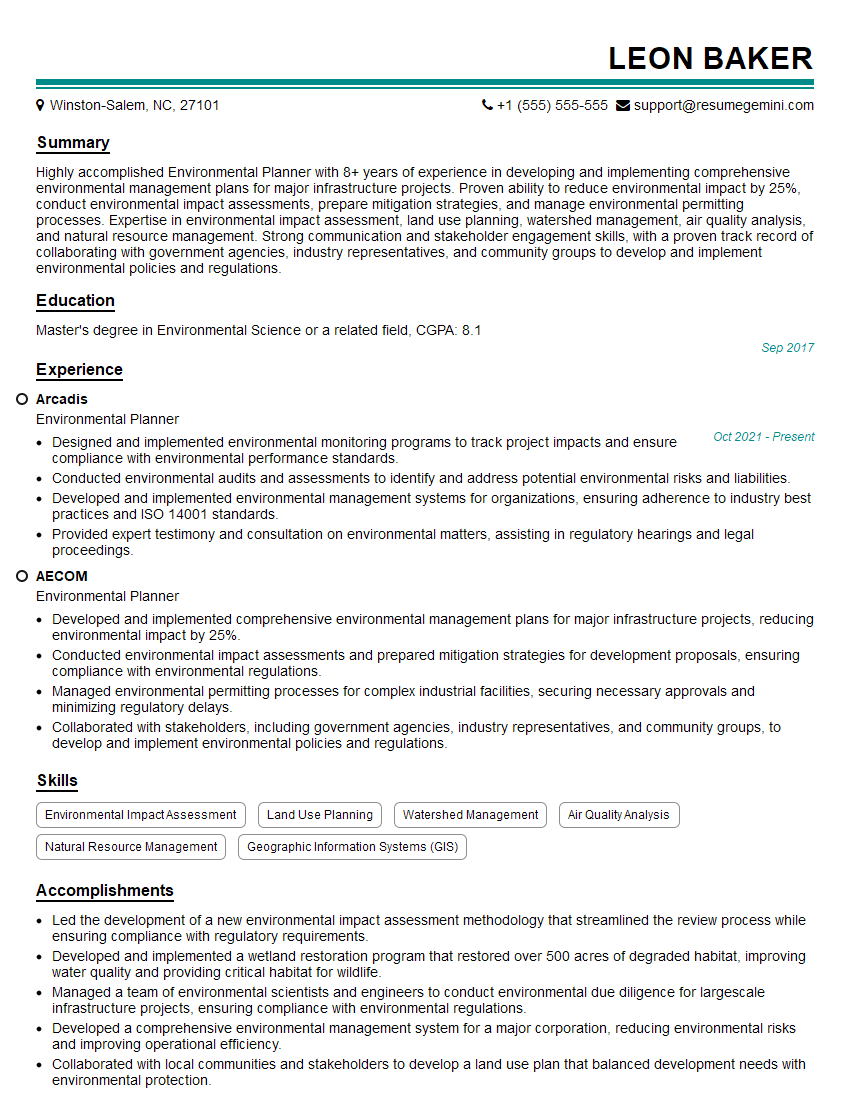
Environmental Planner Resume Sample
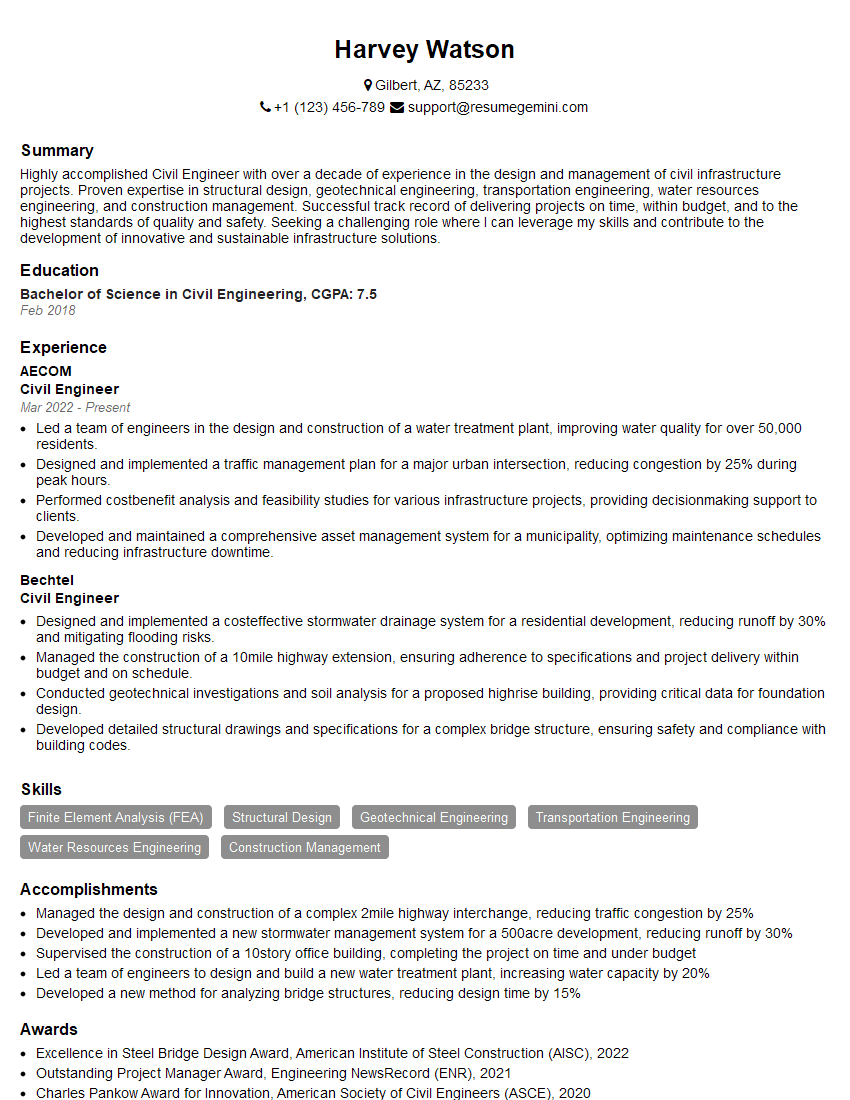
Civil Engineer Resume Sample
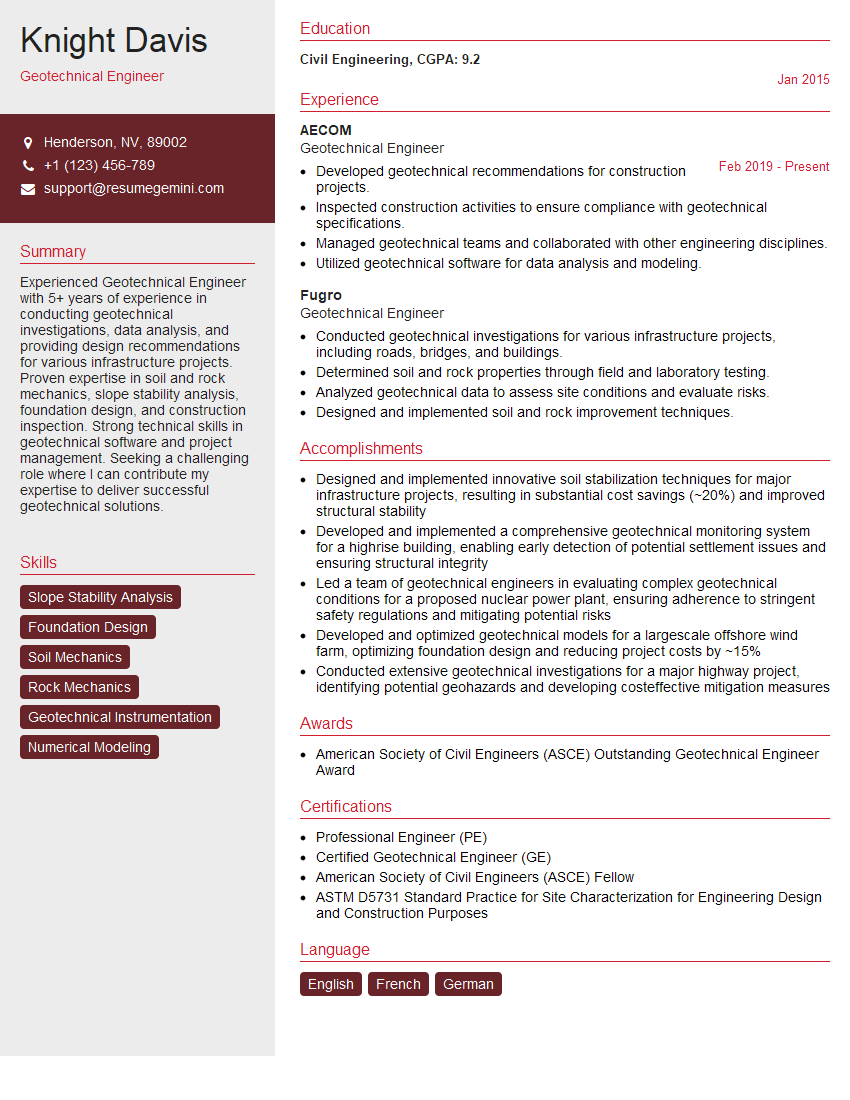
Geotechnical Engineer Resume Sample
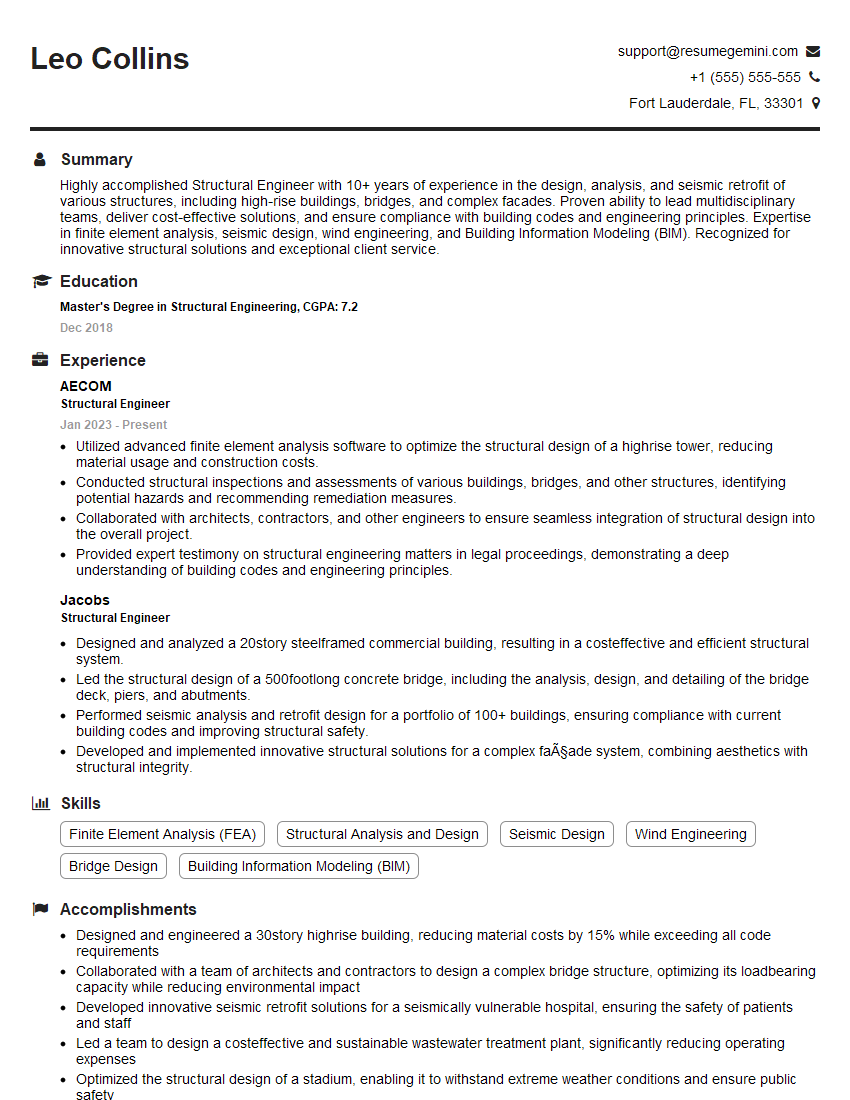
Structural Engineer Resume Sample

Traffic Engineer Resume Sample
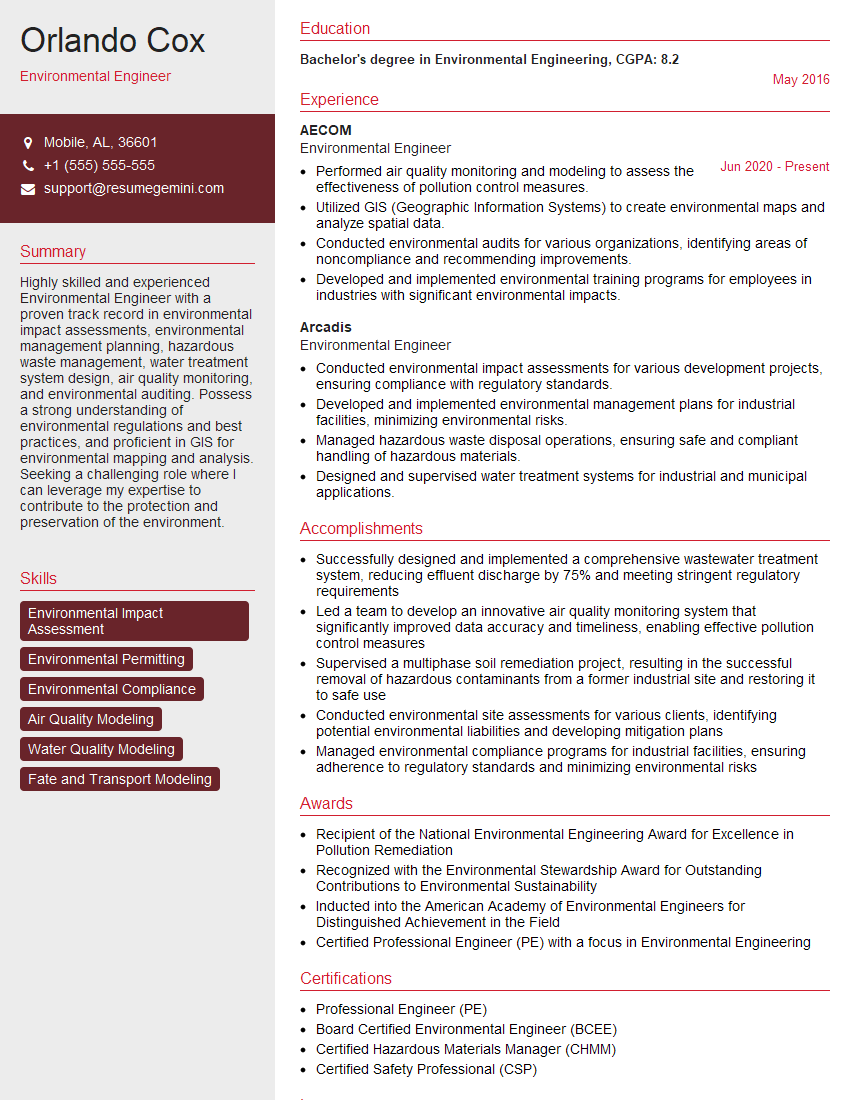
Environmental Engineer Resume Sample
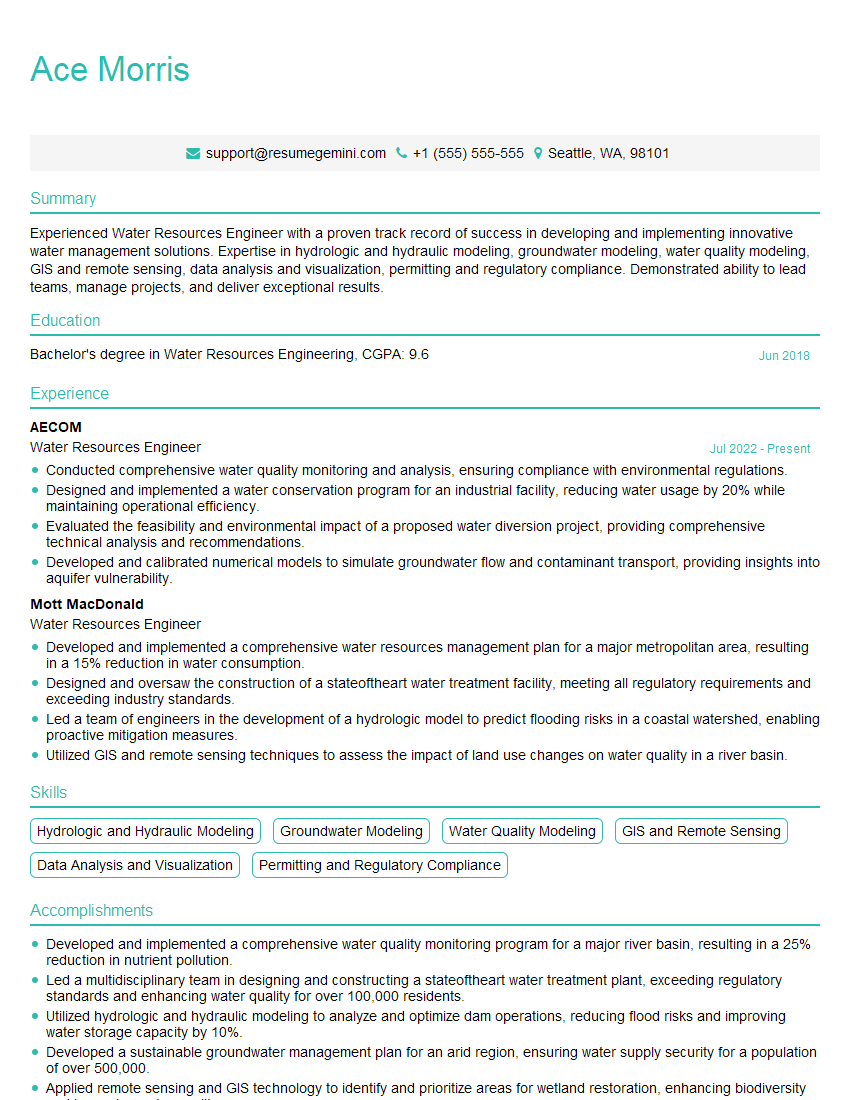
Water Resources Engineer Resume Sample
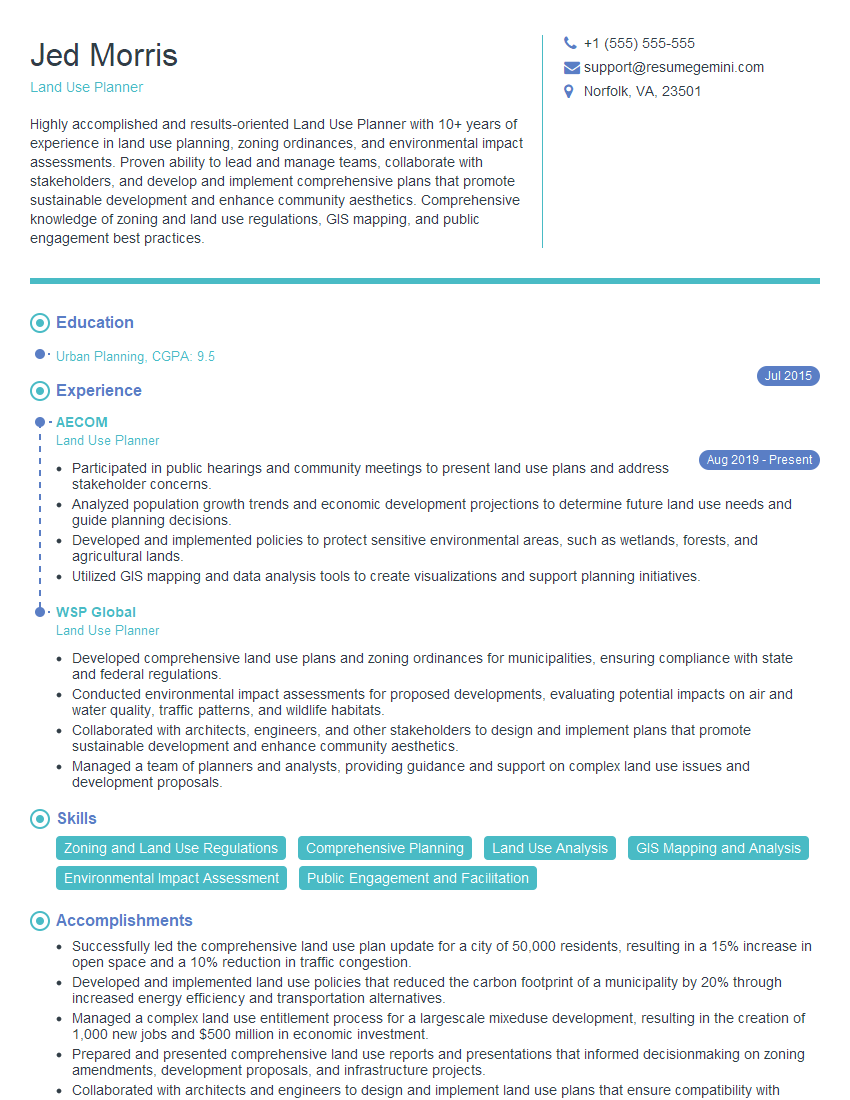
Land Use Planner Resume Sample

Planning Manager Resume Sample
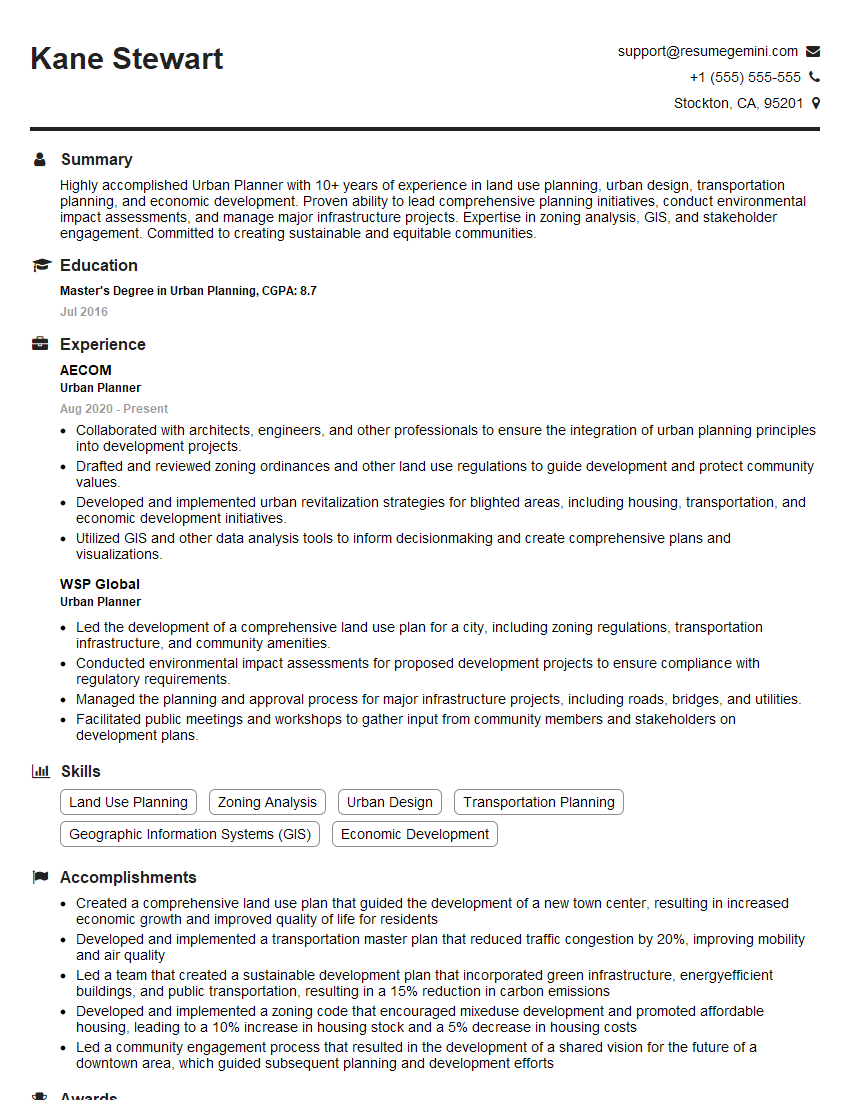
Urban Planner Resume Sample
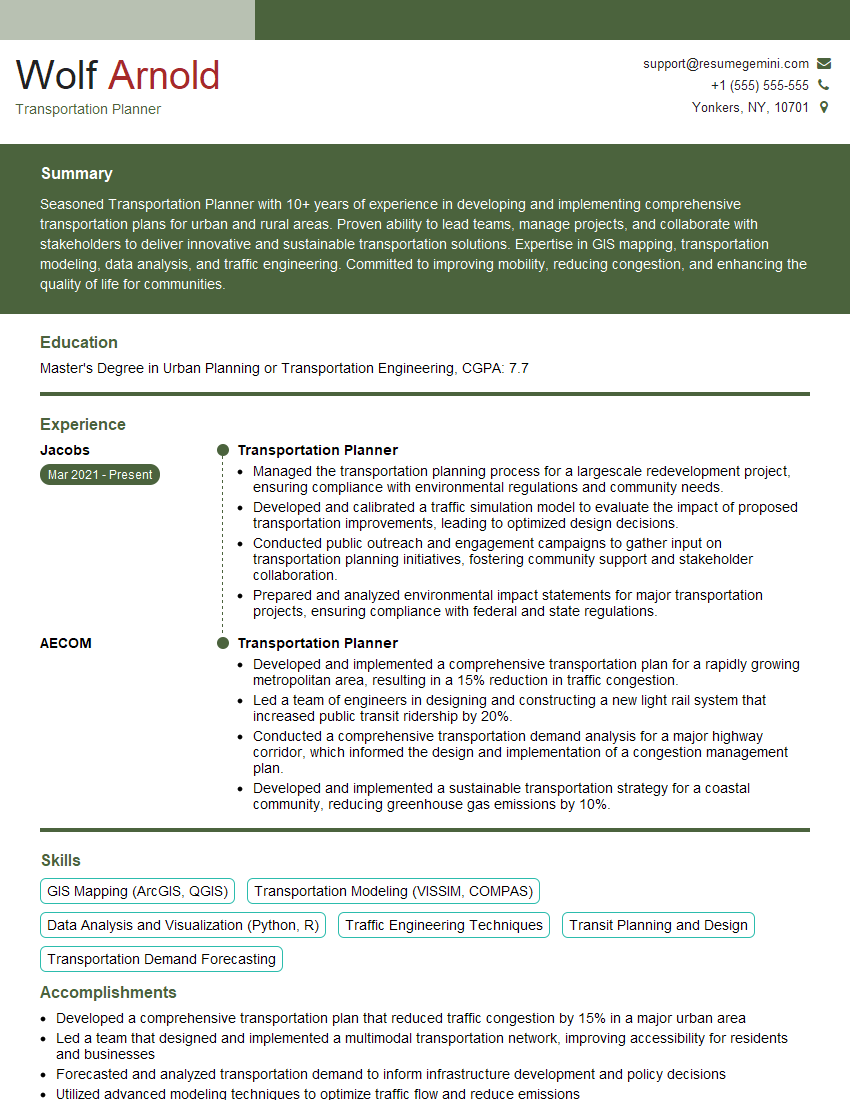
Transportation Planner Resume Sample
- Public Works Director
- Sustainability Manager
- Transportation Engineer
- Development Manager
- Construction Manager
- Project Engineer
- Infrastructure Project Manager
- Senior Project Manager
- Environmental Planner
- Civil Engineer
- Geotechnical Engineer
- Structural Engineer
- Traffic Engineer
- Environmental Engineer
- Water Resources Engineer
- Land Use Planner
- Planning Manager
- Urban Planner
- Transportation Planner
Explore more articles
Users Rating of Our Blogs
Share Your Experience
We value your feedback! Please rate our content and share your thoughts (optional).
What Readers Say About Our Blog
To the interviewgemini.com Webmaster.
Very helpful and content specific questions to help prepare me for my interview!
Thank you
To the interviewgemini.com Webmaster.
This was kind of a unique content I found around the specialized skills. Very helpful questions and good detailed answers.
Very Helpful blog, thank you Interviewgemini team.