Interviews are opportunities to demonstrate your expertise, and this guide is here to help you shine. Explore the essential Regulatory Compliance Management (OSHA, HIPAA) interview questions that employers frequently ask, paired with strategies for crafting responses that set you apart from the competition.
Questions Asked in Regulatory Compliance Management (OSHA, HIPAA) Interview
Q 1. Describe your experience with HIPAA compliance audits.
My experience with HIPAA compliance audits encompasses both internal and external reviews. Internally, I’ve led numerous audits, utilizing checklists and risk assessments to ensure our organization’s adherence to HIPAA’s security, privacy, and breach notification rules. This involves reviewing policies and procedures, employee training materials, and technical safeguards like access controls and encryption. Externally, I’ve participated in audits conducted by third-party organizations, where I’ve collaborated with auditors to demonstrate compliance, address findings, and develop corrective action plans. A recent example involved a successful audit where we proactively identified and mitigated a minor vulnerability in our data access protocols before it became a significant issue.
These audits consistently highlight the importance of meticulous documentation. We maintain a comprehensive audit trail, recording all system accesses, changes, and security incidents. This meticulous record-keeping facilitates rapid responses to potential breaches and assists with demonstrating compliance to auditors and regulators. The ultimate goal is not just to pass audits but to use the process to continuously improve our HIPAA compliance posture.
Q 2. Explain the key differences between HIPAA and OSHA regulations.
HIPAA and OSHA, while both crucial for workplace safety and employee well-being, focus on distinct areas. HIPAA (Health Insurance Portability and Accountability Act) protects the privacy and security of Protected Health Information (PHI). Think of it as safeguarding patient medical records and other sensitive health data. OSHA (Occupational Safety and Health Administration), on the other hand, sets and enforces workplace safety and health standards to prevent injuries, illnesses, and fatalities. This involves things like hazard identification, safety training, and providing personal protective equipment (PPE).
- HIPAA: Focuses on data security and privacy of health information; penalties involve fines and legal action.
- OSHA: Focuses on physical workplace safety; penalties include fines, citations, and even business closure in severe cases.
While distinct, there can be overlap. For example, OSHA may require employers to protect employee health records, which would also fall under HIPAA regulations. Proper handling of medical records regarding employee injuries and illnesses, would necessitate compliance with both sets of regulations.
Q 3. How would you handle a HIPAA breach incident?
Handling a HIPAA breach is a critical process requiring swift and decisive action. My approach follows a structured protocol:
- Immediate Containment: First, we would isolate the breach, limiting further access to compromised data. This might involve shutting down affected systems or restricting user access.
- Assessment and Investigation: A thorough investigation determines the breach’s scope, including the type of information compromised, the number of individuals affected, and the likely cause. We would use forensic tools if necessary.
- Notification: We’d notify affected individuals, the Secretary of Health and Human Services (HHS), and potentially law enforcement, within the timeframe mandated by HIPAA (generally, within 60 days of discovery).
- Remediation and Mitigation: We would implement corrective actions to prevent future breaches, such as strengthening security protocols, improving employee training, and enhancing technical safeguards.
- Documentation: Meticulous documentation of every step of the process is crucial for demonstrating compliance and for potential legal proceedings.
Imagine a scenario where an employee accidentally emails a patient’s medical records to the wrong recipient. Following this protocol, we’d quickly recall the email, investigate how it happened, notify the affected patient, and implement further email security measures, like multi-factor authentication.
Q 4. What are the main components of an effective OSHA safety program?
An effective OSHA safety program is multifaceted and proactive, not simply reactive to incidents. Key components include:
- Management Commitment and Employee Involvement: Leadership must champion safety, and employees must be actively involved in identifying and addressing hazards.
- Hazard Identification and Risk Assessment: Regularly identifying and assessing potential workplace hazards through methods like job hazard analyses (JHAs) and safety inspections.
- Hazard Prevention and Control: Implementing engineering controls (e.g., machine guarding), administrative controls (e.g., work procedures), and personal protective equipment (PPE) to mitigate risks.
- Safety Training: Providing comprehensive training to all employees on relevant safety procedures, hazard awareness, and the use of PPE.
- Emergency Action Plan: Developing and regularly practicing an emergency action plan covering various scenarios, such as fire, chemical spills, and medical emergencies.
- Recordkeeping and Reporting: Maintaining accurate records of incidents, injuries, and illnesses, and reporting them to OSHA as required.
For instance, a construction company might conduct regular site inspections to identify and mitigate fall hazards, providing all employees with proper fall protection training and equipment. Thorough record keeping allows continuous improvement of the program based on data and trends.
Q 5. Describe your experience with OSHA inspections.
My experience with OSHA inspections involves proactive preparation and collaborative engagement with inspectors. We maintain comprehensive safety records, ensuring easy access to documentation like training records, incident reports, and safety policies. During an inspection, I would act as a point of contact, guiding inspectors to relevant documents and answering their questions accurately and professionally. I’ve found that open communication and a proactive attitude are crucial; addressing any identified deficiencies quickly and developing corrective action plans demonstrates a commitment to safety.
In one instance, an inspection revealed a minor deficiency in our lockout/tagout procedures. By promptly addressing the issue, presenting a clear corrective action plan, and demonstrating our commitment to ongoing improvement, we avoided any significant penalties. This highlights the importance of preparation and a positive, collaborative relationship with OSHA inspectors.
Q 6. How do you ensure employee compliance with HIPAA and OSHA regulations?
Ensuring employee compliance with HIPAA and OSHA regulations is an ongoing process requiring multiple strategies:
- Comprehensive Training: Regular and targeted training programs covering relevant regulations, policies, and procedures. This includes scenario-based training and regular refreshers.
- Clear Policies and Procedures: Developing and distributing easy-to-understand policies and procedures outlining expected behaviors and responsibilities.
- Regular Audits and Monitoring: Conducting internal audits and monitoring activities to identify potential compliance gaps and address them promptly.
- Open Communication: Creating a culture of open communication where employees feel comfortable reporting concerns or asking questions without fear of retribution.
- Accountability: Establishing clear accountability mechanisms, ensuring that violations are addressed and appropriate disciplinary action is taken.
We use a combination of online modules, in-person sessions, and regular quizzes to reinforce training. For example, annual HIPAA training for all staff handling patient data includes interactive scenarios simulating potential breaches and emphasizing appropriate responses.
Q 7. What are the penalties for non-compliance with HIPAA?
Penalties for HIPAA non-compliance can be severe and vary based on the nature and extent of the violation, as well as the organization’s knowledge of the violation. Penalties can include:
- Civil Monetary Penalties (CMPs): These can range from a few hundred dollars to $50,000 per violation, with even higher penalties for willful neglect.
- Criminal Penalties: In cases of knowing and willful neglect, criminal penalties can include fines and even imprisonment.
- Corrective Action Plans: Organizations might be required to implement corrective action plans to address identified deficiencies.
- Reputational Damage: HIPAA violations can severely damage an organization’s reputation, leading to loss of patient trust and business.
The potential for significant fines and reputational damage underscores the importance of proactive compliance efforts. A single serious breach can have devastating consequences, both financially and ethically. Prevention through robust training, regular audits, and a commitment to data security is the most effective way to avoid these penalties.
Q 8. What are the penalties for non-compliance with OSHA?
OSHA penalties for non-compliance vary widely depending on the severity and nature of the violation. They range from relatively minor fines for record-keeping errors to significant penalties for serious hazards resulting in worker injury or death. Think of it like a tiered system; a simple paperwork oversight might result in a warning or a few hundred dollars in fines. However, a willful violation leading to a fatality could result in hundreds of thousands of dollars in fines, criminal prosecution, and even jail time for responsible parties.
- Willful Violations: These are intentional disregard for OSHA standards and carry the most severe penalties.
- Serious Violations: These are violations where there’s a substantial probability that death or serious physical harm could result.
- Other-than-Serious Violations: These violations have a direct relationship to job safety and health, but are less likely to cause serious harm.
- Repeated Violations: These are violations of the same or similar nature as previous violations, often indicating a lack of commitment to safety.
- Failure to Abate: This is a failure to correct a violation within the prescribed timeframe, leading to additional penalties.
OSHA also uses a system of citations, which are formal notifications of violations. These citations detail the violation, the penalty, and the time frame for correction. Employers can contest citations, leading to an often lengthy process involving hearings and appeals.
Q 9. Explain the concept of ‘reasonable accommodation’ under the ADA.
Under the Americans with Disabilities Act (ADA), ‘reasonable accommodation’ means modifying or adjusting existing employment policies, practices, or procedures to allow an otherwise qualified individual with a disability to participate in the application process, perform essential job functions, and enjoy the benefits and privileges of employment. It’s about ensuring equal opportunity, not creating undue hardship for the employer.
Think of it this way: a blind employee might need screen-reading software, while an employee with mobility issues might require a modified workspace. The key is that the accommodation must be reasonable. This means it shouldn’t be excessively expensive, disruptive to the business, or fundamentally alter the nature of the job.
Determining reasonable accommodation often involves an interactive process between the employee and the employer. The employee should clearly articulate their needs, and the employer should explore options to meet those needs. This often involves consulting with medical professionals, accessibility experts, or other relevant parties to find the most appropriate solution.
Examples of reasonable accommodations can include:
- Modifying work schedules
- Providing modified equipment or assistive technology
- Making facility modifications
- Providing job restructuring or reassignment
The employer is not obligated to provide accommodations that create undue hardship. Undue hardship is defined as significant difficulty or expense when considering the size, resources, nature, and structure of the employer’s operation.
Q 10. How do you stay updated on changes in HIPAA and OSHA regulations?
Staying current with HIPAA and OSHA regulations requires a multi-pronged approach. It’s not a one-time task but rather an ongoing commitment.
- Subscription services: Several companies offer compliance updates, newsletters, and webinars specifically on HIPAA and OSHA.
- Government websites: Regularly checking the websites of the Office of Civil Rights (OCR) for HIPAA and the Occupational Safety and Health Administration (OSHA) for OSHA updates is crucial.
- Professional organizations: Joining professional organizations related to healthcare and safety provides access to training, publications, and networking opportunities to learn about regulatory changes.
- Industry publications and journals: Trade publications often report on regulatory developments and their implications for various industries.
- Attending conferences and seminars: These events provide in-depth information and networking opportunities with experts.
I personally utilize a combination of these methods, ensuring I’m proactively aware of changes, new guidance, and interpretations. I also maintain a system for tracking relevant updates and ensuring our organization’s practices remain compliant.
Q 11. How do you conduct risk assessments related to HIPAA and OSHA compliance?
Risk assessments for HIPAA and OSHA compliance are distinct but share a common methodology. They both involve identifying potential hazards, evaluating their likelihood and severity, and developing mitigation strategies.
HIPAA Risk Assessment: This focuses on identifying vulnerabilities that could lead to breaches of protected health information (PHI). It involves analyzing potential threats, such as unauthorized access, data loss, or employee negligence. For example, we might assess the security of our electronic health records (EHR) system, employee access controls, and data backup procedures. The assessment results in a prioritized list of risks with corresponding mitigation strategies.
OSHA Risk Assessment: This focuses on identifying workplace hazards that could lead to injuries or illnesses. It involves systematically evaluating the workplace, identifying potential hazards (like slips, trips, falls, or exposure to chemicals), determining the likelihood and severity of these hazards, and implementing control measures. For example, we might assess the risk of repetitive strain injuries for employees working on assembly lines or the risks associated with handling hazardous chemicals in a laboratory.
Both assessments use a similar framework: identify, assess, mitigate. The key difference lies in the types of hazards considered – PHI breaches for HIPAA and workplace hazards for OSHA. Documentation is crucial for both, demonstrating due diligence and proactive risk management.
Q 12. What is your experience with developing and implementing compliance training programs?
I have extensive experience in developing and implementing compliance training programs for both HIPAA and OSHA regulations. My approach is to create engaging and practical training that’s tailored to the specific roles and responsibilities of the employees. I don’t believe in simply checking a box; I strive to create a culture of compliance.
My process typically involves:
- Needs Assessment: Identifying knowledge gaps and training needs through surveys, interviews, and analysis of compliance incidents.
- Curriculum Development: Creating engaging training materials, including presentations, videos, interactive modules, and scenarios relevant to daily work tasks.
- Delivery Method Selection: Choosing the most appropriate delivery method, whether it’s online training, in-person workshops, or a blended approach.
- Training Implementation: Scheduling training sessions, delivering the training, and providing ongoing support and resources.
- Evaluation and Improvement: Assessing the effectiveness of the training through post-training assessments, feedback surveys, and tracking compliance incidents. Regularly reviewing and updating the training materials to reflect any changes in regulations or best practices.
For example, in a recent project, I developed a HIPAA training program that included interactive modules, real-world case studies, and quizzes to enhance employee engagement and knowledge retention. The program resulted in a significant improvement in employee understanding of HIPAA regulations and best practices.
Q 13. Explain your understanding of the HIPAA Security Rule.
The HIPAA Security Rule establishes national standards to protect individuals’ electronic protected health information (ePHI). It outlines administrative, physical, and technical safeguards that covered entities and business associates must implement to ensure the confidentiality, integrity, and availability of ePHI. Think of it as a three-legged stool – all three parts are essential for stability.
- Administrative safeguards: These address security management processes, like risk analysis, security awareness training, and workforce security. This is about policies, procedures, and accountability.
- Physical safeguards: These focus on protecting physical access to ePHI, including measures like access controls to facilities, workstation security, and device and media controls. This is about securing the physical location and devices.
- Technical safeguards: These address electronic measures to protect ePHI, such as access controls, audit controls, and data encryption. This is about the technology used to protect the data.
The Security Rule isn’t just about preventing breaches; it also requires organizations to have contingency plans in place for disaster recovery and business continuity. This ensures that ePHI remains accessible even in the event of a disruption. Non-compliance can lead to significant fines and reputational damage.
Q 14. Explain your understanding of the OSHA General Duty Clause.
The OSHA General Duty Clause is a fundamental provision in the Occupational Safety and Health Act of 1970. It states that each employer has a general duty to furnish to each of his employees employment and a place of employment, which are free from recognized hazards that are causing or are likely to cause death or serious physical harm. It’s essentially a catch-all provision covering hazards not specifically addressed by other OSHA standards. Think of it as a safety net.
This clause is crucial because it doesn’t rely on specific, pre-written OSHA standards. If a hazard exists that isn’t specifically covered by an OSHA standard, but it’s still recognized in the industry as causing or likely to cause death or serious harm, the employer still has a responsibility to address it. This often involves conducting a thorough hazard assessment, implementing feasible control measures, and maintaining records of the process.
For example, if a new piece of equipment introduces a previously unrecognized hazard (such as excessive noise or vibration), the General Duty Clause would require the employer to address it even if there’s no specific OSHA standard for that particular equipment. Failure to comply with the General Duty Clause can lead to citations and penalties, just like violations of specific OSHA standards.
Q 15. How do you document and maintain compliance records?
Maintaining compliance records is crucial for demonstrating adherence to regulations like OSHA and HIPAA. It’s not just about storing documents; it’s about establishing a robust, auditable system. This involves a multi-pronged approach:
Centralized System: Utilize a centralized system – whether it’s a dedicated compliance software, a secure shared drive, or a combination – to store all relevant documents. This prevents information silos and ensures easy access for authorized personnel.
Organized File Structure: Implement a logical and consistent file naming and folder structure. For example, using a YYYYMMDD date format, combined with descriptive titles (e.g., “20241027_OSHA_Inspection_Report”). This allows for quick retrieval and minimizes search time.
Version Control: Implement a version control system to track changes to documents. This is vital for demonstrating the evolution of processes and addressing past issues. A simple method is to append version numbers to filenames (e.g., “20241027_OSHA_Inspection_Report_v2”).
Metadata Tagging: Add relevant metadata tags to documents for easier searching and filtering. Tags might include keywords like ’employee training,’ ‘incident report,’ ‘HIPAA breach,’ etc. This improves searchability and makes reporting much simpler.
Regular Backups: Establish a routine backup system to protect against data loss. Both on-site and off-site backups are recommended for redundancy. This is crucial for business continuity and regulatory compliance.
Access Control: Implement strong access controls to ensure that only authorized personnel have access to sensitive compliance documentation. This aligns with data privacy requirements and prevents unauthorized disclosure.
Retention Policy: Establish a clear document retention policy that complies with all applicable regulations, specifying how long each type of record needs to be kept. Failing to do so could lead to significant fines.
For example, in a healthcare setting, patient medical records must be retained for a specific period according to HIPAA guidelines, while OSHA records related to workplace accidents might have different retention requirements.
Career Expert Tips:
- Ace those interviews! Prepare effectively by reviewing the Top 50 Most Common Interview Questions on ResumeGemini.
- Navigate your job search with confidence! Explore a wide range of Career Tips on ResumeGemini. Learn about common challenges and recommendations to overcome them.
- Craft the perfect resume! Master the Art of Resume Writing with ResumeGemini’s guide. Showcase your unique qualifications and achievements effectively.
- Don’t miss out on holiday savings! Build your dream resume with ResumeGemini’s ATS optimized templates.
Q 16. Describe a time you identified a compliance issue. How did you address it?
During a routine review of our incident reporting system, I noticed a significant discrepancy. We had a higher-than-average number of reported needle-stick injuries in our nursing department, but the associated corrective actions seemed insufficient and lacked proper follow-up. This indicated a potential OSHA compliance issue, specifically related to hazard reporting and abatement.
My response involved a multi-step approach:
Investigation: I started by analyzing the reported incidents, investigating the root causes, and interviewing affected nurses. This helped identify systemic issues like inadequate safety training, insufficient protective equipment, and a lack of clear reporting protocols.
Corrective Action Plan: Based on the investigation, I developed a comprehensive corrective action plan including enhanced safety training for all nurses, improved procurement processes for personal protective equipment, and a revised incident reporting procedure with a dedicated follow-up mechanism. The plan included measurable goals and deadlines.
Implementation and Monitoring: The corrective action plan was implemented, with regular monitoring and follow-up. This involved observing compliance with new protocols, reviewing incident reports, and conducting feedback sessions with the nursing staff.
Documentation: All actions were meticulously documented, including the initial discovery of the issue, the investigation findings, the corrective action plan, implementation details, and the results of the monitoring activities. This documented evidence provided a strong defense in case of future inspections.
The outcome was a significant reduction in needle-stick injuries and a strengthened safety culture within the nursing department. The improved reporting and follow-up system enhanced our overall compliance posture and demonstrated a proactive approach to safety.
Q 17. How do you prioritize compliance tasks and manage competing deadlines?
Prioritizing compliance tasks and managing competing deadlines requires a systematic approach. I use a combination of techniques including:
Risk-Based Prioritization: I identify compliance tasks based on their risk level. High-risk tasks, such as those with potential for significant fines or legal repercussions, receive priority. For example, addressing a potential HIPAA breach would take precedence over a less critical OSHA training update.
Project Management Tools: Utilizing project management tools like Gantt charts or Kanban boards helps visualize deadlines, track progress, and identify potential conflicts. These tools enable effective resource allocation and facilitate proactive problem-solving.
Regular Review and Adjustment: Regular review of the compliance calendar and project plans allows me to adapt to changes in priorities or unforeseen circumstances. This might involve adjusting deadlines, reallocating resources, or seeking assistance from other departments.
Communication and Collaboration: Open communication with stakeholders is vital. This includes informing relevant parties of impending deadlines, potential roadblocks, and any necessary resource adjustments. This fosters collaboration and prevents misunderstandings.
For example, if facing a tight deadline for a HIPAA audit and an upcoming OSHA inspection, I would leverage project management tools to schedule activities effectively, communicate clearly with stakeholders, and potentially prioritize the HIPAA audit given the potential severity of non-compliance.
Q 18. Explain your experience with conducting internal audits for compliance.
I have extensive experience conducting internal audits for compliance. This process involves a systematic review of policies, procedures, and practices to identify any gaps or weaknesses in our compliance program. My approach typically includes:
Planning: This includes defining the scope of the audit, identifying key areas to be reviewed, and developing a detailed audit plan with a timeline.
Data Collection: Gathering evidence through document review, interviews, observations, and testing of processes. This is crucial to obtaining a comprehensive understanding of compliance practices.
Analysis: Analyzing the collected data to identify any discrepancies, non-conformities, or areas for improvement. This often involves comparing our practices against relevant regulatory requirements.
Reporting: Preparing a detailed audit report summarizing the findings, including any identified non-conformities and recommendations for corrective actions.
Follow-up: Monitoring the implementation of corrective actions and ensuring that identified issues are effectively addressed and documented.
For example, during an internal audit of our HIPAA compliance program, I discovered a weakness in our employee training related to data breach response. This led to the development and implementation of a new, more comprehensive training program. The entire process, from planning to follow-up, was documented to demonstrate our commitment to continual improvement.
Q 19. How familiar are you with the HIPAA Privacy Rule?
I am very familiar with the HIPAA Privacy Rule, which protects the privacy and security of Protected Health Information (PHI). My understanding encompasses:
Key Provisions: I understand the key provisions of the Privacy Rule, including the requirements for obtaining patient consent, maintaining confidentiality, providing patients with access to their records, and implementing safeguards to protect PHI from unauthorized access, use, or disclosure.
Covered Entities: I understand which entities are covered by the Privacy Rule, including healthcare providers, health plans, and healthcare clearinghouses.
Permitted Uses and Disclosures: I know the circumstances under which PHI can be used or disclosed without patient authorization, such as for treatment, payment, or healthcare operations.
Breach Notification: I am familiar with the requirements for notifying individuals and regulatory authorities in the event of a data breach.
Enforcement and Penalties: I understand the potential penalties for violating the HIPAA Privacy Rule, which can include significant fines and legal repercussions.
I have experience developing and implementing HIPAA compliant policies and procedures and conducting HIPAA risk assessments to identify vulnerabilities and mitigate potential risks.
Q 20. How familiar are you with OSHA’s recordkeeping requirements?
OSHA’s recordkeeping requirements are a critical aspect of workplace safety and health compliance. My understanding includes:
Recordable Injuries and Illnesses: I understand the criteria for determining which injuries and illnesses are recordable under OSHA regulations, including the definition of work-relatedness.
OSHA Form 300, 300A, and 301: I am proficient in completing and maintaining OSHA Forms 300 (Log of Work-Related Injuries and Illnesses), 300A (Summary of Work-Related Injuries and Illnesses), and 301 (Injury and Illness Incident Report). I know the proper procedures for recording, summarizing, and retaining this information.
Recordkeeping Timeframes: I understand OSHA’s recordkeeping requirements regarding the duration for which these logs and reports must be maintained. This varies based on the type of record and company size.
Posting Requirements: I know the requirements for posting the OSHA Form 300A summary of work-related injuries and illnesses during the designated timeframe.
Access to Records: I understand employee and OSHA inspector access rights to these records.
I have practical experience in developing and implementing recordkeeping systems that ensure compliance with all applicable OSHA regulations and facilitate efficient injury and illness tracking and analysis.
Q 21. Describe your experience working with regulatory agencies (e.g., OCR, OSHA).
I have a strong working relationship with regulatory agencies such as OSHA and the Office for Civil Rights (OCR). This includes:
Responding to Audits and Inspections: I have experience preparing for and responding to OSHA inspections and OCR audits, including gathering necessary documentation, conducting interviews with employees, and addressing any identified deficiencies.
Proactive Communication: I maintain proactive communication with these agencies to stay informed of any changes in regulations and ensure ongoing compliance. This includes monitoring agency websites and publications, and participating in relevant industry events.
Addressing Violations: I have experience developing and implementing corrective action plans to address any identified compliance violations and preventing future occurrences.
Negotiating Resolutions: When necessary, I have effectively negotiated resolutions with regulatory agencies to minimize the impact of identified violations.
For example, during an OSHA inspection, I effectively demonstrated our compliance program’s effectiveness by providing clear documentation and evidence of our proactive safety measures. This resulted in a positive inspection outcome, highlighting our commitment to workplace safety.
Q 22. What are your strategies for mitigating compliance risks?
Mitigating compliance risks involves a multi-pronged approach focusing on prevention, detection, and response. It’s like building a strong fortress – you need robust walls (prevention), vigilant guards (detection), and a well-trained emergency response team (response).
Proactive Risk Assessment: Regularly identifying potential compliance gaps through audits, self-assessments, and employee feedback. For example, reviewing OSHA logs for recurring incidents to pinpoint areas needing improvement in safety training or equipment.
Robust Training Programs: Providing comprehensive and engaging training to all employees on relevant regulations, such as OSHA’s hazard communication standard or HIPAA’s privacy rules. This is crucial for building a culture of compliance.
Clear Policies and Procedures: Developing and disseminating easily accessible and understood policies and procedures that clearly outline compliance expectations. This includes having readily available documentation on how to handle incidents and report violations.
Technology and Automation: Leveraging compliance management software to automate tasks like tracking training, managing documents, and monitoring compliance progress. This streamlines processes and reduces the risk of human error.
Regular Monitoring and Auditing: Conducting internal audits and monitoring key performance indicators (KPIs) to ensure that controls are effective and compliance is maintained. This might involve analyzing the number of reported near misses or data breaches.
Incident Response Plan: Establishing a well-defined plan for handling compliance breaches, including clear reporting procedures, investigation protocols, and remediation strategies. Think of this as your crisis management plan for compliance issues.
Q 23. How would you handle a situation where an employee refuses to follow safety protocols?
Handling an employee who refuses to follow safety protocols requires a measured and documented approach, starting with education and escalating as necessary. It’s about safety, not punishment.
Verbal Counseling: First, I would address the issue directly with the employee, explaining the safety protocols, the potential consequences of non-compliance, and the importance of following them. This conversation should be documented.
Written Warning: If the behavior continues, a written warning should be issued, clearly outlining the violation, the company’s expectations, and the potential disciplinary actions if the behavior persists. This becomes part of their personnel file.
Retraining: Depending on the violation, additional training might be needed to reinforce understanding and compliance. This shows that the company is invested in their safety and understanding.
Suspension or Termination: In cases of serious or repeated violations, suspension or termination may be necessary to ensure the safety of all employees and maintain compliance. This is a last resort, and legal counsel should be involved.
Throughout this process, maintaining thorough documentation is critical. This documentation protects both the employee and the organization.
Q 24. Explain your understanding of the concept of ‘material breach’ under HIPAA.
Under HIPAA, a ‘material breach’ is the unauthorized acquisition, access, use, or disclosure of protected health information (PHI) that compromises the privacy or security of the information. It’s not just any breach; it’s one that poses a significant risk to the individual. Think of it as the difference between accidentally leaving a file open on your computer (minor) and having a hard drive stolen with sensitive patient data (material).
The determination of whether a breach is ‘material’ depends on several factors, including the nature and sensitivity of the PHI involved, the likelihood of harm to the individual, and the extent of the breach. For example, a breach of a patient’s HIV status would likely be considered more material than a breach of their address. The covered entity must conduct a risk assessment to determine if a breach is material. If it is, notification to the affected individuals and the Department of Health and Human Services (HHS) is required.
Q 25. How would you develop a compliance program for a new organization?
Developing a compliance program for a new organization is like building a house – you need a solid foundation. It requires a phased approach:
Risk Assessment: Identify potential compliance risks related to OSHA and HIPAA, considering the organization’s size, industry, and operations. This assessment should be detailed and cover all aspects, from physical workplace hazards to data security vulnerabilities.
Policy Development: Create clear, concise, and comprehensive policies and procedures that address identified risks. These policies should be easily accessible to all employees and aligned with relevant regulations.
Training Program: Develop and implement a comprehensive training program for all employees, tailored to their roles and responsibilities. Make sure to include frequent refreshers and updates.
Technology Implementation: Select and implement appropriate compliance management software to automate tasks, track compliance progress, and manage documents securely. This improves efficiency and risk reduction.
Monitoring and Auditing: Establish regular monitoring and auditing procedures to assess compliance progress and identify areas for improvement. This could include regular audits of security protocols, safety procedures, or data handling practices.
Incident Response Plan: Develop a comprehensive incident response plan to address potential breaches or violations. This plan should outline procedures for reporting, investigating, and remediating incidents.
Throughout the process, documentation is key. This ensures accountability and provides evidence of the organization’s commitment to compliance.
Q 26. Describe your experience using compliance management software.
I have extensive experience using various compliance management software, including [mention specific software names if comfortable, otherwise, omit this portion]. These tools have been invaluable in streamlining compliance processes and reducing the risk of errors. For example, I’ve utilized software to automate employee training assignments, track completion, and generate reports for audits. I’ve also used software to manage policy documentation, ensuring that versions are current and accessible to all employees.
The benefits include improved efficiency, better organization, enhanced tracking of compliance activities, and a more secure management of sensitive data. The right software can significantly reduce the administrative burden associated with compliance, allowing for more focus on proactive risk management.
Q 27. How do you measure the effectiveness of your compliance program?
Measuring the effectiveness of a compliance program is ongoing and requires a variety of metrics. It’s like checking the health of your body – you need to look at multiple vital signs.
Key Performance Indicators (KPIs): Tracking KPIs like the number of safety incidents, data breaches, or regulatory violations. A decrease in these numbers is a positive sign.
Employee Training Completion Rates: Monitoring the completion rates of compliance training programs to ensure all employees are adequately trained. This assesses the effectiveness of your training efforts.
Audit Results: Reviewing the results of internal and external audits to identify areas of strength and weakness. This provides valuable feedback on program efficacy.
Employee Surveys: Conducting regular employee surveys to gauge understanding and awareness of compliance policies and procedures. Feedback is critical to continual improvement.
Incident Response Time: Measuring the time it takes to respond to and resolve compliance incidents. Faster response time indicates a well-functioning program.
By regularly monitoring these metrics, we can identify areas for improvement and adjust the compliance program accordingly, ensuring its ongoing effectiveness.
Q 28. What are your strategies for improving compliance within an organization?
Improving compliance within an organization is an ongoing process that requires a proactive and multifaceted approach. It’s not a one-time fix, but a continuous journey of improvement.
Leadership Commitment: Strong leadership support is paramount. Leaders must champion compliance and demonstrate a clear commitment to its importance.
Employee Engagement: Fostering a culture of compliance through employee engagement and participation. This means actively soliciting feedback, recognizing achievements, and creating a safe environment for reporting concerns.
Technology Updates: Regularly reviewing and updating technology and systems to maintain security and compliance with evolving regulations. This could include updating software, hardware, and cybersecurity protocols.
Continuous Improvement: Regularly reviewing and updating policies and procedures based on audit results, best practices, and changes in regulations. Compliance is a dynamic process, and updates are crucial.
Collaboration and Communication: Maintaining open communication and collaboration between departments and employees to ensure consistent understanding and application of compliance procedures. This might include regular team meetings, cross-departmental training, or communication campaigns.
By implementing these strategies, an organization can foster a culture of compliance, reducing risks and improving overall operational effectiveness.
Key Topics to Learn for Regulatory Compliance Management (OSHA, HIPAA) Interview
- OSHA Compliance: Understanding key OSHA standards (e.g., hazard communication, personal protective equipment, emergency action plans), recordkeeping requirements, and inspection procedures. Practical application: Developing and implementing a safety program to minimize workplace hazards.
- HIPAA Compliance: Mastering the Privacy Rule, Security Rule, and Breach Notification Rule. Practical application: Conducting a risk assessment and developing policies and procedures to ensure patient data privacy and security.
- Regulatory Audits and Investigations: Preparing for and responding to regulatory audits and investigations. Practical application: Developing and implementing corrective action plans based on audit findings.
- Compliance Program Development and Implementation: Designing and implementing comprehensive compliance programs that integrate OSHA and HIPAA requirements. Practical application: Creating a training program for employees on safety and privacy regulations.
- Data Security and Privacy Best Practices: Implementing technical and administrative safeguards to protect sensitive data. Practical application: Developing and implementing data encryption and access control procedures.
- Employee Training and Education: Developing and delivering effective training programs to ensure employees understand and comply with OSHA and HIPAA regulations. Practical application: Creating engaging training materials and conducting regular training sessions.
- Incident Response and Reporting: Developing and implementing procedures for responding to and reporting incidents related to workplace safety and data breaches. Practical application: Creating a detailed incident response plan and conducting regular drills.
- Regulatory Changes and Updates: Staying current with changes and updates to OSHA and HIPAA regulations. Practical application: Monitoring regulatory updates and adapting compliance programs accordingly.
Next Steps
Mastering Regulatory Compliance Management in OSHA and HIPAA is crucial for career advancement, opening doors to leadership roles and higher earning potential. A strong understanding of these regulations demonstrates your commitment to workplace safety and patient privacy, highly valued attributes in today’s competitive job market. To significantly boost your job prospects, it’s essential to create an ATS-friendly resume that showcases your skills and experience effectively. ResumeGemini is a trusted resource that can help you build a professional and impactful resume. We provide examples of resumes tailored to Regulatory Compliance Management (OSHA, HIPAA) to guide you in creating a compelling application.
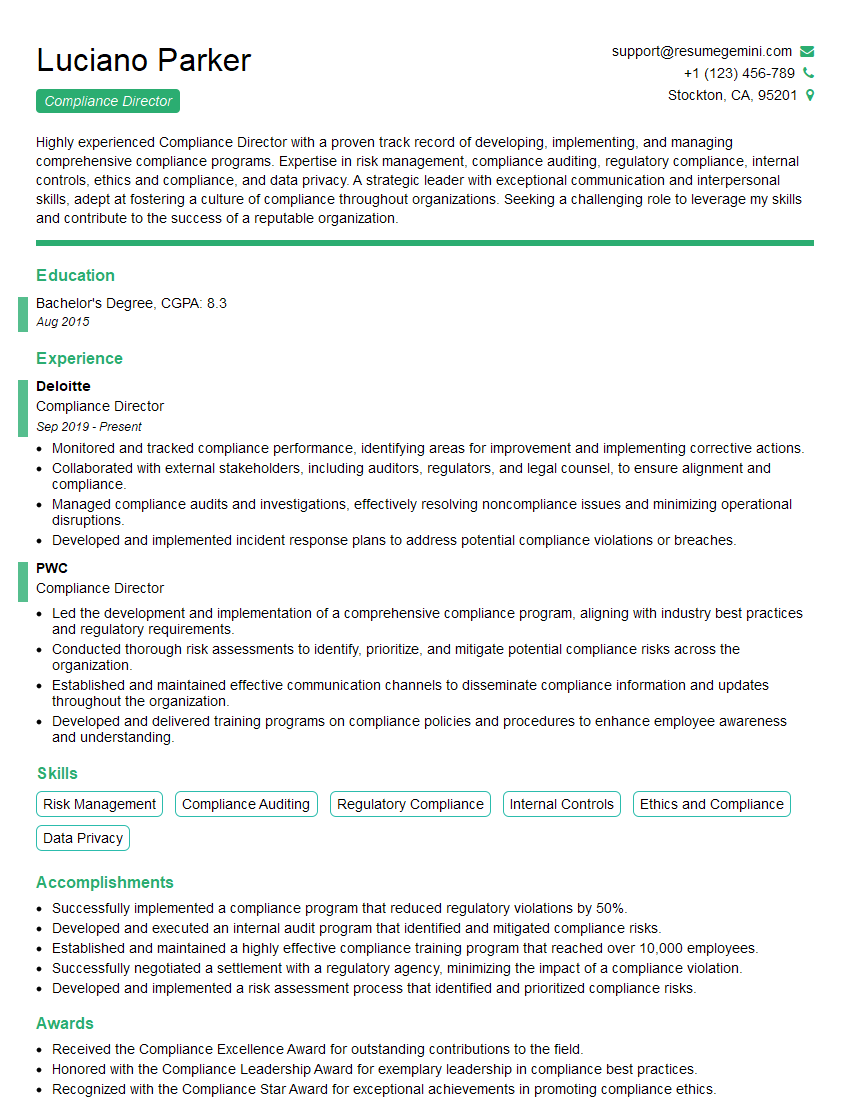
Compliance Director Resume Sample
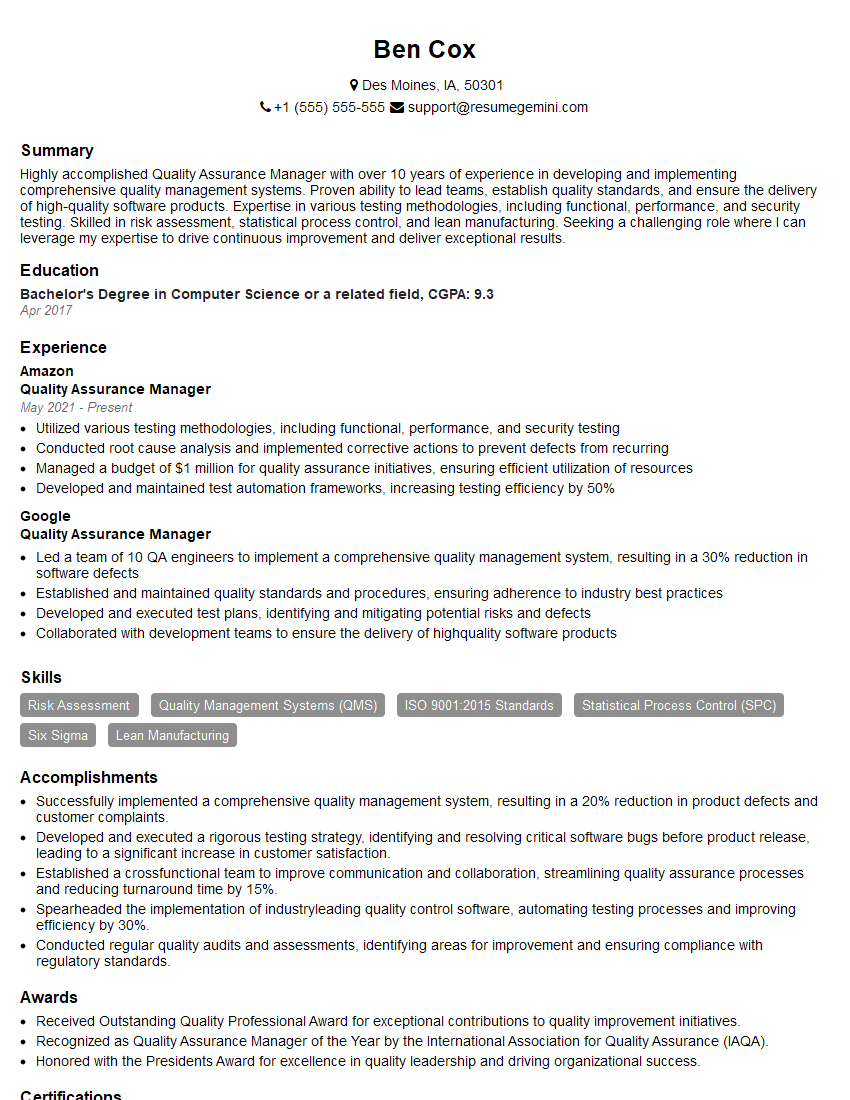
Quality Assurance Manager Resume Sample
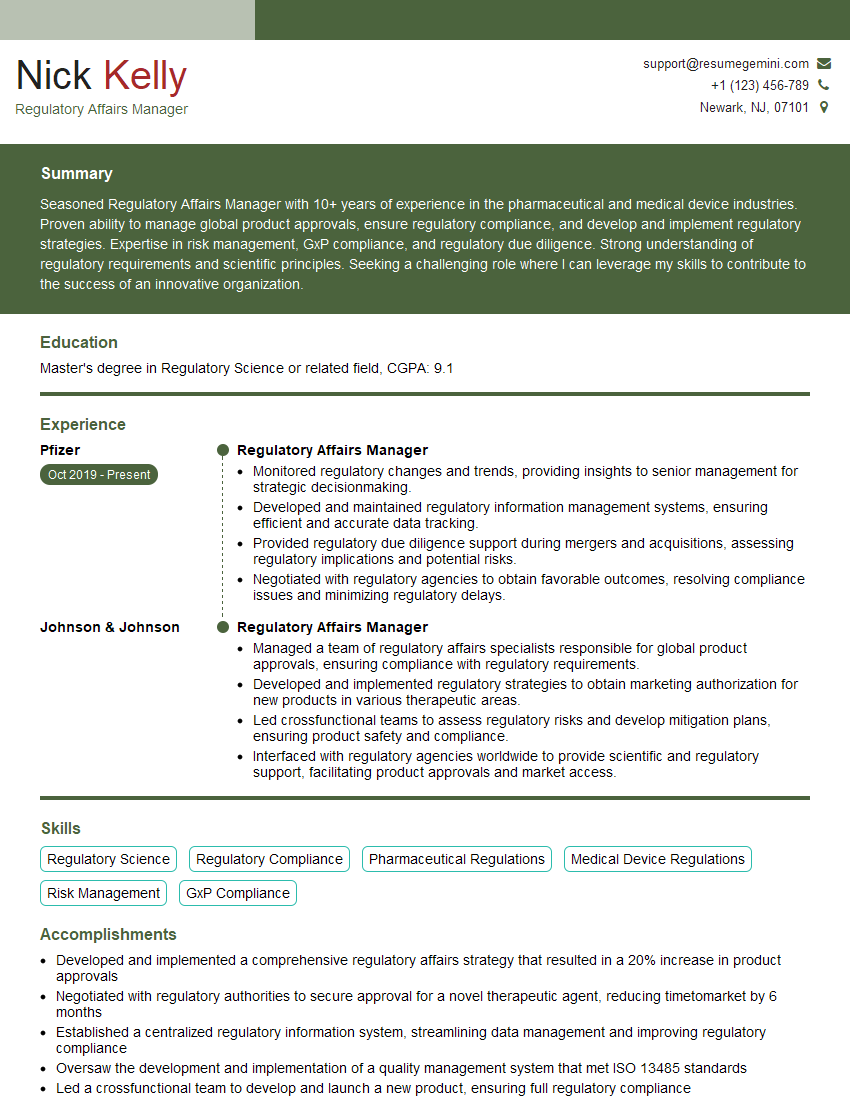
Regulatory Affairs Manager Resume Sample
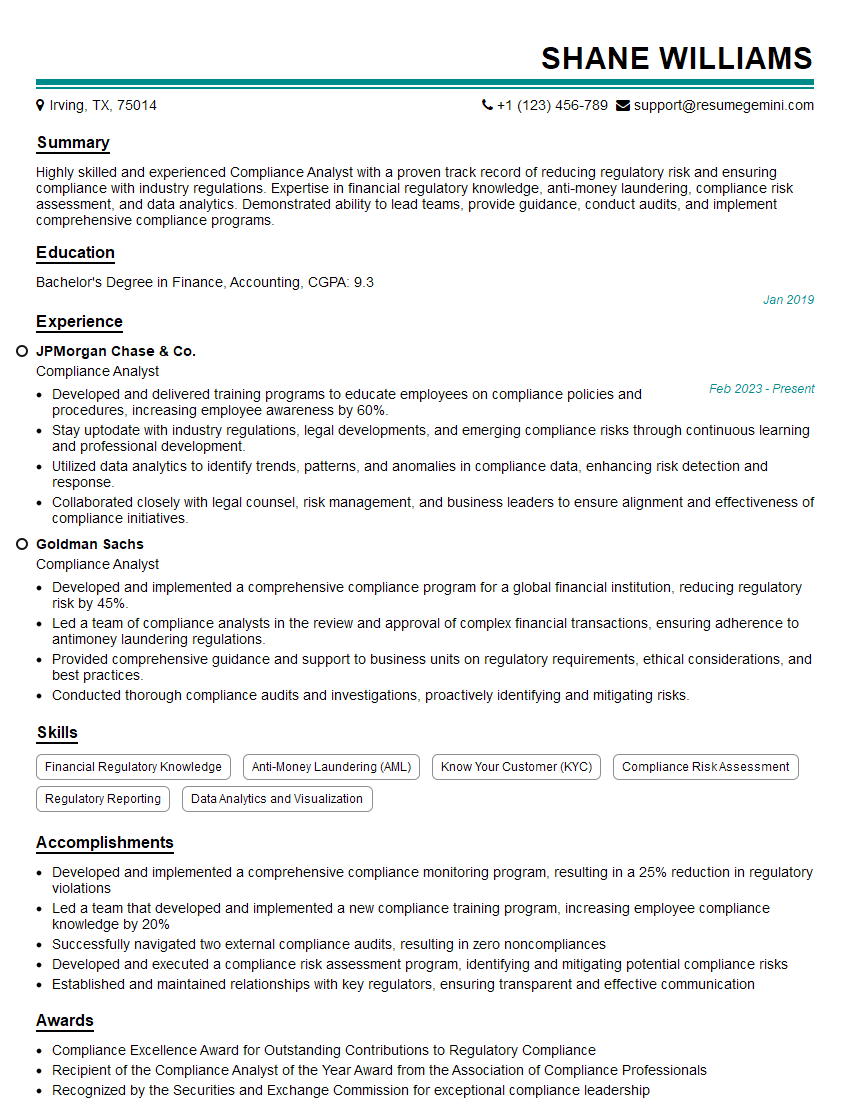
Compliance Analyst Resume Sample
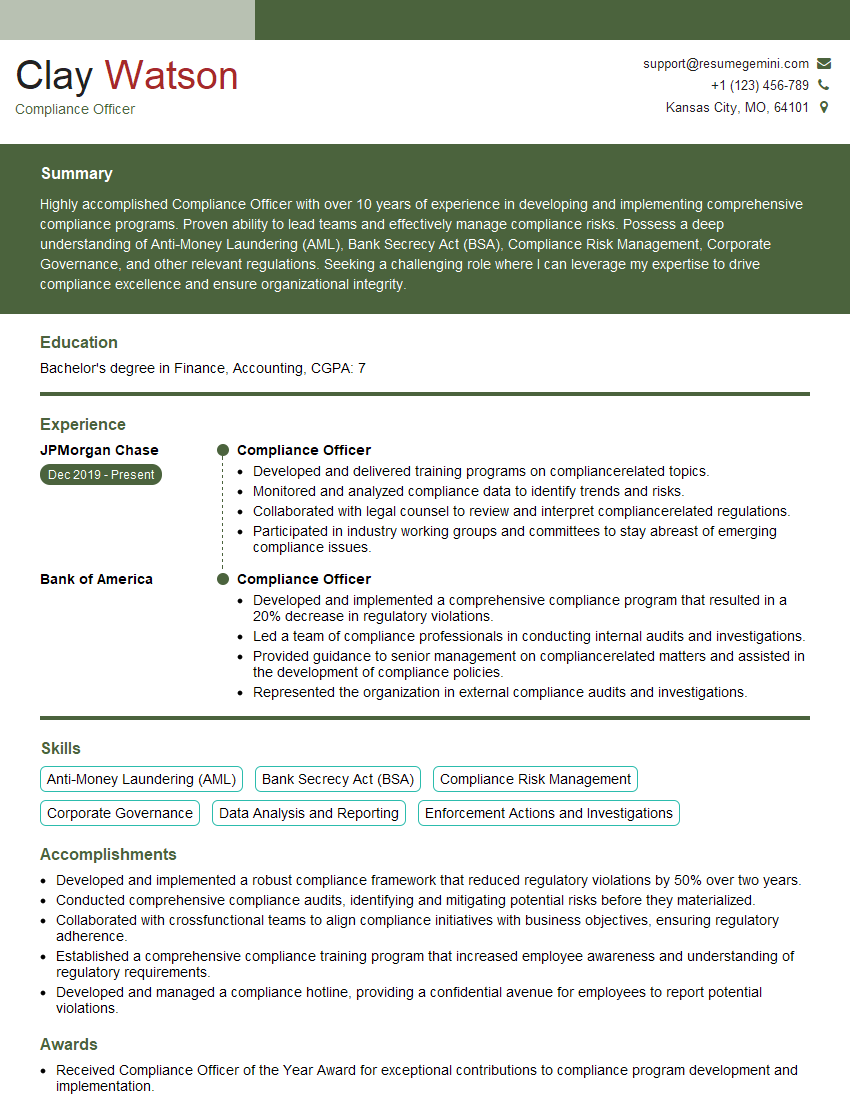
Compliance Officer Resume Sample
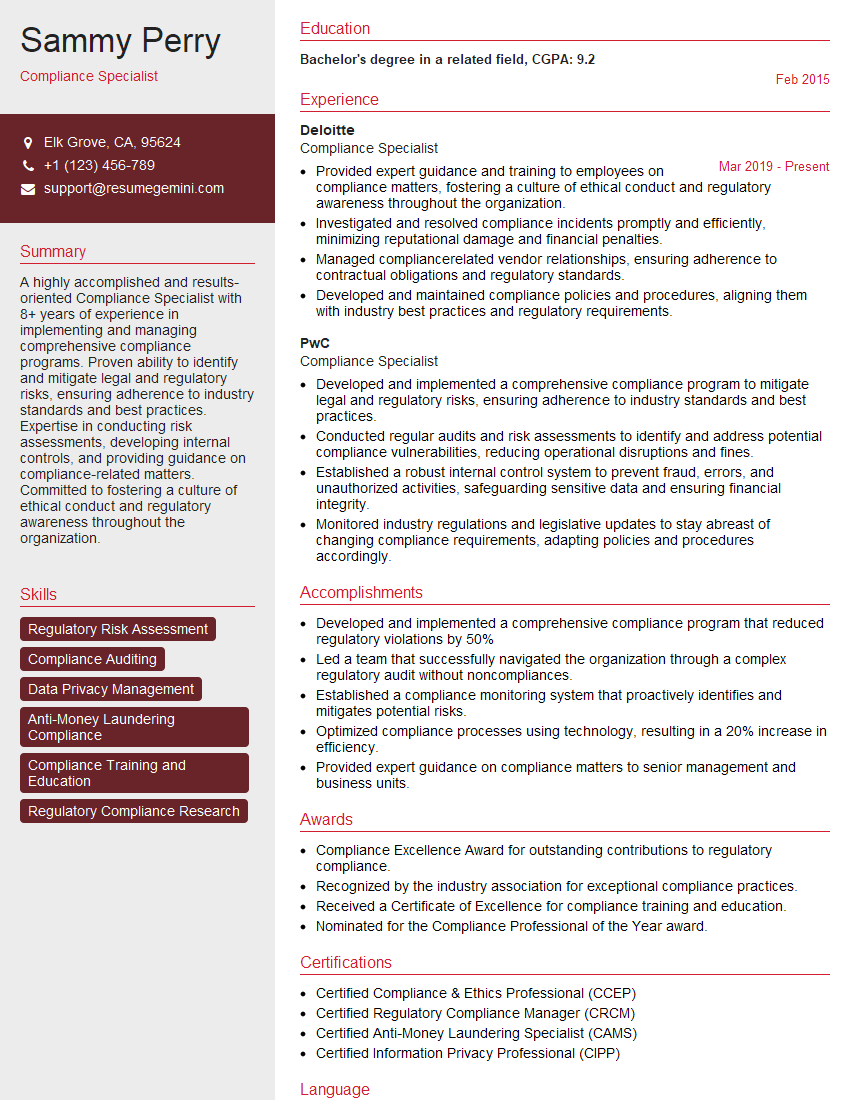
Compliance Specialist Resume Sample
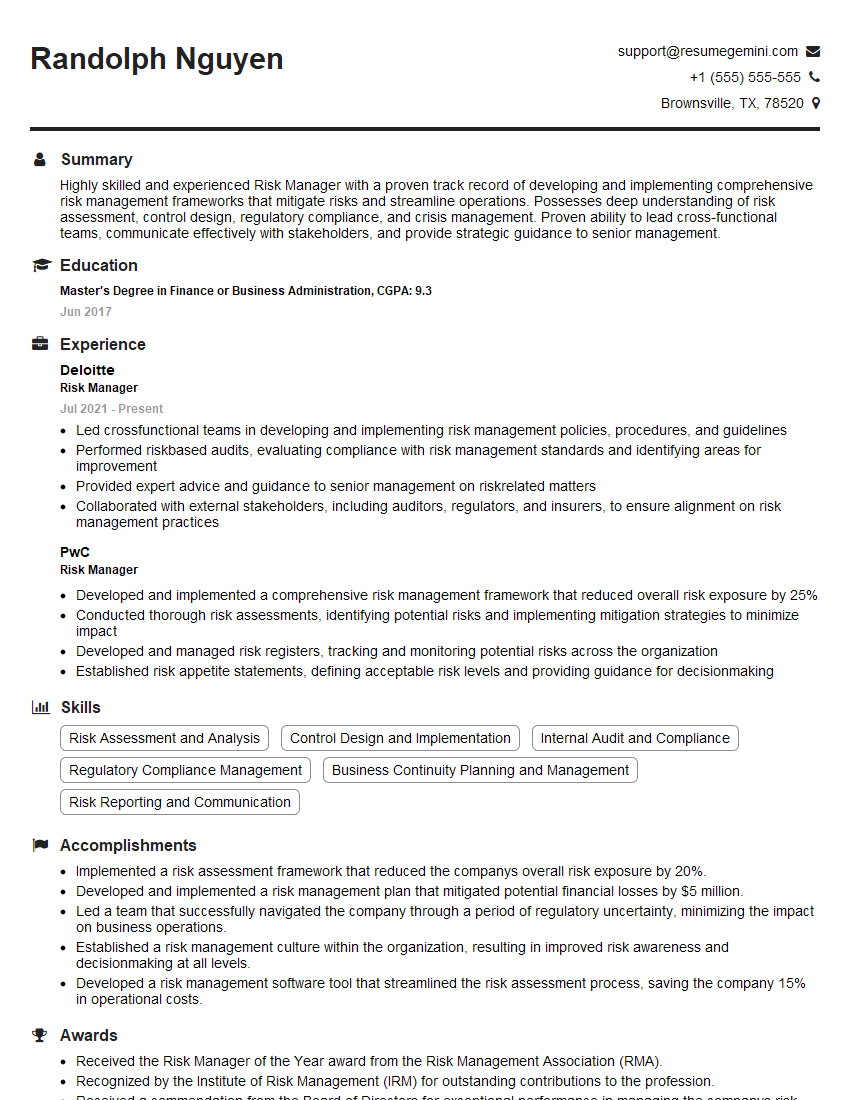
Risk Manager Resume Sample
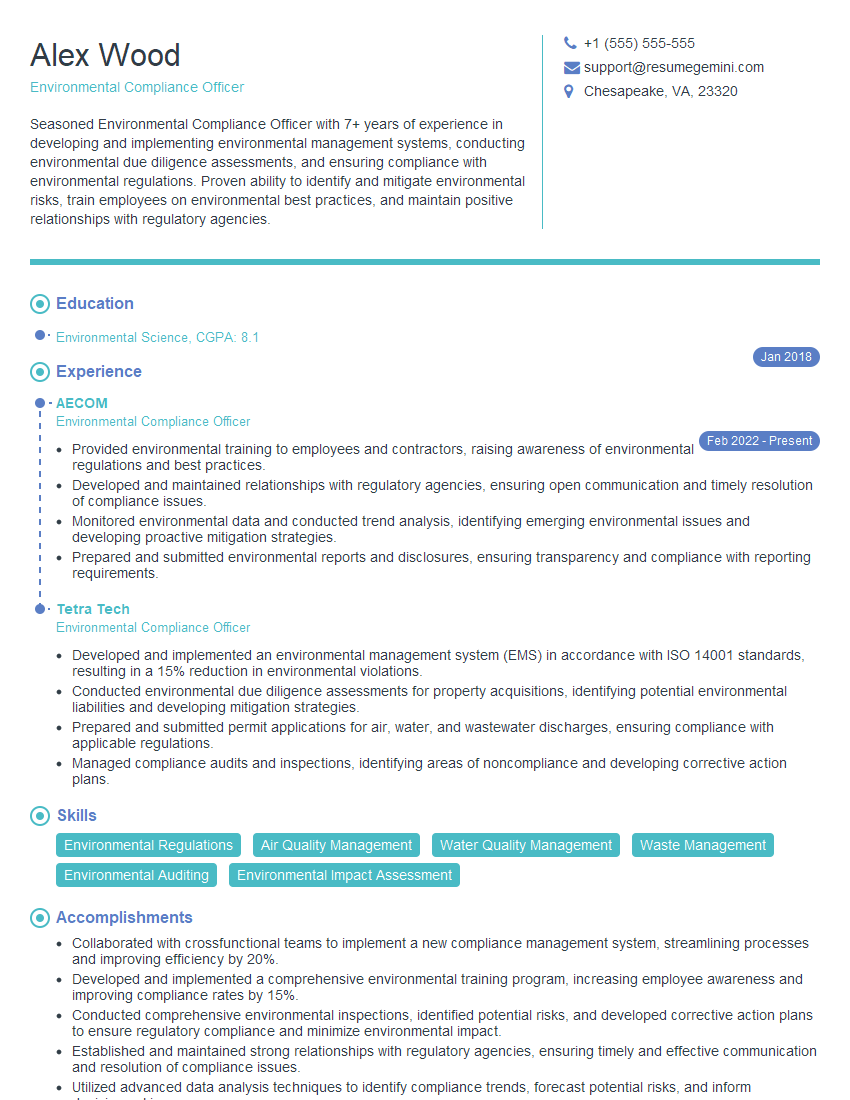
Environmental Compliance Officer Resume Sample
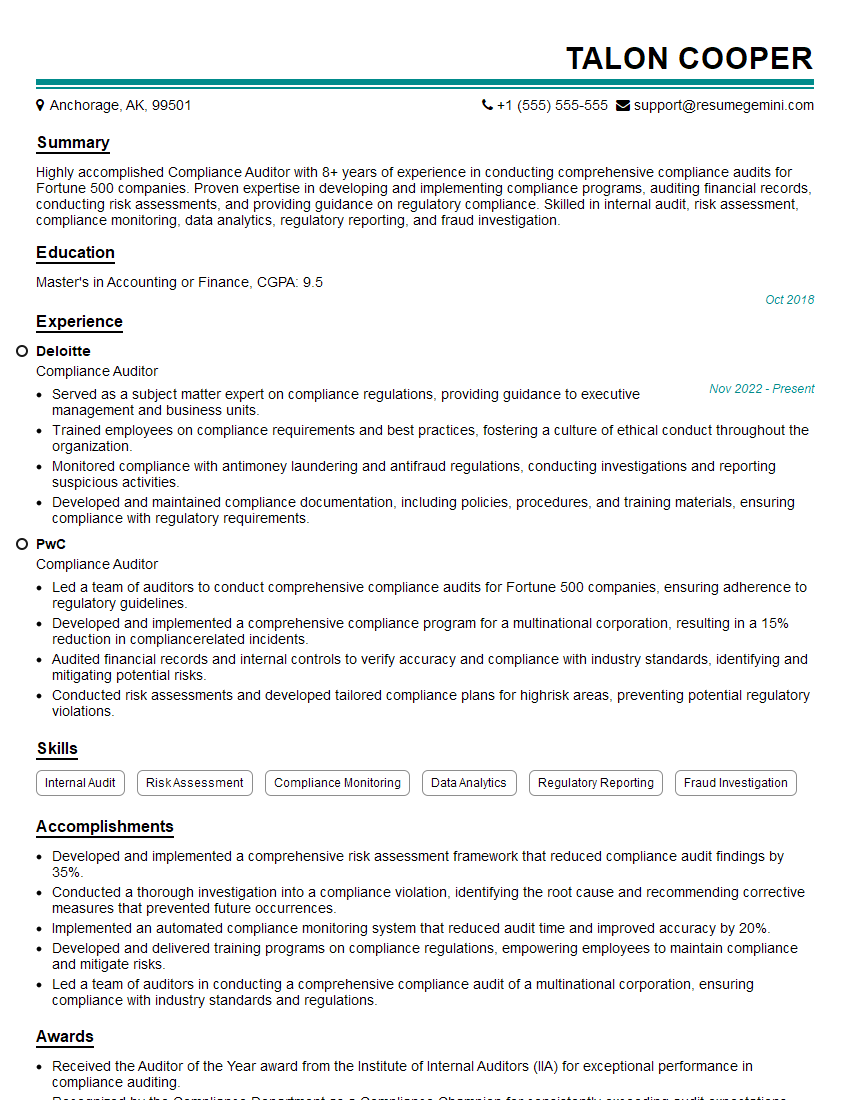
Compliance Auditor Resume Sample
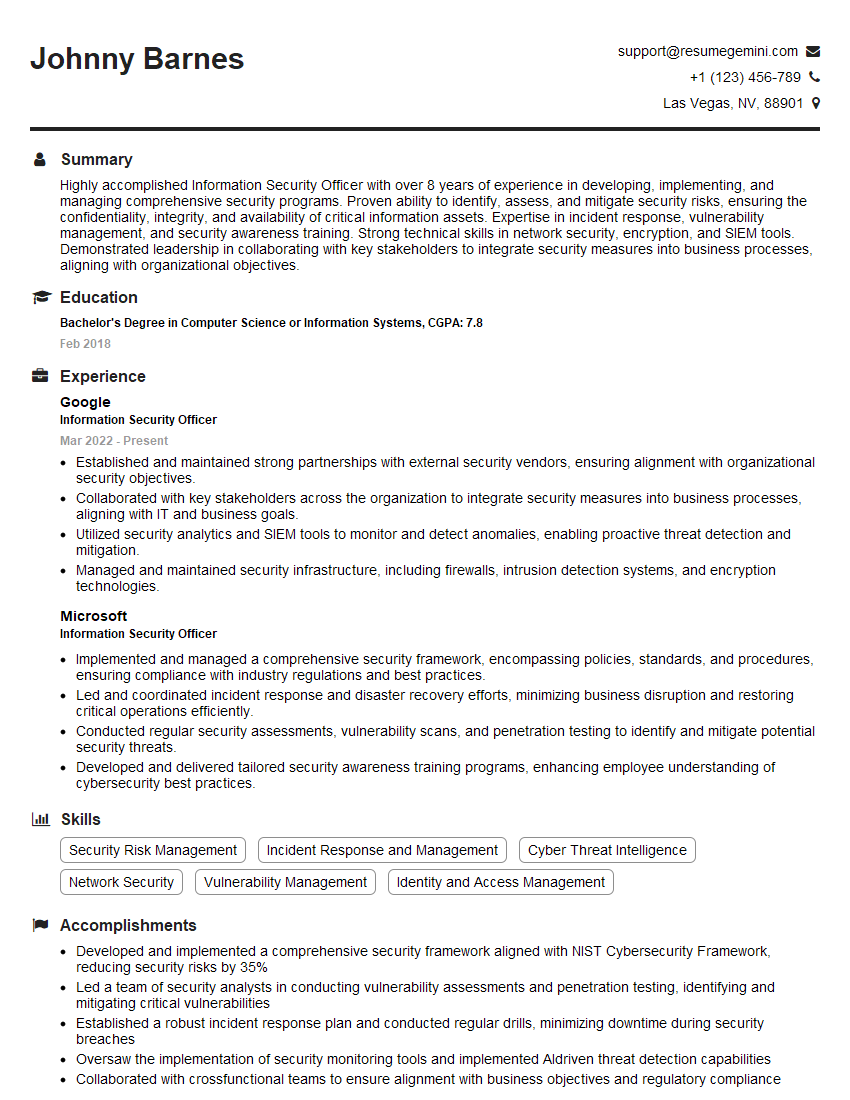
Information Security Officer Resume Sample
Explore more articles
Users Rating of Our Blogs
Share Your Experience
We value your feedback! Please rate our content and share your thoughts (optional).
What Readers Say About Our Blog
To the interviewgemini.com Webmaster.
Very helpful and content specific questions to help prepare me for my interview!
Thank you
To the interviewgemini.com Webmaster.
This was kind of a unique content I found around the specialized skills. Very helpful questions and good detailed answers.
Very Helpful blog, thank you Interviewgemini team.