Interviews are opportunities to demonstrate your expertise, and this guide is here to help you shine. Explore the essential Public Speaking and Patient Education interview questions that employers frequently ask, paired with strategies for crafting responses that set you apart from the competition.
Questions Asked in Public Speaking and Patient Education Interview
Q 1. Describe your experience developing patient education materials.
Developing effective patient education materials requires a multi-faceted approach, blending medical accuracy with clear, engaging communication. My experience spans creating various formats, from brochures and handouts to interactive websites and short videos. For example, I recently developed a series of animated explainer videos for a pediatric cardiology clinic, breaking down complex heart conditions into easily digestible segments for both children and their parents. This involved working closely with cardiologists to ensure medical accuracy and using bright visuals and age-appropriate language. Another project involved designing a patient portal for managing chronic conditions, focusing on intuitive navigation, clear instructions for medication management, and interactive tools for tracking progress. The key is to always consider the patient’s perspective and learning style.
Q 2. How do you tailor your communication style to different patient audiences?
Tailoring communication to different patient audiences is crucial for effective patient education. I adjust my language, tone, and format based on factors like age, literacy level, cultural background, and health literacy. For example, when educating elderly patients about medication adherence, I use larger fonts, simpler language, and may incorporate visual aids. With younger audiences, I might use interactive games or short videos. For patients with limited health literacy, I focus on plain language, avoiding medical jargon and using visual aids to support understanding. I also consider cultural sensitivities and adapt my approach accordingly. For instance, I might use different communication styles and visual cues depending on the cultural norms of my audience. The goal is to always make the information accessible and engaging for everyone.
Q 3. Explain your approach to ensuring health information is easily understood.
Ensuring easily understood health information involves several key strategies. First, I use plain language, avoiding medical jargon and complex sentence structures. I employ the principles of health literacy, focusing on clear, concise messaging. Second, I use visuals extensively – diagrams, charts, images – to support textual information and cater to different learning styles. Third, I break down complex topics into smaller, manageable chunks, using headings, subheadings, and bullet points to enhance readability. Fourth, I always aim for active voice and use concrete examples to illustrate abstract concepts. For instance, instead of saying “The medication should be taken as directed,” I might say, “Take one pill twice a day with food.” Finally, I conduct pre-testing with target audiences to assess comprehension and refine the materials accordingly. This iterative process helps me to ensure that the information is truly accessible and understandable.
Q 4. How would you handle a difficult question from an audience during a presentation?
Handling difficult questions during a presentation requires tact and composure. My approach involves acknowledging the question, restating it for clarity (to ensure I understand and the audience does as well), and then addressing it directly and honestly. If I don’t know the answer, I will say so openly, promising to find out and follow up. For example, if a question veers into an area beyond my expertise, I’d say something like, “That’s a great question, and it touches on a more specialized area. While I can’t provide a definitive answer today, I’d be happy to connect you with a specialist who can.” It’s crucial to remain respectful and approachable even when addressing challenging or controversial topics. This builds trust and shows that I value the audience’s input and questions.
Q 5. What strategies do you use to engage patients in learning about their health?
Engaging patients in learning about their health requires creating a participatory learning environment. I utilize interactive methods like group discussions, question-and-answer sessions, and hands-on activities. For example, I might use role-playing to practice medication administration or employ case studies to illustrate how medical concepts apply to real-life scenarios. I also encourage active participation by using open-ended questions and prompting patients to share their experiences and perspectives. Building a supportive and non-judgmental environment is key; this allows patients to feel comfortable asking questions and expressing concerns. Finally, I regularly seek feedback to determine whether patients feel actively involved and whether their learning needs are being met.
Q 6. Describe your experience using different presentation techniques (e.g., visuals, storytelling).
My experience incorporates a range of presentation techniques to maximize engagement. I frequently use visuals, including images, charts, graphs, and videos, to make complex information more accessible and memorable. Storytelling is a powerful tool; I often weave in patient narratives or real-life examples to illustrate concepts and make them relatable. For example, using a patient’s successful journey with a specific treatment plan can be a powerful motivator for others. I also employ different presentation formats depending on the audience and setting, adapting between formal lectures, interactive workshops, and informal group discussions. The selection of appropriate techniques is crucial, ensuring the material resonates with the audience and fosters effective learning.
Q 7. How do you assess the effectiveness of your patient education programs?
Assessing the effectiveness of patient education programs requires a multi-pronged approach. I use a combination of quantitative and qualitative methods. Quantitative methods include pre- and post-tests to measure knowledge gain, surveys to gauge satisfaction and comprehension, and tracking key metrics such as adherence rates or behavioral changes. Qualitative methods involve focus groups and individual interviews to gather in-depth feedback on the program’s clarity, relevance, and impact. By combining both methods, I can obtain a comprehensive understanding of the program’s effectiveness and identify areas for improvement. This feedback loop is crucial for ensuring continuous refinement and optimization of my patient education strategies.
Q 8. How do you incorporate feedback into improving your communication strategies?
Feedback is crucial for refining communication strategies. I actively solicit feedback from various sources – patients, colleagues, and supervisors – using methods like post-presentation questionnaires, informal conversations, and formal evaluations. I analyze this feedback, identifying recurring themes and areas for improvement. For instance, if feedback consistently points to a lack of clarity in a particular section of a presentation, I revise that section, perhaps using simpler language or incorporating visual aids. I also actively observe my own performance, recording presentations to identify verbal tics, body language issues, or pacing problems. This self-reflection, combined with external feedback, allows me to iteratively enhance my communication skills, ensuring my message resonates effectively.
For example, after a patient education session on diabetes management, I received feedback suggesting the information on blood glucose monitoring was too technical. I subsequently simplified the explanation, adding visual diagrams and real-life examples to improve understanding.
Q 9. What are some common barriers to effective patient education, and how do you address them?
Effective patient education faces several barriers. Low health literacy is a major obstacle; many patients struggle to understand complex medical terminology or instructions. Language barriers, cultural differences, and cognitive impairments further complicate communication. Additionally, patients might experience anxiety, fear, or lack of trust, hindering their ability to absorb information. Time constraints also pose a significant challenge, limiting the depth and breadth of education possible during a single interaction.
To address these barriers, I employ several strategies. I use plain language, avoiding jargon and complex medical terms. I tailor my communication to the patient’s individual needs and health literacy level, using visual aids and simple analogies. I actively involve patients in the learning process, encouraging questions and clarifying any misunderstandings. I also leverage various teaching methods, including storytelling, role-playing, and demonstrations, making the educational experience more engaging and memorable. When language barriers exist, I utilize interpreters or translated materials. Finally, building rapport and trust is paramount; actively listening to patient concerns and validating their feelings creates a safe space for learning.
Q 10. Describe your experience using technology to enhance patient education.
Technology plays a vital role in enhancing patient education. I utilize various digital tools to improve patient engagement and accessibility. For instance, I use interactive presentations with embedded videos and animations to illustrate complex concepts. I develop patient portals and mobile apps providing easily accessible information, medication reminders, and progress tracking tools. I also incorporate telehealth platforms for remote consultations and education, particularly beneficial for patients with mobility issues or those living in rural areas. Additionally, I utilize short, engaging videos explaining specific medical procedures or conditions, making complex information easier to digest.
For example, I created a series of short videos explaining the steps involved in administering insulin injections. These videos, available on a patient portal, significantly improved patient confidence and reduced injection-related anxiety.
Q 11. How do you maintain confidentiality when working with patient information?
Maintaining patient confidentiality is paramount. I strictly adhere to HIPAA regulations and organizational policies regarding the handling of protected health information (PHI). I only access and use patient information necessary for providing care or education, and I avoid discussing patient details in public areas or with unauthorized individuals. All electronic records are password-protected, and paper records are stored securely. I am meticulous about securing my devices and ensuring PHI is not visible to others. I also provide patients with clear information regarding how their data is being used and what their rights are concerning their information. My ethical commitment and adherence to policies ensure patient privacy is always protected.
Q 12. Explain your understanding of health literacy principles.
Health literacy refers to an individual’s ability to obtain, process, and understand basic health information and services needed to make appropriate health decisions. It encompasses various skills, including reading, understanding, and applying health-related information, navigating the healthcare system, and communicating effectively with healthcare providers. Low health literacy is linked to poorer health outcomes, increased hospitalizations, and decreased medication adherence. Therefore, understanding these principles is critical for effective patient education. It’s about tailoring information to individual needs and using clear, concise language and visual aids to promote understanding.
Q 13. How do you adapt your communication style for patients with limited health literacy?
When working with patients with limited health literacy, I adapt my communication style significantly. I use plain language, avoiding medical jargon and technical terms. I employ short sentences and simple vocabulary, ensuring the message is easy to understand. I use visual aids such as diagrams, pictures, and videos to reinforce key concepts. I check for understanding frequently, asking patients to explain information in their own words to gauge comprehension. I break down complex information into smaller, manageable chunks, and I prioritize the most essential information first. I also actively involve family members or caregivers in the education process, when appropriate and with the patient’s consent.
For instance, instead of explaining ‘hyperglycemia’ I might say, ‘high blood sugar’, and use a picture of a blood glucose meter to demonstrate how it’s measured.
Q 14. How do you handle challenging or emotional situations when educating patients?
Handling challenging or emotional situations requires empathy, patience, and strong communication skills. When a patient is upset or distressed, I create a safe and supportive environment, actively listening to their concerns and validating their feelings. I use reflective listening techniques to ensure I understand their perspective. I avoid interrupting or dismissing their emotions. I use clear and calm language, explaining medical information in a simple and accessible way. If the emotional response is overwhelming, I might suggest a break or schedule a follow-up appointment. Collaborating with other healthcare professionals, such as social workers or psychologists, might be necessary to provide additional support.
For example, if a patient is struggling to cope with a recent diagnosis, I would validate their feelings, offer emotional support, and connect them with resources such as support groups or counseling services. The focus would shift from simply delivering information to providing emotional support and building a strong therapeutic alliance.
Q 15. Describe your experience working collaboratively with healthcare professionals.
Throughout my career, I’ve collaborated extensively with healthcare professionals, including physicians, nurses, social workers, and medical administrators. This collaboration has always been built on a foundation of mutual respect and a shared commitment to patient well-being. I’ve found that effective teamwork hinges on clear communication, active listening, and a willingness to leverage each team member’s unique expertise.
For example, in a recent project aimed at improving patient adherence to diabetes management plans, I worked closely with endocrinologists to understand the latest treatment guidelines and then developed patient education materials that accurately reflected that information in an easily digestible format. I also collaborated with nurses to test and refine the materials, ensuring they aligned with their practical experiences and addressed common patient questions.
My collaborative approach involves regular meetings, shared document editing, and open feedback sessions. I believe that by actively listening to the perspectives of other healthcare professionals, we can create more effective and comprehensive patient education strategies that cater to diverse needs and backgrounds.
Career Expert Tips:
- Ace those interviews! Prepare effectively by reviewing the Top 50 Most Common Interview Questions on ResumeGemini.
- Navigate your job search with confidence! Explore a wide range of Career Tips on ResumeGemini. Learn about common challenges and recommendations to overcome them.
- Craft the perfect resume! Master the Art of Resume Writing with ResumeGemini’s guide. Showcase your unique qualifications and achievements effectively.
- Don’t miss out on holiday savings! Build your dream resume with ResumeGemini’s ATS optimized templates.
Q 16. What is your experience with developing and delivering presentations to large groups?
I have extensive experience developing and delivering presentations to large groups, ranging from small workshops to large conferences. My presentations are meticulously planned to ensure clear communication, audience engagement, and the achievement of specific learning objectives. I always consider the audience’s background knowledge and tailor my content and delivery style to maximize understanding and retention.
For instance, at a recent medical conference, I presented on the latest advancements in stroke rehabilitation to an audience of over 200 healthcare professionals. My presentation incorporated visual aids such as infographics and short videos to enhance comprehension. I also used interactive elements like polls and Q&A sessions to keep the audience actively involved. The feedback was overwhelmingly positive, with many attendees praising the clarity, relevance, and engaging nature of the presentation.
My approach to large group presentations involves thorough preparation, including crafting a clear narrative, selecting appropriate visual aids, and rehearsing the delivery. I also pay close attention to non-verbal communication, ensuring my body language supports the message and creates a connection with the audience.
Q 17. How do you ensure your communication is culturally sensitive and appropriate?
Cultural sensitivity is paramount in patient education. Ignoring cultural differences can lead to miscommunication, mistrust, and ultimately, ineffective healthcare. To ensure my communication is culturally appropriate, I employ several strategies. First, I strive to understand the cultural backgrounds and health beliefs of my audience. This might involve researching specific cultural groups or simply asking open-ended questions to gauge their understanding and preferences.
Secondly, I adapt my communication style to reflect the cultural norms of my audience. This might involve using simpler language, adjusting my tone and pace, or incorporating culturally relevant examples and analogies. For example, when educating a predominantly Latino community about diabetes, I would incorporate familiar foods and lifestyle examples relevant to their cultural context.
Thirdly, I ensure that my materials are translated into appropriate languages, and the visuals reflect the cultural diversity of my audience. I also involve community members from the target population in the development and review of materials to ensure accuracy and cultural appropriateness. This collaborative approach ensures the message resonates effectively and builds trust.
Q 18. What is your preferred method for gathering patient feedback?
Gathering patient feedback is crucial for assessing the effectiveness of my education programs and making necessary improvements. My preferred method is a multi-faceted approach that combines various techniques to capture a comprehensive understanding of the patient experience. This includes:
- Post-education surveys: These use standardized questionnaires to gather quantitative data on patient satisfaction, understanding, and knowledge retention.
- Focus groups: These allow for in-depth qualitative feedback through open-ended discussions and group interactions.
- Individual interviews: These provide personalized feedback, allowing me to address specific concerns and gather detailed insights.
- Online feedback forms: These offer a convenient and accessible method for patients to share their opinions anonymously.
By combining these methods, I can obtain a rich dataset that helps me assess the strengths and weaknesses of my educational strategies and continuously improve my approach.
Q 19. Describe your experience in using visual aids to improve communication.
Visual aids are indispensable tools for improving communication and knowledge retention in patient education. They transform complex information into easily digestible formats, enhancing comprehension and engagement. I use a variety of visual aids, including:
- Infographics: These condense large amounts of information into visually appealing and easily understandable formats.
- Videos: These demonstrate procedures, illustrate concepts, and personalize the learning experience.
- Illustrations and diagrams: These visually represent anatomical structures, physiological processes, and treatment plans.
- Interactive presentations: These engage audiences through interactive elements and multimedia content.
For example, when educating patients about heart disease, I might use an infographic to illustrate risk factors and prevention strategies. Similarly, a short video might demonstrate proper medication administration techniques.
The key to successful use of visual aids is to keep them simple, clear, and relevant to the information being conveyed. Overuse of complex visuals can be counterproductive, leading to audience confusion rather than improved understanding.
Q 20. How do you address misinformation when educating patients?
Addressing misinformation is a critical aspect of patient education. When I encounter misinformation, my approach is to gently correct it using evidence-based information, while respecting the patient’s perspective and beliefs. I never dismiss or belittle the patient’s concerns. Instead, I strive to foster a collaborative dialogue.
My strategy includes:
- Active listening: Understanding the source and reasons behind the misinformation is the first step. I listen attentively to the patient’s concerns and try to identify the root of their misunderstanding.
- Providing accurate information: I use clear, simple language, and credible sources to present the correct information, ensuring it aligns with the patient’s literacy level.
- Addressing emotional concerns: Sometimes, misinformation stems from fear, anxiety, or mistrust. I address these emotional factors with empathy and reassurance.
- Using trusted resources: I reference reputable sources such as professional medical organizations and government health agencies to build trust and credibility.
The goal is not just to correct the misinformation but to empower the patient with the knowledge and confidence to make informed decisions about their health.
Q 21. How familiar are you with different learning styles?
Understanding different learning styles is essential for delivering effective patient education. People learn in various ways, and tailoring the educational approach to match these styles maximizes comprehension and retention. I am familiar with several prominent learning styles, including:
- Visual learners: These individuals learn best through visual aids such as diagrams, charts, and videos.
- Auditory learners: These individuals prefer learning through listening, such as lectures or discussions.
- Kinesthetic learners: These individuals learn best through hands-on activities and physical experiences.
- Reading/Writing learners: These learners benefit from written materials such as pamphlets, handouts, and articles.
I incorporate a variety of teaching methods to accommodate these diverse learning styles. For example, when teaching about a particular medical procedure, I would provide a visual aid demonstrating the procedure, a verbal explanation during a demonstration, and allow patients to practice performing the procedure on a model. This multi-sensory approach improves overall understanding and retention.
Understanding learning styles allows me to adapt my materials and teaching methods to better suit the individual needs of my audience. This ensures that my education is accessible, engaging, and effective for all.
Q 22. Describe a time you had to adapt a presentation on the fly.
Adaptability is crucial in public speaking. Once, I was presenting on diabetes management to a group of seniors. I’d prepared slides with detailed charts and graphs. However, I quickly realized they were struggling to understand the complex data. On the fly, I transitioned to simpler visuals, using real-life analogies like comparing blood sugar to a car’s fuel gauge. I also incorporated more interactive elements, asking questions and encouraging them to share their experiences. This shift dramatically improved engagement and comprehension. The key was to recognize the audience’s needs and adjust my approach to meet them, prioritizing clarity over the original planned content.
Q 23. How do you prioritize key messages in patient education materials?
Prioritizing key messages in patient education hinges on understanding the ‘need-to-know’ versus ‘nice-to-know’ information. I use a framework that considers the patient’s specific condition, their health literacy level, and their treatment goals. For instance, if educating on heart failure, the priority would be understanding medication adherence, recognizing warning signs of worsening symptoms (like shortness of breath), and implementing lifestyle changes (like dietary modifications and exercise). Secondary messages could include detailed physiology or specific research findings. This prioritization often involves creating a hierarchy of information, clearly outlining the ‘must-know’ information first in bold, larger font, and supplemented with easy-to-understand visuals before progressing to more nuanced details.
Q 24. What are your preferred methods for assessing patient understanding?
Assessing patient understanding is multifaceted. I utilize a combination of methods, including:
- Direct questioning: Using open-ended questions like, “In your own words, can you explain what we discussed today?” allows for a genuine understanding of their grasp. Avoid leading questions.
- Teach-back method: Asking patients to explain back the information in their own words ensures comprehension and identifies gaps in knowledge. I’ll gently correct misconceptions.
- Visual aids: Using drawings, diagrams or short quizzes can assess understanding in a less intimidating way.
- Observation: Observing the patient’s engagement and ability to perform demonstrated tasks (e.g., demonstrating proper injection technique) is crucial.
The combination of these methods paints a more complete picture of comprehension than any single method could achieve.
Q 25. How would you design an educational session for patients with a specific health condition?
Designing an educational session begins with thorough needs assessment. I would first determine the specific health condition, target audience (e.g., age, health literacy), and learning objectives. For example, for patients with newly diagnosed asthma, the session would focus on: understanding asthma triggers, proper inhaler technique, recognizing an asthma attack, and developing an action plan with their physician. The session would incorporate interactive elements, such as demonstrations, group discussions, question-and-answer sessions, and handouts summarizing key information with clear, concise language and simple visuals. Providing opportunities for practical application, such as role-playing inhaler use, ensures active learning and better retention.
Q 26. How do you ensure your communication is evidence-based?
Evidence-based communication relies on credible sources. I consistently consult reputable organizations like the National Institutes of Health (NIH), the Centers for Disease Control and Prevention (CDC), and peer-reviewed medical journals to ensure accuracy. When presenting information, I clearly cite the sources to reinforce credibility. Furthermore, I’m meticulous about differentiating between established facts, current research findings, and opinions or anecdotal evidence, always emphasizing that treatment plans should be guided by discussions with one’s physician.
Q 27. Describe your experience with training others in public speaking or patient education techniques.
I have extensive experience training healthcare professionals in both public speaking and patient education. My approach is highly interactive, using a combination of lectures, group activities, role-playing, and feedback sessions. I focus on developing strong communication skills, tailoring messaging to the audience, and incorporating strategies to improve engagement and understanding. I also emphasize the importance of cultural sensitivity and effective nonverbal communication. For example, I’ve conducted workshops on effectively communicating complex medical information to patients with diverse health literacy levels, always employing a constructive, supportive, and personalized approach.
Q 28. How would you address a situation where a patient disagrees with your recommendations?
Respectful dialogue is paramount. If a patient disagrees with my recommendations, I would first actively listen to their concerns without interruption. Then, I would respectfully explore their reasoning, seeking to understand their perspective. This might involve clarifying any misunderstandings about the treatment or its benefits. I would then present the evidence supporting my recommendations in a clear, concise manner, and if necessary, explore alternative options in collaboration with the patient and their physician. Ultimately, the goal is to reach a shared understanding and a treatment plan that aligns with the patient’s values and preferences while maintaining their safety and well-being.
Key Topics to Learn for Public Speaking and Patient Education Interview
- Understanding Your Audience: Analyzing patient demographics, health literacy levels, and emotional states to tailor communication effectively. Practical application: Developing different communication strategies for pediatric versus geriatric patients.
- Effective Communication Techniques: Mastering clear, concise language, active listening, and non-verbal communication skills. Practical application: Utilizing storytelling and visual aids to enhance understanding and retention of information.
- Developing Engaging Presentations: Structuring presentations logically, using persuasive language, and incorporating interactive elements. Practical application: Designing patient education materials that are visually appealing and easy to navigate.
- Handling Difficult Conversations: Addressing sensitive topics, managing challenging questions, and responding to emotional reactions with empathy and professionalism. Practical application: Role-playing scenarios involving difficult conversations with patients and their families.
- Health Literacy and Patient Education Strategies: Understanding the principles of health literacy and adapting communication to varying levels of comprehension. Practical application: Creating simple, easy-to-understand educational materials using plain language.
- Utilizing Technology for Patient Education: Leveraging technology (e.g., videos, apps, interactive websites) to enhance patient engagement and understanding. Practical application: Evaluating the effectiveness of different technological approaches to patient education.
- Assessing Learning and Evaluating Outcomes: Employing methods to assess patient understanding and evaluating the effectiveness of patient education interventions. Practical application: Designing and implementing post-education questionnaires or assessments.
Next Steps
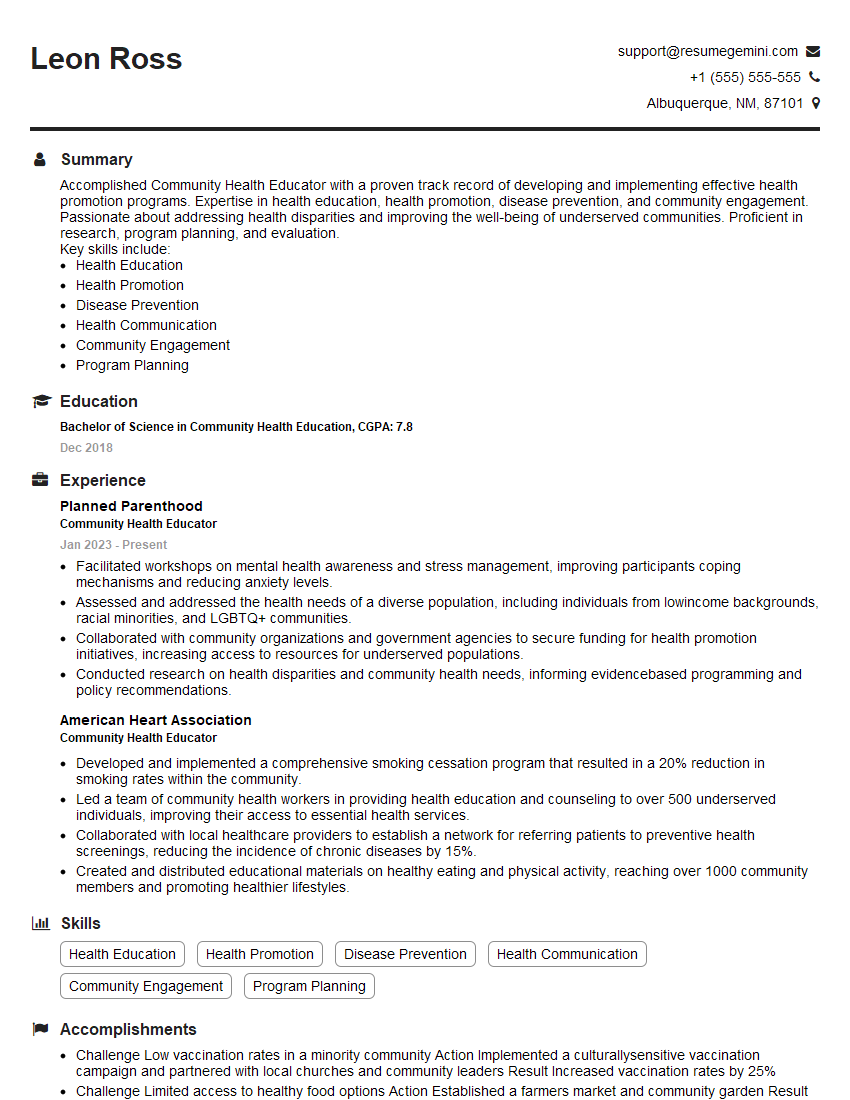
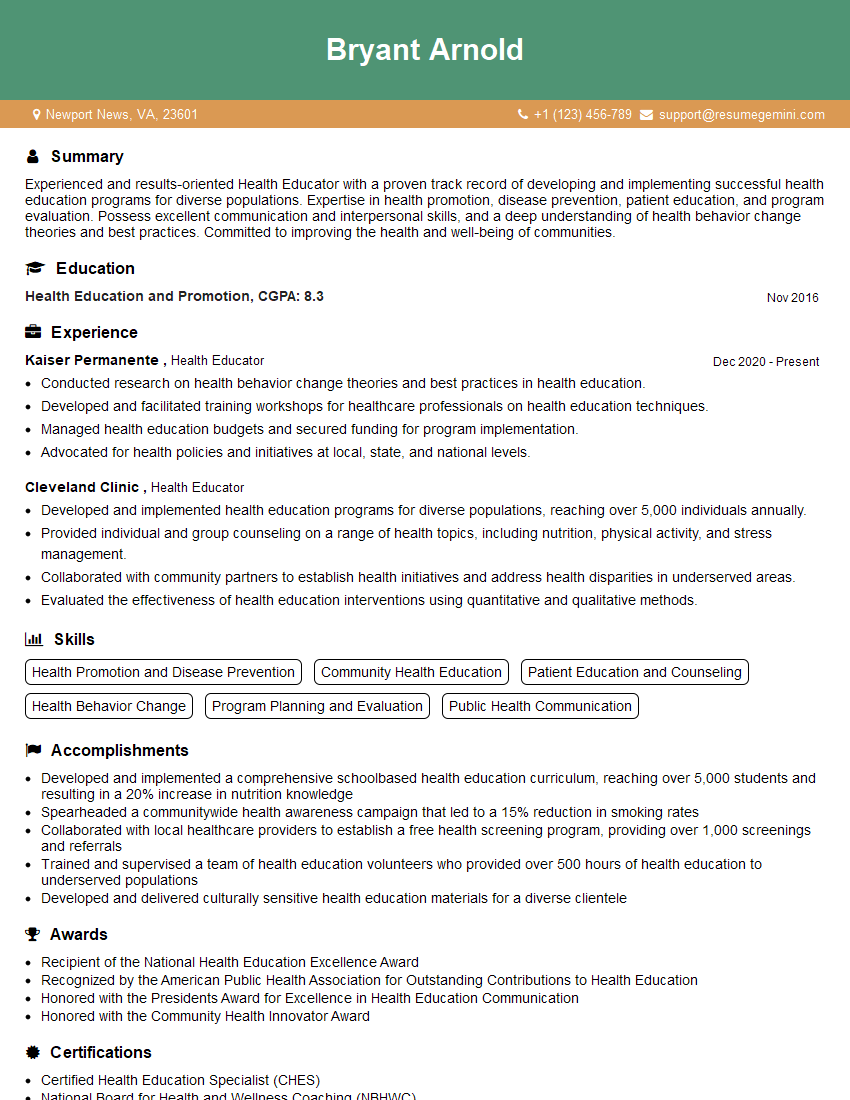
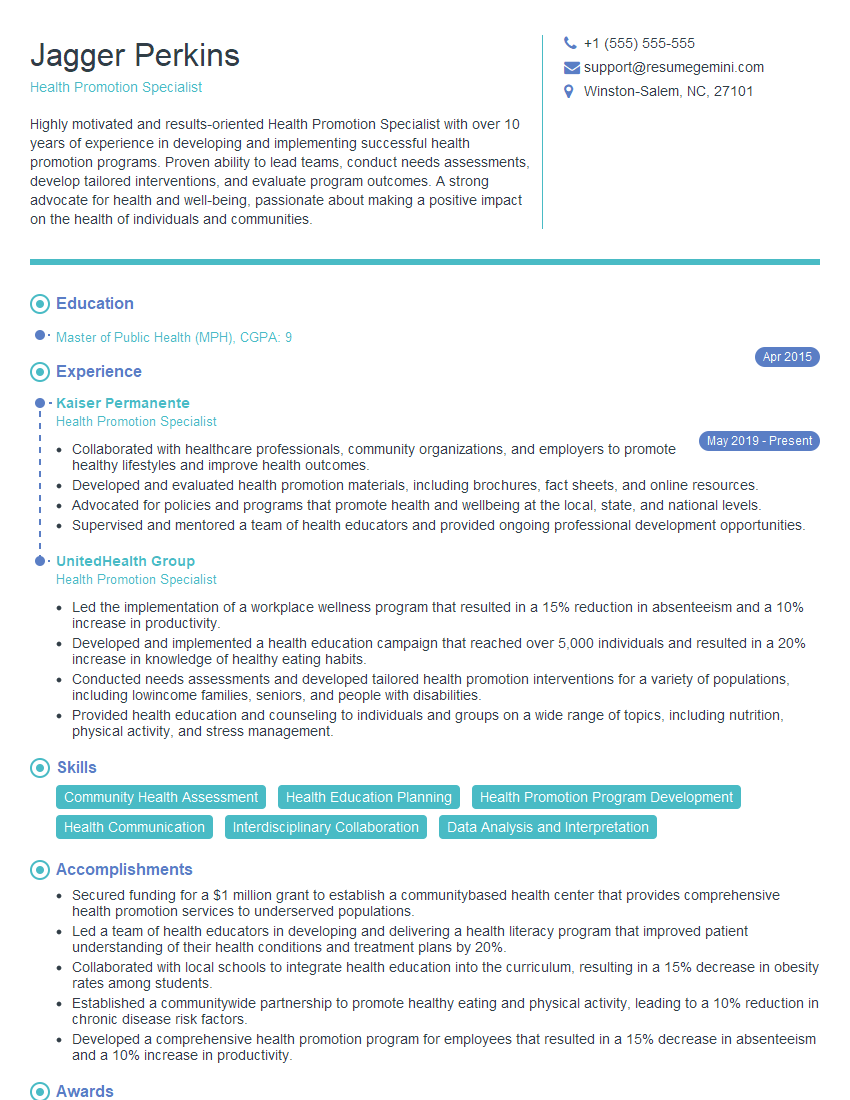
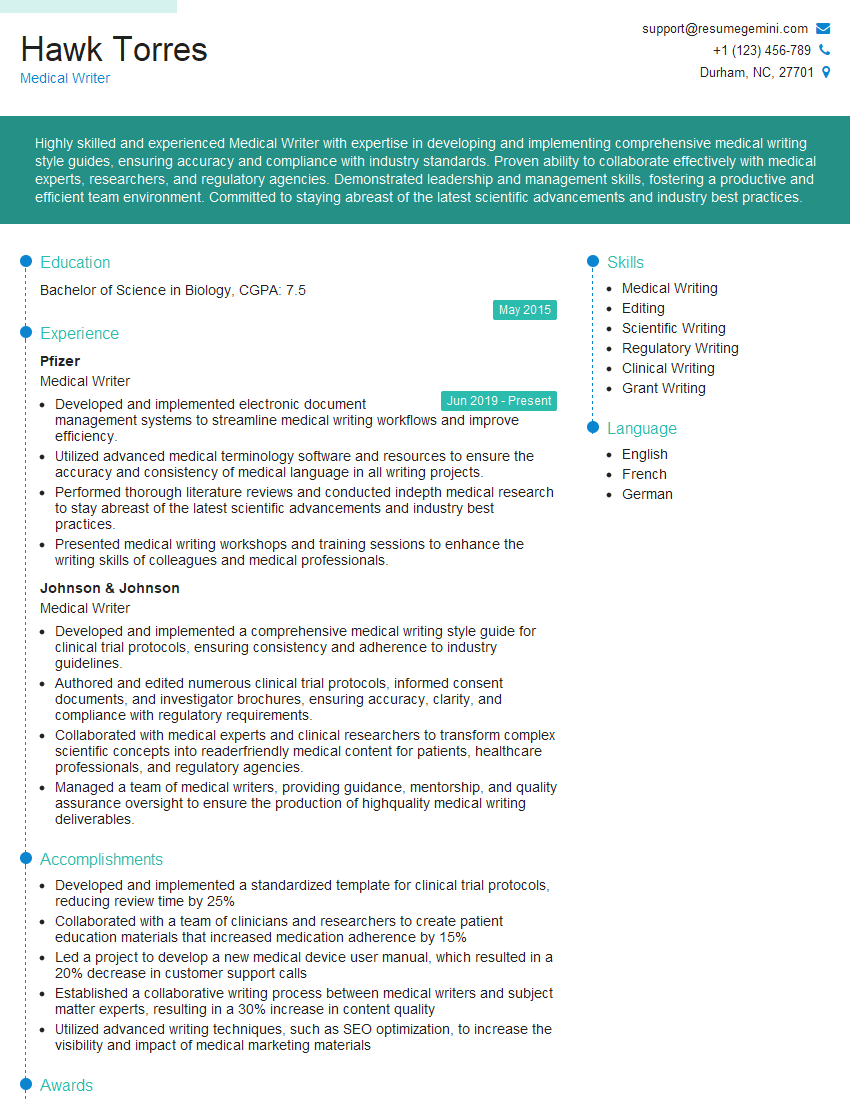
Mastering public speaking and patient education is crucial for career advancement in healthcare and related fields. These skills are highly sought after, demonstrating your ability to effectively communicate complex information, build rapport with patients, and contribute to positive health outcomes. To significantly boost your job prospects, creating an ATS-friendly resume is essential. This ensures your application gets noticed by recruiters and hiring managers. We highly recommend using ResumeGemini to build a professional and impactful resume tailored to your skills and experience. ResumeGemini provides examples of resumes specifically designed for roles in Public Speaking and Patient Education, allowing you to create a compelling application that showcases your expertise.
Explore more articles
Users Rating of Our Blogs
Share Your Experience
We value your feedback! Please rate our content and share your thoughts (optional).
What Readers Say About Our Blog
To the interviewgemini.com Webmaster.
Very helpful and content specific questions to help prepare me for my interview!
Thank you
To the interviewgemini.com Webmaster.
This was kind of a unique content I found around the specialized skills. Very helpful questions and good detailed answers.
Very Helpful blog, thank you Interviewgemini team.