The right preparation can turn an interview into an opportunity to showcase your expertise. This guide to Pulmonary Embolism interview questions is your ultimate resource, providing key insights and tips to help you ace your responses and stand out as a top candidate.
Questions Asked in Pulmonary Embolism Interview
Q 1. Describe the pathophysiology of pulmonary embolism.
Pulmonary embolism (PE) occurs when a blood clot, typically originating from the deep veins of the legs (deep vein thrombosis or DVT), travels to the lungs and blocks blood flow in one or more pulmonary arteries. This blockage prevents oxygen-rich blood from reaching parts of the lung, leading to a range of consequences depending on the size and location of the clot.
The pathophysiology involves several key steps:
- Thrombus Formation: A blood clot (thrombus) forms in a deep vein, usually due to a combination of Virchow’s triad: endothelial injury, venous stasis, and hypercoagulability.
- Thrombus Fragmentation: Parts of this thrombus break off and become emboli, traveling through the venous system towards the right side of the heart.
- Pulmonary Artery Obstruction: The embolus travels through the right heart and enters the pulmonary arteries, lodging itself and obstructing blood flow. This leads to reduced perfusion (blood flow) in the affected lung segments.
- Physiological Consequences: The consequences depend on the size and number of emboli. Small emboli may be asymptomatic, while larger emboli can cause significant hypoxia (low blood oxygen), pulmonary hypertension (increased blood pressure in the pulmonary arteries), and even right heart failure. In severe cases, a massive PE can be life-threatening.
Imagine it like this: your veins are like rivers, and a blood clot is like a log jam. If the jam is small, the river might flow around it. But a large jam can completely block the river’s flow, causing problems downstream (in this case, your lungs).
Q 2. What are the most common risk factors for pulmonary embolism?
Several factors significantly increase the risk of PE. These risk factors often act in combination. Some of the most common are:
- Recent surgery or trauma: Particularly involving the lower extremities or pelvis, leading to venous stasis.
- Prolonged immobilization: Bed rest, long car or plane journeys can all contribute to venous stasis.
- Cancer: Certain cancers and their treatments increase the risk of both DVT and PE.
- Pregnancy and postpartum period: Hormonal changes and compression of pelvic veins increase risk.
- Heart failure: Reduced cardiac output can promote venous stasis.
- Inherited thrombophilias: Genetic conditions that predispose individuals to clot formation such as Factor V Leiden, Prothrombin gene mutation.
- Obesity: Obesity promotes inflammation and increases venous pressure.
- Oral contraceptives and hormone replacement therapy (HRT): These can increase blood clotting tendency.
For example, a patient undergoing a major hip replacement surgery has a significantly increased risk due to a combination of prolonged immobility, trauma to the leg, and the surgical procedure itself.
Q 3. Explain the diagnostic approach to suspected pulmonary embolism.
Diagnosing PE involves a clinical assessment combined with imaging and laboratory tests. The approach aims to quickly identify high-risk patients who need immediate treatment while avoiding unnecessary investigations in low-risk individuals.
The diagnostic approach usually follows these steps:
- Clinical evaluation: This involves a thorough history taking, focusing on risk factors, symptoms (such as shortness of breath, chest pain, cough), and physical examination. This helps to determine the pretest probability of PE.
- D-dimer testing: This blood test helps rule out PE in low-risk patients. A negative D-dimer result often suggests PE is unlikely. However, a positive D-dimer is not diagnostic on its own and further investigation is required.
- Imaging studies: In patients with an intermediate or high pretest probability of PE, imaging studies are essential. The gold standard is CT Pulmonary Angiography (CTPA), which provides excellent visualization of the pulmonary arteries. Other options include ventilation-perfusion (V/Q) scans, which are less sensitive and specific than CTPA, and occasionally, pulmonary angiography (invasive procedure).
The key is to combine clinical judgment with appropriate investigations. For instance, a young, otherwise healthy patient presenting with mild shortness of breath after a long flight might undergo D-dimer testing. However, an older patient with a history of heart failure presenting with acute chest pain and shortness of breath would likely require a CTPA immediately.
Q 4. What is the role of D-dimer testing in PE diagnosis?
D-dimer is a fibrin degradation product released during the breakdown of blood clots. Its role in PE diagnosis is primarily to rule out PE in low-risk patients.
A negative D-dimer test, in a patient with a low clinical suspicion for PE, essentially makes PE unlikely, and further imaging may be avoided. However, a positive D-dimer result does not confirm PE. Many conditions besides PE can elevate D-dimer levels (e.g., surgery, trauma, inflammation, infection). Therefore, a positive D-dimer necessitates further investigation with imaging, usually CTPA.
Think of D-dimer as a screening test. It’s useful for excluding PE in low-risk individuals, but it cannot be relied upon to diagnose PE, even with a positive result.
Q 5. Discuss the interpretation of CT Pulmonary Angiography (CTPA) findings.
CTPA is the preferred imaging modality for diagnosing PE. It uses a contrast agent injected intravenously to visualize the pulmonary arteries. The radiologist interprets the images for the presence of filling defects (blockages) in these arteries, which indicate a PE.
Interpretation involves assessing the following:
- Presence and location of filling defects: The number, size, and location of the filling defects help determine the extent of PE.
- Absence of significant findings: This indicates that PE is unlikely.
- Associated findings: CTPA can also detect other pulmonary pathologies such as pneumonia or lung cancer, which may be contributing to the patient’s symptoms.
The report typically describes the findings in detail, classifying the PE severity based on the extent of the pulmonary artery involvement. For example, a report might state: ‘Multiple segmental pulmonary emboli in the right lower lobe, consistent with submassive PE.’ This detailed information is crucial for guiding treatment decisions.
Q 6. Describe the Wells criteria and its use in PE risk stratification.
The Wells criteria is a clinical prediction rule used to stratify the risk of PE in patients presenting with suspected PE. It assigns points based on clinical features to estimate the probability of PE. The higher the score, the greater the pretest probability.
The criteria include factors such as:
- Clinical signs and symptoms suggestive of DVT (3 points)
- PE is the most likely diagnosis (3 points)
- Heart rate over 100 beats per minute (1.5 points)
- Immobility or recent surgery (1.5 points)
- Previous DVT or PE (1.5 points)
- Haemoptysis (sputum containing blood) (1 point)
- Malignancy (1 point)
The total score is calculated:
- Low Probability: ≤ 4 points
- Intermediate Probability: 5-6 points
- High Probability: ≥ 7 points
This stratification guides further investigation; high-probability patients typically proceed directly to CTPA, while low-probability patients might undergo D-dimer testing. Intermediate-probability patients require careful consideration of clinical factors and risk-benefit assessment.
For instance, a patient with a score of 8 (high probability) will likely get a CTPA immediately, while one with a score of 2 (low probability) might first have a D-dimer test to rule out PE.
Q 7. What are the indications for thrombolytic therapy in PE?
Thrombolytic therapy, which uses clot-busting drugs, is a powerful but high-risk treatment for PE. It’s reserved for patients with severe, life-threatening PE (massive PE) or those with submassive PE who are at high risk of deterioration.
Indications for thrombolytic therapy include:
- Massive PE: Defined as a PE causing sustained hypotension (low blood pressure) despite adequate fluid resuscitation. This represents immediate danger to the patient’s life.
- Submassive PE: Defined by a PE causing right ventricular dysfunction (impairment of the right ventricle of the heart) and either right ventricular strain on ECG (electrocardiogram) or elevated biomarkers of cardiac damage (e.g., troponin). These patients are at high risk of developing a massive PE.
The decision to use thrombolytic therapy is based on a careful risk-benefit assessment, as there is a significant risk of major bleeding complications. This therapy is not routinely indicated for all cases of PE. Anticoagulation remains the mainstay treatment for most patients.
Q 8. Explain the management of massive pulmonary embolism.
Managing a massive pulmonary embolism (PE) is a critical time-sensitive event requiring immediate intervention to prevent death. This is defined as a PE causing hemodynamic instability, such as hypotension or shock, often accompanied by significant right ventricular dysfunction. Treatment hinges on prompt restoration of circulatory function.
The cornerstone of treatment is systemic thrombolysis, using medications like alteplase or tenecteplase to break down the clot. This is usually reserved for patients with hemodynamic instability who do not respond to initial supportive measures. Supportive care includes oxygen therapy, intravenous fluids to maintain blood pressure, and inotropic support (medications to strengthen the heart’s contractions) if needed.
In cases where thrombolysis is contraindicated or unsuccessful, surgical embolectomy—the removal of the clot surgically—might be necessary. This is a more invasive procedure and is considered when the patient doesn’t respond to thrombolysis or has contraindications to it. Post-thrombolysis or embolectomy, long-term anticoagulation is crucial to prevent further clot formation.
Imagine a major blockage in a critical water pipe. Thrombolysis is like using a powerful chemical to dissolve the blockage, while embolectomy is like physically removing the blockage surgically. Both aim to restore the flow of water (blood) quickly.
Q 9. What are the contraindications to thrombolytic therapy in PE?
Thrombolytic therapy, while effective in dissolving PE clots, carries significant risk of bleeding. Therefore, several contraindications exist. These can be broadly categorized into absolute and relative contraindications.
- Absolute contraindications: These situations preclude the use of thrombolytics entirely. They include active internal bleeding, recent major surgery or trauma (within the last few weeks), uncontrolled hypertension, history of hemorrhagic stroke, and intracranial neoplasm (brain tumor).
- Relative contraindications: These involve careful risk-benefit assessment. The physician weighs the potential benefit of thrombolysis against the increased bleeding risk. Examples include advanced age, recent childbirth, severe liver or kidney disease, and recent gastrointestinal bleeding.
The decision to use thrombolytics is made on a case-by-case basis, carefully considering the patient’s clinical status and weighing the potential benefits against the significant risk of serious bleeding complications. It’s a high-stakes decision requiring experienced medical judgment.
Q 10. Describe the use of anticoagulants in PE treatment.
Anticoagulants are crucial in PE management, both for acute treatment and long-term prevention of recurrence. Their primary role is to prevent further clot formation and expansion, allowing the body’s natural mechanisms to break down existing clots gradually.
They are typically initiated soon after diagnosis, often overlapping with thrombolytic therapy if used. The duration of anticoagulation depends on several factors, including the PE severity, presence of risk factors, and any complications. Typically, anticoagulation therapy continues for at least 3 months in patients with provoked PE (PE resulting from a known risk factor) and longer, sometimes indefinitely, in those with unprovoked PE (PE with no obvious cause).
Think of anticoagulants as a preventative measure. They don’t dissolve existing clots, but they prevent new clots from forming and growing, ensuring blood flow is maintained efficiently.
Q 11. What are the different types of anticoagulants used in PE?
Several anticoagulants are used in PE management. These can be broadly classified into:
- Heparins: These are the mainstay of initial treatment. Unfractionated heparin (UFH) requires frequent monitoring of the blood clotting time (activated partial thromboplastin time or aPTT). Low molecular weight heparin (LMWH) like enoxaparin or dalteparin requires less frequent monitoring and is often preferred for its convenience.
- Direct Thrombin Inhibitors: Such as dabigatran, directly inhibit thrombin, an enzyme essential for clot formation. These do not require routine monitoring of clotting parameters.
- Direct Factor Xa Inhibitors: These include rivaroxaban, apixaban, and edoxaban, inhibiting Factor Xa, a key component of the clotting cascade. Similar to direct thrombin inhibitors, they often require no routine monitoring.
- Vitamin K Antagonists (Warfarin): Though less frequently used now due to the rise of direct oral anticoagulants (DOACs), warfarin requires regular monitoring of the international normalized ratio (INR).
The choice of anticoagulant depends on factors like patient-specific risk factors, comorbidities, and the availability of monitoring facilities.
Q 12. How do you monitor anticoagulation therapy in PE patients?
Monitoring anticoagulation therapy is essential to ensure the medication is effective yet safe. The approach varies depending on the anticoagulant used.
- Heparin (UFH): Requires frequent monitoring of the aPTT to adjust the dose and maintain therapeutic levels without excessive bleeding risk. This usually involves frequent blood tests.
- LMWH: Requires less frequent monitoring and doesn’t always require blood tests to adjust the dose.
- Direct Thrombin and Factor Xa Inhibitors (DOACs): These often do not require routine monitoring of clotting parameters unless there’s a concern about bleeding or subtherapeutic levels, though kidney function monitoring is usually required for certain DOACs.
- Warfarin: Requires regular monitoring of the INR to ensure it falls within the therapeutic range. This often involves weekly blood tests to adjust the warfarin dose.
Beyond clotting tests, close clinical monitoring for any signs of bleeding (e.g., bruising, bleeding gums, black stools, hematuria) or thrombotic events is also critical.
Q 13. Explain the management of submassive pulmonary embolism.
Submassive PE is characterized by right ventricular dysfunction (demonstrated by echocardiogram) without hemodynamic instability. Management is less urgent than with massive PE, focusing on preventing progression to a massive event and reducing mortality and morbidity risk.
The initial management involves supportive care, including oxygen therapy and intravenous fluids if needed. Anticoagulation therapy is the cornerstone of treatment, typically with either heparin (UFH or LMWH) initially, followed by a DOAC or warfarin for long-term prevention of recurrence. Thrombolysis is generally not recommended unless there’s evidence of impending hemodynamic collapse. In patients with severe right ventricular dysfunction despite anticoagulation, a pulmonary embolectomy might be considered.
The approach to submassive PE prioritizes prompt anticoagulation to prevent worsening and aims to address right ventricular dysfunction via supportive measures and careful monitoring.
Q 14. Discuss the role of inferior vena cava (IVC) filters in PE management.
Inferior vena cava (IVC) filters are implanted devices that capture clots originating in the legs, preventing them from reaching the lungs and causing PE. Their role in PE management is controversial and is not a first-line treatment.
IVC filters are primarily considered for patients with contraindications to anticoagulation (e.g., high bleeding risk), those who experience recurrent PE despite anticoagulation, or those who develop PE while on anticoagulation therapy. They are not a replacement for anticoagulation but are used as a preventative measure when anticoagulation is inappropriate or ineffective.
Think of an IVC filter as a safety net. It’s used in specific situations to catch clots that might otherwise reach the lungs, but it’s not a replacement for addressing the underlying cause of clot formation.
However, IVC filter placement carries risks, including filter migration, thrombosis at the filter site, and complications during the placement procedure. The decision to use an IVC filter requires careful consideration of the risks and benefits.
Q 15. Describe the long-term management of patients with PE.
Long-term management of Pulmonary Embolism (PE) focuses on preventing recurrence and managing any long-term complications. This is a multi-faceted approach involving medication, lifestyle changes, and regular monitoring.
Anticoagulation Therapy: This is the cornerstone of long-term management. Patients typically require anticoagulation for at least 3 months, and in some cases, indefinitely, depending on the risk factors and the type of PE experienced. The choice of anticoagulant (e.g., warfarin, direct oral anticoagulants like apixaban or rivaroxaban) depends on individual factors and potential drug interactions. Regular blood tests (INR for warfarin, monitoring for bleeding complications with all anticoagulants) are crucial.
Lifestyle Modifications: Patients are advised to adopt a healthy lifestyle that includes regular exercise (as tolerated), a balanced diet, and smoking cessation. These changes contribute to overall cardiovascular health and reduce the risk of future clots.
Risk Factor Management: Addressing underlying conditions that increase the risk of PE, such as inherited clotting disorders, heart failure, or cancer, is essential. This may involve specialized medical care and therapies.
Follow-up Appointments: Regular check-ups with a healthcare professional are crucial for monitoring the effectiveness of treatment, assessing for any recurrence symptoms, and adjusting medication as needed. This allows for early detection and intervention if problems arise.
Patient Education: Empowering patients with knowledge about their condition, medication, and potential complications fosters adherence to treatment plans and promotes proactive health management. Recognizing signs and symptoms of recurrent PE is a vital part of education.
For example, a patient with a history of PE and a high risk of recurrence might be prescribed long-term anticoagulation with apixaban and encouraged to maintain a healthy weight and quit smoking to further reduce their risk.
Career Expert Tips:
- Ace those interviews! Prepare effectively by reviewing the Top 50 Most Common Interview Questions on ResumeGemini.
- Navigate your job search with confidence! Explore a wide range of Career Tips on ResumeGemini. Learn about common challenges and recommendations to overcome them.
- Craft the perfect resume! Master the Art of Resume Writing with ResumeGemini’s guide. Showcase your unique qualifications and achievements effectively.
- Don’t miss out on holiday savings! Build your dream resume with ResumeGemini’s ATS optimized templates.
Q 16. What are the potential complications of PE?
Potential complications of PE are significant and can range from mild to life-threatening. Early recognition and prompt treatment are critical to minimize these risks.
Cardiogenic Shock: A large PE can obstruct blood flow to a significant portion of the lungs, leading to a drop in blood pressure and potentially fatal cardiogenic shock.
Right Ventricular Failure: The heart’s right ventricle may fail to pump blood effectively if a large embolism blocks pulmonary circulation, resulting in right ventricular strain or failure.
Pulmonary Hypertension: Repeated or large PEs can lead to chronic pulmonary hypertension, increasing pressure in the pulmonary arteries and placing strain on the heart.
Recurrent PE: After a first PE, the risk of recurrence is elevated, necessitating long-term anticoagulation to prevent further episodes.
Chronic Thromboembolic Pulmonary Hypertension (CTEPH): A serious complication where blood vessels in the lungs become narrowed and blocked by blood clots, leading to long-term high blood pressure in the pulmonary arteries. This may require more complex treatment like surgery.
Death: In severe cases, PE can be fatal, especially if not diagnosed and treated promptly.
Imagine a scenario where a patient presents with sudden onset of shortness of breath and chest pain; if this is a massive PE, it could rapidly lead to right ventricular failure and even death without immediate intervention.
Q 17. How do you differentiate PE from other conditions with similar symptoms?
Differentiating PE from conditions with similar symptoms like pneumonia, acute coronary syndrome (ACS), and pneumothorax requires a careful clinical evaluation combining history, physical exam, and appropriate diagnostic testing.
History: A detailed history focusing on risk factors for PE (e.g., recent surgery, prolonged immobility, pregnancy, cancer), symptoms (e.g., sudden onset shortness of breath, chest pain, cough), and travel history aids in differential diagnosis.
Physical Exam: Findings may be subtle or absent in some cases, but tachycardia, tachypnea, decreased breath sounds, and cyanosis can suggest PE. However, these are also seen in other conditions.
Diagnostic Testing: This is crucial for definitive diagnosis. Key tests include:
- D-dimer: A blood test that measures a protein released when a blood clot breaks down; a negative D-dimer test often rules out PE, but a positive test necessitates further investigation.
- Computed Tomography Pulmonary Angiography (CTPA): The gold standard for diagnosing PE; this imaging test visualizes the pulmonary arteries to identify clots.
- Ventilation-Perfusion (V/Q) scan: An alternative imaging technique, particularly useful in patients with contraindications to CTPA (e.g., severe kidney disease).
- Echocardiogram: Can assess right ventricular function and look for signs of strain or failure.
For example, a patient with chest pain might be initially suspected of having an ACS (heart attack), but a normal EKG and cardiac enzyme levels, coupled with a positive D-dimer and a CTPA showing pulmonary emboli, would point towards a PE diagnosis.
Q 18. Describe the clinical presentation of a patient with a large PE.
A patient with a large, or massive, PE typically presents with a dramatic clinical picture indicating significant compromise of pulmonary circulation.
Sudden onset of severe shortness of breath: This is usually the most prominent symptom, reflecting the significant impairment of gas exchange.
Hypotension (low blood pressure): A hallmark of massive PE due to the reduced blood flow to the lungs and decreased cardiac output.
Syncope (fainting): This can occur as a result of the hypotension and reduced oxygen supply to the brain.
Chest pain: Often pleuritic (worse with deep breaths) and sharp in nature, but can also be absent.
Tachycardia (rapid heart rate) and tachypnea (rapid breathing): The body’s compensatory mechanisms to try to maintain oxygen supply.
Signs of right heart failure: Distended neck veins (jugular venous distention) and decreased heart sounds.
Such a presentation requires immediate medical attention and aggressive treatment to prevent life-threatening complications.
Q 19. What are the key elements of a thorough PE patient history?
A thorough PE patient history is critical for accurate diagnosis and risk assessment. Key elements include:
Symptom onset and character: When did the symptoms start? What is the nature of the chest pain, shortness of breath, and other symptoms?
Risk factors: Recent surgery or prolonged immobility, pregnancy, cancer, inherited clotting disorders, oral contraceptives, recent long-distance travel, trauma, and family history of thromboembolic disease.
Past medical history: Any previous episodes of PE, deep vein thrombosis (DVT), heart disease, or other relevant conditions.
Medications: A complete medication list, including prescription and over-the-counter drugs, as some medications increase the risk of thrombosis.
Social history: Smoking status, alcohol use, and level of physical activity.
Family history: Family history of clotting disorders or thromboembolic events.
For example, a detailed history might reveal that a patient recently underwent a major surgery, has a history of cancer, and is experiencing sudden shortness of breath and chest pain, all strongly suggestive of PE.
Q 20. Explain the importance of patient education in PE management.
Patient education is paramount in successful PE management. Empowered patients are more likely to adhere to treatment, recognize warning signs, and proactively participate in their care.
Understanding the condition: Patients need a clear explanation of what PE is, its causes, and potential consequences.
Medication adherence: Instructions on how to take anticoagulants correctly, potential side effects (especially bleeding), and the importance of regular blood tests.
Risk factor modification: Guidance on lifestyle changes like smoking cessation, exercise, and weight management to reduce the risk of recurrence.
Recognizing warning signs: Patients need to be educated on symptoms of recurrent PE, such as shortness of breath, chest pain, and leg swelling, encouraging prompt medical attention.
Follow-up appointments: The importance of attending scheduled appointments for blood tests and clinical assessment.
By educating patients, we foster a collaborative approach to healthcare, enhancing compliance and improving long-term outcomes. A well-informed patient is a better partner in their own recovery.
Q 21. What are the different types of PE based on severity?
The severity of PE is classified based on its hemodynamic impact—how it affects the cardiovascular system.
Submassive PE: Evidence of right ventricular dysfunction (strain) on echocardiogram or elevated biomarkers indicating heart injury but without hemodynamic instability (normal blood pressure).
Massive PE: This is the most severe type, characterized by hemodynamic instability (e.g., hypotension, cardiogenic shock) usually requiring immediate intervention.
Low-risk PE: These cases involve smaller emboli with minimal impact on pulmonary circulation and hemodynamics. These typically do not present with significant symptoms and may even be asymptomatic.
The classification of PE severity guides treatment decisions. For instance, massive PE typically requires immediate treatment with thrombolysis (clot-busting drugs) or surgical intervention (embolectomy), while submassive PE may be managed with anticoagulation alone or with supportive care. Low risk PE can often be treated with anticoagulation therapy only.
Q 22. Discuss the role of supportive care in PE treatment.
Supportive care in pulmonary embolism (PE) treatment is crucial, even alongside anticoagulation therapy. It focuses on stabilizing the patient’s overall condition and addressing the symptoms caused by the embolism. Think of it as providing a strong foundation for the body to heal.
Oxygen Therapy: PE reduces oxygen levels in the blood. Supplemental oxygen helps improve blood oxygen saturation and alleviate shortness of breath.
Pain Management: Chest pain is a common symptom. Analgesics, such as morphine or other opioids, can be administered under careful monitoring, especially in hemodynamically unstable patients.
Fluid Management: Intravenous fluids might be necessary to maintain blood pressure and tissue perfusion, particularly in hypotensive patients. Careful monitoring of fluid balance is essential to avoid fluid overload.
Hemodynamic Support: For patients with severe hemodynamic instability (low blood pressure, rapid heart rate), inotropic support (medications to strengthen the heart’s contractions) or vasopressors (medications to increase blood pressure) might be required. This is a critical intervention in life-threatening cases.
Monitoring: Continuous monitoring of vital signs (heart rate, blood pressure, oxygen saturation), respiratory effort, and urine output is crucial to track the patient’s response to treatment and identify potential complications.
For example, a patient presenting with severe shortness of breath and low blood pressure would receive oxygen, intravenous fluids, and potentially inotropic support as part of their supportive care, in addition to anticoagulation to treat the PE itself.
Q 23. How do you assess the hemodynamic stability of a PE patient?
Assessing hemodynamic stability in a PE patient involves a comprehensive evaluation of their cardiovascular function. It’s about determining if their heart and circulatory system are functioning adequately to supply enough oxygenated blood to the body’s tissues. We use a combination of clinical assessment and objective measurements.
Clinical Assessment: This includes evaluating the patient’s level of consciousness, skin color (pale, cyanotic), capillary refill time, and presence of peripheral edema. We also assess their heart rate, respiratory rate, and blood pressure.
Objective Measurements: These involve monitoring blood pressure (both systolic and diastolic), heart rate, oxygen saturation (SpO2), urine output, and central venous pressure (CVP) if available. A low blood pressure (hypotension) and a rapid heart rate (tachycardia) are strong indicators of hemodynamic instability.
Echocardiography: Echocardiography is a valuable tool to assess right ventricular function and evaluate for signs of right ventricular strain or failure, which are indicators of severe PE.
For instance, a patient with a blood pressure of 80/50 mmHg, a rapid heart rate of 120 bpm, and reduced urine output would be considered hemodynamically unstable, indicating a severe PE that necessitates immediate intervention.
Q 24. Describe the use of echocardiography in PE diagnosis.
Echocardiography plays a supportive, rather than definitive, role in PE diagnosis. While it doesn’t directly visualize the pulmonary embolus, it helps assess the impact of the PE on the cardiovascular system. Think of it as a window into the heart’s response to the clot.
Right Ventricular Dysfunction: Echocardiography can detect right ventricular dilation (enlargement) and dysfunction (weakened pumping ability), which are common consequences of large PEs that impede blood flow through the pulmonary arteries. This right ventricular strain is a crucial indicator of severe PE and can help risk-stratify patients.
Presence of Thrombus: In some cases, echocardiography might incidentally identify a thrombus (clot) in the right heart chambers, but this is not its primary role. A more sensitive test such as CTPA is needed for definitive diagnosis.
Assessing Hemodynamic Status: Echocardiography helps assess the overall hemodynamic status of the patient, including assessing cardiac output and estimating pulmonary artery pressures. This information is vital in guiding treatment decisions.
An echocardiogram showing significant right ventricular dilation and reduced ejection fraction alongside clinical suspicion of PE strongly suggests severe PE.
Q 25. What are the challenges in diagnosing PE in pregnant women?
Diagnosing PE in pregnant women presents unique challenges due to physiological changes during pregnancy that can mimic PE symptoms and interfere with diagnostic testing. The increased blood volume and hormonal changes can mask some of the usual clinical signs.
Increased Risk of False Negatives: The physiological hypercoagulable state during pregnancy makes it more challenging to differentiate PE from the normal physiological changes. This can lead to false negative results in diagnostic tests.
Limited Use of Contrast: The use of contrast agents in CT pulmonary angiography (CTPA), a common PE diagnostic test, should be avoided or minimized during pregnancy due to potential fetal risks. This limitation often necessitates reliance on less sensitive alternative imaging modalities.
Changes in Lung Physiology: Pregnancy-related changes in lung mechanics and blood flow can alter the interpretation of imaging tests, such as ventilation-perfusion scans (V/Q scans), potentially masking the presence of PE.
Clinical Presentation: The typical symptoms of PE, such as shortness of breath and chest pain, can be masked by other pregnancy-related symptoms, making it difficult to establish a clear clinical diagnosis.
Therefore, a combination of clinical suspicion, careful consideration of risk factors, and judicious use of appropriate diagnostic tools is essential in pregnant women suspected of having PE.
Q 26. How do you manage PE in patients with renal insufficiency?
Managing PE in patients with renal insufficiency requires careful consideration of the potential drug interactions and side effects of anticoagulants, which are commonly used to treat PE. Renal function significantly affects the elimination of these medications.
Adjusted Dosing: The dosage of anticoagulants such as unfractionated heparin (UFH) or low-molecular-weight heparin (LMWH) needs to be carefully adjusted based on the patient’s creatinine clearance, a measure of renal function. This prevents accumulation of the drug and reduces the risk of bleeding complications.
Alternative Anticoagulants: In cases of severe renal impairment, direct thrombin inhibitors (such as argatroban or bivalirudin) or direct factor Xa inhibitors (such as fondaparinux) might be considered as safer alternatives, although some still require dose adjustment.
Monitoring: Close monitoring of renal function is crucial throughout treatment, especially with medications that can affect kidney function. Regular blood tests to assess renal function and clotting parameters are required.
Consideration of Thrombolysis: Thrombolysis (clot-busting medication) is generally avoided in patients with renal impairment due to increased risk of bleeding complications.
For example, a patient with moderate renal insufficiency might require a lower dose of LMWH and close monitoring of their clotting parameters and kidney function. A patient with severe renal failure may be treated with an alternative anticoagulant like fondaparinux.
Q 27. Discuss the role of genetic factors in PE risk.
Genetic factors play a significant, albeit often complex and incompletely understood, role in PE risk. While a single gene isn’t solely responsible, several genetic variations can influence an individual’s susceptibility to thrombosis (clot formation), increasing their risk of PE.
Factor V Leiden Mutation: This is one of the most common inherited thrombophilic conditions, affecting the protein Factor V in the coagulation cascade. It makes individuals more prone to clotting.
Prothrombin Gene Mutation: This mutation increases prothrombin levels (a clotting factor), elevating the risk of thrombosis.
Antithrombin Deficiency: Antithrombin is a natural anticoagulant. Genetic deficiency leads to reduced inhibition of clotting, increasing thrombotic risk.
Protein C and Protein S Deficiency: These proteins are also natural anticoagulants. Deficiency increases the risk of thrombosis.
Other Genetic Factors: Research is ongoing to identify other genetic variations influencing coagulation factors, platelet function, and fibrinolysis (clot breakdown) that contribute to PE risk.
The presence of these genetic factors doesn’t guarantee a person will develop PE; however, it often increases their risk. It’s important to note that environmental factors and acquired risk factors also play a crucial role in determining PE risk.
Q 28. Describe the latest advances in PE treatment and research.
Recent advances in PE treatment and research are focusing on improved diagnosis, risk stratification, and personalized treatment approaches.
Novel Anticoagulants: The development of new oral anticoagulants (NOACs) like rivaroxaban, apixaban, and edoxaban provides convenient alternatives to warfarin, offering improved safety profiles in many cases. These drugs offer better predictability and require less frequent monitoring, though appropriate patient selection is vital.
Improved Imaging Techniques: Advances in CTPA technology allow for more accurate and faster diagnosis, reducing radiation exposure in some cases.
Biomarkers: Research focuses on identifying novel biomarkers that can better predict the risk of PE, aid in risk stratification, and guide individualized treatment strategies.
Thrombolytic Therapy Refinements: Studies continue to optimize thrombolytic therapy use in carefully selected high-risk patients, while minimizing bleeding complications.
Catheter-Directed Thrombolysis: This technique involves targeted delivery of clot-busting drugs directly to the pulmonary embolus, potentially offering improved efficacy and reduced systemic bleeding risk.
The future of PE treatment likely involves personalized medicine approaches, using genetic information and biomarkers to tailor treatment strategies to individual patient needs. This will allow clinicians to choose the safest and most effective treatment options, leading to improved outcomes and reduced complications.
Key Topics to Learn for Pulmonary Embolism Interview
- Pathophysiology of Pulmonary Embolism: Understand the mechanisms of thrombus formation, migration, and embolization. Consider the Virchow’s triad and its implications.
- Clinical Presentation and Diagnosis: Master the recognition of classic and atypical symptoms. Familiarize yourself with diagnostic tools like D-dimer testing, CT pulmonary angiography (CTPA), and V/Q scans. Be prepared to discuss diagnostic challenges and limitations.
- Risk Stratification and Management: Learn different scoring systems used to assess risk (e.g., PESI, revised Geneva score). Understand treatment strategies including anticoagulation (e.g., heparin, warfarin, direct thrombin inhibitors, factor Xa inhibitors), thrombolysis, and surgical embolectomy. Be prepared to discuss the rationale behind treatment choices.
- Complications and Long-Term Outcomes: Be familiar with potential complications such as pulmonary hypertension, right heart failure, and recurrent PE. Understand the importance of long-term anticoagulation and patient education.
- Prevention Strategies: Discuss primary and secondary prevention strategies, including mechanical prophylaxis (e.g., compression stockings, intermittent pneumatic compression), pharmacological prophylaxis (e.g., low-molecular-weight heparin), and risk factor modification.
- Case Studies and Problem Solving: Practice analyzing clinical scenarios, formulating differential diagnoses, and developing appropriate management plans. Focus on integrating your knowledge of pathophysiology, diagnosis, and treatment.
Next Steps
Mastering Pulmonary Embolism is crucial for career advancement in respiratory medicine and related fields. A strong understanding of this complex condition demonstrates critical thinking, clinical judgment, and patient care skills highly valued by employers. To significantly boost your job prospects, invest time in creating an ATS-friendly resume that showcases your expertise effectively. ResumeGemini is a trusted resource to help you build a professional and impactful resume that will get noticed. We provide examples of resumes tailored to Pulmonary Embolism to guide you in crafting yours. Take this opportunity to present yourself in the best possible light and secure your desired position.
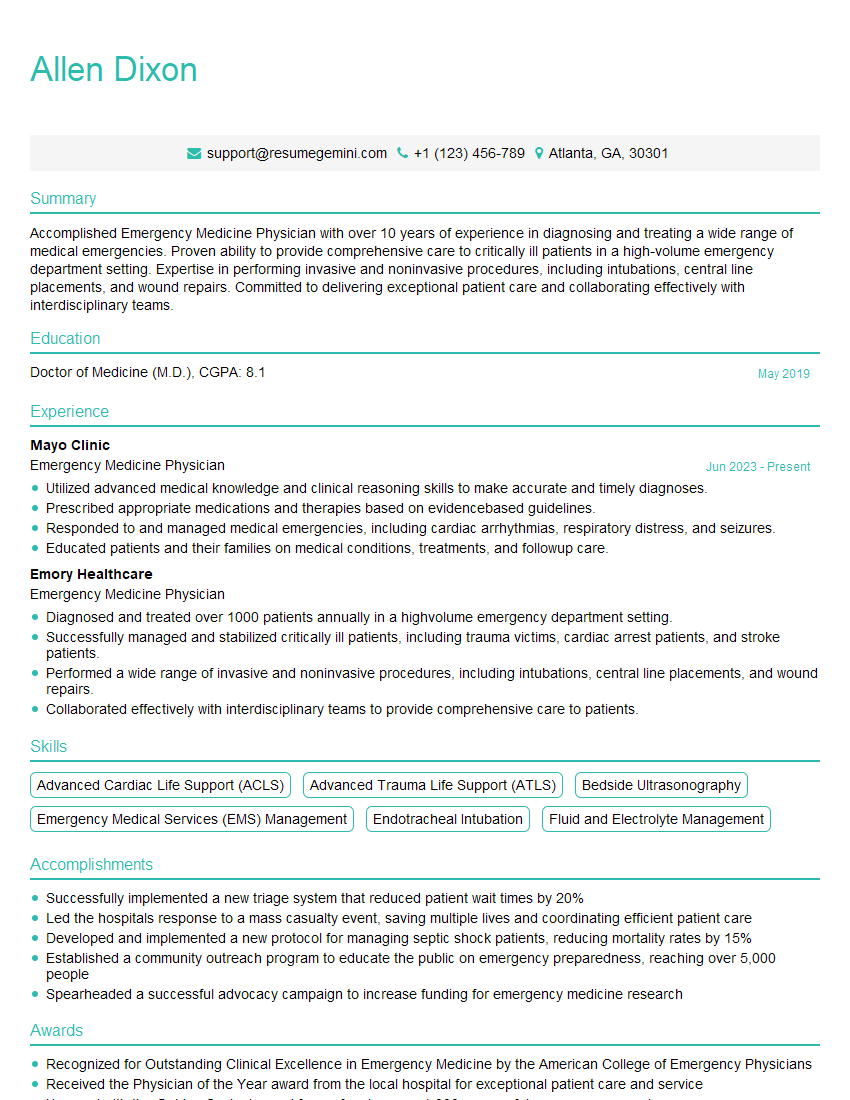
Emergency Medicine Physician Resume Sample
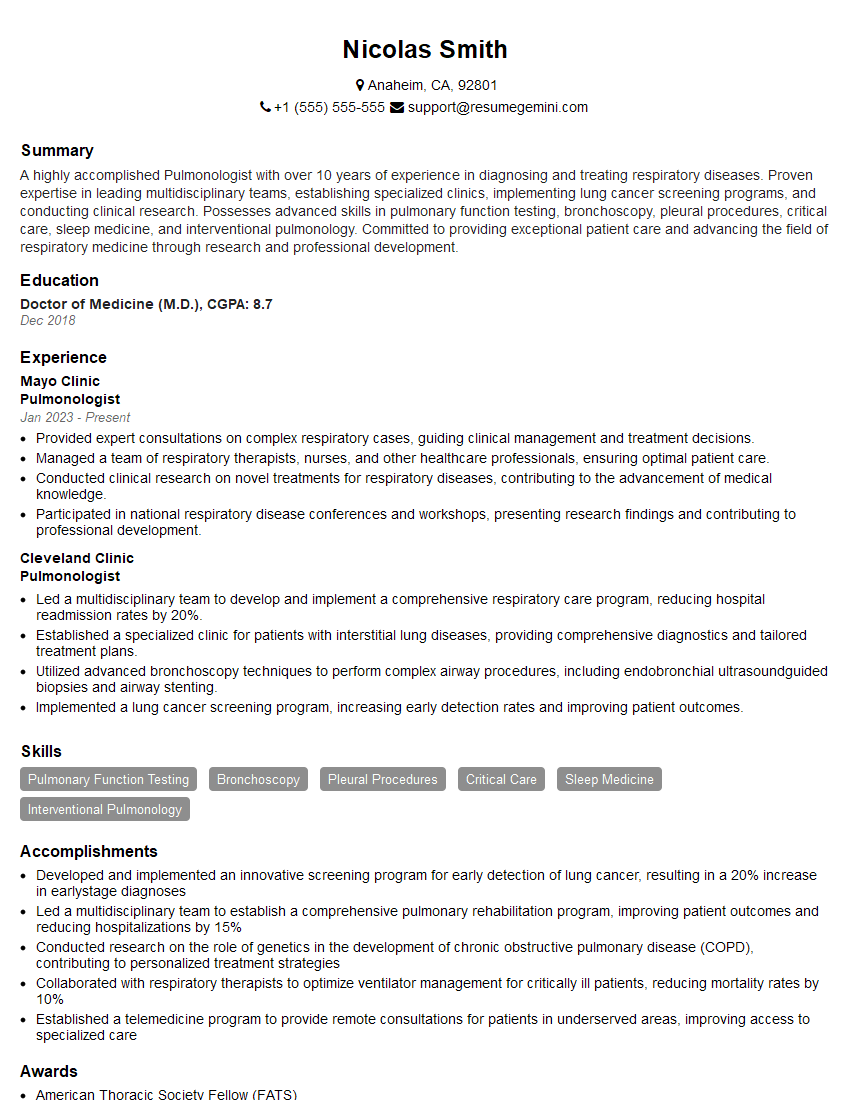
Pulmonologist Resume Sample
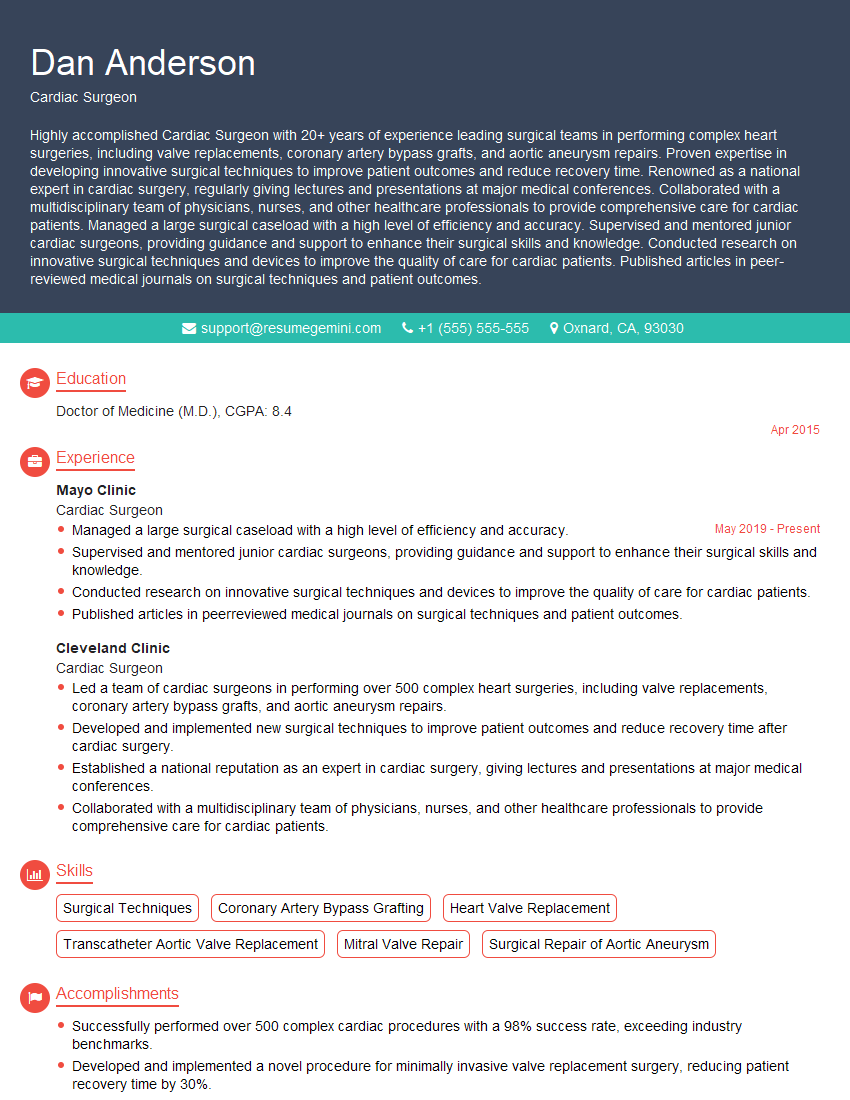
Cardiac Surgeon Resume Sample
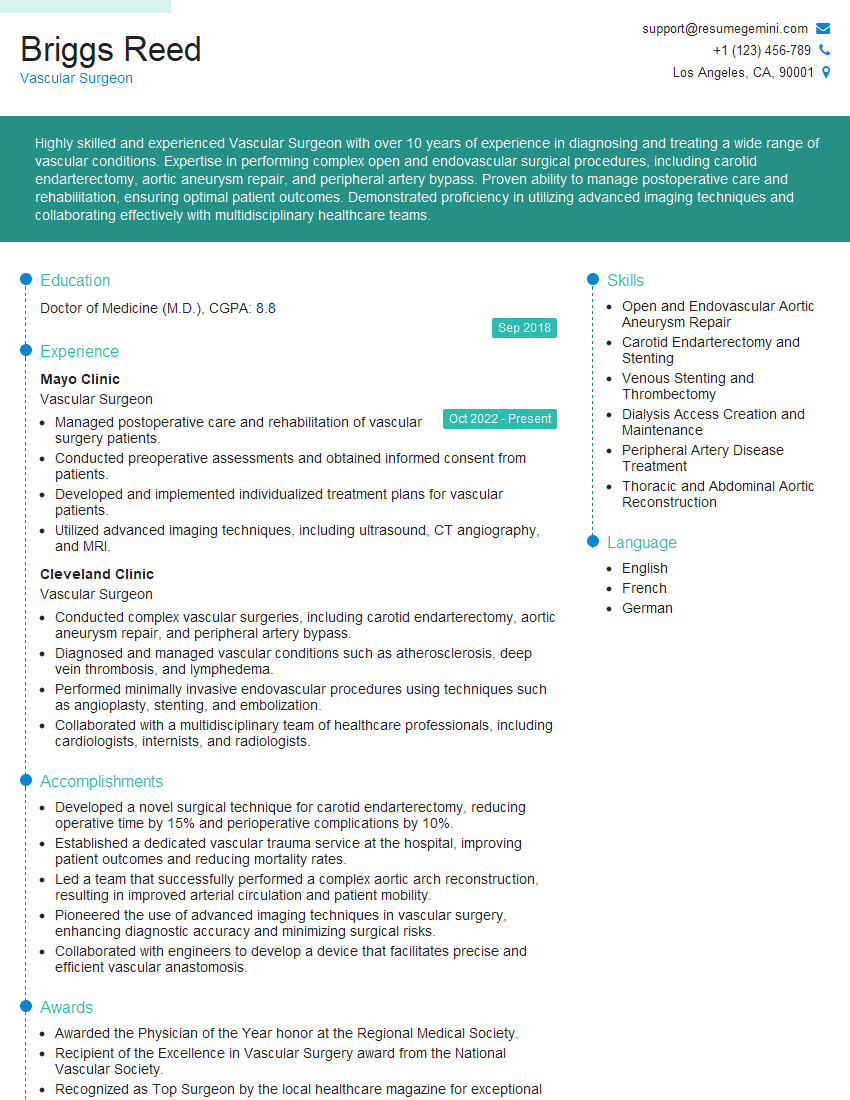
Vascular Surgeon Resume Sample
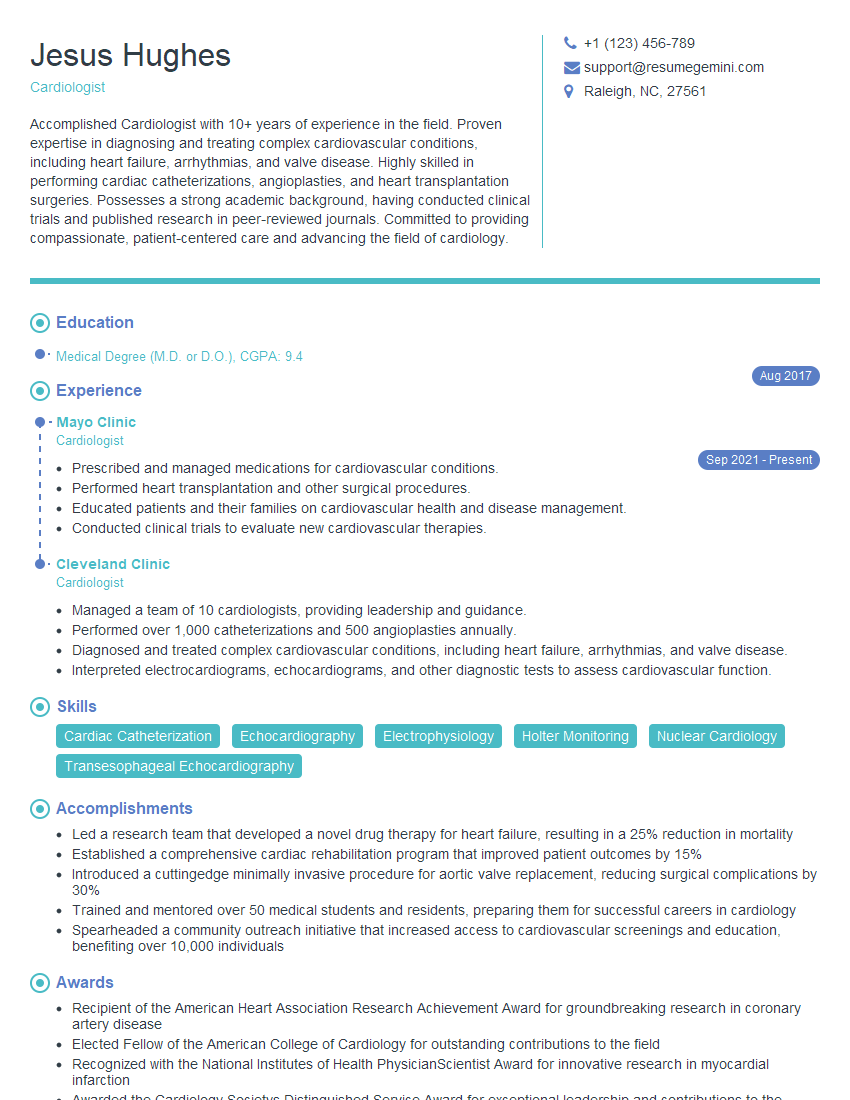
Cardiologist Resume Sample
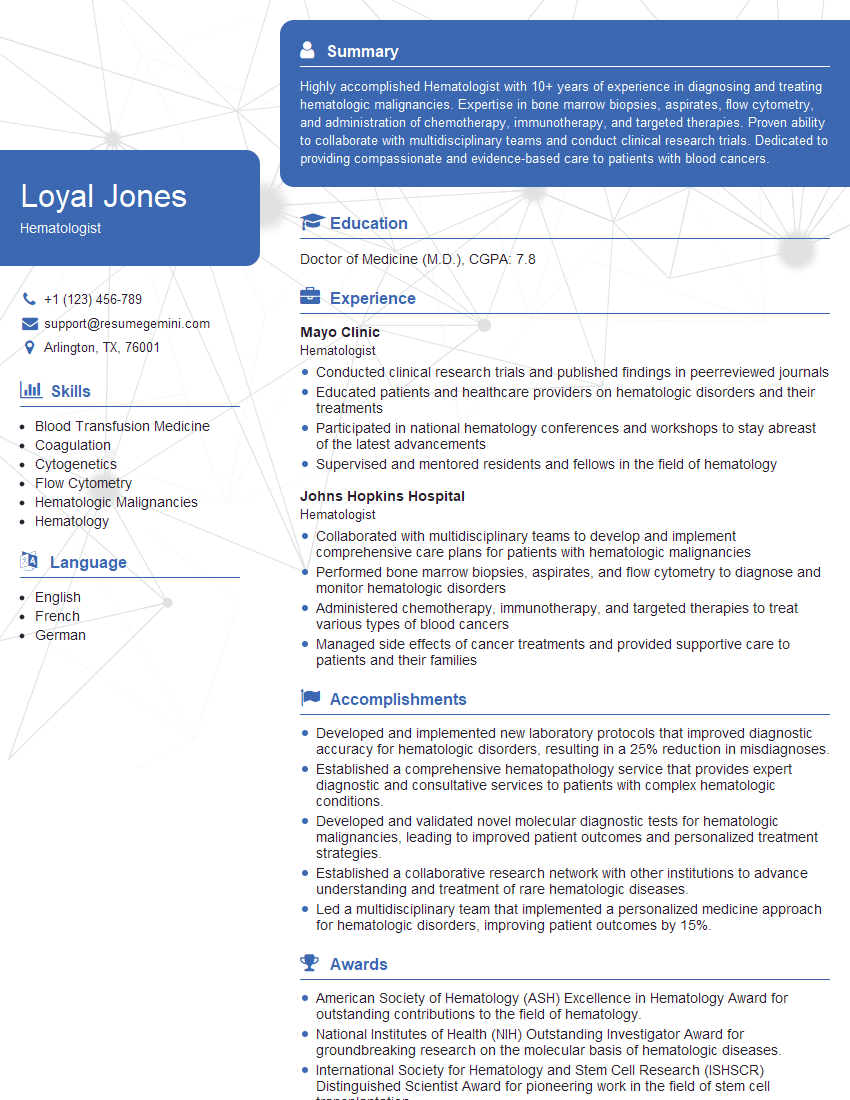
Hematologist Resume Sample

Oncologist Resume Sample
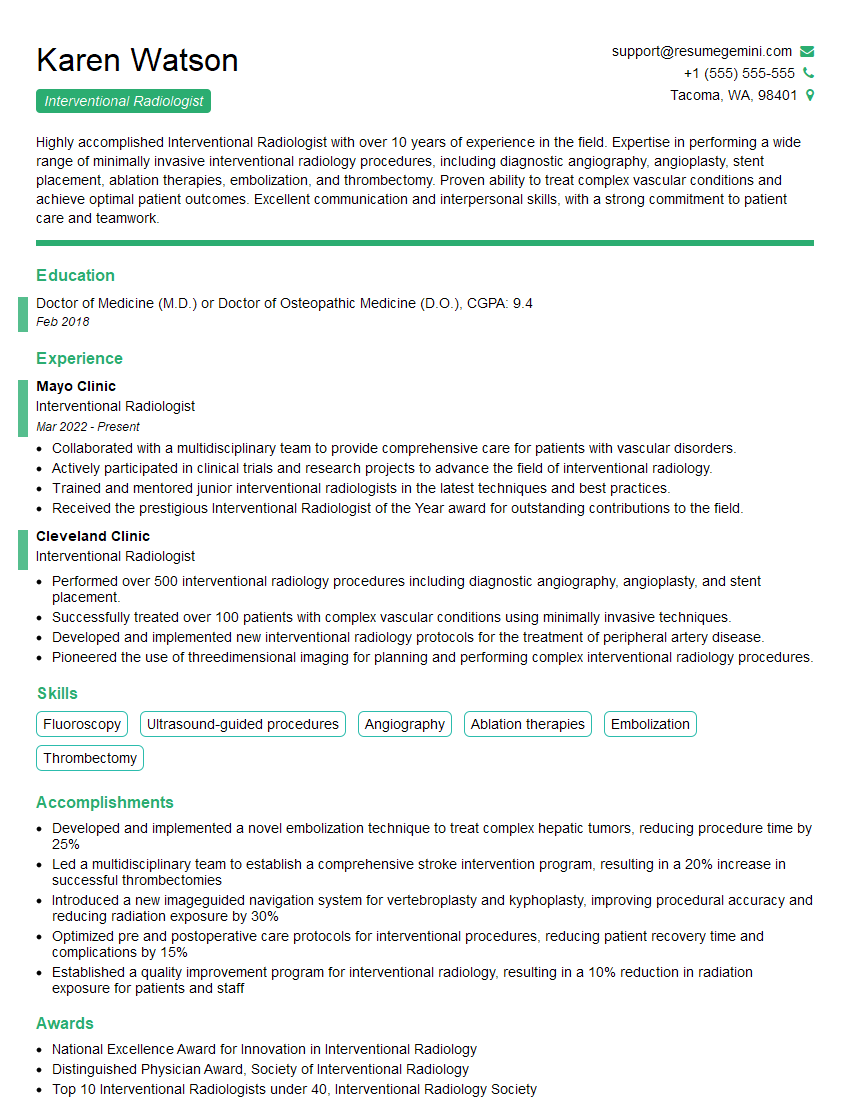
Interventional Radiologist Resume Sample
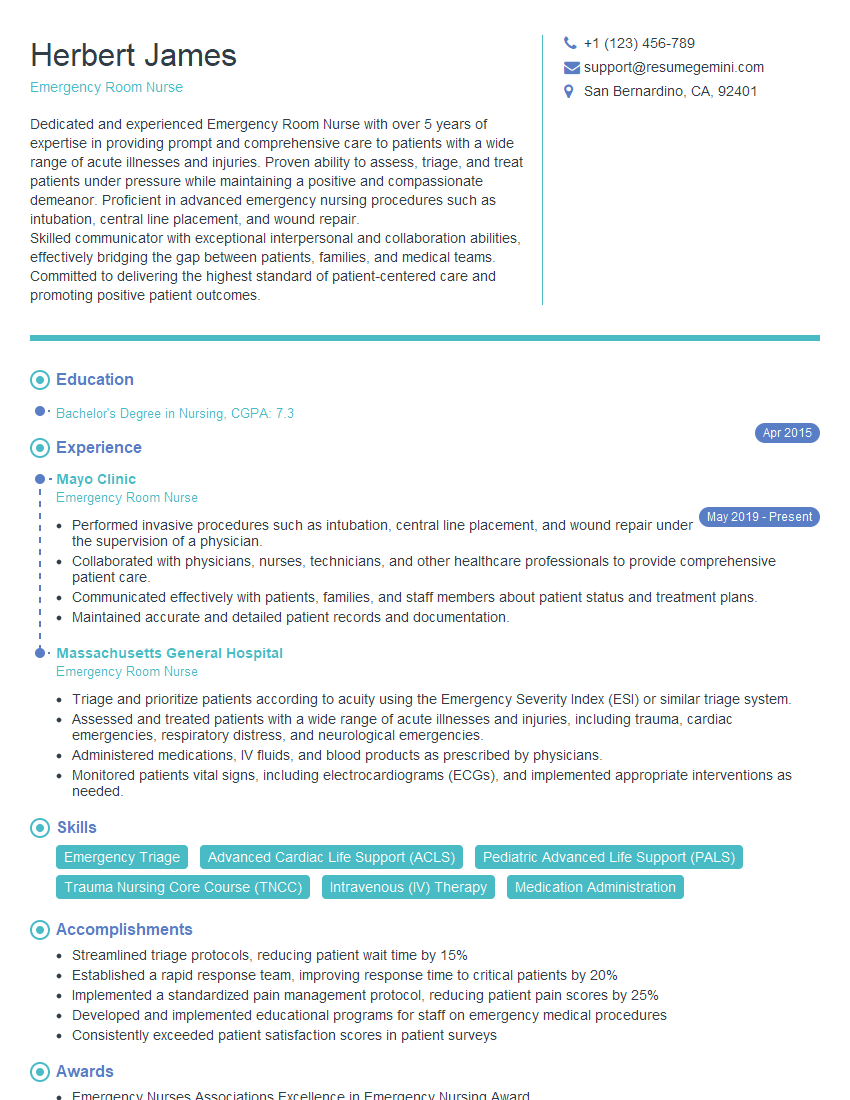
Emergency Room Nurse Resume Sample
Explore more articles
Users Rating of Our Blogs
Share Your Experience
We value your feedback! Please rate our content and share your thoughts (optional).
What Readers Say About Our Blog
To the interviewgemini.com Webmaster.
Very helpful and content specific questions to help prepare me for my interview!
Thank you
To the interviewgemini.com Webmaster.
This was kind of a unique content I found around the specialized skills. Very helpful questions and good detailed answers.
Very Helpful blog, thank you Interviewgemini team.