The right preparation can turn an interview into an opportunity to showcase your expertise. This guide to Carbon Neutral Strategies interview questions is your ultimate resource, providing key insights and tips to help you ace your responses and stand out as a top candidate.
Questions Asked in Carbon Neutral Strategies Interview
Q 1. Explain the difference between carbon offsetting and carbon reduction.
Carbon reduction and carbon offsetting are two distinct approaches to mitigating climate change, often used in conjunction. Carbon reduction focuses on actively decreasing greenhouse gas (GHG) emissions at their source. Think of it as preventing the problem. This involves implementing measures like improving energy efficiency, transitioning to renewable energy, and adopting sustainable practices. Carbon offsetting, on the other hand, involves compensating for unavoidable emissions by investing in projects that remove or reduce GHGs from the atmosphere. It’s like cleaning up after the problem has occurred. This might include funding reforestation projects, investing in renewable energy projects in developing countries, or supporting methane capture initiatives.
For example, a company might reduce its carbon footprint by switching to electric vehicles (carbon reduction) and then offset any remaining emissions by investing in a verified afforestation project (carbon offsetting). The key difference lies in the proactive versus reactive nature of the approaches. Reduction is the priority; offsetting should be used only to neutralize emissions that cannot be feasibly reduced.
Q 2. Describe the scope 1, 2, and 3 greenhouse gas emissions.
The Greenhouse Gas Protocol defines three scopes of emissions:
- Scope 1: Direct emissions – These are emissions from sources owned or controlled by a company. Examples include emissions from company vehicles, on-site energy generation, and refrigerant leaks.
- Scope 2: Indirect emissions from energy – These are emissions from the generation of purchased energy consumed by the company. For example, the emissions from a power plant that supplies electricity to your office building are Scope 2 emissions.
- Scope 3: Other indirect emissions – This is the broadest category, encompassing all other indirect emissions not included in Scope 2. It includes emissions from the entire value chain, such as upstream emissions from purchased goods and services, transportation and distribution, waste generated by the company, business travel, employee commuting, and even the use of sold products by end-users. This often constitutes the largest portion of a company’s total emissions.
Imagine a coffee shop: Scope 1 emissions might come from their delivery van, Scope 2 from the electricity used to power their espresso machine, and Scope 3 from the emissions associated with growing, processing, and transporting the coffee beans, the manufacturing of cups and packaging, and customer transportation to the shop. Comprehensive carbon accounting requires considering all three scopes.
Q 3. What are the key components of a successful carbon neutral strategy?
A successful carbon neutral strategy requires a multifaceted approach. Key components include:
- Comprehensive Carbon Footprint Assessment: Accurately measuring emissions across all three scopes is crucial. This involves data collection, analysis, and verification.
- Emission Reduction Targets: Setting ambitious, science-based targets aligned with limiting global warming to 1.5°C. This provides a clear roadmap and accountability.
- Implementation of Reduction Measures: Developing and executing a plan to reduce emissions across all scopes. This includes efficiency improvements, renewable energy transitions, sustainable sourcing, and waste reduction strategies.
- Carbon Offset Procurement: For unavoidable emissions, investing in high-quality, verified carbon offset projects. It’s essential to ensure the offsets are credible and contribute to real emission reductions.
- Transparency and Reporting: Openly communicating the company’s progress, challenges, and achievements to stakeholders. This builds trust and encourages accountability.
- Continuous Improvement: Regularly reviewing and updating the strategy to reflect advancements in technology, changes in the business, and evolving best practices. Carbon neutrality is an ongoing journey, not a destination.
A successful strategy also needs strong leadership commitment, employee engagement, and collaboration with suppliers and partners.
Q 4. How do you calculate a company’s carbon footprint?
Calculating a company’s carbon footprint involves a multi-step process:
- Data Collection: Gather data on all energy consumption (electricity, gas, fuel), material usage, waste generation, business travel, and employee commuting. This often involves reviewing invoices, bills, and operational records.
- Emission Factor Application: Use emission factors (data representing the amount of GHG emitted per unit of activity) to convert activity data into GHG emissions. These factors are often provided by governmental bodies or industry standards.
- Scope 3 Emissions Assessment: This is the most challenging part and typically requires engaging with suppliers and collaborating on data collection for upstream and downstream emissions.
- Aggregation and Calculation: Sum up all Scope 1, 2, and 3 emissions to determine the total carbon footprint. This is usually expressed in tonnes of carbon dioxide equivalent (tCO2e).
- Verification (Optional): For greater credibility, consider having an independent third-party organization verify the accuracy of your carbon footprint calculation.
Software tools and carbon accounting platforms can significantly simplify this process. Accurate data is paramount for reliable results.
Q 5. What are some common carbon accounting methodologies?
Several widely used carbon accounting methodologies exist, each with its strengths and weaknesses. Some notable ones include:
- The Greenhouse Gas Protocol: This is the most widely recognized corporate standard, providing comprehensive guidance on measuring and reporting GHG emissions across all three scopes.
- ISO 14064: A set of international standards that provides a framework for quantifying, monitoring, and verifying greenhouse gas emissions.
- PAS 2050: A British standard for assessing the life cycle GHG emissions of goods and services.
The choice of methodology often depends on the specific needs of the organization, the industry, and reporting requirements. It’s crucial to select a methodology that is transparent, robust, and provides credible results.
Q 6. Explain the concept of a carbon tax and its implications.
A carbon tax is a levy imposed on the carbon content of fuels or emissions. The goal is to internalize the environmental cost of carbon emissions, making polluters pay for the damage they cause. This incentivizes businesses and individuals to reduce their carbon footprint to avoid higher taxes.
Implications can be both positive and negative:
- Positive: Can drive significant emission reductions, stimulate innovation in clean technologies, and generate revenue for government investment in climate mitigation and adaptation projects.
- Negative: Can increase the cost of goods and services, potentially disproportionately affecting low-income households. It might also lead to carbon leakage if companies relocate to regions with less stringent regulations. Effective implementation requires careful design and consideration of potential impacts.
Many countries and regions are experimenting with carbon taxes, demonstrating varied approaches and outcomes. The effectiveness depends heavily on the tax rate, exemptions, and how the revenue is used. For example, a revenue-neutral carbon tax, where the revenue collected is used to reduce other taxes, can help mitigate the regressive impact on low-income earners.
Q 7. Discuss the role of renewable energy in achieving carbon neutrality.
Renewable energy sources, such as solar, wind, hydro, geothermal, and biomass, play a crucial role in achieving carbon neutrality. They are inherently low-carbon or carbon-free, significantly reducing reliance on fossil fuels. Transitioning to renewable energy sources is arguably the most impactful strategy for reducing greenhouse gas emissions.
The role includes:
- Decarbonizing electricity generation: Replacing fossil fuel-based power plants with renewable energy sources drastically cuts emissions from the electricity sector, a major contributor to global GHG emissions.
- Decarbonizing transportation: Electric vehicles powered by renewable energy can significantly reduce transportation emissions. Similarly, renewable fuels can be used in aviation and shipping sectors.
- Decarbonizing heating and cooling: Renewable energy can be used for heating buildings and providing hot water, replacing fossil fuel-based systems.
- Creating green jobs: The renewable energy sector creates numerous jobs in manufacturing, installation, maintenance, and research.
The successful integration of renewable energy often requires addressing challenges such as intermittency (solar and wind are not consistently available) through energy storage solutions and smart grid technologies. Government policies, including subsidies and regulations, are essential to accelerate the transition to a renewable energy-dominated system.
Q 8. What are some barriers to implementing carbon neutral strategies?
Implementing carbon-neutral strategies faces numerous hurdles. These can be broadly categorized into financial, technological, regulatory, and social barriers.
Financial Barriers: The upfront costs of transitioning to sustainable practices can be substantial. Investing in renewable energy, energy-efficient technologies, and carbon offset projects requires significant capital investment, which can be a deterrent, especially for smaller businesses.
Technological Barriers: While technology offers solutions, some technologies are still nascent or not readily available at a commercially viable scale. For instance, widespread adoption of carbon capture technologies is still limited by cost and efficacy.
Regulatory Barriers: Inconsistent or lacking carbon regulations across different regions create a fragmented landscape, making it challenging to implement uniform strategies globally. A lack of standardized carbon accounting methodologies also complicates things.
Social Barriers: Public awareness and acceptance of carbon-neutral initiatives are crucial. Resistance to change, misinformation, and lack of consumer demand for sustainable products can hinder progress. Successfully integrating sustainability into corporate culture also takes time and dedicated effort.
For example, a small manufacturing company might struggle to afford installing solar panels, even though it would significantly reduce its carbon footprint. This highlights the need for financial incentives and support systems to overcome such barriers.
Q 9. How can you measure the effectiveness of a carbon reduction program?
Measuring the effectiveness of a carbon reduction program requires a robust system of data collection, analysis, and reporting. This typically involves establishing a baseline, tracking progress against targets, and using various metrics to assess performance.
Baseline Measurement: First, you need to establish a baseline carbon footprint, measuring your current greenhouse gas (GHG) emissions. This often involves conducting a GHG inventory using standardized methodologies like the Greenhouse Gas Protocol.
Target Setting: Based on the baseline, you define clear, measurable, achievable, relevant, and time-bound (SMART) reduction targets. For example, you might aim to reduce emissions by 20% within five years.
Monitoring and Reporting: Regularly monitor your GHG emissions using ongoing data collection. This involves tracking energy consumption, waste generation, business travel, etc. Regular reporting ensures transparency and accountability, allowing for adjustments to your strategy as needed.
Verification: Independent verification of your carbon reduction claims by a third-party auditor builds trust and credibility. This adds an extra layer of assurance for stakeholders.
Imagine a company tracking its electricity consumption before and after switching to renewable energy sources. The difference in consumption directly reflects the effectiveness of the switch in reducing their carbon footprint. Key performance indicators (KPIs) can help quantify this impact.
Q 10. What is the importance of carbon disclosure and reporting?
Carbon disclosure and reporting are vital for transparency and accountability in addressing climate change. It allows stakeholders to understand a company’s environmental impact and hold organizations accountable for their commitments. It is not merely a compliance issue but a cornerstone of building trust and attracting investment.
Increased Transparency: Publicly disclosing emissions data enables stakeholders (investors, customers, regulators) to assess the environmental performance of companies, promoting informed decision-making.
Improved Accountability: Reporting frameworks hold organizations accountable for their climate commitments and progress. It fosters a culture of responsibility and drives continuous improvement.
Investor Confidence: Investors increasingly prioritize Environmental, Social, and Governance (ESG) factors. Transparent carbon reporting enhances investor confidence and attracts investments toward sustainable businesses.
Regulatory Compliance: Many jurisdictions are implementing mandatory carbon reporting regulations, making it crucial for companies to comply to avoid penalties.
Benchmarking and Improvement: Comparing carbon footprints against industry benchmarks enables companies to identify areas for improvement and drive innovation in emissions reduction.
For example, the Task Force on Climate-related Financial Disclosures (TCFD) recommendations provide a framework for companies to report on climate-related risks and opportunities. This fosters a standardized approach to carbon reporting, enhancing comparability across industries.
Q 11. What are some examples of carbon offset projects?
Carbon offset projects aim to compensate for greenhouse gas emissions by investing in activities that remove or reduce CO2 from the atmosphere. These projects span various sectors and contribute to environmental conservation.
Renewable Energy Projects: Investing in renewable energy projects like wind farms or solar power plants reduces reliance on fossil fuels, thereby offsetting emissions.
Forest Conservation and Reforestation: Protecting existing forests and planting new trees sequester carbon dioxide from the atmosphere. This is a significant natural carbon sink.
Methane Capture from Landfills: Landfills release significant amounts of methane, a potent GHG. Capturing and utilizing this methane reduces emissions and can generate energy.
Agricultural Practices: Implementing sustainable agricultural practices, such as improved soil management and reducing fertilizer use, can decrease emissions from the agricultural sector.
For example, a company might offset its emissions by investing in a reforestation project in a deforested area. This helps to balance its carbon footprint while supporting biodiversity and local communities.
Q 12. Describe the different types of carbon credits.
Carbon credits represent a verifiable reduction or removal of one metric ton of carbon dioxide equivalent (CO2e) from the atmosphere. Different types of carbon credits exist, categorized based on their origin and verification methods.
Verra Verified Carbon Standard (VCS): This is a widely recognized standard for verifying carbon offset projects, ensuring high quality and environmental integrity.
Gold Standard: Similar to VCS, the Gold Standard focuses on projects that deliver high environmental impact and tangible social benefits alongside emissions reduction.
American Carbon Registry (ACR): This is a US-based registry providing a framework for carbon offset project verification and registration.
Compliance Credits: These are generated under government-mandated emissions trading schemes, like the European Union Emissions Trading System (EU ETS), and used to meet regulatory compliance obligations.
Voluntary Credits: These credits are not required by law but are used by companies or individuals to voluntarily offset their emissions.
The distinction between compliance and voluntary credits lies primarily in their regulatory context. Compliance credits are traded within a regulated market to meet emissions caps, whereas voluntary credits are traded outside a regulatory framework to achieve carbon neutrality goals.
Q 13. What is the role of technology in achieving carbon neutrality?
Technology plays a crucial role in achieving carbon neutrality by enabling more efficient energy use, promoting renewable energy sources, and developing innovative carbon removal methods.
Renewable Energy Technologies: Advances in solar, wind, hydro, and geothermal energy technologies are driving down costs and increasing efficiency, making renewable energy increasingly competitive with fossil fuels.
Energy Efficiency Technologies: Smart grids, energy management systems, and energy-efficient appliances help to reduce energy consumption and emissions in buildings and industries.
Carbon Capture, Utilization, and Storage (CCUS): CCUS technologies capture CO2 emissions from industrial sources, either storing them underground or utilizing them for other purposes.
Electric Vehicles (EVs) and Sustainable Transportation: The transition to electric vehicles and the development of sustainable transportation systems are reducing emissions from the transportation sector.
Data Analytics and AI: Data analytics and artificial intelligence are used to optimize energy consumption, monitor emissions, and improve the efficiency of carbon reduction programs.
For example, smart thermostats learn user behavior to optimize heating and cooling, reducing energy waste and lowering emissions. Similarly, AI-powered systems can optimize the operation of power grids, ensuring efficient distribution of renewable energy.
Q 14. Explain the concept of lifecycle assessment (LCA).
Lifecycle Assessment (LCA) is a comprehensive method for evaluating the environmental impacts of a product or service throughout its entire lifespan, from raw material extraction to disposal or recycling. It provides a holistic view of the environmental footprint, enabling informed decisions about product design and sustainability.
Goal and Scope Definition: The first step is defining the purpose of the LCA and outlining the system boundaries (what is included and excluded in the assessment).
Inventory Analysis: This involves quantifying all energy and material inputs and environmental outputs associated with the product’s lifecycle.
Impact Assessment: The environmental impacts of the inputs and outputs are assessed using various impact categories, such as global warming potential, acidification, and eutrophication.
Interpretation: The results of the LCA are interpreted to identify the key environmental hotspots and inform decision-making to mitigate negative impacts.
Imagine evaluating the environmental impact of a plastic water bottle. An LCA would consider the energy used in plastic production, transportation, usage, and disposal or recycling. This allows manufacturers to explore using recycled plastic or alternative materials to reduce the bottle’s environmental footprint.
Q 15. How can businesses incorporate circular economy principles into their carbon neutral strategies?
Circular economy principles are fundamentally about minimizing waste and maximizing resource utilization, aligning perfectly with carbon neutrality goals. Instead of a linear ‘take-make-dispose’ model, a circular economy focuses on reducing, reusing, and recycling. Incorporating this into carbon neutral strategies involves a multi-pronged approach.
Design for Durability and Reusability: Products should be designed for longevity and ease of repair, reducing the need for frequent replacements and associated carbon emissions. Think of modular designs that allow for component replacement instead of whole product disposal.
Closed-Loop Systems: Businesses can establish closed-loop systems where waste from one process becomes the input for another. For example, using recycled plastic in new product manufacturing or recovering energy from waste through anaerobic digestion.
Product-as-a-Service Models: Shifting from selling products to offering services extends product lifecycles and keeps them in use longer. Instead of selling a car, a company could offer car-as-a-service, responsible for maintenance and repair, maximizing vehicle life and reducing the need for frequent manufacturing.
Waste Reduction and Recycling Programs: Implementing comprehensive waste management programs to minimize waste sent to landfills and maximize recycling and composting rates are crucial.
For example, a clothing company could incorporate recycled materials into its new clothing line, offer clothing repair services, and implement a take-back program for old clothing items to be recycled or upcycled. This reduces the need for new resource extraction and manufacturing, lowering their overall carbon footprint.
Career Expert Tips:
- Ace those interviews! Prepare effectively by reviewing the Top 50 Most Common Interview Questions on ResumeGemini.
- Navigate your job search with confidence! Explore a wide range of Career Tips on ResumeGemini. Learn about common challenges and recommendations to overcome them.
- Craft the perfect resume! Master the Art of Resume Writing with ResumeGemini’s guide. Showcase your unique qualifications and achievements effectively.
- Don’t miss out on holiday savings! Build your dream resume with ResumeGemini’s ATS optimized templates.
Q 16. What are some key performance indicators (KPIs) for measuring progress towards carbon neutrality?
Measuring progress towards carbon neutrality requires a robust set of Key Performance Indicators (KPIs). These should track emissions across the entire value chain (Scope 1, 2, and 3 emissions), encompassing direct emissions from company operations, indirect emissions from energy consumption, and indirect emissions from the supply chain, respectively.
Scope 1, 2, and 3 Emissions: Tracking absolute greenhouse gas (GHG) emissions by scope is fundamental. Reductions in these emissions should be monitored over time. Quantifying these requires using a carbon accounting methodology.
Carbon Intensity: This metric shows the amount of GHG emissions per unit of output (e.g., tons of CO2e per unit produced). Reducing carbon intensity demonstrates increased efficiency in resource use.
Renewable Energy Use: The percentage of energy sourced from renewable sources is a key indicator of progress in reducing reliance on fossil fuels.
Waste Diversion Rate: This represents the percentage of waste diverted from landfills through recycling, composting, or other methods.
Investment in Carbon Reduction Projects: Tracking the amount invested in carbon reduction initiatives reflects commitment to the goal.
Employee Engagement and Training: Measuring employee participation in sustainability initiatives demonstrates the level of organizational commitment.
Regular reporting on these KPIs and progress towards targets is essential for transparent accountability and demonstrates commitment to continuous improvement.
Q 17. Discuss the importance of stakeholder engagement in developing a carbon neutral strategy.
Stakeholder engagement is critical for successfully developing and implementing a carbon neutral strategy. A carbon neutral strategy is not just an internal matter; it affects various stakeholders. Their input can shape the strategy, ensure its practicality, and foster buy-in necessary for its success.
Employees: Internal buy-in is crucial for driving the necessary changes throughout the organization. Engaging employees through training, awareness campaigns, and incentivizing participation ensures their cooperation in achieving carbon reduction goals.
Customers: Customers increasingly favor environmentally conscious companies. Engaging customers by communicating sustainability initiatives and offering environmentally friendly products fosters brand loyalty and improves reputation.
Suppliers: Collaboration with suppliers is essential to reducing Scope 3 emissions. Engaging suppliers in sustainability efforts involves setting emissions reduction targets and collaborating on innovative solutions.
Investors and Financiers: Investors are increasingly scrutinizing ESG (Environmental, Social, and Governance) performance. Transparency and clear communication about sustainability goals and progress attract environmentally conscious investors.
Local Communities: Projects impacting the local community should involve them in the decision-making process, considering local environmental concerns and ensuring positive impact.
Regulators and Governments: Understanding and complying with relevant regulations and standards is essential. Engaging with government agencies facilitates collaboration and access to incentives and support.
Effective stakeholder engagement involves transparent communication, active listening, and collaborative decision-making.
Q 18. How do you handle conflicting priorities between cost reduction and environmental sustainability?
Balancing cost reduction and environmental sustainability often presents a challenge. It’s crucial to understand that these aren’t necessarily mutually exclusive; often, environmentally friendly solutions lead to long-term cost savings.
Life-Cycle Cost Analysis (LCCA): Instead of solely focusing on initial investment costs, LCCA considers the total cost of ownership over a product’s or project’s lifespan, including maintenance, repair, and disposal. This can reveal that sustainable solutions are more cost-effective in the long run.
Incremental Approach: Implementing sustainability measures incrementally, starting with low-hanging fruit and gradually addressing more complex challenges, can ease the financial burden and demonstrate positive results.
Innovation and Technological Advancements: Investing in research and development can uncover innovative technologies that deliver both cost savings and environmental benefits.
Carbon Pricing Mechanisms: Internal carbon pricing (assigning a cost to carbon emissions) can incentivize investments in carbon reduction measures by quantifying the hidden costs of emissions.
Incentives and Regulations: Leveraging government incentives, tax credits, and other programs can offset the upfront investment costs of sustainable solutions.
Strategic Partnerships: Collaborating with organizations specialized in sustainability or technology can help share costs and expertise in implementing effective solutions.
A comprehensive cost-benefit analysis, combined with a phased implementation plan, facilitates a smooth transition towards both cost-effectiveness and environmental sustainability.
Q 19. Describe your experience with carbon footprint reduction projects.
I’ve been involved in numerous carbon footprint reduction projects across various sectors. One notable project involved assisting a manufacturing company in implementing energy efficiency upgrades. We conducted an energy audit to identify areas for improvement, leading to the installation of more efficient lighting, HVAC systems, and production equipment. This reduced their energy consumption by 25%, directly lowering their Scope 2 emissions. We also worked with them to switch to renewable energy sources, further decreasing their carbon footprint. Another project involved developing a sustainable supply chain for a large retail company. We collaborated with suppliers to improve their environmental practices, implement waste reduction programs, and explore the use of more sustainable packaging materials. This resulted in a significant reduction in Scope 3 emissions.
In both cases, a key success factor was data-driven decision-making. We meticulously tracked and analyzed energy consumption, waste generation, and emissions data to identify the most impactful areas for intervention. Effective communication and collaboration with stakeholders were also critical to securing buy-in and driving successful implementation of the projects.
Q 20. How familiar are you with international carbon accounting standards?
I am very familiar with international carbon accounting standards, particularly the Greenhouse Gas Protocol, which is widely recognized as the global standard for measuring and reporting GHG emissions. I understand the different scopes of emissions (1, 2, and 3), the importance of accurate boundary definition, and the various methodologies for calculating emissions from different sources. I am also familiar with other relevant standards such as ISO 14064-1, which provides principles and requirements for quantifying, monitoring, and verifying GHG emissions. Proficiency in these standards is crucial for credible carbon accounting and achieving reliable carbon neutrality reporting.
My experience includes applying these standards in numerous projects, ensuring accurate measurement and reporting of emissions for various organizations. This understanding allows me to conduct credible assessments, identify areas for improvement, and validate carbon neutrality claims.
Q 21. What is your understanding of the Paris Agreement and its implications for businesses?
The Paris Agreement is a landmark international accord aiming to limit global warming to well below 2, preferably to 1.5 degrees Celsius, compared to pre-industrial levels. It sets ambitious targets for reducing greenhouse gas emissions and requires countries to submit Nationally Determined Contributions (NDCs) outlining their plans to achieve these targets. For businesses, the Paris Agreement has significant implications:
Increased Regulatory Pressure: The agreement is driving the development of more stringent environmental regulations globally, requiring businesses to adapt their operations and reduce their carbon footprint.
Growing Investor and Consumer Demand: Investors and consumers are increasingly demanding that businesses demonstrate their commitment to environmental sustainability. This creates incentives for companies to adopt carbon reduction strategies.
Carbon Pricing Mechanisms: Many countries are implementing carbon pricing mechanisms, such as carbon taxes or emissions trading schemes, which place a cost on carbon emissions, encouraging businesses to reduce their environmental impact.
Competitive Advantage: Businesses that proactively embrace sustainability can gain a competitive advantage by attracting environmentally conscious customers, securing access to green financing, and enhancing their brand reputation.
Risk Management: Failure to address climate change risks poses significant financial and reputational risks to businesses. Developing a robust carbon neutral strategy is essential for mitigating these risks.
In essence, the Paris Agreement is pushing businesses towards greater environmental responsibility, creating both opportunities and challenges that require strategic planning and adaptation.
Q 22. Explain the concept of science-based targets (SBTs).
Science-Based Targets (SBTs) are emissions reduction targets set by companies to align with the Paris Agreement’s goal of limiting global warming to well below 2°C, preferably to 1.5°C, compared to pre-industrial levels. Instead of arbitrary goals, SBTs are grounded in climate science and assess a company’s contribution to the global emission reduction effort. They provide a clear pathway for companies to decarbonize their operations and contribute meaningfully to tackling climate change.
The process involves using a recognized SBT initiative (like the Science Based Targets initiative, SBTi) which provides methodologies and guidance. Companies assess their current emissions, determine their fair share of the global effort, and set ambitious but achievable targets for reducing greenhouse gas emissions across their value chain (Scope 1, 2, and 3 emissions). These targets are then validated by the SBTi to ensure their scientific rigor and alignment with global climate goals.
For example, a manufacturing company might set an SBT to reduce its Scope 1 and 2 emissions by 50% by 2030 and its Scope 3 emissions by 30% by the same year, based on their scientific assessment and approved methodology. This provides investors, customers, and stakeholders with confidence in their commitment to climate action.
Q 23. What are some best practices for developing a credible carbon neutral strategy?
Developing a credible carbon neutral strategy requires a holistic and rigorous approach. Best practices include:
- Comprehensive Emissions Inventory: Accurately measure and report all greenhouse gas emissions across Scopes 1, 2, and 3. This provides a baseline for setting targets and tracking progress.
- Science-Based Targets: Set ambitious but achievable targets aligned with climate science and validated by a recognized initiative like the SBTi.
- Prioritization and Roadmap: Identify the highest-emitting areas and develop a clear roadmap with specific actions, timelines, and responsibilities to reduce emissions. This might involve phasing out fossil fuels, improving energy efficiency, and investing in renewable energy.
- Investment in Renewable Energy: Transition to renewable energy sources like solar, wind, or geothermal power to reduce reliance on fossil fuels.
- Carbon Offset Strategy: Consider high-quality carbon offset projects to neutralize remaining emissions that are difficult or impossible to eliminate. Ensure offsets are credible, verifiable, and meet established standards (e.g., Gold Standard, Verified Carbon Standard).
- Transparency and Reporting: Regularly monitor progress, report findings transparently, and communicate results to stakeholders. This builds trust and accountability.
- Engagement and Collaboration: Involve employees, suppliers, and customers in the process. Collaboration is key for effective decarbonization across the value chain.
A strong carbon neutral strategy needs to be integrated into the company’s overall business strategy, not treated as a separate initiative. It requires top-down commitment, resources, and ongoing monitoring.
Q 24. How do you identify and manage risks associated with climate change?
Identifying and managing climate-related risks requires a systematic approach. The Task Force on Climate-related Financial Disclosures (TCFD) framework provides a useful structure. This involves:
- Identifying Risks: Assess the potential physical risks (e.g., extreme weather events, sea-level rise) and transition risks (e.g., changing regulations, technological disruptions, shifts in consumer preferences) associated with climate change. Consider both acute and chronic impacts.
- Analyzing Vulnerabilities: Determine the company’s exposure to these risks and their potential impact on operations, finances, and reputation.
- Developing Mitigation Strategies: Implement strategies to reduce vulnerability and mitigate the impact of climate-related risks. This may include investing in resilience measures, diversifying supply chains, and developing climate-resilient products and services.
- Monitoring and Reporting: Regularly monitor climate-related risks and their evolving nature. Report findings transparently to stakeholders. This is crucial for ongoing adaptation and managing potential financial losses.
For example, a coastal manufacturing plant might assess its vulnerability to sea-level rise and implement measures like flood defenses or relocation strategies. A company heavily reliant on fossil fuels might analyze the risks of transitioning to a low-carbon economy and develop plans to adapt to changing regulations and market demands.
Q 25. What are the potential opportunities associated with transitioning to a low-carbon economy?
The transition to a low-carbon economy presents significant opportunities for innovation, economic growth, and improved social well-being. These include:
- New Markets and Industries: Growth in renewable energy, energy efficiency technologies, sustainable transportation, and carbon capture and storage technologies creates new business opportunities.
- Green Jobs: The low-carbon transition creates a significant number of jobs in research, development, manufacturing, and deployment of green technologies.
- Enhanced Efficiency and Cost Savings: Improvements in energy efficiency and resource management can lead to significant cost reductions for businesses.
- Improved Public Health: Reducing air pollution from fossil fuel combustion leads to improved public health outcomes and reduced healthcare costs.
- Increased Investment: Growing investor interest in sustainable businesses and green finance provides access to capital for innovative low-carbon projects.
- Enhanced Corporate Reputation: Demonstrating leadership in sustainability and taking proactive steps to reduce environmental impact can enhance brand reputation and attract customers.
Companies that embrace these opportunities can gain a competitive advantage, attract talent, and build a more sustainable and resilient business.
Q 26. Describe your experience with developing and implementing sustainability initiatives.
Throughout my career, I’ve been deeply involved in developing and implementing sustainability initiatives across various sectors. In a previous role at a large energy company, I led the development and implementation of their corporate sustainability strategy. This included conducting a comprehensive carbon footprint assessment, establishing science-based emission reduction targets, implementing energy efficiency programs, and investing in renewable energy projects. We also developed a robust stakeholder engagement strategy to communicate our progress and build support for our sustainability efforts. The results included a significant reduction in greenhouse gas emissions, cost savings from increased efficiency, and improved brand reputation.
In another project with a manufacturing firm, I helped them integrate sustainability considerations into their supply chain management, including working with suppliers to reduce their emissions and improve their sustainability performance. This demonstrated tangible improvements in their supply chain resilience and reduced their overall environmental impact. My work frequently involves utilizing life-cycle assessments (LCAs) to identify areas for improvement and developing tailored solutions.
Q 27. How would you approach a company that is resistant to implementing carbon neutral strategies?
Approaching a company resistant to implementing carbon neutral strategies requires a nuanced and strategic approach. It’s essential to understand the reasons behind their resistance, which might include cost concerns, lack of awareness, perceived lack of competitive advantage, or fear of regulatory uncertainty.
My strategy would involve:
- Building Relationships and Trust: Establish a strong rapport with key stakeholders and demonstrate a genuine understanding of their business needs and concerns.
- Demonstrating Business Case: Clearly articulate the business benefits of carbon neutrality, highlighting potential cost savings, competitive advantages, and improved risk management. This often involves financial modeling and demonstrating a return on investment (ROI).
- Phased Implementation: Suggest a phased approach, starting with pilot projects to demonstrate success and build confidence before scaling up efforts.
- Highlighting Best Practices and Success Stories: Showcase successful examples of companies that have implemented carbon neutral strategies and achieved positive results.
- Addressing Concerns: Proactively address any concerns regarding costs, technology, or regulations, providing solutions and support.
- Leveraging External Pressure: Highlight growing investor and consumer demand for sustainability, as well as potential regulatory changes that could impact the business.
Ultimately, convincing a resistant company requires a tailored approach that addresses their specific concerns and demonstrates the tangible benefits of adopting carbon neutral strategies.
Q 28. What are your long-term career goals within the field of sustainability?
My long-term career goals involve continuing to contribute to the advancement of sustainability practices within the business world. I aim to leverage my expertise to guide companies towards achieving their climate goals and help create a more sustainable and resilient economy. This includes contributing to the development of innovative solutions and methodologies for carbon reduction, working with diverse industries to address their unique sustainability challenges, and mentoring the next generation of sustainability professionals.
I also aspire to play a leadership role in advocating for effective climate policies and contributing to the broader conversation on climate action. I believe in the power of collaboration and am committed to working with stakeholders across sectors to drive systemic change and create a more sustainable future for all.
Key Topics to Learn for Carbon Neutral Strategies Interview
- Carbon Accounting & Measurement: Understanding methodologies like GHG Protocol, conducting life cycle assessments (LCAs), and utilizing carbon footprint calculators. Practical application: Analyzing a company’s emissions inventory and identifying reduction opportunities.
- Emission Reduction Strategies: Exploring options like energy efficiency improvements, renewable energy integration, sustainable sourcing, carbon offsetting, and process optimization. Practical application: Developing a decarbonization roadmap for a specific industry or organization.
- Carbon Offset Markets & Mechanisms: Familiarize yourself with different carbon offset standards (e.g., Gold Standard, Verified Carbon Standard), their verification processes, and their role in achieving net-zero targets. Practical application: Evaluating the quality and credibility of various carbon offset projects.
- Policy & Regulatory Landscape: Understanding national and international climate policies, carbon pricing mechanisms (e.g., carbon tax, cap-and-trade), and their impact on businesses. Practical application: Analyzing the implications of new climate regulations on a company’s operations.
- Sustainable Business Models & Innovation: Exploring innovative solutions and business models that drive carbon neutrality, such as circular economy principles and sustainable supply chain management. Practical application: Developing a business case for a carbon-neutral initiative.
- Data Analysis & Reporting: Proficiency in analyzing environmental data, creating compelling visualizations, and communicating findings effectively to stakeholders. Practical application: Presenting a carbon reduction progress report to senior management.
- Technological Solutions: Understanding the role of various technologies in achieving carbon neutrality, such as carbon capture, utilization, and storage (CCUS), and advancements in renewable energy. Practical application: Assessing the feasibility and cost-effectiveness of different technologies for a specific application.
Next Steps
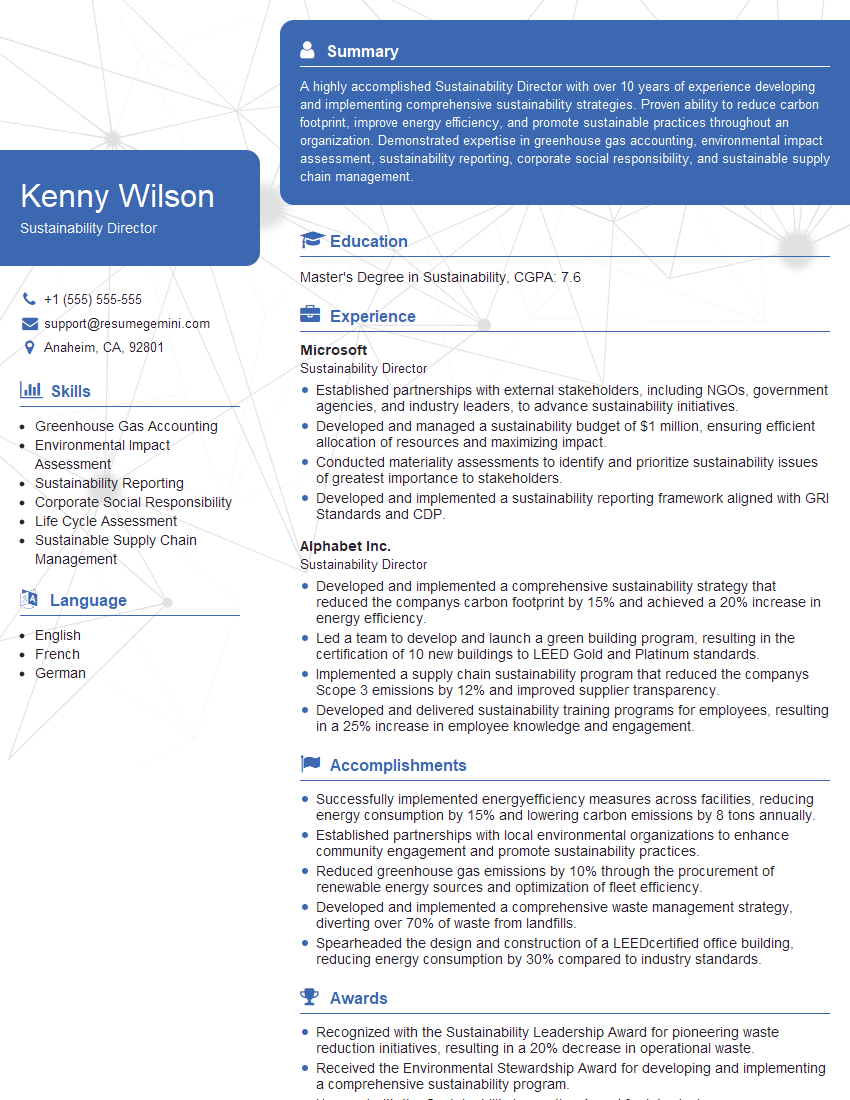
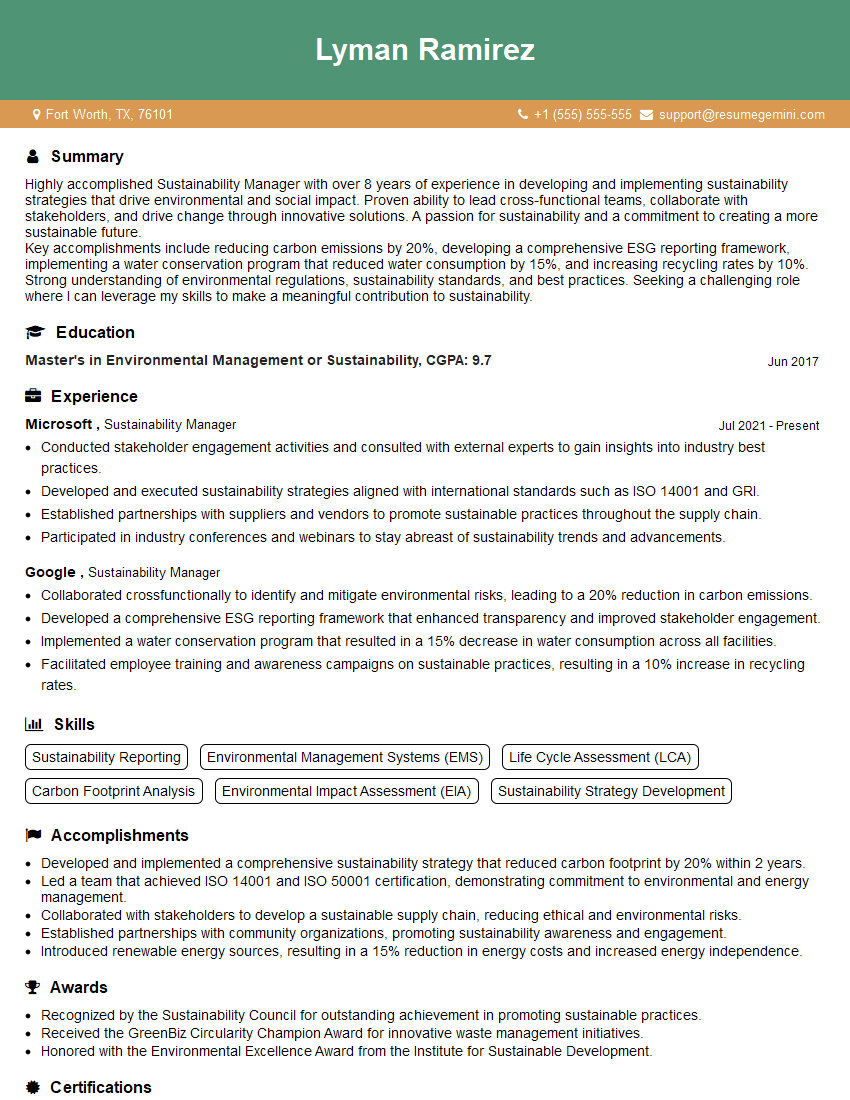
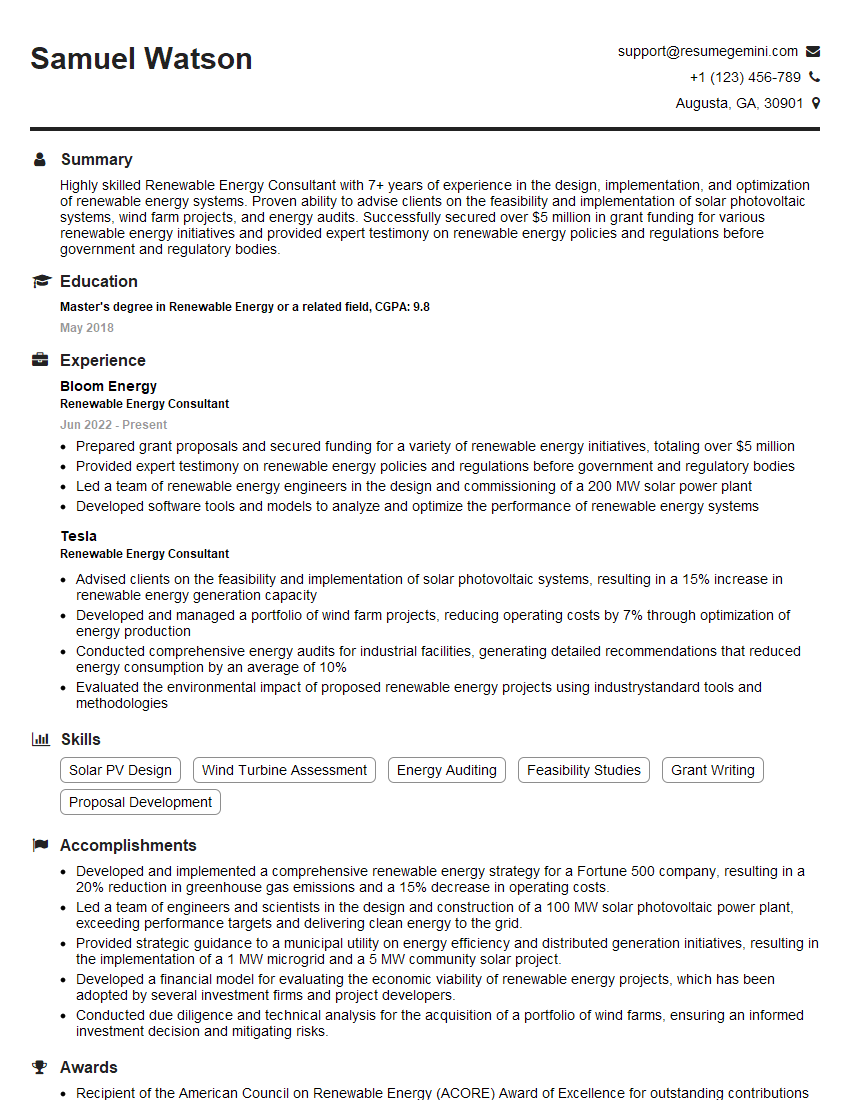
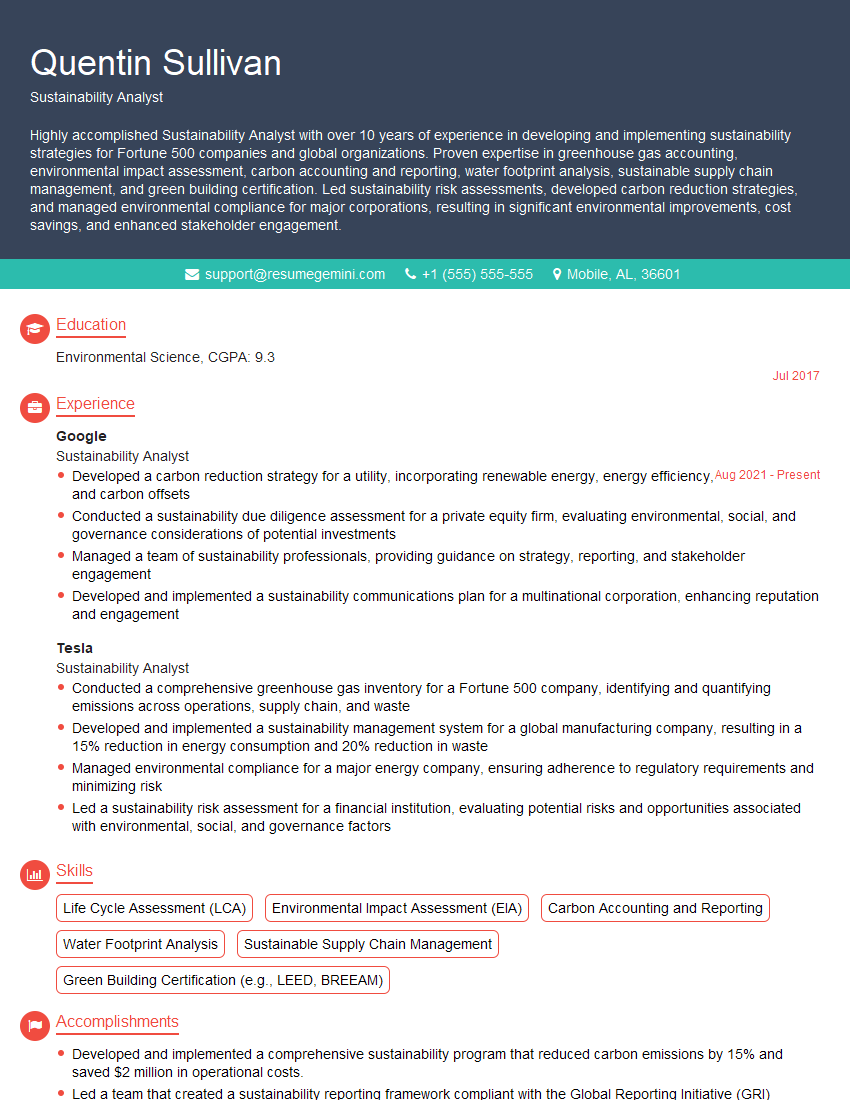
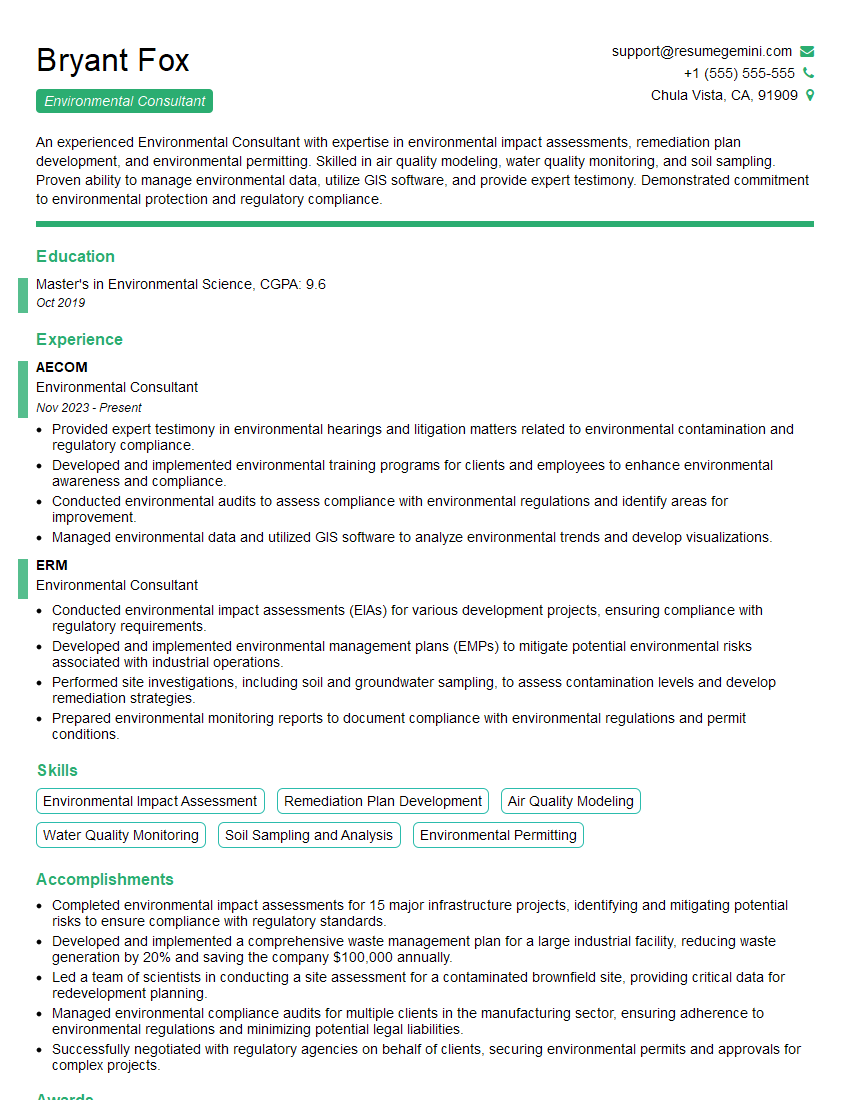
Mastering Carbon Neutral Strategies is crucial for career advancement in a rapidly evolving job market. Demonstrating expertise in this field opens doors to exciting and impactful roles with growing demand. To maximize your job prospects, create an ATS-friendly resume that highlights your skills and experience effectively. ResumeGemini is a trusted resource that can help you build a professional and compelling resume tailored to the specific requirements of Carbon Neutral Strategies roles. Examples of resumes tailored to this field are available for your review, providing valuable guidance in crafting your own.

Explore more articles
Users Rating of Our Blogs
Share Your Experience
We value your feedback! Please rate our content and share your thoughts (optional).
What Readers Say About Our Blog
To the interviewgemini.com Webmaster.
Very helpful and content specific questions to help prepare me for my interview!
Thank you
To the interviewgemini.com Webmaster.
This was kind of a unique content I found around the specialized skills. Very helpful questions and good detailed answers.
Very Helpful blog, thank you Interviewgemini team.