Preparation is the key to success in any interview. In this post, we’ll explore crucial Quality Control and Assurance (QC/QA) interview questions and equip you with strategies to craft impactful answers. Whether you’re a beginner or a pro, these tips will elevate your preparation.
Questions Asked in Quality Control and Assurance (QC/QA) Interview
Q 1. Explain the difference between Quality Control and Quality Assurance.
While often used interchangeably, Quality Control (QC) and Quality Assurance (QA) are distinct but complementary aspects of maintaining quality. Think of QA as the prevention strategy and QC as the detection strategy.
Quality Assurance focuses on preventing defects. It encompasses the entire process, from design and development to production and delivery. QA involves establishing processes, procedures, and standards to ensure consistent quality. This includes things like regular audits, process reviews, and training programs.
Quality Control, on the other hand, focuses on identifying defects within a finished product or service. It’s a reactive approach, involving testing and inspection at various stages of production to find and correct problems. Examples include testing for functionality, measuring dimensions, and inspecting for visual flaws.
Analogy: Imagine baking a cake. QA is like ensuring you have the right recipe, the proper ingredients, and a clean oven before you begin. QC is like tasting the batter, checking the cake’s doneness, and verifying its appearance before serving it.
Q 2. Describe your experience with various quality control methodologies (e.g., Six Sigma, ISO 9001).
I have extensive experience applying various quality control methodologies, most notably Six Sigma and ISO 9001. In a previous role at [Previous Company Name], I led the implementation of Six Sigma’s DMAIC (Define, Measure, Analyze, Improve, Control) methodology to reduce defects in a critical manufacturing process. This resulted in a 30% reduction in customer returns within six months. Specifically, we used statistical tools like control charts and process capability analysis to identify and eliminate sources of variation.
My experience with ISO 9001 stems from working within organizations that are certified to this standard. I’ve been actively involved in internal audits, ensuring compliance with the standard’s requirements related to document control, corrective actions, and continual improvement. This included leading the development and implementation of a robust non-conformance reporting system, which improved the speed and efficiency of resolving issues.
Q 3. How do you handle a situation where a product fails to meet quality standards?
When a product fails to meet quality standards, my approach is systematic and focuses on both immediate corrective action and longer-term preventative measures. First, I would contain the problem by immediately isolating the affected products to prevent further distribution or use. Then I would conduct a thorough investigation to understand the root cause of the defect using tools like a 5 Whys analysis or a fishbone diagram (Ishikawa diagram).
Once the root cause is identified, corrective actions are implemented to address the immediate issue. This might involve rework, repair, or scrap depending on the severity and nature of the defect. After resolving the immediate problem, preventative actions are put in place to prevent future occurrences. This may involve process improvements, enhanced training, or changes to the design specification. Finally, a post-mortem analysis is performed to document the entire process, learnings, and improvements to our system.
For example, if a batch of products was found to have a dimensional defect, I would isolate the batch, investigate the cause (perhaps a malfunctioning machine setting), rectify the machine setting, and implement a procedure for regular machine calibration to prevent recurrence. We would also decide on how to manage the non-compliant batch, i.e., rework, scrap, or potentially concession.
Q 4. What are some common quality control tools and techniques you’ve used?
Throughout my career, I have utilized a wide range of quality control tools and techniques, including:
- Control Charts: (e.g., X-bar and R charts, p-charts, c-charts) for monitoring process stability and identifying trends.
- Pareto Charts: To identify the ‘vital few’ causes contributing to the majority of defects.
- Histograms: For visually representing the distribution of data and identifying potential process issues.
- Check Sheets: Simple data collection tools to track defects and other relevant data.
- Scatter Diagrams: To explore the relationship between two variables and investigate potential correlations.
- Fishbone Diagrams (Ishikawa Diagrams): For systematically identifying potential root causes of problems.
- 5 Whys Analysis: A simple, yet powerful technique to drill down to the root cause of a problem.
The selection of specific tools depends on the nature of the problem and the available data.
Q 5. Explain your understanding of statistical process control (SPC).
Statistical Process Control (SPC) is a powerful methodology used to monitor and control processes by using statistical methods. It involves collecting data from a process, analyzing it, and using the results to make decisions about whether the process is in control or needs adjustment. The main goal of SPC is to identify and reduce process variation, leading to improved quality and efficiency.
SPC primarily uses control charts. These charts visually display data over time, showing the process mean and standard deviation. Control limits are set based on the process’s historical data, and points falling outside these limits suggest that the process is out of control, indicating a special cause of variation that needs attention. For example, a control chart displaying consistently high defect rates might indicate a need for process adjustments or equipment maintenance.
By using SPC, we can proactively identify and address problems before they lead to significant quality issues or customer complaints. It’s not simply about reacting to problems but rather about preventing them through continuous monitoring and improvement.
Q 6. How do you prioritize different quality issues?
Prioritizing quality issues involves a structured approach that considers several factors. I typically employ a risk-based prioritization framework. This involves assessing each quality issue based on its:
- Severity: How critical is the defect? Does it impact safety, functionality, or customer satisfaction significantly?
- Occurrence: How frequently does the defect occur? A more frequent defect naturally demands higher priority.
- Detection: How easily is the defect detectable? Defects that escape detection until later stages often carry higher risk.
I use a matrix or scoring system to quantify these factors, allowing for a clear ranking of quality issues. Issues with high severity and frequent occurrence receive immediate attention. Those with low severity and infrequent occurrence may be addressed during planned improvements, while others fall somewhere in between. This ensures that limited resources are focused on the most critical problems first.
Q 7. Describe your experience with root cause analysis.
Root cause analysis (RCA) is a critical tool in problem-solving. My experience involves using various RCA methodologies depending on the situation’s complexity and the information available. Common methods I’ve employed include the 5 Whys, fishbone diagrams (Ishikawa diagrams), and fault tree analysis.
The 5 Whys is a simple, iterative technique that involves asking ‘why’ five times to drill down to the root cause. It’s effective for simple problems, but for more complex issues, a more structured approach is necessary.
Fishbone diagrams help visualize potential causes categorized by various factors (e.g., people, materials, methods, machines, environment). This approach is especially useful in group brainstorming sessions to identify contributing factors comprehensively.
Fault tree analysis is a more formal and deductive method, suitable for complex systems. It starts with the undesired event (the problem) and works backward to identify the contributing causes and their probabilities. I have successfully used this technique to analyze and prevent recurring system failures in complex manufacturing processes.
Regardless of the specific method, a successful RCA involves assembling a cross-functional team, gathering data objectively, and validating the identified root cause before implementing corrective actions.
Q 8. How do you ensure effective communication within a quality control team?
Effective communication within a quality control team is paramount for success. It’s not just about information exchange; it’s about fostering a collaborative environment where everyone feels heard, understood, and valued. We achieve this through several key strategies:
- Regular Team Meetings: We hold structured meetings, using agendas to ensure focus, to discuss ongoing projects, address roadblocks, and share updates on quality metrics. This allows for open dialogue and early identification of potential issues.
- Clear Communication Channels: We establish clear channels – such as dedicated project management software, email threads, or instant messaging – for different types of communication. This helps maintain organized records and prevents important information from getting lost in the shuffle. For instance, urgent defects are communicated via instant messaging, while project updates might go through email.
- Transparent Documentation: We use a centralized system for documenting all quality-related information, including test plans, bug reports, and meeting minutes. This ensures everyone has access to the same information, promoting consistency and minimizing misunderstandings. For example, a shared document repository containing all test results and issue reports makes information readily available to all team members.
- Active Listening and Feedback: We prioritize active listening during discussions, allowing everyone to voice their concerns and opinions without interruption. We encourage constructive feedback and actively seek out different perspectives to ensure a comprehensive approach to quality control.
- Regular Training and Skill Development: To ensure everyone operates at the same level and effectively communicates about technical matters, we invest in regular training on communication techniques and quality control methodologies. This is particularly important in technical discussions where it’s crucial to explain complex issues concisely.
Q 9. Explain your experience with quality audits and inspections.
My experience with quality audits and inspections spans various industries, from software development to manufacturing. I’ve conducted both internal audits – assessing our own processes – and external audits – evaluating suppliers or vendors.
During audits, I meticulously review documentation, observe processes in action, and interview personnel to assess compliance with established standards, regulations, and best practices. I use checklists and standardized templates to ensure consistency and thoroughness. For example, in a software audit, I would review code quality, test coverage, and documentation completeness. In a manufacturing setting, I might inspect finished products for defects and verify adherence to production protocols.
Inspections often involve a more targeted approach, focusing on specific aspects of a product or process. I utilize various inspection tools and techniques, depending on the context. For instance, visual inspection might be sufficient for surface defects, while more sophisticated techniques, like dimensional measurements, might be necessary for precise components. The outcome of both audits and inspections is a documented report highlighting any non-conformances, recommendations for improvement, and the overall assessment of quality. I then use this to inform corrective and preventive actions.
Q 10. How do you document and track quality control issues?
Documenting and tracking quality control issues is crucial for continuous improvement. We employ a structured approach using a combination of tools and methodologies:
- Issue Tracking System: We use a dedicated issue tracking system (like Jira, Bugzilla, or a custom-built solution) to log all quality control issues, whether defects, deviations, or non-conformances. Each issue is assigned a unique identifier, detailed description, severity level, assigned owner, and status. This allows us to easily track the progress of each issue until resolution.
- Root Cause Analysis: For every significant issue, we conduct a thorough root cause analysis to understand the underlying causes. We often use tools such as the 5 Whys or Fishbone diagrams to identify and address the root causes, preventing recurrence.
- Corrective and Preventive Actions (CAPA): We develop and implement CAPA plans to address identified issues and prevent them from happening again. These plans are documented, reviewed, and tracked for effectiveness. For example, if a recurring software bug is found, a CAPA plan might include code changes, improved testing procedures, and additional training for developers.
- Reporting and Metrics: We regularly generate reports summarizing the types, frequency, and severity of identified issues. These reports provide valuable insights into the effectiveness of our quality control efforts and highlight areas needing improvement. Key metrics tracked include defect density, defect resolution time, and customer satisfaction scores.
Q 11. Describe your experience with creating and maintaining quality control documentation.
Creating and maintaining comprehensive quality control documentation is essential for ensuring consistent quality and compliance. My experience includes developing and managing various types of documentation:
- Quality Management System (QMS) Documentation: I’ve participated in designing and implementing QMS documentation compliant with standards like ISO 9001. This involves creating and maintaining documents such as quality manuals, procedures, work instructions, and forms that govern all aspects of the quality control processes.
- Test Plans and Test Cases: I’ve developed detailed test plans that outline the testing strategy, scope, and objectives, including specific test cases for different types of testing (unit, integration, system, acceptance). These test cases include steps, expected results, and pass/fail criteria.
- Standard Operating Procedures (SOPs): I’ve developed SOPs for various quality control processes to ensure consistency and repeatability. These SOPs cover tasks like inspection procedures, calibration procedures, and corrective action processes.
- Quality Records: I’ve established systems for maintaining accurate and organized quality records, including inspection reports, test results, calibration records, and non-conformance reports. Maintaining a secure and readily accessible archive is crucial.
- Version Control: We use a version control system (e.g., Git) for all quality documentation to manage changes, track revisions, and ensure everyone is working with the most up-to-date versions. This is especially vital to prevent confusion and ensure the system always reflects current practices.
Q 12. How do you measure the effectiveness of your quality control efforts?
Measuring the effectiveness of quality control efforts is a continuous process. We use a combination of quantitative and qualitative metrics:
- Defect Rate: We track the number of defects found per unit of output (e.g., defects per 1000 lines of code or defects per manufactured item). A decreasing defect rate indicates improvement in quality.
- Defect Severity: We categorize defects by severity (critical, major, minor) to assess the impact of defects on product quality and customer satisfaction. Focusing on critical defects is a top priority.
- Customer Complaints: We monitor customer complaints related to product quality to identify areas requiring attention and improvement. Customer feedback provides valuable insight into real-world performance.
- Cost of Quality: We analyze the cost associated with defects, including prevention, appraisal, internal failure, and external failure costs. Reducing the cost of quality demonstrates the effectiveness of our efforts.
- Process Capability Indices: In manufacturing or process-oriented environments, we might use statistical process control (SPC) techniques and capability indices (e.g., Cp, Cpk) to measure the ability of processes to meet specifications consistently.
- Audit Results: Internal and external audit findings provide valuable insights into the effectiveness of our quality management system and identify areas needing improvement. Regular audits are essential.
By regularly reviewing and analyzing these metrics, we can identify trends, make data-driven decisions, and continuously improve our quality control processes.
Q 13. What are your experience with different types of testing (e.g., unit, integration, system)?
My experience encompasses various types of testing, each playing a crucial role in ensuring software quality:
- Unit Testing: This involves testing individual components or modules of software in isolation. I’ve used frameworks like JUnit (Java) or pytest (Python) to write unit tests, ensuring that individual functions or methods work as expected. This early detection helps prevent bugs from propagating to later stages.
- Integration Testing: This focuses on verifying the interaction between different modules or components. I’ve participated in integration testing using various strategies, like top-down or bottom-up approaches, to ensure that integrated components communicate and function correctly together.
- System Testing: This involves testing the entire system as a whole to verify that it meets all requirements and functions as intended. I’ve been involved in system testing that includes functional testing, performance testing, security testing, and usability testing, ensuring that the overall system delivers the expected functionality and performance.
- Acceptance Testing: This final stage involves testing the software with end-users or stakeholders to ensure it meets their requirements and expectations. I’ve conducted acceptance tests using user stories and acceptance criteria defined earlier in the development lifecycle to validate the product from the perspective of the intended users. This user-centric approach ensures the software is fit for its purpose.
Experience with these different testing levels helps me create a comprehensive testing strategy that minimizes risks and delivers high-quality software. Understanding the strengths and weaknesses of each testing type allows me to select the most appropriate tests at different stages of the development cycle.
Q 14. How do you handle conflict between engineering and quality control teams?
Conflict between engineering and quality control teams can arise due to differing priorities – engineering often focuses on speed and functionality, while quality control emphasizes thoroughness and risk mitigation. My approach to resolving such conflicts involves:
- Open and Honest Communication: The first step is fostering open communication to understand the root cause of the conflict. This requires actively listening to both sides and trying to understand their perspectives. Often, misunderstandings are the underlying cause.
- Collaborative Problem Solving: Instead of adversarial approaches, we encourage collaborative problem-solving. This means bringing both teams together to brainstorm solutions that address the concerns of both engineering and quality control. Compromise is key.
- Data-Driven Decisions: We rely on data and metrics to support decisions. For instance, if a conflict involves testing timelines, we can use historical data on defect rates to justify the need for additional testing time.
- Mediation if Necessary: If the conflict cannot be resolved internally, a neutral mediator can be brought in to facilitate communication and help find mutually acceptable solutions. This objective third-party view can be beneficial.
- Process Improvement: Often, recurring conflicts highlight weaknesses in the development process. Addressing these underlying issues through process improvements is crucial for long-term conflict resolution. This might involve adjusting timelines, clarifying responsibilities, or improving communication protocols.
Ultimately, effective conflict resolution requires a commitment from both teams to work together towards a common goal – delivering high-quality products on time.
Q 15. What is your experience using defect tracking systems?
Throughout my career, I’ve extensively utilized various defect tracking systems, including Jira, Bugzilla, and Azure DevOps. My experience encompasses not only using these systems to log, track, and manage defects but also configuring workflows, customizing dashboards, and generating insightful reports. For instance, in a previous role at a software development company, I implemented a Jira workflow that automated the assignment of defects based on severity and module, significantly reducing resolution time. This involved defining custom fields, creating transitions between statuses (e.g., ‘Open,’ ‘In Progress,’ ‘Resolved,’ ‘Closed’), and configuring notifications to keep stakeholders informed. Furthermore, I regularly analyzed data from these systems to identify trends and patterns in defect occurrence, leading to proactive improvements in our development processes.
Beyond simply logging defects, I understand the importance of using these systems effectively. This includes proper defect categorization, detailed descriptions, and the inclusion of relevant screenshots or logs to aid in quicker resolution. I also have experience in managing the backlog, prioritizing defects based on their impact and urgency, and collaborating with development teams to ensure timely resolution.
Career Expert Tips:
- Ace those interviews! Prepare effectively by reviewing the Top 50 Most Common Interview Questions on ResumeGemini.
- Navigate your job search with confidence! Explore a wide range of Career Tips on ResumeGemini. Learn about common challenges and recommendations to overcome them.
- Craft the perfect resume! Master the Art of Resume Writing with ResumeGemini’s guide. Showcase your unique qualifications and achievements effectively.
- Don’t miss out on holiday savings! Build your dream resume with ResumeGemini’s ATS optimized templates.
Q 16. Explain your experience with process improvement initiatives.
I have a strong track record of leading and participating in process improvement initiatives. My approach is data-driven, focusing on identifying bottlenecks, inefficiencies, and areas for optimization. I typically leverage methodologies like Lean, Six Sigma, and Kaizen. For example, in one project, we used a Lean approach to streamline our testing process. By mapping the current state of the process and identifying Value-Added (VA) and Non-Value-Added (NVA) activities, we were able to eliminate redundant steps and automate several tasks. This resulted in a 20% reduction in testing time and a significant improvement in overall efficiency.
Another successful initiative involved applying Six Sigma DMAIC (Define, Measure, Analyze, Improve, Control) methodology to reduce the number of customer complaints related to a specific product feature. Through data analysis, we pinpointed the root cause of the problem and implemented a corrective action plan, resulting in a 75% reduction in customer complaints. I also value the iterative nature of Kaizen, focusing on small, incremental improvements over time, which can add up to significant gains in the long run. This continuous improvement mindset is fundamental to my approach.
Q 17. How familiar are you with risk assessment methodologies?
I am proficient in several risk assessment methodologies, including Failure Mode and Effects Analysis (FMEA), Fault Tree Analysis (FTA), and Hazard Analysis and Critical Control Points (HACCP) – the latter often used in food safety and manufacturing. My experience encompasses both conducting risk assessments and using the results to inform decision-making and resource allocation. For example, when implementing a new software system, I used FMEA to identify potential failure modes, their effects, and their severity. This helped us prioritize mitigation strategies, allocate resources effectively, and ultimately reduce the risk of system failure.
Understanding the context is crucial; a risk assessment for a software project differs from that of a manufacturing process. The methodology chosen should align with the specific project or process being assessed. My strength lies in selecting and applying the appropriate methodology based on the context and achieving a balanced perspective on risk, considering likelihood and impact. I also have experience in communicating risk assessment findings to both technical and non-technical audiences, ensuring everyone understands the implications and the planned mitigation strategies.
Q 18. How do you stay up-to-date with the latest quality control standards and best practices?
Staying current with QC standards and best practices is crucial in this ever-evolving field. I actively engage in several strategies to maintain my knowledge. This includes subscribing to industry publications like Quality Progress and ASQ journals, attending conferences and workshops, and participating in professional organizations like the American Society for Quality (ASQ). I also regularly review updates to relevant standards, such as ISO 9001, and actively participate in online communities and forums dedicated to quality control and assurance.
I also find value in participating in webinars and online courses offered by reputable organizations, allowing for continuous learning and the adoption of new techniques. Furthermore, I believe that practical experience is equally valuable; by actively seeking opportunities to apply new knowledge and techniques in real-world projects, I ensure that my understanding remains relevant and impactful.
Q 19. Describe your experience with implementing a quality management system (QMS).
I have been involved in the implementation of several Quality Management Systems (QMS), primarily based on ISO 9001 standards. My experience spans from the initial planning and gap analysis phases to the full deployment and subsequent maintenance of the system. This includes defining processes, documenting procedures, developing and implementing quality control plans, and conducting internal audits to ensure compliance. For example, in a previous role, I led the implementation of an ISO 9001-compliant QMS for a manufacturing company.
The process involved several key stages: conducting a gap analysis to identify areas where existing processes didn’t meet the standard, developing and documenting new procedures, providing training to employees, and implementing a system for document control and record management. A critical aspect was ensuring buy-in from all levels of the organization, promoting a quality-conscious culture and fostering a collaborative environment for continuous improvement. Following the implementation, we conducted regular internal audits and management reviews to ensure ongoing compliance and effectiveness of the QMS.
Q 20. How do you ensure the accuracy and reliability of quality control data?
Ensuring the accuracy and reliability of quality control data is paramount. My approach involves several key strategies. Firstly, I emphasize rigorous data collection methods, employing calibrated instruments, standardized procedures, and proper training for data collectors. Secondly, I implement robust data validation and verification procedures, including checks and balances, to identify and correct errors. This might include double-checking measurements, reviewing data for outliers, and comparing data to expected values.
Thirdly, I utilize statistical process control (SPC) techniques to monitor data trends and identify potential issues before they escalate. This includes creating control charts to track key metrics and proactively address any deviations from expected ranges. Finally, maintaining accurate and secure data storage and management systems is crucial. Using secure databases, version control for documents, and a well-defined data management process ensures that data is protected, readily accessible, and easily auditable. Data integrity is vital for informed decision-making and effective quality improvement initiatives.
Q 21. Describe a time you identified a significant quality problem and how you resolved it.
In a previous project involving the development of a mobile application, we encountered a significant performance issue during user acceptance testing. The application experienced frequent crashes and slow response times under high load. Initially, we focused on resolving individual bugs as they were reported, but the underlying problem persisted. To address this, I initiated a root cause analysis, utilizing a structured problem-solving approach.
We collected data on crash reports, performance metrics, and user feedback. Through careful analysis, we identified a bottleneck in the application’s database interaction. This was resolved through database optimization, including schema changes and improved query performance. We also implemented more rigorous testing strategies, including load testing to simulate real-world conditions. As a result, the application’s performance significantly improved, eliminating the frequent crashes and slow response times. This experience highlighted the importance of a systematic approach to problem-solving, thorough data analysis, and the need for proactive testing methodologies.
Q 22. What are your strengths and weaknesses in quality control?
My greatest strengths in quality control lie in my meticulous attention to detail and my proactive approach to problem-solving. I’m adept at identifying potential quality issues early in the process, preventing them from escalating into larger problems. I also possess strong analytical skills, enabling me to effectively interpret data and identify trends that might indicate underlying quality concerns. For example, in my previous role, I noticed a slight increase in customer returns related to a specific product feature. By analyzing the data, I pinpointed the root cause – a minor design flaw – and worked with the engineering team to implement a solution. This proactive approach prevented a much larger recall and saved the company significant costs. However, a weakness I’m actively working on is delegating tasks more effectively. While I strive for perfection, I sometimes find it challenging to relinquish control, which can impact my team’s efficiency. To address this, I’ve been focusing on building my trust in others and clearly defining roles and responsibilities within the team.
Q 23. How do you handle pressure and tight deadlines in a quality control role?
Pressure and tight deadlines are inherent in quality control. My approach focuses on prioritization and efficient resource allocation. I utilize project management techniques like creating detailed checklists and Gantt charts to manage multiple tasks effectively. I also believe in proactive communication. If I foresee potential delays, I immediately inform stakeholders, propose solutions, and collaborate to find the best course of action. For instance, during a particularly demanding product launch, we faced a critical deadline. By working closely with the production team and implementing a prioritized testing strategy, we managed to deliver a high-quality product on time, despite the constraints. This involved streamlining our testing process and leveraging automation wherever possible.
Q 24. Describe your experience working with cross-functional teams.
I have extensive experience collaborating with cross-functional teams, including engineering, manufacturing, marketing, and customer service. Effective communication is key. I utilize tools like regular meetings, shared documentation, and project management software to ensure transparency and alignment. I also believe in actively listening to diverse perspectives and valuing the contributions of each team member. A recent project involved coordinating with the design, engineering, and production teams to improve the durability of a product. Through collaborative discussions and regular feedback sessions, we successfully implemented design changes that significantly increased the product’s lifespan and reduced customer complaints.
Q 25. What is your approach to continuous improvement in quality control?
My approach to continuous improvement is data-driven and iterative. I leverage quality control tools like Six Sigma and Lean methodologies to identify areas for optimization. I regularly analyze quality metrics, identifying trends and patterns. This data informs the development of targeted improvement initiatives. For example, using control charts, we identified variations in a manufacturing process that were leading to defects. By implementing a new process control system, we significantly reduced defect rates and improved overall efficiency. I also believe in fostering a culture of continuous improvement within the team, encouraging everyone to identify and suggest improvements to existing processes.
Q 26. How do you balance cost and quality considerations?
Balancing cost and quality is crucial. It’s not about sacrificing one for the other, but finding the optimal balance. This requires a thorough cost-benefit analysis. We need to assess the potential costs of defects, including rework, recalls, and loss of customer trust, alongside the costs of implementing quality improvement measures. For example, investing in advanced testing equipment might seem expensive initially, but it can significantly reduce long-term costs by preventing defects down the line. The key is to prioritize quality investments that offer the highest return on investment and minimize risks.
Q 27. How do you effectively communicate quality control issues to management?
Effective communication of quality control issues is critical. My approach is clear, concise, and data-driven. I use formal reports containing clear metrics, charts, and graphs, along with concise written summaries that highlight key findings and recommendations. I also utilize visual aids, such as diagrams or photos, to clearly illustrate the issues. During presentations to management, I ensure I am prepared to answer questions about the data, the root causes, and proposed solutions. For instance, when presenting a report on a significant quality issue, I would prioritize explaining the financial impact, potential risks, and my proposed mitigation strategies. The goal is to ensure timely action and collaborative problem-solving.
Q 28. What are your salary expectations?
My salary expectations are commensurate with my experience and skills, and are in line with the industry standards for similar roles. I’m open to discussing this further based on the specifics of the position and the overall compensation package.
Key Topics to Learn for Quality Control and Assurance (QC/QA) Interview
- Understanding Quality Management Systems (QMS): Explore different QMS frameworks like ISO 9001 and their practical implementation in various industries. Consider how these frameworks drive continuous improvement.
- Quality Control Techniques: Learn about statistical process control (SPC), control charts, and other methods used to monitor and analyze process performance. Practice applying these techniques to real-world scenarios, focusing on data interpretation and problem identification.
- Quality Assurance Methodologies: Familiarize yourself with different QA methodologies, such as Agile and Waterfall, and their implications for testing and quality management. Consider the strengths and weaknesses of each approach.
- Testing Techniques: Master various testing types including functional testing, regression testing, performance testing, and user acceptance testing (UAT). Be prepared to discuss your experience with different testing tools and techniques.
- Defect Tracking and Management: Understand the importance of efficient defect tracking, analysis, and resolution. Learn about different defect tracking tools and methodologies for prioritizing and resolving issues.
- Risk Management in QC/QA: Develop an understanding of risk assessment and mitigation strategies within a QC/QA context. Be ready to discuss how to identify and address potential quality risks proactively.
- Root Cause Analysis (RCA): Practice applying various RCA techniques (e.g., 5 Whys, Fishbone diagrams) to identify the root causes of quality issues and develop effective solutions. Focus on your problem-solving skills.
- Documentation and Reporting: Understand the importance of clear, concise, and accurate documentation throughout the QC/QA process, including test plans, test cases, and reports. Practice communicating complex technical information effectively.
- Auditing and Compliance: Learn about the role of internal and external audits in ensuring compliance with industry regulations and standards. Be ready to discuss your experience with audit procedures and reporting.
Next Steps
Mastering Quality Control and Assurance (QC/QA) principles is crucial for a successful and rewarding career. A strong understanding of these concepts opens doors to diverse roles with excellent growth potential. To maximize your job prospects, create an ATS-friendly resume that effectively highlights your skills and experience. ResumeGemini is a trusted resource to help you build a professional and impactful resume. We provide examples of resumes tailored to Quality Control and Assurance (QC/QA) roles to help you get started.
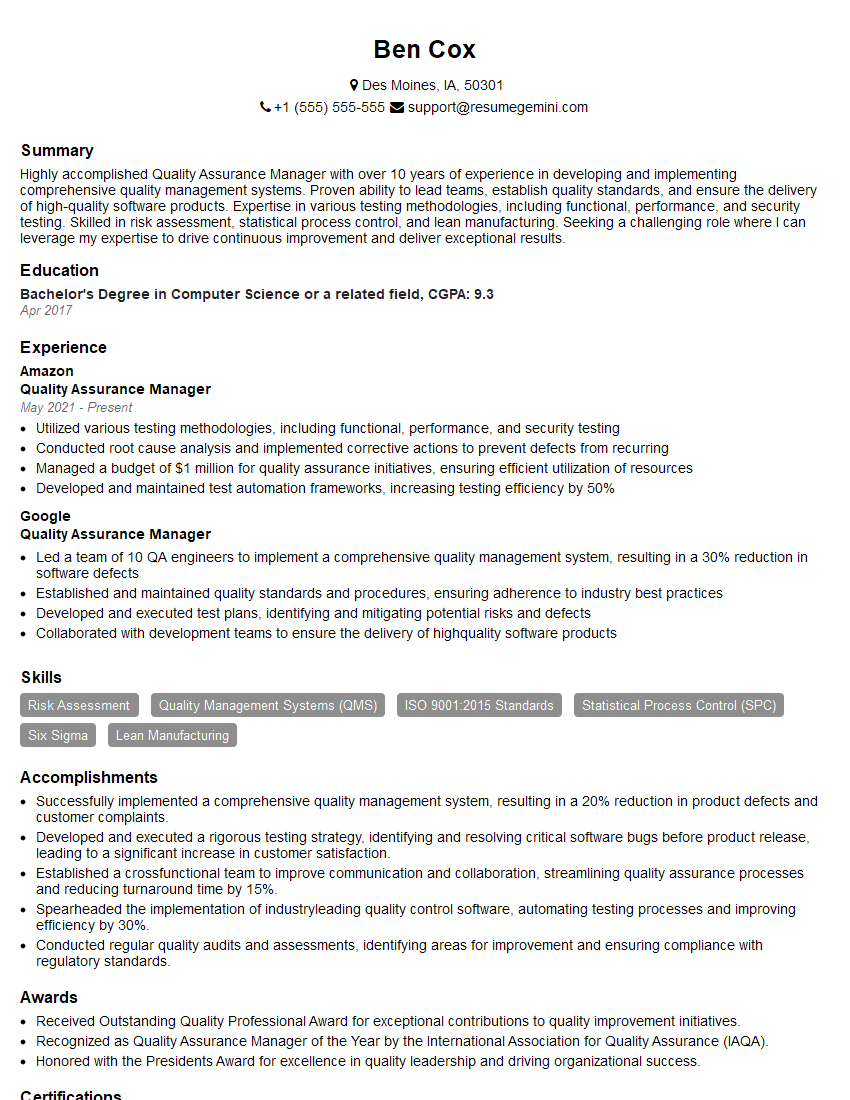
Quality Assurance Manager Resume Sample
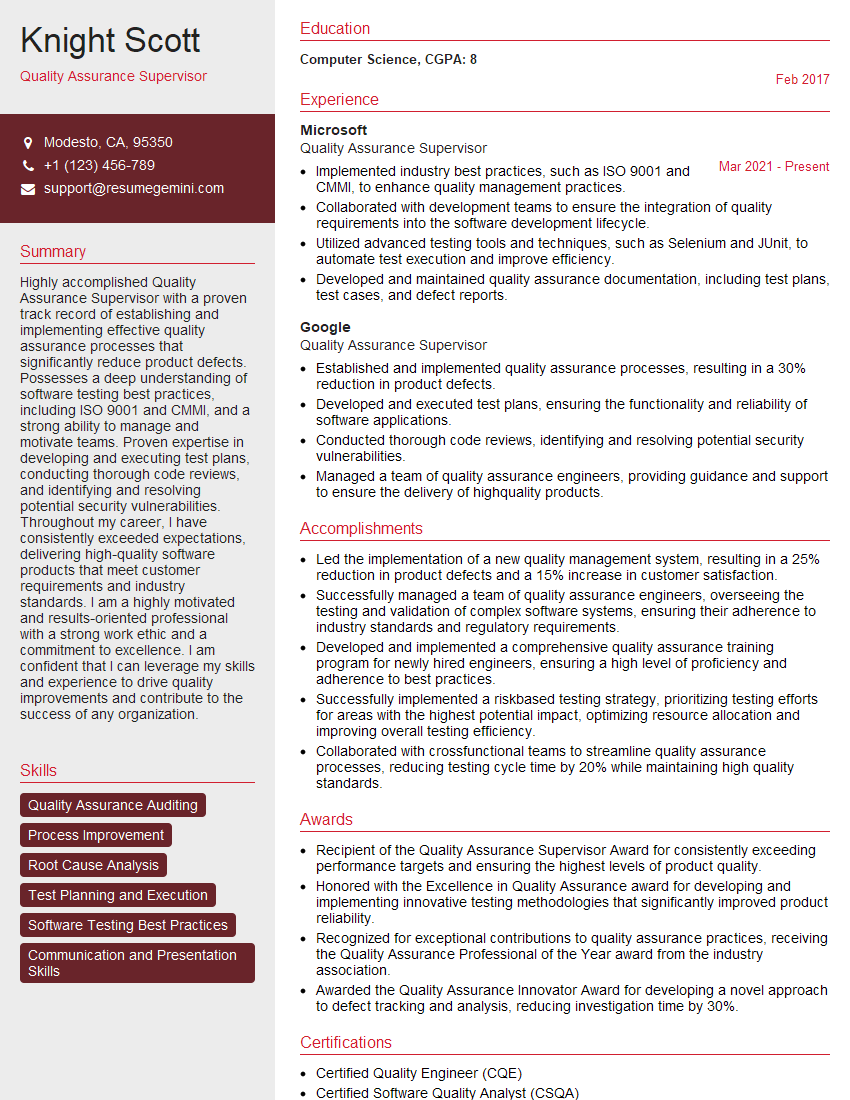
Quality Assurance Supervisor Resume Sample
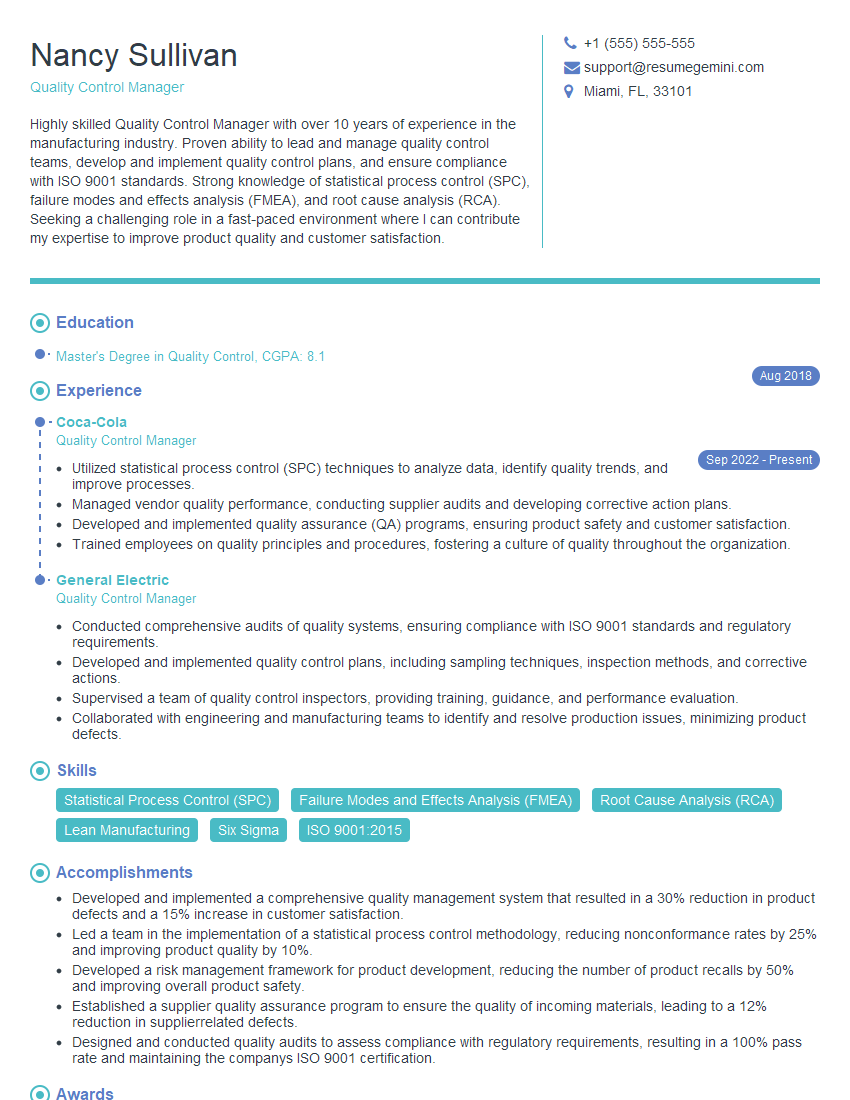
Quality Control Manager Resume Sample
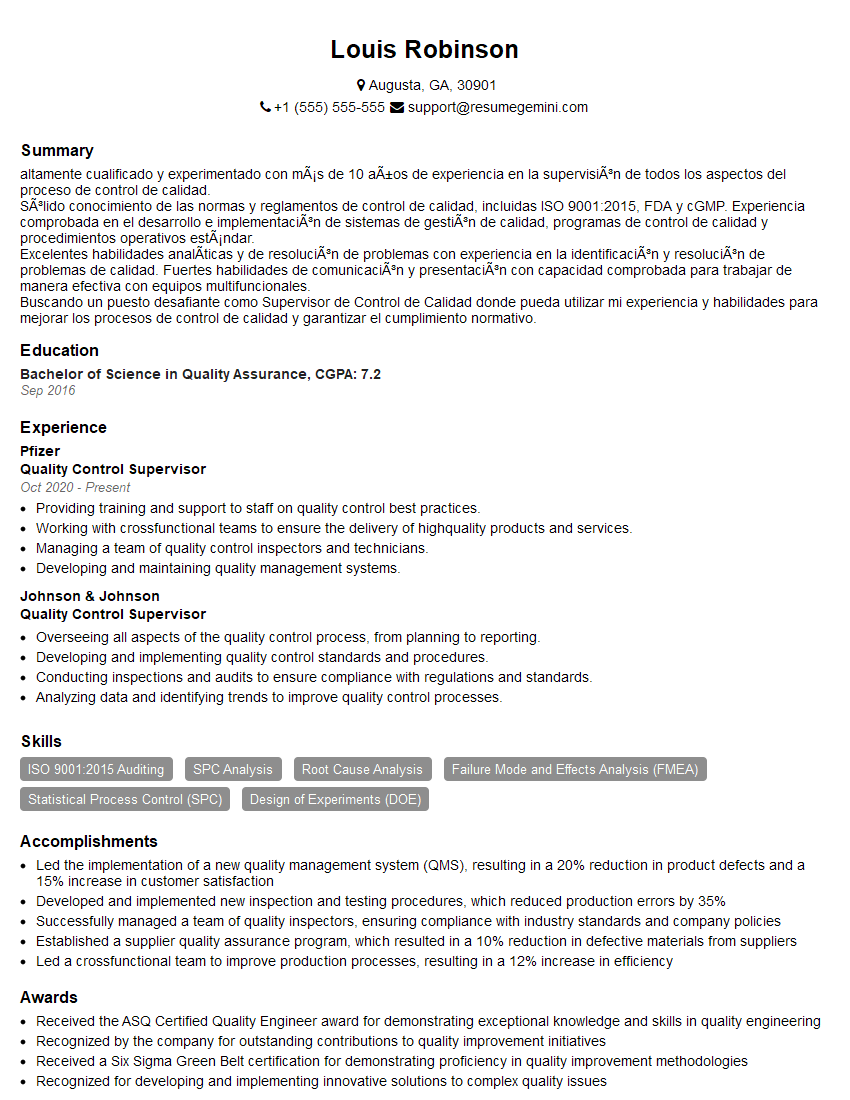
Quality Control Supervisor Resume Sample
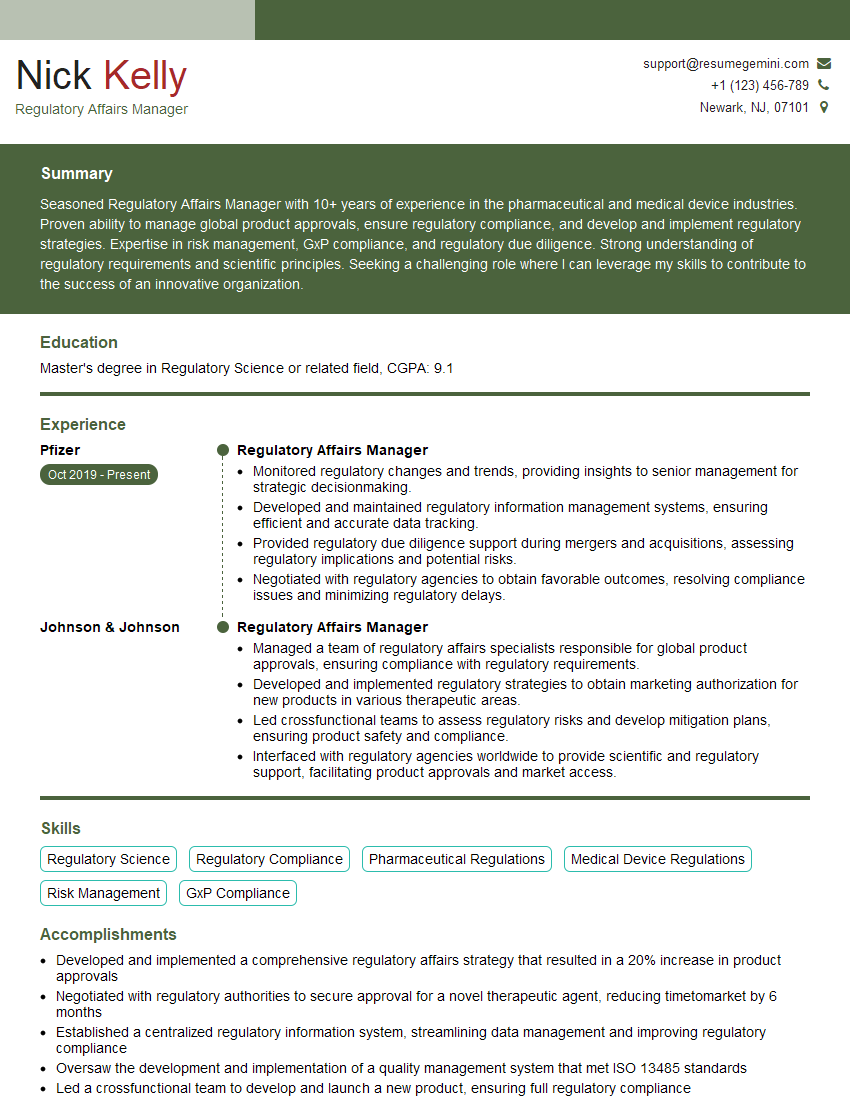
Regulatory Affairs Manager Resume Sample
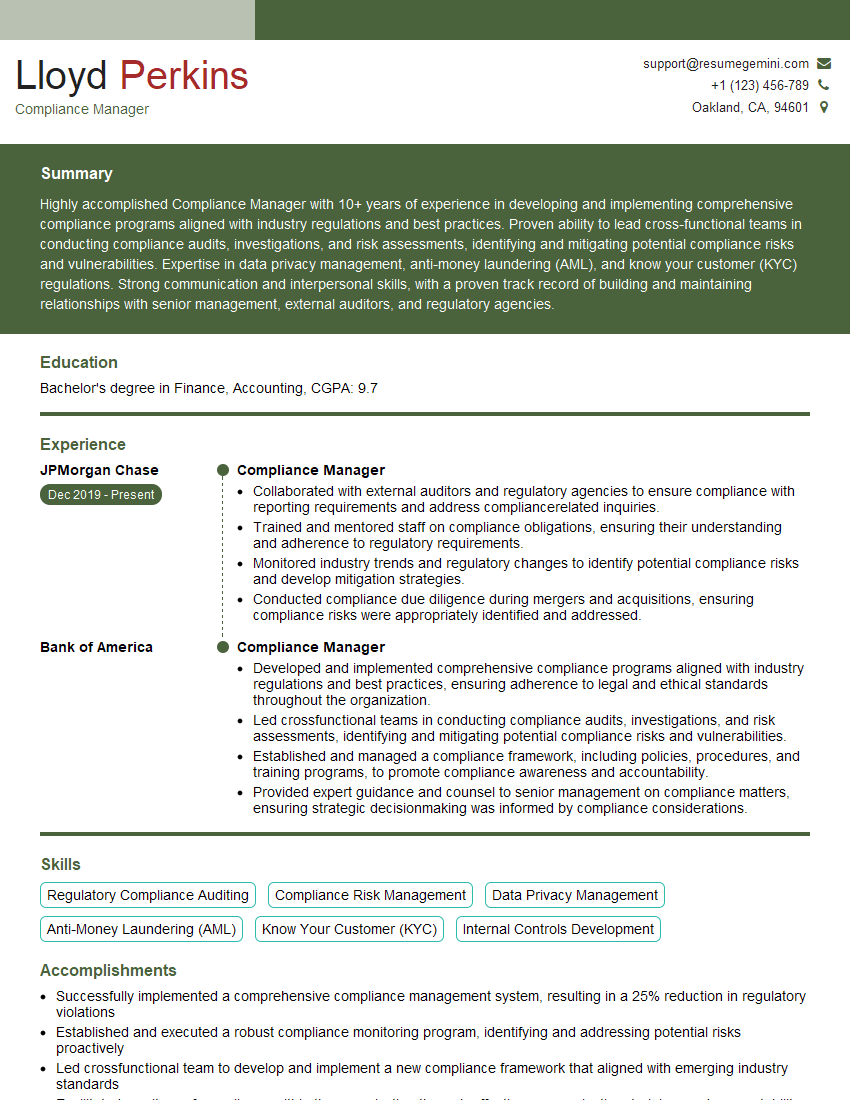
Compliance Manager Resume Sample
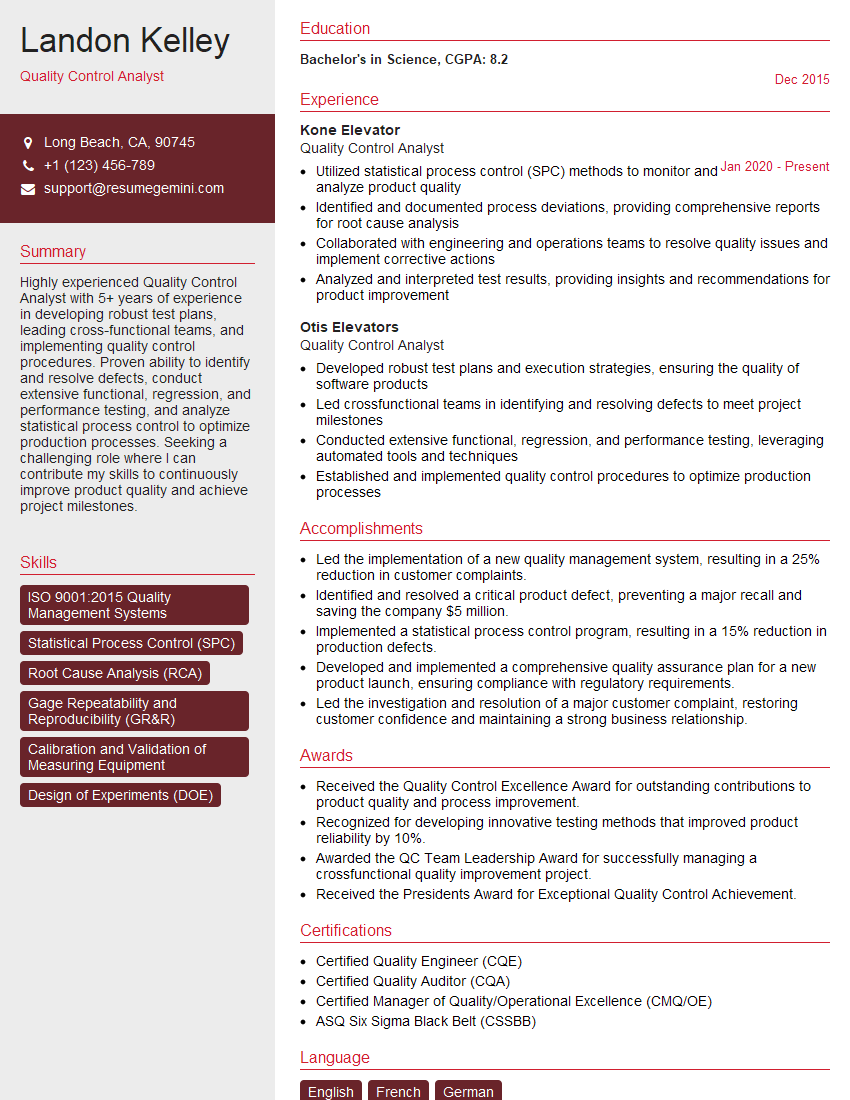
Quality Control Analyst Resume Sample
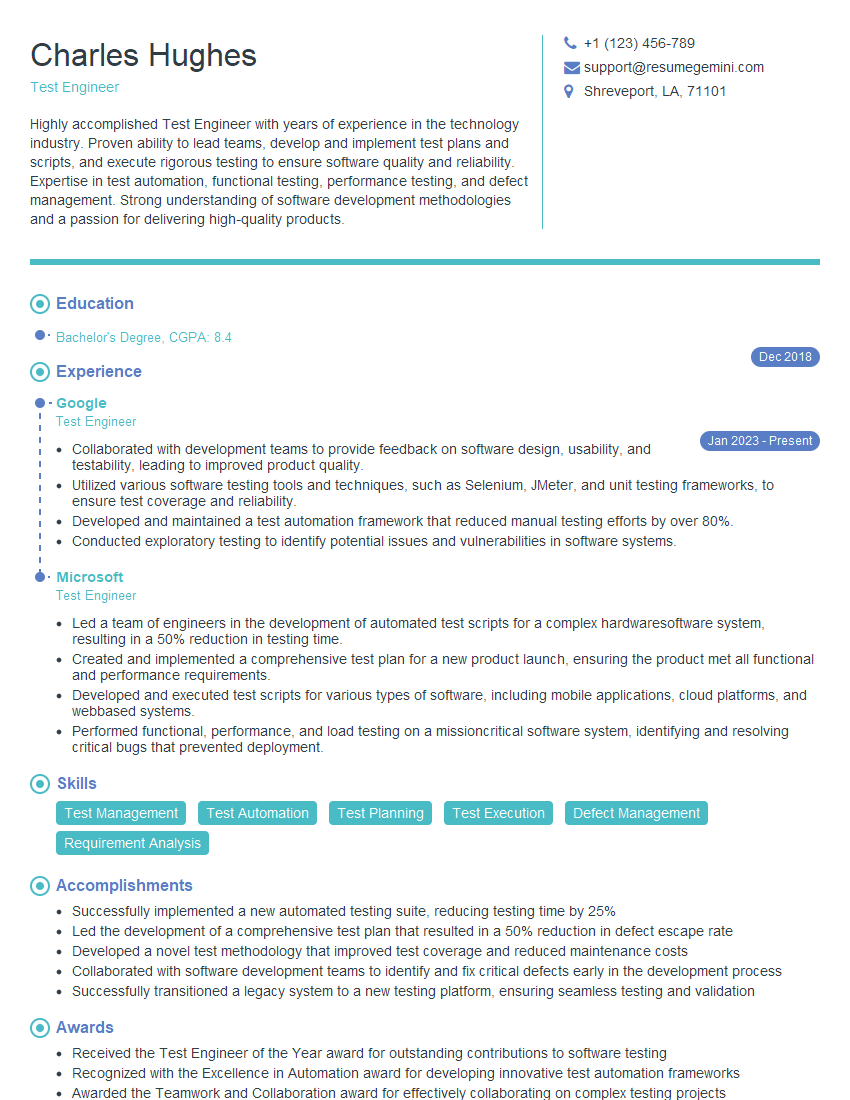
Test Engineer Resume Sample
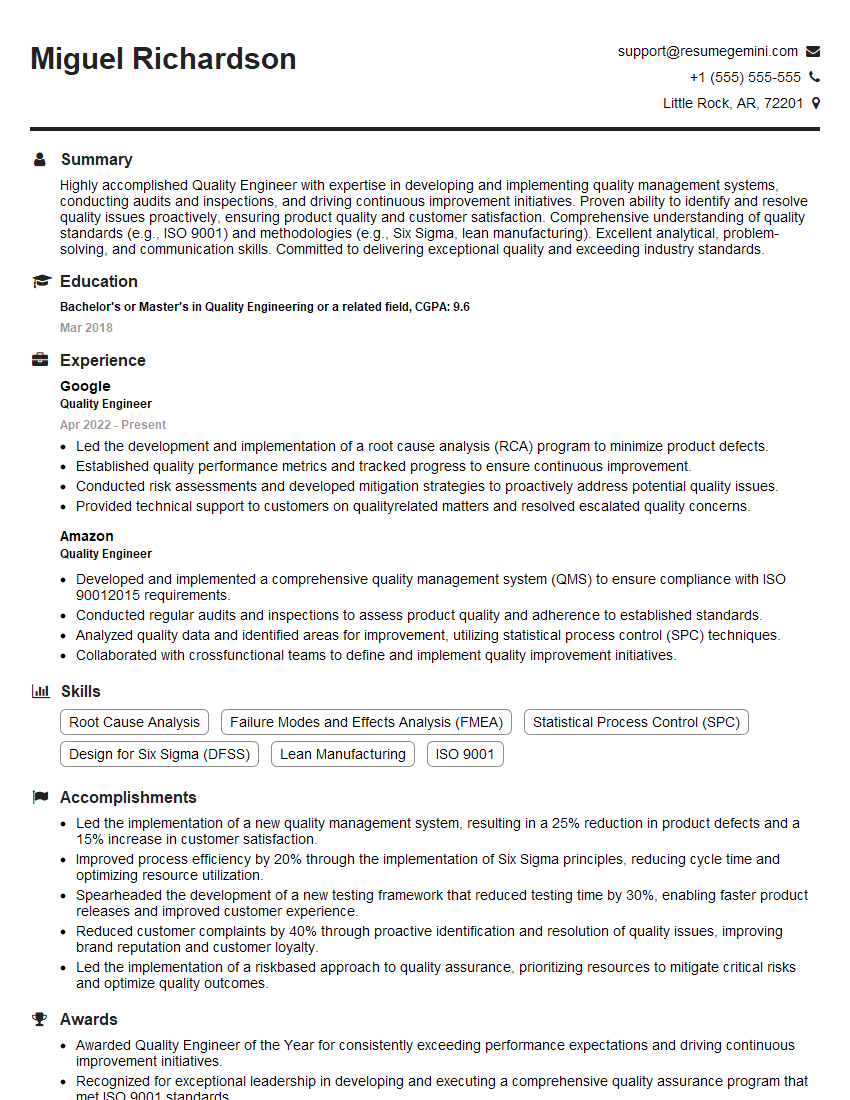
Quality Engineer Resume Sample
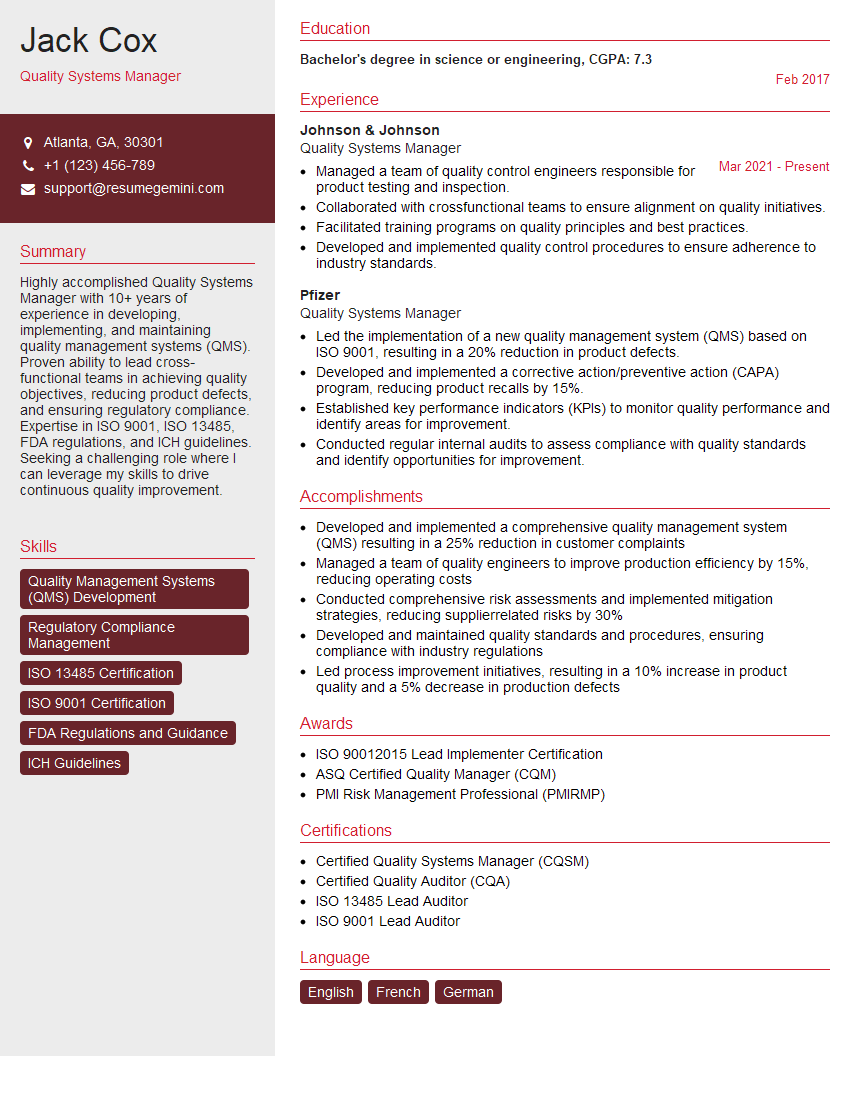
Quality Systems Manager Resume Sample

Quality Assurance Technician Resume Sample
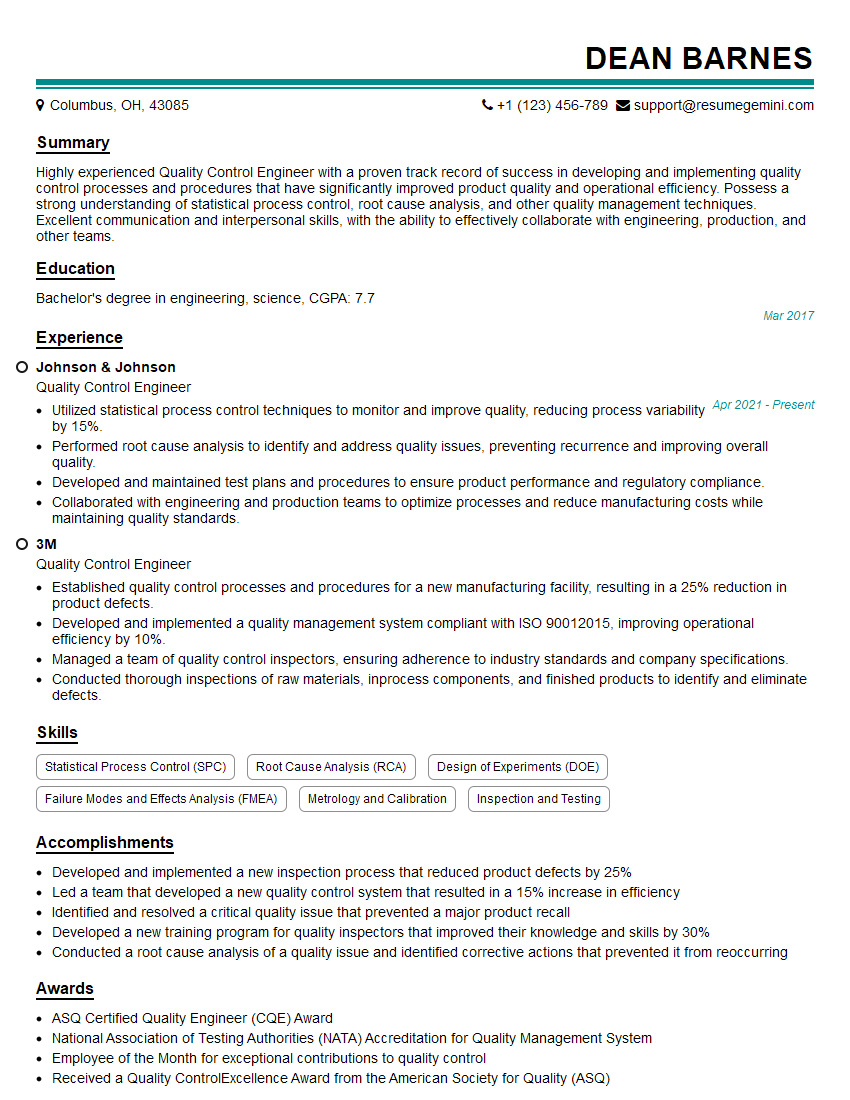
Quality Control Engineer Resume Sample
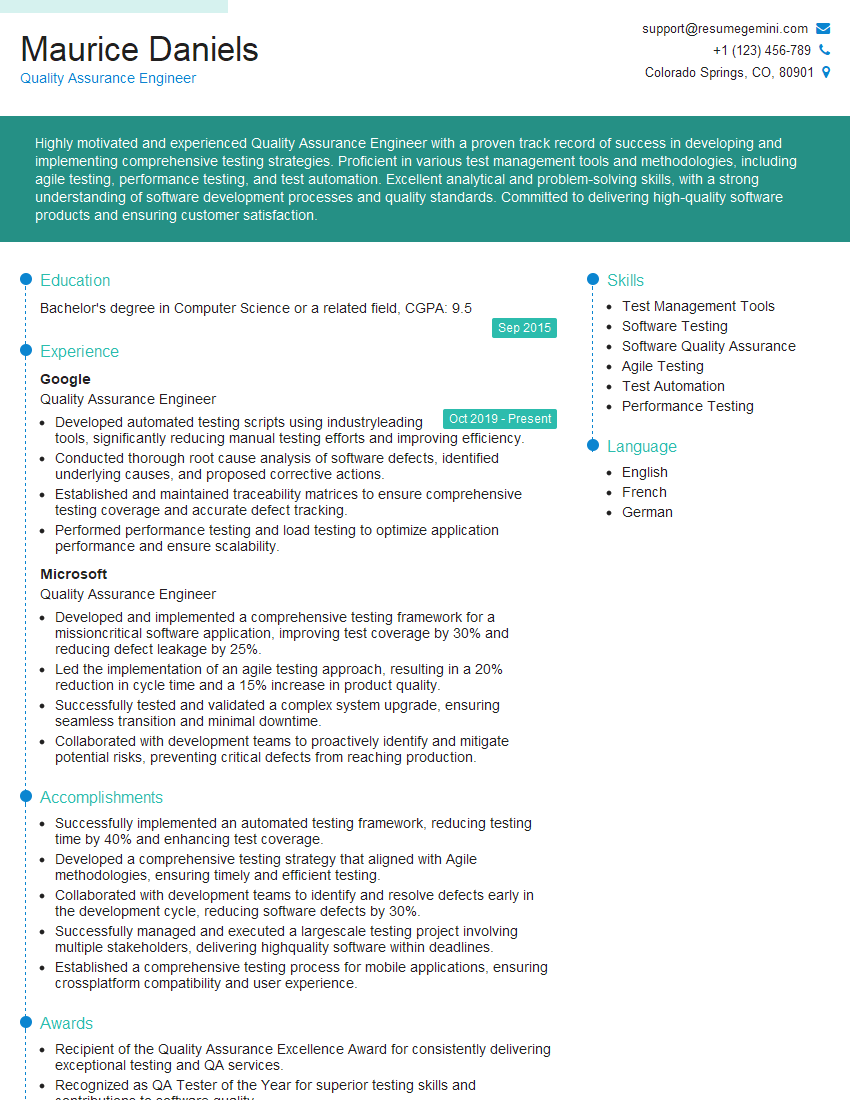
Quality Assurance Engineer Resume Sample
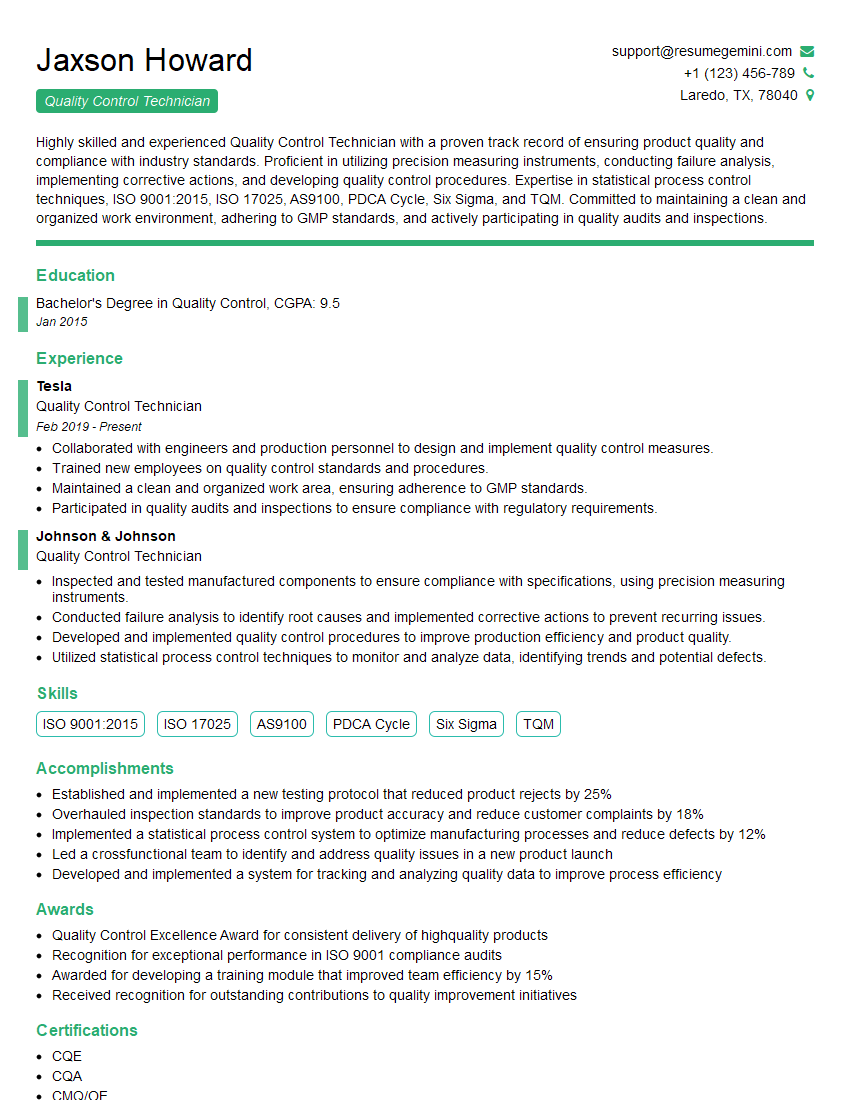
Quality Control Technician Resume Sample
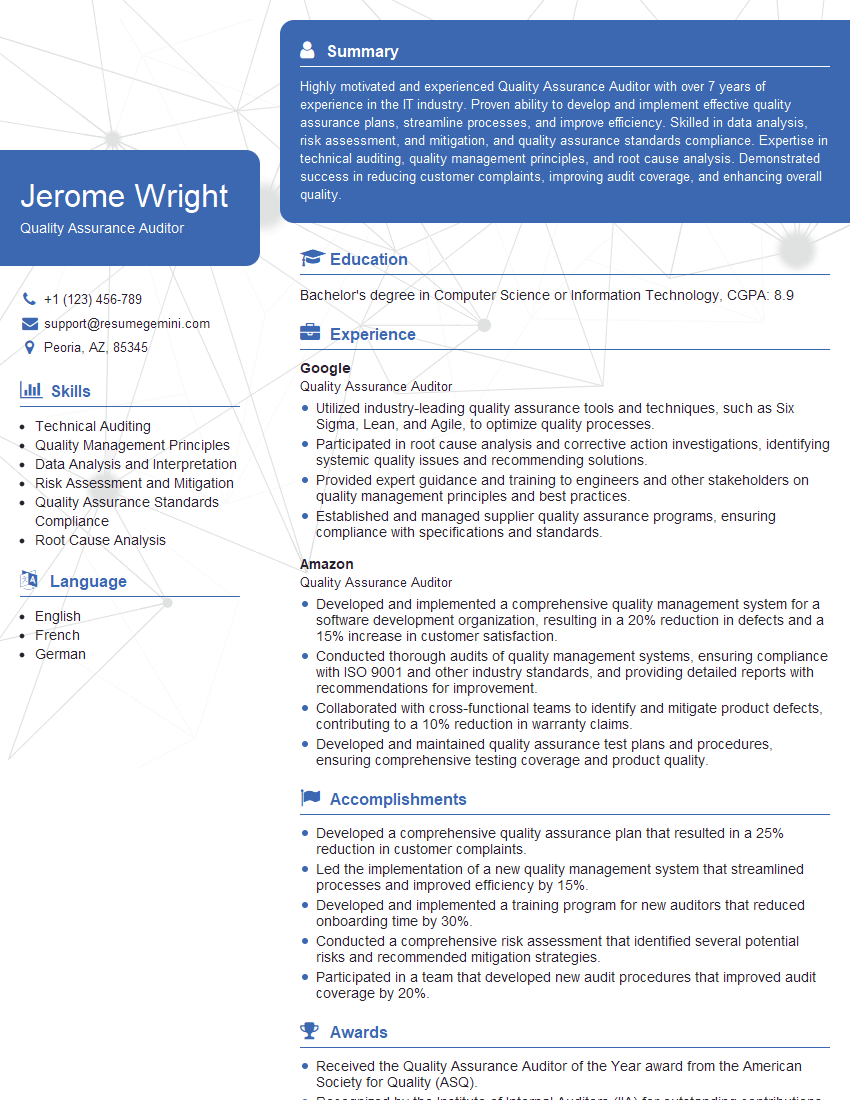
Quality Assurance Auditor Resume Sample
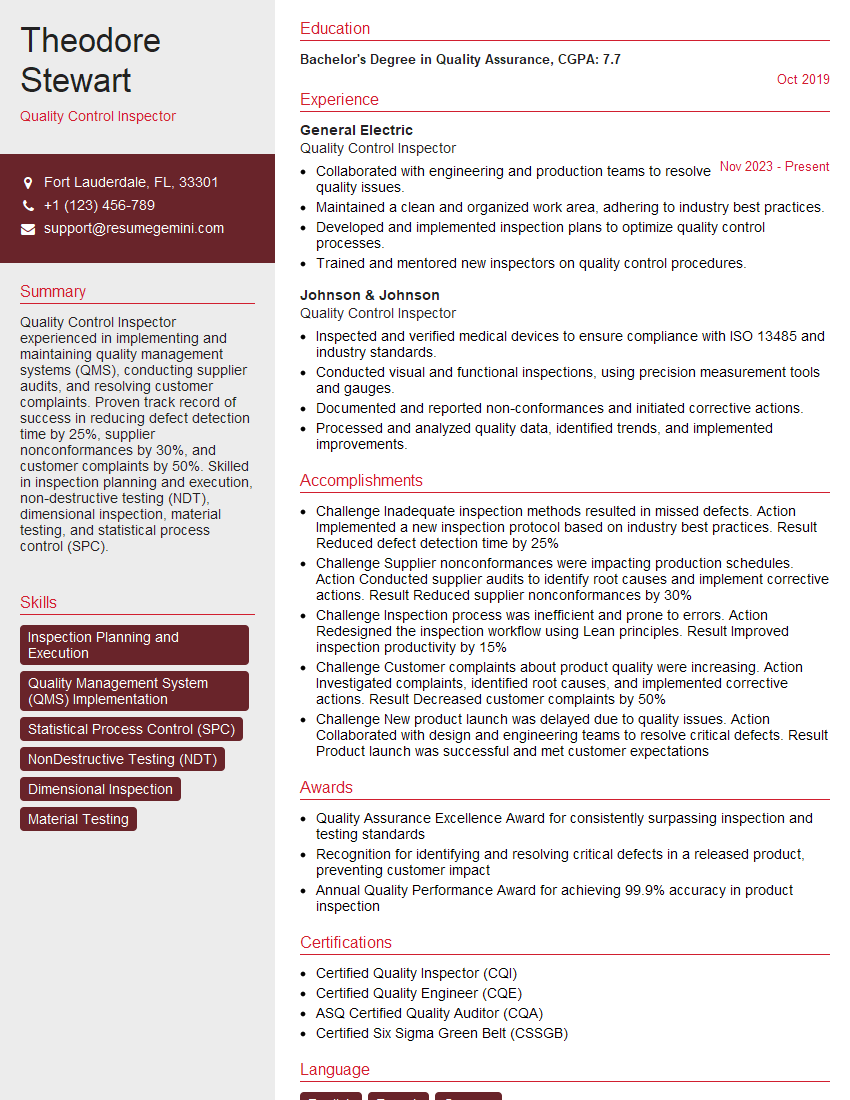
Quality Control Inspector Resume Sample
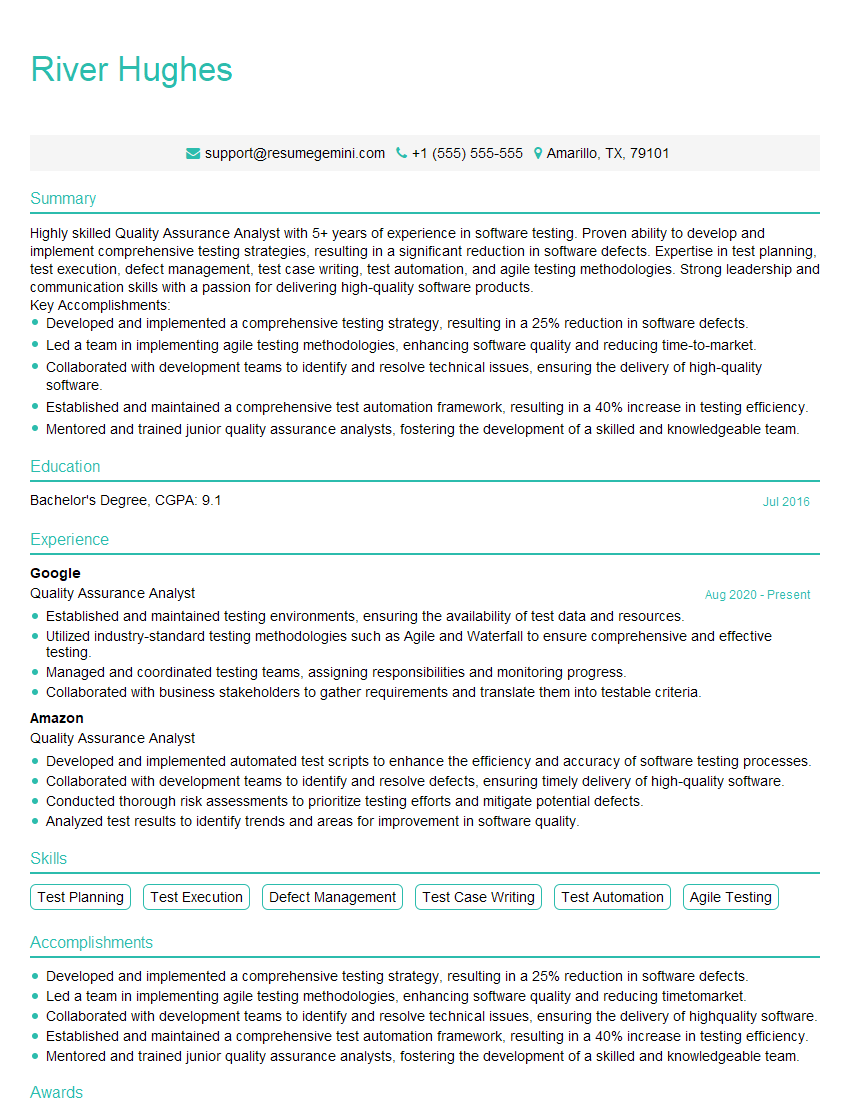
Quality Assurance Analyst Resume Sample
- Quality Assurance Manager
- Quality Assurance Supervisor
- Quality Control Manager
- Quality Control Supervisor
- Regulatory Affairs Manager
- Compliance Manager
- Quality Control Analyst
- Test Engineer
- Quality Engineer
- Quality Systems Manager
- Quality Assurance Technician
- Quality Control Engineer
- Quality Assurance Engineer
- Quality Control Technician
- Quality Assurance Auditor
- Quality Control Inspector
- Quality Assurance Analyst
Explore more articles
Users Rating of Our Blogs
Share Your Experience
We value your feedback! Please rate our content and share your thoughts (optional).
What Readers Say About Our Blog
To the interviewgemini.com Webmaster.
Very helpful and content specific questions to help prepare me for my interview!
Thank you
To the interviewgemini.com Webmaster.
This was kind of a unique content I found around the specialized skills. Very helpful questions and good detailed answers.
Very Helpful blog, thank you Interviewgemini team.