Cracking a skill-specific interview, like one for Radiation Data Analysis, requires understanding the nuances of the role. In this blog, we present the questions you’re most likely to encounter, along with insights into how to answer them effectively. Let’s ensure you’re ready to make a strong impression.
Questions Asked in Radiation Data Analysis Interview
Q 1. Explain the different types of radiation and their interactions with matter.
Radiation encompasses various forms of energy emitted from atomic nuclei or other sources. We primarily categorize them as:
- Alpha (α) radiation: Consisting of two protons and two neutrons (a helium nucleus), alpha particles are relatively large and massive. They possess high ionization power, meaning they readily interact with matter, losing energy quickly through collisions. This makes them easily stopped by a sheet of paper or even the outer layer of skin. However, if ingested or inhaled, alpha emitters pose a significant internal radiation hazard.
- Beta (β) radiation: Composed of high-speed electrons or positrons, beta particles have a smaller mass and lower ionization power than alpha particles. They penetrate matter more deeply than alpha particles, requiring thicker shielding materials like aluminum or plastic. Beta emitters can cause skin burns and, if internally deposited, damage tissues.
- Gamma (γ) radiation: High-energy electromagnetic radiation, gamma rays are massless and travel at the speed of light. They possess low ionization power compared to alpha and beta particles, but their high penetrating power necessitates shielding with dense materials like lead or concrete.
- Neutron radiation: These are neutral subatomic particles emitted during nuclear fission or fusion reactions. They interact primarily with atomic nuclei through strong nuclear forces and can induce radioactivity in materials. Effective shielding requires materials containing hydrogen atoms (e.g., water, polyethylene) or heavy nuclei (e.g., cadmium, boron).
- X-radiation: Also electromagnetic radiation, like gamma rays, but generated from electron transitions in atoms. X-rays have a lower energy compared to gamma rays, making them less penetrating. Lead is commonly used to shield against X-rays.
The interaction of radiation with matter depends on the type of radiation and the material it encounters. Key interaction mechanisms include ionization (the removal of electrons from atoms), excitation (raising electrons to higher energy levels), and nuclear reactions (for neutrons). Understanding these interactions is crucial for designing effective radiation protection measures and interpreting experimental results.
Q 2. Describe various radiation detection methods and their limitations.
Numerous methods exist for detecting radiation, each with its strengths and limitations:
- Gas-filled detectors (Geiger-Müller counters, ionization chambers, proportional counters): These detectors utilize the ionization of gas atoms by radiation to produce an electrical signal. Geiger-Müller counters are highly sensitive and suitable for detecting a wide range of radiation types but provide limited energy information. Ionization chambers offer accurate dose rate measurements, while proportional counters provide both energy and count rate information.
- Scintillation detectors: These employ materials (scintillators) that emit light when radiation interacts with them. The light is then detected by a photomultiplier tube, providing information on both energy and intensity of the radiation. Scintillation detectors are widely used for gamma and beta spectroscopy.
- Semiconductor detectors: These detectors operate based on the generation of electron-hole pairs in a semiconductor material when radiation interacts with it. They offer high energy resolution, making them well-suited for precise measurements of radiation energy spectra. High-purity germanium (HPGe) detectors are a prime example.
- Thermoluminescent dosimeters (TLDs): TLDs use the principle of thermoluminescence, where absorbed radiation energy is stored in the crystal structure and later released as light when heated. They are passive detectors providing information on accumulated dose over a period, useful for personal dosimetry.
Limitations often include energy-dependent efficiency, limited dynamic range, and sensitivity to background radiation. Proper calibration and understanding of the detector’s limitations are essential for reliable radiation measurements.
Q 3. How do you perform radiation dose calculations?
Radiation dose calculations depend on several factors including the type and energy of radiation, the absorbed dose, and the radiation weighting factor (to account for the biological effectiveness of different types of radiation). The fundamental equation for absorbed dose is:
Absorbed Dose (Gray, Gy) = Energy Absorbed (Joules) / Mass (kilograms)To calculate the equivalent dose, which considers the biological effects, we use:
Equivalent Dose (Sieverts, Sv) = Absorbed Dose (Gy) x Radiation Weighting Factor (Wr)The radiation weighting factor (Wr) is a dimensionless value that takes into account the relative biological effectiveness of different types of radiation. For example, Wr is 1 for beta and gamma radiation, 20 for alpha radiation. Effective dose is calculated by considering the absorbed dose in different organs and their associated tissue weighting factors (Wt).
Effective Dose (Sv) = Σ [Wt x Absorbed Dose (Gy) x Wr]These calculations are vital in radiation protection, medical physics, and nuclear engineering to determine the risk associated with radiation exposure. Specialized software and computational tools are often employed to perform these calculations for complex scenarios.
Q 4. What are the key principles of radiation protection?
Radiation protection hinges on three fundamental principles:
- Time: Minimize the duration of exposure to radiation. Reducing exposure time directly reduces the accumulated dose.
- Distance: Increase the distance from the radiation source. Radiation intensity follows an inverse square law, meaning that doubling the distance reduces the intensity to one-fourth.
- Shielding: Interpose shielding materials between the radiation source and the person to attenuate the radiation. The type and thickness of the shielding depend on the type and energy of the radiation.
These principles are applied in various settings such as nuclear power plants, medical facilities, and industrial applications involving radioactive materials. For example, during a medical X-ray, the technician will minimize exposure time, stand at a safe distance from the source, and use shielding materials like lead aprons. Proper understanding and implementation of these principles significantly reduce the risk of radiation exposure.
Q 5. Explain the ALARA principle and its application in radiation safety.
ALARA stands for “As Low As Reasonably Achievable.” It’s a fundamental principle in radiation protection that emphasizes keeping radiation exposure to individuals and the population as low as possible, consistent with social and economic factors. ALARA isn’t about eliminating all radiation exposure, which is practically impossible. It’s about implementing cost-effective measures to reduce exposure to acceptable levels, balancing risk reduction with practicality.
Application in radiation safety involves a systematic evaluation of all radiation sources, determining the associated risks, and implementing appropriate control measures to minimize exposure. This can include:
- Optimizing radiation techniques in medical procedures (e.g., using lower radiation doses in X-rays).
- Implementing proper shielding and safety procedures in industrial settings handling radioactive materials.
- Regular monitoring of radiation levels to identify and mitigate potential hazards.
- Training and education for personnel working with radiation sources.
ALARA requires a comprehensive understanding of radiation sources and risks, a commitment to ongoing improvement, and a careful balance of safety and practicality. Its core philosophy is about proactive risk management, ensuring that the benefits of using radiation outweigh the potential harm.
Q 6. Discuss different radiation shielding materials and their effectiveness.
The effectiveness of radiation shielding materials depends greatly on the type and energy of radiation. Common materials include:
- Lead: Highly effective for shielding against gamma rays and X-rays due to its high atomic number. It’s commonly used in radiation shielding in medical facilities and nuclear facilities.
- Concrete: Relatively inexpensive and widely available, concrete provides effective shielding against gamma and neutron radiation, particularly with high density concretes such as barytes concrete.
- Water: Excellent at attenuating neutron radiation due to the hydrogen content. Water is used in nuclear reactors and storage pools for shielding.
- Polyethylene: Contains a high concentration of hydrogen and is effective in moderating and attenuating neutron radiation. Often used in combination with other materials.
- Steel: Provides shielding against beta and X-radiation, particularly at higher thicknesses. Commonly used as structural shielding materials.
- Boron carbide: Used in neutron shielding because boron has a high neutron absorption cross-section.
Shielding design involves considerations such as the type and energy of radiation, the required level of attenuation, and the cost and practicality of the shielding material. Specialized calculations and software are utilized to determine the required thickness and arrangement of shielding materials.
Q 7. How do you interpret radiation survey meter readings?
Interpreting radiation survey meter readings requires understanding the units of measurement, potential sources of error, and the context of the reading. Radiation survey meters typically display readings in units such as:
- Counts per minute (CPM): Indicates the number of radiation events detected per minute. This provides a measure of radiation activity but is not directly related to dose.
- Microroentgens per hour (µR/h): A unit of exposure rate for X-rays and gamma rays. It is an older unit of measure, though still used in some instruments.
- Millisieverts per hour (mSv/h): A unit of equivalent dose rate, providing a measure of the biological effect of radiation. It is often preferred because it is directly related to potential biological effect.
Before interpretation, it’s crucial to ensure the meter is properly calibrated and functioning correctly. Background radiation levels should also be considered, as readings above background indicate a potential radiation source. Readings should be interpreted carefully, taking into account the type of radiation being measured, the sensitivity of the instrument, and the potential environmental factors that may affect the measurement. Any high readings should prompt further investigation and potentially implementation of appropriate safety measures.
It’s also essential to understand the spatial distribution of the radiation. A high reading at one location may decrease rapidly with distance, highlighting the importance of the distance principle in radiation protection. An understanding of the radiation source is critical for proper interpretation, and if there are concerns, consulting with a radiation safety officer is recommended.
Q 8. Describe the process of calibrating radiation detection equipment.
Calibrating radiation detection equipment is crucial for ensuring accurate measurements. It’s essentially a process of comparing the instrument’s readings to known radiation sources with certified activity. This allows us to determine the instrument’s response and correct for any systematic errors.
The process typically involves:
- Selecting appropriate calibration sources: These sources must emit radiation similar to what the instrument is designed to detect (e.g., gamma, beta, alpha) and have a precisely known activity, often traceable to national standards.
- Establishing a calibration geometry: The distance and orientation between the source and detector must be carefully controlled and precisely documented to ensure reproducibility.
- Acquiring calibration data: The instrument’s response to the calibration source is measured at different source activities or counting times to generate a calibration curve. This curve shows the relationship between instrument reading and known radiation activity.
- Analyzing the data and creating a calibration factor: This factor corrects for the instrument’s response, converting raw counts into activity or dose rate. Statistical methods are employed to minimize uncertainty in the calibration factor.
- Regular calibration checks: Instruments should be routinely recalibrated to account for drift and ensure continued accuracy, especially after significant use or maintenance.
For example, a Geiger-Müller counter might be calibrated using a known Cesium-137 source. The counts recorded are then used to determine the instrument’s efficiency (counts per Becquerel or similar unit), which is the calibration factor. Regular checks might be done monthly or even daily in critical applications.
Q 9. What are the common sources of radiation exposure in the workplace?
Common sources of radiation exposure in the workplace vary greatly depending on the industry, but some prominent examples include:
- X-ray machines and gamma irradiators: Used in medical imaging, industrial radiography, and sterilization processes. These are high-energy sources requiring stringent safety protocols.
- Sealed radioactive sources: Found in various gauges, analytical instruments, and medical devices. While sealed, there’s always a potential for leakage or damage, requiring careful handling and regular testing.
- Naturally occurring radioactive materials (NORM): Present in certain building materials, soils, and industrial processes (like oil and gas extraction). These often involve lower radiation levels, but cumulative exposure is a concern.
- Radioactive contamination: This occurs when radioactive materials spread onto surfaces or are present in the air. Contamination can result from accidents or improper handling of radioactive materials, requiring thorough decontamination procedures.
Imagine working in a nuclear power plant; there are various sources of radiation like the reactor core itself, spent fuel, and activation products. In a hospital, exposure comes from diagnostic X-ray machines and radiation therapy units.
Q 10. How do you assess and manage radiation risks?
Radiation risk assessment and management involve a multi-step approach focused on ALARA (As Low As Reasonably Achievable).
- Identify radiation sources: This involves mapping out all potential sources of radiation in the workplace, including both external and internal sources.
- Assess potential exposures: This may involve using radiation monitoring equipment (like dosimeters), modeling radiation transport, or reviewing operational procedures.
- Develop and implement control measures: This is where we apply the ALARA principle. Controls include time minimization (limiting exposure duration), distance maximization (keeping as far from the source as possible), shielding (using lead or other materials to block radiation), administrative controls (work procedures), and engineering controls (design modifications).
- Monitor and evaluate effectiveness: Regular monitoring through personal dosimetry, area monitoring, and environmental sampling is crucial to verify the effectiveness of implemented control measures. This allows for adjustment and improvement of the safety program over time.
For instance, in a medical facility using X-ray machines, control measures might involve lead shielding, limiting the time patients and staff spend near the machines, using optimized imaging techniques, and regular equipment maintenance.
Q 11. What are the regulatory requirements for radiation safety?
Regulatory requirements for radiation safety vary by country and region but generally follow similar principles. They often center around licensing, training, monitoring, and record-keeping.
- Licensing: Facilities and individuals working with radioactive materials typically require licenses from relevant regulatory bodies (e.g., the NRC in the US, or the equivalent in other countries).
- Training and qualifications: Personnel handling radiation must receive adequate training on radiation safety principles, proper procedures, and emergency response.
- Radiation monitoring: Regular monitoring of workers’ radiation exposure through personal dosimeters is mandatory. Area monitoring is also required to assess environmental radiation levels.
- Record-keeping: Detailed records of radiation exposures, instrument calibrations, safety procedures, and incidents must be meticulously maintained and accessible for regulatory audits.
- Emergency preparedness: Organizations are required to have plans for dealing with radiation accidents or emergencies, including procedures for evacuation, decontamination, and medical treatment.
These regulations aim to ensure the safety of workers, the public, and the environment. Non-compliance can lead to significant penalties.
Q 12. Explain the concept of effective dose and equivalent dose.
Both effective dose and equivalent dose are used to quantify radiation exposure, but they account for different aspects of radiation’s biological effects.
Equivalent dose (Sv or rem) considers the type of radiation. Different types of radiation (alpha, beta, gamma, neutron) have different abilities to cause biological damage. A weighting factor is applied to account for this difference. The formula is: Equivalent dose = Absorbed dose × Radiation weighting factor
Effective dose (Sv or rem) goes a step further by accounting for the sensitivity of different organs and tissues. Different organs have varying degrees of radiosensitivity. Tissue weighting factors are applied to the equivalent dose in each organ to calculate the effective dose. The formula is: Effective dose = ∑ (Equivalent dose in organ i × Tissue weighting factor for organ i)
For example, 1 Sv of alpha radiation will have a higher equivalent dose than 1 Sv of gamma radiation because alpha particles have a higher radiation weighting factor. And, the effective dose will further consider which organ is exposed. Exposure to the lungs might have a different weighting factor than exposure to the skin. Effective dose provides a better measure of overall health risk.
Q 13. How do you analyze radiation data using statistical methods?
Statistical methods are vital in radiation data analysis for several reasons, including handling uncertainties, identifying patterns, and making inferences.
- Descriptive statistics: Calculating means, standard deviations, and percentiles to summarize radiation measurements.
- Hypothesis testing: Comparing radiation levels in different areas, or comparing measured radiation with background levels. Techniques like t-tests or ANOVA are frequently used.
- Regression analysis: Modeling the relationship between radiation levels and other factors, such as distance or shielding thickness.
- Uncertainty analysis: Quantifying uncertainties in measurements and propagating these uncertainties through calculations.
- Time series analysis: Analyzing radiation levels over time to detect trends or anomalies, useful in monitoring environmental radioactivity.
Example: A t-test could be used to compare the mean radiation dose received by two groups of workers exposed to different radiation sources. The test would determine if there's a statistically significant difference in their average dose.
Q 14. What software or tools are you familiar with for radiation data analysis?
I’m proficient in several software and tools commonly used in radiation data analysis. These include:
- Microsoft Excel and other spreadsheet software: Useful for basic data management, calculations, and visualization.
- Statistical software packages (R, SAS, SPSS): Powerful tools for performing advanced statistical analyses, including regression modeling, hypothesis testing, and uncertainty analysis.
- Specialized radiation protection software: Packages like MCNP (Monte Carlo N-Particle transport code) for simulating radiation transport and dose calculations, and RESRAD (Radiological Exposure and Dose Assessment) for evaluating long-term radiological risks.
- Radiation monitoring software: Software associated with specific radiation detectors for data acquisition, storage, and analysis.
The choice of software depends on the complexity of the analysis, the type of data, and the specific questions being addressed. For simple data summarization, Excel suffices. For complex simulations or advanced statistical modeling, specialized software packages are needed.
Q 15. Describe your experience with Monte Carlo simulations in radiation physics.
Monte Carlo simulations are indispensable in radiation physics because they allow us to model the probabilistic nature of radiation interactions. Instead of solving complex deterministic equations, we simulate the individual interactions of countless particles (photons, neutrons, etc.) with matter. Each interaction’s outcome is determined randomly based on known probability distributions derived from fundamental physics. This process is repeated many times to generate a statistically significant representation of the overall radiation transport.
In my experience, I’ve extensively used Monte Carlo codes like MCNP and FLUKA to simulate various scenarios, from designing radiation shielding for nuclear reactors to optimizing medical imaging techniques. For instance, I used MCNP to model the dose distribution of a new brachytherapy source, comparing the results to experimental data to validate the model’s accuracy. This allowed us to fine-tune the source design for optimal treatment efficacy and minimal side effects.
A key aspect is verifying the simulation parameters and convergence. We must ensure that the statistical uncertainties are within acceptable limits by running sufficient simulations. Proper variance reduction techniques are crucial for efficient computation, especially in complex geometries.
Career Expert Tips:
- Ace those interviews! Prepare effectively by reviewing the Top 50 Most Common Interview Questions on ResumeGemini.
- Navigate your job search with confidence! Explore a wide range of Career Tips on ResumeGemini. Learn about common challenges and recommendations to overcome them.
- Craft the perfect resume! Master the Art of Resume Writing with ResumeGemini’s guide. Showcase your unique qualifications and achievements effectively.
- Don’t miss out on holiday savings! Build your dream resume with ResumeGemini’s ATS optimized templates.
Q 16. How do you handle outliers or uncertainties in radiation data?
Outliers and uncertainties are inherent in radiation data due to the stochastic nature of radiation interactions and limitations in measurement techniques. Handling them requires a multi-pronged approach.
- Identification: Statistical methods like box plots and scatter plots help visually identify outliers. We can also employ robust statistical tests such as the Grubbs test to quantitatively assess their significance.
- Investigation: Before discarding outliers, it’s crucial to investigate the underlying cause. Was there a malfunction in the detector? Was there an unexpected external radiation source? Understanding the source of the outlier is paramount.
- Treatment: If the outlier is deemed to be a genuine measurement error, it may be excluded from further analysis. Alternatively, robust statistical methods that are less sensitive to outliers, such as median calculations and non-parametric tests, can be employed. Propagation of uncertainties through calculations is critical, often using techniques like the standard deviation method.
- Uncertainty Quantification: Uncertainty analysis must be explicitly addressed, providing quantitative estimates of uncertainties associated with measurements, calculations and model parameters. This involves incorporating systematic and statistical uncertainties.
For example, in a dose calibration experiment, if one measurement significantly deviates from the others, a thorough review of the experimental setup and data acquisition process is necessary before deciding whether to remove it or re-evaluate the data.
Q 17. Explain different types of radiation detectors (e.g., Geiger-Müller counter, scintillation detector).
Radiation detectors are instruments that measure ionizing radiation. Different detectors are optimized for different types of radiation and applications.
- Geiger-Müller (GM) counter: A simple and robust detector ideal for detecting alpha, beta, and gamma radiation. It operates on the principle of gas ionization; an incoming particle ionizes the gas, creating an avalanche of electrons that produces a measurable electrical pulse. GM counters are relatively inexpensive but provide limited energy information; they primarily indicate the presence of radiation, rather than its energy.
- Scintillation detector: This type of detector uses a scintillating material that emits light when struck by ionizing radiation. The light is then detected by a photomultiplier tube (PMT), converting the light into an electrical signal. Scintillation detectors offer better energy resolution than GM counters and are widely used in nuclear medicine, high-energy physics, and environmental monitoring. Different scintillators are chosen based on the radiation type and energy range of interest. For example, NaI(Tl) is commonly used for gamma detection, while plastic scintillators are suitable for beta detection.
- Semiconductor detectors: These detectors utilize the principle of charge collection in a semiconductor material, such as silicon or germanium. When radiation interacts with the semiconductor, electron-hole pairs are generated, producing a measurable current. Semiconductor detectors offer excellent energy resolution, especially for gamma and X-ray detection, but they are often more expensive and require cooling.
The choice of detector depends heavily on the specific application. For instance, a GM counter might be suitable for a simple radiation survey, whereas a high-resolution semiconductor detector would be necessary for precise energy measurements in nuclear spectroscopy.
Q 18. What is the difference between deterministic and stochastic effects of radiation?
The effects of radiation exposure are broadly classified as deterministic and stochastic.
- Deterministic effects: These effects have a threshold dose; they only occur above a certain level of radiation exposure. The severity of the effect increases with the dose. Examples include skin burns, radiation sickness, and cataracts. Think of it like sunburn – a small amount of sun exposure has no noticeable effect, but excessive exposure leads to a sunburn whose severity depends on the duration and intensity of exposure.
- Stochastic effects: These effects are probabilistic; the probability of occurrence increases with dose, but the severity is independent of the dose. Cancer and genetic mutations are examples. Imagine rolling a die; the more you roll, the higher the chance of rolling a six, but once you roll a six, the result is the same regardless of how many times you’ve rolled previously.
It’s important to note that both deterministic and stochastic effects can occur simultaneously, especially after high doses of radiation. Understanding the difference between these effects is crucial in radiation protection and risk assessment.
Q 19. Describe your experience with radiation transport codes.
My experience with radiation transport codes spans several years and various applications. I am proficient in using MCNP, FLUKA, and GEANT4, three of the most widely used codes in the field. These codes use Monte Carlo methods to simulate the transport of radiation through matter, allowing us to predict radiation dose distributions, shielding effectiveness, and detector responses.
For instance, I utilized MCNP to model the neutron transport in a nuclear reactor core, determining the optimal fuel arrangement for efficient energy production and safety. In another project, I employed GEANT4 to simulate the interactions of high-energy particles in a medical detector, optimizing the detector design for improved image quality. Each code has its strengths and weaknesses; MCNP excels in criticality calculations, FLUKA is powerful for high-energy physics simulations, and GEANT4 is highly versatile and widely used in various fields.
Beyond merely running simulations, I also have experience in validating and verifying the results of these codes, comparing them with experimental data or results from other independent calculations. This is vital to ensure the accuracy and reliability of the simulations.
Q 20. How do you ensure the accuracy and reliability of radiation data?
Ensuring the accuracy and reliability of radiation data requires a rigorous approach that incorporates multiple layers of quality control.
- Calibration and Traceability: Radiation detectors must be regularly calibrated using traceable standards to ensure their accuracy. This involves comparing the detector’s response to known radiation sources with certified values.
- Data Validation: Data validation involves comparing the measured data against expected values or data from independent sources. This helps identify potential errors or inconsistencies in the data.
- Uncertainty Analysis: A complete uncertainty analysis, including both random and systematic uncertainties, must be performed to quantify the reliability of the data. This is essential for interpreting results and making informed decisions.
- Cross-Checks: Different methods and instruments should be used where feasible to cross-check the data. If the results from multiple measurements or methods agree, it enhances the confidence in the data’s accuracy.
- Documentation: Detailed documentation of the measurement process, including instrument details, calibration procedures, and data analysis methods, is crucial for reproducibility and transparency.
For example, in a radiological survey, we might use multiple detectors to measure radiation levels at different locations, comparing the results to ensure consistency. Discrepancies would trigger a re-examination of the data collection and analysis.
Q 21. Explain the concept of radiation half-life.
Radiation half-life is the time it takes for half of the radioactive atoms in a sample to decay. It’s a fundamental concept in nuclear physics and is used to describe the rate of radioactive decay. Each radioactive isotope has a unique half-life, which can range from fractions of a second to billions of years.
Imagine you have 100 radioactive atoms. After one half-life, 50 atoms will have decayed, leaving 50 remaining. After another half-life, 25 atoms will remain, and so on. The decay process is exponential, meaning it never truly reaches zero; however, after several half-lives, the amount of remaining radioactive material becomes negligible.
Half-life is crucial in various applications, including:
- Radioactive dating: Determining the age of ancient artifacts or geological formations using the known half-life of certain isotopes (e.g., carbon-14 dating).
- Nuclear medicine: Selecting appropriate radioisotopes for diagnostic or therapeutic purposes based on their half-life and the required duration of activity.
- Radiation safety: Estimating the time required for a radioactive source to decay to a safe level.
For example, the relatively short half-life of iodine-131 (8 days) is a factor in its use in thyroid treatments, ensuring the radiation exposure is limited. Conversely, the extremely long half-life of uranium-238 (4.5 billion years) has significant implications for the long-term management of nuclear waste.
Q 22. How do you interpret radiation isodose curves?
Radiation isodose curves are contour lines on a two-dimensional map or a three-dimensional model representing points receiving the same radiation dose. Think of them like elevation contour lines on a topographical map, but instead of elevation, they show radiation dose. Each line represents a specific percentage of the maximum dose delivered. For example, a 50% isodose line indicates areas receiving half the maximum dose.
Interpreting these curves involves understanding their shape and position. Irregularities can indicate issues with treatment planning or delivery. For instance, a significant dip in the isodose curve within the target volume might suggest a treatment planning error leading to under-dosage in that area. Conversely, a significant ‘hotspot’ outside the target volume, reflected by high-dose curves extending into healthy tissue, would signify an over-dosage risk, demanding a reassessment of the treatment plan. Clinicians use isodose curves to assess dose uniformity within the target volume and to minimize radiation exposure to surrounding healthy tissues. They are crucial for treatment verification and quality assurance in radiation therapy.
For example, in external beam radiotherapy, the isodose curves would be visualized on a cross-sectional image of the patient, allowing the radiation oncologist to confirm whether the target tumor is adequately covered by the planned radiation dose while minimizing dose to critical organs. We use specialized software for 3D visualization and analysis of these curves to ensure optimal treatment plans are developed and delivered.
Q 23. Describe your experience with radiation safety training programs.
Throughout my career, I’ve participated in numerous radiation safety training programs, ranging from initial ALARA (As Low As Reasonably Achievable) training to advanced courses on radiation protection in specific applications like nuclear medicine and radiation oncology. These programs covered a broad spectrum of topics, including radiation physics, dosimetry, instrumentation, regulatory compliance, and emergency response protocols. My training included both theoretical knowledge and hands-on practical sessions, such as using radiation detection instruments, handling radioactive materials, and performing radiation surveys.
I’ve completed accredited training programs adhering to standards set by organizations such as the Health Physics Society and regulatory bodies such as the NRC (Nuclear Regulatory Commission – US context, this would vary by country) in the handling and use of radioactive materials, including proper waste disposal procedures and the implementation of ALARA principles. My certifications are up-to-date, and I regularly participate in continuing education to maintain my proficiency and knowledge.
Q 24. How do you communicate complex radiation data to non-technical audiences?
Communicating complex radiation data to non-technical audiences requires a clear and concise approach focusing on visual aids and simple analogies. I avoid technical jargon and instead use everyday language to explain complex concepts. For instance, I might compare the effects of radiation on cells to the damage caused by sunburn, explaining that excessive exposure leads to cell death.
I frequently use visual aids like charts, graphs, and simple diagrams to illustrate data. For example, instead of discussing the gray scale on a CT scan representing radiation attenuation, I might show a simple color-coded map illustrating the regions of higher and lower radiation intensity. I ensure that my explanations are tailored to the audience’s prior knowledge and the context of the communication, maintaining a conversational tone and addressing their questions directly. Stories and case studies can also effectively humanize the data and make it more relatable. For instance, explaining the success of a cancer treatment through radiation therapy makes the complex physics behind it more relevant to a patient.
Q 25. What are the ethical considerations in radiation protection?
Ethical considerations in radiation protection are paramount. The fundamental principle is to minimize radiation exposure to all individuals – patients, staff, and the public – while ensuring the effective use of radiation in medical, industrial, and research applications. This is often summarized as ‘justification’ and ‘optimization’.
Justification involves ensuring that the benefits of using radiation outweigh the risks. Optimization focuses on keeping the radiation dose as low as reasonably achievable (ALARA). Ethical dilemmas might arise in situations involving conflicting interests. For instance, a high dose might be necessary for effective cancer treatment, but it could lead to increased risk of side effects. It’s crucial to balance the potential benefits with the potential harms, ensuring informed consent from patients and transparency in communication regarding potential risks. Maintaining patient confidentiality and ensuring equitable access to radiation protection measures are also vital ethical considerations. Proper training and adherence to strict safety protocols minimize risk, reflecting a commitment to ethical conduct in radiation protection.
Q 26. Describe a situation where you had to troubleshoot a problem with radiation equipment.
During a routine quality check on a linear accelerator used for radiation therapy, I noticed inconsistencies in the dose readings compared to the planned dose. The machine was delivering a slightly lower dose than expected. My troubleshooting steps included:
- Initial Verification: I first checked the calibration records to rule out any recent calibration issues.
- Software Review: I reviewed the treatment planning software settings to ensure there weren’t any errors in the treatment plan itself.
- Hardware Inspection: I then carried out a thorough visual inspection of the equipment and checked the status indicators.
- Diagnostic Tests: I performed several built-in diagnostic tests to pinpoint the malfunction. This revealed a minor issue with the electron gun power supply.
- Reporting & Remediation: I documented all findings and reported the issue to the biomedical engineering team. They repaired the issue, and further quality assurance tests confirmed the accurate dose delivery after the repair.
This experience highlights the importance of regular equipment maintenance and quality assurance checks. It’s vital to have robust troubleshooting procedures and a well-trained team to address potential problems promptly and efficiently, ensuring patient safety and treatment efficacy.
Q 27. How do you stay updated with the latest advancements in radiation data analysis and safety?
Staying updated in the field of radiation data analysis and safety requires a multifaceted approach. I actively participate in professional organizations like the Health Physics Society and the American Association of Physicists in Medicine (AAPM), attending conferences and workshops to learn about the latest advancements in radiation measurement techniques, data analysis methods, and safety regulations.
I regularly review peer-reviewed scientific journals and relevant publications to stay abreast of new research findings and technological developments. Online resources and professional networking platforms also play a crucial role, providing access to the latest updates and best practices. My commitment to continuing education ensures that I maintain my competency and apply the most current knowledge to my work, enhancing safety and improving the accuracy and effectiveness of radiation data analysis in my daily practice.
Key Topics to Learn for Radiation Data Analysis Interview
- Radiation Detection and Measurement: Understanding various detectors (e.g., Geiger counters, scintillation detectors), their principles of operation, and limitations. Practical application: Analyzing detector calibration data and identifying potential sources of error.
- Data Acquisition and Preprocessing: Familiarize yourself with data acquisition systems and techniques for handling large datasets. Practical application: Cleaning and filtering raw radiation data to remove noise and artifacts.
- Statistical Analysis Techniques: Mastering statistical methods crucial for interpreting radiation data, including hypothesis testing, regression analysis, and uncertainty quantification. Practical application: Assessing the significance of observed radiation levels and estimating uncertainties in measurements.
- Radiation Transport and Modeling: Understanding the principles of radiation transport and the use of simulation software (e.g., MCNP, FLUKA) to model radiation fields. Practical application: Validating experimental data against simulation results and predicting radiation dose distributions.
- Health Physics and Dosimetry: Knowledge of radiation protection principles, dose calculations, and relevant regulations. Practical application: Analyzing dose data to assess potential radiation exposure risks.
- Data Visualization and Interpretation: Effectively presenting radiation data through graphs, charts, and other visual aids. Practical application: Creating compelling visualizations to communicate complex findings to both technical and non-technical audiences.
- Specific Software and Tools: Familiarity with commonly used software packages for radiation data analysis (e.g., ROOT, MATLAB, Python libraries). Practical application: Demonstrating proficiency in using these tools for data analysis and reporting.
Next Steps
Mastering radiation data analysis opens doors to exciting and impactful careers in nuclear medicine, environmental monitoring, radiation safety, and research. A strong understanding of these concepts is essential for securing your dream role. To significantly enhance your job prospects, focus on crafting an ATS-friendly resume that effectively highlights your skills and experience. ResumeGemini is a trusted resource that can help you build a professional resume optimized for applicant tracking systems. Examples of resumes tailored to Radiation Data Analysis are provided to guide you through the process. Invest the time in creating a compelling resume—it’s your first impression and a critical step towards your success.

Nuclear Engineer Resume Sample
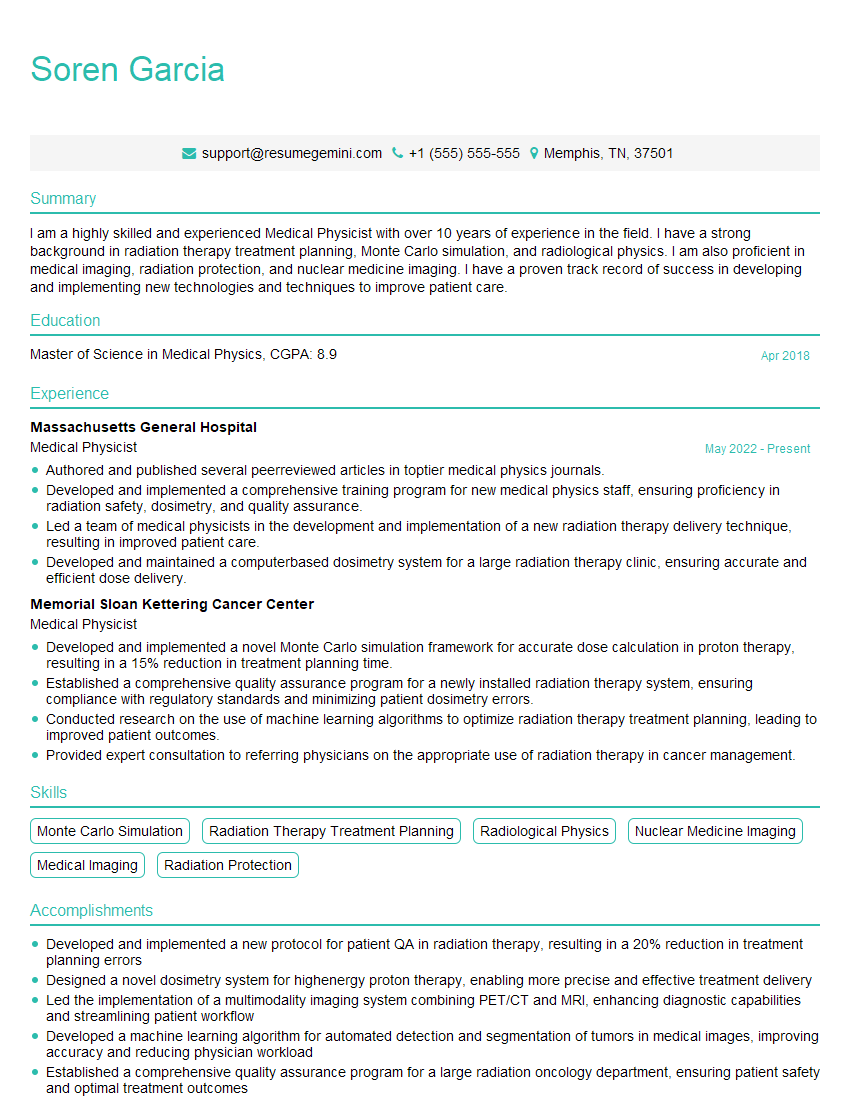
Medical Physicist Resume Sample

Health Physicist Resume Sample
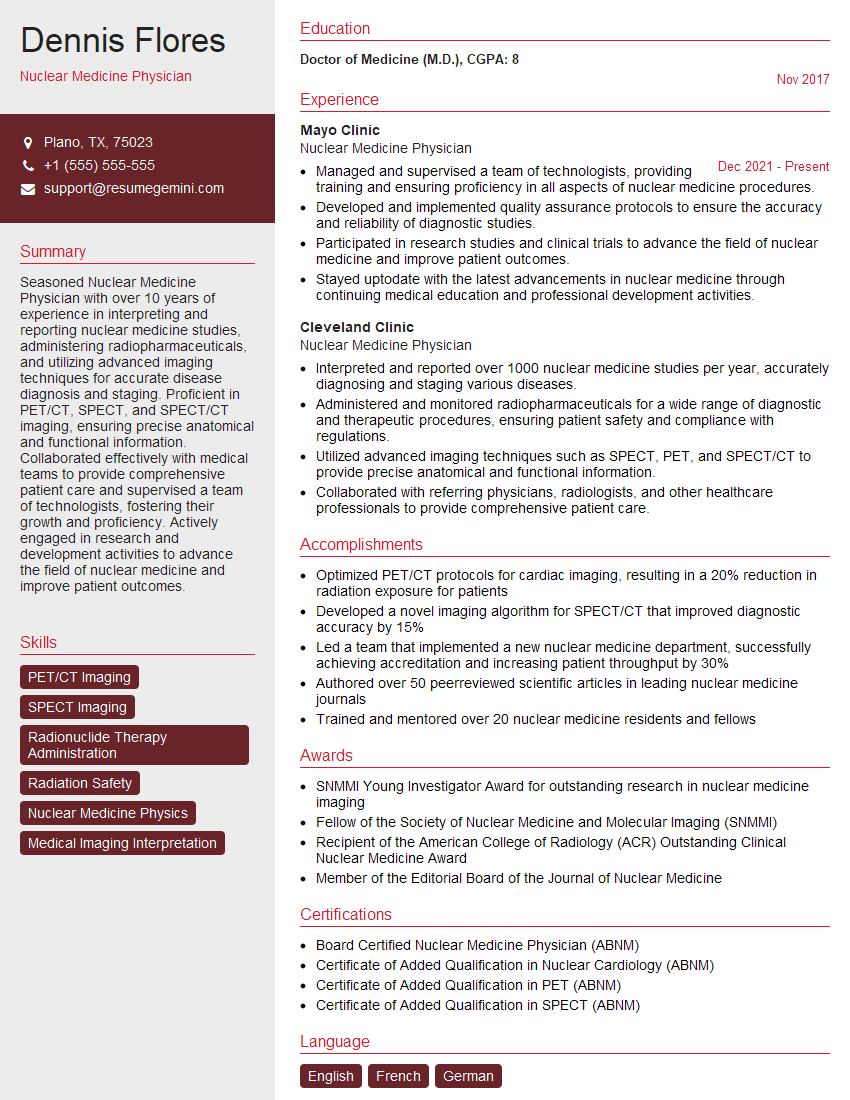
Nuclear Medicine Physician Resume Sample

Dosimetrist Resume Sample
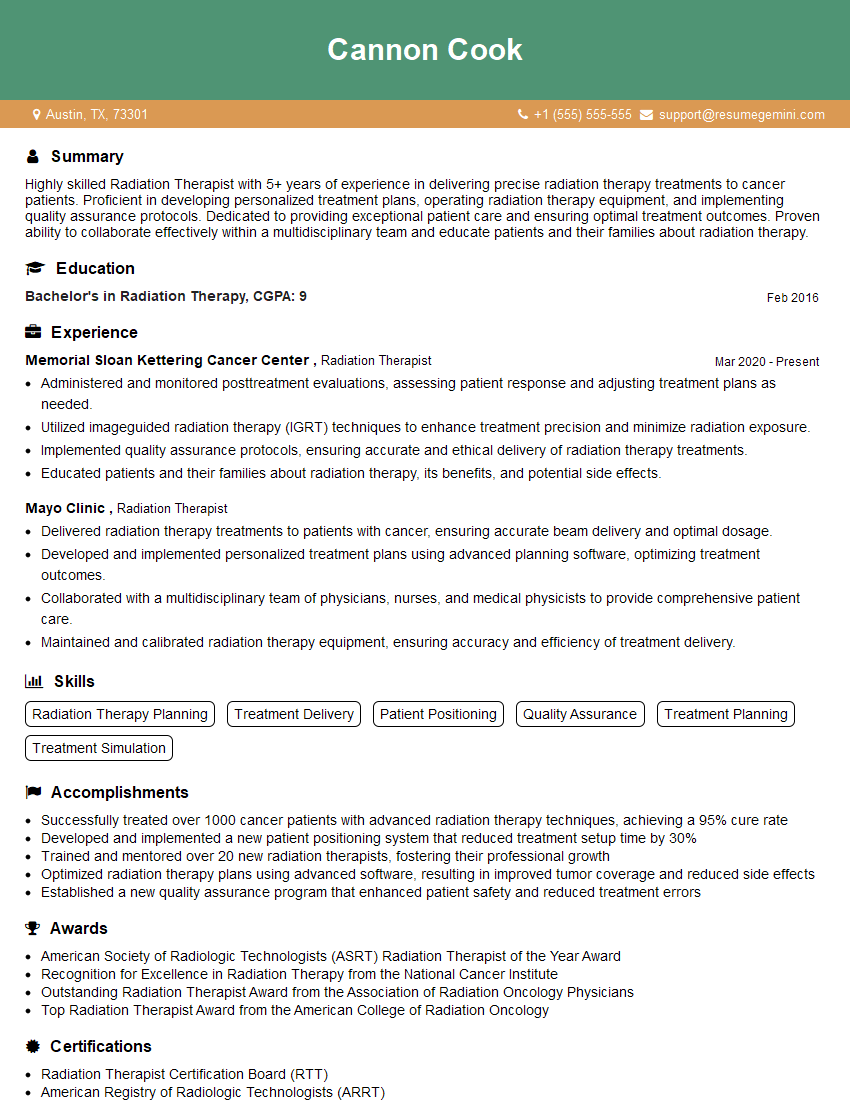
Radiation Therapist Resume Sample
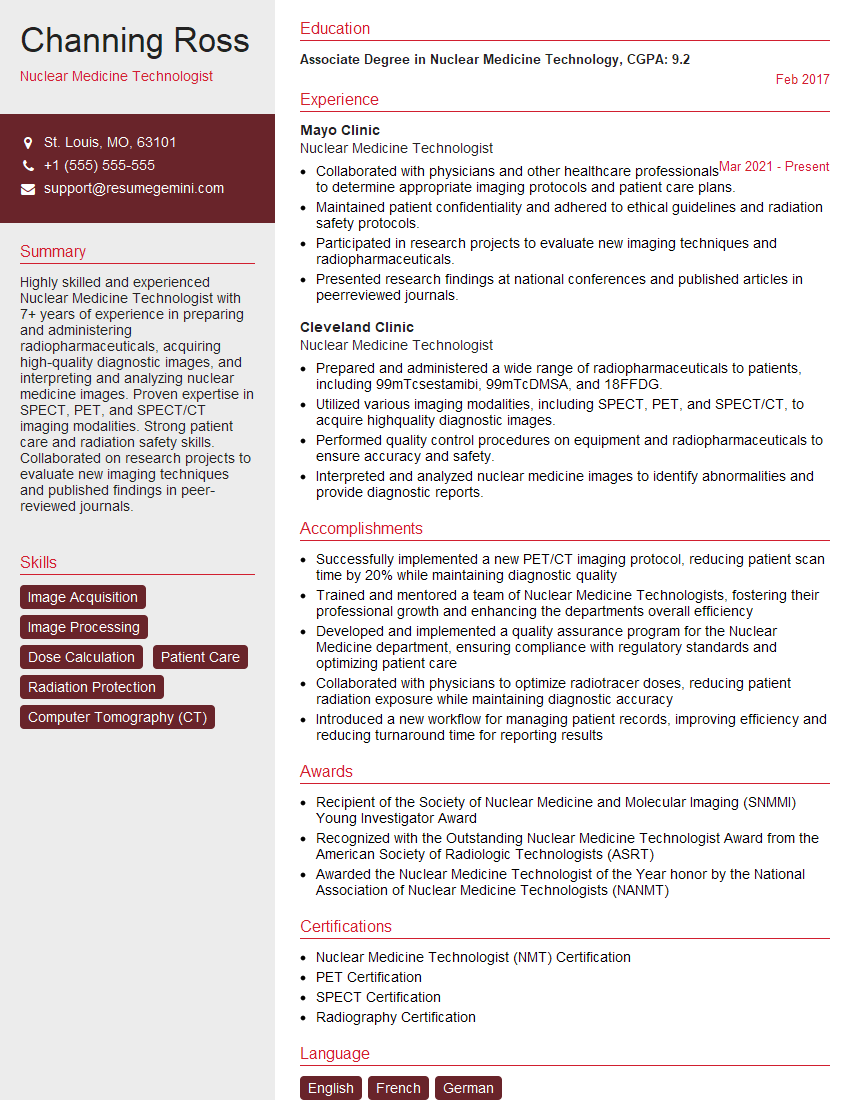
Nuclear Medicine Technologist Resume Sample

Radiation Safety Officer Resume Sample
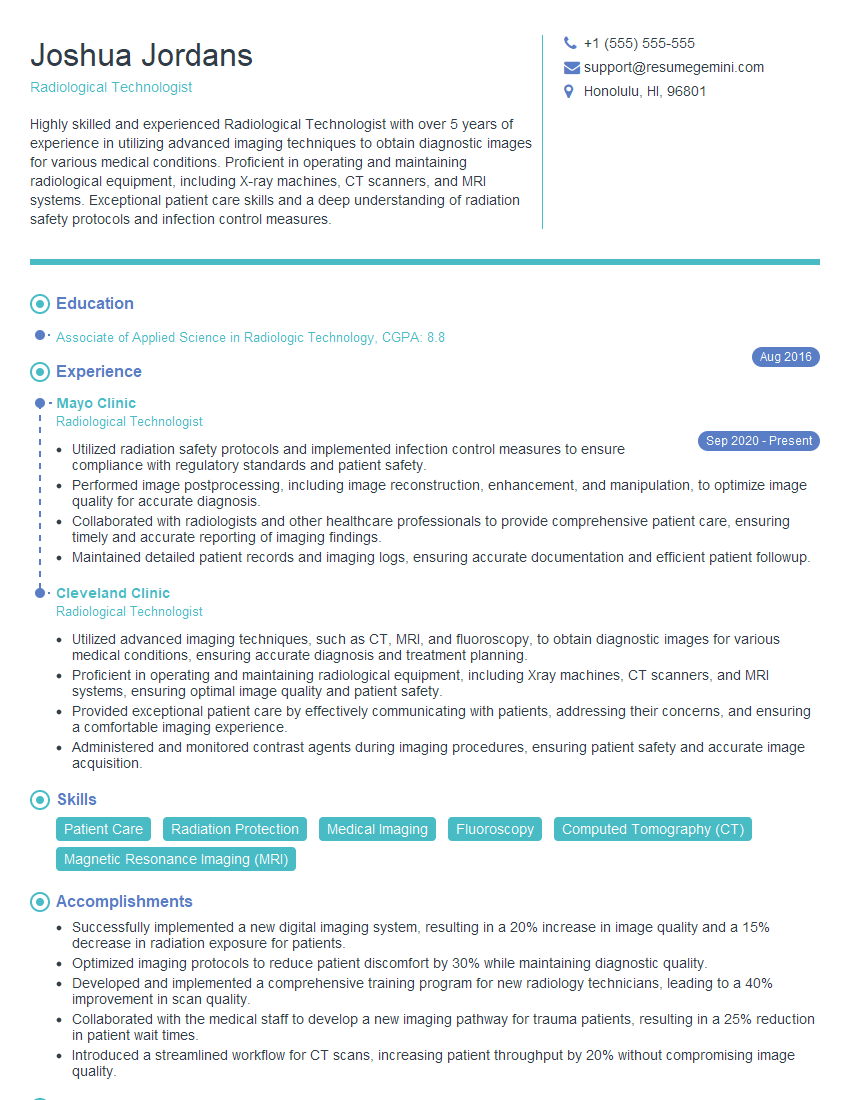
Radiological Technologist Resume Sample
Explore more articles
Users Rating of Our Blogs
Share Your Experience
We value your feedback! Please rate our content and share your thoughts (optional).
What Readers Say About Our Blog
To the interviewgemini.com Webmaster.
Very helpful and content specific questions to help prepare me for my interview!
Thank you
To the interviewgemini.com Webmaster.
This was kind of a unique content I found around the specialized skills. Very helpful questions and good detailed answers.
Very Helpful blog, thank you Interviewgemini team.