Interviews are opportunities to demonstrate your expertise, and this guide is here to help you shine. Explore the essential Radiation Emergency Planning interview questions that employers frequently ask, paired with strategies for crafting responses that set you apart from the competition.
Questions Asked in Radiation Emergency Planning Interview
Q 1. Explain the tiered approach to emergency response planning in a radiation incident.
A tiered approach to radiation emergency response planning ensures a flexible and scalable response tailored to the severity and nature of the incident. It typically involves three levels:
- Level 1 (Local Response): This initial phase handles minor incidents, often managed by on-site emergency responders and local authorities. Think of a small spill of radioactive material within a well-contained laboratory setting. The response is localized, and the impact is limited.
- Level 2 (Regional Response): Larger incidents requiring the involvement of regional resources and expertise fall under Level 2. For example, a transportation accident involving a moderate amount of radioactive material might trigger a regional response, potentially involving state health agencies and specialized response teams. Evacuation of a limited area may be necessary.
- Level 3 (National/International Response): This is reserved for catastrophic events, such as a major nuclear power plant accident or a large-scale terrorist attack involving radiological dispersal devices. It involves federal agencies, potentially international organizations, and extensive resources, including mass evacuations, widespread medical care, and long-term environmental remediation.
This tiered structure allows for efficient resource allocation and prevents an overreaction to minor incidents while ensuring adequate preparedness for catastrophic events. The transition between tiers is determined by the evolving situation, the extent of contamination, and the potential health risks.
Q 2. Describe the role of the Health Physics Society in radiation emergency preparedness.
The Health Physics Society (HPS) plays a crucial role in radiation emergency preparedness by providing guidance, training, and support to professionals involved in radiation safety and emergency response.
- Developing Standards and Guidance: HPS develops and publishes numerous documents and resources related to radiation protection, emergency preparedness, and response, offering best practices and recommendations for various scenarios.
- Education and Training: HPS conducts workshops, training courses, and conferences to educate health physicists and other professionals on radiation emergency management, enhancing their preparedness and response capabilities.
- Advocacy and Policy Influence: HPS advocates for sound radiation protection policies and regulations, ensuring that emergency response plans are effective and aligned with the latest scientific understanding.
- Networking and Collaboration: The society fosters a strong network of professionals, enabling collaboration and information sharing during emergency situations. This ensures that different organizations can coordinate their efforts effectively.
Essentially, HPS acts as a central hub for knowledge dissemination and professional development, strengthening the overall capacity of the radiation safety community to address radiation emergencies effectively.
Q 3. What are the key components of an effective radiation emergency communication plan?
Effective communication is crucial during a radiation emergency. A comprehensive communication plan should include:
- Clear and Consistent Messaging: Using simple, easily understandable language that avoids technical jargon is crucial. Messages should consistently emphasize the nature of the threat, the recommended protective actions, and available support.
- Multiple Communication Channels: Employing various channels like sirens, radio, television, text alerts, social media, and community outreach ensures the message reaches a diverse population, including those who may not have access to all channels.
- Designated Spokespersons: Identifying trustworthy and authoritative spokespeople who can consistently convey information increases public trust and reduces confusion.
- Public Information Centers: Establishing centers provides a physical location for the public to gather information, ask questions, and receive support.
- Feedback Mechanisms: Incorporating mechanisms for receiving and addressing public feedback ensures communication remains responsive to community needs and concerns.
- Pre-established Procedures for Crisis Communication: This establishes how information will flow between different levels of government, emergency responders, healthcare providers, and the public.
Regular drills and exercises are vital to ensure seamless communication during a real emergency. Failure to coordinate communication can lead to chaos and panic, hindering effective response.
Q 4. Outline the process for evaluating the effectiveness of a radiation emergency response plan.
Evaluating the effectiveness of a radiation emergency response plan involves a multi-faceted approach:
- Tabletop Exercises: These simulated events allow stakeholders to work through different scenarios without real-world risks, revealing communication gaps and procedural weaknesses.
- Functional Exercises: Involving actual mobilization of resources and personnel, these exercises test the coordination and operational effectiveness of the response plan.
- Full-Scale Exercises: These large-scale simulations involve multiple agencies and a significant number of participants, rigorously testing the plan’s resilience under intense pressure. For instance, simulating a nuclear power plant accident may require involvement of multiple state and federal agencies.
- After-Action Reports: Detailed reports summarizing exercises should identify areas of strength and weakness, leading to continuous improvement of the plan.
- Data Analysis: Analyzing data from exercises, real-world incidents (if any), and feedback from participants helps to quantify the effectiveness of various plan components.
Regular reviews and updates are crucial to maintain the plan’s relevance and effectiveness in light of evolving threats and technological advances. A plan that hasn’t been tested or updated could be disastrous in a real emergency.
Q 5. How do you determine the appropriate protective actions (e.g., sheltering, evacuation) in a radiological emergency?
Determining appropriate protective actions in a radiological emergency depends on several factors, including:
- Type and Amount of Radioactive Material: Different materials have varying levels of radioactivity and penetration capabilities, influencing the necessary protective actions. A gamma emitter requires different protective measures than an alpha emitter.
- Environmental Conditions: Weather patterns (wind, rain) can significantly affect the spread of contamination, necessitating different evacuation zones or sheltering strategies.
- Proximity to Source: Those closer to the source of contamination are at greater risk and require more immediate protective actions, like evacuation or sheltering in place.
- Potential Exposure Pathways: Understanding how radiation might reach people (inhalation, ingestion, external exposure) helps determine appropriate protective actions such as respiratory protection or decontamination.
Protective actions are typically determined by trained professionals using sophisticated modeling and analysis. This often involves assessing dose projections to help guide decision-making. Recommendations may include sheltering in place, evacuation, relocation, potassium iodide (KI) distribution, and the use of personal protective equipment (PPE).
Q 6. What are the legal and regulatory requirements for reporting a radiological event?
Legal and regulatory requirements for reporting a radiological event vary depending on the location and the nature of the incident. However, there are common themes:
- Timely Reporting: Reports are usually required as soon as reasonably possible after the detection of a radiological event. The more serious the event, the more immediate the notification must be.
- Designated Authorities: Reports are typically made to specific regulatory agencies, such as the Nuclear Regulatory Commission (NRC) in the United States or equivalent bodies in other countries. Local emergency services may also need notification.
- Specific Information: The required information includes the nature and extent of the incident, the type and quantity of radioactive material involved, potential exposure pathways, and the number of people potentially affected.
- Ongoing Updates: Regular updates on the situation and the response efforts are often required, ensuring that the authorities have the most current information to guide their response and public communication.
Failure to comply with these reporting requirements carries significant legal and regulatory consequences, including fines, imprisonment, and license revocation. Prompt and accurate reporting is critical for effective emergency response and public safety.
Q 7. Explain the importance of pre-incident planning in mitigating the impact of a radiological emergency.
Pre-incident planning is the cornerstone of effective radiological emergency response. It minimizes the impact of an event by:
- Identifying Vulnerabilities: A thorough assessment of potential radiological hazards and vulnerabilities within a community helps to prioritize resources and develop targeted mitigation strategies. This might involve identifying critical infrastructure that is particularly vulnerable.
- Developing Response Plans: Well-defined plans outline roles, responsibilities, communication protocols, and resource allocation, ensuring a coordinated and efficient response.
- Training and Drills: Regular training exercises help to build preparedness and response capabilities, ensuring personnel are well-equipped to handle emergencies effectively.
- Resource Stockpiling: Having essential supplies and equipment (e.g., radiation detectors, PPE, medications) readily available reduces response time and ensures continuity of operations during emergencies.
- Community Engagement: Engaging with the community through education and outreach helps to raise public awareness, build trust, and enhance overall preparedness.
Proactive planning prevents chaos and enables a more effective response during a real emergency. The difference between a well-planned and a poorly planned response can be the difference between life and death for those involved.
Q 8. Describe different types of radiation detection instruments and their applications.
Radiation detection instruments are crucial for assessing radiation levels and identifying radioactive sources. Different instruments are designed to detect various types of radiation and are used in different contexts. Here are a few examples:
- Geiger-Müller (GM) counters: These are widely used for detecting beta and gamma radiation. They are relatively inexpensive, portable, and provide a quick indication of radiation levels. Think of them as the ‘general purpose’ radiation detectors. For example, they are commonly used by emergency responders for initial surveys of a potentially contaminated area.
- Scintillation detectors: These detectors use a scintillating crystal that produces light when radiation interacts with it. The light is then detected by a photomultiplier tube, providing a more precise measurement of radiation levels and energy. They can be used to identify specific radioactive isotopes. Hospitals often use sophisticated scintillation detectors in nuclear medicine for diagnostic procedures.
- NaI(Tl) detectors: A specific type of scintillation detector using Sodium Iodide with Thallium as an activator crystal. These are very sensitive and are often used in radiation monitoring systems to detect gamma radiation, and can help determine the energy of the gamma rays. This helps in identifying the radioactive source.
- High-Purity Germanium (HPGe) detectors: These offer exceptional energy resolution, enabling precise identification of radioactive isotopes in complex mixtures. They’re commonly used in laboratories for environmental sample analysis. Think of them as the advanced ‘fingerprinting’ tools for radiation.
- Survey meters: These are portable instruments that combine a detector (often a GM tube) with a display that shows the radiation level. They are extremely useful for quick assessments during emergency responses.
The choice of instrument depends on the specific application. For instance, a GM counter is suitable for rapid screening, while an HPGe detector is necessary for detailed isotopic analysis. In a nuclear emergency, responders might initially use GM counters for a rapid assessment before deploying more sophisticated instruments for detailed analysis.
Q 9. How do you manage public anxiety and misinformation during a radiation emergency?
Managing public anxiety and misinformation during a radiation emergency is critical. Effective communication is paramount. This involves:
- Establishing a central information hub: This might be a dedicated website, social media channels, or a phone hotline. Consistent, accurate information from a single, trusted source prevents the spread of rumors.
- Transparency and honesty: Acknowledge the situation honestly, but avoid overly technical jargon. Use clear, simple language that everyone can understand. Avoid downplaying the situation, but also avoid causing unnecessary panic.
- Proactive communication: Regular updates should be provided, even if there’s no new information. This helps maintain public confidence and reduces the spread of speculation. Regular press briefings can be very effective.
- Addressing misinformation directly: If inaccurate information is circulating, correct it promptly and clearly. Explain the facts calmly and rationally. Consider using easily digestible infographics or videos.
- Leveraging trusted community leaders: Local religious leaders, community organizers, and other trusted figures can help relay information and address concerns within their networks.
- Psychological support: Provide access to mental health services for individuals experiencing anxiety or distress. This is a crucial element often overlooked.
For example, after the Fukushima Daiichi nuclear disaster, the Japanese government faced significant challenges in managing public anxiety and misinformation. Their initial slow response and lack of clear communication exacerbated public fear. Effective communication strategies, emphasizing transparency and direct addressing of public concerns, are paramount to effectively manage any such crisis.
Q 10. Outline the steps involved in conducting a post-incident review of a radiation emergency.
A post-incident review of a radiation emergency is a crucial process to learn from past events and improve future responses. The review should be thorough, objective, and involve diverse perspectives. Here’s a structured approach:
- Data Collection: Gather all relevant data, including radiation monitoring data, emergency response records, medical records of affected individuals, and communication logs.
- Incident Reconstruction: Piece together the sequence of events leading to and during the emergency. Identify the root causes and contributing factors. Consider using timelines and flowcharts.
- Performance Evaluation: Assess the effectiveness of all aspects of the emergency response, including communication, resource allocation, decision-making, and public health measures. Identify both strengths and weaknesses.
- Lessons Learned: Analyze the findings to identify areas for improvement. This could involve revising emergency plans, improving training programs, acquiring new equipment, or refining communication strategies.
- Recommendations: Formulate specific, actionable recommendations to address the identified weaknesses and enhance future preparedness and response.
- Documentation: Clearly document the entire review process, including findings, lessons learned, and recommendations. This should be shared with relevant stakeholders.
- Implementation: Ensure the recommendations are implemented and that progress is regularly monitored and evaluated. This involves setting up follow-up mechanisms.
A well-conducted post-incident review is not just about assigning blame; it’s about continuous improvement. The goal is to learn from mistakes, strengthen emergency preparedness, and ensure a more effective response in future events.
Q 11. Describe different radiation dose assessment methods.
Radiation dose assessment is crucial for determining the health consequences following a radiation exposure event. Several methods are employed:
- Dosimetry badges (personal dosimeters): These are worn by individuals who might be exposed to radiation. They provide a personal record of the radiation dose received. Different types exist, including thermoluminescent dosimeters (TLDs) and optically stimulated luminescence (OSL) dosimeters.
- Environmental monitoring: This involves measuring radiation levels in the environment using various detection instruments. This data provides information about the extent of contamination and helps in establishing evacuation zones.
- Bioassay: This technique involves analyzing biological samples (e.g., urine, blood) from exposed individuals to determine the amount of radioactive material absorbed into the body. It helps estimate the internal dose.
- Reconstruction of exposure scenarios: This involves creating a detailed model of the radiation exposure event to estimate the dose received by individuals based on their location and time spent in the affected area.
The accuracy of dose assessment depends on many factors, including the type and energy of the radiation, the duration and distance of exposure, and the availability of reliable detection and analysis techniques. In a real-world scenario, a combination of these methods is often employed to get a comprehensive understanding of the radiation doses received.
Q 12. What is the importance of establishing and maintaining a radiation emergency response team?
A well-established and maintained radiation emergency response team is absolutely essential for minimizing the consequences of a radiological event. Its importance lies in:
- Expertise and Coordination: The team brings together individuals with diverse expertise in radiation protection, emergency management, medical care, and communications. This ensures a coordinated and effective response.
- Rapid Response: A pre-organized team can deploy quickly, minimizing response time—a crucial factor in minimizing health consequences.
- Resource Management: The team efficiently manages resources, including personnel, equipment, and information, ensuring their effective utilization during the emergency.
- Improved Decision-Making: The team’s collective knowledge and experience facilitate informed and timely decision-making in a high-pressure situation.
- Public Confidence: A visible and active response team reassures the public and demonstrates the authorities’ commitment to protecting their well-being.
- Training and Exercises: Regular training and simulation exercises enhance the team’s preparedness and coordination, leading to a more efficient response during an actual emergency.
For example, a hospital’s radiation safety committee, when properly structured and trained, can serve as an effective response team for internal radiological incidents. A well-defined chain of command, roles, and responsibilities are vital for this to function effectively.
Q 13. Explain the concept of ALARA (As Low As Reasonably Achievable) in radiation protection.
ALARA, which stands for ‘As Low As Reasonably Achievable,’ is a fundamental principle of radiation protection. It emphasizes keeping radiation exposure to individuals and the population as low as possible, while considering economic and social factors. It’s not about eliminating all radiation exposure, which is often impossible, but about minimizing it to a level where the risk is acceptably low.
This principle relies on a three-pronged approach:
- Time: Reducing the time spent near a radiation source reduces the overall dose.
- Distance: Increasing the distance from a radiation source significantly reduces exposure, as radiation intensity decreases with the square of the distance.
- Shielding: Using shielding materials (e.g., lead, concrete) to absorb radiation reduces exposure.
Applying ALARA in practice requires careful consideration of the potential benefits of a radiation-related activity (e.g., medical procedures, industrial processes) against the associated radiation risks. A cost-benefit analysis might be necessary to determine the optimal level of radiation protection, considering factors beyond just the radiation itself. For instance, installing more extensive shielding in a nuclear power plant will reduce radiation exposure but may increase the overall cost of the facility.
Q 14. What are the key considerations when establishing evacuation zones during a radiological emergency?
Establishing evacuation zones during a radiological emergency is a critical decision that directly impacts public safety. The process requires careful consideration of several factors:
- Predicted radiation levels: This is the primary factor. Evacuation zones are defined based on predicted radiation doses that exceed acceptable safety limits (set by regulatory bodies). Sophisticated modeling tools are often used to predict the extent of contamination and radiation spread.
- Meteorological conditions: Wind direction and speed, precipitation, and atmospheric stability significantly influence the dispersion of radioactive materials. These conditions need to be factored into the zone calculations.
- Topography: Geographical features like hills and valleys can affect the dispersion of radioactive materials. These features must be considered in zone determination.
- Population density: Evacuation zones should consider the number of people living in the affected area and the availability of resources for the evacuation.
- Accessibility: Evacuation routes need to be assessed for their feasibility and capacity. Road conditions, traffic patterns, and availability of transportation should be taken into account.
- Time constraints: The speed and effectiveness of the evacuation depend on the time available and the capacity of the evacuation systems.
In a real-world scenario, establishing evacuation zones is a dynamic process. As more data becomes available, the boundaries of the zones may be adjusted. The process needs close coordination between emergency response teams, meteorological services, and public health officials. Clear communication to the public about the evacuation zones and procedures is crucial for the success of the evacuation process.
Q 15. Explain the role of protective measures (e.g., shielding, distance, time) in reducing radiation exposure.
Reducing radiation exposure hinges on three fundamental principles: time, distance, and shielding. Think of it like this: radiation is like heat from a fire. The closer you are, the hotter (more exposed) you get. The longer you stay near the fire, the more heat (radiation) you absorb. And a barrier, like a wall, can significantly reduce the heat you feel.
Time: Minimizing the duration spent near a radiation source drastically reduces exposure. If the radiation dose rate is 10 mSv/hour, spending only 30 minutes reduces your exposure to 5 mSv compared to 10 mSv in an hour.
Distance: Radiation intensity decreases rapidly with increasing distance from the source. This follows the inverse square law – doubling the distance reduces the radiation intensity to one-fourth. This is why emergency responders establish exclusion zones around radiological incidents.
Shielding: Materials like lead, concrete, and water absorb radiation. The effectiveness of shielding depends on the type of radiation and the material’s density and thickness. Lead is commonly used for shielding against gamma and X-rays, while concrete is effective for beta particles and neutrons.
In a practical scenario, during a nuclear power plant accident, emergency workers might use a combination of these: They might only spend short bursts (time) working near the reactor, remain at a safe distance (distance), and wear protective lead-lined suits (shielding).
Career Expert Tips:
- Ace those interviews! Prepare effectively by reviewing the Top 50 Most Common Interview Questions on ResumeGemini.
- Navigate your job search with confidence! Explore a wide range of Career Tips on ResumeGemini. Learn about common challenges and recommendations to overcome them.
- Craft the perfect resume! Master the Art of Resume Writing with ResumeGemini’s guide. Showcase your unique qualifications and achievements effectively.
- Don’t miss out on holiday savings! Build your dream resume with ResumeGemini’s ATS optimized templates.
Q 16. Describe the different types of radiation and their associated hazards.
Radiation comes in various forms, each posing unique hazards:
Alpha particles: Relatively large and heavy, they have low penetrating power. A sheet of paper or even the outer layer of skin can stop them. However, if inhaled or ingested, alpha emitters can cause significant internal damage.
Beta particles: Smaller and lighter than alpha particles, they have greater penetrating power, able to penetrate skin and cause burns. A thin sheet of aluminum can effectively shield against beta radiation.
Gamma rays and X-rays: These are electromagnetic waves with high penetrating power. They can easily pass through the body, damaging cells and DNA. Dense materials like lead or thick concrete are required for effective shielding.
Neutrons: These are uncharged particles with high penetrating power. They can cause significant damage to living tissue. Shielding against neutrons typically requires materials like water, polyethylene, or concrete, often in substantial thicknesses.
The hazards associated with each type of radiation depend on the energy of the radiation, the type of exposure (external or internal), and the duration of exposure. The health effects range from minor skin reddening to acute radiation syndrome (ARS) or long-term health problems like cancer.
Q 17. What are the criteria for declaring a radiological emergency?
Declaring a radiological emergency requires a careful assessment of several criteria. It’s not a decision taken lightly. There isn’t one single universal threshold, but rather an evaluation of several factors:
Significant release of radioactive material: This could be from a nuclear power plant accident, a terrorist attack involving a radiological dispersal device (RDD), or an industrial accident involving radioactive materials. The amount released would need to exceed pre-determined safety thresholds based on the potential public health impact.
Potential for widespread exposure: The likelihood of significant radiation exposure to a large population is a critical factor. Weather patterns, population density, and the mobility of the radioactive plume all play a role.
Inability of local authorities to manage the situation: If local emergency services lack the resources or expertise to control the situation, it might trigger a call for state or federal assistance and declaration of a larger scale emergency.
Pre-determined radiation levels: Each nation and sometimes even specific regions might have predefined radiation dose levels that trigger an emergency response.
Ultimately, the decision to declare a radiological emergency involves considering the potential severity of the incident, the expected number of people affected, and the capacity of existing resources to respond effectively. It’s a dynamic situation where real-time information and expert judgment are crucial.
Q 18. How do you ensure the safety of emergency responders during a radiological incident?
Ensuring responder safety is paramount in radiological incidents. It requires a multi-layered approach:
Training and Preparedness: Emergency responders receive extensive training on radiation safety, including the use of radiation detection equipment, protective measures (time, distance, shielding), and decontamination procedures. Regular drills and exercises help hone their skills.
Personal Protective Equipment (PPE): Responders use specialized PPE, such as radiation monitoring devices (dosimeters), protective suits, respirators, and gloves, to minimize exposure. The type of PPE employed will depend on the type of radiation involved and the level of contamination.
Radiation Monitoring: Continuous radiation monitoring throughout the response helps assess exposure levels and ensures that safety limits are not exceeded. Real-time data informs strategic decision-making and the deployment of personnel.
Operational Procedures: Pre-established operational procedures dictate how teams should approach a radiological incident, optimizing the balance between completing the mission and keeping personnel safe. The principles of time, distance, and shielding are rigorously applied at all times.
Post-Incident Medical Surveillance: After the incident, all responders undergo thorough medical examinations and ongoing monitoring for any health effects from radiation exposure.
Safety protocols are strictly enforced and reviewed regularly. The well-being of emergency personnel is a top priority throughout the entire response.
Q 19. Explain the process of decontamination in a radiological emergency.
Decontamination in a radiological emergency aims to remove or reduce radioactive contamination from personnel, equipment, and the environment. The process varies depending on the nature of the contamination and the level of radioactivity.
Personnel Decontamination: This often involves removing clothing and showering with soap and water. More intensive decontamination may require using specialized detergents and solutions. Hair washing and mouth rinsing might also be necessary depending on the contamination type.
Equipment Decontamination: Contaminated equipment might be cleaned using specialized detergents, decontaminants, or subjected to washing and scrubbing techniques. In some cases, equipment may need to be disposed of as radioactive waste if it cannot be decontaminated effectively.
Environmental Decontamination: This can range from simple washing of surfaces to more complex methods such as soil removal, removal of vegetation, and treatment with specialized chemicals. Environmental decontamination aims to minimize the spread of contamination and protect the public health.
Throughout the decontamination process, radiation levels are continuously monitored to assess its effectiveness. Decontamination procedures must be tailored to the specific circumstances of the incident and must prioritize the safety of the personnel involved.
Q 20. How do you assess the long-term health effects of a radiation exposure incident?
Assessing the long-term health effects of a radiation exposure incident is a complex process. It requires comprehensive data collection and analysis over an extended period.
Dose Reconstruction: Estimating the amount of radiation received by individuals is essential. This involves collecting data from dosimeters, environmental sampling, and witness accounts. Mathematical models are used to estimate doses that may not have been directly measured.
Medical Surveillance: Individuals exposed to significant radiation doses undergo extensive medical examinations, including blood tests, imaging studies, and physical assessments. This helps detect any early signs of health problems.
Epidemiological Studies: Long-term epidemiological studies compare the health outcomes of exposed individuals with those of a comparable unexposed population. These studies can help identify any increased risks of cancer or other diseases.
Biodosimetry: Techniques like chromosome aberration analysis can be used to determine the radiation dose received by individuals based on biological effects observed in their blood cells.
The process often involves collaboration among medical professionals, epidemiologists, and radiation physicists. Accurate dose assessments and long-term health monitoring are critical in providing appropriate medical care and determining the extent of the public health consequences.
Q 21. What are the roles and responsibilities of different agencies in a radiation emergency?
Responding to a radiation emergency involves a coordinated effort from multiple agencies, each with specific roles and responsibilities:
Local Emergency Services (Fire, Police, EMS): First responders often arrive on the scene, providing immediate emergency care, securing the area, and evacuating people if necessary.
Public Health Agencies: Assess the health risks, implement medical surveillance programs, provide medical care to those affected, and manage the public health response.
Environmental Protection Agencies: Monitor the environment for radioactive contamination, implement environmental remediation strategies, and regulate the cleanup process.
Nuclear Regulatory Commission (or equivalent national authority): Oversees the safety and regulation of nuclear facilities and materials, providing technical expertise and guidance.
National Guard or Military: May be involved in providing logistical support, security, and assistance with evacuation and other large-scale operations.
Federal Emergency Management Agency (FEMA) or equivalent national agency: Coordinates the overall federal response and assists state and local authorities.
Effective communication and coordination among these agencies are essential for a successful and efficient response. Pre-established emergency response plans and protocols help streamline the process, ensuring a coordinated and effective response.
Q 22. Explain the process for selecting appropriate Personal Protective Equipment (PPE) in a radiation emergency.
Selecting appropriate Personal Protective Equipment (PPE) in a radiation emergency is crucial for protecting responders from harmful radiation exposure. The selection process depends heavily on the type and level of radiation, the anticipated duration of exposure, and the specific tasks involved.
Step 1: Hazard Assessment: First, we need to identify the type of radiation (alpha, beta, gamma, neutron) and its intensity. This informs the type of shielding needed. For instance, a thin layer of clothing might suffice against alpha particles, while a thicker lead apron or specialized suit is necessary for gamma radiation.
Step 2: PPE Selection: Based on the hazard assessment, we select the appropriate PPE. This could include:
- Respiratory protection: Respirators filter inhaled radioactive particles. The type of respirator (e.g., N95, HEPA filter) will depend on the size and type of radioactive particles.
- Protective clothing: Tyvek suits, coveralls, or lead aprons offer varying levels of protection against radiation penetration. The choice depends on the radiation type and energy.
- Eye protection: Goggles or face shields protect the eyes from radiation and contaminated debris.
- Gloves: Multiple layers of gloves may be needed, with the outer layer easily disposable to prevent contamination spread.
- Footwear: Protective boots prevent contamination of feet and reduce the risk of exposure through the soles.
Step 3: Training and Fit Testing: Proper training on PPE use and maintenance is paramount. Fit testing ensures a secure seal for respirators, preventing leaks.
Example: In a scenario involving a spilled radioactive source emitting gamma radiation, responders would require lead aprons, respiratory protection with HEPA filters, and full-body protective suits to mitigate exposure during cleanup.
Q 23. How do you manage contaminated waste in a radiological emergency?
Managing contaminated waste in a radiological emergency requires strict adherence to safety protocols to prevent further spread of contamination and protect public health. The process involves careful segregation, containment, and disposal.
Step 1: Segregation: Waste is categorized based on its level of contamination. Low-level waste might be items with minimal surface contamination, while high-level waste involves intensely radioactive materials. Each category requires different handling procedures.
Step 2: Containment: Contaminated items are carefully packaged using designated containers, preventing leakage and spread. This often includes double bagging, using absorbent materials, and labeling clearly with radiation warning symbols.
Step 3: Transportation: Specialized containers and vehicles designed for transporting radioactive materials are used, adhering to stringent safety regulations and ensuring proper shielding to prevent radiation exposure during transit.
Step 4: Disposal: Disposal methods vary depending on the level of contamination and regulations. Low-level waste might be disposed of in licensed landfills, while high-level waste requires specialized repositories with enhanced security and safety measures. Incineration might be considered for certain types of waste, with strict air filtration to prevent radioactive emissions.
Example: In a nuclear power plant accident, the contaminated debris, clothing, and equipment need to be carefully categorized (e.g., low-level and high-level waste), packaged in dedicated containers, and transported to a licensed disposal facility following established regulations.
Q 24. Describe the importance of radiation monitoring and surveillance in emergency planning.
Radiation monitoring and surveillance are cornerstones of effective radiation emergency planning. They provide critical information needed for decision-making, resource allocation, and protecting public health.
Importance:
- Assessing the extent of contamination: Monitors detect and quantify the presence of radiation in the environment, helping to define the contaminated area and determine the severity of the incident.
- Tracking radiation levels: Continuous monitoring allows for tracking changes in radiation levels over time, enabling effective assessment of the emergency’s evolution and the efficacy of mitigation measures.
- Protecting public health: By identifying areas with elevated radiation levels, authorities can implement protective actions, such as evacuations or shelter-in-place orders, minimizing public exposure.
- Informing response strategies: Data from radiation monitoring directs resource allocation, informing decisions on evacuation routes, decontamination procedures, and medical interventions.
- Evaluating the effectiveness of interventions: Monitoring helps assess the effectiveness of decontamination efforts, emergency response strategies, and protective actions in reducing radiation exposure.
Techniques: Various instruments are employed, including Geiger counters, dosimeters, and specialized radiation detectors that measure different types of radiation.
Example: In the aftermath of a radiological accident, real-time monitoring of radiation levels will inform decisions on evacuation zones and the allocation of resources for decontamination efforts.
Q 25. Explain the use of dose reconstruction techniques in determining radiation exposure.
Dose reconstruction techniques are crucial in determining the radiation exposure individuals received during an emergency. It’s particularly valuable when direct measurements are unavailable or incomplete. The goal is to estimate the dose retrospectively using available information.
Methods:
- Bioassays: Analyzing biological samples (blood, urine) for radioactive materials. The presence and quantity help estimate the radiation dose received.
- Environmental monitoring data: Combining data from environmental radiation monitoring with information on individual locations and times spent in contaminated areas helps reconstruct exposure levels.
- Physical measurements: If available, direct measurements from dosimeters or other monitoring equipment provide valuable baseline data for dose reconstruction.
- Modeling and simulation: Sophisticated computer models simulate radiation transport and exposure patterns, using input data such as source characteristics, environmental factors, and individual activity patterns to estimate doses.
Challenges: Accurate reconstruction can be challenging due to uncertainties in exposure parameters, limitations in available data, and the complexities of radiation transport.
Example: After the Chernobyl disaster, dose reconstruction was critical in assessing the radiation exposure received by individuals in the affected areas, providing critical data for medical treatment and health monitoring.
Q 26. What are some common challenges in radiation emergency response planning?
Radiation emergency response planning faces many challenges, including:
- Uncertainty and variability: Radiation incidents vary widely in type, magnitude, and impact. This unpredictability makes planning difficult.
- Resource limitations: Specialized equipment, trained personnel, and adequate funding can be limited, particularly in smaller communities.
- Public perception and communication: Fear and misinformation can hinder effective response. Clear, consistent, and timely communication is essential to manage public anxiety and ensure cooperation.
- Coordination challenges: Effective response requires coordination among multiple agencies (local, state, federal, international). This can be complicated and require robust communication channels.
- Decontamination complexities: Decontamination procedures can be time-consuming, expensive, and technically challenging, requiring specialized knowledge and equipment.
- Long-term health effects: The delayed onset and long-term health consequences of radiation exposure pose a significant challenge for long-term planning and management.
Example: The Fukushima Daiichi nuclear disaster highlighted the challenges of coordinating a large-scale response across various agencies, dealing with public anxieties, and managing the long-term health consequences of radiation exposure.
Q 27. How do you integrate radiation emergency planning into broader emergency management systems?
Integrating radiation emergency planning into broader emergency management systems ensures a seamless and coordinated response to radiological incidents. This involves aligning the plan with existing emergency management frameworks and procedures.
Integration Strategies:
- Joint training exercises: Conducting drills and exercises involving multiple agencies (fire, police, medical, public health) simulates various scenarios and improves interagency communication and coordination.
- Unified command structures: Establishing clear command structures with defined roles and responsibilities ensures efficient decision-making and resource allocation during an incident.
- Information sharing: Implementing robust communication systems allows for timely exchange of information among agencies, and the public, keeping everyone informed of the situation’s evolution.
- Common operational procedures: Developing standardized procedures for incident response, such as evacuation planning, decontamination, and patient triage, simplifies the response and improves efficiency.
- Resource sharing agreements: Establishing agreements between agencies concerning the sharing of equipment, personnel, and other resources during emergencies improves preparedness and response capacity.
Example: A comprehensive emergency plan might include a dedicated radiological emergency annex detailing the specific procedures for handling radiological events within the broader framework of the overall emergency response plan.
Q 28. What are some emerging technologies used in radiation emergency response?
Emerging technologies are enhancing radiation emergency response capabilities. These advancements improve detection, monitoring, and mitigation efforts:
- Advanced radiation detectors: Portable and highly sensitive detectors provide real-time data on radiation levels, enabling rapid assessment and informed decision-making. Some are capable of identifying specific radionuclides.
- Unmanned aerial vehicles (UAVs): Drones equipped with radiation detectors provide aerial surveillance, mapping contaminated areas, and collecting data in hazardous environments inaccessible to humans.
- Robotic systems: Robots can perform tasks such as decontamination, sample collection, and inspection in hazardous environments, minimizing risks to human responders.
- GIS and modeling: Geographic Information Systems (GIS) and sophisticated computer models provide visualizations of radiation dispersion patterns, aiding in evacuation planning and resource allocation.
- Artificial intelligence (AI) and machine learning: AI algorithms can analyze large datasets from monitoring systems, predicting radiation spread and optimizing response strategies.
Example: UAVs with radiation sensors can quickly survey a contaminated area after an accident, providing valuable data for emergency responders to prioritize decontamination efforts and plan evacuation routes.
Key Topics to Learn for Radiation Emergency Planning Interview
- Incident Response & Triage: Understanding the initial actions following a radiation incident, including assessment of the situation, prioritization of casualties, and initial medical interventions.
- Radiation Detection & Measurement: Practical application of radiation detection instruments and interpreting measurement data to inform decision-making during an emergency.
- Protective Actions & Mitigation Strategies: Developing and implementing strategies to minimize exposure, such as sheltering, evacuation, and the use of personal protective equipment (PPE).
- Emergency Communication & Public Information: Effectively communicating risk information to the public, emergency responders, and other stakeholders during a crisis.
- Consequence Management: Planning for the long-term effects of a radiation event, including environmental remediation, health monitoring, and community support.
- Regulatory Compliance & Legal Frameworks: Familiarity with relevant regulations and legal requirements related to radiation emergency response and reporting.
- Risk Assessment & Modeling: Utilizing predictive models to assess the potential consequences of different radiation scenarios and inform preparedness strategies.
- Training & Exercise Programs: Developing and conducting realistic training exercises to enhance response capabilities and build team cohesion.
- International Collaboration & Best Practices: Understanding the importance of international cooperation and sharing best practices in radiation emergency management.
- Ethical Considerations: Navigating complex ethical dilemmas that may arise during a radiation emergency.
Next Steps
Mastering Radiation Emergency Planning opens doors to a rewarding career in a critical field, offering opportunities for growth and impact. A well-crafted resume is essential to showcase your skills and experience effectively to potential employers. An ATS-friendly resume, optimized for applicant tracking systems, significantly increases your chances of getting noticed. We highly recommend using ResumeGemini to create a professional and impactful resume. ResumeGemini provides a user-friendly platform and offers examples of resumes tailored to Radiation Emergency Planning to help you present yourself in the best possible light. Take the next step towards your dream career today!
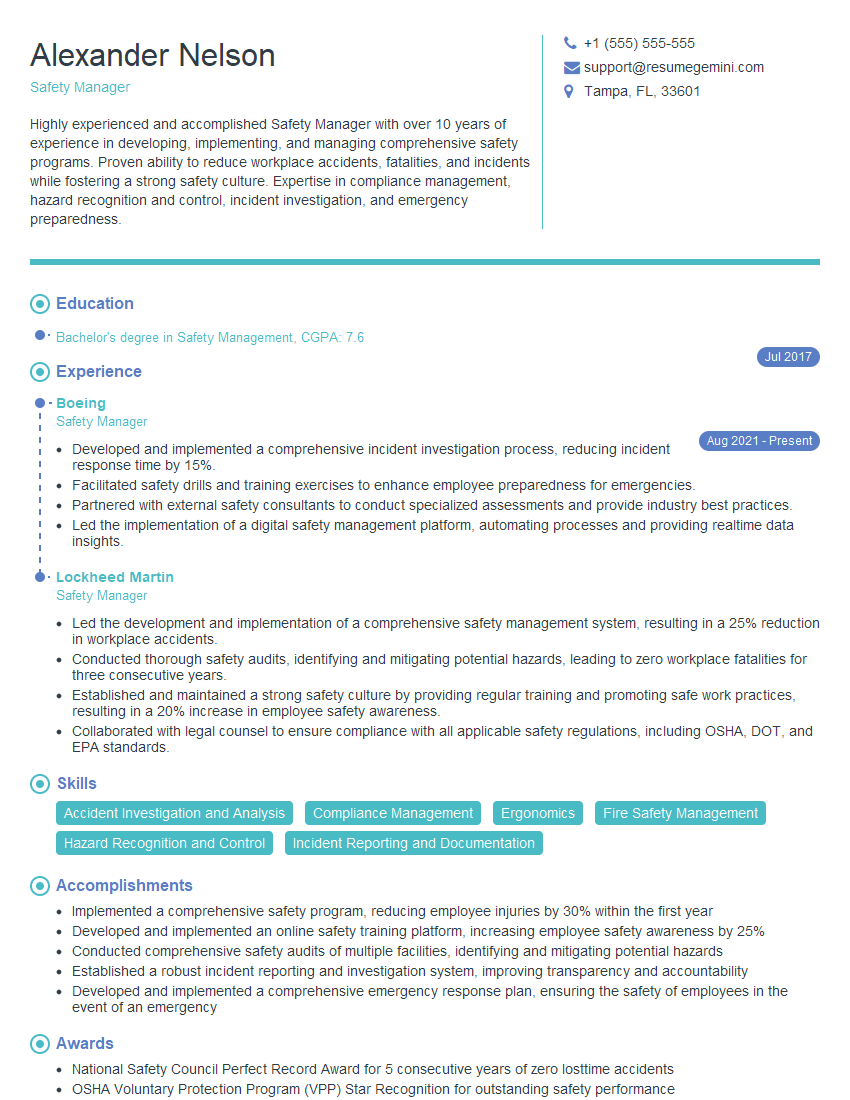
Safety Manager Resume Sample
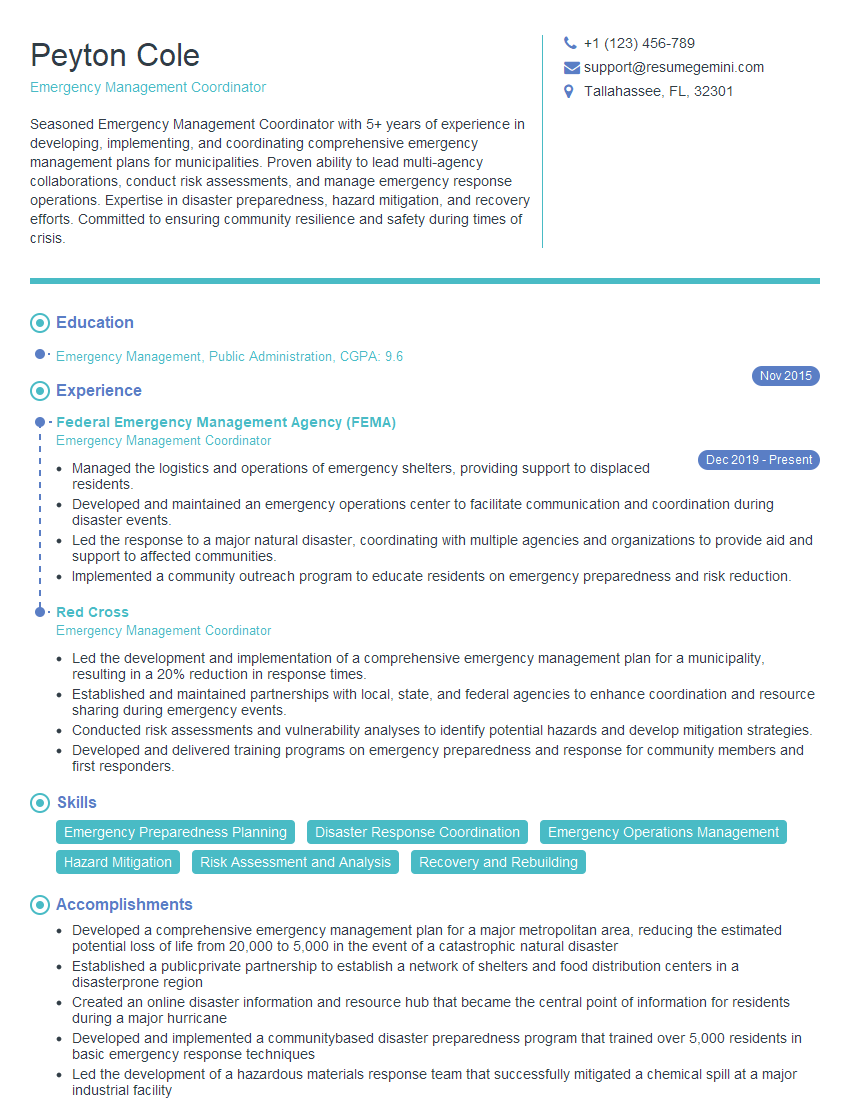
Emergency Management Coordinator Resume Sample
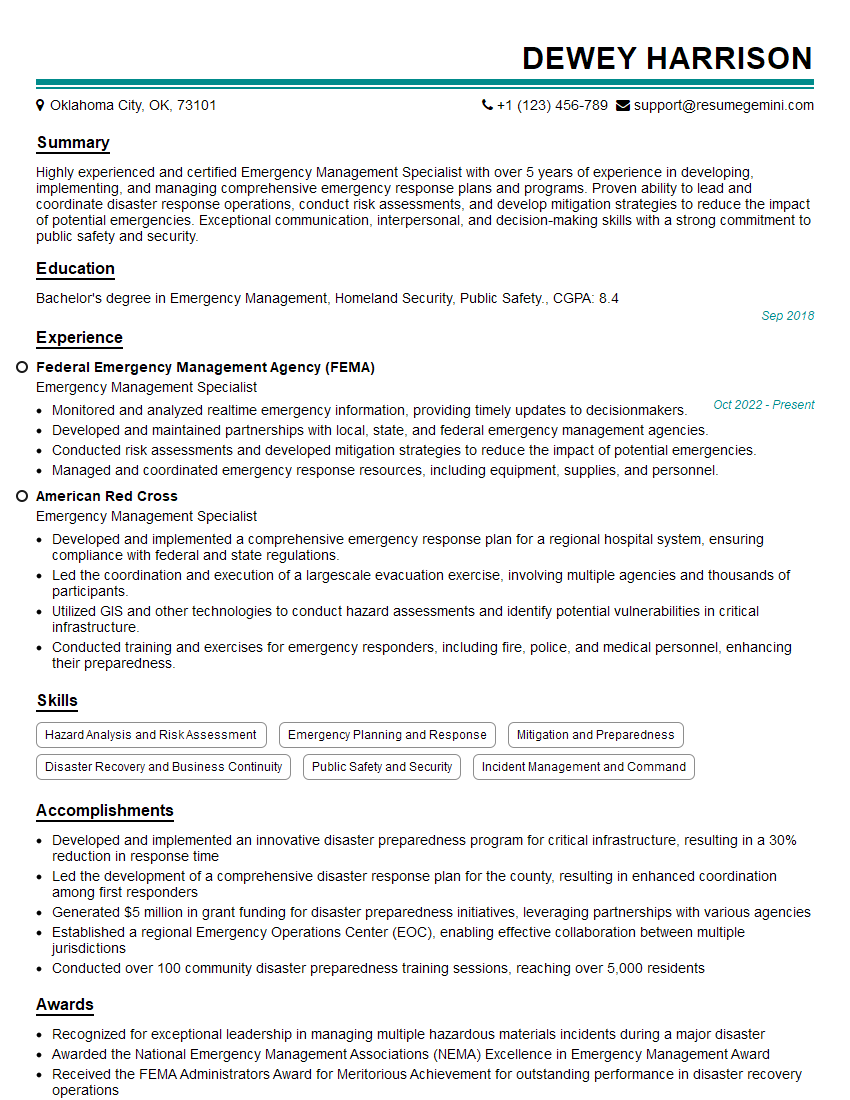
Emergency Management Specialist Resume Sample
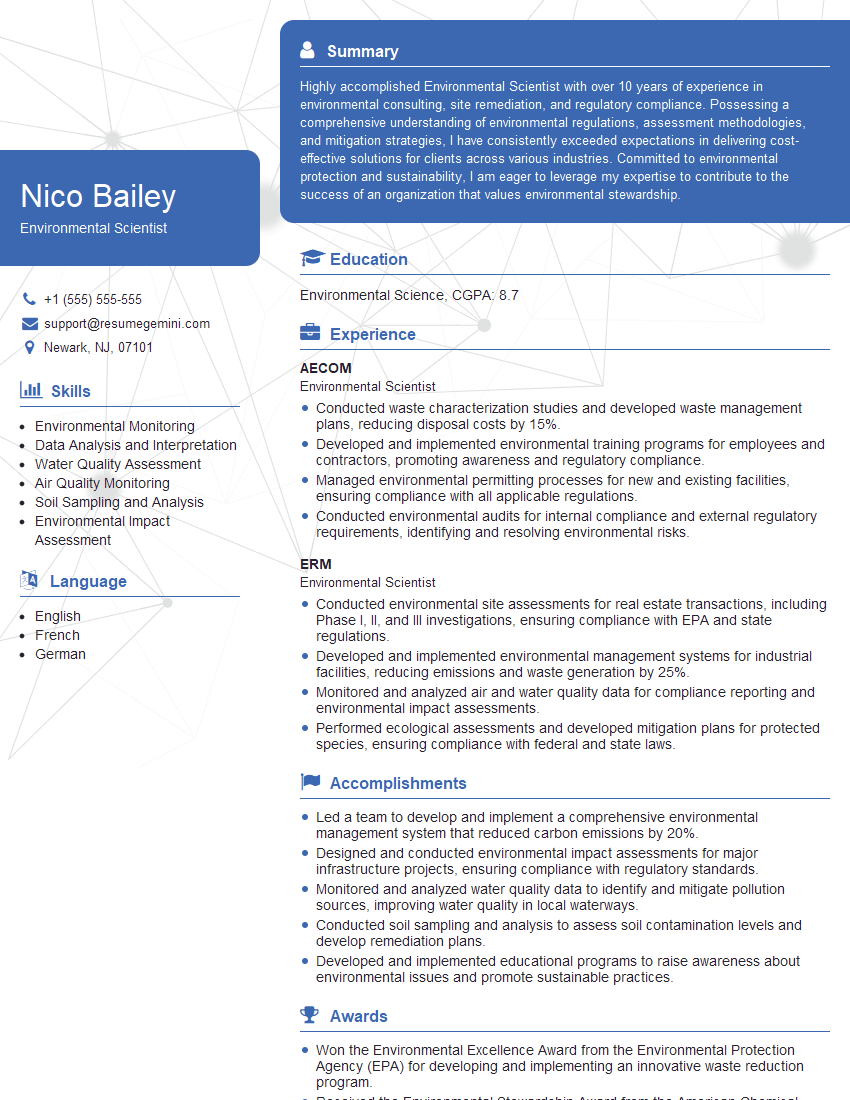
Environmental Scientist Resume Sample
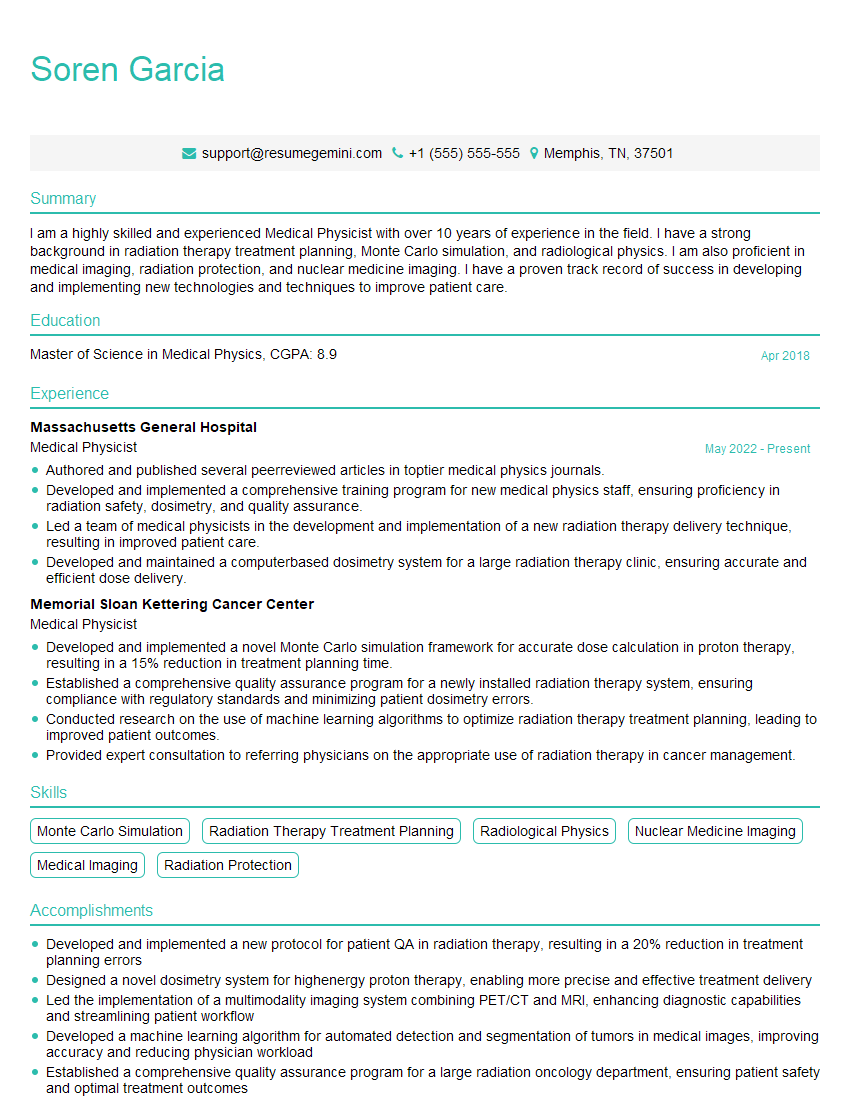
Medical Physicist Resume Sample
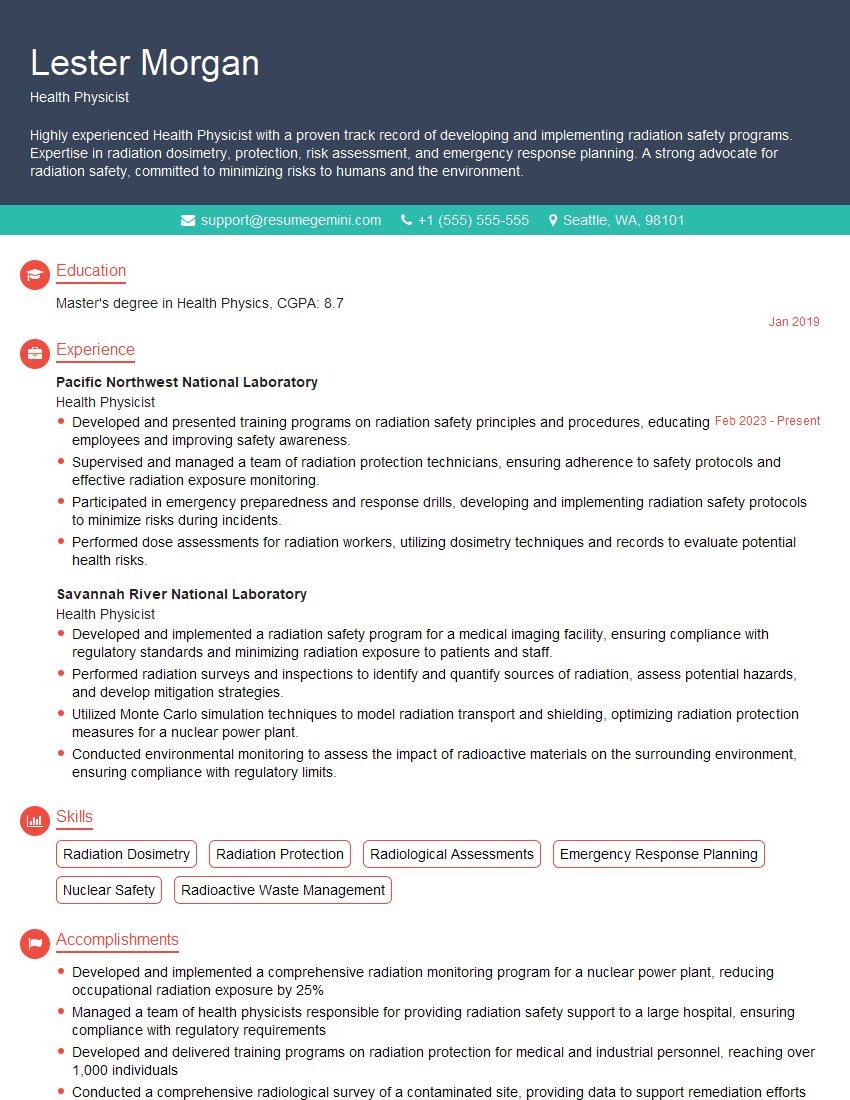
Health Physicist Resume Sample
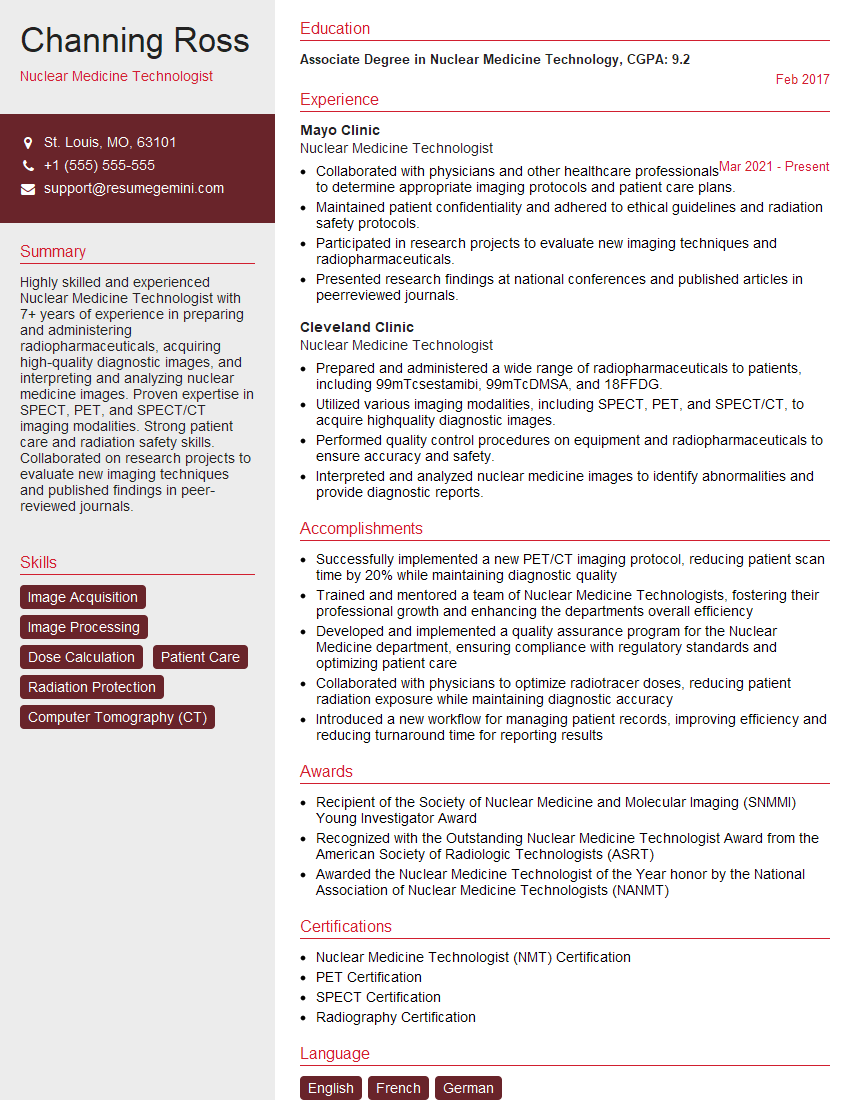
Nuclear Medicine Technologist Resume Sample

Radiation Safety Officer Resume Sample
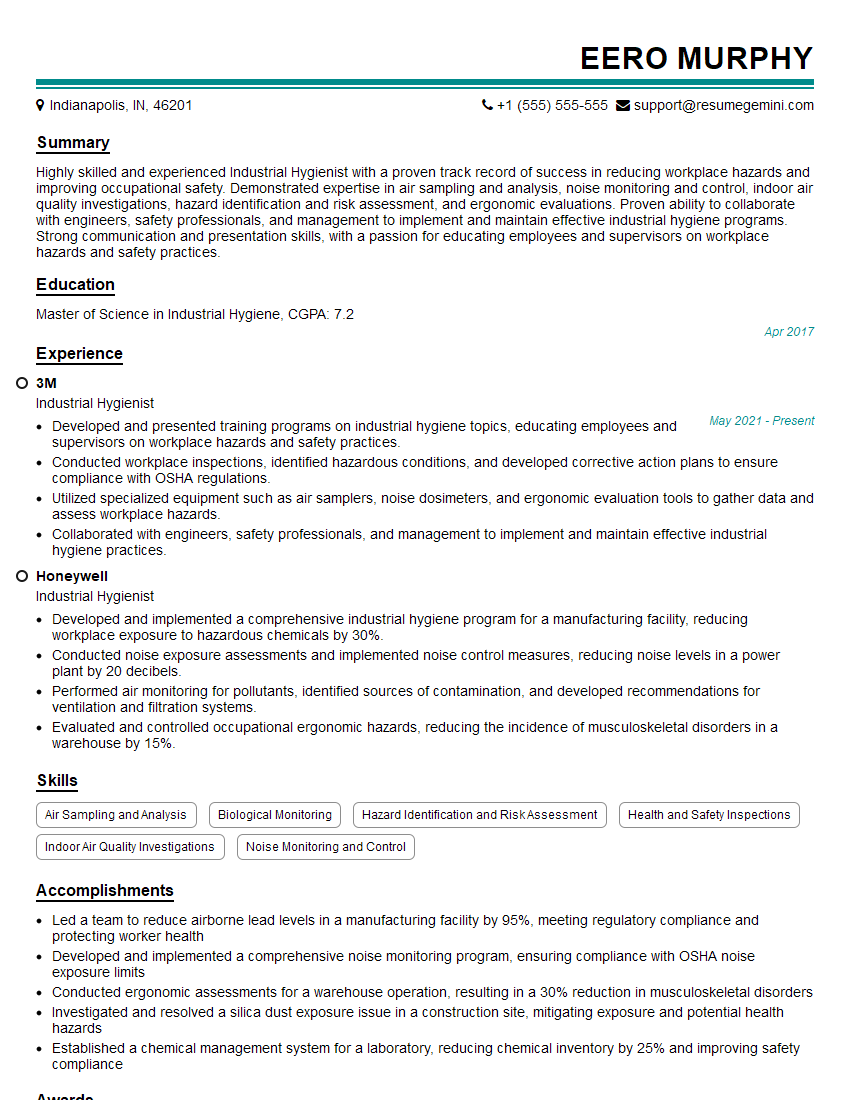
Industrial Hygienist Resume Sample
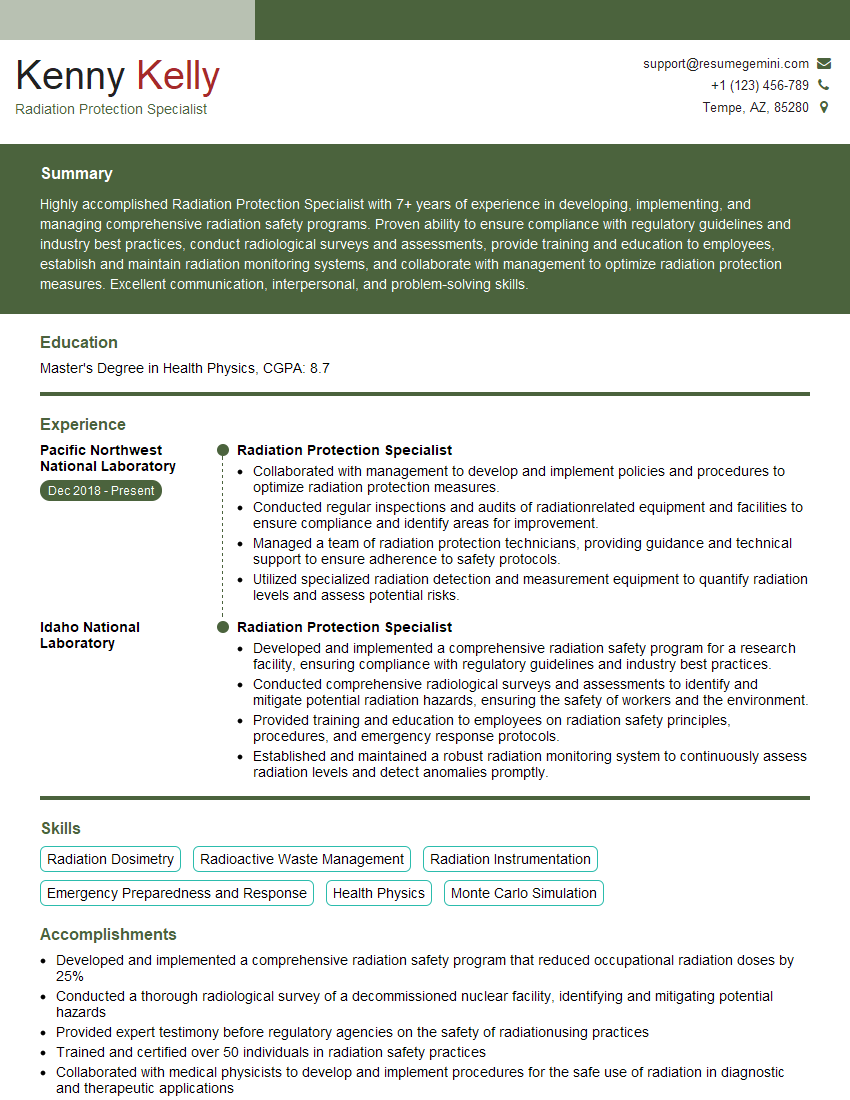
Radiation Protection Specialist Resume Sample
Explore more articles
Users Rating of Our Blogs
Share Your Experience
We value your feedback! Please rate our content and share your thoughts (optional).
What Readers Say About Our Blog
To the interviewgemini.com Webmaster.
Very helpful and content specific questions to help prepare me for my interview!
Thank you
To the interviewgemini.com Webmaster.
This was kind of a unique content I found around the specialized skills. Very helpful questions and good detailed answers.
Very Helpful blog, thank you Interviewgemini team.