Feeling uncertain about what to expect in your upcoming interview? We’ve got you covered! This blog highlights the most important Radiation Therapy Procedures interview questions and provides actionable advice to help you stand out as the ideal candidate. Let’s pave the way for your success.
Questions Asked in Radiation Therapy Procedures Interview
Q 1. Describe the different types of radiation therapy.
Radiation therapy, also known as radiotherapy, uses high-energy radiation to kill cancer cells and shrink tumors. There are several types, primarily categorized by how the radiation is delivered:
- External Beam Radiation Therapy (EBRT): This is the most common type, where radiation is delivered from a machine outside the body, targeting the tumor from various angles. Think of it like shining a very precise flashlight on the tumor from different directions.
- Internal Radiation Therapy (Brachytherapy): In this method, radioactive material is placed directly inside or near the tumor. This allows for a high dose of radiation to the tumor while minimizing exposure to surrounding healthy tissue. It’s like placing a tiny, timed radioactive source right at the heart of the problem.
- Systemic Radiotherapy: This involves using radioactive substances that travel throughout the body, targeting cancer cells wherever they may be. This is less common than EBRT or Brachytherapy and is often used for specific types of cancers that have spread.
- Proton Therapy: A type of external beam radiation therapy that uses protons instead of photons (x-rays). Protons deposit most of their energy at a precise depth, reducing damage to healthy tissues. This is a more targeted and advanced form of radiation therapy.
The choice of radiation therapy depends on several factors, including the type and stage of cancer, the patient’s overall health, and the location of the tumor.
Q 2. Explain the process of treatment planning in radiation therapy.
Treatment planning in radiation therapy is a crucial and complex process that ensures the tumor receives the optimal radiation dose while minimizing damage to healthy surrounding tissues. It involves several steps:
- Imaging: High-resolution images, such as CT scans, MRIs, and PET scans, are taken to precisely locate and define the tumor and surrounding organs.
- Target Volume Delineation: A team of radiation oncologists, physicists, and dosimetrists carefully outlines the tumor (Gross Tumor Volume or GTV), the clinical target volume (CTV) which includes microscopic disease, and the planning target volume (PTV) which accounts for movement and setup uncertainties. This is a critical step to ensure accurate targeting.
- Treatment Planning: Using sophisticated computer software, a radiation physicist designs the radiation treatment plan. This involves determining the optimal number of beams, their angles, and the intensity of radiation delivered at each angle. The goal is to deliver a high dose to the tumor while sparing healthy organs at risk.
- Dose Calculation and Verification: The computer calculates the dose distribution throughout the patient’s body. This is visualized using isodose curves (explained later). The plan is then checked and verified to ensure it meets the prescribed dose and safety criteria.
- Quality Assurance: The plan undergoes rigorous quality assurance checks to guarantee its accuracy and safety before treatment begins.
This collaborative process is iterative, and the plan may be adjusted based on the review and feedback from the entire team.
Q 3. What are the roles and responsibilities of a radiation therapist?
Radiation therapists are highly skilled healthcare professionals who play a vital role in the delivery of radiation therapy. Their responsibilities include:
- Treatment Delivery: Accurately positioning patients on the treatment machine and ensuring the correct dose and treatment parameters are delivered. This requires meticulous attention to detail and precision.
- Patient Care: Providing emotional and physical support to patients undergoing treatment, addressing their concerns and anxieties.
- Quality Assurance: Performing daily machine checks and quality control procedures to ensure the equipment is functioning optimally.
- Simulation: Assisting with the simulation process, which involves taking images and creating customized immobilization devices to help keep the patient still during treatment.
- Documentation: Maintaining accurate and comprehensive patient records, documenting treatment parameters, and any observed side effects.
- Treatment Planning Collaboration: Working closely with radiation oncologists and physicists to ensure the treatment plan is accurately implemented.
Radiation therapists work as part of a multidisciplinary team, contributing significantly to patient safety and treatment success.
Q 4. How do you ensure patient safety during radiation treatments?
Patient safety is paramount in radiation therapy. We implement numerous strategies to ensure patient safety, including:
- Accurate Treatment Planning: Rigorous treatment planning minimizes radiation exposure to healthy tissues. This includes careful delineation of organs at risk and optimization of beam arrangements.
- Precise Patient Positioning: We use advanced imaging techniques (like lasers and imaging systems integrated with the treatment machines) and immobilization devices to ensure consistent and accurate patient positioning throughout treatment, minimizing movement and ensuring the radiation is precisely targeted.
- Regular Quality Assurance: Daily machine quality checks, regular calibration, and meticulous record-keeping help maintain equipment accuracy and minimize the risk of errors.
- Safety Checks and Protocols: Strict protocols and double-checking procedures are followed at each stage of the treatment process to prevent errors in dose delivery.
- Emergency Procedures: Clear emergency procedures are in place to handle any unforeseen events or complications during treatment.
- Ongoing Monitoring: Patients are monitored closely during and after treatment for any side effects. Early detection and management of side effects minimize their impact on the patient’s well-being.
A culture of safety is instilled within the entire radiation therapy team through regular training and continuous improvement initiatives.
Q 5. What are the different types of radiation therapy machines?
Several types of radiation therapy machines are used, each with its own advantages and applications:
- Linear Accelerator (Linac): This is the most common type of machine used for external beam radiation therapy. It produces high-energy X-rays or electrons used to treat a wide range of cancers. Linacs are highly sophisticated, capable of delivering radiation from various angles with precision.
- Cobalt-60 Unit: An older but still utilized machine that emits gamma rays from a radioactive cobalt source. It’s less versatile than a Linac but is reliable and cost-effective for specific applications.
- Proton Therapy Machines: These machines accelerate protons to high energies and deliver radiation with high precision, minimizing damage to healthy tissues. They are more complex and expensive than Linacs but offer advantages for certain tumor types and locations.
- Brachytherapy Afterloaders: These machines are specifically designed for brachytherapy. They precisely control the placement and timing of radioactive sources within the patient’s body.
The choice of machine depends on several factors, including the type and stage of cancer, the patient’s overall health, and the treatment goals.
Q 6. Explain the concept of isodose curves.
Isodose curves are lines on a two-dimensional map (or contours in a three-dimensional representation) that connect points receiving the same radiation dose. Imagine a topographical map showing elevation contours; isodose curves are similar but show radiation dose instead of elevation. Each line represents a percentage of the prescribed radiation dose, allowing visualization of the dose distribution throughout the patient’s body.
For instance, a 50% isodose line connects all points receiving 50% of the prescribed dose. Analyzing isodose curves helps radiation oncologists and physicists assess the treatment plan’s effectiveness and optimize the dose distribution to maximize tumor coverage while minimizing damage to healthy tissues. They are essential for treatment plan evaluation and modification, ensuring that the treatment is both effective and safe.
Q 7. Describe your experience with IMRT or VMAT.
I have extensive experience with both Intensity-Modulated Radiation Therapy (IMRT) and Volumetric Modulated Arc Therapy (VMAT). IMRT uses multiple beams of radiation with varying intensities to conform to the shape of the tumor, delivering a high dose to the target while sparing healthy tissue. VMAT is an advanced form of IMRT where the radiation beam rotates around the patient, delivering the radiation dose more efficiently.
In my previous role, I was involved in the daily clinical application of both IMRT and VMAT across a diverse range of cancer types. I’ve participated in treatment planning, patient positioning, quality assurance procedures, and troubleshooting equipment related to these modalities. I’ve seen firsthand the improved target coverage and reduced side effects these techniques offer compared to conventional radiation therapy. One particularly memorable case involved a patient with a complex pelvic tumor near critical organs. Through meticulous IMRT planning, we were able to effectively target the tumor with minimal radiation exposure to the bladder and rectum, leading to a successful treatment outcome with minimal side effects. This underscores the importance of these advanced techniques and highlights the precision we strive for in radiation therapy.
Q 8. How do you verify patient positioning before treatment?
Accurate patient positioning is paramount in radiation therapy to ensure the tumor receives the prescribed dose while sparing healthy tissues. We employ a multi-pronged approach to verification. This starts with a detailed simulation process where we create a treatment plan based on imaging (CT, MRI, PET). During this simulation, we use immobilization devices – like masks, thermoplastic shells, or vacuum bags – to precisely position the patient and maintain that position throughout treatment.
Before each treatment fraction, we perform several checks. These include visual inspection to ensure the patient is correctly positioned within the immobilization device, and then we use imaging techniques, like daily CBCT (Cone Beam Computed Tomography) scans, to verify the patient’s position in relation to the treatment plan. Any discrepancies are addressed by repositioning the patient before treatment begins. Sophisticated image guidance systems automatically align the radiation beam to the patient’s anatomy using the CBCT or other imaging. We also use laser lights and surface markings to provide visual confirmation of the planned position.
For instance, a patient undergoing prostate radiation will have a custom-made thermoplastic shell to ensure consistent positioning. We will then use CBCT to double-check the position of the prostate relative to the planned treatment volume before we start the treatment.
Q 9. What are the common side effects of radiation therapy?
Radiation therapy, while highly effective in targeting cancer cells, can unfortunately cause side effects due to the impact on healthy tissues surrounding the tumor. The specific side effects depend greatly on the treatment area, the dose of radiation, and the individual patient’s sensitivity.
- Skin reactions: These are common and range from mild redness and dryness to more severe reactions like blistering and moist desquamation (skin peeling). This is often managed with specialized creams and lotions.
- Fatigue: Many patients experience fatigue, which can range from mild tiredness to debilitating exhaustion. Rest and supportive care are crucial.
- Gastrointestinal issues: Patients receiving radiation to the abdomen or pelvis may experience nausea, vomiting, diarrhea, or constipation. Dietary modifications and anti-nausea medications are often prescribed.
- Mucositis: Inflammation and sores in the mouth and throat are common with head and neck radiation, causing difficulty swallowing and eating.
- Other possible side effects: These can include changes in taste, hair loss in the treated area, and potentially long-term effects on organs or tissues, depending on the treatment area.
It’s important to note that these side effects are often manageable with supportive care, and most resolve after treatment completion. We work closely with our patients, providing them with clear information and strategies to cope with these effects.
Q 10. How do you manage a patient’s anxiety related to radiation therapy?
Anxiety is a completely understandable response to a cancer diagnosis and the prospect of radiation therapy. We address this through a multi-faceted approach focusing on education, empathy, and support.
- Education: We provide detailed explanations of the treatment process, addressing any questions and misconceptions the patient may have. Understanding the ‘why’ and ‘how’ can significantly reduce anxiety.
- Empathy and active listening: Creating a safe space for patients to express their concerns and fears is crucial. We actively listen and validate their feelings.
- Support systems: We encourage patients to involve their support network – family, friends, or support groups. Social workers and psychologists can also provide counseling and coping strategies.
- Relaxation techniques: We may suggest relaxation techniques such as deep breathing exercises, meditation, or mindfulness to manage anxiety during treatment sessions.
- Medication: In some cases, we might collaborate with a psychiatrist or physician to prescribe medication to help manage anxiety if necessary.
For example, one patient I worked with was extremely anxious about the potential side effects. By taking the time to explain the likelihood and manageability of these side effects, and offering her relaxation techniques, her anxiety significantly decreased, and she was able to complete her treatment successfully.
Q 11. Explain the importance of quality assurance in radiation therapy.
Quality assurance (QA) in radiation therapy is absolutely critical to ensure patient safety and the accuracy of treatment delivery. It involves a comprehensive system of checks and balances to verify that the treatment plan is accurate and that the equipment is functioning correctly.
QA encompasses various aspects including:
- Treatment planning QA: This involves independent review of the treatment plan by a qualified physicist to ensure the dose calculations are accurate, the target volume is adequately covered, and organs at risk are spared as much as possible.
- Machine QA: Regular checks are performed on the linear accelerator (LINAC) and other treatment devices to ensure their output, accuracy, and safety. This includes daily tests, monthly QA, and annual comprehensive checks.
- Image QA: Regular checks of the imaging systems used for treatment planning and verification (e.g., CT, MRI, CBCT) to ensure accuracy and image quality.
- Dosimetry QA: This involves meticulous measurements of radiation dose using dosimeters to verify the accuracy of the treatment delivery system.
Failure to adhere to rigorous QA protocols can lead to serious consequences, including underdosing (ineffective treatment) or overdosing (increased risk of side effects). Therefore, a strong QA program is essential for delivering safe and effective radiation therapy.
Q 12. Describe your experience with brachytherapy.
Brachytherapy is a type of radiation therapy where radioactive sources are placed directly into or near the tumor. I have extensive experience with various brachytherapy techniques, including high-dose rate (HDR) and low-dose rate (LDR) procedures. HDR brachytherapy involves inserting radioactive sources for a short period, while LDR involves leaving the sources in place for a longer time.
My experience includes treatment planning for various cancers, including prostate, cervix, and breast cancer. This involves using specialized software to create treatment plans that optimize the dose distribution to the tumor while minimizing the dose to surrounding healthy tissues. I’m proficient in the use of imaging modalities such as CT and MRI to accurately guide the placement of radioactive sources. Moreover, I have participated in the implementation of advanced brachytherapy techniques, such as image-guided brachytherapy, which uses real-time imaging to further refine source placement and dose delivery.
One particular case involved a patient with cervical cancer. We utilized HDR brachytherapy guided by fluoroscopy and CT imaging to ensure the precise placement of the radioactive sources within the tumor. This technique led to an excellent outcome with minimal side effects for the patient.
Q 13. How do you handle medical emergencies during radiation treatments?
Medical emergencies during radiation treatments, though rare, require immediate and decisive action. Our radiation therapy department has established protocols and emergency response plans to deal with any such situations.
Our team is trained to recognize and respond to potential emergencies, such as allergic reactions, syncope (fainting), or severe side effects. We have readily available emergency equipment including oxygen, defibrillators, and medications. A dedicated emergency response team, including physicians and nurses, is always on call.
In case of an emergency, the treatment is immediately stopped, and the patient’s vital signs are monitored. The emergency response team is notified, and the appropriate medical interventions are initiated based on the specific situation. We have regular drills to practice and refine our emergency response procedures, ensuring that our team is well-prepared to handle any unforeseen circumstances.
Q 14. What are the different types of imaging used in radiation therapy?
Imaging plays a vital role in all aspects of radiation therapy, from treatment planning to treatment delivery and verification. Various imaging modalities are used depending on the specific needs of the case.
- Computed Tomography (CT): CT scans provide detailed anatomical images of the patient’s body, which are essential for treatment planning. They accurately delineate the tumor and surrounding organs at risk.
- Magnetic Resonance Imaging (MRI): MRI offers superior soft tissue contrast, particularly useful for imaging the brain, spine, and other areas where soft tissue differentiation is crucial for accurate treatment planning.
- Positron Emission Tomography (PET): PET scans provide functional information about the tumor’s metabolic activity, helping to identify areas of high metabolic activity, which can be used to guide treatment planning.
- Cone Beam Computed Tomography (CBCT): CBCT is a lower-dose CT scan used daily for verifying patient positioning during treatment delivery, ensuring accuracy and mitigating uncertainties.
- Ultrasound: Ultrasound is sometimes used for imaging certain anatomical areas, particularly in real-time guidance during brachytherapy.
The choice of imaging modality depends on various factors, including the tumor location, the type of cancer, and the specific needs of the treatment plan. For example, CT is commonly used for planning external beam radiation therapy for most cancers. PET-CT is often used for staging and treatment planning of certain cancers such as lymphoma.
Q 15. Explain your understanding of dose calculation and verification.
Dose calculation and verification are critical steps in radiation therapy, ensuring the patient receives the prescribed radiation dose accurately and safely. Dose calculation involves using sophisticated software to determine the amount of radiation needed to target the tumor while minimizing damage to surrounding healthy tissues. This process considers factors such as tumor size, shape, and location, as well as the patient’s anatomy. Different treatment planning systems (TPS) employ various algorithms, but all strive for precise dose distribution.
Verification, on the other hand, is the process of confirming the accuracy of the calculated dose. This often involves independent checks and comparisons between the planned dose and the actual delivered dose. Techniques such as independent dose calculations, film dosimetry, and electronic portal imaging devices (EPIDs) are used for verification. Imagine it like double-checking a complex recipe before baking a cake – you want to ensure all the ingredients (dose) are correct and in the right proportions to achieve the desired outcome (tumor control).
For example, in a case of prostate cancer, the dose calculation might involve sophisticated algorithms to precisely shape the radiation beam around the prostate gland, sparing critical organs like the rectum and bladder. Verification would then involve comparing the plan’s dose distribution to the actual delivered dose using EPID images, ensuring the planned dose conforms accurately to the patient’s anatomy.
Career Expert Tips:
- Ace those interviews! Prepare effectively by reviewing the Top 50 Most Common Interview Questions on ResumeGemini.
- Navigate your job search with confidence! Explore a wide range of Career Tips on ResumeGemini. Learn about common challenges and recommendations to overcome them.
- Craft the perfect resume! Master the Art of Resume Writing with ResumeGemini’s guide. Showcase your unique qualifications and achievements effectively.
- Don’t miss out on holiday savings! Build your dream resume with ResumeGemini’s ATS optimized templates.
Q 16. Describe your experience with electronic medical records (EMR) in radiation oncology.
My experience with electronic medical records (EMRs) in radiation oncology is extensive. I’m proficient in using various EMR systems, including
For example, using the EMR, I can quickly access a patient’s previous imaging studies, lab results, and treatment history, which is essential for making informed treatment decisions. I also use the EMR to document treatment details, including the delivered dose, treatment time, and any observed side effects. This allows for continuous monitoring of the patient’s progress and facilitates communication with the physician and other members of the healthcare team.
Q 17. How do you communicate with physicians and other members of the healthcare team?
Effective communication is paramount in radiation oncology. I communicate with physicians, radiation therapists, dosimetrists, nurses, and medical physicists through various methods, prioritizing clear, concise, and accurate information sharing. This includes direct verbal communication during rounds, team meetings, and patient consultations, as well as written communication through EMR documentation, treatment plans, and progress reports. I’m proactive in seeking clarification when necessary and ensure all team members are informed of any significant changes or updates related to the patient’s treatment.
For instance, if I detect an inconsistency in a treatment plan or notice an unexpected side effect, I promptly inform the physician, providing detailed documentation and supporting evidence. This collaboration ensures the timely adjustment of the treatment plan or management of the side effect, optimizing patient care. Regular interdisciplinary meetings, especially tumor boards, allow for comprehensive discussion and the sharing of expertise among all team members.
Q 18. Explain your knowledge of radiation protection and safety regulations.
Radiation protection and safety are of utmost importance in radiation oncology. My understanding of relevant regulations and protocols, such as those set forth by the
In practical terms, this means adhering strictly to safety protocols during treatment delivery, including proper positioning, shielding, and the use of personal protective equipment (PPE). Regular calibration and maintenance of radiation equipment is also crucial, ensuring its accuracy and safety. Moreover, I meticulously document all radiation safety measures taken for each patient, contributing to comprehensive record-keeping and accountability.
Q 19. Describe your experience with treatment simulations.
Treatment simulation is a crucial step in radiation therapy. It’s where the patient’s anatomy is precisely imaged and contoured to create a detailed 3D representation used for treatment planning. My experience involves utilizing various imaging modalities such as CT, MRI, and PET scans to create highly accurate simulation images. I’m skilled in using immobilization devices to ensure the patient’s consistent positioning during treatment. I’m also proficient in contouring target volumes (tumors) and organs at risk (OARs) on these images, which is the foundation for the radiation oncologist’s treatment planning.
For example, during a simulation for lung cancer, careful attention to breathing motion is crucial. We may use techniques like deep-inspiration breath-hold (DIBH) or gating to minimize the impact of respiratory movement on the accuracy of the treatment plan. Precise contouring of the tumor and surrounding critical structures like the heart and esophagus is essential to optimize the radiation dose while minimizing the risk of side effects. This collaboration with the physician ensures the optimal balance between tumor control and minimizing side effects.
Q 20. How do you ensure accurate record keeping and documentation?
Accurate record-keeping and documentation are fundamental to quality patient care and regulatory compliance. In my work, I ensure meticulous documentation of every aspect of the treatment process. This includes detailed records of treatment plans, delivered doses, patient positioning, side effects observed, and any modifications made to the treatment plan. All documentation is entered into the EMR, following standardized procedures and nomenclature. Regular audits are performed to verify the accuracy and completeness of records. This careful attention to detail protects the patient, supports efficient communication amongst the healthcare team, and ensures compliance with all relevant regulatory guidelines.
For example, each treatment fraction is meticulously documented, including the date, time, dose delivered, and any deviations from the planned treatment. Any observed side effects, such as skin reactions or fatigue, are also recorded, enabling the prompt identification of potential problems and implementation of appropriate management strategies. This detailed record-keeping is essential for long-term patient monitoring and research purposes.
Q 21. Explain your understanding of different treatment techniques (e.g., 3D conformal, IMRT).
Radiation therapy utilizes various techniques to deliver radiation precisely to the tumor while sparing surrounding healthy tissues. 3D conformal radiation therapy (3D-CRT) involves shaping the radiation beams to conform to the tumor’s three-dimensional shape. Intensity-modulated radiation therapy (IMRT) further refines this by varying the intensity of the radiation beams, enabling a more precise dose distribution. Other advanced techniques include volumetric modulated arc therapy (VMAT) and proton therapy, which offer even greater precision and dose conformity.
Consider a patient with a complex lung tumor near the heart. 3D-CRT would aim to conform the radiation beams to the tumor’s shape. IMRT, however, offers the ability to modulate the intensity of radiation beams more precisely, allowing for better sparing of the heart, leading to a lower risk of cardiac complications. VMAT improves upon this by using arc-based delivery, reducing treatment time, and potentially further reducing side effects. The choice of technique is carefully determined by the radiation oncologist based on the tumor’s location, size, and proximity to critical organs, always striving for optimal tumor control with minimal damage to healthy tissues.
Q 22. Describe your experience with troubleshooting equipment malfunctions.
Troubleshooting equipment malfunctions in radiation therapy requires a systematic approach combining technical expertise with a strong understanding of safety protocols. My experience involves a multi-step process: first, identifying the malfunction – is it a software glitch, a hardware failure, or a problem with the treatment planning system? I then carefully assess the situation’s urgency; some issues, like a minor software error, can be addressed later, while others, such as a malfunction affecting beam delivery, require immediate attention.
For instance, I once encountered an issue where the linear accelerator’s beam output was inconsistent. After checking the machine’s logs for error codes and ruling out simple issues like power supply fluctuations, I systematically tested different components, eventually isolating the problem to a faulty electron gun. Following established protocols, I reported the malfunction to the biomedical engineering team, who then replaced the component, ensuring patient safety and treatment resumption. My approach emphasizes meticulous documentation and adherence to safety regulations at every step, ensuring patient safety and treatment efficacy are not compromised.
I also regularly participate in preventative maintenance and quality assurance procedures, proactively identifying potential issues before they escalate into malfunctions. This proactive approach has proven significantly more efficient and contributes to minimizing downtime and ensuring the reliable operation of our equipment.
Q 23. How do you handle discrepancies between planned and delivered dose?
Discrepancies between planned and delivered dose in radiation therapy are a critical concern, representing a potential risk to patient safety and treatment efficacy. Handling these discrepancies requires a thorough investigation using a multi-pronged approach. First, the magnitude of the discrepancy needs careful assessment: minor variations may fall within acceptable tolerances, whereas significant deviations demand immediate action.
My approach involves a detailed review of the treatment plan, the machine logs, and patient positioning data. Factors such as patient movement, setup errors, and machine malfunctions are systematically evaluated. I then use specialized software tools to analyze the delivered dose distributions and compare them to the planned dose. If the discrepancy is significant and can’t be explained by known factors, we initiate a thorough quality assurance review involving the physics team and medical physicists.
For example, I once encountered a case where a patient’s delivered dose was consistently lower than planned. After careful analysis, we identified a slight misalignment in the patient’s positioning during treatment. We implemented corrective actions including improved immobilization techniques and more frequent image-guidance verification, thereby ensuring accurate dose delivery for subsequent treatments. Patient safety and the accuracy of dose delivery are paramount; rigorous investigation and corrective measures are always undertaken to resolve such discrepancies.
Q 24. What are the ethical considerations in radiation therapy?
Ethical considerations in radiation therapy are central to our practice and guide every decision we make. These considerations encompass several key areas. First and foremost is patient autonomy – ensuring patients are fully informed about their treatment options, potential risks and benefits, and have the right to make informed decisions about their care.
- Beneficence: We must always act in the best interests of the patient, striving to maximize benefits and minimize harm.
- Non-maleficence: We must avoid causing harm, carefully considering and minimizing potential side effects of radiation therapy.
- Justice: Ensuring equitable access to high-quality radiation therapy regardless of a patient’s socioeconomic status or other factors.
- Confidentiality: Maintaining patient privacy and protecting sensitive medical information.
For example, obtaining informed consent is a crucial ethical aspect. This includes a clear and thorough explanation of the treatment, its potential benefits and risks, alternative treatment options, and the opportunity for the patient to ask questions and express concerns. We also ensure that the patient truly understands the implications of their decision before proceeding with the treatment. Maintaining these ethical principles builds trust and ensures that radiation therapy is delivered responsibly and ethically.
Q 25. Describe a time you had to handle a challenging patient situation.
One challenging patient situation involved an elderly patient with a complex medical history and significant comorbidities who experienced severe treatment-related side effects. The patient’s anxiety and discomfort were substantial, impacting their ability to tolerate the radiation treatments.
My approach involved a multi-faceted strategy. First, I engaged in empathetic communication with the patient and their family, addressing their concerns and providing emotional support. Second, I collaborated with the medical oncologist and nursing staff to adjust the treatment plan, managing side effects with medication and supportive care. This included modifications to the treatment schedule to allow for rest periods and the implementation of pain management strategies. Third, I actively communicated with the patient and their family throughout the process, providing regular updates on their progress and making any necessary adjustments to the treatment plan based on their response.
Through careful communication, collaboration with other members of the care team, and a focus on personalized patient care, we successfully managed the patient’s side effects and completed the radiation therapy course. The patient’s improved comfort level and successful completion of treatment underscore the importance of a compassionate and collaborative approach to managing challenging patient situations in radiation oncology.
Q 26. How do you stay up-to-date with advancements in radiation therapy?
Staying current with advancements in radiation therapy is essential for providing optimal patient care. My approach is multi-pronged.
- Professional Organizations: Active membership in professional organizations like the American Society for Radiation Oncology (ASTRO) provides access to the latest research, guidelines, and educational resources through conferences, journals, and webinars.
- Peer-Reviewed Journals: Regularly reviewing publications in leading journals ensures I’m familiar with cutting-edge research and clinical trials.
- Continuing Medical Education (CME): I actively participate in CME courses and workshops, keeping my knowledge updated on new techniques, technologies, and treatment protocols.
- Conferences and Workshops: Attending national and international conferences allows for interaction with leading experts in the field and provides an excellent opportunity for networking and learning.
For example, I recently completed a CME course on the latest advancements in intensity-modulated radiation therapy (IMRT) and volumetric modulated arc therapy (VMAT), improving my ability to deliver precise and effective treatments. This continuous learning approach enables me to leverage the newest technologies and knowledge for the benefit of my patients.
Q 27. What are your career goals in radiation therapy?
My career goals in radiation therapy center on continued professional growth and making significant contributions to the field. I aspire to become a leader in radiation oncology, specializing in advanced treatment techniques such as proton therapy and advanced image-guided radiation therapy.
I also aim to be involved in research and development activities, contributing to the improvement of treatment planning and delivery techniques. Ultimately, I envision a career where I can mentor and train future radiation therapists, sharing my expertise and promoting a culture of excellence and patient-centered care. My goal is to not only excel in my technical skills but also to cultivate a leadership role that positively impacts the field and improves outcomes for cancer patients.
Q 28. Why are you interested in this particular position?
I’m highly interested in this position because it aligns perfectly with my career aspirations and offers an exceptional opportunity for professional growth. Your institution’s reputation for excellence in radiation therapy and its commitment to innovation are particularly appealing.
I’m particularly drawn to [mention specific aspects of the job description or institution that appeal to you – e.g., the opportunity to work with cutting-edge technology, the collaborative team environment, the institution’s focus on a specific type of cancer treatment]. My skills and experience in [mention your relevant skills and experiences] make me confident in my ability to make significant contributions to your team. I am eager to contribute to a dynamic and forward-thinking environment where patient care is paramount.
Key Topics to Learn for Radiation Therapy Procedures Interview
- Treatment Planning: Understanding treatment planning software, dose calculations, and the role of imaging in treatment delivery. Practical application includes explaining your experience with various treatment planning systems and your approach to optimizing treatment plans for patient-specific needs.
- Radiation Delivery Techniques: Mastering various radiation delivery techniques such as 3D conformal radiotherapy (3D-CRT), intensity-modulated radiation therapy (IMRT), image-guided radiation therapy (IGRT), and proton therapy. Practical application includes describing your experience with different treatment machines and techniques, highlighting your proficiency in quality assurance procedures.
- Anatomy and Physiology: Deep understanding of human anatomy, particularly relevant to target volumes and organs at risk. Practical application includes explaining how anatomical knowledge influences treatment planning and delivery, and how you handle complex anatomical variations.
- Radiation Safety and Protection: Thorough knowledge of radiation safety protocols, ALARA principle, and radiation safety regulations. Practical application includes describing your experience implementing and adhering to safety protocols to protect both patients and staff.
- Quality Assurance and Quality Control: Understanding the importance of quality assurance and quality control in radiation therapy, including daily machine checks, dosimetry verification, and treatment record review. Practical application includes detailing your experience with QA/QC procedures and troubleshooting techniques.
- Patient Care and Communication: Effective communication with patients, explaining treatment procedures and addressing concerns. Practical application includes describing your approach to patient education and your experience in building rapport with patients undergoing radiation therapy.
- Tumor Biology and Radiobiology: Fundamental understanding of tumor biology and the effects of radiation on cells and tissues. This includes knowledge of different tumor types and their responses to radiation therapy.
Next Steps
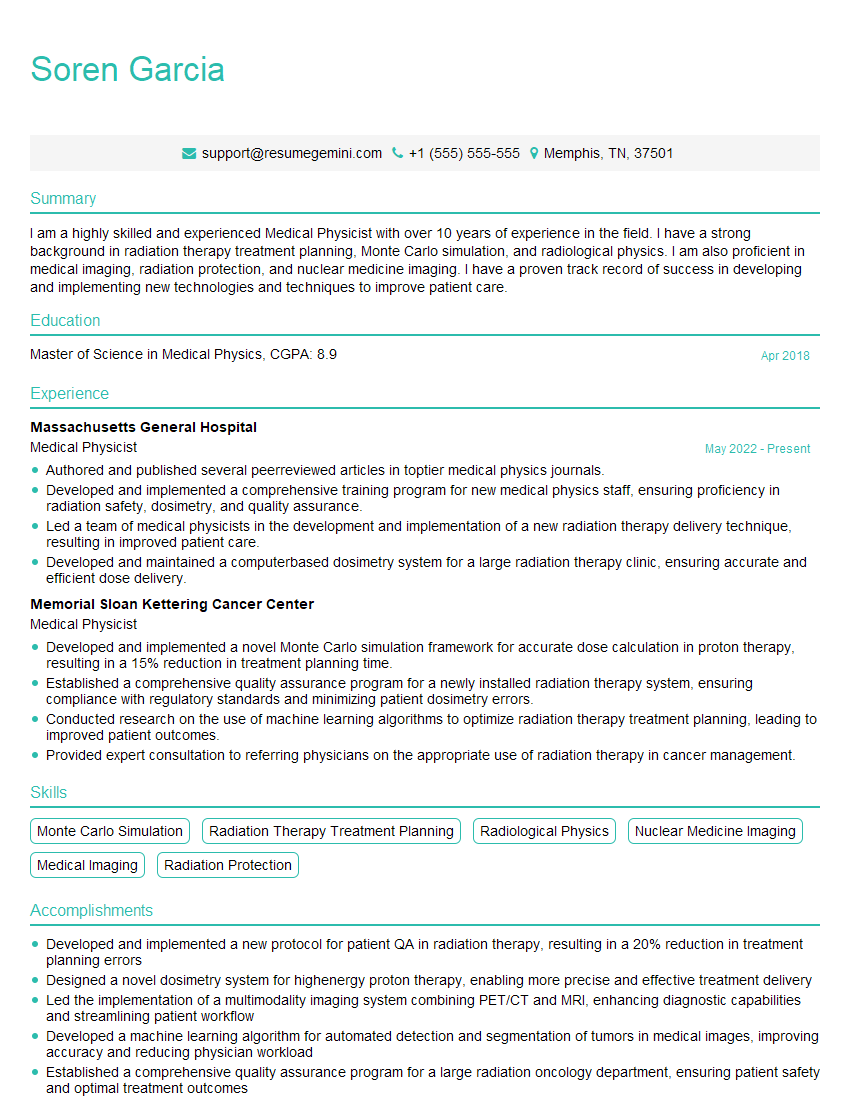
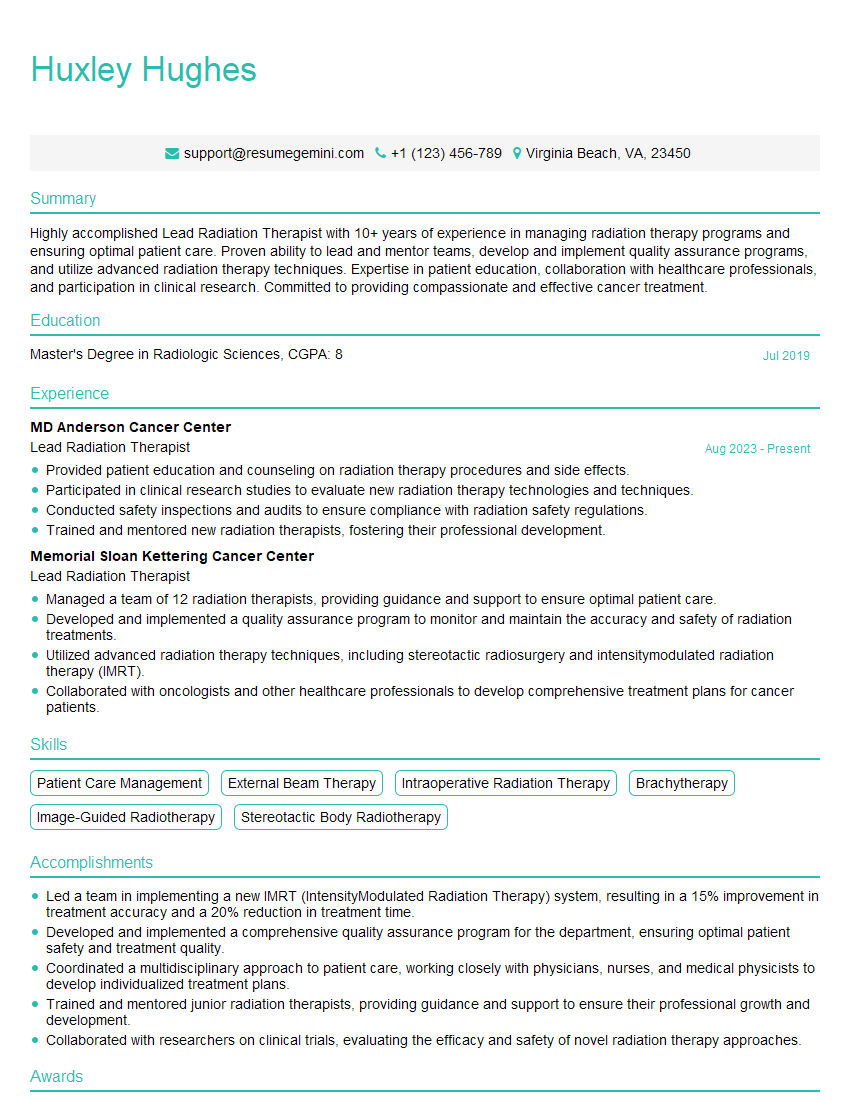
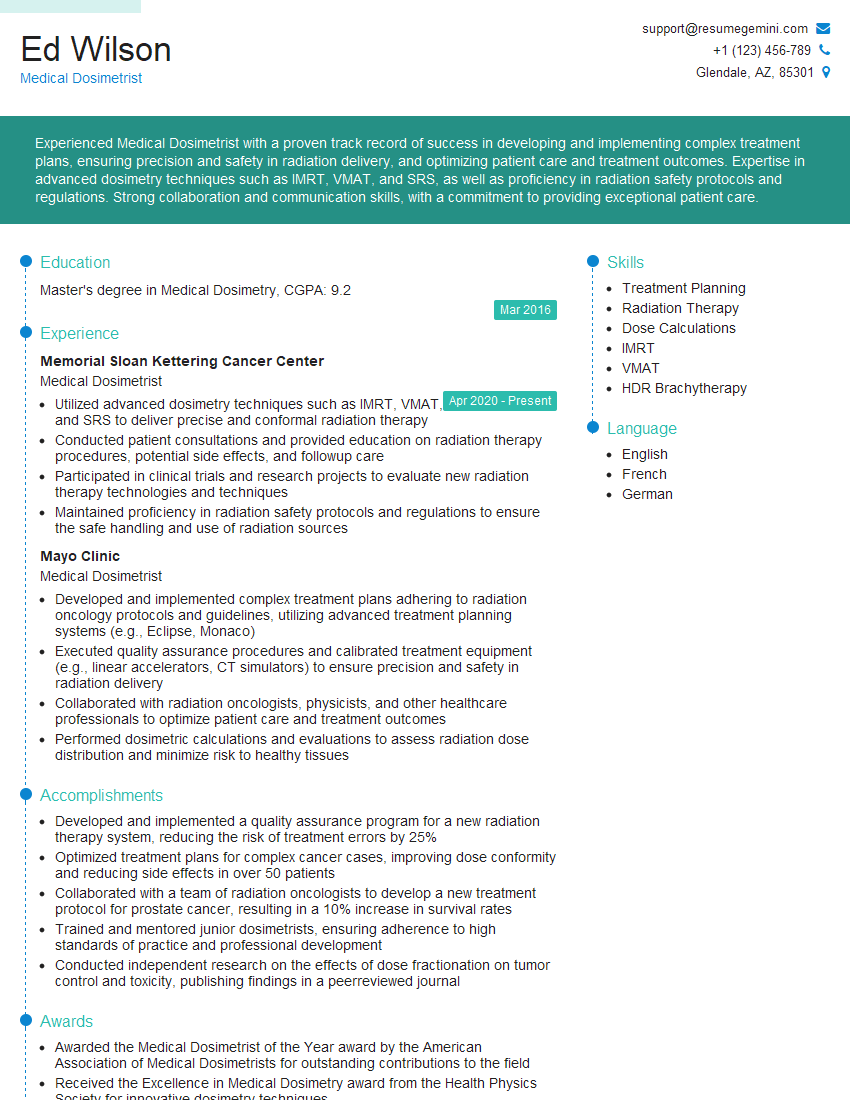
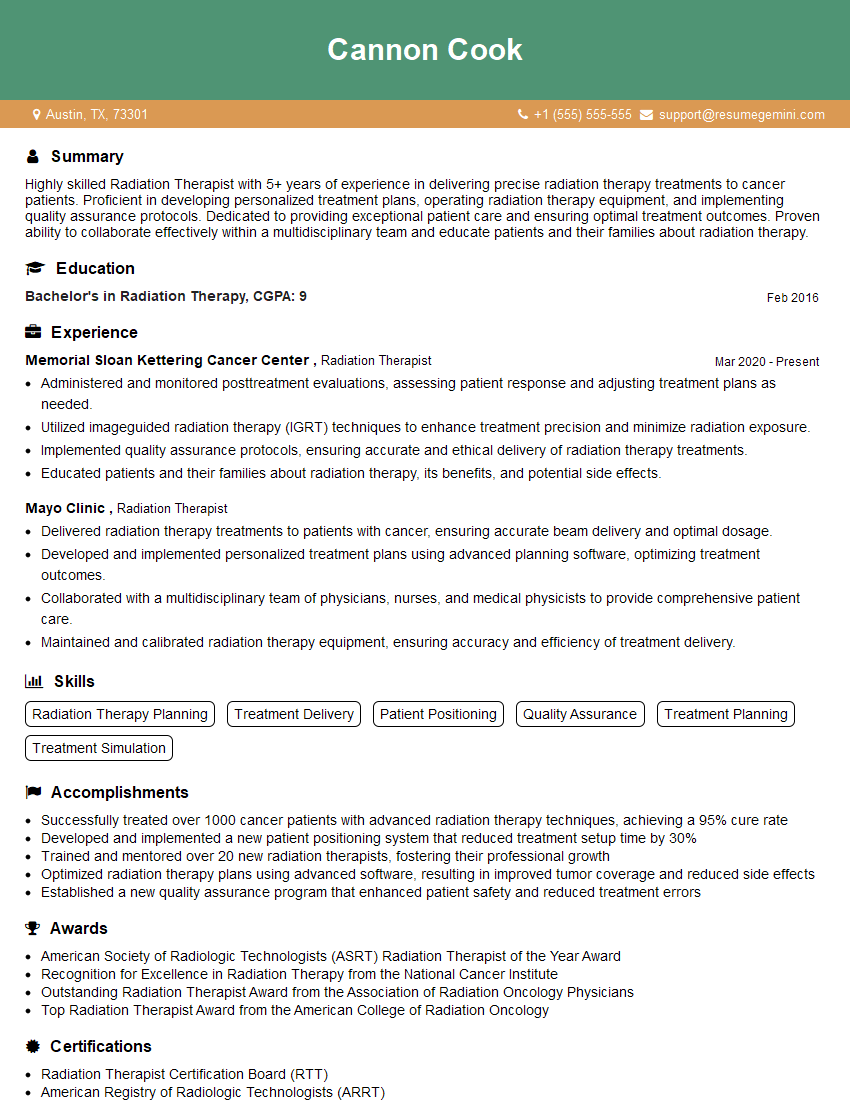
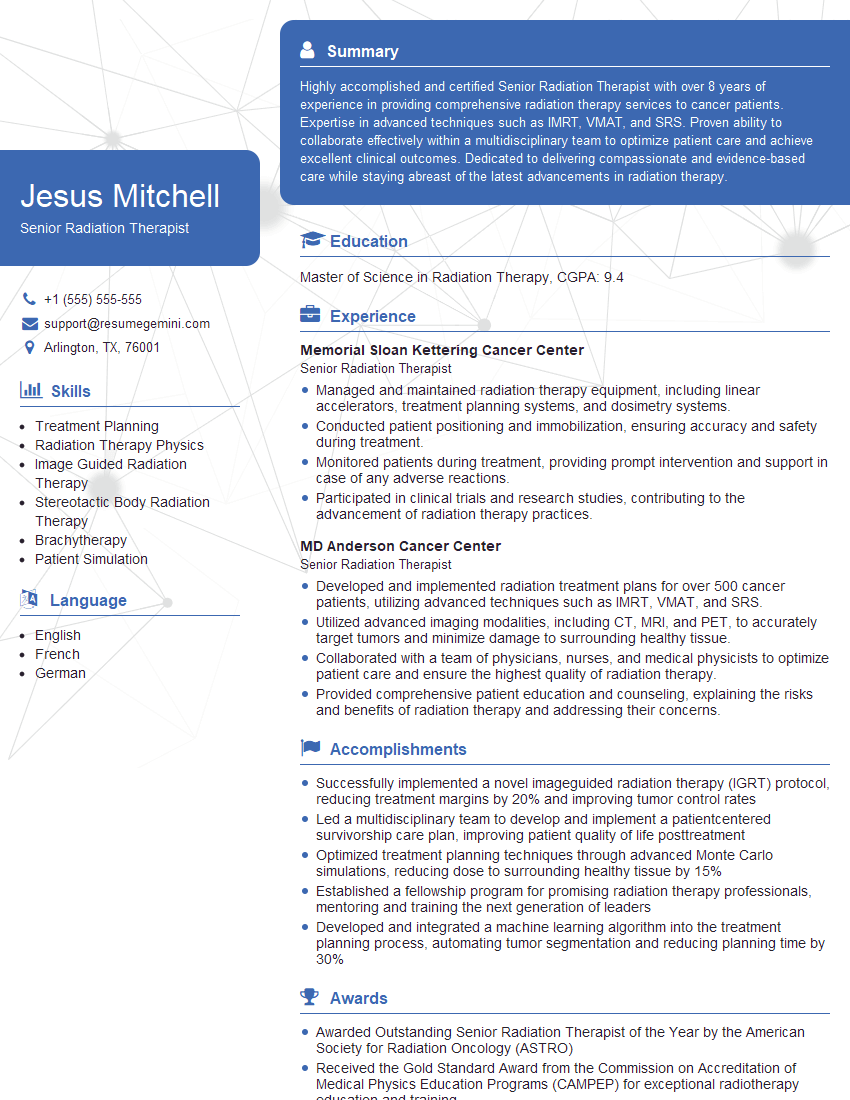
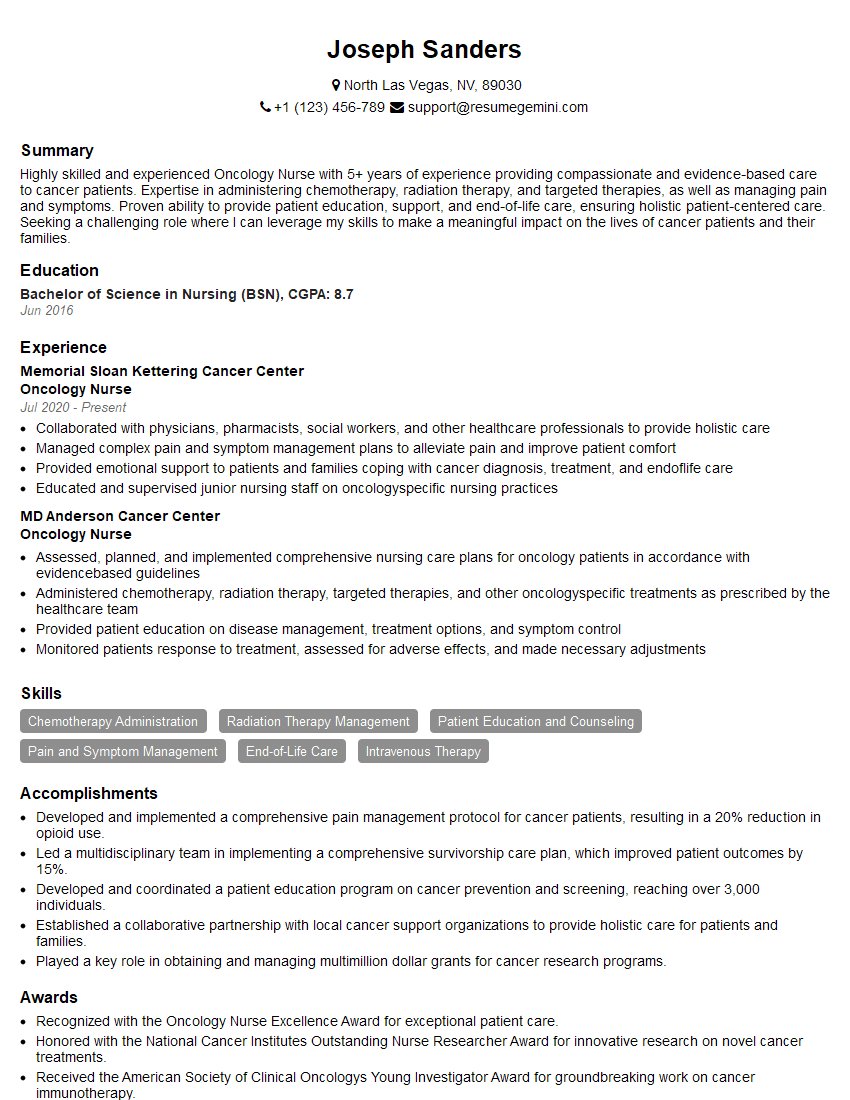
Mastering Radiation Therapy Procedures is crucial for career advancement in this dynamic field. A strong understanding of these concepts will significantly enhance your interview performance and open doors to exciting opportunities. To further strengthen your job prospects, crafting an ATS-friendly resume is essential. ResumeGemini is a trusted resource that can help you build a professional and effective resume. ResumeGemini provides examples of resumes tailored to Radiation Therapy Procedures, allowing you to showcase your skills and experience in the best possible light. Invest time in refining your resume—it’s your first impression with potential employers.
Explore more articles
Users Rating of Our Blogs
Share Your Experience
We value your feedback! Please rate our content and share your thoughts (optional).
What Readers Say About Our Blog
To the interviewgemini.com Webmaster.
Very helpful and content specific questions to help prepare me for my interview!
Thank you
To the interviewgemini.com Webmaster.
This was kind of a unique content I found around the specialized skills. Very helpful questions and good detailed answers.
Very Helpful blog, thank you Interviewgemini team.