Are you ready to stand out in your next interview? Understanding and preparing for Registration and Loan Processing interview questions is a game-changer. In this blog, we’ve compiled key questions and expert advice to help you showcase your skills with confidence and precision. Let’s get started on your journey to acing the interview.
Questions Asked in Registration and Loan Processing Interview
Q 1. Explain the loan processing lifecycle.
The loan processing lifecycle is a sequential series of steps involved in taking a loan application from its initial submission to the final disbursement of funds. Think of it like a well-oiled machine, where each part plays a crucial role. It’s a complex process, but we can break it down into key phases:
- Loan Application & Intake: This is where the journey begins. The borrower submits their application, providing necessary financial information like income verification, credit reports, and employment history. We meticulously review this information for completeness and accuracy.
- Loan Underwriting: This is arguably the heart of the process. Underwriters assess the borrower’s creditworthiness and the risk associated with the loan. This involves verifying information, analyzing debt-to-income ratios, and determining the loan-to-value ratio (LTV). It’s like a thorough background check for the borrower and the property.
- Loan Approval & Conditions: If the loan meets the lender’s criteria, it’s approved. However, approvals often come with conditions, such as appraisals, title searches, and insurance verification. These conditions need to be met before the loan can proceed further. Imagine these conditions as final hurdles before the finish line.
- Closing & Disbursement: This is the culmination of the process. All necessary documentation is reviewed, finalized, and signed. The funds are then disbursed to the borrower, marking the successful completion of the loan process.
Each phase requires meticulous attention to detail and adherence to regulatory compliance. Any slip-up can delay the process or even lead to loan rejection.
Q 2. Describe your experience with loan documentation.
My experience with loan documentation spans over [Number] years, encompassing a wide range of loan types and regulatory environments. I am proficient in preparing, reviewing, and verifying all essential documents, including but not limited to:
- Loan Applications: Ensuring accuracy and completeness of borrower information.
- Credit Reports: Analyzing credit scores and history to assess risk.
- Income Verification Documents: Reviewing pay stubs, W-2s, tax returns to verify income.
- Appraisals: Evaluating property values to determine loan-to-value ratios.
- Title Reports & Insurance Documents: Verifying ownership and protecting lender interest.
I’m adept at identifying discrepancies and resolving them efficiently. For instance, I once discovered a discrepancy in a borrower’s stated income, which, if left unchecked, could have resulted in a loan default. Through careful investigation and communication, we resolved the issue, preventing potential losses for the lender and ensuring the borrower received the appropriate loan amount.
Q 3. How do you ensure compliance with regulatory requirements in loan processing?
Compliance is paramount in loan processing. We adhere strictly to regulations such as the Real Estate Settlement Procedures Act (RESPA), Truth in Lending Act (TILA), and Fair Housing Act, depending on the loan type and relevant jurisdiction. My approach involves:
- Regular Training: Staying updated on changes in regulations through ongoing training and professional development.
- Internal Compliance Checks: Employing a robust system of internal reviews and audits to ensure adherence to established procedures and regulations.
- Documentation: Meticulously documenting every step of the loan process, ensuring a clear audit trail.
- Quality Control Measures: Implementing robust quality control measures to catch errors and prevent non-compliance.
For example, we use checklists to ensure all necessary disclosures are provided to borrowers, well in advance of closing. These checklists serve as safeguards, minimizing the risk of non-compliance and protecting both the borrower and the lender.
Q 4. What software programs are you proficient in for loan processing?
I’m proficient in several industry-standard loan origination systems (LOS) and supporting software. My expertise includes:
- [Software Name 1]: Expert in data entry, document management, and reporting features.
- [Software Name 2]: Proficient in underwriting workflows, automated valuation models (AVMs), and risk assessment tools.
- [Software Name 3]: Experienced in generating closing documents and managing electronic signatures.
- Microsoft Office Suite: Highly proficient in Excel, Word, and PowerPoint for data analysis, report generation, and presentations.
My skills in these software applications enable me to streamline loan processing, improve efficiency, and reduce manual errors. I can efficiently navigate different platforms and extract crucial information to expedite the process.
Q 5. What is your experience with different loan types (e.g., FHA, VA, conventional)?
My experience encompasses a broad range of loan types, including conventional, FHA, VA, and sometimes even USDA loans. Understanding the nuances of each type is crucial. For example:
- Conventional Loans: These generally require higher credit scores and down payments compared to government-backed loans. I’m experienced in evaluating borrower creditworthiness and ensuring compliance with lender guidelines.
- FHA Loans: These loans are insured by the Federal Housing Administration, making them accessible to borrowers with lower credit scores and down payments. My experience includes understanding the specific FHA guidelines and requirements.
- VA Loans: Guaranteed by the Department of Veterans Affairs, these loans offer benefits to eligible veterans and military service members. I’m familiar with the Certificate of Eligibility (COE) process and the specific regulations governing VA loans.
This diverse experience allows me to adapt to different scenarios and effectively manage loan applications, regardless of their type. Each loan type presents unique challenges and opportunities, and I thrive in navigating those complexities.
Q 6. How do you handle discrepancies in loan documentation?
Discrepancies in loan documentation are inevitable. My approach to handling them involves a methodical process:
- Identification: Through careful review, I identify any inconsistencies or missing information.
- Verification: I thoroughly verify the information using multiple sources to confirm its accuracy.
- Communication: I promptly communicate with the borrower, real estate agent, or other relevant parties to resolve discrepancies.
- Documentation: I meticulously document all steps taken to resolve the discrepancy, including communication logs and supporting evidence.
For instance, if there’s a discrepancy between the borrower’s stated income and their tax returns, I would follow up with the borrower to clarify the situation and obtain supporting documentation. Clear communication and thorough documentation prevent misunderstandings and potential delays.
Q 7. How do you prioritize tasks in a high-volume loan processing environment?
In a high-volume loan processing environment, prioritization is key. My strategy is a combination of several techniques:
- Urgency and Deadline Management: I focus on loans with imminent deadlines and those nearing crucial stages. I visualize this with a Kanban board, allowing me to easily track progress and identify potential bottlenecks.
- Loan Type and Complexity: More complex loans (e.g., those with multiple borrowers or unusual financial situations) often require more attention and are prioritized accordingly.
- Risk Assessment: Loans with higher risk profiles get immediate attention to mitigate potential problems.
- Communication and Teamwork: Maintaining open communication with colleagues, especially underwriters, ensures efficient workflow and prevents delays.
Using a combination of these strategies helps me maintain a steady workflow, minimizing delays and maximizing efficiency, even under pressure.
Q 8. Describe your experience with loan registration and title searches.
Loan registration and title searches are critical for ensuring the legitimacy of a loan and the borrower’s ownership of the collateral. My experience encompasses a thorough understanding of the legal and regulatory requirements surrounding these processes. A title search verifies the ownership history of a property, identifying any liens, encumbrances, or other claims that could affect the loan. This involves examining public records, such as deeds, mortgages, and tax assessments. Loan registration, depending on the jurisdiction and loan type, might involve filing the loan documents with the relevant authorities to establish a legal claim against the collateral. For example, in a mortgage loan, this would involve registering the mortgage with the county recorder’s office. I’m proficient in utilizing both online title search databases and manual record searches, ensuring comprehensive and accurate results. I’ve handled complex cases involving multiple owners, clouded titles, and boundary disputes, always prioritizing due diligence and risk mitigation.
For instance, I once uncovered a previously unrecorded easement during a title search, preventing a potential costly legal issue for the lender. This highlights the importance of meticulous title search processes.
Q 9. Explain the process of verifying borrower income and assets.
Verifying borrower income and assets is fundamental to assessing creditworthiness and mitigating risk. This involves a multi-step process, beginning with requesting documentation like pay stubs, W-2s, tax returns, bank statements, and investment account statements. The process is about validating the information provided by the borrower and ensuring its consistency and plausibility. I utilize a combination of automated systems and manual review to verify the information provided. Automated systems flag potential inconsistencies, while manual review allows for a more nuanced assessment of the borrower’s financial situation. I will cross-reference information from multiple sources to confirm the income and asset values stated by the borrower. For example, discrepancies between reported income and tax returns will always require further investigation and clarification. Understanding the borrower’s debt-to-income ratio (DTI) is also critical in this process, helping assess their ability to repay the loan.
In a recent case, a borrower presented unusually high income figures. Through diligent investigation, I discovered inaccuracies in the documentation provided and, after further questioning, determined a more accurate income figure. This prevented approving a loan the borrower would likely be unable to repay.
Q 10. How do you identify and mitigate potential risks in loan applications?
Identifying and mitigating potential risks is paramount in loan processing. My approach involves a comprehensive risk assessment that considers various factors, including the borrower’s credit history, income stability, debt-to-income ratio, loan-to-value ratio (LTV), and the property’s appraisal value. I use a multi-layered approach involving automated risk scoring, manual underwriting review, and continuous monitoring throughout the loan lifecycle. For example, a high LTV presents a higher risk of default; therefore, we may require additional safeguards, such as private mortgage insurance (PMI).
I also carefully review the loan application for red flags, such as inconsistencies in the information provided, questionable sources of income, or history of bankruptcies or foreclosures. Any potential issue requires thorough investigation and appropriate mitigation strategies. This proactive approach not only protects the lender from potential losses but also ensures responsible lending practices.
For instance, when assessing a self-employed borrower, I not only review tax returns but also request detailed profit and loss statements and bank records to better assess income stability.
Q 11. What is your experience with automated underwriting systems?
I have extensive experience with various automated underwriting systems (AUS), including those offered by major credit bureaus and lenders. These systems use sophisticated algorithms to analyze loan applications, assess risk, and provide automated credit decisions. While these systems are incredibly efficient, they are not a replacement for human judgment. I understand the limitations of AUS and use them in conjunction with my own critical evaluation of the application, considering contextual factors that might not be fully captured by the algorithm. For example, AUS scores might not always accurately reflect the financial standing of borrowers with unconventional income sources.
My proficiency extends to understanding the outputs of different AUS systems and the factors driving their scoring, enabling me to effectively interpret their recommendations and make informed lending decisions. I am also familiar with the various risk parameters used by the different AUS systems and can adapt my analysis based on the specific system used.
Q 12. Describe your experience with loan closing procedures.
Loan closing procedures are the culmination of the loan process, involving the final documentation, funding, and disbursement of loan proceeds. My experience involves meticulous attention to detail to ensure regulatory compliance and protect the interests of both the borrower and the lender. This includes verifying the accuracy of all loan documents, conducting a final review of the borrower’s information, and ensuring that all necessary signatures are obtained. I’m well-versed in various closing processes and am adept at handling both traditional in-person closings and electronic closings (eClosings).
I’m familiar with the use of closing software and electronic signature platforms to streamline the process while maintaining regulatory compliance. Post-closing activities, such as properly recording the mortgage, are also crucial steps I oversee. A smooth and error-free closing process is essential to maintain client satisfaction and prevent potential legal complications.
In a recent closing, I identified a discrepancy in the final documentation during my review, preventing a potentially costly error that could have led to significant delays.
Q 13. How do you handle challenging or difficult borrowers?
Handling challenging borrowers requires a combination of empathy, professionalism, and effective communication. I approach each interaction with patience and understanding, striving to build rapport and clearly explain the process. Active listening, clarifying concerns, and providing prompt and clear responses are paramount. In cases where communication breaks down, I will escalate the issue to the appropriate team member or management for further intervention. Strict adherence to legal and regulatory guidelines is maintained throughout, ensuring fair and ethical treatment regardless of the borrower’s demeanor.
For example, I successfully de-escalated a situation with a frustrated borrower by actively listening to their concerns and clearly explaining the reasons for the delay in their loan approval. Open and honest communication ultimately helped resolve the situation amicably.
Q 14. How do you maintain accuracy and efficiency in loan processing?
Maintaining accuracy and efficiency in loan processing requires a multi-faceted approach. This includes the use of technology, such as loan origination systems (LOS), automated underwriting systems (AUS), and electronic document management. Utilizing these systems enables streamlined workflows and reduces manual data entry, minimizing errors. Standardized procedures, checklists, and rigorous quality control measures are implemented to ensure consistency and adherence to regulatory requirements. Regular training and ongoing professional development enhance the team’s expertise and minimize errors. Teamwork and communication among team members help to expedite processes and catch potential issues early on.
Moreover, continuous monitoring of key performance indicators (KPIs), such as processing times and error rates, helps identify areas for improvement and enhance operational efficiency. We conduct regular audits to check the accuracy of data entry, loan documentation, and compliance adherence.
Q 15. What is your experience with quality control measures in loan processing?
Quality control in loan processing is paramount to ensuring accuracy, compliance, and minimizing risk. It’s a multi-layered process involving checks and balances at each stage, from application intake to final disbursement. My experience encompasses implementing and overseeing various QC measures, including:
- Regular Audits: Conducting periodic reviews of loan files to verify adherence to internal policies, regulatory requirements (like Dodd-Frank and RESPA), and lender guidelines. This includes spot checks of randomly selected files as well as targeted reviews based on risk factors.
- Data Validation: Employing automated systems and manual verification to ensure data accuracy in the loan application, credit report, appraisal, and other supporting documents. Inconsistent or missing data is immediately flagged for investigation.
- Compliance Checks: Scrutinizing loan files for compliance with fair lending regulations, ensuring borrowers haven’t been discriminated against based on protected characteristics like race, religion, or gender.
- Training and Development: Actively participating in the training of new loan processors, emphasizing best practices and quality control procedures. Continuous improvement is key.
- Key Performance Indicators (KPIs): Tracking key metrics like error rates, processing times, and turnaround times to identify areas needing improvement and measure the effectiveness of implemented QC measures.
For example, in my previous role, we implemented a new automated data validation system that reduced our error rate by 15% within the first quarter. This resulted in significant time savings and a reduction in costly rework.
Career Expert Tips:
- Ace those interviews! Prepare effectively by reviewing the Top 50 Most Common Interview Questions on ResumeGemini.
- Navigate your job search with confidence! Explore a wide range of Career Tips on ResumeGemini. Learn about common challenges and recommendations to overcome them.
- Craft the perfect resume! Master the Art of Resume Writing with ResumeGemini’s guide. Showcase your unique qualifications and achievements effectively.
- Don’t miss out on holiday savings! Build your dream resume with ResumeGemini’s ATS optimized templates.
Q 16. How do you handle errors or mistakes in loan documentation?
Handling errors in loan documentation requires a systematic approach that prioritizes accuracy, compliance, and transparency. My process typically involves:
- Immediate Identification and Isolation: The error is identified, the affected documents are isolated, and further processing is halted to prevent propagation of the error.
- Root Cause Analysis: A thorough investigation is conducted to determine the source of the error. Was it a data entry mistake? A misinterpretation of guidelines? A system glitch? Understanding the root cause is crucial to prevent future occurrences.
- Corrective Action: The error is corrected using appropriate procedures, often involving documentation revisions, resubmissions, and communication with relevant parties. This may involve working with underwriters, appraisers, or the borrower directly.
- Documentation of Corrective Actions: All corrective actions are meticulously documented, including the nature of the error, the steps taken to rectify it, and any impacted parties. This detailed record serves as an audit trail and facilitates future analysis.
- Prevention Strategies: Following error correction, preventative measures are implemented to minimize the likelihood of similar errors. This could involve system updates, improved training protocols, or enhanced quality control procedures.
For instance, if a borrower’s income was incorrectly entered, we would immediately contact them to verify the correct information, amend the application, and update all relevant documents. The entire process would be documented, and we’d review our data entry processes to identify potential areas for improvement.
Q 17. How do you communicate effectively with borrowers, lenders, and other stakeholders?
Effective communication is the cornerstone of successful loan processing. I strive to maintain clear, concise, and respectful communication with all stakeholders, adapting my approach based on the audience and the situation. This includes:
- Borrowers: Using plain language, avoiding jargon, and actively listening to their concerns. Regular updates are provided, and any complex information is explained in a simple, understandable way.
- Lenders: Providing accurate and timely information, proactively addressing any questions or concerns, and maintaining professional correspondence through emails, calls, and reports.
- Internal Teams (Underwriters, Processors, Closers): Using efficient communication channels (email, internal messaging systems) to ensure seamless workflow. Collaboration is key, and I strive to keep everyone informed of relevant developments.
For example, I’ve often used visual aids like flowcharts to explain complex processes to borrowers, and regularly utilize concise email summaries to keep lenders informed about the progress of their loans.
Q 18. What is your understanding of Fair Lending regulations?
Fair Lending regulations are crucial to preventing discrimination in lending practices and ensuring equal access to credit for all. My understanding encompasses several key aspects, including:
- Equal Credit Opportunity Act (ECOA): Prohibits discrimination based on race, color, religion, national origin, sex, marital status, age, or the receipt of public assistance income. This requires lenders to assess creditworthiness based on objective criteria only.
- Home Mortgage Disclosure Act (HMDA): Mandates lenders to collect and report data on loan applications, enabling analysis of lending patterns and identification of potential discriminatory practices. Analyzing this data helps to ensure fair and equitable lending practices.
- Community Reinvestment Act (CRA): Encourages financial institutions to meet the credit needs of their communities, including low- and moderate-income neighborhoods. This focuses on equitable distribution of credit across all communities.
- Redlining: I’m aware of the illegal practice of redlining, which involves denying services to residents of certain areas based on race or ethnicity, and the severe consequences involved.
Understanding these regulations guides my daily work, from reviewing applications for potential bias to ensuring that all data collected and used in loan processing is objective and non-discriminatory.
Q 19. Describe your experience with working in a team environment.
I thrive in team environments. I believe that collaboration and shared expertise lead to the best outcomes. My experience includes working effectively as a member of a team on various loan processing projects, contributing my skills and knowledge to achieve common goals. This includes:
- Active Participation: Contributing ideas and solutions during team discussions, actively listening to colleagues’ perspectives, and offering support where needed.
- Effective Communication: Maintaining open communication with team members, keeping them informed of progress, and proactively addressing any challenges or conflicts.
- Shared Responsibility: Taking ownership of assigned tasks and responsibilities, while being supportive of colleagues and willing to assist when needed.
- Conflict Resolution: Actively participating in resolving conflicts through respectful communication and collaboration, focusing on finding mutually agreeable solutions.
For example, in a previous project involving a high-volume loan processing initiative, our team collaborated effectively by dividing tasks based on individual strengths, implementing regular check-ins, and employing a shared project management system. This collaborative effort enabled us to meet our tight deadline successfully.
Q 20. How do you manage deadlines and time constraints in a fast-paced environment?
Managing deadlines in a fast-paced environment requires effective time management and prioritization skills. My approach involves:
- Prioritization: Identifying the most critical tasks and prioritizing them based on urgency and importance, using methods like Eisenhower Matrix.
- Time Blocking: Allocating specific time blocks for various tasks to maintain focus and ensure progress.
- Effective Planning: Creating detailed schedules and checklists to outline the steps required for each task and break down large projects into smaller, manageable ones.
- Proactive Communication: Proactively communicating potential delays or challenges to relevant stakeholders, proposing solutions, and seeking assistance when needed. Transparency is key.
- Flexibility and Adaptability: Remaining adaptable to changing priorities and unexpected challenges, adjusting plans as needed without compromising quality.
For example, during peak seasons, I employ a time-blocking technique, reserving specific hours for high-priority tasks, and utilizing short breaks to prevent burnout. This structured approach ensures that I meet all deadlines without sacrificing accuracy.
Q 21. How do you stay current with changes in loan processing regulations?
Staying current with changes in loan processing regulations is crucial for maintaining compliance and providing high-quality service. My strategies include:
- Continuous Learning: Regularly attending industry conferences, webinars, and workshops to stay informed about regulatory updates and best practices.
- Professional Organizations: Actively participating in professional organizations related to loan processing and mortgage lending to network and access relevant resources.
- Regulatory Publications: Subscribing to newsletters and publications that provide updates on regulatory changes from agencies like the CFPB and other relevant bodies.
- Internal Training Programs: Participating in internal training programs and knowledge-sharing sessions to stay informed about changes within the organization.
- Staying Informed Through Trusted News Outlets: Following reputable financial news sources to monitor trends and updates that might impact loan processing.
For instance, I regularly review the CFPB website and attend webinars hosted by industry experts to ensure my knowledge of TRID (TILA-RESPA Integrated Disclosure) and other critical regulatory changes remains current.
Q 22. What is your experience with different loan products?
Throughout my career, I’ve gained extensive experience with a wide range of loan products. This includes:
- Mortgages: From conventional loans to FHA, VA, and USDA loans, I’m proficient in understanding their nuances and processing requirements. For example, I’ve successfully processed hundreds of mortgage applications, ensuring compliance with all relevant regulations and guidelines.
- Personal Loans: I’m familiar with unsecured and secured personal loans, understanding the risk assessment involved and the various credit scoring models used for approval. I’ve handled instances where borrowers needed clarification on terms and conditions, providing clear and concise explanations.
- Auto Loans: I possess experience with both direct lending and indirect lending models. I’m adept at verifying income, employment, and vehicle information to ensure accurate loan processing. I’ve successfully resolved several instances of discrepancies in auto loan applications, leading to timely approvals.
- Business Loans: While requiring more complex financial analysis, I have experience with various business loan products, including Small Business Administration (SBA) loans and lines of credit. This includes reviewing financial statements and projections to assess creditworthiness.
My expertise extends beyond just processing; I’m knowledgeable about the various underwriting guidelines associated with each product, enabling me to efficiently identify and address potential issues early in the process.
Q 23. Describe your troubleshooting skills in relation to loan processing issues.
Troubleshooting is a critical part of loan processing. My approach involves a systematic process:
- Identify the problem: I start by precisely defining the issue. Is it a data entry error? A discrepancy in documentation? Or a problem with the loan origination system itself?
- Gather information: I collect all relevant information, such as application details, supporting documents, and system logs. For example, if a loan is flagged for income verification, I’d meticulously review pay stubs, tax returns, and bank statements to confirm the applicant’s financial stability.
- Analyze the root cause: Once I’ve collected sufficient data, I analyze it to determine the root cause of the problem. This may involve reviewing internal procedures, interacting with other departments, or consulting relevant regulations.
- Implement a solution: Based on my analysis, I implement a solution. This could range from correcting a simple data entry error to working with underwriters to resolve more complex issues. For instance, I successfully resolved a delay in processing a loan by identifying an outdated form used in the application.
- Document the process: I meticulously document the entire troubleshooting process, including the problem, the steps taken to resolve it, and the outcome. This helps in preventing similar issues in the future and contributes to process improvement.
I approach troubleshooting with a proactive mindset, anticipating potential problems and taking steps to mitigate them. My methodical approach ensures efficient resolution of issues and minimizes delays in loan processing.
Q 24. What is your experience with using loan origination systems?
I have extensive experience using several loan origination systems (LOS), including Encompass, Ellie Mae, and LendingWise. My skills encompass all aspects of using these systems, from data entry and application management to reporting and analysis.
In my previous role, I was instrumental in streamlining our loan processing workflow by implementing automated processes within the LOS. For example, I configured automated email notifications for key milestones in the loan process, improving communication with borrowers and reducing manual tasks. I also developed a training program for new employees on efficient use of the system.
Beyond basic functionality, I possess a strong understanding of the system’s reporting capabilities, allowing me to generate valuable insights into key performance indicators (KPIs) such as processing times and approval rates. This data has been crucial in identifying bottlenecks and implementing process improvements.
Q 25. How do you maintain confidentiality and protect sensitive borrower information?
Protecting borrower confidentiality is paramount. I strictly adhere to all relevant privacy regulations, including the Fair Credit Reporting Act (FCRA) and the Gramm-Leach-Bliley Act (GLBA). My practices include:
- Secure data storage: I only access and store borrower information on secure, password-protected systems.
- Data encryption: I utilize encryption methods to protect data both in transit and at rest.
- Access control: I follow strict access control protocols, ensuring that only authorized personnel have access to sensitive information.
- Data disposal: I follow proper procedures for secure disposal of sensitive documents and data.
- Training and awareness: I regularly update my knowledge on data privacy best practices and participate in training programs to maintain compliance.
I treat all borrower information with the utmost respect and understand the serious consequences of any breaches. My commitment to privacy extends beyond compliance—it’s a fundamental aspect of building trust with borrowers.
Q 26. Describe your experience with audits and compliance reviews.
I have extensive experience with audits and compliance reviews. I’ve actively participated in both internal and external audits, providing support to auditors by readily providing documentation and explaining processes.
My familiarity with regulatory requirements, including those from the Consumer Financial Protection Bureau (CFPB), enables me to anticipate potential audit findings and proactively address any inconsistencies. For example, in a recent audit, I identified a minor discrepancy in documentation that, if left unaddressed, could have resulted in a significant finding. I proactively corrected the issue, preventing any negative impact on the organization.
My experience has instilled in me a strong focus on maintaining accurate records and adhering to established procedures. I view compliance not as a burden, but as an essential part of maintaining the integrity of the organization and protecting our borrowers.
Q 27. How do you handle pressure and stressful situations?
Loan processing often involves tight deadlines and high-pressure situations. I’ve developed effective strategies for handling stress:
- Prioritization: I prioritize tasks based on urgency and importance, focusing on the most critical aspects first. This ensures that time-sensitive tasks are completed efficiently.
- Time management: I utilize time management techniques, such as breaking down large tasks into smaller, manageable steps. This prevents feeling overwhelmed and helps maintain focus.
- Teamwork: I actively collaborate with my colleagues, leveraging their expertise and support when needed. This fosters a collaborative environment and ensures efficiency.
- Communication: I maintain clear and open communication with stakeholders, including borrowers and supervisors, to manage expectations and resolve issues promptly.
- Self-care: I prioritize self-care outside of work, ensuring adequate rest, exercise, and relaxation to maintain my well-being.
My ability to remain calm and focused under pressure, coupled with my systematic approach to problem-solving, makes me highly effective in handling even the most challenging situations.
Q 28. What are your salary expectations?
My salary expectations are commensurate with my experience and skills, and I’m open to discussing a competitive compensation package. My primary focus is finding a challenging and rewarding role where I can contribute meaningfully to the organization’s success. I am confident that my skills and experience would be a valuable asset to your team.
Key Topics to Learn for Registration and Loan Processing Interview
- Registration Procedures: Understanding the entire registration lifecycle, from initial application to final approval, including data entry accuracy and validation.
- Loan Application Processing: Familiarize yourself with the different types of loans processed, the documentation required, and the steps involved in verifying applicant information and eligibility.
- Compliance and Regulations: Mastering relevant industry regulations (e.g., KYC/AML, data privacy) and understanding their application in loan processing and registration procedures. This includes understanding potential risks and mitigation strategies.
- Data Management and Integrity: Learn about database management systems and best practices for maintaining data accuracy and security within a registration and loan processing environment. Practical application includes understanding data validation techniques and error handling procedures.
- Technology and Systems: Gain familiarity with the software and systems commonly used in loan processing and registration, including CRM and loan origination systems. Understand the practical application of these systems in streamlining workflows and enhancing efficiency.
- Problem-Solving and Troubleshooting: Practice identifying and resolving common issues that may arise during registration and loan processing, such as data discrepancies, incomplete applications, or system errors. This includes developing effective communication strategies for addressing issues with applicants and internal teams.
- Customer Service and Communication: Develop effective communication skills to interact professionally with applicants and internal stakeholders, addressing their inquiries and concerns effectively and efficiently.
Next Steps
Mastering Registration and Loan Processing opens doors to exciting career opportunities within the financial industry, offering growth potential and specialization in a high-demand field. To maximize your job prospects, creating an ATS-friendly resume is crucial. This ensures your application gets noticed by recruiters and hiring managers. We highly recommend leveraging ResumeGemini, a trusted resource for building professional and effective resumes. ResumeGemini provides examples of resumes tailored to Registration and Loan Processing, helping you showcase your skills and experience in the best possible light. Invest the time to craft a compelling resume – it’s your first impression and your key to unlocking your career potential.
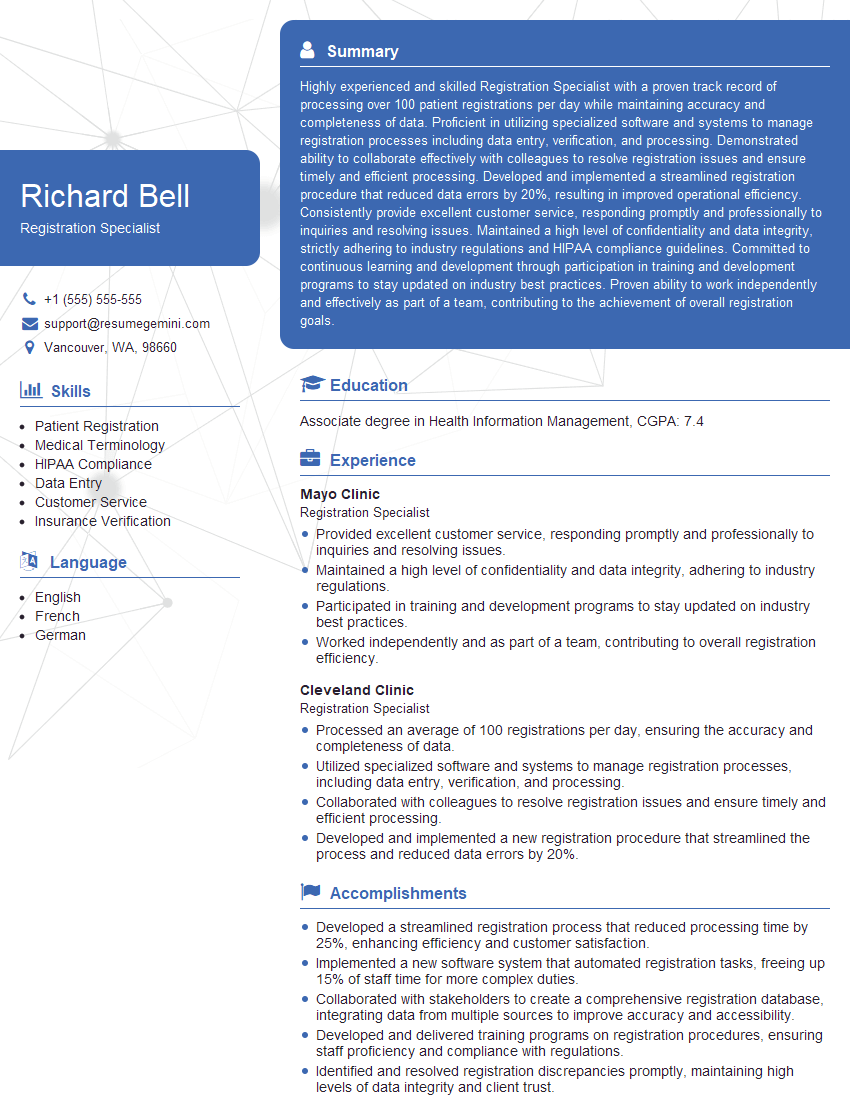
Registration Specialist Resume Sample
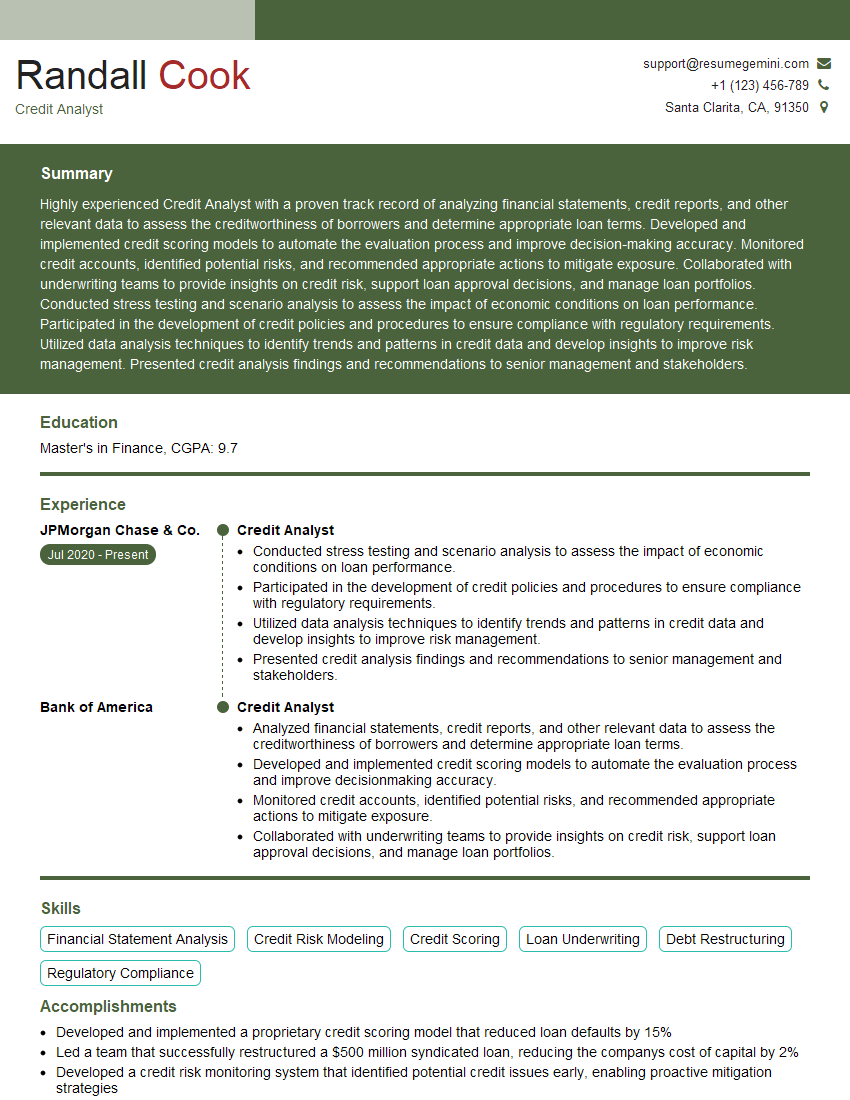
Credit Analyst Resume Sample
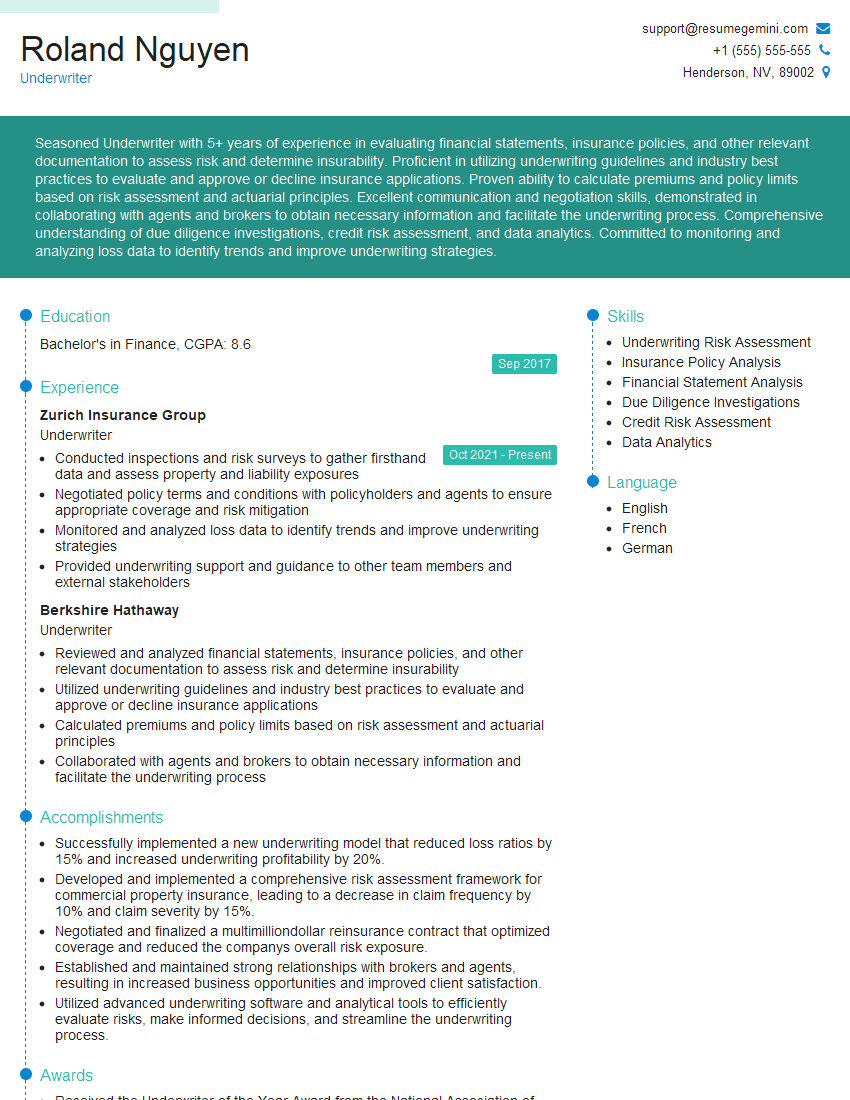
Underwriter Resume Sample
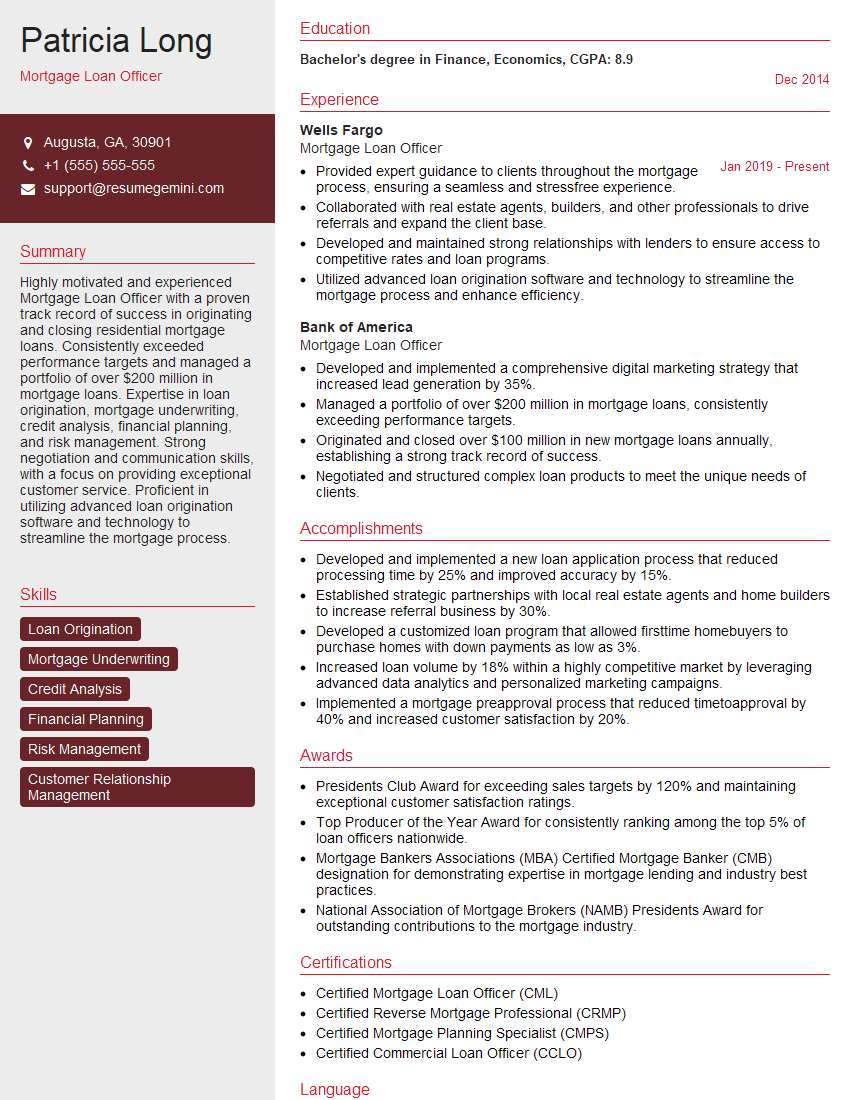
Mortgage Loan Officer Resume Sample
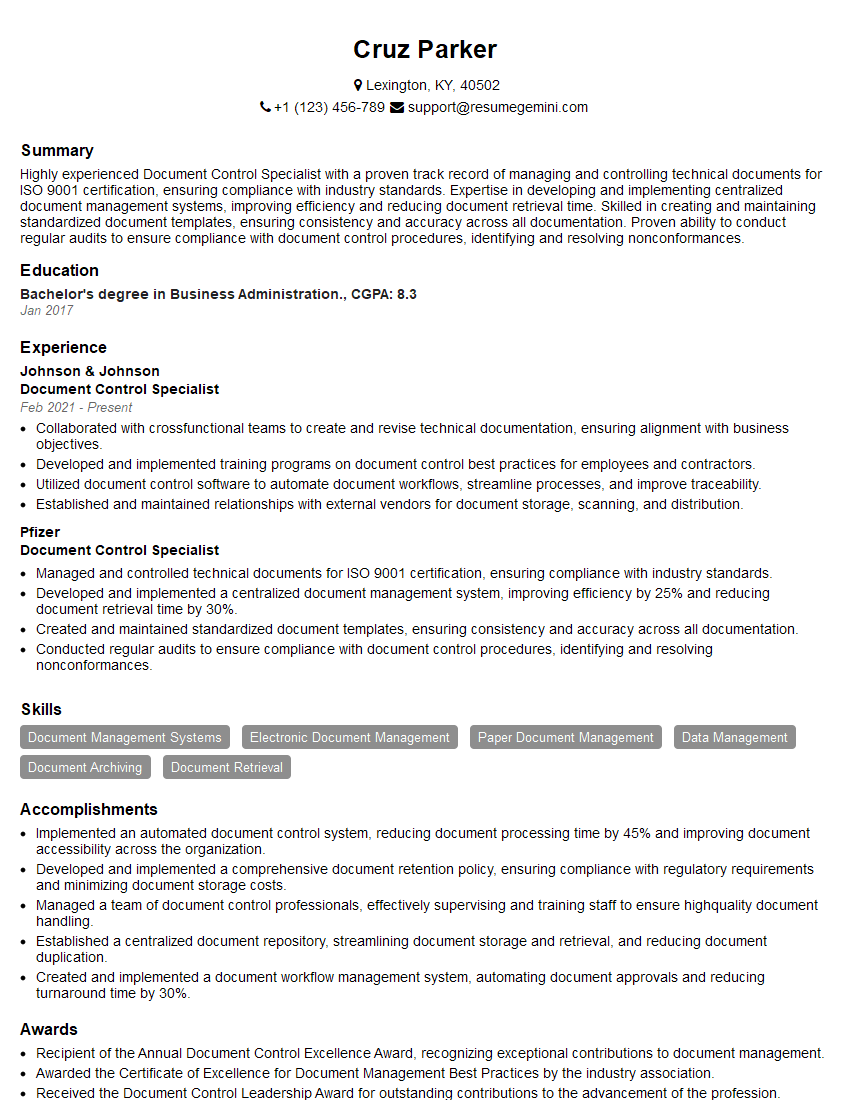
Document Control Specialist Resume Sample
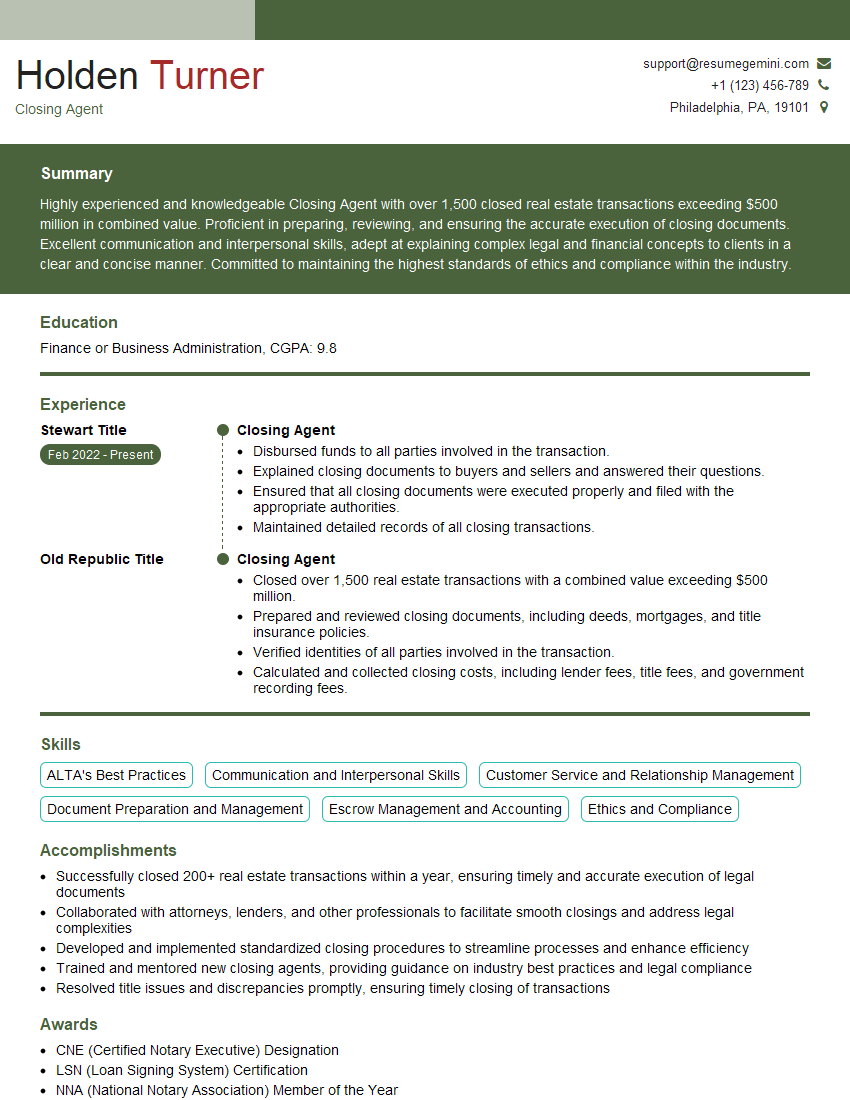
Closing Agent Resume Sample
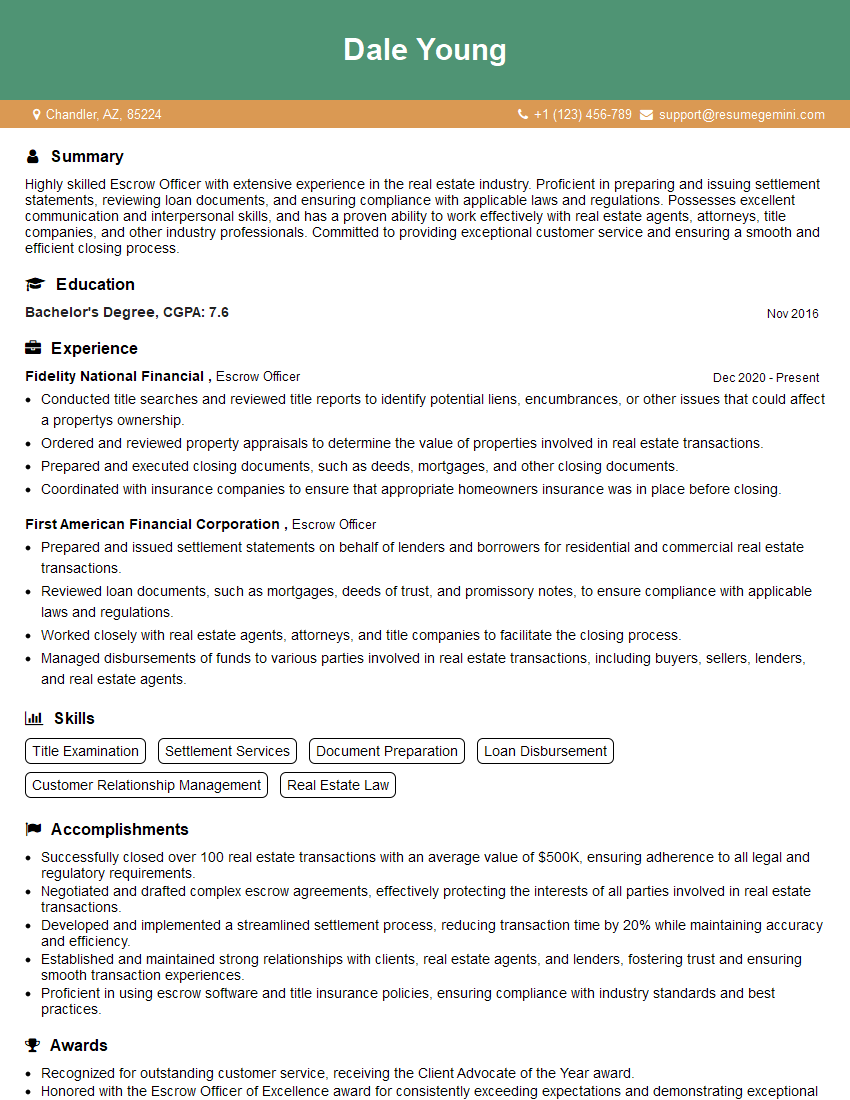
Escrow Officer Resume Sample
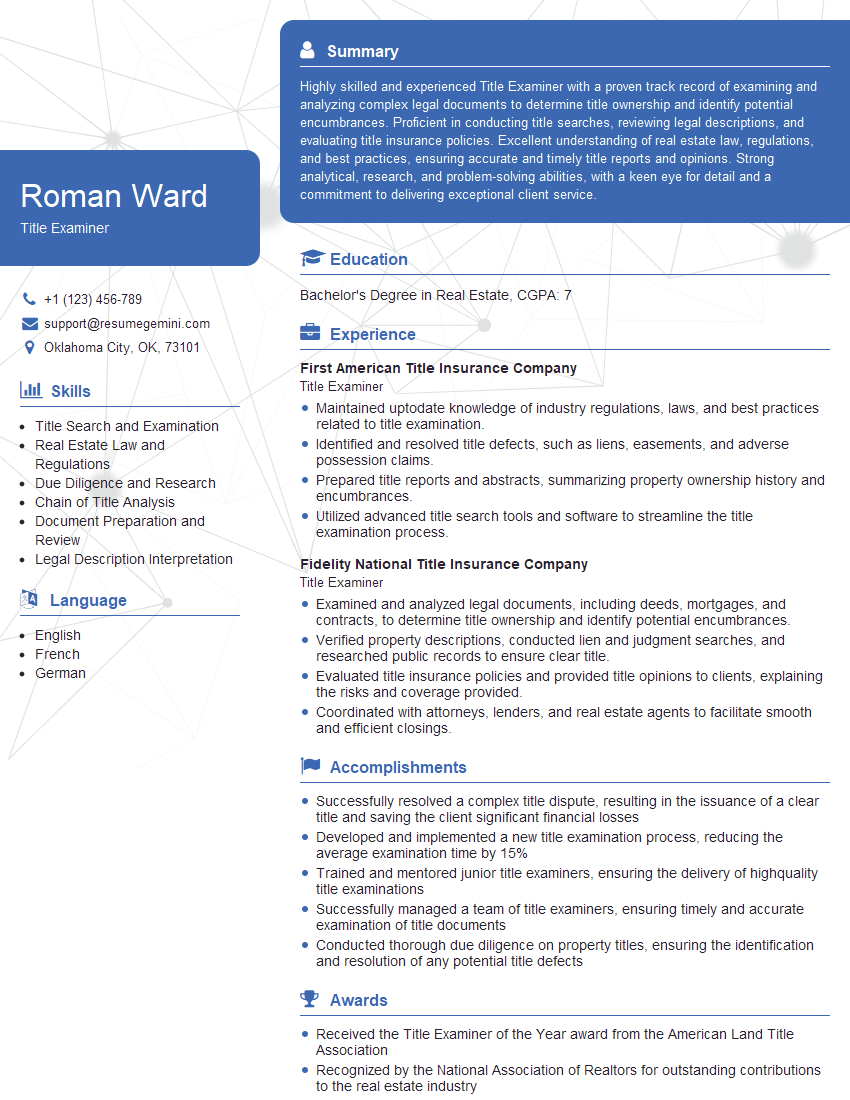
Title Examiner Resume Sample
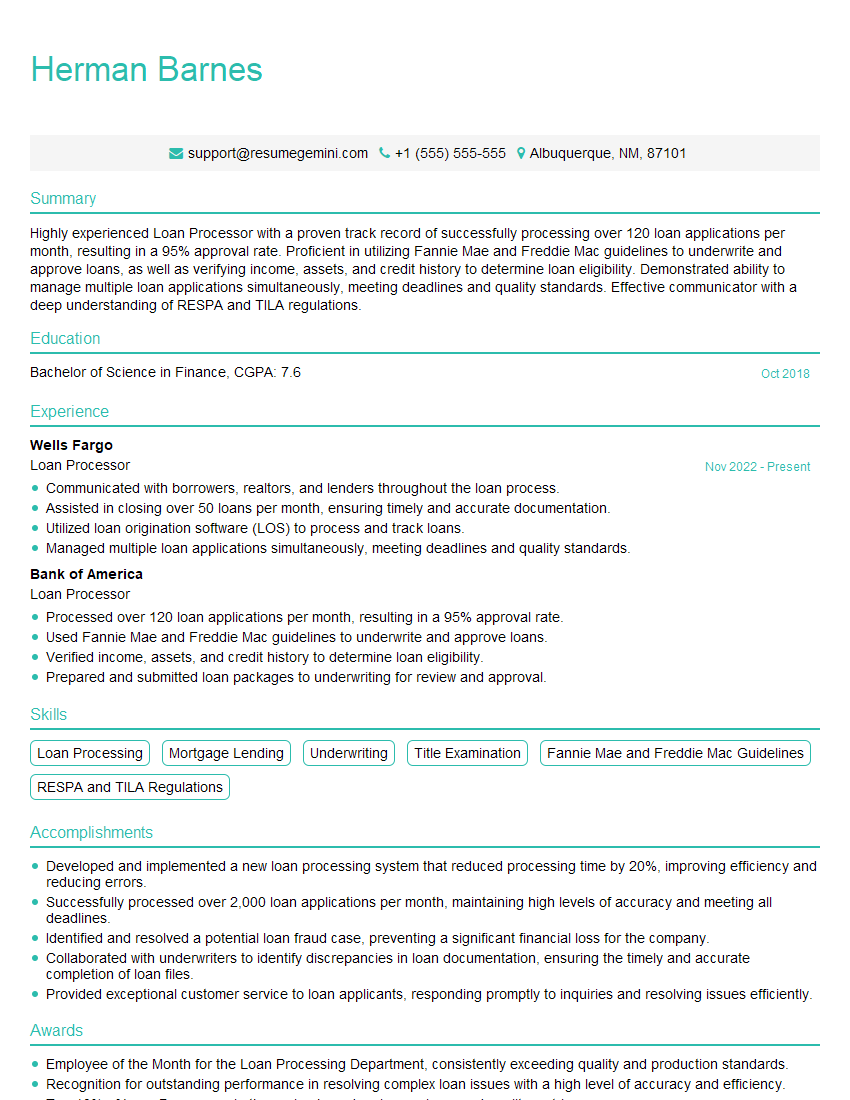
Loan Processor Resume Sample
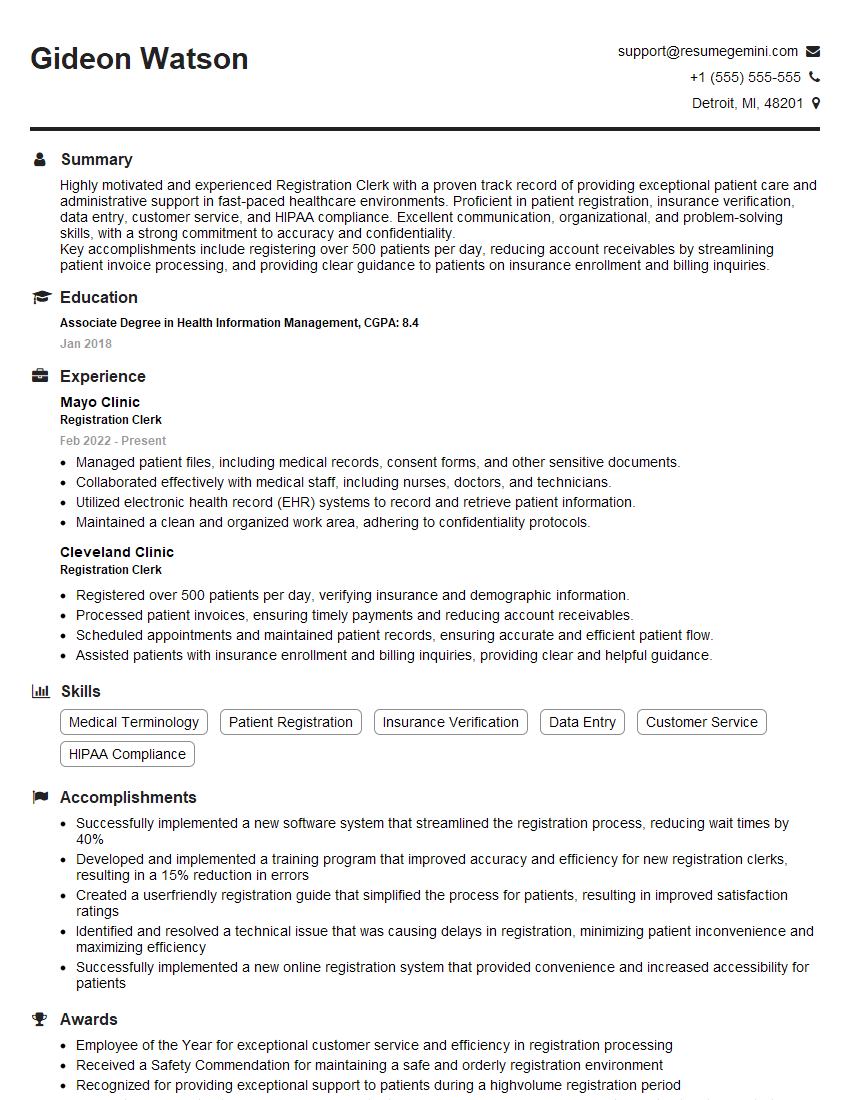
Registration Clerk Resume Sample
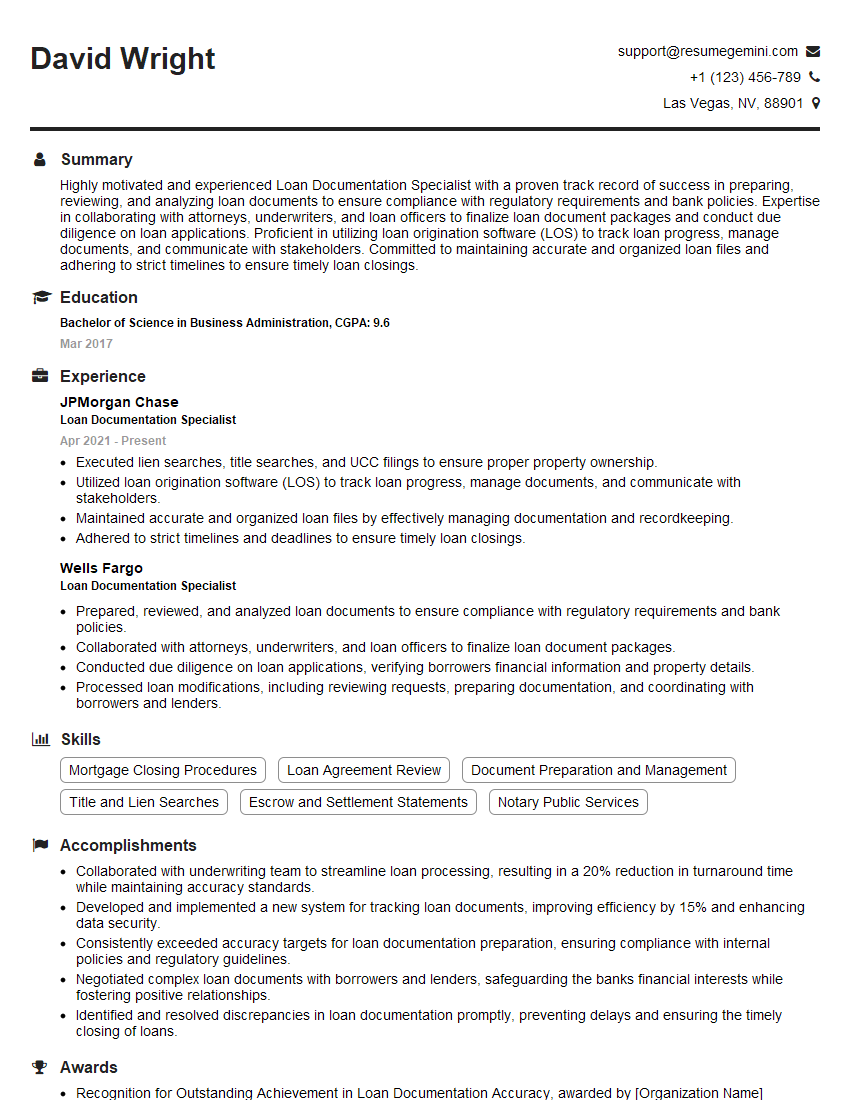
Loan Documentation Specialist Resume Sample
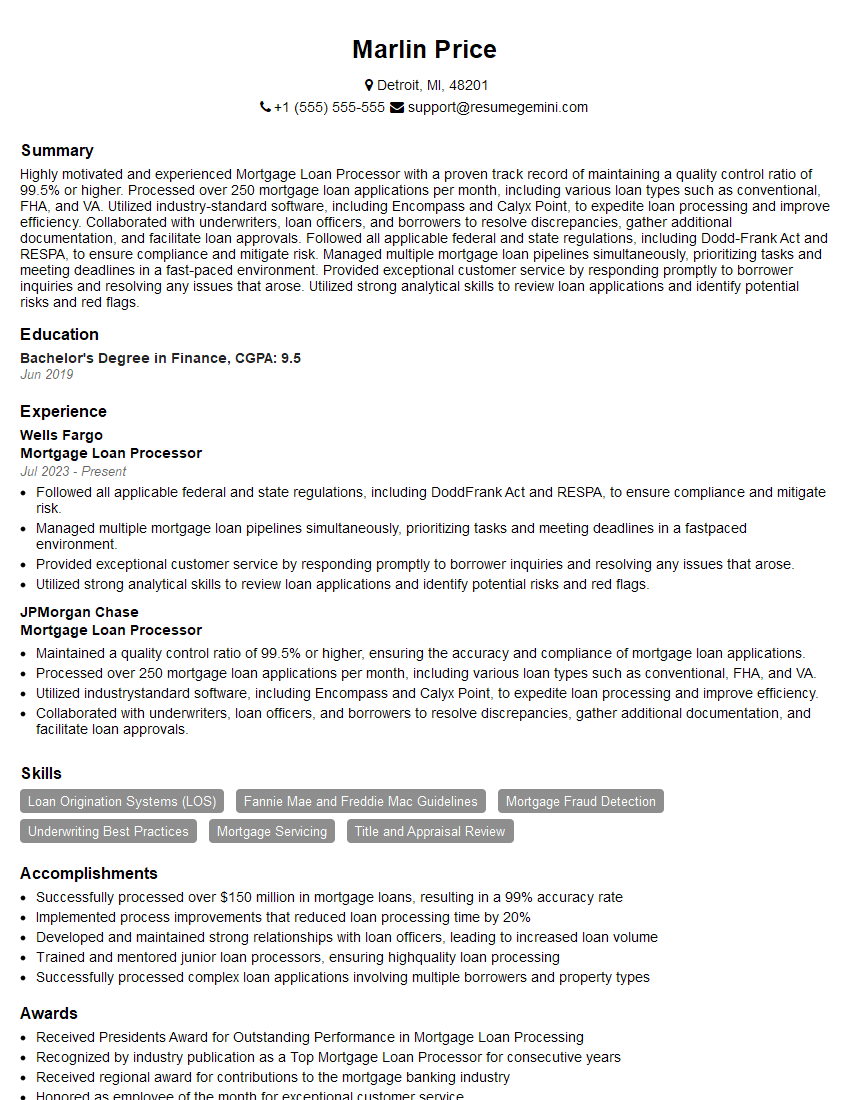
Mortgage Loan Processor Resume Sample
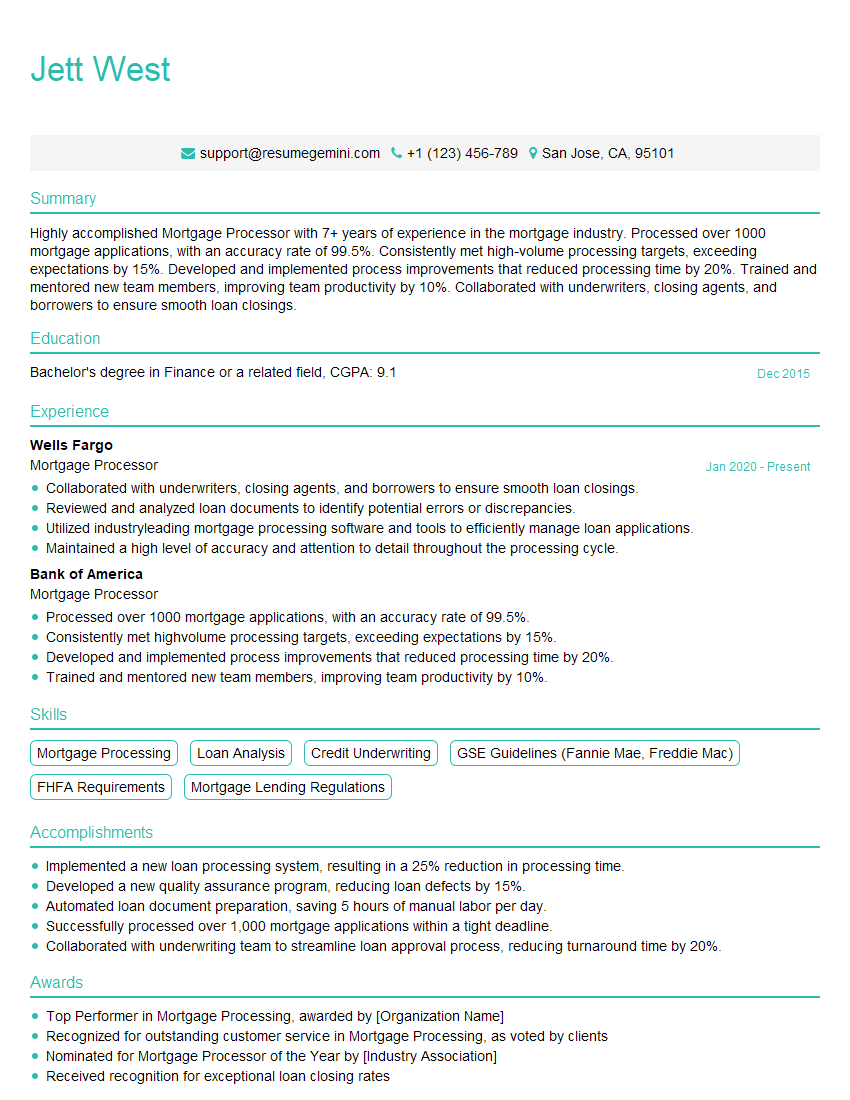
Mortgage Processor Resume Sample
Explore more articles
Users Rating of Our Blogs
Share Your Experience
We value your feedback! Please rate our content and share your thoughts (optional).
What Readers Say About Our Blog
To the interviewgemini.com Webmaster.
Very helpful and content specific questions to help prepare me for my interview!
Thank you
To the interviewgemini.com Webmaster.
This was kind of a unique content I found around the specialized skills. Very helpful questions and good detailed answers.
Very Helpful blog, thank you Interviewgemini team.