Preparation is the key to success in any interview. In this post, we’ll explore crucial Relapse Prevention Planning interview questions and equip you with strategies to craft impactful answers. Whether you’re a beginner or a pro, these tips will elevate your preparation.
Questions Asked in Relapse Prevention Planning Interview
Q 1. Describe the stages of change model in the context of relapse prevention.
The Stages of Change model, also known as the Transtheoretical model, is a crucial framework in relapse prevention. It posits that individuals move through distinct stages when modifying behavior, not linearly but often cyclically. Understanding these stages helps tailor interventions effectively.
- Precontemplation: The individual is unaware of or unwilling to change their behavior. They may deny there’s a problem or lack motivation.
- Contemplation: The individual acknowledges a problem and considers changing their behavior but hasn’t yet committed to action. They weigh the pros and cons.
- Preparation: The individual is ready to make a change and begins taking small steps, like gathering information or making plans.
- Action: The individual actively modifies their behavior and makes significant changes. This requires considerable effort and commitment.
- Maintenance: The individual works to maintain their progress and prevent relapse. This stage requires ongoing effort and vigilance.
- Relapse: A return to the previous behavior. This is not considered a failure but rather a learning opportunity, often prompting a return to an earlier stage.
Example: Imagine someone struggling with alcohol abuse. In precontemplation, they might deny having a problem. In contemplation, they might acknowledge drinking too much but aren’t ready to quit. In preparation, they might seek information about treatment options. In action, they might attend support groups and avoid alcohol. Maintenance involves staying sober long-term, and relapse could mean returning to drinking, potentially prompting them to revisit earlier stages to re-engage in the process.
Q 2. Explain the importance of identifying high-risk situations for relapse.
Identifying high-risk situations is paramount in relapse prevention because it allows for proactive coping strategies. Understanding what triggers a person’s unhealthy behavior helps them prepare to navigate those situations effectively. Relapse isn’t random; it’s often predictable.
Importance: By pinpointing high-risk situations, we can equip individuals with the tools and techniques to manage cravings and avoid risky behaviors. This involves understanding individual triggers, emotional states, environmental factors, and interpersonal relationships that might precipitate relapse.
Example: A person recovering from gambling addiction might find that being around friends who gamble, experiencing financial stress, or feeling lonely significantly increase their risk of relapse. Identifying these situations allows for creating personalized strategies, such as avoiding those friends, establishing better financial management, and fostering supportive social connections.
Q 3. What are some common cognitive distortions that contribute to relapse?
Cognitive distortions, or flawed thinking patterns, play a major role in relapse. They create a distorted perception of reality, leading to impulsive behavior and undermining progress.
- All-or-nothing thinking: Viewing events in black-and-white terms (e.g., “If I slip up once, I’ve failed completely.”)
- Overgeneralization: Drawing broad conclusions based on a single event (e.g., “I had one drink; I’m going to be an alcoholic again.”)
- Mental filter: Focusing only on negative aspects and ignoring positive ones (e.g., ignoring progress made and only focusing on setbacks).
- Discounting the positive: Dismissing achievements as luck or coincidence (e.g., “I was just lucky that I didn’t relapse last week.”)
- Jumping to conclusions: Making assumptions without evidence (e.g., “They’re talking about me; they must think I’m weak.”)
- Emotional reasoning: Mistaking feelings for facts (e.g., “I feel like a failure, therefore I am a failure.”)
Example: Someone recovering from substance abuse might experience a craving and think, “I’ll just have one drink, it won’t hurt.” (all-or-nothing thinking). This cognitive distortion can lead to a full relapse.
Q 4. How do you develop a personalized relapse prevention plan?
Developing a personalized relapse prevention plan is a collaborative process involving the individual and therapist. It’s crucial to create a plan that is specific, measurable, achievable, relevant, and time-bound (SMART).
- Identify triggers and high-risk situations: Thoroughly explore past relapses and identify situations, thoughts, feelings, and people that increase the risk of relapse.
- Develop coping strategies: Create a repertoire of effective coping mechanisms to manage cravings, stress, and other high-risk situations. This might include relaxation techniques, problem-solving skills, and healthy distraction methods.
- Establish a strong support system: Identify and connect with supportive individuals such as family, friends, or support groups. Consider professional support as well.
- Develop early warning signs: Recognize the subtle signs or symptoms indicating increased risk of relapse (e.g., mood changes, increased stress, isolation).
- Create a crisis plan: Develop a step-by-step plan to follow if a relapse occurs, involving reaching out to support people or professionals immediately.
- Regular review and adjustments: The plan needs to be reviewed and adjusted periodically based on progress and emerging needs.
Example: A plan might include: “If I feel overwhelmed, I will call my sponsor, engage in mindfulness meditation, and go for a walk.” The plan should be reviewed weekly to assess effectiveness and adapt as needed.
Q 5. What coping mechanisms are effective in preventing relapse?
Effective coping mechanisms are essential for preventing relapse. These strategies help manage cravings, stress, and negative emotions without resorting to unhealthy behaviors.
- Relaxation techniques: Deep breathing, progressive muscle relaxation, meditation, and yoga can reduce stress and anxiety.
- Problem-solving skills: Learning to effectively address challenges and conflicts can reduce stress and prevent impulsive reactions.
- Assertiveness training: Developing the ability to express needs and set boundaries can improve relationships and reduce conflict.
- Healthy lifestyle choices: Regular exercise, a balanced diet, and sufficient sleep can enhance emotional well-being.
- Social support: Building strong relationships and utilizing support networks provides emotional support and accountability.
- Mindfulness and self-compassion: Practicing mindfulness can enhance self-awareness and help manage cravings and urges. Self-compassion can help individuals treat themselves with kindness during setbacks.
Example: Instead of turning to drugs to cope with stress, an individual might use deep breathing exercises and reach out to a friend for support.
Q 6. How do you address ambivalence to change in clients?
Ambivalence to change is common, particularly in the early stages of recovery. Individuals may simultaneously want to change and resist change. It’s crucial to address this ambivalence compassionately and collaboratively.
Strategies to address ambivalence:
- Empathetic listening: Understand the client’s perspective and validate their feelings.
- Exploring discrepancies: Highlight the discrepancies between the client’s values and their current behavior.
- Developing autonomy: Empower the client to make their own decisions.
- Scaling questions: Use scaling questions to assess the client’s readiness for change (e.g., “On a scale of 1 to 10, how ready are you to change?”).
- Collaboration, not confrontation: Work with the client rather than imposing change upon them.
Example: A client might say, “I know I should quit smoking, but I enjoy it too much.” The therapist might respond, “I hear you; it sounds like you’re facing a difficult decision. Let’s explore what makes quitting so challenging and what benefits quitting could bring for you.” This acknowledges the ambivalence while guiding the client towards a decision.
Q 7. What are the key components of a motivational interviewing approach?
Motivational Interviewing (MI) is a person-centered, directive counseling approach focused on eliciting and strengthening motivation for change. It avoids direct confrontation and empowers clients to make their own choices.
Key Components:
- Partnership: Collaboration between the therapist and client, viewed as equals.
- Acceptance: Empathy, unconditional positive regard, and respect for client autonomy.
- Compassion: Expressing genuine care and concern for the client’s well-being.
- Evocation: Drawing out the client’s own reasons for change rather than imposing external advice.
Techniques: MI utilizes specific techniques such as open-ended questions, affirmations, reflections, and summaries to guide the conversation and support the client’s self-discovery and commitment to change.
Example: Instead of telling a client, “You need to quit smoking,” an MI practitioner might ask, “What are some reasons you might want to quit smoking, and what are some of the things that make quitting difficult for you?” This approach respects client autonomy and helps them identify their own motivation for change.
Q 8. How do you incorporate family involvement in relapse prevention?
Family involvement is crucial in relapse prevention. It creates a supportive network and enhances accountability. We begin by educating the family about the addiction, its impact, and the relapse prevention plan. This includes understanding the client’s triggers, coping mechanisms, and warning signs. We then work on improving communication within the family, encouraging open dialogue and fostering empathy. Family therapy sessions can help address underlying family dynamics that might contribute to the individual’s addiction or relapse. For example, if family conflict is a trigger, we’d teach healthier communication strategies. We also empower family members to provide support without enabling unhealthy behaviors, such as rescuing the individual from consequences. This might involve learning to set healthy boundaries and provide constructive feedback.
Imagine a situation where a client’s family is constantly bailing them out financially after relapses. We would work with the family to understand why they do this, and help them shift towards a more supportive role that promotes accountability and healthy choices. The aim is to create a supportive, but not enabling, environment that promotes long-term recovery.
Q 9. What are some effective strategies for managing cravings?
Managing cravings is a cornerstone of relapse prevention. Effective strategies involve a multi-faceted approach. Firstly, we teach coping skills like mindfulness, relaxation techniques (deep breathing, progressive muscle relaxation), and distraction techniques (engaging in hobbies, exercise). Secondly, we address underlying emotional needs. Often, cravings are linked to negative emotions like stress, anxiety, or loneliness. We work on identifying and managing these emotions using techniques like cognitive behavioral therapy (CBT). Thirdly, we develop a personalized relapse prevention plan including identifying high-risk situations and developing strategies to navigate them. This could involve avoiding places or people associated with substance use, and having a support network on speed dial. Lastly, medication can be an important component for certain individuals, particularly in managing withdrawal symptoms or intense cravings.
For instance, if a client reports intense cravings when stressed, we’d work together to identify other ways to manage stress, like exercise or journaling, and practice these techniques in a controlled environment. We might also role-play difficult social situations to prepare the client to navigate high-risk scenarios.
Q 10. Describe different types of relapse prevention therapies.
Several therapies are effective in relapse prevention. Cognitive Behavioral Therapy (CBT) helps identify and change negative thought patterns and behaviors that contribute to relapse. Motivational Interviewing (MI) focuses on enhancing intrinsic motivation for change. Acceptance and Commitment Therapy (ACT) emphasizes accepting difficult emotions and committing to valued actions. Relapse Prevention Therapy (RPT) itself is a structured approach focusing on identifying high-risk situations, developing coping skills, and planning for relapse. Mindfulness-based interventions, such as Mindfulness-Based Stress Reduction (MBSR), help individuals become more aware of their thoughts, feelings, and behaviors, which can prevent impulsive actions during cravings. The choice of therapy depends on the individual’s needs and preferences.
For example, a client struggling with impulsive behavior might benefit from DBT (Dialectical Behavior Therapy) which focuses on emotional regulation and distress tolerance skills. A client with strong self-efficacy might respond well to MI, focusing on their own capacity for change.
Q 11. How would you handle a client experiencing a relapse?
A relapse is not a failure, but an opportunity for learning and adjustment. The first step is to ensure the client’s safety and well-being. We then engage in a non-judgmental discussion about what happened, focusing on understanding the circumstances leading to the relapse without placing blame. We review the relapse prevention plan, identify what worked and what didn’t, and collaboratively adjust the plan based on this new information. This might involve strengthening coping mechanisms, modifying strategies for high-risk situations, or engaging additional support. It’s crucial to reaffirm the client’s commitment to recovery and reinforce their strengths. We encourage self-compassion and avoid shaming or blaming language.
For example, if a client relapsed after a stressful event at work, we’d review their stress management techniques and brainstorm new coping strategies to manage similar situations in the future. We might also adjust their support system to include more frequent check-ins with their therapist or sponsor.
Q 12. What role does medication play in relapse prevention?
Medication plays a supporting role in relapse prevention for some individuals, but it’s not a standalone solution. For substance use disorders, medication can help manage withdrawal symptoms, reduce cravings, or block the effects of the substance. For example, methadone or buprenorphine can assist in opioid addiction treatment, while naltrexone can reduce cravings for alcohol or opioids. For mental health conditions that often co-occur with addiction (such as depression or anxiety), medication can help manage these symptoms, reducing the likelihood of relapse. It’s crucial to remember that medication should always be part of a comprehensive treatment plan that includes therapy and other support systems. The decision to use medication is made collaboratively between the client, their physician, and their therapist.
It’s important to emphasize that medication is not a quick fix and its effectiveness is enhanced through concurrent therapy, that addresses the underlying psychological issues contributing to the addiction.
Q 13. How do you assess client readiness for change?
Assessing client readiness for change is vital. We use various tools and techniques, including motivational interviewing, to understand the client’s stage of change. The Stages of Change model (precontemplation, contemplation, preparation, action, maintenance, relapse) provides a framework. We explore their ambivalence, examining their reasons for and against changing their behavior. We assess their self-efficacy – their belief in their ability to succeed. We also evaluate their level of support, their coping skills, and their understanding of the consequences of their behavior. The client’s own perspective is paramount, and open, empathetic communication is key. We don’t push for change if they aren’t ready, but instead work to help them move toward that readiness.
For instance, if a client is in the precontemplation stage, denying they have a problem, we focus on building rapport and exploring their concerns. We might use motivational techniques to increase their awareness of the potential benefits of change.
Q 14. What are some examples of relapse triggers and how to address them?
Relapse triggers are diverse and individual-specific. Examples include negative emotions (stress, anxiety, depression), interpersonal conflicts, social situations (parties, bars), physical cues (seeing certain people, places, or objects), and physiological factors (withdrawal symptoms). Addressing these involves identifying individual triggers through careful assessment and self-monitoring. We then develop personalized coping strategies. This might involve learning relaxation techniques for stress management, practicing assertive communication skills for conflict resolution, avoiding high-risk situations, and using reminders or support systems to reinforce healthy choices. Contingency planning is crucial – developing alternative behaviors for dealing with cravings or high-risk situations. The goal is to equip the client with the tools and skills to navigate these triggers successfully.
For example, if a client identifies that alcohol consumption is triggered by boredom, we might suggest alternative activities like taking up a new hobby, joining a club, or scheduling regular social events. If loneliness is a trigger, we focus on building a social support network.
Q 15. How do you measure the success of a relapse prevention plan?
Measuring the success of a relapse prevention plan isn’t solely about the absence of relapse; it’s a multifaceted process. We use a combination of quantitative and qualitative measures. Quantitative measures might include tracking the frequency and severity of cravings, the number of days abstinent, or the adherence to the planned coping strategies. For instance, we might use a daily diary where clients record their cravings and coping mechanisms. This provides concrete data to monitor progress. Qualitative measures, on the other hand, involve assessing the client’s subjective experience. This could involve regular sessions to discuss their progress, challenges, and overall well-being. For example, we might ask about their confidence in managing triggers, their emotional state, and their overall sense of self-efficacy. A successful plan demonstrates consistent improvement in both quantitative and qualitative measures, suggesting a strengthened ability to manage high-risk situations and maintain recovery.
Imagine a client struggling with alcohol addiction. A successful plan wouldn’t just mean they haven’t had a drink in a month; it would also mean they’ve developed effective coping strategies for stress, learned to identify and avoid high-risk situations, and report feeling more confident and empowered in their recovery journey. The combination of these objective and subjective data points offers a comprehensive picture of the plan’s effectiveness.
Career Expert Tips:
- Ace those interviews! Prepare effectively by reviewing the Top 50 Most Common Interview Questions on ResumeGemini.
- Navigate your job search with confidence! Explore a wide range of Career Tips on ResumeGemini. Learn about common challenges and recommendations to overcome them.
- Craft the perfect resume! Master the Art of Resume Writing with ResumeGemini’s guide. Showcase your unique qualifications and achievements effectively.
- Don’t miss out on holiday savings! Build your dream resume with ResumeGemini’s ATS optimized templates.
Q 16. Discuss the ethical considerations in relapse prevention planning.
Ethical considerations in relapse prevention planning are paramount. First and foremost is the principle of informed consent. Clients must fully understand the plan, its goals, and potential risks before participating. This includes explaining the limits of the plan’s effectiveness and the possibility of relapse. We must also prioritize client autonomy, respecting their choices and preferences even if they differ from our recommendations. Confidentiality is crucial; all information shared during therapy remains protected unless legally mandated otherwise. This builds trust and ensures the client feels safe to openly discuss their struggles. Furthermore, we must be mindful of power dynamics and strive for a collaborative relationship, avoiding judgmental attitudes and focusing on empowerment rather than control. Finally, we must always prioritize the client’s well-being above all else, ensuring the plan aligns with their values and long-term goals.
For example, if a client expresses a desire to reduce their substance use rather than achieve complete abstinence, a plan that respects their autonomy would support this goal, rather than imposing abstinence as the only viable option. Ethical practice ensures the client’s recovery journey is guided by respect, empowerment, and their individual needs.
Q 17. What is the difference between abstinence and harm reduction strategies?
Abstinence and harm reduction are two distinct approaches to substance use. Abstinence aims for complete cessation of substance use, often considered the primary goal in many treatment programs. Success is measured by complete abstinence from the substance. Harm reduction, on the other hand, focuses on minimizing the negative consequences of substance use, even if complete abstinence isn’t achieved immediately. It accepts that some individuals may struggle to abstain completely and offers strategies to reduce the risks associated with substance use, such as safer injection practices or controlled drinking strategies (where appropriate). The choice between these approaches depends on the individual’s goals, readiness for change, and the specific substance involved.
For instance, for someone with a long history of opioid use, harm reduction might prioritize access to naloxone (to reverse opioid overdose) and supervised injection sites, while simultaneously supporting their journey towards abstinence. Conversely, for someone with less severe substance use and high motivation for complete abstinence, an abstinence-focused approach would be more suitable.
Q 18. How do you address relapse triggers in different settings (home, work, social)?
Addressing relapse triggers varies greatly depending on the setting. In the home environment, this might involve identifying and removing environmental cues associated with substance use (e.g., removing alcohol from the house). It also includes building a supportive home environment through family therapy or creating relaxing routines. At work, strategies could include developing coping mechanisms for workplace stress, communicating boundaries with colleagues, and identifying supportive work colleagues. In social settings, relapse prevention might involve practicing refusal skills, identifying and avoiding high-risk social situations, and cultivating alternative social activities. A key component across all settings is teaching the client to recognize their personal triggers, anticipate their impact, and employ effective coping strategies.
For example, if a client’s trigger is stress, we might teach them relaxation techniques like deep breathing or mindfulness to manage stress at home, work, or with friends. If social pressure is a trigger, role-playing different scenarios to practice refusal skills might be beneficial.
Q 19. Explain your experience with different relapse prevention models (e.g., CBT, motivational interviewing).
My experience encompasses a range of relapse prevention models. Cognitive Behavioral Therapy (CBT) is a cornerstone of my practice. I use CBT to help clients identify and modify negative thought patterns and behaviors that contribute to relapse. This involves identifying cognitive distortions, developing more adaptive coping mechanisms, and practicing behavioral experiments to test out new ways of responding to triggers. Motivational Interviewing (MI) is another key approach. MI helps clients explore their ambivalence about change, strengthen their intrinsic motivation for recovery, and develop a personalized plan that aligns with their goals. I often integrate these models, using CBT to address specific cognitive and behavioral issues while leveraging MI to enhance motivation and self-efficacy. In my experience, combining these techniques yields the most comprehensive and effective relapse prevention strategies.
For example, a client might use CBT techniques to challenge negative thoughts about their ability to stay sober, while MI would help them clarify their personal reasons for wanting to remain abstinent, enhancing their commitment to the recovery process.
Q 20. What are the limitations of relapse prevention planning?
Relapse prevention planning, while highly effective, does have limitations. Firstly, it doesn’t guarantee the absence of relapse; it aims to improve the probability of successful recovery. Relapse is often a part of the recovery process, and it’s crucial to view it as an opportunity for learning and adjustment rather than a complete failure. Secondly, the effectiveness of the plan relies heavily on the client’s commitment and active participation. External factors, such as significant life stressors or lack of social support, can also impact its success. Finally, some individuals might struggle to identify or understand their triggers, or they may lack the coping skills to effectively manage them. This underscores the importance of ongoing support, flexibility, and adapting the plan to the individual’s changing needs.
For instance, an unexpected job loss might trigger a relapse despite a well-developed plan. This highlights the dynamic nature of recovery and the need for ongoing support and adaptation.
Q 21. How do you tailor relapse prevention strategies to specific populations (e.g., adolescents, adults)?
Tailoring relapse prevention strategies to different populations is essential. Adolescents, for example, require strategies that account for their developmental stage, including their increased vulnerability to peer pressure, impulsivity, and emotional lability. Involving parents or guardians and focusing on building social support networks are important components of their plans. With adults, the approach might be more focused on addressing specific life stressors, career challenges, or relationship problems that contribute to substance use. The focus might also be on enhancing self-awareness and developing coping mechanisms for dealing with these challenges effectively. Older adults might require adaptations to account for age-related health conditions and social changes. In all cases, collaboration and personalized approaches are paramount to ensure that plans are relevant, achievable, and sustainable.
For example, a relapse prevention plan for an adolescent might incorporate school-based support, peer support groups, and educational sessions on impulse control, while an adult’s plan could focus on stress management techniques, job skills training, and building strong social connections. It’s all about context and meeting the unique needs of the individual.
Q 22. Discuss the importance of ongoing support and maintenance after treatment.
Ongoing support and maintenance are crucial after treatment because recovery is a journey, not a destination. Think of it like learning to ride a bike – you don’t just learn once and never fall again. You need practice and support to build confidence and skill. Similarly, relapse prevention requires continuous effort and reinforcement of coping mechanisms.
- Continued Therapy: Regular therapy sessions help clients process triggers, practice new skills, and address emerging challenges. For example, a client might find themselves struggling with social situations post-treatment; continued therapy allows for safe exploration and development of effective coping strategies.
- Support Groups: Connecting with others facing similar challenges provides a sense of community, reduces feelings of isolation, and offers practical advice and encouragement. Sharing experiences and hearing from others who understand helps normalize struggles and promotes hope.
- Medication Management (if applicable): Maintaining prescribed medications as directed is essential for managing underlying conditions that could increase relapse risk. Regular check-ins with a psychiatrist or physician are vital for medication adjustment and monitoring.
- Lifestyle Changes: Maintaining healthy lifestyle choices, including diet, exercise, sleep, and stress management, are crucial for overall well-being and relapse prevention. This includes creating sustainable routines and building resilience.
Without ongoing support, individuals are more susceptible to setbacks. The initial gains made during treatment can easily be lost without the continued reinforcement and guidance provided through these maintenance strategies.
Q 23. How do you ensure client confidentiality and ethical practices?
Client confidentiality and ethical practices are paramount in my work. I adhere strictly to the principles outlined in the relevant professional codes of ethics (e.g., HIPAA in the US). This means:
- Confidentiality Agreements: I clearly explain confidentiality limits at the outset of therapy, detailing situations where mandated reporting is required (e.g., child abuse, imminent harm to self or others).
- Secure Record Keeping: Client records are stored securely, both physically and electronically, adhering to all relevant data protection regulations. Access is restricted to authorized personnel only.
- Informed Consent: Clients are fully informed about all aspects of treatment, including potential risks and benefits, before providing their consent. They are empowered to ask questions and make autonomous decisions.
- Maintaining Professional Boundaries: I maintain strict professional boundaries to ensure a safe and therapeutic relationship. This includes avoiding dual relationships and conflicts of interest.
- Supervision and Consultation: I regularly engage in supervision and consultation with experienced colleagues to discuss ethical dilemmas and ensure best practice. This provides a valuable mechanism for ongoing professional development and ethical reflection.
Ethical practice is not just about following rules; it’s about building trust and creating a safe space where clients feel comfortable sharing their vulnerabilities. It’s about prioritizing their well-being and upholding the integrity of the therapeutic relationship.
Q 24. Describe your experience using technology in relapse prevention (e.g., apps, telehealth).
Technology has significantly enhanced relapse prevention strategies. I’ve integrated various tools into my practice, including:
- Relapse Prevention Apps: These apps often include features like mood trackers, journaling prompts, coping skills exercises, and access to support networks. They provide a convenient and accessible way for clients to monitor their progress and practice skills between sessions. For example, I often recommend apps that provide guided meditations or cognitive behavioral therapy (CBT) exercises.
- Telehealth Platforms: Telehealth has expanded access to care, particularly for clients in remote areas or with mobility challenges. Video conferencing allows for convenient and regular therapy sessions, reducing barriers to continued support.
- Wearable Technology: Data from wearable fitness trackers (e.g., step count, sleep patterns) can be integrated into the treatment plan. This objective data can be valuable in identifying patterns linked to relapse risk and for collaborative goal setting.
However, it’s crucial to be mindful of data privacy and security when using technology. I always ensure that the platforms used meet appropriate security standards and prioritize client confidentiality.
Q 25. How would you adapt a relapse prevention plan for a client with comorbid disorders?
Adapting a relapse prevention plan for a client with comorbid disorders requires a holistic approach. For example, a client struggling with substance abuse and depression needs a plan that addresses both issues concurrently.
- Integrated Treatment: The plan should integrate treatments for each disorder. This might involve collaborating with other professionals (e.g., psychiatrist, psychologist) to coordinate care and ensure a comprehensive approach.
- Addressing Underlying Issues: The plan must identify and address the underlying issues contributing to both disorders. For instance, if trauma is a contributing factor to both substance abuse and depression, trauma-informed therapy might be crucial.
- Tailored Coping Mechanisms: Coping mechanisms need to be tailored to the specific challenges presented by both disorders. For instance, a client might need different strategies for managing cravings compared to managing depressive symptoms.
- Medication Management: Careful coordination of medications prescribed for both disorders is vital, considering potential interactions and side effects.
- Collaboration and Communication: Effective communication and collaboration among the treatment team, including the client, are essential to ensure a coordinated and effective approach.
A flexible and adaptable plan that accounts for the interplay of the comorbid disorders is essential for successful relapse prevention.
Q 26. Explain your experience working with diverse populations and their unique needs.
I have extensive experience working with diverse populations, recognizing that cultural background, socioeconomic status, gender identity, and other factors significantly influence individuals’ experiences with addiction and recovery.
- Cultural Sensitivity: I incorporate cultural sensitivity into all aspects of treatment. This involves understanding and respecting clients’ cultural beliefs, values, and practices, tailoring interventions to fit within their cultural context.
- Trauma-Informed Care: Many individuals from marginalized communities have experienced trauma, which can significantly impact their mental health and recovery journey. Trauma-informed care emphasizes safety, trustworthiness, choice, collaboration, and empowerment.
- Addressing Systemic Barriers: I’m aware of the systemic barriers that can hinder access to care and recovery for certain populations, such as poverty, lack of transportation, or discrimination. I actively work to overcome these barriers, connecting clients with relevant resources and advocating for their needs.
- Linguistic Accessibility: I ensure that services are linguistically accessible, providing interpretation or translation services when necessary to facilitate effective communication and care.
Working with diverse populations requires continuous learning and a commitment to providing equitable and culturally competent care. It’s about meeting individuals where they are and building a trusting relationship based on mutual respect and understanding.
Q 27. How do you document progress and outcomes in relapse prevention?
Documentation is critical for monitoring progress and measuring outcomes in relapse prevention. My documentation process includes:
- Regular Session Notes: Detailed session notes document client progress, challenges, and interventions used. These notes follow a structured format, including client’s self-reported mood, behaviors, triggers, and coping mechanisms used.
- Progress Tracking Tools: I utilize standardized assessment tools (e.g., relapse risk assessment scales) to objectively track changes over time. This data provides evidence-based insights into treatment effectiveness.
- Goal Setting and Measurement: Treatment goals are clearly defined and measurable. Progress towards these goals is regularly evaluated and documented, allowing for timely adjustments to the treatment plan.
- Outcome Measures: I employ validated outcome measures to assess the overall effectiveness of the relapse prevention plan. This helps to demonstrate treatment efficacy and inform future practice.
- Client Feedback: Client feedback is actively solicited and incorporated into the documentation process. This ensures that the treatment plan remains aligned with client needs and preferences.
Comprehensive documentation not only ensures continuity of care but also provides crucial data for research and program evaluation, helping refine relapse prevention strategies and improve outcomes.
Q 28. What are your continuing education plans to stay current in the field of relapse prevention?
Staying current in the field of relapse prevention is a continuous process. My continuing education plans include:
- Professional Development Workshops and Conferences: Regular attendance at workshops and conferences provides opportunities to learn about the latest research, treatment approaches, and best practices.
- Continuing Education Courses: I regularly participate in continuing education courses to maintain and expand my knowledge and skills in areas such as trauma-informed care, motivational interviewing, and the treatment of comorbid disorders.
- Journal Articles and Research: I actively read peer-reviewed journal articles and research studies to stay informed about the latest advancements in the field.
- Supervision and Consultation: Regular supervision and consultation with experienced colleagues helps to refine my practice and stay up-to-date on best practices.
- Professional Organizations: Membership in professional organizations provides access to resources, networking opportunities, and ongoing learning.
Continuous learning is crucial for providing effective and evidence-based relapse prevention services. I am committed to ongoing professional development to ensure that I am delivering the best possible care to my clients.
Key Topics to Learn for Relapse Prevention Planning Interview
- The Relapse Prevention Model: Understand the core principles and stages of the model, including high-risk situations, coping skills, and early warning signs.
- Cognitive Behavioral Therapy (CBT) Techniques: Explore how CBT strategies, such as cognitive restructuring and behavioral experiments, are applied in relapse prevention.
- Motivational Interviewing: Learn how to effectively engage clients in the process, fostering self-efficacy and commitment to change.
- Developing Personalized Relapse Prevention Plans: Master the process of collaboratively creating tailored plans that address individual needs and challenges.
- High-Risk Situations and Coping Strategies: Identify common triggers and develop proactive coping mechanisms to navigate challenging situations.
- Social Support Networks: Discuss the importance of integrating social support into relapse prevention strategies.
- Measuring and Monitoring Progress: Understand the role of assessment and monitoring in evaluating the effectiveness of relapse prevention efforts.
- Ethical Considerations: Familiarize yourself with the ethical implications and boundaries related to relapse prevention.
- Working with Diverse Populations: Understand the unique considerations and adaptations needed for working with diverse populations.
- Documentation and Reporting: Learn about best practices for maintaining accurate and comprehensive client records.
Next Steps
Mastering Relapse Prevention Planning significantly enhances your career prospects in the behavioral health field, opening doors to diverse and rewarding opportunities. A strong resume is crucial for showcasing your expertise and securing interviews. To increase your chances of getting noticed by Applicant Tracking Systems (ATS), focus on creating an ATS-friendly resume that highlights your skills and experience effectively. ResumeGemini is a trusted resource that can help you build a professional and impactful resume, optimized for ATS. Examples of resumes tailored to Relapse Prevention Planning are available through ResumeGemini to help guide your creation process. Investing time in crafting a compelling resume will significantly improve your job search outcomes.
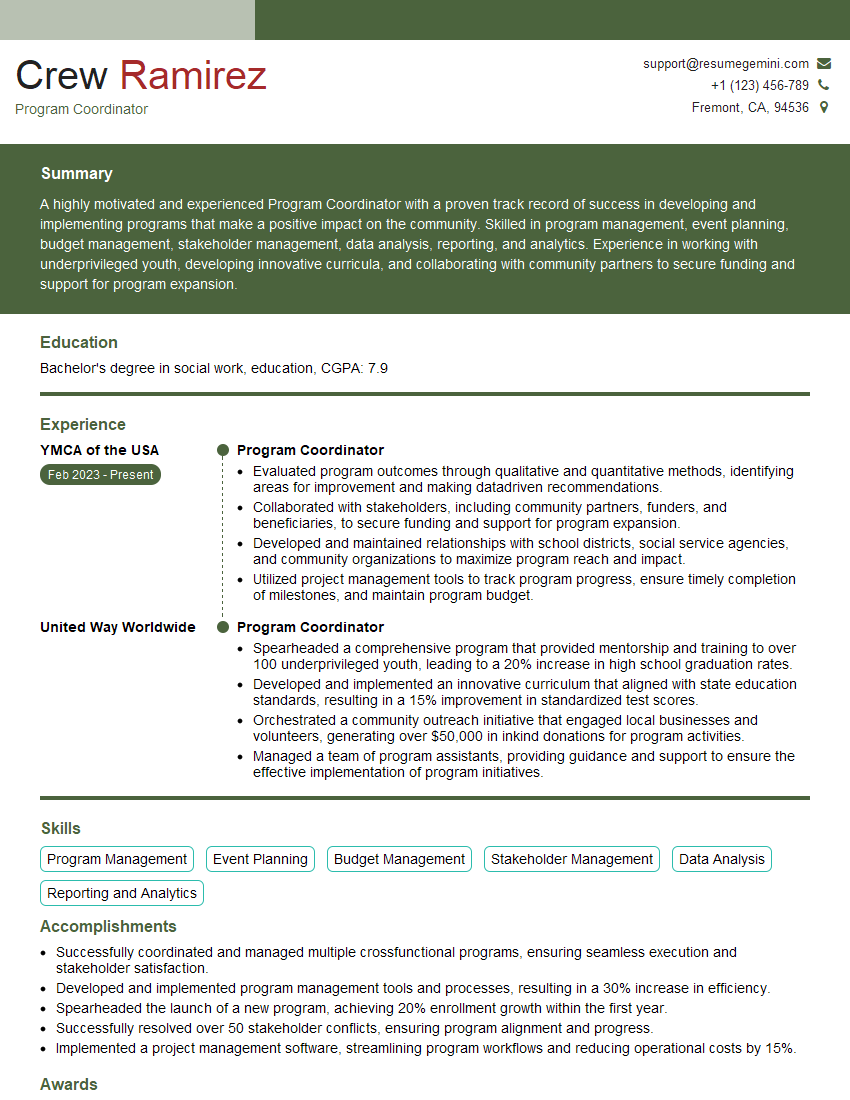
Program Coordinator Resume Sample
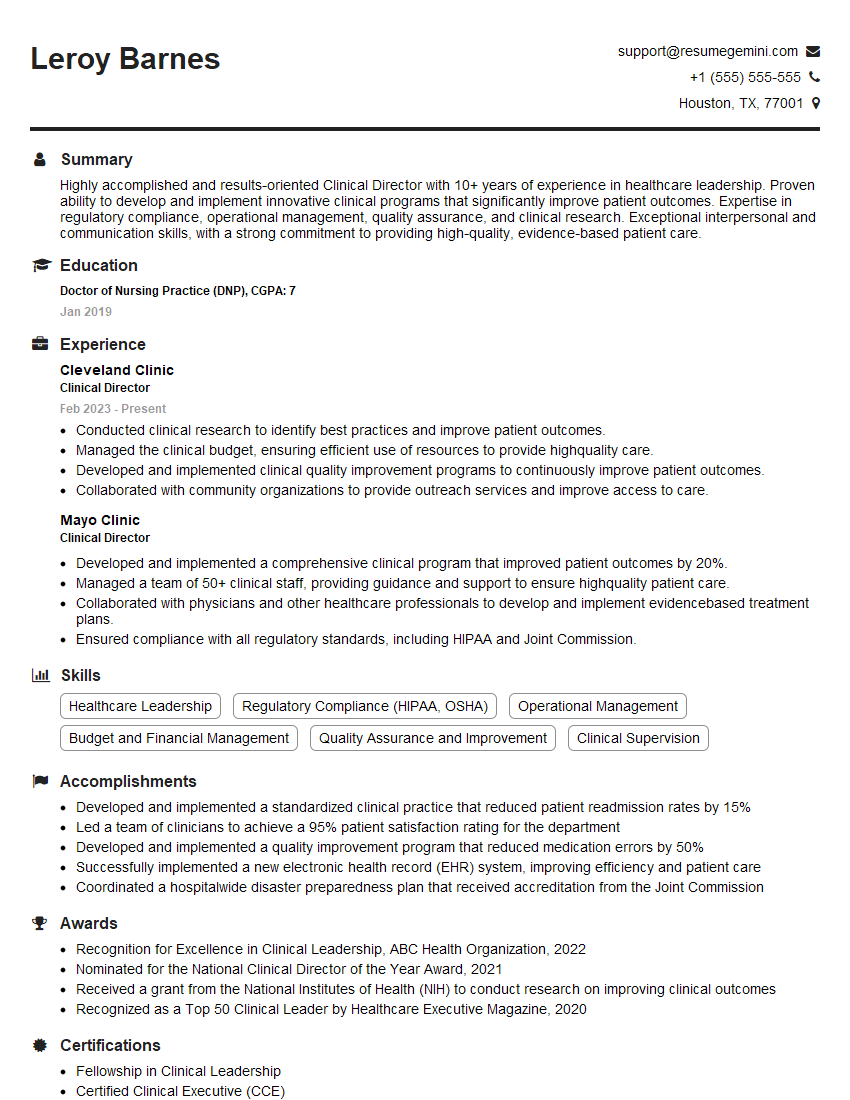
Clinical Director Resume Sample
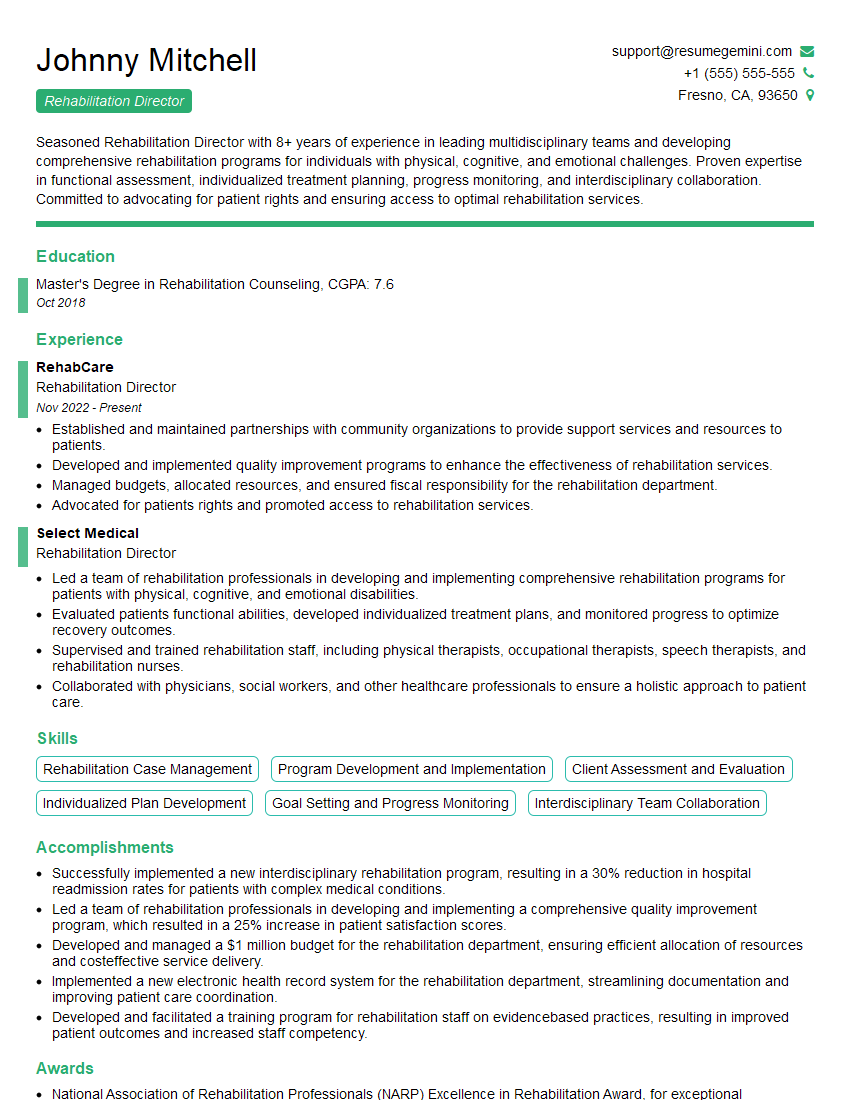
Rehabilitation Director Resume Sample
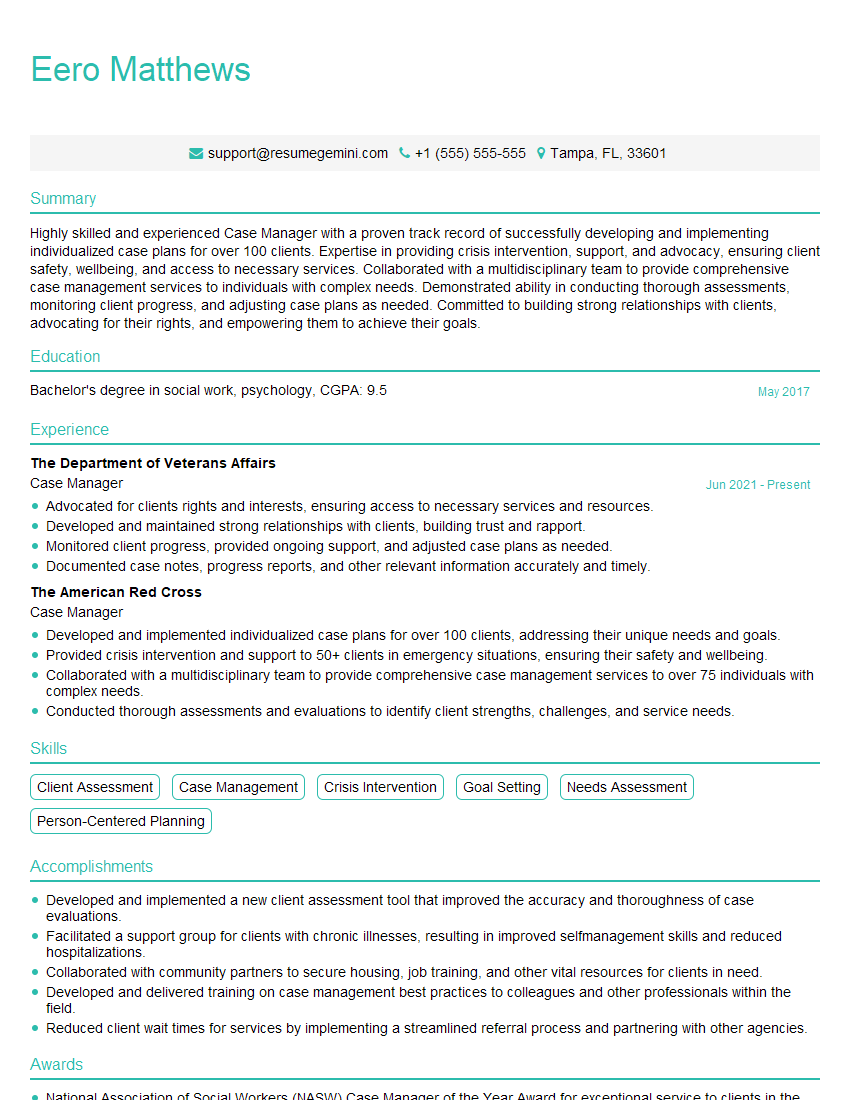
Case Manager Resume Sample
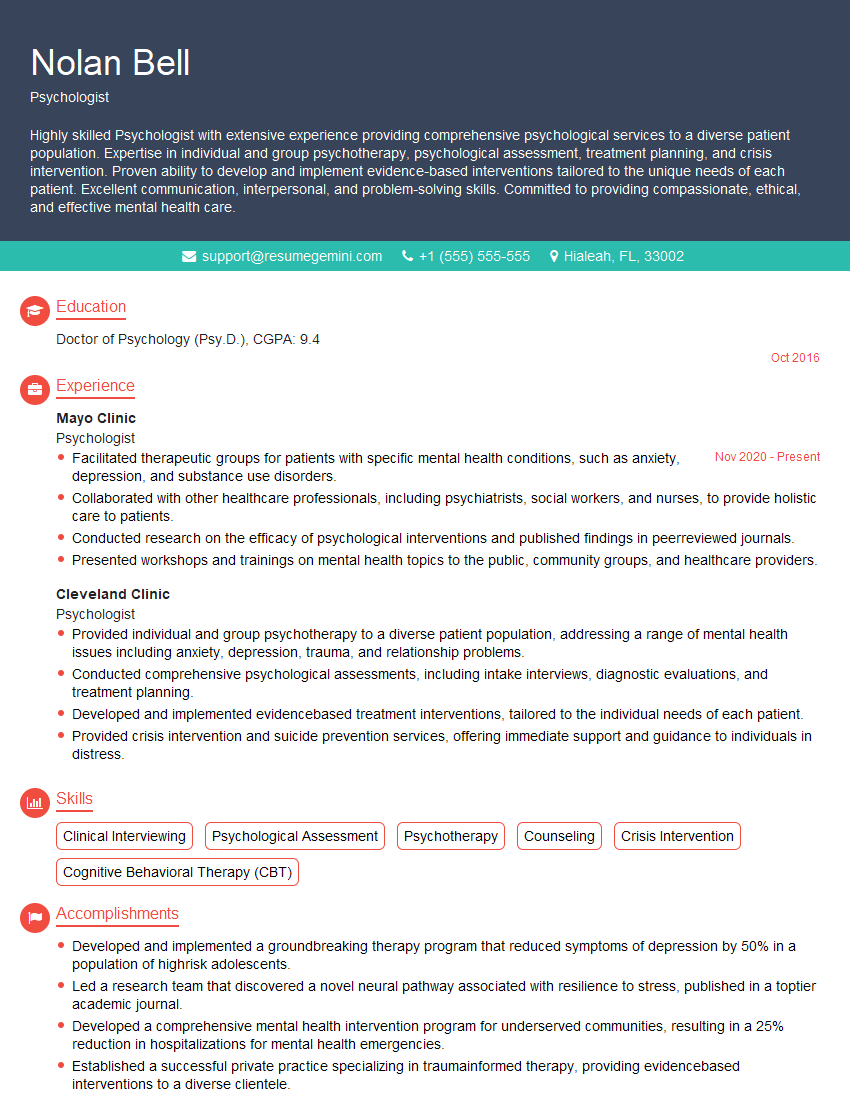
Psychologist Resume Sample
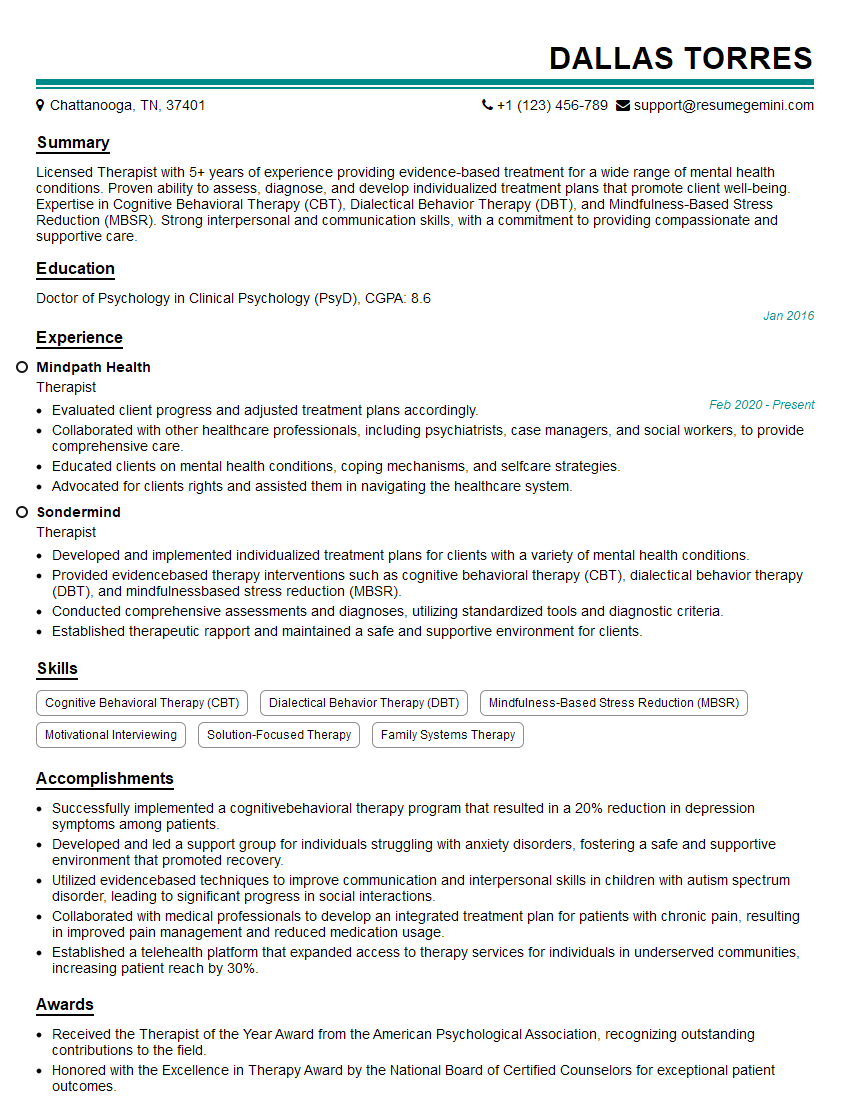
Therapist Resume Sample

Mental Health Counselor Resume Sample
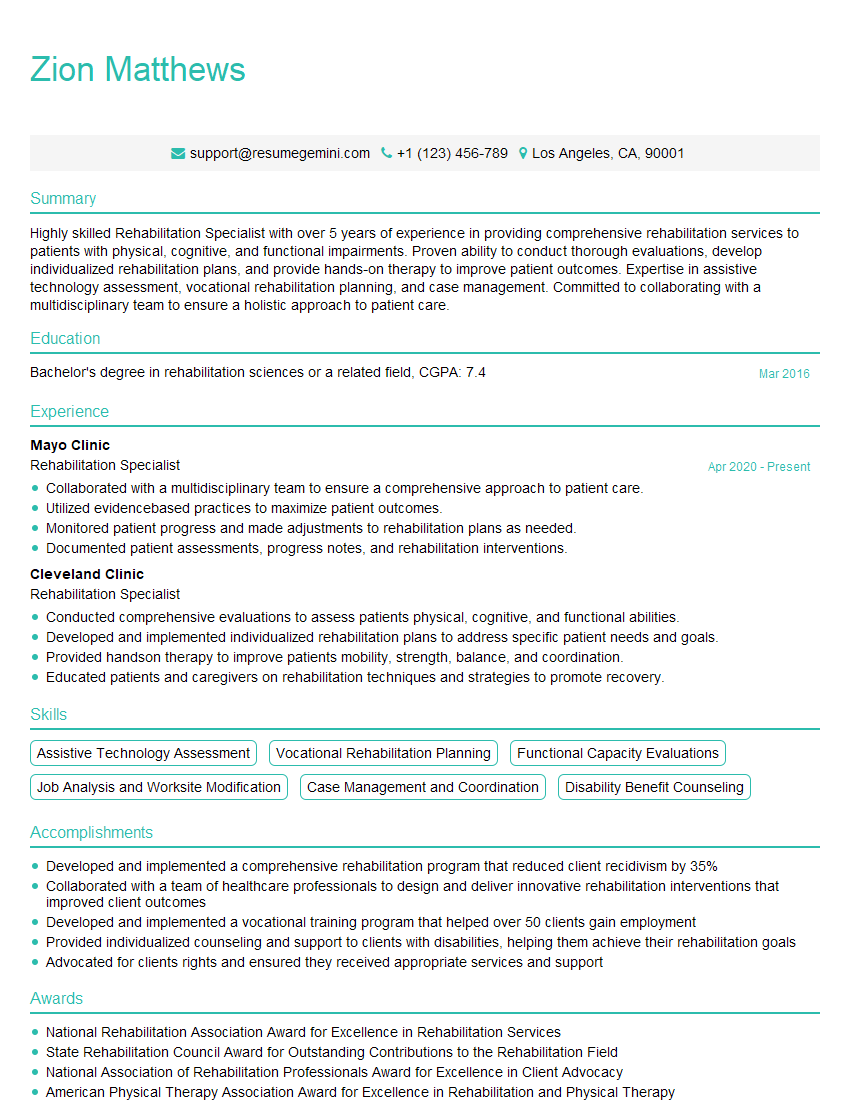
Rehabilitation Specialist Resume Sample
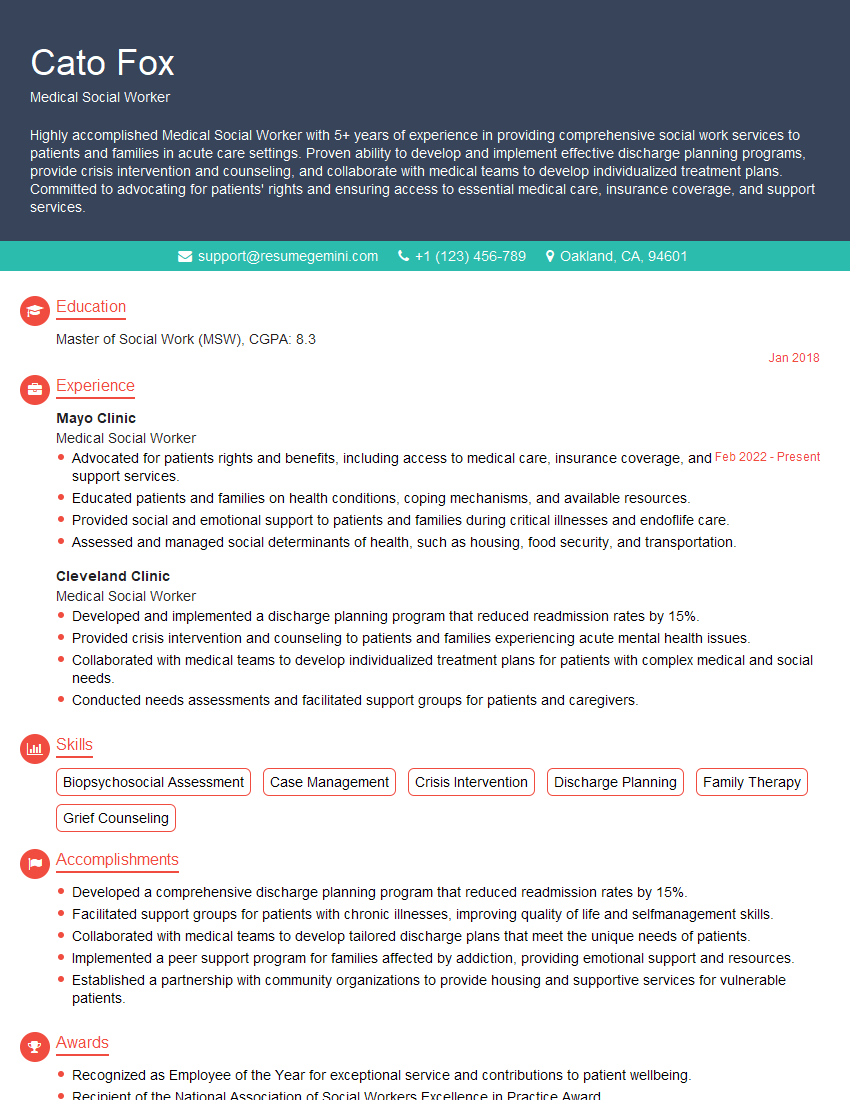
Medical Social Worker Resume Sample
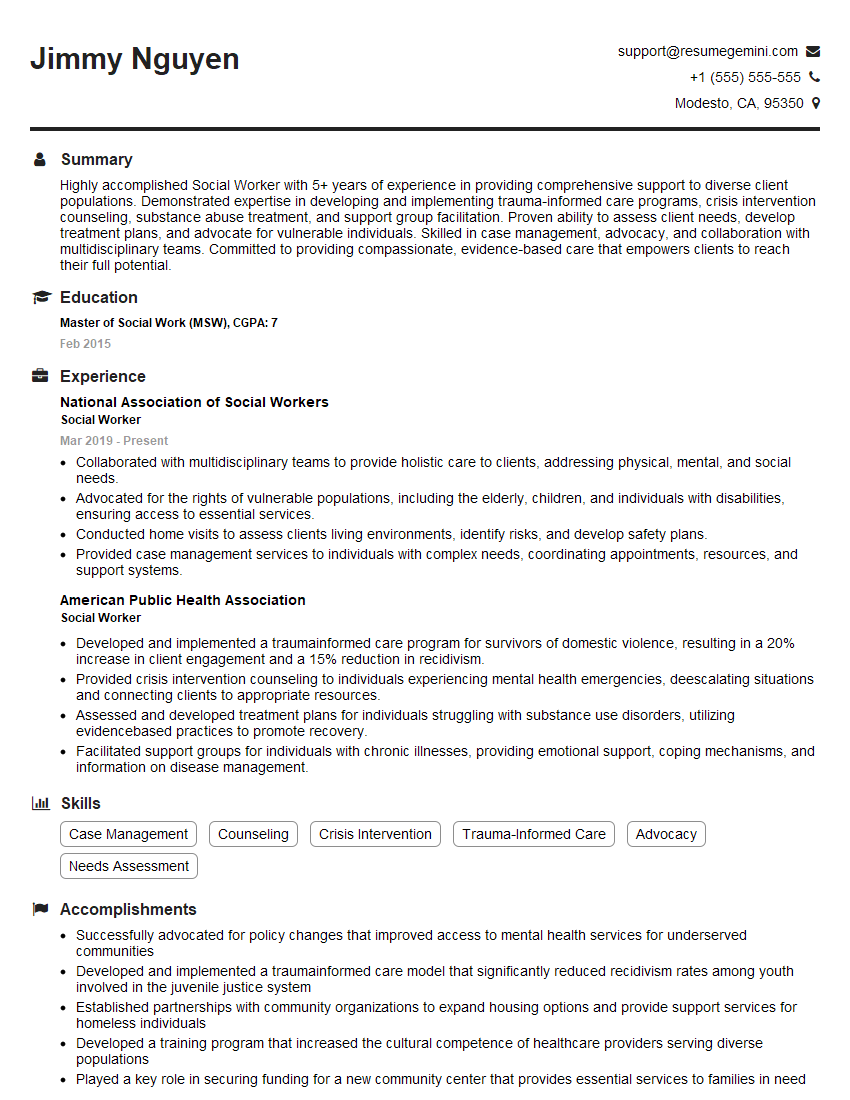
Social Worker Resume Sample
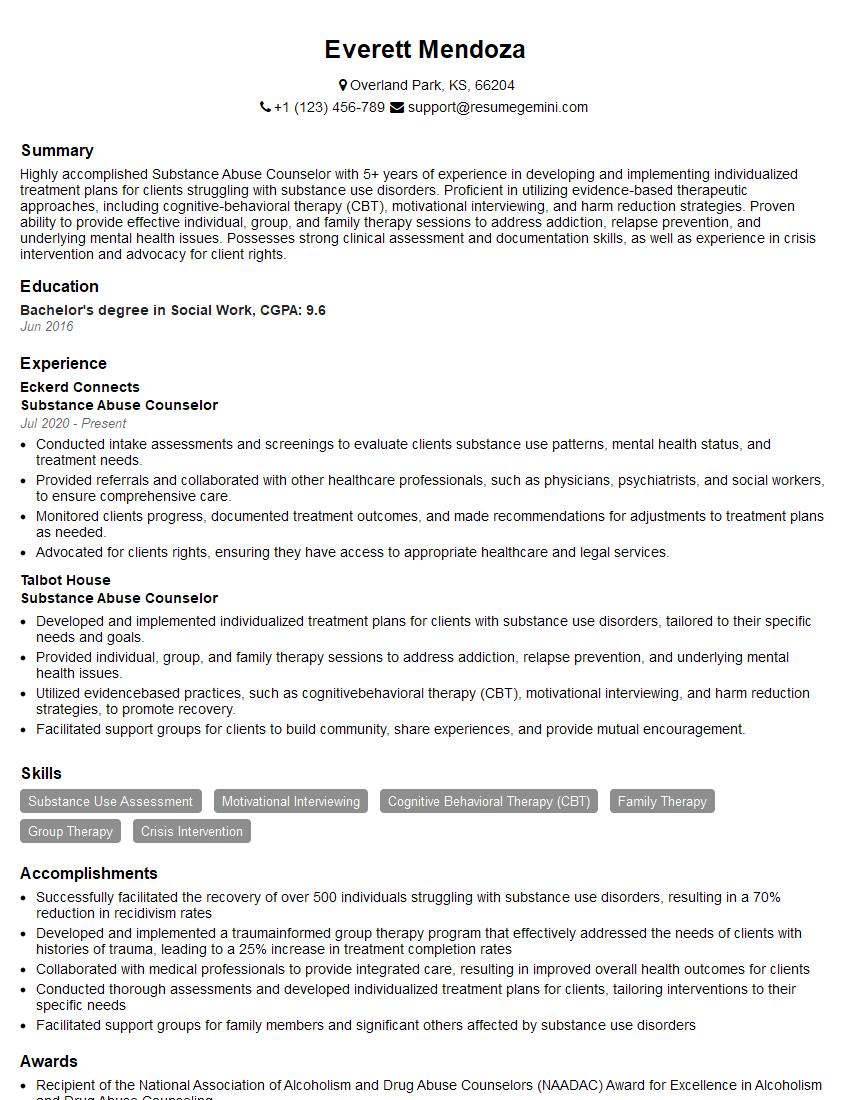
Substance Abuse Counselor Resume Sample
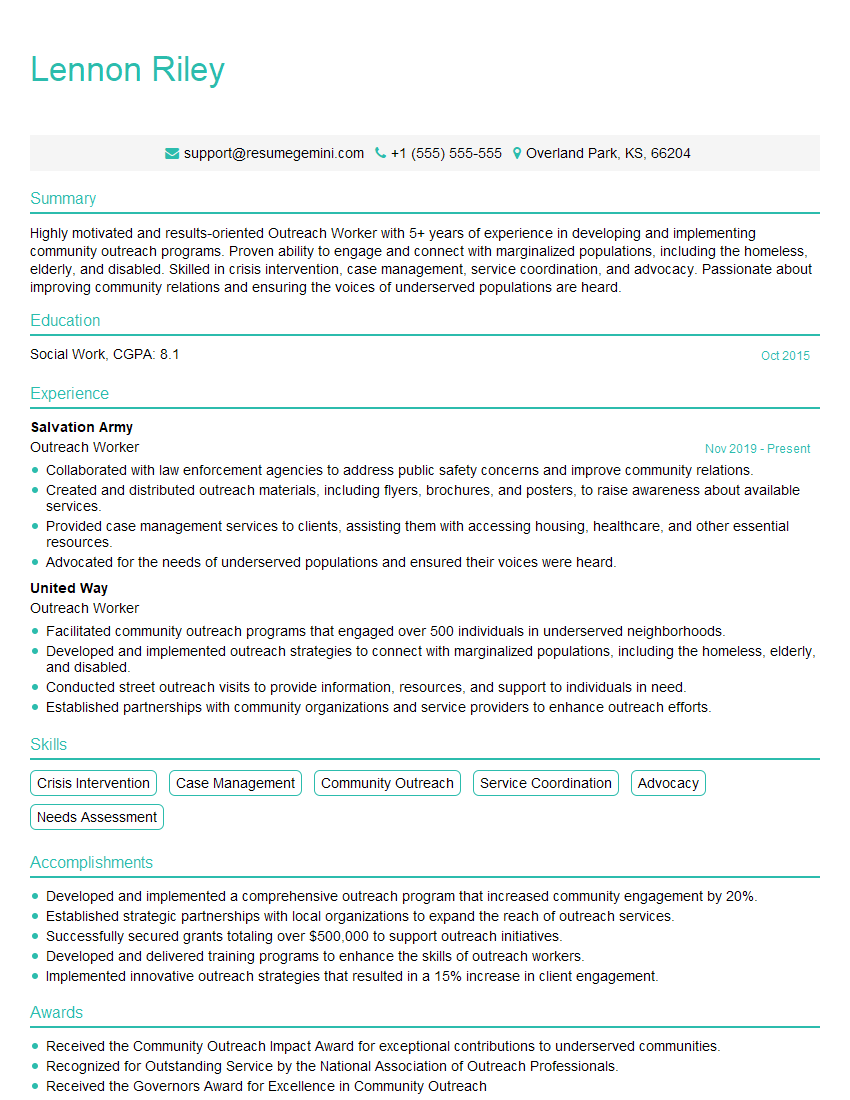
Outreach Worker Resume Sample
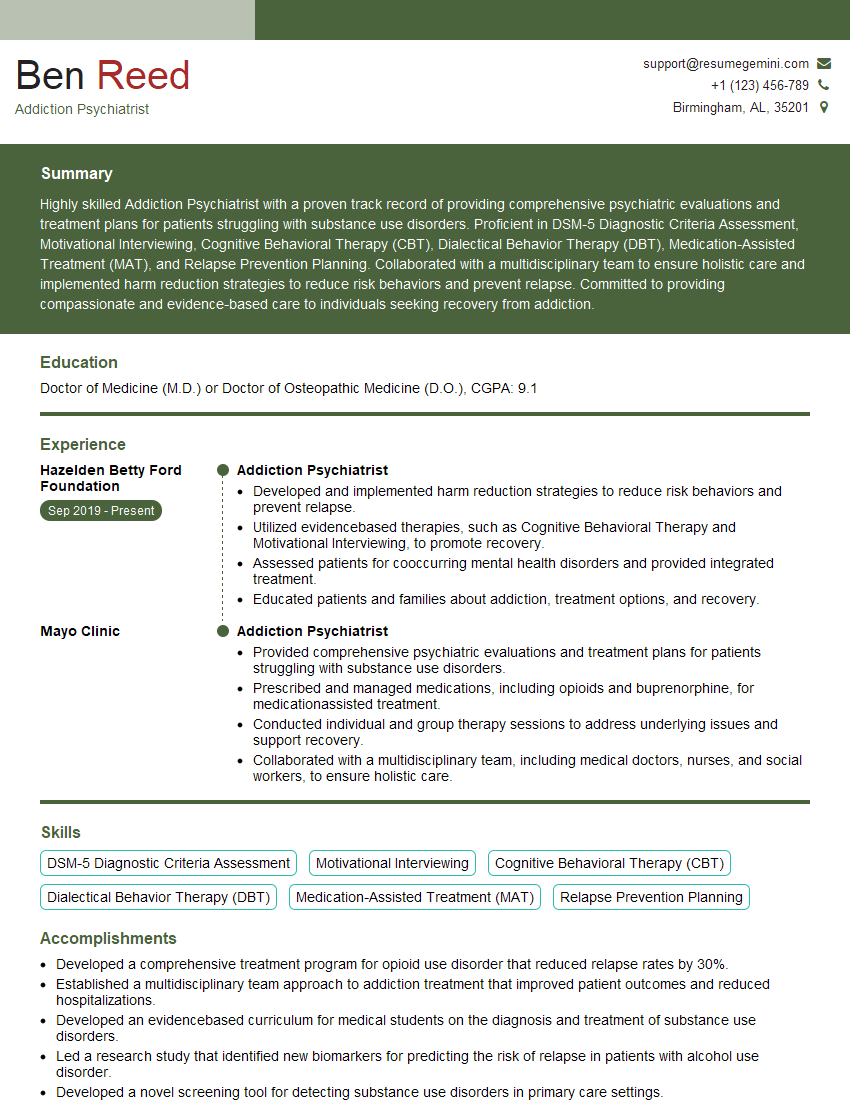
Addiction Psychiatrist Resume Sample
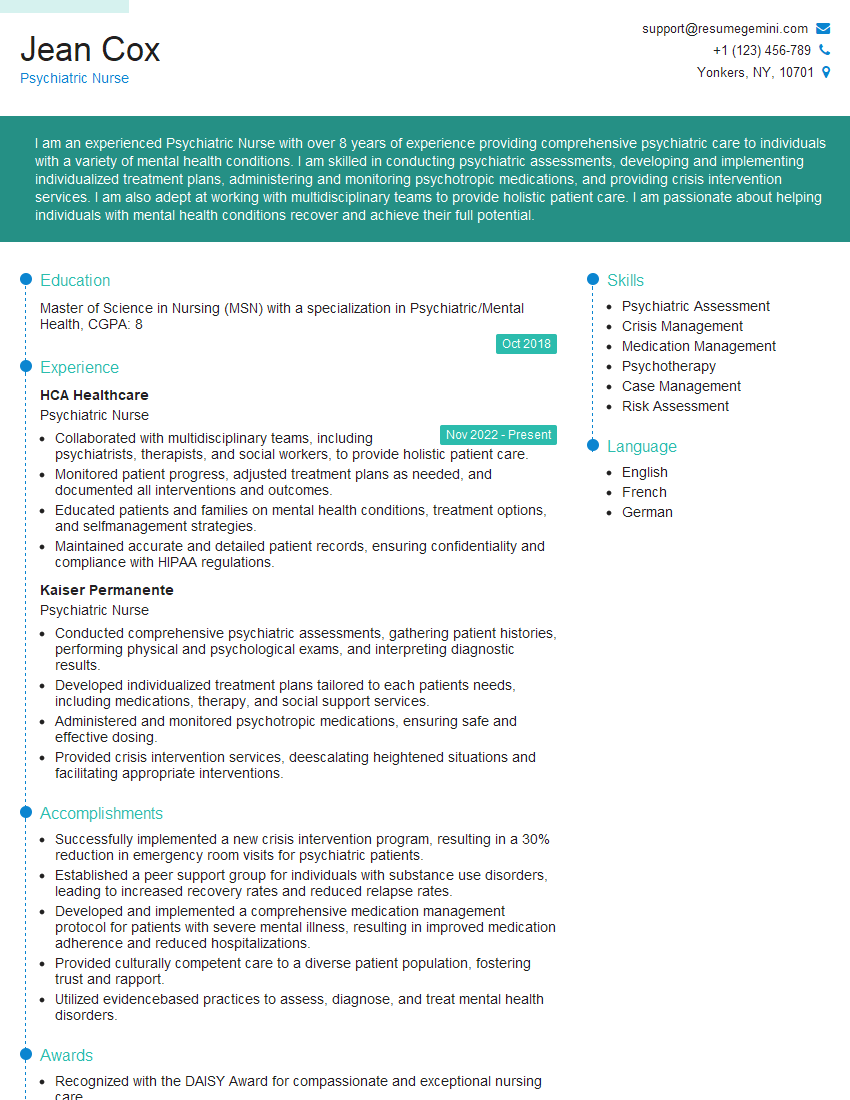
Psychiatric Nurse Resume Sample
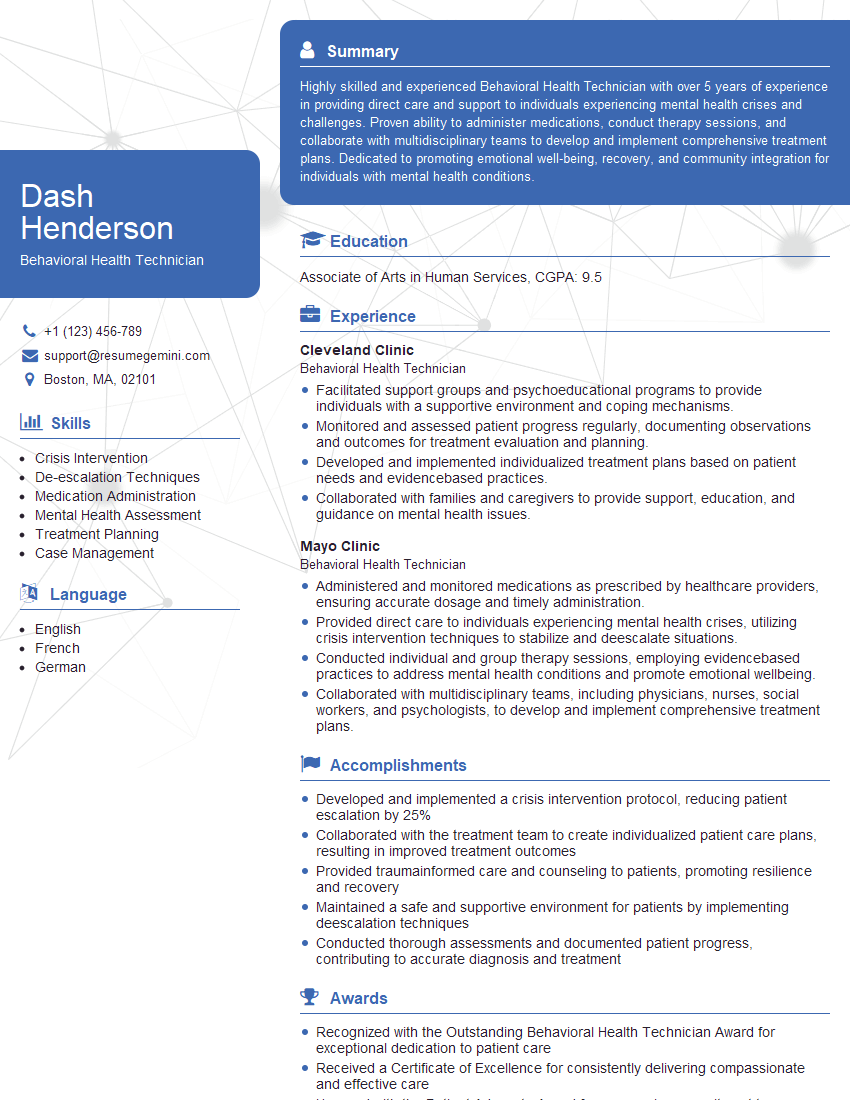
Behavioral Health Technician Resume Sample
Explore more articles
Users Rating of Our Blogs
Share Your Experience
We value your feedback! Please rate our content and share your thoughts (optional).
What Readers Say About Our Blog
To the interviewgemini.com Webmaster.
Very helpful and content specific questions to help prepare me for my interview!
Thank you
To the interviewgemini.com Webmaster.
This was kind of a unique content I found around the specialized skills. Very helpful questions and good detailed answers.
Very Helpful blog, thank you Interviewgemini team.