Feeling uncertain about what to expect in your upcoming interview? We’ve got you covered! This blog highlights the most important Report Generation and Interpretation interview questions and provides actionable advice to help you stand out as the ideal candidate. Let’s pave the way for your success.
Questions Asked in Report Generation and Interpretation Interview
Q 1. Explain the difference between descriptive, diagnostic, predictive, and prescriptive analytics.
The four types of analytics – descriptive, diagnostic, predictive, and prescriptive – represent a progression in sophistication and the insights they provide. Think of it like a detective solving a crime:
- Descriptive Analytics: This is the ‘what happened’ stage. It summarizes historical data to understand past performance. Imagine reviewing sales figures for the last year – you’re simply describing the data, identifying trends like peak sales seasons or slow months. Tools like SQL queries and simple summary statistics are used here. Example:
SELECT SUM(Sales) FROM Sales_Data WHERE Year = 2023; - Diagnostic Analytics: This moves to the ‘why did it happen’ stage. It investigates the reasons behind the patterns identified in descriptive analytics. Continuing with our sales example, diagnostic analytics would delve into *why* sales were slow in a particular month – was it due to a marketing campaign failure, a competitor’s promotion, or seasonal factors? Techniques like drill-down analysis, data mining, and correlation analysis are common here.
- Predictive Analytics: This aims to answer ‘what will happen’. It uses statistical techniques and machine learning models to forecast future outcomes. For sales, this could involve predicting future sales based on past trends, seasonality, and external factors like economic indicators. Regression analysis, time series forecasting, and machine learning algorithms (like ARIMA or random forests) are crucial here.
- Prescriptive Analytics: This is the highest level, focusing on ‘what should we do’. It utilizes optimization techniques to recommend actions to improve outcomes. In our sales example, prescriptive analytics might suggest specific marketing strategies or pricing adjustments to maximize sales in the coming months, potentially using techniques like linear programming or simulation.
These four levels are interconnected; insights from descriptive and diagnostic analysis inform predictive and prescriptive modeling.
Q 2. Describe your experience with data visualization tools (e.g., Tableau, Power BI).
I have extensive experience with both Tableau and Power BI, using them for diverse projects, from interactive dashboards to complex data visualizations. In one project, I used Tableau to create an interactive dashboard showcasing real-time sales data across different regions. This allowed stakeholders to immediately identify underperforming areas and react swiftly. Another project leveraged Power BI’s capabilities for advanced analytics and reporting, building a comprehensive system for analyzing customer behavior and predicting churn. My skills encompass data cleaning, transformation, data blending, creating calculated fields, and incorporating advanced visualizations like maps, charts, and graphs optimized for clear communication of key findings. I’m also proficient in utilizing both platforms’ built-in features for data security and access control.
Q 3. How do you ensure the accuracy and validity of your data sources?
Data accuracy and validity are paramount. My approach involves a multi-step process:
- Source Verification: I meticulously examine the source of each dataset, considering its credibility and potential biases. This includes evaluating the data collection methods, the organization’s reputation, and potential conflicts of interest.
- Data Profiling: I perform extensive data profiling to understand the data’s structure, identify potential inconsistencies, and assess data quality. This involves checking for missing values, outliers, and data type errors.
- Data Validation: I use validation techniques such as cross-referencing data with other sources, comparing data against expected values, and performing data consistency checks to identify and correct errors.
- Documentation: I maintain thorough documentation of data sources, cleaning processes, and any assumptions made to ensure transparency and reproducibility.
For instance, if using external APIs, I’ll verify the API provider’s reputation and review their documentation to confirm data accuracy before integration. If using internal databases, I work closely with database administrators to ensure data integrity.
Q 4. How do you handle missing data in your reports?
Handling missing data requires careful consideration and depends on the nature and extent of the missing values. My approach involves:
- Understanding the ‘Why’: First, I investigate why data is missing. Is it random (missing completely at random – MCAR), or is there a pattern (missing at random – MAR or missing not at random – MNAR)? This understanding guides the imputation strategy.
- Imputation Methods: For MCAR or MAR, I might employ imputation techniques like mean/median/mode imputation for numerical data, or using the most frequent category for categorical data. For more sophisticated imputation, I may use k-nearest neighbors or multiple imputation.
- Deletion (With Caution): In cases where the amount of missing data is small and removing those rows doesn’t significantly bias the results, I might consider listwise or pairwise deletion. However, I always assess the potential impact on the overall analysis before implementing this.
- Data Visualization: Before and after imputation, I visually inspect the data to ensure that the imputation method hasn’t introduced significant distortions.
It’s crucial to document the chosen imputation method and its potential limitations, ensuring transparency in the reporting process.
Q 5. What techniques do you use to identify outliers and anomalies in datasets?
Identifying outliers and anomalies is crucial for ensuring the accuracy and reliability of analyses. I use a combination of techniques:
- Visualization: Box plots, scatter plots, and histograms are effective tools for visually identifying outliers. Unusual data points that fall far outside the typical range are quickly noticeable.
- Statistical Measures: I use Z-scores or IQR (Interquartile Range) methods to identify data points that deviate significantly from the mean or median. Values exceeding a certain threshold (e.g., Z-score > 3) are flagged as potential outliers.
- Clustering Techniques: For complex datasets, clustering algorithms can identify groups of similar data points, highlighting outliers as those that don’t belong to any cluster.
- Anomaly Detection Algorithms: For more advanced anomaly detection, I utilize algorithms like One-Class SVM or Isolation Forest, which are specifically designed to identify unusual patterns in data.
The chosen method depends on the dataset’s characteristics and the context of the analysis. It’s crucial to investigate the reason for an outlier’s existence – it might indicate a genuine anomaly, a data error, or an interesting phenomenon requiring further investigation.
Q 6. Explain your process for creating a compelling data narrative from raw data.
Creating a compelling data narrative involves more than just presenting numbers; it’s about weaving a story that engages the audience and provides meaningful insights. My process includes:
- Data Exploration and Understanding: I thoroughly explore the raw data, looking for patterns, trends, and interesting relationships.
- Defining the Objective: I clearly define the key questions the analysis aims to answer and the intended audience.
- Data Cleaning and Preparation: This crucial step involves handling missing data, addressing outliers, and transforming the data into a suitable format for analysis and visualization.
- Analysis and Interpretation: I perform statistical analysis or data mining techniques to extract meaningful insights, focusing on the ‘story’ within the data.
- Visualization: I select appropriate visualizations (charts, graphs, maps) to communicate the key findings effectively and visually.
- Narrative Construction: I structure the narrative logically, starting with the context, presenting the key findings, and concluding with actionable recommendations. I use clear, concise language, avoiding jargon whenever possible.
Think of it like writing a short story. You need a captivating beginning (introduction and context), a compelling plot (data analysis and key findings), and a satisfying ending (conclusion and recommendations).
Q 7. How do you communicate complex data findings to a non-technical audience?
Communicating complex data findings to a non-technical audience requires careful consideration and a shift in communication style. My strategies include:
- Visualizations: Prioritize simple, easy-to-understand visualizations like bar charts, line graphs, and maps over complex statistical charts. Keep the visualizations clutter-free and focus on the key message.
- Analogies and Metaphors: Use real-world analogies and metaphors to explain complex concepts in a relatable way. For example, if discussing statistical significance, I might use the analogy of flipping a coin to illustrate probability.
- Storytelling: Structure the presentation as a story, highlighting the key insights and their implications in a narrative format that is engaging and easy to follow.
- Plain Language: Avoid technical jargon and statistical terms. Use simple, clear language that everyone can understand.
- Focus on the ‘So What?’: Always emphasize the implications of the findings. Explain what the data means for the audience and what actions they should take.
For example, instead of saying ‘the p-value is less than 0.05, indicating statistical significance’, I would say ‘our analysis strongly suggests that this marketing campaign was effective in boosting sales’. The goal is to convey the essence of the findings without overwhelming the audience with technical details.
Q 8. What are some common data quality issues you’ve encountered, and how did you address them?
Data quality issues are a constant challenge in report generation. Common problems include missing values, inconsistent data formats, outliers, and inaccurate data. Addressing these requires a multi-pronged approach.
- Missing Values: I often handle missing data by employing imputation techniques. For example, if dealing with numerical data, I might use mean or median imputation, or more sophisticated methods like k-Nearest Neighbors. For categorical data, I might use the mode or a more advanced imputation model that considers the context of other variables. The choice depends on the nature of the data and the potential impact of imputation on the analysis.
- Inconsistent Data Formats: This usually involves data cleaning and standardization. I use scripting languages like Python with libraries like Pandas to clean up inconsistent date formats, address variations in naming conventions (e.g., ‘street’ vs. ‘st’), and handle different data types. This might involve using regular expressions to parse and standardize text data or using data type conversion functions.
- Outliers: Outliers can significantly skew results. I identify them visually through scatter plots or box plots and then investigate their cause. Sometimes they represent genuine data points, other times they are errors. Decisions on how to handle them depend on their source. I might remove obvious errors, transform the data using techniques like log transformations, or use robust statistical methods less sensitive to outliers.
- Inaccurate Data: This requires a more thorough investigation. I would trace the source of the data, check the data entry process, and potentially perform data validation against other reliable sources. In some cases, collaboration with data owners is necessary to correct inaccuracies.
For example, in a project analyzing sales data, I encountered inconsistent date formats (MM/DD/YYYY, DD/MM/YYYY). Using Python and Pandas, I standardized all dates to YYYY-MM-DD, ensuring consistent time series analysis. Another project involved missing values in customer demographics. I used k-NN imputation to predict missing values, minimizing bias and preserving data structure.
Q 9. Describe your experience with SQL or other database querying languages.
I have extensive experience with SQL and other database querying languages. My proficiency extends beyond basic SELECT statements to include complex joins, subqueries, window functions, and stored procedures. SQL is crucial for efficiently extracting, transforming, and loading (ETL) data from various databases, which is the cornerstone of effective report generation.
For instance, I’ve used SQL to create complex queries involving multiple tables to analyze customer behavior across different marketing campaigns. I frequently utilize window functions in SQL to calculate running totals or moving averages for time-series data, providing valuable insights into trends. My experience also includes optimization techniques to improve query performance on large datasets.
SELECT customer_id, SUM(order_total) AS total_spent, AVG(order_total) AS average_order_value FROM orders GROUP BY customer_id ORDER BY total_spent DESC;This SQL query calculates the total and average spending for each customer.
Beyond SQL, I’m also familiar with NoSQL databases and their querying languages, like MongoDB’s query language, enabling me to work with diverse data structures.
Q 10. How do you choose the appropriate chart type for different datasets?
Choosing the right chart type depends heavily on the data’s nature and the message you want to convey. Different charts excel at visualizing different aspects of data.
- Bar charts and column charts: Ideal for comparing categorical data or showing changes over time when the number of categories is relatively small.
- Line charts: Best for visualizing trends over continuous time periods or showing the relationship between two continuous variables.
- Pie charts: Effective for showing proportions or percentages of a whole, but they become less useful with many categories.
- Scatter plots: Show the relationship between two continuous variables, revealing correlation or clusters.
- Heatmaps: Useful for visualizing large matrices of data, showing correlations or patterns across multiple variables.
- Box plots: Excellent for comparing the distribution of data across different groups, highlighting median, quartiles, and outliers.
For instance, if I’m comparing sales figures across different regions, a bar chart would be suitable. If I’m showing website traffic over several months, a line chart is better. Choosing the wrong chart can mislead the audience; a pie chart with too many slices becomes difficult to interpret. The key is clarity and accuracy.
Q 11. How do you determine the key performance indicators (KPIs) for a given project?
Defining KPIs is crucial for project success. It involves understanding the project goals and identifying measurable metrics that demonstrate progress towards those goals. The process usually involves these steps:
- Align with Project Objectives: The first step is to clearly define the project’s overall goals. What are we trying to achieve? This might involve increasing revenue, improving customer satisfaction, reducing costs, or increasing efficiency.
- Identify Key Areas: Determine the key areas that directly contribute to achieving those objectives. For example, if the objective is to increase revenue, key areas might include sales conversion rates, average order value, and customer acquisition cost.
- Select Measurable Metrics: Choose specific metrics within those key areas that can be quantitatively measured and tracked. These will be your KPIs. Examples include ‘Conversion Rate (%),’ ‘Average Order Value ($),’ and ‘Customer Acquisition Cost ($)’.
- Establish Targets: Set realistic and attainable targets for each KPI. These targets should be based on historical data, industry benchmarks, and stakeholder expectations.
- Regular Monitoring and Reporting: Once KPIs are defined, regular monitoring is crucial to track progress, identify potential roadblocks, and adjust strategies accordingly.
In a recent marketing campaign project, our KPIs included website click-through rates, conversion rates, and cost-per-acquisition. By tracking these KPIs, we could accurately measure the campaign’s effectiveness and make data-driven decisions to optimize our strategy.
Q 12. Explain your experience with statistical analysis techniques.
I have extensive experience using various statistical analysis techniques in report generation. My skills include descriptive statistics (mean, median, standard deviation, variance), inferential statistics (hypothesis testing, regression analysis, ANOVA), and time series analysis.
- Descriptive Statistics: I use these to summarize and present data in a meaningful way, providing insights into central tendency, dispersion, and distribution.
- Inferential Statistics: These allow me to draw conclusions about a population based on sample data. I use hypothesis testing to assess the significance of observed effects and regression analysis to model relationships between variables.
- Time Series Analysis: I employ techniques like ARIMA modeling and exponential smoothing to forecast future trends and identify patterns in time-dependent data.
For example, in one project analyzing customer churn, I used logistic regression to identify factors contributing to customer churn. In another project, I used time series analysis to forecast sales for the next quarter, enabling proactive inventory management.
Q 13. How do you validate the results of your analysis?
Validating analysis results is critical. It ensures the accuracy and reliability of the findings and builds confidence in the report. My validation process includes several steps:
- Data Validation: I meticulously check the data for accuracy and consistency, identifying and addressing any errors or inconsistencies. This often involves comparing data against multiple sources or using data validation rules.
- Methodology Review: I critically review the chosen analytical methods to ensure their appropriateness for the data and the research question. This includes checking assumptions and limitations of the chosen techniques.
- Sensitivity Analysis: I perform sensitivity analysis to assess the impact of changes in input data or assumptions on the results. This helps determine the robustness of the findings.
- Peer Review: I often seek feedback from colleagues to gain an independent perspective on the analysis and identify potential biases or flaws.
- Real-world Contextualization: I ensure that the results are interpreted within the appropriate real-world context, considering external factors that may influence the findings.
For instance, in a financial report, I validated the data by comparing it against audited financial statements. In a marketing campaign analysis, I compared the results with independent measures of campaign success.
Q 14. Describe a time you had to explain a complex report to a senior stakeholder.
I once had to explain a complex financial model predicting future revenue streams to a senior executive. The model involved intricate calculations considering various market factors, seasonal trends, and competitor actions. It was critical to present the information clearly and concisely, avoiding technical jargon.
My approach was to first present the key findings in a simple, easy-to-understand format using clear visuals, such as charts and graphs, highlighting the most important aspects of the prediction. I used an analogy to explain the complex model in simpler terms. For example, I compared the model’s approach to forecasting revenue to a weather forecast, where multiple variables combine to generate a prediction.
Following the high-level overview, I provided the executive with more detailed information upon request, focusing on the specific aspects that were most relevant to his concerns. The key was to tailor the explanation to the audience’s level of understanding and focus on the actionable insights derived from the report.
Q 15. How do you prioritize competing demands when generating multiple reports?
Prioritizing competing report demands requires a structured approach. I typically start by understanding the urgency and importance of each request. This involves clarifying deadlines, stakeholder priorities, and the potential impact of delays. I use a prioritization matrix, often a simple urgency/importance grid, to visually represent the demands. High-urgency, high-importance reports get immediate attention. I then communicate transparently with stakeholders about potential delays for lower-priority requests, offering alternative solutions or revised timelines where possible. For example, if I have a daily operational report due at 8 AM and a monthly strategic report due at the end of the month, the daily report takes precedence due to its time sensitivity and operational impact. However, I would schedule blocks of time to work on the monthly report to ensure it’s completed on time.
To manage workload effectively, I also break down large reports into smaller, manageable tasks, and use project management tools to track progress and allocate resources. This allows for flexibility and efficient task switching without sacrificing quality.
Career Expert Tips:
- Ace those interviews! Prepare effectively by reviewing the Top 50 Most Common Interview Questions on ResumeGemini.
- Navigate your job search with confidence! Explore a wide range of Career Tips on ResumeGemini. Learn about common challenges and recommendations to overcome them.
- Craft the perfect resume! Master the Art of Resume Writing with ResumeGemini’s guide. Showcase your unique qualifications and achievements effectively.
- Don’t miss out on holiday savings! Build your dream resume with ResumeGemini’s ATS optimized templates.
Q 16. How do you handle conflicting data from different sources?
Conflicting data is a common challenge in reporting. My approach involves a multi-step process. First, I identify the source of the conflict by meticulously reviewing the data from each source, looking for discrepancies in data definitions, collection methods, or data cleansing processes. For example, one database might use a different date format or include different data points than another.
Next, I investigate the reasons for the conflict. This may involve consulting with the data owners or technical teams responsible for each data source. Understanding the root cause allows for informed decision-making on how to handle the conflicting information. Sometimes a simple data transformation can solve the issue. Other times, it may require more extensive data validation and reconciliation.
Once the discrepancies are understood, I choose a resolution strategy based on the data quality and importance of each source. Options include selecting the most reliable source, creating weighted averages, flagging the inconsistencies for further investigation, or using data imputation techniques to fill missing values. Transparency is key; the report will clearly state how conflicting data was handled and any potential limitations of the resulting analysis.
Q 17. Describe your experience with data mining techniques.
I have extensive experience with various data mining techniques, including clustering, classification, association rule mining, and regression analysis. I’ve used these techniques in several projects. For instance, I used k-means clustering to segment customers based on their purchasing behavior, which allowed for targeted marketing campaigns. In another project, I employed decision tree classification to predict customer churn, allowing the company to proactively engage at-risk customers. My experience also includes using association rule mining to uncover product relationships and optimize product placement.
My proficiency extends to using tools like R and Python with libraries such as scikit-learn and pandas for data manipulation, analysis, and visualization. I understand the importance of feature engineering, model selection, and evaluation metrics in ensuring the accuracy and reliability of data mining results. I always prioritize ethical considerations and avoid drawing biased conclusions from the data.
Q 18. How do you ensure the security and confidentiality of sensitive data?
Data security and confidentiality are paramount. I adhere to strict protocols to ensure sensitive data is protected throughout the entire reporting process. This starts with understanding and complying with relevant regulations like GDPR or HIPAA, depending on the data’s nature.
My approach involves several key measures. First, I utilize secure data storage and access controls, limiting access to authorized personnel only. I encrypt sensitive data both at rest and in transit using industry-standard encryption methods. Access is often managed through role-based access control (RBAC) systems. Second, I regularly perform audits to identify and address potential vulnerabilities. Data anonymization or pseudonymization techniques are also implemented where appropriate to protect individual identities.
Finally, I maintain detailed logs of all data access and processing activities. These logs are crucial for auditing and ensuring accountability. All these steps contribute to a robust security posture, minimizing the risk of data breaches and maintaining the confidentiality of sensitive information.
Q 19. How do you stay up-to-date with the latest trends in data analysis and reporting?
Staying current in the rapidly evolving field of data analysis and reporting requires a multifaceted approach. I regularly attend industry conferences and webinars, participate in online courses (such as those offered by Coursera or edX), and actively follow leading researchers and practitioners on platforms like LinkedIn and research publications. I also dedicate time to reading industry journals and publications such as the Harvard Business Review’s analytics section. This ensures I am aware of new tools, techniques, and best practices.
Furthermore, I actively participate in online communities and forums, engaging with other professionals to share knowledge and learn from their experiences. This collaborative learning environment allows me to stay ahead of the curve and adapt to emerging trends quickly. Experimenting with new tools and techniques on personal projects keeps me engaged and sharpens my skills.
Q 20. What is your experience with A/B testing and its impact on report generation?
A/B testing is a crucial aspect of data-driven decision-making, and its results heavily influence report generation. I have significant experience designing, executing, and analyzing A/B tests. The process usually begins by defining a clear hypothesis, followed by selecting the metrics that will be used to assess the impact of the changes.
Once the test is conducted and data is collected, I analyze the results using statistical methods to determine if the differences observed are statistically significant. This is critical to avoid drawing false conclusions. The findings from these tests directly inform the reports I generate. For example, if an A/B test shows that a new website design significantly increases conversion rates, this will be prominently featured in a report showcasing the success of the design change. Conversely, if a test yields no statistically significant improvement, the report will transparently reflect this and may suggest alternative strategies.
Reports incorporating A/B test results usually include visualizations like graphs and tables to clearly present the findings, making it easy for stakeholders to understand the impact of the changes and inform future decisions. I emphasize the importance of communicating the limitations of the test results and any potential biases.
Q 21. How familiar are you with different report formats (e.g., PDF, CSV, Excel)?
I am proficient in generating reports in various formats, including PDF, CSV, Excel, and interactive dashboards. The choice of format depends on the audience, the report’s purpose, and the type of data being presented. For instance, a PDF is suitable for formal reports that need to maintain a consistent format and layout. CSV is ideal for exporting data for further analysis in other applications. Excel is well-suited for reports that require calculations and data manipulation, while interactive dashboards offer dynamic visualizations and allow for interactive exploration of data.
My experience extends to using different software and tools to generate these reports. I’m familiar with tools like Microsoft Excel, Google Sheets, Tableau, Power BI, and various scripting languages (like Python) to produce reports efficiently and effectively. I adapt my approach depending on the requirements of the project and the preferences of stakeholders, ensuring that the report is easily accessible and understandable.
Q 22. What is your experience with automated reporting tools?
My experience with automated reporting tools spans several years and encompasses a wide range of platforms. I’m proficient in tools like Tableau, Power BI, and Qlik Sense, leveraging their capabilities for data visualization, dashboard creation, and automated report generation. I’ve used these tools to build everything from simple, regularly scheduled reports summarizing key performance indicators (KPIs) to complex, interactive dashboards that allow users to drill down into detailed data and conduct ad-hoc analyses. For example, in my previous role, I automated the monthly sales report generation using Power BI, reducing the manual effort by 80% and improving reporting accuracy significantly. This involved connecting to multiple data sources, creating calculated measures, and scheduling automatic report distribution.
Beyond these commercial tools, I possess experience with scripting languages like Python, utilizing libraries such as Pandas and ReportLab to create customized reporting solutions tailored to specific business needs. This offers greater flexibility and allows for the integration of advanced analytical techniques not readily available in off-the-shelf tools. For instance, I used Python to automate the creation of personalized customer reports based on their individual purchase history and predicted future spending patterns.
Q 23. Describe your proficiency in using different data manipulation and transformation techniques.
My proficiency in data manipulation and transformation techniques is extensive. I’m adept at using SQL for data extraction, cleaning, and aggregation from various relational databases. I also utilize data manipulation tools and languages such as Python with Pandas and R with dplyr to handle data cleaning, transformation, and feature engineering. This includes techniques like data imputation (handling missing values), outlier detection and treatment, data normalization (scaling and standardization), and data type conversion. For example, I once had to handle a dataset with inconsistent date formats and numerous missing values. I used Python with Pandas to standardize the date format, impute missing values using appropriate techniques based on data characteristics (e.g., mean imputation for numerical data, mode imputation for categorical data), and then validated the data quality using various checks.
Furthermore, I am familiar with advanced techniques such as data pivoting and reshaping (using melt and cast in R or similar functions in Pandas), and the use of regular expressions for text cleaning and pattern matching within datasets. These are all crucial for transforming raw data into a format suitable for analysis and reporting.
Q 24. How do you identify and address biases in data analysis?
Identifying and addressing biases in data analysis is a crucial aspect of my work. I approach this systematically, starting with understanding the potential sources of bias. These can arise from sampling bias (non-representative samples), measurement bias (flawed data collection methods), reporting bias (selective reporting of results), and confirmation bias (interpreting data to confirm pre-existing beliefs).
My approach involves several steps: Firstly, I carefully examine the data collection methods to identify potential biases. Secondly, I conduct exploratory data analysis (EDA) to visually inspect the data for anomalies and potential biases. Thirdly, I employ statistical methods to test for bias, such as comparing different subgroups within the data. Finally, I document any identified biases and their potential impact on the analysis and propose mitigation strategies, which might include adjusting the analysis methodology, collecting additional data, or applying weighting techniques to correct for imbalances. For instance, if I noticed a gender bias in a hiring dataset, I would investigate the reason behind it and potentially apply appropriate adjustments during the analysis to ensure fair representation of gender groups.
Q 25. How do you handle large datasets efficiently?
Handling large datasets efficiently requires a combination of technical skills and strategic thinking. I leverage techniques like data sampling for exploratory analysis, focusing on smaller representative subsets of the data to gain initial insights before working with the entire dataset. This reduces computational burden and allows for faster iteration during the early stages of analysis.
For processing large datasets, I utilize distributed computing frameworks like Spark or cloud-based data warehousing solutions such as Snowflake or BigQuery. These tools allow me to parallelize computations across multiple machines, significantly reducing processing time. Furthermore, I employ techniques like data compression and optimized data structures to minimize storage space and improve processing efficiency. I also optimize SQL queries for faster execution, leveraging techniques such as indexing and partitioning. Finally, I focus on using efficient data manipulation tools like Pandas or Dask (for larger-than-memory datasets) in Python to manage and process the data in chunks instead of loading the entire dataset into memory at once.
Q 26. What is your experience with predictive modeling and forecasting?
I have significant experience with predictive modeling and forecasting, employing various techniques depending on the problem and the nature of the data. My expertise includes regression models (linear, logistic, polynomial), time series analysis (ARIMA, Prophet), classification algorithms (decision trees, support vector machines, random forests), and neural networks. I’m proficient in using statistical software such as R and Python libraries like scikit-learn and TensorFlow for model development, training, evaluation, and deployment.
My approach involves a rigorous process: starting with data exploration and feature engineering, followed by model selection, training, validation, and hyperparameter tuning. I always carefully evaluate model performance using appropriate metrics (e.g., RMSE, MAE for regression; accuracy, precision, recall for classification) and utilize techniques like cross-validation to ensure robust generalization. For example, I developed a time series model using Prophet in a previous project to forecast daily energy consumption for a utility company. The model accurately predicted peak demand, enabling the company to optimize energy generation and reduce costs.
Q 27. How do you measure the effectiveness of your reports?
Measuring the effectiveness of my reports is a critical aspect of my work. I use a multi-faceted approach to assess their impact. Primarily, I assess whether the reports provided the necessary information to address the initial problem statement or business questions. This involves qualitative feedback from report users and checking if the reports led to appropriate actions.
Quantitatively, I track several metrics: the frequency of report usage, the amount of time spent interacting with the report (dwell time), whether the reports are referred to in subsequent business decisions (by tracking mentions in meeting minutes or emails), and whether the reports are shared across teams or departments. The improvement in key performance indicators (KPIs) after implementing the recommendations from the report also serves as a critical metric. For example, if a report on customer churn highlights inefficient customer service, improvements in customer retention rate after implementing service changes serve as a crucial indicator of the report’s success.
Q 28. Describe a situation where your report led to a significant business decision.
In a previous role, I developed a report analyzing customer segmentation and lifetime value (LTV). The company was struggling with customer retention and needed to target its marketing efforts more effectively. My report segmented customers into distinct groups based on their purchasing behavior, demographics, and engagement levels. The analysis revealed that one particular segment, characterized by high purchase frequency and high LTV, was disproportionately impacted by a recent change in the company’s loyalty program.
This report directly led the executive team to reverse the changes to the loyalty program specifically for that segment. This decision resulted in a significant increase in retention rates and overall revenue within that segment, demonstrating the direct impact of the report on a key business decision. The success of the report was subsequently measured through tracking the changes in customer retention rate and revenue generation for the targeted segment.
Key Topics to Learn for Report Generation and Interpretation Interview
- Data Collection & Cleaning: Understanding various data sources, methods for data cleaning and preprocessing (handling missing values, outliers, etc.), and the impact of data quality on report accuracy.
- Data Visualization Techniques: Mastering the creation of effective charts and graphs (bar charts, line graphs, pie charts, scatter plots, etc.) to clearly communicate insights derived from data. Practical application: Choosing the appropriate visualization for different datasets and audiences.
- Report Structure & Design: Developing a logical and coherent report structure, including executive summaries, detailed analysis, conclusions, and recommendations. Understanding principles of effective communication through visual design and layout.
- Statistical Analysis & Interpretation: Applying appropriate statistical methods (descriptive statistics, hypothesis testing, regression analysis, etc.) to analyze data and draw meaningful conclusions. Practical application: Interpreting p-values, confidence intervals, and regression coefficients in the context of the business problem.
- Data Storytelling & Communication: Transforming data insights into compelling narratives that resonate with different stakeholders. Practicing clear and concise communication of complex information.
- Software Proficiency: Demonstrating familiarity with relevant software tools (e.g., SQL, Excel, Tableau, Power BI) used for data analysis and report generation. Highlighting experience with data manipulation and automation techniques.
- Bias & Ethical Considerations: Understanding potential biases in data and reporting, and the importance of ethical considerations in data analysis and presentation.
Next Steps
Mastering Report Generation and Interpretation is crucial for career advancement in many fields, opening doors to higher-level analytical roles and increased responsibility. A strong command of these skills demonstrates valuable problem-solving abilities and the capacity to translate complex data into actionable insights. To maximize your job prospects, focus on creating a compelling, ATS-friendly resume that showcases your skills and experience. ResumeGemini is a trusted resource that can help you build a professional resume tailored to highlight your capabilities in Report Generation and Interpretation. Examples of resumes tailored to this specific field are available to further guide your preparation.
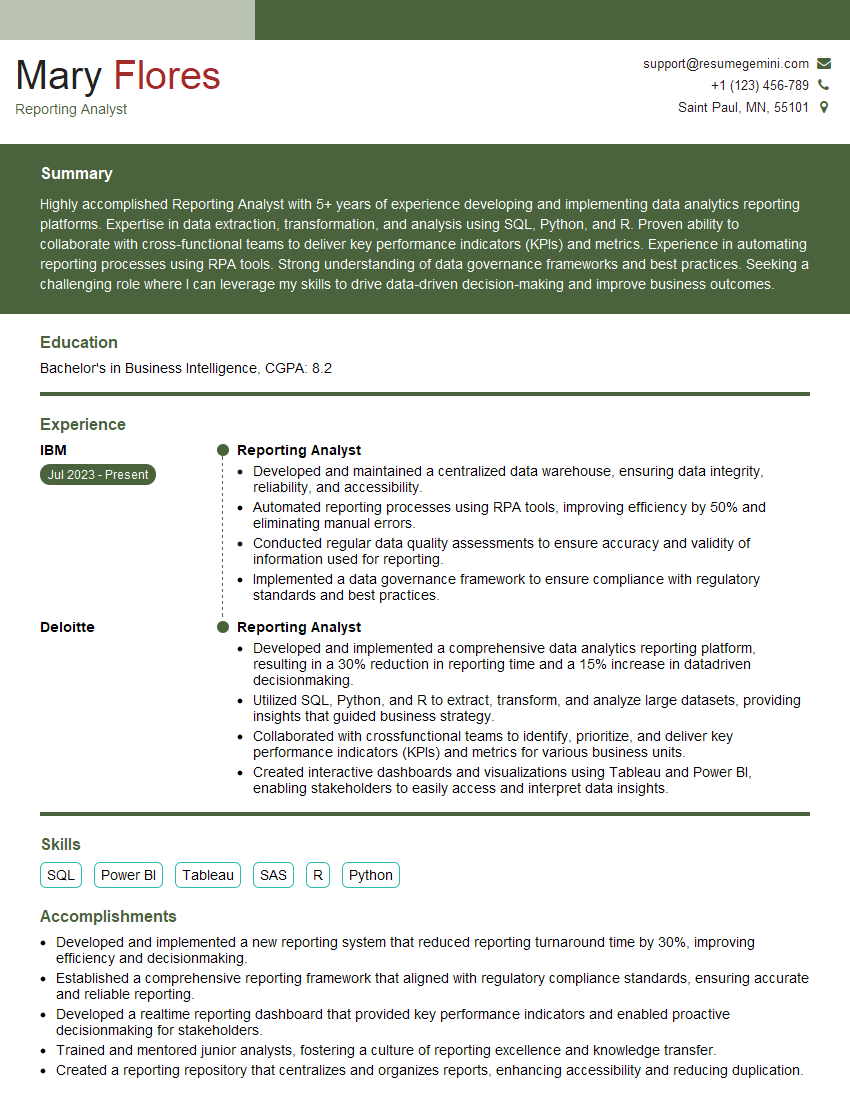
Reporting Analyst Resume Sample
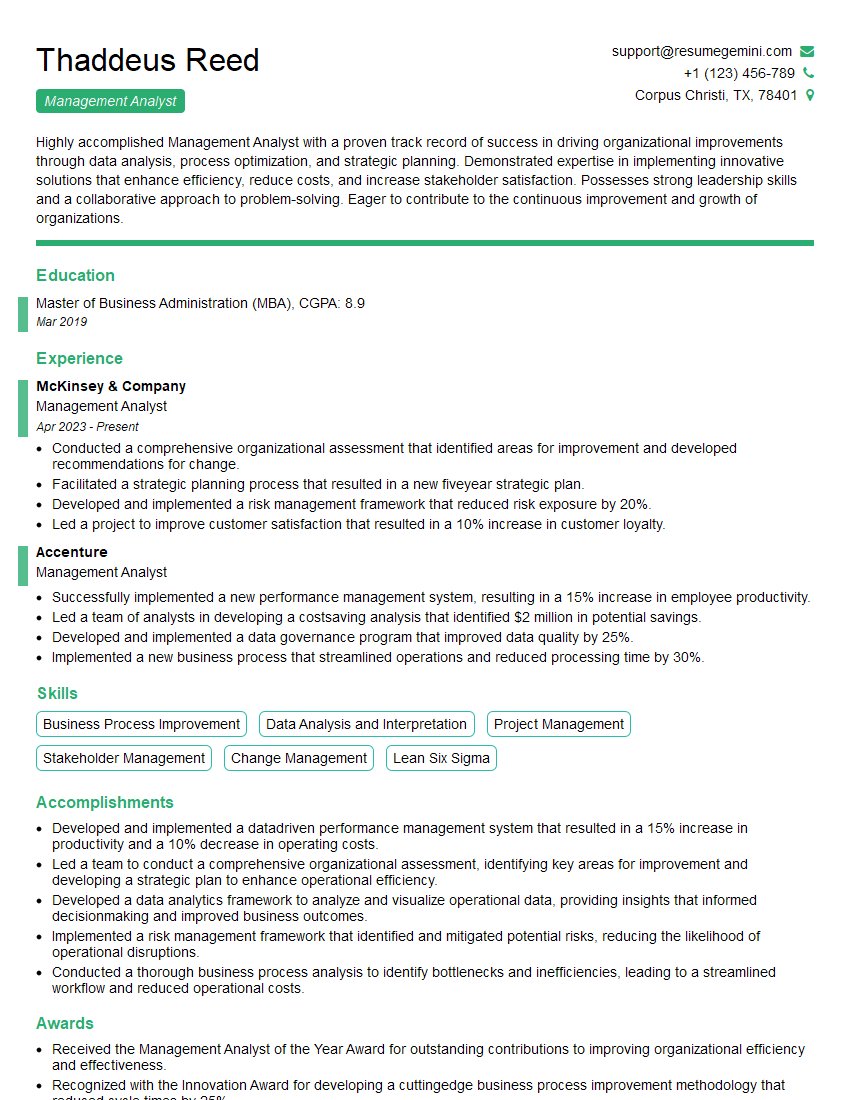
Management Analyst Resume Sample
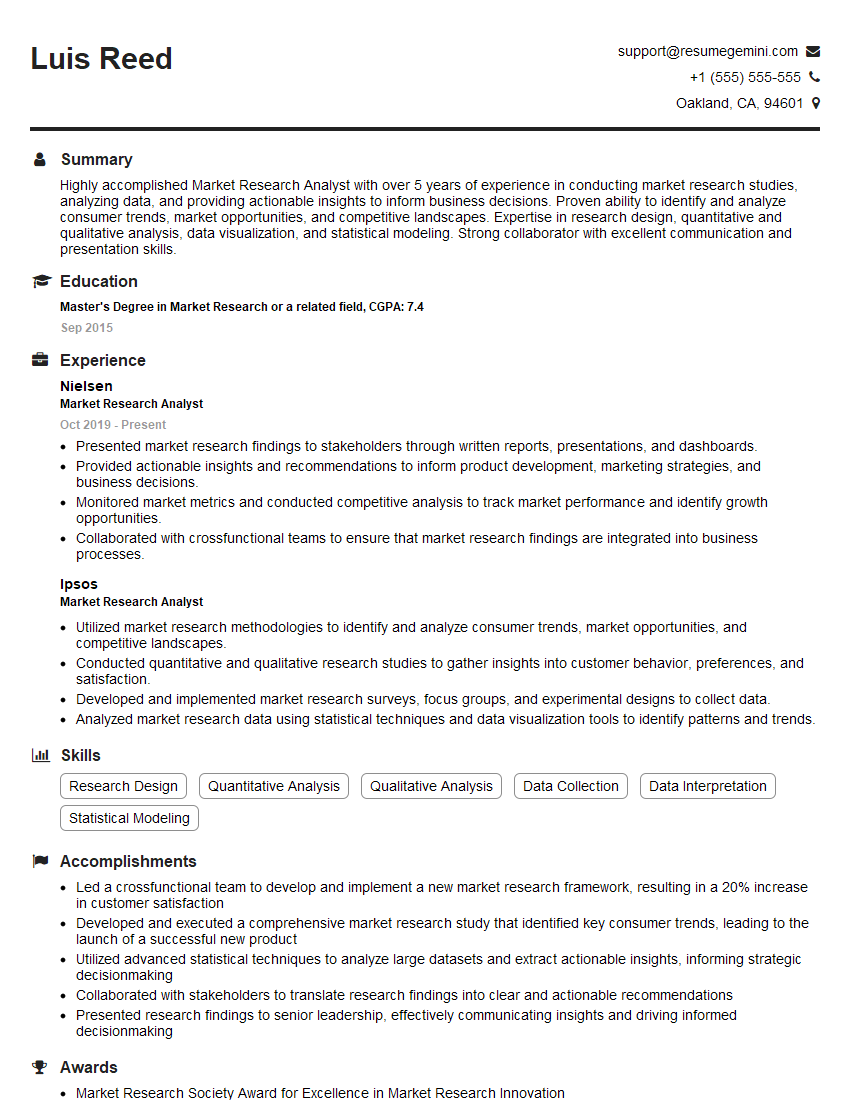
Market Research Analyst Resume Sample
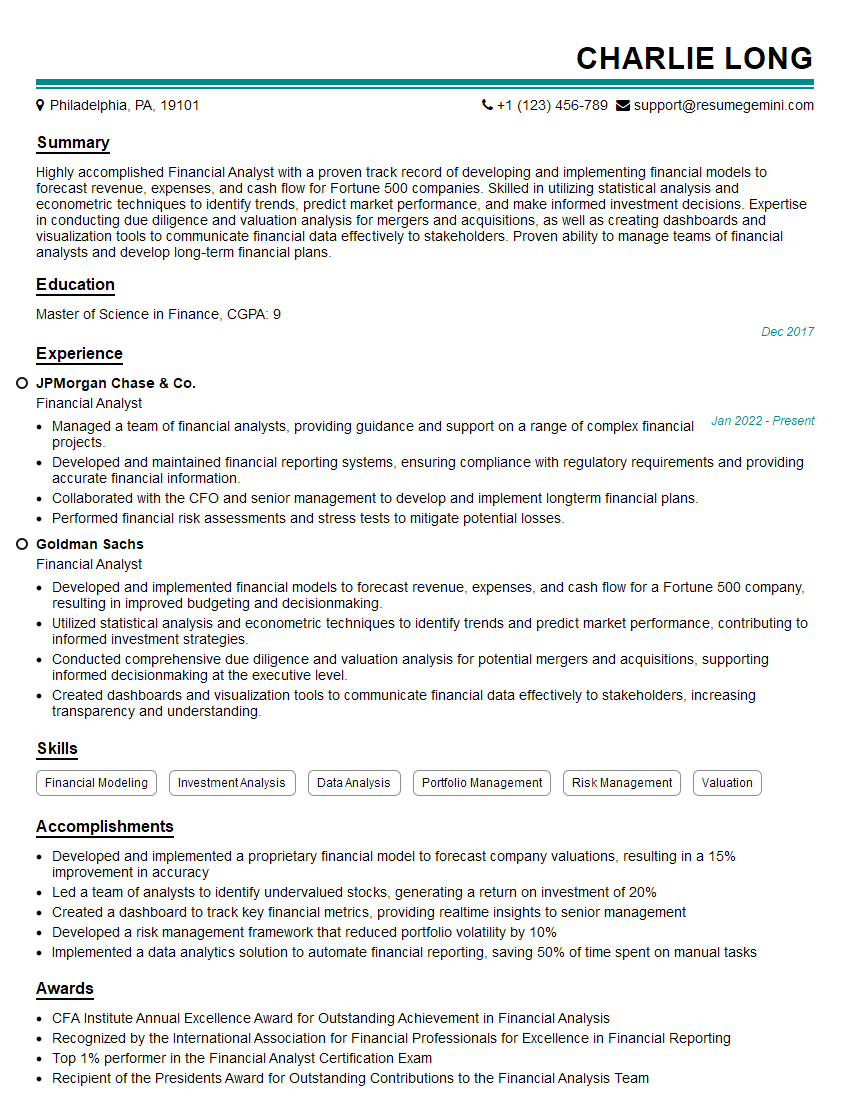
Financial Analyst Resume Sample
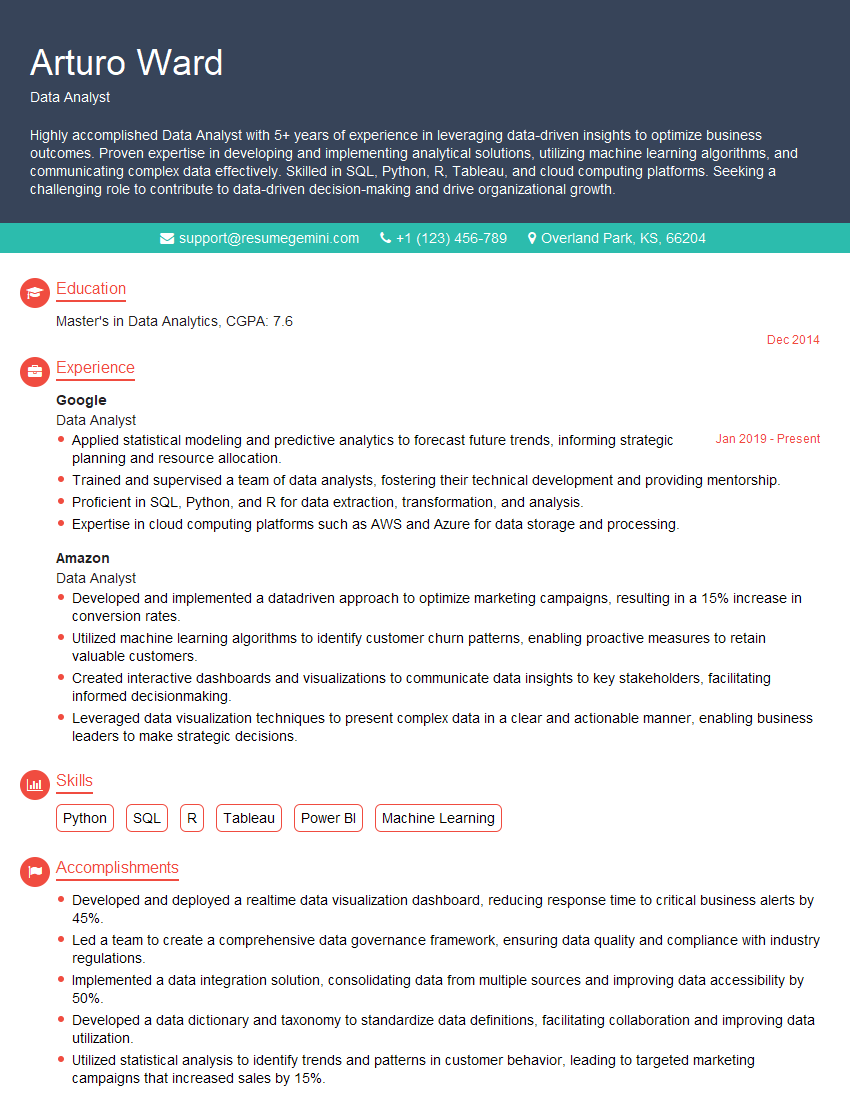
Data Analyst Resume Sample
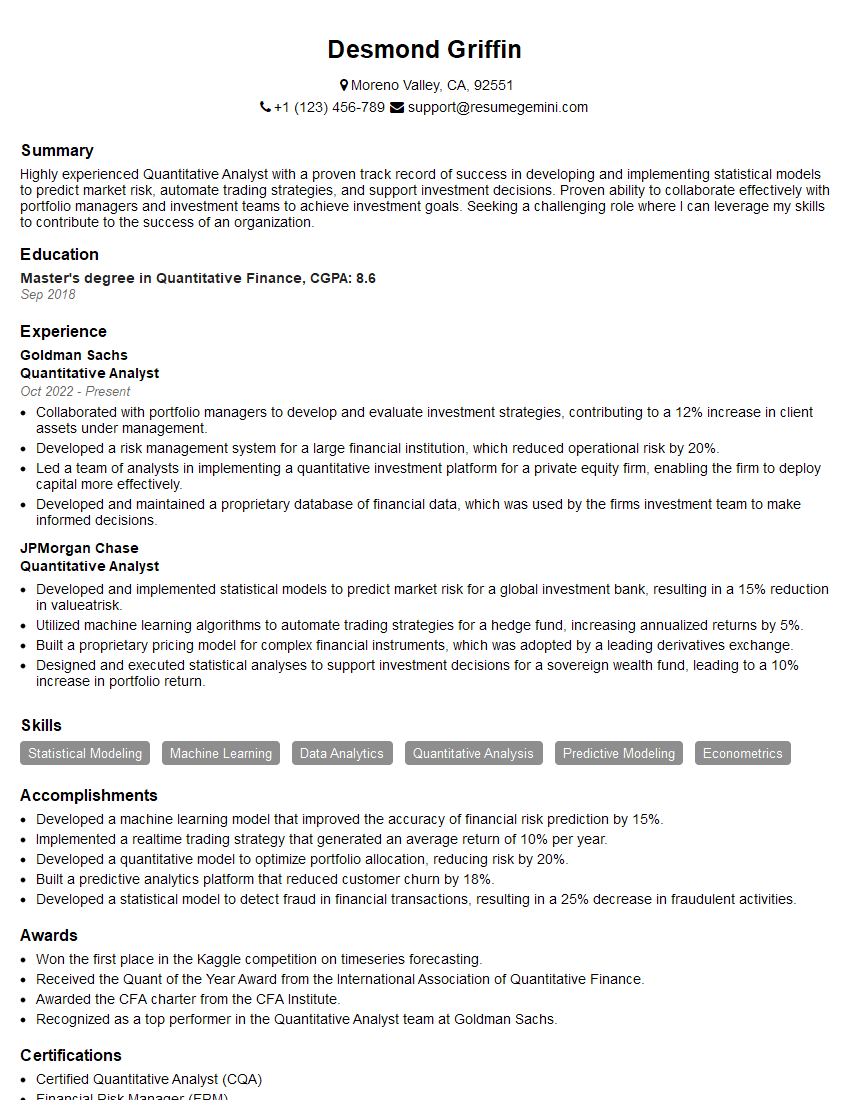
Quantitative Analyst Resume Sample
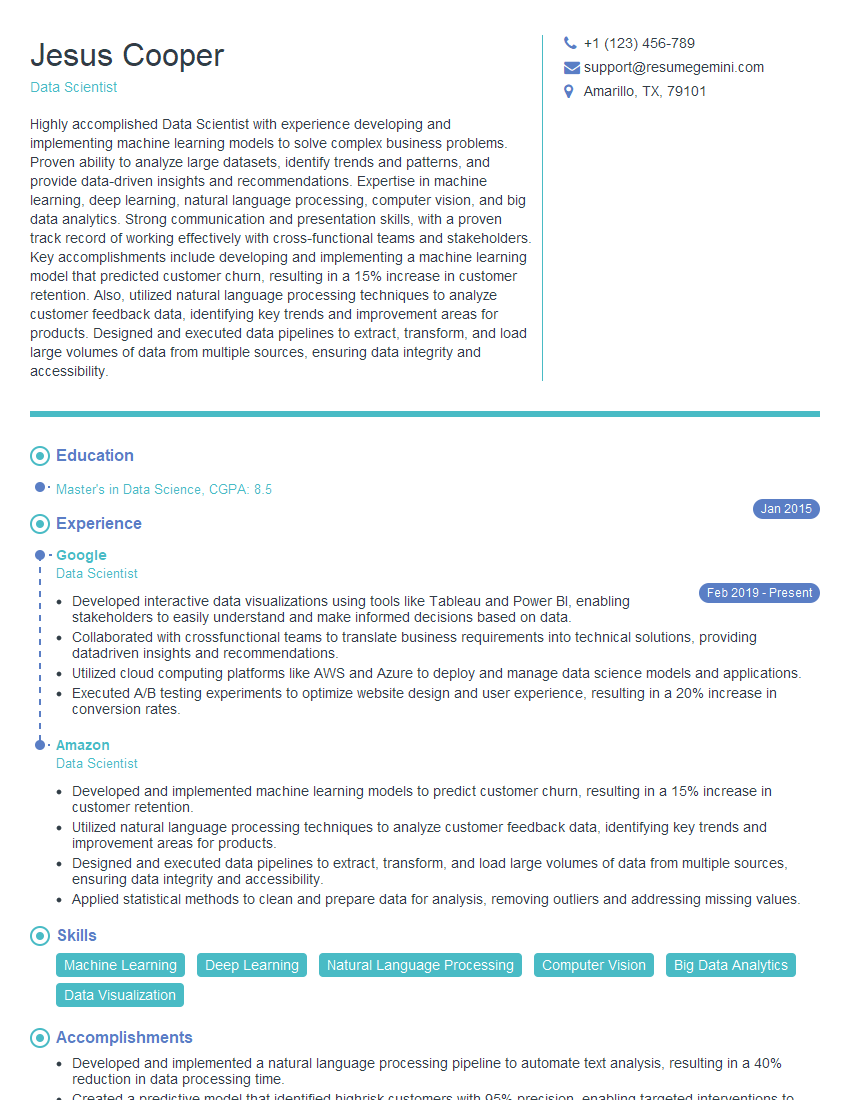
Data Scientist Resume Sample
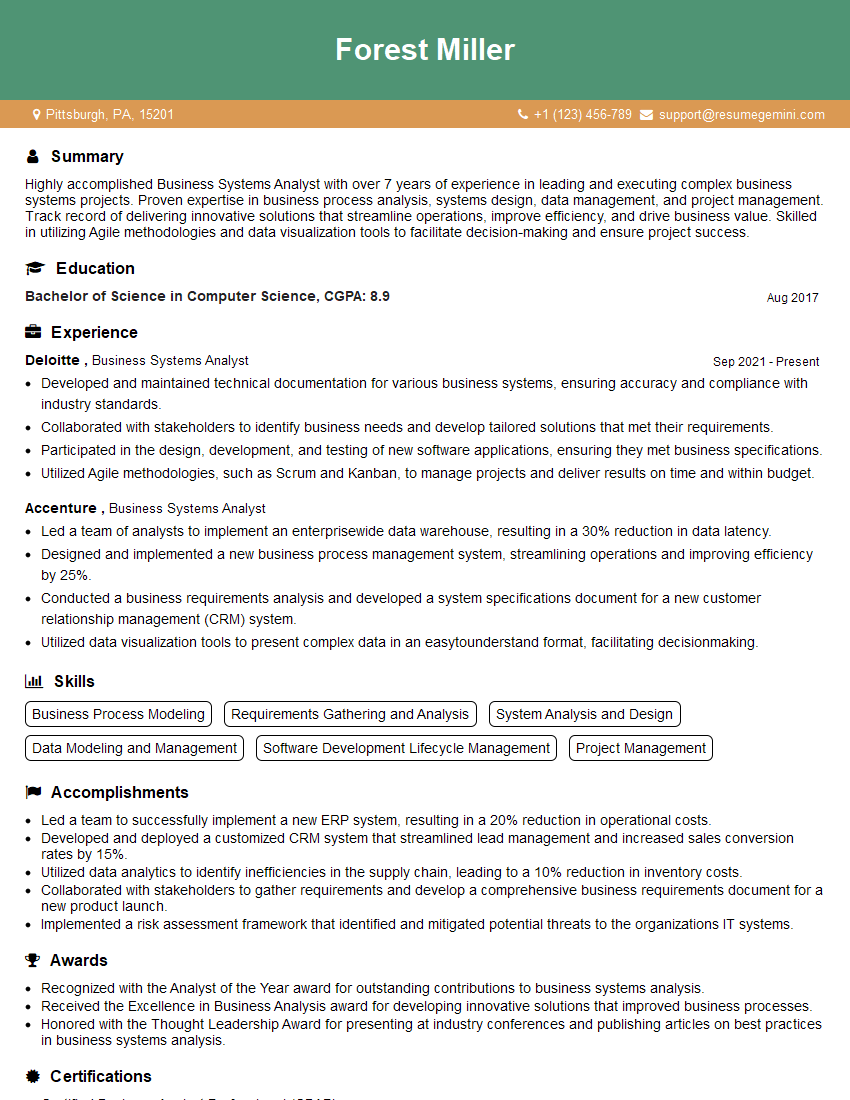
Business Systems Analyst Resume Sample
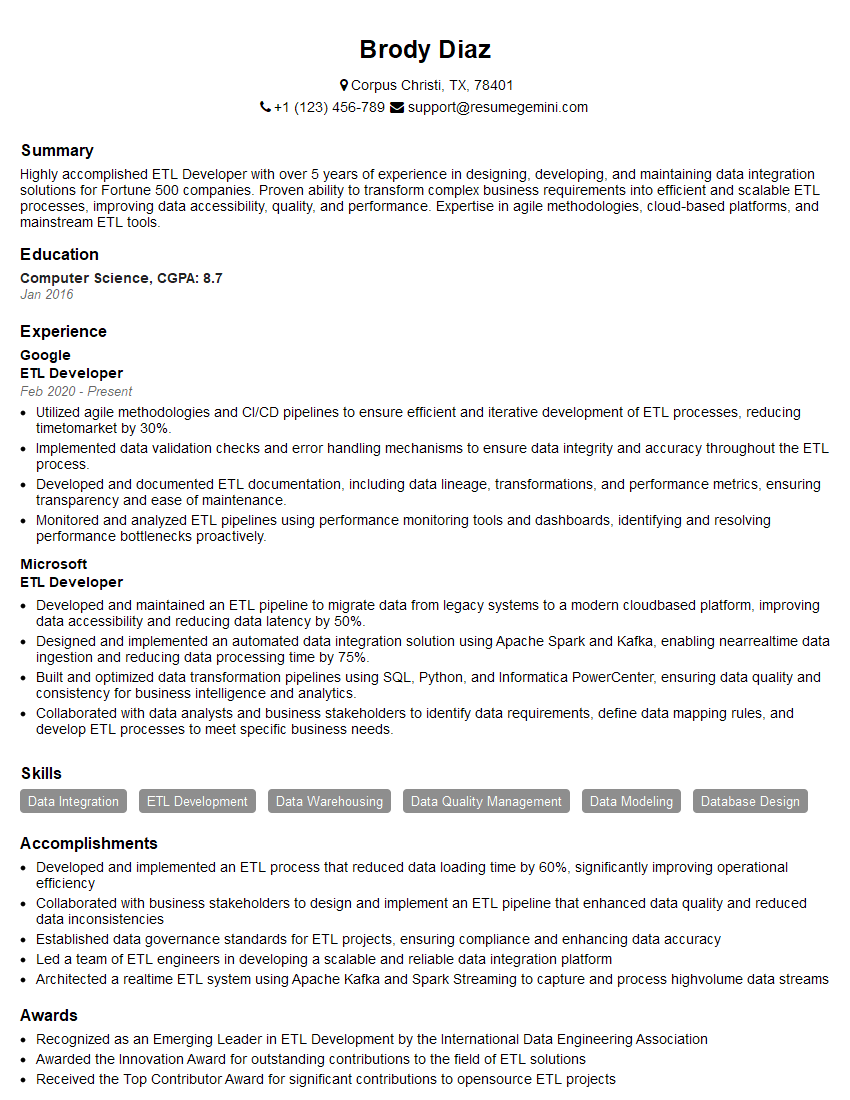
ETL Developer Resume Sample
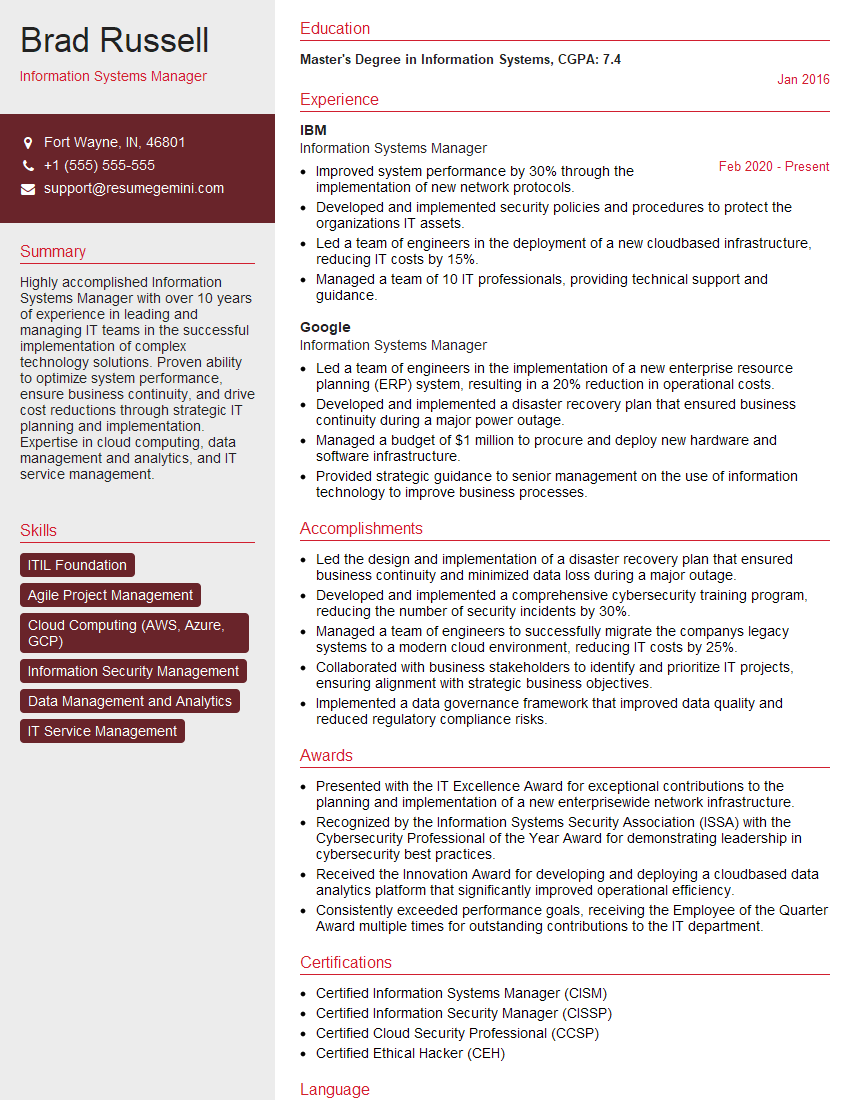
Information Systems Manager Resume Sample
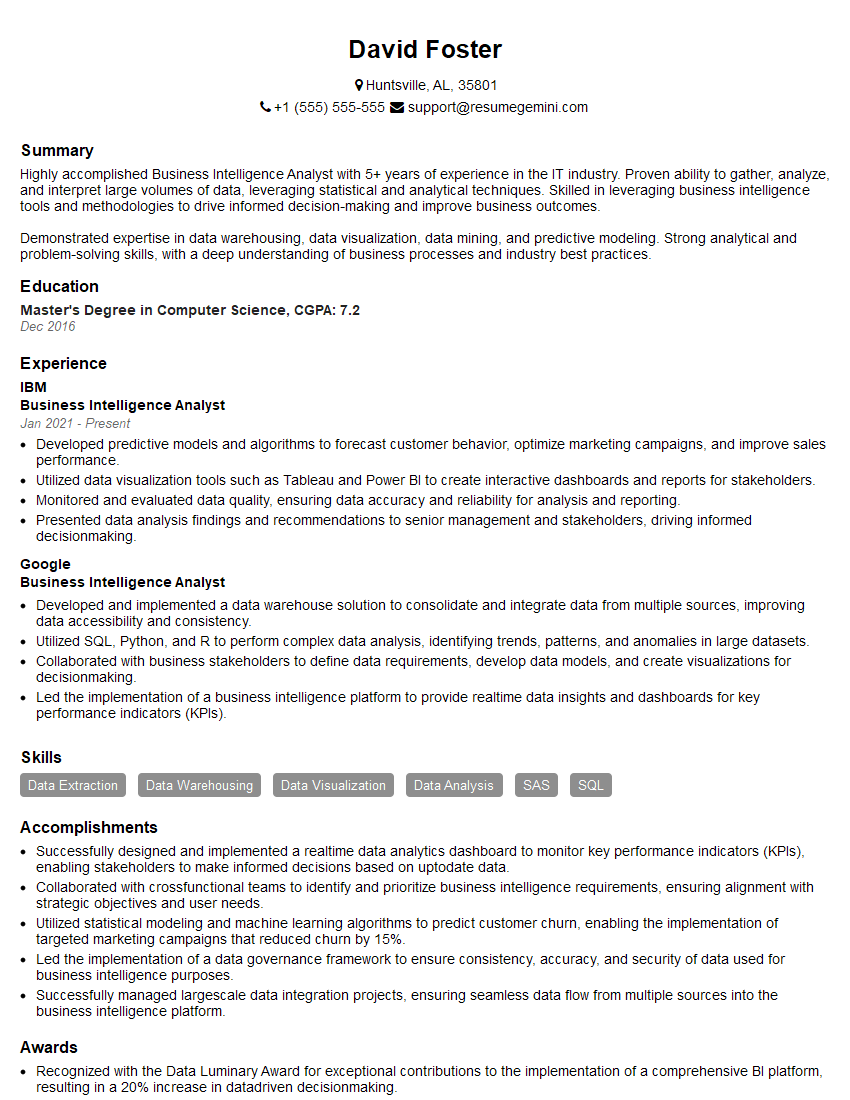
Business Intelligence Analyst Resume Sample
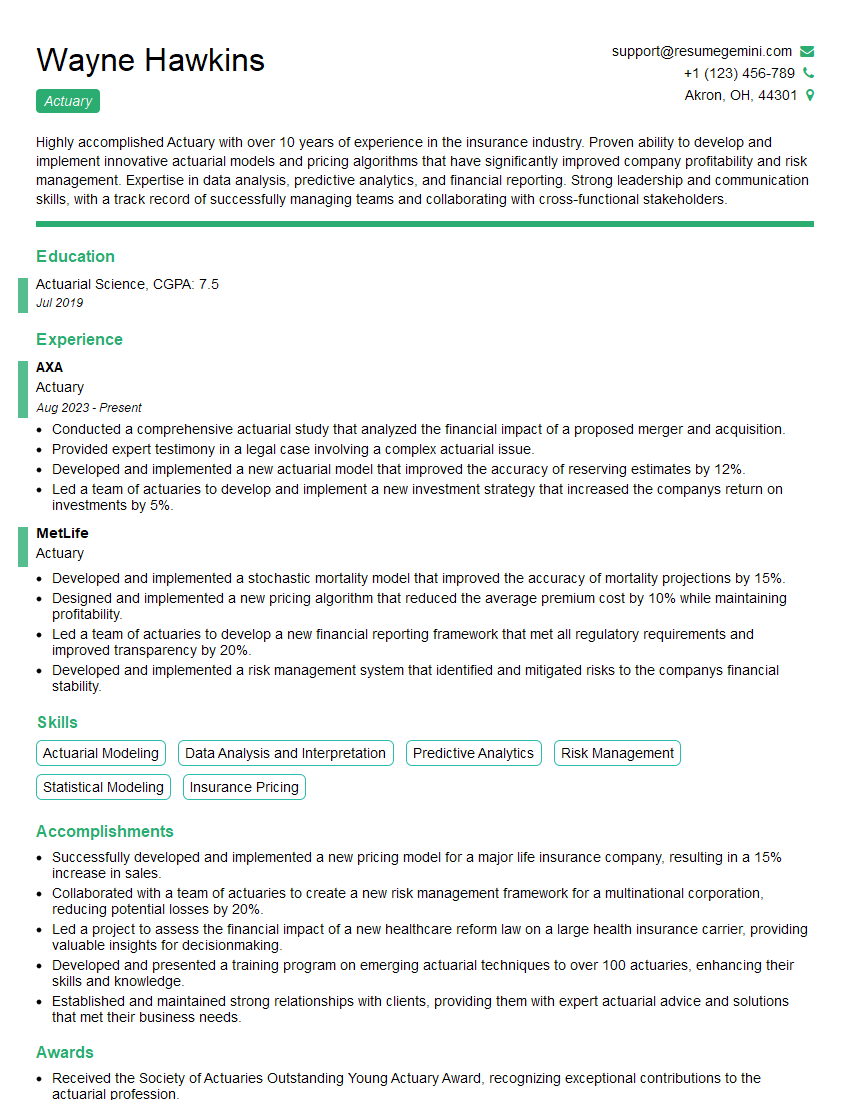
Actuary Resume Sample

Operations Research Analyst Resume Sample
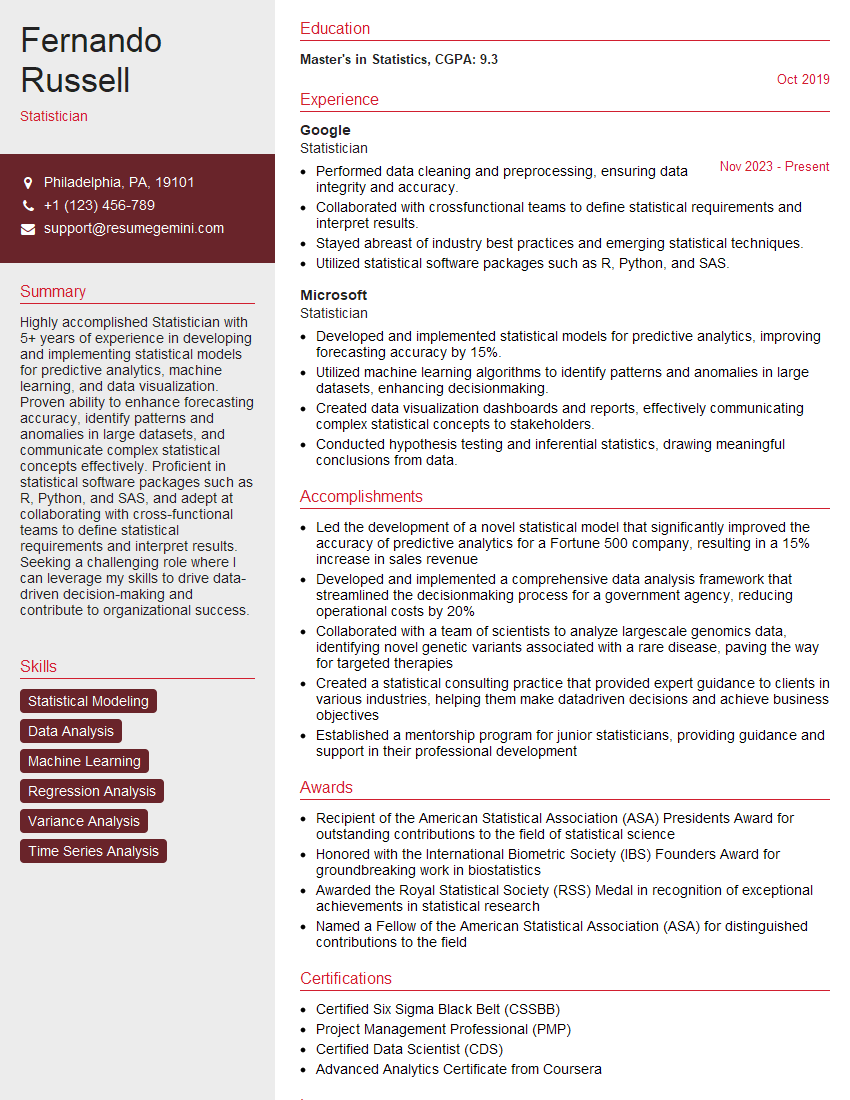
Statistician Resume Sample
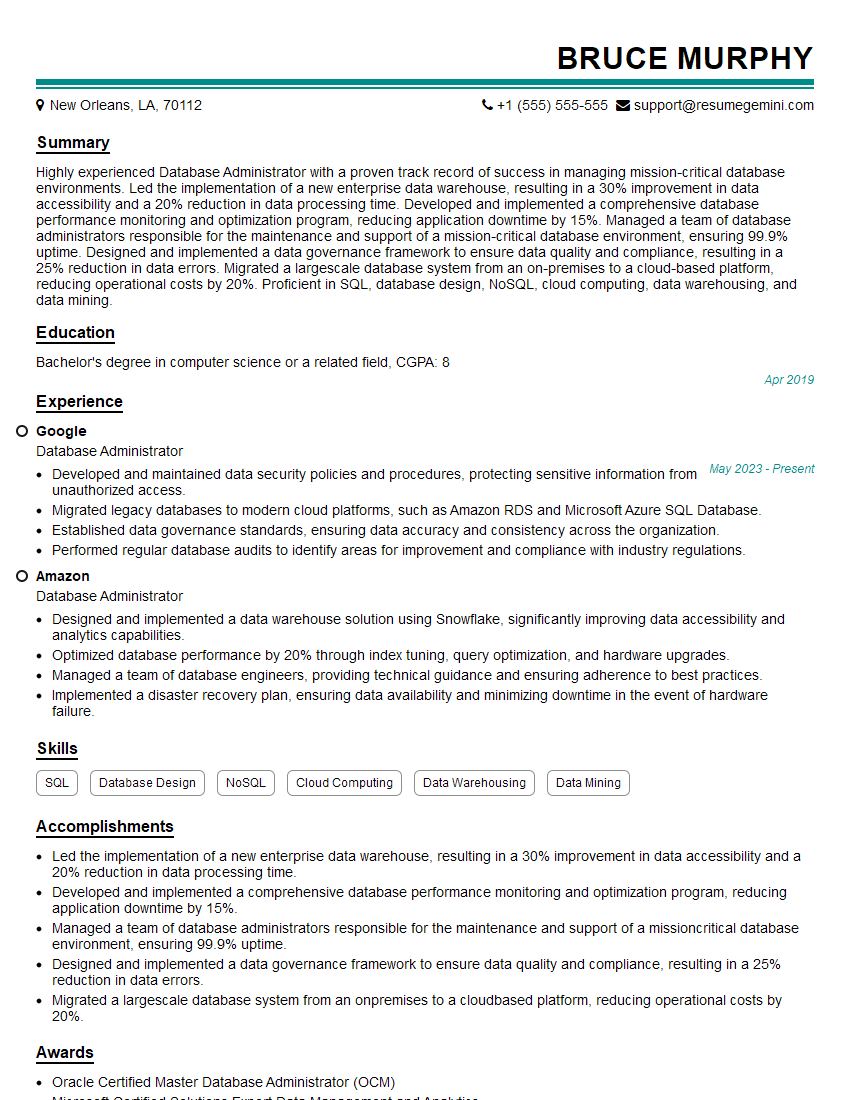
Database Administrator Resume Sample
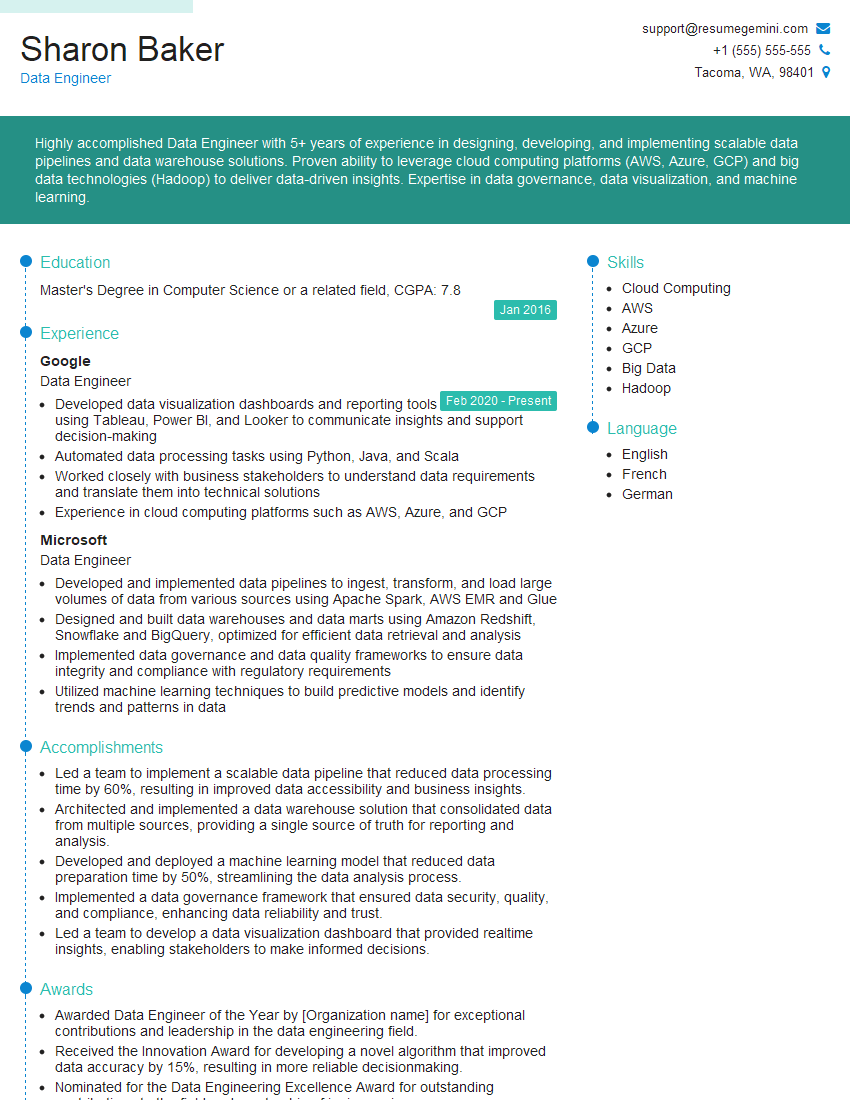
Data Engineer Resume Sample
- Reporting Analyst
- Management Analyst
- Market Research Analyst
- Financial Analyst
- Data Analyst
- Quantitative Analyst
- Data Scientist
- Business Systems Analyst
- ETL Developer
- Information Systems Manager
- Business Intelligence Analyst
- Actuary
- Operations Research Analyst
- Statistician
- Database Administrator
- Data Engineer
Explore more articles
Users Rating of Our Blogs
Share Your Experience
We value your feedback! Please rate our content and share your thoughts (optional).
What Readers Say About Our Blog
To the interviewgemini.com Webmaster.
Very helpful and content specific questions to help prepare me for my interview!
Thank you
To the interviewgemini.com Webmaster.
This was kind of a unique content I found around the specialized skills. Very helpful questions and good detailed answers.
Very Helpful blog, thank you Interviewgemini team.