Interviews are opportunities to demonstrate your expertise, and this guide is here to help you shine. Explore the essential Respiratory Arrest Management interview questions that employers frequently ask, paired with strategies for crafting responses that set you apart from the competition.
Questions Asked in Respiratory Arrest Management Interview
Q 1. Describe the initial assessment of a patient in respiratory arrest.
The initial assessment of a patient in respiratory arrest is a rapid, systematic process focused on securing the airway, breathing, and circulation – the ABCs. It begins with checking for responsiveness. If the patient is unresponsive, immediately activate the emergency response system (e.g., calling 911 or your hospital’s code) and initiate CPR. Simultaneously, assess for signs of breathing (chest rise and fall, breath sounds) and a palpable carotid pulse. Absence of breathing or only gasping breaths, along with the absence of a pulse, confirms respiratory arrest. Quickly look for obvious causes like airway obstruction (e.g., vomitus, foreign body) or trauma. The time spent on this initial assessment should be minimal, as immediate intervention is critical.
Think of it like this: you wouldn’t spend 5 minutes doing a full head-to-toe assessment when someone isn’t breathing; you focus on what’s immediately life-threatening.
Q 2. Outline the steps involved in establishing an airway in a patient with respiratory arrest.
Establishing an airway is the first priority in respiratory arrest. The steps are:
- Head-tilt-chin-lift maneuver: Gently tilt the head back and lift the chin to open the airway. Avoid this if neck injury is suspected, opting for a jaw thrust instead.
- Airway suctioning: Clear the airway of any obstructions like vomit, blood, or foreign bodies. Use a suction device to remove the obstruction effectively.
- Oropharyngeal airway (OPA) or nasopharyngeal airway (NPA) insertion: If the patient’s gag reflex is absent, an OPA (inserted through the mouth) or NPA (inserted through the nose) can help maintain airway patency.
- Bag-valve-mask (BVM) ventilation: If spontaneous breathing isn’t present, provide positive pressure ventilation with a BVM. This is temporary, while preparing for more definitive airway management.
- Endotracheal intubation (ETI): This is the gold standard for definitive airway management, securing an advanced airway. It involves inserting a tube directly into the trachea to deliver oxygen and ventilation.
The specific techniques for OPA/NPA insertion and ETI require specialized training and should be performed by trained medical professionals.
Q 3. Explain the differences between bag-valve-mask ventilation and endotracheal intubation.
Both BVM ventilation and endotracheal intubation are methods to provide ventilation to a patient in respiratory arrest, but they differ significantly in their effectiveness and invasiveness.
- Bag-valve-mask (BVM) ventilation: This is a non-invasive technique using a mask and bag to deliver breaths. It’s relatively easy to learn but relies on a good mask seal, which can be difficult to achieve, resulting in inadequate ventilation. Airway leaks and inadequate tidal volumes are common issues. It’s a temporary measure.
- Endotracheal intubation (ETI): This is an invasive procedure where a tube is passed through the mouth or nose and into the trachea. It provides a secure airway with controlled ventilation and allows for suctioning of secretions. ETI, when done correctly, delivers more consistent and effective ventilation than BVM. However, it requires specialized training and carries risks like esophageal intubation or airway trauma.
In essence, BVM is a bridge to ETI or other definitive airway management, especially until paramedics or an anesthesiologist can secure the airway appropriately.
Q 4. What are the indications for cricothyrotomy?
Cricothyrotomy, a surgical procedure creating an airway through an incision in the cricothyroid membrane, is a last resort when other airway management techniques have failed. Indications include:
- Inability to intubate: When the endotracheal tube cannot be passed due to anatomical abnormalities, swelling, or severe trauma.
- Inability to ventilate: Despite successful intubation, the patient cannot be adequately ventilated.
- Severe upper airway obstruction: In situations where the airway is completely blocked by trauma, infection, or foreign bodies, and other methods are unsuccessful or impossible.
- Life-threatening airway compromise: When immediate airway access is crucial for patient survival.
It’s a challenging procedure requiring advanced training and expertise, ideally performed by experienced personnel in a controlled setting.
Q 5. Describe the proper technique for chest compressions during CPR.
Proper chest compressions are vital in CPR. The technique emphasizes depth, rate, and minimal interruptions:
- Hand placement: Place the heel of one hand on the center of the chest (lower half of the sternum). Overlay the other hand on top, interlacing fingers.
- Body position: Keep your arms straight and shoulders directly above your hands. Avoid leaning.
- Compression depth: Compress the chest at least 2 inches (5 cm) for adults. Depth varies slightly for children and infants.
- Compression rate: Aim for a rate of 100-120 compressions per minute.
- Complete chest recoil: Allow the chest to fully recoil after each compression. Avoid leaning on the chest between compressions.
- Minimal interruptions: Minimize pauses in compressions during CPR, allowing for only minimal breaks for ventilation or rhythm analysis (if an AED is used).
Regular CPR training is essential to master this life-saving technique and ensure consistent and effective compressions. Training mannequins simulate the proper technique and provide feedback.
Q 6. What are the common causes of respiratory arrest?
Respiratory arrest can stem from a wide range of causes. They can be broadly categorized as:
- Airway obstruction: Foreign body aspiration, choking, anaphylaxis, or severe allergic reactions.
- Lung disease: Severe asthma, pneumonia, pulmonary edema, COPD exacerbations, and pneumothorax (collapsed lung).
- Central nervous system disorders: Stroke, traumatic brain injury, drug overdose (opioids, benzodiazepines), and seizures.
- Cardiovascular problems: Cardiac arrest, heart failure, severe arrhythmias, and pulmonary embolism.
- Trauma: Chest injuries, spinal cord injury, and severe bleeding.
- Other causes: Electrolyte imbalances, sepsis (infection), and metabolic disorders.
Identifying the underlying cause is critical for effective treatment. A thorough investigation post-resuscitation often helps determine the contributing factor.
Q 7. How do you manage a patient with respiratory arrest secondary to an allergic reaction?
Managing respiratory arrest from an allergic reaction requires a rapid and coordinated approach. The cornerstone is the administration of epinephrine (adrenaline), followed by supportive care.
- Epinephrine: Immediately administer intramuscular epinephrine (1:1000 concentration for adults, appropriately dosed for children). This potent medication is critical in reversing the effects of anaphylaxis. Repeated doses might be necessary.
- Airway management: Ensure a patent airway. Use advanced airway management if necessary.
- Oxygen therapy: Provide high-flow oxygen via a non-rebreather mask or endotracheal tube.
- Fluid resuscitation: Administer intravenous fluids to address potential hypotension (low blood pressure).
- Monitoring: Continuously monitor vital signs (heart rate, blood pressure, oxygen saturation) and respiratory status. Watch for signs of recurrent anaphylaxis.
- Antihistamines and corticosteroids: Administer antihistamines (e.g., diphenhydramine) and corticosteroids (e.g., methylprednisolone) to reduce inflammation and prevent recurrence.
Remember, timely intervention with epinephrine is paramount. Delaying treatment can lead to severe complications or death.
Q 8. How do you manage a patient with respiratory arrest secondary to drug overdose?
Managing respiratory arrest secondary to drug overdose requires a rapid, coordinated approach focusing on airway, breathing, and circulation (ABCs). The first priority is securing the airway. This often involves the use of advanced airway management techniques like endotracheal intubation or a supraglottic airway device, depending on the patient’s clinical presentation and the rescuer’s expertise.
Simultaneously, we need to initiate ventilation with high-flow oxygen using a bag-valve mask (BVM) device. Intravenous access should be established for administering medications. Narcan (naloxone), a specific opioid antagonist, is crucial in cases of opioid overdose, rapidly reversing respiratory depression. Other supportive measures might include fluid resuscitation if hypotension is present. Continuous monitoring of vital signs, particularly oxygen saturation and blood pressure, is paramount. Once the patient’s breathing is stabilized, we would focus on addressing any underlying cause and continuing supportive care, closely observing for possible complications, such as aspiration pneumonia, hypoxia, and recurrent respiratory depression.
For example, a young adult found unresponsive with pinpoint pupils and shallow breaths would immediately receive naloxone and assisted ventilation. Rapid sequence intubation might be employed if the patient doesn’t improve with BVM ventilation, ensuring the airway is secured and ventilation is optimal.
Q 9. Explain the importance of monitoring oxygen saturation and end-tidal CO2 during resuscitation.
Monitoring oxygen saturation (SpO2) and end-tidal carbon dioxide (EtCO2) during resuscitation is critical for assessing the effectiveness of our interventions and guiding treatment. SpO2, measured by pulse oximetry, indicates the percentage of hemoglobin saturated with oxygen, providing a real-time assessment of oxygenation. A low SpO2, below 90%, signifies hypoxemia, a life-threatening condition requiring immediate attention.
EtCO2, measured using a capnograph, reflects the partial pressure of carbon dioxide at the end of exhalation. It’s an excellent indicator of ventilation and confirms proper placement and function of the endotracheal tube. An absence of EtCO2 following intubation suggests incorrect tube placement, while persistently elevated levels could indicate inadequate ventilation or hypoventilation. Monitoring both SpO2 and EtCO2 allows us to promptly identify and correct issues with oxygenation and ventilation during resuscitation.
Imagine a scenario where a patient’s SpO2 is dropping despite mechanical ventilation. Monitoring EtCO2 can help determine if the problem is poor oxygenation (requiring adjustments to the oxygen delivery system) or inadequate ventilation (requiring changes to ventilator settings or checking tube placement). The combined monitoring provides a comprehensive view of respiratory function.
Q 10. What are the potential complications of endotracheal intubation?
Endotracheal intubation, while a life-saving procedure, carries potential complications, some immediate and others delayed. Immediate complications include esophageal intubation (placing the tube in the esophagus instead of the trachea), hypoxemia due to inadequate ventilation or airway obstruction, and trauma to the airway such as bleeding, vocal cord injury, or even perforation. Delayed complications include infection (ventilator-associated pneumonia), tracheal stenosis (narrowing of the trachea), and dental injury.
Minimizing these risks requires careful technique, proper training, and the use of appropriate equipment. Confirmation of tube placement using capnography, auscultation, and chest rise is essential. Regular monitoring of the patient’s respiratory status and vital signs, along with prophylactic measures like sedation and analgesia, can help reduce the risk of complications. Careful attention to the patient’s post-intubation management including proper suctioning and cuff pressure is also essential to minimize complications.
Q 11. How do you manage a difficult airway?
Managing a difficult airway requires a structured approach, prioritizing both patient safety and successful airway management. The first step is proper assessment, evaluating the patient’s anatomy, the anticipated difficulty, and available resources. A failed intubation attempt can result in disastrous consequences. Hence, having a plan B and even C, is crucial. We employ strategies like preoxygenation to maximize oxygen stores before intubation. We also use airway adjuncts like laryngeal masks (LMA) or supraglottic airway devices (SADs) to provide ventilation while attempting definitive airway management. If standard intubation proves difficult, we might consider techniques such as fiberoptic intubation, which allows for visualization of the airway structures. In extreme cases, surgical airways might be necessary to secure the patient’s airway.
Teamwork is crucial when managing a difficult airway. A well-trained team will recognize early warning signs, make timely decisions, and work collaboratively to overcome challenges. The key is to know your limitations and when to call for assistance from experienced colleagues or surgical support.
Q 12. Describe the role of medication in managing respiratory arrest.
Medications play a vital role in managing respiratory arrest, serving multiple functions depending on the underlying cause and the patient’s condition. As mentioned earlier, naloxone is crucial for opioid overdose. Other medications used during resuscitation include adrenaline (epinephrine) to stimulate heart contractions and improve blood pressure, atropine to counteract bradycardia (slow heart rate), and vasopressin to support blood pressure. Sedatives and paralytics are often used during intubation to facilitate the procedure and prevent patient movement.
The selection of medications and their dosages depend on the specific circumstances and should be guided by established resuscitation protocols and clinical judgment. It is important to emphasize that administering medications is only one aspect of a wider resuscitation strategy.
Q 13. What are the different types of advanced airway devices?
Advanced airway devices are used to provide a secure airway, facilitating effective ventilation and oxygenation in patients who cannot maintain their own breathing. These devices fall into several categories. Endotracheal tubes (ETTs) are the most common, placed directly into the trachea. Supraglottic airway devices (SADs), such as laryngeal masks (LMAs) and i-gels, sit above the glottis, providing a seal around the airway entrance. These can be useful alternatives to endotracheal intubation, particularly in situations where intubation is difficult or high-risk. Other advanced airway devices include the combitube, which has multiple lumens allowing for ventilation in either the trachea or esophagus.
The choice of device depends on the patient’s condition, the rescuer’s skill level, and the availability of resources. Each device has its own advantages and disadvantages in terms of ease of insertion, effectiveness of ventilation, and risk of complications.
Q 14. What is the significance of pulse oximetry during respiratory arrest?
Pulse oximetry, measuring SpO2, is essential during respiratory arrest because it provides continuous, non-invasive monitoring of blood oxygen saturation. A decreasing SpO2 is a crucial indicator of worsening hypoxia, even before clinical signs become apparent. This early warning allows for prompt interventions, such as increasing oxygen delivery or adjusting ventilation strategies. While SpO2 is a valuable tool, it’s important to remember it doesn’t directly measure ventilation or the adequacy of gas exchange. It’s best used in combination with other monitoring techniques like capnography.
In essence, pulse oximetry provides a critical piece of information that can be lifesaving during a respiratory arrest. It helps us understand whether our resuscitation efforts are effective and guides our decisions about the next steps. For instance, a patient with a falling SpO2 despite assisted ventilation might require immediate evaluation for intubation or other advanced airway support.
Q 15. What are the post-resuscitation care considerations for a patient in respiratory arrest?
Post-resuscitation care for a patient in respiratory arrest is crucial for improving survival and neurological outcomes. It’s a multifaceted process that begins immediately after return of spontaneous circulation (ROSC) and continues for hours, days, and even weeks after the event. The primary goals are to maintain adequate oxygenation and ventilation, correct any underlying metabolic derangements, and support vital organ function.
Oxygenation and Ventilation: This involves ensuring adequate oxygen delivery to the tissues. This might involve continued mechanical ventilation with close monitoring of blood gases (PaO2, PaCO2). We’ll titrate oxygen support to maintain optimal oxygen saturation while avoiding hyperoxia.
Hemodynamic Support: Maintaining adequate blood pressure and perfusion is essential. This often involves intravenous fluids and/or vasopressors to stabilize blood pressure and improve tissue perfusion. We’ll continuously monitor vital signs.
Electrolyte and Acid-Base Balance Correction: Respiratory arrest can lead to electrolyte imbalances (e.g., hyperkalemia, hypocalcemia) and acidosis. Blood tests are vital to detect these, and appropriate treatment will be administered to restore balance.
Temperature Management: Therapeutic hypothermia (mild cooling) may be considered within the first few hours post-ROSC in certain cases to reduce the risk of neurological damage. This needs careful monitoring and is based on established guidelines.
Neurological Monitoring: Continuous monitoring of neurological status is critical, including Glasgow Coma Scale (GCS) scores, pupillary response, and brain stem reflexes. This helps assess the severity of brain injury and guide further management.
Ongoing assessment and treatment: This includes looking for complications like pneumonia, acute respiratory distress syndrome (ARDS), or renal failure, and providing tailored treatment as needed. We’ll also support the patient’s family, providing updates and facilitating communication.
Career Expert Tips:
- Ace those interviews! Prepare effectively by reviewing the Top 50 Most Common Interview Questions on ResumeGemini.
- Navigate your job search with confidence! Explore a wide range of Career Tips on ResumeGemini. Learn about common challenges and recommendations to overcome them.
- Craft the perfect resume! Master the Art of Resume Writing with ResumeGemini’s guide. Showcase your unique qualifications and achievements effectively.
- Don’t miss out on holiday savings! Build your dream resume with ResumeGemini’s ATS optimized templates.
Q 16. How do you determine the effectiveness of CPR?
Determining the effectiveness of CPR relies on a combination of immediate and delayed assessments. Immediate effectiveness is judged by the return of spontaneous circulation (ROSC), indicated by palpable pulse and spontaneous breathing. However, ROSC doesn’t guarantee survival or neurological intactness.
Immediate signs of effectiveness: Palpable carotid or femoral pulse, spontaneous breathing, and return of spontaneous circulation (ROSC) are the immediate indicators. We also monitor the heart rhythm using an ECG.
Delayed indicators: These assess long-term outcomes and include neurological assessment (GCS, pupillary response), arterial blood gas analysis (to check for oxygenation and acid-base balance), and lactate levels (a marker of tissue perfusion). Post-resuscitation ECG monitoring is also crucial for detecting any arrhythmias.
Example: In one case, a patient had ROSC after 15 minutes of CPR. However, their GCS remained low, and blood tests indicated severe acidosis. This highlighted the need for further critical care, emphasizing that ROSC is just one step in the resuscitation process.
Q 17. Explain the importance of team dynamics during a resuscitation.
Effective team dynamics are absolutely paramount during a resuscitation. A coordinated, efficient team significantly increases the chances of a successful outcome. It’s not just about medical expertise; it’s about clear communication, defined roles, and mutual respect.
Clear Leadership: A designated team leader is crucial for coordinating efforts and ensuring clear communication. This individual guides the resuscitation efforts, assigns roles, and makes critical decisions.
Effective Communication: Clear and concise communication using standardized phrases (e.g., SBAR – Situation, Background, Assessment, Recommendation) is essential to avoid confusion and ensure everyone is on the same page. Regular briefings on the patient’s condition are critical.
Defined Roles: Each team member should have a clearly defined role (e.g., chest compressions, airway management, medication administration, monitoring). This avoids overlap and maximizes efficiency.
Debriefing: After the resuscitation, a debriefing session allows the team to reflect on the event, identify areas for improvement, and strengthen future responses. This helps foster teamwork and continuous learning.
Example: In a high-pressure situation, a well-coordinated team with clear communication can quickly assess the patient’s condition, administer medications effectively, and ensure the airway is secured. The effectiveness of the entire team rests on this effective communication and coordination.
Q 18. Describe your experience with managing respiratory arrest in various settings (e.g., hospital, pre-hospital).
I have extensive experience managing respiratory arrest in both hospital and pre-hospital settings. In the hospital, I’ve participated in numerous code blues, utilizing advanced life support (ALS) protocols, including intubation, medication administration, and the use of advanced monitoring equipment. In pre-hospital settings, as part of a paramedic team, I’ve dealt with scenarios where immediate intervention was critical, often managing airway challenges in challenging environments and making rapid, life-saving decisions with limited resources. The key differences lie in resource availability and the immediate environment. Hospital settings offer sophisticated equipment, monitoring, and specialist support. Pre-hospital care often requires rapid assessment, quick decision-making, and the ability to adapt to varied environmental conditions.
One memorable pre-hospital case involved managing a respiratory arrest in a remote area with limited access to advanced equipment. We had to prioritize airway management and CPR, using basic life support (BLS) effectively until we could reach the nearest medical facility. This experience highlighted the importance of adaptability and resourcefulness in crisis situations.
Q 19. What are the key differences in managing pediatric vs. adult respiratory arrest?
Managing pediatric respiratory arrest differs significantly from adult management, primarily due to the anatomical and physiological differences in children. Pediatric patients are more susceptible to airway obstruction, have a higher metabolic rate, and can decompensate rapidly.
Airway Management: Proper airway management is crucial in children. Techniques like jaw thrust and head tilt-chin lift may be more effective than in adults. Intubation may be challenging and requires specialized pediatric equipment.
Medication Dosage: Medication dosages are weight-based and significantly lower in children. Incorrect dosing can be life-threatening. We will always use pediatric-specific resuscitation protocols.
Cardiopulmonary Resuscitation (CPR): CPR techniques are adapted to the age and size of the child. The compression-to-ventilation ratio and hand placement differ from adult CPR.
Hypothermia: Post-resuscitation hypothermia protocols may be employed differently in pediatric cases due to the increased risk of complications.
For example, a 2-year-old child in respiratory arrest would require a much smaller dose of adrenaline compared to an adult, and the CPR technique would involve careful consideration of the child’s size and age.
Q 20. How do you recognize and manage hyperventilation syndrome?
Hyperventilation syndrome is a condition characterized by rapid, deep breathing, often leading to respiratory alkalosis (a decrease in blood carbon dioxide levels). It’s often triggered by anxiety, panic attacks, or other emotional stressors, although other causes like pulmonary embolism, metabolic acidosis, and other neurological conditions can also contribute. Recognition involves observing the patient’s breathing pattern – rapid, deep breaths, often accompanied by dizziness, lightheadedness, paraesthesia (tingling), and anxiety.
Recognition: Look for rapid, deep breathing (hyperventilation) and associated symptoms like lightheadedness, dizziness, tingling in the extremities (paraesthesia), and anxiety. A blood gas analysis would confirm the presence of respiratory alkalosis.
Management: The goal is to slow the breathing rate and correct the respiratory alkalosis. This often involves techniques like breathing retraining, where the patient is encouraged to breathe slowly and deeply, focusing on controlled exhalations. In severe cases, supplemental oxygen and possibly even rebreathing into a paper bag (under supervision) can help increase carbon dioxide levels. Addressing the underlying anxiety or panic attack is essential. Psychological support may be necessary.
For example, a patient experiencing a panic attack may start hyperventilating, resulting in symptoms like lightheadedness and tingling. Guiding them through controlled breathing exercises can effectively alleviate their symptoms. Severe cases require medical intervention and monitoring.
Q 21. What are the ethical considerations in managing respiratory arrest?
Ethical considerations in managing respiratory arrest are complex and often arise in situations involving limitations in resources, uncertainty about prognosis, and conflicts between patient autonomy and beneficence. These require careful consideration and adherence to ethical guidelines.
Allocation of Resources: In situations with limited resources (e.g., multiple patients requiring resuscitation simultaneously), ethical dilemmas regarding resource allocation may arise. Decisions must be made fairly and based on established triage protocols that prioritize the most likely candidates for successful resuscitation.
Do Not Resuscitate (DNR) Orders: Honoring advance directives (such as DNR orders) is paramount. These reflect the patient’s wishes regarding life-sustaining treatment and must be respected. Thorough confirmation of the validity and scope of the order is mandatory.
Futile Treatment: There are situations where resuscitation efforts are deemed futile, meaning they are unlikely to result in a positive outcome. Ethically, continuing futile treatment might be considered inappropriate, prioritizing the patient’s comfort and dignity. This decision is made through careful assessment and consultation with the healthcare team.
Informed Consent: Whenever possible, obtaining informed consent from the patient or their surrogate decision-maker before initiating resuscitation is ethically essential. This is often not feasible in emergency settings, but family is consulted as soon as possible.
Ethical considerations guide decision-making in these difficult scenarios, ensuring that care is provided with respect, compassion, and in accordance with the patient’s best interests and wishes.
Q 22. Describe your experience with mechanical ventilation.
My experience with mechanical ventilation spans over ten years, encompassing both invasive and non-invasive techniques. I’m proficient in setting up and managing various ventilators, adjusting parameters based on patient needs and response. This includes selecting appropriate ventilation modes like volume-controlled ventilation (VCV), pressure-controlled ventilation (PCV), and pressure support ventilation (PSV), and adjusting parameters like tidal volume, respiratory rate, FiO2, and PEEP. I’ve worked extensively with patients requiring prolonged mechanical ventilation, including those with acute respiratory distress syndrome (ARDS) and post-operative respiratory failure. I’m also experienced in troubleshooting ventilator malfunctions and managing complications such as ventilator-associated pneumonia (VAP) and barotrauma.
For example, I once managed a patient with severe ARDS who required high levels of PEEP and FiO2. Through careful monitoring and titration of ventilator settings, we gradually weaned him off the ventilator over several weeks, ultimately achieving successful extubation. This involved close collaboration with the respiratory therapy team and critical care physicians.
Q 23. How do you interpret an arterial blood gas (ABG) result?
Interpreting an arterial blood gas (ABG) result involves assessing several key parameters: pH, PaCO2, PaO2, HCO3-, and base excess. The pH indicates the acidity or alkalinity of the blood. A normal pH is 7.35-7.45. PaCO2 reflects the partial pressure of carbon dioxide in the arterial blood, representing the respiratory component of acid-base balance. A normal PaCO2 is 35-45 mmHg. PaO2 measures the partial pressure of oxygen in arterial blood, reflecting oxygenation. A normal PaO2 is 80-100 mmHg. HCO3- is the bicarbonate level, representing the metabolic component of acid-base balance. A normal HCO3- is 22-26 mEq/L. Base excess quantifies the overall acid-base imbalance.
For example, a patient with a pH of 7.25, PaCO2 of 60 mmHg, and HCO3- of 24 mEq/L indicates respiratory acidosis, where the lungs aren’t adequately removing carbon dioxide. This often requires interventions to improve ventilation, such as increasing respiratory rate or providing mechanical ventilation. Conversely, a patient with a pH of 7.50, PaCO2 of 30 mmHg, and HCO3- of 22 mEq/L points towards respiratory alkalosis, often due to hyperventilation. Understanding these parameters allows for appropriate treatment adjustments.
Q 24. What is your experience with using a capnograph?
Capnography is an essential tool in respiratory care, providing continuous monitoring of end-tidal carbon dioxide (EtCO2). My experience involves using capnography during intubation, mechanical ventilation, and cardiopulmonary resuscitation (CPR). The waveform and numerical EtCO2 values help assess ventilation adequacy, confirm endotracheal tube placement, and detect airway obstructions or disconnections. A normal EtCO2 range is 35-45 mmHg. A consistently low EtCO2 suggests hypoventilation, while an absent waveform signals a complete airway obstruction or disconnection.
In one instance, during a rapid sequence intubation, capnography immediately confirmed proper endotracheal tube placement by displaying a waveform and EtCO2 values within the normal range. This ensured timely and effective ventilation, preventing further hypoxia.
Q 25. What is your understanding of return of spontaneous circulation (ROSC)?
Return of spontaneous circulation (ROSC) is the resumption of a palpable carotid or femoral pulse and/or measurable blood pressure after a period of cardiac arrest. It marks a critical point in resuscitation efforts, transitioning from CPR to post-resuscitation care. Achieving ROSC doesn’t guarantee survival; it’s the beginning of a critical phase requiring aggressive supportive care to address the profound physiological consequences of cardiac arrest. Factors influencing ROSC include the underlying cause of arrest, the duration of arrest, and the effectiveness of resuscitation efforts.
For example, a patient achieving ROSC after a prolonged cardiac arrest might require prolonged mechanical ventilation, vasopressor support, and close neurological monitoring due to potential brain damage from oxygen deprivation. The time to ROSC is a significant prognostic indicator.
Q 26. Describe your experience with post-resuscitation care.
Post-resuscitation care focuses on optimizing organ function and minimizing complications after cardiac arrest. My experience involves managing patients in the post-resuscitation period, which includes supporting hemodynamics, ventilation, and neurological function. This can involve maintaining hemodynamic stability with fluids and vasopressors, titrating ventilator support based on ABG results and clinical assessment, and providing targeted therapies such as therapeutic hypothermia. Neurological monitoring and assessment are critical to guide prognosis and treatment decisions.
I’ve cared for patients requiring prolonged mechanical ventilation and neuroprotective strategies after ROSC. Close collaboration with neurology, cardiology, and other specialists is crucial to ensure optimal patient outcomes.
Q 27. How do you debrief after a respiratory arrest event?
Debriefing after a respiratory arrest event is a crucial process aimed at improving future response and team performance. Our team utilizes a structured approach, focusing on a non-judgmental review of the events. This includes identifying what went well, areas for improvement, and potential contributing factors to the event. We analyze the timeline of events, the effectiveness of interventions, and communication among team members. The goal is not to assign blame but to learn from the experience and enhance our collective skills and preparedness.
A recent example involved reviewing a case where a delay in intubation was identified. This led to discussions on improving communication and streamlining intubation procedures, eventually resulting in new protocols and training exercises.
Q 28. What are the latest advancements in respiratory arrest management?
Recent advancements in respiratory arrest management include improved resuscitation techniques such as high-quality CPR, targeted temperature management (hypothermia), and the use of extracorporeal membrane oxygenation (ECMO) in refractory cases. Advances in drug therapies for cardiac arrest continue to evolve. There is also increased focus on early recognition and prevention of respiratory arrest through improved monitoring technologies and public awareness campaigns. The application of advanced airway management techniques and sophisticated ventilator management strategies has significantly enhanced outcomes.
For instance, the use of minimally invasive approaches to airway management, such as video laryngoscopy, has greatly improved intubation success rates. Additionally, research into new biomarkers to predict prognosis after cardiac arrest is showing promise.
Key Topics to Learn for Respiratory Arrest Management Interview
- Airway Management: Understanding advanced airway techniques (e.g., endotracheal intubation, cricothyrotomy), indications, contraindications, and potential complications.
- Ventilation Strategies: Mastering various ventilation methods (e.g., bag-valve mask ventilation, mechanical ventilation), including settings, monitoring parameters, and troubleshooting common issues.
- Oxygenation: Deep dive into oxygen delivery systems, monitoring oxygen saturation, and addressing hypoxemia in various scenarios.
- Circulatory Support: Knowledge of CPR techniques, advanced cardiac life support (ACLS) protocols, and the role of medication in managing respiratory arrest.
- Recognition and Assessment: Developing sharp skills in identifying the signs and symptoms of respiratory arrest, performing a rapid assessment, and prioritizing interventions.
- Pharmacological Interventions: Understanding the use and mechanisms of action of medications commonly used in respiratory arrest management, including potential side effects and interactions.
- Post-Arrest Care: Knowledge of post-resuscitation care, including monitoring, supportive measures, and neuroprotection strategies.
- Team Dynamics and Communication: Understanding the importance of effective communication, teamwork, and leadership during a respiratory arrest event.
- Ethical and Legal Considerations: Familiarity with ethical dilemmas and legal implications related to respiratory arrest management and resuscitation.
- Case Studies and Problem Solving: Practice analyzing case studies to develop critical thinking and problem-solving skills in complex scenarios.
Next Steps
Mastering Respiratory Arrest Management is crucial for career advancement in healthcare, demonstrating your expertise and commitment to patient safety. A strong resume is your first impression; make it count! Crafting an ATS-friendly resume significantly improves your chances of landing an interview. ResumeGemini can help you build a professional and impactful resume tailored to highlight your skills in Respiratory Arrest Management. Examples of resumes specifically designed for this field are available to guide you. Invest in your future – invest in a strong resume.
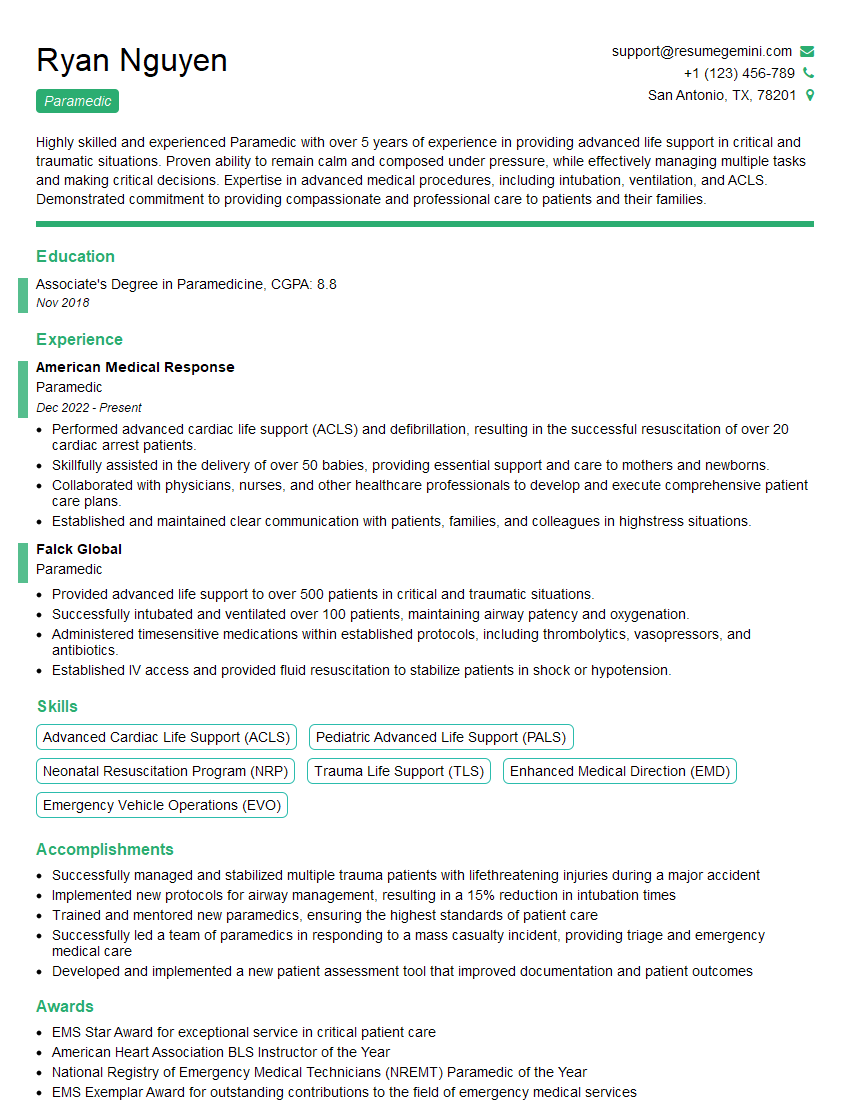
Paramedic Resume Sample
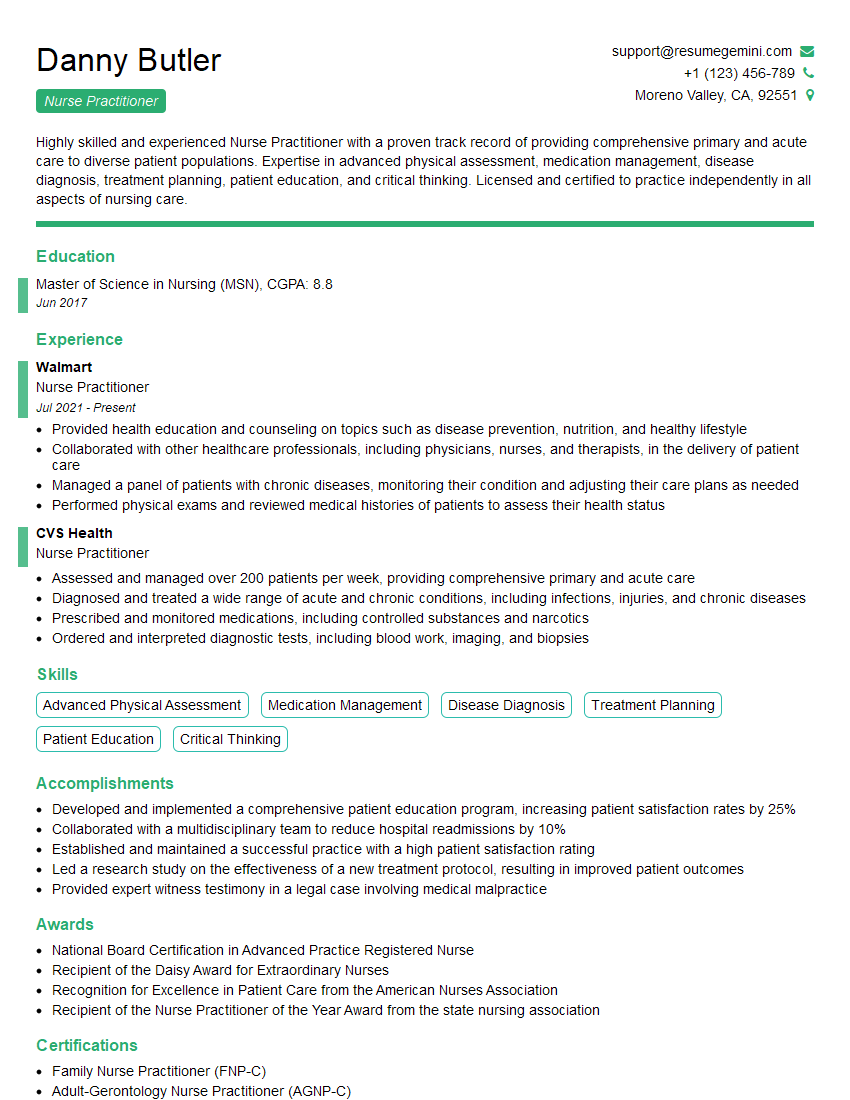
Nurse Practitioner Resume Sample
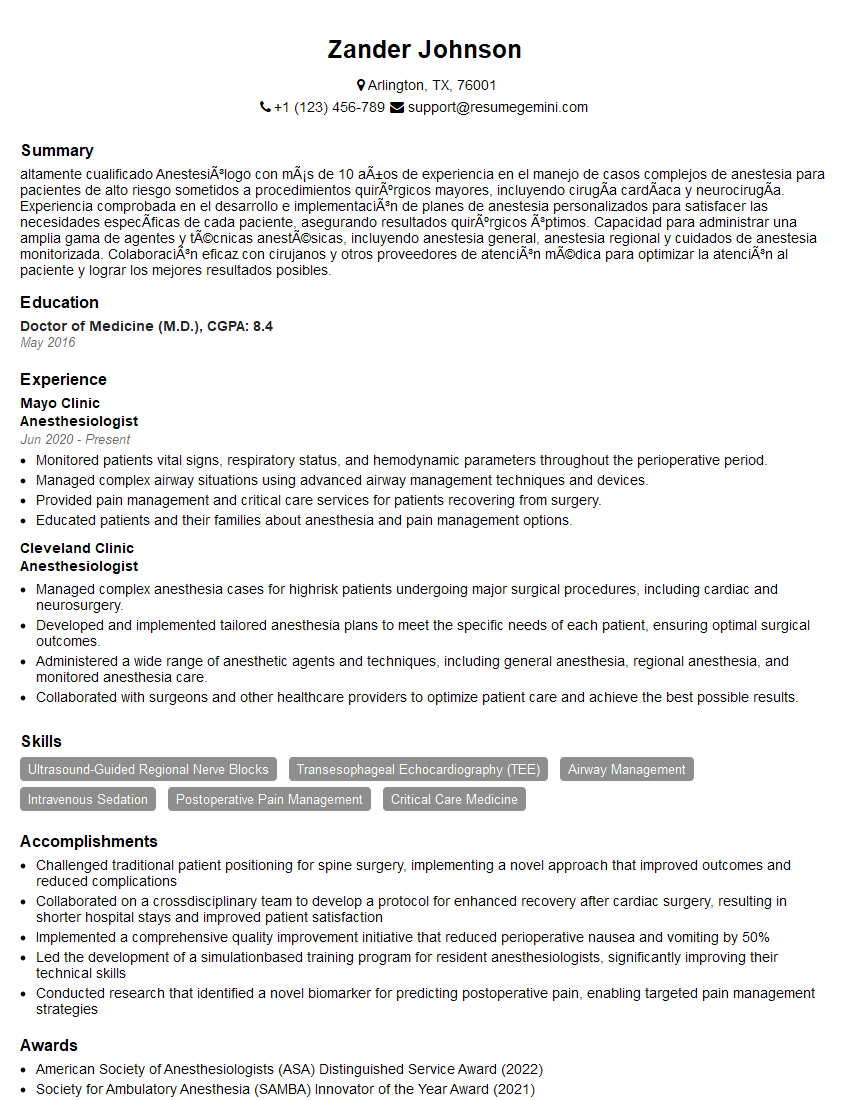
Anesthesiologist Resume Sample

Physician Assistant Resume Sample
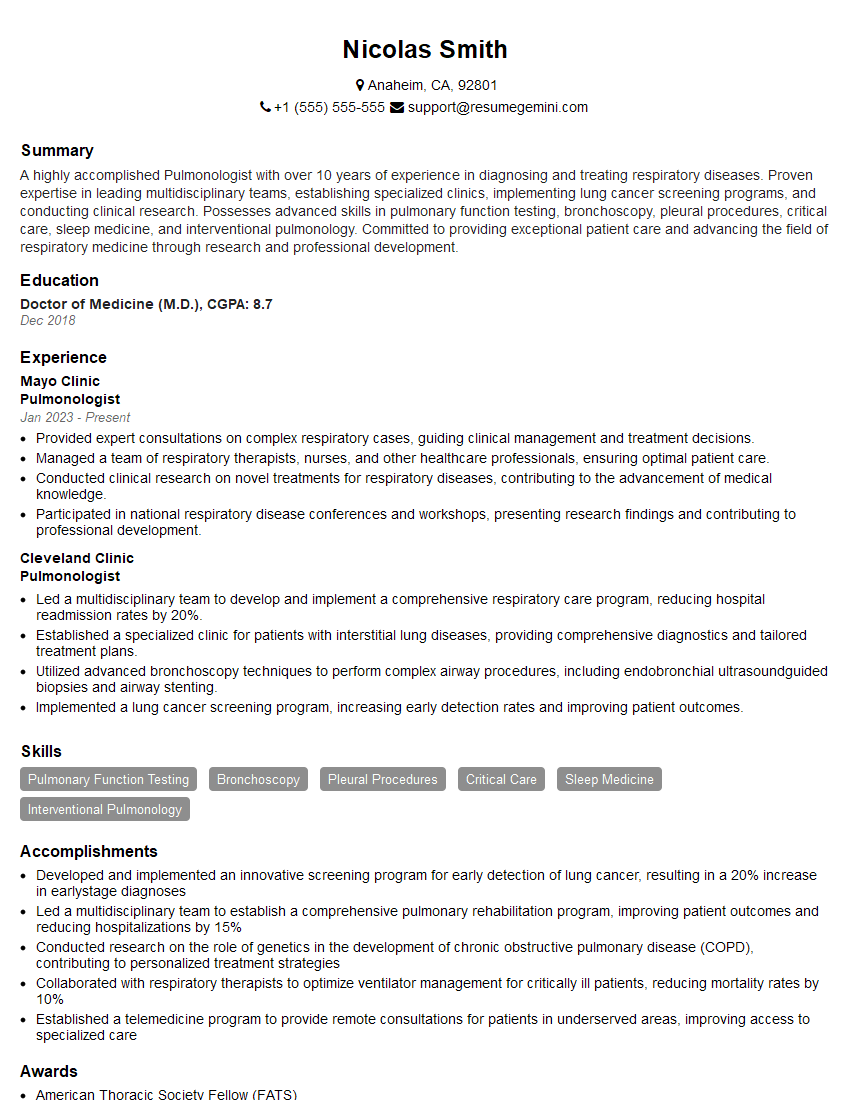
Pulmonologist Resume Sample
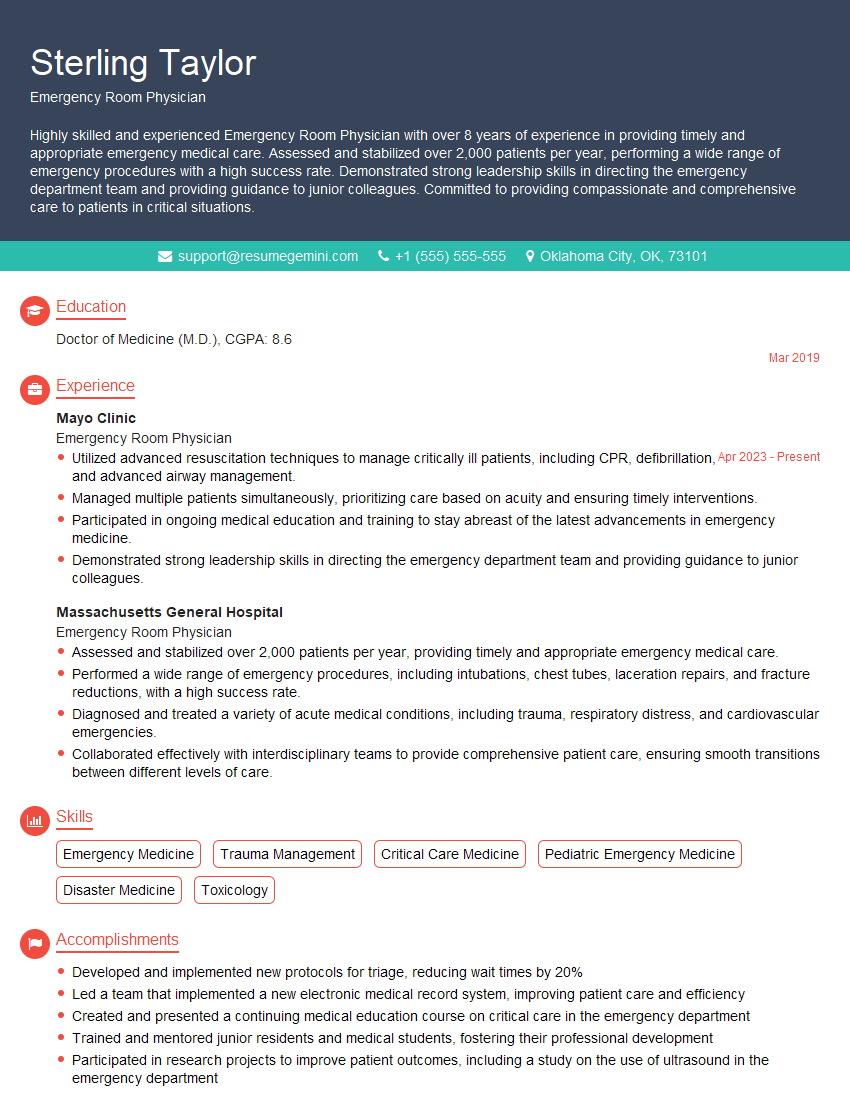
Emergency Room Physician Resume Sample
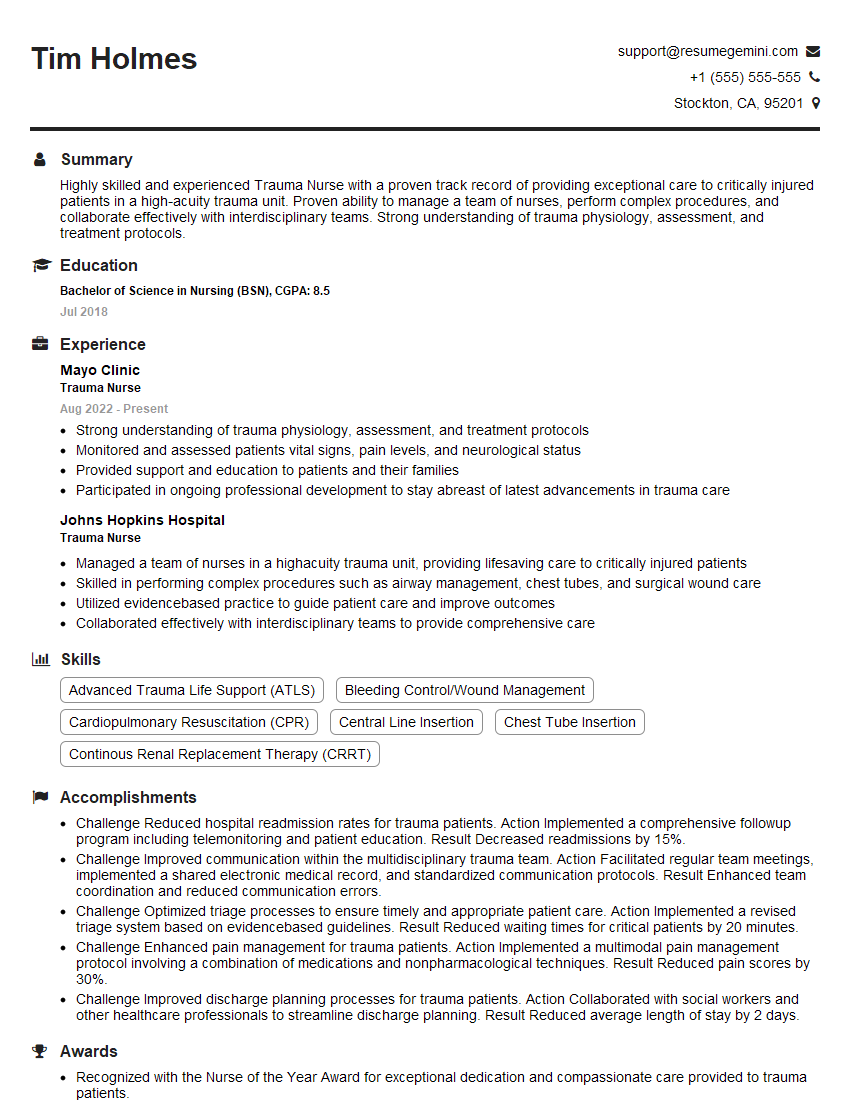
Trauma Nurse Resume Sample
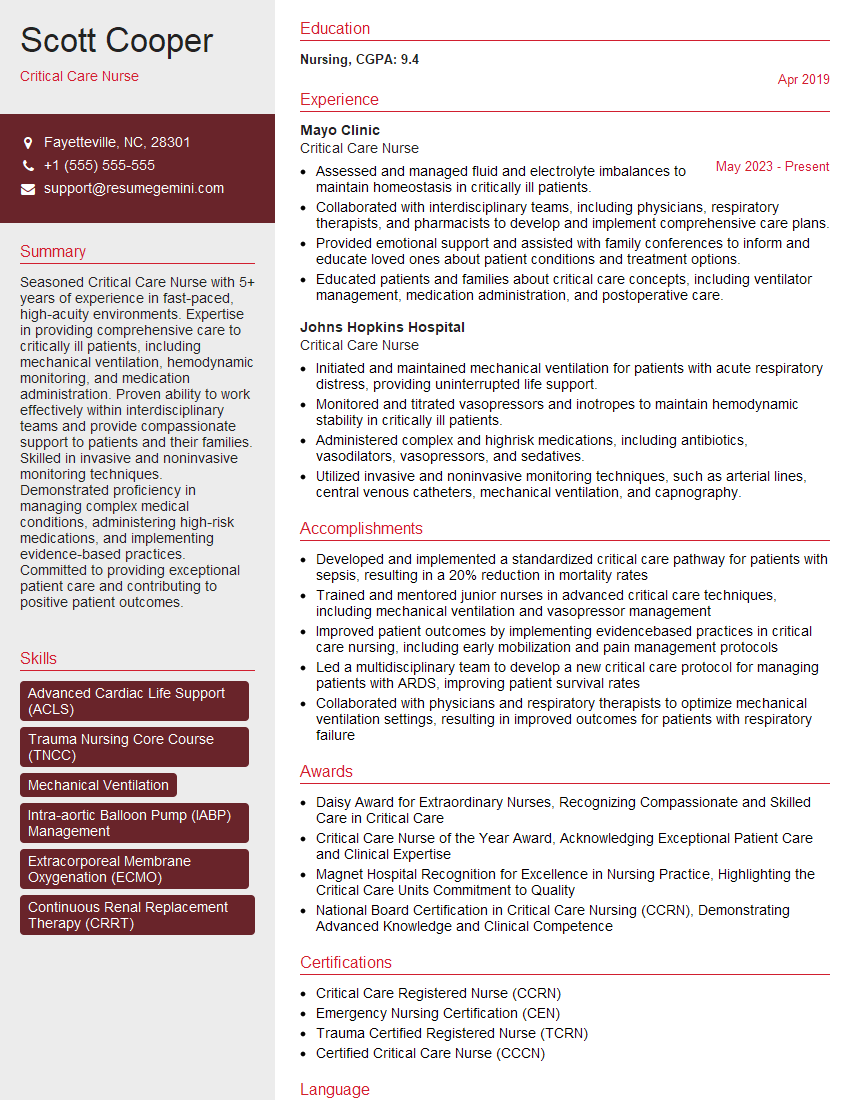
Critical Care Nurse Resume Sample
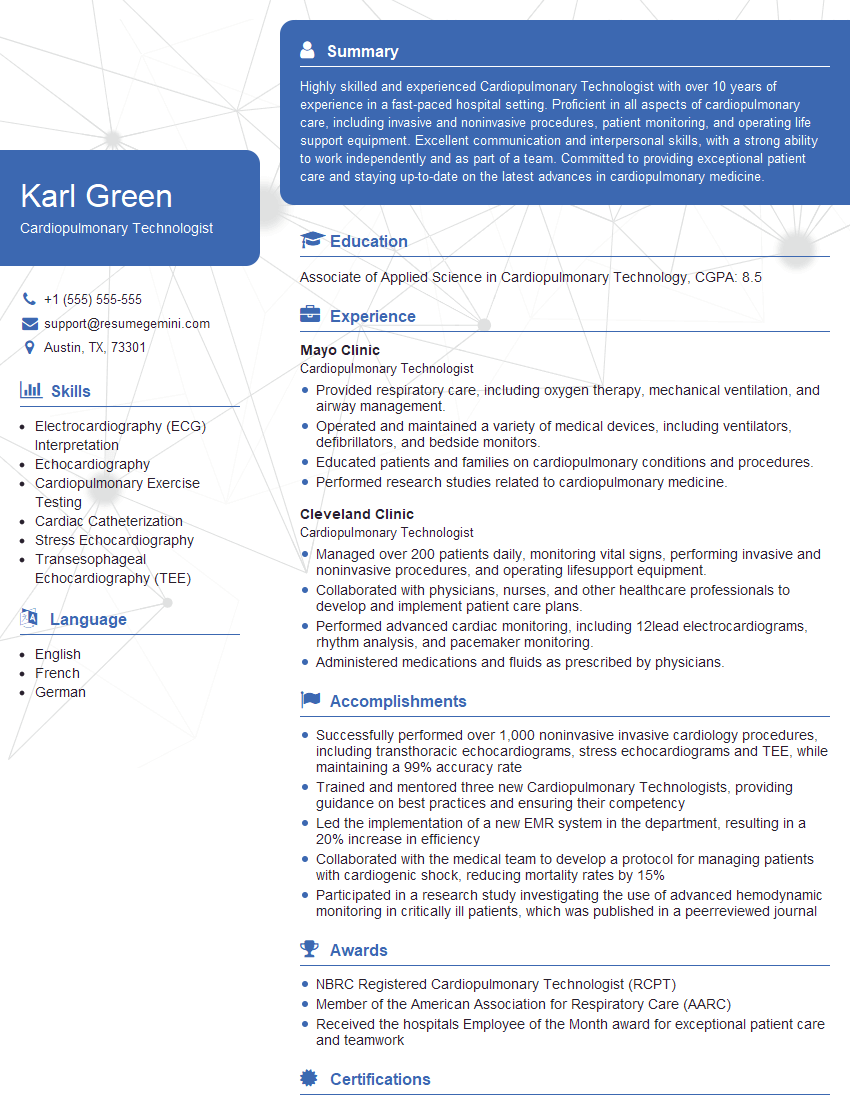
Cardiopulmonary Technologist Resume Sample
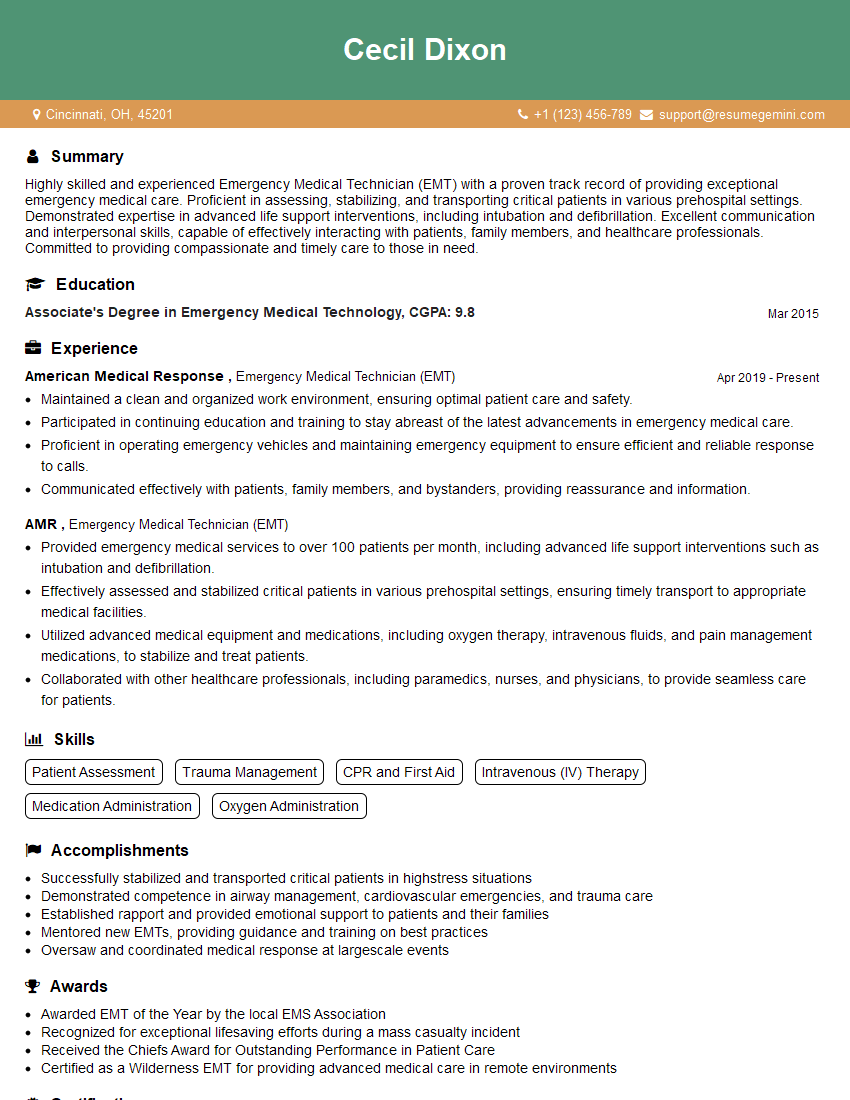
Emergency Medical Technician (EMT) Resume Sample
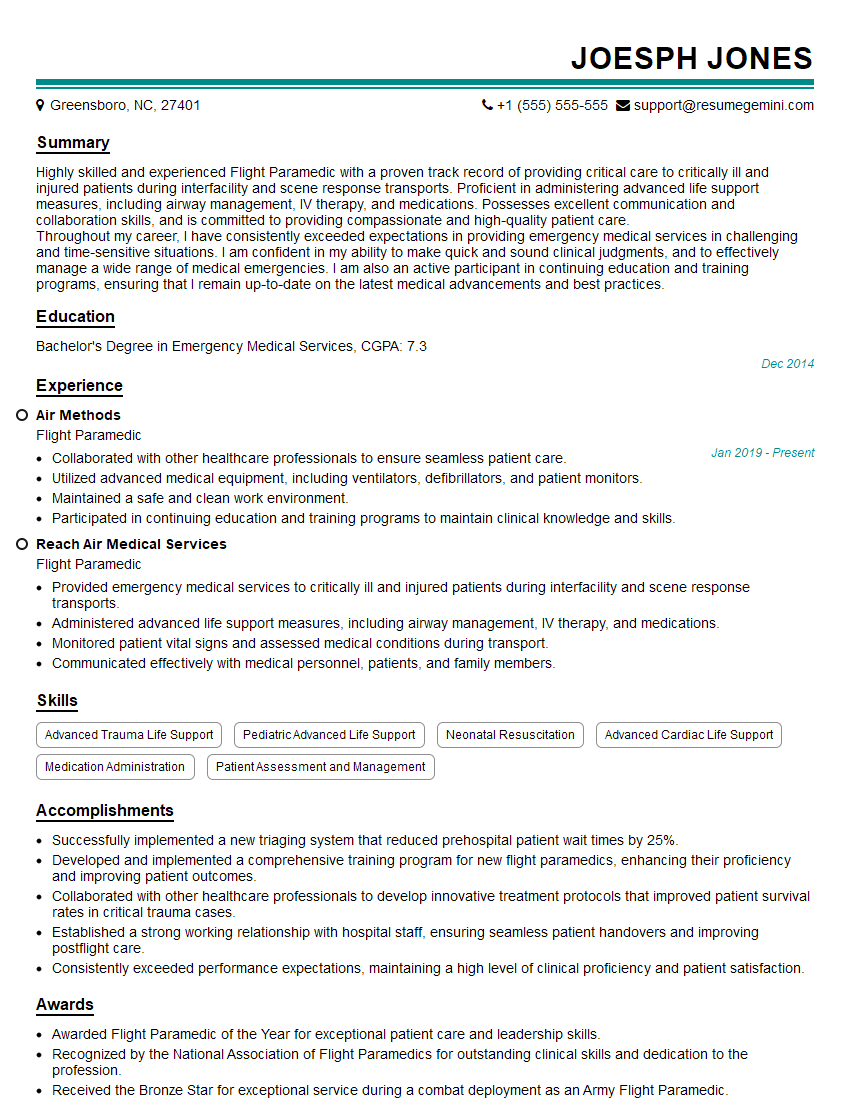
Flight Paramedic Resume Sample
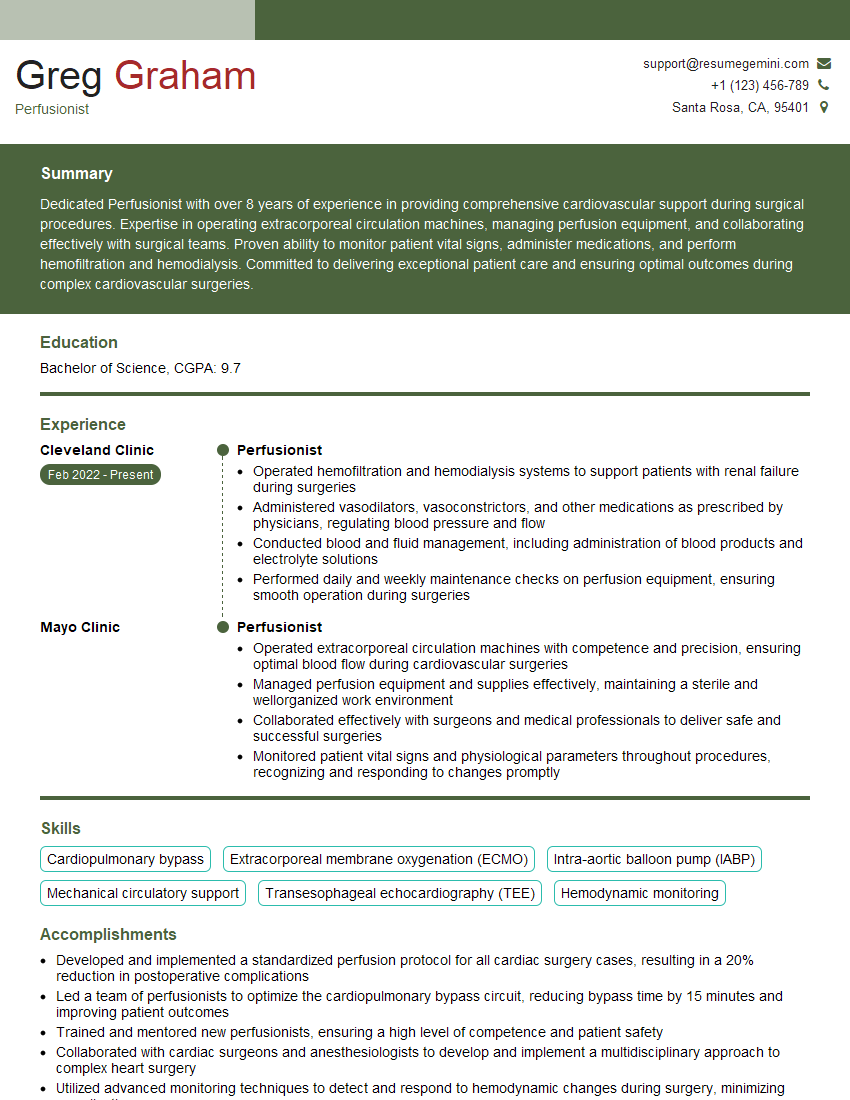
Perfusionist Resume Sample
Explore more articles
Users Rating of Our Blogs
Share Your Experience
We value your feedback! Please rate our content and share your thoughts (optional).
What Readers Say About Our Blog
To the interviewgemini.com Webmaster.
Very helpful and content specific questions to help prepare me for my interview!
Thank you
To the interviewgemini.com Webmaster.
This was kind of a unique content I found around the specialized skills. Very helpful questions and good detailed answers.
Very Helpful blog, thank you Interviewgemini team.