The thought of an interview can be nerve-wracking, but the right preparation can make all the difference. Explore this comprehensive guide to Respiratory hygiene interview questions and gain the confidence you need to showcase your abilities and secure the role.
Questions Asked in Respiratory hygiene Interview
Q 1. Explain the importance of hand hygiene in respiratory infection prevention.
Hand hygiene is paramount in preventing the spread of respiratory infections because our hands are frequently in contact with surfaces and people, acting as vectors for germs. Think of your hands as tiny delivery trucks—they can unknowingly transport viruses and bacteria from contaminated surfaces (like doorknobs or shared equipment) to your mucous membranes (eyes, nose, mouth), where infection can easily begin. Effective handwashing with soap and water for at least 20 seconds, or the use of an alcohol-based hand rub, significantly reduces the number of pathogens on your hands, breaking the chain of transmission.
For instance, a healthcare worker who doesn’t wash their hands thoroughly after examining a patient with influenza could inadvertently spread the virus to the next patient they see. Similarly, in a school setting, frequent handwashing can dramatically reduce the transmission of common colds and other respiratory illnesses amongst students.
Q 2. Describe the different types of respiratory protective equipment (RPE) and their applications.
Respiratory protective equipment (RPE) comes in various forms, each designed for different levels of protection. The choice depends on the specific respiratory hazard. Here are some key examples:
- Surgical Masks: These provide a barrier against large respiratory droplets, offering minimal protection against airborne particles. They’re commonly used in healthcare settings to prevent the spread of infections from the wearer to others.
- N95 Respirators: These are filtering face-piece respirators that filter at least 95% of airborne particles. They are crucial in protecting healthcare workers from airborne pathogens like tuberculosis or influenza. Proper fit testing is essential to ensure effectiveness.
- Powered Air-Purifying Respirators (PAPRs): These provide a higher level of protection than N95 respirators, using a powered fan to draw air through a filter and supply clean air to the wearer. PAPRs are often used in situations with a high concentration of airborne contaminants.
- Full-face respirators: These offer complete protection for the eyes, nose, and mouth, and are often used when dealing with particularly hazardous substances.
The application of each type of RPE depends heavily on the risk assessment of the situation. For instance, a surgical mask might suffice for routine patient care, while an N95 respirator would be necessary when caring for a patient with suspected tuberculosis.
Q 3. What are the standard precautions for preventing the spread of respiratory infections?
Standard precautions are a set of infection control practices designed to prevent transmission of pathogens from both recognized and unrecognized sources of infection. They apply to all patients, regardless of their suspected or confirmed infection status. Key elements include:
- Hand Hygiene: Performing hand hygiene before and after patient contact, after contact with bodily fluids, and after touching contaminated surfaces.
- Use of PPE: Appropriate PPE (gloves, gowns, masks, eye protection) should be used based on the risk of exposure to bodily fluids or airborne pathogens.
- Respiratory Hygiene/Cough Etiquette: Educating patients to cover their mouths and noses with a tissue or elbow when coughing or sneezing and disposing of tissues properly.
- Safe Injection Practices: Using sterile needles and syringes and disposing of sharps appropriately.
- Environmental Cleaning and Disinfection: Regularly cleaning and disinfecting frequently touched surfaces in patient care areas.
Imagine a scenario in a hospital: standard precautions ensure that even a seemingly healthy patient doesn’t unknowingly spread a contagious illness. The consistent application of these practices creates a safer environment for both patients and healthcare providers.
Q 4. Explain the procedure for proper donning and doffing of PPE.
The process of donning (putting on) and doffing (removing) PPE is crucial to prevent self-contamination and cross-contamination. The order is critical. A common mistake is removing the most contaminated item first.
Donning:
- Hand Hygiene
- Gown
- Mask or Respirator
- Eye Protection
- Gloves
Doffing:
- Gloves
- Gown
- Eye Protection
- Mask or Respirator
- Hand Hygiene
Visual aids and hands-on training are essential for mastering this procedure. Incorrect donning and doffing can compromise the effectiveness of PPE and increase the risk of infection.
Q 5. How do you effectively manage contaminated respiratory equipment?
Managing contaminated respiratory equipment requires careful handling to prevent the spread of infection. The process typically involves several steps:
- Immediate Containment: Place contaminated equipment in a designated, leak-proof bag or container.
- Transportation: Transport the contaminated equipment carefully to prevent spills or leaks, following established protocols.
- Decontamination: The equipment should undergo appropriate decontamination, which could involve disinfection or sterilization, depending on the level of contamination and the type of equipment.
- Disposal: Dispose of single-use equipment according to established guidelines and regulations.
- Reprocessing: Reusable equipment should be thoroughly cleaned, disinfected, or sterilized before reuse, following manufacturer’s instructions.
For example, a nebulizer used on a patient with a respiratory infection needs to be carefully decontaminated to avoid infecting subsequent users. Failure to do so could lead to the transmission of the infection.
Q 6. What is the difference between sterilization and disinfection?
Sterilization and disinfection are both methods of reducing the number of microorganisms, but they differ significantly in their outcome.
- Sterilization: This process eliminates all forms of microbial life, including bacteria, viruses, fungi, and spores. Methods include autoclaving (using steam under pressure), dry heat sterilization, and ethylene oxide gas sterilization.
- Disinfection: This process reduces the number of microorganisms on a surface to a safe level, but doesn’t necessarily eliminate all microorganisms, particularly spores. Disinfection can be achieved through various methods, such as using chemical disinfectants (e.g., bleach solutions) or UV light.
Think of it this way: sterilization is like completely wiping a whiteboard clean, while disinfection is like cleaning most of the smudges off but leaving a few faint marks. Sterilization is generally required for medical instruments that penetrate the skin or come into contact with sterile tissues, while disinfection is sufficient for many other surfaces.
Q 7. Describe the process of cleaning and disinfecting a contaminated room.
Cleaning and disinfecting a contaminated room is a multi-step process that aims to remove visible dirt and then eliminate pathogens. The process should follow established guidelines and use appropriate personal protective equipment.
- Preparation: Put on appropriate PPE (gloves, gown, eye protection, mask). Remove all unnecessary items from the room.
- Cleaning: Remove visible soil and debris using a detergent solution and appropriate cleaning tools. Clean from top to bottom, and avoid splashing.
- Disinfection: Apply an EPA-registered disinfectant appropriate for the specific pathogens involved. Follow the manufacturer’s instructions regarding contact time and application method. Pay particular attention to high-touch surfaces.
- Ventilation: Allow sufficient time for the room to dry and air out.
- PPE Removal: Carefully remove and dispose of PPE according to established procedures.
- Documentation: Record the cleaning and disinfection process, including the date, time, personnel involved, and the disinfectants used.
For example, a hospital room used by a patient with a highly contagious respiratory infection requires meticulous cleaning and disinfection to prevent further spread of the infection. This meticulous process protects both healthcare workers and subsequent patients.
Q 8. What are the key components of an effective respiratory hygiene program?
An effective respiratory hygiene program is multifaceted, aiming to prevent the spread of respiratory infections through a combination of strategies. It’s not just about coughing into your elbow; it’s a comprehensive approach encompassing education, practice, and environmental controls.
- Education: This is foundational. It involves teaching individuals the proper techniques for cough etiquette (covering coughs and sneezes), hand hygiene, and the importance of staying home when sick. This education should be tailored to the specific audience – healthcare workers need more detailed training than the general public.
- Practice: Providing readily available resources like tissues, hand sanitizer, and waste receptacles is crucial. Regular monitoring and reinforcement of best practices are also essential to ensure consistent adherence.
- Environmental Controls: This includes optimizing ventilation in indoor spaces, regular cleaning and disinfection of frequently touched surfaces, and appropriate waste management to minimize the spread of pathogens.
- Vaccination Programs: Promoting and facilitating access to influenza and other relevant respiratory vaccines is a critical element of a comprehensive program. These vaccines are incredibly effective in preventing serious illness and transmission.
Think of it like a layered defense system – each component reinforces the others to create a robust barrier against respiratory infections.
Q 9. How do you assess the effectiveness of a respiratory hygiene program?
Assessing the effectiveness of a respiratory hygiene program requires a multi-pronged approach combining quantitative and qualitative data. We look at several key indicators:
- Infection Rates: Tracking the incidence of respiratory infections within a specific population (e.g., healthcare workers, school children) before and after program implementation provides a clear measure of its impact. A reduction in infection rates signifies success.
- Compliance Rates: Observing adherence to respiratory hygiene practices (handwashing, cough etiquette) through direct observation or surveys can determine if the program’s educational components are effective.
- Environmental Monitoring: Regular testing of surfaces for pathogen contamination helps to evaluate the effectiveness of cleaning and disinfection procedures.
- Feedback Mechanisms: Gathering feedback from patients, staff, and other stakeholders through surveys and interviews provides qualitative data on program strengths and weaknesses, guiding future improvements.
For instance, in a hospital setting, we might compare infection rates in different wards to see if the program implemented in one ward had a greater effect on infection control. This data allows us to adjust and optimize the program for maximal impact.
Q 10. What are the common respiratory pathogens and their modes of transmission?
Many respiratory pathogens cause infections, each with unique transmission methods. Here are some common examples:
- Influenza (Flu): Primarily transmitted through respiratory droplets produced when an infected person coughs or sneezes. Close contact is a major risk factor.
- Respiratory Syncytial Virus (RSV): Also spreads via respiratory droplets, but can also be transmitted through contact with contaminated surfaces.
- Coronavirus (SARS-CoV-2, other coronaviruses): Transmission occurs primarily through respiratory droplets and aerosols. Longer-range transmission is possible with prolonged exposure to airborne aerosols.
- Pneumonia (various causes): Can be caused by bacteria, viruses, or fungi. Transmission routes vary depending on the causative agent, but often involve respiratory droplets and close contact.
- Tuberculosis (TB): Spread through airborne transmission of small droplet nuclei, which can remain suspended in the air for extended periods.
Understanding these transmission modes allows for the implementation of targeted prevention strategies, such as isolation precautions, contact tracing, and environmental controls.
Q 11. Explain the role of vaccination in preventing respiratory infections.
Vaccination is a cornerstone of respiratory infection prevention. Vaccines stimulate the body’s immune system to produce antibodies against specific respiratory pathogens, providing protection against infection or reducing the severity of illness.
- Influenza Vaccine: Annually updated to match circulating strains, it significantly reduces the risk of influenza infection and its complications, particularly in vulnerable populations.
- Pneumococcal Vaccine: Protects against various strains of Streptococcus pneumoniae, a common cause of pneumonia and other respiratory infections.
- COVID-19 Vaccines: These vaccines have proven highly effective in preventing severe illness, hospitalization, and death from COVID-19.
Vaccination programs reduce the spread of infection within a community by reducing the number of susceptible individuals, implementing a form of ‘herd immunity’. This is particularly important in protecting those who cannot be vaccinated due to underlying health conditions.
Q 12. How do you educate patients and healthcare workers about respiratory hygiene?
Educating patients and healthcare workers is paramount. The approach should be clear, concise, and tailored to the audience.
- Interactive Workshops: Hands-on training sessions for healthcare workers focusing on proper hand hygiene techniques, personal protective equipment (PPE) use, and isolation procedures.
- Infographics and Posters: Visually engaging materials for patients, outlining simple yet effective respiratory hygiene practices, using clear images and straightforward language.
- Online Resources: Websites, videos, and interactive modules that provide detailed information about respiratory hygiene, infection prevention, and available resources.
- One-on-One Counseling: Personalized guidance for patients with respiratory conditions on managing their symptoms and preventing transmission to others.
For example, we use role-playing exercises to teach healthcare workers how to correctly don and doff PPE, ensuring they understand and retain the proper procedures. For patients, simple videos demonstrating effective handwashing techniques are frequently used.
Q 13. What are the signs and symptoms of common respiratory infections?
Signs and symptoms of common respiratory infections vary depending on the pathogen and individual factors, but some common indicators include:
- Cough: Can range from mild to severe, sometimes productive (producing mucus).
- Sneezing: A reflex action to expel irritants from the respiratory tract.
- Sore Throat: Inflammation and irritation of the throat.
- Runny or Stuffy Nose: Increased nasal discharge.
- Headache: Common symptom associated with many viral infections.
- Fever: Elevated body temperature.
- Body Aches: Muscle pain and discomfort.
- Shortness of Breath: Difficulty breathing, a more serious symptom indicating potential complications.
It’s important to remember that these symptoms can overlap, and a proper diagnosis requires medical evaluation. The severity of symptoms can also vary greatly, from mild cold-like symptoms to severe pneumonia.
Q 14. Describe your experience with contact tracing for respiratory illnesses.
My experience with contact tracing involves identifying individuals who have been in close contact with someone diagnosed with a respiratory illness. This is crucial for containing outbreaks and preventing further spread.
The process typically involves:
- Identifying the index case: The person diagnosed with the respiratory illness.
- Gathering information about close contacts: This includes details about where and when contact occurred, duration of exposure, and relationships to the index case.
- Contacting close contacts: Informing them of their potential exposure and providing recommendations for monitoring their health, including quarantine if necessary.
- Monitoring contacts for symptoms: Regular follow-up to track the health status of contacts.
- Testing contacts: Offering testing to contacts as appropriate to identify and isolate cases early.
During the COVID-19 pandemic, I was part of a team conducting contact tracing, helping to limit transmission within our community. Effective communication, careful data management, and a collaborative approach were vital to the success of our efforts.
Q 15. How do you handle a suspected outbreak of a respiratory infection?
Suspected outbreaks of respiratory infections require a swift and coordinated response. The first step involves prompt identification of potential cases through active surveillance, symptom monitoring, and enhanced communication among healthcare staff. This is crucial in settings like hospitals or schools, where rapid spread is possible. Once a potential outbreak is identified, we implement several key actions:
- Isolation and cohorting: Suspected cases are immediately isolated to prevent further transmission. Cohort nursing, where a specific team cares for all suspected cases, minimizes the risk of cross-contamination. This might mean dedicating a separate ward or even a specific room.
- Enhanced infection control measures: This involves rigorous hand hygiene, the use of personal protective equipment (PPE) like N95 masks and gowns for healthcare workers, and meticulous environmental cleaning and disinfection, paying particular attention to high-touch surfaces.
- Specimen collection and testing: Nasal or throat swabs are collected for rapid diagnostic testing to identify the specific pathogen responsible for the outbreak. This information guides further infection control measures and treatment strategies.
- Contact tracing: Identifying individuals who have been in close contact with infected persons is vital to prevent secondary spread. This involves interviewing patients and tracing their movements to locate and monitor potential contacts.
- Communication and education: Keeping staff, patients, and visitors informed about the outbreak, precautions in place, and any necessary actions is essential. Clear, concise communication reduces fear and enhances compliance with infection control measures.
For instance, during a suspected influenza outbreak in a nursing home, we implemented cohort nursing, heightened cleaning protocols, and provided N95 masks to staff. This helped to contain the spread and minimize severe cases.
Career Expert Tips:
- Ace those interviews! Prepare effectively by reviewing the Top 50 Most Common Interview Questions on ResumeGemini.
- Navigate your job search with confidence! Explore a wide range of Career Tips on ResumeGemini. Learn about common challenges and recommendations to overcome them.
- Craft the perfect resume! Master the Art of Resume Writing with ResumeGemini’s guide. Showcase your unique qualifications and achievements effectively.
- Don’t miss out on holiday savings! Build your dream resume with ResumeGemini’s ATS optimized templates.
Q 16. What are the current guidelines for managing tuberculosis (TB)?
Managing tuberculosis (TB) involves a multi-faceted approach centered around early detection, prompt treatment, and preventive measures. Current guidelines emphasize the importance of:
- Early diagnosis: This relies heavily on conducting tuberculin skin tests (TSTs) or interferon-gamma release assays (IGRAs) to identify latent TB infection and chest X-rays and sputum cultures to detect active TB disease.
- Directly Observed Therapy (DOT): This strategy ensures that patients adhere to their medication regimen, crucial in preventing drug resistance and successfully treating TB. A healthcare worker directly observes the patient taking their medication to ensure compliance.
- Treatment regimens: Treatment protocols are tailored to the specific type of TB (e.g., drug-sensitive or multi-drug resistant) and involve a combination of anti-tuberculosis drugs administered over several months. Treatment duration may vary based on the patient’s response and the type of TB.
- Contact tracing and preventive therapy: Identifying and testing close contacts of TB patients is crucial. Individuals with latent TB infection are offered preventive therapy with isoniazid to prevent progression to active disease.
- Infection control in healthcare settings: Airborne precautions, including negative-pressure isolation rooms and the use of respirators (N95 masks) by healthcare workers, are essential to prevent transmission in healthcare facilities.
Imagine a case of active TB in a crowded homeless shelter. Effective management involves immediate isolation, contact tracing of residents and staff, testing for latent TB infection among contacts, and providing preventive therapy where appropriate. DOT is crucial to ensure successful treatment and prevent further transmission.
Q 17. Explain your understanding of airborne precautions.
Airborne precautions are implemented to protect against the spread of infectious agents that can remain suspended in the air for prolonged periods and travel over long distances. These agents can be smaller than 5 microns in diameter, allowing them to remain airborne and potentially be inhaled by others. These precautions involve:
- Private room with negative-pressure ventilation: This ensures that air flows from the outside into the room and out through a HEPA filter, preventing contaminated air from escaping into the hallway or other areas of the facility.
- N95 respirators for healthcare workers: These masks provide a high level of protection against airborne pathogens. Proper fit-testing and training are essential for their effective use.
- Minimizing movement and air currents: Limiting unnecessary movement within the patient’s room helps to reduce the dispersal of airborne pathogens.
- Appropriate handling of equipment: To prevent the dissemination of pathogens, equipment used inside the room should be cleaned and disinfected before being moved outside.
An example of where airborne precautions are crucial is in the management of patients with measles or tuberculosis. The use of negative-pressure rooms and N95 respirators is vital in limiting the spread of these airborne diseases.
Q 18. Describe your experience with environmental sampling and its importance.
Environmental sampling plays a critical role in assessing the effectiveness of infection control measures and identifying potential sources of contamination. It involves collecting samples from various surfaces, air, or water within a facility to detect the presence of pathogens. Examples of sampling methods include swabbing surfaces, air sampling using impaction devices or filters, and water sampling.
In my experience, we’ve used environmental sampling to assess the effectiveness of our cleaning and disinfection protocols after a suspected outbreak. For example, we sampled high-touch surfaces in a patient’s room after discharge to confirm the absence of pathogens. If pathogens were detected, it highlights deficiencies in our cleaning protocols. The data helps direct improvements in our practices, such as changing cleaning products or introducing more rigorous procedures. We also use air sampling in specific areas, such as negative pressure rooms, to ensure proper ventilation and effective air filtration.
The importance of environmental sampling lies in its ability to provide objective evidence of contamination, guide targeted interventions, and evaluate the overall effectiveness of infection control programs. It gives us a quantitative measure of contamination, moving beyond subjective assessments of cleanliness. It’s a critical tool for proactive risk management in respiratory hygiene.
Q 19. How do you identify and manage potential risks associated with respiratory hygiene?
Identifying and managing potential risks associated with respiratory hygiene involves a proactive and multi-step approach. This begins with a thorough risk assessment, considering factors such as the type of facility (hospital, school, etc.), the population served (e.g., immunocompromised individuals), and prevalent respiratory infections in the community.
- Risk assessment: This process identifies vulnerabilities and potential hazards related to respiratory infection transmission. It may involve reviewing past infection rates, evaluating the effectiveness of current infection control practices, and identifying areas needing improvement.
- Implementing control measures: Based on the risk assessment, appropriate control measures are implemented, including hand hygiene, respiratory etiquette (coughing into the elbow), proper disposal of contaminated materials, and the use of PPE.
- Environmental controls: Strategies to maintain good air quality, ensuring proper ventilation and filtration, particularly in high-risk areas, are essential. Regular cleaning and disinfection of surfaces are also crucial.
- Staff education and training: Regular training for staff on proper respiratory hygiene practices, including the use of PPE and infection control procedures, is paramount.
- Monitoring and evaluation: Ongoing monitoring of infection rates and environmental sampling help to evaluate the effectiveness of implemented control measures and identify any emerging risks.
For instance, in a daycare setting, a risk assessment might reveal a high potential for respiratory infection transmission among young children. In response, we would implement robust hand hygiene protocols, reinforce respiratory etiquette education, and ensure frequent cleaning and disinfection of toys and surfaces.
Q 20. What are the legal and ethical considerations related to respiratory infection control?
Legal and ethical considerations in respiratory infection control are significant. Legally, healthcare facilities are mandated to adhere to specific regulations and standards designed to protect patients and staff from infectious diseases. These regulations often mandate reporting of certain infectious diseases to public health authorities, implementing infection control practices, and ensuring staff training. Failure to comply can result in penalties and legal action.
Ethically, healthcare providers have a responsibility to protect patients from harm and maintain their confidentiality. This includes ensuring the privacy of patients diagnosed with respiratory infections, providing appropriate care and treatment, and making informed decisions regarding isolation and other infection control measures. Transparency with patients regarding the risks and benefits of various procedures is crucial.
A critical ethical dilemma might arise in situations involving individuals with highly contagious respiratory infections who refuse treatment or isolation. Balancing the individual’s autonomy with the need to protect the community requires careful consideration and often involves collaborating with legal professionals and ethicists to find the best course of action.
Q 21. Explain your familiarity with relevant regulatory standards and guidelines (e.g., CDC, WHO).
I am intimately familiar with various regulatory standards and guidelines, including those published by the Centers for Disease Control and Prevention (CDC) and the World Health Organization (WHO). These organizations provide comprehensive recommendations on infection prevention and control, including specific guidelines for managing various respiratory infections. For example, I regularly consult CDC guidelines on the prevention and control of influenza, tuberculosis, and other airborne diseases. These guidelines provide detailed instructions on appropriate isolation precautions, use of PPE, and environmental disinfection. Similarly, I follow WHO guidelines on global surveillance of respiratory infections and pandemic preparedness. My understanding of these standards informs my practices and ensures that our infection control procedures meet the highest levels of quality and safety.
Understanding these guidelines is not just about compliance; it’s about staying current with best practices and applying evidence-based approaches to prevent and manage respiratory infections effectively. I regularly participate in professional development activities and attend conferences to stay updated on the latest research and recommendations from these leading organizations.
Q 22. Describe a situation where you had to implement a change to improve respiratory hygiene practices.
In my previous role at a large hospital, we noticed a significant increase in healthcare-associated infections (HAIs) linked to poor respiratory hygiene. Specifically, the rate of influenza transmission amongst staff was concerningly high. To address this, I spearheaded an initiative to improve hand hygiene and cough etiquette practices. We implemented a multi-pronged approach.
- Improved Education: We developed and delivered interactive training sessions that went beyond simple posters. These sessions included demonstrations of proper handwashing techniques, the use of alcohol-based hand rubs, and effective cough etiquette (covering coughs and sneezes with a tissue or elbow).
- Increased Accessibility: We strategically placed hand sanitizing stations throughout the facility, ensuring easy access in high-traffic areas and near patient rooms. We also provided tissues readily at various locations.
- Performance Monitoring and Feedback: We introduced a system for regularly monitoring hand hygiene compliance. This involved direct observation, coupled with feedback sessions to reinforce positive practices and address any shortcomings. We also tracked influenza cases to measure the effectiveness of the interventions.
The results were impressive. Within six months, we saw a 30% reduction in influenza cases among staff. This success highlighted the impact of a comprehensive and well-executed respiratory hygiene program.
Q 23. How do you stay current with the latest advancements in respiratory hygiene?
Staying up-to-date in the dynamic field of respiratory hygiene requires a multi-faceted approach. I regularly consult several resources:
- Peer-reviewed journals: Publications like the American Journal of Infection Control and the Journal of Hospital Infection provide the latest research findings and best practices.
- Professional organizations: I am an active member of the Association for Professionals in Infection Control and Epidemiology (APIC), which offers continuing education opportunities, webinars, and conferences that keep me informed of current guidelines and emerging challenges.
- Infectious disease surveillance: I actively monitor reports from the CDC and WHO to stay abreast of outbreaks and emerging pathogens, understanding their transmission dynamics and the evolving recommendations for infection control.
- Conferences and workshops: Attending relevant conferences allows for networking with other experts and learning about new technologies and techniques in respiratory hygiene.
This combination of active engagement ensures that my knowledge base remains current and relevant, allowing me to adapt my practices as needed.
Q 24. Explain your proficiency in using personal protective equipment (PPE).
My proficiency in using PPE extends beyond simply knowing how to put it on and take it off; it encompasses a deep understanding of the proper selection, application, and disposal of various PPE items based on the specific risk. I am skilled in the use of:
- N95 respirators: I am proficient in the proper fit testing and use of N95 respirators, adhering to strict protocols to ensure effective protection against airborne pathogens. I understand the importance of a proper seal and the limitations of these respirators.
- Surgical masks: I know how to select the appropriate mask for the level of protection required and understand their limitations in preventing airborne transmission.
- Gloves: I use different types of gloves (e.g., nitrile, latex) according to the task, understanding the importance of appropriate glove selection to prevent cross-contamination.
- Gowns and eye protection: I am familiar with various types of gowns and eye protection, and I know how to choose the appropriate level of protection based on the situation and the potential for exposure to bodily fluids.
Beyond technical skills, I emphasize the importance of proper disposal and hygiene practices after removing PPE to prevent the spread of infection. I meticulously follow established protocols to ensure that each step is performed safely and effectively.
Q 25. How do you maintain a safe and hygienic work environment?
Maintaining a safe and hygienic work environment is paramount, and this requires a proactive and multifaceted approach. My strategies include:
- Regular Cleaning and Disinfection: Implementing a rigorous cleaning and disinfection schedule for all surfaces, focusing on high-touch areas such as doorknobs, light switches, and shared equipment. The choice of disinfectants is based on their efficacy against specific pathogens.
- Waste Management: Proper handling and disposal of contaminated waste according to established guidelines and using appropriate disposal containers for sharps and biohazardous materials.
- Ventilation: Ensuring adequate ventilation to minimize the concentration of airborne pathogens. This includes using proper HVAC systems and opening windows where appropriate.
- Promoting Hand Hygiene: Continuously promoting and reinforcing good hand hygiene practices amongst all staff and visitors, including the use of hand sanitizers and proper handwashing techniques.
- Education and Training: Providing regular training to staff on infection control principles, safe work practices, and emergency procedures. This ensures that everyone is informed and equipped to contribute to a safe work environment.
I believe that a safe and hygienic environment is a collaborative effort requiring commitment from everyone.
Q 26. Describe your understanding of the chain of infection.
The chain of infection describes the six links required for the spread of infection. Interrupting any one of these links can prevent the spread of disease. The links are:
- Infectious Agent: The pathogen (e.g., bacteria, virus) causing the infection.
- Reservoir: The place where the pathogen lives and multiplies (e.g., person, animal, environment).
- Portal of Exit: The way the pathogen leaves the reservoir (e.g., respiratory droplets, feces).
- Mode of Transmission: How the pathogen travels from the reservoir to the host (e.g., airborne, contact, droplet).
- Portal of Entry: How the pathogen enters a new host (e.g., mucous membranes, broken skin).
- Susceptible Host: An individual who is vulnerable to infection due to weakened immunity or other factors.
Understanding the chain of infection is crucial for implementing effective infection control measures. For instance, proper respiratory hygiene practices like covering coughs and sneezes directly addresses the portal of exit and mode of transmission.
Q 27. How do you evaluate the effectiveness of different disinfection methods?
Evaluating the effectiveness of different disinfection methods requires a systematic approach. Factors I consider include:
- Type of Surface: The disinfectant’s efficacy varies depending on the surface material (e.g., porous vs. non-porous). Some disinfectants may damage certain materials.
- Contact Time: The length of time the disinfectant needs to remain in contact with the surface to be effective. This is crucial and often specified by the manufacturer.
- Concentration: Using the correct concentration of the disinfectant according to the manufacturer’s instructions is vital for its effectiveness.
- Type of Pathogen: Different disinfectants are effective against various pathogens (bacteria, viruses, fungi). The choice should be guided by the specific pathogen of concern.
- Testing Methods: In a controlled environment, microbiological testing can quantify the reduction in microbial load after disinfection. This may involve swabbing surfaces before and after disinfection and culturing to determine the remaining number of viable microorganisms.
- Environmental Factors: Factors such as temperature, humidity, and the presence of organic matter can influence the efficacy of disinfectants.
By carefully considering these factors, one can make informed decisions about which disinfection methods are most suitable for a particular setting.
Q 28. Explain your experience in training others on respiratory hygiene practices.
I have extensive experience training others on respiratory hygiene practices. My approach focuses on practical application and interactive learning. I typically incorporate several methods:
- Interactive Workshops: Hands-on training sessions allow participants to practice proper handwashing techniques, cough etiquette, and PPE use. This is essential for skill retention.
- Demonstrations: Visual demonstrations are vital, especially when teaching proper PPE donning and doffing procedures. Step-by-step instructions reduce the risk of errors.
- Case Studies: Real-world scenarios and case studies help illustrate the importance of respiratory hygiene and the consequences of poor practices. This makes the information more relevant and engaging.
- Question and Answer Sessions: Encouraging questions creates an open environment, allowing participants to address concerns and clarify any misunderstandings.
- Follow-up and Reinforcement: Regular refresher training sessions and feedback mechanisms ensure that the knowledge and skills gained are maintained over time.
I assess the effectiveness of the training through observation during practice sessions and post-training evaluations, ensuring that participants understand and can implement the information effectively.
Key Topics to Learn for Respiratory Hygiene Interview
- Infection Control Principles: Understanding standard precautions, transmission-based precautions, and the role of personal protective equipment (PPE) in preventing the spread of respiratory infections.
- Respiratory Hygiene/Cough Etiquette: Practical application of techniques like covering coughs and sneezes, proper hand hygiene, and disposal of used tissues to minimize pathogen transmission.
- Cleaning and Disinfection Procedures: Knowledge of appropriate cleaning and disinfection protocols for various surfaces and equipment in healthcare settings, focusing on efficacy and safety.
- Airborne Infection Control: Understanding the principles of airborne precautions, including the use of negative pressure rooms and appropriate ventilation strategies.
- Environmental Hygiene: The importance of maintaining a clean and well-ventilated environment to reduce the risk of respiratory infections, including waste disposal and linen handling.
- Respiratory Hygiene Education and Training: Developing and implementing effective educational programs to promote respiratory hygiene practices among patients, healthcare workers, and the general public.
- Surveillance and Outbreak Management: Understanding the role of respiratory hygiene in preventing and managing outbreaks of respiratory infections, including data collection and analysis.
- Policy and Procedure Development: Contributing to the development and implementation of evidence-based policies and procedures related to respiratory hygiene in healthcare facilities.
- Emerging Infectious Diseases: Awareness of current and emerging infectious diseases that affect the respiratory system and the specific respiratory hygiene strategies required for their management.
- Problem-Solving in Respiratory Hygiene: Analyzing situations where respiratory hygiene protocols have failed and proposing solutions to prevent future occurrences. This includes identifying weaknesses in procedures and suggesting improvements.
Next Steps
Mastering respiratory hygiene is crucial for a successful and rewarding career in healthcare. A strong understanding of these principles demonstrates your commitment to patient safety and infection control, making you a highly valuable asset to any healthcare team. To significantly enhance your job prospects, it’s vital to create an ATS-friendly resume that effectively showcases your skills and experience. ResumeGemini is a trusted resource that can help you build a professional and impactful resume tailored to the demands of the job market. We provide examples of resumes specifically designed for Respiratory Hygiene professionals to help guide you.
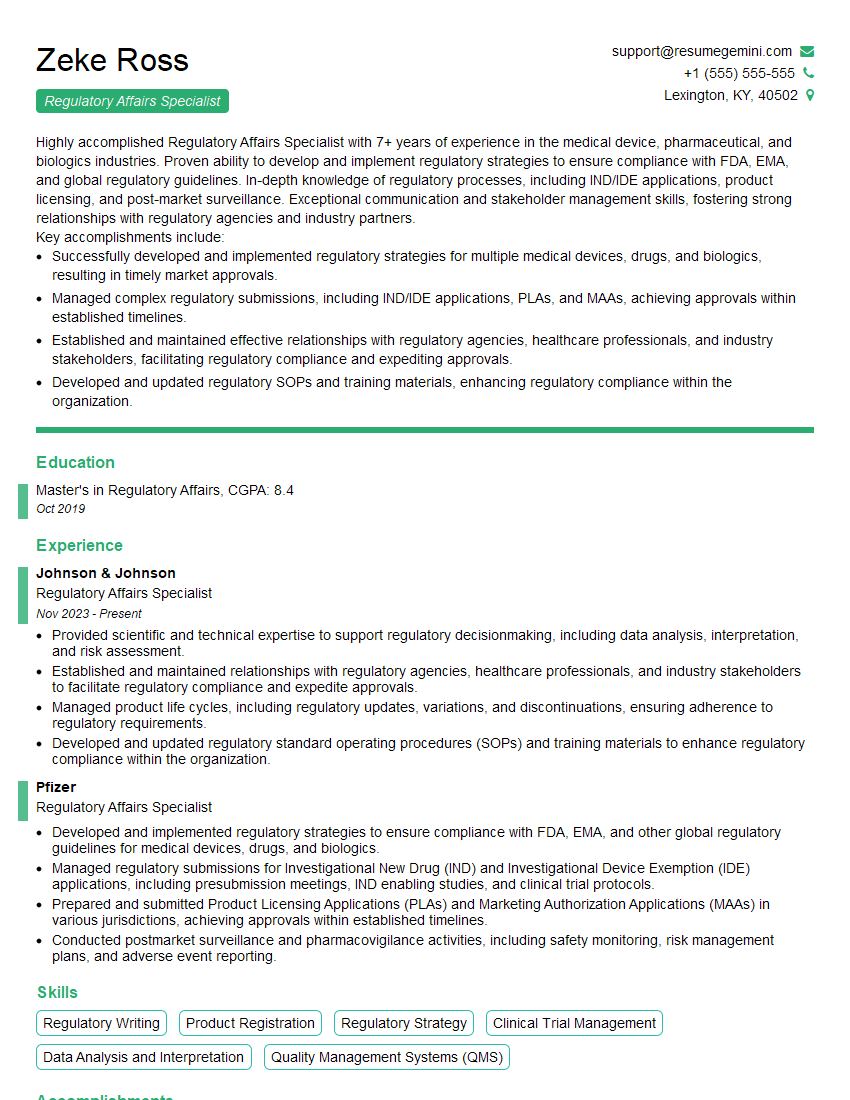
Regulatory Affairs Specialist Resume Sample
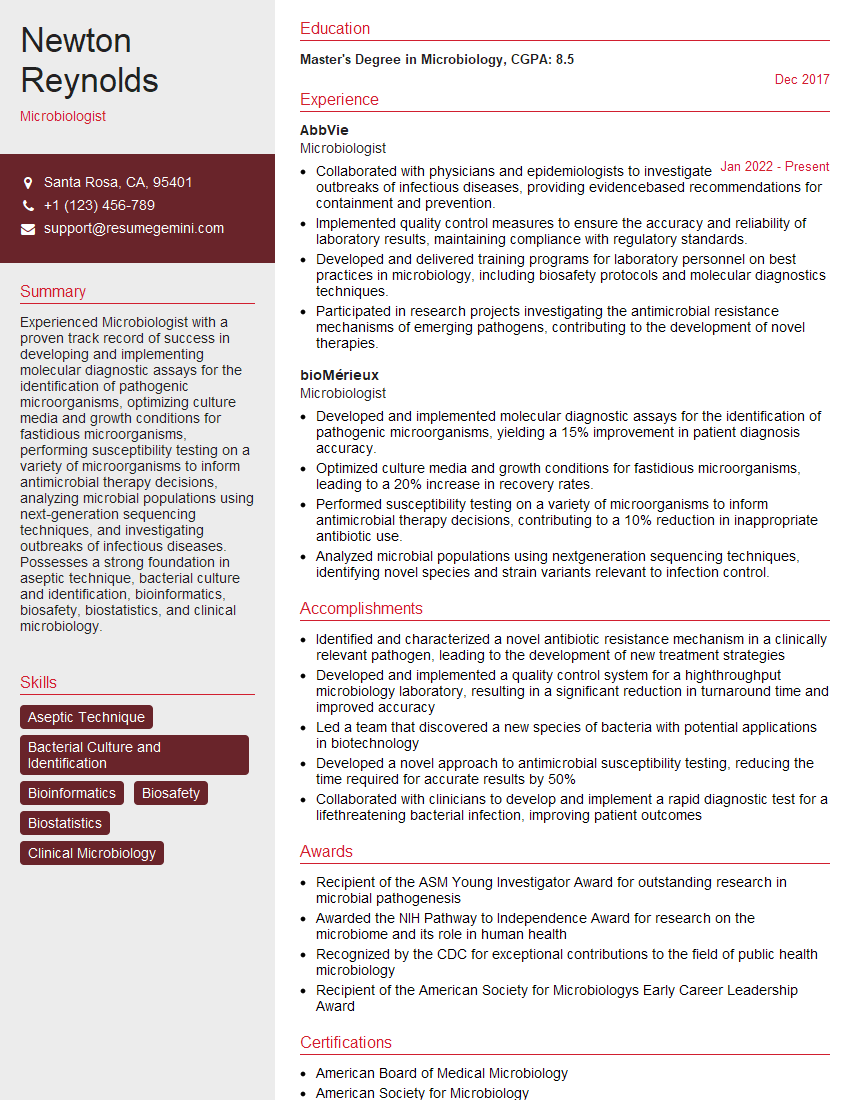
Microbiologist Resume Sample
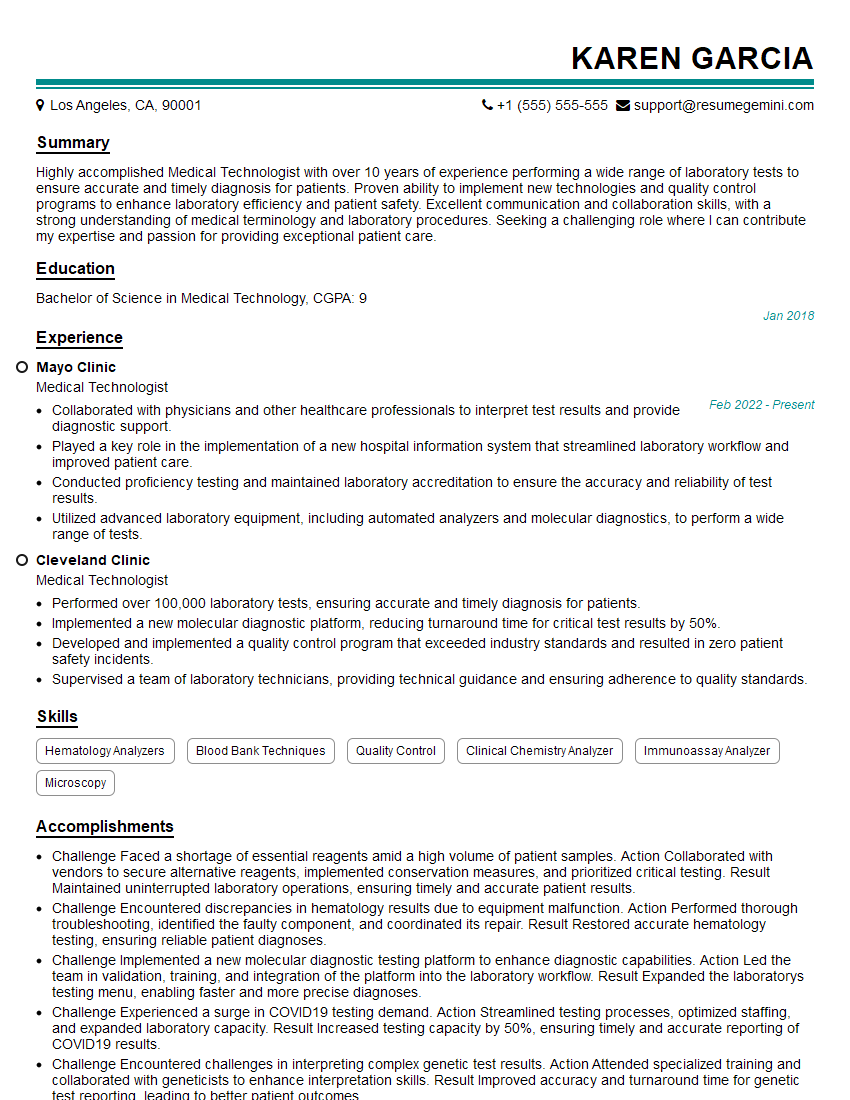
Medical Technologist Resume Sample
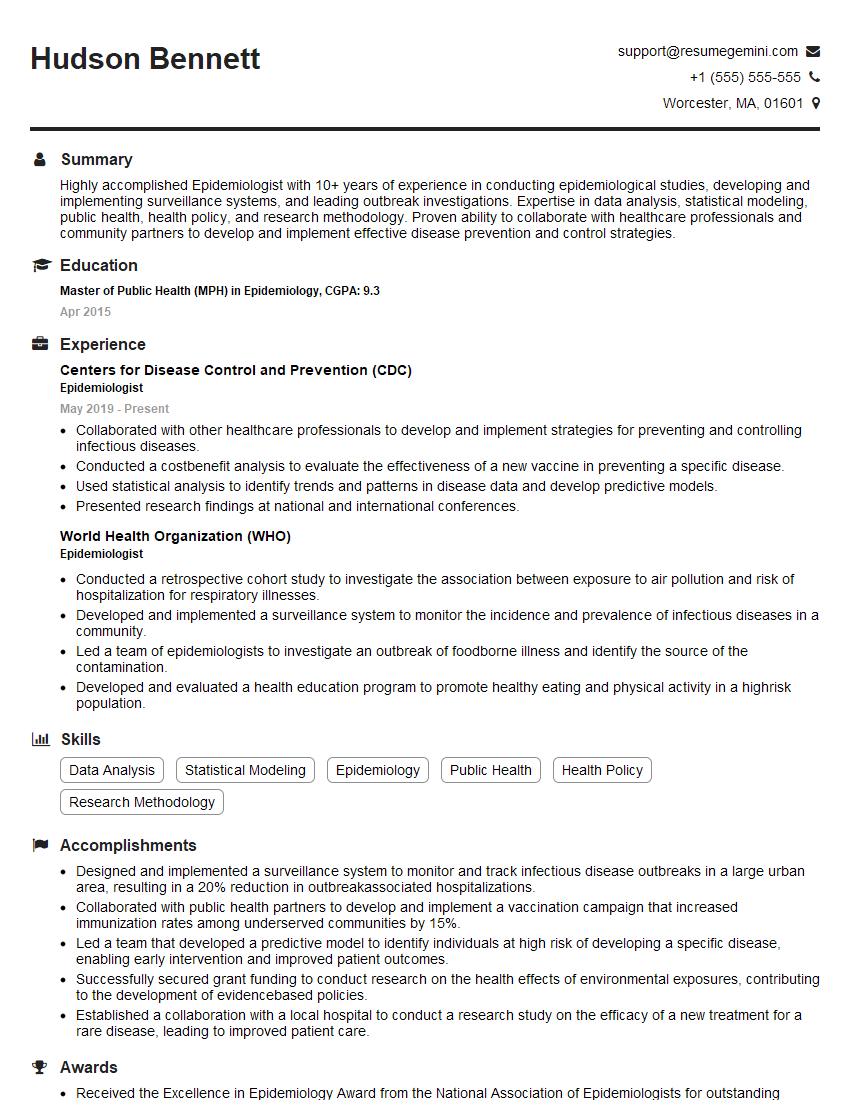
Epidemiologist Resume Sample
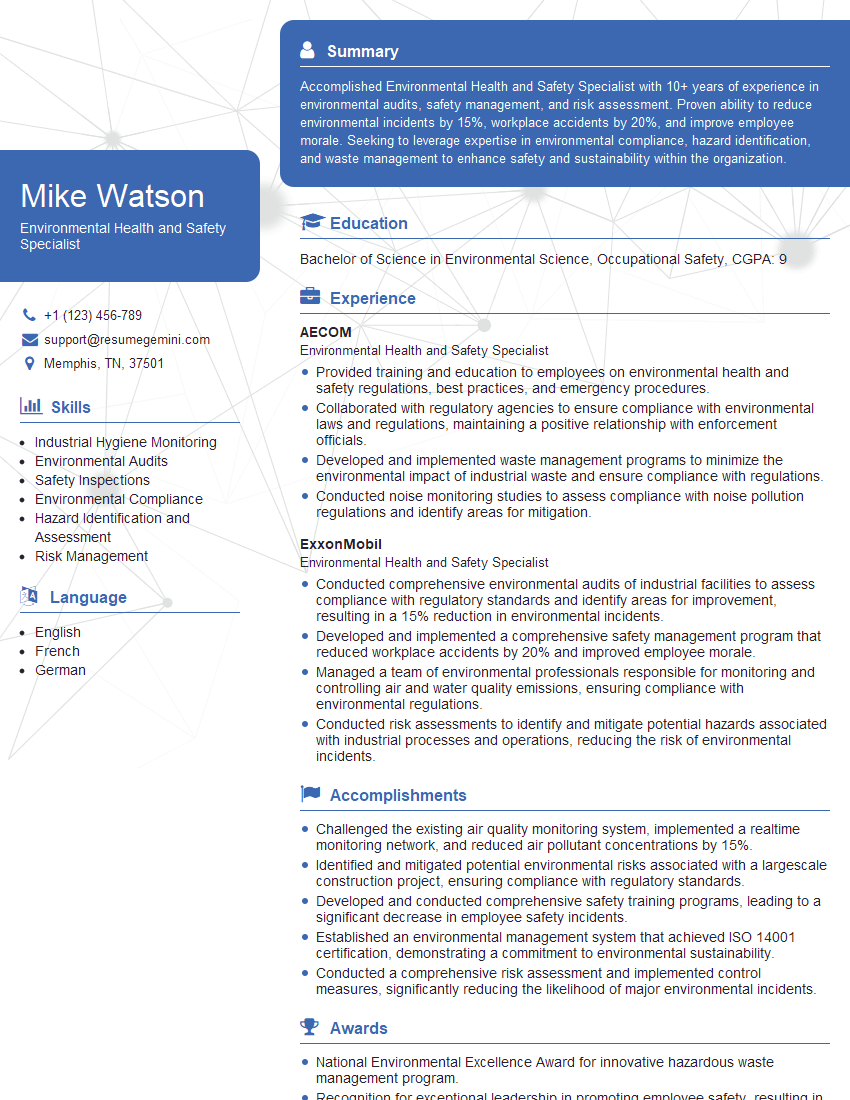
Environmental Health and Safety Specialist Resume Sample
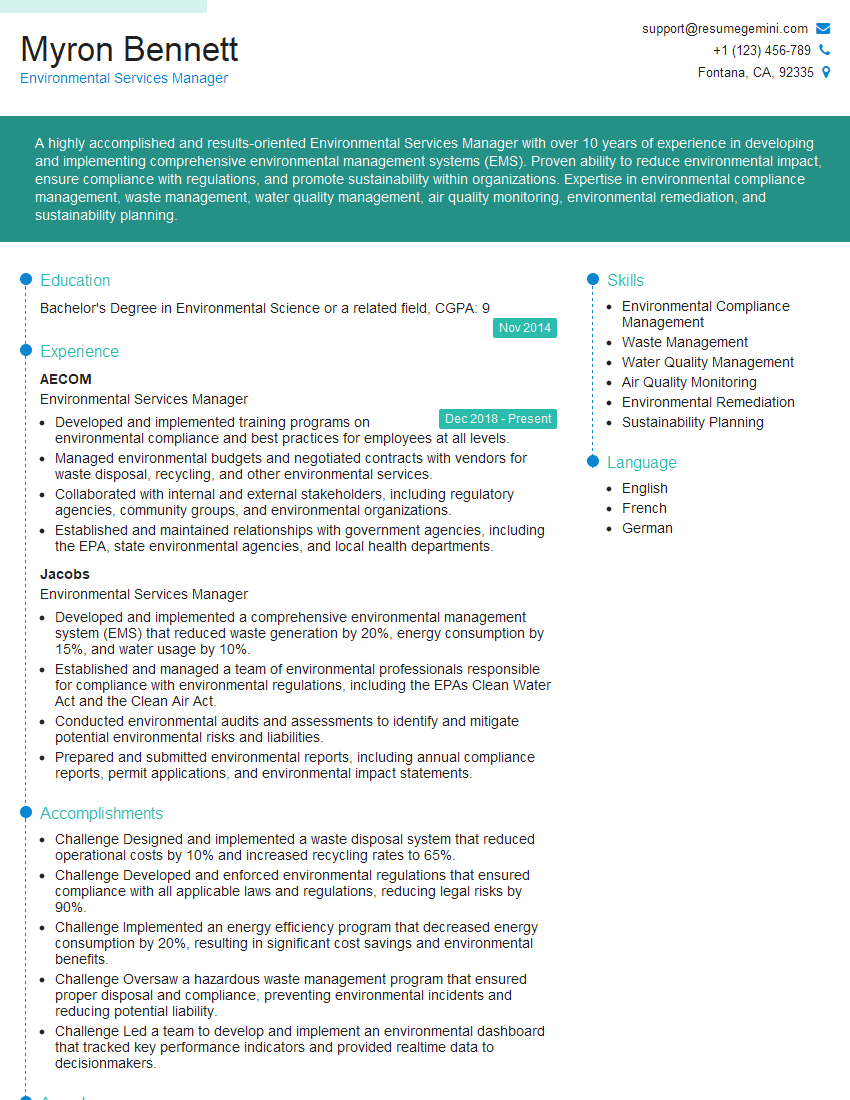
Environmental Services Manager Resume Sample
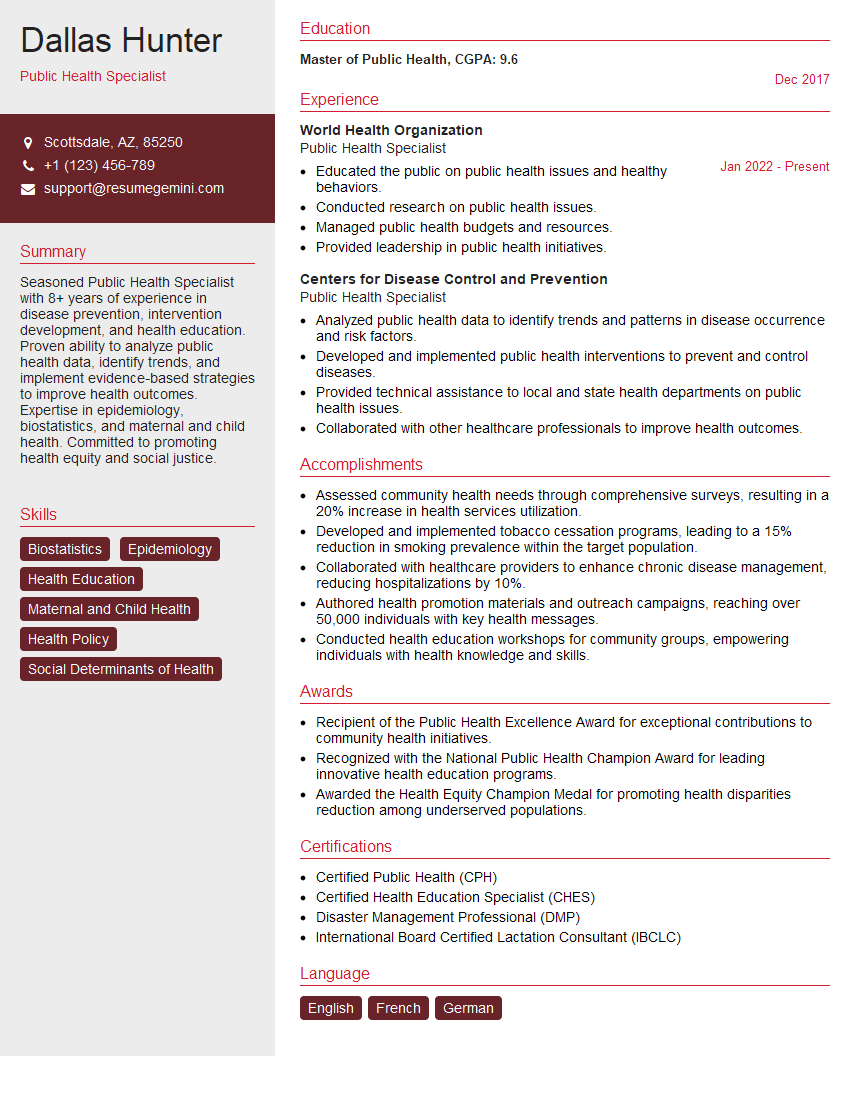
Public Health Specialist Resume Sample
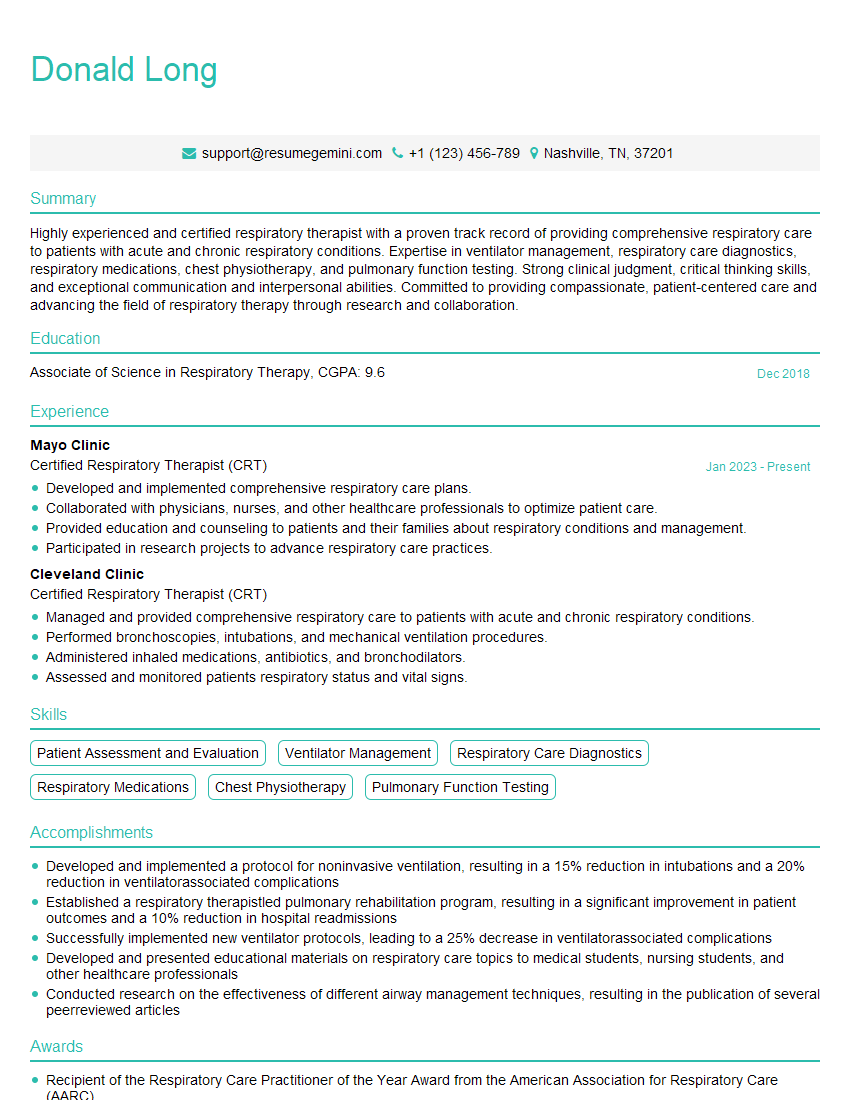
Certified Respiratory Therapist (CRT) Resume Sample
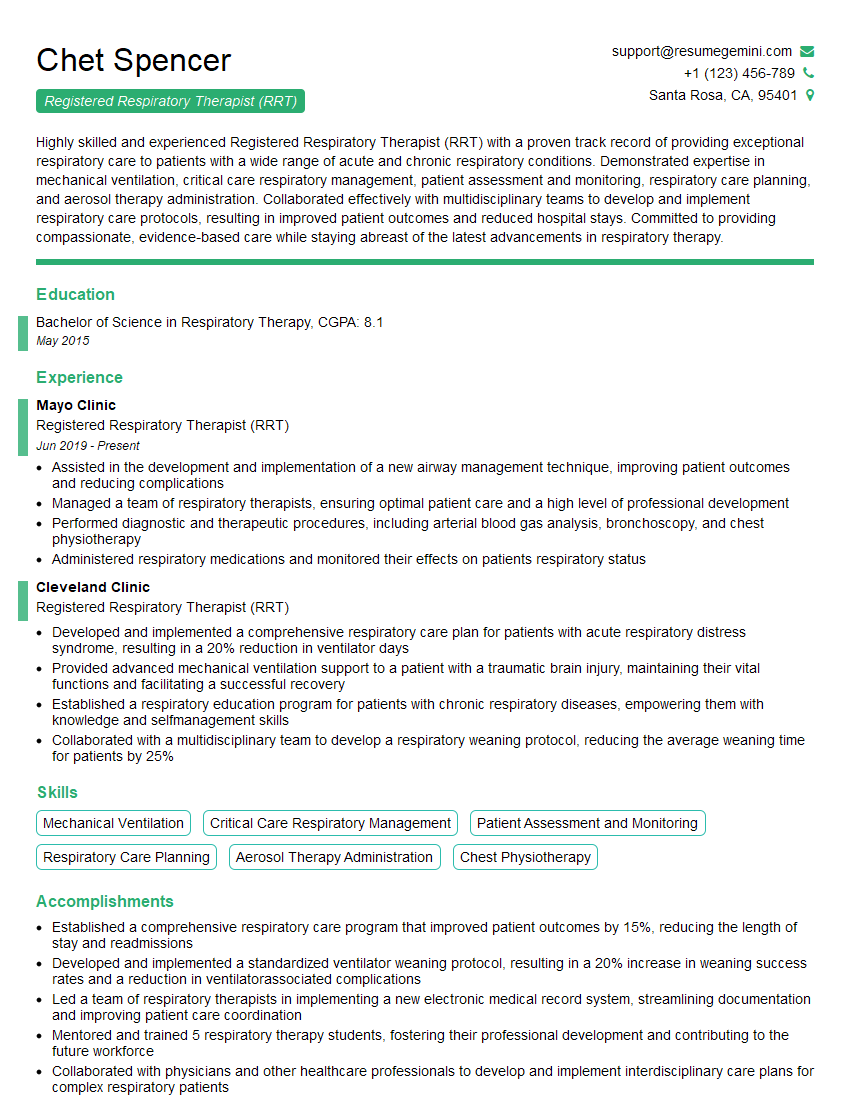
Registered Respiratory Therapist (RRT) Resume Sample
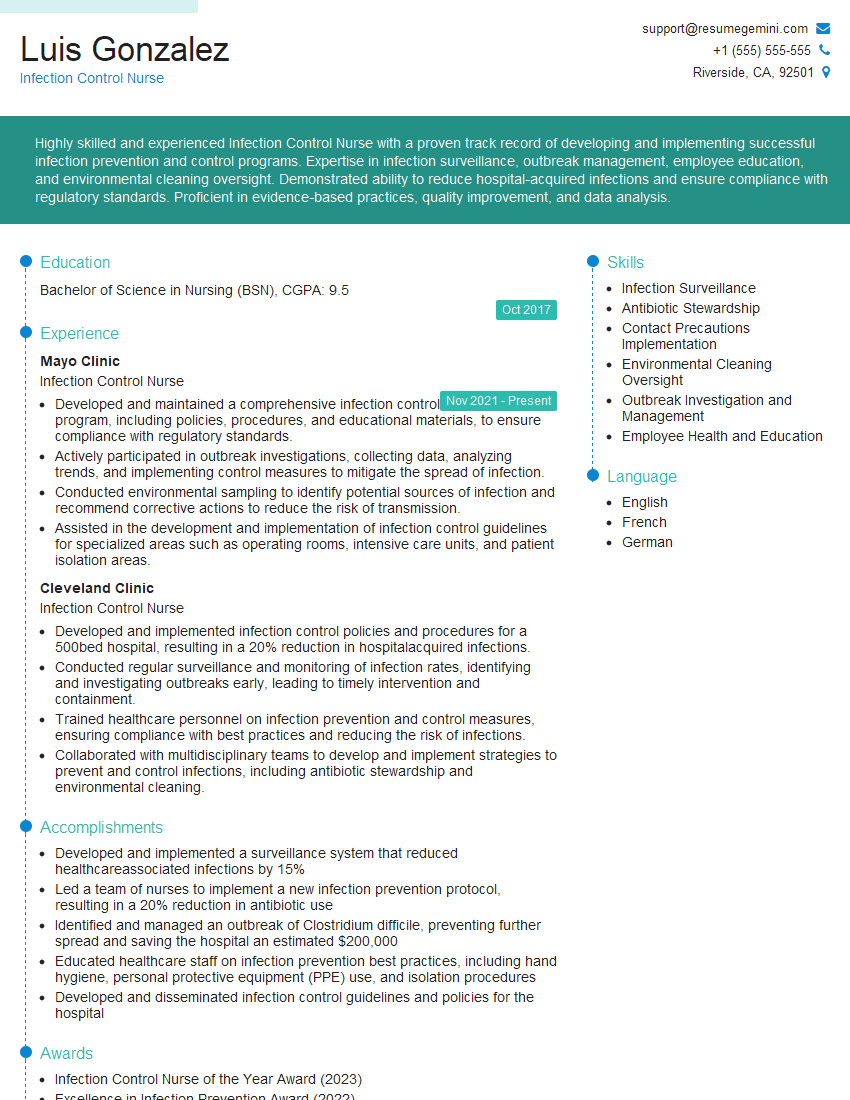
Infection Control Nurse Resume Sample
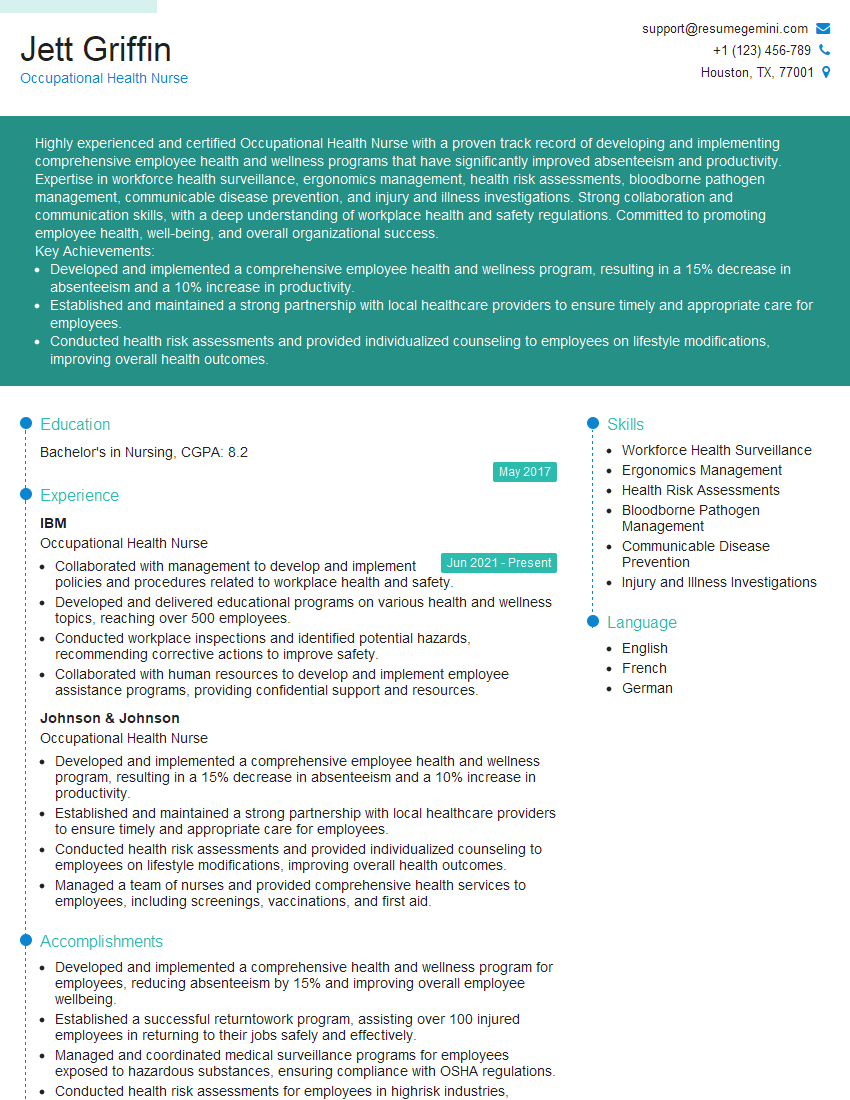
Occupational Health Nurse Resume Sample
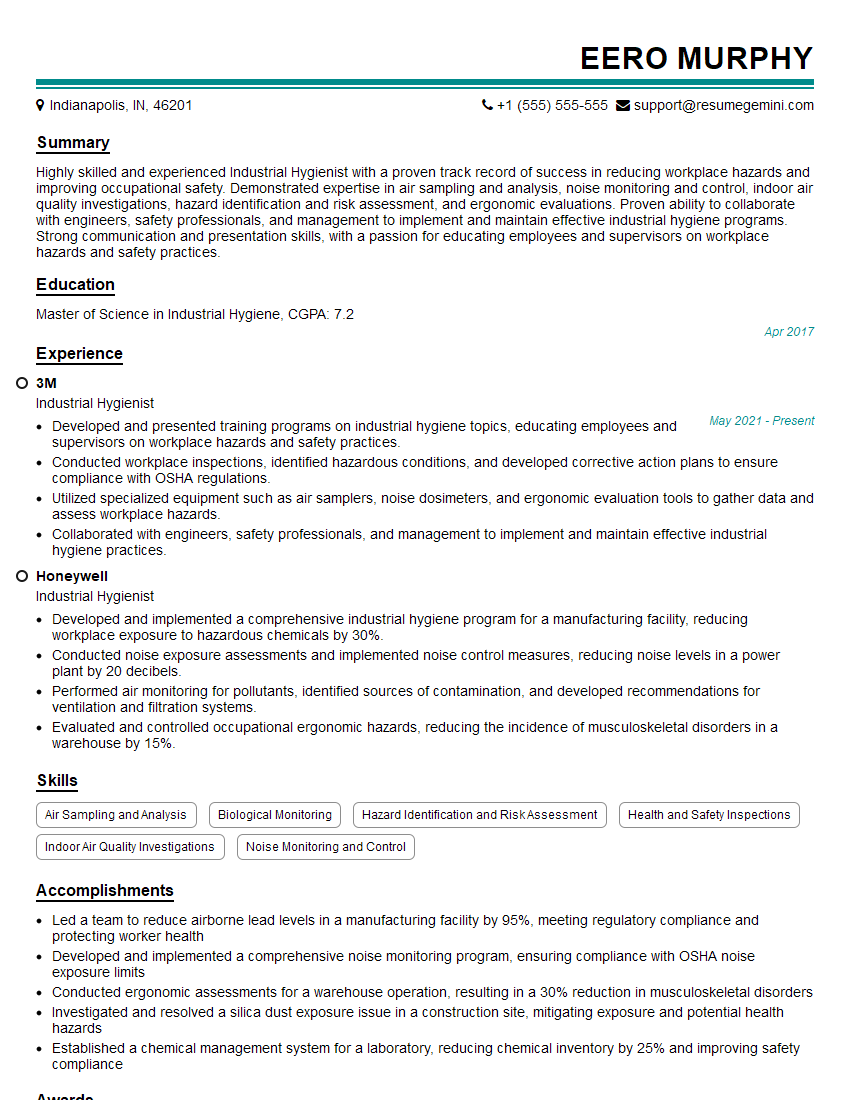
Industrial Hygienist Resume Sample
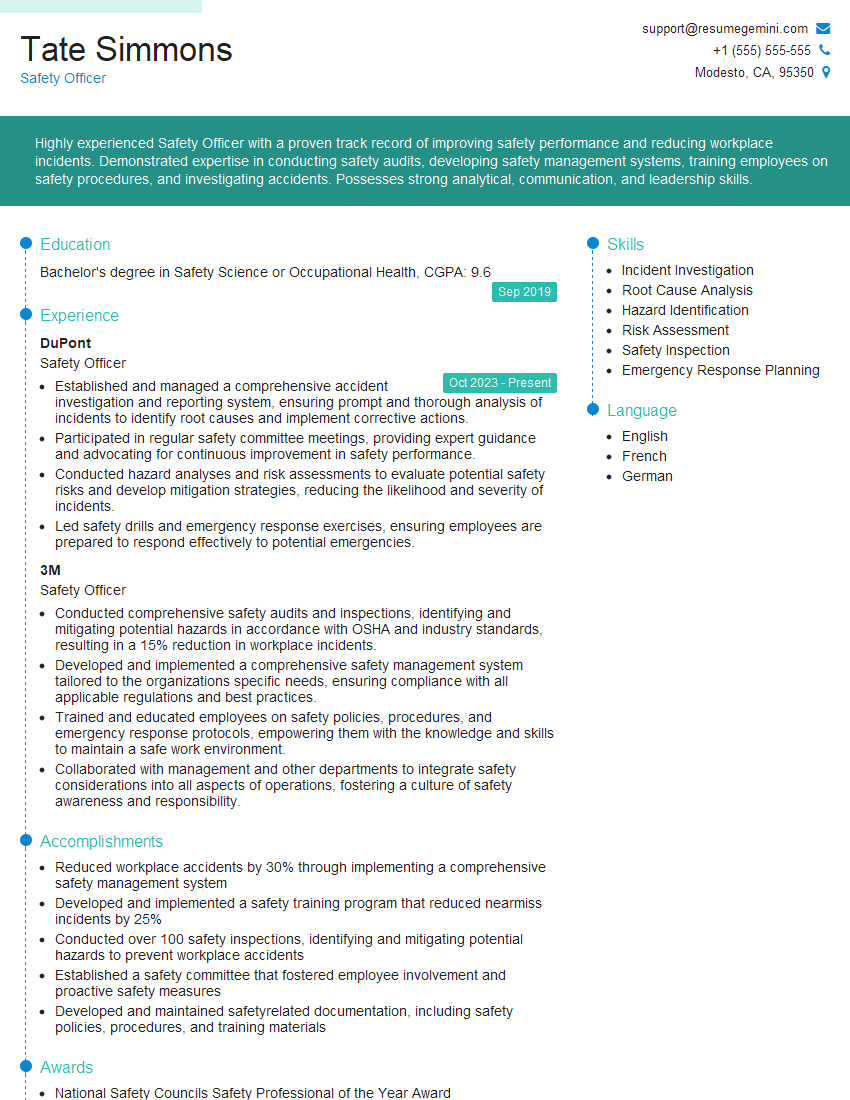
Safety Officer Resume Sample
- Regulatory Affairs Specialist
- Microbiologist
- Medical Technologist
- Epidemiologist
- Environmental Health and Safety Specialist
- Environmental Services Manager
- Public Health Specialist
- Certified Respiratory Therapist (CRT)
- Registered Respiratory Therapist (RRT)
- Infection Control Nurse
- Occupational Health Nurse
- Industrial Hygienist
- Safety Officer
Explore more articles
Users Rating of Our Blogs
Share Your Experience
We value your feedback! Please rate our content and share your thoughts (optional).
What Readers Say About Our Blog
To the interviewgemini.com Webmaster.
Very helpful and content specific questions to help prepare me for my interview!
Thank you
To the interviewgemini.com Webmaster.
This was kind of a unique content I found around the specialized skills. Very helpful questions and good detailed answers.
Very Helpful blog, thank you Interviewgemini team.