The thought of an interview can be nerve-wracking, but the right preparation can make all the difference. Explore this comprehensive guide to Sacroiliac Joint Injections interview questions and gain the confidence you need to showcase your abilities and secure the role.
Questions Asked in Sacroiliac Joint Injections Interview
Q 1. Describe the anatomy of the sacroiliac joint.
The sacroiliac (SI) joint is a complex structure connecting the sacrum (the triangular bone at the base of the spine) to the ilium (the largest bone in the pelvis). It’s not a simple hinge joint like your elbow; instead, it’s a synovial joint with a unique structure contributing to weight-bearing and transferring forces between the upper body and legs. Imagine it as a strong, slightly movable connection vital for stability.
Anatomically, the SI joint is characterized by its irregular articular surfaces, covered with hyaline cartilage. These surfaces interlock, providing stability. Strong ligaments, including the anterior sacroiliac, interosseous sacroiliac, and posterior sacroiliac ligaments, further reinforce the joint and restrict movement. The joint capsule encloses the articular surfaces, adding to overall joint stability. Numerous other muscles and tendons contribute to the joint’s biomechanics, making it a complex system.
- Articular Surfaces: Irregular and interlocking for stability.
- Hyaline Cartilage: Cushions the joint surfaces.
- Ligaments: Provide substantial support and limit movement.
- Joint Capsule: Encloses the joint.
- Surrounding Musculature: Contributes to joint function and stability.
Q 2. What are the indications for a sacroiliac joint injection?
Sacroiliac joint injections are indicated when there’s a strong suspicion that SI joint dysfunction is the source of a patient’s pain. This is often the case with chronic low back pain that radiates to the buttocks and sometimes down the leg, and which hasn’t responded well to other conservative treatments. It’s crucial to rule out other causes of pain first.
- Chronic low back pain: Pain lasting more than 3 months, unresponsive to other treatments.
- Pain radiating to the buttocks: Often unilateral but can be bilateral.
- Pain aggravated by certain movements or positions: Such as weight-bearing, twisting, or prolonged sitting.
- Failed conservative treatment: Physical therapy, medication, etc., haven’t provided sufficient relief.
- Positive provocative tests: Physical examination maneuvers that specifically stress the SI joint, such as the Gaenslen test, Patrick’s test, or the Thigh Thrust test.
A diagnostic SI joint injection serves as both a diagnostic and therapeutic tool. If the injection provides significant pain relief, it strongly suggests the SI joint is the primary source of pain and may indicate the need for further interventions.
Q 3. What are the contraindications for a sacroiliac joint injection?
Contraindications for a sacroiliac joint injection are situations where the procedure poses a significant risk to the patient. These are generally situations where injecting into the joint could cause harm or would be ineffective.
- Active local infection at the injection site: Infection could spread.
- Bleeding disorders or anticoagulant therapy: Increased risk of hemorrhage at the injection site.
- Allergy to local anesthetic or steroid medications: Could cause a severe allergic reaction.
- Patient refusal or inability to cooperate: Successful procedure requires patient cooperation.
- Lack of clear indication: If other potential causes of pain haven’t been ruled out.
A thorough assessment of the patient’s medical history is paramount before proceeding with an SI joint injection to ensure patient safety and procedure efficacy.
Q 4. Explain the different approaches for performing a sacroiliac joint injection (e.g., posterior, anterior).
The two main approaches for SI joint injections are posterior and anterior, each with its advantages and disadvantages. The choice depends on factors such as patient anatomy, the physician’s expertise, and the specific location of pain within the SI joint.
- Posterior Approach: This is the most common approach. The needle is inserted through the skin and soft tissues in the area over the posterior SI joint. Fluoroscopic guidance is used to ensure accurate needle placement within the joint.
- Anterior Approach: This approach involves inserting the needle from the anterior (front) aspect of the pelvis. It is technically more challenging than the posterior approach and is used less frequently. This approach is more advantageous when the posterior approach is impossible due to prior surgeries or other anatomical reasons.
Other less common approaches exist, and the best approach is selected on a case-by-case basis following careful clinical assessment and evaluation of imaging findings.
Q 5. What imaging modalities are used to guide sacroiliac joint injections?
Imaging modalities are essential for accurate needle placement during SI joint injections to minimize risks and maximize effectiveness. Fluoroscopy is the most commonly used method.
- Fluoroscopy: Real-time X-ray imaging that allows the physician to visualize the needle as it’s advanced toward the SI joint. This ensures accurate placement within the joint space. It guides the needle through the tissues towards the joint, verifying real-time placement.
- Computed Tomography (CT): While less frequently used for real-time guidance during the procedure itself, CT scans can provide detailed anatomical information before the procedure to help plan the injection strategy and to confirm the success of the injection post-procedure.
- Ultrasound: Although less common for SI joint injections compared to fluoroscopy, ultrasound can help visualize some soft tissue structures and guide the needle. It is however, less effective in visualizing the joint space itself compared to fluoroscopy.
The choice of imaging modality depends on the specific clinical situation and the physician’s expertise.
Q 6. Describe the procedure for performing a fluoroscopically guided sacroiliac joint injection.
A fluoroscopically guided SI joint injection is performed under sterile conditions. The steps are as follows:
- Patient Positioning: The patient is positioned prone (lying face down) on the fluoroscopy table, allowing for posterior approach.
- Skin Preparation: The skin over the injection site is cleaned and sterilized.
- Local Anesthesia: A local anesthetic is injected subcutaneously to numb the skin and reduce patient discomfort.
- Fluoroscopic Guidance: The fluoroscopy machine is used to visualize the SI joint. The physician carefully advances the needle under fluoroscopic guidance, aiming for the target area within the SI joint.
- Contrast Injection (Optional): A small amount of contrast dye may be injected to confirm accurate needle placement within the joint space.
- Medication Injection: Once accurate placement is confirmed, the anesthetic and corticosteroid mixture is injected.
- Needle Removal: The needle is carefully removed, and a small bandage is applied.
- Post-Injection Monitoring: The patient is monitored for any adverse reactions.
The entire procedure is carefully monitored using fluoroscopy to ensure the needle is precisely placed within the SI joint, avoiding nearby structures like nerves and blood vessels.
Q 7. What type of anesthetic and steroid are commonly used in sacroiliac joint injections?
The choice of anesthetic and steroid for an SI joint injection depends on the patient’s individual needs and medical history, but common choices are given below.
- Anesthetics: Lidocaine or bupivacaine are commonly used local anesthetics. Lidocaine provides quicker onset of pain relief but shorter duration. Bupivacaine offers a longer duration of action.
- Corticosteroids: Methylprednisolone or triamcinolone are frequently used corticosteroids. These medications help reduce inflammation and can provide longer-lasting pain relief.
The specific choice and concentration of the anesthetic and corticosteroid are determined by the physician based on the individual patient’s needs and clinical assessment.
Q 8. How do you determine the appropriate volume of anesthetic and steroid for injection?
Determining the appropriate volume for a sacroiliac (SI) joint injection is crucial for efficacy and safety. It’s not a one-size-fits-all approach; it depends on several factors. We consider the patient’s size and the specific anatomy revealed by imaging (fluoroscopy or ultrasound). Generally, we aim for a total volume of 1-2 mL. This volume is usually divided between local anesthetic (e.g., lidocaine or bupivacaine) and corticosteroid (e.g., methylprednisolone or triamcinolone). The ratio often starts with a larger anesthetic portion for immediate pain relief followed by a smaller volume of corticosteroid targeting anti-inflammatory effects that take longer to manifest. For example, we might use 1 mL of 1% lidocaine and 0.5 mL of a corticosteroid, adjusted based on patient size and observed joint space.
It’s important to avoid overfilling the joint. Overfilling can lead to leakage into surrounding tissues, reducing effectiveness and potentially causing adverse effects. Therefore, the injection process itself is carefully monitored using real-time imaging.
Q 9. What are the potential complications of a sacroiliac joint injection?
While SI joint injections are generally safe, potential complications exist. These are relatively uncommon but important to discuss with patients. Possible complications include:
- Infection: Although rare with proper aseptic technique, infection at the injection site is a possibility.
- Bleeding: Bleeding can occur, particularly in patients on anticoagulants. A detailed medication review is essential before the procedure.
- Nerve injury: Damage to nearby nerves can lead to temporary or, rarely, permanent neurological deficits. This risk is minimized by precise injection technique under imaging guidance.
- Pain or discomfort at the injection site: This is a common short-term side effect that typically resolves quickly.
- Allergic reaction: Reactions to the anesthetic or corticosteroid are possible, though uncommon.
- Spinal headache: Although rare with SI joint injections, this risk exists if the needle inadvertently enters the dural space.
- Post-injection flare-up: Some patients experience increased pain temporarily after the injection before experiencing any relief.
The risks are weighed against the potential benefits during informed consent discussions.
Q 10. How do you manage potential complications during or after a sacroiliac joint injection?
Managing potential complications requires a proactive approach. Prevention is key – using sterile technique minimizes infection risk, careful patient history helps to identify bleeding risks, and precise image guidance reduces nerve injury. If complications do arise, our management strategy depends on the specific complication:
- Infection: Treatment would involve antibiotics and close monitoring.
- Bleeding: Observation and potential blood tests to assess severity.
- Nerve injury: Close monitoring and supportive care (e.g., pain management).
- Allergic reaction: Immediate treatment with appropriate medications (e.g., antihistamines, epinephrine).
- Pain at the injection site: Pain management with analgesics.
Patients are instructed on what to watch for and are provided with contact information for immediate follow-up if they experience any concerning symptoms. Post-procedure imaging may be necessary in certain circumstances.
Q 11. What are the expected outcomes of a sacroiliac joint injection?
The expected outcome of an SI joint injection is pain relief. The degree and duration of pain relief vary greatly depending on individual factors such as the cause and severity of the pain, the accuracy of the injection, and the patient’s overall health. Some patients experience almost immediate relief that lasts for several months. Others might see a more modest or short-lived improvement. The procedure acts as a diagnostic and therapeutic tool. If a patient gets substantial pain relief, it strongly suggests that the SI joint is the main source of pain, indicating it as a suitable target for further intervention such as radiofrequency ablation or surgery if necessary. If no benefit is seen, other sources of pain must be considered.
Q 12. How do you assess the effectiveness of a sacroiliac joint injection?
Assessing the effectiveness of an SI joint injection is a multi-faceted process. We use a combination of methods:
- Patient-reported outcome measures: We utilize standardized pain scales (e.g., visual analog scale) and questionnaires to assess the patient’s perception of pain levels before, immediately after, and at various follow-up appointments. We monitor changes in functional ability and overall quality of life.
- Physical examination: We re-evaluate range of motion, tenderness to palpation, and any other relevant physical findings.
- Imaging (if necessary): In some cases, repeat imaging might be used to assess for any anatomical changes or complications.
By combining these methods, we obtain a comprehensive understanding of whether the injection has achieved its intended effect.
Q 13. What are the alternative treatment options for sacroiliac joint pain?
Sacroiliac joint pain can be treated with various alternative options, depending on the patient’s response to conservative measures and individual factors. These alternatives include:
- Physical therapy: Targeted exercises and manual therapy can strengthen supporting muscles, improve joint mechanics, and enhance overall function.
- Medication: Over-the-counter analgesics (e.g., ibuprofen, acetaminophen), prescription NSAIDs, and other pain medications may be used.
- Lifestyle modifications: Weight management, posture correction, and avoiding activities that aggravate pain can significantly help.
- Injections: Other types of injections targeting other structures or nerve roots.
- Radiofrequency ablation: This procedure uses heat to target nerve fibers in the SI joint, providing longer-lasting pain relief than a cortisone injection.
- Surgery: This is considered a last resort after all other options fail. Surgical options include fusion or SI joint arthrodesis.
The optimal choice will depend on the individual’s specific situation and response to previous treatments.
Q 14. How do you counsel patients about the risks and benefits of a sacroiliac joint injection?
Counseling patients about SI joint injections involves a thorough discussion of risks, benefits, and alternatives. I begin by explaining the procedure in simple terms, emphasizing the diagnostic and therapeutic aspects. We explore the potential benefits (pain relief) alongside the potential complications (detailed earlier). We discuss realistic expectations for pain relief, stressing the possibility of temporary or even no relief in some patients. We discuss alternative treatment options and help patients make an informed decision based on their personal values and preferences. This includes a detailed discussion of the expected recovery period, addressing any questions or concerns the patient may have and ensuring the patient understands the process fully.
The informed consent process is paramount and the patient is given ample opportunity to ask questions and discuss the information to ensure they are comfortable with the decision to proceed or not.
Q 15. What are the differences between diagnostic and therapeutic sacroiliac joint injections?
The key difference between diagnostic and therapeutic sacroiliac (SI) joint injections lies in their primary goal. A diagnostic injection uses a local anesthetic, like lidocaine, to temporarily numb the SI joint. If the patient’s pain significantly reduces after the injection, it strongly suggests the SI joint is the source of their pain. This is a crucial step in confirming the diagnosis before proceeding with more extensive treatments. A therapeutic injection, on the other hand, aims to provide long-term pain relief. These often involve corticosteroids, which reduce inflammation, in addition to a local anesthetic. The goal is not just to diagnose but to alleviate pain for an extended period.
Think of it like this: a diagnostic injection is like a detective investigating a crime scene – it helps identify the culprit (the SI joint). A therapeutic injection is like administering the cure after the culprit has been identified.
Career Expert Tips:
- Ace those interviews! Prepare effectively by reviewing the Top 50 Most Common Interview Questions on ResumeGemini.
- Navigate your job search with confidence! Explore a wide range of Career Tips on ResumeGemini. Learn about common challenges and recommendations to overcome them.
- Craft the perfect resume! Master the Art of Resume Writing with ResumeGemini’s guide. Showcase your unique qualifications and achievements effectively.
- Don’t miss out on holiday savings! Build your dream resume with ResumeGemini’s ATS optimized templates.
Q 16. How do you differentiate sacroiliac joint pain from other sources of lower back pain?
Differentiating SI joint pain from other lower back pain sources can be challenging as symptoms often overlap. A thorough history and physical exam are essential. SI joint pain is typically felt in the lower back, buttocks, and sometimes down the posterior thigh, but it rarely radiates below the knee. Pain is often worsened by activities that stress the SI joint, such as walking uphill, standing for prolonged periods, or twisting motions.
We consider several factors: location of pain (buttocks, low back, radiating to posterior thigh), pain provocation (specific movements and positions), and response to palpation (tenderness over the SI joints). Imaging studies, such as X-rays, MRI, and CT scans, can help rule out other causes, like spinal stenosis, disc herniation, or spondylolisthesis. However, imaging findings often don’t correlate perfectly with pain levels. The diagnostic injection, as discussed above, plays a critical role in confirming the SI joint as the pain generator.
For example, a patient with pain radiating down their leg might initially suspect a herniated disc, but a negative straight leg raise test and positive SI joint provocation tests, along with a successful diagnostic injection, would point towards the SI joint.
Q 17. What are the common causes of sacroiliac joint pain?
Sacroiliac joint pain can stem from various causes. Sprains and strains are common, often resulting from trauma or repetitive stress. Degenerative changes, such as osteoarthritis, can lead to inflammation and pain. Pregnancy places significant stress on the SI joint, leading to instability and pain. Inflammatory conditions like ankylosing spondylitis can also cause SI joint involvement. Less common causes include infections, tumors, and previous surgeries.
Understanding the underlying cause is crucial for effective management. For example, addressing a post-partum SI joint sprain requires different treatment than managing degenerative changes in an elderly patient. Thorough patient history taking is paramount for differentiating these various causes.
Q 18. Describe the process of obtaining informed consent for a sacroiliac joint injection.
Obtaining informed consent for an SI joint injection is a critical step. I begin by explaining the procedure in detail, using plain language free of medical jargon. I describe the potential benefits (pain relief), risks (infection, bleeding, nerve damage, failure of the injection), and alternatives (physical therapy, medication). I answer any questions the patient may have thoroughly and patiently. I make sure the patient understands the procedure isn’t always successful. I confirm that they understand they can withdraw consent at any time before the procedure begins.
The process includes reviewing the patient’s medical history, allergies, and current medications. The informed consent form is then signed and witnessed, ensuring the patient is fully aware and agrees to proceed. I always encourage patients to bring a support person to assist in the understanding of this important process.
Q 19. How do you document the sacroiliac joint injection procedure?
Documentation of the SI joint injection is crucial for medical and legal reasons. My documentation includes the date and time of the procedure, the patient’s demographics, the indication for the injection (diagnosis), the type and amount of medication administered (e.g., 1ml lidocaine, 40mg methylprednisolone), the approach used (e.g., anterior, posterior), the patient’s response during and after the procedure (pain scale), and any complications encountered. Post-procedure instructions, follow-up appointments, and patient education are also documented.
I use a standardized form to ensure consistency and completeness of documentation. Clear and concise language is important to avoid ambiguity. Accurate documentation protects both the patient and the physician.
Q 20. What are the current guidelines and best practices for sacroiliac joint injections?
Current guidelines and best practices emphasize a multidisciplinary approach to SI joint pain management. Imaging is often used to rule out other causes but isn’t always necessary for diagnostic injections, particularly if clinical findings are strongly suggestive of SI joint pathology. The use of fluoroscopy or ultrasound guidance during the injection improves accuracy and reduces complications. The choice of medication (local anesthetic with or without corticosteroid) depends on the patient’s clinical presentation and the goal of the injection (diagnostic or therapeutic).
Post-injection, a structured rehabilitation program, including physical therapy, is often recommended. Best practices also emphasize patient education, setting realistic expectations, and involving the patient in decision-making throughout the process. The use of specific techniques (anterior vs posterior approach) is based on individual patient anatomy and the experience of the injecting physician, along with local guidelines.
Q 21. How do you handle a failed sacroiliac joint injection?
A failed SI joint injection, where the patient experiences minimal or no pain relief, requires a reassessment of the diagnosis and treatment plan. First, we review the procedure to ensure the injection was accurately placed; fluoroscopy images are reviewed, if available. We also consider alternative diagnoses, as the initial assessment might have been inaccurate. Other sources of pain, such as lumbar spine pathology, need to be ruled out.
If the SI joint is still suspected to be a primary source of pain, further therapeutic options include repeat injections, radiofrequency ablation, or other interventional procedures. Non-interventional options, such as physical therapy, medication (NSAIDs, opioids), and other conservative treatments are explored and can be implemented concurrently. It is important to keep open communication with the patient and modify the treatment plan accordingly.
Q 22. Discuss the role of patient selection in the success of sacroiliac joint injections.
Patient selection is paramount for successful sacroiliac (SI) joint injections. We need to carefully identify individuals who are likely to benefit from the procedure. This involves a thorough clinical evaluation, ruling out other potential sources of pain, and confirming the SI joint as the primary pain generator.
- Diagnosis: Patients must have a clear clinical diagnosis of SI joint dysfunction, supported by physical examination findings consistent with SI joint pathology, like the prone Patrick’s test or Gaenslen’s test. Imaging like X-rays, though not always definitive, can help rule out other conditions. A trial of conservative treatment, such as physical therapy, is often recommended first.
- Pain Characteristics: The pain should be localized to the SI joint region, typically buttock, lower back, and possibly groin pain. Pain reproduction with specific SI joint palpation maneuvers is crucial.
- Psychological Factors: Patient expectations play a huge role. Those with unrealistic expectations or those with significant psychological comorbidities may not derive the same benefit from the injection and may be better suited for other treatments.
- Exclusion Criteria: Patients with active infections, bleeding disorders, or contraindications to the contrast agent used are not candidates. Pregnancy is another significant contraindication.
For example, a patient presenting with diffuse back pain and positive findings on neurological examination might not be an ideal candidate, suggesting a spinal source rather than an SI joint problem. Conversely, a patient with localized buttock pain exacerbated by weight-bearing and relieved by rest, and positive SI joint provocation tests, would be a more suitable candidate. Careful selection minimizes unsuccessful procedures and helps patients manage their expectations.
Q 23. What are the long-term implications of repeated sacroiliac joint injections?
Repeated SI joint injections carry potential long-term implications. While they can provide temporary relief for some individuals, the benefits diminish with repeated injections. The risks of complications, such as infection or nerve damage, increase with the number of procedures.
- Decreased Efficacy: Over time, the body’s response to the injected medication may decrease, leading to diminishing returns. The inflammation might resolve temporarily, but the underlying structural problem persists.
- Inflammatory Response: Repeated needle punctures can potentially lead to chronic inflammation and scar tissue formation around the SI joint, making future injections more difficult and less effective.
- Infection Risk: Each injection carries a small, yet cumulative, risk of infection. Multiple injections significantly increase this probability.
- Nerve Damage: Although rare, repeated injections can increase the risk of accidental nerve injury, resulting in new or worsened pain.
- Psychological Impact: Patients who repeatedly require injections for pain relief may experience psychological distress, as repeated interventions demonstrate the persistence of their condition.
Therefore, a comprehensive treatment plan is essential, often involving physical therapy, lifestyle modifications, and potentially other interventional procedures or surgery, rather than relying solely on repeated injections.
Q 24. How do you address patient expectations regarding the outcome of the procedure?
Managing patient expectations is a crucial aspect of the procedure. I always aim to set realistic goals and clearly communicate potential outcomes.
- Realistic Expectations: I emphasize that SI joint injections are not a cure but a potential treatment to provide temporary pain relief, possibly lasting several weeks to months. The goal is not to eliminate the pain permanently but to alleviate it significantly enough to allow the patient to undergo physical therapy and improve function.
- Individualized Approach: Every patient’s response is different. Some experience significant relief; others may experience only modest improvement. I explain this variability and manage expectations accordingly.
- Open Communication: I encourage open dialogue, answering all patient questions honestly and addressing their concerns. I provide them with detailed information about the procedure, potential risks, and recovery process.
- Shared Decision-Making: I always involve the patient in the decision-making process, ensuring they understand the benefits, risks, and alternatives to the injection.
For example, I often say something like: “This injection may significantly help reduce your pain for a few months, enabling you to participate more fully in your physical therapy program. But it’s not a guaranteed cure. We will carefully assess your response after the procedure.”
Q 25. Describe your experience with different types of needles and injection cannulas used in SIJ injections.
Needle and cannula selection is critical for successful and safe SI joint injections. The choice depends on factors such as the patient’s anatomy, the location of the target area, and the physician’s experience.
- Needles: I commonly use 22-gauge or 25-gauge needles for injections, offering a balance between sufficient strength and reduced tissue trauma. Longer needles (3.5-5 inches) may be necessary depending on patient anatomy.
- Cannulas: The use of cannulas (small, blunt-ended tubes) is increasing as it often reduces the risk of needle-related complications. These are typically 22-gauge or 25-gauge and often allow for easier injection and fluoroscopic guidance.
- Material: Stainless steel is the most common material, although some specialized needles may be made of other materials.
My experience shows that using a smaller-gauge needle minimizes patient discomfort and bleeding. However, cannula use can be particularly beneficial in patients with difficult-to-access anatomy, allowing for accurate placement without the repeated trauma of needle repositioning.
Q 26. How do you ensure accurate needle placement during the procedure?
Accurate needle placement is crucial for successful SI joint injections. We use a combination of techniques to ensure precise targeting.
- Fluoroscopic Guidance: This is the gold standard. Real-time X-ray imaging allows for precise visualization of the needle’s trajectory and position, ensuring that it is correctly placed within the SI joint. The image shows the needle’s placement relative to the joint space, eliminating guesswork.
- Anatomical Landmarks: We palpate anatomical landmarks, including the posterior superior iliac spines, and use this information to guide needle insertion. This is used as a preliminary step before fluoroscopy.
- Aspiration: Before injecting the medication, we aspirate (draw back) on the syringe to ensure that the needle is not in a blood vessel. This helps prevent intravascular injection.
- Contrast Injection: A small amount of contrast dye is often injected under fluoroscopic guidance to confirm accurate placement within the SI joint. This visual confirmation is critical before the medication is injected.
For instance, if during fluoroscopic guidance, the contrast dye spreads outside the confines of the joint, we may need to reposition the needle. This meticulous approach minimizes the risk of complications and maximizes the chance of a successful injection.
Q 27. What are your strategies for managing patient anxiety and discomfort during the procedure?
Managing patient anxiety and discomfort is a critical part of the procedure. We employ several strategies to create a comfortable and safe environment.
- Pre-Procedure Discussion: We spend time explaining the procedure, answering questions, and addressing concerns before starting. This reduces fear of the unknown.
- Relaxation Techniques: Deep breathing exercises or guided imagery can help patients relax during the procedure. We encourage patients to communicate any discomfort or anxiety they experience.
- Local Anesthesia: Local anesthetic (lidocaine) is usually injected at the skin puncture site to numb the area, minimizing pain during needle insertion.
- Pain Medication: In some cases, mild sedatives or analgesics may be administered prior to the injection, particularly for patients with high anxiety or significant pain.
- Communication and Reassurance: We maintain open communication throughout the procedure, providing verbal reassurance and updates on the progress.
The approach I find most effective is a combination of these techniques, tailoring them to each individual patient’s needs and preferences. Creating a calm and supportive atmosphere is essential.
Q 28. Describe your experience with managing post-injection complications, including bleeding and infection.
Managing post-injection complications is a crucial aspect of the procedure. Although rare, complications can occur, and we have protocols for their management.
- Bleeding: Minor bleeding at the injection site is common and usually resolves spontaneously. However, significant bleeding is rare but requires monitoring and possibly intervention. Applying pressure to the injection site can usually control minor bleeding.
- Infection: Infection is a rare but serious complication. Prophylactic antibiotics are sometimes used, especially in high-risk patients. Signs of infection (fever, redness, swelling) require immediate attention and treatment with antibiotics.
- Nerve Injury: Accidental nerve injury is possible, but infrequent. Symptoms like numbness, tingling, or new pain require careful evaluation and management. This might include pain medication or referral to a neurologist.
- SI Joint Instability: Rarely, an injection can exacerbate pre-existing SI joint instability. Pain and functional limitations may persist or worsen. Physical therapy might be necessary to improve joint stability.
- Persistent Pain: Some patients may experience persistent pain despite the injection. This emphasizes the limitations of the procedure and underscores the need to explore alternative treatment options.
Our post-procedure instructions include detailed advice on rest, activity modification, and pain management. Patients are instructed to contact us immediately if they experience any concerning symptoms. Close monitoring and prompt intervention are critical in managing potential complications.
Key Topics to Learn for Sacroiliac Joint Injections Interview
- Anatomy and Physiology: Thorough understanding of the sacroiliac joint anatomy, including ligaments, surrounding muscles, and neurovascular structures. This forms the foundation for successful injections.
- Patient Selection and Assessment: Criteria for identifying suitable candidates for SIJ injections, including diagnostic imaging interpretation (X-ray, MRI, CT) and physical examination techniques to differentiate SIJ pain from other sources.
- Injection Techniques: Mastering various injection approaches (e.g., fluoroscopic guidance, ultrasound guidance), understanding the advantages and limitations of each, and the importance of proper needle placement for optimal therapeutic effect.
- Fluoroscopic Guidance: Detailed knowledge of fluoroscopic imaging principles, image interpretation, and radiation safety protocols relevant to SIJ injections. Practice interpreting fluoroscopic images to accurately guide needle placement.
- Ultrasound Guidance: Understanding the principles of ultrasound imaging for SIJ injections, including image acquisition, interpretation of anatomical landmarks, and needle visualization for precise placement.
- Complications and Management: Identification and management of potential complications such as infection, nerve injury, and hematoma. Develop strategies for preventing and addressing these risks.
- Post-Injection Care and Patient Education: Importance of clear post-procedure instructions to patients, including activity limitations, pain management strategies, and recognizing signs of complications.
- Evidence-Based Practice: Understanding the current research and evidence supporting the efficacy and safety of SIJ injections, and the ability to discuss this evidence during the interview.
- Practical Application: Develop case studies and scenarios to demonstrate your ability to apply theoretical knowledge to real-world clinical situations. Consider various patient presentations and treatment challenges.
- Problem-Solving: Be prepared to discuss how you would handle unexpected situations during the procedure, such as anatomical variations or equipment malfunctions.
Next Steps
Mastering Sacroiliac Joint Injections significantly enhances your skills and marketability, opening doors to specialized roles and increased earning potential. To maximize your job prospects, create an ATS-friendly resume that effectively highlights your expertise. ResumeGemini is a trusted resource to build a professional resume that showcases your qualifications. ResumeGemini offers examples of resumes tailored to Sacroiliac Joint Injections to help you create a compelling application.
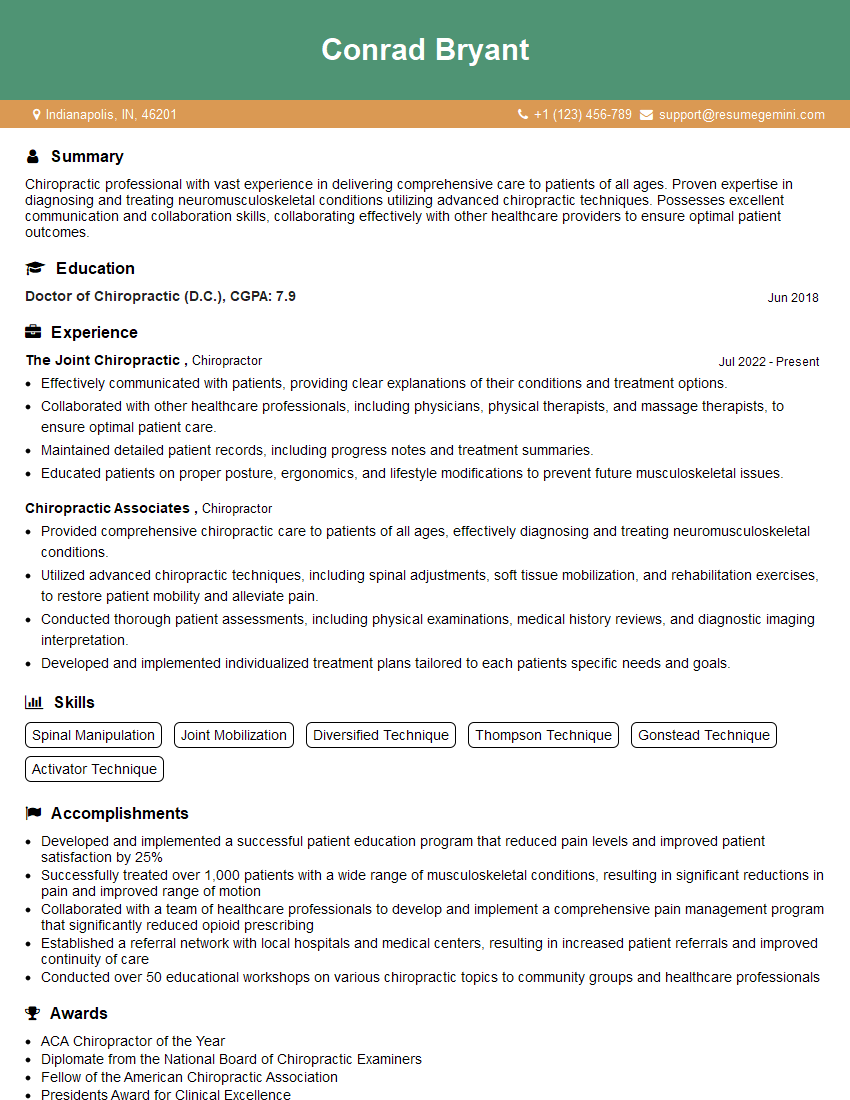
Chiropractor Resume Sample

Anesthesiologist Resume Sample

Rheumatologist Resume Sample
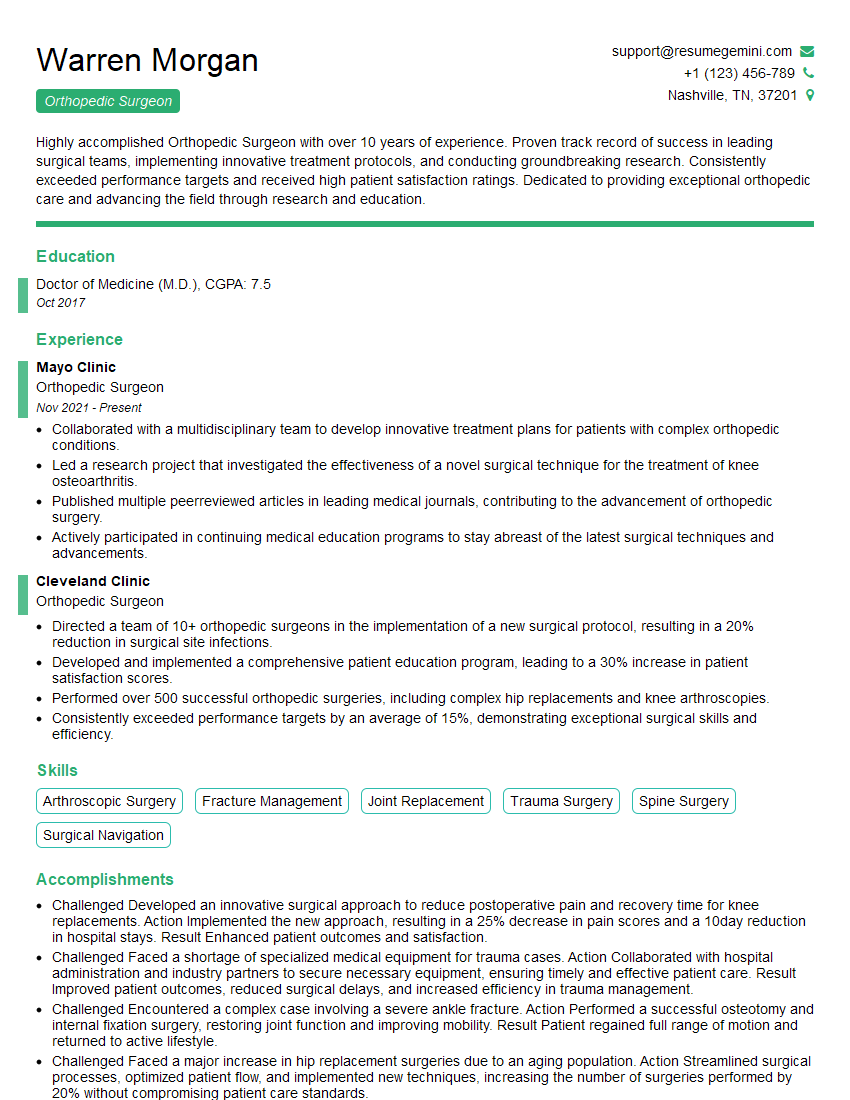
Orthopedic Surgeon Resume Sample
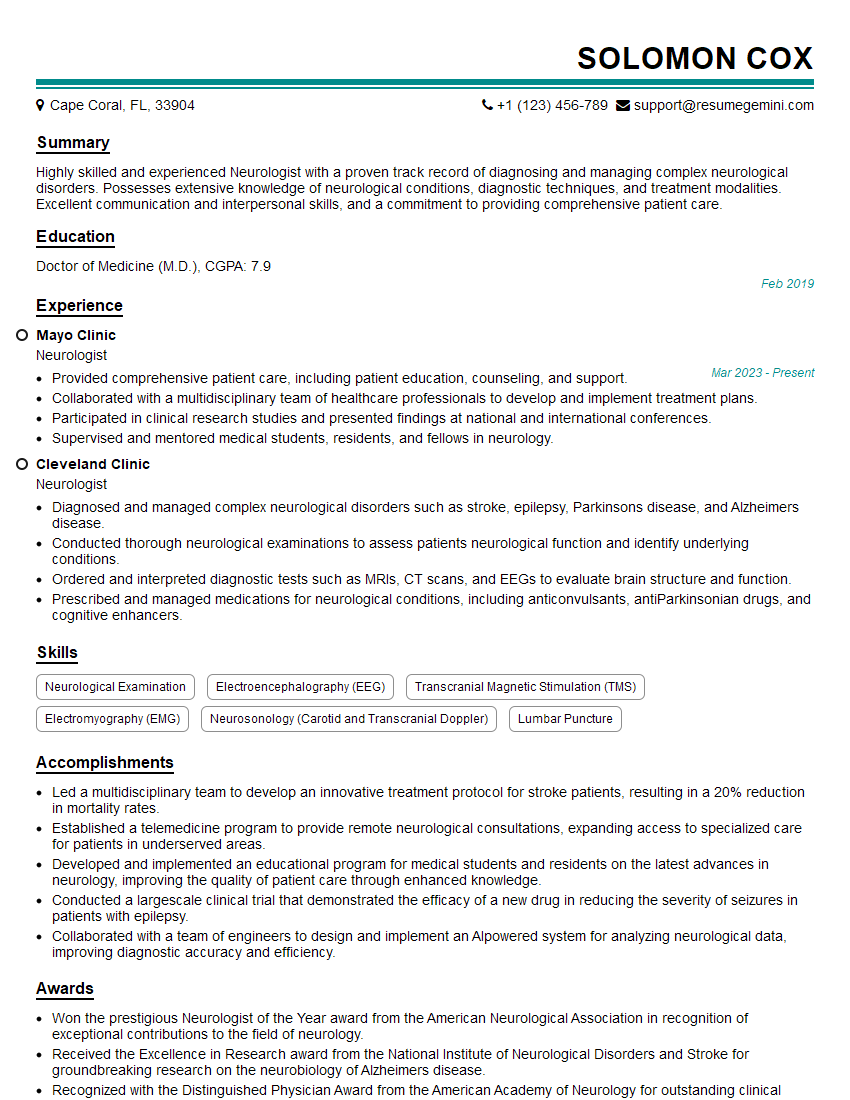
Neurologist Resume Sample

Physiatrist Resume Sample
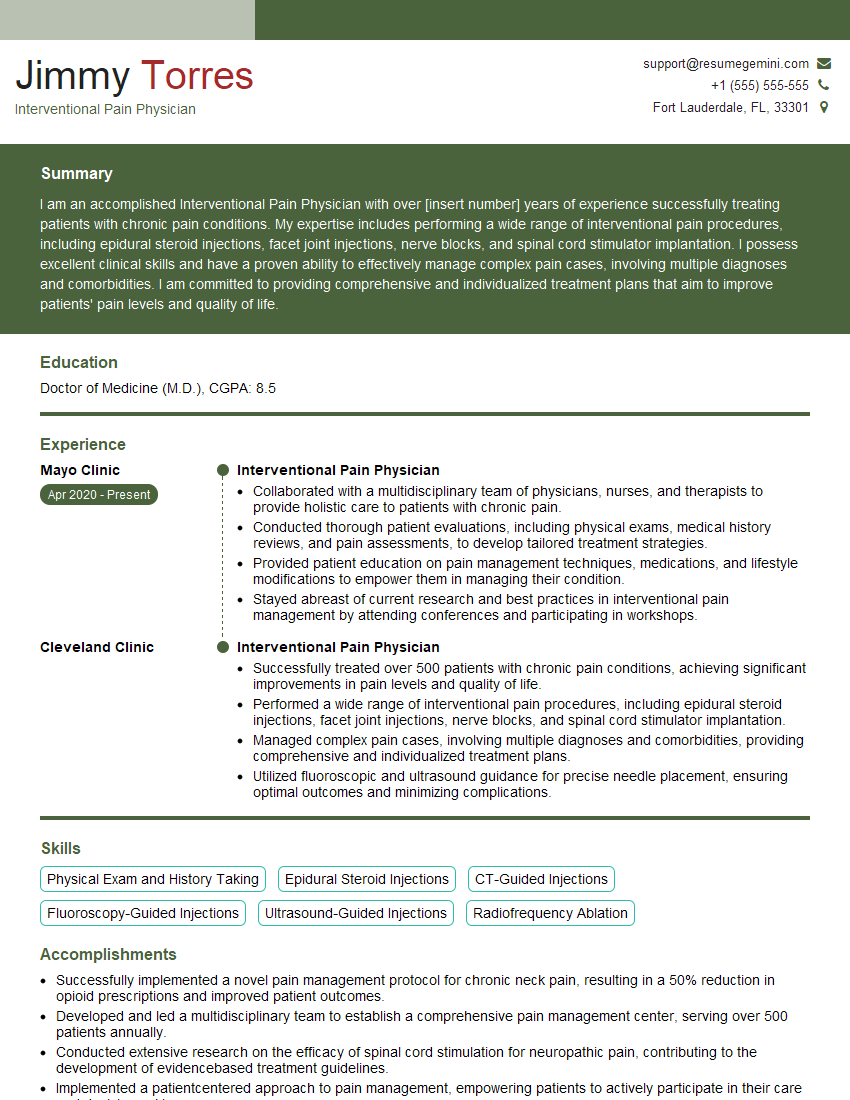
Interventional Pain Physician Resume Sample

Sports Medicine Physician Resume Sample

Acupuncturist Resume Sample
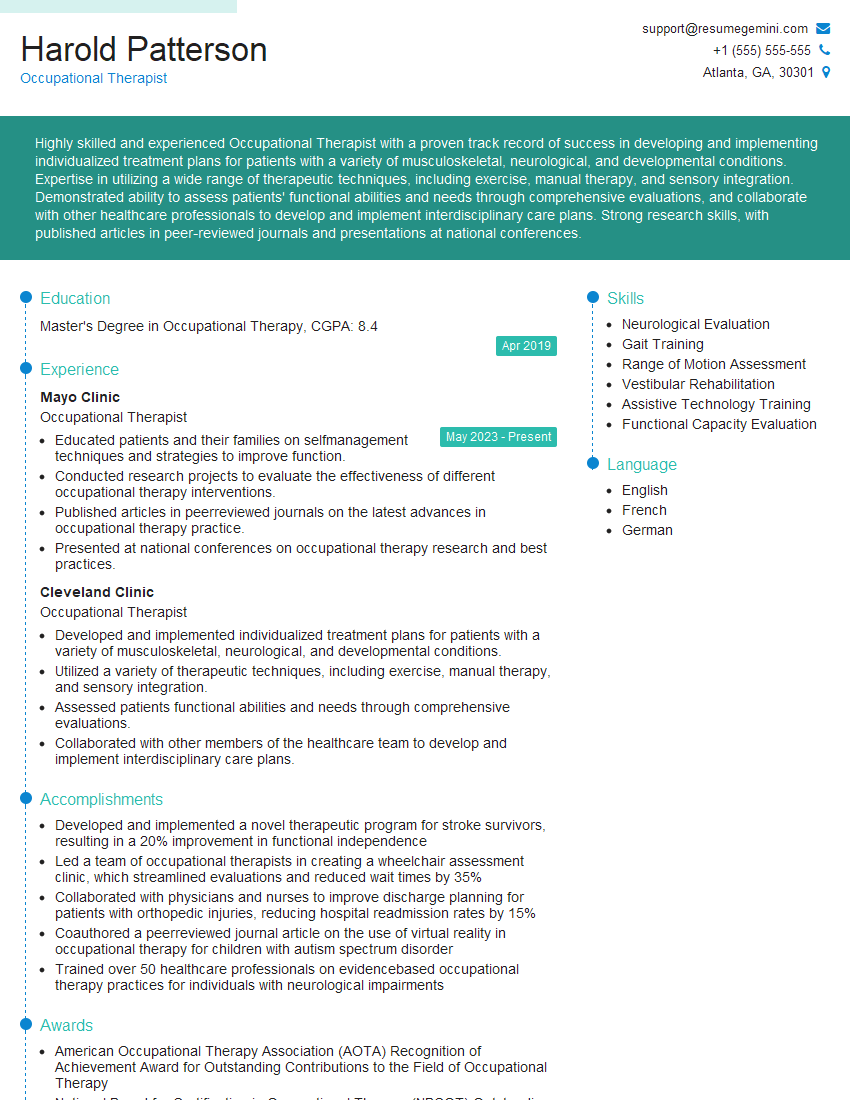
Occupational Therapist Resume Sample
Explore more articles
Users Rating of Our Blogs
Share Your Experience
We value your feedback! Please rate our content and share your thoughts (optional).
What Readers Say About Our Blog
To the interviewgemini.com Webmaster.
Very helpful and content specific questions to help prepare me for my interview!
Thank you
To the interviewgemini.com Webmaster.
This was kind of a unique content I found around the specialized skills. Very helpful questions and good detailed answers.
Very Helpful blog, thank you Interviewgemini team.