Feeling uncertain about what to expect in your upcoming interview? We’ve got you covered! This blog highlights the most important Safe and Responsible Driving Practices interview questions and provides actionable advice to help you stand out as the ideal candidate. Let’s pave the way for your success.
Questions Asked in Safe and Responsible Driving Practices Interview
Q 1. What are the three most important elements of defensive driving?
The three most important elements of defensive driving are scanning, predicting, and reacting. These elements work together to create a proactive, rather than reactive, approach to driving.
- Scanning: This involves constantly surveying your surroundings – checking mirrors, blind spots, and the road ahead for potential hazards. It’s like being a detective, constantly gathering information. For example, scanning at an intersection means checking for pedestrians, other vehicles, and traffic signals before proceeding.
- Predicting: Based on your scanning, you anticipate what might happen. If you see a car slowing down ahead, you predict it might stop suddenly. If a pedestrian is near a crosswalk, you predict they might step into the road. This involves anticipating the actions of other drivers and pedestrians.
- Reacting: This is your response to the predicted hazards. If you predict a car will stop, you slow down and increase your following distance. If you predict a pedestrian will cross, you prepare to stop. This involves making safe and timely adjustments to your speed, position, or direction.
These three elements are interdependent. Effective scanning enables accurate prediction, which in turn allows for a safe and timely reaction.
Q 2. Describe your experience with maintaining a driver’s logbook accurately.
Maintaining an accurate driver’s logbook is crucial for compliance and safety. Throughout my career, I’ve meticulously recorded every detail, ensuring that each entry is precise and aligned with regulations. I use a combination of digital and physical logging methods for redundancy and backup. My digital logbook automatically tracks my driving hours, location, and breaks, while my physical logbook serves as a backup and allows for manual notes on any unusual events or conditions.
Accuracy is paramount; I always double-check my entries to avoid inconsistencies. For instance, I always note the start and end times of each driving period, location of stops, and any delays encountered. This process is not just about meeting regulations; it’s about building a reliable record of my driving activities which helps in fatigue management and accident analysis.
Q 3. How do you handle unexpected road hazards, such as sudden braking in front of you?
Handling unexpected road hazards requires immediate and decisive action. If a vehicle suddenly brakes in front of you, my immediate response prioritizes avoiding a collision. The first step is to assess the situation: Is there enough space to stop safely? Are there any other vehicles around? Then, I take immediate action:
- Reduce Speed: I ease off the accelerator and apply the brakes smoothly and firmly, avoiding any sudden or jerky movements that could lead to skidding.
- Maintain Steering Control: I keep my steering wheel steady, steering around the hazard if possible, while staying within my lane.
- Honk your horn: To warn other drivers of your maneuver.
- Check your mirrors: and blind spots to check for other vehicles and to plan for an escape route.
If a collision seems unavoidable, my focus shifts to mitigating the impact, like steering to hit a less damaging part of the other vehicle or object.
Following the incident, I’d ensure everyone’s safety, and contact emergency services if required, and report the incident.
Q 4. Explain your understanding of hours-of-service regulations.
Hours-of-service (HOS) regulations are designed to prevent driver fatigue, a major contributor to road accidents. My understanding encompasses the rules governing maximum driving time, mandatory rest periods, and record-keeping requirements. These regulations vary depending on the jurisdiction and the type of vehicle being operated. For example, commercial drivers operating within the US must adhere to the Federal Motor Carrier Safety Administration (FMCSA) regulations, which stipulate specific limits on driving hours within a 24-hour period and a 7- or 8-day period. These limits are crucial to preventing fatigue-related accidents.
Understanding these regulations is not just about compliance; it’s about prioritizing safety and personal well-being. I always plan my trips meticulously, factoring in rest breaks and ensuring that I’m adequately rested before embarking on long journeys.
Regularly reviewing and updating my knowledge of the regulations through company provided training is a crucial aspect of maintaining compliance. This also ensures I’m using up-to-date technologies to help me adhere to those regulations.
Q 5. Describe your approach to pre-trip vehicle inspections.
Pre-trip vehicle inspections are critical for ensuring the vehicle’s safety and preventing breakdowns. My approach is methodical and thorough, following a checklist to ensure no aspect is overlooked. This inspection typically involves a walk-around of the vehicle, checking various components:
- Tires: Inspecting for proper inflation, tread depth, and any signs of damage.
- Lights: Verifying the functionality of headlights, brake lights, turn signals, and hazard lights.
- Brakes: Checking for responsiveness and any signs of wear or leaks.
- Mirrors: Ensuring clear visibility and secure mounting.
- Fluid Levels: Checking engine oil, coolant, brake fluid, and power steering fluid levels.
- Wipers & Washers: Checking functionality to ensure clear visibility in inclement weather.
- Undercarriage: Checking for any leaks, loose parts, or damage.
I meticulously document any defects or issues found during the inspection and report them immediately. This proactive approach prevents potential accidents and breakdowns, ensuring both my safety and the safety of others on the road.
Q 6. What are the common causes of vehicle accidents, and how can they be avoided?
Vehicle accidents stem from a multitude of factors, often a combination of human error, vehicle malfunction, and environmental conditions. Some common causes include:
- Distracted Driving: This encompasses cell phone use, eating, adjusting the radio, or engaging in other activities that divert attention from driving.
- Driving Under the Influence (DUI): Impairment due to alcohol or drugs significantly impacts reaction time and judgment.
- Speeding: Excessive speed reduces reaction time and increases the severity of impact in an accident.
- Following Too Closely (Tailgating): Insufficient following distance leaves little room to react to sudden stops or hazards.
- Fatigue: Driver fatigue significantly diminishes alertness and reaction time.
- Adverse Weather Conditions: Rain, snow, ice, and fog significantly reduce visibility and traction.
- Mechanical Failure: Brake failure, tire blowouts, or steering problems can cause accidents.
Avoiding these accidents necessitates responsible driving habits. This means always remaining focused, obeying traffic laws, maintaining safe following distances, performing regular vehicle maintenance, avoiding driving while fatigued or under the influence, and adjusting driving behavior to suit the weather conditions.
Q 7. How do you maintain situational awareness while driving?
Maintaining situational awareness is crucial for safe driving. It means being constantly aware of everything happening around your vehicle. My approach involves a multi-faceted strategy:
- Active Scanning: Continuously checking my mirrors, blind spots, and the road ahead, looking well beyond the immediate surroundings. I’m not just looking at what’s immediately in front of me; I’m anticipating what might happen further down the road.
- Predictive Driving: Based on my scanning, I anticipate the actions of other drivers and pedestrians. For instance, if I see a car approaching an intersection at high speed, I’ll be prepared for the possibility of a run-through red light.
- Defensive Driving Techniques: I maintain a safe following distance, use my signals appropriately, and am aware of escape routes in case of an emergency. I avoid distractions and concentrate on driving.
- Weather Awareness: I adjust my speed and driving style to match the prevailing weather conditions, increasing following distances during rain or snow.
Situational awareness is an ongoing process that requires constant vigilance. It’s not a single action, but a continuous cycle of observing, predicting, and reacting to keep myself and others safe on the road.
Q 8. What is your experience with using GPS navigation systems?
GPS navigation systems are invaluable tools for efficient and safe route planning. My experience encompasses using various GPS devices and applications, from in-dash systems to smartphone apps. I’m proficient in inputting destinations, understanding map symbols and legends, and utilizing features like traffic alerts and rerouting options. I understand the limitations of GPS, however, and always maintain situational awareness, double-checking directions against road signs and my surroundings to avoid reliance solely on the device.
For instance, I’ve used GPS to navigate unfamiliar city streets during rush hour, relying on real-time traffic updates to avoid congestion and arrive on time. I also regularly use it for long distance travel, pre-planning routes and checking for potential road closures before setting off. Crucially, I’m adept at understanding that GPS isn’t infallible; I’ve had instances where a GPS misidentified a road closure or provided an incorrect route, highlighting the need for constant vigilance and independent confirmation of directions.
Q 9. How do you ensure compliance with all traffic laws and regulations?
Compliance with traffic laws is paramount. My approach to ensuring this involves a multifaceted strategy. First, I meticulously review and fully understand the traffic laws and regulations of any area I’m driving in. This includes speed limits, right-of-way rules, traffic signal interpretation, and specific regulations related to road markings and signage. Secondly, I maintain consistent vigilance, actively scanning my surroundings for pedestrians, cyclists, and other vehicles. Thirdly, I prioritize defensive driving techniques, anticipating potential hazards and reacting proactively to maintain a safe distance and control. Finally, I always ensure my vehicle is roadworthy, with working lights, signals, and brakes. This proactive approach minimizes risks and allows for a responsible and legal driving experience.
Q 10. How do you respond to aggressive or distracted drivers?
Encountering aggressive or distracted drivers requires a calm and defensive response. My priority is to ensure my own safety and the safety of my passengers. I avoid engaging with aggressive drivers—no eye contact, no gestures, and no retaliatory actions. Instead, I maintain a safe following distance, signal my intentions clearly, and if possible, move to a different lane to create distance. With distracted drivers, I remain alert, paying closer attention to their actions and anticipating unexpected maneuvers. If necessary, I’ll slow down and increase my following distance further to mitigate the risk of a collision. Reporting such behavior to authorities when appropriate is also part of my responsible driving practice.
For example, I once encountered a driver tailgating me closely. Rather than escalating the situation, I moved to the right lane, allowing him to pass. This de-escalated the tension and reduced the risk of an accident.
Q 11. Describe a time you had to make a quick driving decision under pressure.
During a heavy rainstorm, I was driving on a highway when a large truck suddenly lost control and skidded across lanes directly in front of me. I had to make a split-second decision—to brake hard, risk skidding myself, or swerve to avoid a collision. I chose to swerve gently to the left, maintaining control while avoiding the truck. The maneuver required quick reflexes and precise steering, minimizing the risk of losing control in the slick conditions. Thankfully, I was able to avoid an accident and pull over to check for any damage or injuries. This experience reinforced the importance of constant situational awareness and the need to be prepared for unexpected events on the road.
Q 12. What is your understanding of blind spots and how do you mitigate risks?
Blind spots are areas around a vehicle that cannot be seen from the driver’s seat, even with mirrors. These are significant safety hazards. To mitigate risks, I employ several strategies. Before changing lanes, I always conduct a thorough check using my mirrors and performing a head-check over my shoulder, confirming that the lane is clear. I also incorporate regular glances into my mirrors throughout my drive to monitor my surroundings and anticipate potential hazards. Moreover, I’m aware that larger vehicles, such as trucks and buses, have significantly larger blind spots and adjust my driving accordingly, giving them extra space. Understanding the limitations of mirrors and taking proactive steps to compensate for blind spots is crucial for safe driving.
Q 13. How do you manage fatigue while driving long distances?
Driving long distances requires careful management of fatigue to avoid accidents. My strategy involves planning for regular breaks. I aim for a 15-minute break every two hours, allowing myself to stretch, walk around, and hydrate. Furthermore, I avoid driving during the times when I normally sleep. If necessary, I opt to break the journey up over multiple days rather than push through exhaustion. To help stay alert, I ensure I get adequate sleep before starting a long drive and avoid consuming excessive amounts of caffeine, which can lead to later energy crashes. Before embarking on any long-distance travel, I prioritize getting a good night’s rest.
Q 14. What steps do you take to ensure the safety of your passengers?
Ensuring passenger safety is a top priority. Before starting a journey, I make sure everyone is properly buckled up, including myself. I also ensure that any children are in age-appropriate car seats. Throughout the drive, I maintain a calm and focused driving style, avoiding harsh braking or sudden maneuvers. I refrain from using my cell phone and avoid any distractions that might compromise safety. I also communicate with my passengers about the route and any anticipated delays to maintain transparency and create a comfortable driving experience. Pre-trip vehicle checks, making sure that the vehicle is in good working order, also play a significant part in ensuring passenger safety.
Q 15. Describe your experience with loading and securing cargo (if applicable).
Loading and securing cargo is paramount for safety and legal compliance. It involves understanding weight distribution, proper tie-down techniques, and ensuring the load is stable and won’t shift during transit. My experience encompasses various cargo types, from palletized goods to loose materials. I’ve worked with different securing methods, including straps, chains, and nets, always adhering to the manufacturer’s recommendations and relevant regulations. For instance, when securing a load of lumber, I’d ensure that each piece is properly chained down to prevent shifting and potential rollovers. Similarly, with palletized goods, I would use appropriate straps ensuring they are correctly tensioned and secured to prevent slippage. Incorrectly secured cargo can lead to accidents, delays and significant legal consequences.
- Weight distribution: Distributing weight evenly across the vehicle’s axles is crucial for optimal handling and stability. Overloading one side can dramatically impact vehicle control.
- Proper tie-downs: Using the correct number and type of tie-downs, adjusted to the appropriate tension, is non-negotiable. Over-tightening can damage cargo, while under-tightening makes it unsafe.
- Load stability: Checking the load for stability before departure is key. Any loose or shifting cargo needs immediate attention.
Career Expert Tips:
- Ace those interviews! Prepare effectively by reviewing the Top 50 Most Common Interview Questions on ResumeGemini.
- Navigate your job search with confidence! Explore a wide range of Career Tips on ResumeGemini. Learn about common challenges and recommendations to overcome them.
- Craft the perfect resume! Master the Art of Resume Writing with ResumeGemini’s guide. Showcase your unique qualifications and achievements effectively.
- Don’t miss out on holiday savings! Build your dream resume with ResumeGemini’s ATS optimized templates.
Q 16. How do you handle vehicle malfunctions while driving?
Handling vehicle malfunctions requires a calm and systematic approach. The first step is to safely pull over to the side of the road, away from traffic. Activating hazard lights is crucial for alerting other drivers. Then, I assess the situation. If it’s a minor issue, like a flat tire, I can usually handle the repair myself, having undergone proper training. For more serious issues, like engine trouble or brake failure, I would call for roadside assistance or emergency services. Remember, safety is the top priority. Attempting risky fixes while on a busy road is unacceptable. I’ve faced situations like a sudden loss of power steering; my immediate response was to carefully navigate to the shoulder, engage hazard lights, and call for assistance.
- Safety First: Always prioritize safety over speed and efficiency.
- Assess the Situation: Determine the severity of the malfunction before taking any action.
- Call for Help: Do not hesitate to contact roadside assistance or emergency services when needed.
Q 17. What are your strategies for fuel efficiency?
Fuel efficiency is a key consideration for both cost-effectiveness and environmental responsibility. My strategies involve adopting smooth driving techniques – accelerating and braking gradually. Maintaining a consistent speed, avoiding sudden maneuvers, and utilizing cruise control on highways all contribute significantly. Proper tire inflation is also critical, as under-inflated tires increase rolling resistance. I also plan my routes to avoid unnecessary stops and traffic congestion. For instance, I recently saved considerable fuel by choosing a less congested route, even if slightly longer, resulting in a 15% improvement in fuel economy on that specific journey.
- Smooth Driving: Avoid aggressive acceleration and braking.
- Consistent Speed: Maintain a steady speed, using cruise control when appropriate.
- Proper Tire Inflation: Ensure tires are inflated to the recommended pressure.
- Route Planning: Optimize routes to avoid traffic and unnecessary stops.
Q 18. How do you maintain a clean driving record?
Maintaining a clean driving record is a result of consistent safe driving habits. This involves strict adherence to traffic laws, defensive driving techniques, and being fully aware of my surroundings. I always practice defensive driving, anticipating potential hazards and leaving ample space between my vehicle and others. I am committed to obeying all traffic signals and speed limits. Regularly checking my blind spots and maintaining a safe following distance, reduces risks significantly. I’ve never had a traffic violation beyond a parking ticket, which emphasizes my commitment to safe and responsible driving. Regular vehicle maintenance also plays a role in avoiding malfunctions that could lead to accidents.
- Defensive Driving: Anticipate potential hazards and react accordingly.
- Traffic Law Compliance: Strictly adhere to all traffic laws and regulations.
- Vehicle Maintenance: Regularly maintain the vehicle to ensure it’s in good working order.
Q 19. What is your familiarity with different types of road conditions (e.g., ice, snow, rain)?
My familiarity with different road conditions is extensive. I’m trained to adjust my driving style based on weather conditions, such as rain, snow, and ice. In rainy conditions, I reduce speed, increase following distance, and use low-beam headlights. On snowy or icy roads, I drive at significantly reduced speeds, avoiding sudden braking or acceleration. I understand the importance of winter tires in these conditions. For example, I’ve experienced driving on black ice, a situation where it is vital to maintain a relaxed and controlled grip on the steering wheel, avoiding all unnecessary steering corrections. Understanding the different levels of traction available on various surfaces and reacting accordingly is essential for safe driving in adverse conditions.
- Reduced Speed: Always reduce speed in adverse conditions.
- Increased Following Distance: Increase the following distance to allow for longer braking distances.
- Appropriate Tire Selection: Use appropriate tires for the prevailing conditions (winter tires in snow and ice).
Q 20. Describe your experience with emergency vehicle procedures.
Emergency vehicle procedures are crucial for road safety. My understanding involves pulling over to the right as far as possible, stopping completely, and remaining calm. I would activate hazard lights to warn other drivers and make sure the vehicle is as visible as possible. It is essential to yield right-of-way, never obstructing their passage. My training emphasizes the importance of remaining alert and aware of emergency vehicles; their sirens and lights are clear indicators that you need to yield. For example, I once had to yield to an ambulance responding to an emergency; I pulled over to the side of the road immediately, keeping an eye on the ambulance and other vehicles around me.
- Pull Over: Pull over to the right, as far from the road as possible.
- Stop Completely: Come to a complete stop.
- Yield Right-of-Way: Always yield the right-of-way to emergency vehicles.
Q 21. Explain your understanding of vehicle maintenance schedules.
Vehicle maintenance schedules are critical for ensuring optimal vehicle performance and safety. I’m familiar with regularly scheduled maintenance tasks, including oil changes, tire rotations, brake inspections, fluid top-offs, and filter replacements. These are all based on the manufacturer’s recommendations and mileage intervals. I also understand the importance of addressing any warning lights or unusual noises promptly. Ignoring routine maintenance can lead to costly repairs and, potentially, dangerous malfunctions. For example, neglecting regular oil changes can damage the engine, leading to significant and expensive repairs.
- Manufacturer’s Recommendations: Follow the manufacturer’s recommended maintenance schedule.
- Regular Inspections: Regularly inspect fluids, tires, brakes, and lights.
- Addressing Warning Lights: Pay close attention to warning lights and address any issues promptly.
Q 22. How do you handle challenging weather conditions while driving?
Driving in challenging weather requires a significant adjustment in driving style. It’s not just about slowing down; it’s about anticipating and reacting to changes in road conditions. My approach involves a multi-faceted strategy focusing on increased awareness, reduced speed, and enhanced control.
Increased Awareness: I significantly increase my following distance, allowing for greater reaction time. I constantly scan the road ahead, looking for potential hazards like black ice, standing water, or reduced visibility. I also pay close attention to my vehicle’s behavior, noting any signs of loss of traction.
Reduced Speed: This is crucial. Speed limits are guidelines under ideal conditions. In challenging weather, I reduce my speed substantially, ensuring I can stop safely within my visible range. This allows for better control and reduces the risk of hydroplaning or skidding.
Enhanced Control: I maintain a firm grip on the steering wheel, avoiding sudden movements. I accelerate and brake smoothly, avoiding jerky actions that could lead to loss of control. If I feel the vehicle starting to skid, I steer in the direction of the skid and gently ease off the accelerator or brake.
For example, driving in heavy rain, I would reduce my speed by at least half the posted limit and increase my following distance to at least ten seconds. I would avoid using cruise control and keep my headlights on to increase visibility.
Q 23. What is your approach to managing stress while driving?
Stress management while driving is paramount for safety. My approach focuses on proactive measures to prevent stress build-up and techniques to manage stress in real-time.
Proactive Measures: Planning my route beforehand, leaving early to avoid rushing, and ensuring I’m well-rested before starting my journey are all crucial. I also avoid driving when I’m feeling overly tired, stressed, or emotionally upset. Listening to calming music can also help set a more relaxed tone.
Real-Time Stress Management: If I find myself getting stressed while driving, I consciously slow down and focus on my breathing. Deep, slow breaths help calm my nervous system. If traffic or other drivers are causing stress, I try to maintain a safe distance and avoid engaging in aggressive behavior. Pulling over in a safe location for a few minutes to collect myself is also an option if needed.
For instance, if I’m caught in heavy traffic, instead of getting frustrated, I’ll consciously focus on my breathing, listening to relaxing music, and accepting that I’m likely to be delayed. I won’t let that delay increase my speed or make me take unnecessary risks once traffic begins to flow again.
Q 24. How familiar are you with various vehicle types and their operating characteristics?
My familiarity with various vehicle types extends from passenger cars to light commercial vehicles and even some specialized equipment. I understand the differences in handling, braking distances, and overall performance characteristics.
Passenger Cars: I’m proficient in operating a wide range of passenger vehicles, understanding their varying suspension, engine power, and braking systems.
Light Commercial Vehicles: I’m experienced in driving vans and trucks, understanding their different weight distributions, turning radius, and blind spots. I’m aware of the increased stopping distances and reduced maneuverability compared to passenger cars.
Specialized Equipment: I have some experience with operating specialized equipment, understanding the specific operating procedures and safety protocols required. This includes awareness of load limits and specific safety features.
This knowledge allows me to adapt my driving style appropriately to the specific vehicle I’m operating, prioritizing safety and efficiency.
Q 25. Describe your experience with communication protocols (e.g., radio dispatch).
My experience with communication protocols is extensive. I’m proficient in using two-way radios for clear and concise communication, adhering to standard operating procedures and radio etiquette.
Clear and Concise Communication: I use plain language, avoiding jargon, to ensure my messages are easily understood. I always identify myself clearly and state my location and situation accurately.
Adherence to Procedures: I follow established radio protocols, including proper channel selection, acknowledging messages, and using appropriate call signs. I’m mindful of potential radio interference and adjust my communication style accordingly.
For example, if I encounter an incident, I would use the radio to report my location, the nature of the incident, and any potential hazards using established protocols, such as ‘Incident at mile marker 12, single vehicle accident, road partially blocked, requesting emergency services.’ This ensures a quick and effective response from relevant authorities.
Q 26. What are your strategies for preventing accidents?
Accident prevention is a core principle of my driving philosophy. It’s a proactive, multi-layered approach incorporating defensive driving techniques and hazard anticipation.
Defensive Driving: I always assume other drivers might make mistakes and adjust my driving accordingly. This involves maintaining a safe following distance, scanning constantly for potential hazards, and anticipating the actions of other vehicles and pedestrians.
Hazard Anticipation: I actively scan the environment, identifying potential hazards such as blind spots, intersections, and changing weather conditions. This allows me to react proactively, mitigating risks before they become incidents.
Vehicle Maintenance: Regular vehicle checks, including tires, brakes, and lights, are essential. A well-maintained vehicle is safer and more reliable.
Distraction Minimization: I avoid using cell phones or engaging in other distracting activities while driving. I ensure my vehicle is properly equipped and my focus is solely on driving.
For example, approaching an intersection, I wouldn’t assume that other vehicles will stop. I’ll slow down, check for cross-traffic, and proceed only when it’s safe to do so.
Q 27. How do you react to an accident or incident?
My response to an accident or incident is guided by established safety protocols and prioritizes the well-being of those involved.
Ensure Safety: My first priority is to secure the scene, ensuring the safety of myself and others involved. This includes turning on hazard lights, setting up warning devices if possible, and assessing injuries.
Call for Assistance: I immediately contact emergency services, providing them with accurate information about the location, the nature of the incident, and the number of people involved.
Provide Assistance: If it is safe to do so, I will provide appropriate first aid to those injured. I’ll avoid moving injured persons unless absolutely necessary.
Gather Information: After ensuring safety and contacting emergency services, I gather information for the accident report, such as witness details, vehicle registration numbers, and any other relevant information.
I would never leave the scene of an accident without notifying the proper authorities.
Q 28. How do you prioritize safety while meeting delivery deadlines?
Prioritizing safety while meeting delivery deadlines is a constant balancing act. It’s not about choosing one over the other, but integrating safety into every aspect of the delivery process.
Realistic Scheduling: I ensure the delivery schedule is realistic and allows sufficient time for travel, taking into account potential delays due to traffic or weather.
Route Planning: I plan my route carefully, choosing the safest and most efficient routes, avoiding shortcuts that may increase risk.
Regular Breaks: I take regular breaks to avoid fatigue, especially on long journeys. This helps maintain focus and alertness.
Weather Awareness: I monitor weather conditions and adjust my plans accordingly, potentially delaying the delivery if conditions become unsafe.
For example, if a severe storm is predicted, I would communicate with my dispatcher to potentially reschedule deliveries, ensuring the safety of myself and others. While deadlines are important, they are secondary to safety.
Key Topics to Learn for Safe and Responsible Driving Practices Interview
- Defensive Driving Techniques: Understanding and applying proactive measures to anticipate and avoid potential hazards on the road. Consider how you’d react to unexpected situations like sudden braking or a pedestrian darting into the street.
- Vehicle Maintenance and Safety Checks: Knowing the importance of regular vehicle inspections, including tire pressure, fluid levels, and light functionality. Be prepared to discuss how these checks contribute to overall safety and responsible driving.
- Traffic Laws and Regulations: Demonstrate a comprehensive understanding of local, state, and federal traffic laws, including speed limits, right-of-way rules, and signage interpretation. Prepare examples of how you’ve applied these laws in real-world driving scenarios.
- Distracted Driving Awareness: Discuss the dangers of distracted driving, encompassing cell phone use, eating, and passenger interaction. Explain strategies for minimizing distractions and maintaining focus while driving.
- Adverse Weather Driving: Explain how to adjust driving techniques for various weather conditions, such as rain, snow, fog, and extreme heat. Be ready to discuss specific safety measures and considerations for each condition.
- Emergency Procedures: Outline your knowledge of proper procedures in emergency situations, such as tire changes, minor repairs, and accident reporting. Highlight your ability to remain calm and react effectively under pressure.
- Fuel Efficiency and Eco-Driving: Discuss techniques for maximizing fuel efficiency and minimizing environmental impact through responsible driving habits. This demonstrates an awareness of broader societal impacts beyond just personal safety.
Next Steps
Mastering safe and responsible driving practices is crucial for career advancement, demonstrating your commitment to safety and professionalism. A well-crafted resume is key to showcasing these skills effectively to potential employers. Building an ATS-friendly resume is essential to increase your chances of getting noticed. To help you create a compelling and effective resume, consider using ResumeGemini. ResumeGemini provides a user-friendly platform and offers examples of resumes tailored to highlight expertise in Safe and Responsible Driving Practices, ensuring your qualifications are clearly presented to recruiters.
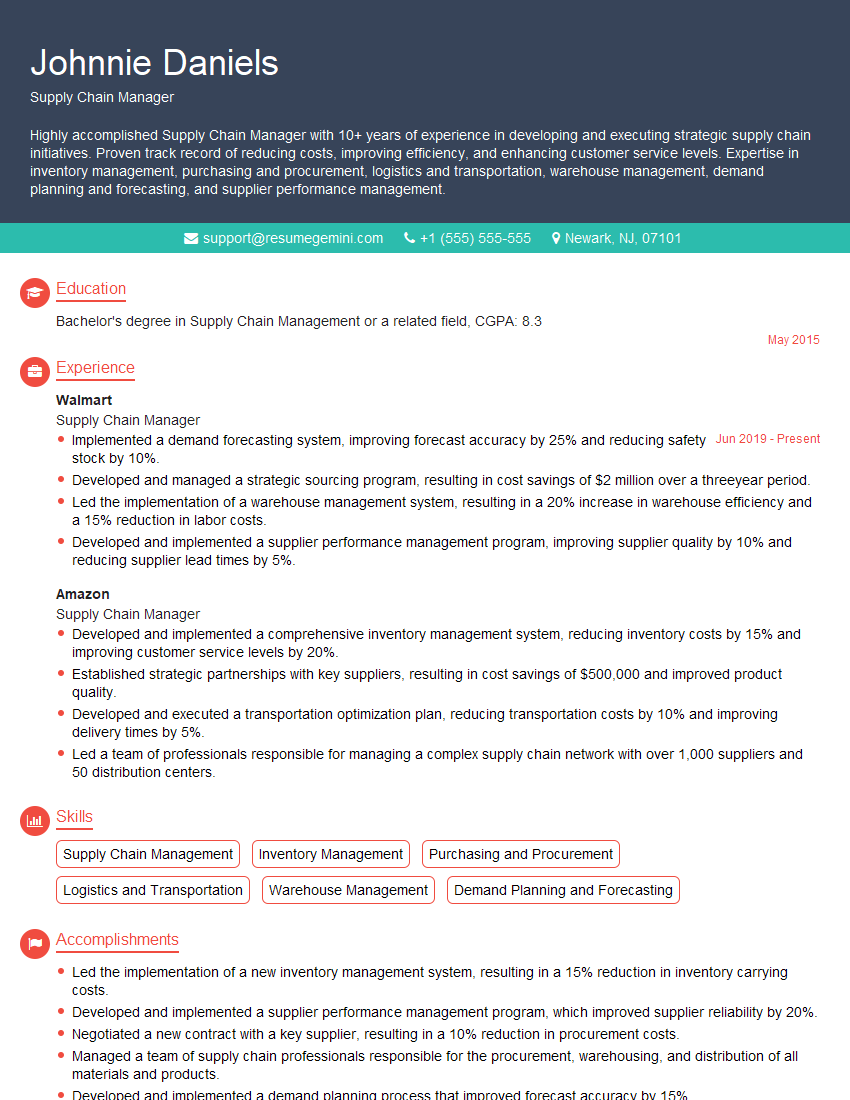
Supply Chain Manager Resume Sample
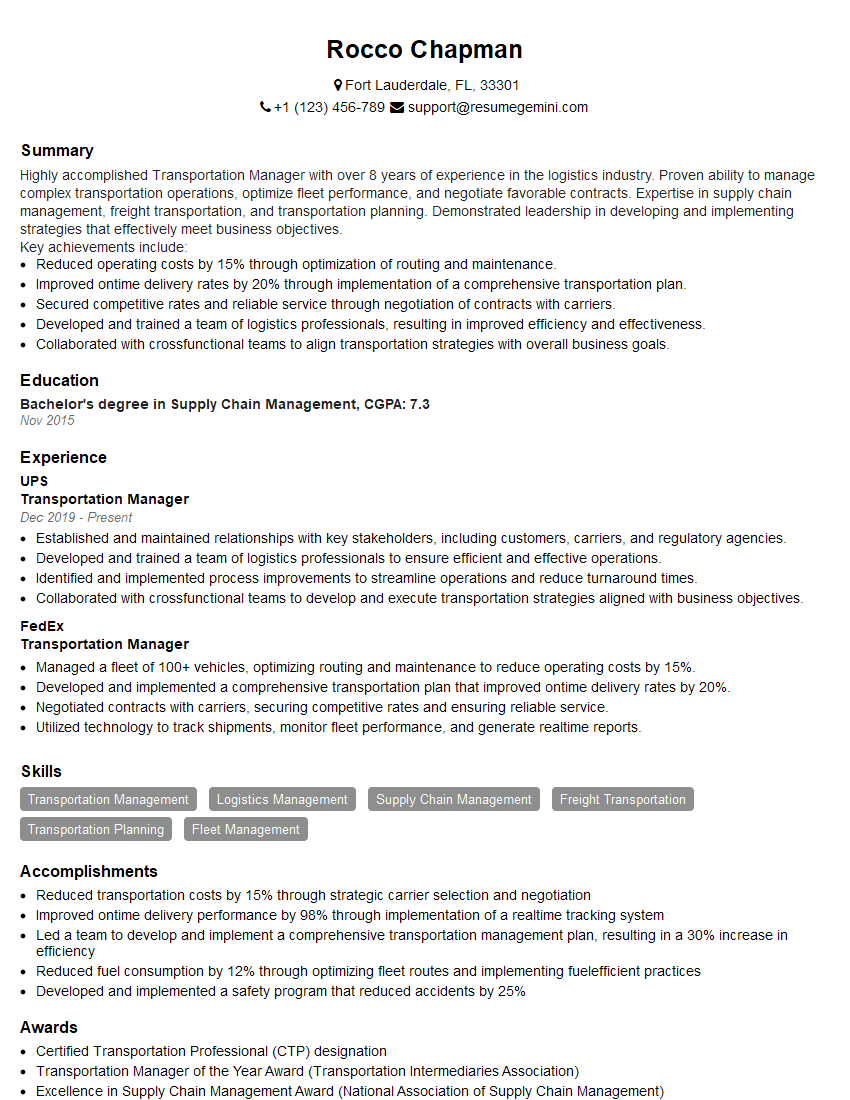
Transportation Manager Resume Sample
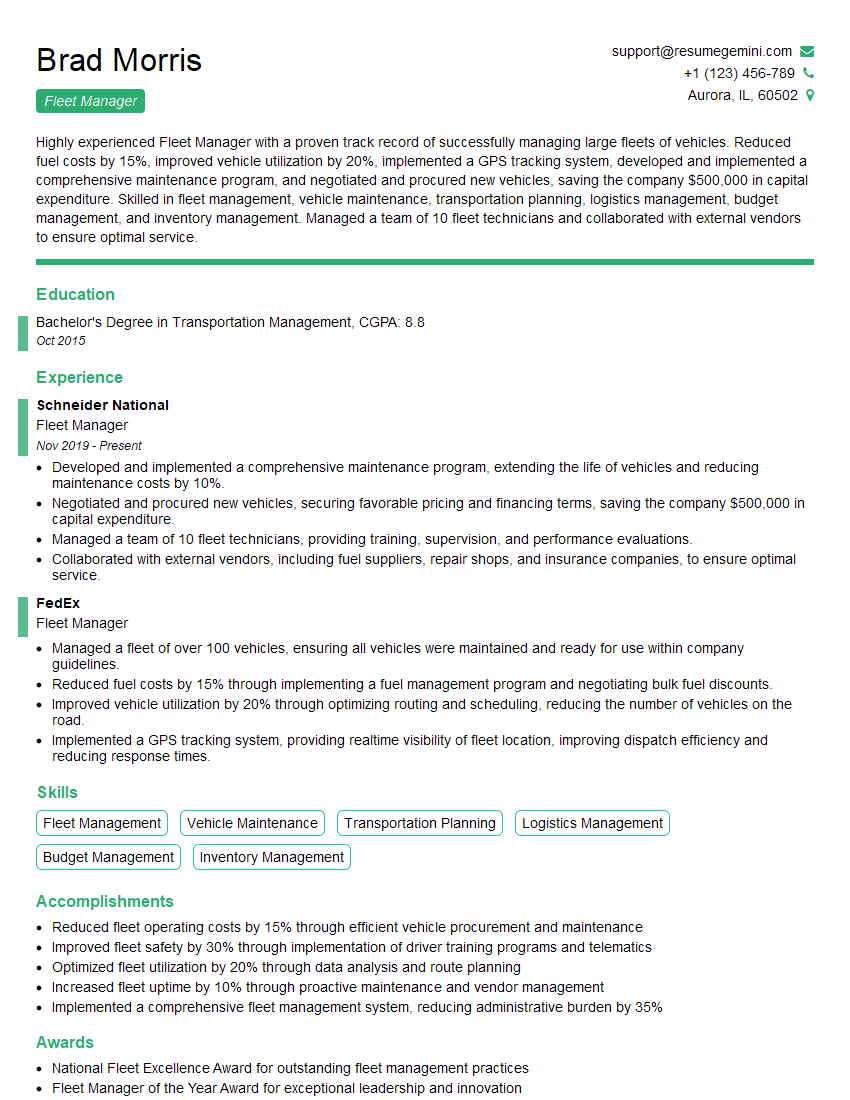
Fleet Manager Resume Sample
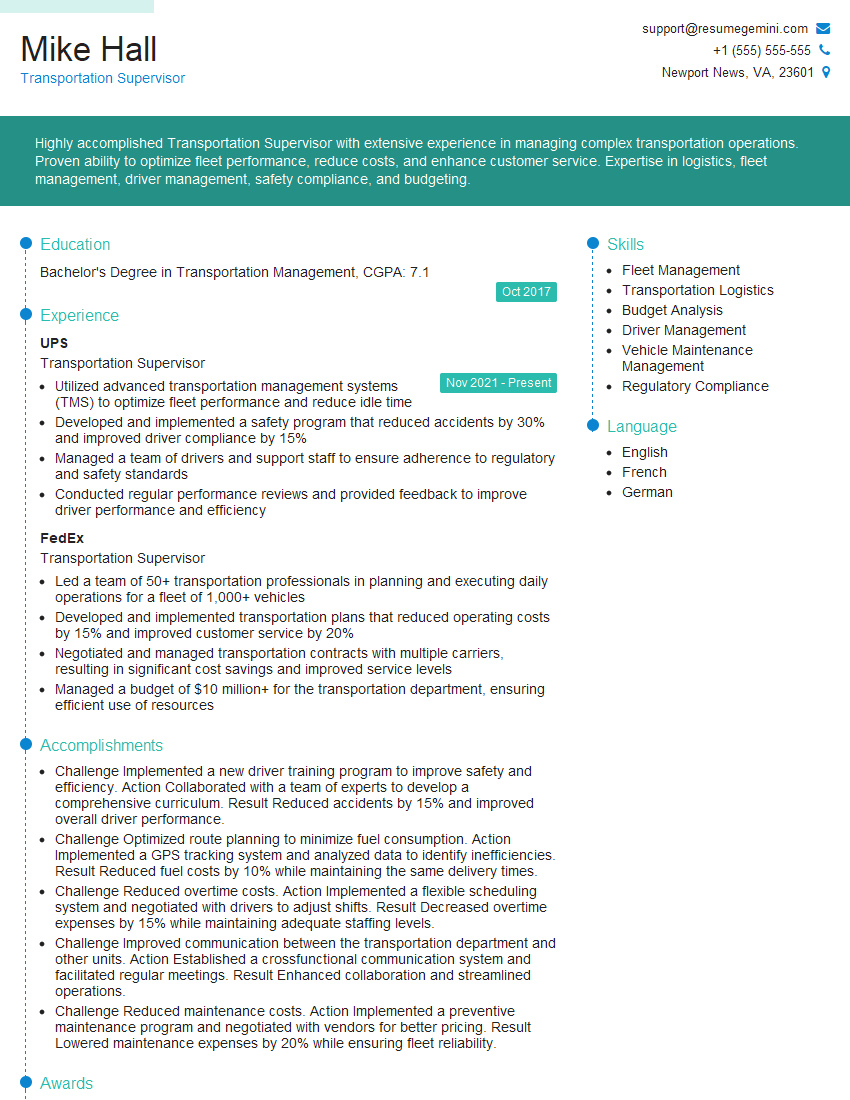
Transportation Supervisor Resume Sample
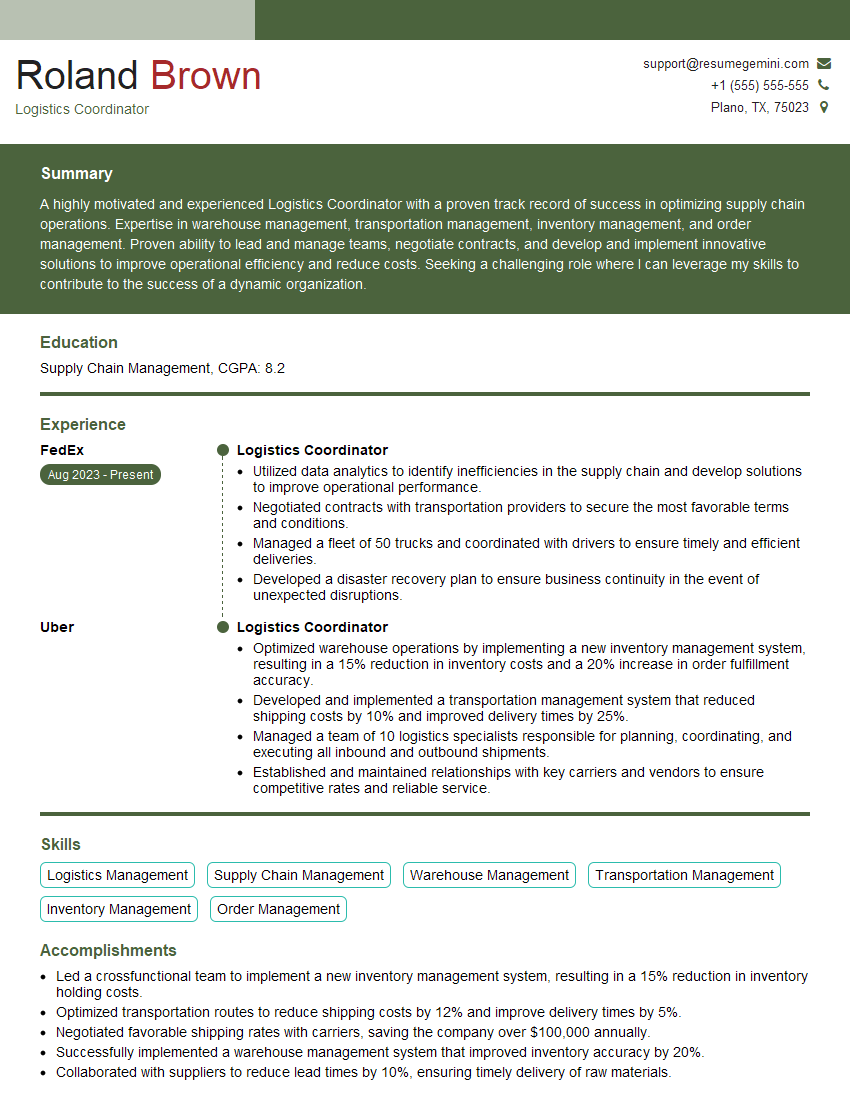
Logistics Coordinator Resume Sample
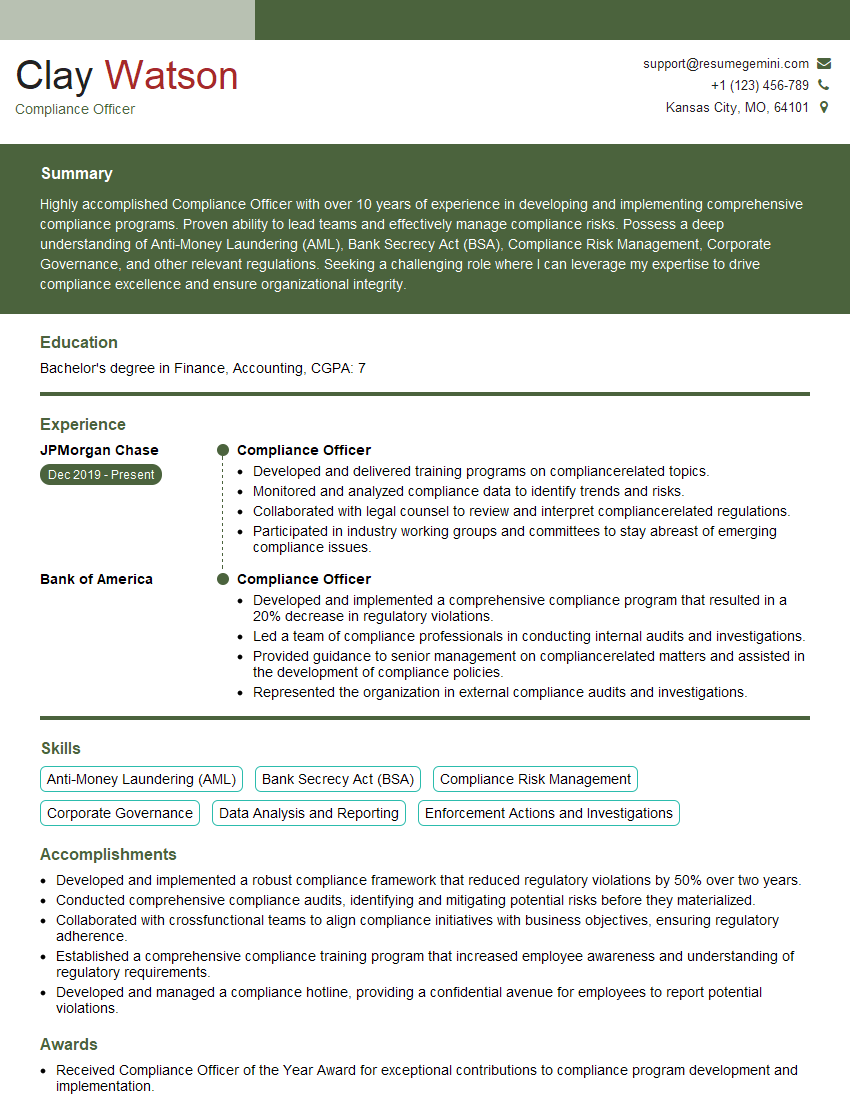
Compliance Officer Resume Sample
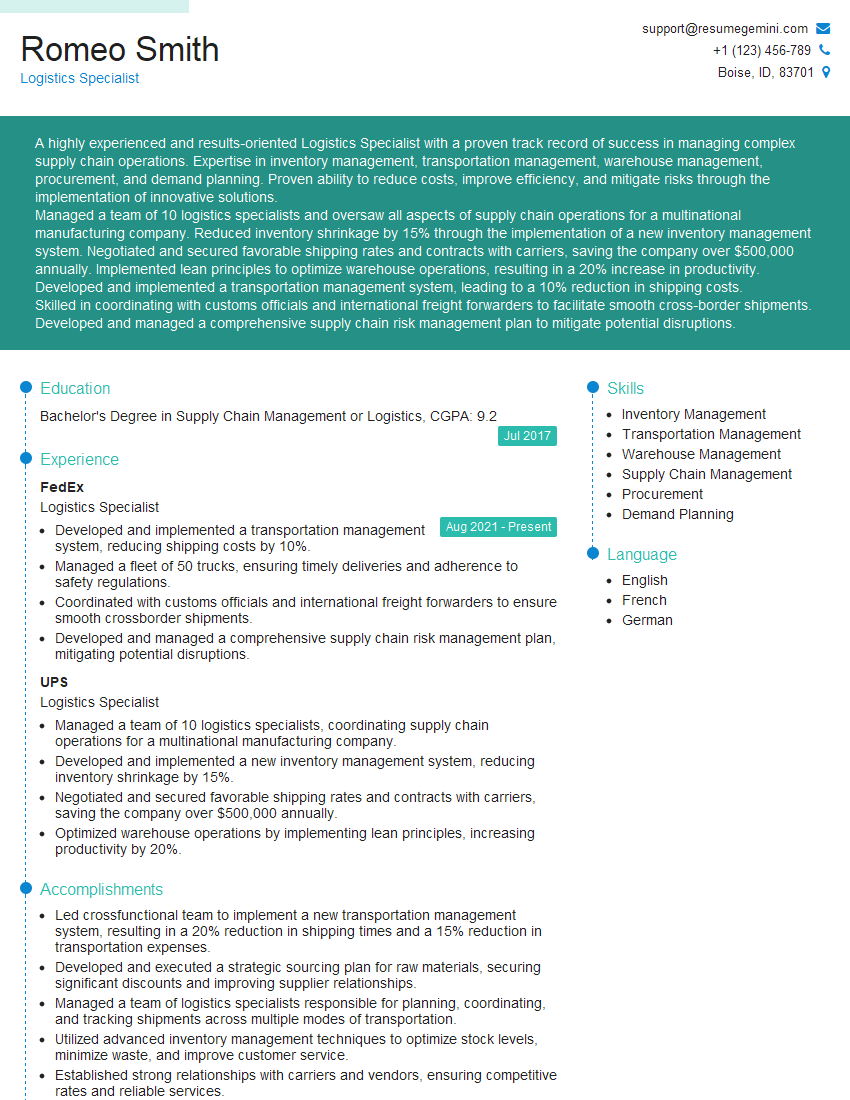
Logistics Specialist Resume Sample
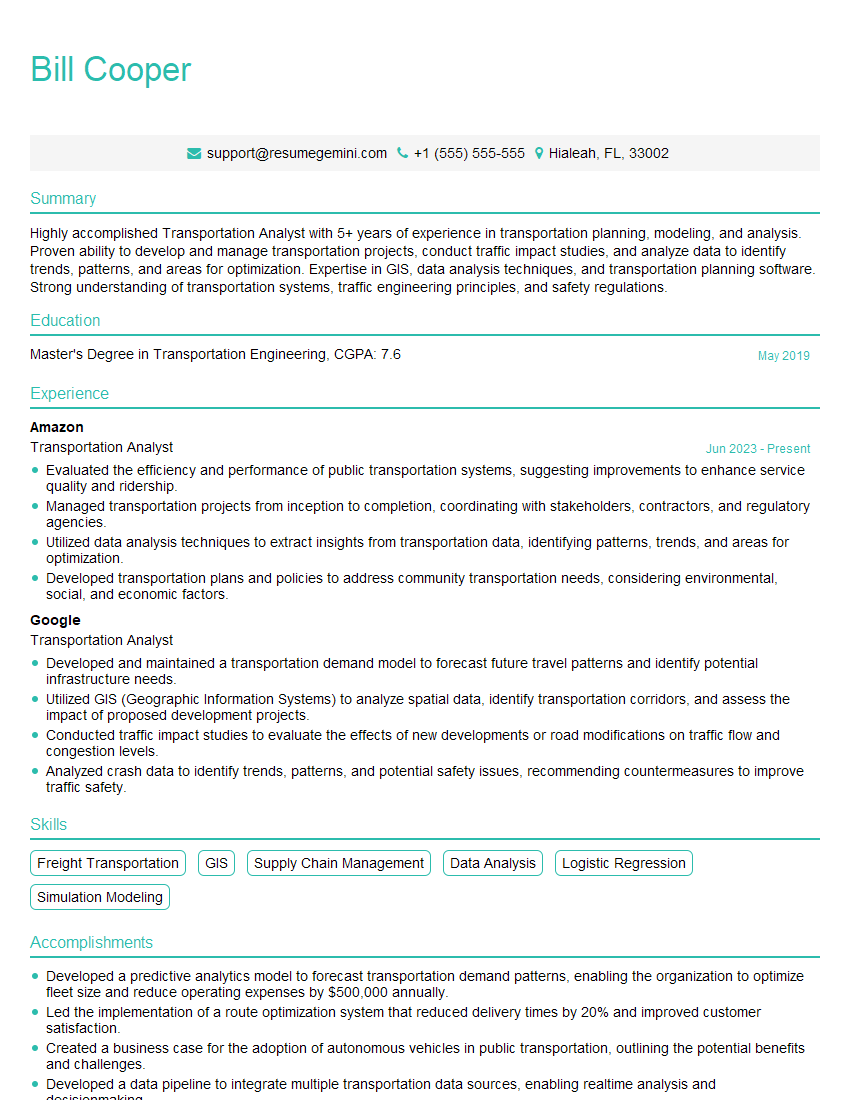
Transportation Analyst Resume Sample
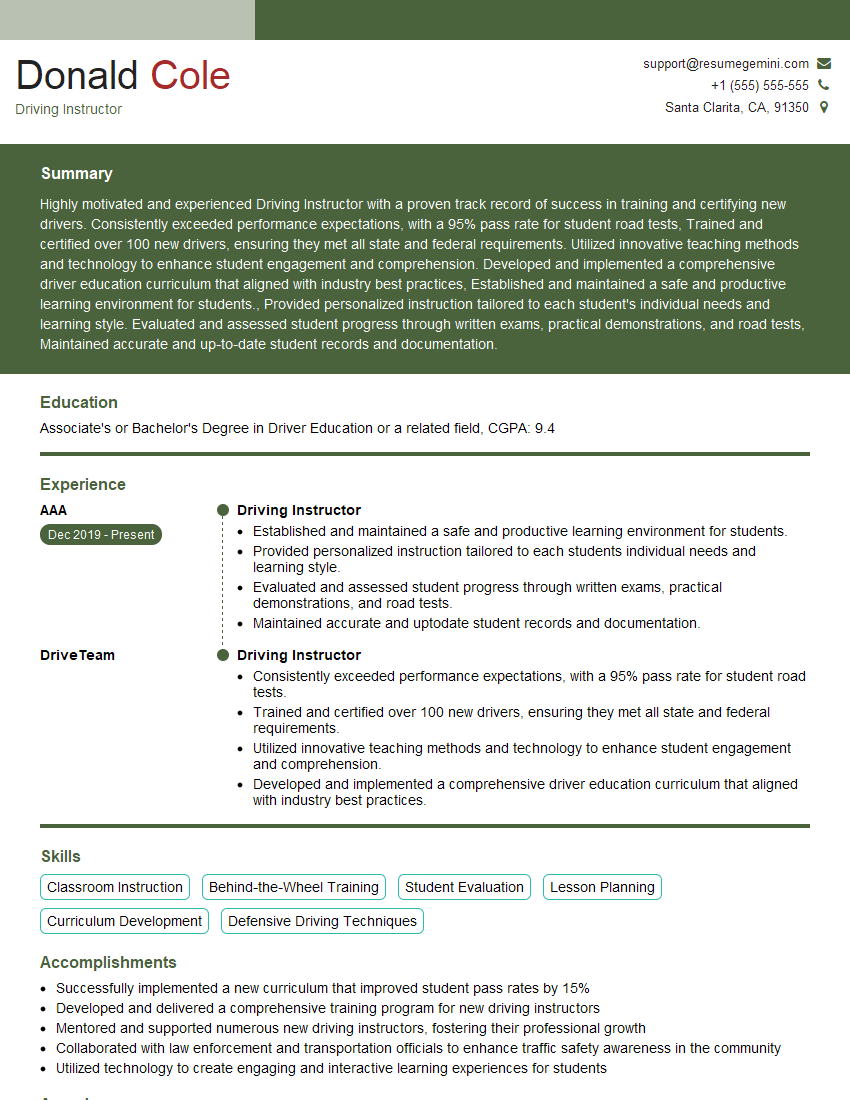
Driving Instructor Resume Sample
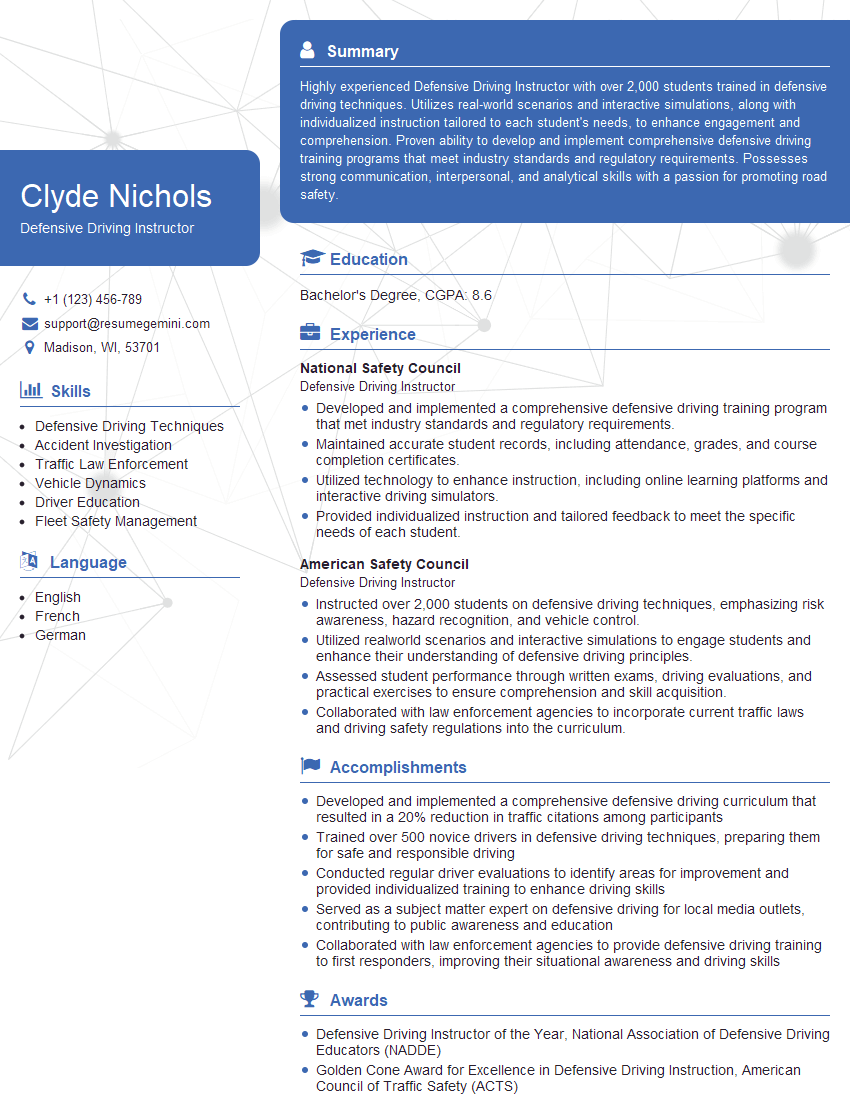
Defensive Driving Instructor Resume Sample
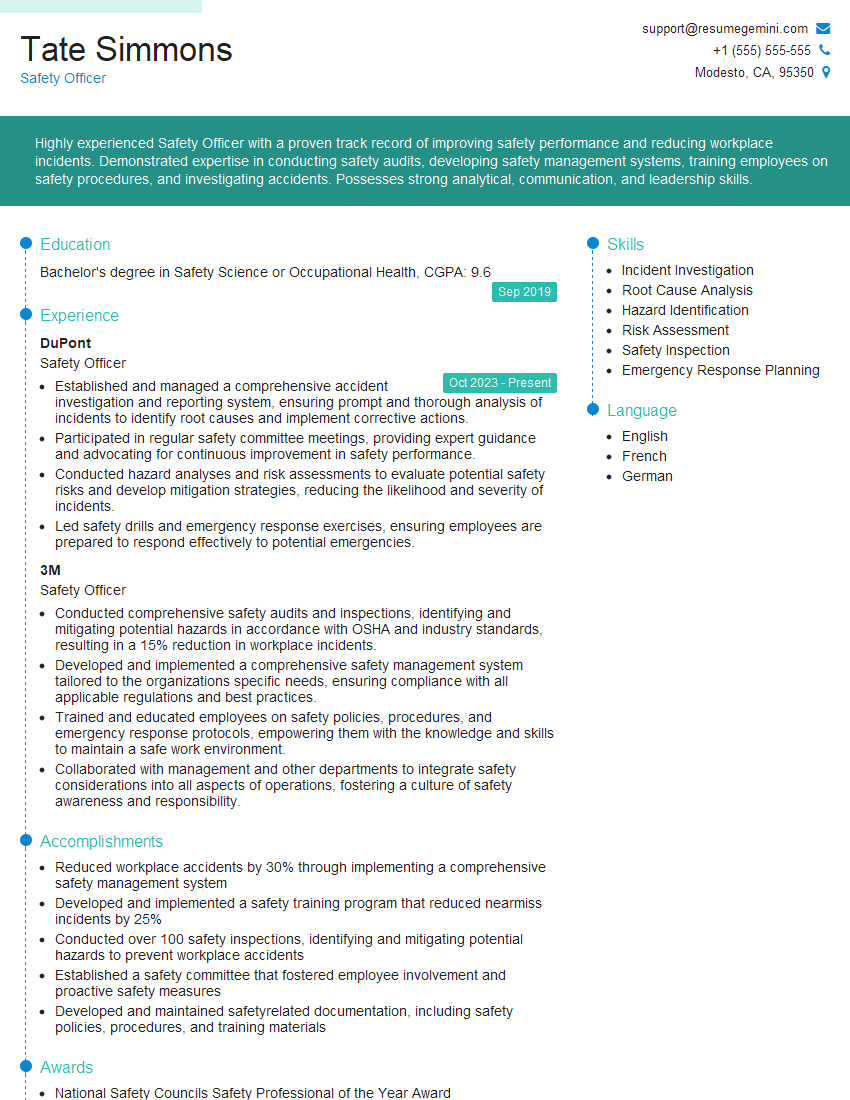
Safety Officer Resume Sample
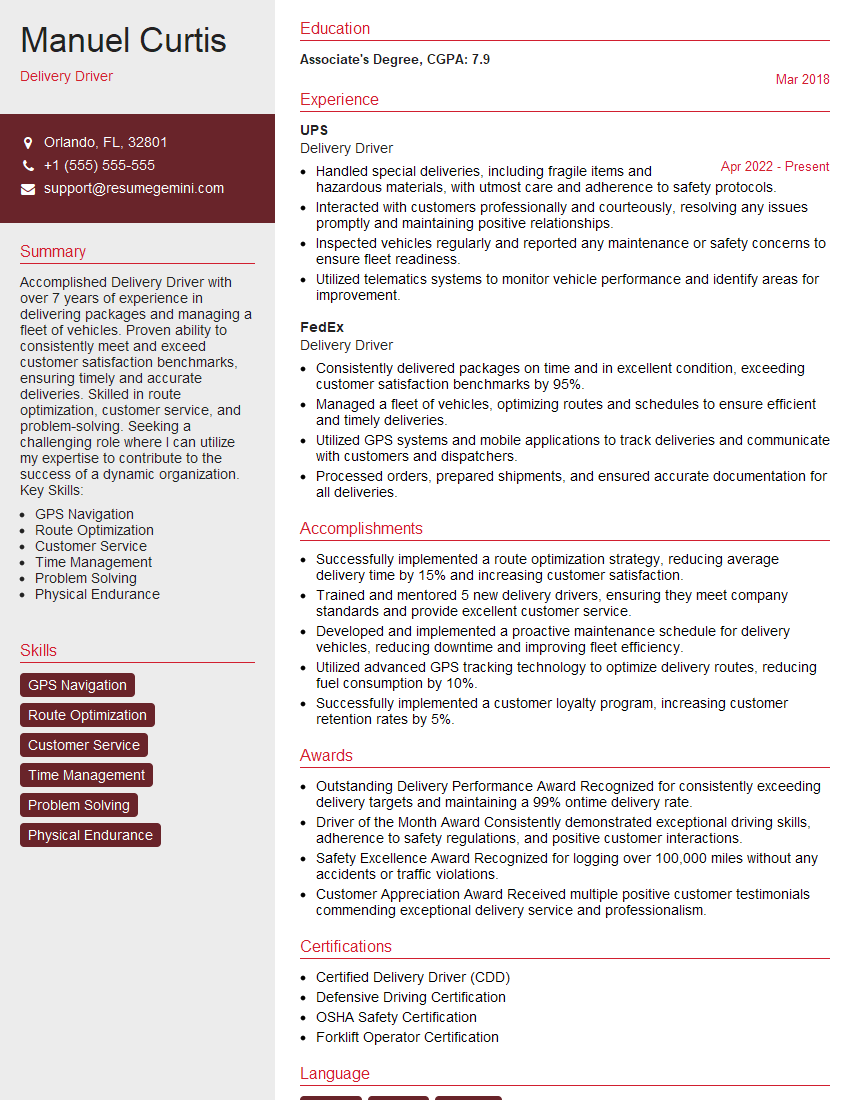
Delivery Driver Resume Sample
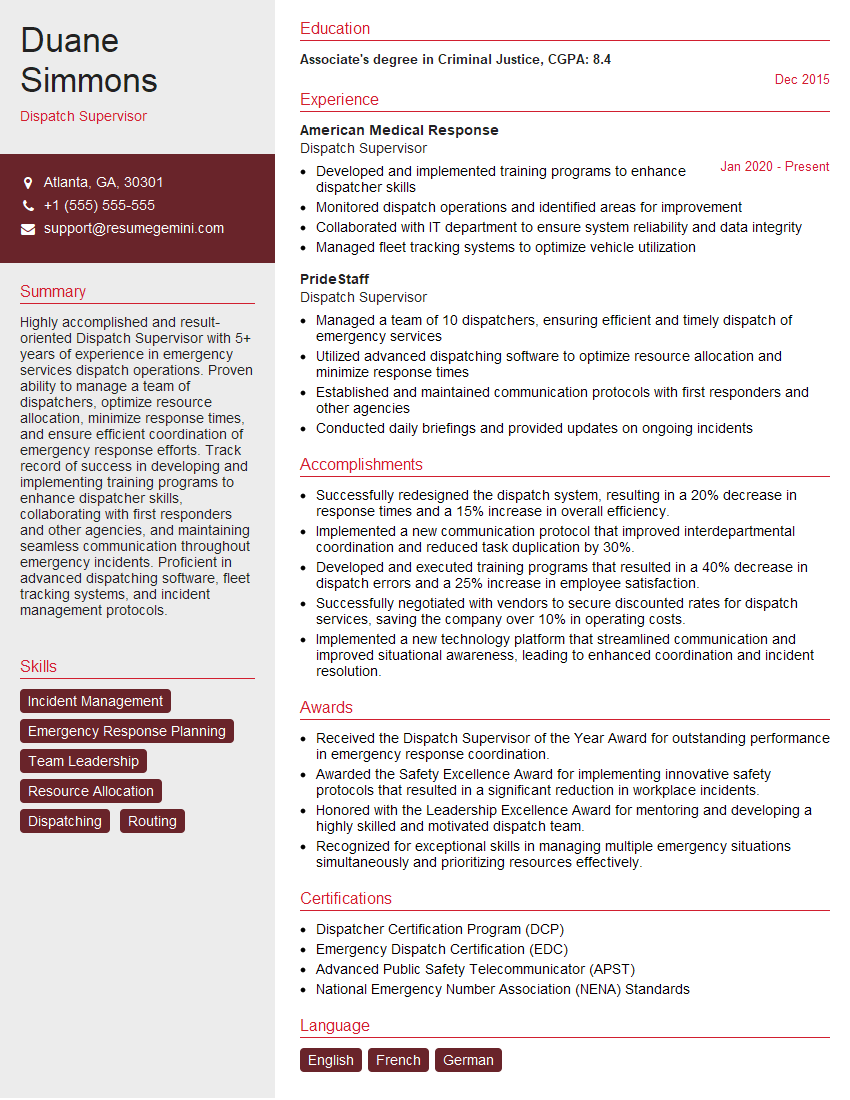
Dispatch Supervisor Resume Sample
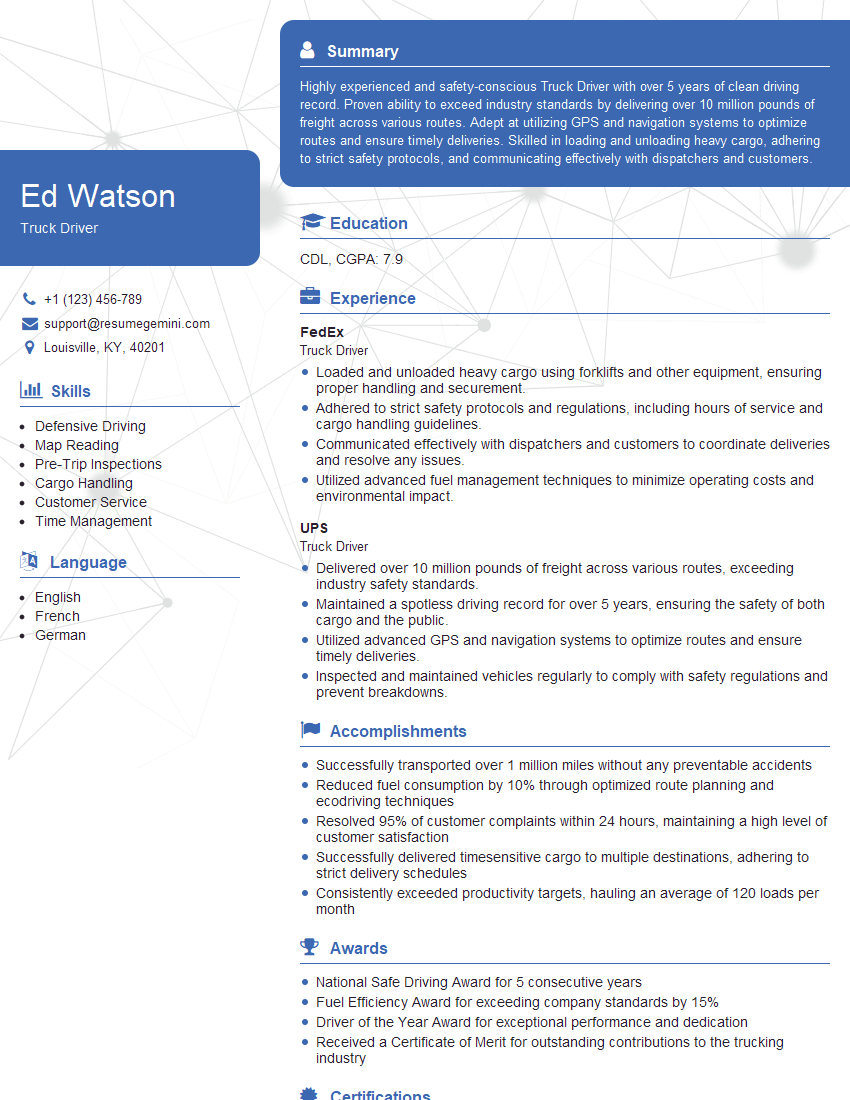
Truck Driver Resume Sample
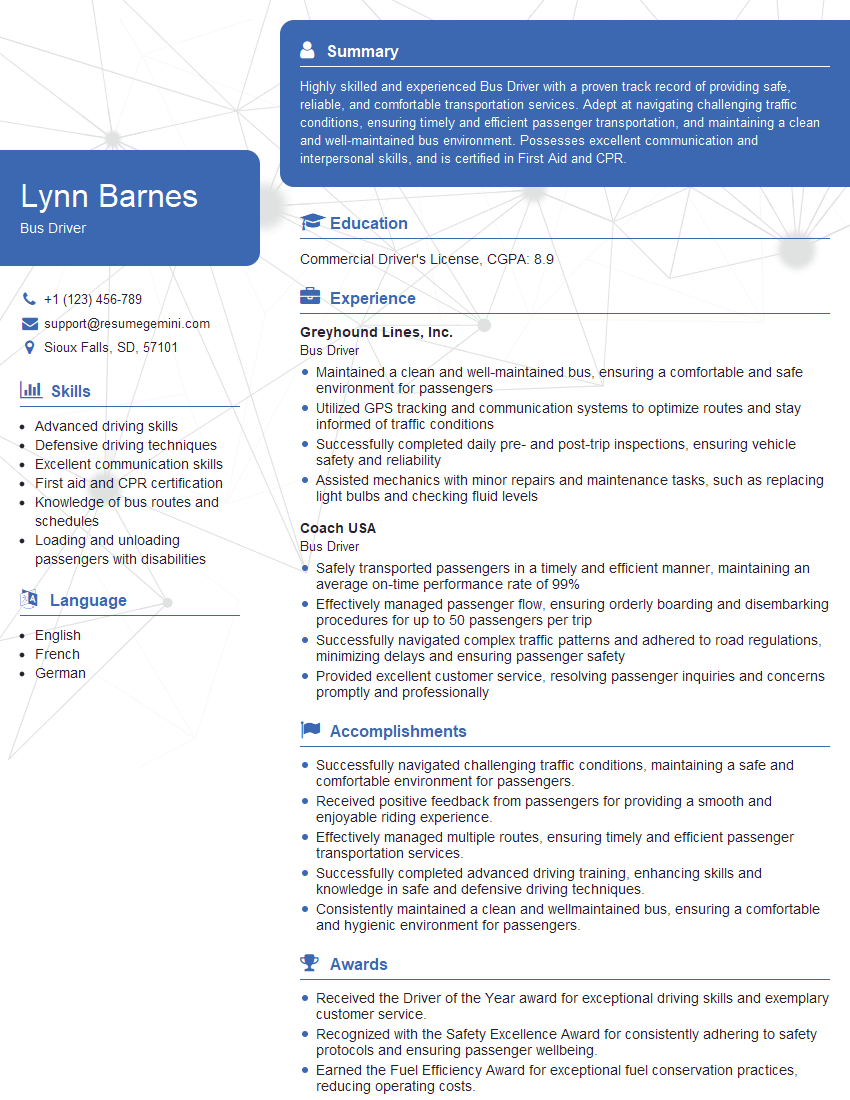
Bus Driver Resume Sample

Chauffeur Resume Sample
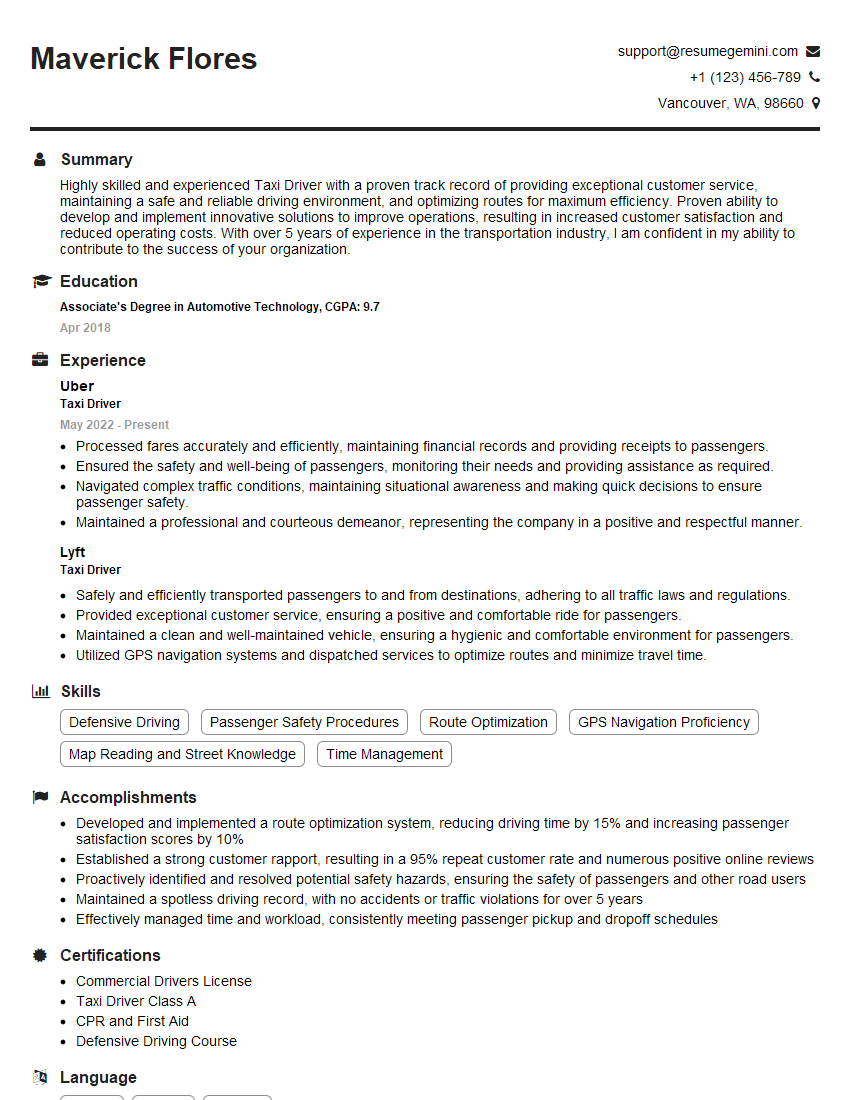
Taxi Driver Resume Sample
- Supply Chain Manager
- Transportation Manager
- Fleet Manager
- Transportation Supervisor
- Logistics Coordinator
- Compliance Officer
- Logistics Specialist
- Transportation Analyst
- Driving Instructor
- Defensive Driving Instructor
- Safety Officer
- Delivery Driver
- Dispatch Supervisor
- Truck Driver
- Bus Driver
- Chauffeur
- Taxi Driver
Explore more articles
Users Rating of Our Blogs
Share Your Experience
We value your feedback! Please rate our content and share your thoughts (optional).
What Readers Say About Our Blog
To the interviewgemini.com Webmaster.
Very helpful and content specific questions to help prepare me for my interview!
Thank you
To the interviewgemini.com Webmaster.
This was kind of a unique content I found around the specialized skills. Very helpful questions and good detailed answers.
Very Helpful blog, thank you Interviewgemini team.