Are you ready to stand out in your next interview? Understanding and preparing for Safeguarding Collections interview questions is a game-changer. In this blog, we’ve compiled key questions and expert advice to help you showcase your skills with confidence and precision. Let’s get started on your journey to acing the interview.
Questions Asked in Safeguarding Collections Interview
Q 1. Describe your experience with implementing preventive conservation measures.
Preventive conservation focuses on minimizing deterioration before it occurs, acting as a proactive approach to safeguard collections. My experience involves implementing a multi-pronged strategy encompassing environmental controls, proper handling protocols, and regular monitoring. For example, in a previous role at the City Museum, I oversaw the installation of a climate control system to maintain stable temperature and humidity levels, crucial for preventing damage to paper-based materials and textiles. This involved not only the installation itself but also rigorous monitoring to ensure optimal settings and calibrations using data loggers. We also introduced specialized padded storage containers and implemented a strict handling policy, training staff in safe techniques for moving and examining delicate objects. This combined approach dramatically reduced the rate of deterioration observed in sensitive materials.
Q 2. What are the key elements of a comprehensive collections management plan?
A comprehensive collections management plan is the cornerstone of safeguarding any collection. It’s a living document, regularly updated to reflect changes in the collection, technology, and best practices. Key elements include:
- Collection Survey and Documentation: Detailed cataloging of each item, including condition assessment, provenance information, and appropriate metadata.
- Environmental Monitoring and Control: Maintaining stable temperature, humidity, and light levels to minimize deterioration.
- Storage and Handling Procedures: Defining guidelines for proper handling, storage, and transport of items based on their material and fragility.
- Disaster Preparedness and Response Plan: Preparing for and mitigating potential disasters like floods, fire, or theft.
- Security Measures: Implementing appropriate security measures such as alarm systems, access controls, and regular security patrols.
- Preventive Conservation Program: Proactive measures to prevent deterioration through environmental control, proper handling, and regular monitoring.
- Budget Allocation: A detailed budget outlining the financial resources needed for all aspects of collections management.
Q 3. Explain your understanding of risk assessment in relation to collections.
Risk assessment is a systematic process of identifying potential threats to a collection and evaluating their likelihood and potential impact. It’s not about being overly cautious; it’s about making informed decisions to prioritize resources and minimize potential losses. I utilize a structured approach that involves:
- Identifying Potential Threats: This includes environmental factors (temperature, humidity, light), human factors (handling errors, theft), and disaster events (fire, flood).
- Assessing Likelihood and Impact: For each identified threat, we assess the likelihood of it occurring and the potential impact on the collection if it does.
- Prioritizing Risks: This involves focusing on the most likely and impactful threats first. This might mean investing in a better fire suppression system before implementing advanced climate control.
- Developing Mitigation Strategies: Once risks are prioritized, we develop and implement strategies to reduce the likelihood and impact of the identified threats. For example, installing security systems, improving storage conditions, or developing disaster preparedness plans.
Q 4. How do you prioritize the needs of various collections with differing preservation requirements?
Prioritizing the needs of diverse collections requires a nuanced approach. I typically use a combination of factors to make informed decisions:
- Material Condition: Items in poor condition, particularly those at risk of irreversible damage, always receive higher priority.
- Cultural Significance: Objects of significant historical, artistic, or cultural value warrant more attention and protective measures.
- Vulnerability to Environmental Factors: Items highly susceptible to changes in temperature, humidity, or light get priority interventions.
- Accessibility and Use: Frequently handled or exhibited items require more frequent condition checks and potentially more robust protective measures.
- Cost-Benefit Analysis: Weighing the cost of preservation efforts against the value and vulnerability of the items helps determine resource allocation.
Q 5. What methods do you employ to track and manage the condition of collections items?
Tracking and managing the condition of collections items is crucial. I typically employ a combination of methods:
- Condition Reports: Detailed written descriptions of the condition of each item, including photographs, documenting existing damage and deterioration.
- Database Management: Utilizing a collections management system (CMS) to store and manage condition information, linked to individual object records.
- Regular Inspections: Scheduled inspections to monitor the condition of items and detect any new damage or deterioration.
- Digital Imaging: High-resolution digital images are taken at regular intervals to visually track changes in the condition of items over time.
- Environmental Monitoring: Using data loggers to monitor environmental conditions (temperature, humidity, light) which may impact the collection’s condition.
Q 6. Describe your experience with disaster preparedness and recovery plans for collections.
Disaster preparedness is paramount in safeguarding collections. My experience involves developing and implementing comprehensive plans that address various scenarios. This includes:
- Risk Assessment: Identifying potential hazards and assessing their likelihood and potential impact on the collection (as previously discussed).
- Emergency Response Plan: Detailed procedures for handling different types of emergencies (fire, flood, theft, etc.), outlining roles and responsibilities of staff and relevant external contacts.
- Security Systems: Implementing robust security systems, including alarm systems, security cameras, and access controls.
- Environmental Monitoring: Continuously monitoring environmental conditions to ensure optimal stability and detect potential problems early.
- Offsite Storage: Storing a portion of the collection offsite to protect it from potential disasters affecting the primary location.
- Regular Drills and Training: Conducting regular drills and training sessions for staff to ensure familiarity with the emergency response plan.
Q 7. How do you ensure the proper handling and storage of fragile or sensitive materials?
Handling and storage of fragile and sensitive materials requires specialized attention. My approach involves:
- Specialized Handling Techniques: Training staff in proper handling techniques for fragile objects, including the use of appropriate support materials (cushions, gloves).
- Protective Enclosures: Using acid-free enclosures, archival-quality boxes and sleeves to protect items from light, dust, and pollutants.
- Controlled Environment Storage: Providing stable temperature, humidity, and light levels in storage areas to minimize deterioration.
- Appropriate Support Materials: Using acid-free, archival-quality materials for handling and storage (e.g., archival boxes, acid-free tissue paper).
- Regular Condition Checks: Conducting regular inspections to monitor the condition of items and make necessary adjustments to handling or storage protocols.
Q 8. Explain your experience with collections insurance and risk mitigation strategies.
Collections insurance is crucial for safeguarding against unforeseen events like theft, fire, or natural disasters. Risk mitigation involves proactively reducing the likelihood and impact of such events. My experience encompasses developing comprehensive insurance policies tailored to specific collection needs, negotiating favorable terms with insurers, and conducting regular risk assessments to identify vulnerabilities.
For example, I once worked with a museum housing a priceless collection of ancient artifacts. We conducted a thorough risk assessment, identifying vulnerabilities like inadequate fire suppression systems and insufficient security measures. Based on this assessment, we tailored a bespoke insurance policy and implemented security upgrades including improved fire detection, advanced alarm systems, and 24/7 surveillance. This resulted in significantly reduced premiums and enhanced protection for the collection. The process also involved regularly reviewing the policy and updating it as the collection evolved or new risks emerged.
My approach always emphasizes a multi-layered strategy. This includes not only insurance but also preventive measures such as environmental controls (discussed later) and robust security systems (also discussed later). A key element is meticulous documentation: photographs, detailed appraisals, and meticulous provenance records allow for accurate valuation and smooth claims processing.
Q 9. How do you maintain accurate and up-to-date records for collections items?
Maintaining accurate and up-to-date records is fundamental to effective collections management. This involves a combination of physical and digital methods to ensure data integrity and accessibility. I utilize a relational database system that allows for flexible querying and reporting. Each item has a unique identifier linked to detailed information including acquisition details, provenance, condition reports, conservation history, and location within the collection.
Consider a scenario where you need to find all items from a particular artist created before a certain year. The relational database structure permits easy retrieval of this information, a feat impossible with a simple spreadsheet. We also employ barcoding and RFID tagging for physical items, linking them to the digital database. This enables efficient inventory management and tracking during handling or transportation.
Regular audits are crucial to maintain data accuracy. These audits compare physical inventory against database records to identify discrepancies. Detailed condition reports, incorporating high-resolution photography and written descriptions, are critical for insurance purposes and tracking changes in the condition of artifacts over time.
Q 10. Describe your experience working with collections databases and information management systems.
My experience with collections databases spans various systems, from simple spreadsheet-based solutions to sophisticated museum-specific software. I’m proficient in designing and implementing databases, ensuring data integrity, and generating comprehensive reports for analysis and decision-making. I’ve worked with systems such as PastPerfect, The Museum System, and custom-built solutions.
For example, I designed a custom database for a historical society, incorporating features like object-relationship mapping to track provenance, detailed condition reporting with photographic integration, and automated reporting for inventory management and regulatory compliance. This solution greatly improved efficiency and accessibility of collection information, replacing their previous system which relied on disparate spreadsheets and paper records.
Proficiency in data management involves not only database expertise but also an understanding of data security and privacy regulations. This includes implementing appropriate access controls, data backups, and disaster recovery plans to protect valuable collection information from loss or unauthorized access.
Q 11. What are your strategies for managing the security of collections?
Securing collections requires a multifaceted approach that encompasses physical security, procedural security, and environmental controls. Physical security measures include alarm systems, CCTV surveillance, secure storage facilities (climate-controlled and preferably with restricted access), and robust locking mechanisms. Procedural security emphasizes controlled access to collection areas, meticulous inventory management, and detailed tracking of item movement.
Imagine a scenario where a valuable painting is stolen. Robust security measures would include a comprehensive alarm system, monitored by a central station, high-resolution CCTV cameras with motion detection, and secure storage with multiple locking points. Detailed procedures for access would limit entry to authorized personnel only and require logging of each entry and exit.
Beyond physical and procedural security, employee training is paramount. Staff need to be well-versed in security protocols, emergency procedures, and proper handling of collection items. Regular security audits and drills are essential to ensure the effectiveness of implemented measures and identify areas for improvement.
Q 12. How do you ensure compliance with relevant regulations and ethical guidelines in collections management?
Compliance with regulations and ethical guidelines is paramount in collections management. This includes adherence to laws pertaining to cultural heritage, import/export restrictions, provenance research, and data privacy regulations (e.g., GDPR). Ethical considerations involve responsible acquisition practices, provenance research, and repatriation of items where appropriate.
For instance, when acquiring a new item, I would meticulously research its provenance to ensure its legal acquisition and verify the authenticity of its history. This process involves reviewing documentation, consulting experts, and where necessary, engaging in discussions with relevant authorities to confirm its legal ownership. Similarly, any data related to the collection would be handled in strict accordance with all applicable privacy laws and regulations.
Ongoing professional development is key to staying informed about changes in regulations and best practices. Participating in professional organizations, attending workshops, and staying updated on relevant legislation ensures that my practice remains compliant and ethical.
Q 13. Explain your experience with environmental monitoring and control for collections.
Environmental monitoring and control are crucial for preserving collections, particularly those susceptible to damage from fluctuations in temperature, humidity, and light exposure. This involves installing and maintaining environmental monitoring systems, such as hygrometers, thermometers, and light meters, which record and track environmental conditions within storage and display areas.
Imagine the damage that even minor fluctuations in humidity could inflict on a delicate collection of paper artifacts. We use sensors that monitor humidity levels constantly, triggering an alert if the levels go outside of pre-determined parameters. This allows for prompt intervention, preventing costly damage. Similarly, light levels are controlled to prevent fading and deterioration of photosensitive materials.
Beyond monitoring, environmental control involves implementing systems to mitigate fluctuations. This includes HVAC systems specifically designed for museum environments and the use of appropriate storage materials to buffer against environmental changes. Regular preventative maintenance of these systems is essential to ensure their continued functionality and the preservation of collections.
Q 14. Describe your experience with the transportation and handling of collections items.
Safe transportation and handling of collections items require meticulous planning and execution. This involves careful packaging using appropriate materials to provide protection against physical damage, environmental factors (temperature, humidity, shock), and theft. Specialized crates, custom-designed for specific items, are often necessary for fragile or valuable objects. Transportation is usually arranged with reputable companies specializing in art and artifact transport.
When transporting a particularly valuable sculpture, for instance, we would use a custom-built crate equipped with shock absorbers and climate control. The crate would be clearly labeled with handling instructions and secured with tamper-evident seals. Transportation would be arranged with a specialized company experienced in the secure handling of high-value items, and the entire journey would be tracked using GPS technology. Insurance is of course essential to protect against loss or damage during transit.
Upon arrival at the destination, the items are carefully unpacked and inspected for any signs of damage. Detailed documentation of the transportation and handling process is maintained, including photographic evidence of the condition of items both before and after transit.
Q 15. What are your strategies for preventing pest infestations in collections storage areas?
Preventing pest infestations in collections storage is paramount to safeguarding irreplaceable artifacts. My strategy is multi-pronged and focuses on preventative measures rather than solely reactive ones. Think of it like building a fortress against invaders, not just patching holes after they’ve breached the walls.
- Environmental Control: Maintaining stable temperature and humidity levels is crucial. Pests thrive in fluctuating conditions. We use climate-controlled storage areas with regular monitoring and logging of these parameters. For example, we maintain a relative humidity of 45-55% and a temperature of 68-72°F for paper-based collections.
- Regular Inspections: Consistent visual inspections are essential. We conduct weekly walkthroughs, looking for signs of insect activity like droppings, webbing, or damaged materials. This allows for early detection and intervention.
- Integrated Pest Management (IPM): This is a holistic approach. We prioritize preventative measures like sanitation and environmental control before resorting to pesticides. If pest activity is detected, we employ targeted treatments using approved methods and products minimizing environmental impact and risk to the collection. Documentation of treatment is meticulous, including the products used, areas treated, and post-treatment monitoring.
- Exclusion: Preventing pests from entering the storage areas is vital. This involves sealing cracks and crevices, using screens on windows and vents, and employing pest-resistant materials in construction. We also implement strict quarantine procedures for new acquisitions.
- Sanitation: Regular cleaning is vital. This includes vacuuming, dusting, and removing debris. We use HEPA-filtered vacuums to minimize the spread of dust and allergens, which can attract pests.
For instance, in one instance, we detected a minor silverfish infestation in a specific archive room. Instead of immediately resorting to pesticides, we thoroughly cleaned the area, adjusted the humidity levels, and implemented improved pest exclusion methods. The problem was resolved quickly and effectively without harming the collections.
Career Expert Tips:
- Ace those interviews! Prepare effectively by reviewing the Top 50 Most Common Interview Questions on ResumeGemini.
- Navigate your job search with confidence! Explore a wide range of Career Tips on ResumeGemini. Learn about common challenges and recommendations to overcome them.
- Craft the perfect resume! Master the Art of Resume Writing with ResumeGemini’s guide. Showcase your unique qualifications and achievements effectively.
- Don’t miss out on holiday savings! Build your dream resume with ResumeGemini’s ATS optimized templates.
Q 16. How do you manage the loans and deaccessioning of collections items?
Managing loans and deaccessioning requires careful consideration of legal, ethical, and logistical factors. Each step demands precise documentation and a clear understanding of the institution’s policies and procedures.
- Loans: Before agreeing to a loan, we assess the request thoroughly, considering the recipient’s facilities, security measures, and exhibition plans. A detailed loan agreement is drafted, specifying terms of the loan, insurance requirements, transportation arrangements, and handling procedures. We always insist on professional transportation and handling by qualified personnel to minimize risk of damage during transit.
- Deaccessioning: This is a formal process for removing items from the collection. It’s only undertaken after careful review by a committee, considering factors like the item’s significance, condition, and storage capacity limitations. We follow strict guidelines, ensuring transparency and adherence to relevant regulations. Documentation of the deaccessioning process, including the reasons for removal and the item’s disposition, is crucial. For example, an item might be deaccessioned due to severe damage beyond repair, duplication within the collection, or irrelevancy to the institution’s collecting focus.
We use a dedicated database to track loan agreements and deaccessioning records, ensuring detailed information, including insurance details and condition reports, is readily available. This system also generates automated reminders for loan renewals and provides audit trails for accountability.
Q 17. Describe your experience with conducting collections surveys and condition assessments.
Collections surveys and condition assessments are fundamental to proactive collections management. They provide a snapshot of the collection’s health and inform conservation priorities.
- Surveys: These involve systematically documenting the collection’s contents, including item descriptions, provenance information, and location details. This is often done using a database system, and can involve photographing each item for future reference.
- Condition Assessments: This focuses on evaluating the physical condition of individual items, noting any damage, deterioration, or pest infestation. We use standardized condition reporting forms, describing damage using a consistent vocabulary and system of notation to assist with prioritization of conservation intervention. Digital imaging is commonly employed for documenting the condition of the item.
For example, during a recent survey of our photographic archive, we discovered a significant number of nitrate negatives at risk of decomposition. This condition assessment led to the prioritization of their digitization and relocation to a more stable storage environment. This was followed up with detailed condition reports that were recorded and linked to the digital files to ensure accurate provenance was maintained.
Q 18. How do you utilize technology to improve collections management processes?
Technology plays a transformative role in modern collections management. It enhances efficiency, improves access, and strengthens preservation efforts.
- Collection Management Systems (CMS): We utilize a sophisticated CMS to manage all aspects of the collection, from accessioning to cataloging, loans, and condition reporting. This centralizes information, making it accessible to authorized personnel and reducing the risk of data loss.
- Digital Asset Management (DAM): This allows us to efficiently manage and store digital surrogates (e.g., digital photographs, scans) of collection items. This not only allows broader access, but offers a degree of preservation protection, as damage to the original physical item does not result in data loss.
- Environmental Monitoring Systems: Sensors deployed in storage areas allow us to monitor temperature, humidity, and light levels in real-time. Alerts are triggered if parameters deviate from acceptable ranges, allowing for prompt intervention.
- Predictive Modeling: Some advanced systems allow us to use data analysis to predict potential risks to the collection, enabling proactive measures to mitigate those risks. For instance, predictive modelling could help to forecast optimal conditions for archival material to maximize longevity.
For instance, our CMS allows us to generate reports on collection statistics, loan activity, and conservation needs. This data is invaluable for strategic planning and resource allocation.
Q 19. Explain your understanding of intellectual property rights related to collections.
Understanding intellectual property rights (IPR) is crucial when dealing with collections. This includes copyright, patents, trademarks, and moral rights related to the creators and owners of the items.
- Copyright: Many items in a collection, like photographs, manuscripts, and artworks, are protected by copyright. We carefully research the copyright status of each item, respecting the rights of creators and heirs. Clear copyright attribution and permissions are documented and adhered to when the collection is used for exhibitions, publications, or digitization.
- Moral Rights: These rights, independent of copyright, grant creators the right to be attributed and to object to distortion or mutilation of their work. We ensure that these rights are respected throughout the lifecycle of the object, ensuring appropriate attribution.
- Licensing and Permissions: When using collection items for research, exhibitions, or publications, we meticulously obtain necessary licenses and permissions from copyright holders or their representatives. This is particularly crucial when using digital surrogates of the items.
For instance, before using an image from our photographic archive in a publication, we thoroughly research the copyright status and obtain permission from the copyright holder or their designated agency. We maintain a detailed record of these permissions as part of the object’s metadata.
Q 20. How do you manage conflicting priorities when dealing with multiple collections?
Managing conflicting priorities with multiple collections requires strategic planning and effective prioritization. It’s like being an orchestra conductor, ensuring every instrument plays its part harmoniously.
- Prioritization Matrix: We use a matrix that considers factors like the collection’s significance, vulnerability, and research value to prioritize conservation efforts and resource allocation. This ensures that the most vulnerable or important items receive the attention they need first.
- Risk Assessment: We conduct regular risk assessments for each collection, identifying potential threats and vulnerabilities. This informs the development of mitigation strategies and the prioritization of resources.
- Collaboration and Communication: Open communication with curators, conservators, and other stakeholders is critical. Regular meetings and progress updates ensure that everyone is aware of priorities and potential conflicts are resolved proactively.
- Flexible Planning: We build flexibility into our plans, allowing for adjustments based on unforeseen circumstances or evolving priorities. This includes contingency plans for managing unexpected events.
For instance, if a sudden disaster threatened a particularly vulnerable collection, we would immediately shift resources and priorities to protect those items, even if it meant temporarily delaying work on other collections. This involves clearly communicating the shift in priorities and explaining the rationale to stakeholders.
Q 21. Describe your experience with collaborating with conservators and other specialists.
Collaboration with conservators and other specialists is integral to effective collections management. They are our partners in safeguarding these irreplaceable treasures.
- Regular Consultations: We maintain close relationships with conservators, consulting them on matters of collection care, preservation techniques, and condition assessments. Their expertise is invaluable for preventative and interventive conservation actions.
- Joint Project Planning: For significant projects such as large-scale exhibitions or digitization initiatives, we work closely with conservators and other specialists (scientists, archivists, etc.) from the initial planning stages. This ensures that conservation considerations are integrated into every aspect of the project.
- Shared Knowledge: We actively participate in professional development activities and share knowledge with our conservation colleagues, creating a culture of continuous learning and improvement.
- Clear Communication: We ensure clear and consistent communication throughout collaborative projects, utilizing shared documentation systems, regular meetings, and transparent reporting to ensure all parties are working towards the same goals.
For example, in a recent project to conserve a fragile collection of textiles, we collaborated extensively with a textile conservator, who advised on appropriate storage materials, handling techniques, and environmental controls. The collaborative approach ensured the successful preservation of these delicate items.
Q 22. What are your strategies for communicating effectively with stakeholders about collections?
Effective communication with stakeholders regarding collections is paramount. My strategy involves tailoring communication to the audience’s level of understanding and their specific interests. For example, when speaking with trustees, I focus on the strategic importance of the collection and its contribution to the institution’s mission. With curatorial staff, the conversation is more nuanced, delving into specific preservation needs and research opportunities. For the general public, I use engaging narratives and visuals to highlight the collections’ stories and significance.
- Regular newsletters and reports: These provide updates on collection activities, successes, and challenges.
- Stakeholder meetings and workshops: These create a forum for open dialogue and feedback.
- Clear and concise documentation: Policies, procedures, and project plans must be easily accessible and understandable.
- Visual aids: Infographics and presentations can simplify complex information about collection management.
For instance, I once successfully navigated a potential donor disagreement by proactively presenting a clear, concise report outlining the museum’s existing collection strengths and the planned integration of their donation, demonstrating the mutual benefits.
Q 23. How do you ensure the long-term sustainability of collections?
Long-term sustainability of collections requires a multifaceted approach that integrates environmental control, preventative conservation, comprehensive documentation, and robust financial planning. It’s akin to being a diligent gardener—constant care ensures the health and longevity of the plants.
- Environmental monitoring: Maintaining stable temperature and humidity levels is crucial to prevent degradation.
- Preventative conservation: This involves regular inspections, cleaning, and minor repairs to prevent larger, more costly problems. Think of it like regular car maintenance.
- Digital asset management: Digitization and meticulous cataloging are crucial for preserving information and making it accessible, even if the physical object is damaged.
- Disaster preparedness: Developing and regularly testing emergency plans is essential for protecting collections during unforeseen events.
- Sustainable funding models: Diversifying funding sources through grants, endowments, and fundraising ensures long-term financial stability.
In a previous role, I spearheaded the successful implementation of a new integrated pest management system, significantly reducing the risk of insect infestation and consequent damage to our textile collection.
Q 24. Describe your experience with developing and implementing collections policies.
My experience in developing and implementing collections policies is extensive. I approach this process collaboratively, ensuring input from all relevant stakeholders, including curatorial staff, conservators, registrars, and legal counsel. The policies are designed to be clear, comprehensive, and adaptable to future challenges.
- Needs Assessment: Begin by assessing the current state of collections management and identifying areas needing improvement.
- Policy Drafting: Draft policies covering acquisitions, accessioning, deaccessioning, cataloging, storage, conservation, access, and disposal.
- Stakeholder Review: Circulate drafts for review and input from all relevant parties.
- Policy Approval: Secure formal approval from the appropriate governing bodies.
- Implementation and Training: Provide training to staff on the new policies and procedures.
- Regular Review and Updates: Policies should be regularly reviewed and updated to reflect best practices and changes in legislation or institutional priorities.
For example, I recently led the development of a new deaccessioning policy that ensured ethical, transparent, and legally compliant disposal of items no longer relevant to the collection’s mission. This process involved extensive consultation with legal counsel and the board of trustees.
Q 25. How do you adapt your collections management strategies to different types of collections?
Adapting strategies to different collection types is crucial. Each type presents unique challenges and requires a tailored approach. For example, managing a collection of fragile textiles requires different techniques than managing a collection of robust stone sculptures.
- Material-Specific Handling Procedures: Different materials require unique handling, storage, and display protocols. Fragile objects need extra care and support.
- Environmental Controls: Optimal environmental conditions vary greatly depending on the material. Textiles require lower humidity than metal artifacts.
- Storage Solutions: Storage needs range from acid-free boxes and archival-quality folders for paper documents to climate-controlled vaults for sensitive artifacts.
- Conservation Treatments: Different materials require different conservation techniques. Organic materials may require pest control or freeze-drying, while metals may require cleaning and stabilization.
In one instance, I successfully transitioned a university archives collection from a traditional, overcrowded storage space into a climate-controlled facility, utilizing advanced shelving and archival materials to preserve the fragile documents.
Q 26. Explain your understanding of different storage environments and their impact on collections.
Understanding different storage environments and their impact on collections is fundamental. The environment plays a crucial role in the long-term preservation of materials. Factors such as temperature, humidity, light, and pest control significantly influence the rate of deterioration.
- Climate-Controlled Storage: Ideal for sensitive materials, these environments maintain stable temperature and relative humidity.
- Open Storage: Suitable for robust materials, but prone to dust accumulation and environmental fluctuations.
- Vault Storage: Offers high security and environmental control but is generally more expensive.
- Offsite Storage: A cost-effective option for less frequently accessed materials, but may require more stringent disaster preparedness plans.
I’ve witnessed firsthand the disastrous effects of improper storage. A poorly ventilated storage area once led to significant mold growth on a collection of rare books, highlighting the importance of meticulous environmental control.
Q 27. How do you balance preservation needs with accessibility for research and public access?
Balancing preservation needs with accessibility requires careful planning and the implementation of best practices. It’s a delicate dance, ensuring the longevity of the collection while making it available for research and public engagement. This is done through strategies such as digitization, controlled access, and preventative conservation.
- Controlled Access: Restricting access to sensitive materials minimizes handling and reduces the risk of damage.
- Digitization: Creating digital surrogates allows broader access while preserving the original materials.
- Preventative Conservation: Regular inspection and minor repairs prevent major damage and reduce the need for extensive, invasive conservation treatments.
- Rotation of Displays: Rotating objects on display minimizes exposure to damaging environmental factors.
I successfully implemented a system of controlled access for a collection of delicate manuscripts, allowing researchers to access digital copies while preserving the originals. This balance protected the artifacts while still supporting scholarly research.
Q 28. What are your strategies for identifying and addressing potential ethical concerns related to collections?
Identifying and addressing ethical concerns related to collections is a crucial aspect of responsible collections management. Ethical considerations encompass provenance research, repatriation claims, representation of diverse cultures, and responsible acquisition practices.
- Provenance Research: Thorough research to establish the history and ownership of objects helps prevent the acquisition of stolen or looted items.
- Repatriation: Addressing claims for the return of objects to their communities of origin.
- Cultural Sensitivity: Ensuring respectful representation of diverse cultures and avoiding the perpetuation of harmful stereotypes.
- Ethical Acquisition Practices: Ensuring items are acquired legally and ethically, with informed consent when necessary.
I’ve been involved in several repatriation discussions, working collaboratively with stakeholders to ensure a just and equitable resolution that respected the cultural heritage of affected communities. This involved navigating complex legal and ethical frameworks.
Key Topics to Learn for Safeguarding Collections Interview
- Risk Assessment & Mitigation: Understanding vulnerabilities within collections (physical, digital, environmental) and developing strategies to minimize risks. Practical application: Developing a risk register for a specific collection type.
- Security Procedures & Protocols: Implementing and adhering to security protocols, including access control, monitoring systems, and emergency procedures. Practical application: Designing a security plan for a high-value artifact.
- Disaster Preparedness & Recovery: Developing and executing disaster preparedness plans, including emergency response and recovery procedures. Practical application: Creating a recovery plan for a collection impacted by a natural disaster.
- Preservation & Conservation: Understanding the principles of preservation and conservation to ensure the long-term integrity of collections. Practical application: Identifying and addressing environmental factors affecting collection stability.
- Legal & Ethical Frameworks: Navigating legal and ethical considerations related to collection management, including ownership, access, and intellectual property. Practical application: Analyzing a scenario involving potential copyright infringement within a digital collection.
- Collection Management Systems (CMS): Utilizing database systems for tracking, managing, and preserving collection information. Practical application: Designing a database schema for an archival collection.
- Security Technologies: Understanding and applying various security technologies, such as surveillance systems, environmental monitoring, and access control systems. Practical application: Evaluating the effectiveness of different security technologies for a specific collection.
Next Steps
Mastering Safeguarding Collections opens doors to exciting career opportunities within museums, archives, libraries, and private collections. Demonstrating expertise in this field is crucial for career advancement and securing your dream role. To significantly increase your chances, focus on building an ATS-friendly resume that highlights your skills and experience effectively. ResumeGemini is a trusted resource to help you create a professional and impactful resume. We provide examples of resumes tailored to Safeguarding Collections to guide you through the process. Take the next step towards a successful career in this rewarding field!
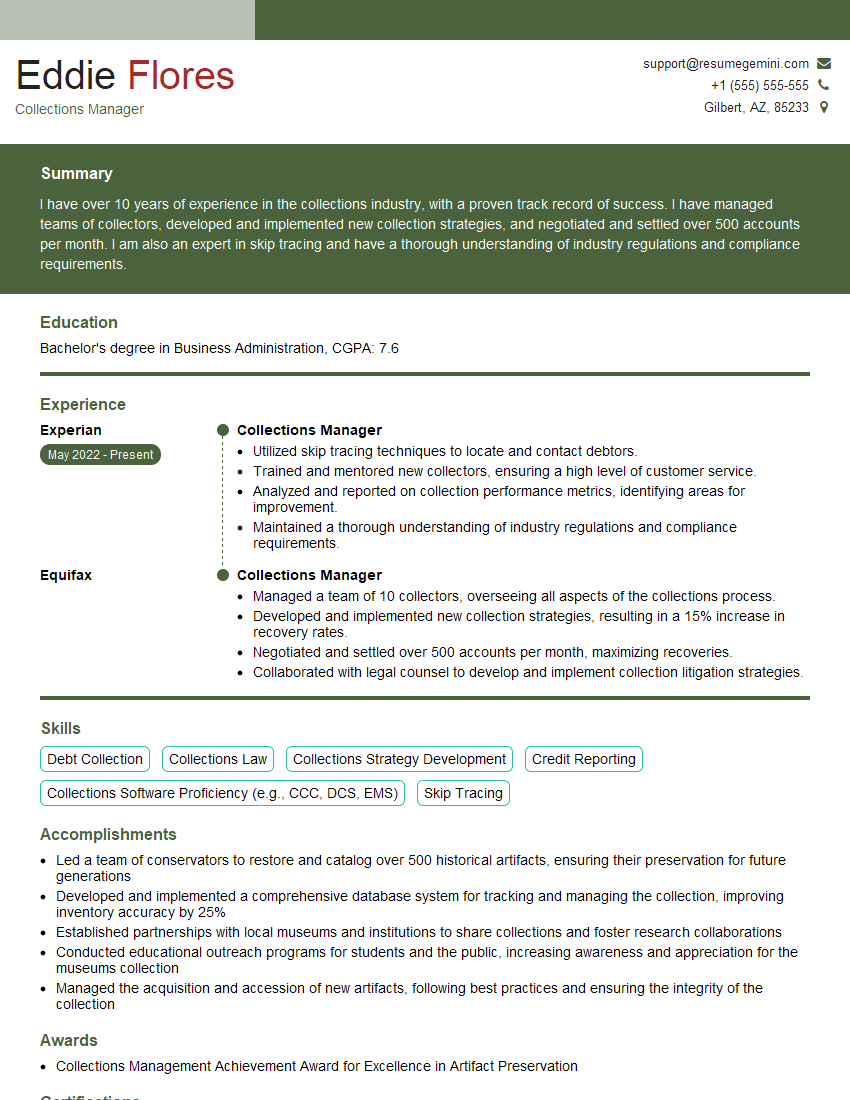
Collections Manager Resume Sample
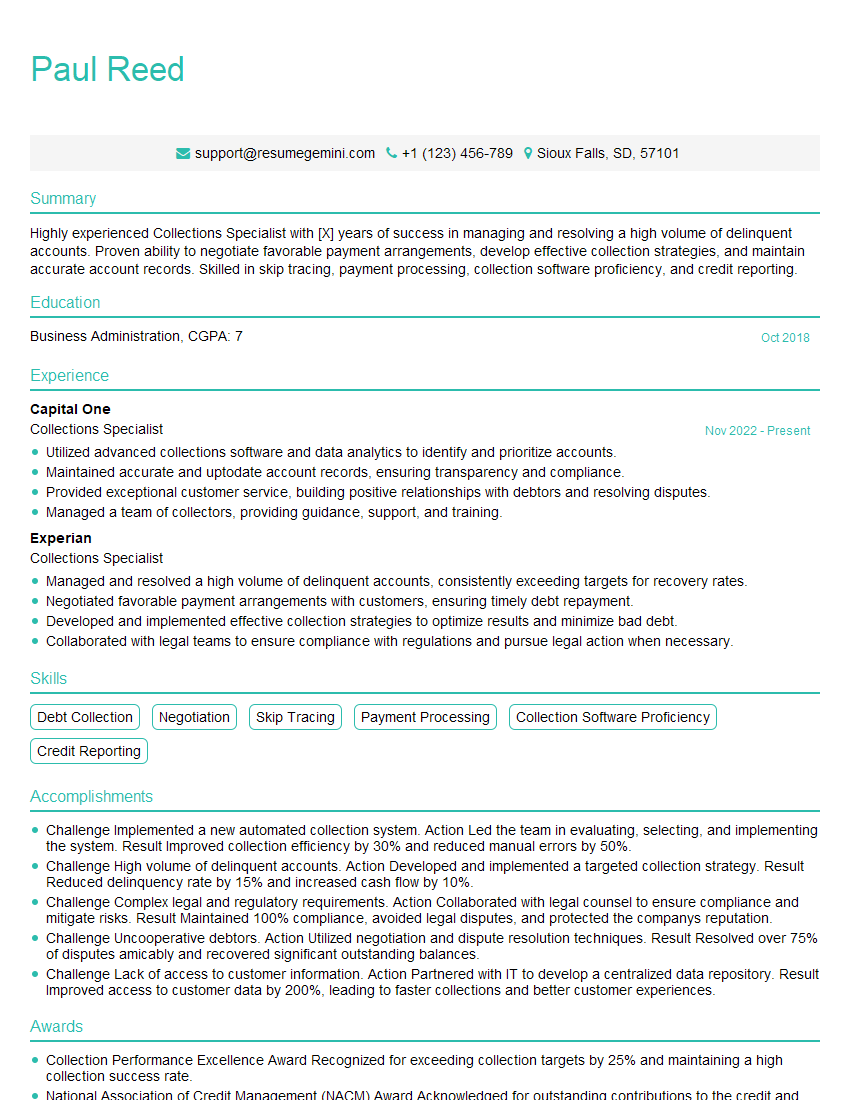
Collections Specialist Resume Sample
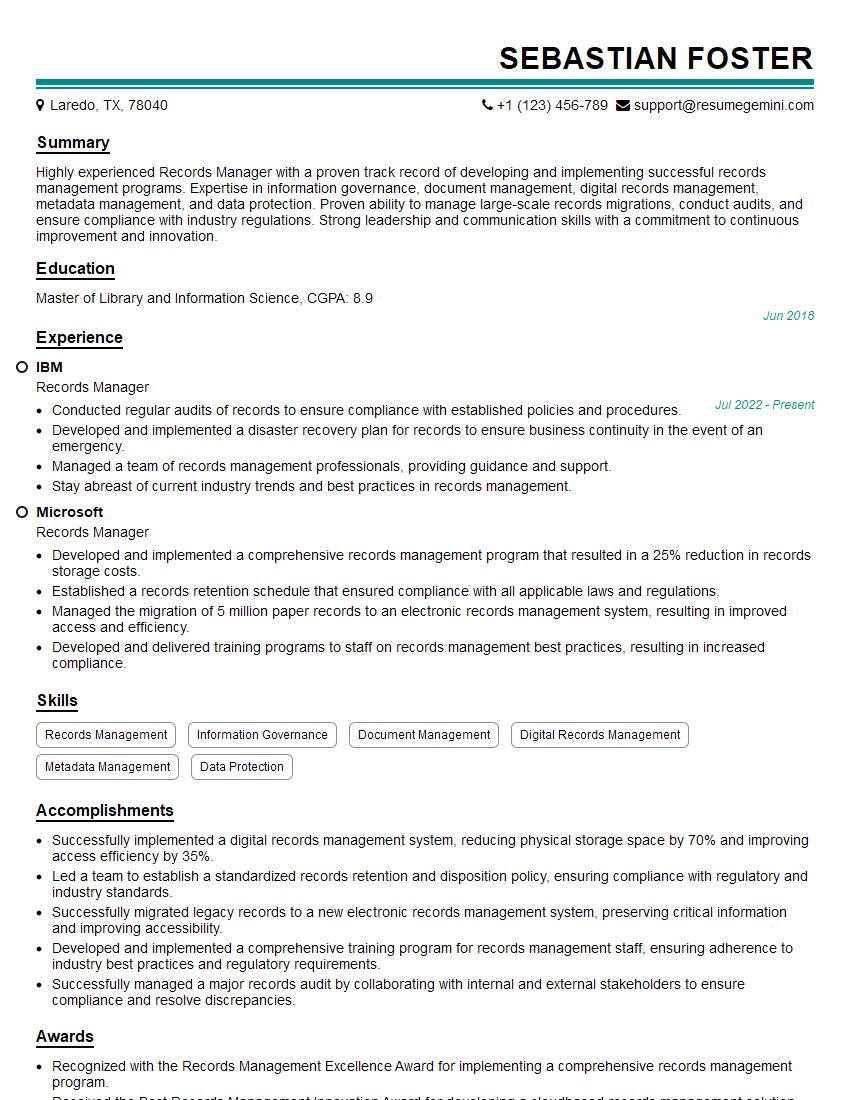
Records Manager Resume Sample
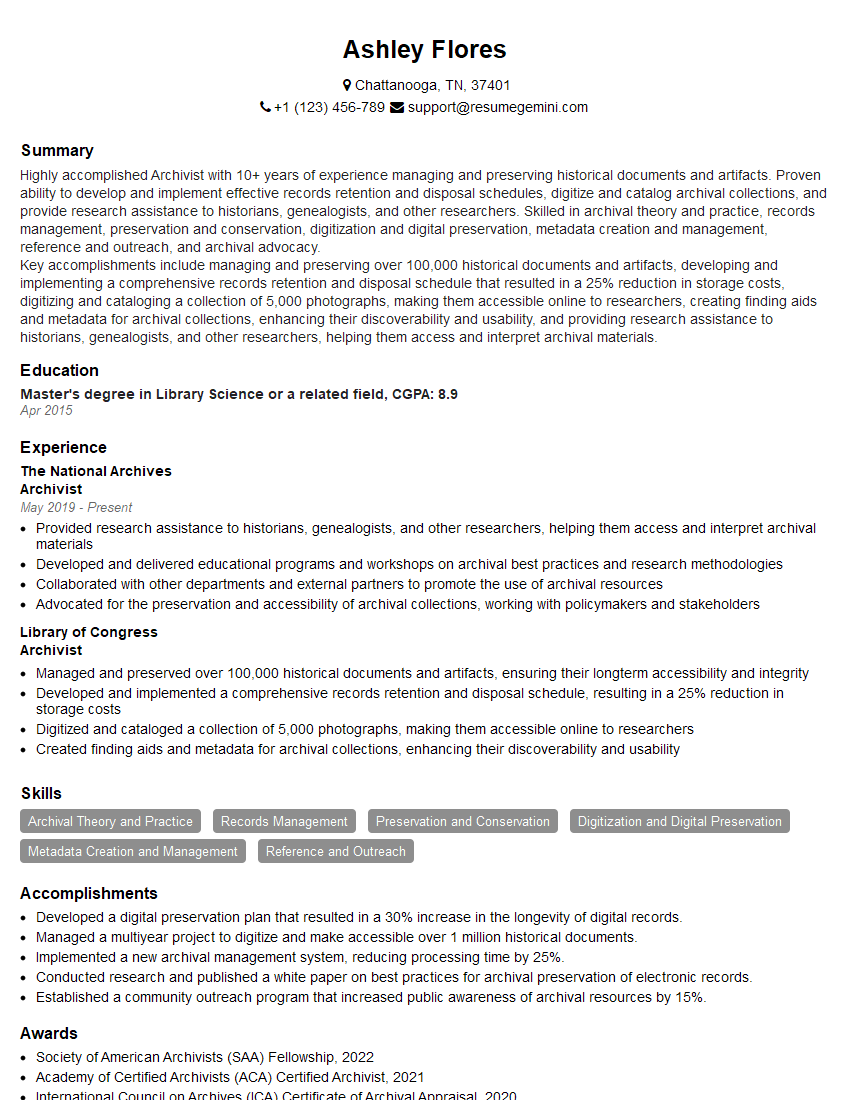
Archivist Resume Sample
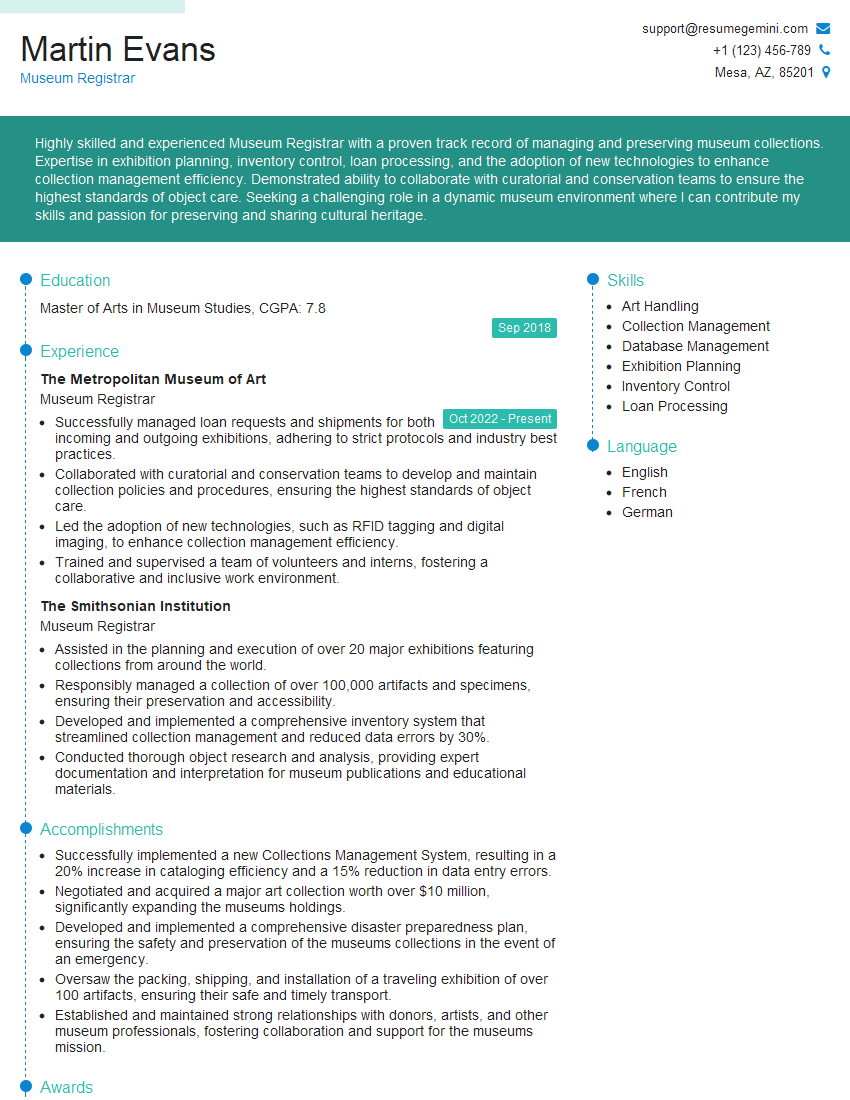
Museum Registrar Resume Sample
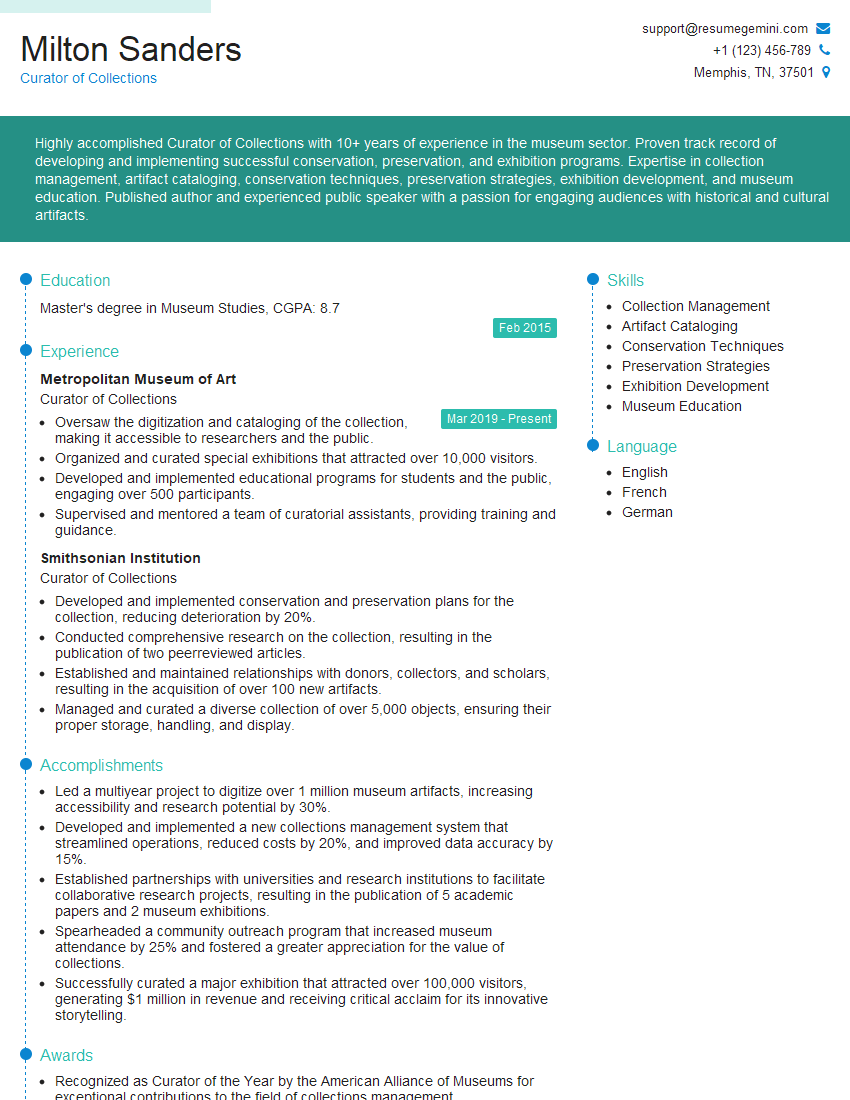
Curator of Collections Resume Sample
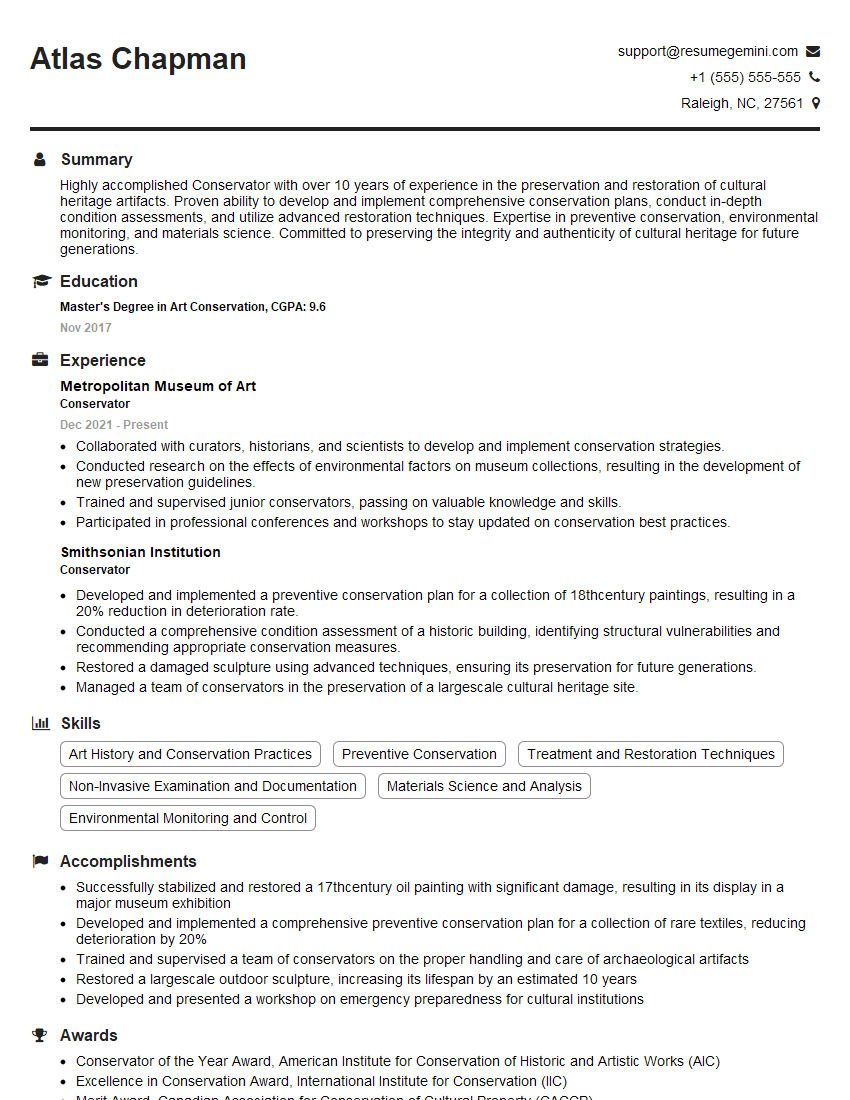
Conservator Resume Sample
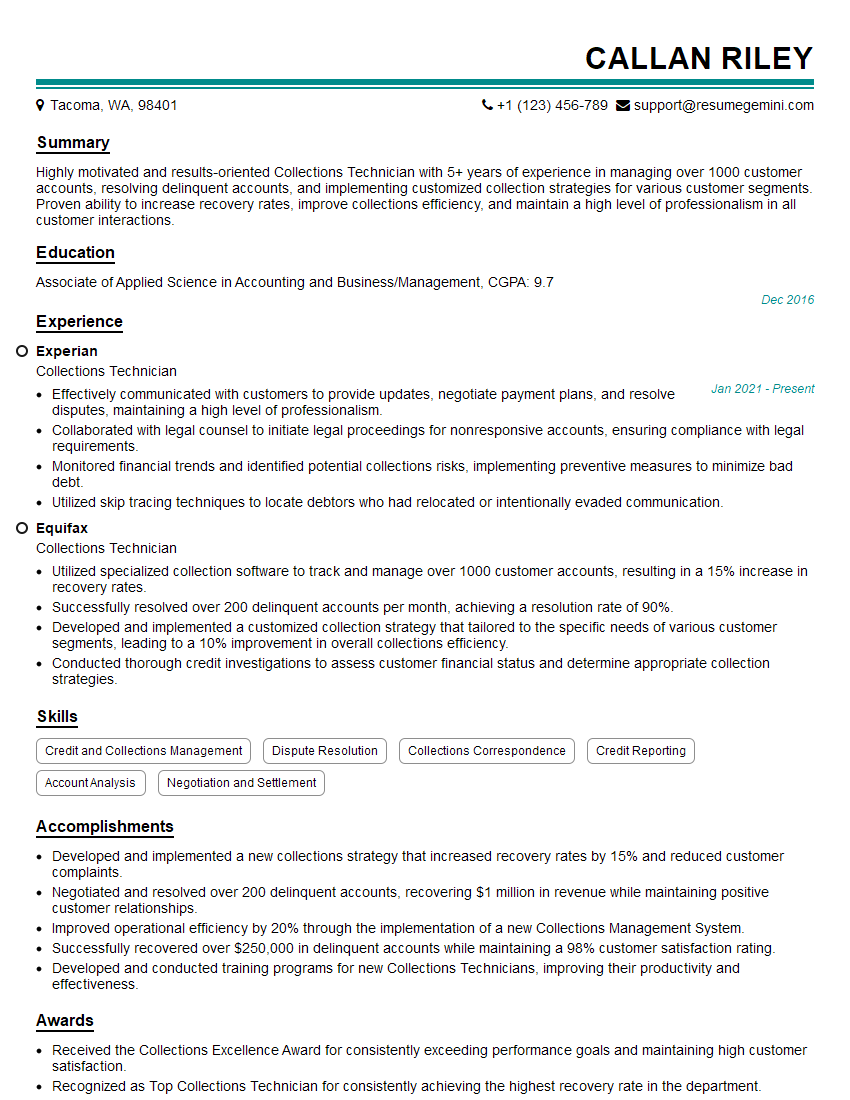
Collections Technician Resume Sample
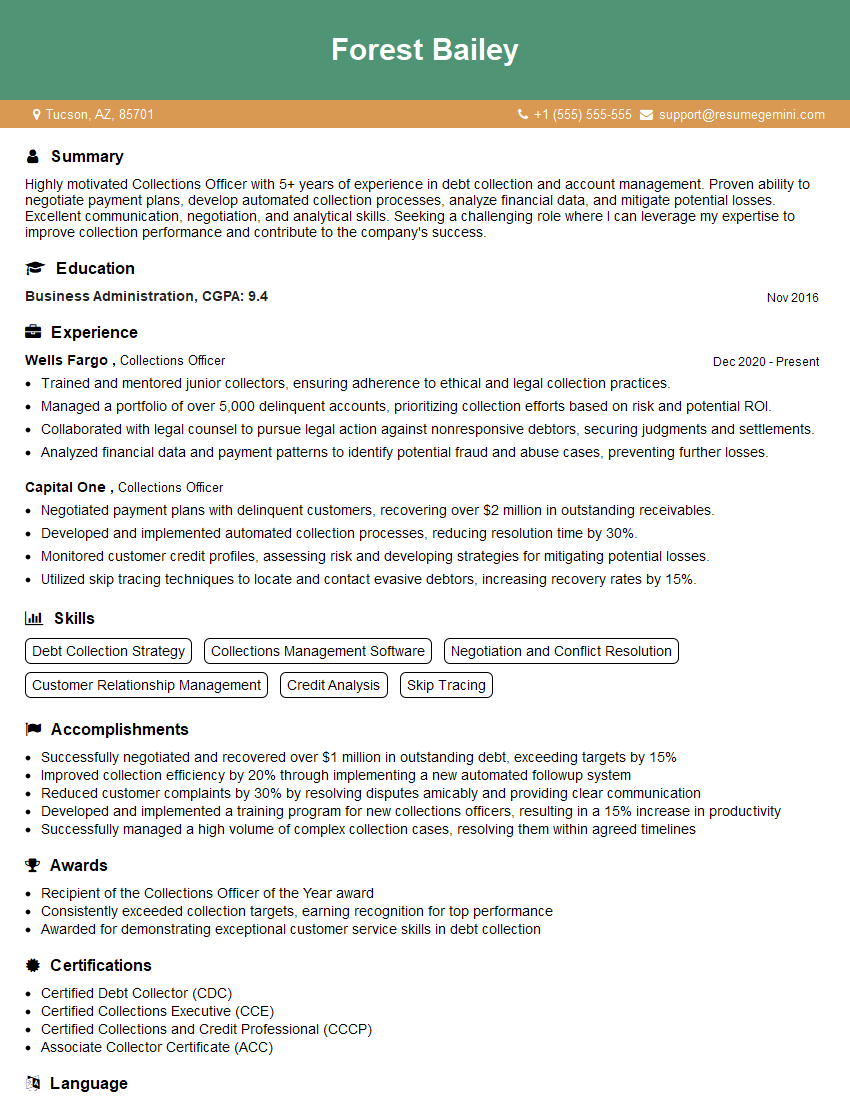
Collections Officer Resume Sample
Explore more articles
Users Rating of Our Blogs
Share Your Experience
We value your feedback! Please rate our content and share your thoughts (optional).
What Readers Say About Our Blog
To the interviewgemini.com Webmaster.
Very helpful and content specific questions to help prepare me for my interview!
Thank you
To the interviewgemini.com Webmaster.
This was kind of a unique content I found around the specialized skills. Very helpful questions and good detailed answers.
Very Helpful blog, thank you Interviewgemini team.