Interviews are more than just a Q&A session—they’re a chance to prove your worth. This blog dives into essential Safety and Hazard Control interview questions and expert tips to help you align your answers with what hiring managers are looking for. Start preparing to shine!
Questions Asked in Safety and Hazard Control Interview
Q 1. Describe your experience conducting risk assessments.
Conducting thorough risk assessments is crucial for proactive safety management. My approach involves a systematic process, starting with hazard identification – pinpointing potential sources of harm. This often involves walkthroughs of the worksite, reviewing past incident reports, and consulting with employees who directly interact with the hazards. Next, I assess the risk level using a matrix that considers the likelihood and severity of harm. For instance, a high-likelihood, high-severity hazard (like working at heights without proper safety equipment) requires immediate and significant mitigation efforts. Conversely, a low-likelihood, low-severity hazard (like a minor trip hazard) might necessitate only a simple fix. Once the risk levels are determined, I develop control measures, prioritizing elimination, then substitution, engineering controls, administrative controls, and finally, personal protective equipment (PPE).
For example, in a manufacturing plant, I identified a risk of machinery entanglement. The risk assessment showed a high likelihood and severity. My recommended control measures included machine guarding (engineering control) and rigorous lockout/tagout procedures (administrative control), along with providing appropriate PPE (last resort). The whole process is documented and regularly reviewed, ensuring the controls remain effective.
Q 2. Explain your understanding of OSHA regulations.
My understanding of OSHA regulations is extensive and covers a broad range of standards, including general industry, construction, maritime, and agriculture. I am familiar with OSHA’s mission to ensure safe and healthful working conditions, and I understand the employer’s responsibility to provide a workplace free from recognized hazards. I’m adept at interpreting and applying specific OSHA standards, such as those related to hazard communication, personal protective equipment, lockout/tagout, confined space entry, and fall protection. I’m particularly knowledgeable about recordkeeping requirements, including incident reporting and maintaining OSHA 300 logs.
For instance, I’ve assisted numerous clients in achieving OSHA compliance by implementing comprehensive safety programs, conducting regular inspections, and providing thorough employee training. A key aspect is staying updated on changes in OSHA regulations and ensuring our safety practices align with the latest standards. We routinely review the OSHA website and subscribe to relevant publications to stay abreast of any revisions.
Q 3. How do you develop and implement safety programs?
Developing and implementing effective safety programs is a multi-faceted process that requires a thorough understanding of the workplace, its hazards, and the relevant regulations. I begin with a comprehensive risk assessment (as described earlier) to identify potential hazards. Then, I develop a tailored safety program that addresses these identified risks, incorporating preventative measures, training programs, emergency procedures, and ongoing monitoring. The program is built around a strong safety culture, promoting employee involvement and empowering them to report hazards without fear of reprisal.
The program involves several key components:
- Hazard identification and risk assessment: Regularly conducted to identify and evaluate workplace hazards.
- Training: Comprehensive training programs are designed and implemented, covering topics such as hazard recognition, safe work practices, and emergency procedures.
- Emergency response planning: Developing and regularly practicing emergency response plans, including evacuation procedures, fire safety, and first aid.
- Inspections: Regular workplace inspections, both scheduled and random, are performed to identify and correct hazards.
- Incident investigation: A thorough investigation is carried out for all incidents, focusing on root cause analysis to prevent recurrence.
- Communication: Open communication channels are established to facilitate the reporting of hazards and incidents, along with the sharing of safety information and best practices.
Q 4. What methods do you use to investigate accidents and near misses?
Accident and near-miss investigations are critical for identifying root causes and preventing future incidents. My approach is based on a systematic methodology, starting with securing the scene and collecting evidence. I use various techniques including interviews with witnesses, reviewing incident reports, examining physical evidence, and analyzing safety data. I employ root cause analysis tools such as the ‘5 Whys’ technique to delve deeper into the underlying reasons for the incident.
For example, a near-miss involving a forklift almost striking a pedestrian led to an investigation that revealed inadequate traffic management in the warehouse. The root cause analysis pinpointed the lack of clear pedestrian walkways and inadequate forklift driver training as contributing factors. This led to implementing new traffic control measures, improved training programs, and the installation of physical barriers.
Q 5. How do you communicate safety procedures to employees?
Effective communication is paramount for successful safety programs. I employ a multi-pronged approach, using a variety of methods tailored to the audience and the information being conveyed. This includes:
- Regular safety meetings: Opportunities to discuss safety topics, share best practices, and address concerns.
- Training sessions: Interactive training sessions using various methods – lectures, videos, demonstrations, and hands-on exercises.
- Job-specific instructions: Clear, concise written instructions are provided for every task, emphasizing safe work procedures.
- Visual aids: Signage, posters, and labels are used to reinforce safety messages in high-traffic areas.
- One-on-one discussions: Direct interaction with employees to answer questions and address individual concerns.
- Regular safety newsletters or emails: Disseminating safety information and updates to keep employees informed.
Using a combination of these methods ensures that safety information is easily accessible, understood, and retained by employees across various learning styles.
Q 6. Explain your experience with incident reporting and analysis.
My experience with incident reporting and analysis is extensive. I understand that accurate and timely reporting is crucial for identifying trends and implementing corrective actions. I’ve established and managed incident reporting systems in numerous settings, ensuring that all incidents, from near misses to major accidents, are documented thoroughly and consistently. The reports include details such as date, time, location, involved personnel, circumstances of the incident, and any contributing factors. The analysis phase focuses on identifying the root cause of the incident using techniques like fault tree analysis and the ‘5 Whys’. This helps to identify areas for improvement and prevents similar incidents in the future.
I am proficient in using various data analysis tools to track trends and identify patterns in incident data. This allows for proactive interventions and helps to optimize safety programs. I’ve used this data to demonstrate the effectiveness of implemented safety improvements to stakeholders.
Q 7. Describe your experience with emergency response planning.
Emergency response planning is critical for minimizing the impact of unforeseen events. My experience encompasses developing comprehensive plans addressing various scenarios, from fire and evacuation to chemical spills and medical emergencies. The planning process begins with a thorough hazard analysis, identifying potential emergencies and their likelihood. This is followed by developing detailed procedures, including communication protocols, evacuation routes, and roles and responsibilities of emergency response teams. Regular drills and simulations are conducted to ensure the effectiveness of the plan and the readiness of personnel. The plan also includes post-incident procedures for investigation, recovery, and learning from the event.
For example, in one project, I developed an emergency response plan for a chemical processing plant, including procedures for handling chemical spills, fires, and medical emergencies. The plan outlined clear communication channels, designated assembly points, and roles for emergency response teams. We conducted regular drills and simulations, ensuring that everyone knew their roles and responsibilities, ultimately contributing to a safer work environment.
Q 8. How do you identify and control workplace hazards?
Identifying and controlling workplace hazards is a systematic process that involves a proactive approach to risk management. It begins with a thorough hazard identification, utilizing methods like workplace inspections, job hazard analyses (JHAs), and incident investigations. These assessments pinpoint potential dangers, ranging from slips and trips to more complex issues like machine guarding or chemical exposure.
Once hazards are identified, we implement control measures following the hierarchy of controls: Elimination (removing the hazard entirely), Substitution (replacing the hazard with a less dangerous alternative), Engineering Controls (modifying the workplace or equipment to reduce risk, like installing safety guards), Administrative Controls (changing work practices, such as implementing procedures or training), and finally, Personal Protective Equipment (PPE) as the last line of defense. For example, if a worker repeatedly lifts heavy objects, we would first explore engineering controls like using a forklift or implementing a lift assist device. If those aren’t feasible, we might implement administrative controls such as limiting the weight lifted per individual or using team lifting techniques. PPE, such as back supports, would only be considered as a final measure, supplementing the other controls.
- Workplace Inspections: Regularly scheduled walkthroughs to identify immediate hazards.
- Job Hazard Analysis (JHA): A systematic process to identify hazards associated with specific tasks.
- Incident Investigations: Thorough analysis of accidents or near misses to understand root causes and prevent recurrence.
Q 9. What are your preferred methods for training employees on safety procedures?
Effective safety training is crucial. My preferred methods incorporate a blended learning approach, combining various techniques for optimal knowledge retention and skill development. This includes:
- Interactive Training Modules: Engaging online courses with quizzes, simulations, and videos to cater to different learning styles. These modules can cover topics such as hazard recognition, emergency procedures, and the proper use of equipment.
- Hands-on Workshops: Practical sessions where employees can physically apply what they’ve learned in a safe and controlled environment. This is particularly important for tasks involving equipment operation or specific procedures.
- On-the-job Training (OJT): Mentorship and direct observation by experienced colleagues, ensuring correct application of learned procedures in real-world scenarios. This provides crucial contextual understanding.
- Regular Refresher Courses: Short, focused updates to reinforce knowledge and address new procedures or regulations. This keeps training relevant and prevents skill degradation.
For example, when training on lockout/tagout procedures, I would incorporate a detailed video demonstration, followed by a hands-on workshop where employees practice the steps on simulated equipment before performing it on actual equipment under supervision.
Q 10. How do you ensure compliance with safety regulations?
Ensuring compliance involves a multi-faceted approach. It begins with a thorough understanding of all applicable safety regulations, which can be daunting given the number of federal, state, and local rules. I use a combination of strategies:
- Regular Audits and Inspections: Scheduled reviews to check for compliance with regulations and the effectiveness of implemented safety measures.
- Documentation and Record Keeping: Maintaining meticulous records of safety training, inspections, incident reports, and equipment maintenance to demonstrate compliance to regulatory bodies.
- Staying Updated on Regulations: Continuous monitoring of changes in safety laws and standards to adapt our procedures promptly. Subscription to relevant newsletters and participation in industry conferences are beneficial.
- Employee Involvement and Communication: Fostering a culture where employees actively report safety concerns and participate in improvement processes. Regular communication helps ensure everyone understands and adheres to regulations.
For instance, if new OSHA regulations are released concerning hazardous materials handling, I’d immediately review the changes, update training materials and procedures accordingly, and then conduct follow-up training sessions to ensure everyone is working within compliance.
Q 11. Describe your experience with safety audits and inspections.
I have extensive experience conducting safety audits and inspections, both internally and in collaboration with external regulatory bodies. My approach is structured and thorough, involving:
- Pre-audit Planning: Defining the scope, identifying areas of focus, and establishing a checklist based on relevant regulations and industry best practices.
- On-site Inspection: A systematic walkthrough of the workplace, observing work practices, examining equipment, and documenting any deficiencies or non-compliance issues.
- Data Analysis: Evaluating collected data to identify trends, prioritize areas needing improvement, and assess the overall effectiveness of the safety management system.
- Report Generation: Preparing a comprehensive report detailing findings, recommendations, and corrective actions. This report should be clear, concise, and actionable for management.
- Follow-up and Verification: Checking the implementation of recommended corrective actions to ensure they’re effective and that compliance is maintained.
For example, during an audit of a manufacturing facility, I discovered a lack of proper machine guarding. My report detailed the deficiency, cited the relevant regulations, proposed solutions such as installing guards or implementing lockout/tagout procedures, and included a timeline for corrective action. I then followed up to verify the implementation of those corrective actions.
Q 12. Explain your knowledge of personal protective equipment (PPE).
Personal Protective Equipment (PPE) is a critical element of a comprehensive safety program, but it should always be considered the last line of defense after engineering and administrative controls have been implemented. My knowledge encompasses:
- Hazard Assessment: Matching the appropriate PPE to specific workplace hazards. For example, welders require eye protection, fire-retardant clothing, and gloves; electricians need insulated gloves and safety footwear.
- Selection and Procurement: Choosing PPE based on factors like comfort, durability, and regulatory compliance. Ensuring the selected PPE is from reputable sources that adhere to safety standards.
- Training and Use: Providing employees with comprehensive training on the proper use, maintenance, and limitations of their PPE. Regular inspections ensure PPE remains in good condition.
- Maintenance and Inspection: Regularly inspecting and maintaining PPE to ensure it’s functioning correctly and meets safety standards. Damaged PPE should be replaced immediately.
A key aspect is emphasizing that PPE is not a guaranteed solution. It reduces risk but does not eliminate it entirely. Employees need to understand that PPE is a supplementary layer of protection in conjunction with established safety protocols.
Q 13. How do you manage safety-related conflicts within a team?
Safety-related conflicts within a team require careful management to avoid escalation and maintain a productive, safe environment. My approach involves:
- Open Communication: Creating a safe space for employees to raise safety concerns without fear of reprisal. Facilitating discussions to understand perspectives and identify the root cause of conflict.
- Mediation and Facilitation: Acting as a neutral party to help resolve disagreements, ensuring all voices are heard and respected. Focus is on finding mutually agreeable solutions.
- Clear Procedures: Establishing clear procedures for reporting safety concerns and addressing conflicts. This fosters consistency and fairness.
- Documentation: Maintaining records of all conflicts, resolutions, and implemented corrective actions. This is crucial for accountability and continuous improvement.
For instance, if a team disagrees about the safety of a specific work procedure, I would facilitate a meeting where all team members could present their concerns and collaboratively develop a safer alternative. The improved procedure would then be documented and communicated to the entire team.
Q 14. Explain your experience with lockout/tagout procedures.
Lockout/Tagout (LOTO) procedures are crucial for preventing accidental energization of equipment during maintenance or repair, safeguarding workers from serious injury or death. My experience covers:
- Training: Providing comprehensive training to all authorized personnel on the proper LOTO procedures, encompassing the five steps: preparation, shutdown, lockout/tagout, verification, and release. This includes hands-on practice and competency assessment.
- Procedure Development: Establishing clear, step-by-step LOTO procedures tailored to specific equipment and processes. These procedures must be documented and readily available.
- Equipment Inspection: Regularly inspecting equipment to ensure LOTO devices are properly installed and functional. Addressing any deficiencies promptly.
- Enforcement: Ensuring strict adherence to LOTO procedures and addressing any deviations promptly. This includes regular audits and inspections.
- Documentation: Maintaining thorough records of LOTO procedures, training, inspections, and any incidents.
For example, before working on a machine, an authorized employee would follow the LOTO procedure: shutting down the machine, applying a lockout device, verifying that the machine is de-energized, performing the maintenance task, and then removing the lockout device only after verifying that the machine is safe to operate again. All of these steps are meticulously documented.
Q 15. How do you handle safety concerns raised by employees?
Addressing employee safety concerns is paramount. My approach involves a multi-step process that prioritizes open communication, thorough investigation, and effective remediation. First, I ensure a safe and confidential environment for employees to report concerns, perhaps through a dedicated reporting system or regular safety meetings. Once a concern is raised, I immediately acknowledge it and initiate a thorough investigation. This involves interviewing the employee, observing the work area, and reviewing relevant documentation. The next step is to assess the risk level associated with the concern. This requires understanding the potential for harm, the likelihood of it occurring, and the severity of the consequences. Based on the risk assessment, I develop and implement appropriate corrective actions. This could range from immediate changes to work practices to long-term solutions involving engineering controls or new training programs. Finally, I follow up with the employee to ensure the issue is resolved and that they feel heard and valued. For example, if an employee reports concerns about repetitive strain injuries while using a particular piece of equipment, I’d investigate ergonomic factors, potentially recommend modifications to the workstation, and provide training on proper posture and lifting techniques.
Career Expert Tips:
- Ace those interviews! Prepare effectively by reviewing the Top 50 Most Common Interview Questions on ResumeGemini.
- Navigate your job search with confidence! Explore a wide range of Career Tips on ResumeGemini. Learn about common challenges and recommendations to overcome them.
- Craft the perfect resume! Master the Art of Resume Writing with ResumeGemini’s guide. Showcase your unique qualifications and achievements effectively.
- Don’t miss out on holiday savings! Build your dream resume with ResumeGemini’s ATS optimized templates.
Q 16. What is your experience with safety data sheets (SDS)?
Safety Data Sheets (SDSs) are crucial documents that provide comprehensive information about hazardous materials. My experience encompasses creating, implementing, and updating SDS management systems. I’m adept at interpreting SDS information, understanding the hazards associated with various chemicals, and ensuring compliance with all relevant regulations. I have experience selecting the appropriate personal protective equipment (PPE) based on SDS recommendations. In one past role, I implemented a system for SDS accessibility, ensuring all employees had easy access to relevant information, either digitally or through physical copies in strategically placed locations. We also conducted regular training sessions on how to interpret and utilize SDS information effectively. This ensured employees could understand the potential risks and implement appropriate safety measures. Proper SDS management is not just about compliance; it’s about empowering employees with the knowledge and tools necessary to work safely.
Q 17. Describe your experience with developing safety metrics and reporting.
Developing effective safety metrics is essential for tracking progress and identifying areas for improvement. I’ve extensive experience in designing, implementing, and analyzing key performance indicators (KPIs) related to safety. These include metrics such as the Total Recordable Incident Rate (TRIR), Lost Time Incident Rate (LTIR), and near-miss reporting rates. I also develop dashboards and reports to visually communicate safety performance to management and employees. My approach involves selecting relevant metrics that align with the organization’s specific goals and hazards. For instance, in a manufacturing setting, we might prioritize metrics related to machine guarding and lockout/tagout procedures. Regular reporting and analysis allow us to identify trends, pinpoint areas needing attention, and measure the effectiveness of implemented safety initiatives. In a past project, by analyzing the data from our safety reporting system, we identified a spike in minor injuries related to a particular assembly line. This led to further investigation, resulting in ergonomic improvements to the workstation and a significant reduction in injuries.
Q 18. How do you improve safety culture within an organization?
Improving safety culture is a continuous process requiring a multifaceted approach. It’s not just about rules and regulations; it’s about fostering a mindset where safety is valued and prioritized by everyone. My strategy includes promoting open communication, actively encouraging reporting of near misses and hazards, implementing robust training programs, and rewarding safe behaviors. Leading by example is crucial – demonstrating a commitment to safety at all levels sets the tone for the entire organization. I’ve found that involving employees in the safety process through safety committees or suggestion programs significantly boosts participation and ownership. For example, in a previous role, we implemented a peer-to-peer safety observation program, where employees would observe their colleagues and provide constructive feedback on safe work practices. This not only improved safety but also fostered a stronger sense of community and mutual responsibility for safety.
Q 19. Explain your understanding of different hazard control hierarchies.
The hazard control hierarchy is a fundamental principle in safety management. It prioritizes control measures based on their effectiveness in eliminating or mitigating hazards. The hierarchy typically follows this order: Elimination (removing the hazard entirely), Substitution (replacing the hazard with a less hazardous alternative), Engineering Controls (isolating people from the hazard using physical barriers or engineering solutions), Administrative Controls (changing the way work is done to reduce exposure to the hazard), and finally, Personal Protective Equipment (PPE) (protecting the individual from the hazard). PPE should be considered the last line of defense, as it protects the individual, not the hazard. For example, if working with a hazardous chemical, elimination might involve finding a non-hazardous substitute. If that’s not possible, engineering controls like a closed system might be implemented. Administrative controls could involve limiting exposure time, and finally, PPE like gloves and respirators could be used. Understanding and applying this hierarchy ensures the most effective and sustainable hazard control measures are employed.
Q 20. How do you measure the effectiveness of safety programs?
Measuring the effectiveness of safety programs requires a multi-pronged approach focusing on both leading and lagging indicators. Lagging indicators, such as incident rates (TRIR, LTIR), measure the outcomes of safety efforts. Leading indicators, such as near-miss reporting rates, safety training completion rates, and the number of safety inspections conducted, predict future performance. By tracking both, we gain a comprehensive understanding of the program’s effectiveness. Analyzing trends in these indicators over time helps identify areas of success and areas requiring further improvement. Regular audits of safety procedures and programs are essential to ensure adherence to best practices. Effective data analysis and reporting are crucial for making data-driven decisions that improve safety performance. For example, a high near-miss reporting rate might suggest a positive safety culture, where employees feel comfortable reporting potential hazards, even without resulting incidents. Conversely, a high incident rate warrants immediate investigation to identify root causes and implement corrective actions.
Q 21. Describe your experience with ergonomics and workplace design.
Ergonomics and workplace design are integral parts of effective safety management. My experience includes conducting ergonomic assessments, designing workstations to minimize physical strain, and recommending modifications to improve employee comfort and safety. This includes evaluating workstation setup, tool design, and work processes to reduce the risk of musculoskeletal disorders (MSDs). I’ve used various ergonomic assessment tools and techniques, including Rapid Upper Limb Assessment (RULA) and Rapid Entire Body Assessment (REBA), to identify potential risks and recommend solutions. For example, in one project, we redesigned an assembly line to improve workflow and reduce repetitive movements, leading to a significant decrease in reported MSDs. Workplace design goes beyond individual workstations; it encompasses the overall work environment, considering factors like lighting, noise levels, and temperature. Creating a safe and comfortable workplace significantly enhances employee productivity and morale, in addition to promoting safety.
Q 22. How do you handle situations where safety regulations conflict with production deadlines?
Safety regulations are paramount, and should never be compromised. When faced with conflicting deadlines and safety protocols, my approach prioritizes safety. I would initiate a discussion with stakeholders, including production managers and engineers, to collaboratively find solutions. This might involve:
- Re-evaluating the production schedule: Identifying non-critical tasks that can be postponed to allow sufficient time for safe completion of critical tasks.
- Exploring alternative methods: Investigating safer work methods or technologies that can accelerate the process without sacrificing safety. For example, implementing automation for a hazardous task.
- Increasing resources: If necessary, advocating for additional personnel or equipment to expedite the process safely. This could involve overtime or temporary staffing with proper training.
- Clearly documenting the risks and mitigations: Creating a detailed risk assessment that outlines the identified hazards, the implemented controls, and the residual risks accepted, with justification.
Ultimately, my goal is to find a balance that ensures both production goals and worker safety are met. Shortcuts that endanger workers are unacceptable. Transparency and open communication are crucial in these situations.
Q 23. What is your experience with conducting safety training needs assessments?
Conducting safety training needs assessments involves a systematic process to identify skill gaps and training requirements. I utilize a multi-faceted approach that includes:
- Job hazard analysis (JHA): A detailed examination of each job role to identify potential hazards and the necessary safety knowledge and skills to mitigate those hazards.
- Interviews and surveys: Gathering feedback from workers, supervisors, and other stakeholders about their training needs and experiences. This provides valuable insights into real-world safety challenges.
- Review of incident reports and near-misses: Analyzing past accidents and near-misses to identify areas where training deficiencies contributed to the events. This is a proactive approach to prevent future incidents.
- Regulatory compliance review: Ensuring all training programs align with relevant safety regulations and industry best practices.
- Competency assessments: Evaluating the current skills and knowledge of employees through practical tests, written exams, or observations to pinpoint gaps.
Based on the data collected, I develop a comprehensive training plan that addresses identified needs, using a variety of training methods to cater to different learning styles. For instance, I might use hands-on training, classroom instruction, or e-learning modules.
Q 24. Explain your understanding of different types of safety inspections.
Safety inspections are critical for proactively identifying and mitigating hazards. They vary in scope and purpose, but some common types include:
- Routine inspections: Regularly scheduled inspections to identify minor hazards before they escalate into major incidents. These are often conducted by supervisors or designated safety personnel.
- Targeted inspections: Focused inspections conducted after a specific incident or near-miss to identify contributing factors and implement corrective actions. They are problem-focused and driven by data.
- Compliance inspections: Inspections to ensure adherence to regulatory requirements, industry standards, and company policies. Often conducted by external auditors or regulatory bodies.
- Pre-operational inspections: Inspections conducted before starting any work activity to verify that the equipment, tools, and work area are safe and ready for use.
- Management walkarounds: Informal inspections where management walks through the work area to observe working conditions, interact with employees, and identify potential hazards. These promote a safety-conscious culture.
Effective inspections utilize checklists, photographic documentation, and detailed reporting to track findings and ensure timely corrective action.
Q 25. How do you prioritize safety risks?
Prioritizing safety risks involves a systematic approach that often employs a risk matrix. This matrix typically considers the likelihood and severity of each risk. I use a framework such as:
- Likelihood: The probability of the hazard occurring (e.g., low, medium, high).
- Severity: The potential consequences if the hazard occurs (e.g., minor injury, major injury, fatality).
By combining likelihood and severity, we can categorize risks into levels (e.g., low, medium, high). High-risk hazards are prioritized for immediate action, while lower-risk hazards are addressed based on available resources and time constraints. Other factors like legal requirements or potential for significant environmental damage can also influence prioritization.
For example, a high-likelihood, high-severity risk (e.g., unguarded machinery in a busy area) would be immediately addressed, while a low-likelihood, low-severity risk (e.g., minor tripping hazard) might be addressed during routine maintenance.
Q 26. What is your experience with conducting root cause analysis for accidents?
Root cause analysis (RCA) is crucial for preventing future accidents. My experience involves using various techniques, including the '5 Whys' method, fault tree analysis, and fishbone diagrams. The goal is to go beyond simply identifying what happened and to understand *why* it happened. This process typically involves:
- Gathering data: Collecting information from various sources, including incident reports, witness statements, and physical evidence.
- Identifying contributing factors: Determining the factors that led to the accident, including human error, equipment failure, and environmental conditions.
- Determining the root cause: Identifying the underlying cause(s) of the accident—the fundamental reason why the contributing factors existed.
- Developing corrective actions: Implementing solutions to prevent similar accidents from occurring in the future. This may involve engineering controls, administrative controls, or changes in procedures.
- Verifying effectiveness: Monitoring the effectiveness of the implemented corrective actions to ensure they are successful in preventing future accidents.
For example, if a worker fell from a ladder, the '5 Whys' method might reveal that the root cause was inadequate ladder inspection and maintenance procedures, ultimately resulting in a faulty ladder.
Q 27. How do you stay up-to-date on changes in safety regulations and best practices?
Staying current in safety is an ongoing process. I utilize multiple strategies including:
- Professional memberships: Maintaining memberships in relevant professional organizations (e.g., the American Society of Safety Professionals) to receive updates, publications, and access to continuing education opportunities.
- Industry publications and journals: Regularly reading industry publications and journals to stay informed about new regulations, technologies, and best practices.
- Conferences and workshops: Attending conferences and workshops to network with other safety professionals and learn about emerging trends.
- Online resources and training: Utilizing online resources and training platforms to access updated information and courses on various safety topics.
- Regulatory agency websites: Regularly checking the websites of relevant regulatory agencies (e.g., OSHA) for updates on regulations and compliance requirements.
Continuous learning is critical to ensure my expertise remains relevant and effective in mitigating workplace hazards.
Q 28. Describe a time you had to make a difficult decision related to safety.
In a previous role, we were nearing a critical production deadline. A new, highly efficient machine had been introduced, but there were concerns among the operators about insufficient training. The machine had features that were not intuitive, and several near-misses had already occurred. Management was pushing for full production capacity, but I knew that proceeding without adequate training posed a significant risk of serious injury.
My decision was to halt production temporarily and implement comprehensive operator training before resuming operations. This was a difficult decision because it delayed the project, but ultimately it was the safer and more responsible choice. I presented a detailed risk assessment highlighting the potential for serious injury and the cost of an accident, including lost time, medical expenses, and reputational damage. This data, combined with the near-miss reports, convinced management to prioritize safety over the immediate production deadline.
The additional training significantly reduced near-miss incidents and improved overall safety performance. It demonstrated that prioritizing safety, even with pressures, is an investment, not a cost.
Key Topics to Learn for Your Safety and Hazard Control Interview
Preparing for a Safety and Hazard Control interview requires a strong understanding of both theoretical concepts and practical applications. This section outlines key areas to focus your studies.
- Hazard Identification and Risk Assessment: Understand various methods for identifying hazards (e.g., checklists, job safety analysis, HAZOP) and performing thorough risk assessments, including qualitative and quantitative risk analysis techniques. Be prepared to discuss your experience applying these methods in real-world scenarios.
- Safety Management Systems (SMS): Familiarize yourself with the principles and implementation of SMS, including elements like hazard identification, risk assessment, risk control, and emergency response planning. Consider examples of SMS implementation and their effectiveness.
- Accident Investigation and Prevention: Master the techniques of investigating accidents, identifying root causes using methods like the “5 Whys,” and developing effective preventative measures. Practice explaining your approach to accident investigation and the importance of learning from past incidents.
- Regulatory Compliance and Legislation: Demonstrate a solid understanding of relevant safety regulations and legislation in your industry or region. Be prepared to discuss your experience ensuring compliance with these regulations.
- Personal Protective Equipment (PPE) and Controls: Showcase your knowledge of various types of PPE and engineering controls used to mitigate hazards. Consider discussing selection criteria, limitations, and proper usage of PPE.
- Emergency Response and Preparedness: Be ready to discuss emergency response plans, procedures, and your role in ensuring workplace safety during emergencies. Highlight your experience with emergency drills and training.
- Communication and Training: Understand the importance of effective communication and training in maintaining a safe work environment. Be prepared to discuss methods for delivering safety training and communicating safety information to diverse audiences.
Next Steps: Unlock Your Career Potential
Mastering Safety and Hazard Control is crucial for career advancement in this vital field. A strong understanding of these principles demonstrates your commitment to workplace safety and opens doors to rewarding opportunities. To maximize your job prospects, create a compelling, ATS-friendly resume that highlights your skills and experience effectively. ResumeGemini is a trusted resource to help you build a professional and impactful resume, ensuring your application stands out. They even provide examples of resumes tailored to the Safety and Hazard Control field.
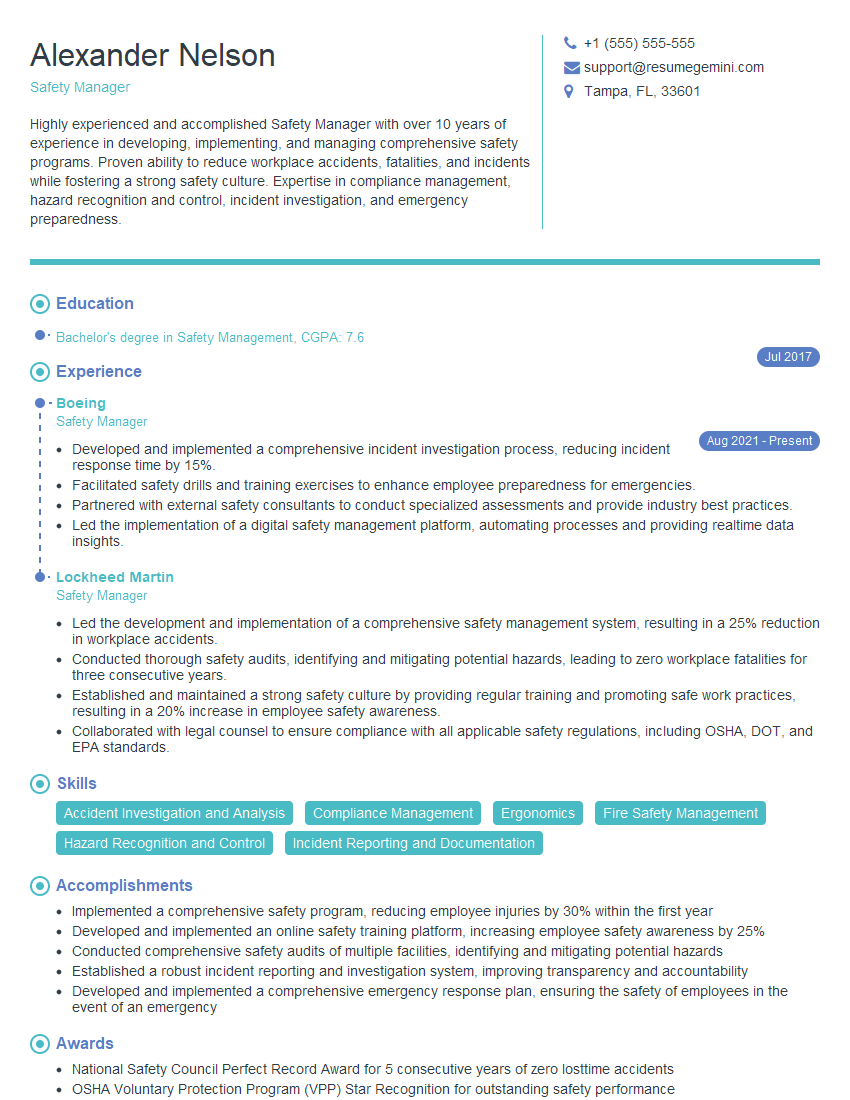
Safety Manager Resume Sample
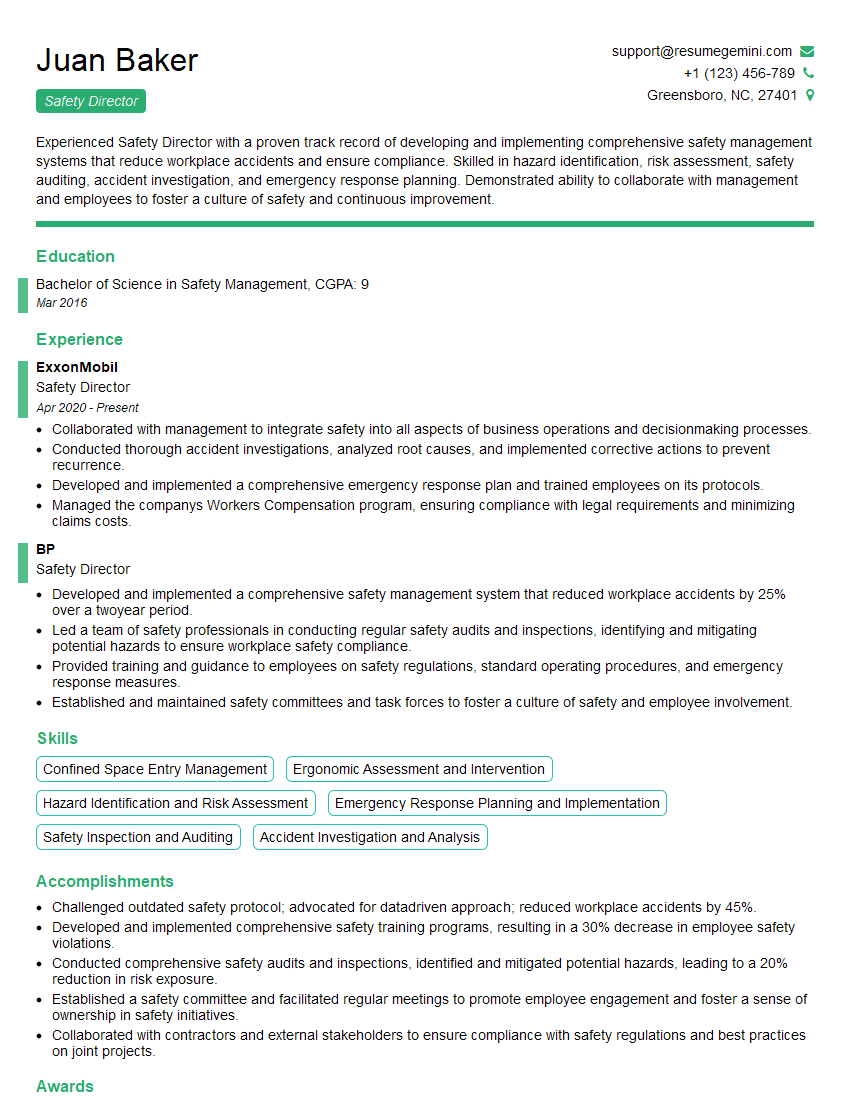
Safety Director Resume Sample
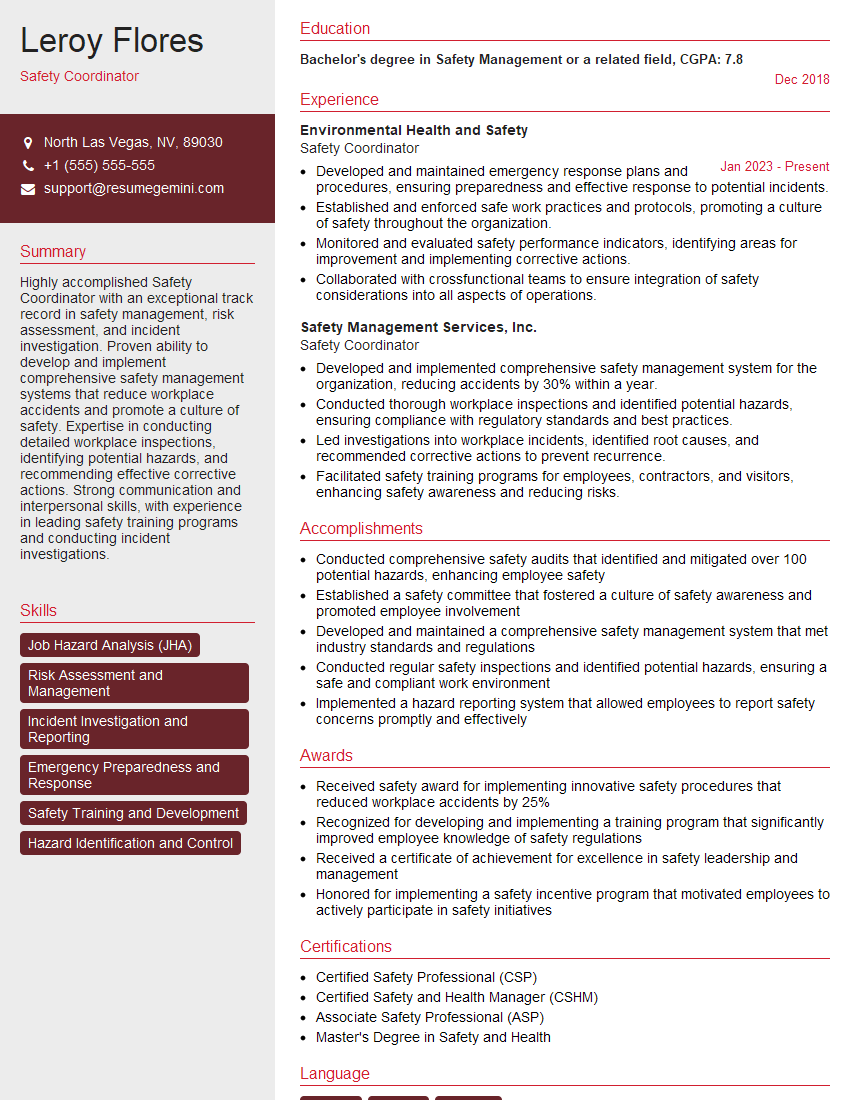
Safety Coordinator Resume Sample
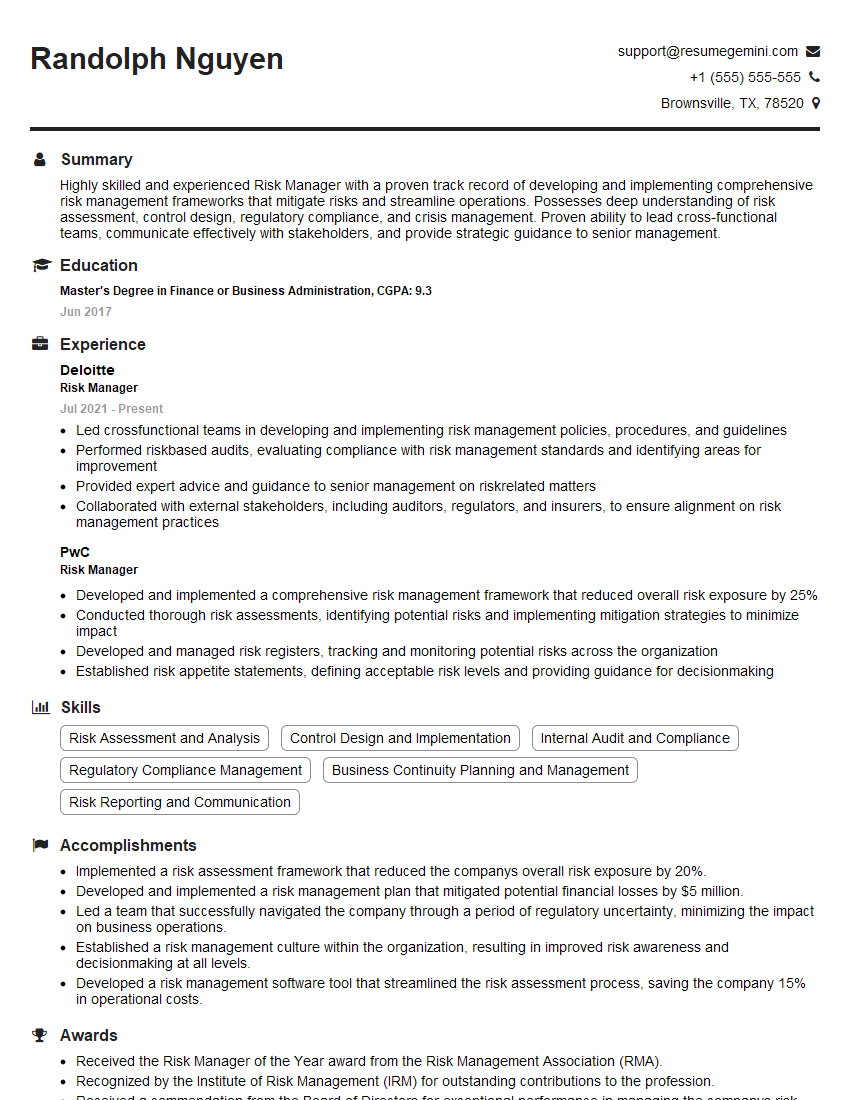
Risk Manager Resume Sample
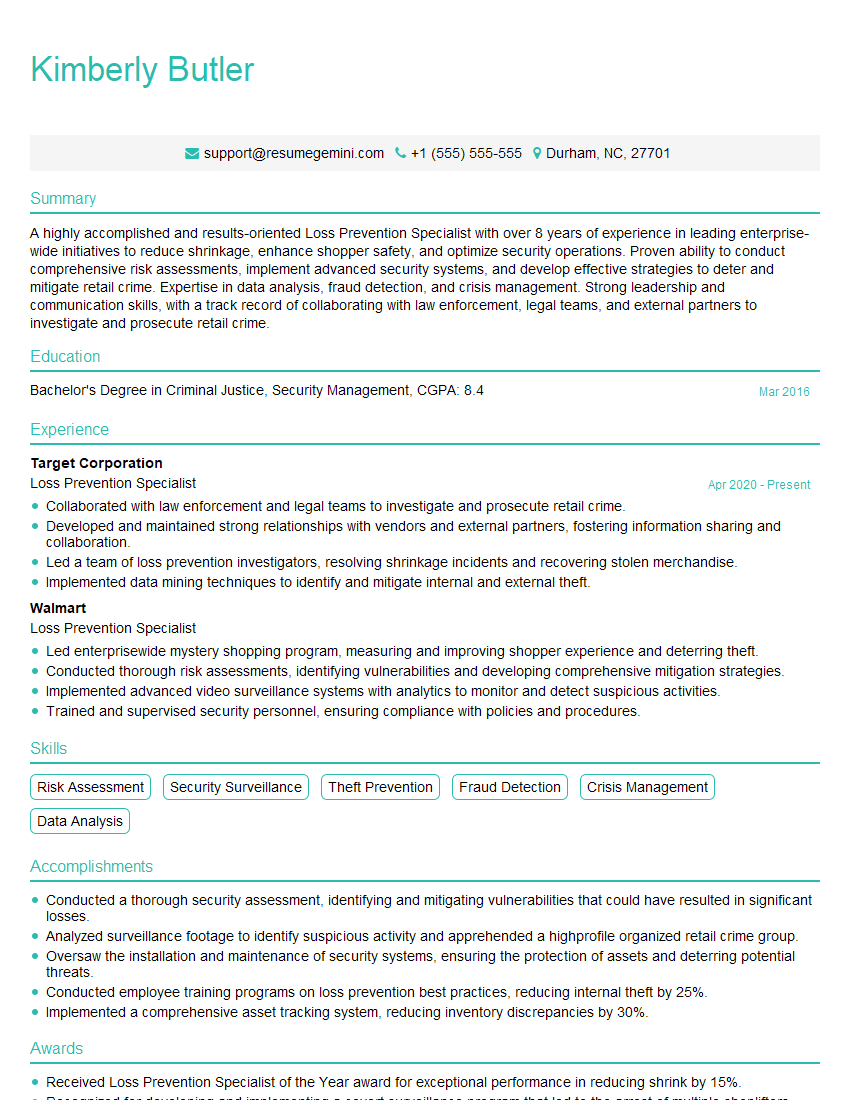
Loss Prevention Specialist Resume Sample
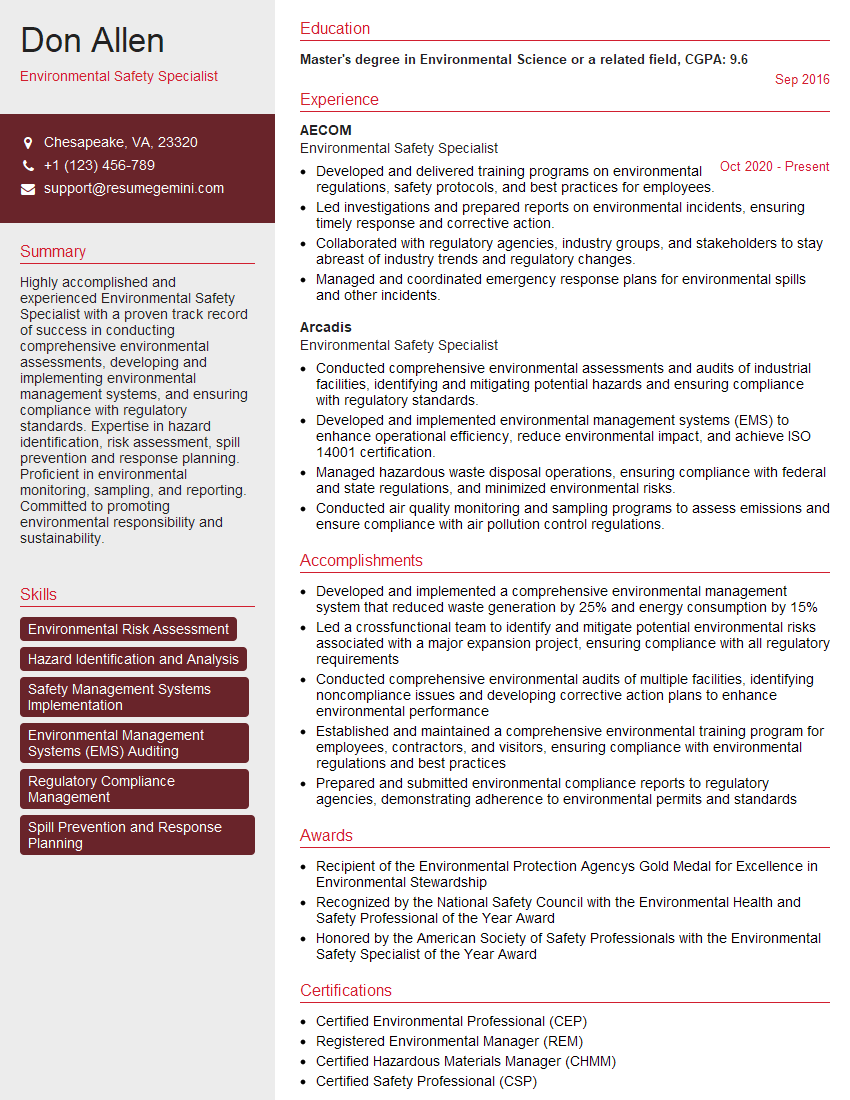
Environmental Safety Specialist Resume Sample
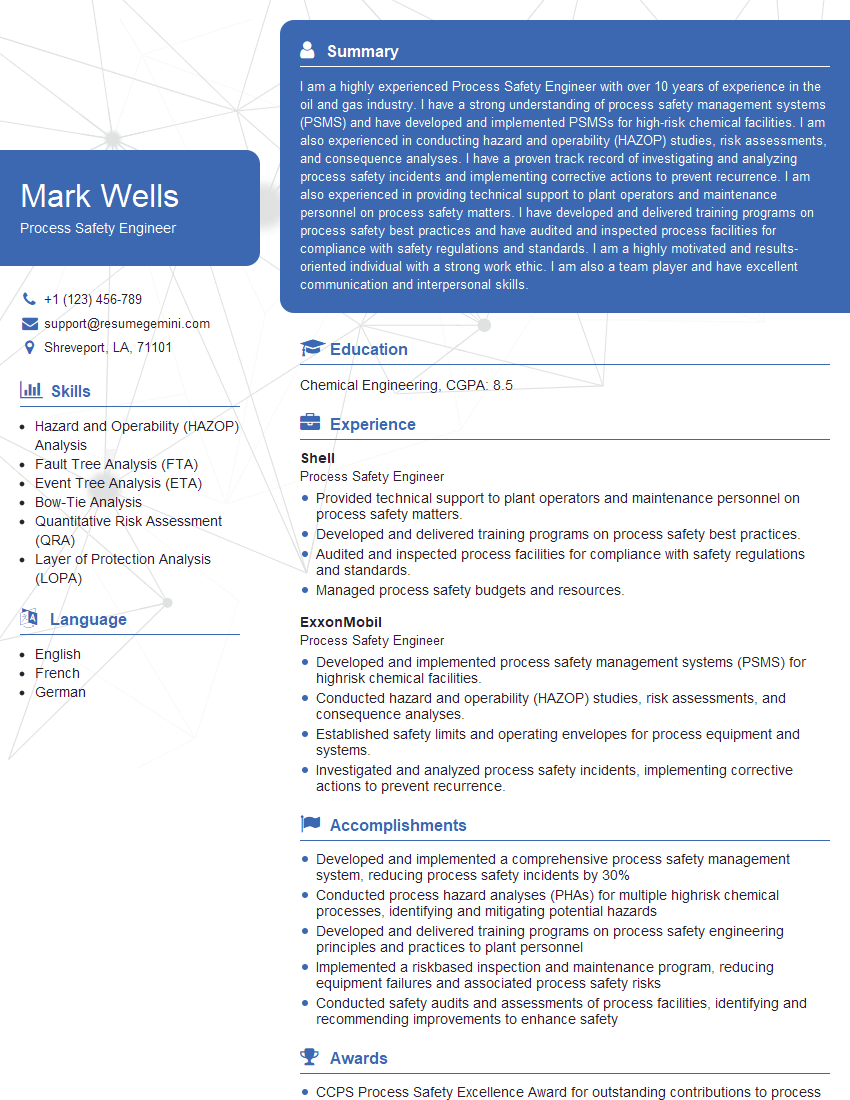
Process Safety Engineer Resume Sample
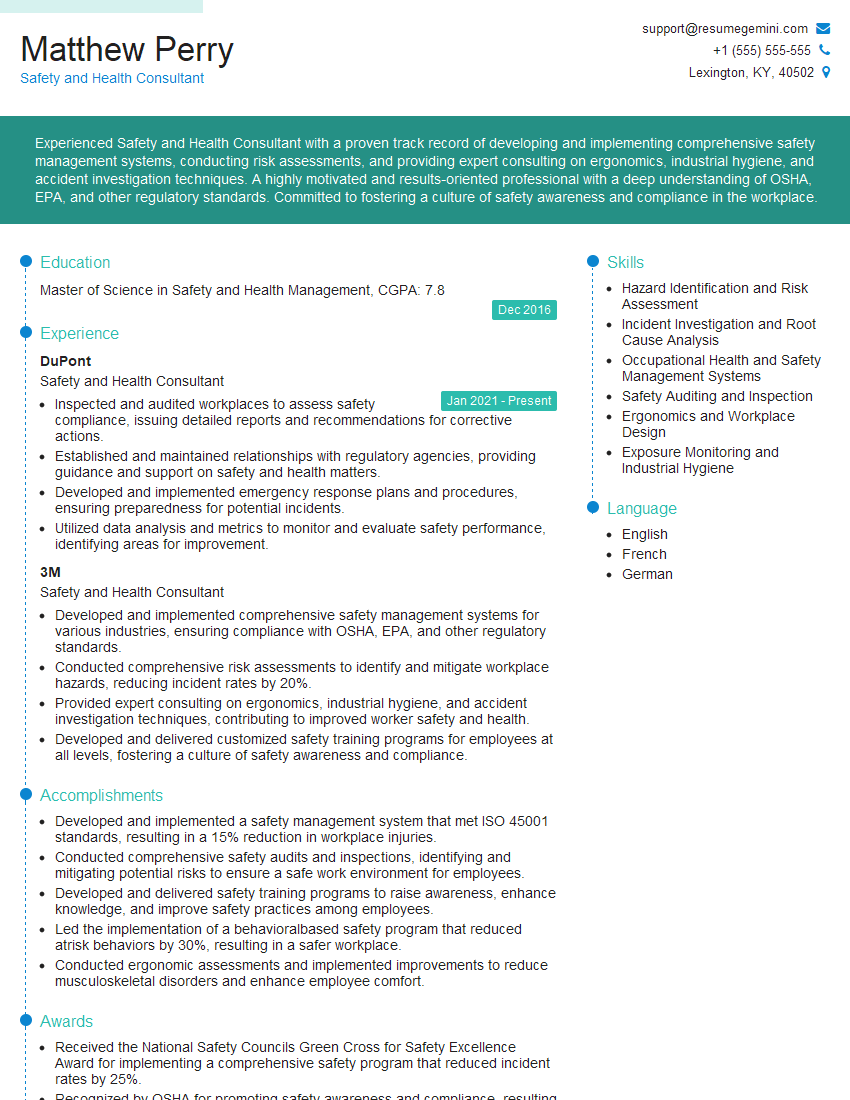
Safety and Health Consultant Resume Sample
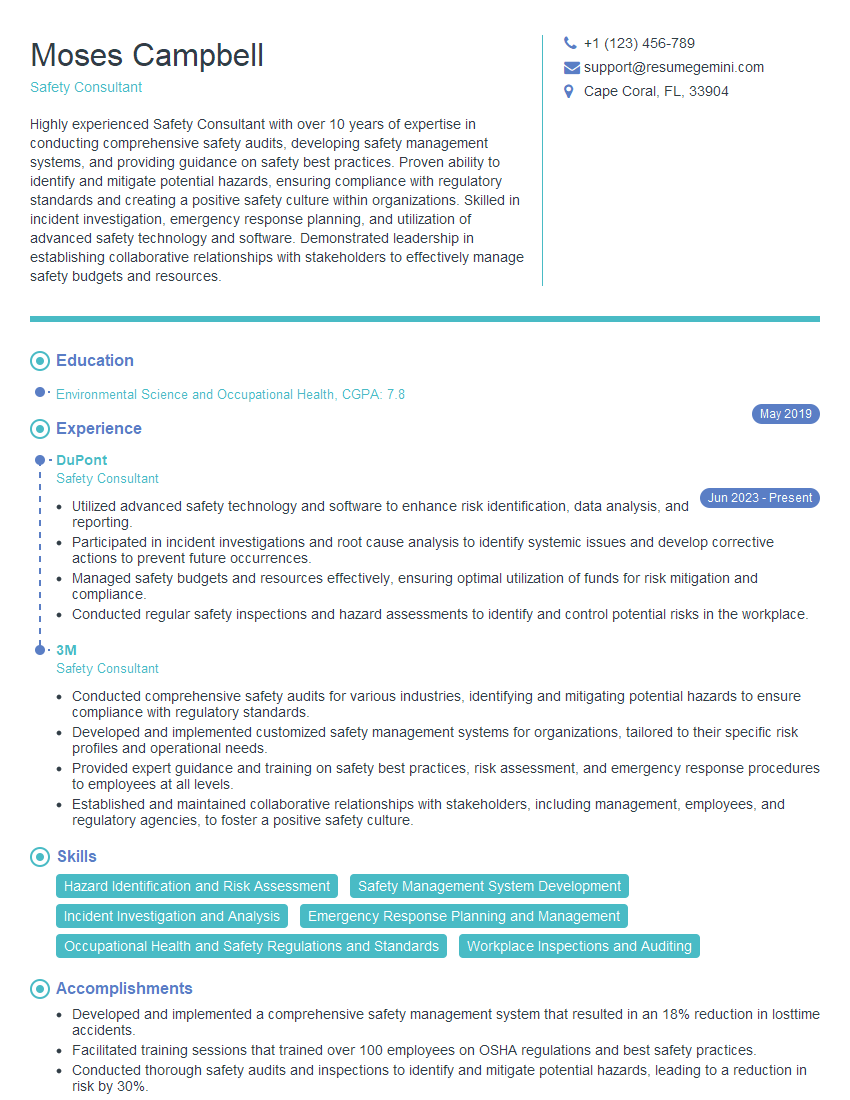
Safety Consultant Resume Sample
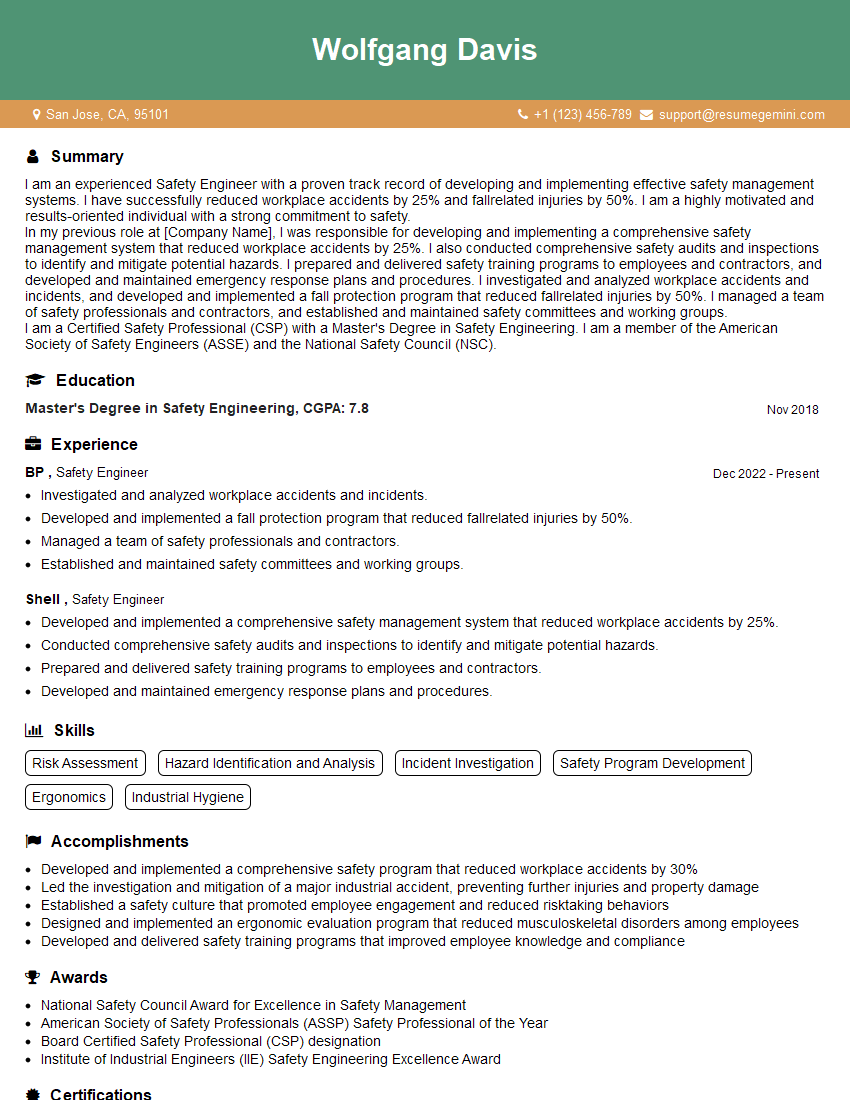
Safety Engineer Resume Sample
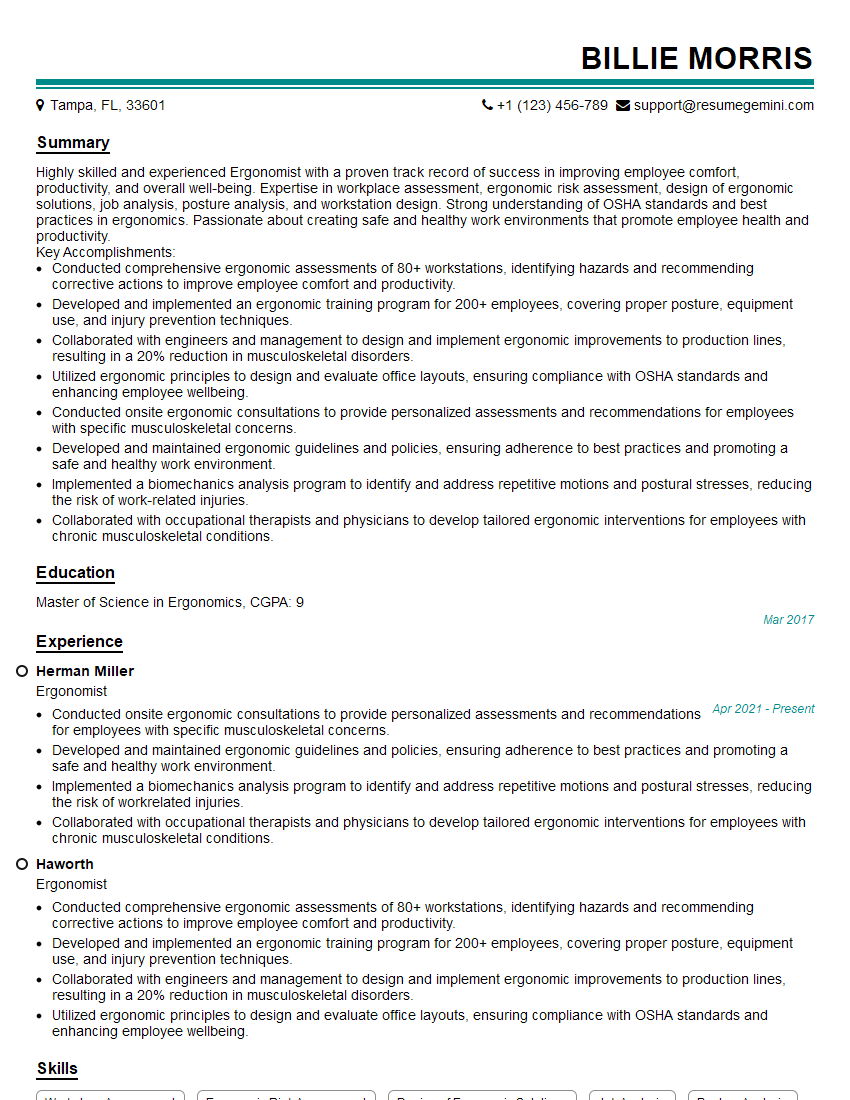
Ergonomist Resume Sample
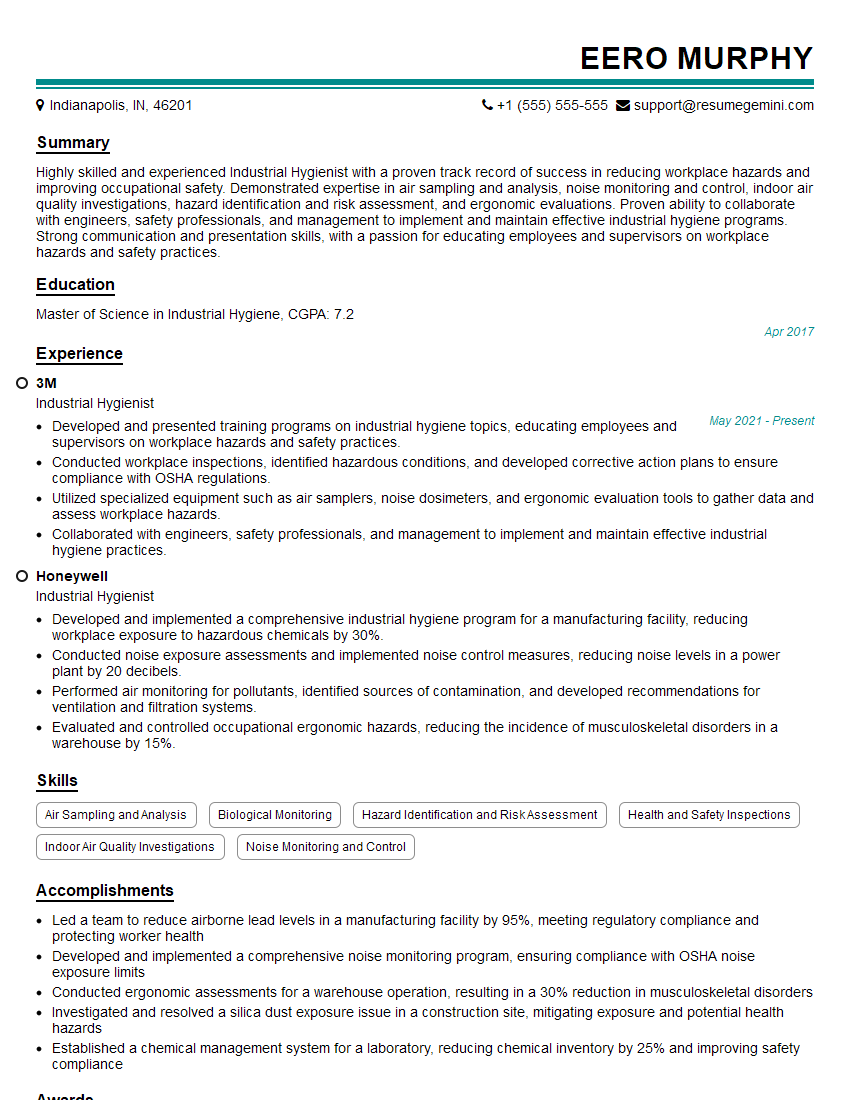
Industrial Hygienist Resume Sample
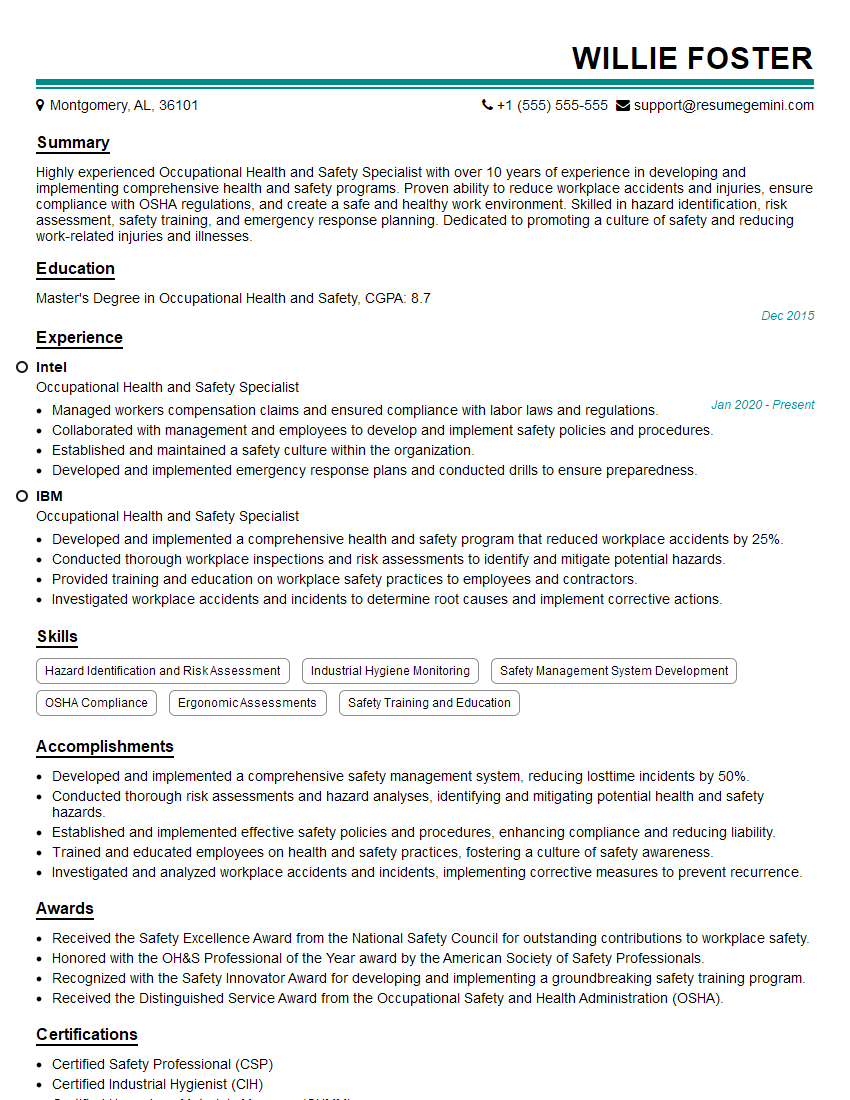
Occupational Health and Safety Specialist Resume Sample
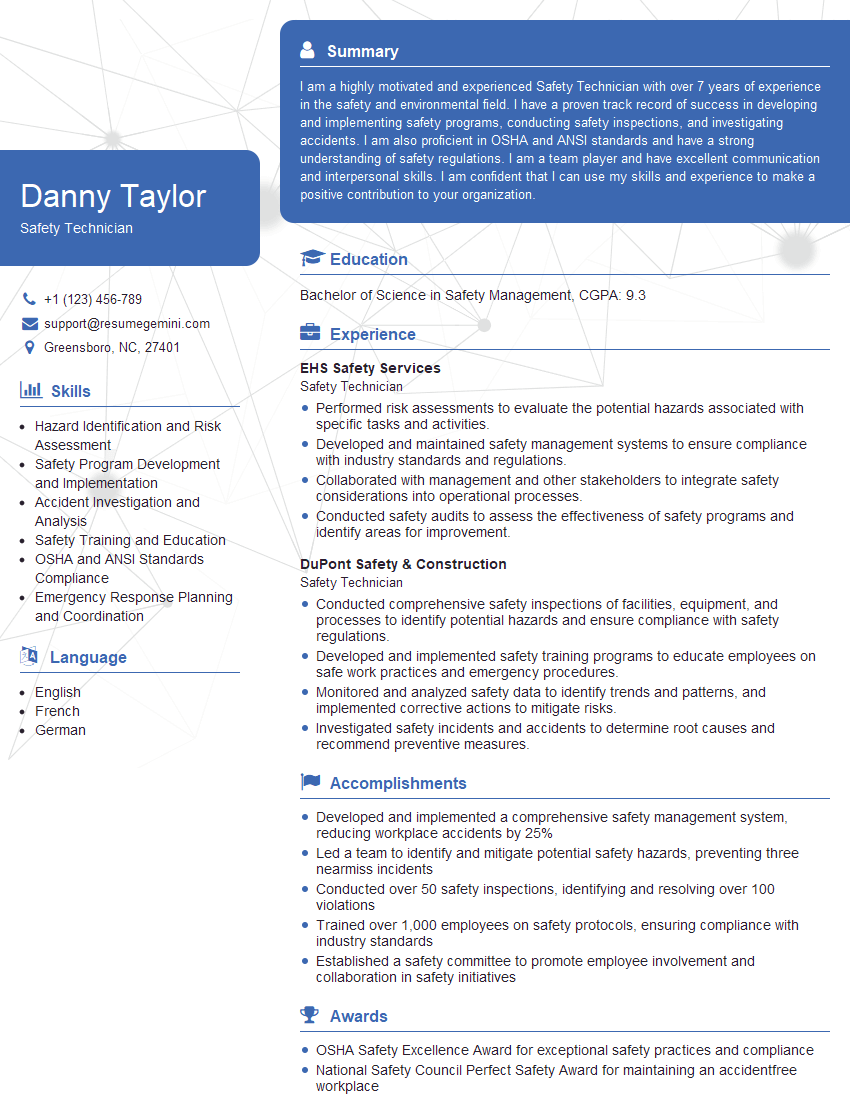
Safety Technician Resume Sample
- Safety Manager
- Safety Director
- Safety Coordinator
- Risk Manager
- Loss Prevention Specialist
- Environmental Safety Specialist
- Process Safety Engineer
- Safety and Health Consultant
- Safety Consultant
- Safety Engineer
- Ergonomist
- Industrial Hygienist
- Occupational Health and Safety Specialist
- Safety Technician
Explore more articles
Users Rating of Our Blogs
Share Your Experience
We value your feedback! Please rate our content and share your thoughts (optional).
What Readers Say About Our Blog
To the interviewgemini.com Webmaster.
Very helpful and content specific questions to help prepare me for my interview!
Thank you
To the interviewgemini.com Webmaster.
This was kind of a unique content I found around the specialized skills. Very helpful questions and good detailed answers.
Very Helpful blog, thank you Interviewgemini team.