The thought of an interview can be nerve-wracking, but the right preparation can make all the difference. Explore this comprehensive guide to Safety Protocols for Oil Fields interview questions and gain the confidence you need to showcase your abilities and secure the role.
Questions Asked in Safety Protocols for Oil Fields Interview
Q 1. Explain the hierarchy of controls in relation to oil field safety.
The hierarchy of controls in oil field safety is a prioritized approach to risk mitigation, aiming to eliminate hazards entirely before relying on less effective controls. It follows a structured sequence, starting with the most effective and progressing to the least:
- Elimination: This involves completely removing the hazard. For example, replacing a hazardous chemical with a safer alternative or redesigning equipment to remove pinch points.
- Substitution: Replacing a hazardous substance or process with a less hazardous one. Instead of using a highly flammable solvent, a less flammable one could be used.
- Engineering Controls: Implementing physical changes to the workplace to reduce exposure to hazards. This might include installing guards on machinery, implementing interlocks to prevent simultaneous operation of incompatible equipment, or installing emergency shut-off systems.
- Administrative Controls: Implementing procedures and rules to manage risk. This includes things like job safety analyses (JSAs), permit-to-work systems, training programs, and establishing clear lines of communication.
- Personal Protective Equipment (PPE): Providing workers with protective gear like hard hats, safety glasses, hearing protection, and flame-resistant clothing. This is the least effective control, as it protects the individual rather than addressing the hazard itself and should always be a last resort.
Think of it like a ladder: You always want to climb as high as possible – elimination being the top rung – to minimize risk. Relying on PPE alone is like standing at the bottom of the ladder; it offers some protection, but far less than implementing engineering or administrative controls.
Q 2. Describe your experience with HAZOP studies.
I have extensive experience conducting HAZOP (Hazard and Operability) studies across various oil and gas facilities. My involvement typically includes participating in multidisciplinary teams, facilitating brainstorming sessions, and meticulously documenting identified hazards and recommended mitigations. I’m proficient in applying HAZOP methodology to process flow diagrams (PFDs) and piping and instrumentation diagrams (P&IDs). For example, in one project involving a new offshore platform, our HAZOP study identified a potential for overpressure in a critical pipeline section due to an unanticipated failure of a pressure relief valve. This led to the implementation of additional redundant safety systems and enhanced operator training, significantly reducing the risk of a catastrophic event.
I’m familiar with using HAZOP guide words such as ‘no,’ ‘more,’ ‘less,’ ‘part of,’ ‘reverse,’ and ‘other’ to systematically challenge the design and operation of systems. My experience also encompasses the development and management of HAZOP reports, ensuring clear and concise communication of findings and recommended actions to relevant stakeholders. This experience has equipped me with the ability to ensure the safety of operational designs and refine them before any potential incident occurs.
Q 3. What are the key elements of a comprehensive risk assessment?
A comprehensive risk assessment identifies potential hazards, analyzes their likelihood of occurrence, and determines the severity of potential consequences. Key elements include:
- Hazard Identification: This involves systematically identifying all potential hazards associated with a specific task or process. Techniques include checklists, brainstorming, HAZOP studies, and site inspections.
- Risk Analysis: This step involves determining the likelihood of each identified hazard occurring and the severity of the potential consequences. Often, a risk matrix is used to categorize risks based on a combination of likelihood and severity.
- Risk Evaluation: Once the risks are analyzed, they are evaluated against predetermined criteria. This helps prioritize risks based on their overall significance.
- Risk Control: This focuses on implementing appropriate control measures to reduce or eliminate the identified risks according to the hierarchy of controls (elimination, substitution, engineering controls, administrative controls, PPE).
- Monitoring and Review: The effectiveness of the implemented controls should be regularly monitored and the risk assessment should be reviewed and updated as needed.
For instance, a risk assessment for a wellhead operation would identify hazards such as well blowouts, equipment failure, and fire. By analyzing likelihood and severity, we could prioritize controls like implementing pressure monitoring systems and providing appropriate fire suppression equipment.
Q 4. How do you conduct a Job Safety Analysis (JSA)?
A Job Safety Analysis (JSA) is a systematic process for identifying hazards and implementing controls associated with a specific job task. Here’s how it’s conducted:
- Select the Job: Identify the specific job task to be analyzed.
- Break Down the Job: Divide the task into smaller, sequential steps.
- Identify Potential Hazards: For each step, identify potential hazards (e.g., slips, trips, falls, electrical shock, exposure to hazardous materials).
- Identify Existing Controls: Determine what controls are currently in place to mitigate the identified hazards.
- Evaluate Existing Controls: Determine whether the existing controls are adequate to sufficiently mitigate the risks.
- Recommend Additional Controls: If the existing controls are inadequate, recommend additional controls to reduce or eliminate the risks, using the hierarchy of controls.
- Document Findings: Document the job steps, identified hazards, existing and recommended controls in a JSA form.
- Train Employees: Train employees on the identified hazards and control measures outlined in the JSA.
- Review and Update: Regularly review and update the JSA, especially after incidents or changes to the job procedure.
For example, a JSA for changing a pump gasket might include steps like isolating power, locking out/tagging out the equipment, wearing appropriate PPE, and using proper lifting techniques. The JSA would then detail hazards for each step and appropriate controls.
Q 5. What are the common causes of accidents in oil fields?
Common causes of accidents in oil fields are multifaceted and often stem from a combination of factors. Some of the most prevalent include:
- Human Error: This is a significant contributor and encompasses aspects like inadequate training, fatigue, complacency, and lack of adherence to procedures. A failure to follow proper lockout/tagout procedures during maintenance, for example, can have disastrous consequences.
- Equipment Failure: Mechanical failures, lack of proper maintenance, and inadequate inspection programs can lead to accidents. A sudden pipe rupture, for example, could cause a significant release of hazardous substances.
- Process Hazards: These include issues like uncontrolled releases of hydrocarbons, fire and explosion risks, and exposure to hazardous substances. Poorly designed processes or equipment, lack of adequate safety systems, and improper operation can be contributing factors.
- Environmental Factors: Extreme weather conditions, challenging terrain, and difficult working conditions can increase the likelihood of accidents. For instance, working in stormy conditions on an offshore platform can create high-risk scenarios.
- Lack of Communication: Effective communication is vital for safety. Poor communication among team members can lead to mishaps, particularly during emergency situations.
It’s crucial to remember that accidents are rarely caused by a single factor but rather a combination of contributing factors. Investigating accidents thoroughly helps determine the root causes and implement effective preventive measures.
Q 6. Explain your understanding of permit-to-work systems.
Permit-to-work systems are formal documented procedures used to control potentially hazardous activities. They ensure that hazardous work is carried out safely by authorizing only qualified personnel to perform the task after a thorough risk assessment and the implementation of necessary precautions.
The system typically involves a series of steps:
- Application: A worker applies for a permit to undertake hazardous work, outlining the task and associated risks.
- Review and Approval: A competent person reviews the application, verifying the risks are understood and adequate controls are in place before authorizing the permit.
- Issuance: The permit is issued, including details of the job, safety precautions, and authorization signatures.
- Execution: The work is carried out strictly according to the permit conditions.
- Closure: Once the work is completed, the permit is closed out, verifying completion and that all hazards have been eliminated or mitigated.
Permit-to-work systems are critical in controlling high-risk activities such as hot work (welding, cutting), confined space entry, and working at heights. It’s a fundamental element of safety management in oil and gas operations, reducing the likelihood of incidents through a controlled and documented approach.
Q 7. Describe your experience with incident investigation and reporting.
My experience in incident investigation and reporting involves applying a systematic approach to understand the root causes of incidents and to prevent recurrence. This includes:
- Immediate Response: Securing the scene, ensuring the safety of personnel, and providing first aid where necessary.
- Data Collection: Gathering evidence such as witness statements, photographs, video footage, equipment logs, and relevant documentation. This stage is vital in reconstructing the sequence of events.
- Root Cause Analysis: Employing techniques like the ‘5 Whys’ or fault tree analysis to delve beyond immediate causes and identify underlying systemic issues.
- Corrective Actions: Based on the root cause analysis, developing and implementing corrective actions to prevent similar incidents from happening again. This can include procedural changes, equipment upgrades, or additional training.
- Reporting: Preparing detailed and factual incident reports, ensuring timely communication to relevant stakeholders, and regulatory compliance.
In one particular incident investigation, a seemingly minor equipment malfunction resulted in a significant near-miss. Through thorough investigation, we discovered a lack of routine maintenance and a gap in the inspection program. Implementing improved maintenance procedures and enhanced training on inspection protocols effectively mitigated the identified risk, preventing a more serious incident in the future. This highlights that even seemingly small events can offer valuable insights to improve safety performance.
Q 8. How do you ensure compliance with relevant safety regulations?
Ensuring compliance with safety regulations in oil fields is paramount. It’s not just about ticking boxes; it’s about creating a safety culture. This involves a multi-pronged approach:
- Regular Audits and Inspections: We conduct frequent, rigorous audits and inspections, comparing our practices against the relevant regulations (OSHA, API, and company-specific standards). These are documented meticulously, with any non-compliances immediately addressed through corrective actions and preventative measures. For example, we might check the calibration of safety equipment like gas detectors monthly.
- Training and Competency Assessments: All personnel, from senior management to field workers, receive comprehensive safety training tailored to their roles. This includes theoretical knowledge, practical demonstrations, and regular competency assessments to ensure ongoing skills. We don’t just hand out manuals; we ensure understanding through interactive sessions and real-world simulations.
- Incident Reporting and Investigation: A robust system for reporting near misses and incidents is crucial. These aren’t just filed away; each event triggers a thorough investigation to identify root causes and implement corrective actions to prevent recurrence. We use a structured approach like the ‘5 Whys’ to get to the bottom of each incident.
- Safety Meetings and Communication: Regular safety meetings at all levels facilitate open communication, allowing employees to raise concerns and share best practices. This fosters a collaborative environment where safety is everyone’s responsibility.
- Data Analysis and Performance Monitoring: We continuously monitor safety performance indicators like Total Recordable Incident Rate (TRIR) and Lost Time Incident Rate (LTIR) to track progress and identify areas needing improvement. This data-driven approach helps target our resources effectively.
Q 9. What is your experience with emergency response planning and drills?
Emergency response planning is the backbone of oil field safety. My experience encompasses developing and executing comprehensive plans, including:
- Scenario Planning: We anticipate potential emergencies – fires, explosions, spills, medical emergencies – and develop detailed response plans for each, outlining roles, responsibilities, and procedures.
- Emergency Drills and Exercises: Regular, realistic drills and exercises test the effectiveness of our plans and personnel readiness. These aren’t just theoretical exercises; we simulate actual emergencies, assessing communication, evacuation procedures, and equipment functionality. For example, we recently conducted a full-scale fire drill involving the local fire department.
- Emergency Equipment and Procedures: We ensure all emergency equipment – fire extinguishers, spill response kits, first aid supplies – is readily accessible, properly maintained, and our personnel are trained in their use. We emphasize proper inspections and testing of this equipment.
- Communication Systems: We rely on robust communication systems – radios, emergency sirens, and dedicated communication lines – to ensure seamless coordination during an emergency. We test this infrastructure regularly to ensure reliability.
- Post-Incident Analysis: After any emergency, we conduct a thorough post-incident analysis to identify areas for improvement in our response plans and procedures. This learning-based approach is crucial for continuous improvement.
Q 10. Describe your knowledge of well control procedures.
Well control procedures are critical to preventing catastrophic events. My understanding covers the entire spectrum, from preventative measures to emergency response:
- Preventative Measures: This includes proper well design, use of appropriate equipment, regular inspections of wellheads and associated equipment, and adherence to strict operating procedures.
- Emergency Shutdown Procedures: Knowing how to safely shut down a well in various emergency situations (e.g., kicks, blowouts) is essential. This involves understanding the different types of well control equipment (e.g., blowout preventers – BOPs) and their operation.
- Kill Operations: Understanding how to kill a well (stop the flow of hydrocarbons) using various techniques (e.g., positive pressure kill, negative pressure kill) is fundamental. This requires knowledge of mud weights, hydrostatic pressure, and wellbore geometry.
- Well Control Equipment Maintenance and Testing: Regular testing and maintenance of well control equipment is critical. This isn’t just a routine task; it’s a safety-critical procedure requiring specialized training and certification.
- Emergency Response Procedures: In the event of a well control incident, a coordinated emergency response is essential. This involves activating the emergency response plan, evacuating personnel, and contacting emergency services.
Think of it like this: well control procedures are the safety net for an oil well. A single failure in this system could have devastating consequences.
Q 11. How do you identify and mitigate human factors risks?
Human factors are often the root cause of many incidents in the oil and gas industry. Identifying and mitigating these risks requires a proactive approach:
- Hazard Identification and Risk Assessment: We use techniques like Job Safety Analysis (JSA) and HAZOP (Hazard and Operability Study) to identify potential human factors risks, such as fatigue, complacency, and inadequate training.
- Behavioral-Based Safety (BBS): BBS programs focus on observing and reinforcing safe behaviors, and addressing unsafe acts promptly. This fosters a culture of safety awareness and promotes proactive hazard identification.
- Fatigue Management: Implementing strategies to manage worker fatigue, such as rotating shifts, providing adequate rest periods, and monitoring worker alertness, is critical. Fatigue is a significant risk factor that can lead to mistakes.
- Training and Competency: Regular training, including refresher courses and competency assessments, ensures workers possess the necessary skills and knowledge to perform their tasks safely.
- Ergonomics and Workplace Design: Designing the workplace to minimize physical strain and discomfort reduces the likelihood of injuries and accidents. A comfortable and well-designed work environment reduces human error.
- Communication and Teamwork: Clear communication and effective teamwork are essential for preventing incidents. We foster an environment where everyone feels comfortable reporting near misses or concerns.
Q 12. Explain your understanding of lockout/tagout procedures.
Lockout/Tagout (LOTO) procedures are vital for preventing accidental energy release during maintenance or repair work. It’s a structured process that ensures equipment is completely isolated from energy sources before work commences:
- Planning and Preparation: Before starting any work, a thorough risk assessment is performed to identify all energy sources and potential hazards. A detailed LOTO plan is developed, outlining the steps required to isolate the equipment safely.
- Energy Isolation: All energy sources (electrical, hydraulic, pneumatic, etc.) are isolated using appropriate lockout devices. The equipment is then visually inspected to verify the isolation.
- Tagging: Once isolated, each lockout device is tagged with a clearly visible tag indicating the worker’s name, the date, and the reason for the lockout.
- Verification: Before any work commences, the worker verifies that the equipment is completely de-energized using approved testing methods.
- Tag Removal: Only the worker who applied the lockout devices can remove them, ensuring no accidental re-energizing occurs. This must be done only after verifying that the work is complete and the area is safe.
LOTO isn’t just a procedure; it’s a life-saving practice that prevents serious injury or death. It’s a fundamental safety requirement that must be rigorously followed.
Q 13. What is your experience with confined space entry procedures?
Confined space entry is inherently hazardous. My experience involves strict adherence to established procedures to minimize risks:
- Permit-Required Confined Space Program: We follow a strict permit-required confined space program, mandating a detailed permit for each entry, outlining the hazards, precautions, and emergency procedures.
- Atmospheric Monitoring: Before entry, the atmosphere is tested for oxygen levels, flammable gases, and toxic substances. Continuous monitoring may be required during the entry.
- Ventilation: Adequate ventilation is essential to ensure a safe atmosphere for workers inside the confined space. This may involve mechanical ventilation systems or purging the space with inert gas.
- Entry and Rescue Procedures: Procedures for safe entry and rescue are established, including use of appropriate personal protective equipment (PPE), communication systems, and standby personnel.
- Emergency Response: A clear emergency response plan is in place in case of incidents inside the confined space, outlining procedures for evacuation and rescue. This often includes a rescue team trained and equipped for confined space rescue.
- Training: All personnel involved in confined space entry, including entrants, attendants, and supervisors, receive extensive training on the hazards, procedures, and emergency response plans.
Confined space entry is never taken lightly; it’s a high-risk activity requiring meticulous planning and execution.
Q 14. How do you manage contractor safety on an oil field site?
Managing contractor safety is crucial, as contractors often work alongside our own employees. It’s vital to ensure their safety performance is on par with our own standards:
- Pre-qualification: We rigorously pre-qualify contractors, assessing their safety records, insurance coverage, and their compliance with relevant regulations. We don’t just accept the lowest bid; we prioritize safety.
- Safety Orientation: Before commencing work, contractors are given a comprehensive safety orientation tailored to our site-specific hazards and procedures. This orientation covers our safety rules, emergency procedures, and required PPE.
- Joint Safety Planning: We collaborate with contractors on joint safety planning, integrating their work into our overall safety management system. This ensures a cohesive approach to safety.
- Site Inspections: We conduct regular site inspections to monitor contractor safety performance, addressing any non-compliances immediately. This ensures our contractors follow the same high standards as our own personnel.
- Incident Reporting: Contractors are expected to report all incidents, near misses, and unsafe conditions promptly, following the same reporting procedures as our employees. This transparency is crucial for continuous improvement.
- Performance Monitoring: We monitor contractor performance based on their safety record, compliance with our safety requirements, and responsiveness to identified hazards. We don’t hesitate to take action, including contract termination, if their performance falls below our standards.
Q 15. Describe your experience with personal protective equipment (PPE).
My experience with Personal Protective Equipment (PPE) is extensive, encompassing selection, training, and enforcement within various oil field environments. I understand that PPE is the first line of defense against hazards. This includes selecting the appropriate PPE for specific tasks, ensuring it’s properly fitted and maintained, and enforcing its consistent use. For instance, I’ve implemented programs requiring hard hats, safety glasses, high-visibility clothing, and flame-resistant garments in all areas, especially near active equipment or potential fire hazards. In high-risk situations like confined space entry, we use specialized PPE such as respirators and fall protection harnesses, always accompanied by detailed risk assessments and thorough training on proper usage and limitations. Regular inspections of PPE are crucial, and we maintain detailed records to ensure compliance and track replacements. I’ve also overseen the implementation of PPE specific to hazardous materials, adapting the selection and training based on the specific chemical involved, aligning with the standards of OSHA (Occupational Safety and Health Administration) and other relevant regulations.
Career Expert Tips:
- Ace those interviews! Prepare effectively by reviewing the Top 50 Most Common Interview Questions on ResumeGemini.
- Navigate your job search with confidence! Explore a wide range of Career Tips on ResumeGemini. Learn about common challenges and recommendations to overcome them.
- Craft the perfect resume! Master the Art of Resume Writing with ResumeGemini’s guide. Showcase your unique qualifications and achievements effectively.
- Don’t miss out on holiday savings! Build your dream resume with ResumeGemini’s ATS optimized templates.
Q 16. Explain your knowledge of fire safety and prevention.
Fire safety and prevention are paramount in oil field operations. My knowledge extends across several key areas, including hazard identification and risk assessment, fire prevention measures, and emergency response protocols. We conduct regular fire safety inspections, checking for potential ignition sources like leaks, faulty equipment, or improper storage of flammable materials. We enforce strict regulations concerning hot work permits (requiring detailed procedures and fire watch), implement robust fire suppression systems (including sprinkler systems and fire extinguishers strategically placed throughout the facility), and maintain readily accessible emergency exits. I have extensive experience in developing and delivering fire safety training, covering topics such as fire prevention, extinguisher usage, emergency evacuation procedures, and the importance of early detection and reporting. In one instance, a proactive inspection led to the early detection of a minor electrical fault that, if left unattended, could have ignited highly flammable materials. This highlights the importance of proactive measures and the significant role of consistent fire safety audits.
Q 17. How do you conduct safety training for oil field workers?
Safety training for oil field workers is a multi-faceted process I approach with a combination of classroom learning and hands-on practical training. The curriculum includes hazard identification, risk assessment, specific PPE requirements, emergency response procedures (including fire safety and first aid), and safe work practices relevant to the worker’s job description. We utilize various training methods, including interactive presentations, videos, simulations, and role-playing exercises. For example, we regularly conduct practical demonstrations of emergency equipment use, such as fire extinguishers and emergency shut-off valves. Regular refresher courses and targeted training for specific tasks ensure that knowledge is updated and reinforced. I emphasize practical application, encouraging questions and open discussion to foster a culture of safety. Documentation of training completion and performance assessments are crucial for maintaining a high standard of safety compliance across all personnel. Finally, I believe in tailoring training to specific roles and risks, ensuring that workers receive the most relevant and effective safety education.
Q 18. What is your experience with safety audits and inspections?
My experience with safety audits and inspections involves a systematic approach to identify and mitigate potential hazards. These audits aren’t just about finding problems; they are about proactively improving safety performance. I utilize checklists aligned with industry best practices and regulatory requirements to thoroughly examine equipment, work practices, and emergency response plans. Inspections cover everything from the condition of PPE to the functionality of safety systems, including pressure relief valves and emergency shutdowns. I document all findings, identify areas for improvement, and follow up to ensure corrective actions are implemented effectively and timely. This includes creating and monitoring improvement plans, tracking compliance, and reporting progress to management. I’ve led audits that uncovered previously undetected risks, leading to modifications in operational procedures and preventing potential accidents. This data-driven approach informs better risk mitigation strategies and promotes a continuous improvement cycle for safety.
Q 19. Describe your experience with environmental regulations in the oil and gas industry.
My understanding of environmental regulations in the oil and gas industry is comprehensive. I’m well-versed in regulations related to air emissions, wastewater discharge, waste management, and spill prevention and control. This includes knowledge of relevant permits, reporting requirements, and compliance procedures. I have direct experience in developing and implementing environmental management plans, ensuring adherence to federal, state, and local environmental regulations. For example, I’ve implemented programs for monitoring and controlling emissions, including regular testing and reporting to regulatory bodies. I’ve also managed hazardous waste disposal procedures, ensuring compliance with all relevant laws and regulations. We employ best practices in spill prevention and response, and I’ve been involved in several emergency spill response exercises and drills, ensuring the team is well-equipped to handle environmental incidents effectively and efficiently. Maintaining detailed records and conducting regular environmental audits are key to sustaining compliance and minimizing environmental impact.
Q 20. Explain your understanding of the importance of safety culture.
A strong safety culture is not just a set of rules; it’s a shared belief and commitment to safety at all levels of the organization. It’s about fostering a working environment where everyone feels responsible for their own safety and the safety of their colleagues. This begins with visible leadership commitment and active participation from management in all safety initiatives. It involves open communication, where employees feel empowered to report hazards and concerns without fear of retribution. Regular safety meetings, training sessions, and recognition programs reinforce the importance of safety and celebrate achievements. I’ve seen firsthand how a strong safety culture leads to reduced accidents, increased productivity, and improved morale. It’s not just about preventing injuries; it’s about creating a work environment where everyone goes home safe every day. A culture of proactive hazard identification and risk mitigation is crucial to build a truly robust safety-conscious workplace.
Q 21. How would you handle a safety violation on the job site?
Handling a safety violation requires a prompt, fair, and consistent approach. My first step is to investigate the incident thoroughly, gathering all relevant information, including witness statements and any available documentation. This investigation determines the root cause of the violation and identifies any contributing factors. Depending on the severity of the violation, appropriate corrective actions are taken, ranging from verbal warnings to disciplinary measures in accordance with company policies. The focus is not only on addressing the immediate issue but also on preventing future occurrences. This might involve additional training, modification of procedures, or improvements in safety systems. Reporting the incident and the subsequent actions is crucial for transparency and accountability. Documentation of the entire process, including the investigation, corrective actions, and follow-up, is essential for maintaining a comprehensive safety record and demonstrating compliance with regulatory requirements.
Q 22. Describe a time you had to make a difficult safety decision.
During a well completion operation, we encountered unexpectedly high pressure. The initial pressure readings were within acceptable limits, but as we progressed, the pressure surged alarmingly. My team and I were faced with a critical decision: proceed cautiously, risking a potential blowout, or immediately shut down operations and investigate. Shutting down meant significant cost implications and project delays, but prioritizing safety was paramount. We opted for an immediate shutdown, initiating a thorough pressure test and investigation. This revealed a faulty pressure gauge, which could have resulted in a serious incident. Although delaying the project was difficult, avoiding a potential blowout and ensuring the safety of our personnel ultimately proved to be the correct and more valuable decision.
Q 23. What are the key performance indicators (KPIs) for oil field safety?
Key Performance Indicators (KPIs) for oil field safety are crucial for monitoring and improving safety performance. They should be measurable and actionable. Some key KPIs include:
- Total Recordable Incident Rate (TRIR): The number of recordable injuries per 200,000 employee hours worked. A lower TRIR indicates better safety performance.
- Lost Time Incident Rate (LTIR): The number of lost-time injuries per 200,000 employee hours worked. This focuses specifically on incidents that result in time off.
- Near Miss Reporting Rate: The number of near misses reported per employee or per project. Encouraging reporting helps identify potential hazards before they cause incidents.
- Safety Training Completion Rate: The percentage of employees who have completed required safety training. Ensuring training completion is crucial for competence.
- Environmental Incidents: The number of environmental incidents, such as spills or releases. This helps track and improve environmental performance, closely linked to operational safety.
Regularly monitoring these KPIs allows for proactive identification of trends and areas needing improvement. These numbers are just one piece of the puzzle; a qualitative assessment of safety culture and observation practices is also incredibly important.
Q 24. How do you use data to improve safety performance?
Data is essential for driving safety improvements. We use various data sources, including incident reports, near miss reports, safety audits, and operational data. This data is analyzed to identify patterns, trends, and root causes of incidents. For example, if we see a spike in hand injuries during a specific task, we can investigate the tools and processes involved, and subsequently implement improvements, such as specialized gloves or new safety procedures. This data-driven approach helps us to:
- Identify high-risk areas: Pinpoint specific activities or locations with a higher incidence of incidents.
- Track progress: Monitor the effectiveness of implemented safety initiatives.
- Target interventions: Focus resources on the most impactful safety improvements.
- Predict potential hazards: Analyze historical data to anticipate future risks.
We use software like Safety Management Software (SMS) to collect, analyze, and visualize this data. These systems often include features for reporting, trend analysis, and data dashboards, allowing us to track progress and make evidence-based decisions.
Q 25. Explain your familiarity with different types of oil field hazards.
Oil field hazards are diverse and can be broadly categorized as:
- Process Hazards: These include explosions, fires, toxic gas releases, and pressure surges. These are often related to the handling of hydrocarbons and other flammable or toxic substances.
- Mechanical Hazards: These include rotating equipment (drilling rigs, pumps), heavy machinery, and high-pressure systems. The risk here is from crushing, cutting, or impact injuries.
- Electrical Hazards: Working with high-voltage equipment, exposed wires, and potential for electrical shocks pose a considerable threat.
- Environmental Hazards: Exposure to extreme weather conditions, heat stress, and hazardous substances in the environment presents risks to personnel.
- Ergonomic Hazards: Prolonged periods of strenuous work, repetitive motions, and awkward postures can lead to musculoskeletal injuries.
Understanding these hazards and their potential consequences is fundamental to developing effective safety protocols and training. Each hazard requires specific control measures and personal protective equipment (PPE) to mitigate the risk.
Q 26. How do you communicate safety information effectively?
Effective communication is the backbone of a strong safety culture. We use a multi-pronged approach:
- Toolbox Talks: Short, informal safety discussions held before the start of work, addressing specific hazards and safety precautions for the day’s tasks.
- Safety Meetings: Regular meetings with the entire team to discuss safety performance, address concerns, and reinforce best practices.
- Training Programs: Comprehensive training programs covering hazard identification, risk assessment, emergency response procedures, and the use of PPE.
- Written Communication: Safety alerts, procedures, and updates are communicated through written documentation ensuring clarity and record-keeping.
- Visual Communication: Signage, posters, and visual aids are used to reinforce safety messages in the workplace.
Using diverse methods ensures that safety information is clearly understood and remembered by all personnel, regardless of language or literacy levels. Feedback mechanisms, such as safety suggestion boxes and reporting systems, are critical for open communication and continuous improvement.
Q 27. What software or tools are you familiar with for safety management?
I am familiar with several software and tools used for safety management, including:
- Safety Management Software (SMS): This type of software allows for incident reporting, investigation tracking, training management, and data analysis. Examples include
[Software Name 1]and[Software Name 2]. (Note: Replace bracketed placeholders with actual software names.) - Risk Assessment Software: Software designed to facilitate risk assessment methodologies like HAZOP (Hazard and Operability Study) and Bow-Tie analysis. These tools help identify and evaluate potential hazards systematically.
- Permit-to-Work Systems (PTW): Software that manages work permits, ensuring hazardous tasks are performed safely and under controlled conditions.
- Document Management Systems: Tools to ensure efficient storage and retrieval of safety-related documents such as procedures, training materials, and incident reports.
Proficiency in these tools is essential for effective safety management and data-driven decision-making in the oil and gas industry. The choice of specific software is often dictated by the scale and complexity of operations.
Q 28. Describe your experience with developing and implementing safety programs.
I have extensive experience in developing and implementing safety programs, from initial assessments to ongoing monitoring and improvement. This typically involves:
- Hazard Identification and Risk Assessment: Conducting thorough hazard identification through methods like Job Safety Analyses (JSAs) and HAZOP studies to determine the risks associated with specific tasks and operations.
- Development of Safety Procedures and Training Programs: Creating detailed safety procedures and training programs tailored to the specific hazards identified. This includes both theoretical instruction and practical training exercises.
- Implementation of Safety Management Systems (SMS): Implementing and maintaining a comprehensive SMS, integrating elements such as incident reporting, investigation, corrective action, and continuous improvement.
- Emergency Response Planning: Developing and regularly practicing emergency response plans for various scenarios, including fires, spills, and medical emergencies.
- Performance Monitoring and Improvement: Regularly monitoring safety KPIs, conducting safety audits, and using data to identify areas for improvement. Implementing corrective and preventative actions based on the findings of these reviews.
My approach emphasizes collaboration, clear communication, and a data-driven methodology to ensure the effectiveness and ongoing improvement of safety programs. Building a strong safety culture, where everyone feels responsible for safety, is a key factor in successful implementation.
Key Topics to Learn for Safety Protocols for Oil Fields Interview
- Hazard Identification and Risk Assessment: Understanding methods for identifying potential hazards (e.g., fire, explosion, chemical spills, equipment failure) and evaluating their associated risks. This includes practical application of risk matrices and developing mitigation strategies.
- Emergency Response Procedures: Knowing and applying procedures for various emergency situations, including fire suppression, evacuation plans, first aid, and spill response. Consider practical scenarios and your role in a response team.
- Personal Protective Equipment (PPE): Understanding the selection, proper use, and limitations of different types of PPE, including respirators, safety glasses, flame-resistant clothing, and hearing protection. Be prepared to discuss specific PPE relevant to oil field operations.
- Permit-to-Work Systems: Familiarize yourself with the purpose and application of permit-to-work systems, including hot work permits and confined space entry permits. Understand the associated documentation and safety checks.
- Incident Investigation and Reporting: Learn about the process of investigating incidents, identifying root causes, and implementing corrective actions to prevent recurrence. This includes understanding relevant reporting procedures and documentation.
- Health and Safety Regulations and Compliance: Demonstrate a strong understanding of relevant health and safety regulations and industry best practices. Be ready to discuss specific regulations and their practical application.
- Working at Heights and Confined Spaces: Understand the specific hazards and safety precautions associated with working at heights and in confined spaces, including rescue procedures and safety equipment.
- Hazardous Materials Handling: Familiarize yourself with the safe handling, storage, and transportation of hazardous materials commonly found in oil fields. This includes understanding Safety Data Sheets (SDS) and appropriate handling procedures.
Next Steps
Mastering safety protocols for oil fields is crucial for career advancement in this high-stakes industry. It demonstrates your commitment to safety, a critical aspect valued by all employers. To significantly improve your job prospects, create an ATS-friendly resume that highlights your safety expertise and experience. ResumeGemini is a trusted resource to help you build a professional and impactful resume that catches the eye of recruiters. We provide examples of resumes tailored to Safety Protocols for Oil Fields to guide you. Invest time in crafting a strong resume; it’s your first impression and a key to unlocking exciting career opportunities.
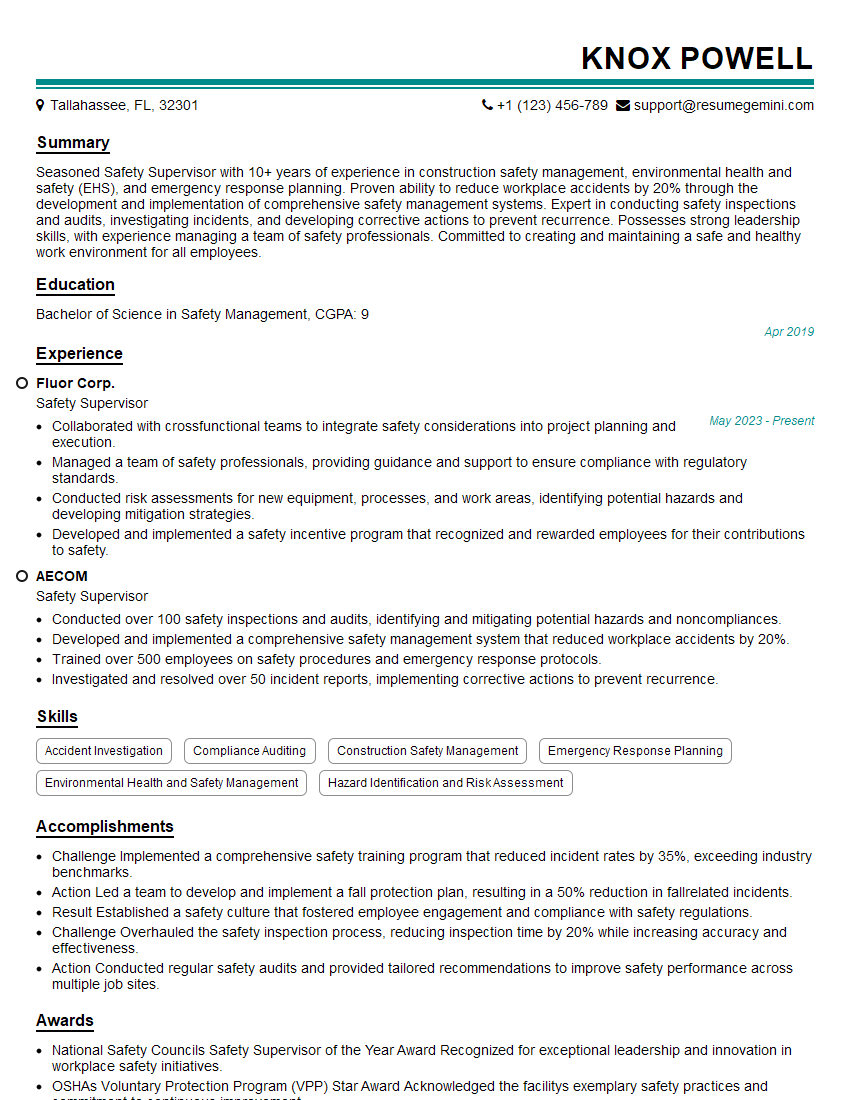
Safety Supervisor Resume Sample

Compliance Officer Resume Sample
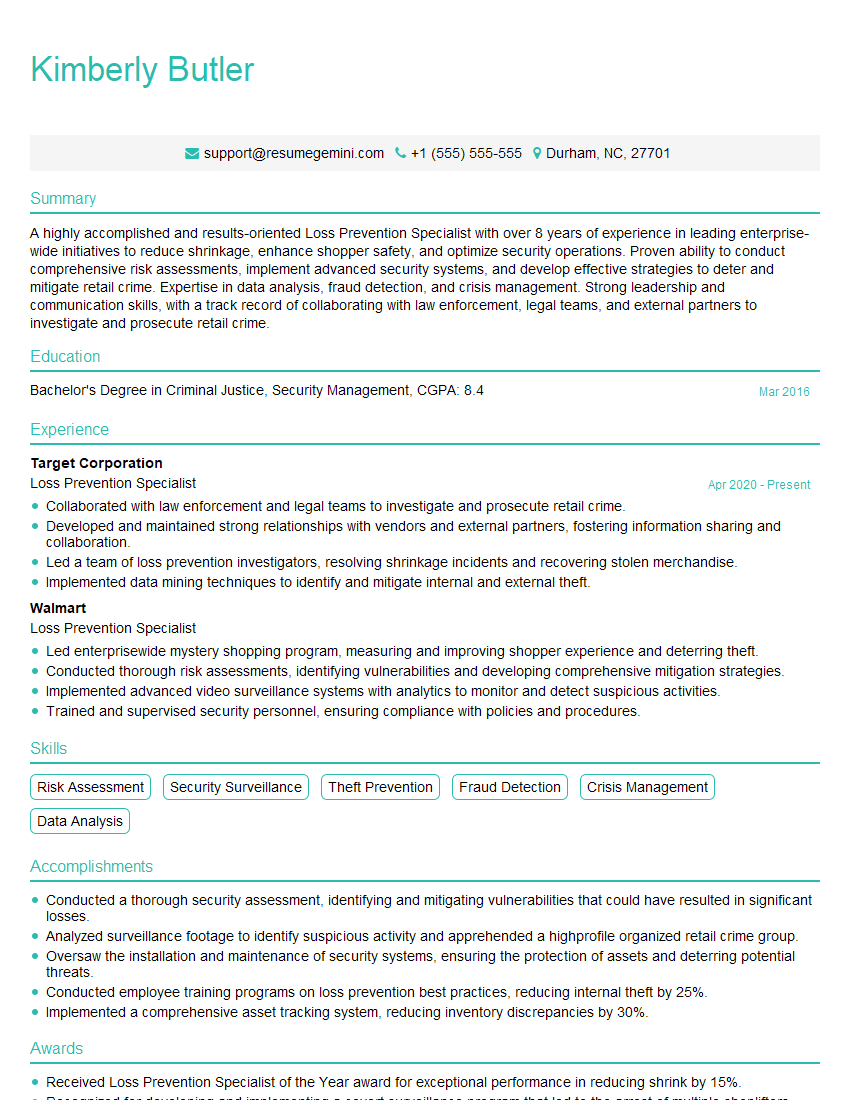
Loss Prevention Specialist Resume Sample
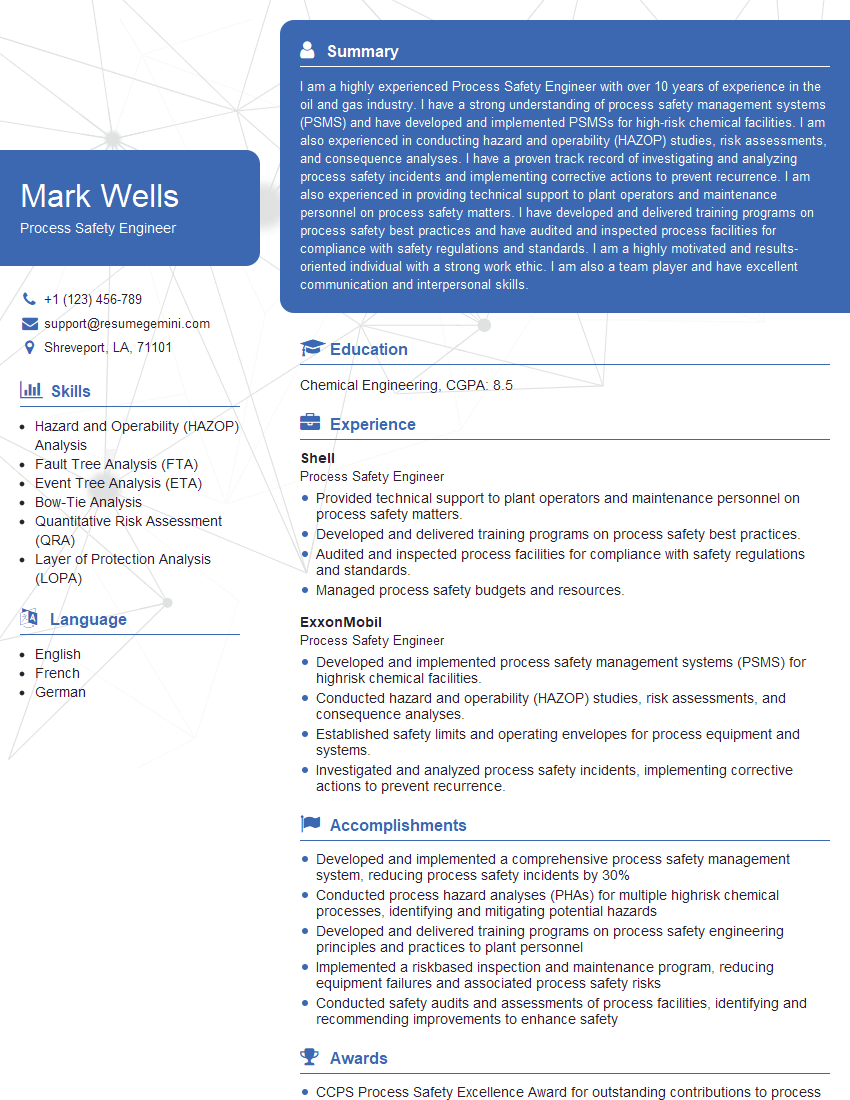
Process Safety Engineer Resume Sample
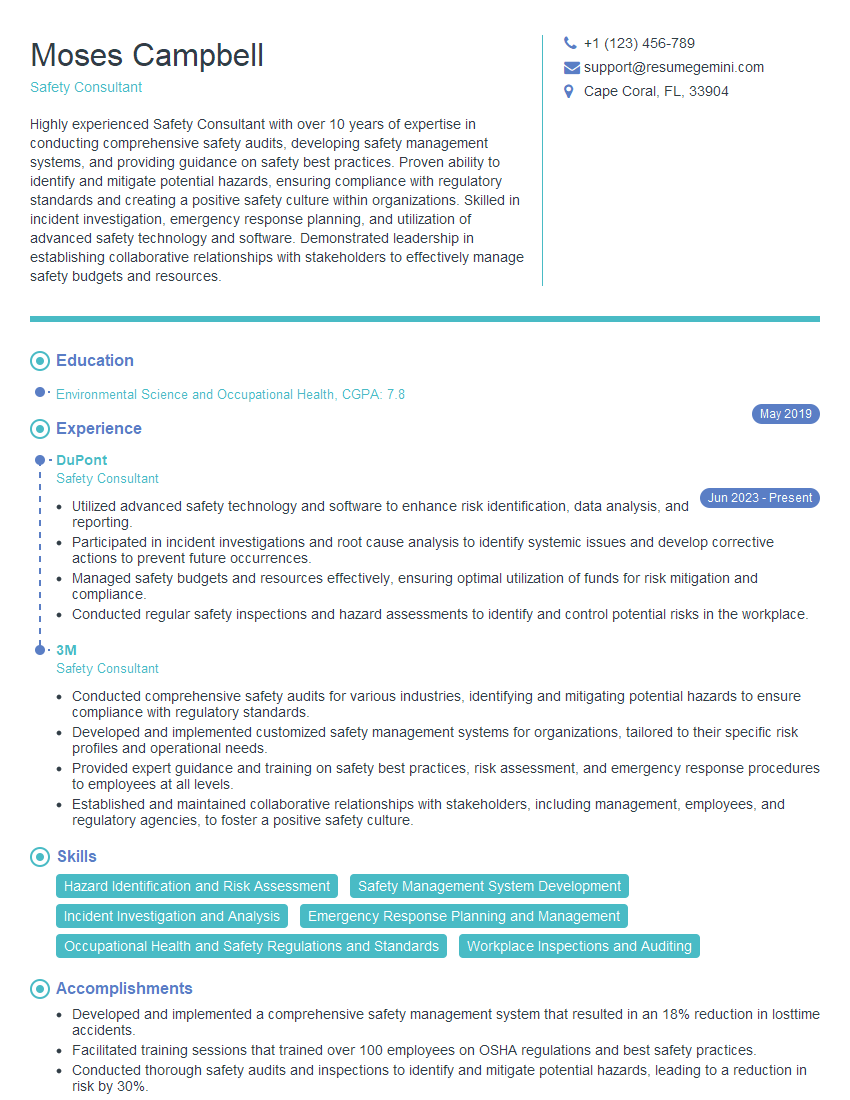
Safety Consultant Resume Sample
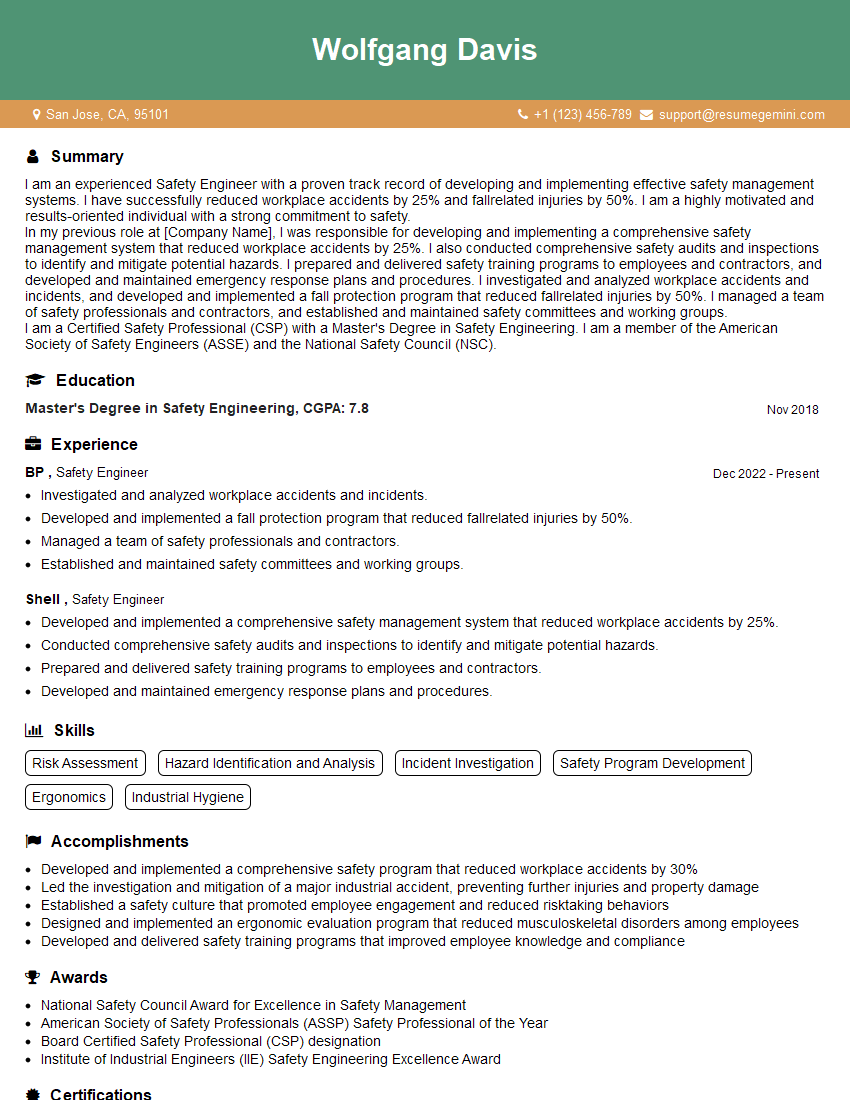
Safety Engineer Resume Sample
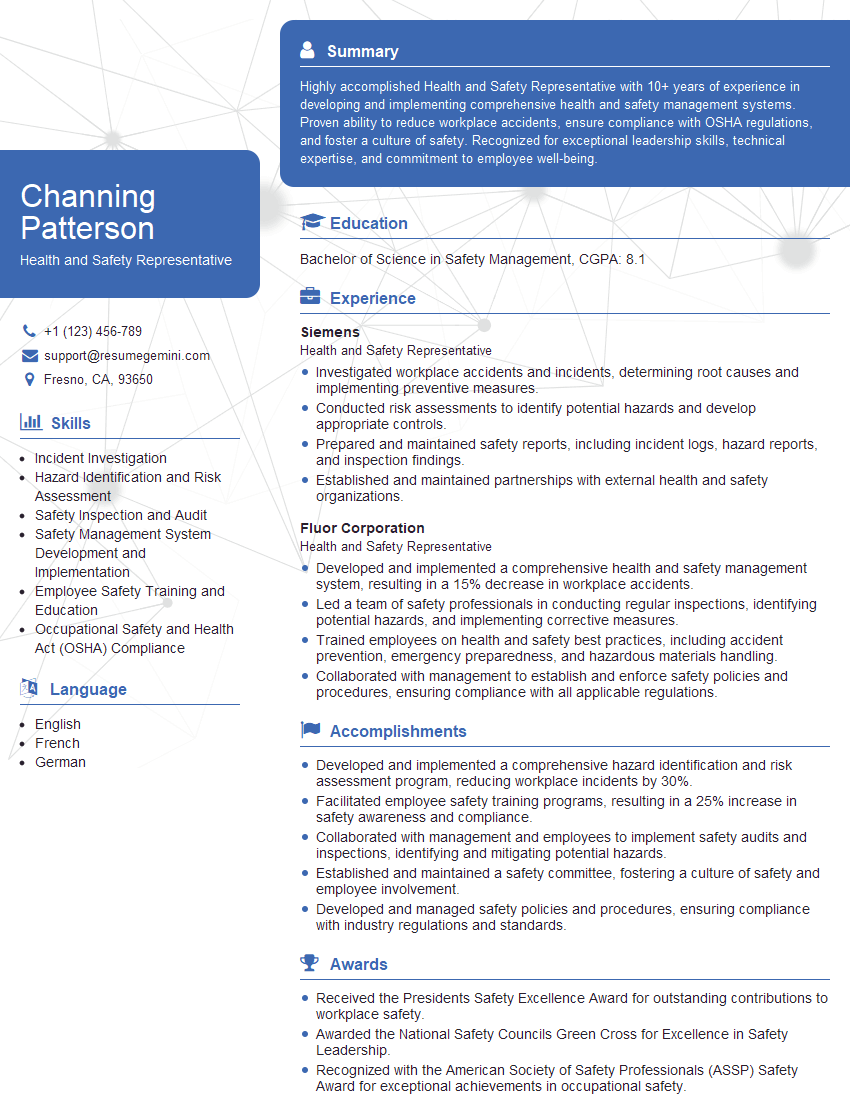
Health and Safety Representative Resume Sample
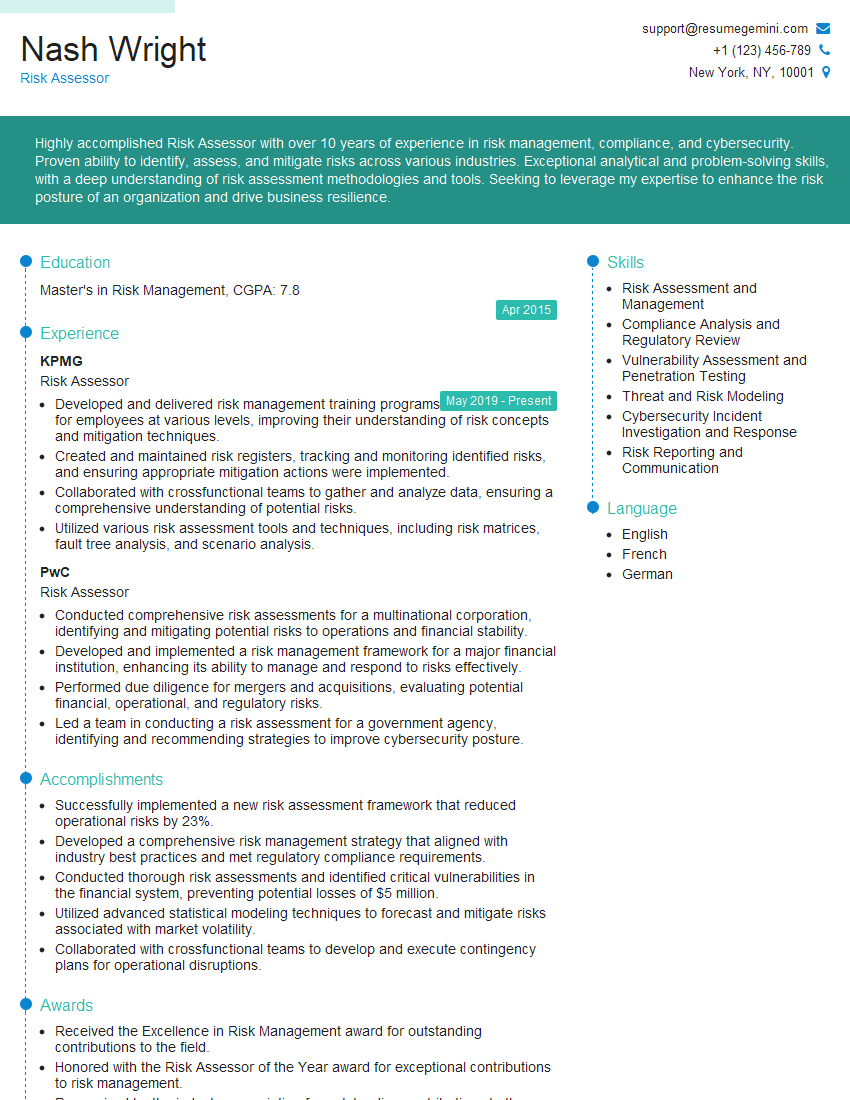
Risk Assessor Resume Sample
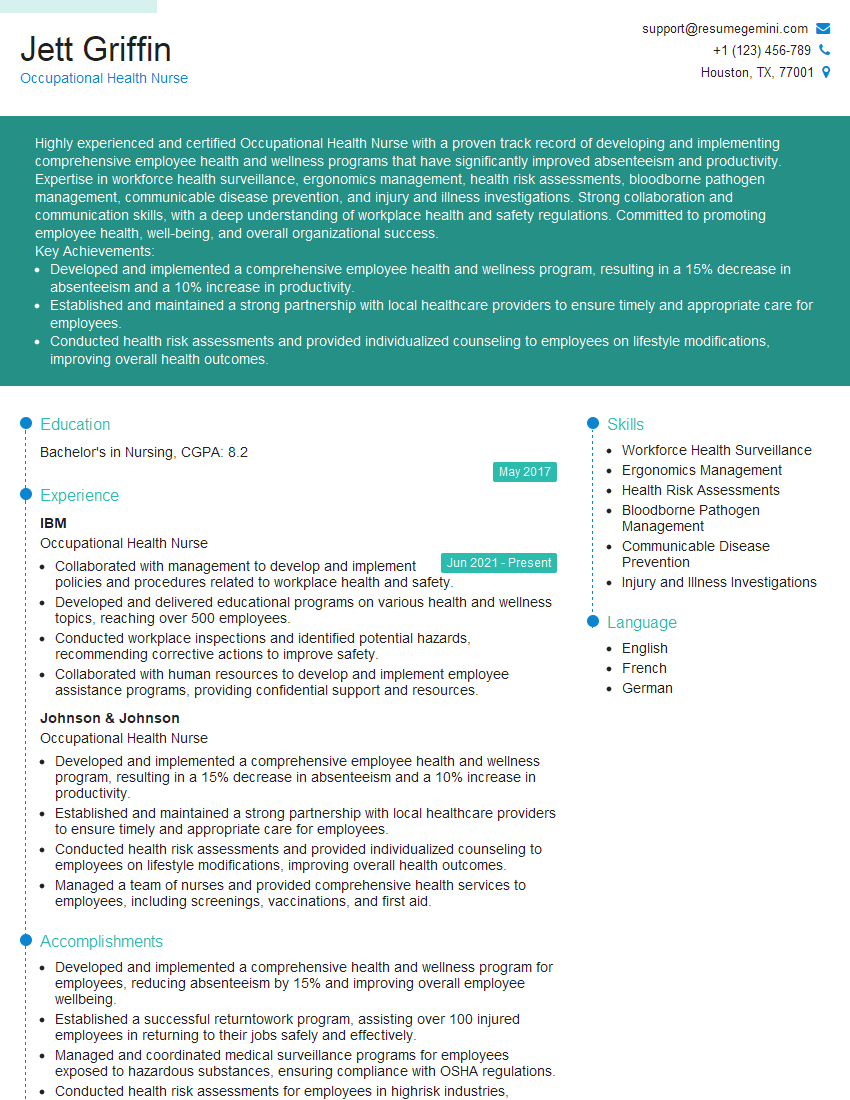
Occupational Health Nurse Resume Sample
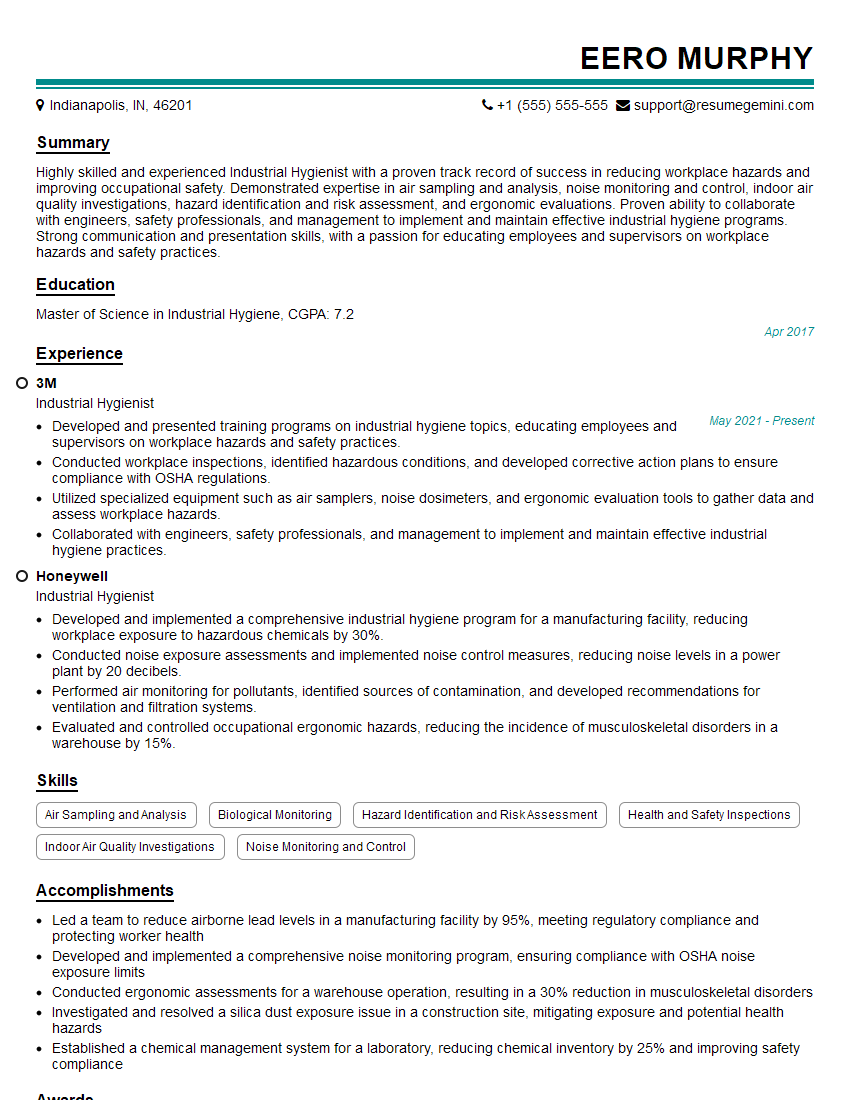
Industrial Hygienist Resume Sample
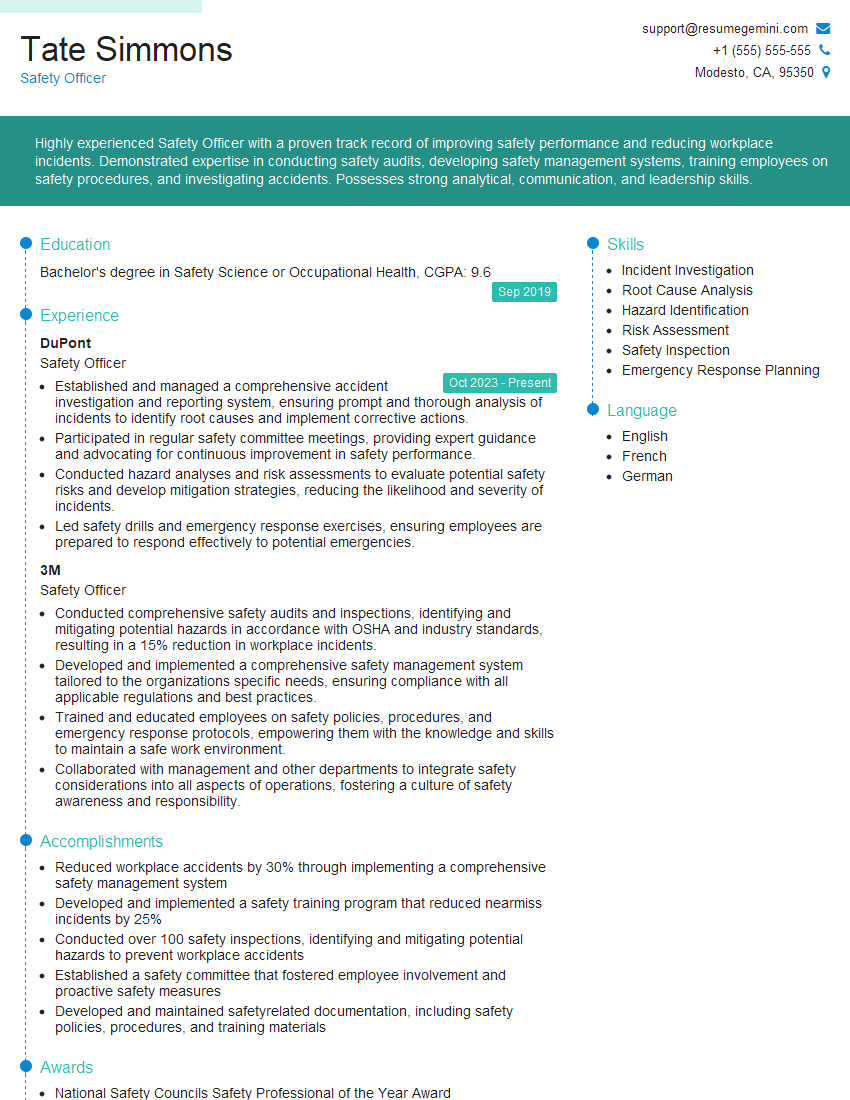
Safety Officer Resume Sample
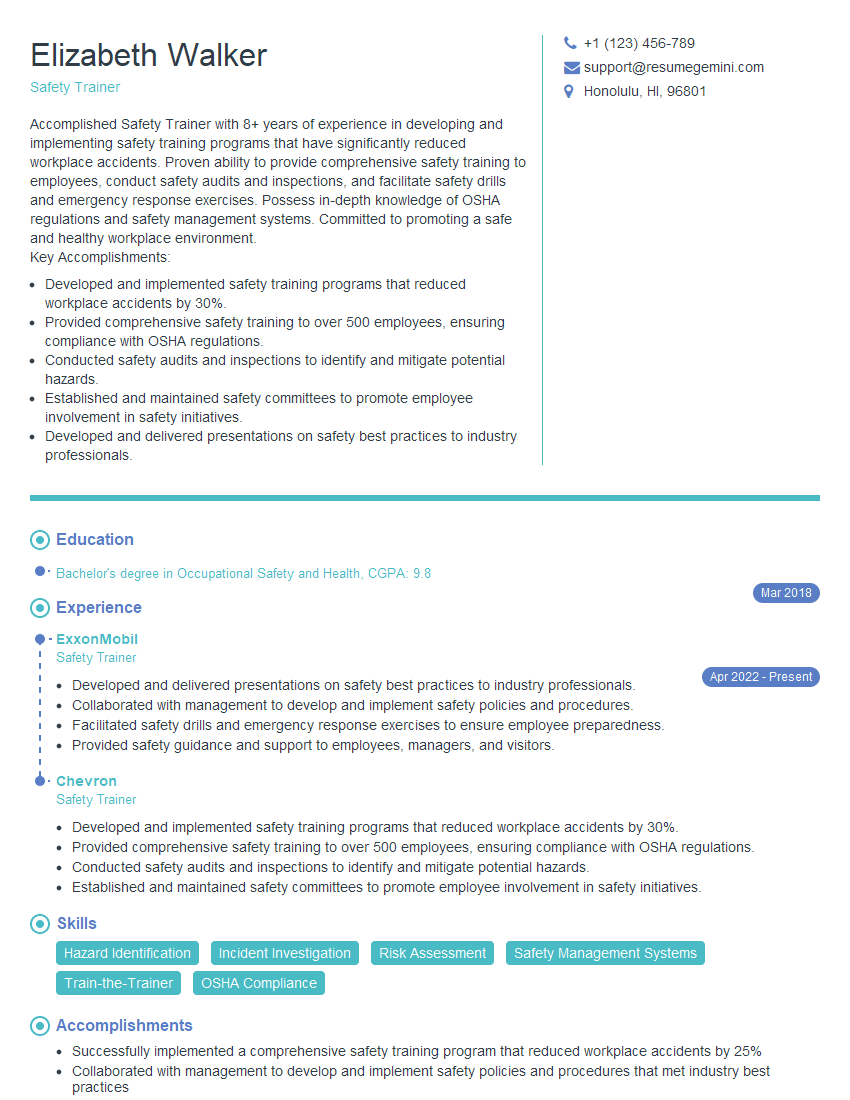
Safety Trainer Resume Sample
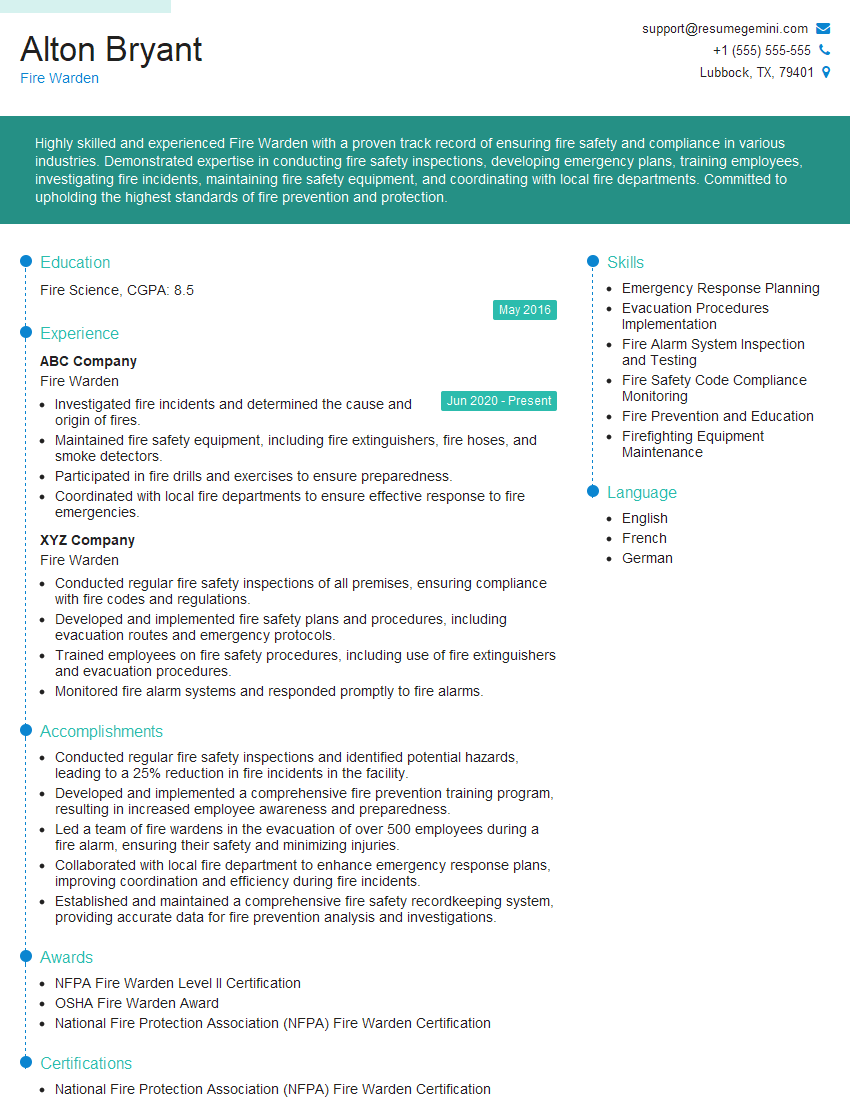
Fire Warden Resume Sample
Explore more articles
Users Rating of Our Blogs
Share Your Experience
We value your feedback! Please rate our content and share your thoughts (optional).
What Readers Say About Our Blog
To the interviewgemini.com Webmaster.
Very helpful and content specific questions to help prepare me for my interview!
Thank you
To the interviewgemini.com Webmaster.
This was kind of a unique content I found around the specialized skills. Very helpful questions and good detailed answers.
Very Helpful blog, thank you Interviewgemini team.