The right preparation can turn an interview into an opportunity to showcase your expertise. This guide to Scouting and Trip Planning interview questions is your ultimate resource, providing key insights and tips to help you ace your responses and stand out as a top candidate.
Questions Asked in Scouting and Trip Planning Interview
Q 1. Describe your experience planning and leading group trips in varied terrains.
My experience in planning and leading group trips spans over 15 years, encompassing diverse terrains from the Appalachian Mountains to the high deserts of the Southwest. I’ve led groups ranging in size from small, intimate teams of 4 to larger expeditions of 20+ participants. These trips have involved backpacking, rock climbing, kayaking, and winter camping, demanding careful planning and adaptation to varying environmental conditions. For example, a recent backpacking trip in the Smoky Mountains required meticulous route planning considering elevation changes, water sources, and potential weather shifts. In contrast, a desert kayaking expedition necessitated a thorough understanding of river currents, potential flash flood risks, and strategies for managing extreme heat. Each environment presents unique challenges that demand adaptable leadership, risk mitigation strategies, and a deep understanding of the specific terrain and potential hazards.
In every trip, I prioritize pre-trip briefings to ensure everyone understands the planned route, safety protocols, and group dynamics. During the trip, I adapt my leadership style to the group’s needs, emphasizing both collaborative decision-making and assertive safety management when necessary.
Q 2. What are the key elements of a comprehensive trip itinerary?
A comprehensive trip itinerary is the backbone of a successful outdoor adventure. It’s more than just a schedule; it’s a living document that ensures safety, efficiency, and enjoyment. Key elements include:
- Trip Objectives & Goals: Clearly define the purpose of the trip – is it focused on skill-building, relaxation, or exploration?
- Detailed Route Plan: This includes specific locations, distances, and expected travel times, with backup plans for alternative routes. Maps, GPS coordinates, and elevation profiles are crucial.
- Daily Schedule: Outline activities, meal times, rest periods, and potential challenges for each day, allowing for flexibility.
- Gear List: A comprehensive list of essential gear for each participant, including clothing, equipment, and personal items, should be provided and checked before departure.
- Risk Assessment & Mitigation: Identify potential hazards (weather, wildlife, terrain) and outline strategies to minimize risks (emergency contacts, first-aid supplies, communication plan).
- Emergency Plan: Detailed procedures for handling various emergencies, including communication protocols, evacuation plans, and designated emergency contacts.
- Leave No Trace Plan: Specific steps for minimizing environmental impact, including waste disposal, campsite selection, and fire safety.
- Budget: Detailed breakdown of expected expenses, including transportation, food, gear, permits, and contingency funds.
A well-structured itinerary fosters a sense of preparedness and confidence in the group, increasing the chances of a safe and enjoyable experience.
Q 3. How do you assess and mitigate risk during outdoor activities?
Risk assessment is an ongoing process that begins long before the trip and continues throughout. I utilize a systematic approach, starting with identifying potential hazards (weather, terrain, wildlife, human factors) relevant to the chosen location and activities. Then I evaluate the likelihood and severity of each hazard. This leads to developing mitigation strategies to reduce or eliminate the risk. For example, in a rock climbing trip, potential hazards include rockfalls, falls, and injuries. Mitigation involves proper equipment checks, safety briefings, and choosing appropriate routes and belaying techniques. Weather is always a major factor; I meticulously monitor forecasts and have contingency plans in place for changing conditions – this may include changing the route, postponing activities, or finding alternative shelter.
Communication is key to effective risk mitigation. I ensure that the entire team is aware of potential risks and understands the established safety protocols. Regular check-ins and open communication channels facilitate early identification and resolution of emerging risks.
Q 4. Explain your experience with Leave No Trace principles.
Leave No Trace (LNT) principles are fundamental to my trip planning and execution. I’ve incorporated LNT ethics into all my trips for years, teaching participants the importance of minimizing their environmental impact. My experience encompasses everything from proper waste disposal (pack it in, pack it out) and minimizing campfire impacts (using established fire rings or opting for a stove) to responsible wildlife viewing (maintaining distance and avoiding feeding animals). I frequently use the seven LNT principles as a framework for guiding participants’ behavior:
- Plan Ahead and Prepare
- Travel and Camp on Durable Surfaces
- Dispose of Waste Properly
- Leave What You Find
- Minimize Campfire Impacts
- Respect Wildlife
- Be Considerate of Other Visitors
Before any trip, I conduct thorough briefings on LNT principles, providing clear instructions and emphasizing the importance of responsible stewardship of the natural environment. I actively model these principles myself and offer guidance and correction as needed during the trip.
Q 5. What is your preferred method for creating and managing a trip budget?
For budget management, I use a spreadsheet to track all anticipated and actual expenses. I break down the budget into categories like transportation, permits, food, gear rentals, activities, and contingencies. I meticulously research costs for each category, seeking out discounts and affordable options where possible. For example, I’ll often explore carpooling options to reduce transportation costs or look for group discounts on permits and rental equipment. This detailed approach allows for clear visibility of the budget throughout the planning stages and during the trip itself.
I also include a contingency fund, typically 10-15% of the total budget, to account for unexpected expenses like gear repairs or emergency situations. Transparency is vital; I share the budget with participants, ensuring everyone is informed and understands the financial implications of the trip. This fosters a shared sense of responsibility and helps manage expectations.
Q 6. How do you handle emergencies or unexpected situations on a trip?
Handling emergencies requires a proactive and decisive approach. My training and experience enable me to assess situations rapidly and take appropriate action. My emergency response plan is a crucial part of the trip itinerary, and includes pre-designated communication protocols (satellite messenger, emergency beacon), evacuation procedures, and emergency contacts. The plan is thoroughly discussed with the group before the trip. For example, in the event of a lost or injured hiker, the plan would outline steps for immediate first aid, contacting emergency services, and organizing a search and rescue operation.
I emphasize the importance of maintaining constant awareness of the group’s location and well-being, and encourage open communication about any concerns or issues. This proactive approach allows for early intervention and minimizes the potential severity of any unexpected events.
Q 7. Describe your experience with first aid and emergency response in the outdoors.
I hold a Wilderness First Responder (WFR) certification, providing me with advanced first aid and emergency response skills specifically tailored for outdoor environments. My training encompasses a wide range of medical emergencies, including trauma injuries, hypothermia, heatstroke, and wilderness-specific illnesses. I regularly refresh my certifications to ensure my knowledge and skills are current. My experience includes managing minor injuries like blisters and sprains, and also addressing more serious situations requiring advanced medical intervention.
Beyond technical skills, I prioritize effective communication and decision-making under pressure. I understand the importance of clear communication with both the injured individual and emergency medical services, efficiently relaying vital information to ensure prompt and appropriate care.
Q 8. How do you ensure the safety of participants on a trip, especially vulnerable individuals?
Ensuring participant safety, especially for vulnerable individuals, is paramount in trip planning. It’s a multi-layered approach beginning long before the trip even starts. First, we conduct thorough risk assessments identifying potential hazards – weather conditions, terrain difficulties, potential wildlife encounters, etc. For vulnerable individuals, this assessment is even more detailed, considering their specific needs and limitations.
For example, if a participant has a medical condition, we require detailed medical information, including emergency contacts and medication details. We develop a detailed emergency action plan, including evacuation procedures, communication protocols, and first-aid supplies tailored to the group’s needs. This plan is communicated clearly to all participants.
During the trip, we implement buddy systems, ensuring no one is ever alone, especially vulnerable individuals. Regular check-ins are conducted to monitor everyone’s well-being. We also prioritize proper training and equipment for all participants, ensuring everyone understands basic first aid and wilderness survival techniques. Finally, a comprehensive post-trip debriefing allows us to learn from the experience and refine our safety protocols for future trips.
Q 9. What are your strategies for building teamwork and collaboration within a group?
Building teamwork and collaboration is crucial for a successful and enjoyable trip. I utilize a variety of strategies, starting with pre-trip meetings where I facilitate icebreaker activities to foster connection and trust amongst the group members. We collaboratively discuss trip expectations, roles, and responsibilities. This ensures everyone feels heard and understood from the beginning.
During the trip, I employ team-building activities that require collaboration and problem-solving. For instance, setting up camp together, navigating using a map and compass as a team, or working collaboratively to overcome an unexpected challenge (e.g., a sudden downpour). Positive reinforcement and recognition of individual contributions are vital in boosting morale and strengthening the team spirit. Regular open communication and the creation of a safe space where participants feel comfortable expressing their concerns or ideas are key to building trust and cooperation.
A collaborative approach to decision-making is vital. I encourage participants to voice their opinions and actively involve them in the planning process where possible, fostering a sense of shared ownership and responsibility.
Q 10. How do you communicate effectively with participants before, during, and after a trip?
Effective communication is the cornerstone of any successful trip. Before the trip, I send detailed information packets including a comprehensive itinerary, packing list, risk assessment summary, and contact information. I also hold pre-trip meetings to address any questions or concerns. I utilize a variety of communication methods like email, phone calls, and potentially a dedicated group chat to keep everyone informed.
During the trip, clear and concise communication is crucial. I use regular briefings to inform participants about the day’s plan, potential hazards, and safety protocols. I also actively listen to their concerns and respond appropriately. Visual aids like maps and diagrams can be incredibly helpful for conveying complex information. In emergency situations, I have pre-defined communication protocols and a plan for contacting emergency services.
After the trip, I send a follow-up email thanking participants for their participation and providing a post-trip report including any insights, lessons learned, and feedback requests. This helps to maintain a strong rapport and facilitates continuous improvement.
Q 11. Explain your experience with navigation and map reading.
I have extensive experience with navigation and map reading, including using both traditional maps and compasses, as well as GPS devices. My skills encompass route planning, bearing calculation, landmark identification, and contour interpretation. I am proficient in using various mapping software and apps to plan routes and assess terrain features before the trip.
For example, I’ve successfully led groups through challenging terrain using only a map and compass, relying on my ability to interpret map symbols and navigate using bearings and triangulation. I’m adept at teaching these skills to others and ensure that participants receive adequate training before embarking on any potentially challenging navigation exercises. I always prioritize multiple navigation methods, using GPS as a backup to map and compass navigation, minimizing the risk of getting lost.
Q 12. What are your preferred methods for trip logistics and resource management?
Efficient trip logistics and resource management are essential. My approach involves meticulous planning starting with a detailed budget, considering transportation, accommodation, food, permits, and equipment costs. I create comprehensive checklists to ensure nothing is overlooked.
I utilize various tools, including spreadsheets and project management software, to track expenses and resources. For example, I would use a spreadsheet to track food supplies, ensuring we have enough for the duration of the trip, accounting for dietary restrictions and preferences. Food is often pre-portioned to minimize waste. I’m skilled in resource allocation, prioritizing essential items and minimizing unnecessary weight or bulk. Sustainable practices, such as minimizing waste and leaving no trace, are integral to my approach. I pre-book accommodations and transportation well in advance, especially if traveling during peak seasons, and have backup plans in case of unforeseen circumstances.
Q 13. How do you tailor trip plans to accommodate different skill levels and abilities?
Adapting trip plans to accommodate diverse skill levels is crucial for inclusivity and safety. I achieve this through tiered activities and route options. For example, a hike might have a shorter, easier loop for less experienced hikers and a longer, more challenging route for more experienced ones. This allows everyone to participate at a level that’s both safe and enjoyable.
I design activities that are adaptable to different abilities. Instead of one challenging activity, I might offer several options, ranging in difficulty. I also ensure adequate breaks are incorporated into the schedule to avoid overexertion, particularly for less experienced or physically challenged individuals. Pre-trip questionnaires help me assess participants’ physical abilities and preferences, allowing me to tailor the trip plan accordingly. Open communication and clear expectations ensure everyone understands the planned activities and their options for participation.
Q 14. Describe your experience with equipment selection and maintenance.
Proper equipment selection and maintenance are non-negotiable for safety and enjoyment. My approach begins with a detailed equipment list tailored to the specific trip, considering weather conditions, terrain, and participant needs. I research and select high-quality, reliable gear, considering factors like durability, weight, and ease of use. I prioritize essential items such as first-aid kits, navigation tools, and appropriate clothing for all weather conditions. I also ensure that all equipment is properly maintained before and after each trip.
I inspect gear for any damage before each trip and perform necessary repairs or replacements. I teach participants proper equipment use and care, emphasizing safety procedures. I advocate for a ‘gear check’ process before each departure, ensuring everyone has the correct and functional equipment. For example, I make sure everyone knows how to properly adjust and use their backpacks, ensuring a comfortable and safe carry. Post-trip gear cleaning and storage are crucial for extending the life of equipment and preventing future damage.
Q 15. How do you obtain necessary permits and permissions for a trip?
Securing necessary permits and permissions for a trip is crucial for legal compliance and environmental protection. The process varies depending on the location and type of activity. It often involves identifying the relevant land management agency (e.g., National Park Service, US Forest Service, Bureau of Land Management, or private landowners).
- Research: I begin by thoroughly researching the specific area, identifying all potential permitting requirements. This might involve checking agency websites, contacting park rangers, or consulting guidebooks.
- Application: Next, I complete the necessary permit applications accurately and completely, providing all requested information. This often includes details about group size, planned activities, dates, and emergency contact information.
- Fees: Many permits involve fees, which must be paid according to the agency’s instructions.
- Timeline: Permit applications often require lead time, so it’s essential to apply well in advance of the trip to avoid delays. Some permits, especially for large groups or sensitive areas, might necessitate a more extensive review process.
- Compliance: Once the permit is issued, it’s vital to understand and adhere to all conditions outlined in the permit. This might include restrictions on camping locations, campfire use, or waste disposal.
For example, planning a backpacking trip in Yosemite National Park would require obtaining a Wilderness Permit from the park service, well in advance, often weeks or even months ahead of the proposed trip dates. Failure to obtain the necessary permits can result in fines or even expulsion from the area.
Career Expert Tips:
- Ace those interviews! Prepare effectively by reviewing the Top 50 Most Common Interview Questions on ResumeGemini.
- Navigate your job search with confidence! Explore a wide range of Career Tips on ResumeGemini. Learn about common challenges and recommendations to overcome them.
- Craft the perfect resume! Master the Art of Resume Writing with ResumeGemini’s guide. Showcase your unique qualifications and achievements effectively.
- Don’t miss out on holiday savings! Build your dream resume with ResumeGemini’s ATS optimized templates.
Q 16. What are your strategies for adapting trip plans based on weather conditions?
Adapting trip plans to weather conditions is paramount for safety and enjoyment. My strategy is a multi-layered approach involving pre-trip planning, real-time monitoring, and flexible decision-making.
- Pre-trip planning: I always research the typical weather patterns for the chosen location and time of year. I build flexibility into the itinerary, considering alternative routes or activities depending on potential weather scenarios. This might include having backup plans for rainy days or extremely hot days.
- Real-time monitoring: During the trip, I continuously monitor weather forecasts, checking updates multiple times a day. I use a combination of reliable weather apps and websites, as well as local news sources. I may even bring a weather radio.
- Flexible decision-making: This is the most critical aspect. Based on the weather updates, I’m prepared to modify the itinerary. This could involve delaying a hike, seeking shelter, changing campsites, or even postponing parts of the trip altogether. Safety is the ultimate priority.
For example, if a severe thunderstorm is predicted for the afternoon, I might adjust the schedule to complete a shorter, lower-elevation hike in the morning and spend the afternoon in a designated shelter. This proactive approach avoids unnecessary risk and ensures the safety and well-being of all participants.
Q 17. Explain your understanding of wilderness ethics and environmental stewardship.
Wilderness ethics and environmental stewardship are fundamental principles guiding my trip planning and execution. They encompass respecting natural environments, minimizing impact, and leaving no trace.
- Leave No Trace (LNT) Principles: I am thoroughly familiar with and strictly adhere to the seven Leave No Trace principles: Plan ahead and prepare; Travel and camp on durable surfaces; Dispose of waste properly; Leave what you find; Minimize campfire impacts; Respect wildlife; Be considerate of other visitors.
- Environmental Impact Assessment (EIA): Before embarking on any trip, I informally conduct an EIA. This involves considering the potential impacts of the trip on the environment, such as soil erosion, water pollution, and disturbance to wildlife. I try to minimize these impacts through careful route selection, responsible waste management, and respectful interactions with wildlife.
- Education: I educate participants about wilderness ethics and LNT principles before the trip. This fosters a sense of shared responsibility and ensures that everyone contributes to protecting the environment.
For example, rather than creating a new fire ring, we use existing fire rings and keep fires small. We meticulously pack out all trash and food scraps, ensuring that nothing is left behind. Furthermore, we maintain a safe distance from wildlife and avoid disturbing their natural habitats.
Q 18. How do you manage participant expectations before and during a trip?
Managing participant expectations is critical for a successful trip. I utilize a two-pronged approach focusing on pre-trip communication and ongoing engagement.
- Pre-trip communication: Before the trip, I clearly communicate the trip’s purpose, itinerary, difficulty level, and potential challenges. I also provide a detailed packing list and answer any questions participants may have. I try to set realistic expectations about the physical demands and conditions of the trip.
- Ongoing engagement: During the trip, I maintain open communication with participants, addressing concerns, answering questions, and providing regular updates on the itinerary. I use team building exercises to foster a collaborative environment and encourage participants to support each other.
For example, if a participant is struggling physically, I’ll adapt the pace or suggest alternative routes to ensure everyone feels supported and can complete the trip. I also facilitate regular check-ins to gauge participant morale and address any concerns early on.
Q 19. How do you address conflicts or disagreements among participants?
Addressing conflicts or disagreements among participants requires a calm, fair, and proactive approach.
- Early intervention: I aim to address minor disagreements promptly and privately, before they escalate. This often involves simply listening to each side, clarifying misunderstandings, and encouraging compromise.
- Mediation: For more significant conflicts, I may facilitate a mediated discussion, guiding participants toward finding mutually acceptable solutions. I emphasize active listening, empathy, and finding common ground.
- Group consensus: When decisions affect the whole group, I strive to build consensus, involving everyone in the decision-making process. This strengthens group cohesion and ensures that everyone feels heard.
- Setting boundaries: In cases of serious misconduct or safety violations, it is necessary to set clear boundaries and may involve excluding individuals from the group to maintain the safety and well-being of others.
For example, if a disagreement arises over the camping location, I would encourage participants to discuss their preferences, consider the pros and cons of different options, and collaboratively choose a site that satisfies the majority. If a serious safety issue arises such as ignoring instructions or exhibiting reckless behavior, I would take appropriate steps to address it, which may involve separating the offending party from the group.
Q 20. What is your experience with environmental impact assessment related to trips?
My experience with environmental impact assessment (EIA) related to trips is extensive. It’s an integral part of my planning process. A formal EIA might not be necessary for every trip, but the underlying principles are consistently applied.
- Identifying potential impacts: I consider the potential impacts on the environment, including vegetation, wildlife, water sources, and trails. I anticipate issues like soil compaction, erosion, waste disposal challenges, and disturbance to wildlife.
- Mitigation strategies: I develop strategies to minimize these impacts, such as using established trails, camping on durable surfaces, proper waste disposal (pack it in, pack it out), and minimizing campfire impacts.
- Monitoring and evaluation: Following the trip, I reflect on the trip’s environmental impact, noting what went well and identifying areas for improvement in future planning.
For instance, when planning a canoe trip, I would assess the potential impact on riparian ecosystems, including shoreline erosion. I’d choose established campsites to minimize disturbance and educate participants on responsible paddling techniques to avoid damaging shorelines. After the trip, I’d critically examine if our actions caused any visible damage, and I’d plan to improve our approach for future trips.
Q 21. How do you ensure the inclusivity and accessibility of trips for all participants?
Ensuring inclusivity and accessibility for all participants is a core value in my trip planning. It means creating trips that are welcoming, safe, and enjoyable for individuals with diverse abilities and backgrounds.
- Accessibility assessment: I carefully assess the accessibility of the trip location and activities, considering potential barriers for participants with physical limitations, sensory sensitivities, or other needs. This may involve researching trail conditions, identifying accessible campsites, and researching alternative transportation options.
- Accommodations and adaptations: I make necessary accommodations and adaptations to make the trip accessible. This may include providing assistive devices, modifying activities, or offering alternative routes. I work closely with participants to understand their individual needs.
- Inclusive communication: I use clear and concise communication, ensuring information is accessible to everyone. I’m mindful of using inclusive language and creating a safe space for sharing concerns and challenges.
- Diverse representation: I actively seek to create diverse and representative trip groups, embracing different backgrounds, perspectives, and experiences.
For example, if planning a hike, I’d research the trail’s accessibility, ensuring it is suitable for individuals using wheelchairs or other mobility aids. I would communicate clearly with participants with allergies or dietary restrictions and ensure appropriate food options are available. I would also prioritize communication strategies to ensure that all participants, including those with hearing or visual impairments, feel included and informed throughout the trip.
Q 22. Describe your experience with trip planning software or applications.
My experience with trip planning software spans several applications, from simple spreadsheet-based trackers to sophisticated platforms like Gaia GPS and AllTrails. I’m proficient in using these tools to map routes, calculate distances and elevation changes, identify potential hazards, and manage logistical details. For example, I frequently utilize Gaia GPS to plan backpacking trips, leveraging its offline map capabilities and ability to track our progress in real-time. For simpler car-camping trips, a spreadsheet detailing the packing list, itinerary, and contact information suffices. My choice of software always depends on the complexity and nature of the trip.
Beyond route planning, I’m also comfortable using software for group communication and coordination, ensuring efficient communication before, during, and after trips. This could include using platforms like Google Sheets for collaborative packing list creation or shared calendars for scheduling pre-trip meetings.
Q 23. What are your strategies for pre-trip planning and briefing sessions?
My pre-trip planning strategy follows a structured approach. It begins with a thorough risk assessment, identifying potential hazards like weather changes, terrain difficulties, and wildlife encounters. Next, I develop a detailed itinerary, including daily schedules, alternative routes, and emergency contact information. This itinerary is communicated to all participants. I then create a comprehensive packing list, tailored to the specific conditions and activities of the trip. Finally, the equipment is checked to ensure everything is in good working order.
Pre-trip briefings are crucial. These sessions cover: route details, safety protocols, emergency procedures, communication plans (including designating a primary point of contact), and leave-no-trace principles. I encourage open communication during the briefing, actively answering questions and addressing any concerns participants might have. A mock scenario, such as a simulated emergency response, can solidify understanding and team cohesion.
Q 24. How do you handle post-trip evaluations and feedback?
Post-trip evaluations are integral to continuous improvement. I usually conduct a debrief session shortly after the trip’s conclusion, where participants share their experiences, both positive and negative. This session uses a structured approach, using a checklist to cover various aspects of the trip, from the itinerary’s effectiveness to the team dynamics and equipment performance. I record observations and feedback, using this information to revise future trip plans and improve my organizational skills.
Feedback is collected through both verbal discussion and written surveys, ensuring anonymity where appropriate. I then analyze this feedback, identifying areas for improvement, and document these findings. This process allows for a continuous refinement of my trip planning and leadership skills. For instance, if there were issues with food planning, I would review what choices worked well and what needed adjustment for next time.
Q 25. What are your experience with different types of outdoor cooking and food preparation?
My experience with outdoor cooking encompasses a range of methods and techniques, from simple campfire cooking to using specialized backpacking stoves. I’m proficient in preparing meals that are lightweight, nutritious, and easy to cook with minimal equipment. I’m equally comfortable using a dutch oven for a hearty stew over coals or a lightweight backpacking stove to boil water for dehydrated meals. I understand the importance of food safety and preservation, ensuring all food is properly stored to prevent spoilage.
I often incorporate meal planning into the overall trip planning process, considering factors like caloric requirements, food preferences, and the availability of fresh ingredients. This is particularly crucial for longer trips where proper nutrition is vital. I also factor in the environmental impact of food choices, opting for sustainable and minimal-packaging options whenever possible.
Q 26. Describe a time you had to improvise or adapt a trip plan due to unforeseen circumstances.
During a recent canoe trip, we encountered unexpectedly high water levels due to a sudden storm. Our planned route became impassable. I immediately convened a brief meeting with the group to assess the situation. We examined our options, including alternative routes, potential hazards, and available resources. We decided to modify our itinerary, opting for a shorter route that avoided the flooded areas. This required navigating some challenging rapids, but we used teamwork and effective communication to navigate these safely. We also used our radio to inform our base camp of our modified plan.
This experience highlighted the importance of adaptability and contingency planning. While the original plan was well-thought-out, adapting to the unforeseen circumstances required quick thinking, sound judgment, and effective team collaboration. We successfully completed the trip despite the challenge, showcasing the importance of maintaining flexibility and open communication in the face of unforeseen obstacles.
Q 27. How do you ensure appropriate communication channels and protocols during a trip?
Maintaining effective communication is critical for successful trips. This typically involves a multi-layered approach. We use a combination of methods including: pre-trip briefings to establish expectations; designated check-in times throughout the trip; pre-agreed upon emergency contact methods such as satellite messengers or personal locator beacons; and regular communication using walkie-talkies or cell phones (where service is available). I always designate a primary point of contact, responsible for communicating with the external support system.
Clear communication protocols are crucial, particularly for emergency situations. These protocols are detailed during the pre-trip briefing and include reporting procedures for accidents, injuries, or changes to the plan. We practice these communication procedures to ensure efficiency and clarity in times of stress. Knowing who is responsible for what, and how to communicate in case of problems, significantly improves safety and prevents confusion.
Q 28. What is your experience with risk assessment and contingency planning for various trip scenarios?
Risk assessment is a fundamental aspect of my trip planning process. I use a structured approach, starting by identifying potential hazards specific to the trip location, activities, and participants. This includes factors such as weather conditions, terrain, wildlife, and the group’s experience levels. I then analyze the likelihood and severity of these hazards, assigning a risk level to each. This allows me to prioritize mitigation strategies and develop appropriate contingency plans.
Contingency planning involves developing alternative strategies to address identified risks. For example, if a particular route is deemed too risky due to weather conditions, an alternative route or a plan to delay the trip might be developed. Emergency procedures, including first aid plans and evacuation strategies, are also outlined. The level of detail in the contingency plans depends on the type of trip and the level of risk involved. A simple day hike will require a less extensive plan than a multi-day backpacking expedition.
Key Topics to Learn for Scouting and Trip Planning Interview
- Safety and Risk Management: Understanding risk assessment methodologies, emergency preparedness plans, and communication protocols in various outdoor settings. Practical application includes developing a comprehensive safety plan for a multi-day hiking trip, considering potential hazards and mitigation strategies.
- Navigation and Orienteering: Proficiency in map reading, compass use, GPS navigation, and route planning. Practical application involves planning a route using topographical maps and considering terrain challenges, weather conditions, and time constraints.
- Logistics and Resource Management: Efficient planning of transportation, accommodation, food, equipment, and budget allocation. Practical application includes creating a detailed itinerary and supply list for a group camping trip, optimizing resource usage and minimizing environmental impact.
- Group Dynamics and Leadership: Effective communication, conflict resolution, team building, and delegation of tasks within a group setting. Practical application includes describing how you’d handle a disagreement amongst team members during a challenging outdoor expedition.
- Leave No Trace Principles: Understanding and implementing sustainable practices to minimize environmental impact during outdoor activities. Practical application includes explaining how you would educate participants about responsible camping and waste management.
- First Aid and Wilderness Medicine: Basic first aid knowledge and understanding of common wilderness injuries and illnesses. Practical application includes outlining your procedure for dealing with a minor injury sustained during a hike.
- Trip Planning Software & Tools: Familiarity with relevant software and apps used for route planning, weather forecasting, and communication. Practical application includes explaining your experience with specific tools used for planning a trip.
Next Steps
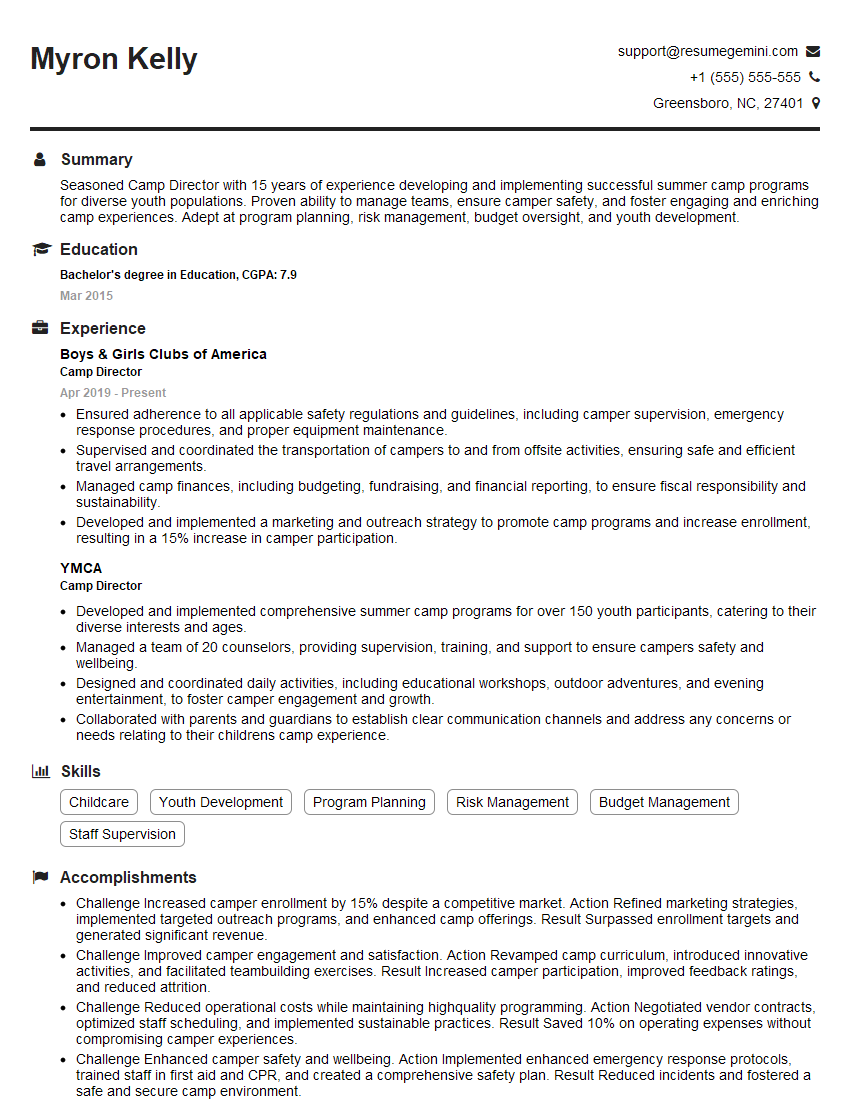
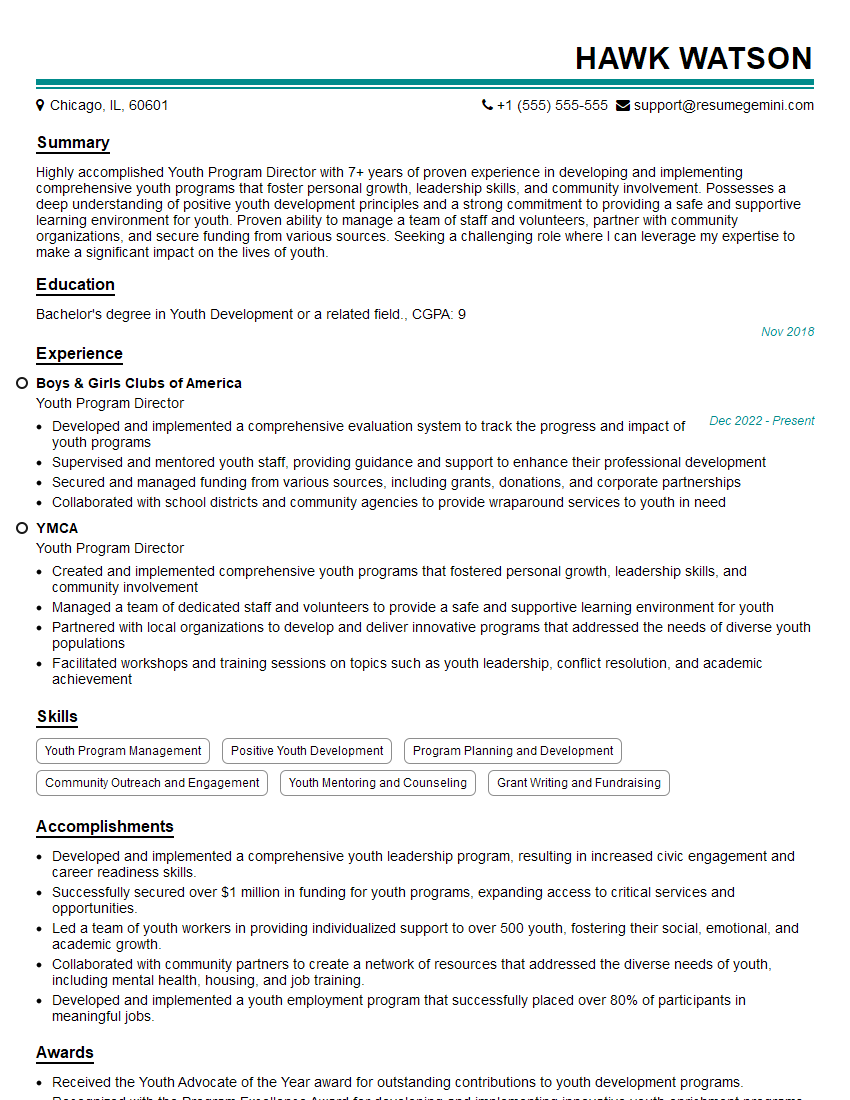
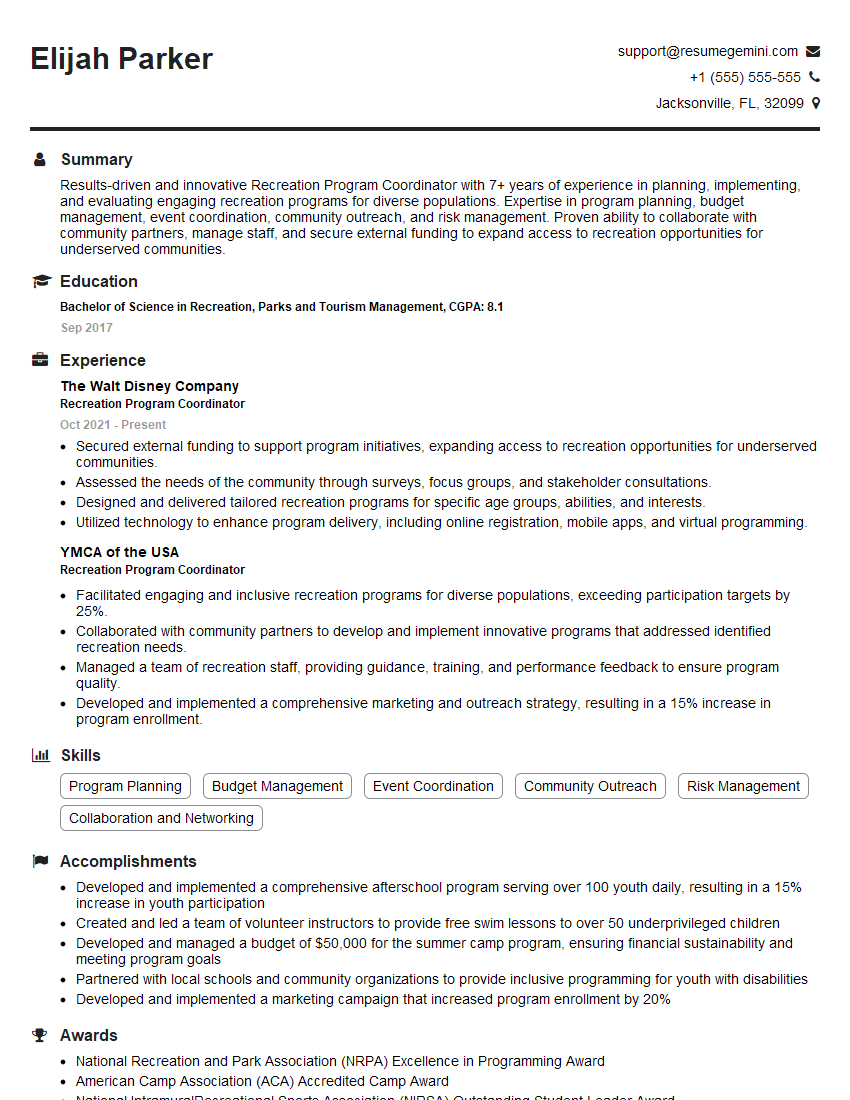
Mastering Scouting and Trip Planning demonstrates valuable skills highly sought after in various fields, showcasing your leadership, organizational prowess, and problem-solving abilities. This expertise translates to improved career prospects and opens doors to exciting opportunities. To maximize your job search success, focus on crafting an ATS-friendly resume that highlights these key skills effectively. ResumeGemini is a trusted resource that can help you build a professional and impactful resume tailored to your experience. Examples of resumes specifically tailored to Scouting and Trip Planning are available to help you get started.
Explore more articles
Users Rating of Our Blogs
Share Your Experience
We value your feedback! Please rate our content and share your thoughts (optional).
What Readers Say About Our Blog
To the interviewgemini.com Webmaster.
Very helpful and content specific questions to help prepare me for my interview!
Thank you
To the interviewgemini.com Webmaster.
This was kind of a unique content I found around the specialized skills. Very helpful questions and good detailed answers.
Very Helpful blog, thank you Interviewgemini team.