Cracking a skill-specific interview, like one for Screening and Identification of Contaminants, requires understanding the nuances of the role. In this blog, we present the questions you’re most likely to encounter, along with insights into how to answer them effectively. Let’s ensure you’re ready to make a strong impression.
Questions Asked in Screening and Identification of Contaminants Interview
Q 1. Explain the difference between screening and identification of contaminants.
Screening and identification are two distinct but interconnected stages in contaminant analysis. Think of it like a detective investigating a crime: screening is like the initial sweep to see if there’s *anything* suspicious, while identification is the meticulous process of determining exactly *what* that suspicious substance is.
Screening uses rapid, relatively inexpensive methods to detect the *presence* of a contaminant. It’s a yes/no answer – is the contaminant there or not? It might not tell you *how much* is present or precisely *what* kind it is.
Identification, on the other hand, aims to determine the *exact identity* of the contaminant. This involves precise techniques that provide detailed chemical and structural information. It’s far more specific and time-consuming than screening.
Q 2. Describe various techniques used for screening contaminants (e.g., ELISA, immunoassay).
Several techniques are employed for screening contaminants, each with its strengths and weaknesses. These include:
- Enzyme-Linked Immunosorbent Assay (ELISA): ELISA uses antibodies to detect specific contaminants. It’s highly sensitive and can be adapted to detect a wide range of compounds. Imagine it like a highly specific lock-and-key system where the antibody (key) only binds to its target contaminant (lock).
- Immunoassays: This broader category includes ELISA, but also encompasses other antibody-based techniques like lateral flow immunoassays (LFIA), often used in rapid diagnostic tests (think pregnancy tests!). These tests are quick, portable, and often visually read.
- Biosensors: These devices use biological components (enzymes, antibodies, etc.) to detect contaminants. They offer real-time monitoring capabilities and can be highly sensitive.
- Spectroscopic methods (UV-Vis, IR): These techniques analyze the absorption or emission of light by the sample to infer the presence of certain compounds. They are faster but may be less sensitive than immunoassays.
Q 3. What are the limitations of each screening method?
Each screening method has its limitations:
- ELISA/Immunoassays: Requires prior knowledge of the target contaminant to develop specific antibodies. Cross-reactivity with similar compounds can lead to false positives. Sensitivity can vary greatly depending on antibody quality.
- Biosensors: Can be susceptible to interference from other compounds in the sample matrix. The lifespan and stability of the biological components need careful consideration.
- Spectroscopic methods: Less specific than other methods and may require further confirmation. Complex samples can lead to overlapping signals and difficulties in interpretation.
It’s crucial to remember that screening is only the first step. Positive screening results always require confirmation through more definitive identification techniques.
Q 4. Describe the principle of chromatography (GC, HPLC) in contaminant analysis.
Chromatography separates the components of a complex mixture based on their different interactions with a stationary phase (e.g., a column packed with silica gel) and a mobile phase (e.g., a solvent). Think of it as a race where different molecules run at different speeds based on their properties.
Gas Chromatography (GC): Separates volatile compounds based on their boiling points and interaction with a stationary phase inside a heated column. The separated compounds are then detected.
High-Performance Liquid Chromatography (HPLC): Separates compounds based on their polarity and interaction with a stationary phase, usually using a liquid mobile phase. HPLC is suitable for a wider range of compounds than GC, including non-volatile and heat-labile substances.
In both GC and HPLC, the separated compounds are detected as they elute from the column, providing a chromatogram that shows the relative amounts of each component.
Q 5. Explain the principles of mass spectrometry (MS) in contaminant identification.
Mass spectrometry (MS) is a powerful technique for identifying compounds based on their mass-to-charge ratio (m/z). It works by ionizing the sample molecules and then separating the ions based on their m/z using an electric or magnetic field. The resulting mass spectrum shows the relative abundance of different ions, which acts as a unique fingerprint for the compound. Imagine it’s like weighing each molecule very precisely to determine its identity.
Different types of MS instruments exist, each with its own ionization methods (e.g., electron ionization, electrospray ionization) and mass analyzers (e.g., quadrupole, time-of-flight). The choice depends on the nature of the sample and the desired level of information.
Q 6. What is the role of sample preparation in contaminant analysis?
Sample preparation is a crucial, often overlooked, step in contaminant analysis. It involves extracting the contaminant from the sample matrix and preparing it for analysis. The goal is to get a clean, concentrated extract of the target contaminant, while minimizing interference from other substances. This ensures accurate and reliable results.
Sample preparation techniques vary significantly depending on the sample type (e.g., soil, water, food) and the target contaminant. Common methods include extraction (e.g., solid-phase extraction, liquid-liquid extraction), clean-up (e.g., filtration, dialysis), and concentration (e.g., evaporation, solvent exchange). Incorrect or incomplete sample preparation is a frequent source of error in contaminant analysis.
Q 7. How do you ensure the accuracy and precision of your results?
Ensuring the accuracy and precision of results is paramount. We employ several strategies:
- Method Validation: Rigorous validation according to established guidelines (e.g., ISO 17025) ensures the method is fit for purpose and produces reliable results. This includes evaluating parameters like linearity, accuracy, precision, limit of detection, and limit of quantification.
- Quality Control (QC): Regularly analyzing QC samples (blanks, duplicates, spiked samples) throughout the analysis process helps monitor the performance of the method and identify potential sources of error.
- Calibration: Instruments are meticulously calibrated using certified reference materials to ensure accurate measurements.
- Internal and external audits: Regular audits by internal and external experts provide an objective evaluation of the laboratory’s processes and quality system.
- Use of certified reference materials: Using certified reference materials of known concentrations allows for accurate calibration and validation of the analytical methods.
By employing these strategies, we minimize bias, enhance precision, and ultimately ensure our results are reliable and defensible.
Q 8. Explain the concept of method validation in contaminant analysis.
Method validation in contaminant analysis is the process of proving that an analytical method is fit for its intended purpose. It’s like testing a recipe before baking a cake for a competition – you want to ensure it consistently produces accurate and reliable results. We don’t want surprises on the big day! Validation ensures the method is accurate (close to the true value), precise (reproducible results), specific (measures only the target contaminant), linear (response is proportional to concentration), and robust (unaffected by minor variations in conditions). This involves a series of experiments to determine these parameters, including things like recovery studies (how much of the contaminant you can actually measure from a sample), limit of detection (LOD), and limit of quantitation (LOQ). For example, if we’re testing for pesticide residues in apples, validation ensures our method consistently measures the correct amount of pesticide, without interference from other apple compounds, across a range of concentrations.
The specific parameters and procedures followed during validation often depend on the regulatory guidelines applicable to the specific contaminant and matrix (the sample type, like soil, water or food). For instance, methods used for environmental monitoring will have different validation requirements than those used in food safety testing. A well-documented validation report is crucial for demonstrating compliance and confidence in the results.
Q 9. What are the quality control measures you would implement in a contaminant analysis laboratory?
Quality control (QC) in a contaminant analysis lab is paramount for ensuring data reliability and integrity. It’s like having a quality assurance team for every experiment. We use several measures, including:
- Standard operating procedures (SOPs): Detailed written instructions for every step of the analysis, to ensure consistency and reproducibility.
- Blanks: Samples without any contaminant added to monitor for background contamination in reagents or equipment. Imagine testing for sugar in a teacup that already has some sugar in it – you wouldn’t get a true measurement.
- Calibration verification: Regularly checking the accuracy of instruments using certified reference materials, making sure our measuring devices are accurate.
- Duplicate samples: Analyzing the same sample twice to assess the precision of the method.
- Spiked samples: Adding a known amount of contaminant to a clean sample to assess recovery efficiency.
- Quality control charts: Tracking QC data over time to identify trends and potential problems. This allows us to spot anomalies early on, preventing inaccurate results.
- Proficiency testing: Participating in external proficiency testing programs to compare our results with other laboratories, helping evaluate our performance against others in the field.
A comprehensive QC program ensures the data is credible and compliant with relevant regulations and standards. For example, consistent high recovery rates in spiked samples indicate a reliable method, while unexpectedly high blank values may suggest contamination issues that must be investigated and corrected.
Q 10. Describe different types of contaminants (e.g., heavy metals, pesticides, microorganisms).
Contaminants are substances present in an environment, product, or sample where they are not supposed to be. They can be broadly classified into several categories:
- Heavy metals: Elements like lead (Pb), mercury (Hg), cadmium (Cd), and arsenic (As) are toxic even at low concentrations. They can accumulate in the food chain and cause various health problems. Think of lead paint in old houses – a classic example of heavy metal contamination.
- Pesticides: Chemicals used to control pests in agriculture. While they serve a purpose, residues can remain in food and the environment, posing potential health risks if exposure levels are high. Residue analysis in fruits and vegetables is a common application.
- Microorganisms: Bacteria, viruses, fungi, and parasites can contaminate food, water, and other materials, causing infections and diseases. Think of E. coli in food or harmful bacteria in water – contamination here is a matter of public health.
- Pharmaceuticals and personal care products (PPCPs): These compounds, such as antibiotics, hormones, and sunscreen ingredients, enter the environment through wastewater and can have unintended effects on wildlife and potentially human health.
- Persistent organic pollutants (POPs): These are toxic chemicals that resist degradation and can accumulate in living organisms, causing long-term health problems. Dioxins are a prominent example.
The type of contaminant dictates the analytical method needed for its detection and quantification. Each requires specialized techniques and instrumentation. The challenge often lies in detecting contaminants at trace levels, requiring highly sensitive techniques.
Q 11. How would you approach identifying an unknown contaminant?
Identifying an unknown contaminant is like solving a detective mystery. It requires a systematic approach:
- Initial screening: Use a general screening method, such as gas chromatography-mass spectrometry (GC-MS) or liquid chromatography-mass spectrometry (LC-MS), to obtain a mass spectrum. This will provide some clues about the contaminant’s chemical structure.
- Library searching: Compare the obtained mass spectrum with spectral libraries (large databases of known compounds). A match provides a strong indication of the contaminant’s identity.
- Targeted analysis: If a potential candidate is identified from library searching, perform a targeted analysis using a method specifically designed for that contaminant to confirm its presence and quantify its concentration.
- Further characterization: If library searching doesn’t provide a clear identification, further characterization techniques may be needed, such as nuclear magnetic resonance (NMR) spectroscopy or infrared (IR) spectroscopy, to reveal more structural information.
- Spiking experiments: If you suspect a specific compound, you can spike the sample with a known amount of that compound and see if the peak increases proportionally. This helps validate the tentative identification.
This iterative process refines our understanding until a confident identification is reached. Each step utilizes different analytical tools and expertise, creating a robust investigative approach. Remember to meticulously document every step for future reference and traceability.
Q 12. How do you interpret chromatographic and mass spectrometric data?
Chromatographic and mass spectrometric data provide complementary information about a sample’s components. Chromatography separates the components based on their physical and chemical properties (e.g., polarity, boiling point). Gas chromatography (GC) is commonly used for volatile compounds, while liquid chromatography (LC) is better suited for non-volatile compounds. Mass spectrometry (MS) then identifies and quantifies each separated component based on its mass-to-charge ratio.
Interpreting Chromatographic Data: A chromatogram shows peaks corresponding to different components. The retention time of a peak indicates how long it took for that component to travel through the column. The peak area is proportional to the concentration of that component. If two peaks have the same retention time but are suspected to be different substances, additional methods like mass spectrometry must be employed.
Interpreting Mass Spectrometric Data: The mass spectrum shows the abundance of ions at different mass-to-charge ratios (m/z). The molecular ion peak (the peak corresponding to the intact molecule) provides information about the molecular weight. Fragment ions provide information about the molecule’s structure. By matching this spectrum to libraries or using spectral interpretation software, one can identify the molecule.
Together, chromatography and mass spectrometry create a powerful analytical pairing for contaminant identification and quantitation, giving us both qualitative and quantitative information.
Q 13. How do you handle potential interferences in contaminant analysis?
Interferences in contaminant analysis are like unwanted noise in a conversation – they obscure the signal of interest (the contaminant). They can arise from the sample matrix (background substances), reagents, or even the analytical instrument itself. Dealing with interferences requires careful consideration and various strategies:
- Sample preparation: Techniques like extraction, cleanup, and pre-concentration can separate the contaminant from interfering substances. Imagine filtering out impurities from water before testing its quality.
- Chromatographic separation: Selecting appropriate chromatographic conditions (e.g., column type, mobile phase) can optimize the separation of the contaminant from interferences. This is crucial for resolving closely eluting peaks.
- Mass spectrometry techniques: Techniques like tandem mass spectrometry (MS/MS) can increase selectivity by fragmenting the molecules and analyzing their fragment ions, minimizing interference. This is akin to focusing on specific characteristics to identify someone in a crowd.
- Method optimization: Fine-tuning the analytical method (e.g., temperature, flow rate) can minimize interference. This may involve multiple experimental trials to achieve ideal conditions.
- Internal standards: Adding a known amount of an internal standard (a compound similar to the contaminant but easily distinguished) to the sample can correct for losses or variations during sample preparation and analysis.
Addressing interferences requires a combination of careful planning, meticulous execution, and a deep understanding of the analytical techniques involved. The goal is to minimize interference while maintaining the sensitivity and accuracy of the analysis.
Q 14. What are the regulatory requirements for reporting contaminant levels?
Regulatory requirements for reporting contaminant levels vary depending on the contaminant, the sample matrix, and the intended use of the results. For example, regulations differ for drinking water versus agricultural products. Many jurisdictions have established maximum residue limits (MRLs) or maximum contaminant levels (MCLs) for various contaminants in food, water, and environmental samples. These are legal limits that must not be exceeded.
When reporting contaminant levels, adherence to these regulations is crucial. The report must include:
- Specific contaminant(s) analyzed: Clearly identify the contaminant(s) and their CAS registry numbers (unique identifiers for chemical substances).
- Sample details: Provide information on the sample origin, collection date, and handling procedures.
- Analytical method used: Specify the detailed analytical method employed, including validation details.
- Results: Report the concentration of each contaminant, indicating units (e.g., mg/kg, µg/L), and the associated uncertainty (error bars). It’s crucial to include the detection limit and quantitation limit (LOD/LOQ).
- Compliance status: Clearly state whether the reported levels comply with applicable regulations and standards, including comparing the data to the MRLs or MCLs.
- Chain of custody: Maintain detailed records of sample handling and analysis to demonstrate the integrity of the data.
Non-compliance can have severe consequences, including product recalls, legal action, and damage to reputation. Therefore, accurate and compliant reporting is essential for protecting public health and the environment. This necessitates a strong understanding of the relevant regulations and diligent record keeping.
Q 15. Explain the difference between qualitative and quantitative contaminant analysis.
Qualitative analysis identifies the presence or absence of a contaminant, while quantitative analysis determines the amount or concentration of a contaminant. Think of it like this: qualitative analysis is like asking ‘Is there poison in the drink?’, while quantitative analysis asks ‘How much poison is in the drink?’.
For example, a qualitative test might reveal the presence of lead in a water sample using a colorimetric test. A positive reaction would indicate lead is present, but wouldn’t tell us how much. A quantitative test, like inductively coupled plasma mass spectrometry (ICP-MS), would then determine the precise concentration of lead in parts per billion (ppb) or parts per million (ppm).
- Qualitative: Uses techniques like thin-layer chromatography (TLC), presumptive tests, or visual inspection. Provides a ‘yes’ or ‘no’ answer.
- Quantitative: Employs methods like chromatography coupled with mass spectrometry (GC-MS, HPLC-MS), spectroscopy, or titration. Provides numerical data with associated uncertainty.
Career Expert Tips:
- Ace those interviews! Prepare effectively by reviewing the Top 50 Most Common Interview Questions on ResumeGemini.
- Navigate your job search with confidence! Explore a wide range of Career Tips on ResumeGemini. Learn about common challenges and recommendations to overcome them.
- Craft the perfect resume! Master the Art of Resume Writing with ResumeGemini’s guide. Showcase your unique qualifications and achievements effectively.
- Don’t miss out on holiday savings! Build your dream resume with ResumeGemini’s ATS optimized templates.
Q 16. What are the health and safety precautions you would take when handling contaminants?
Handling contaminants requires rigorous adherence to safety protocols. This begins with a thorough risk assessment to identify potential hazards associated with each contaminant. We’re talking about everything from acute toxicity, flammability, reactivity, and carcinogenicity. Based on this, appropriate personal protective equipment (PPE) is selected. This could include gloves, lab coats, eye protection, respirators, and potentially even full body suits depending on the nature of the contaminant.
Furthermore, the work environment is crucial. Proper ventilation, containment facilities (fume hoods), and designated waste disposal procedures are essential. Emergency response plans, including spill response kits and access to safety showers and eyewash stations, must be in place. Detailed Standard Operating Procedures (SOPs) outlining safe handling practices are followed meticulously. Regular training and refresher courses reinforce safe work practices, and I always keep up-to-date with the latest safety regulations and best practices.
Q 17. Describe your experience with specific analytical instruments (e.g., GC-MS, HPLC-MS).
I have extensive experience with both GC-MS and HPLC-MS. GC-MS (Gas Chromatography-Mass Spectrometry) is excellent for volatile and semi-volatile organic compounds. I’ve used it extensively for analyzing pesticides in food samples and volatile organic compounds (VOCs) in air. For example, I successfully identified and quantified several chlorinated pesticides in soil samples using GC-MS, providing data that supported an environmental remediation project.
HPLC-MS (High-Performance Liquid Chromatography-Mass Spectrometry) is ideal for non-volatile and thermally labile compounds. My work has involved using HPLC-MS for the detection and quantification of pharmaceuticals in wastewater, and I’ve also used it for analyzing various toxins in biological samples, specifically focusing on method development and validation.
In both instances, I am proficient in method development and validation, ensuring the accuracy, precision, and reliability of the analytical results. This includes optimization of chromatographic conditions, mass spectrometer parameters, and data processing techniques.
Q 18. How do you determine the limit of detection (LOD) and limit of quantitation (LOQ)?
The Limit of Detection (LOD) is the lowest concentration of an analyte that can be reliably detected, while the Limit of Quantitation (LOQ) is the lowest concentration that can be reliably measured with acceptable accuracy and precision. Determining these limits often involves analyzing a series of samples with known low concentrations of the analyte.
Common approaches include using the signal-to-noise ratio (S/N) method, where the LOD is defined as 3 times the standard deviation of the blank divided by the slope of the calibration curve. The LOQ is typically 10 times the standard deviation of the blank divided by the slope of the calibration curve. Other methods, based on statistical analysis of multiple measurements, may also be employed, and the method used is often dictated by regulatory requirements or guidelines. These values are critically important in ensuring the reliability and validity of analytical results. The LOD and LOQ inform us about the sensitivity and capability of our analytical method.
Q 19. What is your experience with data analysis software (e.g., ChemStation, Empower)?
I’m proficient in several data analysis software packages including Agilent ChemStation and Waters Empower. My experience encompasses all aspects of data acquisition, processing, and reporting. This includes integrating raw data, calibrating instruments, managing data files, performing peak integration and identification, and generating comprehensive reports. I’m also comfortable using data analysis techniques, such as peak area calculations, curve fitting, and statistical analysis to validate results.
For example, in a recent project analyzing pesticide residues, I utilized ChemStation’s features to efficiently process hundreds of GC-MS chromatograms, ensuring the accuracy of the quantitative results. Empower’s advanced features were helpful in another project where we performed quantitative analysis of several pharmaceuticals in environmental samples, requiring complex data integration and reporting.
Q 20. How do you ensure the traceability and integrity of your analytical data?
Data traceability and integrity are paramount. We achieve this through a comprehensive quality control system that incorporates detailed sample tracking, instrument calibration and maintenance logs, and robust data management protocols. Each sample has a unique identifier that is tracked through every step of the analysis. Calibration standards and blanks are run regularly to ensure instrument performance and to correct for potential biases. All data is stored securely and backed up regularly.
We maintain an electronic laboratory notebook (ELN) to meticulously record all experimental procedures, results, and instrument parameters. Chain-of-custody documents are utilized to ensure the integrity and origin of each sample. Finally, regular audits and quality control checks ensure that our data is accurate, reliable, and defensible.
Q 21. How would you troubleshoot issues with an analytical instrument?
Troubleshooting analytical instruments requires a systematic approach. My first step is to consult the instrument’s manual and diagnostic tools to identify any error messages or unusual readings. I then proceed through a series of checks, starting with the most obvious possible causes. This might involve verifying the gas flow rates (for GC-MS), checking column pressures (HPLC), ensuring proper connections, inspecting the detectors, and confirming the functionality of the data system.
If the problem persists, I systematically rule out potential sources of error, such as problems with the sample preparation, reagent quality, or even environmental factors. I might consult with instrument engineers, or more senior colleagues to discuss complex issues. Good record-keeping and detailed documentation during troubleshooting is crucial for identifying trends and addressing recurring issues and allows for efficient problem-solving. The goal is to always restore the instrument to its optimal operational state and to prevent future issues through preventive maintenance.
Q 22. Describe your experience with different sample matrices (e.g., water, soil, food).
My experience spans a wide range of sample matrices, including water, soil, and various food types. Each matrix presents unique challenges. For instance, water samples might require filtration to remove particulates before analysis, while soil samples often need rigorous extraction procedures to release bound contaminants. Food samples necessitate careful homogenization to ensure representative analysis. I’ve worked extensively with different preparation techniques tailored to each matrix, such as microwave-assisted extraction for soil, solid-phase extraction (SPE) for water, and QuEChERS for food samples. This experience has equipped me to handle the complexities of various matrices and optimize sample preparation for accurate results.
For example, in a project analyzing pesticide residues in fruits, I employed QuEChERS methodology followed by GC-MS analysis, choosing this method due to its efficiency and suitability for complex matrices like fruits. In contrast, analyzing heavy metals in groundwater required acid digestion followed by ICP-MS, a technique ideal for elemental analysis in aqueous samples. My approach is always matrix-specific and method-optimized for the most accurate outcomes.
Q 23. How do you select the appropriate analytical method for a specific contaminant and matrix?
Selecting the appropriate analytical method is crucial for accurate contaminant analysis. This decision depends heavily on two key factors: the target contaminant’s properties and the characteristics of the sample matrix. I consider several aspects such as the contaminant’s chemical nature (e.g., polarity, volatility, stability), its concentration level (trace vs. major), and the matrix’s complexity. This often involves weighing the advantages and disadvantages of different techniques.
- Target Contaminant: For volatile organic compounds (VOCs), I would likely use Gas Chromatography-Mass Spectrometry (GC-MS). For semi-volatile organic compounds (SVOCs), High-Performance Liquid Chromatography (HPLC) coupled with various detectors might be more appropriate. For heavy metals, Inductively Coupled Plasma Mass Spectrometry (ICP-MS) is often the method of choice.
- Sample Matrix: The matrix’s complexity influences the necessary sample preparation steps. A complex matrix like soil might require more extensive extraction procedures prior to analysis, while a simpler matrix like purified water might require less preparation.
For instance, if I needed to analyze trace levels of PCBs (polychlorinated biphenyls, which are persistent organic pollutants) in fish tissue, I would employ a technique like HPLC with detection using an electron capture detector (ECD), given PCBs’ high lipophilicity and sensitivity to ECD.
Q 24. What is your experience with standard operating procedures (SOPs) in a laboratory setting?
Standard Operating Procedures (SOPs) are fundamental to maintaining the quality and reliability of laboratory results. My experience encompasses developing, implementing, and adhering to SOPs for various analytical techniques, including sample preparation, instrument calibration, quality control, and data analysis. I understand the importance of meticulously documenting every step, ensuring reproducibility and traceability. Deviation from established SOPs must be justified and documented, enhancing transparency and accountability.
For example, in my previous role, I helped develop and refine the SOP for the analysis of pesticides in water using HPLC. This involved detailing steps like sample filtration, extraction, instrument calibration, and data processing. The SOP ensures all analysts follow the same standardized procedures, leading to consistent, high-quality results. Strict adherence to SOPs is crucial to prevent errors and maintain the validity of our analysis.
Q 25. How do you manage and interpret large datasets from contaminant analysis?
Managing and interpreting large datasets from contaminant analysis requires proficiency in statistical software and data management techniques. I utilize programs such as R and specialized chromatography software packages to handle the large volumes of data generated. My approach involves several steps: data cleaning to remove outliers and erroneous readings, exploratory data analysis to identify patterns and trends, and statistical testing to assess significance of findings. Data visualization techniques (e.g., graphs, charts) are crucial for summarizing complex datasets and communicating results effectively.
I’ve successfully applied these techniques in studies where hundreds of samples were analyzed for various contaminants. For example, I used R to perform principal component analysis (PCA) on a dataset of soil samples contaminated with multiple heavy metals, identifying sources of contamination and the relationships between different metals. Accurate data management and analysis are essential for drawing meaningful conclusions from the vast amounts of data generated in environmental and food safety testing.
Q 26. Explain your understanding of uncertainty and error in analytical measurements.
Uncertainty and error are inherent in all analytical measurements. Understanding these concepts is vital for reporting reliable results. Uncertainty encompasses both random and systematic errors. Random errors arise from unpredictable fluctuations during measurement, while systematic errors are consistent and bias results in one direction.
- Random Error: These errors can be minimized by using appropriate statistical methods like calculating the mean and standard deviation from multiple replicates.
- Systematic Error: Identifying and correcting systematic errors requires careful calibration of instruments, proper use of standards, and validation of methods.
Accurate reporting involves quantifying uncertainty using methods such as calculating confidence intervals. For example, when reporting the concentration of a contaminant, I would include the uncertainty associated with the measurement, providing a more complete and accurate picture of the results. This ensures transparency and allows others to interpret the results with the appropriate level of confidence.
Q 27. Describe your experience with quality assurance and quality control programs.
Quality assurance (QA) and quality control (QC) programs are essential for ensuring the reliability and validity of analytical results. My experience includes participating in and implementing QA/QC programs in accordance with ISO 17025 or similar standards. These programs typically include several key components:
- Method Validation: Verifying the accuracy, precision, and reliability of analytical methods through procedures like linearity, limit of detection, and recovery studies.
- Calibration: Regular calibration of instruments using certified reference materials to maintain accuracy.
- Internal QC Samples: Analysis of QC samples with known concentrations throughout the analytical batch to monitor method performance and identify potential problems.
- External QC Samples: Participation in proficiency testing programs to compare results with other laboratories and assess laboratory performance.
Maintaining thorough records of all QA/QC activities is crucial for demonstrating compliance with quality standards and for tracing the source of any discrepancies. A robust QA/QC program is critical for maintaining the integrity of our work and building confidence in our results.
Q 28. What are your strengths and weaknesses in contaminant screening and identification?
Strengths: My strengths lie in my broad experience with various sample matrices and analytical techniques, my meticulous approach to data analysis and interpretation, and my commitment to maintaining high standards of QA/QC. I am adept at problem-solving and troubleshooting analytical challenges. My ability to communicate complex scientific information clearly and concisely is also a major asset.
Weaknesses: While I am proficient in many techniques, staying current with rapidly evolving technologies in the field is an ongoing challenge. To mitigate this, I actively participate in professional development activities, attend conferences, and read relevant scientific literature. I also strive to collaborate with colleagues who have expertise in areas where my knowledge might be less extensive, ensuring that our team possesses a comprehensive skillset.
Key Topics to Learn for Screening and Identification of Contaminants Interview
- Sampling Strategies: Understanding various sampling techniques (grab, composite, etc.) and their appropriateness for different contaminant types and matrices. Consider the impact of sample preservation and handling on analysis results.
- Qualitative and Quantitative Analysis: Familiarize yourself with common analytical methods used for contaminant screening and identification, including their limitations and strengths (e.g., chromatography, spectroscopy, immunoassays). Practice interpreting analytical data and understanding error analysis.
- Regulatory Frameworks and Standards: Be prepared to discuss relevant regulations and standards (e.g., EPA guidelines, industry-specific limits) related to contaminant levels and reporting requirements. Understanding the legal context of contaminant analysis is crucial.
- Data Interpretation and Reporting: Mastering the skill of interpreting analytical results, drawing conclusions, and presenting findings in a clear and concise manner is vital. Practice preparing professional reports and presentations.
- Contaminant Types and Sources: Develop a comprehensive understanding of various contaminant types (e.g., heavy metals, pesticides, microorganisms) and their potential sources in different environments (water, soil, food). This will enhance your ability to effectively assess risk and identify potential contamination pathways.
- Method Validation and Quality Control: Understand the importance of method validation and quality control procedures in ensuring the accuracy and reliability of analytical results. This includes proficiency in understanding calibration curves, quality assurance/quality control (QA/QC) measures, and instrument maintenance.
- Problem-Solving and Troubleshooting: Be ready to discuss your approach to problem-solving in analytical scenarios, including troubleshooting equipment malfunctions, interpreting unexpected results, and designing effective corrective actions.
Next Steps
Mastering the screening and identification of contaminants opens doors to exciting career opportunities in environmental science, food safety, and other critical fields. A strong understanding of these techniques significantly enhances your employability and positions you for advancement. To maximize your job prospects, it’s crucial to have an ATS-friendly resume that highlights your skills and experience effectively. ResumeGemini is a trusted resource to help you build a professional and impactful resume tailored to your specific career goals. Examples of resumes tailored to Screening and Identification of Contaminants are available to help guide you in this process. Take the next step in advancing your career today!
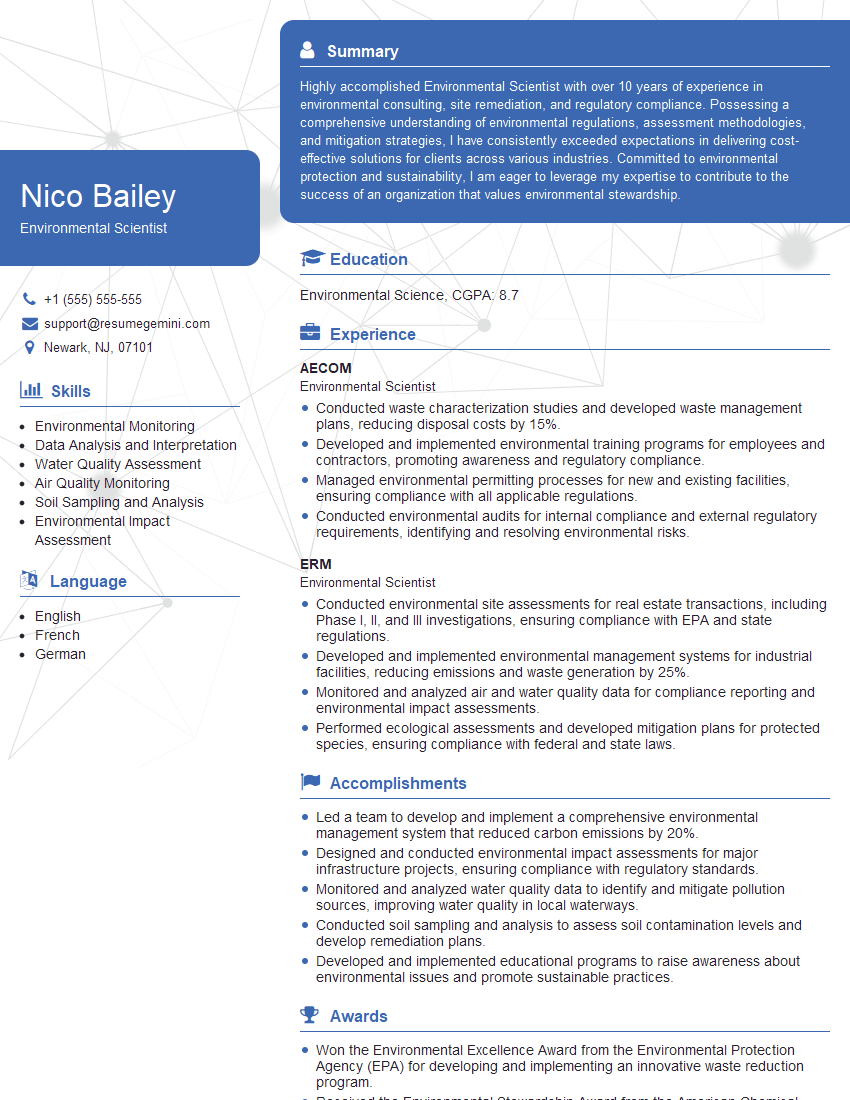
Environmental Scientist Resume Sample
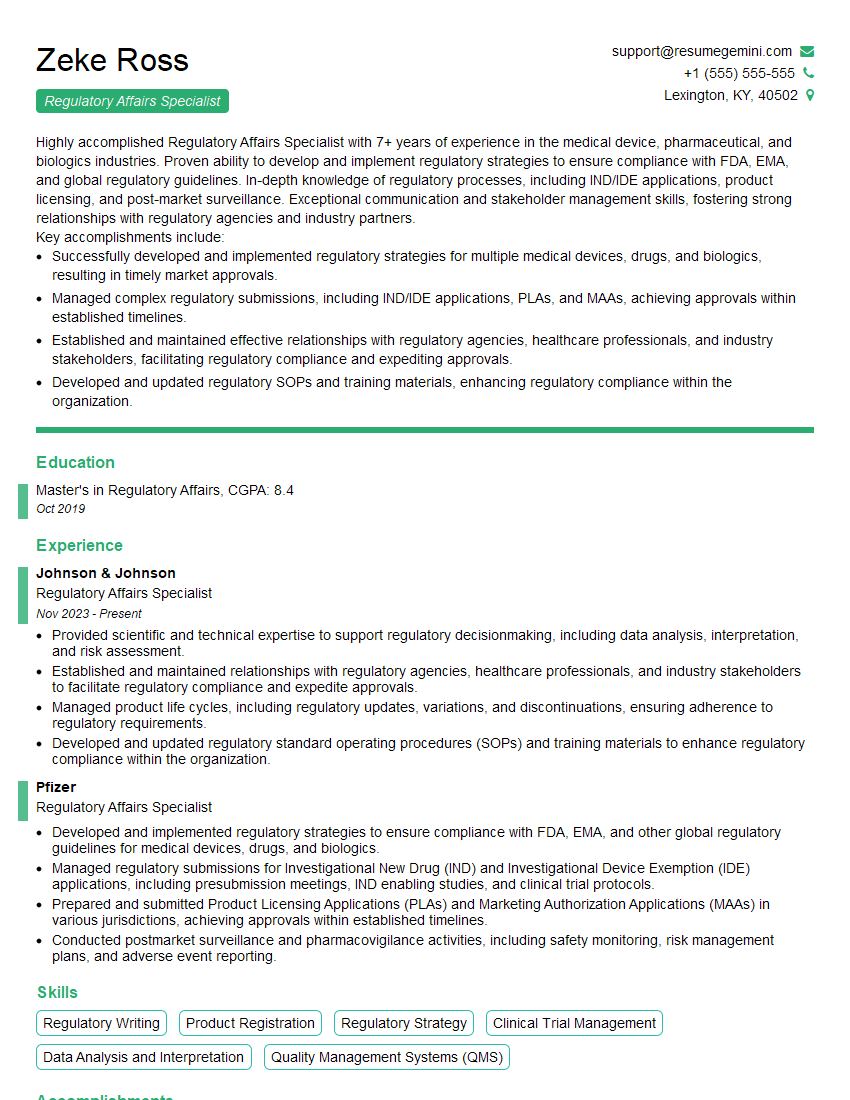
Regulatory Affairs Specialist Resume Sample

Quality Control Specialist Resume Sample

Laboratory Technician Resume Sample
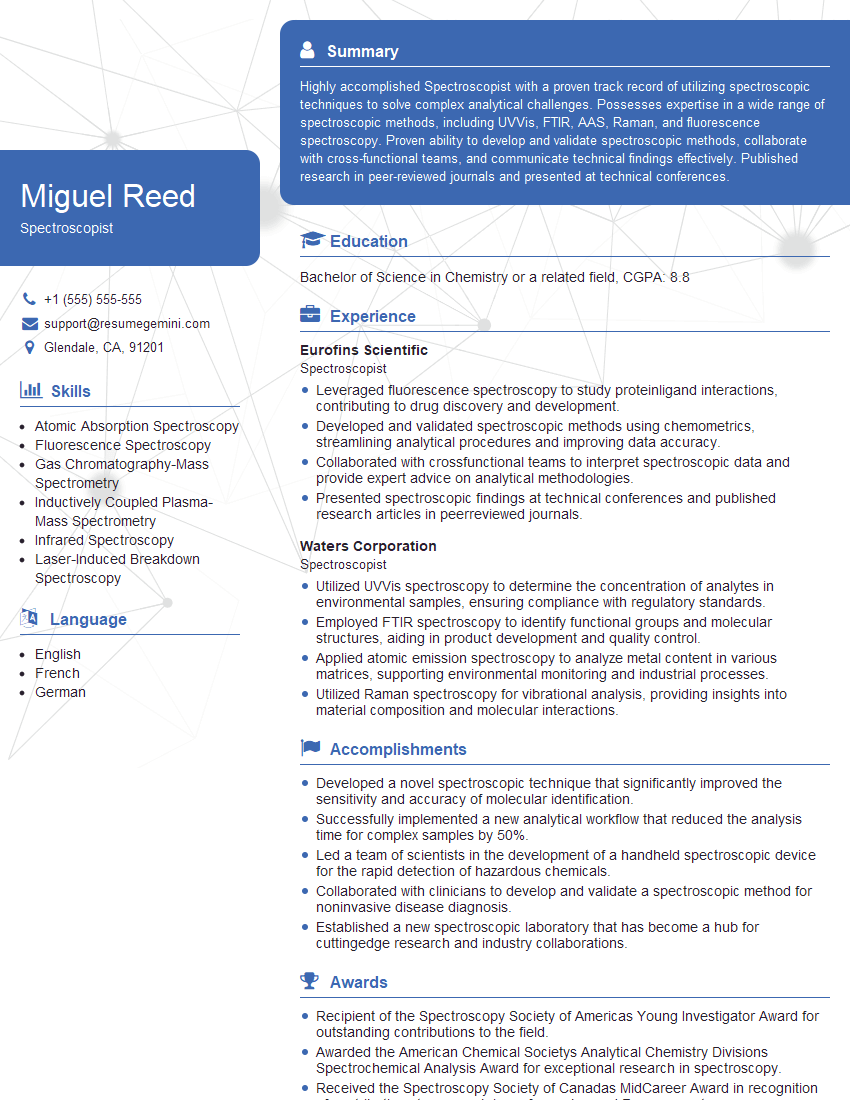
Spectroscopist Resume Sample
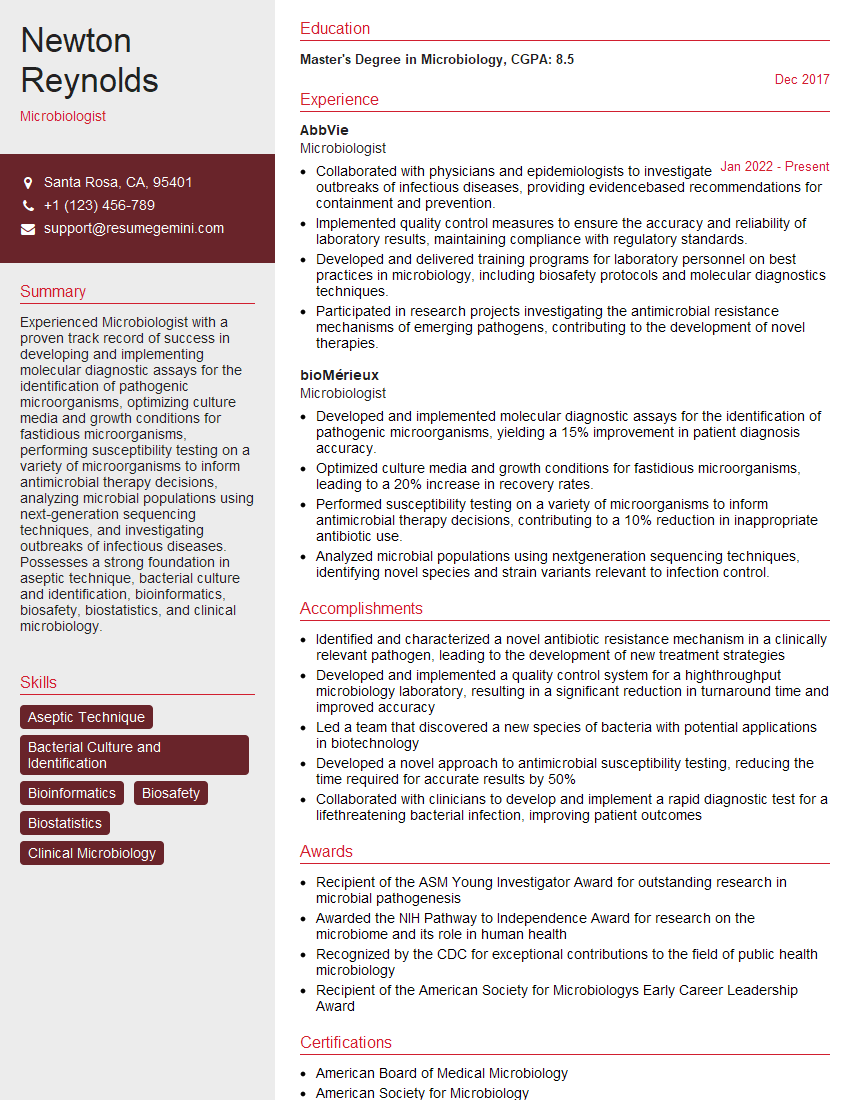
Microbiologist Resume Sample

Soil Scientist Resume Sample

Toxicologist Resume Sample
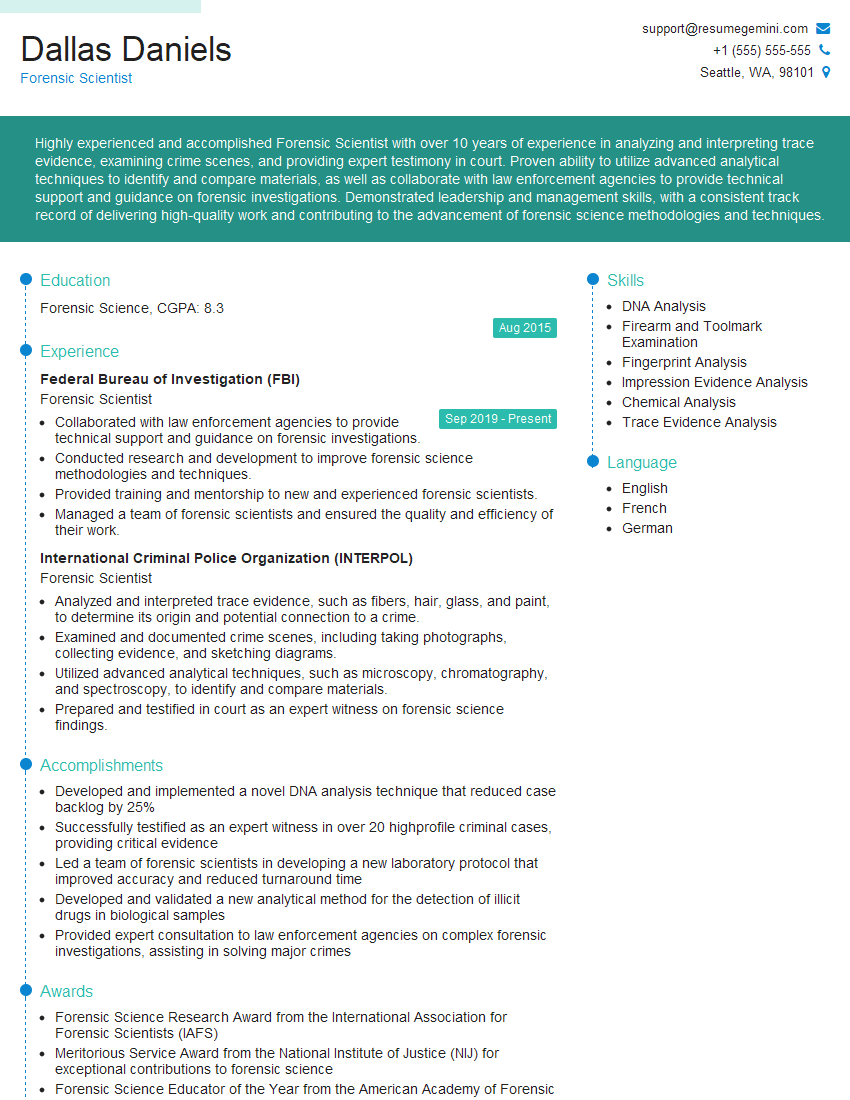
Forensic Scientist Resume Sample

Analytical Chemist Resume Sample
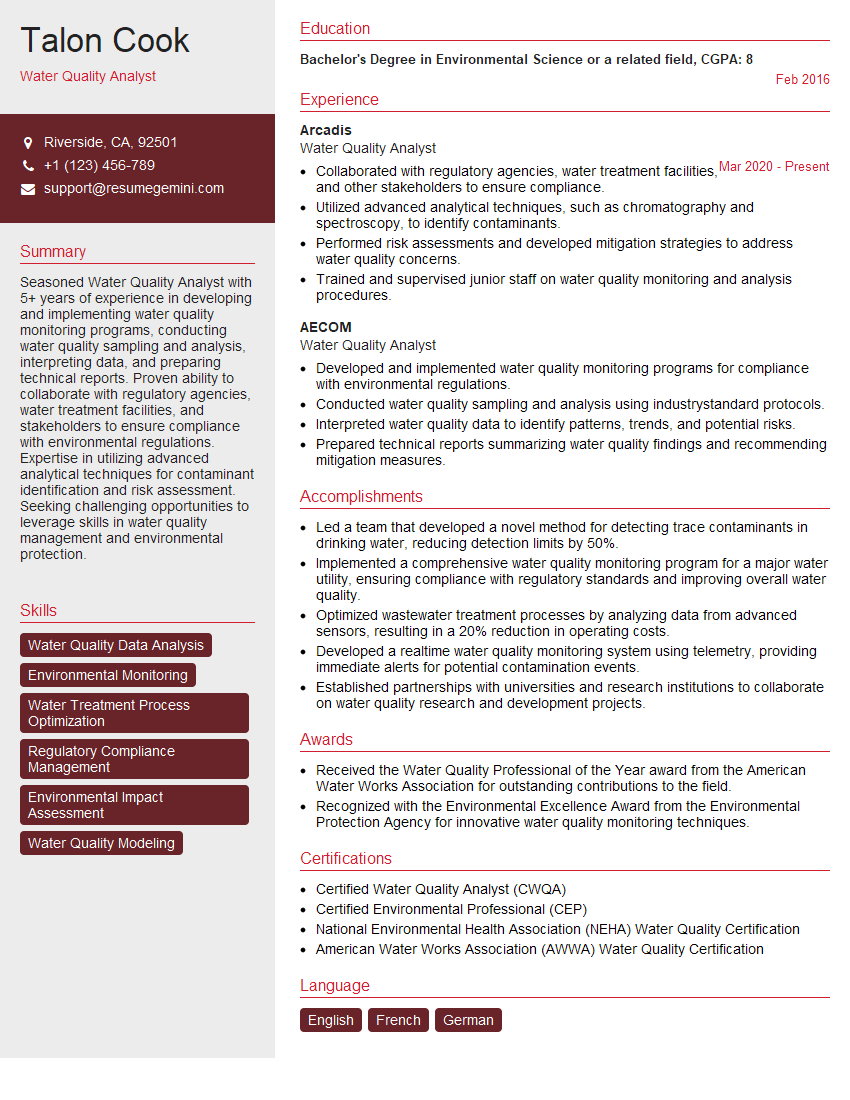
Water Quality Analyst Resume Sample
Explore more articles
Users Rating of Our Blogs
Share Your Experience
We value your feedback! Please rate our content and share your thoughts (optional).
What Readers Say About Our Blog
To the interviewgemini.com Webmaster.
Very helpful and content specific questions to help prepare me for my interview!
Thank you
To the interviewgemini.com Webmaster.
This was kind of a unique content I found around the specialized skills. Very helpful questions and good detailed answers.
Very Helpful blog, thank you Interviewgemini team.