Unlock your full potential by mastering the most common Selective Mutism Treatment interview questions. This blog offers a deep dive into the critical topics, ensuring you’re not only prepared to answer but to excel. With these insights, you’ll approach your interview with clarity and confidence.
Questions Asked in Selective Mutism Treatment Interview
Q 1. Describe your experience diagnosing Selective Mutism.
Diagnosing Selective Mutism (SM) requires a comprehensive approach, going beyond simply observing a child’s silence. It’s crucial to understand that SM isn’t simply shyness or social anxiety; it’s a complex anxiety disorder. My diagnostic process begins with a thorough clinical interview with the child and their parents or caregivers. I delve into the child’s communication patterns in different settings – at home, school, with familiar vs. unfamiliar people.
I look for the defining characteristic: consistent failure to speak in specific social situations despite speaking fluently in other settings, often lasting for at least one month. I rule out other potential causes such as hearing impairment, speech delay, autism spectrum disorder, or trauma through detailed questioning and observations. I assess the child’s overall developmental milestones and emotional state. Standardized rating scales, such as the Selective Mutism Profile, can assist in quantifying the severity and impact of SM. The key is to build rapport with the child, creating a safe and non-judgmental environment to encourage them to communicate, even nonverbally, as much as possible.
For example, I might start by playing a simple game with a child, observing their nonverbal communication – facial expressions, gestures, or pointing – to get a sense of their understanding and engagement. A child’s comfort level significantly influences the success of the diagnostic process. This holistic approach is essential to reach an accurate diagnosis and personalize the treatment plan.
Q 2. What are the key differential diagnoses to consider when assessing a child for Selective Mutism?
Differential diagnosis is critical in Selective Mutism because several conditions can present with similar symptoms. It’s essential to distinguish SM from other conditions to ensure the most appropriate intervention. Key differential diagnoses include:
- Social Anxiety Disorder (SAD): While SAD involves anxiety in social situations, it doesn’t always manifest as complete absence of speech. Children with SAD may be quiet or withdrawn but typically still speak to some extent.
- Autism Spectrum Disorder (ASD): Communication challenges are central to ASD, but the nature of these challenges differs from SM. Children with ASD may have difficulties with pragmatic language, social reciprocity, and nonverbal communication, whereas children with SM can communicate fluently in certain settings.
- Specific Language Impairment (SLI): This involves difficulties with language acquisition and expression, and although a child may appear selectively mute, they struggle with language even in familiar settings.
- Hearing Impairment: A thorough hearing assessment is always warranted to rule out any underlying auditory problems.
- Trauma or Abuse: Past trauma can lead to communication difficulties, often appearing as withdrawal and avoidance, therefore a careful assessment of the child’s history is essential.
Careful observation, detailed interviews with parents and teachers, and potentially standardized assessments help differentiate between these conditions and arrive at the correct diagnosis. It’s important to collaborate with other professionals like speech therapists, psychologists, and educators whenever necessary to get a complete picture.
Q 3. Explain the various therapeutic approaches you utilize in treating Selective Mutism.
My approach to Selective Mutism treatment is highly individualized and multi-faceted, utilizing evidence-based strategies that address the child’s unique needs and circumstances. It often combines several therapeutic approaches:
- Behavioral Therapy: This is a cornerstone of SM treatment, using techniques like systematic desensitization and shaping. Systematic desensitization gradually exposes the child to increasingly challenging social situations, starting with comfortable settings and progressing to more anxiety-provoking ones. Shaping reinforces small steps of progress, like initiating eye contact or whispering a word, to build communication confidence.
- Cognitive Behavioral Therapy (CBT): CBT helps children identify and challenge negative thoughts and beliefs contributing to their anxiety. It teaches them coping mechanisms to manage anxiety and improve communication skills. For instance, a child might learn to reframe thoughts like “Everyone will laugh at me if I speak” into more realistic and positive ones.
- Family Therapy: Involving the family is crucial, as their support system and dynamics directly impact the child’s progress (discussed more in detail below).
- Pharmacological Interventions: In some cases, medication may be considered, particularly to manage severe anxiety symptoms that hinder participation in therapy. This is often done in consultation with a psychiatrist or pediatrician.
- Speech-Language Therapy: A speech-language pathologist can address any underlying communication difficulties and help develop strategies to improve verbal expression.
The specific combination and emphasis of these approaches are determined based on the child’s age, severity of SM, and presenting symptoms. It’s a collaborative process involving the child, family, and the treatment team.
Q 4. How do you incorporate family therapy into your Selective Mutism treatment plan?
Family therapy is an integral part of Selective Mutism treatment, as the family’s support, communication patterns, and overall dynamics significantly influence a child’s progress. The goal is not to blame the family but to understand how their interactions contribute to the child’s anxiety and to develop strategies for positive change.
In family therapy sessions, I work with the parents or caregivers to identify any contributing factors to the child’s SM, such as overly protective parenting styles, communication patterns that might reinforce silence, or family stressors. We collaboratively develop strategies to promote a supportive environment that encourages communication and reduces the child’s anxiety. This may involve modifying communication styles, creating consistent and predictable routines, rewarding communication attempts, and practicing positive reinforcement at home.
For example, I might guide parents on how to create a communication reward system, where small steps towards communication are celebrated and rewarded. Or I may work with the family on implementing strategies to reduce stress at home.
Family therapy sessions create an opportunity to educate the family about SM, dispel common misconceptions, and empower them to actively support the child’s treatment. This shared understanding and collaborative effort are crucial to successful outcomes.
Q 5. What are the common challenges faced during Selective Mutism treatment?
Treating Selective Mutism presents several challenges. One significant hurdle is the child’s reluctance to participate actively in therapy. Building rapport and trust is paramount but can take time and patience. The child’s anxiety can be intense, making it difficult for them to engage in activities aimed at overcoming their fear of speaking.
Another challenge is the lack of awareness about SM among educators, peers, and even some healthcare professionals. This can lead to misdiagnosis, inappropriate interventions, and a lack of support for the child. Also, the treatment process can be lengthy, requiring consistent effort and commitment from both the child and their family. The progress is often incremental, with setbacks along the way. Family dynamics and parental involvement play a critical role, and challenges can arise if parents aren’t fully engaged or struggle to implement strategies consistently.
Finally, generalizing gains made in therapy to other settings can be difficult. The skills learned during therapy need consistent reinforcement and practice in the real-world environment to solidify the progress. Overcoming these challenges requires a multidisciplinary approach, patience, strong therapeutic alliance and unwavering support.
Q 6. How do you measure the effectiveness of your Selective Mutism interventions?
Measuring the effectiveness of Selective Mutism interventions requires a multi-pronged approach, focusing on both qualitative and quantitative data. There is no single perfect measure, and the most appropriate method depends on the individual child and their specific context.
Quantitative Measures: Standardized rating scales, such as the Selective Mutism Profile, are used to assess the severity of SM symptoms before, during, and after treatment. These scales track changes in the child’s ability to speak in different settings. We also track the child’s communication attempts (e.g., number of words spoken, initiation of conversations) across different settings and situations.
Qualitative Measures: Observations of the child’s behavior in various settings are essential. I might record observations in different settings (classroom, playground, therapy) noting changes in their communication, interactions, and overall emotional state. Reports from parents, teachers, and other relevant individuals provide valuable insight into the child’s progress in everyday life. Improvements in social participation and overall emotional well-being are important qualitative indicators of treatment success.
In addition to tracking progress, regular feedback sessions with the child and family are critical to adjust the treatment plan based on the observed progress. Celebrating small victories is very important to maintain motivation and optimism.
Q 7. Describe your experience working with children of different ages with Selective Mutism.
My experience working with children of different ages with Selective Mutism has shown that while the core features of the disorder remain consistent, the presentation and treatment approaches need to be tailored to developmental stage.
Younger Children (Preschool-Early Elementary): With younger children, play therapy is often a crucial part of the intervention. I use play-based activities to build rapport, establish a safe therapeutic relationship, and gradually encourage verbal communication. Their treatment focuses heavily on building self-confidence and reducing anxiety in a playful and engaging way. Parental involvement is particularly important with younger children.
Older Children (Late Elementary-Adolescence): Older children typically have a better understanding of their anxiety and may be more able to participate in cognitive-behavioral therapy strategies. We focus on identifying and challenging negative thoughts, developing coping strategies, and practicing social skills. Peer interaction and social inclusion are critical aspects for teenagers, thus interventions might include group therapy or social skills training.
In both age groups, it’s crucial to be sensitive to the child’s individual needs and developmental stage. The treatment plan must be flexible and adapted to address the unique challenges of each child’s age group. The pace of progress might vary significantly; patience and understanding are vital throughout the entire treatment process.
Q 8. How do you adapt your treatment strategies for diverse cultural backgrounds and family dynamics?
Treating Selective Mutism (SM) requires a culturally sensitive approach. Family dynamics significantly influence a child’s communication. My strategy begins with understanding the family’s cultural background, communication styles, and parenting practices. This involves active listening, showing empathy, and asking open-ended questions to avoid biases. For example, in some cultures, children are expected to be more reserved, and interpreting silence differently is crucial. I adapt my therapeutic techniques accordingly, ensuring they align with the family’s values and beliefs. If a family emphasizes a hierarchical structure, I might work collaboratively with the parent(s) to create a supportive environment, rather than directly engaging the child initially. I would also ensure that all therapy materials are culturally appropriate and sensitive. Additionally, I might seek consultation with cultural experts or interpreters when necessary to bridge potential communication gaps. For families who are new immigrants, for example, understanding potential trauma related to displacement and resettlement is critical in managing SM. Ultimately, the goal is to create a safe and trusting therapeutic space that respects cultural norms while addressing the child’s communication difficulties.
Q 9. What are the ethical considerations when treating Selective Mutism?
Ethical considerations in SM treatment are paramount. Confidentiality is key, especially when working with minors. Obtaining informed consent from parents and assent from the child, adapted to their developmental level, is crucial. Maintaining objectivity and avoiding judgment is vital. Families dealing with SM often feel a sense of shame and blame, and a non-judgmental approach builds trust. It’s crucial to avoid making promises I can’t keep regarding treatment outcomes. SM treatment is a journey, not a quick fix, and setting realistic expectations is ethical and helps manage parental anxieties. Furthermore, recognizing potential power imbalances in the therapeutic relationship and ensuring fairness and respect in communication is essential. Finally, ethical referrals are vital; if a comorbid condition needs specialist care, I refer the family to the appropriate professional.
Q 10. How do you collaborate with other professionals (teachers, parents, etc.) in managing Selective Mutism?
Collaboration is essential for successful SM treatment. I work closely with teachers, parents, and other professionals using a multi-disciplinary approach. Regular communication is key; I schedule meetings with parents and teachers to share progress updates, discuss challenges, and coordinate strategies. For example, we might create a visual communication system at school, mirroring techniques used in therapy. I provide teachers with strategies for creating a supportive classroom environment, like designated quiet spaces or flexible assignments. With parents, I collaborate on home-based interventions, such as using positive reinforcement or practicing communication skills in low-stress settings. I might share evidence-based strategies with them to enhance communication in the home, potentially suggesting books or websites relevant to SM. Regular communication also provides opportunities to adjust the plan based on the child’s progress and feedback from all involved parties, allowing for flexibility and responsiveness to the child’s needs.
Q 11. Explain the role of operant conditioning in Selective Mutism treatment.
Operant conditioning plays a vital role in SM treatment. It focuses on modifying behavior through reinforcement and consequences. Positive reinforcement, such as praise, rewards, or privileges, encourages verbalizations. For instance, a child might earn a sticker for speaking to a teacher, ultimately working towards a bigger reward like a special outing. Conversely, ignoring or minimizing attention to selective muteness (while positively reinforcing verbal communication) can decrease the behavior’s frequency. Shaping, a gradual approach, involves rewarding successive approximations of the target behavior. A child initially rewarded for making eye contact might later be rewarded for whispering, then speaking in short phrases. It’s crucial to carefully select and tailor reinforcement systems to the individual child’s preferences and developmental level to create meaningful progress and build positive associations with speaking. Extinction should only be used with careful consideration and must be paired with ample reinforcement of positive communication behaviors.
Q 12. Describe your understanding of cognitive behavioral therapy (CBT) in the context of Selective Mutism.
Cognitive Behavioral Therapy (CBT) helps children identify and change negative thoughts and beliefs contributing to their SM. It’s based on the idea that thoughts, feelings, and behaviors are interconnected. In SM, children may have anxious thoughts (“I’ll be judged if I speak,” “I’ll fail”). CBT helps children challenge and replace these thoughts with more realistic and helpful ones (“I can try my best,” “It’s okay to make mistakes”). Techniques like cognitive restructuring help identify distorted thoughts. Behavioral experiments involve gradually exposing the child to feared situations (speaking in increasingly challenging settings), building their confidence through mastery experiences and providing evidence that their negative thoughts are not always accurate. Relaxation techniques, such as deep breathing or progressive muscle relaxation, also reduce anxiety which often fuels the SM behavior. CBT is often used alongside other approaches for a holistic approach.
Q 13. How do you address potential comorbid conditions alongside Selective Mutism?
SM frequently co-occurs with other conditions like anxiety disorders (Generalized Anxiety Disorder, Social Anxiety Disorder), obsessive-compulsive disorder (OCD), and autism spectrum disorder (ASD). Addressing these comorbidities is crucial for successful SM treatment. This often requires a collaborative effort with other professionals, such as psychiatrists or psychologists specializing in those areas. For instance, if anxiety is a significant factor, anxiety management techniques (medication, CBT for anxiety) might be necessary alongside SM-specific interventions. Similarly, if OCD is present, addressing compulsive behaviors may help reduce the overall anxiety level contributing to SM. Treating comorbidities effectively improves the prognosis of SM and promotes the child’s overall well-being. A comprehensive assessment is necessary to identify and appropriately treat these other conditions, ensuring a holistic therapeutic strategy. A coordinated treatment plan involving the family is also critical.
Q 14. What are the common signs of relapse in Selective Mutism, and how do you prevent them?
Relapse in SM can manifest as a return to silence or reduced verbal communication in specific situations. Signs might include increased avoidance of social interactions, increased anxiety in speaking situations, or a decrease in the frequency of verbal communication. Preventing relapse involves maintaining consistent communication and collaboration among the therapeutic team (therapist, parents, teachers), continued use of previously effective strategies (positive reinforcement, CBT skills), and proactive strategies addressing potential triggers (stressful events, changes in routine). Gradual exposure to increasingly challenging speaking situations is vital to maintain progress. Regular check-ins and booster sessions can reinforce skills and address any emerging challenges. Family education and support are equally important to ensure consistency in applied strategies and to enhance parental confidence in managing the child’s ongoing communication development. A strong collaborative partnership with the parents is key to preventing relapse.
Q 15. Describe your experience using play therapy in the treatment of Selective Mutism.
Play therapy is incredibly valuable in treating Selective Mutism (SM) because it allows children to communicate and express themselves in a non-threatening way, bypassing the verbal communication barrier that defines the disorder. Instead of directly confronting their speech anxiety, we utilize the power of play. I use a variety of techniques, including sand trays, puppets, drawing, and symbolic play to create a safe space for the child to explore their emotions and anxieties related to speaking. For example, a child might use puppets to act out a scenario where they feel uncomfortable speaking in class, allowing me to gently guide them towards alternative coping strategies within the safe confines of play. The play itself becomes a form of communication, revealing anxieties and offering avenues for gradual desensitization.
One child I worked with, a seven-year-old girl named Lily, was profoundly mute at school but expressive at home. In play therapy, using dolls, she recreated her school day. The dolls’ interactions helped her demonstrate the anxiety triggers in her school environment—a noisy classroom, unfamiliar faces, the pressure of speaking up. This allowed us to address these anxieties directly through role-playing and practicing different responses within the context of the play.
Career Expert Tips:
- Ace those interviews! Prepare effectively by reviewing the Top 50 Most Common Interview Questions on ResumeGemini.
- Navigate your job search with confidence! Explore a wide range of Career Tips on ResumeGemini. Learn about common challenges and recommendations to overcome them.
- Craft the perfect resume! Master the Art of Resume Writing with ResumeGemini’s guide. Showcase your unique qualifications and achievements effectively.
- Don’t miss out on holiday savings! Build your dream resume with ResumeGemini’s ATS optimized templates.
Q 16. What are the long-term goals of your Selective Mutism treatment approach?
The long-term goals of my Selective Mutism treatment approach are multifaceted. The overarching aim is to achieve functional communication in all relevant settings. This means the child can comfortably and spontaneously communicate their needs, wants, and ideas in various contexts – at school, at home, with peers, and with adults. Beyond just speaking, I focus on enhancing the child’s overall emotional well-being and self-esteem. We work to reduce anxiety, build confidence, and develop effective coping mechanisms to manage stressful situations. Finally, successful treatment should empower the child to participate fully in social and academic settings without the debilitating effects of SM. It’s a holistic approach aiming for long-term independence and social integration.
Q 17. How do you assess the severity of Selective Mutism?
Assessing the severity of Selective Mutism is a crucial first step. It’s not simply about whether a child speaks or not, but rather the extent to which their silence impacts their daily life. I use a multi-faceted approach. This involves detailed interviews with parents and teachers to understand the child’s communication patterns across different settings. A structured interview will cover the duration, context, and severity of the mutism. I’ll also look at the child’s overall functioning in different areas, including academic performance, social interactions, and emotional well-being. Observational assessments are vital, allowing me to see the child’s nonverbal communication and behavior firsthand in various situations. Standardized rating scales, such as the Selective Mutism Assessment (SMA) or the DSM-5 criteria for SM, are used to quantify the severity and guide treatment planning.
For instance, a child who only speaks at home but is completely silent at school presents a different level of severity than a child who whispers to a few familiar adults but avoids interaction with peers.
Q 18. Explain your approach to desensitization and exposure therapy in the context of Selective Mutism.
Desensitization and exposure therapy are cornerstones of SM treatment. The goal is to gradually expose the child to anxiety-provoking situations, starting with low-anxiety scenarios and slowly increasing the challenge. This is done systematically to reduce their fear response. For example, we might start with having the child simply observe a classroom from outside the door, then progress to brief visits inside the room while playing quietly, and finally, to interacting with a single classmate. Throughout this process, we utilize relaxation techniques like deep breathing and positive reinforcement to help the child manage anxiety. The emphasis is always on the child’s comfort level; progress is at their own pace. It’s vital to create a supportive and collaborative environment where setbacks are seen as opportunities for learning and adjustment, not failures.
Q 19. What are the potential limitations of various treatment approaches for Selective Mutism?
While various treatment approaches exist, each has its limitations. For example, medication may help manage associated anxiety but doesn’t directly address the core communication difficulties. Behavioral therapies can be effective, but success relies heavily on consistent implementation and parental cooperation. Family therapy can improve family dynamics and communication but may not fully resolve the child’s SM. Furthermore, comorbid conditions like anxiety disorders, autism spectrum disorder, or social anxiety disorder can complicate treatment and require a more integrated approach. Some children might not respond to standard protocols, requiring a tailored, individualized intervention.
Q 20. How do you handle resistance from a child or family during Selective Mutism treatment?
Resistance from a child or family is a common challenge. It’s crucial to understand the underlying reasons for this resistance. Perhaps the child feels overwhelmed by the therapy, or the family is struggling with the demands of the treatment. I employ a collaborative and empathetic approach. Open communication is vital, focusing on actively listening to their concerns and validating their feelings. We work together to adjust the treatment plan to better suit their needs and preferences, making it less daunting and more achievable. For instance, if the child dislikes a particular activity, we’ll try an alternative. If the family is struggling with time constraints, we might explore shorter sessions or different scheduling options. Flexibility and understanding are key to overcoming resistance and building a strong therapeutic alliance.
Q 21. Describe your experience with different assessment tools used for Selective Mutism.
My experience with assessment tools for Selective Mutism involves a blend of standardized measures and clinical observations. The Selective Mutism Questionnaire (SMQ) provides a quantitative measure of the severity of the mutism, while the DSM-5 diagnostic criteria ensure accurate diagnosis. The Clinical Global Impressions scale (CGI) helps track the child’s overall improvement over time. However, these formal assessments are always complemented by qualitative data gleaned from parent and teacher interviews and direct observation of the child in various settings. The richness of this combined approach helps paint a comprehensive picture of the child’s functioning and guides the development of personalized treatment plans. It’s not just about numbers; it’s about understanding the child’s unique experience and tailoring the treatment to their individual needs.
Q 22. What are your strategies for maintaining confidentiality within the therapeutic relationship?
Maintaining confidentiality is paramount in therapy. It’s the cornerstone of trust and a safe therapeutic space. With Selective Mutism (SM), where children already struggle with communication and vulnerability, this is even more critical. My strategies involve several key steps. First, I clearly explain my confidentiality policy at the outset to both the child and their parents, emphasizing what information will be kept private and any exceptions, such as mandated reporting of abuse or self-harm. Second, I use secure methods for storing and transmitting client information – using HIPAA-compliant electronic health records and avoiding casual discussions about the case outside of the therapy setting. Third, I obtain informed consent for any recordings or sharing of information with other professionals, like teachers or school psychologists. This process is crucial and is continually reviewed throughout the therapeutic journey. This includes regular conversations with the family about the boundaries of confidentiality.
Q 23. How do you support parents in their roles during the Selective Mutism treatment process?
Parental support is absolutely essential in Selective Mutism treatment. Parents are the child’s primary caregivers and play a vital role in implementing strategies at home and school. I support parents through several means. We begin by educating them about SM, debunking myths and misconceptions. I explain the condition, its causes, and the treatment process in clear, understandable terms. We collaboratively create a treatment plan tailored to their child’s needs, involving them actively in every step. I provide them with practical strategies and coping mechanisms to manage the child’s anxiety at home – this often involves practicing communication strategies in safe and controlled environments, creating a supportive and patient environment, and gradually desensitizing the child to social situations. Regular check-ins and progress reviews help parents monitor their child’s response to treatment and allow for adjustments as needed. I also encourage parents to utilize community resources, such as support groups for parents of children with SM, fostering a sense of community and shared understanding.
Q 24. Discuss the role of school-based interventions in managing Selective Mutism.
School-based interventions are integral to successful Selective Mutism treatment. The school is a key environment where the child experiences the symptoms of SM, making school collaboration crucial. Interventions might involve creating a supportive and understanding classroom environment. This could mean modifying classroom routines, reducing pressure, and allowing the child to communicate through alternative methods initially (e.g., writing, drawing). The teacher’s role is vital; they can work with the therapist to implement strategies in the classroom such as gradually increasing communication expectations, rewarding even small verbal attempts, and avoiding punitive measures. Regular communication between the therapist, parents, and school staff is critical to ensure consistency and progress tracking. School-based interventions aim to desensitize the child to the school environment, reducing the anxiety that triggers their mutism, thereby facilitating their participation in school activities and social interactions.
Q 25. What are the most effective communication strategies for working with families of children with Selective Mutism?
Effective communication with families is crucial. I prioritize clear, empathetic, and consistent communication. I use simple, jargon-free language when explaining complex concepts related to SM. Active listening is crucial; I make sure I understand their perspectives, concerns, and experiences. I use collaborative, family-centered approaches, ensuring that the family feels actively involved in decision-making. Regular feedback and progress updates are provided, allowing them to see the child’s progress and stay motivated. I create a safe and supportive environment where parents can openly share their challenges and successes. This open communication establishes a strong therapeutic alliance, which is crucial for successful treatment outcomes.
Q 26. Explain your understanding of evidence-based practices for Selective Mutism.
Evidence-based practices for Selective Mutism predominantly focus on behavioral therapies, particularly Cognitive Behavioral Therapy (CBT) and related approaches. CBT helps children identify and challenge their negative thoughts and beliefs contributing to their anxiety and mutism. Exposure therapy, a key component of CBT, gradually exposes the child to anxiety-provoking situations in a safe and supportive environment. This could involve starting with low-level exposures, such as talking to a therapist alone, then progressing to interactions with familiar individuals in less demanding settings, and eventually moving towards more challenging social situations. Another common approach is operant conditioning, using positive reinforcement to reward even small verbal attempts, encouraging communication. These strategies are often combined with strategies to reduce anxiety, such as relaxation techniques and social skills training. The efficacy of these treatments is supported by considerable research, showing positive outcomes for many children with SM.
Q 27. How do you determine the appropriate length and intensity of Selective Mutism treatment?
The length and intensity of treatment depend on several factors, including the child’s age, symptom severity, family dynamics, and response to treatment. For some children, shorter-term, less intense interventions might suffice; others might need more intensive, long-term support. Initially, an assessment is conducted to determine the specific needs and challenges of the child. This assessment informs the development of an individualized treatment plan outlining goals, frequency of sessions, and overall duration. Regular monitoring of the child’s progress is essential. Treatment intensity may be adjusted based on their response to therapy – for example, if significant progress is made, sessions may be reduced in frequency. The treatment continues until the child achieves their goals, demonstrating consistent verbal communication in various settings. Close collaboration with parents and school staff is essential in determining when treatment goals are met.
Q 28. Describe a successful case study where you treated a child with Selective Mutism.
I recall a young girl, Lily, who presented with severe Selective Mutism. She was eight years old and completely silent at school. At home, she communicated minimally. Her parents were understandably distressed. We started with a gradual desensitization approach, focusing on building rapport and trust in a safe, play-based therapeutic environment. I used puppetry and drawings to encourage non-verbal communication initially. Then, using a reward system, I gradually encouraged verbal responses, starting with simple one-word answers. We worked on improving her coping skills through relaxation techniques and helping her identify and challenge her negative self-talk. Simultaneously, her teachers implemented strategies in the classroom to create a supportive environment. The collaboration between home and school was crucial. Over several months, Lily began to speak in increasingly complex sentences, not only to her therapist but also to her teachers and eventually classmates. By the end of treatment, she was actively participating in classroom activities and had developed significant friendships. It was a remarkable success story that highlighted the potential for positive change with a comprehensive and collaborative approach.
Key Topics to Learn for Selective Mutism Treatment Interview
- Understanding Selective Mutism: Defining the disorder, differentiating it from other communication disorders, and exploring its prevalence and impact across various age groups.
- Assessment and Diagnosis: Methods for accurately assessing selective mutism, including observation, interviews, and standardized assessments. Understanding diagnostic criteria and differential diagnosis.
- Therapeutic Approaches: A comprehensive overview of evidence-based treatments, including behavioral therapies (e.g., systematic desensitization, positive reinforcement), cognitive-behavioral therapy (CBT), family therapy, and medication considerations.
- Practical Application in Diverse Settings: Applying therapeutic interventions in various contexts such as schools, clinics, and homes. Adapting treatment plans to individual needs and cultural backgrounds.
- Collaboration and Communication: The importance of collaborative work with parents, educators, and other professionals. Effective strategies for communication and building therapeutic alliances.
- Ethical Considerations: Navigating ethical dilemmas in treating selective mutism, including informed consent, confidentiality, and cultural sensitivity.
- Measuring Treatment Outcomes: Methods for evaluating treatment effectiveness and progress, including standardized measures and qualitative assessments. Understanding the importance of ongoing monitoring and adjustment of treatment plans.
- Relapse Prevention and Long-Term Management: Strategies for preventing relapse and supporting individuals with selective mutism in maintaining communication skills and overall well-being.
- Research in Selective Mutism: Familiarity with current research trends, promising new therapies, and areas requiring further investigation.
Next Steps
Mastering Selective Mutism Treatment will significantly enhance your career prospects in the field of psychology, speech-language pathology, or related disciplines. A strong understanding of these concepts will allow you to present yourself confidently during interviews and showcase your expertise. To maximize your chances of landing your dream job, it’s crucial to create a professional, ATS-friendly resume that highlights your skills and experience effectively. ResumeGemini is a trusted resource that can help you build a powerful resume tailored to the specific requirements of Selective Mutism Treatment roles. Examples of resumes tailored to this field are available to guide you.
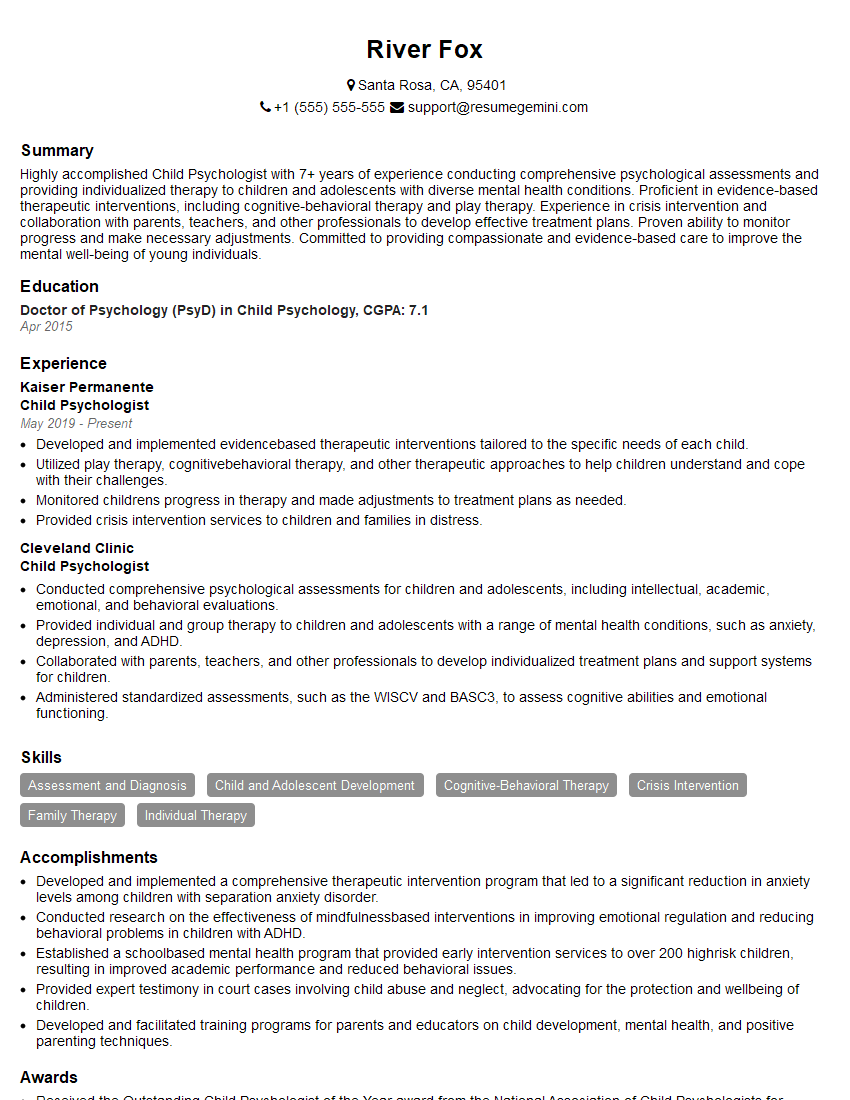
Child Psychologist Resume Sample
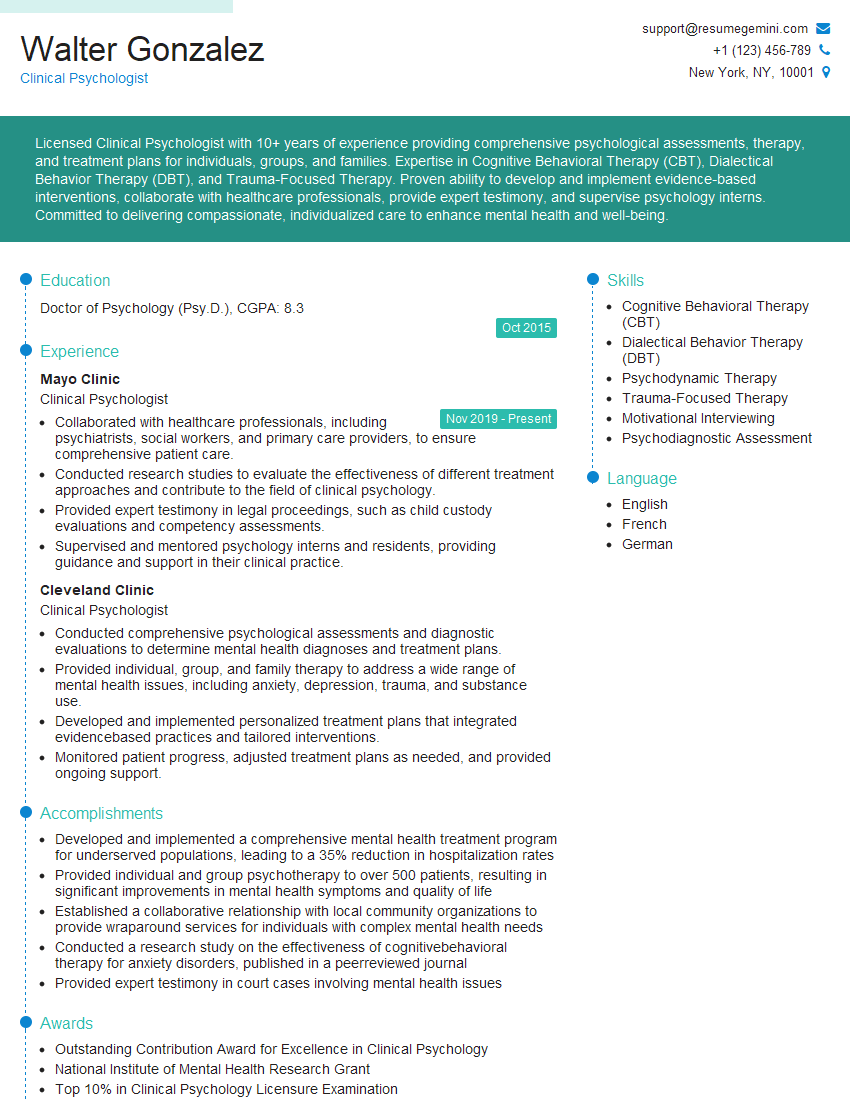
Clinical Psychologist Resume Sample
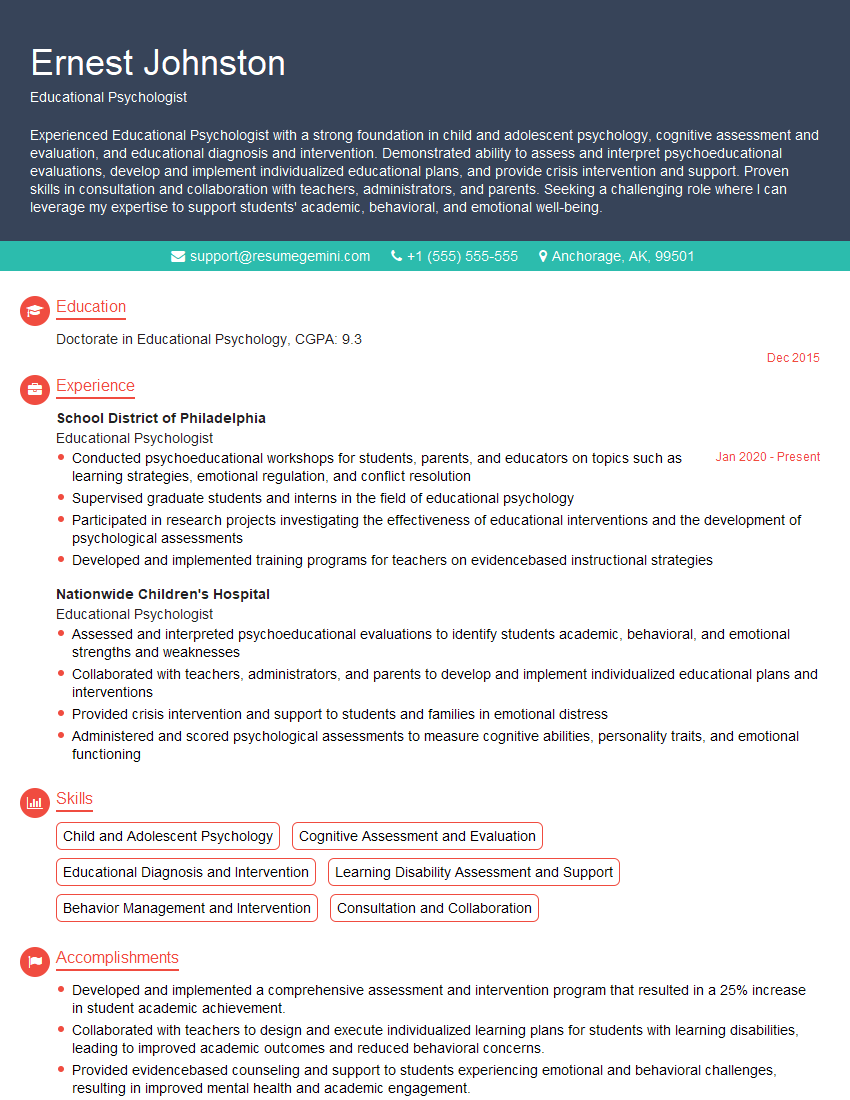
Educational Psychologist Resume Sample
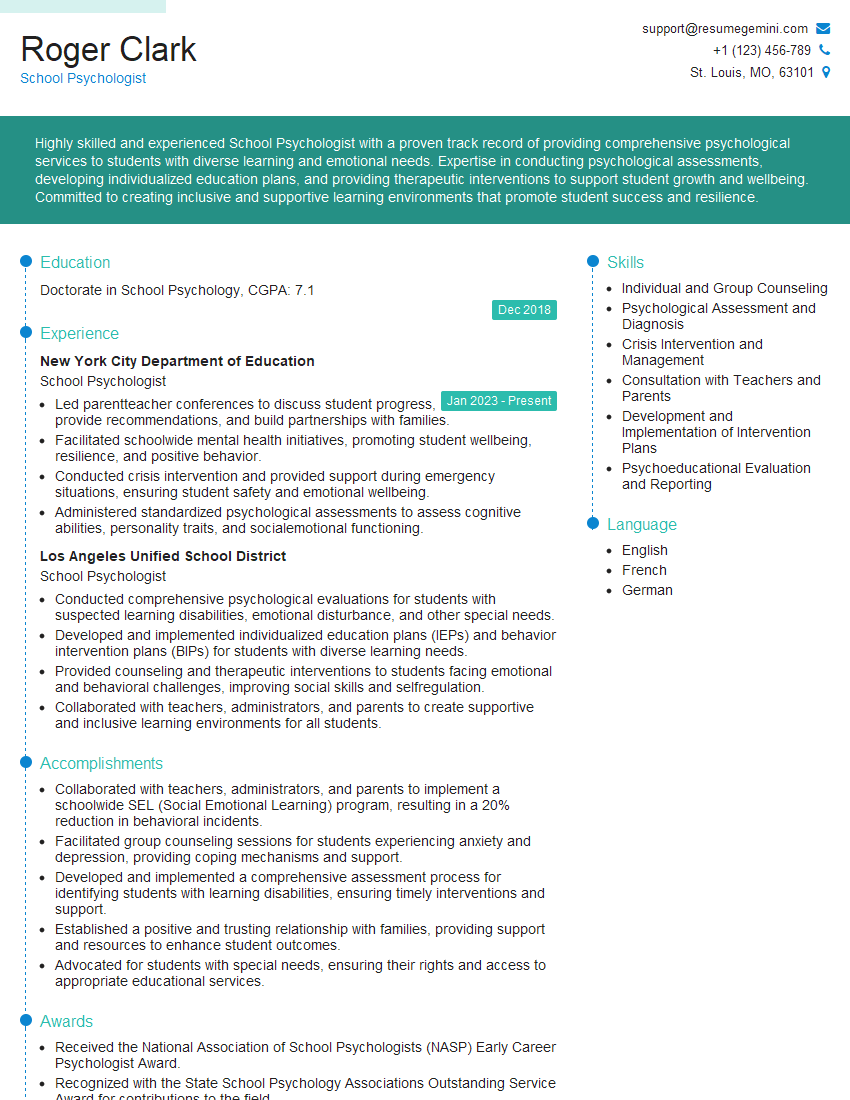
School Psychologist Resume Sample
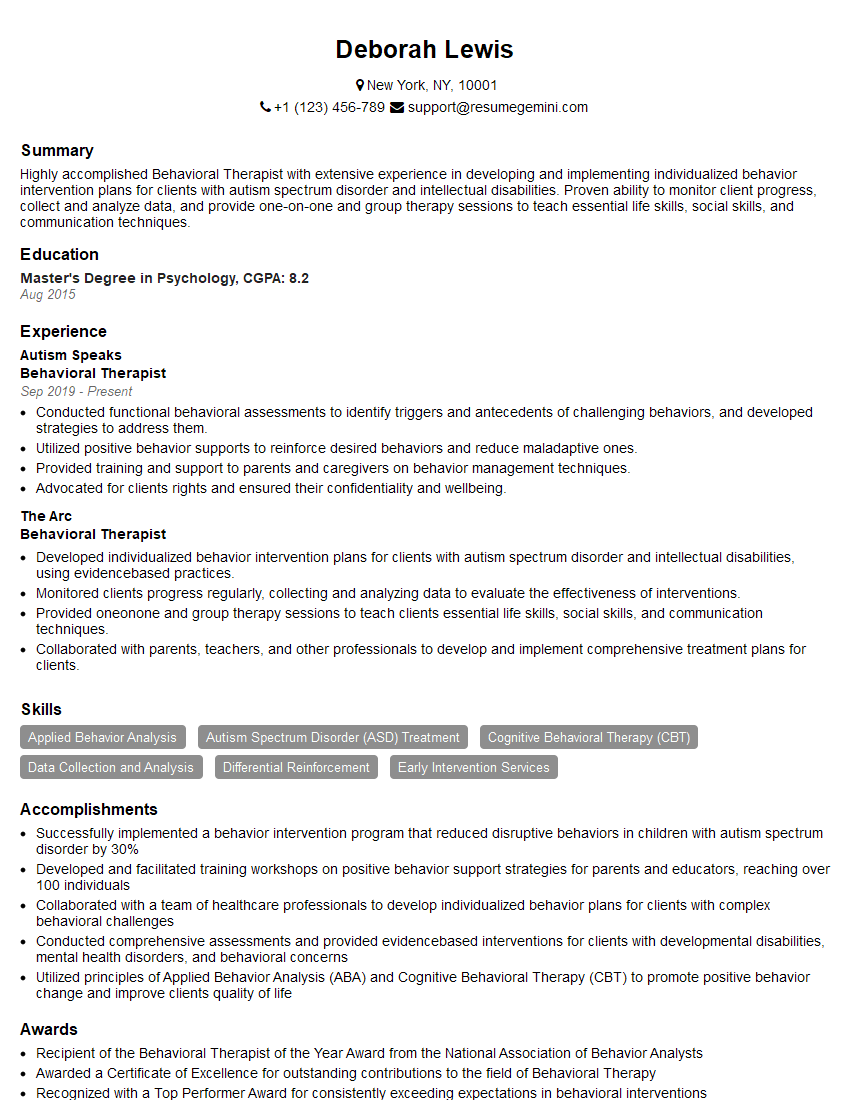
Behavioral Therapist Resume Sample
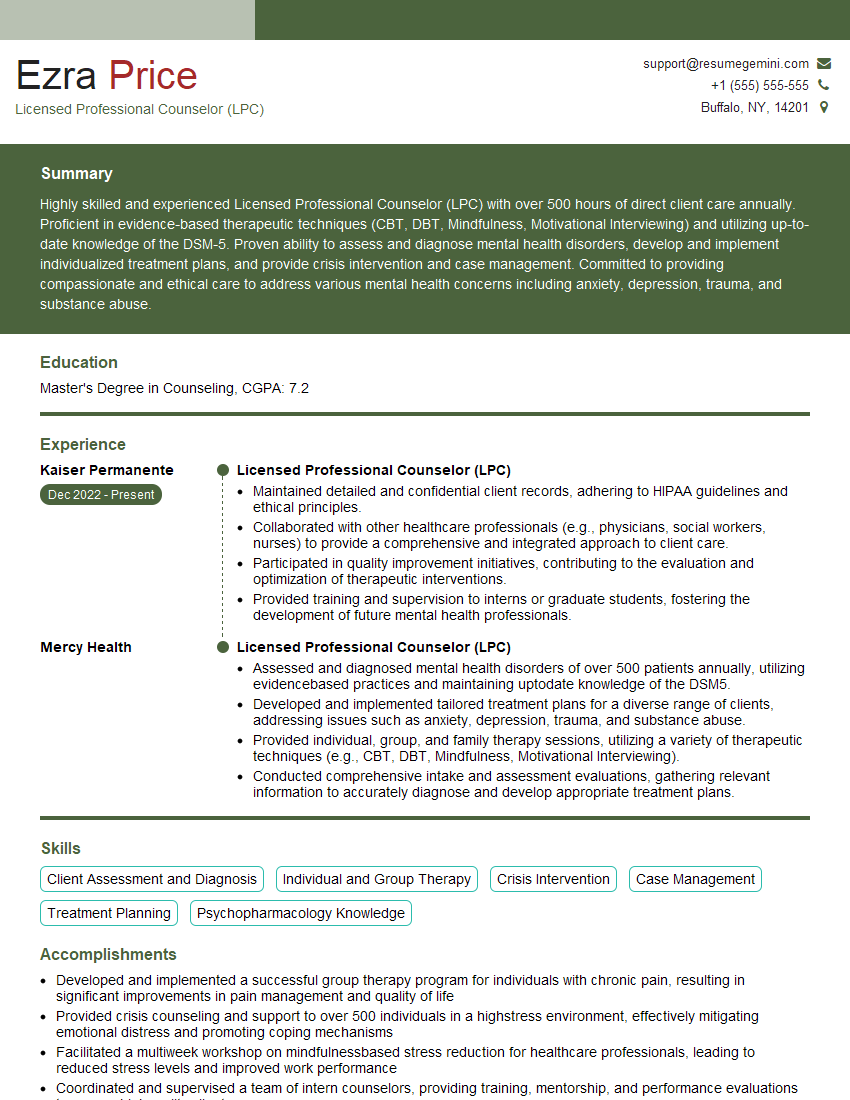
Licensed Professional Counselor (LPC) Resume Sample

Mental Health Counselor Resume Sample
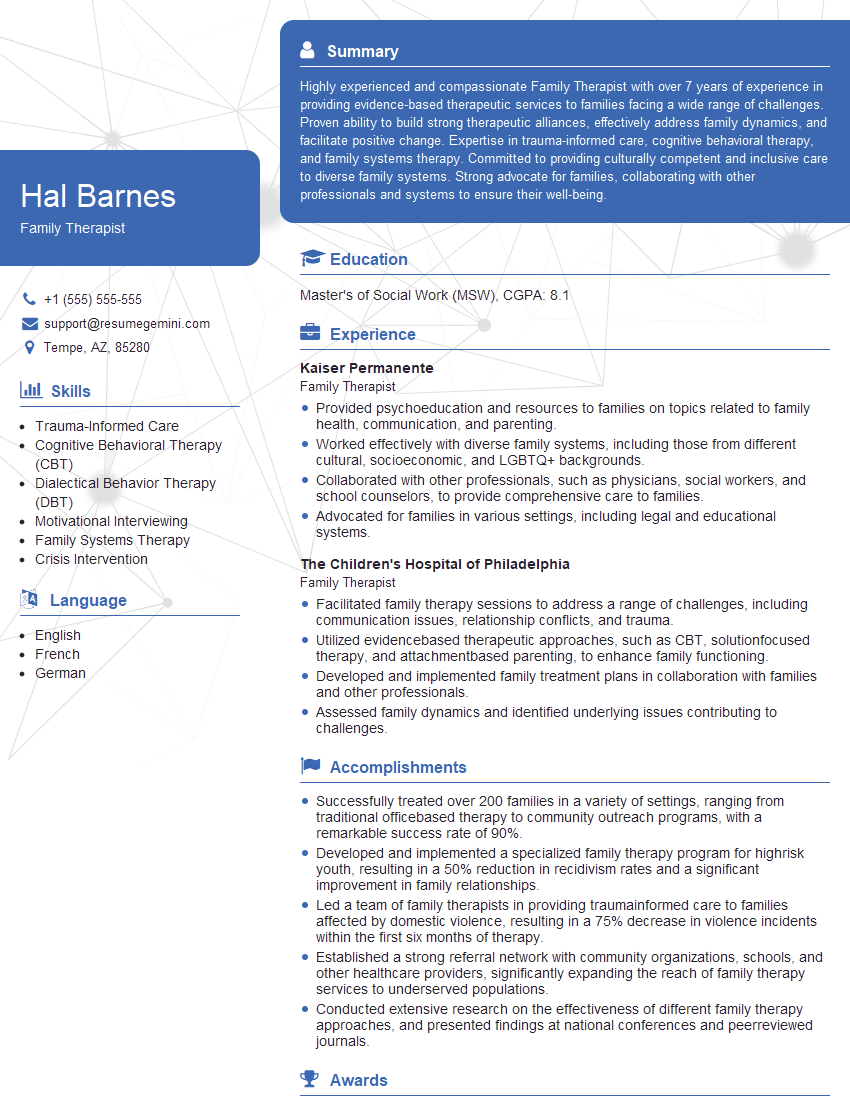
Family Therapist Resume Sample
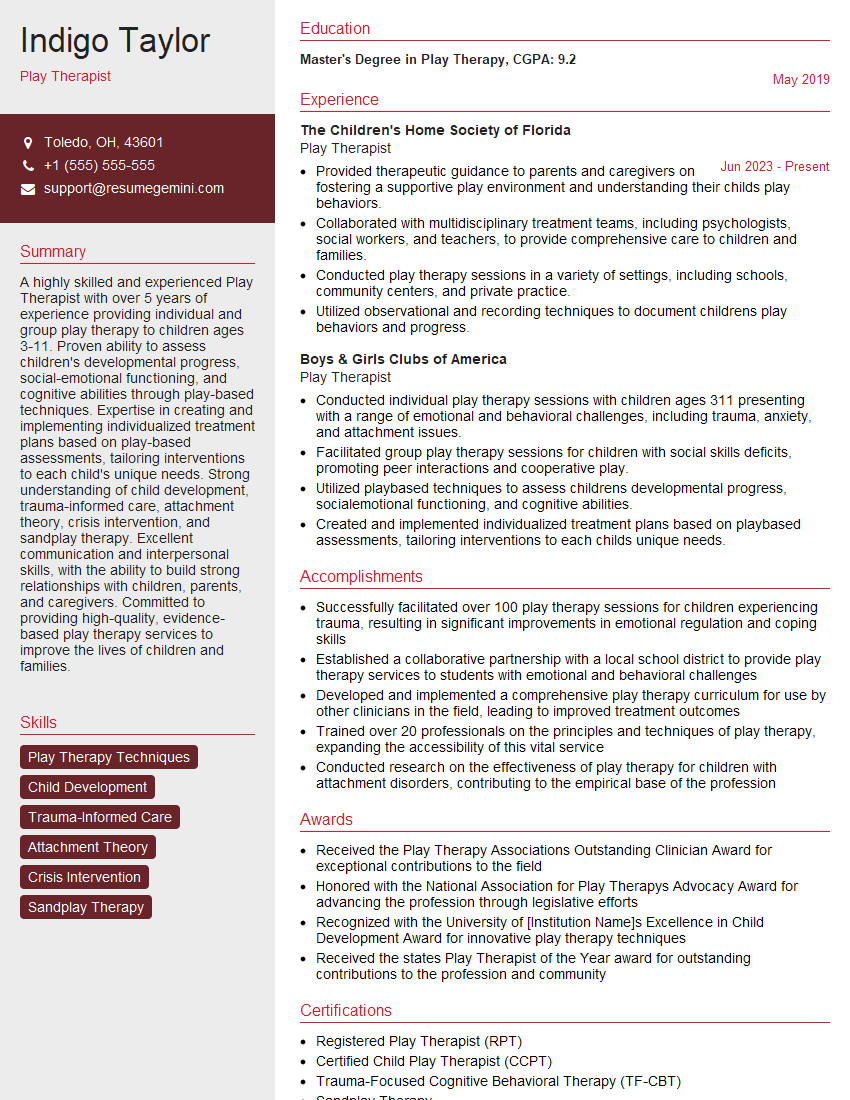
Play Therapist Resume Sample
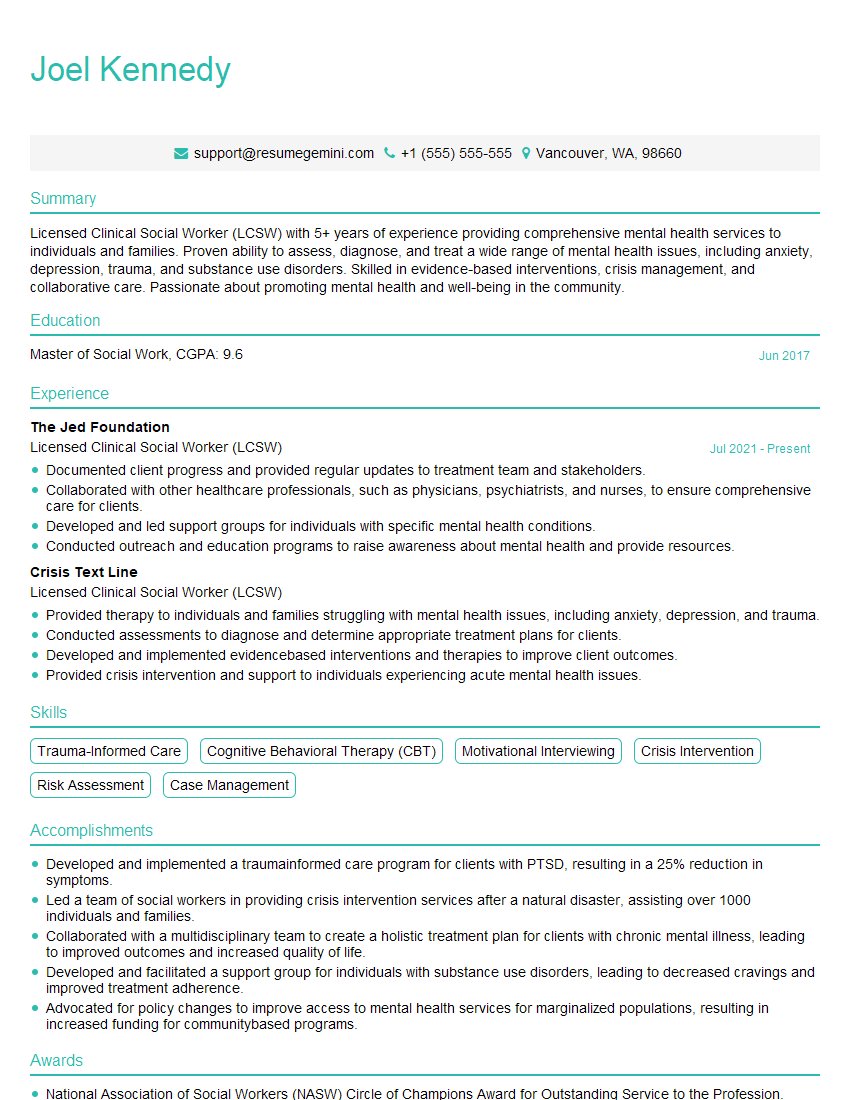
Licensed Clinical Social Worker (LCSW) Resume Sample
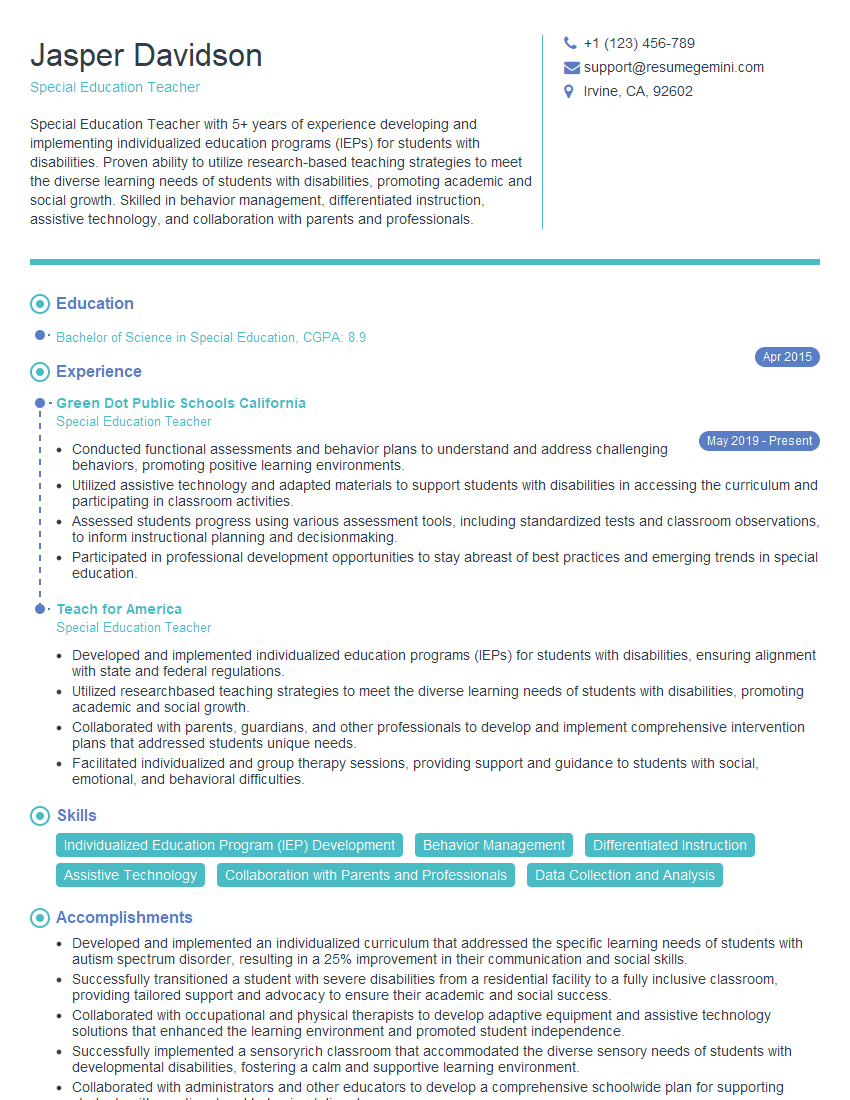
Special Education Teacher Resume Sample
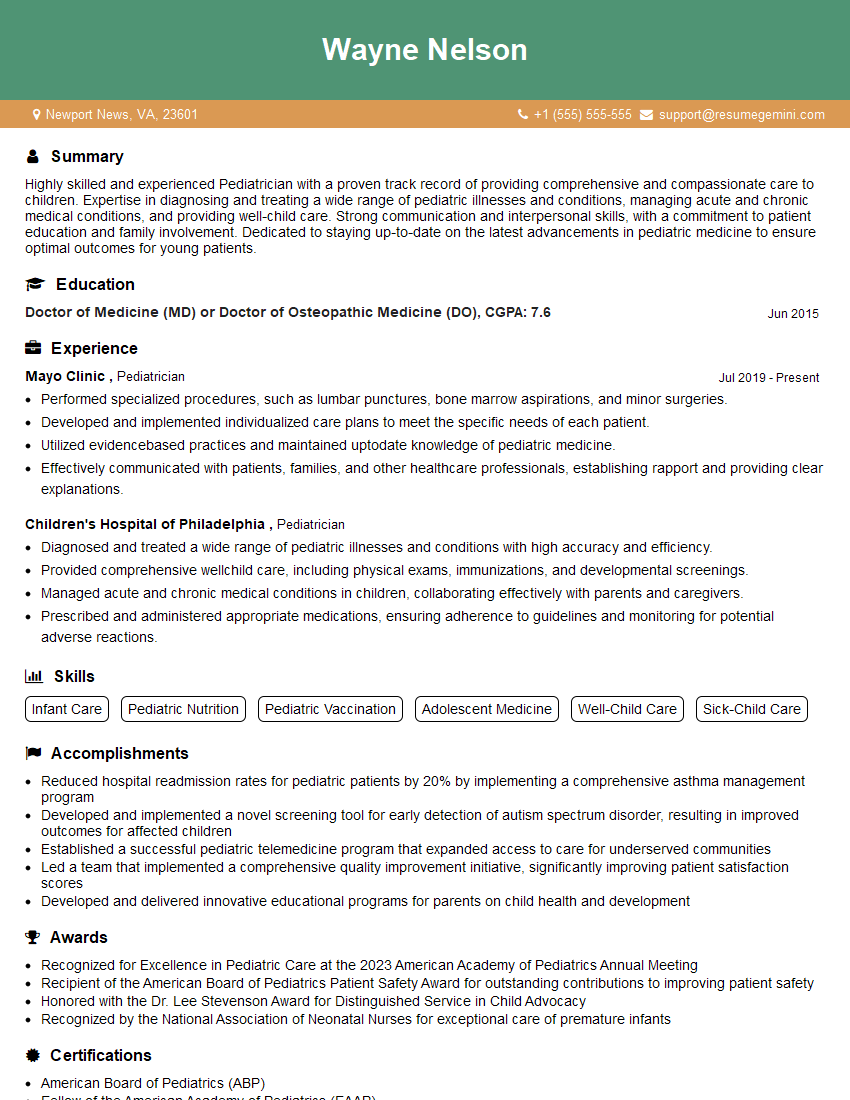
Pediatrician Resume Sample
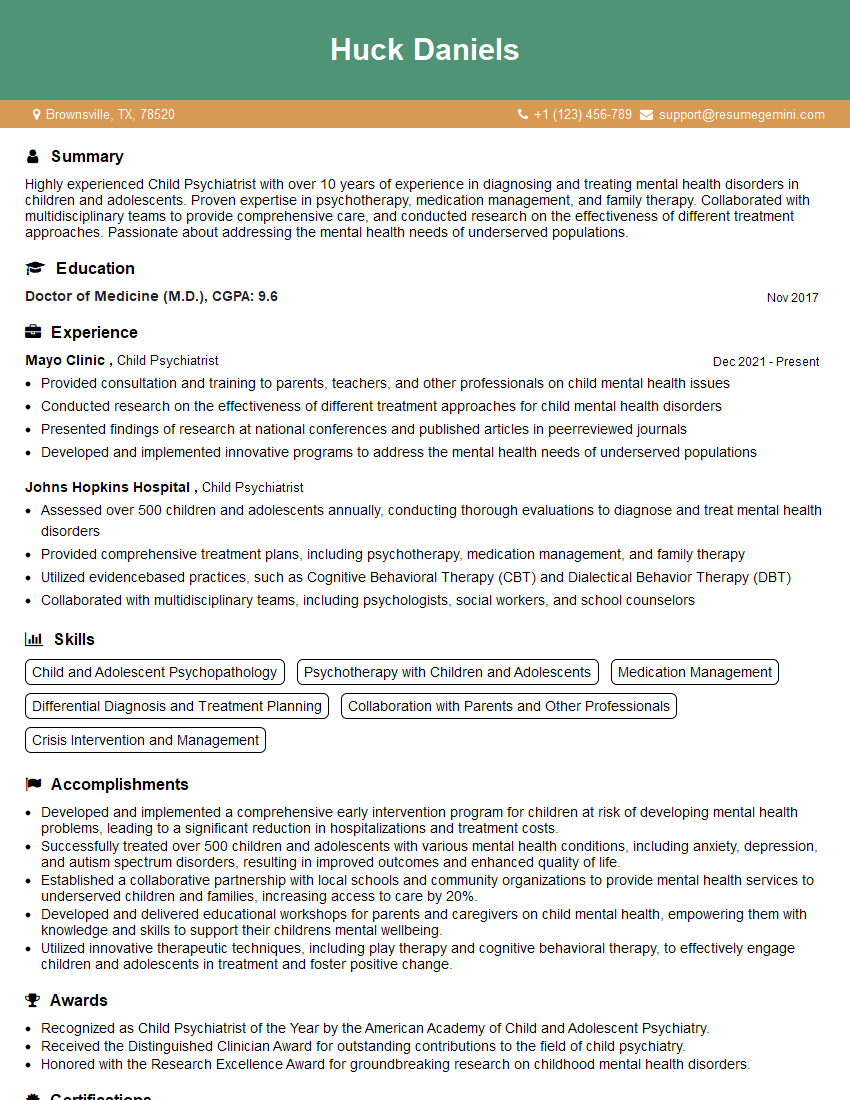
Child Psychiatrist Resume Sample
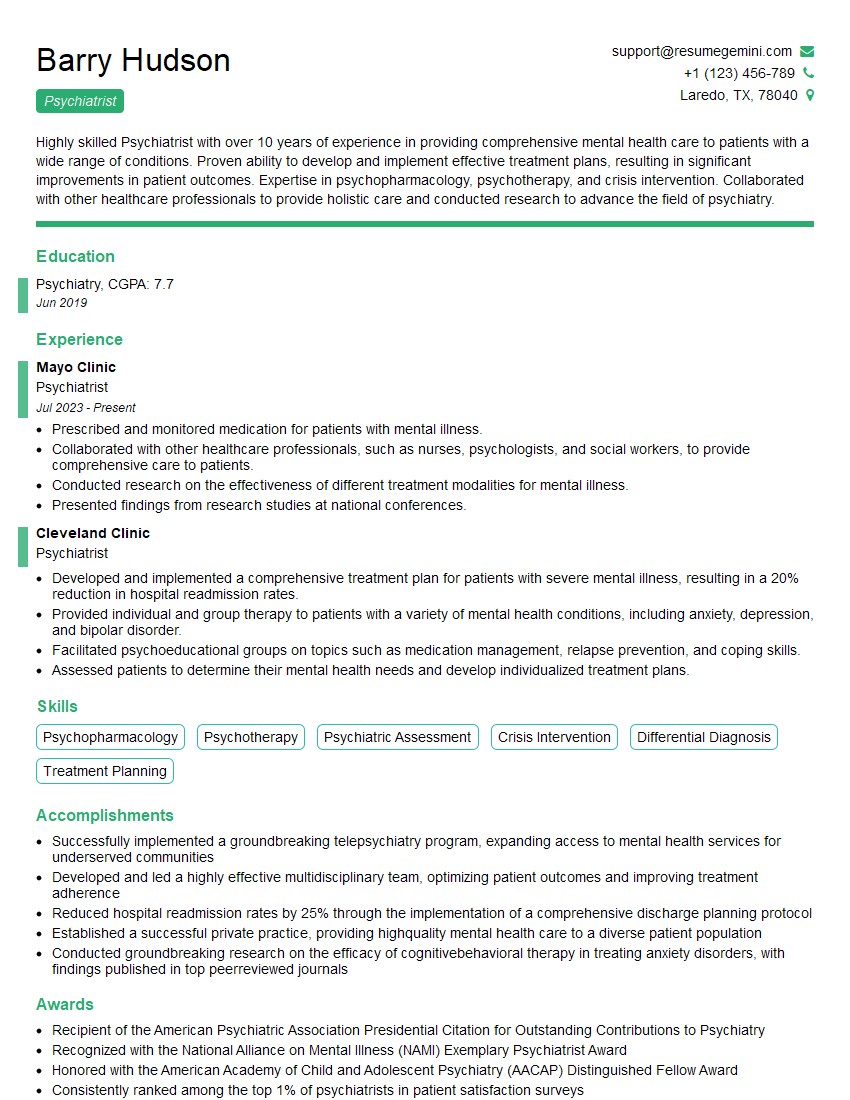
Psychiatrist Resume Sample
- Child Psychologist
- Clinical Psychologist
- Educational Psychologist
- School Psychologist
- Behavioral Therapist
- Licensed Professional Counselor (LPC)
- Mental Health Counselor
- Family Therapist
- Play Therapist
- Licensed Clinical Social Worker (LCSW)
- Special Education Teacher
- Pediatrician
- Child Psychiatrist
- Psychiatrist
Explore more articles
Users Rating of Our Blogs
Share Your Experience
We value your feedback! Please rate our content and share your thoughts (optional).
What Readers Say About Our Blog
To the interviewgemini.com Webmaster.
Very helpful and content specific questions to help prepare me for my interview!
Thank you
To the interviewgemini.com Webmaster.
This was kind of a unique content I found around the specialized skills. Very helpful questions and good detailed answers.
Very Helpful blog, thank you Interviewgemini team.