Feeling uncertain about what to expect in your upcoming interview? We’ve got you covered! This blog highlights the most important Service line installation and repair interview questions and provides actionable advice to help you stand out as the ideal candidate. Let’s pave the way for your success.
Questions Asked in Service line installation and repair Interview
Q 1. Describe your experience with different types of service line materials (copper, fiber optic, etc.).
My experience spans a wide range of service line materials, each with its own unique properties and installation considerations. Copper, for example, is a reliable conductor, widely used for its durability and relatively low cost. However, it’s susceptible to corrosion and theft. I’ve worked extensively with different gauges of copper wire, from smaller sizes for residential lines to thicker conductors for high-power applications. Fiber optic cables, on the other hand, offer significantly higher bandwidth and are increasingly prevalent for data communication. Their installation requires more precision, as they are fragile and sensitive to bending. I’m proficient in fusion splicing and mechanical splicing techniques for fiber optics, ensuring minimal signal loss. I’ve also worked with aluminum conductors, which are lighter than copper but require specific installation practices to prevent corrosion and fatigue. Each material demands a specific approach to handling, splicing, and termination.
Q 2. Explain the process of installing an underground service line.
Installing an underground service line is a meticulous process requiring precision and adherence to safety regulations. It begins with careful planning and surveying to determine the optimal route, avoiding obstacles like underground utilities and ensuring proper depth for protection. Next, a trench is excavated, typically using specialized trenching equipment. The depth and width of the trench are crucial for protecting the line and meeting local codes. Once the trench is prepared, we carefully lay the conduit, protecting the cables from damage and providing a pathway. The service line cable is then pulled through the conduit, often using specialized pulling equipment. Once the cable is in place, the trench is backfilled with compacted soil, ensuring the line is securely buried and protected from movement. Finally, markers are installed to indicate the location of the underground line, preventing accidental damage during future excavations. Throughout the entire process, regular inspections ensure that the line is properly installed and meets all safety and quality standards.
Q 3. What safety precautions do you take when working with high-voltage lines?
Safety is paramount when working with high-voltage lines. Before commencing any work, we always ensure the lines are de-energized through proper lockout/tagout procedures. This involves visually verifying the absence of voltage, using appropriate testing equipment, and obtaining authorization from the relevant utility company. We wear appropriate personal protective equipment (PPE), including insulated gloves, safety glasses, and protective clothing. We also maintain a safe working distance from energized lines, often employing specialized tools with insulated handles to minimize the risk of electrical shock. Proper grounding procedures are crucial to prevent accidental discharge. Regular safety training and refresher courses are essential to keep our team up-to-date on the latest safety protocols and techniques. A detailed risk assessment is performed prior to any task, identifying potential hazards and mitigating those risks through effective planning and control measures. We never compromise on safety, making it an integral part of our daily operations.
Q 4. How do you identify and troubleshoot common service line issues?
Identifying and troubleshooting service line issues requires a systematic approach. It typically begins with a visual inspection to check for obvious damage, such as broken conductors, loose connections, or physical damage to the cable sheath. If a fault is suspected, we use specialized testing equipment, like ohmmeters, to check for continuity and identify breaks in the line. A cable fault locator can pinpoint the exact location of the fault. In case of a power outage, I’ll check the service panel, circuit breakers, and fuses to rule out other possible causes. We document all findings and perform appropriate repairs. Common issues include corrosion, water ingress, damage from rodents, or poor connections. The troubleshooting process necessitates careful observation, methodical testing, and a thorough understanding of the electrical system. On several occasions, I’ve had to trace signal degradation in fiber optic lines using OTDR (Optical Time Domain Reflectometer) to locate micro-bends or other fiber damage, allowing for efficient repair.
Q 5. Describe your experience with different types of splicing techniques.
My experience encompasses various splicing techniques for both copper and fiber optic cables. For copper, I’m proficient in various methods including compression connectors, solder splices, and mechanical connectors. The choice of technique depends on factors like the cable type, size, and application. Compression connectors offer speed and ease of use, while solder splices provide a robust and reliable connection, especially in high-current applications. Mechanical connectors offer a balance between speed and reliability. For fiber optic cables, I specialize in both fusion splicing and mechanical splicing. Fusion splicing utilizes heat to permanently fuse two fiber ends together, creating a near-perfect connection with minimal signal loss. This method requires specialized equipment and training. Mechanical splicing is a quicker method, using precise alignment and clamping mechanisms. The selection is based on cost, signal loss requirements, and the urgency of the repair.
Q 6. What are the different types of service line terminations and their applications?
Service line terminations are crucial for establishing a safe and reliable connection to the main power supply or communication network. Common terminations include connectors, lugs, and various types of terminators designed for specific cable types and applications. For example, crimp connectors are widely used for residential services, providing a secure connection with ease of installation. Lug terminations are often employed for higher current applications, ensuring a reliable and robust connection to larger power conductors. Fiber optic terminations use specialized connectors like SC, FC, and LC, ensuring efficient light transmission with minimal signal loss. The choice of termination method depends on factors such as cable type, current rating, environmental conditions, and ease of access. Proper termination is essential for safety, performance, and longevity of the service line.
Q 7. Explain your understanding of service line clearances and regulations.
Service line clearances and regulations are critical for ensuring public safety and preventing accidents. These clearances, specified in local codes and national standards, dictate minimum distances between service lines and other objects like buildings, trees, and other utility lines. These regulations vary depending on the voltage level of the line and the type of construction. Non-compliance can result in safety hazards and legal issues. Understanding these regulations is essential for planning and executing service line installations and repairs safely and legally. I regularly consult relevant codes and standards during project planning and execution to ensure compliance. Maintaining appropriate clearances is a vital aspect of my work, safeguarding both the public and utility infrastructure. Regular inspections are performed to ensure ongoing compliance and identify any potential violations.
Q 8. How do you ensure the proper grounding of service lines?
Proper grounding of service lines is paramount for safety and preventing electrical hazards. It involves connecting the metallic parts of the service line to the earth, providing a low-resistance path for fault currents to flow, thus preventing dangerous voltage buildup. This is typically achieved through a grounding electrode, usually a driven rod or ground ring, connected to the service entrance equipment.
The process involves several key steps: First, we visually inspect the existing grounding system for any damage or corrosion. Then, we install a new grounding electrode, ensuring it’s driven to the appropriate depth and in accordance with local electrical codes. We carefully connect the electrode to the service entrance equipment using appropriately sized and rated grounding wire. Finally, we perform a ground resistance test using a ground resistance tester to verify that the resistance is within acceptable limits. Anything above a certain ohm value (which varies depending on location and regulations) indicates a poor ground connection and requires further investigation and remediation. For example, if we find high resistance due to soil conditions, we may need to install multiple grounding electrodes or use a different type of electrode, such as a ground ring, to achieve the required low resistance.
Q 9. Describe your experience with using various testing equipment for service line integrity.
My experience encompasses a wide range of testing equipment, each with its specific purpose in assessing service line integrity. For instance, I frequently use a clamp-on ammeter to measure the current flowing through the lines, helping identify overloading or imbalances. A voltmeter measures the voltage at various points to detect voltage drops indicating potential problems. Meggers are indispensable for testing insulation resistance and identifying shorts or grounds in the service lines. We might also use a cable fault locator to pinpoint the exact location of any underground cable damage. A ground resistance tester, as mentioned earlier, is crucial for verifying the effectiveness of the grounding system.
For example, during a recent job, we suspected a fault in an underground service line. Using a cable fault locator, we pinpointed the fault’s location to within a few feet, significantly reducing the excavation required for repairs. This saved both time and resources. The specific equipment used depends greatly on the context and suspected problem. The key is to use the right tool for the right job to ensure accuracy and safety.
Q 10. How do you handle unexpected problems during service line installation or repair?
Handling unexpected problems is part and parcel of this profession. My approach is systematic and prioritizes safety first. When an unforeseen issue arises, I first assess the situation, ensuring the safety of myself and others in the vicinity. This might involve de-energizing the line if necessary. Then, I thoroughly investigate the problem to understand its root cause. This often involves troubleshooting using the testing equipment mentioned previously. Once the root cause is identified, I develop a solution, adhering strictly to safety regulations and best practices. This could involve anything from replacing a damaged section of the line to adjusting grounding, or even calling in specialized support if the problem exceeds my expertise or equipment capabilities.
For instance, I once encountered an unexpected underground rock while trenching for a new service line. Instead of trying to force the trench through, I carefully diverted the trench around the rock, ensuring the integrity and stability of the newly installed service line was not compromised. Proper documentation and communication with the client throughout the process are also crucial.
Q 11. Explain your experience with working from heights or in confined spaces.
Working at heights and in confined spaces is common in this field. I’m fully trained and certified in working safely at heights, utilizing appropriate fall protection equipment such as harnesses, lanyards, and safety nets. I’m also experienced in working in confined spaces, adhering to strict safety protocols, including using proper ventilation, monitoring oxygen levels, and employing appropriate rescue procedures. Before undertaking any such work, a thorough risk assessment is conducted to identify potential hazards and implement necessary safety measures. This includes checking equipment and using appropriate safety gear, understanding the emergency procedures of the workplace and the locations of safety equipment.
For example, when working on a high-voltage line, I always use a harness attached to a secure anchor point, ensuring a constant lifeline. In a confined space like a manhole, I use appropriate respiratory equipment and have a designated spotter to monitor my entry and exit from the space.
Q 12. Describe your experience with using aerial lifts or bucket trucks.
I’m proficient in operating aerial lifts and bucket trucks, understanding their limitations and adhering to all safety regulations. Before operation, I always conduct a thorough pre-operation inspection, checking hydraulics, brakes, and safety mechanisms. During operation, I maintain constant awareness of my surroundings, avoiding overhead obstructions and maintaining safe working distances from energized lines. I also ensure proper communication with ground personnel and follow all company safety procedures to prevent accidents. Understanding the weight limitations of the bucket is critical and I always ensure the weight of the workers and materials does not exceed the rated capacity of the truck.
Regular training and certifications ensure I stay updated on safe operation practices. For example, if I had to reach a high branch to clear it away from a line, I would only proceed once a thorough safety check is conducted, making sure the ground crew is clear, and then proceed with the task, maintaining a steady movement and communication throughout.
Q 13. How do you ensure the quality and efficiency of your service line work?
Quality and efficiency are achieved through meticulous planning, adherence to safety regulations, and utilizing best practices throughout the entire process. This starts with a thorough understanding of the project requirements and a detailed plan encompassing all steps. Using appropriate tools and equipment is essential, as well as employing proper techniques. Regular quality checks during installation and after completion guarantee the work is performed to the highest standards. Efficient time management and well-coordinated teamwork contribute significantly to project completion on time and within budget. Effective communication with clients ensures transparency and minimizes potential delays.
For instance, using pre-fabricated components whenever possible minimizes on-site assembly time, increasing overall efficiency. Furthermore, continuous professional development keeps me updated on the latest technologies and best practices, enabling me to work more efficiently and with higher quality.
Q 14. What is your experience with trenching and backfilling procedures?
I have extensive experience with trenching and backfilling procedures, adhering strictly to safety regulations and best practices. This involves selecting the appropriate trenching method based on soil conditions and depth. Using specialized trenching equipment, such as excavators or trenchers, ensures efficient and safe excavation. Maintaining the proper trench slope or using shoring to prevent cave-ins is crucial for safety. Before backfilling, I inspect the installed lines, ensuring their proper placement and protection. The backfill material is carefully selected and compacted to ensure soil stability and prevent settling. Appropriate compaction techniques are employed to ensure long-term stability and prevent damage to the underground infrastructure.
For example, in areas with unstable soil, I would utilize shoring techniques to prevent trench collapse. Proper compaction of the backfill is especially crucial in areas prone to frost heave, preventing damage to the lines during winter.
Q 15. How familiar are you with relevant safety codes and regulations (e.g., OSHA)?
Safety is paramount in service line installation and repair. My familiarity with relevant safety codes and regulations, including OSHA (Occupational Safety and Health Administration) standards, is extensive. I’m well-versed in regulations concerning trench safety, lockout/tagout procedures, fall protection, and the proper handling of hazardous materials like electricity and natural gas. I understand the importance of PPE (Personal Protective Equipment) and regularly use safety harnesses, hard hats, safety glasses, gloves, and steel-toed boots, depending on the specific job requirements. For instance, working near energized lines requires specific safety protocols that I strictly adhere to, including de-energizing lines when possible and using insulated tools. My understanding extends to local and state-specific regulations, ensuring compliance in every project.
Career Expert Tips:
- Ace those interviews! Prepare effectively by reviewing the Top 50 Most Common Interview Questions on ResumeGemini.
- Navigate your job search with confidence! Explore a wide range of Career Tips on ResumeGemini. Learn about common challenges and recommendations to overcome them.
- Craft the perfect resume! Master the Art of Resume Writing with ResumeGemini’s guide. Showcase your unique qualifications and achievements effectively.
- Don’t miss out on holiday savings! Build your dream resume with ResumeGemini’s ATS optimized templates.
Q 16. Describe your experience with using different types of hand tools and power equipment.
My experience with hand tools and power equipment is comprehensive and covers a wide range of tools commonly used in service line installation and repair. I’m proficient with various types of wrenches, pliers, screwdrivers, measuring tapes, levels, and specialized tools such as pipe cutters and threaders. In terms of power equipment, I’m experienced with excavators, backhoes, trenchers, and various types of drills and saws, always ensuring proper maintenance and safety protocols are followed before and during operation. For example, when working with an excavator, I always conduct a pre-operational check and ensure the area is clear of any obstacles or personnel before starting operation. I also regularly maintain and clean my equipment to prevent malfunctions and accidents.
Q 17. How do you manage your time effectively when working on multiple service line projects?
Managing multiple projects effectively requires a systematic approach. I utilize project management techniques, such as prioritizing tasks based on urgency and deadlines. This often involves creating detailed schedules and assigning specific timeframes to each task. I also use tools such as project management software or even simple to-do lists to track progress and ensure deadlines are met. For example, I might prioritize emergency repairs over scheduled maintenance. Good communication with clients and colleagues is essential for efficient time management, enabling quick resolution of issues and collaborative problem-solving.
Q 18. How do you communicate effectively with clients and colleagues?
Effective communication is critical in my line of work. With clients, I prioritize clear and concise explanations of the work being done, addressing any concerns and answering questions thoroughly. I ensure they understand the process and timeline, keeping them informed every step of the way. With colleagues, I maintain open communication channels, fostering teamwork and collaboration. I actively participate in team meetings, provide regular updates on my progress, and contribute to collaborative problem-solving. For example, if I encounter an unexpected problem, I promptly communicate this to my team and seek assistance or input if needed.
Q 19. Describe your experience with preventative maintenance of service lines.
Preventative maintenance is crucial for extending the lifespan of service lines and avoiding costly repairs. My experience includes regularly inspecting service lines for signs of wear, corrosion, or damage. This involves checking for leaks, loose connections, and any other potential issues. I perform routine cleaning and lubrication of components as needed. In addition, I might implement strategies like cathodic protection for underground lines to prevent corrosion. For instance, I might schedule routine inspections of gas lines, checking for leaks using specialized equipment and taking measures to address any minor issues before they escalate into significant problems.
Q 20. How do you document your work and ensure accurate record-keeping?
Accurate record-keeping is essential for maintaining accountability and ensuring the quality of work. I meticulously document all aspects of my work, including materials used, procedures followed, and any challenges encountered. This usually involves completing detailed work orders, taking photographs to capture before and after images, and creating comprehensive reports. I use digital tools for efficient record-keeping, often uploading images and documents to a central database or project management system. This helps to ensure records are easily accessible and maintainable. For example, I meticulously document the details of every repair or installation, including dates, time spent, materials used, and any specific issues encountered.
Q 21. What is your experience with using GPS and mapping technology for service line location?
GPS and mapping technology are integral to efficient service line location and installation. I’m proficient in using GPS devices and mapping software to locate existing underground utilities, plan new installations, and track progress on projects. This involves understanding how to interpret mapping data, using GPS coordinates accurately, and utilizing specialized software to manage and analyze spatial data. For example, before excavation, I use ground-penetrating radar (GPR) technology in conjunction with GPS mapping to pinpoint the exact location of underground utilities to prevent accidental damage. This ensures the safety of workers and minimizes the risk of disruption to existing services.
Q 22. How do you handle customer complaints or concerns related to service line issues?
Handling customer complaints about service lines starts with active listening and empathy. I aim to understand the issue fully before offering solutions. I begin by asking clarifying questions to pinpoint the problem – is it a power outage, slow internet, a faulty connection, or something else? Then, I systematically check all possible causes, starting with the most common and working my way through more complex issues. This might involve checking the service line for damage, testing the connection points, or even investigating the internal wiring within the customer’s property (with their permission, of course).
For instance, I once had a customer complaining about intermittent internet outages. After a thorough check, I discovered a loose connection at the demarcation point – the point where the service provider’s responsibility ends and the customer’s begins. A simple tightening solved the problem. I always ensure the customer understands each step of the process and keep them updated on my progress. If the issue is beyond my immediate capabilities, I escalate it to the appropriate team, keeping the customer informed throughout.
Finally, I aim to leave the customer satisfied and with a clear understanding of what happened and how to prevent similar issues in the future. A follow-up call to ensure their satisfaction is crucial.
Q 23. Describe your experience with working in diverse weather conditions.
Working in diverse weather conditions is an integral part of this job. I’ve worked in extreme heat, freezing cold, heavy rain, and high winds. Safety is paramount, and I meticulously follow all safety protocols for each situation. This includes using appropriate personal protective equipment (PPE) like high-visibility clothing, waterproof gear, and insulated gloves. I also regularly check equipment to ensure it’s in good working order and appropriate for the conditions.
For example, during a blizzard, I had to repair a downed power line. Safety was the top priority. Before approaching the line, I confirmed it was de-energized by the power company. Then, working with a team, we used specialized equipment designed for winter conditions to safely repair the line. We took extra precautions to prevent slips and falls on the icy ground.
Experience has taught me the importance of adaptability and resourcefulness in unpredictable weather. I’m prepared to adjust my work schedule or methods to ensure safety and efficiency, even in challenging conditions.
Q 24. Explain your experience with emergency service line repairs.
Emergency service line repairs demand immediate action and a calm, efficient approach. My experience includes responding to outages affecting multiple customers and single-household emergencies. I’m proficient in rapidly assessing the situation, identifying the problem, and taking swift action to restore service, prioritizing safety throughout.
In one instance, a severe storm caused multiple power lines to fall, leaving hundreds of homes without power. I was part of a team dispatched to the affected area. We worked under pressure, coordinating with other crews and following a strict protocol to ensure the safety of both the public and ourselves. Our priority was to restore power to critical facilities, such as hospitals, before moving to residential areas. Communication was key; constant updates were relayed to the control center to allow for efficient resource allocation.
Effective communication, prioritization skills, and the ability to work well under pressure are essential for handling emergency situations effectively. I’m comfortable working in high-stress environments and always maintain a focus on safety and efficiency.
Q 25. What is your understanding of load balancing and service line capacity?
Load balancing refers to distributing the electrical load evenly across multiple service lines or transformers to prevent overloading any single component. Service line capacity refers to the maximum amount of power a service line can safely carry without overheating or causing damage. Understanding both is critical for preventing outages and ensuring the reliable delivery of electricity.
For example, if a neighborhood experiences a surge in demand (e.g., during a heatwave with everyone using air conditioners), an uneven load distribution could lead to overloading and tripping circuit breakers or even causing fires. Effective load balancing prevents this by strategically distributing the load. Similarly, knowing the capacity of each service line helps in planning upgrades or repairs to avoid overloading and potential failures.
My experience includes analyzing load patterns, identifying potential bottlenecks, and recommending solutions to improve load balancing and ensure sufficient capacity. This often involves using specialized software and tools to monitor real-time data and predict future demand.
Q 26. How do you prioritize tasks when working under pressure?
When working under pressure, prioritization is crucial. I use a structured approach based on urgency and importance. I employ methods like the Eisenhower Matrix (urgent/important), focusing first on tasks that are both urgent and important, then addressing important but less urgent tasks. I delegate where possible and communicate clearly with my team about priorities to ensure everyone is working efficiently.
For example, if facing multiple service line repairs simultaneously – a critical outage impacting a hospital and several minor issues – I’d immediately address the hospital outage as the most urgent and important task. Smaller issues would be tackled in order of their urgency and impact, potentially delegating some to other technicians while maintaining constant communication.
This systematic approach helps me to maintain calm, focus on the most critical tasks, and prevent being overwhelmed. Clear communication within the team is essential for ensuring everyone understands the priorities and can contribute effectively.
Q 27. Describe your experience with working as part of a team.
Teamwork is vital in this field. I have extensive experience collaborating with diverse teams, including engineers, supervisors, and other technicians. I’m comfortable contributing to a team’s success by sharing my expertise, actively listening to others’ input, and collaboratively resolving problems. I believe in clear and open communication, and actively participate in team meetings and discussions to ensure efficient workflow.
For example, during a large-scale project to upgrade a neighborhood’s service lines, I worked closely with engineers to assess the existing infrastructure and plan the upgrades. I collaborated with other technicians to ensure efficient execution of the plan. My experience in problem-solving enabled me to suggest solutions to unforeseen challenges that arose during the project, contributing to its timely and successful completion.
I value a positive and supportive team environment and am confident in my ability to effectively collaborate and contribute to team goals.
Q 28. What are your salary expectations?
My salary expectations are commensurate with my experience and skills, aligning with the industry standard for a skilled service line installation and repair technician with my years of experience and qualifications. I am open to discussing a competitive compensation package that reflects my contributions to your team. I am particularly interested in compensation that reflects performance metrics and opportunities for growth and professional development.
Key Topics to Learn for Service Line Installation and Repair Interviews
- Safety Regulations and Procedures: Understanding and applying relevant safety standards (OSHA, NEC, etc.) in all aspects of service line work. This includes proper use of personal protective equipment (PPE) and hazard identification.
- Service Line Materials and Components: Familiarity with various types of conductors, insulators, hardware, and equipment used in service line installation and repair. Understanding their properties and applications is crucial.
- Installation Techniques: Mastering proper techniques for installing aerial and underground service lines, including splicing, terminating, and grounding. This includes knowledge of different installation methods and their suitability for various environments.
- Troubleshooting and Repair: Developing efficient diagnostic skills to identify and resolve common service line issues such as faults, shorts, and outages. This includes practical experience with testing equipment (multimeters, etc.).
- Service Line Inspections and Maintenance: Understanding procedures for regular inspections, preventative maintenance, and identifying potential hazards before they lead to failures. This involves recognizing signs of wear and tear and implementing corrective actions.
- Permitting and Documentation: Knowledge of the procedures for obtaining necessary permits and maintaining accurate records of work performed. Accurate documentation is crucial for compliance and future reference.
- Customer Interaction and Communication: Effectively communicating with customers, explaining technical details in a clear and understandable way, and addressing their concerns professionally.
- Understanding of Electrical Theory: A foundational knowledge of basic electrical principles such as Ohm’s Law, voltage, current, and resistance is essential for troubleshooting and problem-solving.
Next Steps
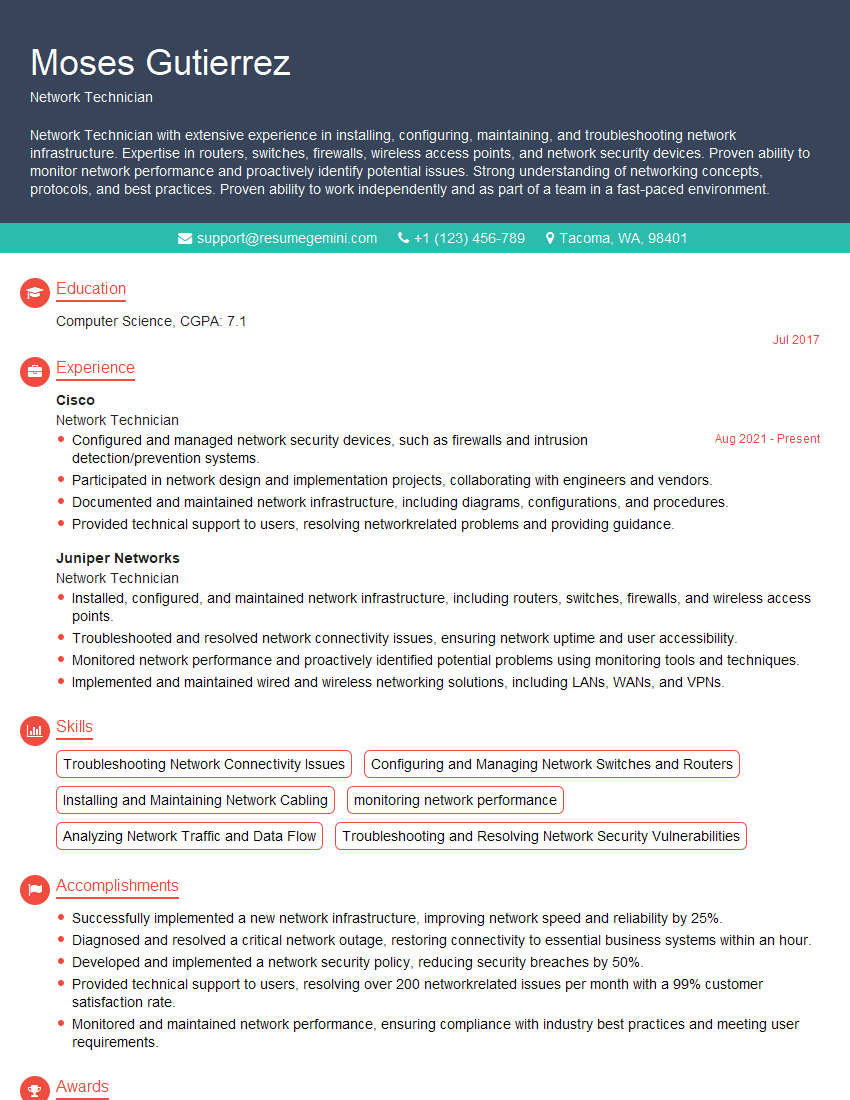
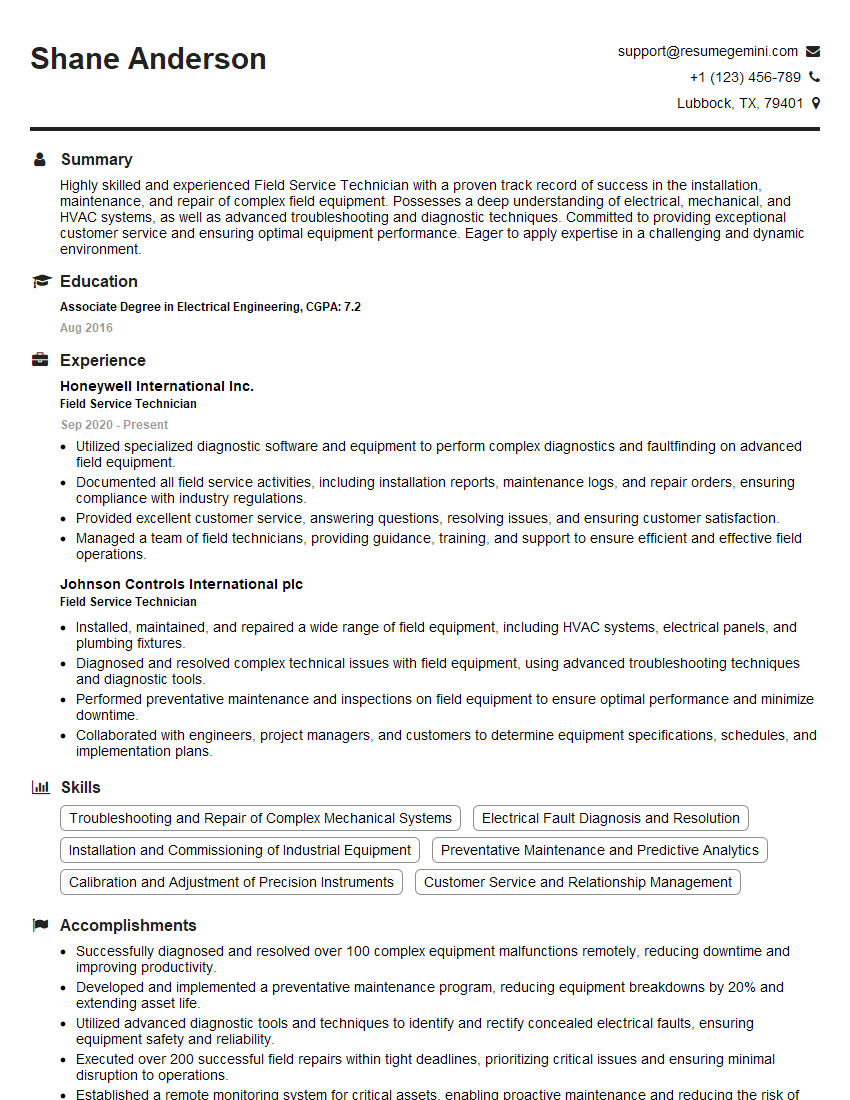
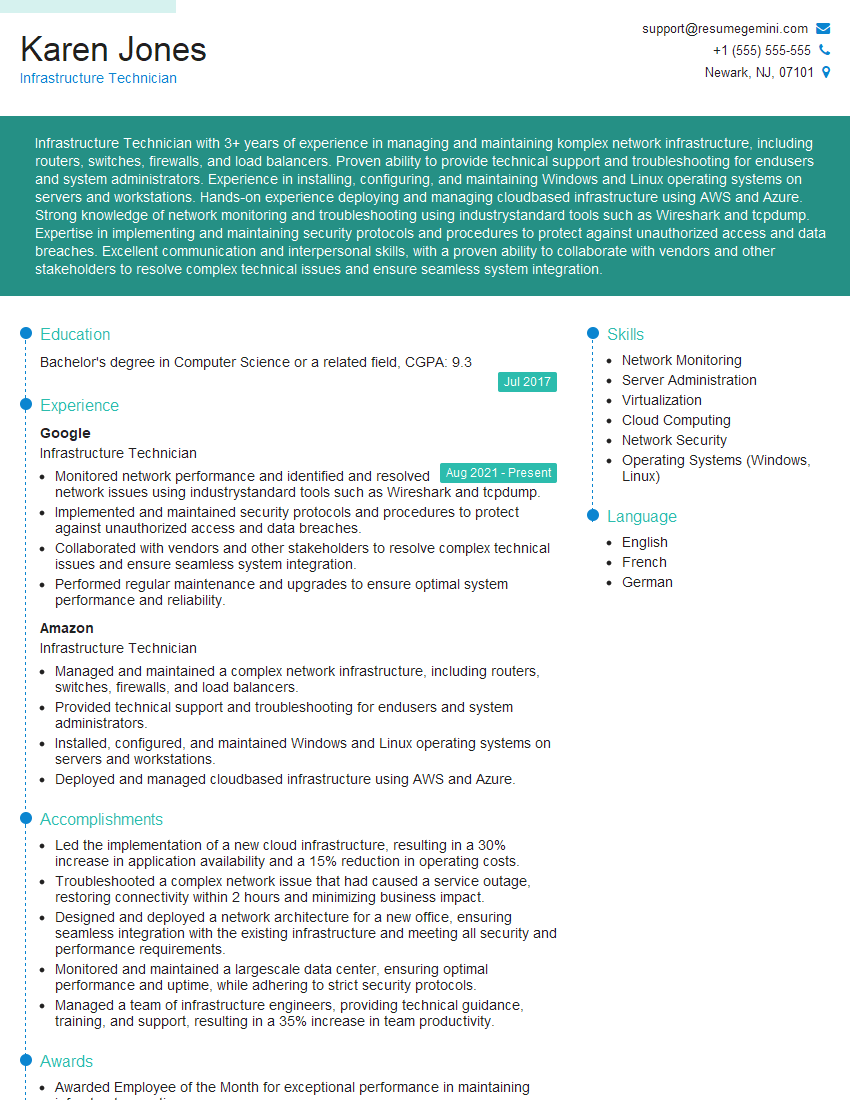
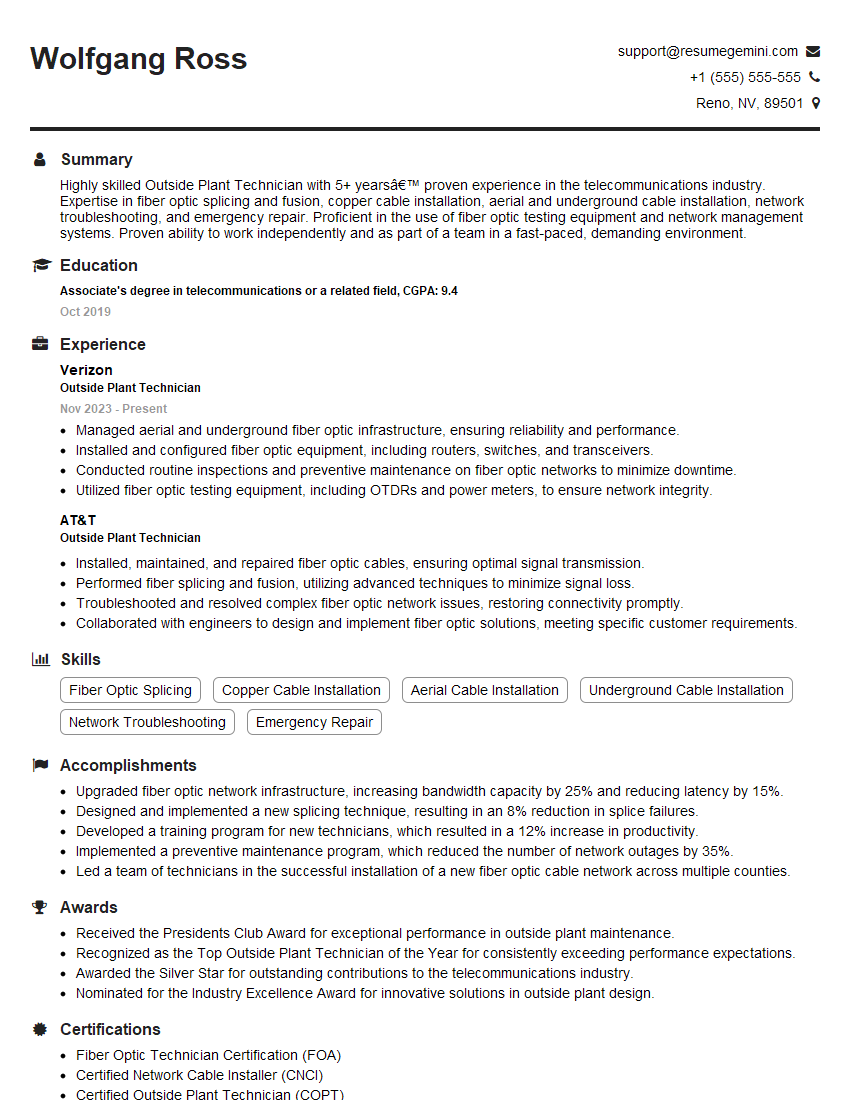
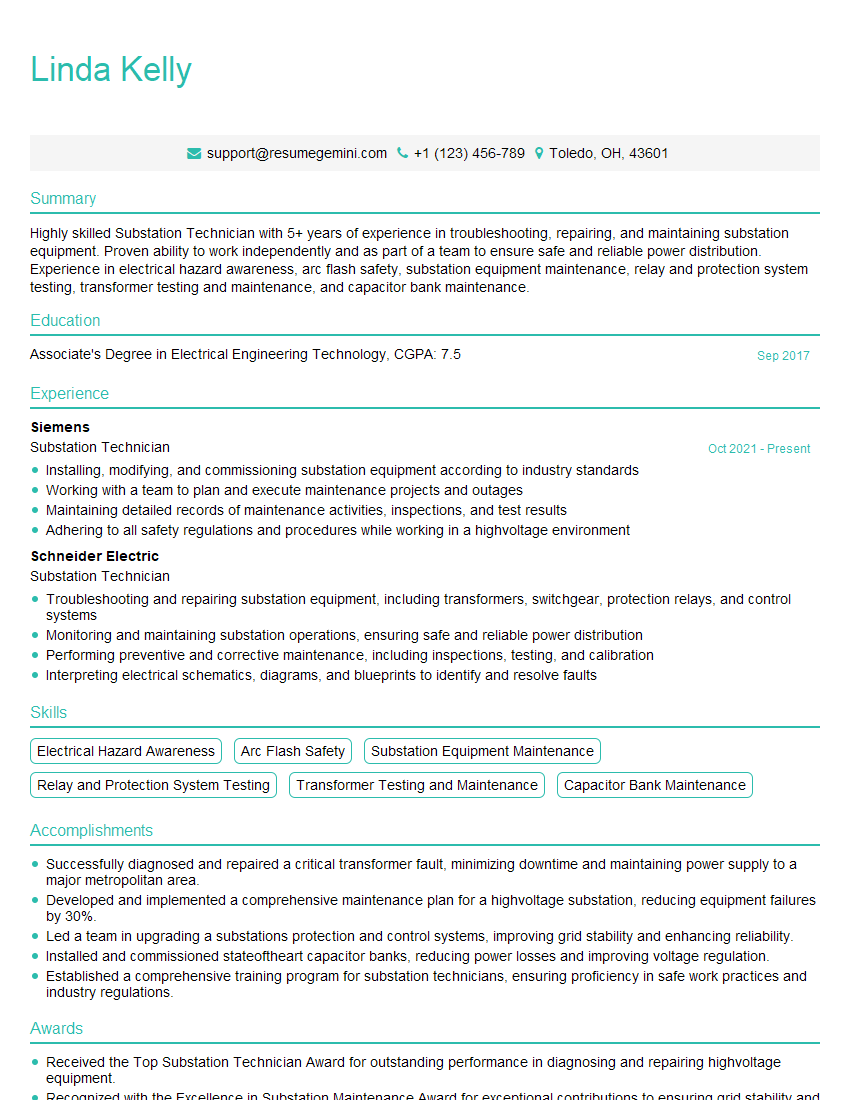
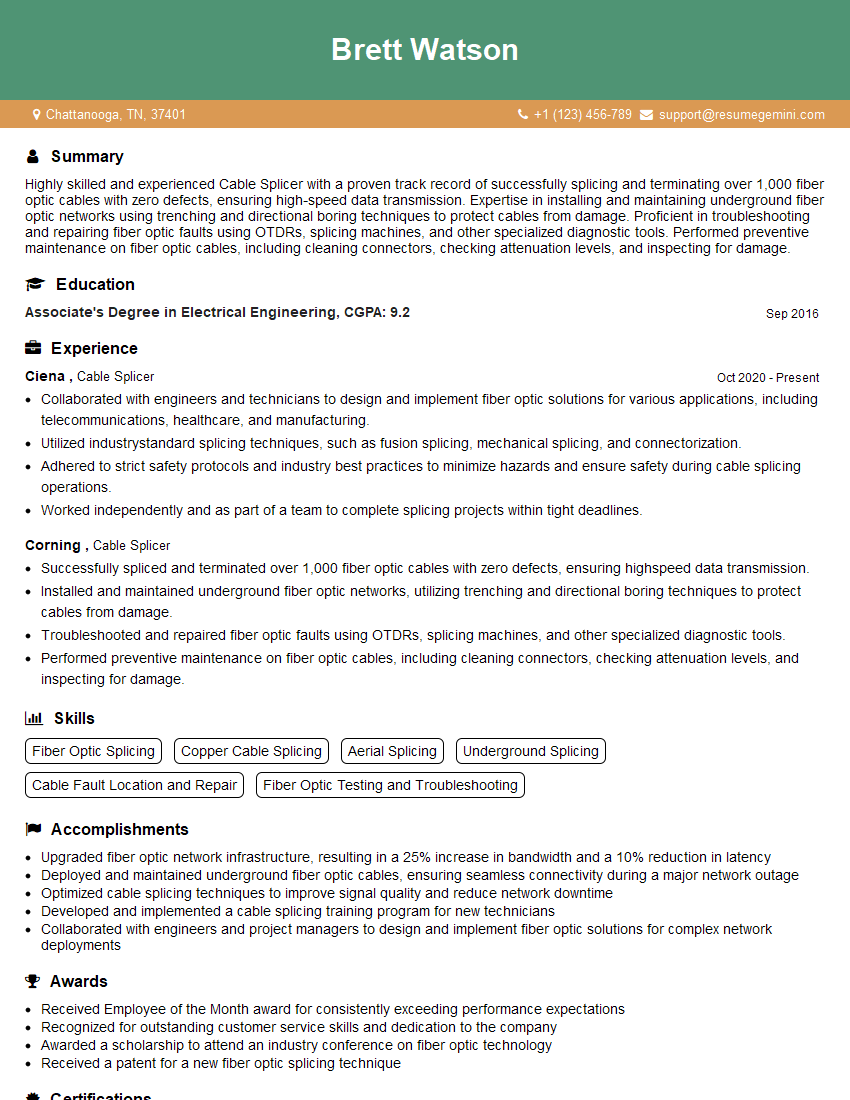
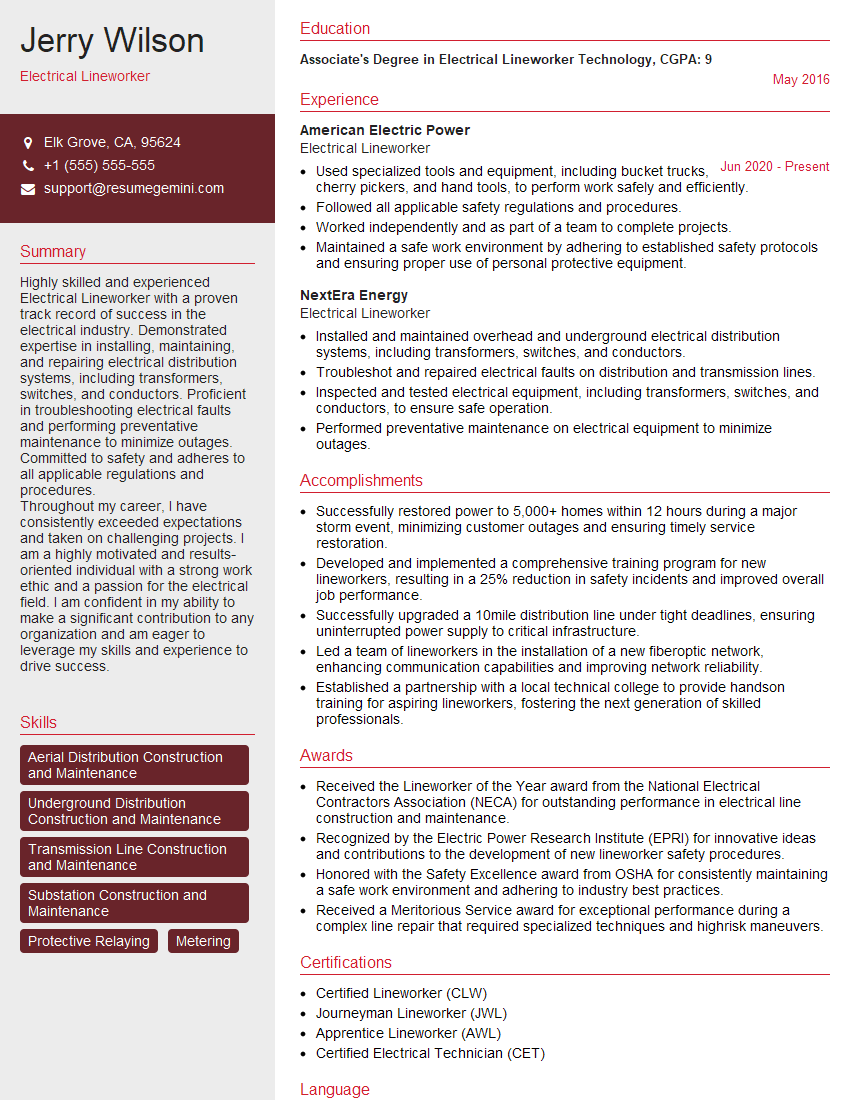
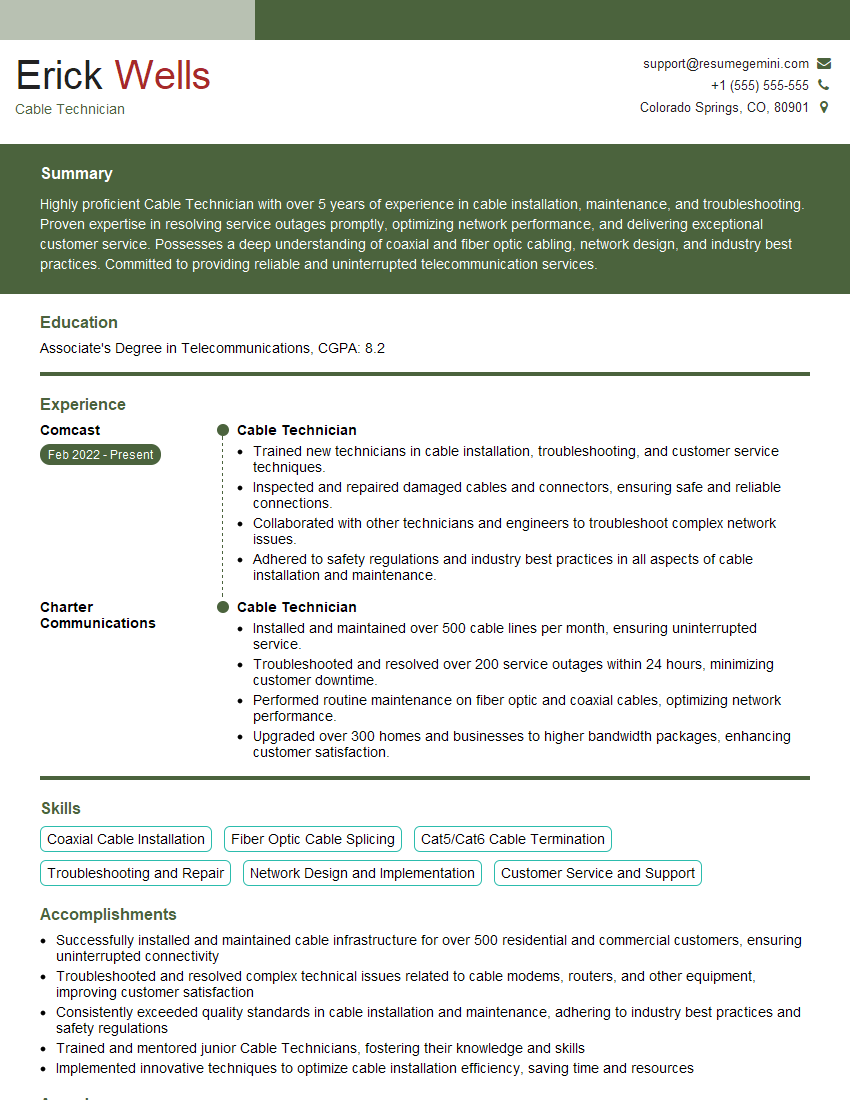
Mastering service line installation and repair opens doors to rewarding career opportunities with excellent growth potential. Proficiency in this field demonstrates valuable technical skills and a commitment to safety, leading to increased job security and higher earning potential. To maximize your job prospects, it’s crucial to have an ATS-friendly resume that effectively showcases your skills and experience. ResumeGemini is a trusted resource that can help you create a professional and impactful resume. We provide examples of resumes tailored to service line installation and repair to give you a head start in crafting yours. Invest time in building a strong resume – it’s your first impression on potential employers.
Explore more articles
Users Rating of Our Blogs
Share Your Experience
We value your feedback! Please rate our content and share your thoughts (optional).
What Readers Say About Our Blog
To the interviewgemini.com Webmaster.
Very helpful and content specific questions to help prepare me for my interview!
Thank you
To the interviewgemini.com Webmaster.
This was kind of a unique content I found around the specialized skills. Very helpful questions and good detailed answers.
Very Helpful blog, thank you Interviewgemini team.