Unlock your full potential by mastering the most common Sinus Augmentation interview questions. This blog offers a deep dive into the critical topics, ensuring you’re not only prepared to answer but to excel. With these insights, you’ll approach your interview with clarity and confidence.
Questions Asked in Sinus Augmentation Interview
Q 1. Describe the different types of sinus augmentation techniques.
Sinus augmentation, also known as sinus lift, is a surgical procedure designed to increase the height of the maxillary sinus floor, creating more bone volume for dental implant placement. There are two main types:
- Crestal Approach (Closed Technique): This minimally invasive technique involves raising the sinus floor from above the alveolar ridge. A small incision is made, and a specialized instrument is used to lift the sinus membrane. Bone grafting material is then placed into the newly created space.
- Lateral Approach (Open Technique): This more invasive technique involves creating a window in the lateral wall of the maxillary sinus. This allows for direct visualization and easier access to the sinus cavity, facilitating placement of a larger amount of bone graft. The window is then carefully closed.
The choice between these techniques depends on factors such as the amount of bone needed, the patient’s anatomy, and the surgeon’s expertise. A crestal approach is often preferred for cases with minimal bone loss, while a lateral approach is typically chosen for more extensive augmentation needs.
Q 2. Explain the indications and contraindications for sinus augmentation.
Indications for sinus augmentation primarily include insufficient bone height in the posterior maxilla to support dental implants. This is a common scenario in patients who have lost significant bone due to periodontal disease, previous extractions, or natural bone resorption.
Contraindications include uncontrolled systemic diseases like diabetes or uncontrolled infections, bleeding disorders, smoking (significantly impairs healing), and insufficient soft tissue coverage. A patient’s overall health and the presence of any sinus pathologies must be carefully assessed before proceeding.
For example, a patient with a history of severe sinusitis might not be an ideal candidate due to the increased risk of infection following the procedure. A thorough medical and dental history is crucial to determine suitability.
Q 3. What are the potential complications associated with sinus augmentation procedures?
Potential complications of sinus augmentation are relatively infrequent but can be significant. These include:
- Sinusitis: Infection of the maxillary sinus is a major concern, often manifesting as pain, swelling, and nasal discharge. Careful sterile technique and postoperative antibiotic prophylaxis are crucial to minimize this risk.
- Perforation of the Schneiderian Membrane (Sinus Lining): A tear in the delicate membrane lining the sinus can lead to the leakage of bone graft material into the sinus cavity. Careful surgical technique is essential to avoid this complication.
- Hemorrhage: Bleeding during or after the procedure can occur. Proper hemostasis techniques during surgery are essential.
- Neuropathy: Damage to the infraorbital nerve is a rare but serious complication that can result in numbness or altered sensation in the cheek.
- Bone Graft Resorption: The body may partially resorb the grafted bone, compromising the outcome. Proper graft selection and integration are key to success.
It’s important to remember that many of these complications are manageable with prompt diagnosis and appropriate treatment.
Q 4. How do you assess the adequacy of bone volume prior to sinus augmentation?
Adequate bone volume assessment before sinus augmentation is critical for successful implant placement. This involves a combination of clinical examination and imaging studies. Clinically, we assess the alveolar ridge height and width using palpation and measurements. We also evaluate soft tissue thickness and overall bone quality.
Imaging plays a key role. Cone beam computed tomography (CBCT) is the gold standard. CBCT provides detailed three-dimensional images of the maxillary sinus, alveolar bone, and surrounding structures. We analyze these images to determine the remaining bone height, width, quality, and the presence of any anatomical variations that might affect the procedure.
Q 5. What imaging techniques are used to plan a sinus augmentation?
The primary imaging technique used to plan a sinus augmentation is cone beam computed tomography (CBCT). CBCT offers superior resolution compared to traditional radiographs, providing detailed three-dimensional images that are essential for accurate preoperative planning. These images allow us to precisely measure the remaining bone height, assess the size and shape of the maxillary sinus, identify any anatomical variations, and plan the optimal approach to the procedure. In certain cases, a panoramic radiograph may offer a preliminary overview, but CBCT is crucial for definitive planning.
Q 6. Describe your preferred technique for sinus augmentation and why.
My preferred technique for sinus augmentation is the lateral approach. While more invasive than the crestal approach, it provides several advantages, particularly in cases requiring significant bone augmentation. The lateral window allows for excellent visualization, direct placement of the bone graft material, and precise control of the surgical field. This approach is crucial for predictable and successful bone regeneration for patients needing larger implants or more extensive bone augmentation. For cases with minimal bone loss, the crestal approach can certainly be an effective option.
The improved visualization and access outweigh the increased invasiveness for many cases. It allows for better graft compaction and reduces the risk of membrane perforation compared to a less precise crestal lift. It all depends on the specifics of each patient and their bone anatomy.
Q 7. How do you manage perforation of the Schneiderian membrane during sinus augmentation?
Perforation of the Schneiderian membrane during sinus augmentation is a potential complication, but with experience, it can usually be managed effectively. The immediate response depends on the size and location of the perforation. Small perforations are often managed by carefully placing the bone graft and allowing for healing and natural membrane closure. The graft material can itself often act as a scaffold to help seal the perforation.
Larger perforations may require more intervention. This might involve using a resorbable collagen membrane to reinforce the area, carefully approximating the edges of the perforation, or, in rare instances, altering the surgical plan to address the increased risk of complications such as sinus communication post-operatively.
Post-operative care is crucial. Patients are typically given antibiotics to prevent infection and are monitored closely for any signs of sinusitis. Proper postoperative instructions, emphasizing avoidance of nose blowing, are essential to facilitate healing.
Q 8. Discuss the role of grafting materials in sinus augmentation.
Grafting materials are crucial in sinus augmentation, a procedure that increases the height of the maxillary sinus floor to provide more bone for dental implants. The graft acts as a scaffold, supporting bone regeneration and ultimately creating the needed bone volume. Think of it like building a house – you need a strong foundation (the graft) before you can build the walls (new bone).
Q 9. What are the different types of grafting materials used in sinus augmentation, and what are their advantages and disadvantages?
Several grafting materials exist, each with its pros and cons:
- Autogenous bone grafts: Bone harvested from the patient’s own body (e.g., chin, iliac crest). Advantages: excellent osteoconductive and osteoinductive properties, minimal risk of disease transmission. Disadvantages: second surgical site, potential for morbidity at the harvest site, limited quantity.
- Allografts: Bone from a deceased donor. Advantages: readily available, no second surgical site. Disadvantages: potential for disease transmission (though rigorously screened), slower bone formation compared to autografts.
- Xenografts: Bone from another species (e.g., bovine). Advantages: readily available, relatively inexpensive. Disadvantages: slower bone formation than autografts, potential for immune response.
- Alloplasts: Synthetic bone substitutes (e.g., hydroxyapatite, tricalcium phosphate). Advantages: readily available, predictable volume, no disease transmission risk. Disadvantages: generally less osteoinductive than autografts, may require longer integration times.
The choice of material depends on factors such as patient health, available bone volume, and surgeon preference. For example, a patient with limited bone availability might benefit from an alloplast to maximize volume, while a patient with sufficient bone might prefer an autograft for its superior osteoinductive properties.
Q 10. How do you assess the success of a sinus augmentation procedure?
Assessing sinus augmentation success involves a multi-faceted approach. We use a combination of clinical examination, radiographic imaging (cone beam computed tomography – CBCT), and sometimes histological analysis (bone biopsy). Clinically, we look for signs of successful osseointegration of implants placed after the augmentation. Radiographically, we assess the density and volume of the newly formed bone. Ideally, we aim for a dense, homogenous bone structure that’s sufficient to support the implants and prevent complications.
Q 11. Describe your post-operative care protocol for patients undergoing sinus augmentation.
Post-operative care is crucial for successful healing. My protocol typically includes:
- Pain management: Prescription analgesics are provided to manage post-operative pain.
- Swelling control: Ice packs and elevation of the head are recommended.
- Antibiotics: Prophylactic antibiotics are often prescribed to prevent infection.
- Nasal saline irrigation: This helps keep the nasal passages clean and promotes healing.
- Strict oral hygiene: Patients are instructed on proper brushing and flossing techniques.
- Follow-up appointments: Regular follow-up appointments are scheduled to monitor healing progress and address any potential complications.
I emphasize clear instructions to the patient, ensuring they understand their role in recovery. For instance, we provide detailed instructions on nasal irrigation and emphasize the importance of avoiding nose-blowing.
Q 12. How do you manage post-operative complications such as pain, swelling, and infection?
Post-operative complications are rare but can include pain, swelling, infection, and sinus perforation. Pain and swelling are usually managed with analgesics and ice packs. Infections are treated with antibiotics, often intravenously if severe. Sinus perforation is a more serious complication that might require surgical intervention. Early detection and prompt management are key. For example, if a patient reports worsening pain or increased swelling despite taking prescribed medication, we schedule an immediate follow-up appointment to assess the situation and prevent further issues.
Q 13. What are the long-term outcomes of sinus augmentation procedures?
Long-term outcomes of sinus augmentation are generally favorable. With proper technique and diligent post-operative care, the majority of patients achieve successful bone regeneration sufficient to support dental implants. However, long-term stability depends on factors such as the quality of the graft material, the patient’s overall health, and the maintenance of proper oral hygiene. In the long term, we regularly assess implant stability and success rate during check-up appointments.
Q 14. What are the factors that can affect the success rate of sinus augmentation?
Several factors can influence sinus augmentation success. These include:
- Patient’s overall health: Conditions such as diabetes or smoking can impair healing.
- Quality of the grafting material: As mentioned, autografts generally yield better results than other materials.
- Surgical technique: Precise surgical technique minimizes complications.
- Patient compliance: Following post-operative instructions is essential.
- Initial bone volume: Procedures are more likely to succeed when there is sufficient existing bone to support augmentation.
For example, a patient who smokes heavily might have a lower success rate due to impaired blood supply and healing. Careful patient selection and thorough pre-operative planning are therefore crucial to maximizing success.
Q 15. How do you counsel patients about the risks and benefits of sinus augmentation?
Counseling patients about sinus augmentation involves a thorough discussion of both the potential benefits and risks. It’s crucial to tailor the conversation to the individual’s specific needs and understanding. I begin by explaining that sinus augmentation is a surgical procedure designed to increase the amount of bone in the upper jaw (maxilla) where dental implants are planned. This is often necessary when there isn’t sufficient bone height or width to securely support implants.
Benefits I highlight the improved esthetics a successful augmentation provides, resulting in a more natural-looking smile, and the improved function, allowing for the placement of strong, stable dental implants. I emphasize the potential for a long-term solution to missing teeth, improving chewing and speaking capabilities.
Risks I then thoroughly discuss potential complications, including infection, bleeding, sinus perforation (a hole in the sinus lining), nerve damage (leading to numbness or altered sensation), and implant failure. I explain the possibility of additional procedures being necessary and the associated recovery time, which can range from several weeks to several months. I use visual aids like diagrams and imaging scans to make the explanation clear and accessible. I always emphasize that while these complications are rare, it’s important to be aware of them. I also explain the success rate based on my experience and relevant literature. I encourage patients to ask questions and address any concerns they may have. Finally, I provide them with written information to review at their own pace.
Career Expert Tips:
- Ace those interviews! Prepare effectively by reviewing the Top 50 Most Common Interview Questions on ResumeGemini.
- Navigate your job search with confidence! Explore a wide range of Career Tips on ResumeGemini. Learn about common challenges and recommendations to overcome them.
- Craft the perfect resume! Master the Art of Resume Writing with ResumeGemini’s guide. Showcase your unique qualifications and achievements effectively.
- Don’t miss out on holiday savings! Build your dream resume with ResumeGemini’s ATS optimized templates.
Q 16. How do you obtain informed consent from patients before sinus augmentation?
Obtaining informed consent for sinus augmentation is a crucial ethical and legal step. It’s a process, not a single event. I begin by ensuring the patient fully understands the diagnosis and treatment plan, including the need for sinus augmentation. This involves a detailed discussion of the procedure, including the surgical techniques that will be used, and the expected timeline.
I then present the benefits and risks, as detailed in the previous answer, using plain language, avoiding jargon, and ensuring the patient understands the information. I answer all questions patiently and thoroughly. I also explain alternative treatment options, such as bone grafting from other sites, or even opting against implants altogether.
The consent form itself is a comprehensive document detailing the procedure, potential complications, risks, and benefits. It outlines the patient’s rights to refuse treatment at any stage, and the potential costs and payment arrangements. I review the form with the patient, paragraph by paragraph, making sure they understand everything before they sign. It’s important that the patient feels empowered to ask questions and feels comfortable in their decision. Finally, I document the entire process meticulously, ensuring a clear record of the discussion and the signed consent form.
Q 17. What are the ethical considerations related to sinus augmentation?
Ethical considerations in sinus augmentation are paramount. The core principle is patient autonomy—the patient has the right to make informed decisions about their own care. This requires transparent communication, unbiased counseling, and respecting their choices, even if those choices differ from my recommendations.
Another key element is beneficence; I must act in the patient’s best interest. This involves carefully weighing the risks and benefits of the procedure and recommending the most appropriate approach based on the patient’s individual circumstances. Non-maleficence—avoiding harm—is equally important. This requires meticulous surgical technique, careful post-operative care, and a commitment to minimizing potential complications.
Justice ensures that all patients receive equitable access to care, irrespective of their socioeconomic status. Finally, maintaining patient confidentiality is critical, protecting their sensitive health information. I am careful to only disclose information to individuals directly involved in the patient’s care and always obtain their consent for any disclosure outside that circle.
Q 18. How do you stay current with the latest advancements in sinus augmentation techniques?
Staying current with advancements in sinus augmentation requires a multi-pronged approach. I regularly attend conferences and workshops, both national and international, to learn about new techniques, materials, and technologies. I actively participate in professional organizations like the American Academy of Implant Dentistry, engaging with colleagues and experts in the field.
I subscribe to and actively read relevant peer-reviewed journals, keeping abreast of the latest research and clinical trials. I also participate in continuing education courses, focusing on advanced surgical techniques, and new materials used in sinus augmentation. Further, I maintain a network of colleagues with whom I discuss cases and exchange information, benefiting from a collaborative learning environment. This ensures that I provide the best and most up-to-date care to my patients.
Q 19. Describe your experience with different types of sinus augmentation materials.
My experience encompasses a variety of sinus augmentation materials. I have extensive experience with autogenous bone grafts (bone taken from another site in the patient’s body). This is often considered the gold standard due to its osteoconductive and osteoinductive properties, meaning it readily supports bone growth. However, it requires a second surgical site and may have associated donor site morbidity.
I also have significant experience with alloplasts, such as hydroxyapatite and bioactive ceramics. These are synthetic materials that offer good biocompatibility and provide a scaffold for bone regeneration. They eliminate the need for a second surgical site but may not be as predictable in terms of bone regeneration as autogenous grafts. Finally, I use xenografts (materials from other species, such as bovine bone) which are also biocompatible and help stimulate bone growth, offering a readily available alternative to autogenous grafts, although they have less predictability than autogenous bone. The choice of material is highly individualized and depends on various factors such as the patient’s overall health, the size of the augmentation needed, and the specific clinical situation.
Q 20. Discuss your experience with managing patients with medical comorbidities who require sinus augmentation.
Managing patients with medical comorbidities (existing health conditions) who require sinus augmentation requires a multidisciplinary approach and careful consideration. For example, patients with uncontrolled diabetes are at higher risk for infection. I would closely collaborate with their endocrinologist to ensure their blood glucose levels are well-managed before, during, and after surgery. Similarly, patients with cardiovascular conditions require careful assessment to minimize the risk of cardiac events. I would collaborate with their cardiologist to optimize their medical management before surgery and possibly adjust their medications as needed.
Patients on blood thinners present another challenge, requiring careful management of their anticoagulation therapy to minimize bleeding risks. This might involve close consultation with their hematologist or cardiologist, possibly temporary adjustments to their medication regime. Every patient’s situation is unique, and I tailor my approach based on their specific medical profile. Pre-operative evaluations are extremely detailed, including thorough medical history review, laboratory tests, and sometimes cardiac evaluations. I frequently work closely with anesthesiologists to ensure the safest and most effective anesthetic plan for these individuals. Post-operative care is also tailored to address the specific needs and potential complications related to their comorbidities.
Q 21. How do you choose the appropriate surgical approach for a given patient?
Choosing the appropriate surgical approach for sinus augmentation depends on several factors: the amount of bone needed, the location and size of the sinus, the patient’s anatomy, and their overall health. There are primarily two approaches: the lateral approach (also called the crestal approach) and the osteotome technique.
The lateral approach involves a small incision in the gum tissue and raising a flap to access the sinus. A window is created in the sinus floor, and the augmentation material is placed. This technique is commonly used when significant bone augmentation is required. The osteotome technique is a less invasive method that uses special instruments (osteotomes) to gradually elevate the sinus floor. It’s generally preferred for smaller augmentations, often with autogenous bone.
The decision of which approach to use is based on a thorough clinical evaluation. I carefully analyze the patient’s CBCT (Cone Beam Computed Tomography) scan to assess the sinus anatomy, bone quantity and quality, and the proximity of critical anatomical structures such as the maxillary sinus and inferior alveolar nerve. The patient’s medical history and preferences also play a significant role. For instance, a patient with poor bone quality might be a better candidate for a lateral approach allowing for more precise graft placement. I always discuss both options with the patient, highlighting the benefits and risks of each before making a shared decision.
Q 22. How do you address patient anxieties and concerns regarding sinus augmentation?
Addressing patient anxieties about sinus augmentation is crucial for a successful outcome. Many patients worry about pain, the invasiveness of the procedure, and potential complications. I begin by actively listening to their concerns, validating their feelings, and providing a thorough explanation of the procedure in simple, understandable terms. I use analogies to demystify the process; for example, I might compare the sinus lift to gently building up a foundation for a house (the implant). I then show them anatomical images and explain the steps involved, emphasizing the benefits and addressing any misconceptions. A crucial part of this process is setting realistic expectations. I clearly explain that while the procedure is generally safe and effective, some discomfort is expected, and recovery takes time. Open communication and a patient-centered approach build trust and significantly reduce anxiety.
For example, I recently had a patient who was extremely nervous about the potential for bleeding. I spent extra time explaining the steps we take to minimize bleeding, such as using specialized instruments and techniques, and I reassured her that we would monitor her closely throughout the procedure. This open and reassuring communication calmed her significantly.
Q 23. Explain the importance of meticulous surgical technique in sinus augmentation.
Meticulous surgical technique is paramount in sinus augmentation. The success of the procedure hinges on precise bone manipulation, careful membrane elevation, and accurate implant placement. Gently raising the sinus membrane without perforation is essential to prevent complications like sinus infections or implant failures. Proper bone grafting technique, whether using autogenous bone, allograft, or xenograft, is critical to achieve optimal bone density and integration. Precise implant placement ensures the appropriate restorative height and allows for proper emergence of the implant. Even slight deviations can compromise the final result, leading to aesthetic issues or implant instability.
A detailed surgical plan, considering the patient’s specific anatomy and bone volume, is fundamental. Utilizing appropriate surgical instruments and keeping a keen eye on bleeding control and maintaining surgical field visualization throughout the process contribute towards a successful surgery. We meticulously document each stage of the procedure for continuity of care and for future reference.
Q 24. Describe your experience with different types of implant placement techniques in conjunction with sinus augmentation.
My experience encompasses a range of implant placement techniques used in conjunction with sinus augmentation. These include lateral window approach, crestal approach, and minimally invasive techniques. The lateral window approach involves creating a small opening in the lateral sinus wall to access the sinus cavity. This allows for better visualization and manipulation of the sinus membrane and placement of the bone graft material. The crestal approach involves elevating the sinus membrane through a small opening in the alveolar crest (top of the jaw bone), ideal for cases with sufficient bone height. Minimally invasive techniques, such as guided surgery, often involve smaller incisions and less trauma.
The choice of technique depends on several factors, including the patient’s anatomy, the amount of bone augmentation required, and the surgeon’s expertise. For instance, patients with significant bone loss might benefit from the lateral window approach which allows for larger graft placement. However, in patients with adequate bone height, a crestal approach could be more conservative, reducing surgical trauma. I carefully evaluate each case individually to determine the most suitable technique and optimize the outcomes.
Q 25. What is your experience with guided surgery in sinus augmentation?
Guided surgery has significantly improved the predictability and precision of sinus augmentation. It utilizes CBCT (Cone Beam Computed Tomography) scans and specialized surgical guides to precisely plan the location and dimensions of the osteotomy (bone cuts) and implant placement. This allows for minimized surgical trauma, reduced risk of membrane perforation, and optimized implant positioning. The surgical guide acts as a template, guiding the instruments and ensuring accurate bone removal and graft placement.
My experience with guided surgery has been highly positive. It allows for a more predictable and less invasive procedure. I find it particularly beneficial in complex cases where traditional techniques might be challenging. For example, in a recent case with a severely atrophied maxilla, the use of guided surgery ensured that the implant was placed in the ideal position, minimizing the risks of complications and maximizing the chances of successful osseointegration. While there is an increased initial planning investment, the advantages outweigh this in many cases.
Q 26. How do you handle unexpected intraoperative complications during sinus augmentation?
Unexpected intraoperative complications during sinus augmentation, though infrequent, require immediate and decisive action. These complications could include sinus membrane perforation, excessive bleeding, or damage to adjacent anatomical structures. My approach centers on a systematic evaluation and prompt management of the situation. If a perforation occurs, I might opt for a different approach, perhaps using a smaller graft, or incorporating a collagen membrane to seal the perforation. Excessive bleeding is managed using appropriate techniques like pressure, cautery, or sometimes, surgical packing. Damage to adjacent structures necessitates careful assessment and potentially alteration of the surgical plan.
For example, if a perforation is small and manageable, I may utilize a collagen membrane to protect the perforation and allow for healing. In cases where extensive perforation occurs or significant damage to the anatomical structures is seen, I would discuss the alternative treatment options with the patient and proceed with a revised surgical plan.
Open communication with the patient and the surgical team is crucial in handling such unforeseen circumstances. Transparent communication about the situation and the chosen management plan ensures patient confidence and trust.
Q 27. Describe your approach to patient education regarding pre- and post-operative care.
Patient education is an integral part of my approach to sinus augmentation. Pre-operatively, I provide detailed information about the procedure, including the risks, benefits, and potential complications. I explain the preparation required, including dietary restrictions and medication guidelines. I answer all the patient’s questions patiently and thoroughly, using visual aids when appropriate. Post-operatively, I provide clear instructions regarding pain management, oral hygiene, and activity restrictions. I emphasize the importance of follow-up appointments to monitor healing and address any concerns.
I usually provide patients with a detailed written guide summarizing the instructions and contact information for emergencies. I also schedule follow-up visits to monitor healing and provide additional support as needed. For example, I often use visual aids, like anatomical models or computer simulations, to explain the procedure to my patients, which helps them better understand the process. This thorough and individualized patient education ensures that patients feel empowered throughout their treatment journey, and it leads to better overall outcomes.
Key Topics to Learn for Sinus Augmentation Interview
- Anatomy and Physiology: Master the intricate anatomy of the maxillary sinus and surrounding structures. Understand the blood supply, nerve innervation, and potential anatomical variations impacting surgical planning.
- Surgical Techniques: Become proficient in various sinus augmentation techniques, including lateral window approach, osteotome technique, and crestal approach. Understand the indications, contraindications, and advantages/disadvantages of each.
- Graft Materials: Familiarize yourself with different graft materials used in sinus augmentation (e.g., autogenous bone, allografts, xenografts, synthetic materials). Know their properties, handling, and potential complications.
- Pre-operative Planning: Understand the importance of thorough pre-operative assessment, including patient history, clinical examination, radiographic imaging (CBCT), and diagnostic tests. Be prepared to discuss case selection criteria.
- Intra-operative Considerations: Be ready to discuss the steps involved in a typical sinus augmentation procedure, potential intra-operative challenges (e.g., perforation, bleeding), and management strategies.
- Post-operative Care and Complications: Understand post-operative instructions, potential complications (e.g., infection, sinus pain, graft resorption), and their management. Be prepared to discuss patient education and follow-up care.
- Advanced Concepts: Explore advanced techniques like guided bone regeneration (GBR) in conjunction with sinus augmentation, and the use of different types of membranes.
- Problem-Solving: Prepare to discuss how you would troubleshoot common complications or unexpected situations during the procedure. This demonstrates critical thinking and problem-solving skills.
Next Steps
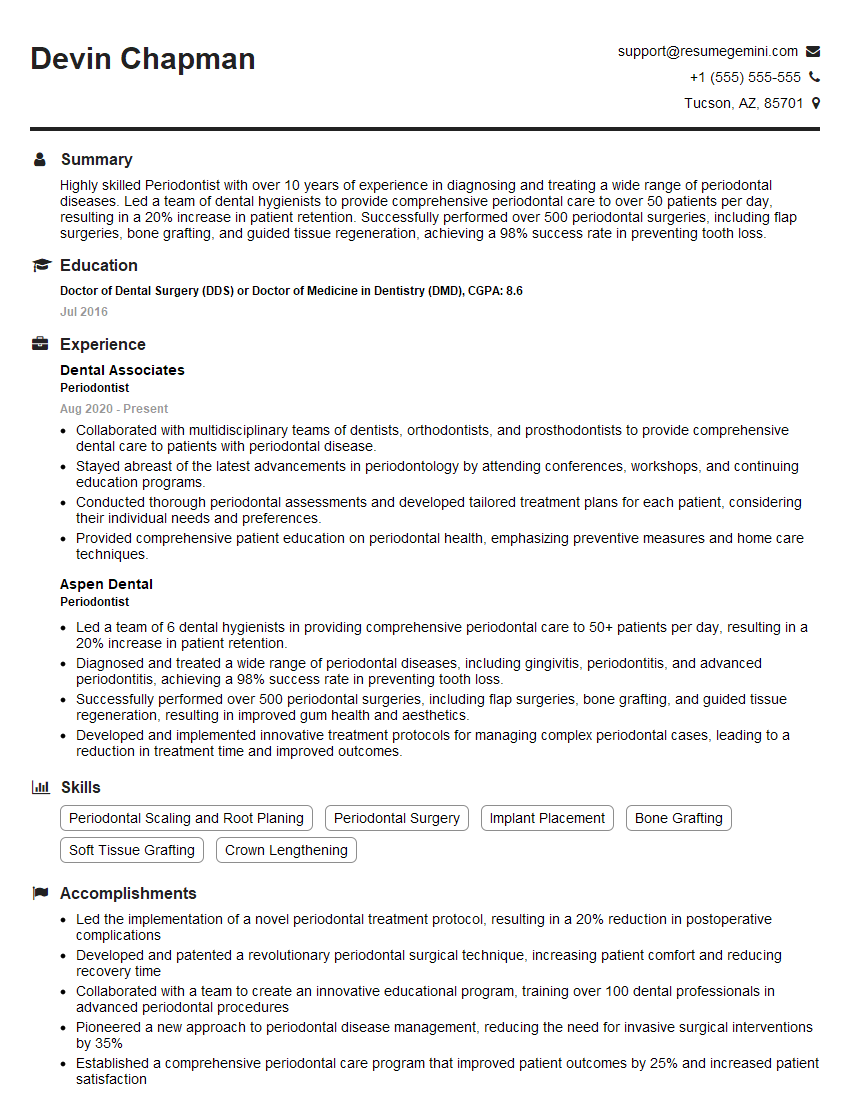
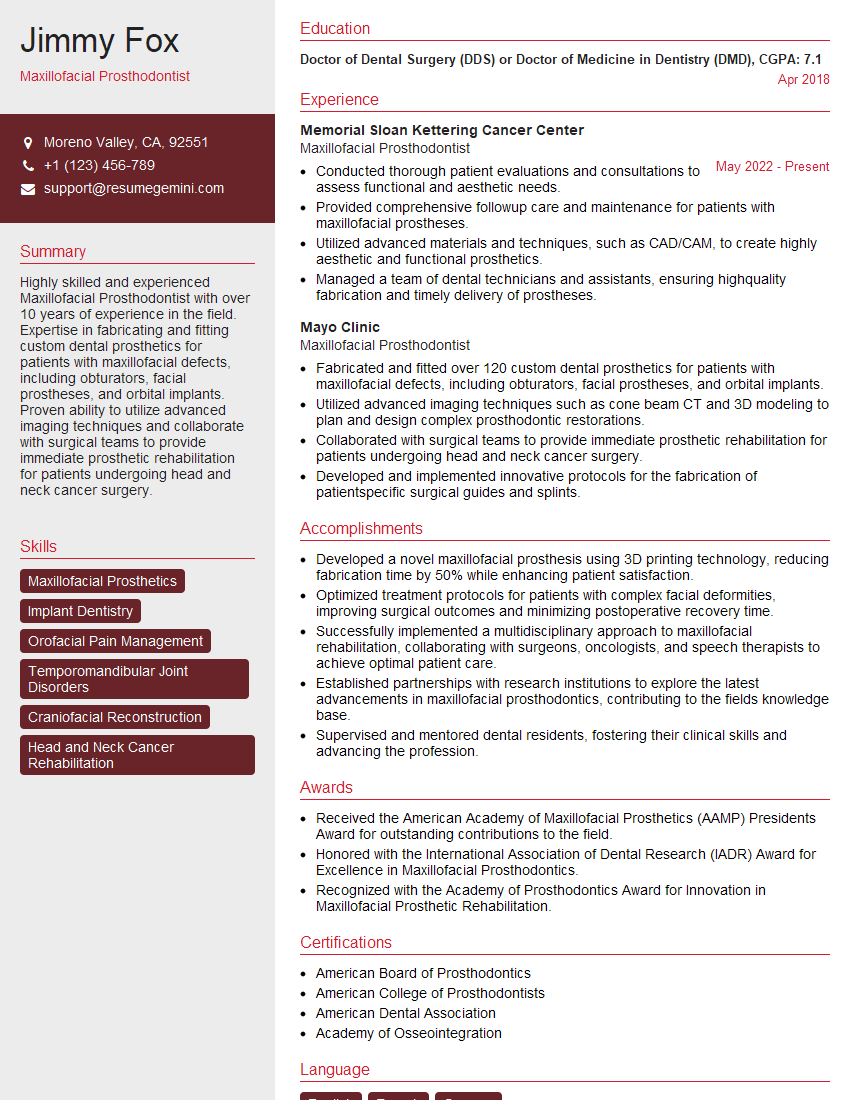
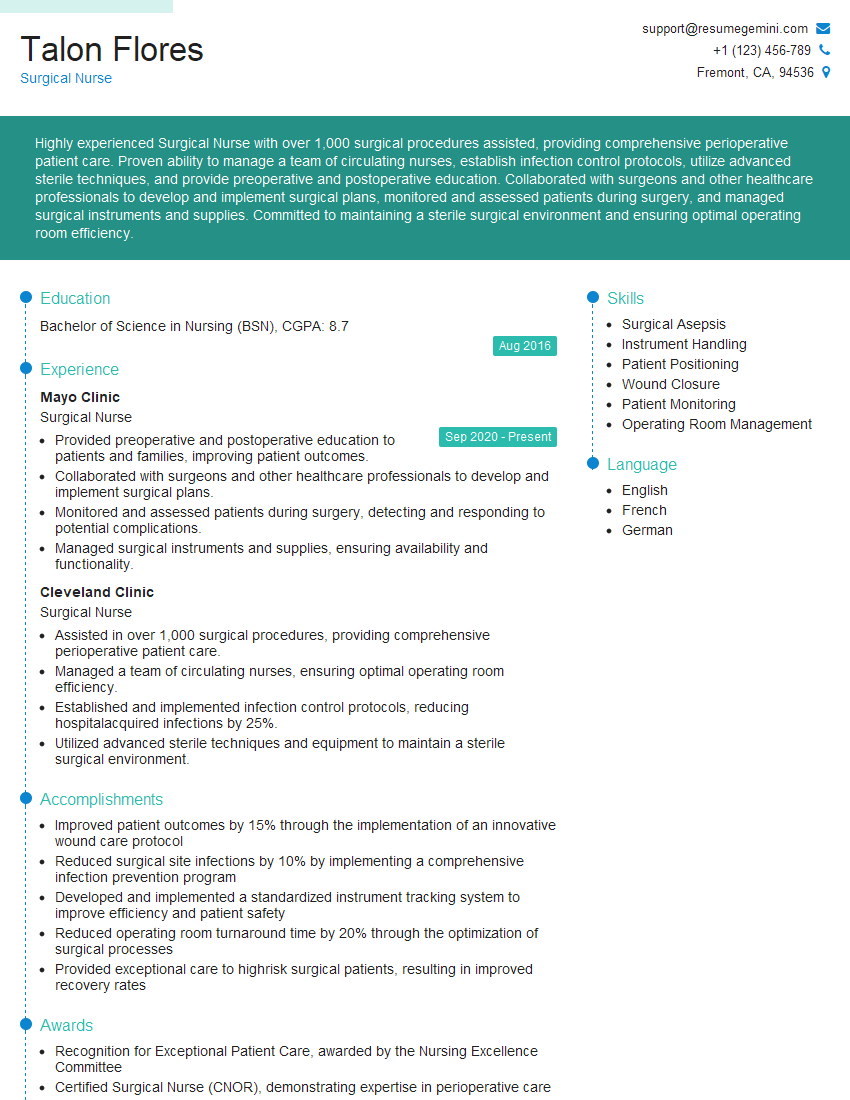
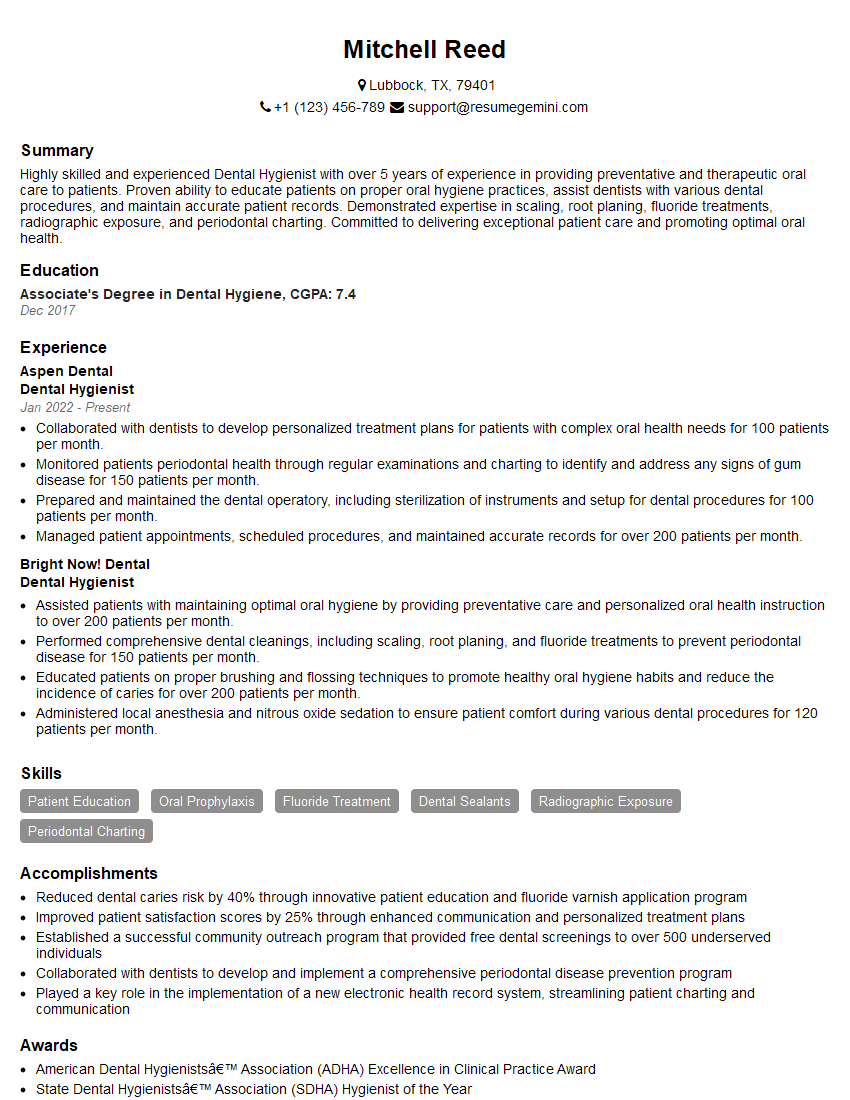
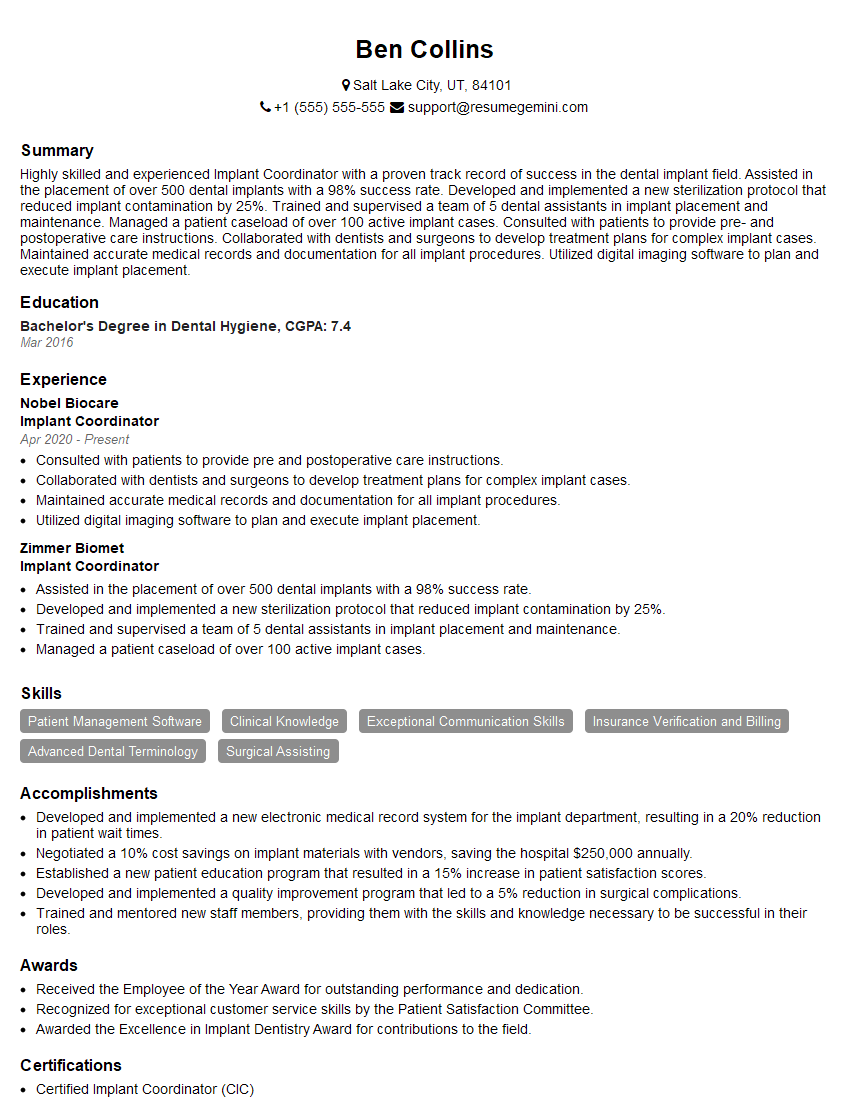
Mastering sinus augmentation techniques significantly enhances your value as a dental professional, opening doors to advanced practice and specialization opportunities. A strong resume is crucial for showcasing your expertise. Creating an ATS-friendly resume is key to maximizing your job prospects. We highly recommend using ResumeGemini to build a professional and effective resume that highlights your skills in Sinus Augmentation. ResumeGemini provides examples of resumes tailored to this specific area, ensuring your application stands out.
Explore more articles
Users Rating of Our Blogs
Share Your Experience
We value your feedback! Please rate our content and share your thoughts (optional).
What Readers Say About Our Blog
To the interviewgemini.com Webmaster.
Very helpful and content specific questions to help prepare me for my interview!
Thank you
To the interviewgemini.com Webmaster.
This was kind of a unique content I found around the specialized skills. Very helpful questions and good detailed answers.
Very Helpful blog, thank you Interviewgemini team.