Are you ready to stand out in your next interview? Understanding and preparing for Site Clean-up and Waste Disposal interview questions is a game-changer. In this blog, we’ve compiled key questions and expert advice to help you showcase your skills with confidence and precision. Let’s get started on your journey to acing the interview.
Questions Asked in Site Clean-up and Waste Disposal Interview
Q 1. Explain the different classes of hazardous waste.
Hazardous waste classification varies by region, but generally involves categorizing waste based on its potential to cause harm to human health or the environment. Key characteristics considered include ignitability, corrosivity, reactivity, and toxicity. Think of it like sorting laundry – each item needs to be categorized appropriately for proper cleaning and disposal.
- Ignitable Wastes: Substances that easily catch fire, such as solvents and oily rags.
- Corrosive Wastes: Substances that can corrode metal, like strong acids and bases. Imagine the damage a strong acid could do to a metal container – that’s corrosive waste.
- Reactive Wastes: Substances that are unstable and can react violently with other substances, such as explosives or certain chemicals. These require extra precautions to prevent uncontrolled reactions.
- Toxic Wastes: Substances that are poisonous or cause health problems, such as pesticides and heavy metals. Think of how even a small amount of poison can be incredibly dangerous – that’s the level of harm toxic waste can pose.
Many wastes fall into multiple categories, requiring careful handling and disposal.
Q 2. Describe your experience with site assessments and risk evaluations.
Site assessments and risk evaluations are crucial first steps in any site cleanup project. My experience involves conducting thorough on-site inspections to identify and characterize contaminants, assessing their potential for migration (how they spread), and evaluating the risks they pose to human health and the environment. This might involve reviewing historical documents, taking soil and water samples, and using specialized equipment like ground-penetrating radar to locate buried materials.
For example, I once worked on a site suspected of containing buried oil drums. Our assessment involved soil sampling, laboratory analysis, and a detailed review of historical records to determine the extent of contamination and the potential pathways for contaminant spread. This allowed us to develop a targeted cleanup plan, minimizing disruption and maximizing efficiency.
The risk evaluation involves analyzing the data from the assessment to determine the probability and severity of potential health and environmental impacts. We use this analysis to develop risk management strategies, including selecting appropriate cleanup technologies and establishing safety protocols.
Q 3. What are the key regulations governing waste disposal in your region?
Regulations governing waste disposal vary depending on the location. In my region, key regulations include those set forth by [Insert relevant regional/national environmental agency, e.g., EPA in the US, Environment Agency in the UK]. These regulations cover various aspects, from the generation and handling of hazardous waste to its transportation, treatment, storage, and disposal. Specific regulations address:
- Manifest System: Tracking the movement of hazardous waste from cradle to grave using detailed manifests.
- Landfill Standards: Strict requirements for the design, operation, and closure of landfills to prevent contamination of groundwater and soil.
- Permits: Requirements for obtaining permits for handling, treating, storing, or disposing of specific types of waste.
- Emergency Response Plans: Protocols for responding to spills and other emergencies involving hazardous materials.
Non-compliance can lead to significant penalties, including fines and even criminal charges. Therefore, understanding and adhering to these regulations is paramount.
Q 4. How do you ensure compliance with environmental regulations during a cleanup?
Ensuring compliance is a continuous process that begins with careful planning and extends through every phase of a cleanup project. We start by conducting a thorough review of all applicable regulations and obtaining necessary permits. We maintain detailed records of all activities, including waste generation, handling, transportation, and disposal. This documentation serves as proof of compliance.
Our team undergoes regular training on relevant regulations and best practices. We utilize certified contractors and disposal facilities, ensuring that they also meet regulatory requirements. We implement rigorous quality control procedures, using independent verification to ensure that our work adheres to the highest standards. Regular audits and inspections help us identify and address any potential compliance issues proactively.
For instance, we might utilize GPS tracking devices for waste shipments to monitor their location and verify disposal at approved facilities. Regular reporting to regulatory agencies ensures transparency and accountability.
Q 5. Detail your experience with handling asbestos or other hazardous materials.
I possess extensive experience handling asbestos and other hazardous materials, always prioritizing safety and regulatory compliance. This includes working with licensed professionals who are trained in proper handling techniques and equipped with the necessary personal protective equipment (PPE).
Asbestos abatement, for example, requires strict adherence to procedures. This involves using specific techniques like encapsulation or removal depending on the condition and location of the material. All materials are disposed of according to strict regulations, typically involving specialized disposal facilities.
For other hazardous materials, such as lead-based paint or polychlorinated biphenyls (PCBs), similar careful handling protocols apply. These protocols vary depending on the material’s specific properties and potential risks. Each project begins with a thorough assessment to determine the safest and most effective approach, which is always thoroughly documented.
Q 6. Explain your understanding of different waste disposal methods (landfill, incineration, recycling).
Different waste disposal methods cater to different types of waste and environmental considerations. Each has its own advantages and drawbacks.
- Landfills: The most common method for disposing of non-hazardous and some hazardous waste. Modern landfills use engineered liners and leachate collection systems to minimize environmental impact. However, landfills occupy valuable land and can generate methane, a greenhouse gas.
- Incineration: Burning waste at high temperatures to reduce its volume and recover energy. While it significantly reduces waste volume, it can produce air emissions that need to be carefully controlled using advanced pollution control technologies. Incineration is typically reserved for hazardous waste which can’t be safely disposed of otherwise.
- Recycling: Recovering valuable materials from waste for reuse. This method is environmentally friendly and conserves resources, but not all waste materials are recyclable, and it often requires sorting and processing.
The choice of method depends on factors like waste composition, cost, environmental impact, and regulatory requirements. Often a combination of methods is used to maximize efficiency and minimize environmental impact.
Q 7. How do you manage and track waste during a project?
Waste management and tracking are vital for maintaining compliance and optimizing efficiency during a cleanup project. We use a comprehensive system involving detailed records and digital tracking tools.
From the initial waste generation, we assign unique identification numbers to each waste stream. We meticulously record the type and quantity of waste generated, its location, and its handling procedures. This data is entered into a database, often linked to a geographical information system (GIS) for spatial analysis and mapping. This allows us to easily track the movement and disposal of waste throughout the project.
We also utilize chain-of-custody documentation, which provides a clear record of the handling of every waste item, from generation to final disposal. This ensures transparency and accountability. Regular reports are generated to monitor progress and identify any potential issues. This comprehensive system ensures the efficient and compliant management of all waste materials throughout the project lifecycle.
Q 8. Describe your experience with developing and implementing a waste management plan.
Developing and implementing a waste management plan is crucial for any site cleanup project. It’s like creating a detailed blueprint for a successful project, ensuring efficient waste handling from start to finish. This involves several key steps:
Site Assessment: A thorough assessment of the site is paramount. This involves identifying the types and quantities of waste present – everything from construction debris to hazardous materials. We use various techniques such as visual inspections, sampling, and laboratory analysis to determine the waste composition accurately.
Waste Characterization: Once identified, waste is categorized according to its hazardous or non-hazardous nature. This is critical for selecting appropriate disposal methods and complying with regulations. For example, asbestos-containing materials require specialized handling and disposal procedures.
Method Selection: Choosing the right disposal method is based on the waste characterization. Options range from recycling and reuse to landfill disposal and specialized treatment for hazardous waste. Cost-effectiveness and environmental impact are key considerations. For instance, we might prioritize recycling concrete rubble rather than sending it to a landfill.
Logistics Planning: This involves scheduling waste removal, selecting appropriate containers, and coordinating transportation. Efficient logistics minimizes disruption to ongoing site activities and ensures timely waste disposal.
Monitoring and Reporting: Throughout the process, we rigorously monitor the waste management activities. This includes tracking waste quantities, ensuring compliance with regulations, and generating reports documenting all activities. This detailed reporting is important for audits and demonstrates responsible environmental stewardship.
For instance, during a demolition project, we developed a plan that involved segregating wood, metal, concrete, and hazardous materials like asbestos. Each material followed a different pathway: wood for chipping and reuse, metal for recycling, concrete for crushing and reuse as base material, and asbestos for regulated disposal. The plan significantly reduced landfill waste and lowered costs.
Q 9. How do you ensure worker safety during site cleanup operations?
Worker safety is our top priority. We implement a comprehensive safety program that integrates multiple layers of protection. Think of it as building a robust defense system against potential hazards:
Hazard Identification and Risk Assessment: Before any work begins, we conduct a thorough hazard identification and risk assessment, pinpointing potential dangers and developing control measures. This involves considering factors like air quality, exposure to hazardous materials, and potential slips, trips, and falls.
Personal Protective Equipment (PPE): We provide and enforce the use of appropriate PPE, including respirators, gloves, safety glasses, and protective clothing, depending on the specific hazards encountered. We also provide regular training on proper PPE usage.
Training and Competency: All personnel receive comprehensive training on safety procedures, hazard recognition, and emergency response. We ensure workers are competent in handling equipment safely and are aware of emergency protocols. Regular refresher training keeps safety top of mind.
Emergency Response Plan: A detailed emergency response plan is in place, including procedures for handling spills, injuries, and evacuations. This plan is regularly reviewed and updated to reflect project changes.
Monitoring and Supervision: We maintain constant monitoring and supervision of work activities to ensure adherence to safety protocols. Regular safety meetings discuss potential hazards and feedback.
For example, when dealing with asbestos abatement, we follow strict procedures: workers wear specialized respirators, work in isolated areas, and undergo rigorous decontamination procedures. All of these layers of protection minimize risk of exposure.
Q 10. What are the common challenges encountered in site cleanup projects?
Site cleanup projects often face numerous challenges. It’s like navigating a complex maze with unexpected turns. Some common difficulties include:
Uncertain Site Conditions: Unexpected discoveries of contaminants or hazardous materials can significantly impact project timelines and costs. For example, finding unexpected underground storage tanks or buried waste can disrupt the schedule and increase remediation needs.
Regulatory Compliance: Navigating the complex web of environmental regulations and obtaining necessary permits can be time-consuming and challenging. Different jurisdictions have different regulations, adding another layer of complexity.
Weather Conditions: Adverse weather can disrupt site access, hinder cleanup operations, and impact the effectiveness of remediation techniques. Heavy rain can lead to delays and potential runoff contamination.
Cost and Time Overruns: Unexpected challenges and complexities often lead to cost and time overruns, requiring careful budgeting and project management. Efficient planning and contingency planning can help mitigate this risk.
Public Perception and Stakeholder Concerns: Addressing public concerns and communicating effectively with stakeholders is essential, particularly when dealing with potentially sensitive issues like hazardous waste. Transparent communication and community engagement can minimize public opposition.
For instance, in one project, unexpected heavy rainfall delayed excavation, leading to schedule slippage and increased costs. Contingency planning and strong communication with stakeholders helped resolve the situation effectively.
Q 11. Describe your experience with soil remediation techniques.
Soil remediation involves removing or neutralizing contaminants from the soil. It’s like cleaning a stained carpet; different stains require different cleaning methods. We employ several techniques:
Excavation and Disposal: For heavily contaminated soil, excavation and disposal in a licensed hazardous waste facility is often the most effective solution. This is a direct and proven method.
Bioremediation: This uses naturally occurring microorganisms to break down contaminants. It’s an environmentally friendly approach suitable for certain types of pollution, but it can be time-consuming.
Phytoremediation: This employs plants to absorb or extract contaminants from the soil. It’s a cost-effective, low-impact method for less severe contamination.
Soil Washing: This involves washing the soil with water or other solvents to remove contaminants. It’s effective for removing certain types of pollutants but generates wastewater that needs treatment.
Thermal Desorption: This uses heat to vaporize and remove volatile contaminants from the soil. It’s effective for a range of contaminants but requires specialized equipment.
For instance, we used bioremediation successfully on a site contaminated with petroleum hydrocarbons. We introduced microorganisms that naturally degraded the hydrocarbons, resulting in a cost-effective and environmentally sustainable solution.
Q 12. How do you manage contaminated soil and groundwater?
Managing contaminated soil and groundwater requires a multifaceted approach. It’s like treating a patient with a serious illness – a comprehensive diagnosis and treatment plan are essential.
Assessment and Characterization: We begin with a thorough assessment to define the extent and nature of the contamination. This involves soil and groundwater sampling and laboratory analysis to identify the contaminants and their concentrations.
Remediation Strategy: Based on the assessment, we develop a remediation strategy. This could involve any of the soil remediation techniques mentioned earlier, along with groundwater treatment methods such as pump and treat systems or in-situ bioremediation.
Groundwater Treatment: Groundwater treatment methods vary depending on the type and concentration of contaminants. Pump and treat systems extract contaminated groundwater, treat it, and discharge it back into the environment. In-situ bioremediation uses microorganisms to break down contaminants within the groundwater itself.
Monitoring and Reporting: Throughout the remediation process, we continuously monitor the effectiveness of our actions. This involves regular sampling and analysis of soil and groundwater to ensure that the cleanup goals are being met. Detailed reports track progress and ensure regulatory compliance.
Closure and Post-Closure Monitoring: Once remediation goals are achieved, we perform a site closure, which often includes submitting a closure report to the relevant regulatory authorities. We may also be required to perform post-closure monitoring to ensure the long-term stability of the site.
For example, in a project involving groundwater contamination by chlorinated solvents, we employed a pump and treat system coupled with activated carbon filtration to remove the contaminants before returning the treated water to the aquifer. Regular monitoring confirmed the effectiveness of the treatment and compliance with regulatory limits.
Q 13. What are the different types of permits required for waste disposal?
The permits required for waste disposal vary depending on the type of waste, the location, and the disposal method. It’s like having different travel visas for different countries – each destination requires specific documentation. Common permits include:
Hazardous Waste Permits: These are required for the generation, transportation, storage, and disposal of hazardous waste. They are specific to the type of hazardous waste and the facility handling it. They often involve detailed manifests and reporting.
Solid Waste Permits: These permits regulate the disposal of non-hazardous solid waste, such as construction and demolition debris. They may include requirements for landfill operation permits or permits for specific waste processing methods.
Discharge Permits: If wastewater is generated during a cleanup, discharge permits are necessary to ensure compliance with water quality standards. They outline limits for specific pollutants that can be discharged.
Air Permits: Some cleanup activities may generate air emissions, requiring air permits to ensure compliance with air quality regulations. This can be relevant for thermal desorption or incineration processes.
Site-Specific Permits: Depending on the project’s location and nature, additional site-specific permits may be required. This could involve permits for excavation, land disturbance, or access to specific areas.
Navigating these permits requires specialized knowledge of environmental regulations. We work closely with regulatory agencies to ensure all necessary permits are obtained before initiating any disposal activities.
Q 14. How do you handle unexpected hazardous waste discoveries during a project?
Discovering unexpected hazardous waste during a project requires immediate and decisive action. It’s like encountering an unexpected storm at sea – swift and careful navigation is crucial. Our response involves:
Immediate Stop Work: We immediately halt all activities in the affected area to prevent further contamination or worker exposure. Safety is always our top priority.
Hazard Assessment and Characterization: We conduct a thorough assessment to identify the type and quantity of hazardous waste. This may involve additional sampling and laboratory analysis to determine the specific hazards.
Emergency Response Plan Activation: We activate our emergency response plan, notifying relevant authorities and implementing appropriate control measures to prevent further spread of contamination.
Containment and Stabilization: We contain the hazardous waste to prevent its spread and stabilize it to reduce the risks associated with it. This can involve using absorbent materials, covering the area, or other containment techniques.
Regulatory Reporting: We notify the appropriate regulatory authorities as required by law and provide them with comprehensive information about the discovery.
Revised Waste Management Plan: We revise the existing waste management plan to incorporate the newly discovered hazardous waste, and obtain any necessary permits or approvals from the regulatory agencies.
In one instance, we uncovered an underground tank of unknown chemicals during excavation. We immediately ceased work, contacted the authorities, contained the spill, and arranged for specialized removal and disposal. This situation underscored the importance of thorough site assessments and contingency planning.
Q 15. Explain your knowledge of environmental impact assessments.
Environmental Impact Assessments (EIAs) are crucial for predicting and mitigating the potential environmental consequences of projects, including site clean-ups and waste disposal operations. They involve a systematic process of identifying, predicting, evaluating, and mitigating biophysical, social, and other relevant effects of development proposals prior to major decisions being taken and commitments made.
My expertise involves conducting thorough EIAs, encompassing the following:
- Baseline Data Collection: This includes assessing existing environmental conditions – soil quality, water resources, air quality, biodiversity, and noise levels – to establish a benchmark against which to measure future impacts.
- Impact Prediction: Using various modeling techniques and expert judgment, I predict the potential changes in the environment resulting from the site cleanup or waste disposal activities. For instance, I’d model the potential groundwater contamination from a hazardous waste site or the impact on local wildlife from construction activities.
- Impact Evaluation: This stage involves evaluating the significance of predicted impacts, considering their magnitude, duration, and spatial extent. I employ established criteria and regulatory guidelines to determine the acceptability of these impacts.
- Mitigation Measures: Based on the evaluation, I develop and implement mitigation strategies to reduce or eliminate negative environmental impacts. This might include using specialized excavation techniques to minimize soil disturbance, implementing robust containment systems for hazardous materials, or employing advanced wastewater treatment.
- Monitoring and Reporting: Post-cleanup, I establish monitoring programs to track environmental parameters and ensure the effectiveness of mitigation measures. Regular reports are compiled to document progress and address any unforeseen issues.
For example, in a recent project involving the remediation of a former industrial site contaminated with heavy metals, I conducted a comprehensive EIA, identifying potential risks to groundwater and nearby ecosystems. My recommendations, which included bioremediation and phytoremediation techniques, were successfully implemented, resulting in a significant reduction in contamination and ecosystem restoration.
Career Expert Tips:
- Ace those interviews! Prepare effectively by reviewing the Top 50 Most Common Interview Questions on ResumeGemini.
- Navigate your job search with confidence! Explore a wide range of Career Tips on ResumeGemini. Learn about common challenges and recommendations to overcome them.
- Craft the perfect resume! Master the Art of Resume Writing with ResumeGemini’s guide. Showcase your unique qualifications and achievements effectively.
- Don’t miss out on holiday savings! Build your dream resume with ResumeGemini’s ATS optimized templates.
Q 16. Describe your experience with waste minimization strategies.
Waste minimization is paramount for environmental protection and cost savings. My experience encompasses a multi-pronged approach:
- Source Reduction: Preventing waste generation at the source is the most effective strategy. This involves optimizing processes, using less material, and choosing reusable and recyclable products. For example, I advised a manufacturing company to switch to a less wasteful packaging material, resulting in a 20% reduction in waste.
- Recycling and Reuse: Implementing robust recycling programs and identifying opportunities for reuse significantly reduces landfill waste. This includes separating different waste streams for efficient processing and working with recycling facilities to optimize material recovery.
- Waste Treatment and Recovery: Employing techniques like incineration (with energy recovery), composting, and anaerobic digestion helps to convert waste into usable resources or reduce its volume before disposal. I’ve successfully implemented composting programs for green waste generated during construction projects.
- Improved Waste Handling Practices: Implementing proper storage, transportation, and handling techniques minimizes the risk of spills, contamination, and the generation of additional waste. This involves using appropriate containers, protective gear, and transportation methods.
A practical example is my work on a large-scale demolition project. By carefully planning the demolition sequence and implementing selective demolition techniques, we reduced the amount of demolition waste by 35%, while also increasing the volume of recyclable materials.
Q 17. How do you communicate effectively with clients and regulatory agencies?
Effective communication is the cornerstone of successful site cleanup and waste disposal projects. I utilize various strategies to communicate with clients and regulatory agencies:
- Active Listening: I prioritize understanding clients’ needs and concerns. This often involves site visits and thorough discussions to clarify project goals and constraints.
- Clear and Concise Reporting: I prepare detailed reports and presentations using plain language, avoiding technical jargon. I utilize visual aids like maps, charts, and photographs to enhance understanding.
- Regular Updates: I provide regular updates to clients and regulatory agencies through email, phone calls, and meetings, keeping them informed of progress and any potential challenges.
- Transparency and Honesty: I maintain open and honest communication, addressing any concerns or questions promptly and professionally.
- Collaboration and Teamwork: I actively work with various stakeholders, including engineers, contractors, and regulatory officials, to ensure a collaborative approach to project management.
For instance, during a complex remediation project, regular communication with local residents eased concerns about potential environmental risks and gained community support for the project.
Q 18. How do you manage waste disposal budgets and timelines?
Managing waste disposal budgets and timelines requires meticulous planning and control:
- Detailed Budgeting: I create comprehensive budgets that encompass all aspects of waste disposal, from site assessments and waste characterization to transportation, treatment, and disposal. I factor in contingency costs to account for unexpected expenses.
- Realistic Timelines: I establish realistic timelines that incorporate all necessary steps, considering potential delays and regulatory approvals. Using project management software, I track progress and identify potential schedule slippages.
- Cost Control Measures: I continuously monitor expenses and implement cost-saving measures where possible. This may include negotiating better rates with waste disposal facilities or optimizing waste management strategies.
- Regular Reporting: I prepare regular financial reports for clients, showing expenditures and projected costs, ensuring transparency and accountability.
- Risk Management: I identify potential financial risks, such as unexpected waste volumes or regulatory changes, and develop mitigation strategies to minimize their impact.
In a recent project, careful budget management and proactive scheduling resulted in completing the project on time and under budget, exceeding client expectations.
Q 19. Describe your experience with emergency response procedures in relation to waste spills.
Emergency response procedures for waste spills are critical to protect human health and the environment. My experience includes:
- Emergency Response Plan Development: I develop and implement site-specific emergency response plans, outlining procedures for handling various types of spills, including hazardous waste. These plans detail roles and responsibilities, communication protocols, and emergency contact information.
- Spill Containment and Control: I’m trained in the safe and effective containment and control of spills using appropriate equipment and techniques, such as booms, absorbents, and personal protective equipment.
- Notification and Reporting: I know the proper procedures for notifying relevant authorities, including emergency services and environmental agencies, in the event of a spill. Timely and accurate reporting is crucial to minimize environmental damage.
- Cleanup and Remediation: I supervise the cleanup and remediation of spills, ensuring proper disposal of contaminated materials and adherence to regulatory requirements.
- Post-Incident Review: After a spill, I conduct a thorough review to identify the cause and implement corrective actions to prevent future incidents. This includes improving safety procedures, training, and equipment.
In one instance, a quick and effective response to a chemical spill prevented significant environmental contamination and ensured the safety of personnel and the surrounding community.
Q 20. What are your methods for selecting appropriate waste disposal facilities?
Selecting appropriate waste disposal facilities is crucial for ensuring compliance with regulations and protecting the environment. My selection process involves:
- Waste Characterization: I accurately characterize the waste to be disposed of, identifying its physical and chemical properties, including its hazardous nature. This ensures selection of a facility equipped to handle the specific type of waste.
- Regulatory Compliance: I verify that the facilities comply with all relevant environmental regulations and permits. This includes reviewing their operating licenses and environmental records.
- Facility Capabilities: I assess the facility’s capacity, technologies, and handling procedures to ensure they meet the project’s requirements. I look at factors like processing capabilities, storage capacity, and transportation logistics.
- Cost-Effectiveness: I compare the costs of different facilities, considering transportation distances and disposal fees, to identify the most economical option without compromising safety and environmental protection.
- Reputation and Track Record: I research the facility’s reputation and track record, considering factors such as past environmental incidents and customer feedback.
By carefully evaluating these factors, I ensure that waste is disposed of responsibly and cost-effectively at a facility that meets all safety and regulatory requirements.
Q 21. How do you ensure the proper labeling and transportation of hazardous waste?
Proper labeling and transportation of hazardous waste are crucial for ensuring safety and compliance. My approach includes:
- Accurate Labeling: I ensure that all hazardous waste containers are clearly and accurately labeled according to relevant regulations (e.g., using Globally Harmonized System of Classification and Labelling of Chemicals (GHS) standards). Labels include waste identification, hazard warnings, and handling precautions.
- Manifest System: I utilize the manifest system to track the generation, transportation, and disposal of hazardous waste. This system ensures accountability and proper documentation throughout the entire process.
- Packaging and Containment: I ensure that hazardous waste is packaged in appropriate containers that prevent leaks, spills, and exposure. I specify packaging materials based on the waste characteristics and transportation requirements.
- Transportation Requirements: I ensure that transportation complies with all relevant regulations, including DOT (Department of Transportation) rules and regulations. This includes using appropriate vehicles, ensuring proper securing of the waste, and providing the driver with all necessary documentation.
- Emergency Response Plan for Transportation: I include provisions for emergency response procedures during transportation, in case of accidents or spills.
For example, I once managed the transportation of a large quantity of PCB-contaminated soil. Adherence to strict labeling and transportation protocols ensured safe and compliant transportation to a permitted disposal facility.
Q 22. Describe your experience with waste audits and reporting.
Waste audits are crucial for understanding the types and quantities of waste generated at a site. They form the basis for developing effective waste management strategies. My experience encompasses conducting both pre- and post-cleanup audits, meticulously documenting waste streams, categorizing materials according to their hazardousness (e.g., using EPA hazardous waste codes), and calculating waste generation rates. Reporting involves creating comprehensive summaries, including visual representations like pie charts and bar graphs, to illustrate the composition of the waste and identify areas for improvement. I’ve worked on projects ranging from small construction sites to large industrial facilities, adapting my auditing methodology to each unique context. For instance, on a demolition project, I focused on construction and demolition debris, asbestos, and potential hazardous materials. For a manufacturing facility, the audit emphasized process-specific wastes, such as solvents and chemical byproducts.
My reports always include recommendations for waste minimization, recycling, and responsible disposal, along with cost-benefit analyses of different options. I’m skilled in presenting my findings to both technical and non-technical audiences, ensuring clarity and actionable insights.
Q 23. What software or tools are you familiar with for managing waste data?
I’m proficient in several software and tools for managing waste data. These include dedicated environmental management systems (EMS) like Enviance and Intelex, which allow for tracking waste generation, disposal, and associated costs. I also have experience using spreadsheet software like Microsoft Excel and Google Sheets for data entry, analysis, and report generation. For spatial data analysis, particularly useful for visualizing waste distribution across large sites, I utilize GIS software like ArcGIS. Furthermore, I’m familiar with specialized waste management databases that allow for regulatory compliance reporting. For example, I’ve used a system to track manifest information and ensure proper documentation for hazardous waste shipments in compliance with regulations.
Q 24. How do you prioritize different cleanup tasks based on risk and urgency?
Prioritizing cleanup tasks requires a systematic approach. I employ a risk-based prioritization matrix that considers both the urgency and potential impact of each task. Urgency factors might include imminent environmental risks (e.g., a leaking tank) or regulatory deadlines. Risk assessment involves evaluating the potential harm to human health, the environment, or the project schedule. High-risk, high-urgency tasks take precedence.
For example, if we’re dealing with a spill of a hazardous substance, containing the spill and preventing further environmental contamination would be the immediate priority. Then, we would focus on remediation and proper disposal of the contaminated materials. Less urgent tasks, such as the removal of non-hazardous debris, would follow. This matrix allows me to allocate resources efficiently and ensure the most critical issues are addressed first.
Q 25. Explain your experience with various sampling techniques for waste analysis.
My experience with waste sampling encompasses various techniques depending on the waste type and the analytical goals. For soil samples, I use methods like stratified random sampling to ensure representation across the site. For liquids, I employ grab sampling or composite sampling, depending on the need for a snapshot in time or an average concentration. I’m meticulous in adhering to chain-of-custody procedures to ensure sample integrity and traceability.
For example, when dealing with suspected asbestos-containing materials, I follow strict protocols for sample collection, handling, and transportation to an accredited laboratory. The sampling strategy for volatile organic compounds (VOCs) in soil would differ significantly from that used for heavy metals in wastewater, each requiring specialized equipment and procedures to maintain accuracy. The collected samples inform the overall remediation strategy and the appropriate selection of disposal facilities.
Q 26. How do you deal with conflicts or disagreements with other team members or stakeholders?
Conflict resolution is a crucial aspect of teamwork. My approach is to prioritize open communication and collaboration. I begin by actively listening to all perspectives, seeking to understand the root cause of the disagreement. I strive to find common ground by focusing on shared goals and objectives. If a compromise can’t be reached through discussion, I facilitate a structured problem-solving session involving all stakeholders.
For instance, if there’s a disagreement about the best remediation technique, I would gather data, present various options with their pros and cons, and then lead a discussion to reach a consensus based on facts and shared risk tolerance. If necessary, I escalate the issue to a higher authority for mediation, always ensuring transparency and fairness in the process.
Q 27. What is your experience with closure and post-closure care for waste disposal sites?
Closure and post-closure care for waste disposal sites are critical for long-term environmental protection. My experience includes overseeing the decommissioning of several sites, ensuring compliance with all relevant regulations. This includes site preparation, capping and sealing the waste, implementing leachate collection and groundwater monitoring systems, and developing long-term monitoring and maintenance plans. Post-closure involves regular monitoring of environmental parameters, such as groundwater quality and gas emissions, to detect and address any potential problems.
I understand the importance of creating a comprehensive post-closure report that outlines the long-term stewardship responsibilities and the financial assurance mechanisms put in place. This often involves preparing financial security documents and working with regulatory agencies to secure permits for continued monitoring of the site, even after final closure. The goal is to leave the site in a stable and environmentally sound condition.
Q 28. Describe a time you had to make a difficult decision related to site cleanup or waste disposal.
During a large-scale industrial site cleanup, we encountered unexpected levels of contamination. The initial budget and project timeline were insufficient to address the full extent of the problem. The difficult decision was whether to proceed with the existing plan and risk incomplete remediation or request additional funding, potentially delaying the project and facing criticism for cost overruns.
After carefully analyzing the risk-benefit trade-offs, including potential environmental and legal ramifications, we opted to request supplemental funding, providing detailed justifications supported by scientific data. This decision proved to be the correct one, resulting in a thorough cleanup and avoiding potential long-term environmental and financial liabilities. Open communication with stakeholders was vital to gaining their understanding and support for this revised approach.
Key Topics to Learn for Site Clean-up and Waste Disposal Interview
- Waste Stream Management: Understanding different waste types (hazardous, non-hazardous, recyclable), segregation techniques, and appropriate disposal methods.
- Site Safety and Regulations: Knowledge of OSHA regulations, environmental protection laws (e.g., EPA guidelines), and safe handling procedures for various waste materials. Practical application includes demonstrating understanding of PPE requirements and emergency response protocols.
- Clean-up Procedures: Detailed understanding of decontamination techniques, spill response plans, and the proper use of specialized equipment for cleaning contaminated sites. This includes practical knowledge of different cleaning agents and their appropriate use.
- Waste Transportation and Disposal: Familiarity with transportation regulations, manifest systems, and different disposal methods (landfills, incineration, recycling facilities). This involves understanding the logistics and paperwork involved in waste disposal.
- Environmental Impact Assessment: Understanding the environmental impact of different waste disposal methods and the importance of minimizing environmental harm. Practical application includes explaining mitigation strategies and best practices.
- Technology and Innovation: Awareness of new technologies and innovative approaches in waste management, such as waste-to-energy solutions and advanced recycling techniques.
- Problem-Solving and Decision-Making: Ability to analyze complex situations, identify potential hazards, and develop effective solutions for waste management challenges. This includes the ability to prioritize tasks effectively and work under pressure.
Next Steps
Mastering Site Clean-up and Waste Disposal opens doors to a rewarding career with excellent growth potential. The industry is constantly evolving, creating demand for skilled professionals who understand safety, regulations, and sustainable practices. To stand out, crafting a strong, ATS-friendly resume is crucial. ResumeGemini can help you build a professional and impactful resume that highlights your skills and experience effectively. We offer examples of resumes tailored specifically to Site Clean-up and Waste Disposal to give you a head start. Take the next step in your career journey – build a resume that gets noticed.
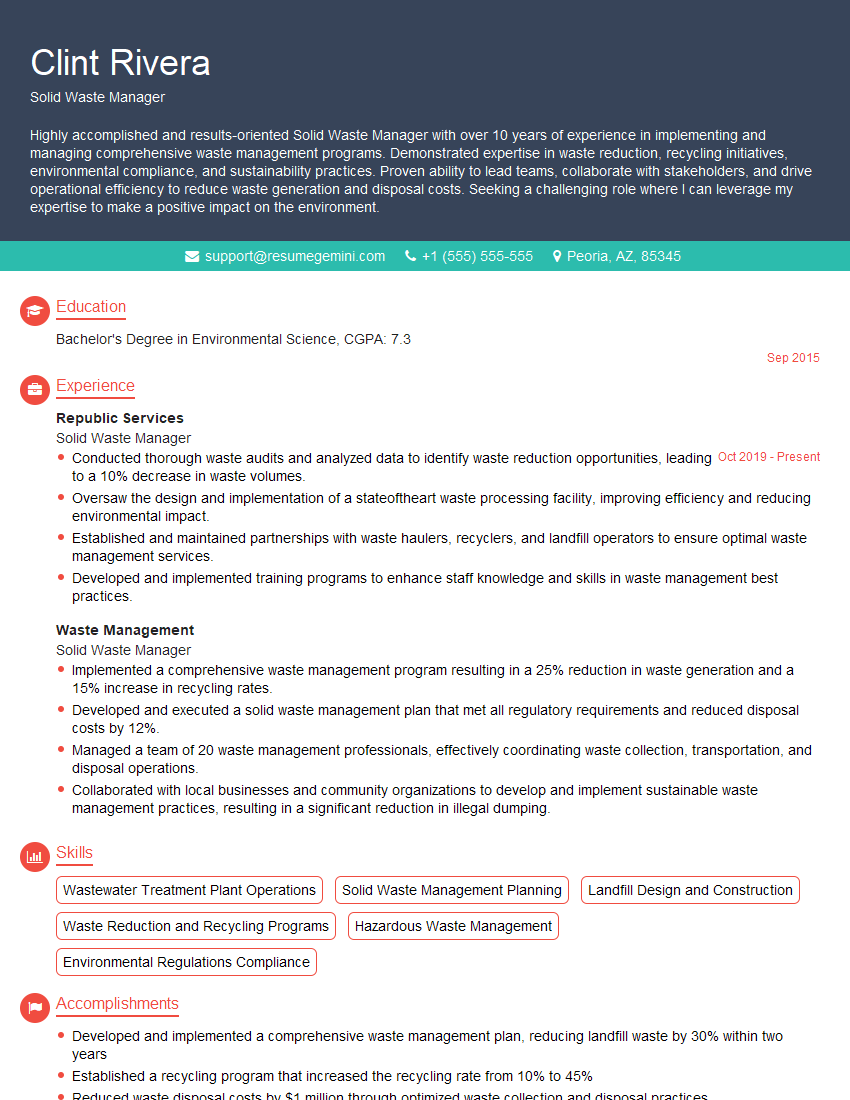
Solid Waste Manager Resume Sample
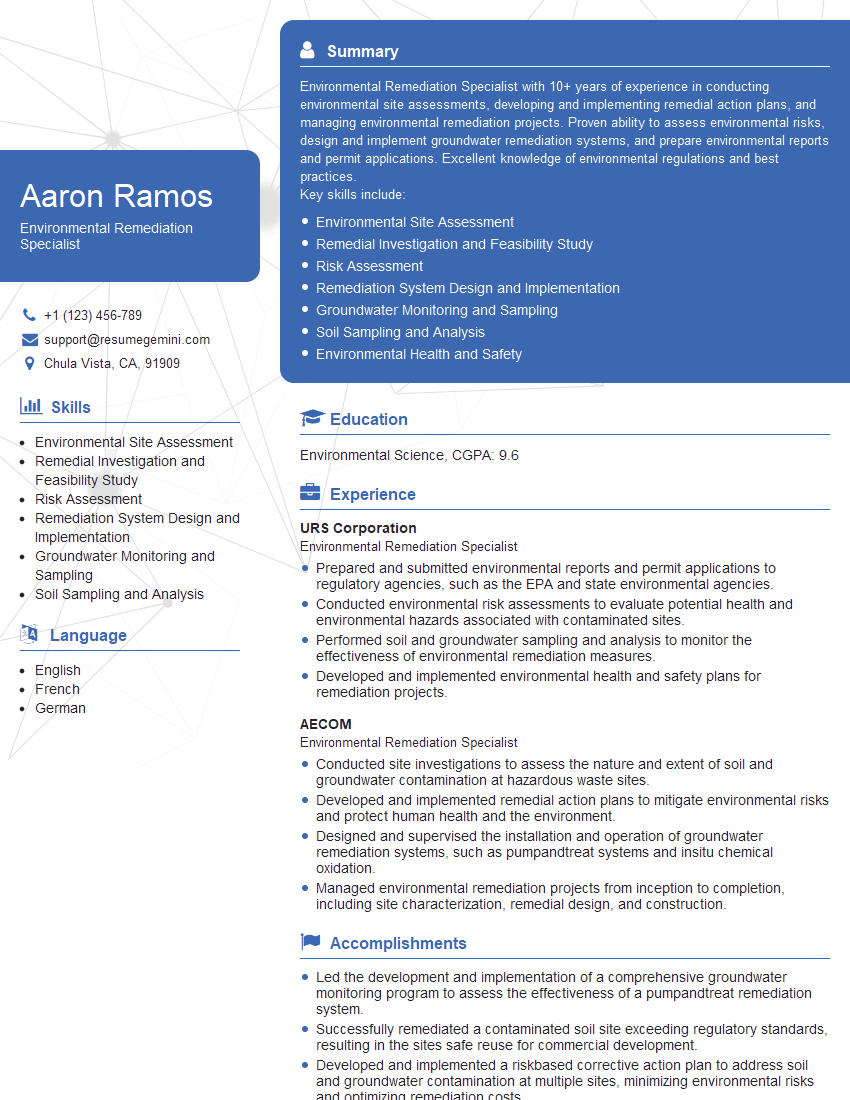
Environmental Remediation Specialist Resume Sample
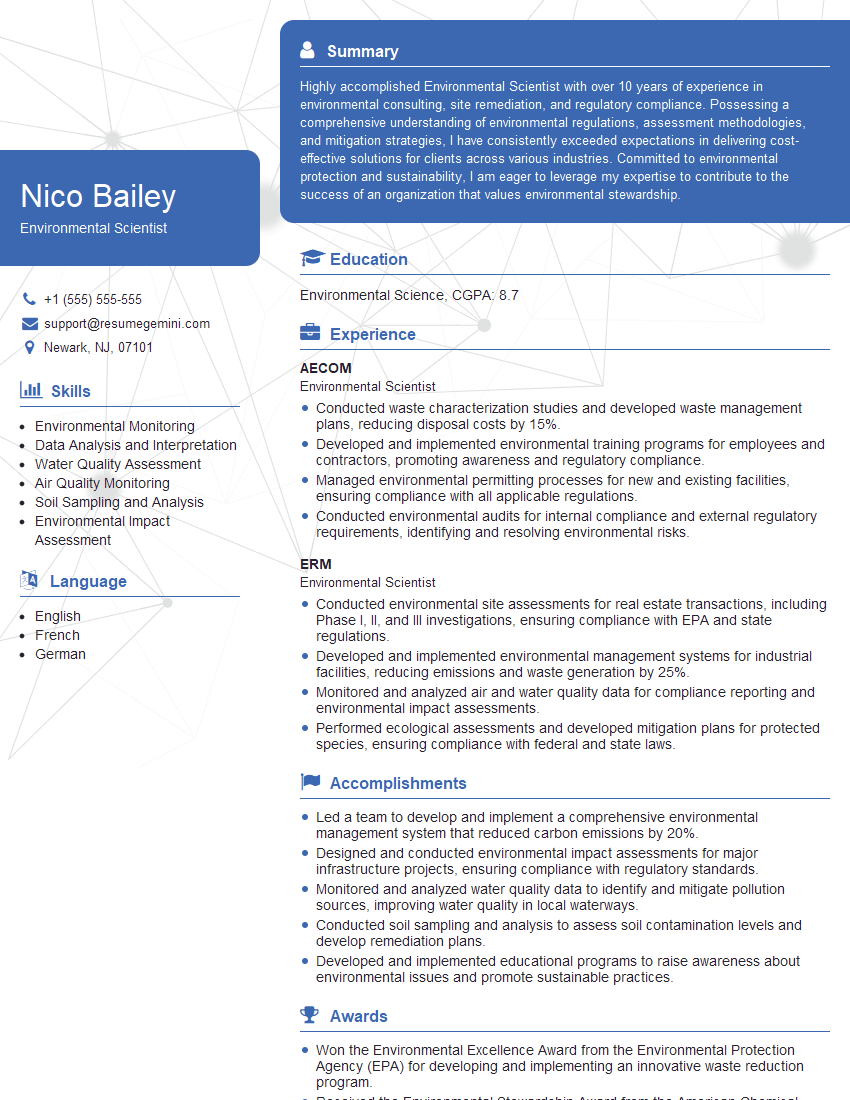
Environmental Scientist Resume Sample
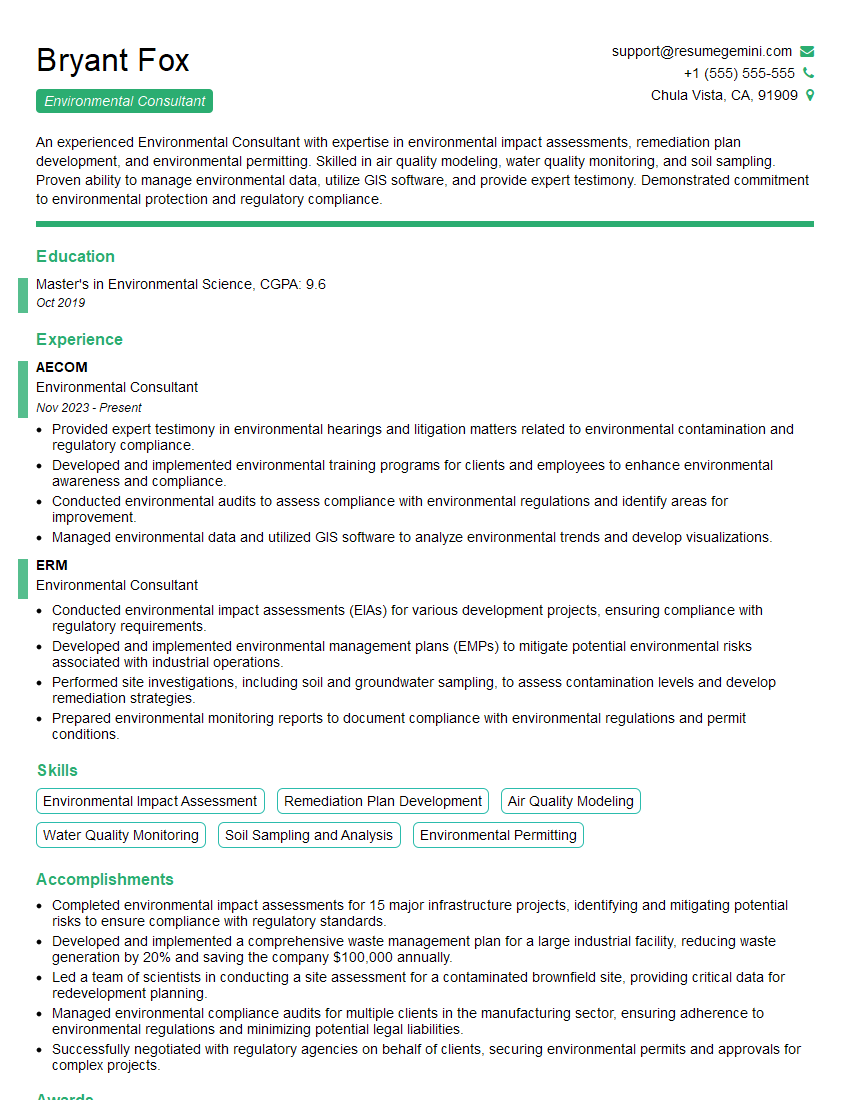
Environmental Consultant Resume Sample
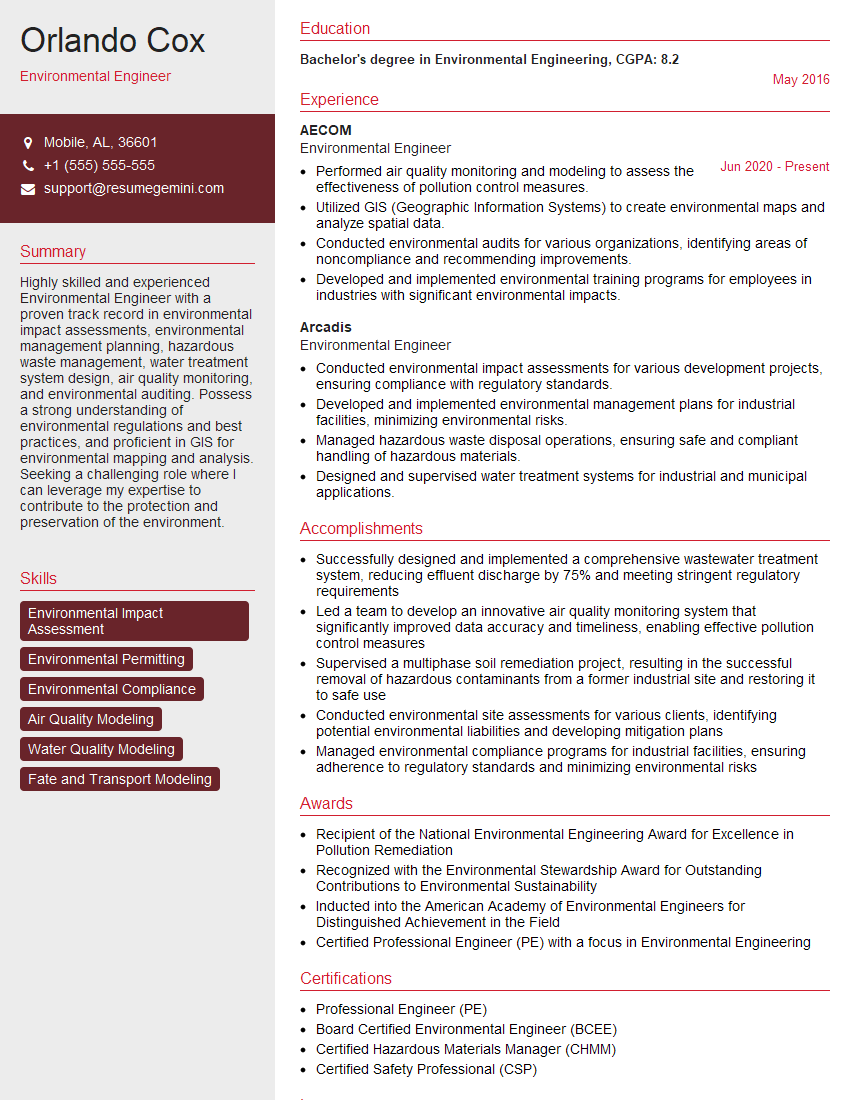
Environmental Engineer Resume Sample
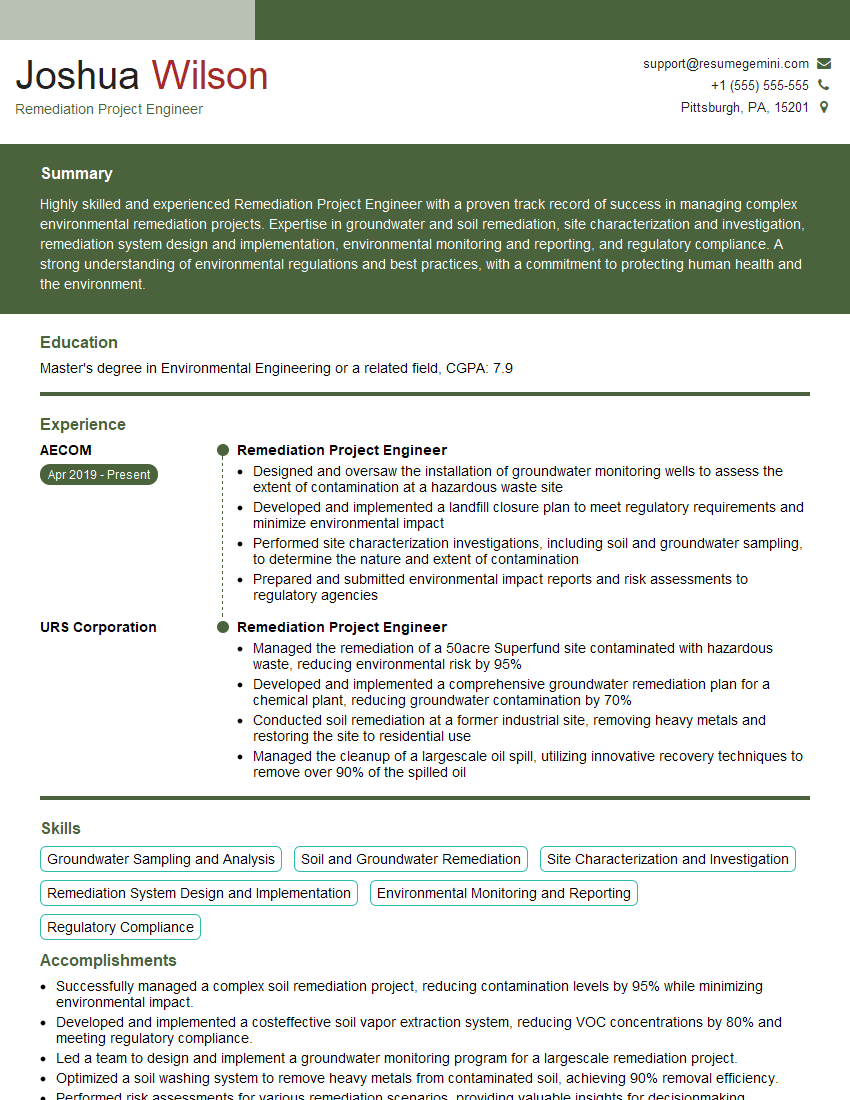
Remediation Project Engineer Resume Sample
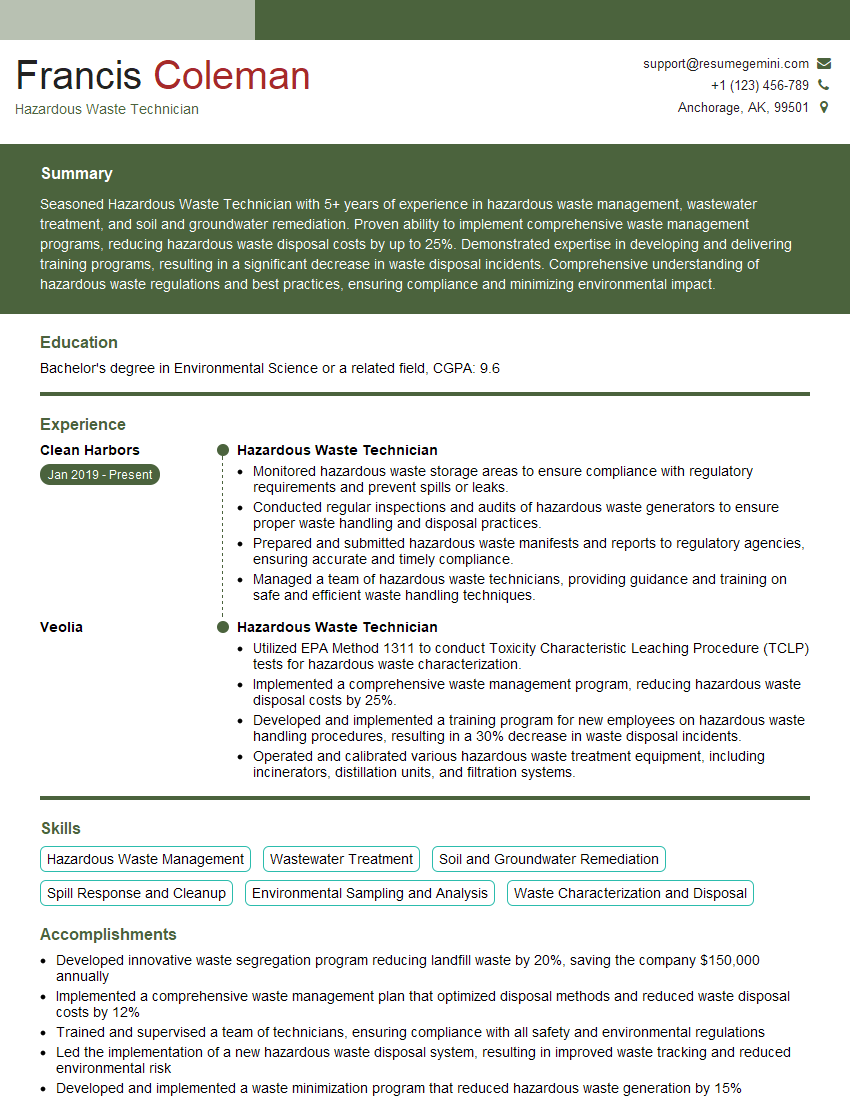
Hazardous Waste Technician Resume Sample
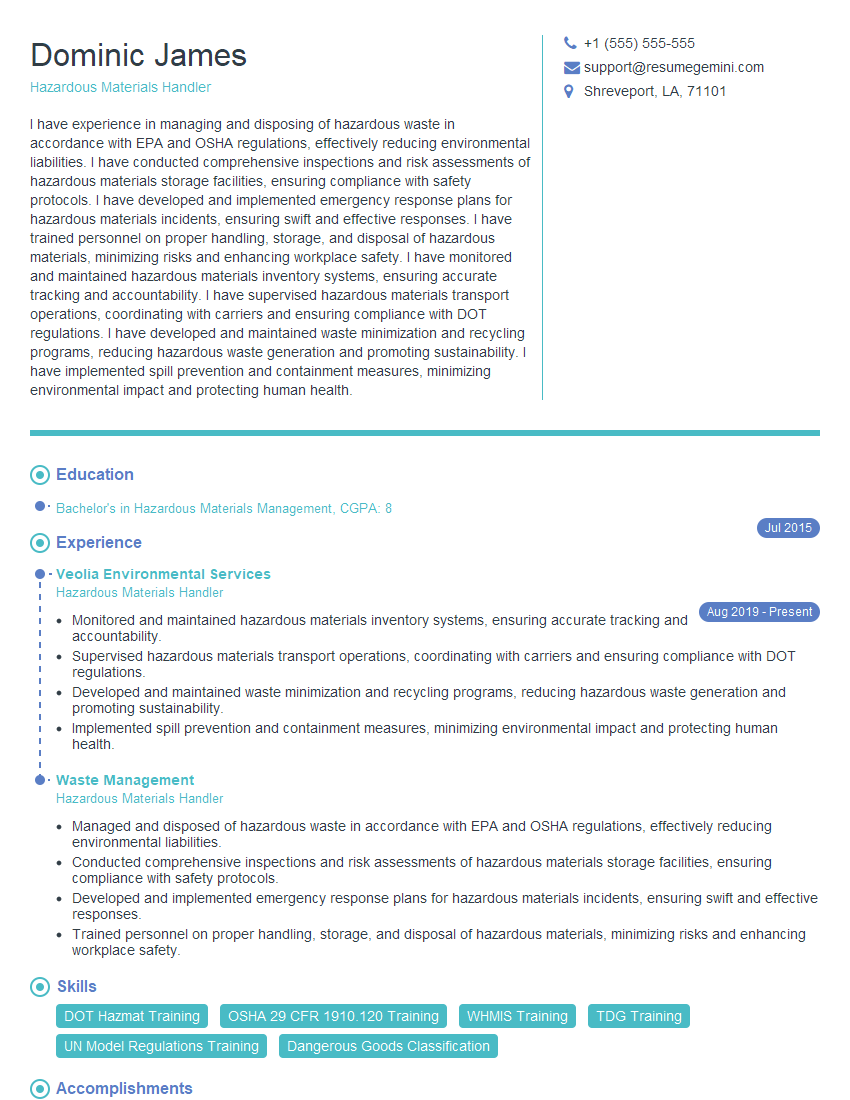
Hazardous Materials Handler Resume Sample
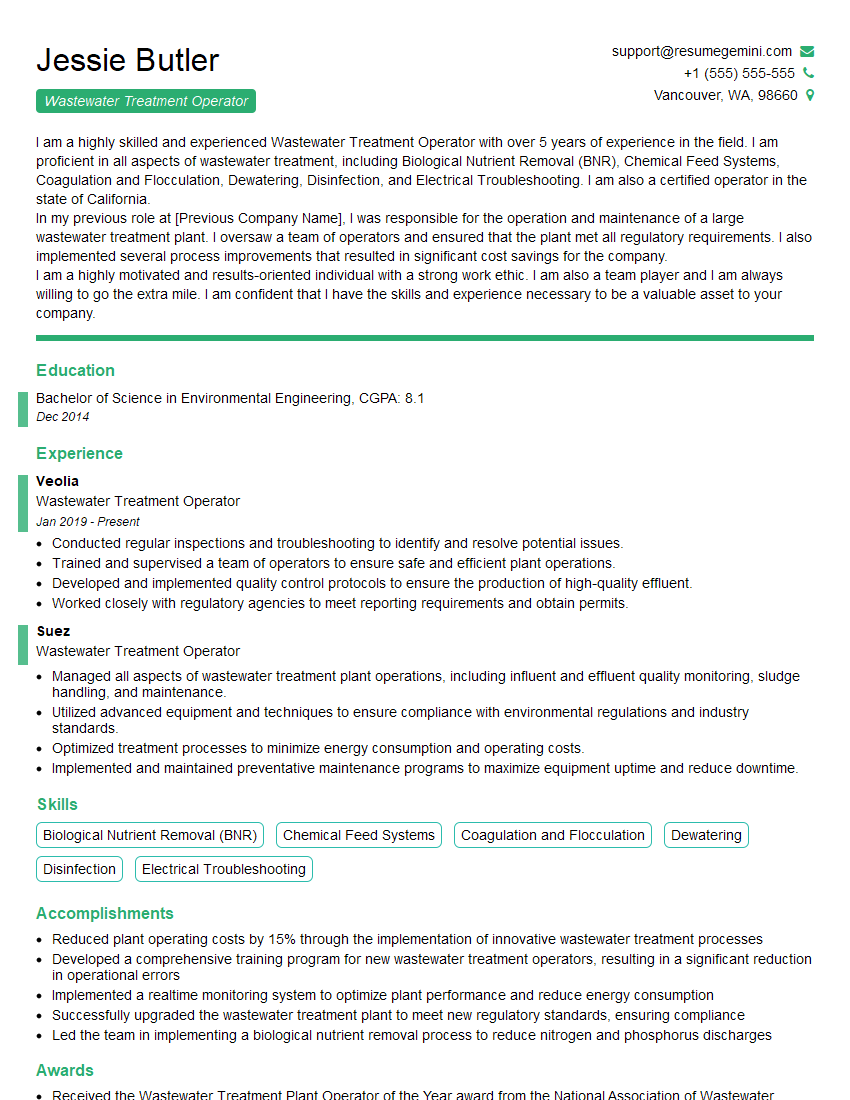
Wastewater Treatment Operator Resume Sample
Explore more articles
Users Rating of Our Blogs
Share Your Experience
We value your feedback! Please rate our content and share your thoughts (optional).
What Readers Say About Our Blog
To the interviewgemini.com Webmaster.
Very helpful and content specific questions to help prepare me for my interview!
Thank you
To the interviewgemini.com Webmaster.
This was kind of a unique content I found around the specialized skills. Very helpful questions and good detailed answers.
Very Helpful blog, thank you Interviewgemini team.