Preparation is the key to success in any interview. In this post, we’ll explore crucial Spinal Anatomy and Physiology interview questions and equip you with strategies to craft impactful answers. Whether you’re a beginner or a pro, these tips will elevate your preparation.
Questions Asked in Spinal Anatomy and Physiology Interview
Q 1. Describe the three columns of the spine and their functional significance.
The spine is functionally organized into three columns: the anterior, middle, and posterior columns. This three-column concept is crucial in understanding spinal stability and injury patterns. Think of them as supporting pillars of a building.
- Anterior Column: This column comprises the anterior longitudinal ligament, the anterior vertebral bodies, and the intervertebral discs. It primarily resists compression forces. Imagine it as the main load-bearing wall of your building.
- Middle Column: This consists of the posterior longitudinal ligament and the posterior aspects of the vertebral bodies. It also resists compression forces, but to a lesser extent than the anterior column. It acts as a secondary support structure.
- Posterior Column: This includes the posterior elements of the vertebrae: the pedicles, laminae, facet joints, spinous processes, and the ligamentum flavum and supraspinous ligaments. It primarily resists distraction and shear forces, maintaining the spine’s structural integrity. This is like the roof and exterior walls of your building, providing stability against various forces.
Understanding these columns is essential for diagnosing spinal injuries. For instance, a fracture involving only the anterior column might be stable, while a fracture disrupting all three columns is likely unstable and requires significant intervention.
Q 2. Explain the difference between a Type I and Type II odontoid fracture.
Odontoid fractures involve the dens, the upward projection of the axis (C2 vertebra) that articulates with the atlas (C1). Type I and Type II fractures differ significantly in their location and implications.
- Type I fracture: This is an avulsion fracture of the tip of the dens. It’s usually stable because it only involves the very tip of the dens, and the primary supporting structures remain intact. Think of it as a small chip breaking off a relatively strong structure.
- Type II fracture: This is a fracture through the base of the dens. It’s considered unstable because it disrupts the crucial articulation between C1 and C2, potentially causing neurological compromise. This is a much more serious fracture, impacting the spine’s stability significantly.
The distinction between these types is crucial because Type II fractures often require surgical intervention to ensure stability and prevent neurological damage, whereas Type I fractures may be treated conservatively.
Q 3. What are the key ligaments of the spine and their roles in stability?
Several key ligaments are responsible for the spine’s stability, working together to prevent excessive movement and protect the spinal cord. They are like strong ropes and straps keeping everything in place.
- Anterior Longitudinal Ligament (ALL): Runs along the anterior surface of the vertebral bodies, resisting extension and preventing hyperflexion.
- Posterior Longitudinal Ligament (PLL): Runs along the posterior surface of the vertebral bodies within the vertebral canal, resisting flexion and preventing hyperextension. It’s crucial for protecting the spinal cord.
- Ligamentum Flavum: Connects the laminae of adjacent vertebrae, assisting in extension and preventing flexion. It’s elastic, which helps it recoil after bending.
- Supraspinous Ligament: Connects the tips of the spinous processes from C7 to the sacrum, limiting flexion.
- Interspinous Ligaments: Connect adjacent spinous processes, also limiting flexion.
- Capsular Ligaments: Surround the facet joints, guiding and restricting movement at the joints.
Injury or weakening of these ligaments can lead to instability, increased risk of fracture or dislocation, and potentially spinal cord compression.
Q 4. Detail the blood supply to the spinal cord.
The spinal cord’s blood supply is a complex network ensuring adequate oxygen and nutrient delivery. It’s crucial for the cord’s function and survival. Think of it as a sophisticated highway system.
The main arteries are:
- Anterior Spinal Artery: A single artery supplying the anterior two-thirds of the spinal cord. It’s formed by branches from the vertebral arteries and receives further contributions from segmental arteries along its course. This is the main highway for a large portion of the spinal cord.
- Posterior Spinal Arteries: Two arteries supplying the posterior one-third of the spinal cord. They also receive supplemental blood from segmental arteries. These are smaller, but essential, roads.
- Radicular Arteries: These arteries arise from segmental arteries and directly penetrate the spinal cord, providing substantial blood flow, particularly to the thoracolumbar region. These are like feeder roads, crucial for connecting to the main highway.
Compromise to this blood supply, such as by trauma or stenosis, can lead to ischemic injury to the spinal cord, resulting in neurological deficits.
Q 5. Describe the innervation of the spine, including specific nerve roots.
The spine’s innervation is derived from spinal nerves, which exit the vertebral column through intervertebral foramina. Each nerve root has a specific dermatome and myotome, meaning it innervates a specific area of skin and muscles. Imagine each nerve root as having a unique territory to oversee.
The innervation pattern is segmental, with each nerve root responsible for a particular region. For example:
- Cervical nerves (C1-C8): Innervate the neck, shoulders, arms, and hands. C5-T1 contribute to the brachial plexus.
- Thoracic nerves (T1-T12): Innervate the chest wall, abdomen, and back.
- Lumbar nerves (L1-L5): Innervate the lower abdomen, hips, and legs. L1-S4 contribute to the lumbosacral plexus.
- Sacral nerves (S1-S5): Innervate the buttocks, genitalia, and legs.
- Coccygeal nerve (Co1): Innervates the coccyx.
Understanding the specific nerve roots involved is crucial in localizing the site of neurological lesions and determining the extent of damage. For example, weakness in a specific muscle group can help pinpoint the affected nerve root. Radiculopathy, or nerve root irritation, often causes pain and sensory changes in the associated dermatome and myotome.
Q 6. Explain the biomechanics of spinal flexion, extension, and rotation.
Spinal biomechanics describes the complex interplay of forces and movements occurring within the spine. Flexion, extension, and rotation are fundamental movements governed by intricate interactions between bones, discs, ligaments, and muscles.
- Flexion: Bending forward. This involves the anterior longitudinal ligament, intervertebral discs, and anterior muscles such as the rectus abdominis. The posterior elements, including the facet joints and posterior ligaments, are stretched.
- Extension: Bending backward. This involves the posterior longitudinal ligament, the facet joints, and posterior muscles like the erector spinae. The anterior elements, including the intervertebral discs and anterior longitudinal ligament, are stretched.
- Rotation: Twisting movement. This involves the facet joints, intervertebral discs, and specific muscle groups such as the obliques. The amount of rotation varies significantly depending on the region of the spine.
Normal spinal biomechanics relies on the coordinated action of these structures. Abnormal movement patterns, such as excessive flexion or extension, can contribute to back pain, disc herniation, and other spinal disorders. Maintaining proper posture and body mechanics is crucial for preserving spinal health.
Q 7. What are the common causes of spinal stenosis?
Spinal stenosis refers to the narrowing of the spinal canal, placing pressure on the spinal cord or nerve roots. This narrowing can stem from various sources.
- Degenerative Changes (Osteoarthritis): This is the most common cause, with age-related wear and tear leading to bone spurs, disc herniation, ligament thickening, and facet joint hypertrophy. These bony and soft tissue changes reduce the space within the spinal canal.
- Spondylolisthesis: This is the forward slippage of one vertebra over another, often causing narrowing of the canal. This can result from fractures, degeneration, or congenital defects.
- Congenital Stenosis: Some individuals are born with a naturally narrower spinal canal. This predisposition can lead to symptoms earlier in life.
- Spinal Tumors:** These can compress the spinal cord and narrow the canal, regardless of the tumor’s origin.
- Trauma:** Injuries, such as fractures, can lead to structural changes that narrow the spinal canal.
- Paget’s Disease:** This bone disease can cause overgrowth and thickening of the bones, resulting in spinal stenosis.
The symptoms of spinal stenosis vary depending on the location and severity of the narrowing, potentially including pain, numbness, weakness, and gait disturbances. Treatment options range from conservative measures like physical therapy and medication to surgical intervention in severe cases.
Q 8. Differentiate between spondylolysis and spondylolisthesis.
Spondylolysis and spondylolisthesis are both conditions affecting the vertebrae, specifically the pars interarticularis – a small segment of bone connecting the facets of the vertebra. However, they represent different stages of the same pathological process.
Spondylolysis refers to a fracture or defect in the pars interarticularis. Think of it as a stress fracture, often occurring without symptoms. It’s like a crack in a bone. This is frequently seen in young athletes, especially those involved in activities that put repetitive stress on the spine, like gymnastics or weightlifting. Many individuals with spondylolysis never experience pain or any significant functional limitations.
Spondylolisthesis, on the other hand, occurs when the vertebra slips forward relative to the vertebra below it. This slippage is a consequence of the pars defect found in spondylolysis. Imagine the crack (spondylolysis) becoming larger, leading to instability, and ultimately, causing the vertebra to move out of its normal position. Spondylolisthesis can cause significant pain and functional impairment, depending on the severity of the slip.
In short: Spondylolysis is the *fracture*; spondylolisthesis is the *consequence* of that fracture, resulting in vertebral slippage.
Q 9. Discuss the pathophysiology of degenerative disc disease.
Degenerative disc disease (DDD) is a gradual process of wear and tear on the intervertebral discs, the cushions between our vertebrae. It’s a natural part of aging, but the rate and severity vary greatly among individuals. The pathophysiology involves several factors interacting in a complex manner.
Firstly, the nucleus pulposus, the gel-like center of the disc, loses its hydration over time. This leads to a decrease in disc height and flexibility. Imagine a sponge drying out – it becomes less resilient and more prone to damage. This dehydration is partly due to reduced nutrient supply to the avascular disc.
Simultaneously, the annulus fibrosus, the outer fibrous ring of the disc, undergoes changes. Microtears and fissures can develop, weakening its structural integrity. This is similar to wear-and-tear on a tire, where small cracks can progressively worsen.
These changes can result in: disc bulging, herniation (where the nucleus pulposus protrudes through the annulus), osteophyte formation (bone spurs), and narrowing of the intervertebral foramen (the opening where spinal nerves exit), leading to nerve root compression and subsequent pain and dysfunction.
Genetic predisposition, lifestyle factors (e.g., obesity, smoking), and repetitive stress all contribute to the progression of DDD. It’s a complex interplay of age-related changes and environmental factors.
Q 10. What are the imaging modalities used to diagnose spinal pathologies?
Several imaging modalities are crucial for diagnosing spinal pathologies. The choice depends on the suspected condition and clinical presentation.
- Plain X-rays are often the first imaging technique used. They provide excellent visualization of bone structures, allowing for the assessment of vertebral alignment, fractures, and degenerative changes like osteophytes. They are cost-effective and readily available.
- Computed Tomography (CT) scans provide detailed cross-sectional images of bone and soft tissues. CT is particularly useful for visualizing spinal fractures, assessing the extent of bony involvement, and evaluating the spinal canal dimensions.
- Magnetic Resonance Imaging (MRI) is the gold standard for evaluating the soft tissues of the spine, including the intervertebral discs, spinal cord, and nerve roots. MRI excels in identifying disc herniations, spinal stenosis, ligamentous injuries, and other soft tissue pathologies.
- Myelography involves injecting contrast dye into the spinal canal to visualize the spinal cord and nerve roots. It’s often combined with CT (myelogram-CT) to provide enhanced detail, especially in cases of suspected nerve root compression.
The choice of imaging modality is often guided by the clinician’s suspicion and the clinical findings. For instance, if a patient presents with suspected spinal fracture, CT scan will be the primary imaging modality. If suspected disc herniation is present, MRI is the preferred imaging choice.
Q 11. Explain the different types of spinal fractures.
Spinal fractures can be categorized in several ways, often based on the mechanism of injury and the involved vertebral elements.
- Compression fractures: These are the most common type and typically result from axial loading, such as falls or trauma. They involve a collapse of the anterior vertebral body, often seen in osteoporotic patients.
- Burst fractures: These involve comminution (fragmentation) of the vertebral body with posterior displacement of fragments into the spinal canal, potentially causing spinal cord injury.
- Chance fractures (flexion-distraction injuries): These horizontal fractures through the vertebral body, pedicles, and posterior elements usually occur due to a sudden flexion-distraction mechanism, such as in motor vehicle accidents.
- Hangman’s fracture: A fracture of the pedicles of the second cervical vertebra (C2), resulting from hyperextension injury.
- Jefferson fracture: A burst fracture of the first cervical vertebra (C1), usually caused by axial loading, such as a diving accident.
Classification of spinal fractures is critical for determining the appropriate treatment strategy, as the severity and displacement of the fracture fragments influence the risk of neurologic compromise and the need for surgical intervention.
Q 12. Describe the surgical techniques used to treat spinal stenosis.
Surgical techniques for spinal stenosis aim to decompress the spinal canal and relieve pressure on the spinal cord and nerve roots. The specific approach depends on the location and severity of the stenosis, as well as the patient’s overall health.
- Laminectomy: This involves removing a portion of the lamina, the bony arch of the vertebra, to create more space in the spinal canal. It is a common procedure for lumbar spinal stenosis.
- Laminoplasty: This technique involves spreading open the lamina rather than removing it, potentially preserving more spinal stability.
- Foraminotomy: This procedure enlarges the intervertebral foramen, the opening where nerve roots exit the spinal canal, to alleviate nerve root compression.
- Discectomy: In cases where a herniated disc is contributing to the stenosis, a discectomy (removal of all or part of the herniated disc) can be performed. Sometimes this is combined with other procedures such as a fusion.
- Spinal fusion: This is a more complex surgery that involves stabilizing two or more vertebrae by fusing them together. This is commonly done after a discectomy or other decompression procedures, especially for severe instability.
Minimally invasive techniques are often preferred whenever possible, as they result in less tissue trauma, reduced pain, and faster recovery. Advances in surgical techniques and technologies continue to improve outcomes and minimize the invasiveness of spinal surgery for stenosis.
Q 13. What are the various non-surgical treatment options for low back pain?
Non-surgical treatment options for low back pain are often the first line of defense and can be highly effective. These options focus on reducing pain, improving function, and promoting healing.
- Pharmacological management: Over-the-counter medications like NSAIDs (ibuprofen, naproxen) can help manage pain and inflammation. Stronger analgesics or muscle relaxants might be prescribed for more severe pain.
- Physical therapy: This plays a crucial role in strengthening core muscles, improving flexibility, and restoring proper spinal mechanics. It often involves exercises, manual therapy, and modalities like ultrasound or heat therapy.
- Exercise and stretching: Regular exercise, particularly low-impact activities like swimming or walking, along with targeted stretching exercises, can significantly improve back health and alleviate pain.
- Weight management: Losing excess weight can reduce stress on the spine and alleviate pain.
- Ergonomic adjustments: Modifying workspaces and daily activities to improve posture and reduce strain on the back is essential. This might involve using ergonomic chairs, lifting techniques, and avoiding prolonged sitting or standing.
- Alternative therapies: Some individuals find relief through alternative therapies such as acupuncture, massage, or chiropractic care. The evidence supporting these therapies is variable, and they are not a substitute for medical advice.
A combination of these non-surgical approaches is often recommended, tailored to the individual patient’s needs and preferences. In many cases, these treatments can effectively manage low back pain without resorting to surgery.
Q 14. How do you assess spinal alignment?
Assessing spinal alignment involves a comprehensive approach that combines clinical examination with imaging studies. The goal is to identify any deviations from the normal anatomical curvature of the spine.
Clinical examination: This involves visual inspection of the patient’s posture, palpation (feeling) of the spine to identify tenderness or muscle spasms, and assessment of range of motion. Observations of gait and functional activities can also reveal abnormalities in spinal alignment.
Imaging studies: X-rays are commonly used to provide a static image of the spinal curvature in lateral and anteroposterior views. Measurements are made to quantify the angles of the different spinal curves (cervical lordosis, thoracic kyphosis, lumbar lordosis) and identify any abnormalities like scoliosis (lateral curvature), hyperkyphosis (excessive thoracic curvature), or hyperlordosis (excessive lumbar curvature).
Specific measurements: Cobb angle is a common measurement used to quantify scoliosis. It involves drawing lines along the endplates of the most tilted vertebrae and measuring the angle between these lines. Other measurements assess the sagittal balance of the spine, which refers to the relationship between the head, shoulders, and pelvis in the forward-backward direction.
Advanced imaging techniques such as MRI or CT scans can provide further information about the underlying cause of spinal misalignment, such as degenerative changes, tumors, or congenital anomalies. The integrated analysis of clinical findings and imaging results is crucial for accurate assessment and management of spinal alignment problems.
Q 15. Describe the clinical presentation of cauda equina syndrome.
Cauda equina syndrome is a serious condition resulting from compression of the cauda equina, the bundle of nerve roots at the end of the spinal cord. Imagine it like a horse’s tail – a collection of individual nerves. When compressed, these nerves are unable to function properly, leading to a range of debilitating symptoms.
Clinically, patients present with a constellation of symptoms, often developing rapidly. These can include:
- Severe, saddle-shaped numbness or pain: This is a crucial indicator, affecting the area between the legs and buttocks.
- Bowel and bladder dysfunction: This might manifest as urinary retention (inability to urinate), incontinence (loss of bladder control), or changes in bowel habits (constipation or incontinence).
- Lower extremity weakness or paralysis: Patients may experience progressive weakness, or even complete paralysis, in their legs, feet, and toes.
- Sensory deficits: Numbness, tingling, or altered sensation in the legs and feet are common.
- Sexual dysfunction: Changes in sexual function can also occur.
The severity of symptoms varies depending on the extent and location of the compression. It’s a surgical emergency because prolonged compression can lead to permanent neurological damage. The classic presentation with saddle anesthesia (loss of sensation in the saddle area), bowel/bladder dysfunction and lower extremity weakness should trigger immediate investigation and intervention.
Career Expert Tips:
- Ace those interviews! Prepare effectively by reviewing the Top 50 Most Common Interview Questions on ResumeGemini.
- Navigate your job search with confidence! Explore a wide range of Career Tips on ResumeGemini. Learn about common challenges and recommendations to overcome them.
- Craft the perfect resume! Master the Art of Resume Writing with ResumeGemini’s guide. Showcase your unique qualifications and achievements effectively.
- Don’t miss out on holiday savings! Build your dream resume with ResumeGemini’s ATS optimized templates.
Q 16. What are the potential complications of spinal surgery?
Spinal surgery, while often necessary to alleviate pain and restore function, carries potential complications. These can be broadly categorized into:
- Infection: A serious risk, requiring aggressive antibiotic treatment. This can range from superficial wound infections to more serious epidural or spinal cord abscesses.
- Bleeding (Hematoma): Bleeding around the surgical site can compress the spinal cord, leading to neurological deficits. This requires urgent surgical intervention.
- Nerve damage: Accidental injury to nerve roots during surgery can result in new or worsening pain, weakness, or numbness. This is a significant concern during complex procedures.
- CSF leakage: Cerebrospinal fluid (CSF) leakage can lead to headaches and other neurological complications, sometimes requiring further surgery.
- Dural tear: The dura mater, a protective membrane surrounding the spinal cord, can be accidentally torn during surgery, requiring repair.
- Hardware failure: In cases involving spinal implants, the hardware may fail, requiring revision surgery.
- Neurological deterioration: While surgery aims to improve neurological function, it’s possible to experience worsening symptoms post-surgery. This can be due to various factors including swelling, hematoma, or unintended nerve damage.
- Post-operative pain: Significant pain is a common experience after spinal surgery. Effective pain management is crucial.
The occurrence of these complications varies depending on the type of surgery, the patient’s overall health, and the surgeon’s skill and experience. Pre-operative optimization of the patient’s health and meticulous surgical technique significantly reduce the likelihood of complications.
Q 17. Explain the difference between radiculopathy and myelopathy.
Radiculopathy and myelopathy are both conditions affecting the spinal cord and its associated nerves, but they differ significantly in their location and clinical manifestations. Imagine the spinal cord as a highway and the nerve roots branching off as side roads.
Radiculopathy is caused by compression or irritation of a single nerve root as it exits the spinal column. It’s like a traffic jam on a side road. This often results in localized pain, numbness, tingling, or weakness along the dermatome (skin area) supplied by that specific nerve root. For example, a pinched nerve in the lower back (L5 radiculopathy) might cause pain radiating down the leg into the foot. The symptoms are usually confined to a specific nerve root’s distribution.
Myelopathy, on the other hand, involves damage or compression of the spinal cord itself – the highway. This can be caused by conditions like spinal stenosis, tumors, or trauma. Symptoms are often more widespread and can affect multiple spinal cord segments. Patients may experience weakness or paralysis, sensory loss, gait disturbances (difficulty walking), bowel or bladder dysfunction, and even spasticity (increased muscle tone). It’s like a major traffic accident on the highway affecting multiple vehicles.
In summary, radiculopathy affects individual nerve roots, leading to localized symptoms, while myelopathy affects the spinal cord itself, leading to more widespread and potentially severe symptoms.
Q 18. Discuss the role of physical therapy in spinal rehabilitation.
Physical therapy plays a crucial role in spinal rehabilitation, focusing on restoring function, reducing pain, and improving quality of life. Think of it as a structured exercise program tailored to individual needs. It’s a cornerstone of treatment after spinal surgery or injury, and can also be helpful for managing chronic spinal conditions.
The role of physical therapy can include:
- Pain management: Techniques like manual therapy, heat/cold modalities, and ultrasound can help reduce pain and inflammation.
- Improving range of motion: Stretching and mobilization exercises help improve spinal flexibility and reduce stiffness.
- Strengthening muscles: Targeted exercises build strength in the core, back, and extremities to improve stability and support the spine.
- Improving balance and coordination: Exercises enhance proprioception (body awareness) and improve balance, reducing the risk of falls.
- Gait training: For those with gait disturbances, physical therapy helps improve walking patterns and endurance.
- Functional training: Activities focused on daily living tasks (dressing, bathing, etc.) help patients regain independence.
- Patient education: Physiotherapists educate patients on proper posture, body mechanics, and activity modification to prevent future problems.
A well-designed physical therapy program, tailored to the individual’s condition and goals, is essential for optimizing recovery and improving long-term outcomes after spinal injury or surgery.
Q 19. What are the common causes of scoliosis?
Scoliosis, a sideways curvature of the spine, has various causes. While in many cases the cause remains idiopathic (unknown), several factors contribute to its development:
- Idiopathic scoliosis: This accounts for the vast majority of scoliosis cases, particularly in adolescents. The exact cause remains unclear, but genetic factors and growth patterns are likely involved.
- Congenital scoliosis: This arises from abnormalities in the development of the vertebrae during fetal development. It’s present from birth.
- Neuromuscular scoliosis: This is secondary to conditions affecting the muscles or nerves controlling the spine, such as cerebral palsy, muscular dystrophy, or spinal muscular atrophy. Weakness in the supporting muscles leads to abnormal curvature.
- Syndromic scoliosis: Scoliosis can be a feature of various genetic syndromes like Marfan syndrome or Ehlers-Danlos syndrome.
- Traumatic scoliosis: Spinal fractures or other injuries can sometimes lead to scoliosis.
Understanding the underlying cause is crucial for determining the appropriate treatment strategy. Idiopathic scoliosis, for example, often requires different management than neuromuscular scoliosis.
Q 20. Describe the different types of scoliosis bracing.
Several types of braces are used to manage scoliosis, particularly in adolescents with moderate curves. The choice of brace depends on the severity of the curve, the patient’s age and skeletal maturity, and the curve’s location and flexibility.
- Boston brace: A customized, thoracolumbosacral orthosis (TLSO) brace that covers the torso from the chest to the pelvis. It’s designed to exert pressure on the convexity of the curve, correcting the alignment.
- Milwaukee brace: A taller brace that extends to the head and neck, often used for more severe curves or those involving the upper thoracic spine.
- Charleston bending brace: This brace is used in conjunction with specific exercises and is designed to shape the spine into a straighter alignment.
- SpineCor brace: A newer type of brace that is lightweight and custom-fit. It uses dynamic forces to encourage the spine to straighten.
Bracing aims to prevent the curve from progressing further and doesn’t typically correct existing curvature completely. It’s usually used in combination with regular monitoring and potentially surgery if bracing is unsuccessful.
Q 21. How do you interpret an electromyography (EMG) study?
Electromyography (EMG) is a diagnostic test that evaluates the electrical activity of muscles and nerves. Imagine it as a way to listen to the electrical signals of your muscles and nerves. The interpretation of an EMG study involves analyzing these electrical signals to identify abnormalities.
An EMG study involves two components:
- Nerve conduction studies (NCS): NCS measures the speed and amplitude of nerve impulses. Slowed conduction speed or reduced amplitude can indicate nerve damage or dysfunction.
- Electromyography (EMG): This assesses the electrical activity of muscles themselves. Spontaneous activity (e.g., fibrillation potentials) indicates muscle damage, while changes in motor unit potentials suggest problems with nerve innervation.
Interpretation involves looking for patterns of abnormality, such as:
- Decreased nerve conduction velocity: Suggests nerve damage (e.g., from compression or demyelination).
- Increased latency (delay): Indicates slowed nerve transmission.
- Fibrillation potentials: Seen in damaged muscle fibers.
- Fasciculations: Visible muscle twitches indicating spontaneous muscle activity.
- Positive sharp waves: Indicate muscle fiber damage or denervation.
The results are interpreted in context with the patient’s history, physical examination, and other diagnostic tests. A skilled neurologist or electrodiagnostic specialist is needed to interpret the complex patterns of electrical activity obtained from the EMG study to reach a precise diagnosis.
Q 22. What are the indications for spinal fusion surgery?
Spinal fusion surgery is indicated when there’s instability in the spine, causing pain and neurological compromise. This instability can stem from various conditions.
- Degenerative disc disease: As discs age, they lose hydration and height, leading to instability and pain. Fusion helps stabilize the affected segments.
- Spondylolisthesis: This is the forward slippage of one vertebra over another. Fusion prevents further slippage and reduces pain.
- Scoliosis: Abnormal curvature of the spine. Fusion corrects the curvature and improves spinal alignment, reducing pain and potential respiratory complications.
- Trauma: Fractures or dislocations of the spine often require fusion to stabilize the injured area and promote healing.
- Tumors: Spinal tumors can weaken the vertebrae, requiring fusion for stabilization.
- Spinal stenosis: Narrowing of the spinal canal, compressing nerves. Fusion may be part of a surgical approach to decompress the nerves and stabilize the spine.
The decision to perform a spinal fusion is made after a thorough evaluation, considering the patient’s age, overall health, and the severity of their condition. It’s not a universally applicable solution, and conservative treatments are often attempted first.
Q 23. Explain the principles of spinal instrumentation.
Spinal instrumentation involves the use of implants to stabilize the spine during and after a spinal fusion. The principles guiding instrumentation selection and placement are centered around restoring spinal alignment, providing structural support, and minimizing stress on the fused segments.
- Restoration of Alignment: Instrumentation helps realign the spine to its normal anatomical position, correcting deformities like scoliosis or kyphosis.
- Structural Support: The implants provide immediate and long-term structural support to the fused vertebrae, preventing motion at the fusion site and allowing for bone healing.
- Minimizing Stress: By transferring stress away from the fusion site, instrumentation reduces the strain on the healing bone, improving fusion success rates.
- Biocompatibility: The implants used must be biocompatible, meaning they don’t cause adverse reactions in the body. Titanium is a commonly used material.
Different types of instrumentation exist, including rods, screws, plates, and cages. The choice of instrumentation depends on the specific surgical needs, the location and extent of the fusion, and the patient’s individual anatomy.
Imagine it like building a bridge – the instrumentation acts as the supporting structure (beams and cables) while the bone graft acts as the concrete, creating a strong, stable connection.
Q 24. Describe the different types of intervertebral disc herniations.
Intervertebral disc herniations occur when the soft, gelatinous nucleus pulposus of an intervertebral disc protrudes through the tough outer layer (annulus fibrosus).
- Protrusion: The disc bulges out but remains contained within the annulus fibrosus. Think of it as a slight swelling.
- Prolapse: The disc material extends beyond the limits of the annulus, but the outer layer remains intact. It’s like a small tear in a balloon, but the balloon is still whole.
- Extrusion: The disc material breaks through the annulus fibrosus, but remains contained within the surrounding ligaments. This is like a larger tear in the balloon, allowing some material to escape but still largely contained.
- Sequestration: A fragment of the disc nucleus has completely separated from the main disc and lies free within the spinal canal. This is like the balloon completely rupturing, with the contents spilling out freely.
The location of the herniation (e.g., central, paracentral, foraminal, extraforaminal) determines which nerve roots are affected, leading to specific symptoms like radiculopathy (nerve pain) or myelopathy (spinal cord compression).
Q 25. What are the common risk factors for spinal injuries?
Spinal injuries can result from various factors, increasing the risk of trauma.
- High-impact trauma: Motor vehicle accidents, falls from heights, and sports injuries are common causes.
- Osteoporosis: Weak bones are more susceptible to fractures, increasing the risk of spinal compression fractures.
- Age: Older individuals experience age-related degeneration of the spine, making them more vulnerable to fractures and instability.
- Pre-existing conditions: Conditions like scoliosis, spondylolisthesis, or previous spinal surgeries can weaken the spine, making it more prone to injury.
- Lifestyle factors: Smoking reduces bone density and impairs healing, increasing the risk of spinal fractures. Obesity can also put extra strain on the spine.
- Occupational hazards: Certain occupations involve repetitive movements or heavy lifting, increasing the risk of spinal injuries.
Understanding these risk factors allows for preventative measures, such as promoting bone health through diet and exercise, avoiding high-risk behaviors, and providing proper training for jobs involving strenuous physical activity.
Q 26. How do you manage post-operative spinal pain?
Post-operative spinal pain management is crucial for patient recovery and rehabilitation. A multi-modal approach is often employed.
- Pain Medications: This includes analgesics (e.g., NSAIDs, opioids) to manage acute pain and adjuvant medications (e.g., gabapentinoids, antidepressants) to address neuropathic pain.
- Physical Therapy: A structured physical therapy program helps improve range of motion, strengthen muscles, and improve posture, promoting healing and reducing pain.
- Nerve Blocks: Injections of anesthetic agents near the nerve roots can provide temporary pain relief and help diagnose the source of pain.
- Epidural Steroid Injections: These injections can reduce inflammation around the spinal nerves, alleviating pain in certain cases.
- Psychological Support: Addressing the emotional and psychological aspects of chronic pain is important, as pain can significantly impact quality of life.
The specific management strategy will depend on the individual patient’s pain level, type of surgery, and overall health status. Regular follow-up appointments are essential to monitor progress and adjust the treatment plan as needed.
Q 27. Describe your understanding of the vertebral artery and its clinical significance.
The vertebral artery is a major artery that supplies blood to the brainstem and cerebellum. It ascends through the transverse foramina of the cervical vertebrae (C1-C6) before entering the skull.
Clinical Significance: The vertebral artery’s close proximity to the cervical spine makes it vulnerable to injury or compression. This can result in:
- Vertebrobasilar insufficiency: Reduced blood flow to the posterior brain, leading to dizziness, vertigo, visual disturbances, and even stroke.
- Spinal cord ischemia: If the artery is compressed or damaged, it can lead to reduced blood flow to the spinal cord, resulting in neurological deficits.
- Dissection: A tear in the artery wall can cause blood to collect within the vessel wall, potentially leading to vessel occlusion.
During cervical spine procedures, meticulous care is taken to avoid injuring the vertebral artery. Pre-operative imaging (e.g., angiography) is often performed to assess the artery’s anatomy and identify potential risks.
Q 28. Explain the process of spinal nerve root compression and its effects.
Spinal nerve root compression occurs when a nerve root is squeezed or compressed as it exits the spinal canal. This compression can be caused by various factors, including disc herniations, bone spurs (osteophytes), spinal stenosis, or tumors.
Process: The compression leads to a cascade of events:
- Ischemia: Reduced blood flow to the nerve root due to compression.
- Inflammation: The body’s immune response to the injury, further exacerbating nerve irritation.
- Degeneration: Over time, chronic compression can cause permanent damage to the nerve root.
Effects: The effects of nerve root compression depend on which nerve root is affected and the severity of the compression. Symptoms can include:
- Radicular pain: Sharp, shooting pain that follows the dermatome (area of skin supplied by the nerve).
- Weakness: Muscle weakness in the area supplied by the nerve.
- Numbness: Loss of sensation in the affected area.
- Sensory changes: Tingling, burning, or altered sensation.
- Reflex changes: Changes in reflexes depending on which nerve root is compressed.
Treatment options range from conservative measures such as medication and physical therapy to surgical intervention in severe cases to decompress the nerve root.
Key Topics to Learn for Spinal Anatomy and Physiology Interview
- Vertebral Column Structure and Function: Understand the different regions (cervical, thoracic, lumbar, sacral, coccygeal), vertebral body morphology, intervertebral discs, and their roles in weight bearing, movement, and protection of the spinal cord.
- Spinal Cord Anatomy and Physiology: Master the organization of gray and white matter, spinal nerve roots, and their functional implications (sensory and motor pathways). Explore the concept of dermatomes and myotomes.
- Biomechanics of the Spine: Analyze spinal movements (flexion, extension, lateral bending, rotation), the role of muscles and ligaments in maintaining spinal stability, and common biomechanical principles related to injury and posture.
- Common Spinal Conditions and Pathologies: Familiarize yourself with the etiology, clinical presentation, and diagnosis of conditions such as herniated discs, spinal stenosis, scoliosis, and spondylolysis. Focus on the physiological consequences of these conditions.
- Diagnostic Imaging of the Spine: Understand the principles and interpretation of common imaging modalities used in spinal diagnosis, such as X-rays, CT scans, and MRI scans. Be able to correlate imaging findings with clinical presentations.
- Treatment Approaches and Rehabilitation: Explore various treatment strategies for spinal disorders, including conservative management (physical therapy, medication) and surgical interventions. Understand the principles of rehabilitation and recovery.
- Neurological Assessment: Develop your ability to perform basic neurological examinations relevant to spinal pathology, focusing on reflexes, muscle strength, and sensory function.
Next Steps
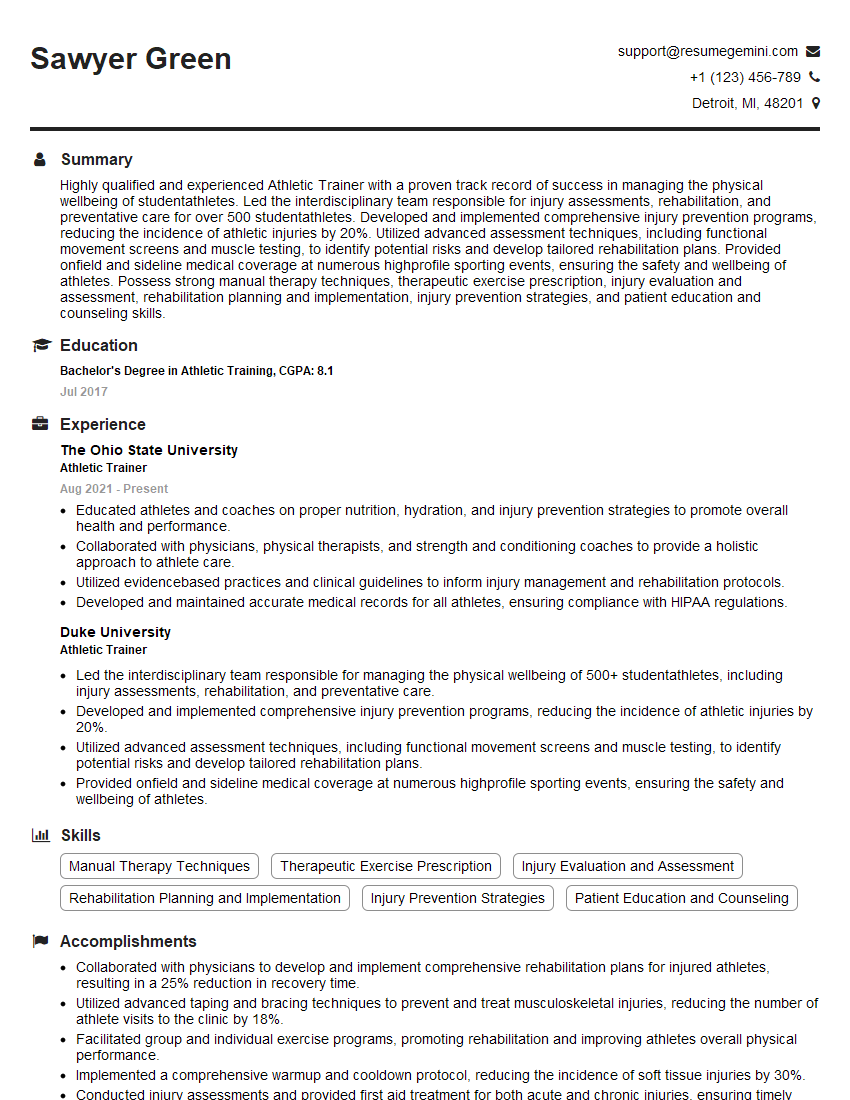
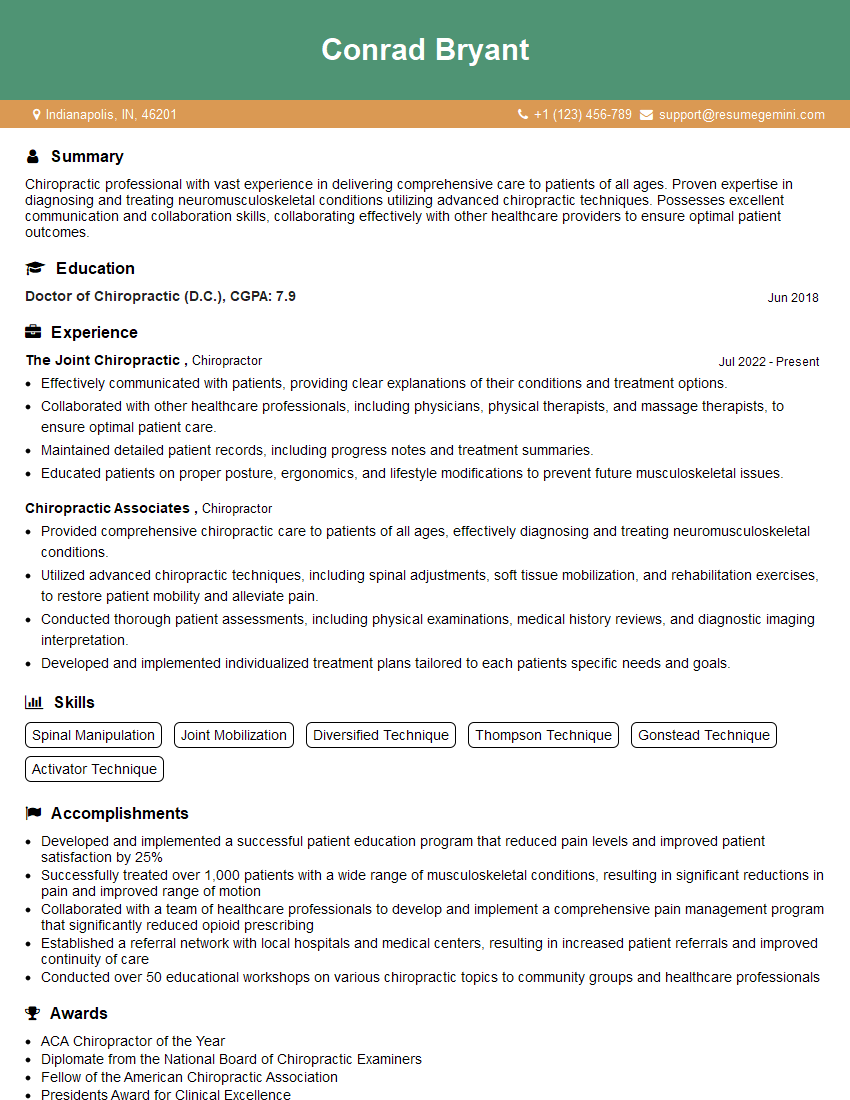
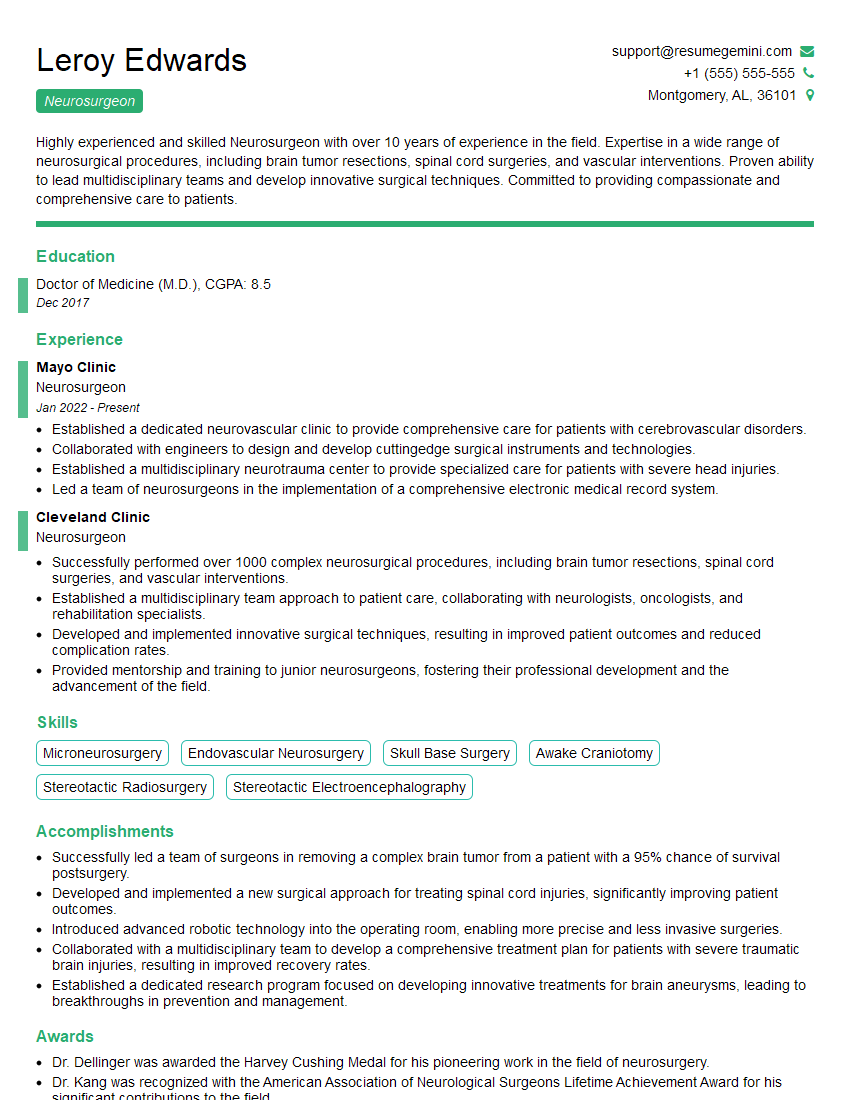
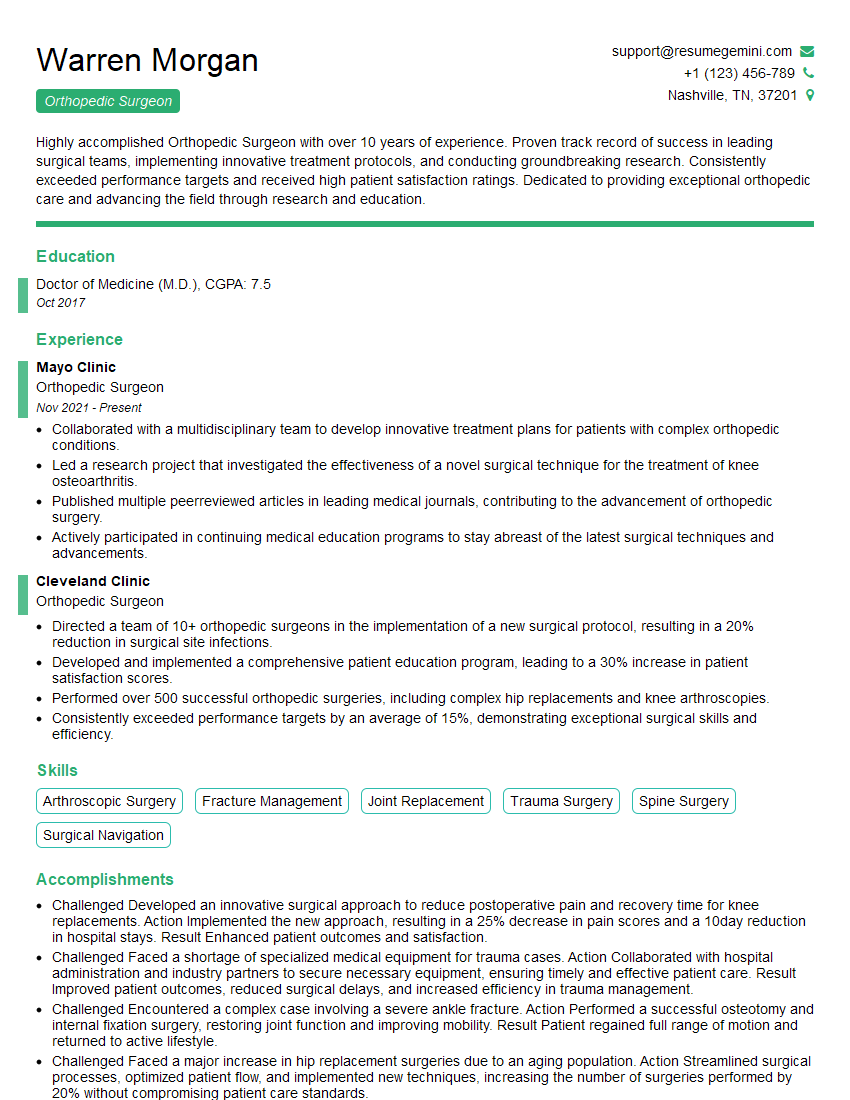
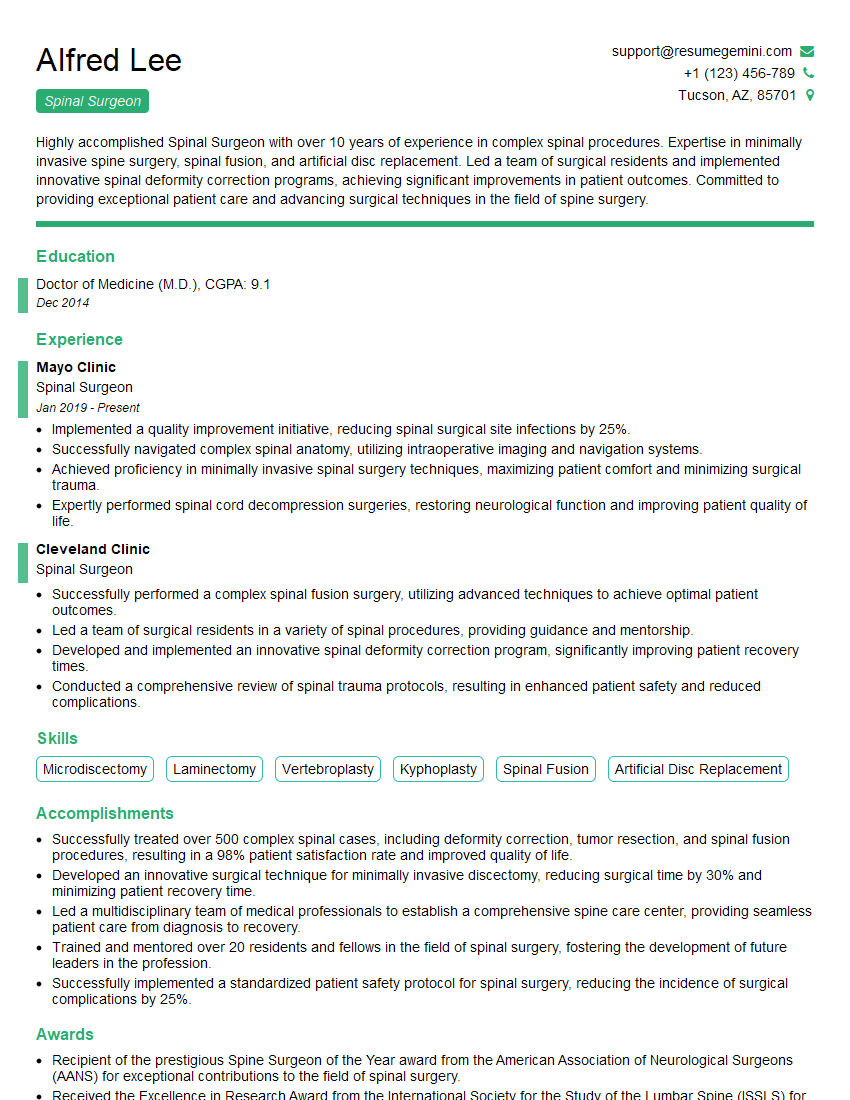
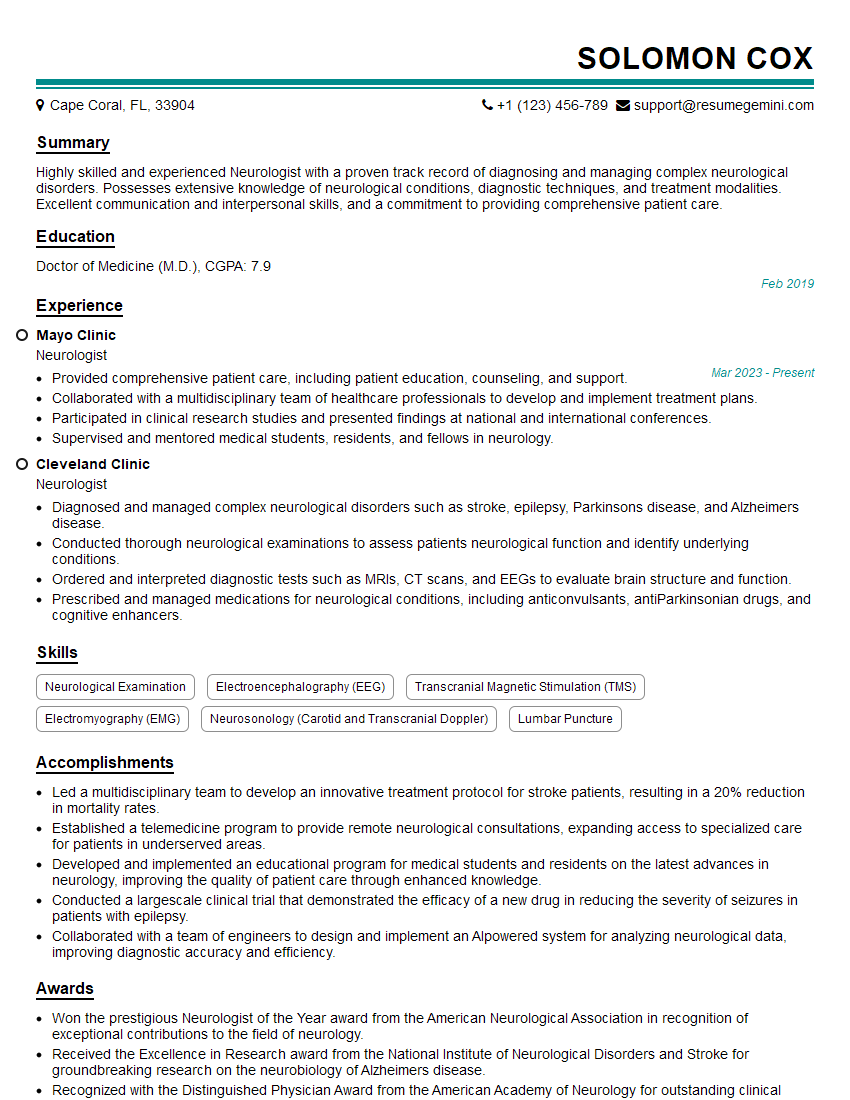
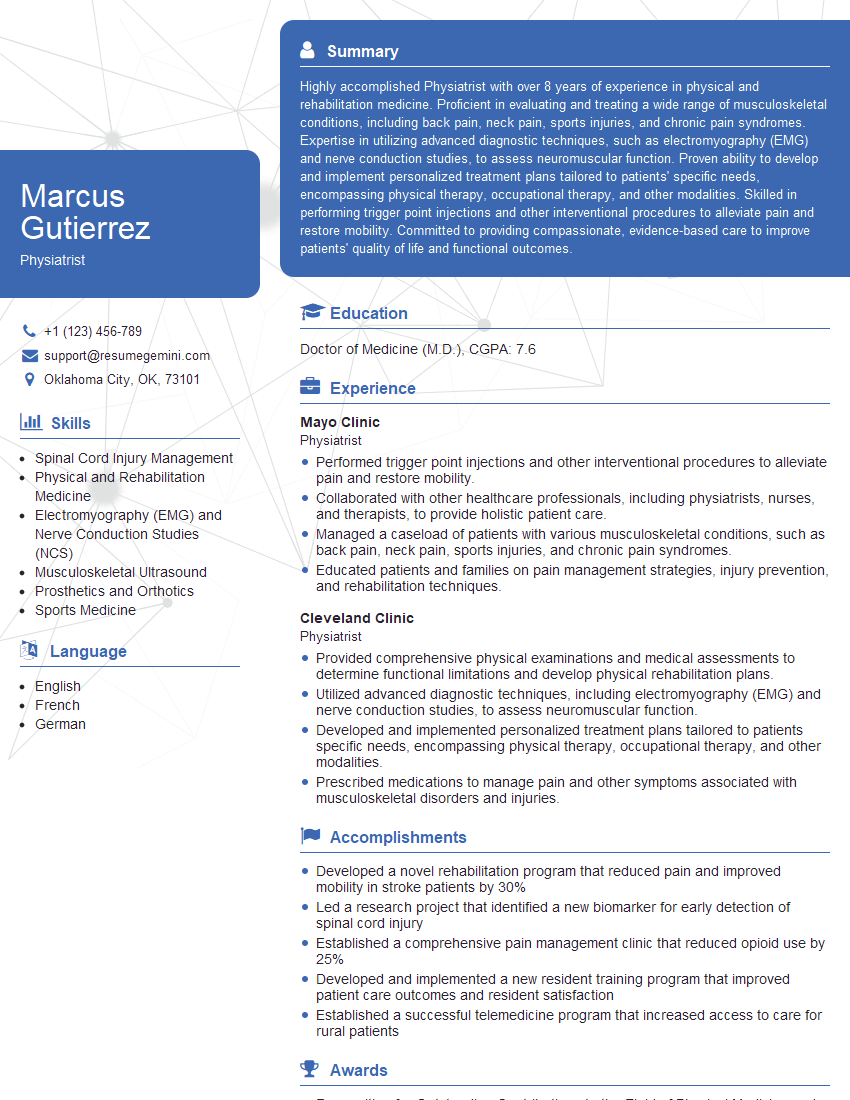
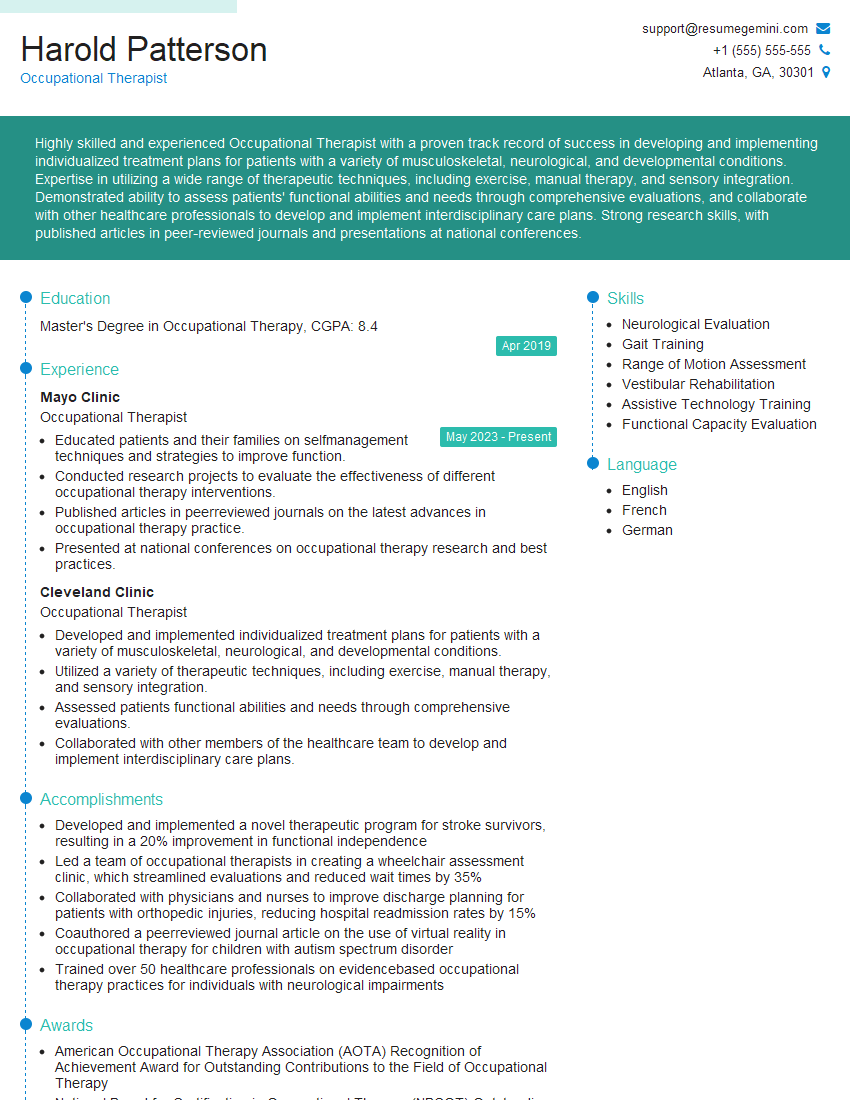
Mastering Spinal Anatomy and Physiology is crucial for a successful career in healthcare, research, or related fields. A strong understanding of these concepts will differentiate you from other candidates and open doors to exciting opportunities. To further enhance your job prospects, create an ATS-friendly resume that effectively highlights your skills and experience. ResumeGemini is a trusted resource that can help you build a professional and impactful resume. ResumeGemini provides examples of resumes tailored to Spinal Anatomy and Physiology, ensuring your application stands out. Take the next step towards your dream career today!
Explore more articles
Users Rating of Our Blogs
Share Your Experience
We value your feedback! Please rate our content and share your thoughts (optional).
What Readers Say About Our Blog
To the interviewgemini.com Webmaster.
Very helpful and content specific questions to help prepare me for my interview!
Thank you
To the interviewgemini.com Webmaster.
This was kind of a unique content I found around the specialized skills. Very helpful questions and good detailed answers.
Very Helpful blog, thank you Interviewgemini team.