The thought of an interview can be nerve-wracking, but the right preparation can make all the difference. Explore this comprehensive guide to Stack Gas Monitoring interview questions and gain the confidence you need to showcase your abilities and secure the role.
Questions Asked in Stack Gas Monitoring Interview
Q 1. Explain the principle of operation of an extractive stack gas analyzer.
An extractive stack gas analyzer works by drawing a representative sample of the flue gas from the stack through a probe and transporting it to a dedicated analyzer housed remotely. Think of it like taking a small, controlled sample from a larger system for detailed examination. This process involves several key steps: First, a heated probe is inserted into the stack to prevent condensation of moisture which could interfere with measurements. Next, the sample is conveyed via heated tubing to prevent condensation. The sample then passes through filters to remove particulate matter before reaching the analytical instruments. These instruments analyze the gas for various components, such as oxygen (O2), carbon monoxide (CO), carbon dioxide (CO2), sulfur dioxide (SO2), nitrogen oxides (NOx), and other pollutants. Finally, the results are displayed and often logged for record-keeping and regulatory compliance.
The beauty of this method is its ability to provide accurate, continuous data on the composition of the stack gas. For example, imagine a power plant – extractive analysis offers continuous, detailed insights into its combustion efficiency and pollutant emissions, allowing operators to make real-time adjustments to maintain optimal performance and meet environmental regulations.
Q 2. Describe the different types of stack gas analyzers and their applications.
Several types of stack gas analyzers exist, each suited for specific applications. Common types include:
- Orsat Analyzer: A classic, manual method primarily used for determining O2, CO2, and CO concentrations. It’s a simple, low-cost method but lacks the continuous monitoring capability of other options. Think of it as a basic, ‘snapshot’ analysis useful for quick checks, but not suitable for continuous monitoring of emissions.
- Paramagnetic Oxygen Analyzers: These measure oxygen content based on its paramagnetic properties. They are robust, reliable and provide continuous readings, making them ideal for general monitoring applications. They’re very common in industrial settings where constant oxygen monitoring is vital.
- Infrared (IR) Analyzers: These analyzers use infrared light absorption to measure the concentrations of gases like CO2, CO, and SO2. These are highly accurate and offer continuous monitoring, making them common in many industrial emission monitoring applications. Imagine a cement plant utilizing this method to continuously monitor and control CO2 emissions.
- Electrochemical Analyzers: They measure gases like O2, CO, SO2, and NOx using electrochemical reactions. They are relatively inexpensive and suitable for continuous monitoring, especially in harsh environments. Their robustness makes them a good choice for situations where reliability is crucial, even with fluctuating conditions.
- Chemiluminescence Analyzers: These are particularly useful for measuring NOx, as they rely on the chemiluminescence emitted during a chemical reaction involving NOx and ozone. Their sensitivity makes them crucial for very low-level NOx monitoring and is often found in power plants and vehicle emissions testing facilities.
The choice of analyzer depends on the specific pollutants of concern, the required accuracy, and the budget. A simple Orsat analyzer might suffice for a small-scale operation, while a sophisticated system with multiple analyzers might be necessary for a large industrial plant.
Q 3. What are the common pollutants monitored in stack gas emissions?
The specific pollutants monitored in stack gas emissions vary depending on the industry and the source. However, some common ones include:
- Carbon Monoxide (CO): A highly toxic gas produced during incomplete combustion.
- Carbon Dioxide (CO2): A greenhouse gas contributing to climate change.
- Sulfur Dioxide (SO2): A major air pollutant causing acid rain.
- Nitrogen Oxides (NOx): A group of gases contributing to smog and acid rain.
- Particulate Matter (PM): Fine particles harmful to human health and the environment.
- Oxygen (O2): Monitoring O2 levels helps optimize combustion efficiency and minimize pollutant formation.
- Hydrocarbons (HC): Unburned fuel contributing to smog formation.
- Hydrogen Sulfide (H2S): A toxic and corrosive gas with a characteristic rotten egg smell.
- Ammonia (NH3): Found in some industrial processes and contributes to air pollution.
Regulatory requirements often dictate the specific pollutants that must be monitored, which varies geographically. For example, the permitted emission levels for NOx are likely to differ between stricter regulations in highly-populated areas versus less populated areas.
Q 4. How do you ensure the accuracy and reliability of stack gas monitoring data?
Ensuring the accuracy and reliability of stack gas monitoring data is crucial for environmental compliance and process optimization. Key strategies include:
- Proper Calibration: Regular calibration using certified gas standards is essential to ensure accurate readings. Calibration should be done according to manufacturer’s instructions and a documented procedure.
- Regular Maintenance: Preventative maintenance, including cleaning and filter replacements, minimizes the risk of sensor drift and equipment failure.
- Quality Assurance/Quality Control (QA/QC): Implementing QA/QC protocols involves periodic checks using independent methods to verify the accuracy of the analyzer’s readings. A good QA/QC system will include checks for both accuracy and precision.
- Data Validation: Data validation involves checking for outliers and inconsistencies in the data. This often includes examining the data for trends and patterns that might indicate issues with the analyzer or the sampling system.
- Using Certified Personnel: Training personnel on proper operation, maintenance, and troubleshooting of the equipment ensures data quality.
- Traceability: Maintain complete records of calibrations, maintenance, and data. This allows investigation of any discrepancies and demonstrates compliance.
Think of it like regularly servicing your car – regular maintenance and checks ensure its smooth operation and prevent costly breakdowns. Similarly, proper calibration, maintenance, and quality control of stack gas analyzers are essential for reliable data and compliance.
Q 5. Explain the importance of calibration and maintenance of stack gas analyzers.
Calibration and maintenance are the cornerstones of accurate and reliable stack gas monitoring. Calibration ensures the analyzer provides readings that accurately reflect the actual concentration of pollutants. This usually involves comparing the analyzer’s readings to those of certified gas standards of known concentrations. The frequency of calibration depends on the analyzer type, its use, and the regulatory requirements. For instance, some analyzers require daily calibration, while others might only need it weekly or monthly.
Maintenance includes regular cleaning of probes, filters, and other components to prevent clogging and ensure the proper flow of gases. This also entails replacing worn parts as necessary and performing periodic checks of the entire system’s functionality. Neglecting calibration and maintenance leads to inaccurate readings, potential non-compliance, and ultimately, increased risk of environmental damage and regulatory penalties. Regular maintenance, like cleaning filters and checking for leaks, prevents inaccuracies and costly repairs down the line. For example, a clogged filter can significantly affect the accuracy of the readings by preventing a proper sample from reaching the analyzer.
Q 6. What are the regulatory requirements for stack gas monitoring in your region?
Regulatory requirements for stack gas monitoring vary significantly by region and are frequently updated. To provide a specific answer, please provide the region of interest. However, generally, these requirements often specify:
- Which pollutants must be monitored (e.g., SO2, NOx, CO, PM).
- The frequency of monitoring (e.g., continuous, daily, or periodic).
- The acceptable emission limits (for each regulated pollutant).
- The required methods for sampling and analysis (including standards for equipment and procedures).
- The reporting requirements (e.g., frequency, format, and content of emission reports).
- The requirements for data quality assurance/quality control (QA/QC).
Non-compliance with these regulations can result in significant penalties, including fines and even legal action. Consulting the relevant environmental agency’s website for the specific region is essential to obtain the most up-to-date and applicable information.
Q 7. Describe the different sampling methods used in stack gas monitoring.
Several sampling methods are employed in stack gas monitoring, each with its advantages and limitations:
- Extractive Sampling: As discussed earlier, this method draws a sample from the stack to a remote analyzer for detailed analysis. It offers highly accurate and continuous data but can be more complex and expensive to set up and maintain. Think of this method as providing precise but detailed information in a controlled environment.
- In-situ Sampling: This technique analyzes the gases directly within the stack using sensors placed in the flue gas stream. While quicker and potentially cheaper to implement than extractive sampling, this method often offers less accuracy and potentially suffers from the effects of corrosive or abrasive gas constituents.
- Isocratic Sampling: This method uses a probe to collect a sample with a constant flow rate, ensuring a representative sample is obtained regardless of variations in the stack gas velocity. This helps to overcome some of the sampling biases that might be introduced by varying flow rates in the stack.
- Integrated Sampling: This method involves collecting a sample over a specific period, often 24 hours, to determine the average concentration of pollutants during that time. This method is typically used when continuous monitoring is not feasible or required. Think of this as a ‘daily average’ which could meet certain regulatory requirements.
The selection of a particular sampling method depends on factors like the characteristics of the stack gas, the required accuracy, and the budgetary constraints. Often, a combination of methods is used to provide a comprehensive understanding of the emissions.
Q 8. How do you handle data outliers and inconsistencies in stack gas monitoring data?
Handling outliers and inconsistencies in stack gas monitoring data is crucial for accurate emission reporting. We employ a multi-pronged approach. First, we visually inspect the data using charts and graphs to identify any obvious anomalies. This often reveals spikes or unusual trends that might be due to equipment malfunction, sampling errors, or even process upsets. Second, we use statistical methods such as the Grubbs’ test or the Chauvenet’s criterion to objectively identify outliers based on their deviation from the mean. These tests help eliminate data points that are statistically improbable. Third, we investigate the root cause of any identified inconsistency. This might involve checking the calibration of the analyzers, reviewing sampling procedures, or examining plant operating records to see if there were any unusual events that could have affected the measurements. For example, a sudden increase in SO2 readings might be due to a temporary malfunction in the scrubber system. Finally, we document all data handling steps and the rationale for any outlier removal or data adjustments. This ensures transparency and traceability in our reporting.
Q 9. What are the safety precautions you take during stack gas sampling?
Safety is paramount during stack gas sampling. Our procedures adhere strictly to OSHA and relevant industry standards. Before any sampling, we perform a thorough risk assessment, identifying potential hazards like high temperatures, toxic gases, and confined spaces. We use appropriate personal protective equipment (PPE), including respirators, heat-resistant suits, and safety harnesses. We also have emergency response plans in place, including communication protocols and access to emergency showers and eyewash stations. Lockout/Tagout procedures are strictly followed to ensure the safety of both personnel and equipment during sampling activities. Regular training and competency assessments ensure our team is well-versed in safe working practices. For example, before sampling a stack with potentially explosive gases, we conduct a pre-sampling analysis to determine the presence and concentration of such gases, and implement appropriate precautions to prevent ignition sources.
Q 10. Explain the concept of isokinetic sampling.
Isokinetic sampling is a crucial technique in stack gas monitoring that ensures accurate representation of the gas stream’s composition. It means that the velocity of the gas entering the sampling probe is equal to the velocity of the gas stream in the stack. If this isn’t the case, we risk either oversampling (slower probe velocity) or undersampling (faster probe velocity), which leads to inaccurate pollutant concentration measurements. Imagine trying to collect rain in a bucket; if you move the bucket faster than the falling rain, you’ll collect less than what is actually falling. Isokinetic sampling prevents this bias. Achieving isokinetic sampling requires careful measurement of both the stack gas velocity and the velocity of the gas entering the probe, followed by adjusting the probe’s suction rate to ensure equality. Specialized equipment, such as a Pitot tube for measuring stack velocity and a calibrated pump for regulating the probe suction rate, is used for this purpose. The degree of isokineticity is usually expressed as an isokinetic sampling ratio (ISR), which is the ratio of the probe velocity to stack gas velocity. An ISR of 1.0 indicates perfect isokineticity.
Q 11. How do you calculate emission rates from stack gas monitoring data?
Calculating emission rates involves several steps. First, we determine the concentration of each pollutant in the stack gas using the analyzer readings (e.g., ppm or mg/m³). Second, we measure the stack gas flow rate (e.g., m³/min) using methods such as a Pitot tube or an ultrasonic flow meter. Third, we calculate the mass flow rate of each pollutant by multiplying its concentration by the stack gas flow rate. This gives the mass of pollutant emitted per unit time. Finally, we convert the mass flow rate to a standardized emission rate, typically expressed as kg/h or lb/h. This standardized emission rate is important for comparing emissions across different sources and for regulatory compliance. Here’s a simplified example:
Let’s say we measure the concentration of SO2 as 100 ppm, and the stack gas flow rate as 1000 m³/min. Assuming the molecular weight of SO2 is 64 g/mol, and converting ppm to mg/m³, we can calculate the mass flow rate. We then convert the mass flow rate to kg/h for the final emission rate.
Q 12. Describe the different types of emission control technologies.
Various emission control technologies exist, depending on the type of pollutant. For particulate matter, technologies like cyclones, electrostatic precipitators (ESPs), and fabric filters (baghouses) are used. Cyclones use centrifugal force, ESPs use electrostatic attraction, and baghouses use filtration to remove particulate matter from the exhaust stream. For gaseous pollutants like SO2 and NOx, we have selective catalytic reduction (SCR), selective non-catalytic reduction (SNCR), and flue-gas desulfurization (FGD) systems. SCR and SNCR use catalysts or reducing agents to convert NOx into less harmful gases, while FGD uses chemical processes, like scrubbing with lime or limestone, to remove SO2. Other technologies like activated carbon injection and thermal oxidizers are used for specific pollutants and industrial applications. The choice of technology depends on factors such as pollutant type, concentration, regulatory requirements, and economic considerations. Each technology has its own advantages and disadvantages in terms of efficiency, cost, and maintenance.
Q 13. What are the common problems encountered in stack gas monitoring?
Common problems in stack gas monitoring include issues with sampling probes, such as blockages or leaks that lead to inaccurate sampling. Analyzer malfunctions due to sensor drift, fouling, or electronic issues are also frequent. Improper calibration or lack of regular maintenance can introduce significant errors. Environmental conditions like temperature fluctuations, rain, and wind can also affect the accuracy of measurements. Incomplete or inadequate data recording and documentation can further hinder accurate emission assessments. Lastly, ensuring representative sampling, especially in heterogeneous stack gas streams, remains challenging. For instance, a poorly designed sampling probe could lead to biases towards certain areas of the stack, causing inaccuracies in the overall composition analysis.
Q 14. How do you troubleshoot malfunctioning stack gas analyzers?
Troubleshooting malfunctioning stack gas analyzers begins with a systematic approach. First, we check for obvious problems like power supply issues or communication errors. Second, we verify the calibration of the analyzers using certified calibration gases. We follow the manufacturer’s recommended calibration procedures, paying close attention to details like flow rates and temperature. Third, we inspect the sensors for any signs of fouling or contamination. This might involve visually inspecting the sensors or cleaning them according to the manufacturer’s instructions. Fourth, we investigate any potential interference that might be affecting the readings. This may involve checking for leaks in the gas lines or evaluating the impact of environmental conditions. Fifth, if the problem persists, we may need to replace faulty components or contact the manufacturer for technical support. A well-maintained log book that records calibration data, maintenance procedures, and troubleshooting steps is essential for efficiently identifying and rectifying analyzer malfunctions. Detailed documentation helps track the analyzer’s performance over time, anticipate potential issues, and streamline the resolution process.
Q 15. Explain the difference between continuous and periodic stack gas monitoring.
The key difference between continuous and periodic stack gas monitoring lies in the frequency of measurement. Continuous monitoring involves real-time, uninterrupted measurement of emissions, providing a constant stream of data. Think of it like constantly monitoring your heart rate – you get a continuous reading. This is crucial for detecting immediate problems and ensuring consistent compliance. Periodic monitoring, on the other hand, involves taking measurements at set intervals, such as once a month or quarter. This is like taking your blood pressure periodically during a doctor’s visit – it gives a snapshot of your health at specific points in time but doesn’t provide continuous data. Continuous monitoring is generally preferred for high-emission sources or when stringent environmental regulations are in place, while periodic monitoring might suffice for facilities with lower emissions and less stringent requirements.
For example, a large power plant burning coal would almost certainly utilize continuous monitoring due to the large volume of emissions and stringent regulatory oversight. A smaller manufacturing facility might be able to comply with regulations using periodic testing, though the frequency would depend on specific local and national regulations and the type of emissions.
Career Expert Tips:
- Ace those interviews! Prepare effectively by reviewing the Top 50 Most Common Interview Questions on ResumeGemini.
- Navigate your job search with confidence! Explore a wide range of Career Tips on ResumeGemini. Learn about common challenges and recommendations to overcome them.
- Craft the perfect resume! Master the Art of Resume Writing with ResumeGemini’s guide. Showcase your unique qualifications and achievements effectively.
- Don’t miss out on holiday savings! Build your dream resume with ResumeGemini’s ATS optimized templates.
Q 16. What is the role of a stack gas monitoring technician in ensuring environmental compliance?
A stack gas monitoring technician plays a vital role in ensuring environmental compliance by accurately measuring and reporting emissions from industrial stacks. This involves everything from proper sampling and analysis to ensuring the equipment is calibrated and functioning correctly. They are responsible for ensuring that the facility meets all applicable environmental regulations, which are often very stringent and carry significant penalties for non-compliance. The technician acts as the eyes and ears of the regulatory process, providing the data that determines if a facility is adhering to environmental standards. This includes not only the collection of the data itself, but also understanding the regulatory requirements, interpreting the results, and preparing reports for regulatory agencies. In short, they are the key link between industrial processes and environmental protection.
For example, a technician might discover a sudden spike in emissions of a particular pollutant. This could indicate a malfunction in the pollution control equipment, and their prompt reporting allows for immediate corrective action, preventing further environmental damage and avoiding potential fines.
Q 17. Describe your experience with different types of emission data management software.
Throughout my career, I’ve gained experience with several emission data management software packages. These systems vary in their capabilities, ranging from simple data logging and reporting software to sophisticated systems with integrated data analysis and visualization tools. I have experience with both proprietary systems, such as EnviroSuite and Emon, as well as more generalized data management platforms like LIMS (Laboratory Information Management Systems) that are adapted for environmental data. My experience extends to using these systems to manage data from various monitoring instruments, including continuous emission monitors (CEMs) and portable analyzers. I am proficient in importing and exporting data in various formats (e.g., CSV, XML), ensuring compatibility with regulatory reporting requirements. My expertise also includes using these software packages to perform trend analysis, identifying patterns that can inform process optimization and prevent future violations.
One notable project involved migrating a client from a legacy system to a more modern cloud-based platform. This transition streamlined their data management process, improved data accessibility, and reduced their overall reporting burden. The migration required careful data validation to ensure data integrity throughout the transfer.
Q 18. How do you ensure data integrity in stack gas monitoring?
Ensuring data integrity in stack gas monitoring is paramount. This requires a multi-faceted approach starting with instrument calibration and maintenance. Regular calibration against traceable standards ensures accurate measurements. Proper maintenance prevents equipment malfunction, which can lead to erroneous data. Furthermore, rigorous quality control (QC) procedures are essential. This includes performing regular performance checks, documenting all calibration activities, and maintaining detailed records of all maintenance and repair activities. Data validation is another critical step. This involves comparing results from different analytical methods, cross-checking data against expected values, and identifying and investigating any outliers or inconsistencies. The data logging system itself should also be secure to prevent tampering or unauthorized access, including measures such as password protection and audit trails.
For instance, if a CEM reading shows a significant deviation from the usual range, a thorough investigation is required to determine the root cause, whether it’s a malfunctioning instrument, a change in process conditions, or even human error. Discarding data without a valid explanation is unacceptable. Thorough documentation is crucial to demonstrating compliance and accountability.
Q 19. Explain the impact of stack gas emissions on the environment and human health.
Stack gas emissions have significant impacts on both the environment and human health. The release of pollutants such as sulfur oxides (SOx), nitrogen oxides (NOx), particulate matter (PM), and greenhouse gases (GHGs) contributes to acid rain, smog formation, climate change, and respiratory illnesses. SOx and NOx contribute to acid rain, damaging ecosystems and infrastructure. PM, especially fine particles (PM2.5), poses serious health risks, causing respiratory and cardiovascular diseases. GHGs such as carbon dioxide (CO2), methane (CH4), and nitrous oxide (N2O) trap heat in the atmosphere, leading to global warming and climate change. The consequences can include more frequent and intense heatwaves, sea-level rise, changes in precipitation patterns, and disruption of ecosystems.
Imagine a scenario where a factory’s emissions are not properly monitored or controlled. The resulting air pollution could lead to increased hospital admissions for respiratory illnesses in the surrounding community, damage to crops and forests, and contribute to the overall deterioration of air quality across a wide region.
Q 20. How do you interpret and report stack gas monitoring results?
Interpreting and reporting stack gas monitoring results involves several steps. First, the raw data from the monitoring instruments needs to be reviewed for accuracy and completeness. Any data anomalies need to be investigated and documented. Then, the data is analyzed to determine whether the emissions are within the permitted limits established by environmental regulations. This might involve calculating average concentrations, emission rates, or mass emissions, depending on the specific requirements. Finally, a comprehensive report is prepared, which should include a summary of the monitoring activities, the results, and any deviations from permitted limits. This report needs to be properly formatted and submitted to the relevant authorities within the specified deadlines. The report often includes graphical representations of the data to aid in understanding trends and identifying potential problems.
A typical report might include tables showing pollutant concentrations over time, graphs illustrating emission trends, and a narrative summarizing the findings and compliance status. If emissions exceed the permitted limits, the report would explain the reasons, describe any corrective actions taken, and outline future preventative measures.
Q 21. Describe your experience with different types of stack sampling probes.
My experience encompasses a range of stack sampling probes, each with its own strengths and weaknesses depending on the application. I’ve worked with various types of probes, including Isokinetic probes, which are crucial for accurate sampling when the gas velocity varies across the stack cross-section. These probes ensure that the sample gas is drawn at the same velocity as the main gas stream, preventing bias in the measurement. I’m also familiar with various types of material probes, such as stainless steel, Hastelloy, and quartz, each suited to different gases and temperatures. The choice of material is critical to avoid corrosion or contamination of the sample. Additionally, I have experience with heated probes, which are essential for preventing condensation of certain components in the stack gas, maintaining the integrity of the sample. The type of probe used is determined by factors like the composition of the stack gases, temperature, pressure, and the specific pollutant being measured.
For instance, when sampling high-temperature flue gases containing corrosive components, a Hastelloy probe would be preferred over a stainless steel one due to its superior corrosion resistance. Similarly, when sampling gases that contain condensable components, a heated probe would be essential to ensure accurate results.
Q 22. Explain the significance of QA/QC procedures in stack gas monitoring.
QA/QC (Quality Assurance/Quality Control) procedures are absolutely critical in stack gas monitoring to ensure the accuracy, reliability, and validity of the collected data. Think of it like this: if a doctor’s diagnosis is based on faulty equipment, the treatment will be wrong. Similarly, incorrect stack gas data can lead to inaccurate emissions reporting, environmental violations, and potentially costly operational issues.
QA/QC encompasses several key aspects:
- Pre-monitoring checks: This includes verifying the calibration of all instruments (analyzers, flow meters, etc.) against traceable standards, checking for leaks in the sampling system, and ensuring the proper functioning of all equipment.
- During monitoring: This involves consistent monitoring of instrument readings, making sure the sampling train is operating within specified parameters, and documenting all observations, including any anomalies or issues encountered.
- Post-monitoring checks: This includes data validation, checking for any outliers or inconsistencies, performing calculations (e.g., emission factors), and preparing a comprehensive report documenting all aspects of the monitoring process. This stage often includes comparing results with previous monitoring data to identify any trends.
- Calibration verification: Regular calibration verification ensures that the instruments remain within their acceptable accuracy ranges.
Without rigorous QA/QC, the results could be significantly flawed, leading to inaccurate emissions reporting and potentially harmful environmental consequences.
Q 23. How do you handle unexpected situations during stack gas monitoring?
Unexpected situations during stack gas monitoring are inevitable. A well-trained professional needs a systematic approach to handle them. These might include equipment malfunction, unexpected weather conditions (high winds, heavy rain), or even difficulties accessing the stack.
My approach involves:
- Immediate assessment of the situation: Identify the nature of the problem and its potential impact on data quality and safety.
- Problem isolation and troubleshooting: If it’s equipment malfunction, I’d attempt to troubleshoot the issue using established protocols. This might involve checking connections, replacing components, or recalibrating instruments. If it is a weather event impacting safety, then the monitoring should be postponed.
- Documentation: Meticulous record-keeping is essential, including the date, time, nature of the problem, actions taken, and the impact on data collection.
- Reporting and communication: The unexpected situation and any resulting impact on the data must be reported to the client or relevant regulatory authorities.
- Alternative solutions or contingency plans: If a problem cannot be immediately resolved, alternative approaches might be necessary, such as switching to a backup instrument or postponing the testing until conditions improve. For example, if the stack is inaccessible due to unforseen structural issues a different access point might need to be found, or the test may need to be rescheduled.
Safety is always the primary concern. If a situation compromises safety, the monitoring activity should be immediately suspended and appropriate measures should be taken to prevent accidents.
Q 24. What are the limitations of different stack gas analyzers?
Different stack gas analyzers have unique strengths and weaknesses. The ideal analyzer selection depends on the specific pollutants being measured, the required accuracy, and budget constraints. Here are some common limitations:
- Nondispersive infrared (NDIR) analyzers: Excellent for measuring gases like CO2, CO, and CH4, but can be susceptible to interference from other gases present in the stack.
- Flame ionization detectors (FID): Highly sensitive for detecting volatile organic compounds (VOCs), but may not be suitable for all types of VOCs and requires a continuous supply of hydrogen and compressed air.
- Chemiluminescence detectors (CLD): Very sensitive for NOx measurements, but can be affected by humidity and certain interfering compounds.
- Paramagnetic oxygen analyzers: Precise measurements of oxygen, but are more expensive than other methods.
- Electrochemical sensors: Inexpensive and well-suited for certain gases but limited lifespan and accuracy. They are often used in portable stack gas monitors.
It’s important to understand these limitations and select the appropriate analyzer to avoid errors and ensure reliable data acquisition. For example, using an NDIR analyzer for VOC measurement would be inappropriate and yield poor data.
Q 25. How familiar are you with EPA Method 7E and other relevant regulations?
I am very familiar with EPA Method 7E and other relevant regulations governing stack gas monitoring. EPA Method 7E is a widely used method for determining particulate matter emissions. I understand the detailed procedures, including sampling train assembly, calibration, sample collection, analysis, and data reporting requirements.
Beyond Method 7E, I’m also proficient with other relevant EPA methods (e.g., Methods 1-6, 3A, 3B, 7C, 25A) and other regulatory requirements, such as those issued by state and local agencies. I understand the importance of adhering strictly to these regulations to ensure compliance and accurate emissions reporting.
My understanding extends to the relevant safety regulations and guidelines that dictate the safe operation and handling of the equipment used in this work.
Q 26. What software are you proficient in for data analysis and reporting?
I’m proficient in several software packages for data analysis and reporting in stack gas monitoring. These include:
- Microsoft Excel: For basic data entry, calculation, and charting.
- Specialized stack gas analysis software: Many vendors provide software packages specifically designed to process and analyze stack gas data, often incorporating QA/QC features.
- Statistical software packages (e.g., R, Minitab): Useful for more advanced statistical analysis, particularly when dealing with large datasets or assessing data variability.
- Data management software (e.g., LIMS): for managing samples, calibrations, and monitoring results.
I’m adept at using these software tools to generate comprehensive reports that meet the standards for compliance and reporting requirements.
Q 27. Describe a time you had to troubleshoot a problem with a stack gas analyzer. What was the issue and how did you resolve it?
During a recent monitoring project, we experienced a drift in the readings from our NOx analyzer. We initially suspected a problem with the calibration but recalibration did not fully correct the issue. The readings were consistently low, raising concerns about the accuracy of our data.
My troubleshooting steps involved:
- Checking the Zero and Span: After verifying the recalibration, we checked and re-checked the instrument’s zero and span calibrations and ensured the appropriate gases were used.
- Instrument Inspection: A thorough visual inspection of the analyzer and its associated components revealed a slightly loose connection in the sample line.
- Leak Detection: We then carefully checked for leaks in the entire sampling system, using appropriate leak detection techniques.
- Component Replacement: The loose connection was tightened and leak-tested again. The subsequent readings showed consistent improvements.
By systematically checking each component and connection, we identified the root cause of the problem, a simple loose connection, quickly restoring the integrity of our data. This highlights the importance of thorough and methodical troubleshooting.
Key Topics to Learn for Stack Gas Monitoring Interview
- Gas Composition Analysis: Understanding the principles behind various analytical techniques used in stack gas monitoring, such as gas chromatography and infrared spectroscopy. This includes knowing the limitations and advantages of each method.
- Emission Regulations and Standards: Familiarizing yourself with relevant environmental regulations and emission standards (e.g., EPA regulations) and how they impact stack gas monitoring practices and reporting requirements.
- Sampling and Data Acquisition: Mastering the techniques for accurate and representative sample collection from stacks, including isokinetic sampling principles and the use of various probes and sampling trains. Understanding data logging and quality assurance procedures is crucial.
- Calibration and Maintenance: Developing a strong understanding of the calibration procedures for monitoring equipment and the routine maintenance required to ensure accuracy and reliability. Troubleshooting common equipment issues is also vital.
- Data Interpretation and Reporting: Knowing how to interpret the collected data, identify trends, and prepare accurate and comprehensive reports for regulatory compliance and internal analysis. This includes understanding statistical analysis and error propagation.
- Safety Procedures: Demonstrating knowledge of safety protocols and procedures relevant to working in industrial settings and handling potentially hazardous gases.
- Emerging Technologies: Staying updated on advancements in stack gas monitoring technologies, such as continuous emission monitoring systems (CEMS) and remote sensing techniques.
Next Steps
Mastering Stack Gas Monitoring opens doors to exciting career opportunities in environmental compliance, process engineering, and energy industries. A strong understanding of this field showcases your commitment to environmental responsibility and technical expertise. To significantly enhance your job prospects, focus on creating a compelling, ATS-friendly resume that highlights your skills and experience effectively. ResumeGemini is a trusted resource that can help you build a professional and impactful resume. We provide examples of resumes tailored to Stack Gas Monitoring to guide you through this process.
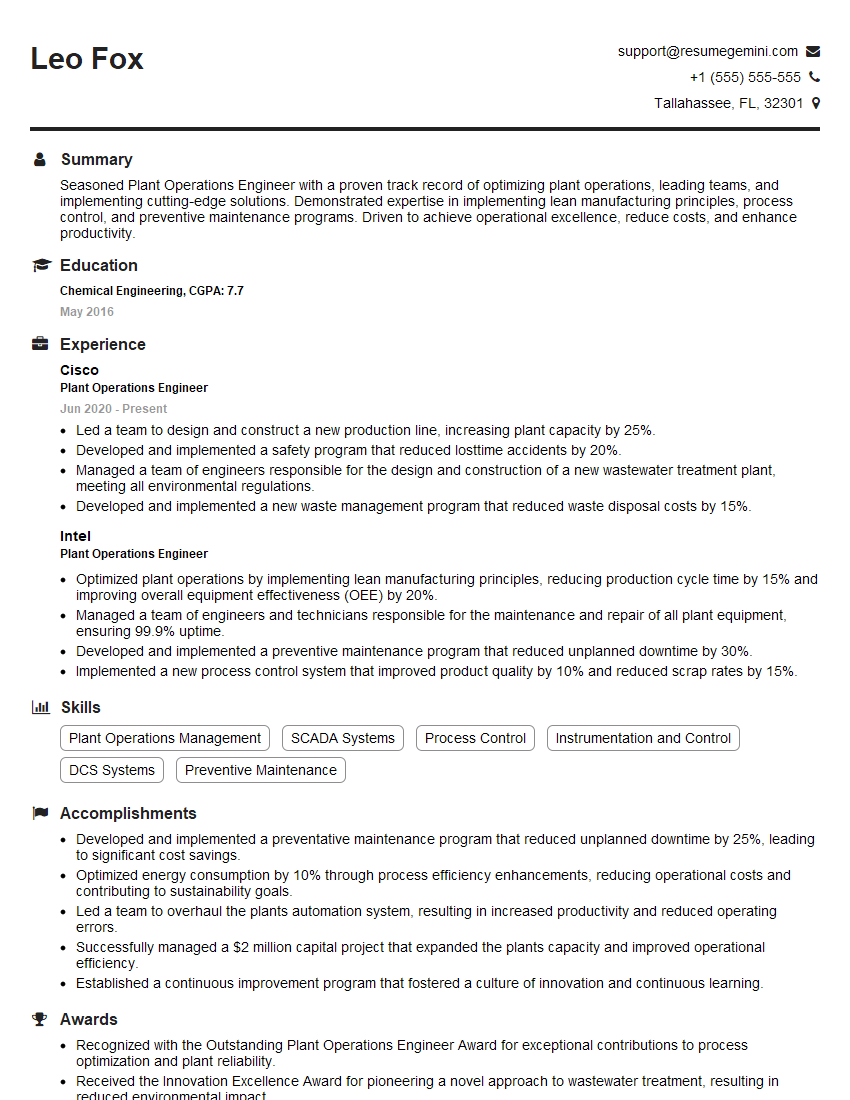
Plant Operations Engineer Resume Sample

Compliance Manager Resume Sample
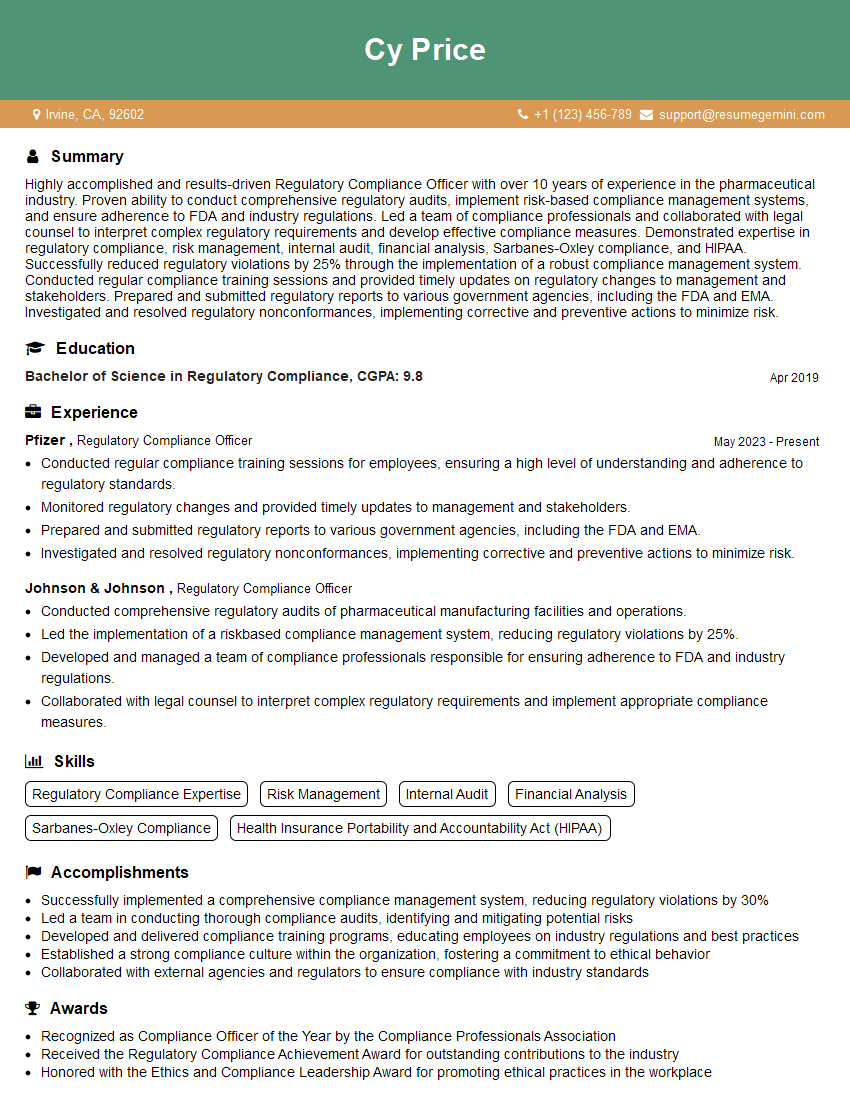
Regulatory Compliance Officer Resume Sample
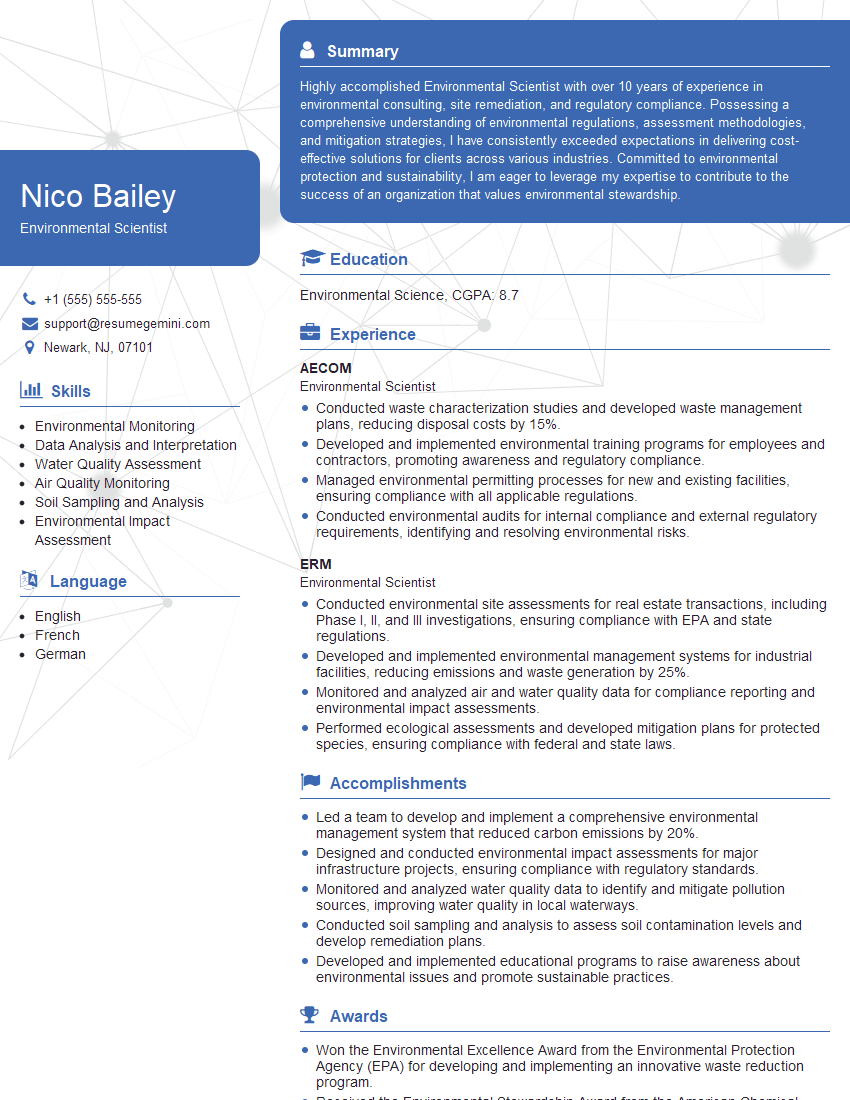
Environmental Scientist Resume Sample

Process Control Engineer Resume Sample
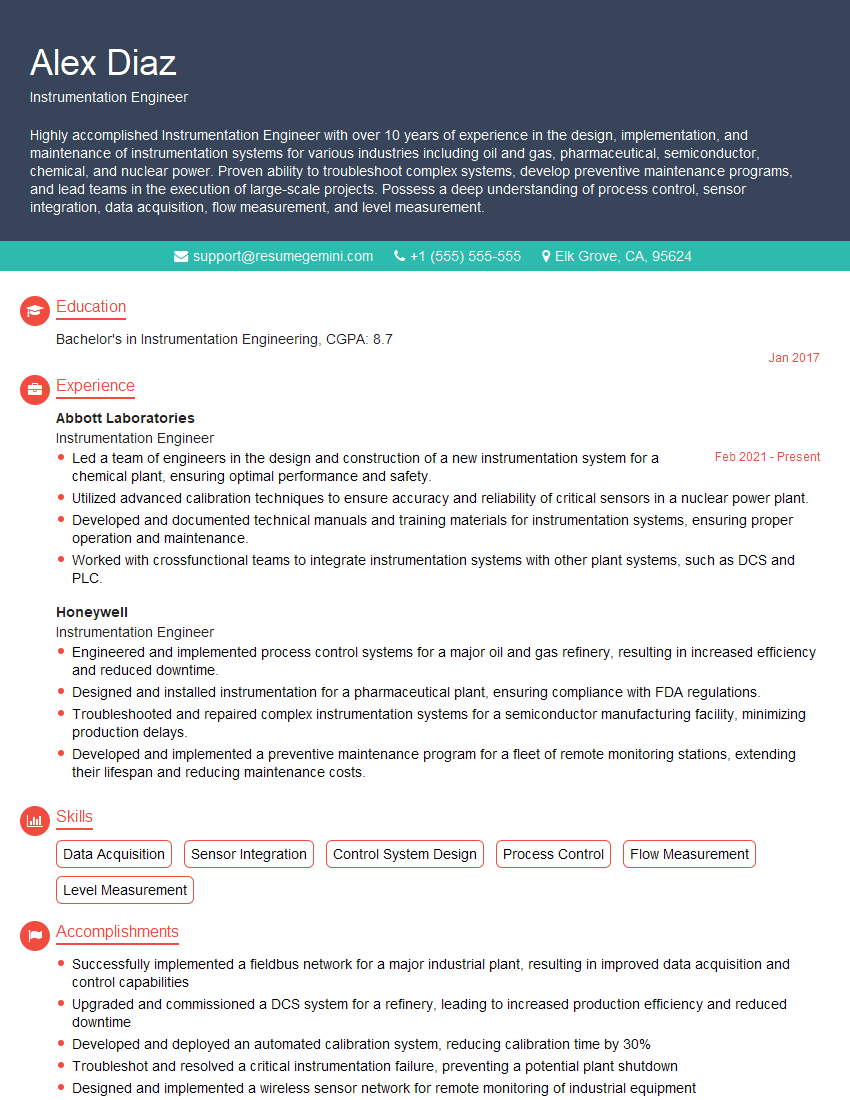
Instrumentation Engineer Resume Sample

Calibration Technician Resume Sample

Environmental Technician Resume Sample
Explore more articles
Users Rating of Our Blogs
Share Your Experience
We value your feedback! Please rate our content and share your thoughts (optional).
What Readers Say About Our Blog
To the interviewgemini.com Webmaster.
Very helpful and content specific questions to help prepare me for my interview!
Thank you
To the interviewgemini.com Webmaster.
This was kind of a unique content I found around the specialized skills. Very helpful questions and good detailed answers.
Very Helpful blog, thank you Interviewgemini team.