Feeling uncertain about what to expect in your upcoming interview? We’ve got you covered! This blog highlights the most important Staying Up-to-Date on Research and Best Practices interview questions and provides actionable advice to help you stand out as the ideal candidate. Let’s pave the way for your success.
Questions Asked in Staying Up-to-Date on Research and Best Practices Interview
Q 1. Describe your process for identifying reliable research sources.
Identifying reliable research sources is crucial for staying current and making informed decisions. My process involves a multi-step approach focusing on source credibility and relevance. First, I prioritize peer-reviewed publications from reputable journals and academic presses. I look for journals with a rigorous editorial process and a strong impact factor. Second, I check the authors’ credentials and affiliations, ensuring they are experts in the field. Third, I examine the methodology employed in the study, ensuring it’s robust and appropriate to the research question. This might involve looking for randomized controlled trials (RCTs) for clinical research or rigorous quantitative methods for social science studies. Finally, I consider the publication date, recognizing that research evolves, and newer findings might supersede older ones. I also cross-reference information across multiple sources to confirm the validity of the findings.
For example, if researching the effectiveness of a new teaching method, I would prioritize studies published in education journals like the Journal of Educational Psychology, looking for RCTs comparing the new method to existing ones. I’d also check the authors’ experience in educational research and review the study’s methodology carefully to assess its validity.
Q 2. How do you stay current with changes in your field?
Staying current in my field requires a proactive and multi-faceted approach. I subscribe to relevant journals and newsletters, both print and digital. Many professional organizations offer these resources, keeping members abreast of the latest advancements. I also regularly attend conferences and webinars, where leading researchers present their findings and discuss emerging trends. Additionally, I actively participate in online communities and professional networks dedicated to my field. These online forums often host discussions on recent publications and emerging best practices. This combination of traditional and online methods helps me maintain a comprehensive understanding of the dynamic landscape of research and developments.
For instance, I recently learned about a new development in AI-powered education tools at an online conference, allowing me to integrate that knowledge into my practice immediately.
Q 3. What tools or techniques do you use to track relevant research?
To track relevant research effectively, I utilize a combination of tools and techniques. Google Scholar is invaluable for searching a broad range of scholarly literature. I also use specialized databases, depending on my field; for instance, PubMed for biomedical research or Web of Science for a broader scientific range. I leverage RSS feeds from relevant journals to receive notifications of newly published articles. Furthermore, I use citation management software like Zotero to organize and track my research, allowing me to easily access and annotate articles. Finally, I regularly review the work of key researchers and thought leaders in my field by following their publications and presentations. This targeted approach allows me to stay focused on the most relevant information.
Q 4. Explain how you evaluate the credibility and validity of research findings.
Evaluating the credibility and validity of research findings is a critical skill. I assess the study’s methodology rigorously, looking for potential biases or flaws. This involves scrutinizing the sampling methods, data collection techniques, and statistical analyses employed. I also look for transparency in the reporting of results, ensuring all relevant data are included and inconsistencies are addressed. Furthermore, I check for replication of findings—have other independent studies reached similar conclusions? The journal’s reputation and peer-review process also factor into my assessment; established journals with rigorous review processes are more likely to publish reliable research. Finally, I consider the limitations of the study acknowledged by the authors. A well-conducted study will always address its limitations openly and honestly.
For example, a study with a small sample size might have limited generalizability, even if statistically significant results are found. I would note this limitation when considering the study’s findings.
Q 5. How do you synthesize information from multiple research sources?
Synthesizing information from multiple research sources requires a systematic approach. I begin by identifying the central themes or questions addressed across the various sources. Then, I compare and contrast the methodologies used, findings, and conclusions. I look for areas of convergence and divergence in the research, identifying patterns and potential inconsistencies. I also consider the strengths and weaknesses of each source, weighting my interpretation accordingly. Finally, I create a narrative that integrates the insights gained from the various sources, highlighting both the established consensus and areas of ongoing debate or uncertainty. This process often involves creating tables or summary documents to help organize and compare the key findings of each study.
Q 6. Describe a time you identified a gap in current best practices.
Recently, I identified a gap in current best practices regarding the integration of technology in early childhood education. While there was extensive research on the benefits of technology in older students, there was less robust evidence-based guidance for its use with preschoolers, specifically regarding appropriate screen time and developmentally appropriate applications. Existing guidelines were often general and lacked specificity on the pedagogical implications of using technology effectively with this age group.
Q 7. How did you approach filling that gap in best practices?
To address this gap, I initiated a literature review focusing specifically on the use of technology with preschoolers. I broadened my search beyond education journals to include developmental psychology and child health literature. I systematically analyzed existing studies, looking for common themes and identifying the limitations of previous research. This process revealed a need for more longitudinal studies and a greater focus on evaluating the impact of technology on various developmental domains, like language acquisition and social-emotional development. This analysis led to the development of a preliminary framework for educators, suggesting strategies for effective and developmentally appropriate technology integration in preschool settings. This framework will be further refined through future research and collaboration with other professionals in the field.
Q 8. How do you integrate new research findings into your work?
Integrating new research findings into my work is a continuous process that involves a structured approach. First, I identify relevant research through reputable sources like peer-reviewed journals, conference proceedings, and trusted organizations. I then critically evaluate the methodology, sample size, and limitations of each study to assess its validity and reliability. Once I’ve assessed multiple studies on a topic, I synthesize the findings, looking for consistent themes and patterns. Finally, I adapt my practices based on the weight of evidence. For instance, if a robust meta-analysis shows a particular technique is significantly more effective, I’ll incorporate that technique into my workflow. If the research is inconclusive, I may conduct further investigation or maintain my current approach until more compelling evidence emerges.
For example, if I’m working on improving customer engagement, and new research emerges showing a strong correlation between personalized email campaigns and increased click-through rates, I would then test and integrate this finding into my strategies. This would involve A/B testing different email personalization techniques to optimize engagement. This data-driven approach ensures continuous improvement.
Q 9. What strategies do you use to overcome information overload?
Information overload is a real challenge in my field. My strategy involves a multi-pronged approach focused on filtering, organization, and time management. I start by curating my sources carefully; I subscribe only to high-quality, relevant publications and newsletters. I use RSS feeds and content aggregators to efficiently manage incoming information. I then prioritize information based on urgency and relevance to my current projects. Instead of trying to read everything, I scan abstracts and summaries first to quickly determine if a paper is relevant. Techniques like speed reading also help to cover more ground efficiently. Finally, I allocate specific times for research, preventing it from overwhelming my entire day.
Think of it like gardening; you wouldn’t try to tend to every plant at once. You’d focus on the most important ones first, then attend to the rest as time and resources allow.
Q 10. How do you prioritize different research findings based on relevance?
Prioritizing research findings requires a critical evaluation process. I consider several factors, including the study’s methodological rigor (was it a randomized controlled trial, a meta-analysis, or a less robust case study?), the sample size (larger, more representative samples are better), and the relevance to my specific context. I also assess the publication venue – research published in reputable peer-reviewed journals generally carries more weight than information from less established sources. Finally, I look for consistency across multiple studies. If several independent studies point to the same conclusion, it strengthens the evidence.
For example, if two studies explore the effectiveness of a new software, and one uses a small, biased sample, while the other employs a large, randomly selected sample, I would prioritize the findings of the latter, despite the fact that it might require more effort to process the larger dataset.
Q 11. What are some common pitfalls to avoid when conducting research?
Several pitfalls can undermine the value of research. One common error is confirmation bias – seeking out only information that confirms pre-existing beliefs and ignoring contradictory evidence. Another is relying on single sources or anecdotal evidence. Failing to critically evaluate the methodology of a study (looking for flaws in the design, sample selection, or data analysis) is also a frequent mistake. Finally, misinterpreting statistical results or drawing overly broad conclusions from limited data can lead to inaccurate insights. It’s crucial to avoid these pitfalls through diligent fact-checking, using multiple reliable sources, and being aware of our own potential biases.
For instance, mistaking correlation for causation is a major pitfall. Just because two things happen together doesn’t mean one causes the other. Careful analysis is needed to determine genuine causal relationships.
Q 12. How do you ensure that your research is ethical and unbiased?
Ethical and unbiased research is paramount. I begin by ensuring informed consent from participants when dealing with human subjects. I meticulously cite all sources to avoid plagiarism and accurately represent the work of others. I carefully consider potential biases in my research design, striving for objectivity in data collection and analysis. I also strive for transparency, openly acknowledging any limitations or potential conflicts of interest. I also utilize blind studies whenever possible to mitigate unconscious biases influencing the results. Furthermore, I critically evaluate the ethical implications of my research before starting any projects, ensuring adherence to institutional review board guidelines whenever applicable.
For example, when analyzing data, I use statistical methods that are appropriate and unbiased to avoid misinterpreting results or drawing conclusions that aren’t supported by the evidence.
Q 13. Describe a situation where you had to adapt your approach due to conflicting research.
In a project involving the optimization of a learning management system, I encountered conflicting research on the effectiveness of gamification. Some studies showed that gamified elements significantly improved student engagement and performance, while others found no significant difference or even negative effects. To address this conflict, I employed a phased approach. First, I conducted a thorough review of the methodologies used in the conflicting studies to identify potential sources of discrepancies. Then, I developed a pilot program implementing gamification gradually, using A/B testing to compare outcomes with a control group that did not use gamified features. The data from the pilot informed our next steps, allowing us to fine-tune our strategy and ultimately implement a gamification approach that demonstrably improved learning outcomes while addressing the concerns raised by previous research.
Q 14. How do you communicate complex research findings to non-technical audiences?
Communicating complex research findings to a non-technical audience requires simplifying complex concepts without sacrificing accuracy. I use clear, concise language, avoiding jargon whenever possible. I use visuals like charts, graphs, and infographics to illustrate key findings effectively. I focus on the practical implications of the research, explaining what it means for the audience and how it might affect their lives or work. I use storytelling and analogies to make the information more relatable and engaging. Instead of presenting overwhelming amounts of data, I highlight the most crucial findings and their overall significance. I also encourage questions and discussions to ensure the audience understands the information clearly.
For instance, instead of presenting a complex statistical model, I might explain the results in terms of percentages or using a simple analogy. If the research showed a 20% improvement in efficiency, I’d emphasize how that translates to saved time or reduced costs.
Q 15. How do you use research to inform decision-making in your work?
Research is the cornerstone of informed decision-making in my work. I don’t just passively consume research; I actively seek it out to understand trends, identify potential challenges, and validate existing strategies. For example, before launching a new training program, I would thoroughly research adult learning theories, the effectiveness of different training methodologies (like gamification versus traditional lectures), and the specific needs of the target audience. This research allows me to design a program that is both effective and engaging, maximizing its impact.
I use a systematic approach. First, I clearly define the problem or question I’m trying to address. Then, I identify relevant keywords and search reputable databases like PubMed, Google Scholar, and industry-specific journals. I critically evaluate the findings from multiple sources before making any decisions. This ensures I’m basing my choices on a solid evidentiary foundation rather than gut feeling.
Career Expert Tips:
- Ace those interviews! Prepare effectively by reviewing the Top 50 Most Common Interview Questions on ResumeGemini.
- Navigate your job search with confidence! Explore a wide range of Career Tips on ResumeGemini. Learn about common challenges and recommendations to overcome them.
- Craft the perfect resume! Master the Art of Resume Writing with ResumeGemini’s guide. Showcase your unique qualifications and achievements effectively.
- Don’t miss out on holiday savings! Build your dream resume with ResumeGemini’s ATS optimized templates.
Q 16. What are the key indicators you use to judge the quality of research?
Judging research quality involves a multi-faceted assessment. I look for several key indicators:
- Source Reputability: Is the research published in a peer-reviewed journal or by a reputable organization? Is the author an expert in the field?
- Methodology Rigor: Was the research conducted using sound methodology? Are the sample size, data collection methods, and analysis techniques appropriate and clearly described? Are potential biases addressed?
- Reproducibility: Are the methods and data sufficiently detailed to allow for replication of the study? This is crucial for verifying the findings.
- Relevance: Does the research directly address the question I’m trying to answer? Is the context relevant to my specific situation?
- Objectivity: Is the research presented in an objective manner, avoiding undue influence or bias? Are limitations of the study acknowledged?
For instance, if I’m evaluating a study on employee engagement, I’d scrutinize the methodology to ensure the sample is representative, the survey questions are unbiased, and the statistical analysis is valid.
Q 17. What’s your process for translating research into actionable insights?
Translating research into actionable insights requires a structured approach. I typically follow these steps:
- Synthesis: I summarize key findings from multiple research sources, identifying common themes and patterns.
- Contextualization: I consider how the research findings apply to my specific context, considering organizational culture, resources, and other relevant factors.
- Prioritization: I identify the most relevant and impactful findings for my immediate needs.
- Action Planning: Based on the prioritized findings, I develop specific, measurable, achievable, relevant, and time-bound (SMART) goals and action plans.
- Implementation and Monitoring: I implement the action plan and monitor its effectiveness, making adjustments as needed. This involves collecting data to track progress and assess the impact of the implemented changes.
For example, research might indicate that providing regular feedback improves employee performance. My action plan would then involve implementing a system for regular feedback sessions, tracking performance metrics before and after, and making adjustments based on the results.
Q 18. How do you handle conflicting research findings?
Conflicting research findings are common. Instead of dismissing conflicting studies outright, I delve deeper to understand the reasons for the discrepancy. This often involves examining the following:
- Methodology Differences: Were the studies conducted using different methodologies, sample populations, or data collection methods? Such differences can explain conflicting results.
- Contextual Factors: Were the studies conducted in different contexts (e.g., different cultures, organizations, or time periods)? Contextual factors can influence outcomes.
- Publication Bias: Are there biases in the publication process that might favor certain findings over others? For example, studies with positive results are more likely to be published than those with null findings.
After analyzing these aspects, I might weigh the evidence based on the rigor of the methodologies used and the relevance to my specific context. Sometimes, I might need to conduct additional research to resolve the conflict or acknowledge the uncertainty.
Q 19. Describe your experience with peer-reviewed research.
My experience with peer-reviewed research is extensive. I regularly consult peer-reviewed journals and databases to stay updated on the latest advancements in my field. The peer-review process provides an essential layer of quality control, ensuring that research findings have been vetted by experts before publication. I understand the importance of evaluating not only the conclusions but also the methodology and limitations of peer-reviewed studies.
I find that peer-reviewed research offers a higher level of credibility compared to other sources. The rigorous scrutiny of peer review helps to reduce bias and increase the reliability of the findings. I often use the information gleaned from peer-reviewed studies to inform my decision-making and to support my recommendations.
Q 20. How do you measure the effectiveness of implemented best practices?
Measuring the effectiveness of implemented best practices requires a systematic approach involving both qualitative and quantitative methods. I would typically:
- Define Key Performance Indicators (KPIs): Identify metrics relevant to the specific best practice being implemented. For example, if implementing a new project management methodology, KPIs might include project completion time, budget adherence, and client satisfaction.
- Establish Baselines: Measure the KPIs before implementing the best practice to establish a benchmark for comparison.
- Collect Data: Gather data regularly after implementation to track progress against the KPIs.
- Analyze Data: Use statistical methods to analyze the collected data and determine whether the implemented best practice has had a positive impact.
- Qualitative Feedback: Gather qualitative feedback (e.g., through surveys or interviews) to gain a deeper understanding of the impact of the best practice on stakeholders’ experiences and perceptions.
This comprehensive approach ensures that the evaluation is thorough and provides a nuanced understanding of the effectiveness of the implemented changes.
Q 21. What methodologies are you familiar with for staying up-to-date on research?
I use a combination of methodologies to stay current on research and best practices:
- Regularly searching academic databases: I regularly search databases like PubMed, Google Scholar, Scopus, and Web of Science, using relevant keywords to identify new publications.
- Following key researchers and organizations: I follow researchers and organizations known for their expertise in my field through various channels (e.g., Twitter, LinkedIn, email newsletters).
- Attending conferences and workshops: I actively participate in conferences and workshops to hear about the latest research findings and network with other professionals.
- Reading industry publications and blogs: I follow industry publications and blogs to keep up with emerging trends and best practices.
- Utilizing RSS feeds and alerts: I leverage RSS feeds and email alerts to receive notifications about new research publications and relevant articles.
- Participating in professional networks: Engaging in discussions with colleagues and experts in online forums and communities to get diverse perspectives and share insights.
This multi-pronged approach ensures a comprehensive and up-to-date understanding of the research landscape and allows me to incorporate the best evidence into my work.
Q 22. How do you identify and incorporate relevant industry standards into your work?
Identifying and incorporating relevant industry standards is crucial for ensuring the quality, safety, and effectiveness of any work. My approach involves a multi-step process. First, I clearly define the scope of the project and identify the relevant industries and domains. This helps narrow down the search for applicable standards. Then, I utilize reputable sources like the ISO (International Organization for Standardization), ANSI (American National Standards Institute), and industry-specific organizations to locate the appropriate standards. For example, if working on a software development project, I would consult standards from IEEE (Institute of Electrical and Electronics Engineers) and relevant software development methodologies like Agile. Finally, I meticulously review the identified standards, ensuring a thorough understanding of their requirements and guidelines before integrating them into the project workflow. This often involves comparing multiple standards to find the best fit and addressing any potential conflicts.
For example, in a recent project involving data security, I identified and incorporated NIST (National Institute of Standards and Technology) cybersecurity frameworks, ensuring our data handling procedures met the highest industry benchmarks for protection and compliance.
Q 23. What are some resources you regularly consult to stay abreast of industry trends?
Staying abreast of industry trends requires a multi-faceted approach. I regularly consult a range of resources, including:
- Peer-reviewed journals and publications: These provide in-depth analysis and rigorous research findings.
- Industry conferences and webinars: These offer opportunities to network with experts and learn about cutting-edge advancements. I actively participate in Q&A sessions and engage in discussions to solidify my understanding.
- Professional organizations’ websites and newsletters: Organizations like ACM (Association for Computing Machinery) or IEEE provide valuable insights into current trends and best practices in their respective fields.
- Reputable online news sources and blogs: While requiring critical evaluation, these can provide early alerts on emerging trends and developments.
- Government and regulatory agency websites: These are important for understanding new regulations and compliance requirements.
This combination of resources ensures a comprehensive understanding of both theoretical advancements and practical applications within the industry.
Q 24. Describe a time you had to quickly learn about a new research area.
During a project involving the implementation of a new AI-powered recommendation system, I needed to quickly grasp the nuances of collaborative filtering algorithms. I didn’t have prior expertise in this area, so I adopted a structured learning approach.
- Targeted Literature Review: I began with a focused review of seminal papers and research articles on collaborative filtering, focusing on algorithms like user-based and item-based methods. I prioritized readily understandable introductions and tutorials first.
- Online Courses and Tutorials: I supplemented my reading with online courses on platforms like Coursera and edX, focusing on practical applications and coding examples. I chose courses with high ratings and detailed reviews.
- Practical Implementation: To consolidate my understanding, I worked through coding exercises and implemented a simple collaborative filtering system using Python libraries like scikit-learn. This hands-on approach was critical in solidifying my knowledge.
Through this combined approach, I rapidly acquired the necessary expertise to contribute effectively to the project. This experience highlighted the importance of efficient and focused learning strategies when facing new challenges.
Q 25. How do you deal with outdated information or obsolete best practices?
Outdated information is a constant challenge. My approach is proactive and involves:
- Regularly Updating Resources: I maintain a curated list of resources, regularly checking for updates and new publications. Subscription services for journals and newsletters are helpful in this regard.
- Critical Evaluation: Before using any information, I rigorously evaluate its source, publication date, and methodology. Information from less reputable sources or with old publication dates needs careful consideration and corroboration.
- Version Control: In project documentation, I clearly state the version of standards or best practices used, acknowledging any limitations of outdated approaches. I might also document the reasoning behind sticking with an older, yet still valid, method in some cases.
- Continuous Learning: I participate in professional development activities to stay aware of changes in the field and to learn about new best practices. This ensures I am always updating my knowledge and skills.
Essentially, I treat outdated information not as a problem, but as an opportunity to update my knowledge base and ensure best practices are being followed.
Q 26. What is your approach to continuous professional development regarding research?
My approach to continuous professional development focuses on a blend of structured and self-directed learning. I create a yearly learning plan, which includes:
- Formal Training: I enroll in relevant courses, workshops, and conferences to enhance specific skills or explore emerging technologies. This provides structured learning and interaction with experts.
- Self-Directed Learning: I dedicate time each week to reading research papers, industry publications, and online tutorials to stay updated on the latest developments. This includes tracking new research in my specific area of expertise through journals and online repositories.
- Mentorship and Networking: I actively participate in professional communities and seek mentorship opportunities to learn from experienced professionals and broaden my perspectives. Discussions and brainstorming sessions are invaluable.
- Project-Based Learning: I actively seek out opportunities to apply new knowledge and skills in real-world projects. This provides hands-on experience and reinforces learning.
This comprehensive approach ensures that my professional development remains aligned with the evolving needs of my field.
Q 27. How do you assess the practical applicability of research findings?
Assessing the practical applicability of research findings requires a critical and discerning eye. My process includes:
- Contextual Analysis: I carefully examine the research methodology, sample size, and limitations to understand the scope and generalizability of the findings. Are the results relevant to my specific context and industry?
- Reproducibility Assessment: I evaluate whether the research is reproducible and verifiable. Can the research be replicated in different settings?
- Resource Evaluation: I consider the resources required to implement the findings (time, budget, technology, personnel). Is implementation feasible and cost-effective?
- Risk Assessment: I identify potential risks and challenges associated with the implementation. What are the potential downsides or unforeseen consequences?
- Pilot Testing: Whenever feasible, I advocate for pilot testing before large-scale implementation to evaluate effectiveness and identify potential problems early on.
By meticulously examining these factors, I can make informed decisions about the practical applicability of research findings and avoid costly mistakes.
Q 28. Describe your experience using research databases and search engines.
I have extensive experience using various research databases and search engines, including:
- Google Scholar: Excellent for finding research papers, theses, books, abstracts, and citations.
- PubMed: A specialized database for biomedical literature, crucial for research in the healthcare and life sciences.
- IEEE Xplore: A valuable resource for engineering and computer science publications.
- ACM Digital Library: An extensive collection of publications in computer science.
- Web of Science: A comprehensive platform that tracks citations and provides insights into the impact of publications.
Beyond simple keyword searches, I use advanced search operators (e.g., Boolean operators, wildcard characters) to refine my search and identify relevant papers. I also leverage features like citation tracking and related articles to discover other relevant research. My proficiency in using these tools allows me to efficiently locate and evaluate high-quality research information for my work.
Key Topics to Learn for Staying Up-to-Date on Research and Best Practices Interview
- Identifying Relevant Research: Understanding how to pinpoint the most credible and applicable research for your field. This includes knowing where to look for reputable sources and effectively evaluating the validity of research findings.
- Applying Research to Practical Scenarios: Demonstrating the ability to translate theoretical research into practical solutions and improvements in your work. This involves showcasing your critical thinking and problem-solving skills.
- Staying Current with Industry Trends: Explaining your methods for tracking evolving best practices and technological advancements within your field. This could include participation in professional organizations, attending conferences, or following key industry publications.
- Evaluating and Adapting Best Practices: Showing how you assess the effectiveness of existing best practices and modify them to fit specific contexts or challenges. This highlights your adaptability and analytical abilities.
- Communicating Research Findings Effectively: Articulating complex research findings and best practices clearly and concisely to both technical and non-technical audiences. This emphasizes your communication and presentation skills.
- Problem-Solving Using Research and Best Practices: Demonstrating how you leverage research and best practices to address real-world problems and propose effective solutions. This showcases your practical application of knowledge.
- Continuous Learning and Professional Development: Highlighting your commitment to ongoing learning and improvement through self-directed study, workshops, or formal education. This demonstrates your proactive approach to professional growth.
Next Steps
Mastering the art of staying up-to-date on research and best practices is crucial for career advancement. It demonstrates a commitment to excellence and positions you as a valuable asset to any organization. To further enhance your job prospects, focus on building an ATS-friendly resume that showcases your skills and experience effectively. ResumeGemini is a trusted resource that can help you create a professional and impactful resume. Examples of resumes tailored to highlight expertise in staying up-to-date on research and best practices are available to help guide you.
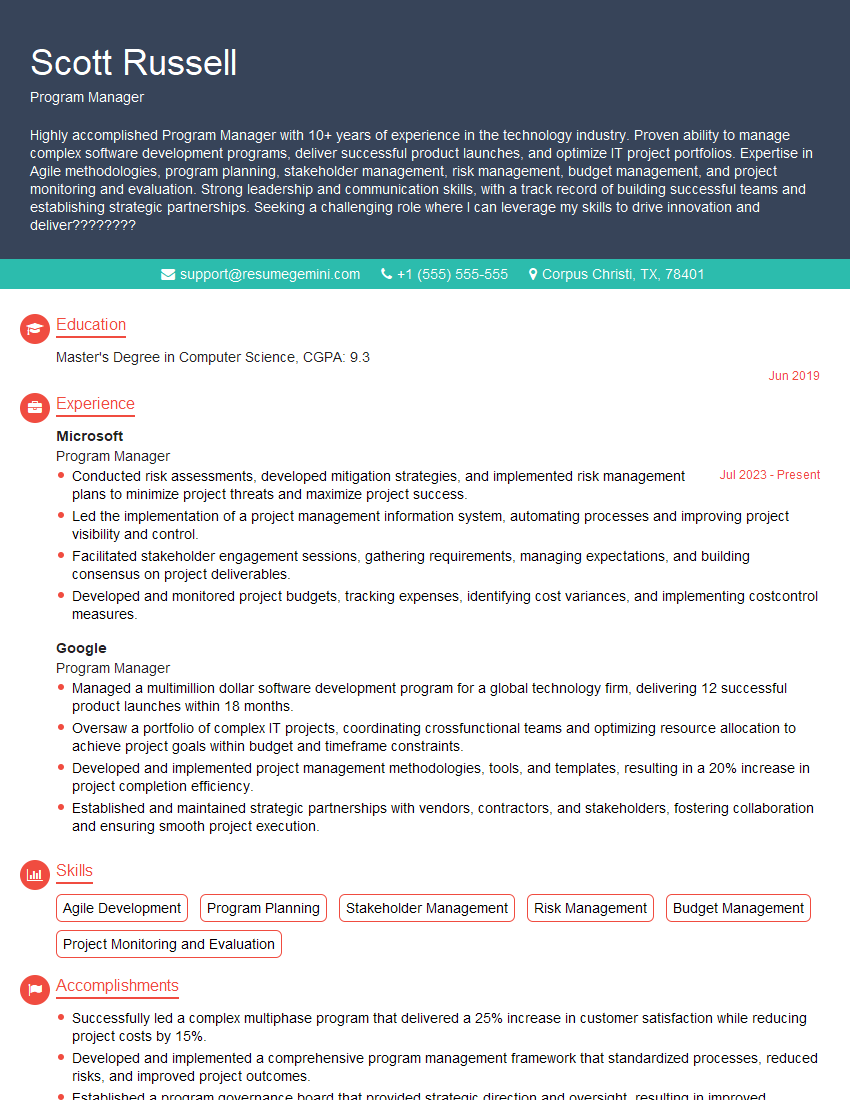
Program Manager Resume Sample

Operations Manager Resume Sample
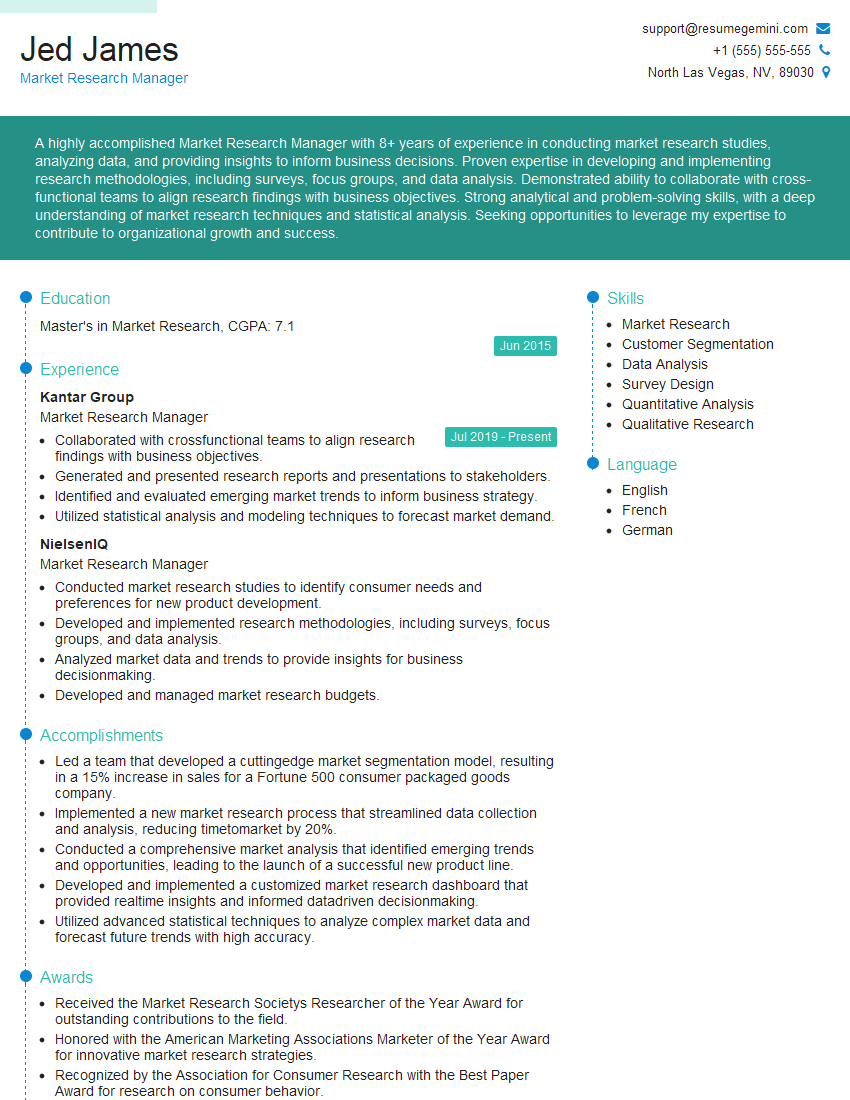
Market Research Manager Resume Sample
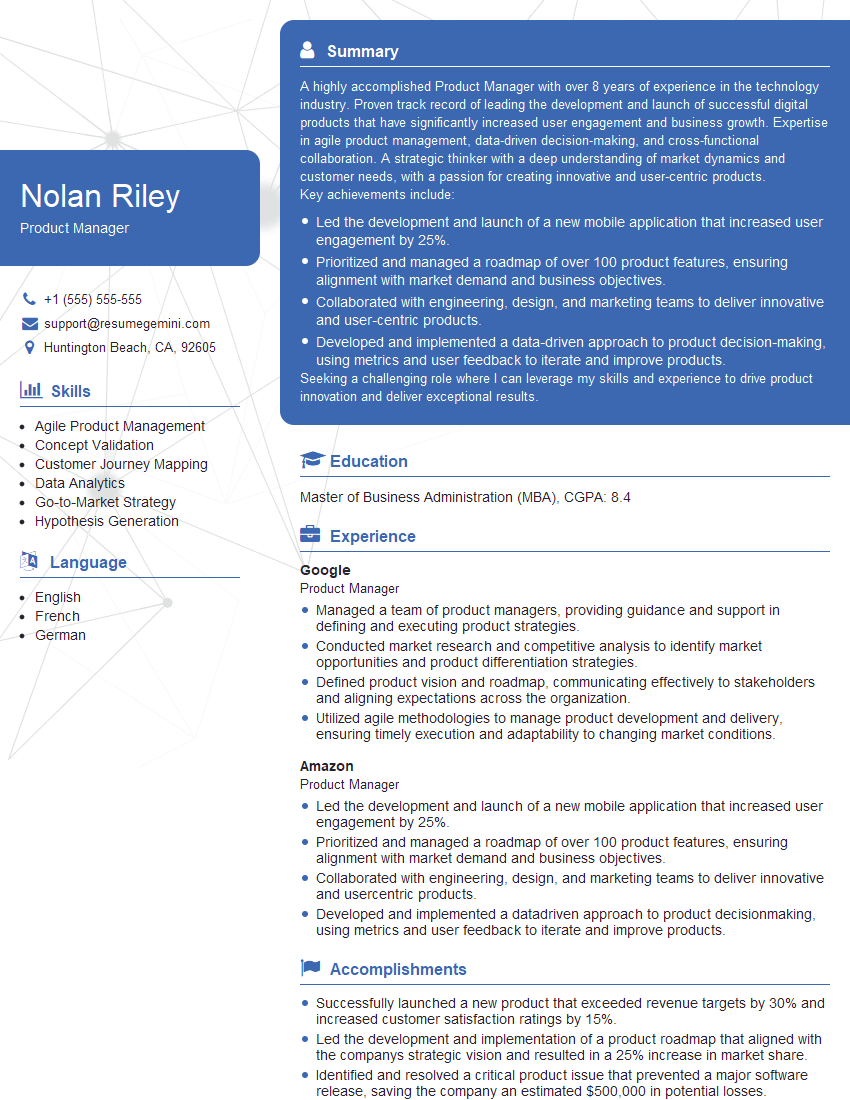
Product Manager Resume Sample
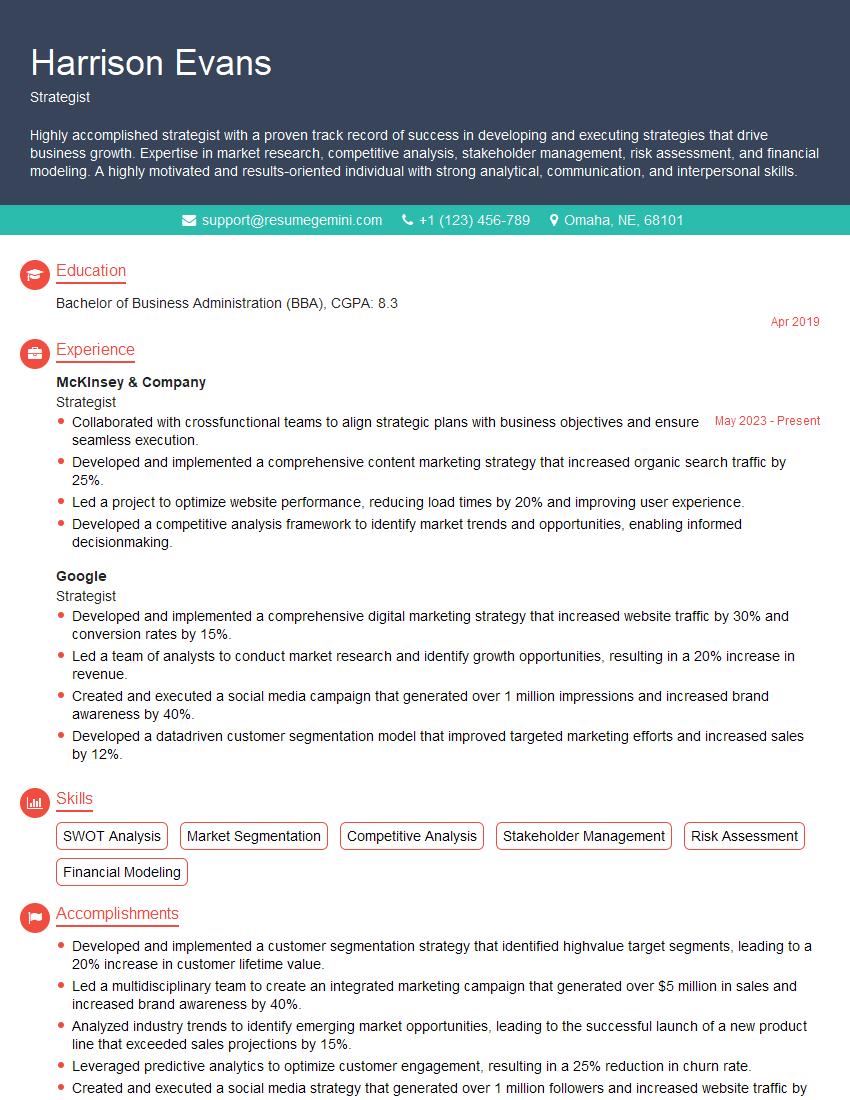
Strategist Resume Sample

Knowledge Manager Resume Sample

Project Manager Resume Sample
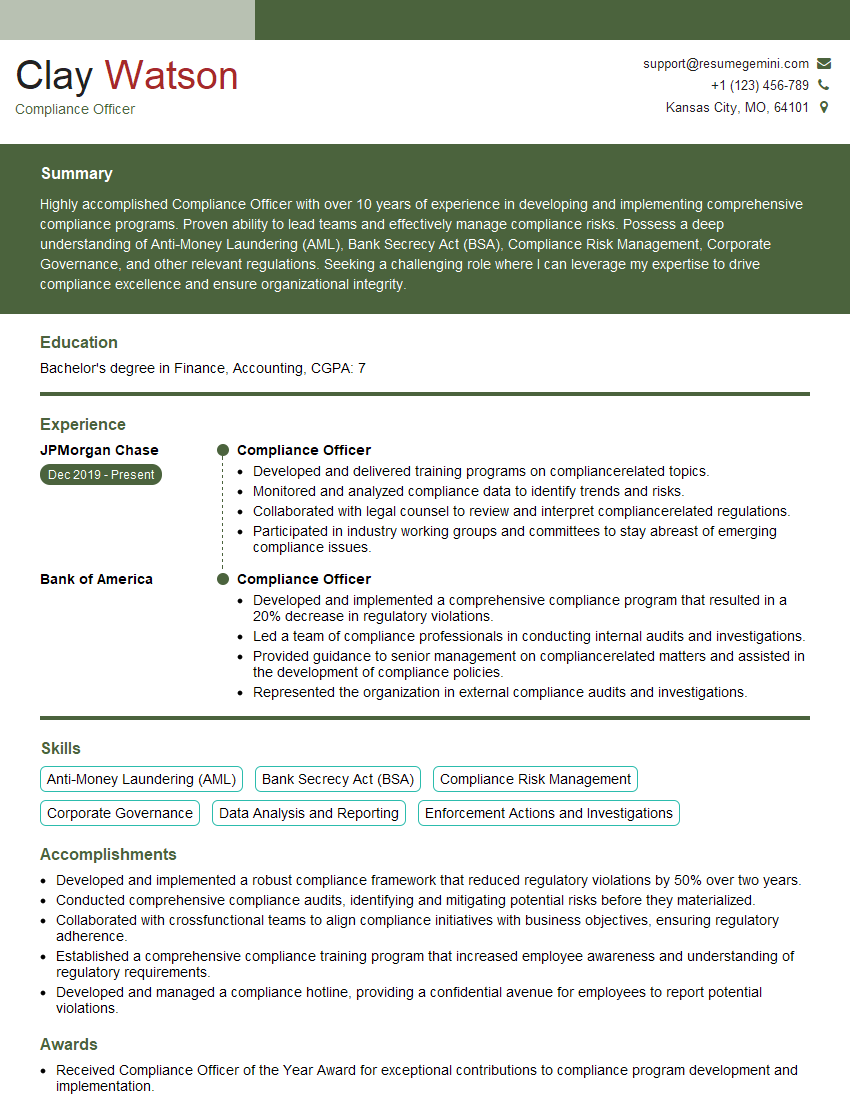
Compliance Officer Resume Sample
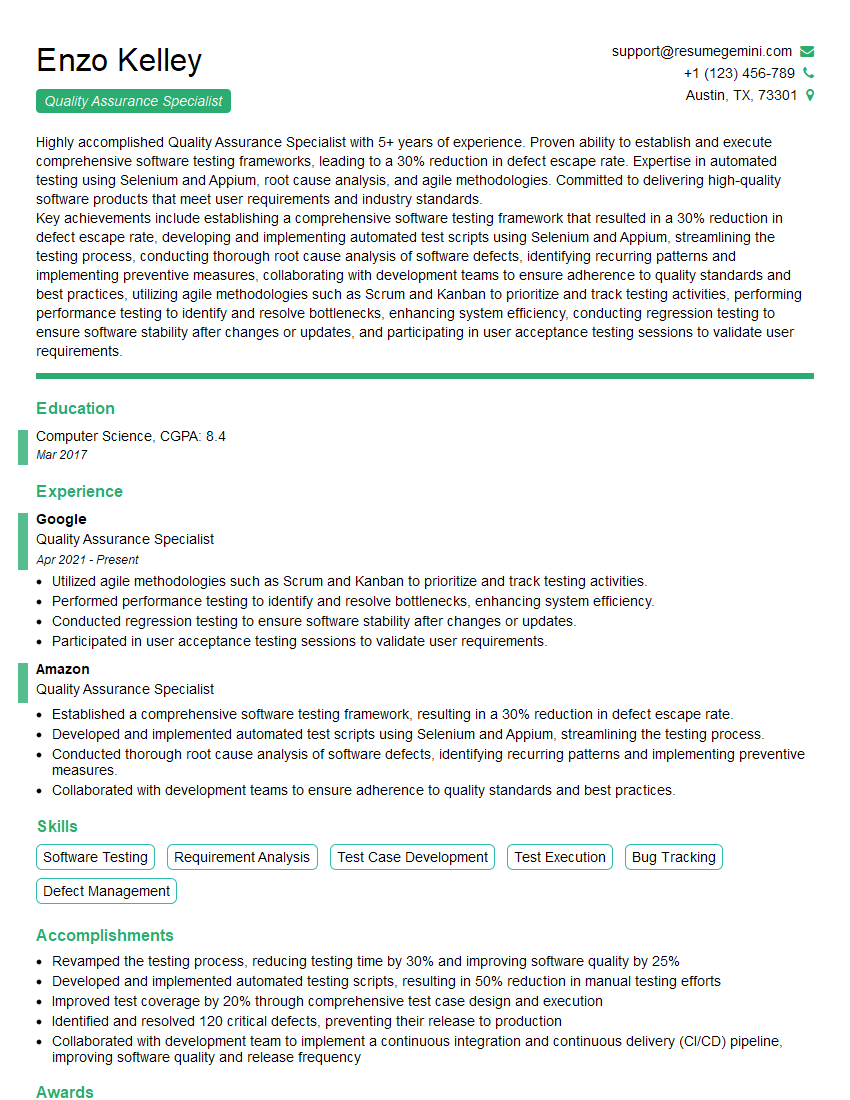
Quality Assurance Specialist Resume Sample
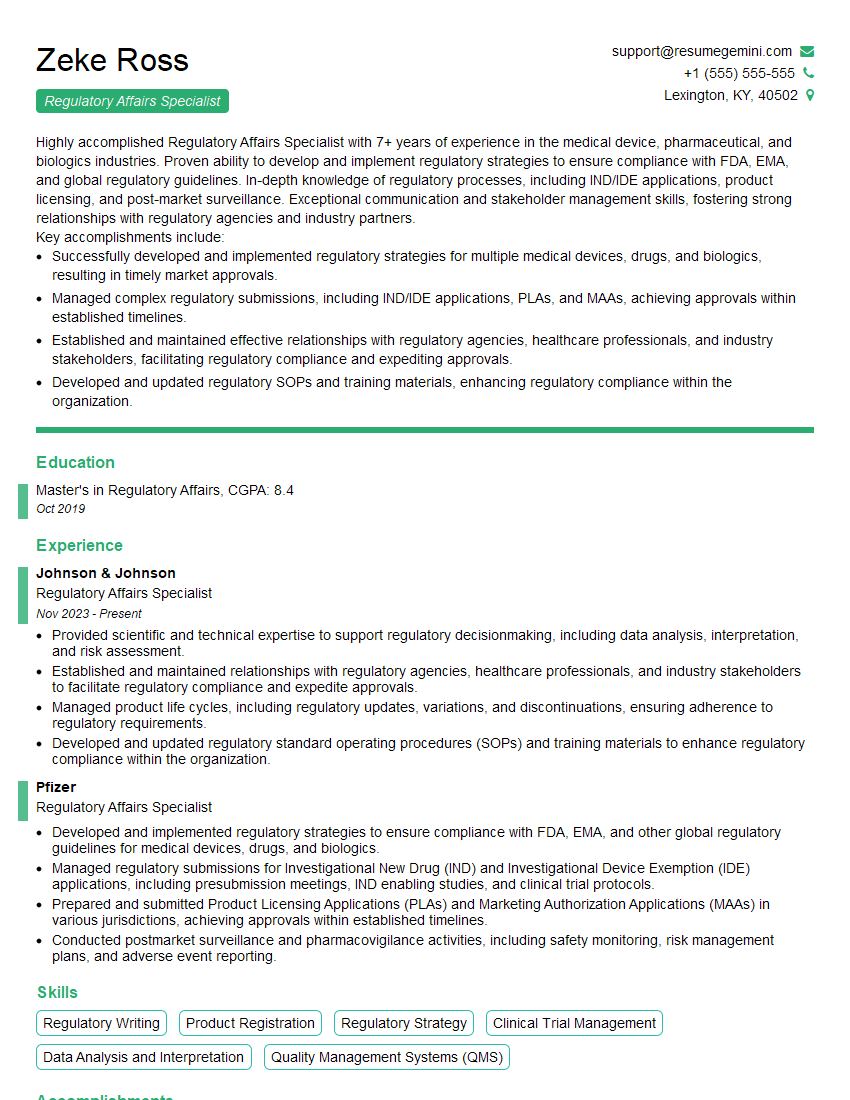
Regulatory Affairs Specialist Resume Sample
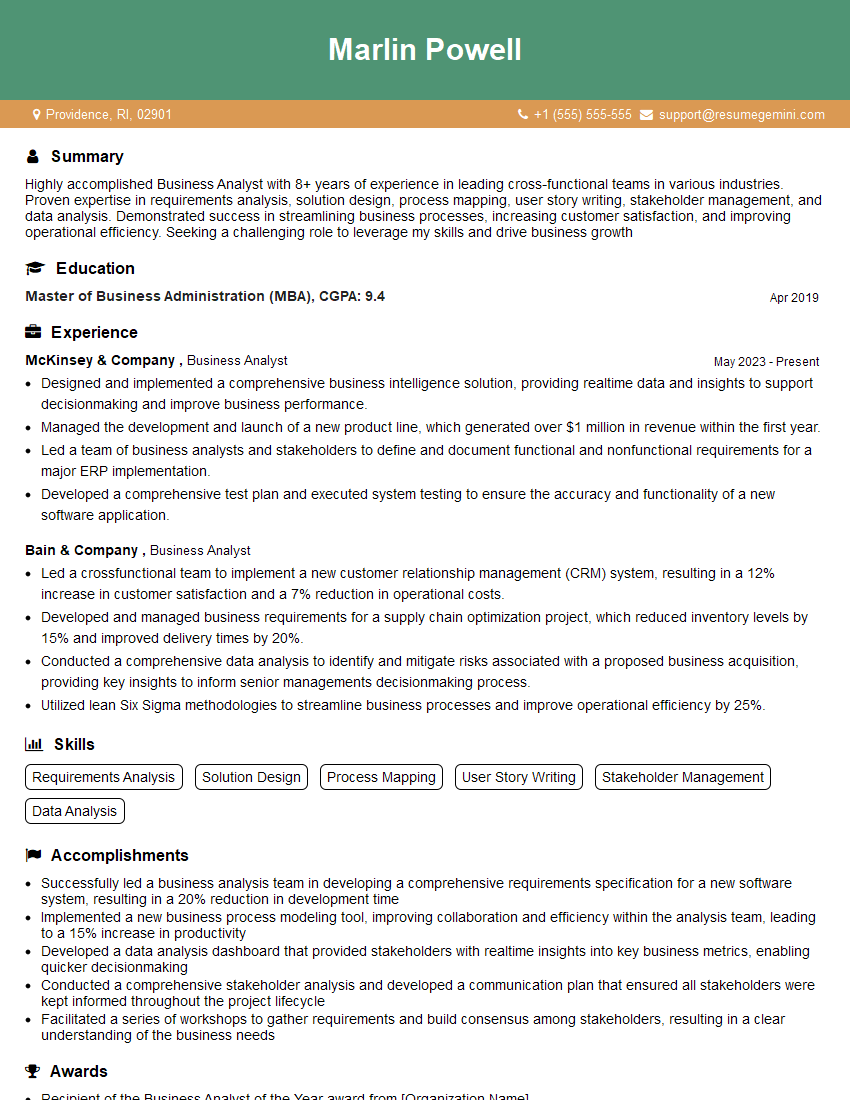
Business Analyst Resume Sample
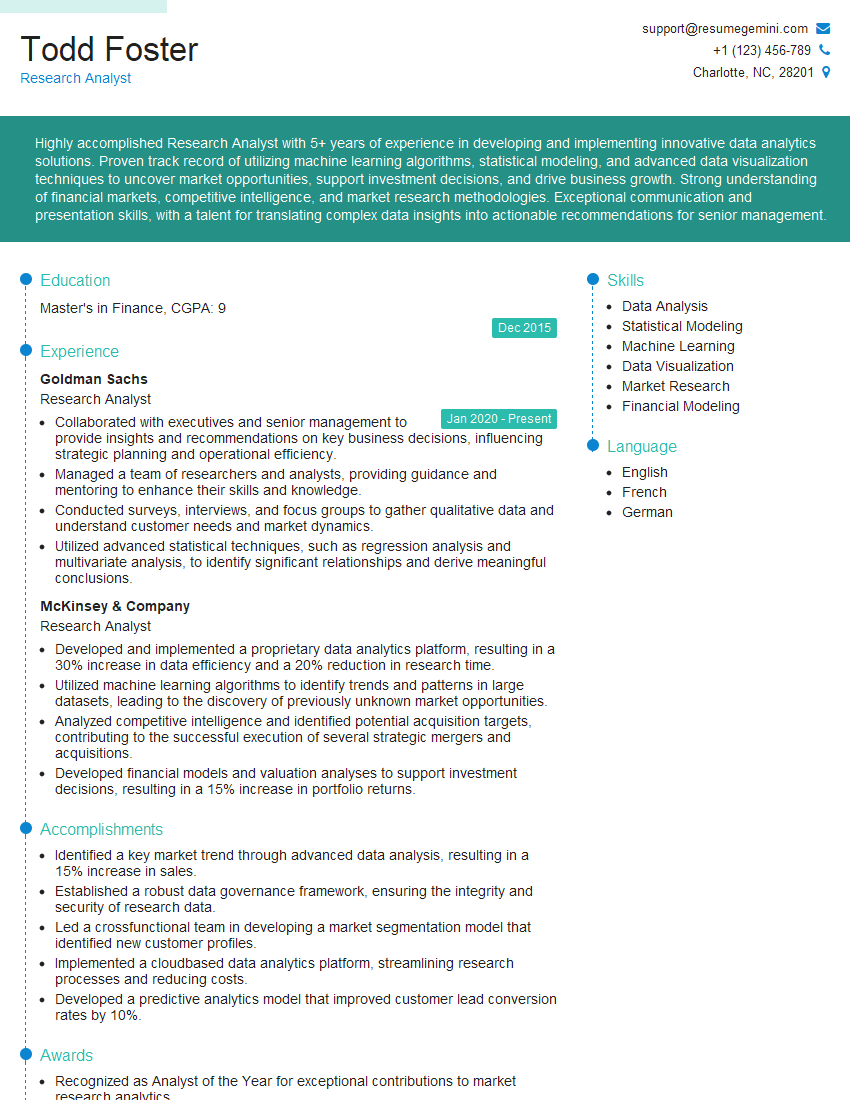
Research Analyst Resume Sample

Social Media Manager Resume Sample
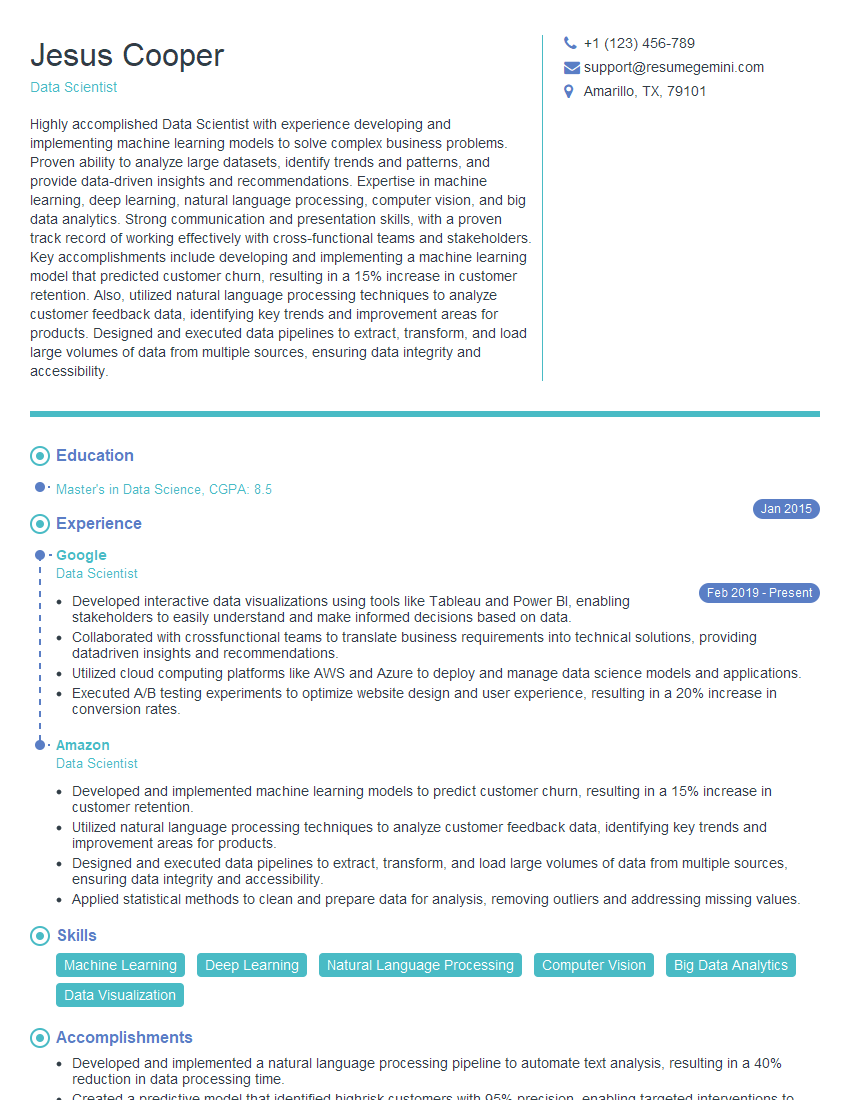
Data Scientist Resume Sample

Information Architect Resume Sample

Content Strategist Resume Sample
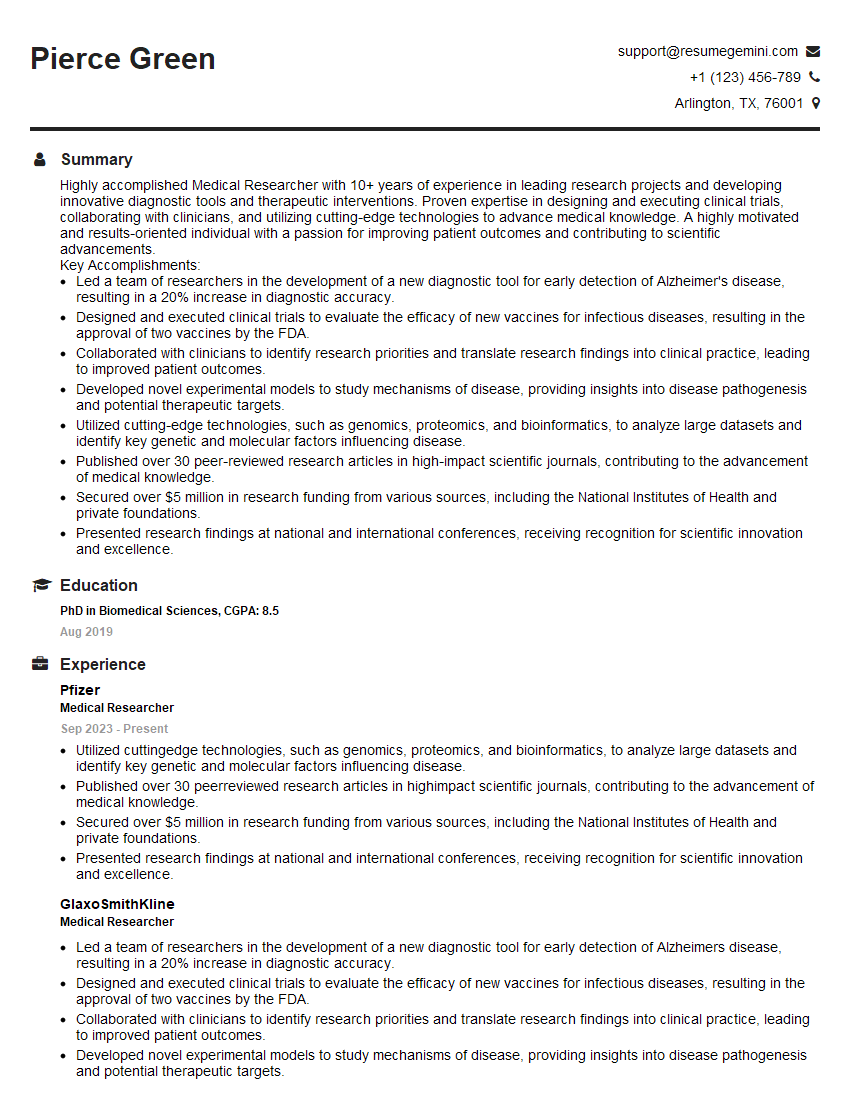
Medical Researcher Resume Sample
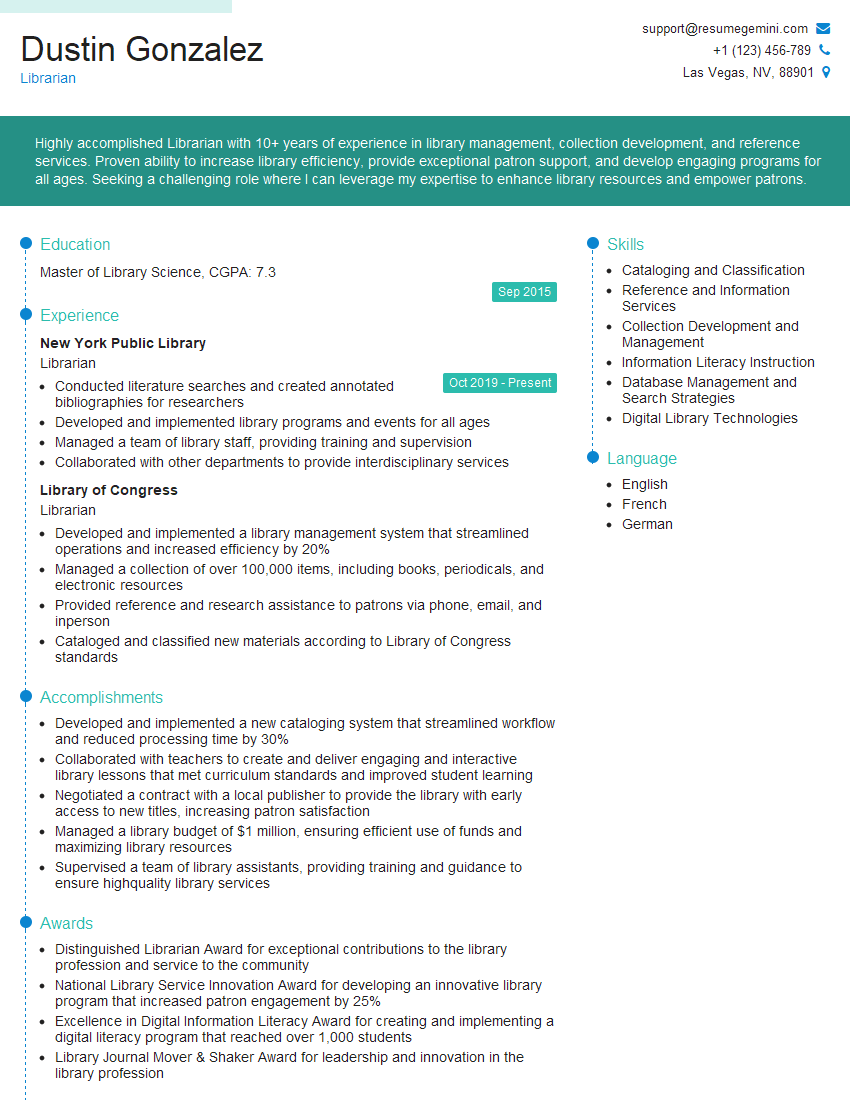
Librarian Resume Sample

Technical Writer Resume Sample
- Program Manager
- Operations Manager
- Market Research Manager
- Product Manager
- Strategist
- Knowledge Manager
- Project Manager
- Compliance Officer
- Quality Assurance Specialist
- Regulatory Affairs Specialist
- Business Analyst
- Research Analyst
- Social Media Manager
- Data Scientist
- Information Architect
- Content Strategist
- Medical Researcher
- Librarian
- Technical Writer
Explore more articles
Users Rating of Our Blogs
Share Your Experience
We value your feedback! Please rate our content and share your thoughts (optional).
What Readers Say About Our Blog
To the interviewgemini.com Webmaster.
Very helpful and content specific questions to help prepare me for my interview!
Thank you
To the interviewgemini.com Webmaster.
This was kind of a unique content I found around the specialized skills. Very helpful questions and good detailed answers.
Very Helpful blog, thank you Interviewgemini team.