Feeling uncertain about what to expect in your upcoming interview? We’ve got you covered! This blog highlights the most important Steam Trap Inspection and Repair interview questions and provides actionable advice to help you stand out as the ideal candidate. Let’s pave the way for your success.
Questions Asked in Steam Trap Inspection and Repair Interview
Q 1. What are the common types of steam traps?
Steam traps are crucial components in steam systems, ensuring that condensate (water formed by steam condensation) is removed while preventing the loss of valuable steam. Several types exist, each operating on different principles. The most common include:
- Thermodynamic Traps: These utilize the difference in properties between steam and condensate (primarily temperature and pressure).
- Thermostatic Traps: These use a temperature-sensitive element to control the valve, closing when steam is present (hot) and opening when condensate is present (cooler).
- Mechanical Traps: These rely on a physical mechanism, like a float or bucket, to detect and remove condensate. Examples include float and thermostatic traps.
- Inverted Bucket Traps: A type of mechanical trap where a bucket fills with condensate, causing the valve to open and drain. When the bucket empties, the valve closes, preventing steam loss.
- Impulse Traps: These use the force of condensate to open and close a valve; very robust and suitable for high-pressure applications.
Choosing the right type depends on factors like the application’s pressure, temperature, and condensate flow rate.
Q 2. Explain the operating principles of a thermodynamic steam trap.
Thermodynamic steam traps cleverly exploit the differences between steam and condensate. Steam, being a high-energy gas, possesses both high temperature and high velocity. Condensate, being liquid water, has significantly lower energy levels, meaning a lower temperature and velocity. A thermodynamic trap utilizes this difference. They contain a small orifice or nozzle. When steam flows through the nozzle, its high velocity creates a pressure drop, preventing the valve from closing. However, the slower condensate cannot overcome this pressure drop, allowing it to flow through the valve and out of the system. Once the condensate is drained, the valve closes, preventing steam loss. Think of it like a tiny dam: the fast-flowing water (steam) keeps the dam open, but the slower water (condensate) slips through.
Q 3. How do you identify a malfunctioning steam trap?
Identifying a malfunctioning steam trap requires a combination of visual inspection and operational observation. Signs of trouble include:
- Visible steam leaks: This indicates the trap is failing to close properly, wasting energy and potentially causing safety hazards.
- Excessive noise or vibration: This may suggest the trap is cycling erratically or is partially blocked.
- Excessive heat around the trap: Similar to steam leaks, but indicative of higher internal pressure than expected.
- Pooling water around the trap: This means the trap isn’t draining condensate effectively; the system could be experiencing inefficient heat transfer.
- Reduced process efficiency: For example, slower heating times in the system can point to a malfunctioning trap causing backup.
A combination of these symptoms often paints a clearer picture.
Q 4. Describe different methods for testing steam traps.
Several methods help in testing steam traps, ranging from simple visual inspections to more advanced techniques:
- Thermal Imaging: This allows you to quickly identify steam leaks and areas of excessive heat around the trap.
- Ultrasonic Testing: This method detects the high-frequency sounds produced by escaping steam, enabling the location of leaks even if they’re not visible.
- Temperature Measurement: Using a thermometer on the inlet and outlet of the trap can help detect the presence of steam.
- Pressure Testing: This involves checking for pressure differentials across the trap to determine if it’s operating as intended.
- Manual Test Kits: Such kits offer simple ways to identify whether a trap is working or not, including pressure sensing tools.
The best testing method depends on the specific application and resources available. A combination is often preferred for better diagnosis. For instance, you might use thermal imaging for quick scans followed by ultrasonic testing for precise leak localization.
Q 5. What are the common causes of steam trap failure?
Steam trap failure is often caused by a combination of factors. The most common include:
- Scale and Dirt Buildup: Minerals in the condensate can clog the trap’s internal components, hindering its operation. This is especially prevalent in hard-water areas.
- Erosion and Corrosion: Constant exposure to high-temperature steam and condensate can wear down internal parts, leading to leaks.
- Thermal Shock: Rapid temperature fluctuations can damage the trap’s internal components, causing failure.
- Improper Sizing and Installation: Installing a trap that’s too small or improperly positioned can lead to premature failure.
- Foreign Objects: Pieces of debris entering the system can obstruct the trap and prevent its normal operation.
Regular maintenance and inspections are crucial in mitigating these problems. Cleanliness and proper installation are key to extending the life of your steam traps.
Q 6. How do you troubleshoot a steam trap that is leaking steam?
A steam trap leaking steam points to a failure in its closing mechanism. Troubleshooting involves these steps:
- Identify the Type of Trap: Different traps have different failure modes.
- Visual Inspection: Check for visible damage, corrosion, or blockages. Look carefully for wear on the valve seat or internal mechanisms.
- Check for Pressure: Measure the steam pressure at the trap’s inlet and outlet to check if it’s significantly higher on the outlet side.
- Test the Trap: Use appropriate testing methods, such as thermal imaging or ultrasonic detection, to pinpoint the source of the leak.
- Repair or Replace: Depending on the severity of damage, either repair or replace the faulty components. In some cases, especially with significant corrosion, replacement is the most cost-effective solution.
Remember safety first! Always shut off the steam supply before any inspection or repair work. Don’t attempt repairs without proper training and safety equipment.
Q 7. How do you troubleshoot a steam trap that is not draining condensate?
A steam trap that fails to drain condensate leads to inefficient heat transfer and potential water hammer issues. Troubleshooting involves:
- Check for Blockages: Inspect the trap’s inlet and outlet for any obstructions such as scale buildup or foreign objects.
- Verify Condensate Flow: Check for adequate condensate flow upstream of the trap to eliminate a lack of condensate as the problem.
- Inspect the Trap’s Internal Mechanisms: This may require disassembly of the trap, carefully noting the location of all components. Look for any seized or damaged parts. For instance, in a float trap, a stuck float would prevent condensate drainage.
- Test the Trap: Using a test kit allows to asses the trap’s proper response.
- Clean or Replace: Depending on findings, either clean the trap thoroughly or replace it if significant damage is present.
This systematic approach helps you identify the root cause, ensuring a lasting repair. Remember to always consult the manufacturer’s instructions for proper maintenance and repair procedures.
Q 8. What safety precautions should be taken when inspecting and repairing steam traps?
Safety is paramount when working with steam traps. Steam is incredibly hot and can cause severe burns. High pressure within the system also poses a significant risk. Before commencing any inspection or repair, always ensure the system is properly isolated and depressurized. This involves closing relevant valves and allowing the system to cool completely. Use appropriate personal protective equipment (PPE), including heat-resistant gloves, safety glasses, and possibly a face shield. Never attempt to inspect or repair a steam trap while it is under pressure or hot. Lockout/Tagout procedures are crucial to prevent accidental activation and should always be followed according to your company’s safety protocols. A thorough understanding of the system’s piping and instrumentation diagram (P&ID) is essential to identify all relevant isolation points and potential hazards.
For example, before working on a steam trap in a food processing plant, we’d ensure the entire steam line is depressurized, locked out, and tagged out. We’d also check for any residual heat using a thermal imager before proceeding. This meticulous approach ensures the safety of both the maintenance personnel and the surrounding environment.
Q 9. Explain the importance of regular steam trap maintenance.
Regular steam trap maintenance is critical for efficient and economical operation. Malfunctioning steam traps waste significant amounts of energy, leading to increased operational costs and environmental impact. A faulty trap might continuously vent valuable steam, essentially throwing money down the drain. Additionally, inefficient traps can lead to water hammer, a destructive phenomenon that can damage pipes and equipment. Regular maintenance, including inspections and repairs, minimizes energy waste, reduces maintenance costs in the long run by preventing costly repairs, extends the lifespan of the traps themselves, and enhances the overall reliability of your steam system. Think of a steam trap as a valve; it needs regular check-ups just like any other critical component of your system to ensure smooth, uninterrupted operation.
Q 10. What tools and equipment are necessary for steam trap inspection and repair?
The tools and equipment needed for steam trap inspection and repair vary depending on the type of trap and the specific task. However, a basic toolkit generally includes:
- Ultrasonic testing device: This is essential for non-invasive diagnosis and is probably the most important tool in your toolbox. It allows you to determine the condition of the trap without having to dismantle it.
- Various wrenches: Different sizes are needed depending on the size and type of steam trap connections.
- Screwdrivers: For accessing internal components or removing covers.
- Pressure gauge: To monitor system pressure before and after inspection or repair.
- Thermometer: For assessing steam and condensate temperatures.
- Drain pan and valve: To safely collect any remaining condensate after isolation.
- Safety glasses and gloves: Protective gear to prevent injury.
- Test gauge: For measuring the trap’s capacity and functionality.
- Replacement parts: Internal components like seats, gaskets, diaphragms, and other parts depending on the specific trap type.
Advanced inspections might require specialized equipment such as infrared cameras for thermal imaging, or more sophisticated diagnostic tools that are available for certain manufacturers’ traps.
Q 11. How do you determine the appropriate replacement steam trap for a specific application?
Selecting the right replacement steam trap involves considering several critical factors. Firstly, you need to understand the specific application requirements: the operating pressure, temperature, and the type of condensate being handled. The capacity and the type of condensate (liquid or gaseous) are key factors. Secondly, carefully examine the specifications of the existing steam trap to ensure compatibility. This usually involves referring to the manufacturer’s data plate. The size, inlet/outlet connections, and the pressure rating must match those of the system. Thirdly, consider the efficiency, reliability and the lifespan. You want a trap that minimizes steam loss and ensures reliable operation for a long time. Many manufacturers provide selection guides or online tools to assist with choosing the appropriate trap based on your system parameters. Ignoring this crucial step can lead to inefficient operation, premature failure and higher costs.
For instance, replacing a thermostatic trap in a low-pressure heating system requires careful consideration of the operating pressure and the desired condensate discharge rate. You would need a trap with the appropriate pressure rating and capacity.
Q 12. What are the economic benefits of properly functioning steam traps?
Properly functioning steam traps deliver significant economic benefits. The most obvious is reduced energy consumption. Leaky traps vent valuable steam, which represents a direct loss of energy and money. By maintaining efficient steam traps, you minimize energy waste, translating directly into lower utility bills. Additionally, well-maintained traps contribute to increased production efficiency. Steam that is properly directed to the intended processes leads to increased production output. Avoiding problems such as water hammer also helps prevent costly repairs and downtime associated with equipment damage. This means less time spent on emergency maintenance and increased overall productivity, resulting in significant cost savings and improved operational efficiency.
Consider a large industrial plant; even a small improvement in steam trap efficiency can translate into substantial yearly cost savings due to reduced energy consumption.
Q 13. Describe the different types of condensate return systems.
Condensate return systems are designed to safely and efficiently return condensate from steam traps back to the boiler or a condensate receiver. There are several types, each with its own advantages and disadvantages:
- Gravity return systems: These are the simplest, utilizing gravity to return condensate to a lower-level receiver or boiler. They are cost-effective but limited to applications with sufficient elevation differences.
- Pump return systems: These systems use pumps to return condensate, allowing for greater flexibility in system design and overcoming elevation limitations. They are more expensive initially but offer greater control and efficiency.
- Flash steam return systems: These systems utilize the pressure drop during condensate return to generate flash steam, which can be recovered and reused, improving overall energy efficiency.
- Combined systems: These systems often combine elements of the above, taking advantage of the benefits of each system design, allowing for the most efficient return system based on the particular steam application.
The choice of condensate return system depends on factors like the system layout, elevation differences, condensate flow rate, and the overall energy recovery goals.
Q 14. How do you measure steam trap performance?
Measuring steam trap performance involves several methods, ranging from simple visual inspections to sophisticated diagnostic tools. A basic visual inspection will check for excessive condensate dripping or steam venting. This is an initial, basic assessment, but isn’t quantifiable. More accurate methods include:
- Ultrasonic testing: This non-invasive method uses sound waves to detect the presence of steam or condensate flow, identifying whether the trap is functioning correctly or is leaking steam. This method is the most common.
- Thermal imaging: Infrared cameras detect temperature differences, identifying potential steam leaks. A hot spot on the trap suggests that it is leaking.
- Trap testing tools: Several specialized testing tools are available that can directly measure the trap’s discharge characteristics, providing quantitative data on its performance. These are manufacturer-specific, however.
- Performance monitoring systems: Advanced systems use sensors and data logging to continuously monitor trap performance, providing real-time information and alerts on potential problems. These are ideal for large and complex steam systems.
The best method depends on the complexity of the system and the level of detail required. A combination of methods often provides the most comprehensive assessment of steam trap performance.
Q 15. What are the environmental considerations related to steam trap leaks?
Steam trap leaks pose significant environmental concerns. The most obvious is energy waste. Leaking steam translates directly to wasted energy, increased fuel costs, and a larger carbon footprint. This is because generating steam requires substantial energy input.
Beyond energy, a leaking steam trap can release condensate containing impurities from the steam generation process. This condensate may contain chemicals or suspended solids that, if released into the environment, can pollute water sources and harm ecosystems. For example, if the process involves boiler water treatment chemicals, a leak could introduce these chemicals into the environment.
Finally, visible steam plumes from leaks can contribute to localized fogging, reducing visibility and potentially impacting safety near industrial facilities. Think of the dense fog you see around a power plant – often a significant portion comes from leaky steam traps.
Career Expert Tips:
- Ace those interviews! Prepare effectively by reviewing the Top 50 Most Common Interview Questions on ResumeGemini.
- Navigate your job search with confidence! Explore a wide range of Career Tips on ResumeGemini. Learn about common challenges and recommendations to overcome them.
- Craft the perfect resume! Master the Art of Resume Writing with ResumeGemini’s guide. Showcase your unique qualifications and achievements effectively.
- Don’t miss out on holiday savings! Build your dream resume with ResumeGemini’s ATS optimized templates.
Q 16. Explain the concept of steam trap sizing.
Steam trap sizing is critical for efficient and reliable operation. It’s about selecting a trap with the appropriate capacity to handle the condensate load from a specific piece of equipment, without wasting steam. Undersizing a trap leads to excessive condensate buildup, potentially causing water hammer or equipment damage. Oversizing, conversely, leads to excessive steam loss.
Sizing involves calculating the maximum condensate flow rate expected from the equipment. This requires considering factors like the equipment’s heat transfer rate, insulation quality, steam pressure, and the temperature difference between the steam and the condensate. Specialized calculation software or steam tables are frequently used. For example, a larger heat exchanger will obviously need a larger capacity steam trap to handle the increased condensate production.
Accurate sizing prevents both energy loss and equipment malfunction. It’s an important part of preventative maintenance.
Q 17. How do you interpret a steam trap survey report?
A steam trap survey report should provide a comprehensive overview of the steam system’s health. Interpreting it involves systematically reviewing several key aspects.
Firstly, identify the traps needing attention. The report will categorize traps by their status: functioning correctly, leaking slightly, leaking severely, or malfunctioning completely. A visual inspection is often noted, describing the condition of the trap.
Next, assess the severity of any problems. A small leak might be acceptable in the short term while a major leak calls for immediate action to avoid energy waste and potential damage. The report should quantify the leakage rate if possible.
Finally, understand the implications of the findings. The report should prioritize the repairs based on factors like energy loss, equipment risk, and environmental impact. A prioritized list for repair or replacement of steam traps is helpful for scheduling maintenance.
In short, a good survey report doesn’t just list problems; it provides a clear roadmap for corrective actions.
Q 18. What are some common steam trap manufacturers?
The steam trap market includes many reputable manufacturers, each offering a range of trap types to suit different applications. Some of the most prominent include:
- Armstrong
- Spirax Sarco
- TLV
- Jacobson
- Wika
This isn’t an exhaustive list, and many other manufacturers provide high-quality steam traps. The best choice often depends on the specific application requirements and the available budget.
Q 19. What is the difference between a bucket trap and a thermostatic trap?
Bucket traps and thermostatic traps represent distinct approaches to condensate removal. The key difference lies in their operating mechanism.
A bucket trap uses a float mechanism to sense condensate level. When condensate fills the bucket, the float rises, opening a valve to discharge the condensate. It’s simple and relatively inexpensive, but less efficient in handling fluctuating loads and prone to water hammer if the valve is too small.
A thermostatic trap relies on the temperature difference between steam and condensate to operate. A temperature-sensitive element, such as a bellows or a bimetallic strip, closes the valve when steam is present (hot) and opens it when only condensate is present (cooler). This offers smoother operation than a bucket trap, but can be slower to react to fluctuating conditions.
Q 20. How does a float and thermostatic trap work?
A float and thermostatic trap combines the principles of both float and thermostatic traps to improve performance. This hybrid design aims to leverage the advantages of both mechanisms.
The float mechanism primarily handles condensate discharge, ensuring continuous removal of condensate. It senses the liquid level, opening a valve when the level gets high enough.
The thermostatic element serves as a secondary control, preventing steam from escaping. This element acts like a safety net, ensuring that steam will only be released from the trap when condensate is present and the temperature is below the saturation temperature of the steam.
The combination enhances reliability and efficiency, offering better steam conservation and condensate removal compared to traps using only one mechanism.
Q 21. What is the importance of proper insulation around steam traps?
Proper insulation around steam traps is crucial for several reasons, all contributing to improved efficiency and safety.
Minimizing heat loss: Insulation prevents the steam trap and the piping nearby from radiating heat into the surrounding environment. This reduces energy waste, which translates directly to cost savings. Imagine a piping system without insulation; it’s like leaving your heater running outside during winter.
Preventing condensation: Insulation reduces the formation of condensate on the pipe surfaces near the trap, decreasing the overall condensate load. Excessive condensation can lead to corrosion and dripping.
Improving safety: Insulated traps and piping reduce the risk of burns from contact with hot surfaces. This enhances workplace safety, and makes maintenance easier.
In essence, proper insulation provides a substantial return on investment through reduced energy consumption and improved safety.
Q 22. How do you determine the correct location for a steam trap?
Choosing the right location for a steam trap is crucial for efficient operation. It’s all about ensuring the trap effectively removes condensate while preventing steam loss. Poor placement can lead to energy waste and equipment damage.
- Downstream of equipment: The ideal spot is immediately after the equipment that produces condensate, like a heat exchanger or process vessel. This allows immediate removal of condensate before it can cause problems.
- Accessibility: Select a location that allows for easy access for inspection, maintenance, and repair. Consider proximity to walkways, platforms, or other maintenance access points.
- Avoid low points: Traps should not be located in areas where condensate could accumulate from multiple sources. This can overload the trap and cause it to fail.
- Pipe sizing: Ensure adequate pipe sizing on both the inlet and outlet sides of the trap to minimize pressure drops and ensure smooth flow.
- Consider thermal expansion: Account for thermal expansion and contraction of pipes. Improper placement can lead to stress on the trap and piping.
For instance, imagine placing a steam trap at a low point in a long pipe run. Condensate will accumulate before reaching the trap, leading to inefficiency and potential water hammer.
Q 23. What are the signs of water hammer in a steam system?
Water hammer is a dangerous phenomenon characterized by a loud banging or hammering sound in steam pipes. It’s caused by the sudden stoppage of a high-velocity stream of water or condensate. Think of it like slamming a pipe with a hammer—it’s quite forceful.
- Loud banging or hammering noises: This is the most prominent sign.
- Pipe vibrations: You’ll often feel the pipe vibrating intensely along with the noise.
- Leaks: Repeated water hammer can weaken pipe joints, causing leaks.
- Trap damage: The impact can damage steam traps, shortening their lifespan.
- Equipment damage: In extreme cases, water hammer can damage connected equipment.
I once worked on a site where neglected steam trap maintenance resulted in frequent, violent water hammer. The banging was so loud it shook the entire building! The problem was traced to a poorly installed trap and a build-up of condensate.
Q 24. How do you prevent water hammer in a steam system?
Preventing water hammer requires a multi-pronged approach focusing on proper system design, effective condensate removal, and regular maintenance.
- Proper trap selection and sizing: Choose appropriately sized traps for the steam system’s flow rates and pressures.
- Effective condensate removal: Ensure adequate drainage to prevent excessive condensate buildup.
- Air venting: Proper air venting prevents the formation of large slugs of condensate that are common causes of water hammer.
- Install air pockets: Consider adding air pockets or expansion tanks in the system to absorb pressure fluctuations.
- Install water hammer arrestors: These devices are designed to absorb the shock waves generated by water hammer.
- Slope pipes: Ensure the steam piping is sloped correctly to promote condensate flow towards the traps.
- Regular maintenance: Regularly inspect and test steam traps to ensure efficient operation and identify potential problems before they escalate.
Think of it like managing traffic flow—you need clear, smooth passage and well-maintained vehicles to avoid sudden stops and crashes.
Q 25. Describe different methods for isolating a steam trap for repair.
Isolating a steam trap for repair is crucial to prevent steam loss and ensure worker safety. Methods vary depending on the system’s design and the type of trap.
- Valves: The most common method uses valves installed upstream and downstream of the trap. Closing these valves isolates the trap completely.
- Blind flanges: In older systems, blind flanges may be used to isolate sections of pipe for maintenance. Removing the trap and replacing the section with the flange allows for maintenance.
- Quick-release couplings: Some modern steam traps use quick-release couplings that allow for easy removal and replacement without needing to shut off the whole system.
Always ensure the system is depressurized and cooled before working on the trap. A lockout/tagout procedure should be strictly followed for safety.
Q 26. Explain the importance of proper documentation during steam trap maintenance.
Proper documentation is paramount for effective steam trap maintenance. It provides a historical record of the trap’s performance and maintenance actions, reducing downtime and ensuring long-term efficiency.
- Trap identification: Detailed records of each trap’s location, type, and specifications are essential.
- Maintenance history: This includes the date of installation, previous repairs, and maintenance schedules.
- Inspection records: Documentation of regular inspections, including test results, observations, and any identified issues.
- Repair records: Detailed records of any repairs performed, including parts replaced, and the date of the repair.
- Performance data: If possible, collect data on steam consumption and energy savings.
Imagine a doctor’s office without patient records—it would be chaos! Similarly, a lack of documentation in steam trap maintenance can lead to inefficiency and costly mistakes.
Q 27. What are the long-term consequences of neglecting steam trap maintenance?
Neglecting steam trap maintenance can result in significant long-term consequences that impact both operational efficiency and the bottom line.
- Energy waste: Faulty traps can leak valuable steam, leading to significant energy loss and increased utility costs.
- Equipment damage: Excessive condensate in the system can cause damage to valves, pipes, and other equipment.
- Production downtime: Trap failures can lead to unexpected production downtime, costing significant revenue.
- Safety hazards: Water hammer and leaks pose safety risks to personnel.
- Increased maintenance costs: Addressing larger issues stemming from neglect is significantly more expensive than preventative maintenance.
Ignoring a small leak can result in a major pipe burst later down the road. Proactive maintenance saves time and money in the long run.
Q 28. How do you stay updated on the latest technologies and best practices in steam trap maintenance?
Staying updated in this field requires a proactive approach encompassing several strategies.
- Professional development courses: Attend workshops and training sessions offered by manufacturers and industry associations.
- Industry publications and journals: Subscribe to relevant industry publications and journals to stay informed on new technologies and best practices.
- Manufacturer websites and resources: Regularly check manufacturer websites for updates on their products and maintenance recommendations.
- Networking with peers: Attend industry events and conferences to exchange knowledge and insights with other professionals.
- Online resources: Utilize online platforms and forums to access technical information and participate in discussions.
Continuous learning is crucial in this rapidly evolving field. The best steam trap technicians stay curious and continue to develop their skills throughout their careers.
Key Topics to Learn for Steam Trap Inspection and Repair Interview
- Types of Steam Traps: Understanding the different mechanisms (thermodynamic, mechanical, etc.) and their applications in various industrial settings. This includes knowing the strengths and weaknesses of each type.
- Steam Trap Testing and Diagnostics: Mastering various testing methods (e.g., acoustic, thermal imaging, pressure testing) to identify malfunctioning traps and diagnose the specific problem. Be prepared to discuss practical scenarios and troubleshooting techniques.
- Repair and Maintenance Procedures: Familiarity with common repair procedures, including component replacement, cleaning, and preventative maintenance strategies. Knowing safety protocols is crucial here.
- Energy Efficiency and Cost Savings: Understanding the impact of faulty steam traps on energy consumption and production costs. Be able to articulate how efficient steam trap maintenance contributes to a company’s bottom line.
- Safety Procedures and Regulations: Demonstrating a strong understanding of relevant safety regulations and procedures when handling high-pressure steam systems. This includes proper PPE and lockout/tagout procedures.
- Troubleshooting Common Issues: Be prepared to discuss common problems encountered with steam traps (e.g., leaking, air binding, flashing) and the effective strategies for resolving them. Thinking through problem-solving approaches will be key.
- Steam System Fundamentals: A strong understanding of basic steam system principles, including pressure, temperature, and flow dynamics. This provides context for steam trap function and troubleshooting.
Next Steps
Mastering Steam Trap Inspection and Repair opens doors to rewarding careers in industrial maintenance, offering opportunities for professional growth and advancement. A strong understanding of these concepts significantly increases your marketability and earning potential. To secure your dream role, creating a compelling and ATS-friendly resume is vital. ResumeGemini is a trusted resource that can help you build a professional resume that highlights your skills and experience effectively. We provide examples of resumes tailored to Steam Trap Inspection and Repair to help guide you in crafting the perfect application. Invest time in building a strong resume – it’s your first impression with potential employers.

Operations Manager Resume Sample

Maintenance Planner Resume Sample

Maintenance Supervisor Resume Sample

Reliability Engineer Resume Sample
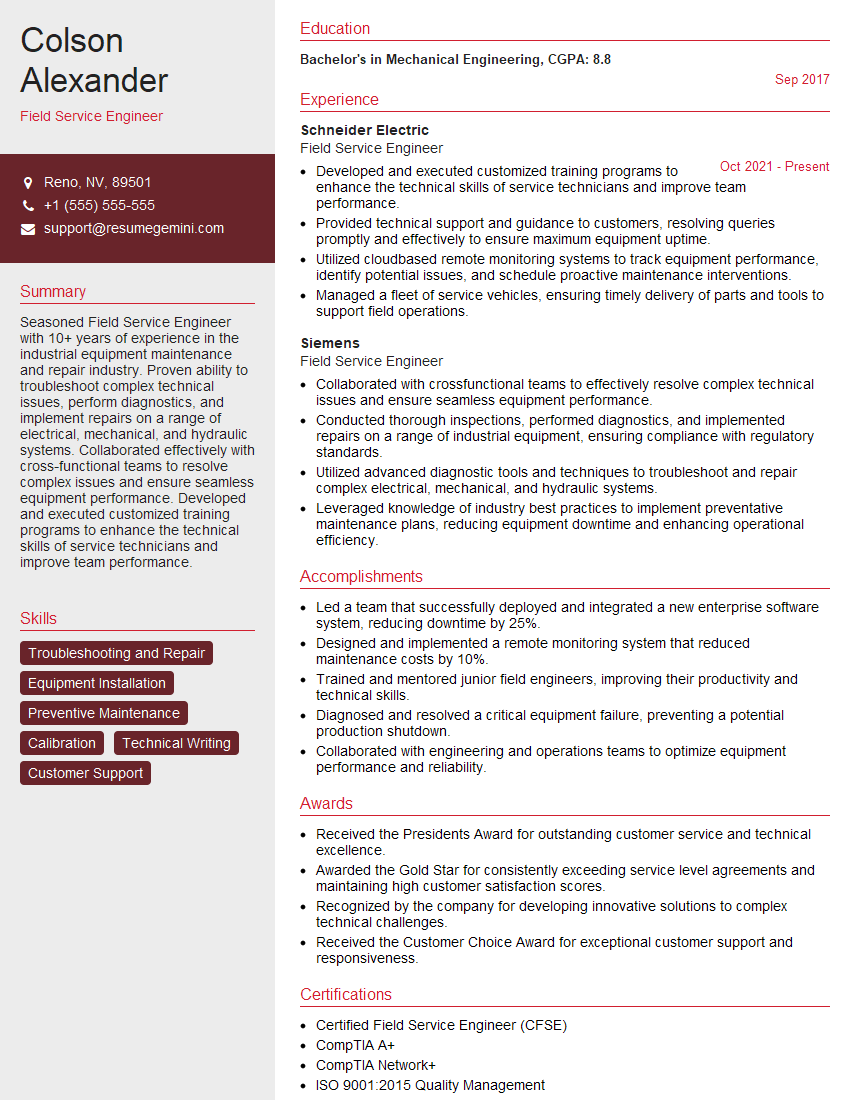
Field Service Engineer Resume Sample

Plant Engineer Resume Sample

Automation Technician Resume Sample
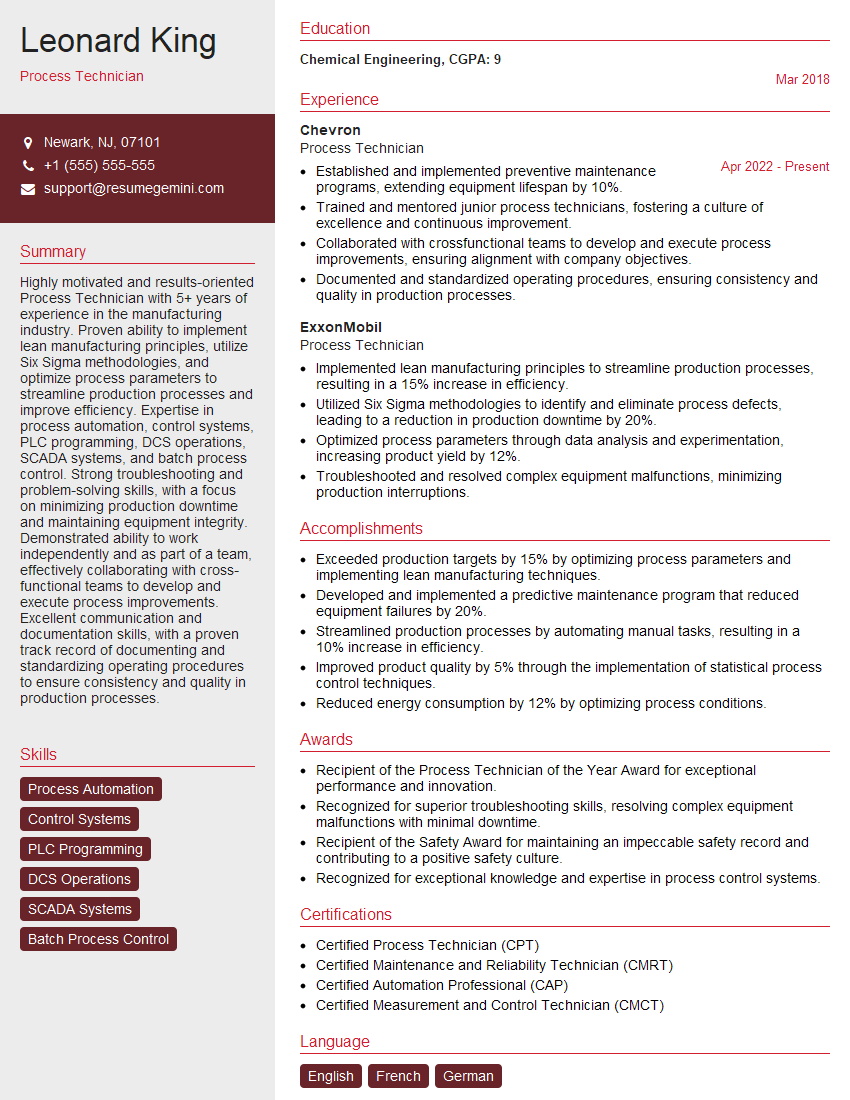
Process Technician Resume Sample

Facilities Maintenance Manager Resume Sample

Energy Conservation Specialist Resume Sample

Maintenance Scheduler Resume Sample

Utility Technician Resume Sample

Control Systems Technician Resume Sample

Power Plant Technician Resume Sample

Instrumentation and Controls Technician Resume Sample
- Operations Manager
- Maintenance Planner
- Maintenance Supervisor
- Reliability Engineer
- Field Service Engineer
- Plant Engineer
- Automation Technician
- Process Technician
- Facilities Maintenance Manager
- Energy Conservation Specialist
- Maintenance Scheduler
- Utility Technician
- Control Systems Technician
- Power Plant Technician
- Instrumentation and Controls Technician
Explore more articles
Users Rating of Our Blogs
Share Your Experience
We value your feedback! Please rate our content and share your thoughts (optional).
What Readers Say About Our Blog
To the interviewgemini.com Webmaster.
Very helpful and content specific questions to help prepare me for my interview!
Thank you
To the interviewgemini.com Webmaster.
This was kind of a unique content I found around the specialized skills. Very helpful questions and good detailed answers.
Very Helpful blog, thank you Interviewgemini team.