Unlock your full potential by mastering the most common Steam Trap Installation interview questions. This blog offers a deep dive into the critical topics, ensuring you’re not only prepared to answer but to excel. With these insights, you’ll approach your interview with clarity and confidence.
Questions Asked in Steam Trap Installation Interview
Q 1. What are the different types of steam traps?
Steam traps are crucial components in steam systems, ensuring that condensate (water formed by steam condensation) is removed efficiently while preventing the loss of valuable steam. Several types exist, each suited to different applications. The primary classifications include:
- Thermodynamic Traps: These rely on the inherent difference in properties between steam and condensate, such as pressure and velocity. They are robust and require minimal maintenance.
- Thermostatic Traps: These use a temperature-sensitive element to differentiate between steam (hot) and condensate (cooler). They are relatively simple and cost-effective but can be sensitive to fluctuating steam conditions.
- Float and Thermostatic Traps: Combining the benefits of both float and thermostatic traps, they offer reliable condensate removal even under fluctuating load conditions.
- Inverted Bucket Traps: A type of thermodynamic trap using a bucket that traps steam and allows condensate to flow out.
- Ball Float Traps: These use a floating ball to sense the water level, opening the valve when condensate accumulates.
- Heated Traps: These are specifically designed for applications with high-pressure or viscous fluids that might otherwise solidify and block a conventional trap.
Choosing the right trap depends on factors like the steam pressure, condensate load, and the presence of non-condensables.
Q 2. Explain the operating principle of a thermodynamic steam trap.
Thermodynamic steam traps work on the principle that steam and condensate have different properties. Specifically, they exploit the difference in their momentum or kinetic energy. A common type, the impulse trap, uses a high-velocity jet of condensate to open a valve. As steam enters, its momentum is lower than the condensate, causing the valve to close, preventing steam loss. Think of it like a water slide; the fast-moving water (condensate) opens the gate, while the slower steam simply can’t overcome it.
Another example is the orifice type; the pressure of the high-velocity steam pushes on a valve, keeping it closed, whereas condensate cannot maintain this pressure, so the valve opens.
Q 3. How does a thermostatic steam trap work?
Thermostatic steam traps use a temperature-sensitive element, typically a bellows or a wax pellet, to control the flow of condensate. When condensate (cooler than steam) enters the trap, the element contracts, opening the valve and allowing the condensate to drain. When steam (hotter) enters, the element expands, closing the valve and preventing steam from escaping. Imagine it as a simple thermostat; it senses the temperature and opens or closes accordingly. However, this simpler design can be more prone to problems caused by fluctuating temperatures or air pockets.
Q 4. Describe the function of a float and thermostatic steam trap.
Float and thermostatic steam traps combine the advantages of both float and thermostatic mechanisms. A float mechanism detects the level of condensate within the trap. When condensate accumulates, the float rises, opening a valve for drainage. The thermostatic element works in conjunction with the float, preventing steam loss when the condensate level is low. This provides a highly reliable system capable of handling variations in load and pressure, making them suitable for demanding applications. They are exceptionally efficient at removing condensate while preventing steam loss, providing optimal system performance.
Q 5. What are the common causes of steam trap failure?
Steam trap failure can stem from various causes, significantly impacting system efficiency and causing energy waste. Common culprits include:
- Erosion: High-velocity condensate can erode internal components over time, particularly in impulse traps.
- Corrosion: Corrosion from acidic condensate can weaken trap components, leading to leaks or failure.
- Scaling and Fouling: Mineral deposits from hard water can restrict flow and impede trap operation.
- Air Binding: Accumulation of non-condensables (air) can prevent the trap from functioning correctly.
- Freezing: In cold environments, condensate can freeze and damage the trap mechanism.
- Improper Sizing: Installing a trap that’s too small or too large for the application can lead to premature failure.
- Mechanical Issues: Worn-out seals, broken internal components, or incorrect valve operation are potential mechanical causes for failure.
Regular inspection and maintenance are vital in preventing these failures and ensuring the longevity of the steam traps.
Q 6. How do you identify a malfunctioning steam trap?
Identifying a malfunctioning steam trap often involves a combination of visual inspection and operational observation. Signs of a faulty trap include:
- Visible leaks: Steam or condensate leaking from the trap indicates a major issue.
- Excessive noise: Loud gurgling, hissing, or chattering noises from the trap usually suggest improper operation.
- Cold trap body: A cold trap body, particularly on a large trap, can indicate that the trap is continuously discharging steam.
- Reduced process temperature: If the process temperature is lower than expected, it might signal a blockage or ineffective condensate removal.
- Excessive energy consumption: A faulty trap wasting steam will lead to higher energy bills.
Using a combination of these methods, you can gain a good understanding of if your steam trap needs to be serviced.
Q 7. What methods do you use to test steam traps?
Testing steam traps involves both non-destructive and destructive methods. Non-destructive methods are preferred for routine maintenance. These include:
- Ultrasonic testing: Uses sound waves to detect leaks and internal issues in the trap.
- Temperature measurement: Comparing the temperature of the trap body to nearby steam lines can help identify malfunctioning traps (cold trap indicates continuous venting of steam).
- Visual inspection: Checking for leaks, corrosion, and signs of damage.
- Thermal imaging: Infrared cameras can detect heat loss, indicating where steam is escaping from a faulty trap.
Destructive methods, such as pressure testing, are usually reserved for traps that have failed completely or where a thorough internal inspection is required. This involves dismantling the trap and checking the internal components for defects.
Q 8. Explain the importance of proper steam trap sizing.
Proper steam trap sizing is crucial for efficient and effective steam system operation. An improperly sized steam trap can lead to significant energy waste, reduced process efficiency, and even equipment damage. Think of a steam trap as a valve controlling the flow of condensate (water formed when steam cools) out of a steam system while keeping the steam in. If it’s too small, it won’t be able to remove condensate fast enough, leading to water hammer (a dangerous surge of water in the pipes) and potentially flooding the equipment. If it’s too large, it will waste valuable steam, increasing energy costs and reducing the effectiveness of the heating process. The right size ensures efficient condensate removal without steam loss.
Consider this analogy: imagine trying to drain a bathtub with a tiny straw versus a large drainpipe. The straw (undersized trap) would take forever and possibly overflow, while the excessively large pipe (oversized trap) might drain too quickly, wasting water.
Q 9. How do you select the appropriate steam trap for a specific application?
Selecting the right steam trap involves considering several factors. First, you must determine the steam pressure and the amount of condensate expected. This information is usually available from the equipment’s specifications or process design. Next, the type of condensate needs to be considered: is it just water, or does it contain non-condensables like air or other gases? Different steam traps are designed for different condensate conditions. Finally, the operating conditions, such as temperature and pressure fluctuations, must be taken into account. You should also consider the material compatibility of the steam trap with the process fluid and the environment.
For example, a thermodynamic steam trap is ideal for applications with consistent steam pressure and primarily liquid condensate, while a thermostatic trap is more suitable for fluctuating pressure conditions. A float and thermostatic trap is a good option for handling a mix of condensate and non-condensables. Using a selection software or consulting a steam trap manufacturer’s catalog can help narrow down the options to ensure you find the perfect fit for your specific application.
Q 10. What are the safety precautions when working with steam traps?
Safety is paramount when working with steam traps. Steam is extremely hot and under pressure, posing a severe burn risk. Always ensure the system is depressurized and cooled down completely before beginning any work. Use appropriate personal protective equipment (PPE), including heat-resistant gloves, eye protection, and safety shoes. Never attempt to open or service a steam trap while it’s under pressure. Consult the manufacturer’s instructions for safe handling and maintenance procedures. A lockout/tagout system should be implemented to prevent accidental startup during maintenance. In addition, be aware of potential scalding from the condensate, as even cooled condensate can still be hot enough to cause burns.
Q 11. Describe the process of installing a steam trap.
Installing a steam trap involves several steps. First, ensure that you have the correct trap for the application and all necessary tools. Isolate the section of the pipe where the trap will be installed, ensuring no steam or condensate is flowing. Clean the pipe threads thoroughly before installing the trap. Next, use appropriate pipe fittings and carefully install the steam trap, ensuring proper alignment and tightness. After installation, test for leaks by pressurizing the system gradually. It’s crucial to ensure a secure connection and prevent leakage.
Once the trap is installed, check for proper operation. You can check the condensate discharge to confirm if the trap is functioning correctly. Some traps might require specific tests to confirm they’re releasing condensate effectively and not wasting steam.
Q 12. What tools and equipment are required for steam trap installation?
The tools and equipment needed for steam trap installation depend on the specific application but generally include:
- Wrenches (appropriate sizes for the pipe connections and the steam trap)
- Pipe cutter or hacksaw (if cutting pipe is required)
- Pipe thread sealant (such as Teflon tape or pipe dope)
- Level or plumb bob (for ensuring proper alignment)
- Pressure gauge (for testing the system after installation)
- Safety glasses and heat-resistant gloves
- Condensate collection vessel for testing
Additional equipment might be necessary depending on the complexity of the installation and the type of steam trap used.
Q 13. How do you ensure proper insulation around steam traps?
Proper insulation around steam traps is critical for minimizing heat loss and preventing condensation. Heat loss translates to energy waste and can also affect the trap’s operation. Insulation should cover the trap and the pipe sections immediately adjacent to it. The type and thickness of insulation depend on the operating temperature and environmental conditions. Choose insulation material appropriate for the temperature and resistance to moisture. Always follow the manufacturer’s recommendations for insulation thickness and application techniques. Ensure there are no gaps or voids in the insulation, as these can lead to heat loss. Think of insulation as a protective blanket that keeps the steam hot and prevents energy loss. Proper insulation also improves safety by reducing the risk of burns from the hot surfaces.
Q 14. What are the common problems associated with steam trap installation?
Common problems associated with steam trap installation include:
- Incorrect sizing: Using a trap that is too large or too small leads to steam waste or condensate backup.
- Leaks: Poorly tightened connections or damaged threads can cause leaks, leading to steam waste and potential safety hazards.
- Improper installation: Incorrect orientation of the trap or improper installation of valves can cause malfunctions.
- Air binding: Air trapped in the steam trap can prevent it from functioning correctly.
- Insufficient insulation: Inadequate insulation leads to heat loss and affects the trap’s performance.
Careful planning, proper selection, and diligent installation practices are essential to avoid these issues and ensure efficient and safe steam system operation.
Q 15. How do you troubleshoot a steam trap that is leaking?
Troubleshooting a leaking steam trap starts with identifying the type of leak. Is it a continuous drip, a steady stream, or intermittent leakage? The location of the leak also provides clues. A leak at the valve body often points to internal damage or a faulty valve seat. Leaks from the drain connection could indicate a problem with the drain line itself or a failure of the trap’s internal sealing mechanisms.
Step-by-step Troubleshooting:
- Visual Inspection: Carefully examine the trap for visible cracks, corrosion, or damage to the body or connections.
- Check for proper installation: Ensure that the trap is correctly sized and installed, and that all connections are secure and tight. Loose fittings are a common cause of leaks.
- Test for condensate: Verify that condensate is actually present. A seemingly leaking trap might be venting steam if the system isn’t generating enough condensate.
- Pressure test (if safe to do so): Isolate the trap and apply a controlled air pressure test. This helps pinpoint the leak location. (Important Note: Always ensure the system is depressurized and cooled before any pressure testing and follow appropriate safety precautions).
- Replace the trap: If the leak persists despite these checks, the trap is likely beyond repair and should be replaced.
For example, I once encountered a leaking steam trap on a large processing plant. Initial inspection showed a small leak at the drain connection. Tightening the fitting solved the problem immediately. This highlighted the importance of regular visual checks and proper tightening during initial installation.
Career Expert Tips:
- Ace those interviews! Prepare effectively by reviewing the Top 50 Most Common Interview Questions on ResumeGemini.
- Navigate your job search with confidence! Explore a wide range of Career Tips on ResumeGemini. Learn about common challenges and recommendations to overcome them.
- Craft the perfect resume! Master the Art of Resume Writing with ResumeGemini’s guide. Showcase your unique qualifications and achievements effectively.
- Don’t miss out on holiday savings! Build your dream resume with ResumeGemini’s ATS optimized templates.
Q 16. How do you troubleshoot a steam trap that is not functioning properly?
A malfunctioning steam trap can manifest in several ways: excessive steam loss, excessive water hammer, or inefficient heating. Troubleshooting involves systematically checking different components and their interactions.
Troubleshooting Steps:
- Observe the trap’s operation: Listen for unusual noises like chattering or banging (indicating water hammer). Feel the trap’s body; it should be relatively cool to the touch if functioning correctly. A hot trap usually indicates it’s continuously discharging steam.
- Check for air binding: Air in the system can prevent the trap from properly functioning. Ensure proper venting procedures are in place.
- Measure the condensate discharge rate: Compare this with the expected rate, given the system’s load. A significantly lower rate suggests the trap is partially or completely blocked.
- Inspect the strainer (if applicable): A clogged strainer can restrict condensate flow, preventing the trap from operating efficiently. Clean or replace the strainer as needed.
- Check the trap’s operating temperature and pressure: These should be within the trap’s specified range. Operating outside this range can cause malfunctions.
- Consider the possibility of internal damage: This could be due to corrosion, erosion, or thermal stress. Replacing the trap may be the only solution.
Imagine a situation where a process isn’t heating up properly. By systematically checking the steam trap, we might discover it’s not discharging condensate effectively due to a buildup of scale inside. This highlights the crucial role of maintenance in preventing malfunctions.
Q 17. What are the different types of steam trap maintenance?
Steam trap maintenance is critical for optimal performance, energy efficiency, and preventing costly downtime. Different types of maintenance include:
- Routine Inspections: Regularly checking for leaks, unusual noises, and operating temperatures.
- Cleaning: Removing accumulated dirt, scale, or other debris from the trap and its surrounding components. This is particularly important for traps operating in harsh environments.
- Testing: Performing functional tests to verify that the trap is operating correctly. There are several testing methods, including acoustic testing, thermal imaging, and pressure testing.
- Calibration: Adjusting the trap’s settings to ensure it operates within the desired parameters.
- Repair or Replacement: Replacing worn or damaged parts, or replacing the trap entirely if repair isn’t feasible.
- Preventive Maintenance: Establishing a regular schedule for inspections, cleaning, and testing to prevent failures before they occur.
A comprehensive maintenance program will consider the type of steam trap, its application, and the operating conditions to determine the most suitable maintenance tasks.
Q 18. What is the frequency of steam trap maintenance?
The frequency of steam trap maintenance depends on several factors, including the application, the type of steam trap, the operating conditions (pressure, temperature, condensate load), and the environment.
General Guidelines:
- High-demand applications: Daily or weekly inspections might be necessary.
- Less demanding applications: Monthly or quarterly inspections are usually sufficient.
- Routine maintenance: This could range from annual checks to bi-annual overhauls. Consider more frequent maintenance if the trap is in a harsh environment (high-corrosion risk, contaminated condensate).
It’s best practice to establish a written maintenance schedule with specific tasks and timelines based on a thorough risk assessment of the system and its individual components. Remember that neglecting maintenance can lead to significant energy losses and increased repair costs.
Q 19. Describe the procedure for replacing a steam trap.
Replacing a steam trap requires careful planning and execution to ensure safety and minimize downtime. The procedure generally involves the following steps:
- Isolate the trap: Shut off the steam supply and drain lines. This is the most crucial step to prevent injury and ensure worker safety.
- Drain the line: Allow any remaining steam or condensate to escape to fully depressurize the system.
- Remove the old trap: Disconnect all connections to the trap, taking care to note the orientation of the trap and connections.
- Install the new trap: Connect the new trap, ensuring it’s oriented correctly and all connections are secure. Use appropriate pipe thread sealant to prevent leaks.
- Check for leaks: After installation, carefully inspect all connections for leaks.
- Open the valves: Gradually open the steam supply and drain valves, monitoring for leaks and abnormal operations.
- Test the new trap: Verify the new trap is functioning correctly by checking the temperature and condensate flow rate.
Remember to always follow the manufacturer’s instructions for the specific steam trap model. Improper installation can lead to equipment damage or serious injury.
Q 20. How do you prevent steam trap corrosion?
Steam trap corrosion is a significant concern, leading to leaks, malfunctions, and premature failure. Prevention strategies include:
- Material Selection: Choose steam traps made from corrosion-resistant materials such as stainless steel, especially in applications with aggressive condensate.
- Regular Cleaning: Periodically cleaning the trap and its surrounding piping removes corrosive contaminants that build up over time.
- Proper Insulation: Insulating steam lines and the trap itself minimizes temperature fluctuations, reducing condensation and preventing corrosion. This is particularly important in areas prone to moisture.
- Chemical Treatment: Treating the condensate with corrosion inhibitors can help mitigate corrosive effects, but you need to select an appropriate inhibitor that won’t damage the trap’s internal components.
- Avoid stagnant condensate: Ensure good condensate flow to prevent the build up of corrosive substances.
In situations where condensate is highly corrosive, regular inspections and more frequent maintenance are crucial to prevent corrosion-related failures. It might even justify the use of more expensive but corrosion-resistant steam traps.
Q 21. What is the impact of faulty steam traps on energy efficiency?
Faulty steam traps have a significant negative impact on energy efficiency. A malfunctioning trap can waste energy in several ways:
- Steam Leakage: A leaking steam trap releases valuable steam directly into the atmosphere, representing a direct loss of energy. This can be particularly costly in larger industrial facilities.
- Inefficient Heating: If the trap doesn’t effectively remove condensate, air pockets can form and impede the transfer of heat to the process. This leads to reduced heating efficiency and increased energy consumption to maintain temperature.
- Increased Fuel Costs: The energy losses due to steam leakage and inefficient heating translate to higher fuel costs for the boiler or steam generator.
In a typical industrial setting, even a small leak in a steam trap can lead to substantial energy losses over time. Regular maintenance and timely repairs or replacements of faulty steam traps can provide significant cost savings and contribute to improved environmental sustainability.
Q 22. How does water hammer affect steam traps?
Water hammer, the forceful impact of a rapidly decelerating column of water, is extremely damaging to steam traps. Imagine a runaway train suddenly slamming on its brakes – that’s essentially what water hammer is to a pipe. This sudden pressure surge can cause severe damage to the internal mechanisms of a steam trap, potentially leading to premature failure. The effects can range from minor damage, causing the trap to leak or malfunction, to catastrophic failure resulting in a ruptured trap and potential system damage.
For example, if a steam line experiences a rapid pressure drop (perhaps due to a valve closure), the momentum of the water within the line continues. This water slams into the trap’s internal components, causing significant stress. This is particularly problematic for traps with delicate internal parts, such as thermostatic traps or those with small orifices.
Preventing water hammer requires careful system design and operation. This includes proper pipe sizing, the use of air vents, and the implementation of surge arrestors. Regular maintenance and proper trap selection are also key to mitigating the impact of water hammer.
Q 23. What are the benefits of using steam traps?
Steam traps are essential components in steam systems, offering several key benefits. Their primary function is to automatically vent condensate (water formed when steam cools) while preventing the escape of valuable steam. This seemingly simple function yields significant advantages.
- Energy Savings: By preventing steam loss, traps significantly reduce energy consumption and operating costs. Think of it as carefully sealing a leaky faucet—every drop adds up.
- Improved Process Efficiency: Ensuring that only dry saturated steam reaches the process equipment optimizes production efficiency. A consistent supply of dry steam improves product quality and reduces downtime.
- Reduced Equipment Wear: Condensate is corrosive and can cause significant damage to process equipment. Steam traps protect equipment by promptly removing this corrosive liquid.
- Extended Equipment Life: By removing condensate and maintaining the optimal steam temperature, steam traps prolong the life span of equipment and associated components.
- Safety Enhancement: Efficient condensate removal contributes to system safety by reducing the risk of water hammer and other issues stemming from accumulated condensate.
Q 24. How do steam traps contribute to process safety?
Steam traps play a critical role in process safety by preventing several hazardous situations. Their efficient removal of condensate is paramount to safety.
- Preventing Water Hammer: As previously discussed, water hammer is a significant safety hazard. Steam traps minimize this risk by continuously removing condensate, reducing the potential for damaging pressure surges.
- Avoiding Equipment Damage: Condensate buildup can lead to corrosion, overheating, and ultimately, equipment failure. This can cause production disruptions, safety incidents, and costly repairs. Steam traps help prevent this by maintaining a dry steam supply.
- Reducing Scalding Risks: Trapped condensate can lead to scalding hazards if it is released unexpectedly under pressure. Properly functioning traps help prevent this scenario.
- Maintaining System Pressure: A well-maintained steam system with properly functioning traps is more stable and less prone to unexpected pressure fluctuations, minimizing the risk of system failures.
In industrial settings, where steam is often utilized in high-pressure and high-temperature processes, the safety contribution of steam traps cannot be overstated.
Q 25. What are the environmental considerations related to steam trap operation?
Environmental considerations related to steam trap operation center primarily around energy efficiency and waste reduction. Inefficient or malfunctioning steam traps lead to significant steam loss, which translates into wasted energy and increased greenhouse gas emissions. Steam production often involves fossil fuels, so reducing steam loss directly reduces carbon footprint.
Furthermore, leaking traps can release condensate into the environment, potentially contaminating surrounding areas depending on the nature of the process. Regular maintenance, proper selection, and installation of efficient steam traps are crucial for minimizing environmental impact. This includes incorporating energy-efficient designs and implementing monitoring programs to quickly identify and address leaking traps.
Q 26. Explain the difference between a ball float and inverted bucket trap
Ball float and inverted bucket traps are both common types of thermodynamic steam traps, relying on the buoyancy principle for operation, but they differ significantly in their mechanisms.
- Ball Float Trap: A ball float trap utilizes a buoyant ball that rises and falls with the condensate level within the trap. When condensate accumulates, the ball drops, opening the valve to allow condensate discharge. As the condensate level lowers, the ball rises, closing the valve to prevent steam loss. These are simple and reliable but are generally suitable for lower-pressure applications.
- Inverted Bucket Trap: An inverted bucket trap uses a bucket-shaped float that is inverted (upside-down). When the trap is filled with condensate, the bucket sinks, opening the valve and allowing discharge. When steam enters, the air and condensate are discharged, leaving steam, which fills the bucket, making it buoyant. The bucket rises and closes the valve, sealing in the steam. Inverted bucket traps are effective in handling higher pressures and larger condensate flows compared to ball float traps.
The choice between these trap types depends on factors such as pressure, condensate flow rate, and the specific application requirements.
Q 27. What is the role of a steam trap in a pressure reducing valve system?
In a pressure reducing valve (PRV) system, the steam trap plays a crucial role in removing condensate that forms downstream of the PRV. The PRV reduces the steam pressure to a lower working pressure for the process. The reduction in pressure can cause steam to flash into condensate.
If this condensate isn’t removed effectively, it can lead to water hammer, reduced process efficiency, and even damage to equipment. The steam trap installed downstream of the PRV acts as a safety net, ensuring that the condensate is efficiently removed, thus preventing these problems. It maintains the integrity and proper functioning of the downstream process by ensuring a consistent supply of dry steam at the lower, reduced pressure.
Q 28. Describe your experience with different steam trap manufacturers and their products.
Throughout my career, I’ve worked extensively with various steam trap manufacturers and their products, including well-known brands such as TLV, Armstrong, and Spirax Sarco. Each manufacturer offers a range of trap types, catering to different applications and pressure requirements. My experience covers the installation, maintenance, and troubleshooting of these different trap types, from simple ball float traps to more complex thermodynamic traps.
I’ve found that the choice of manufacturer often depends on factors such as budget, application-specific needs, and the availability of technical support. For example, TLV is known for its innovative designs and robust construction, while Armstrong is often appreciated for its wide range of products and readily available parts. Spirax Sarco’s expertise in steam system management makes them a preferred choice for complex projects.
Beyond specific brands, I have a deep understanding of the strengths and weaknesses of different trap designs and can recommend the optimal trap for a given application based on factors like pressure, temperature, condensate flow rate, and the steam system’s overall configuration. My experience has honed my ability to select and install traps effectively, contributing to optimized system efficiency and prolonged equipment lifespan.
Key Topics to Learn for Steam Trap Installation Interview
- Understanding Steam Trap Types and Functions: Learn the differences between various steam trap types (thermodynamic, mechanical, thermostatic) and their applications in different industrial settings. Be prepared to discuss their operating principles and limitations.
- Proper Sizing and Selection: Master the techniques for correctly sizing steam traps based on system parameters like pressure, flow rate, and condensate load. Understand the consequences of undersizing or oversizing.
- Installation Procedures and Best Practices: Familiarize yourself with safe and efficient installation methods, including pipe preparation, trap orientation, and proper connections. Understand the importance of insulation and leak prevention.
- Testing and Commissioning: Learn how to effectively test a newly installed steam trap to ensure proper functionality. Understand common testing methods and how to interpret the results.
- Troubleshooting and Maintenance: Develop your problem-solving skills by studying common steam trap malfunctions and their causes. Be able to explain various maintenance procedures and preventative measures.
- Safety Regulations and Procedures: Understand relevant safety regulations and procedures related to high-pressure steam systems. This includes personal protective equipment (PPE) and hazard identification.
- Steam System Diagnostics: Develop your understanding of how steam traps interact with the overall steam system. Be able to identify the impact of a malfunctioning trap on system efficiency and energy costs.
Next Steps
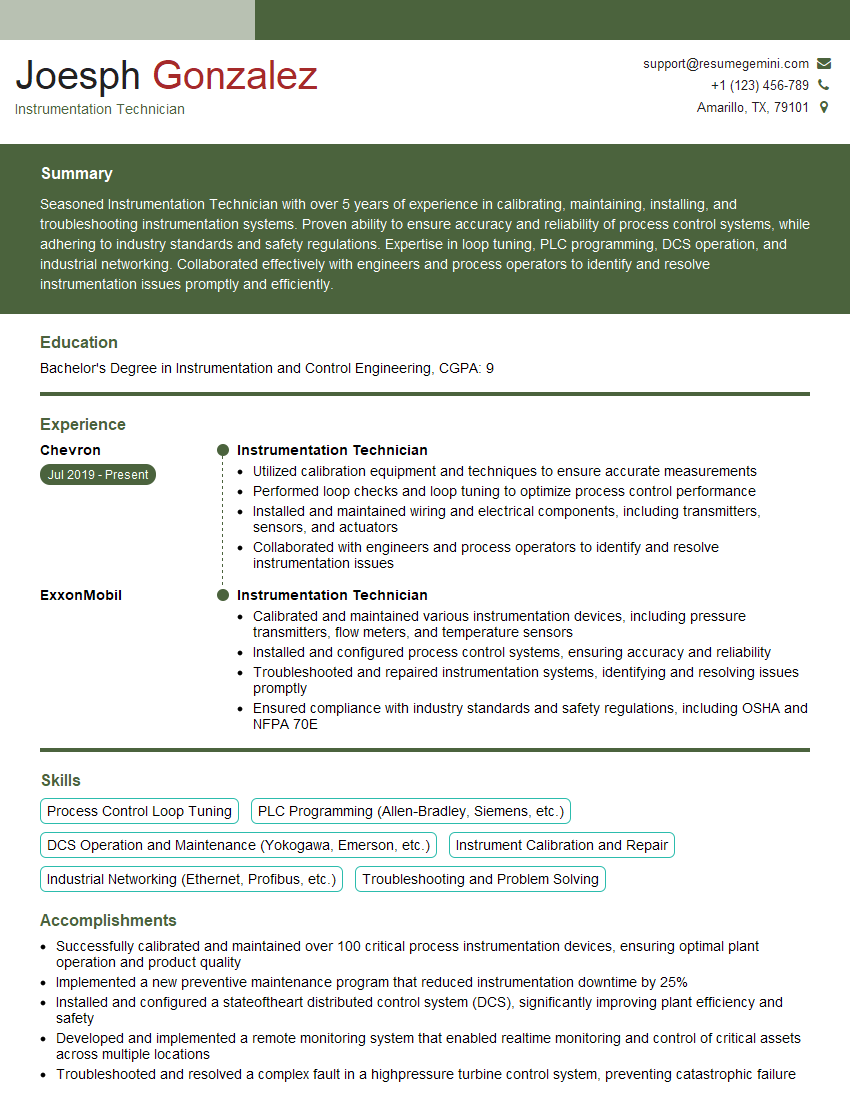
Mastering steam trap installation opens doors to rewarding careers in industrial maintenance, process engineering, and energy management. A strong understanding of these principles demonstrates valuable technical skills and problem-solving abilities highly sought after by employers. To significantly boost your job prospects, crafting an ATS-friendly resume is crucial. ResumeGemini is a trusted resource to help you build a professional and effective resume that highlights your skills and experience. Examples of resumes tailored to Steam Trap Installation are available to help you create a winning application.


Explore more articles
Users Rating of Our Blogs
Share Your Experience
We value your feedback! Please rate our content and share your thoughts (optional).
What Readers Say About Our Blog
To the interviewgemini.com Webmaster.
Very helpful and content specific questions to help prepare me for my interview!
Thank you
To the interviewgemini.com Webmaster.
This was kind of a unique content I found around the specialized skills. Very helpful questions and good detailed answers.
Very Helpful blog, thank you Interviewgemini team.