The thought of an interview can be nerve-wracking, but the right preparation can make all the difference. Explore this comprehensive guide to Strong critical thinking and problem-solving abilities interview questions and gain the confidence you need to showcase your abilities and secure the role.
Questions Asked in Strong critical thinking and problem-solving abilities Interview
Q 1. Describe a time you had to analyze a complex problem with limited information. What was your approach?
Analyzing complex problems with limited information requires a structured approach prioritizing information gathering and hypothesis testing. It’s like being a detective with only a few clues – you need to be methodical and resourceful.
In a previous project, we were tasked with optimizing a website’s performance, but our initial data was incomplete. We lacked detailed server logs and user behavior analytics. My approach involved:
- Prioritizing data sources: We focused on the available data – website analytics showing slow page load times and user feedback forms highlighting specific issues.
- Formulating hypotheses: Based on the limited data, we developed hypotheses about the root cause: slow database queries, inefficient code, or overloaded servers.
- Testing hypotheses: We used available tools to test each hypothesis. For example, we checked database query times and analyzed website code for performance bottlenecks. This iterative process allowed us to refine our understanding with each step, despite limited information.
- Seeking additional data: We identified the need for more complete server logs and requested access from the IT team, allowing for further investigation.
This iterative process, combining hypothesis generation with data gathering, helped us identify the primary performance bottleneck – a poorly optimized database query – even with initially limited information.
Q 2. Explain your process for identifying the root cause of a problem.
Identifying the root cause of a problem requires a systematic approach. Think of it as peeling back layers of an onion – you need to get to the core issue, not just treat the symptoms.
My process typically involves:
- Define the problem clearly: Before starting, I ensure a clear understanding of the problem by documenting the specific symptoms and impact. What exactly is going wrong, and what are the consequences?
- Gather information: This involves collecting data from various sources. This could include logs, user feedback, system metrics, and interviews with stakeholders.
- Analyze the data: I look for patterns and correlations in the collected data to identify potential causes. This stage may involve data visualization and statistical analysis.
- Develop hypotheses: Based on the analysis, I formulate several potential root causes. I consider multiple possibilities to avoid premature closure.
- Test hypotheses: Each hypothesis is rigorously tested using experiments, simulations, or further data gathering. This might involve A/B testing, code debugging, or reviewing historical data.
- Verify the root cause: Once a potential root cause is identified, I double-check it to ensure it is the true underlying issue and not just a symptom.
For instance, if a software application is crashing frequently, I wouldn’t just stop at identifying the error message. I would dive into the system logs, examine the code, and analyze memory usage to pinpoint the exact cause, whether it’s a memory leak, a faulty algorithm, or a database connection issue.
Q 3. How do you prioritize multiple competing priorities when problem-solving?
Prioritizing competing priorities in problem-solving requires a structured approach to ensure efficient resource allocation. Imagine you’re a project manager with multiple tasks; you can’t work on everything simultaneously.
I use a framework combining urgency and importance:
- Urgent and Important: These are immediate crises requiring immediate attention.
- Important but Not Urgent: These are long-term goals and strategic initiatives which, while not immediately pressing, need planning and execution to prevent becoming urgent later.
- Urgent but Not Important: These are often distractions that demand attention but don’t contribute significantly to long-term objectives. Delegation or elimination is often best.
- Neither Urgent Nor Important: These are time-wasting activities that should be eliminated.
This matrix helps me focus on high-impact tasks while proactively preventing issues from becoming critical. Additionally, I use tools like task management software to visualize and track progress, allowing for flexible adjustments based on emerging priorities.
Q 4. Describe a situation where you had to make a decision with incomplete data. How did you approach it?
Making decisions with incomplete data is a common challenge. It’s like navigating a foggy road; you have limited visibility, but you still need to reach your destination.
My approach emphasizes:
- Acknowledge the uncertainty: I openly acknowledge that the data is incomplete and understand the limitations of my decision.
- Assess the risks: I evaluate the potential consequences of different decisions, considering both the upside and downside of each choice.
- Define acceptable risk: I determine a threshold of risk that is acceptable given the context of the decision.
- Seek additional information: I actively seek additional data points even while making a provisional decision. This could involve conducting further research, running simulations, or seeking expert advice.
- Build in flexibility: I make decisions that are adaptable to new information and allow for course correction.
- Monitor and evaluate: After making the decision, I carefully monitor its impact and make adjustments as needed.
For example, when launching a new product with incomplete market research, I might start with a smaller-scale launch to gather real-world data before scaling up fully.
Q 5. How do you approach a problem you’ve never encountered before?
Encountering a novel problem requires a flexible and adaptable approach. It’s like encountering unexplored territory – you need to be resourceful and creative.
My strategy includes:
- Break down the problem: Deconstruct the large problem into smaller, more manageable components. This helps to make the problem less daunting and easier to tackle.
- Research and learn: Investigate the problem thoroughly by consulting various resources like books, articles, online forums, and experts in the field.
- Seek analogies: Look for similar problems that have been solved in other domains and adapt their solutions to the current context.
- Experiment and iterate: Try different approaches and iterate based on the results. This is a crucial step in problem-solving, as it allows for continuous improvement.
- Seek collaboration: Collaborate with colleagues or experts to leverage diverse perspectives and expertise. A fresh perspective can often unlock solutions you may have missed.
For instance, if a new software bug appears without any clear cause, I might consult online forums, debugging tools and engage with other developers to find clues from similar scenarios.
Q 6. Describe your preferred method for evaluating the effectiveness of a solution.
Evaluating the effectiveness of a solution requires a systematic approach that goes beyond simply checking if the immediate problem is solved. Think of it like checking a car’s performance – you need to evaluate multiple aspects.
My preferred method involves:
- Define success metrics: Before implementing a solution, clearly define quantifiable metrics that will measure its success. These metrics should align with the original problem statement.
- Collect data: Gather data on the defined metrics both before and after implementing the solution. This allows for a direct comparison to assess the solution’s impact.
- Analyze results: Compare the data collected before and after the solution’s implementation to determine the extent of improvement achieved.
- Assess unintended consequences: Evaluate whether the solution caused any unforeseen negative impacts. Sometimes, a solution might fix one problem while creating others.
- Iterate and improve: Based on the evaluation, iterate on the solution to optimize its effectiveness. This might involve refining the solution, or even identifying the need for a completely different approach.
For example, after implementing a new customer support system, I wouldn’t just look at the reduction in average response times. I would also measure customer satisfaction scores, employee feedback, and the overall impact on operational efficiency to ensure a holistic assessment of success.
Q 7. How do you handle conflicting viewpoints when working on a team problem?
Handling conflicting viewpoints within a team is critical for effective problem-solving. It’s like orchestrating a diverse ensemble – each instrument is important, and you need to bring them together harmoniously.
My approach focuses on:
- Active listening: Encourage open communication and actively listen to all perspectives, seeking to understand the reasoning behind each viewpoint.
- Identify common goals: Remind the team of the shared objective and focus on finding solutions that align with overall goals.
- Facilitate respectful discussion: Create a safe space for open and respectful dialogue, where team members feel comfortable expressing their ideas without fear of judgment.
- Seek common ground: Look for areas of agreement and build on them to find compromise. Often, conflicting perspectives offer valuable insights that, when combined, lead to better solutions.
- Data-driven decision making: Whenever possible, use data to support decisions and resolve disagreements objectively. This approach shifts the focus from personal opinions to facts.
- Mediation, if needed: If discussions become unproductive, I will act as a mediator, guiding the team toward a constructive resolution.
In practice, I’ve found that valuing each team member’s contribution and fostering a culture of collaboration often leads to more creative and effective solutions. The team’s collective wisdom usually surpasses individual perspectives.
Q 8. Give an example of a time you identified a flaw in an existing system or process.
Identifying flaws in systems requires a keen eye for detail and a systematic approach. I often use a combination of process mapping, stakeholder interviews, and data analysis. For example, in my previous role at a logistics company, I noticed a significant delay in order fulfillment. By mapping the entire order process, I discovered a bottleneck in the warehouse inventory management system. The system lacked real-time inventory updates, leading to inaccurate picking lists and significant delays in shipping. This flaw was highlighted by comparing the system’s reported inventory levels with the actual physical count, revealing a discrepancy of roughly 15%. This discrepancy was causing significant delays and impacting customer satisfaction. This led to recommending and implementing an upgrade to the inventory management software, incorporating real-time data feeds and barcode scanning. This resolved the issue and improved order fulfillment times by 20%.
Q 9. How do you ensure your solutions are practical and feasible?
Ensuring solutions are practical and feasible requires a multi-faceted approach. It’s not enough to simply find a solution; it must be realistic within the constraints of resources, time, and organizational capabilities. I always begin by clearly defining the problem and establishing measurable goals. Then, I conduct a thorough feasibility analysis, considering factors such as cost, technical limitations, and the potential impact on existing systems and processes. This often involves brainstorming multiple solutions and evaluating them against these criteria. For example, proposing a fully automated system for a small business with limited budget wouldn’t be feasible. Instead, a phased approach involving incremental improvements might be more practical and sustainable. I would also engage stakeholders throughout the process to ensure buy-in and address any concerns before implementation, creating a collaborative and effective process.
Q 10. Explain a time you had to make a difficult decision under pressure.
Difficult decisions under pressure require a calm, analytical approach. During a project launch, we discovered a critical bug in our software just days before the public release. The pressure was immense, as delaying the launch would have significant financial and reputational consequences. However, releasing the software with the bug would be even worse. I convened an emergency meeting with the development and QA teams. We weighed the risks and benefits of various options, including a delayed launch, a partial release with a known bug and a rapid hotfix development process. We opted for a rapid hotfix, prioritizing the most critical bug fixes and then releasing a full patch shortly after. This required prioritizing the essential tasks and effectively delegating responsibilities among the team. The decision, while stressful, allowed for a timely resolution that minimized damage and demonstrated effective crisis management.
Q 11. How do you stay organized and manage your time effectively during complex projects?
Managing time and organization during complex projects requires a structured approach. I utilize project management methodologies such as Agile, breaking down large projects into smaller, manageable tasks. I leverage tools like task management software (e.g., Trello, Asana) to track progress, set deadlines, and assign responsibilities. Regular check-ins and status meetings with team members ensure everyone is on the same page and any roadblocks are identified and addressed promptly. Prioritization is key. I use techniques like the Eisenhower Matrix (urgent/important) to focus on the most critical tasks first. Furthermore, I dedicate specific time blocks for focused work, minimizing distractions and ensuring efficient progress. This helps avoid feeling overwhelmed and maintains momentum through the project lifecycle.
Q 12. Describe a time you had to adapt your approach to a problem due to unforeseen circumstances.
Adaptability is crucial in problem-solving. During a data migration project, we encountered an unexpected data format inconsistency. Our initial plan relied on a specific data structure that turned out to be incorrect in a significant portion of the data. Instead of rigidly adhering to the original plan, we quickly assessed the situation, understanding the scope of the problem. We adapted our approach by developing a custom data cleaning script to handle the inconsistency. This involved learning a new programming language (Python) to develop this script quickly and effectively. We prioritized fixing this issue because it impacted the entire process. The result was a slightly delayed completion but a successful and accurate migration. This demonstrated the importance of flexibility and resourcefulness when faced with the unexpected.
Q 13. How do you handle setbacks or unexpected roadblocks in the problem-solving process?
Setbacks and roadblocks are inevitable. My approach focuses on a structured response. First, I acknowledge the setback and analyze its root cause. Then, I brainstorm potential solutions with the team, engaging in open discussion and exploring different perspectives. This often involves revisiting initial assumptions and refining the strategy. Documentation is crucial; it helps identify patterns and prevent repeating the same mistakes. It’s important to maintain a positive attitude and learn from the experience. For example, a failed A/B testing campaign gave us valuable insight into customer preferences, leading to a more effective marketing strategy in subsequent campaigns. This reframing transforms setbacks into opportunities for growth and improvement.
Q 14. Explain a time you used data analysis to solve a problem.
Data analysis is a powerful tool for problem-solving. In a previous role, we were experiencing a high customer churn rate. To address this, we analyzed customer data, including demographics, purchase history, and customer service interactions. We used SQL queries to extract relevant data and statistical software to identify patterns and correlations. SELECT COUNT(*) FROM Customers WHERE churn_flag = 1; This query helped us count the number of churned customers. Our analysis revealed that customers who experienced long wait times in customer service were significantly more likely to churn. This insight led to implementing changes in our customer service processes, resulting in a significant reduction in customer wait times and a subsequent decrease in churn rate. The data driven approach was pivotal in identifying the root cause and implementing a targeted solution.
Q 15. How do you identify and mitigate potential risks associated with a solution?
Identifying and mitigating potential risks is a crucial part of effective problem-solving. It involves a proactive approach to anticipate challenges and develop strategies to minimize their impact. My process typically involves these steps:
- Risk Identification: I begin by brainstorming potential problems. This might involve using techniques like SWOT analysis (Strengths, Weaknesses, Opportunities, Threats), brainstorming sessions, or checklists based on past experiences. For example, if implementing a new software system, I’d consider risks such as data migration issues, integration problems with existing systems, user training needs, and security vulnerabilities.
- Risk Analysis: Once identified, I assess each risk’s likelihood and potential impact. This often involves a qualitative or quantitative analysis. A simple matrix might rate likelihood (low, medium, high) and impact (low, medium, high) to prioritize risks. For instance, a high likelihood and high impact risk (like a system failure causing significant downtime) needs immediate attention.
- Risk Mitigation: Based on the analysis, I develop mitigation strategies. This could include developing contingency plans (e.g., a backup system in case of failure), implementing preventative measures (e.g., rigorous security protocols), allocating resources (e.g., additional staff for training), or accepting the risk if the likelihood or impact is low.
- Monitoring and Review: Risks are dynamic. Regular monitoring is necessary to track the effectiveness of mitigation strategies and adjust the plan as needed. This often involves setting key performance indicators (KPIs) to measure progress and identify emerging risks.
This structured approach ensures that potential problems are addressed proactively, leading to more robust and reliable solutions.
Career Expert Tips:
- Ace those interviews! Prepare effectively by reviewing the Top 50 Most Common Interview Questions on ResumeGemini.
- Navigate your job search with confidence! Explore a wide range of Career Tips on ResumeGemini. Learn about common challenges and recommendations to overcome them.
- Craft the perfect resume! Master the Art of Resume Writing with ResumeGemini’s guide. Showcase your unique qualifications and achievements effectively.
- Don’t miss out on holiday savings! Build your dream resume with ResumeGemini’s ATS optimized templates.
Q 16. Describe a time you had to communicate a complex technical problem to a non-technical audience.
I once had to explain the complexities of a database migration to a group of non-technical stakeholders. The core issue was a potential data loss during the migration process. Instead of using technical jargon, I used an analogy. I explained the database like a meticulously organized library. The migration was like moving all the books to a new, more efficient building. The risk was that some books might get lost or misplaced during the move. I then outlined the steps we were taking to minimize this risk – creating a detailed inventory, employing experienced movers (database administrators), and using automated processes for checking the new library (database) for completeness. This analogy helped everyone understand the situation and the potential risks involved. I also provided a simplified visual aid, a flowchart showing the migration process and our safeguards, further enhancing understanding.
Q 17. How do you use logic and reasoning to approach problems?
Logic and reasoning form the foundation of my problem-solving approach. I typically employ deductive and inductive reasoning. Deductive reasoning starts with a general principle and applies it to a specific case to reach a conclusion. For example, if I know that all squares have four sides (general principle), and I see a shape with four sides (specific case), I can deduce that it might be a square. Inductive reasoning, on the other hand, starts with specific observations and works towards a general conclusion. If I observe that every swan I’ve seen is white, I might induce that all swans are white (though this is a famous example of a flawed inductive argument).
When approaching a problem, I systematically break it down into smaller, manageable parts. I identify the core issue, gather relevant information, and carefully consider different perspectives before reaching a conclusion. I also employ critical thinking to evaluate the validity of assumptions and the strength of evidence supporting my reasoning. This multi-faceted approach ensures that my solutions are well-founded and logically sound.
Q 18. Explain your process for brainstorming potential solutions to a problem.
My brainstorming process focuses on generating a diverse range of ideas before evaluating their feasibility. I often use a combination of techniques:
- Individual Brainstorming: I start with a period of individual reflection, jotting down all potential solutions, no matter how unconventional.
- Group Brainstorming: If collaborating, I facilitate a group brainstorming session, encouraging free-flowing ideas without judgment. Techniques like mind mapping can be useful.
- SCAMPER: This checklist prompts creative thinking by considering ways to Substitute, Combine, Adapt, Modify, Put to other uses, Eliminate, and Reverse existing ideas.
- Lateral Thinking: I consciously challenge assumptions and explore unconventional approaches to break free from conventional thinking.
The goal is to generate a wide array of possibilities before filtering them based on feasibility and effectiveness.
Q 19. How do you evaluate the potential impact of different solutions?
Evaluating the potential impact of different solutions involves considering both short-term and long-term effects. I utilize several methods:
- Cost-Benefit Analysis: This involves weighing the costs (financial, time, resources) against the benefits (improved efficiency, increased revenue, reduced risk) of each solution.
- Stakeholder Analysis: Identifying all stakeholders affected by the solution and assessing their perspectives. This helps anticipate potential conflicts or support.
- Scenario Planning: Considering various scenarios, both positive and negative, to foresee potential outcomes and their impact.
- Risk Assessment (as discussed earlier): Analyzing potential risks associated with each solution and their potential impact.
A holistic approach that considers various factors leads to a well-informed decision.
Q 20. Describe your approach to assessing the feasibility of a solution.
Assessing the feasibility of a solution involves determining if it is practically achievable given the available resources and constraints. My approach includes:
- Resource Availability: Evaluating the availability of necessary resources, including budget, personnel, technology, and time.
- Technical Feasibility: Determining if the solution is technically sound and can be implemented using existing or readily available technology.
- Operational Feasibility: Assessing whether the solution can be integrated into existing processes and workflows without causing significant disruption.
- Legal and Regulatory Compliance: Ensuring the solution adheres to relevant laws and regulations.
- Risk Assessment: Considering the potential risks and their impact on feasibility.
A thorough feasibility assessment ensures that the chosen solution is not only effective but also realistically achievable.
Q 21. How do you measure the success of your problem-solving efforts?
Measuring the success of my problem-solving efforts depends on the specific problem and its objectives. Key performance indicators (KPIs) are crucial. For example:
- Quantitative Metrics: These might include reduced costs, increased efficiency (measured in time saved or tasks completed), improved customer satisfaction scores, or increased revenue.
- Qualitative Metrics: These assess the impact on stakeholder satisfaction, employee morale, or process improvement. Feedback from stakeholders is vital.
- Comparative Analysis: Comparing results before and after implementation to quantify the impact of the solution.
Success isn’t solely defined by immediate results. It also includes lessons learned for future problem-solving, and ensuring the solution’s long-term sustainability and effectiveness.
Q 22. Give an example of a time you had to use creative problem-solving techniques.
Creative problem-solving often involves thinking outside the box to find innovative solutions. One time, our team was tasked with significantly reducing customer service call wait times, a seemingly impossible task given our limited resources. Instead of focusing solely on increasing staffing, which was unrealistic, we employed a ‘design thinking’ approach.
Empathize: We spent time analyzing customer call recordings to understand the root causes of long wait times. We discovered many calls were for simple questions easily answered through updated FAQs.
Define: We clearly defined the problem as a lack of readily accessible information, not necessarily a staffing shortage.
Ideate: We brainstormed solutions, including developing an interactive chatbot, improving the website’s FAQ section with visual aids, and creating short, easily digestible video tutorials.
Prototype: We quickly built a prototype chatbot and a redesigned FAQ section for testing.
Test: We tested these prototypes with a small group of users, gathering feedback and iterating on the designs.
This creative solution, focusing on information accessibility rather than solely on staffing, resulted in a 30% reduction in call wait times within three months, exceeding expectations.
Q 23. How do you handle disagreements with colleagues about the best approach to a problem?
Disagreements are inevitable in collaborative problem-solving. My approach focuses on respectful communication and collaborative decision-making. I believe finding the best solution requires considering all perspectives. I typically handle disagreements by:
Active Listening: I ensure everyone feels heard by actively listening to each colleague’s viewpoint, asking clarifying questions, and summarizing their arguments to confirm understanding.
Respectful Dialogue: I foster a respectful environment where differing opinions are valued. I avoid interrupting or dismissing anyone’s ideas, even if I disagree initially.
Data-Driven Approach: When possible, I use data and evidence to support my arguments and evaluate different approaches. This provides an objective basis for decision-making.
Compromise and Collaboration: I aim for a collaborative solution that integrates the best aspects of different approaches. Sometimes this involves compromising on certain elements to achieve a consensus.
Seeking Mediation (if necessary): If a stalemate persists, I’m open to seeking mediation from a neutral party to facilitate a constructive discussion and resolution.
The goal is not to ‘win’ the argument, but to find the optimal solution for the team and the organization.
Q 24. Explain how you balance speed and accuracy in your problem-solving approach.
Balancing speed and accuracy is crucial in problem-solving. Rushing can lead to errors, while excessive deliberation can cause missed deadlines. My approach involves:
Prioritization: I prioritize tasks based on urgency and importance. Critical tasks requiring accuracy receive more time and attention.
Timeboxing: I allocate specific time blocks to different problem-solving stages. This helps manage time effectively without sacrificing thoroughness.
Iterative Approach: For complex problems, I use an iterative approach. I start with a quick, high-level solution, then refine it through multiple cycles of testing and improvement.
Checklists and Reviews: I use checklists to ensure all critical steps are followed and conduct thorough reviews of my work before finalizing solutions. This helps catch errors early.
Automation (where applicable): I leverage automation tools to streamline repetitive tasks, freeing up time for more complex problem-solving.
Essentially, it’s about finding the right balance—sufficient speed to meet deadlines while maintaining enough rigor to ensure accuracy.
Q 25. Describe a time you had to justify your decision-making process to stakeholders.
Justifying decisions to stakeholders requires clear communication and a well-documented rationale. Once, I had to justify a significant shift in our marketing strategy to senior management. The new strategy involved a greater investment in digital marketing at the expense of traditional print advertising.
Data-Driven Justification: I presented detailed market research showing a declining ROI for print ads and a significant growth opportunity in digital channels, supported by industry benchmarks and internal performance data.
Risk Assessment: I acknowledged the risks associated with the shift, but also outlined mitigation strategies and contingency plans.
Transparent Communication: I explained the rationale behind each decision, answering all questions openly and honestly.
Visual Aids: I used charts, graphs, and presentations to illustrate my points effectively.
KPIs and Metrics: I established clear Key Performance Indicators (KPIs) to track the success of the new strategy and regularly reported progress to stakeholders.
By presenting a comprehensive, data-driven case and addressing stakeholders’ concerns transparently, I secured their buy-in for the new strategy, which ultimately proved successful.
Q 26. How do you learn from your mistakes in the problem-solving process?
Learning from mistakes is essential for continuous improvement. My approach is based on a structured process of reflection and analysis:
Identify the Mistake: I objectively analyze the situation, identifying the specific actions or decisions that led to the error. I avoid blame and focus on understanding the root causes.
Analyze the Root Causes: I investigate the underlying reasons for the mistake, considering factors like lack of information, inadequate resources, or process flaws.
Develop Corrective Actions: I develop specific strategies to prevent similar errors from occurring in the future. This could involve changes to processes, improved training, or acquiring new skills.
Document Lessons Learned: I meticulously document the mistake, its causes, and the corrective actions implemented. This creates a valuable knowledge base for the team.
Seek Feedback: I seek feedback from colleagues and supervisors to gain different perspectives and enhance my understanding of the situation.
This systematic approach transforms mistakes from setbacks into opportunities for growth and improvement.
Q 27. How do you ensure your solutions are ethical and align with organizational values?
Ethical considerations and alignment with organizational values are paramount in problem-solving. My approach ensures this alignment by:
Understanding Organizational Values: I thoroughly understand the organization’s code of conduct, ethical guidelines, and core values. This forms the ethical framework for my decision-making.
Ethical Frameworks: I apply ethical frameworks such as utilitarianism (greatest good for the greatest number), deontology (adherence to moral rules), and virtue ethics (acting according to virtues like honesty and fairness) to assess the ethical implications of my solutions.
Stakeholder Analysis: I consider the impact of my solutions on all relevant stakeholders, ensuring fairness and equity.
Transparency and Accountability: I maintain transparency in my decision-making process and am accountable for the ethical implications of my actions.
Seeking Ethical Guidance: If I encounter ethical dilemmas, I seek guidance from ethics officers or other trusted advisors within the organization.
Ethical decision-making is not an afterthought; it’s an integral part of the problem-solving process.
Q 28. How do you utilize technology and tools to enhance your problem-solving capabilities?
Technology and tools significantly enhance problem-solving capabilities. I utilize various tools to improve efficiency and accuracy:
Data Analysis Software: Tools like Excel, SQL, and specialized analytics platforms are crucial for analyzing data, identifying trends, and supporting decisions with evidence.
Project Management Software: Platforms like Jira or Asana help organize tasks, track progress, and facilitate collaboration among team members.
Collaboration Tools: Slack, Microsoft Teams, or Google Workspace allow for seamless communication and real-time collaboration with colleagues.
Automation Tools: RPA (Robotic Process Automation) tools and scripting languages (Python, etc.) automate repetitive tasks, freeing up time for more strategic problem-solving.
Simulation and Modeling Software: For complex problems, simulation software allows me to test different scenarios and predict outcomes before implementing solutions.
Selecting the right technology depends on the specific problem, but technology empowers problem-solvers to be more efficient and effective.
Key Topics to Learn for Strong Critical Thinking and Problem-Solving Abilities Interview
- Identifying and Defining Problems: Learn to dissect complex situations, pinpoint the core issue, and articulate it clearly. This includes gathering relevant information and identifying biases.
- Analytical Reasoning and Logic: Practice deductive and inductive reasoning. Understand how to use data analysis, statistical thinking, and logical frameworks to evaluate different solutions.
- Creative Problem-Solving Techniques: Explore brainstorming, lateral thinking, and design thinking methodologies to generate innovative and effective solutions. Consider applying frameworks like SWOT analysis.
- Evaluating Solutions and Decision Making: Master the art of weighing pros and cons, assessing risks, and making informed decisions based on available data and logical reasoning. This includes understanding the implications of various choices.
- Communication and Collaboration: Practice articulating your thought process clearly and concisely, both verbally and in writing. Understand how to effectively collaborate with others to solve problems.
- Practical Application: Prepare examples from your past experiences where you demonstrated strong critical thinking and problem-solving skills. Focus on the steps you took, the challenges you overcame, and the results you achieved.
Next Steps
Mastering strong critical thinking and problem-solving abilities is crucial for career advancement. Employers highly value individuals who can navigate complex challenges and contribute innovative solutions. To significantly improve your job prospects, focus on building an ATS-friendly resume that effectively highlights these skills. ResumeGemini is a trusted resource that can help you create a professional and impactful resume. We provide examples of resumes tailored to showcasing strong critical thinking and problem-solving abilities, ensuring your application stands out.
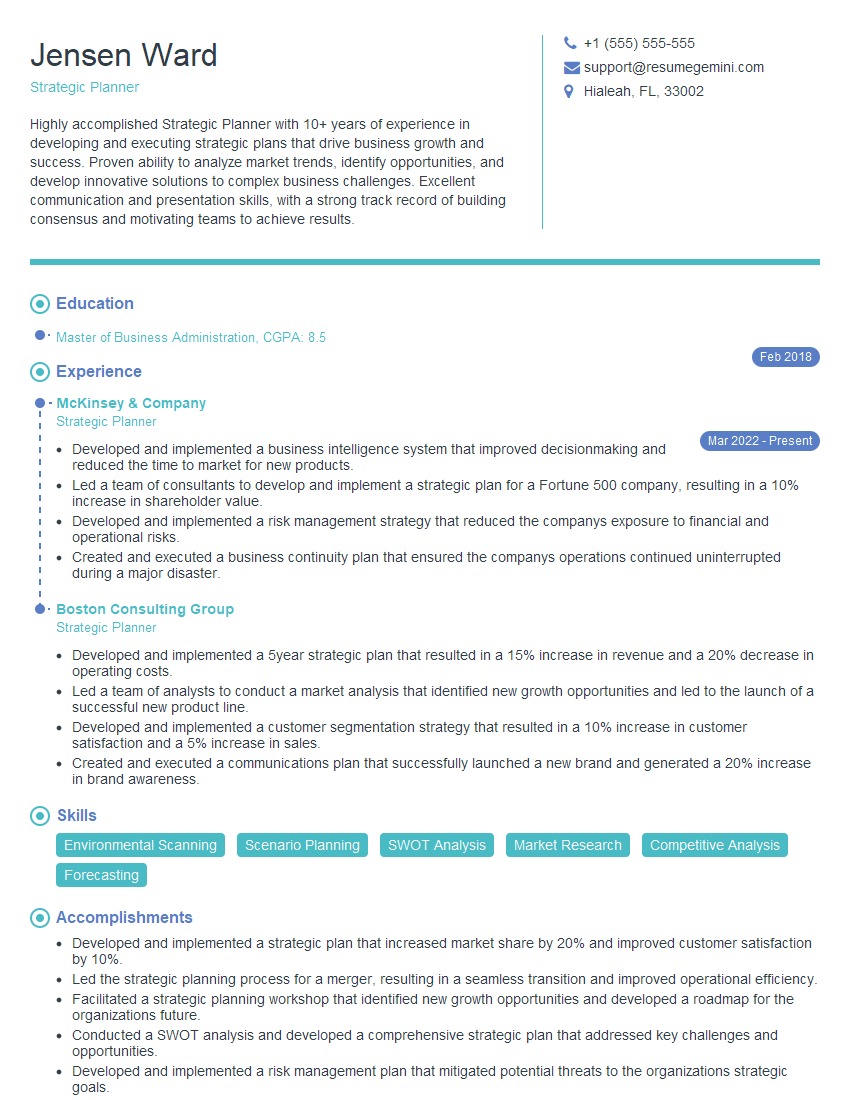
Strategic Planner Resume Sample

Operations Manager Resume Sample
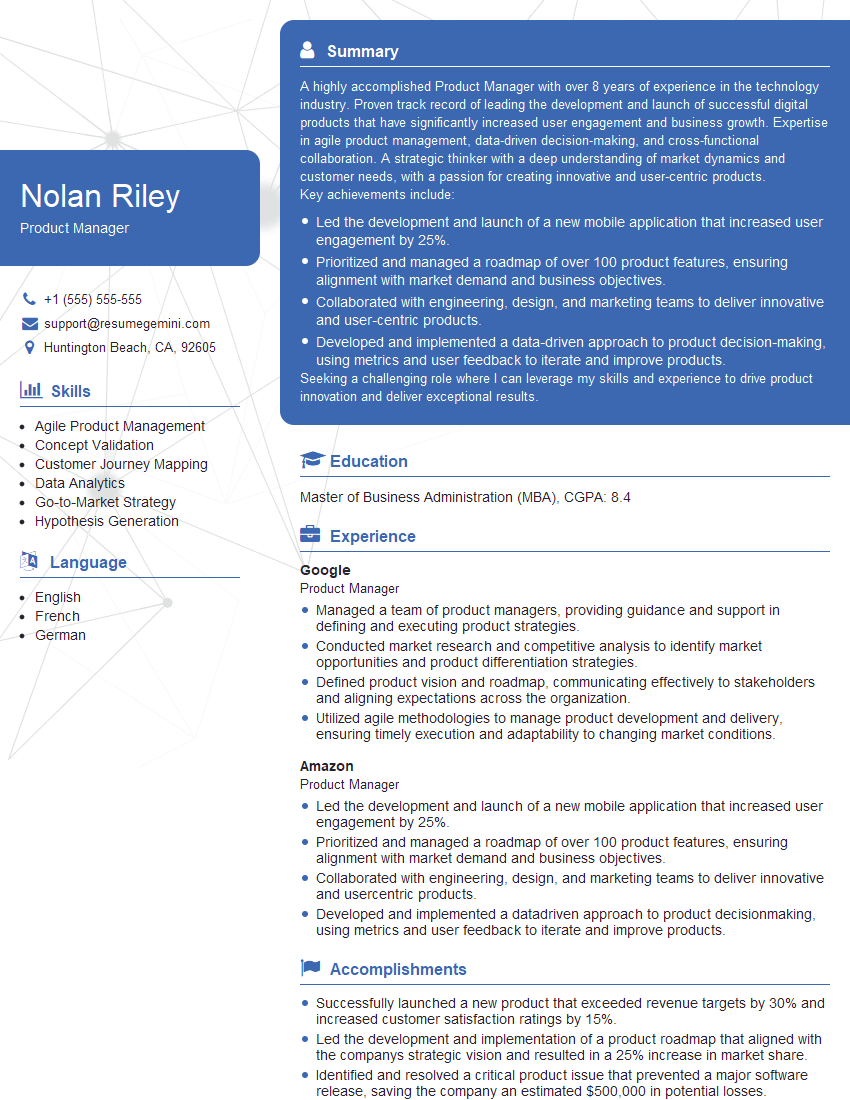
Product Manager Resume Sample
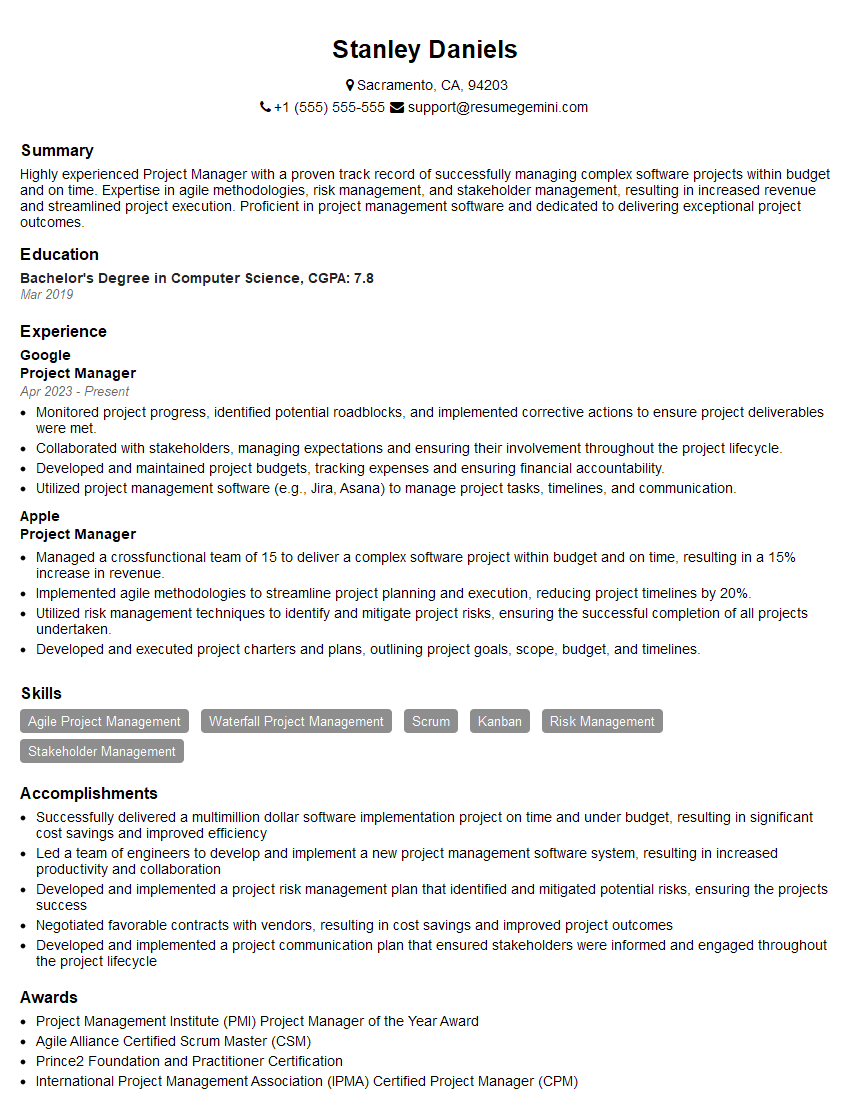
Project Manager Resume Sample

Professor Resume Sample
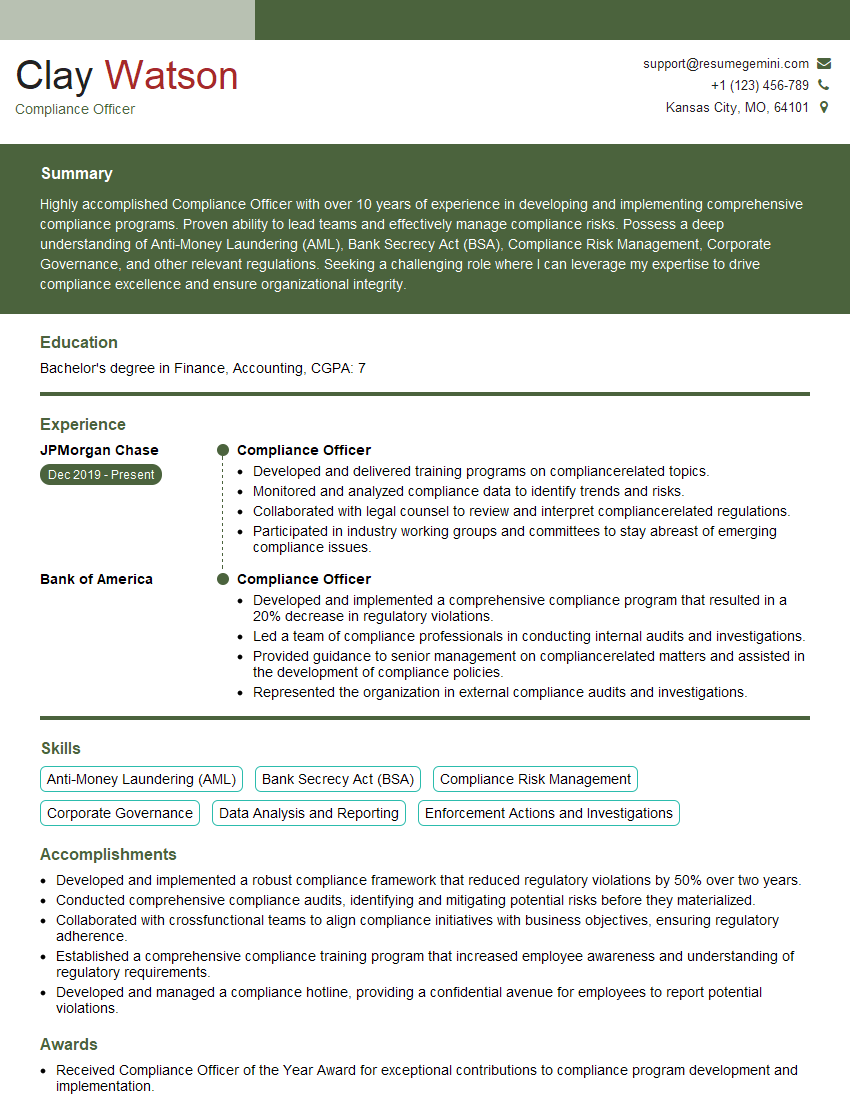
Compliance Officer Resume Sample
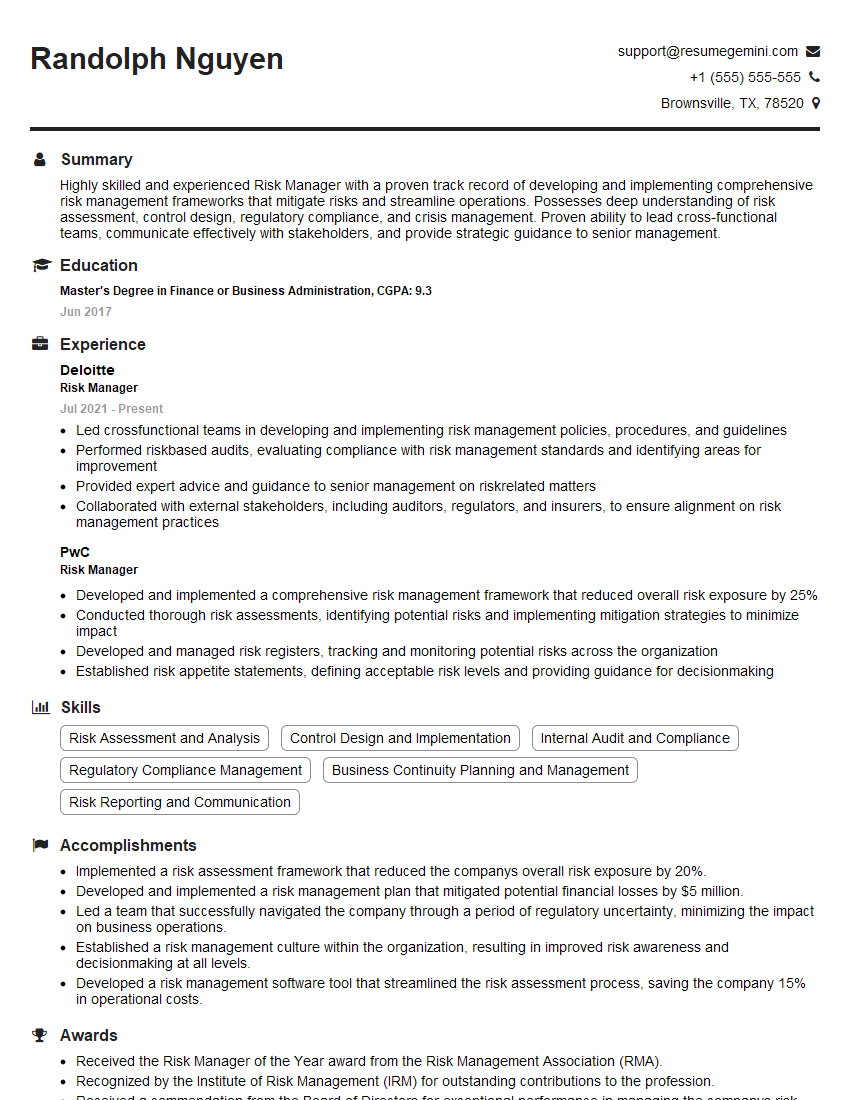
Risk Manager Resume Sample
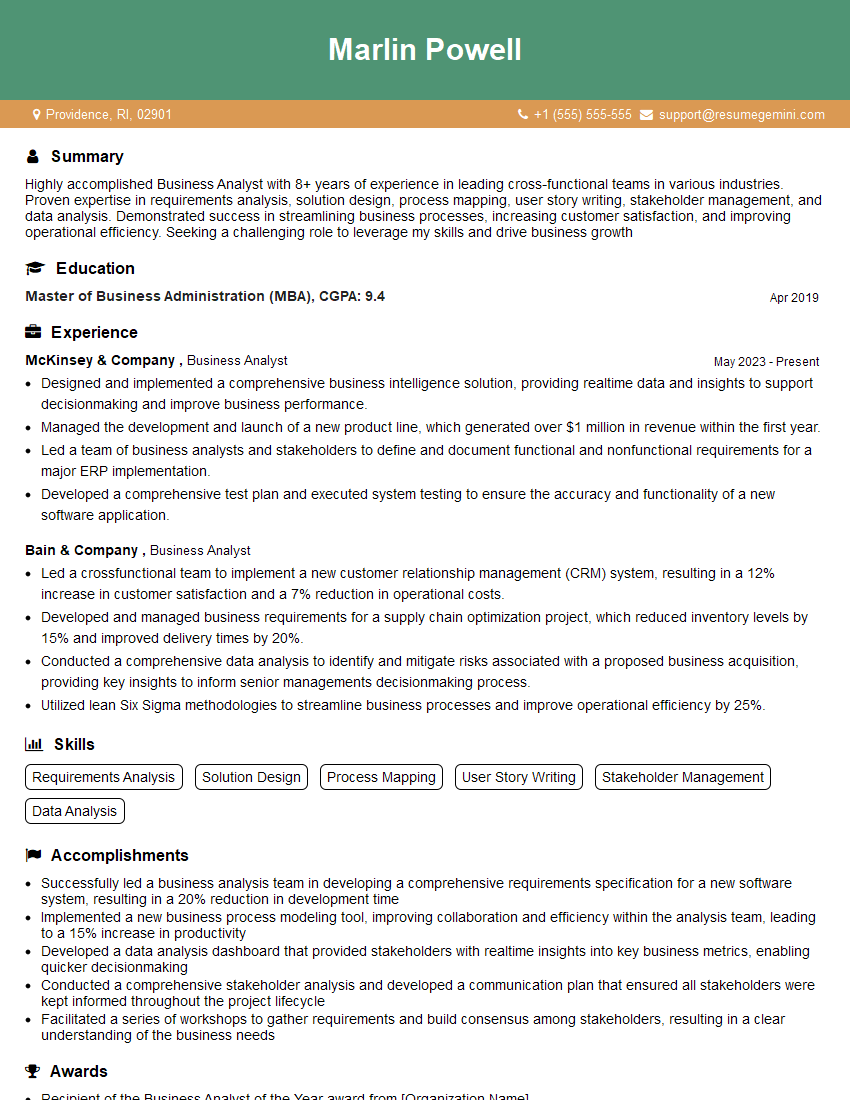
Business Analyst Resume Sample
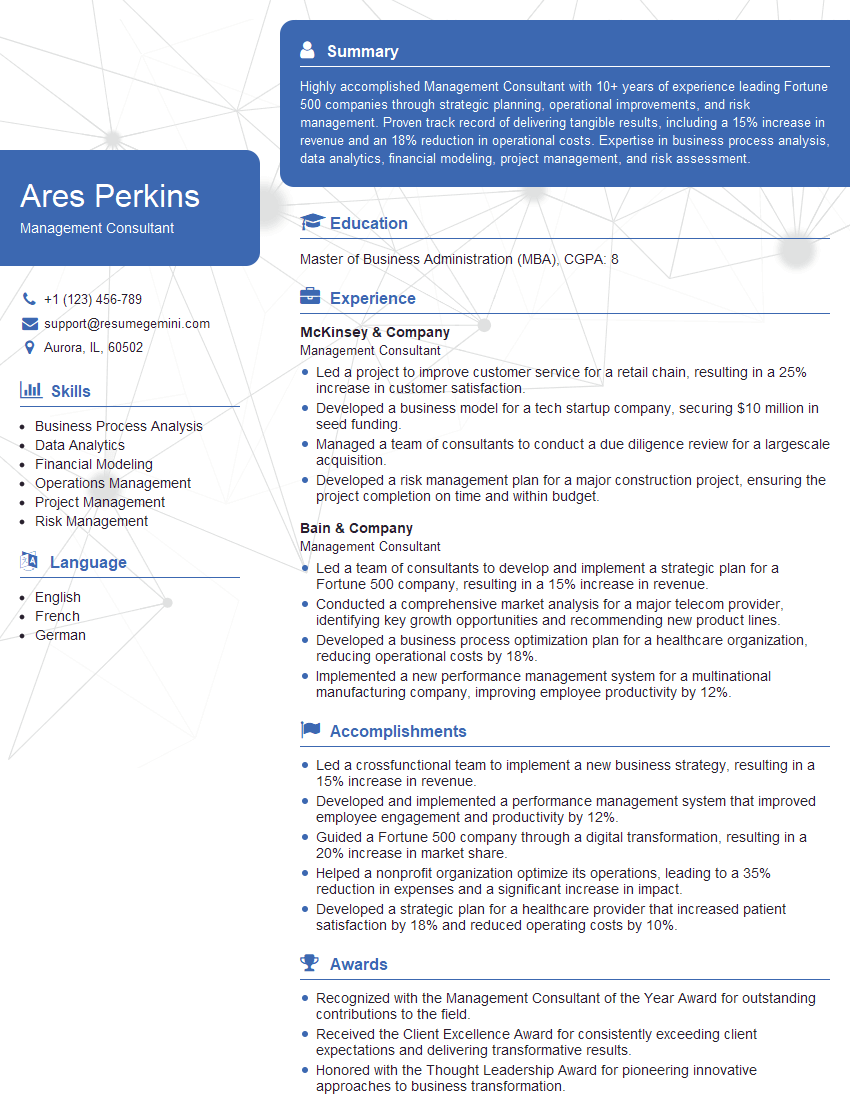
Management Consultant Resume Sample
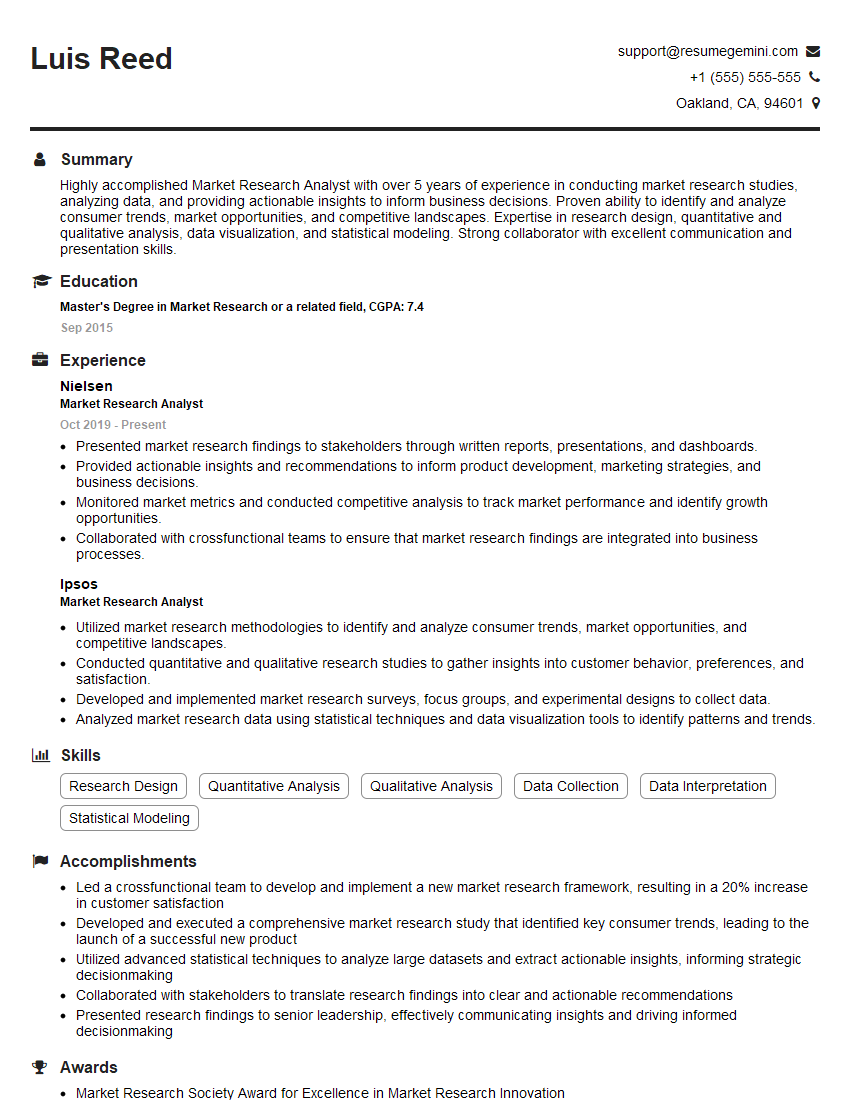
Market Research Analyst Resume Sample
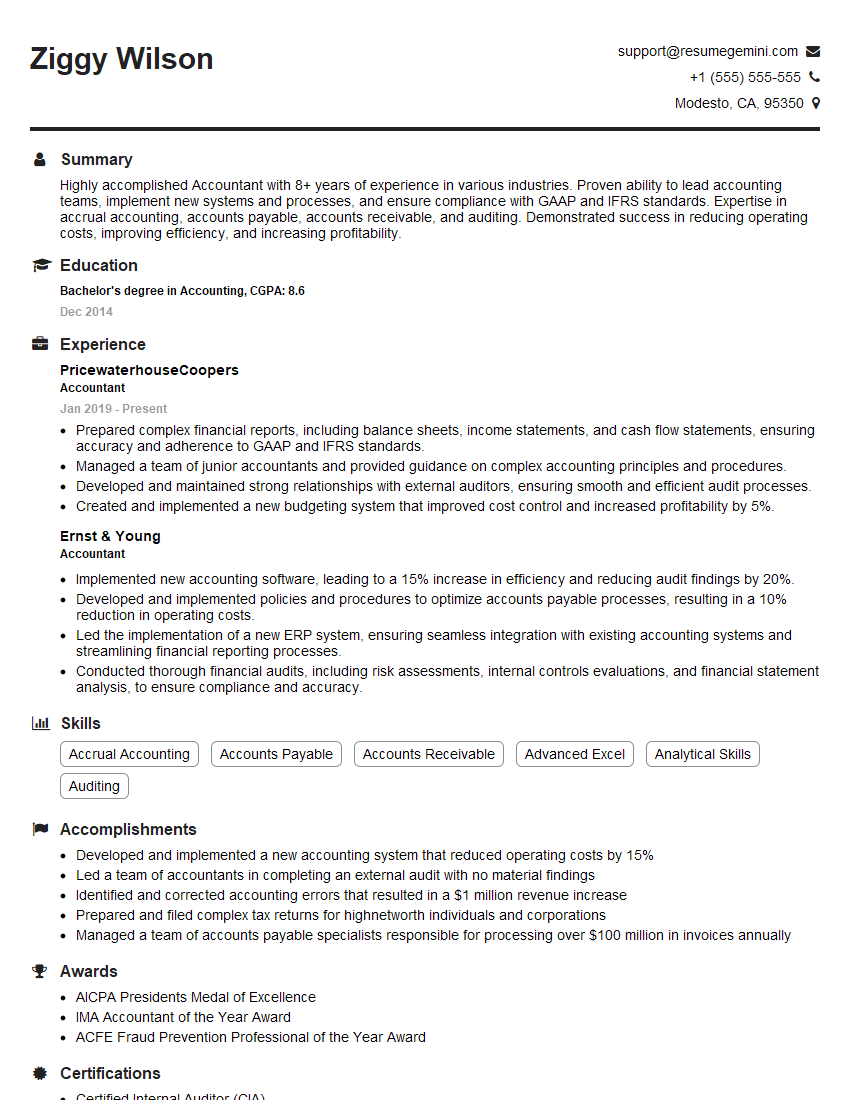
Accountant Resume Sample
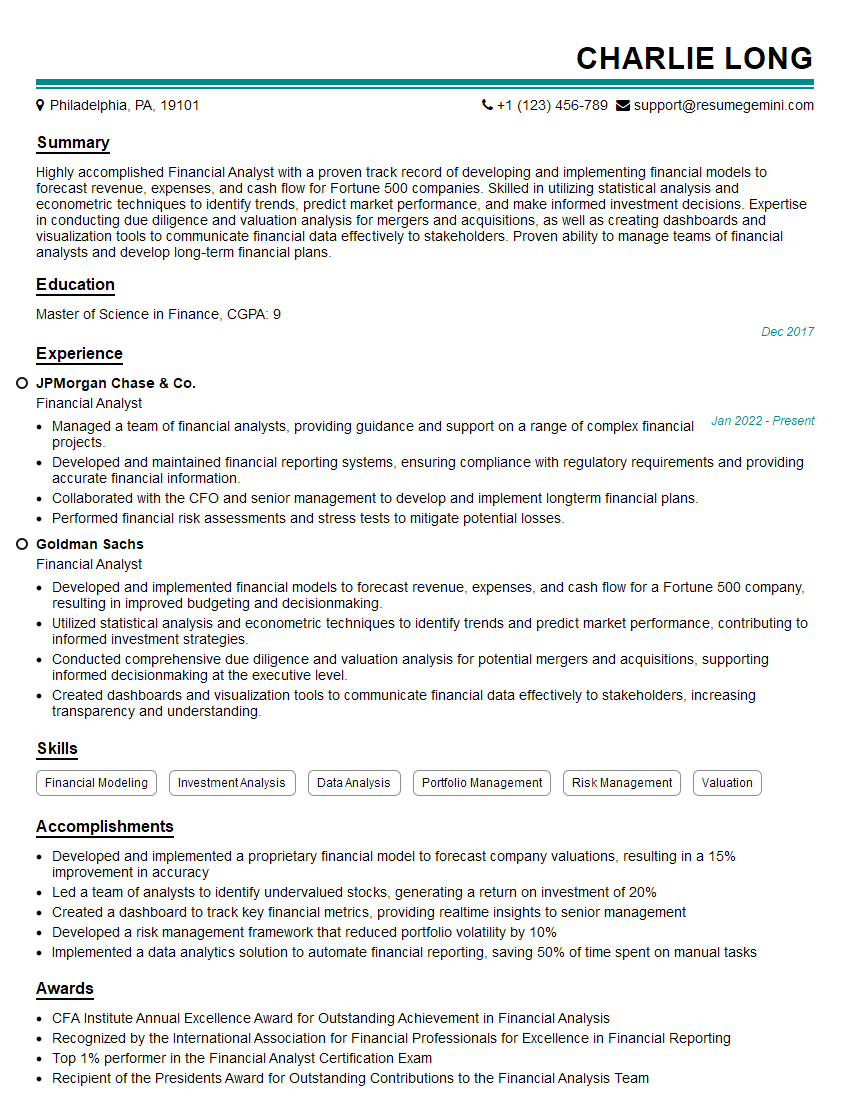
Financial Analyst Resume Sample
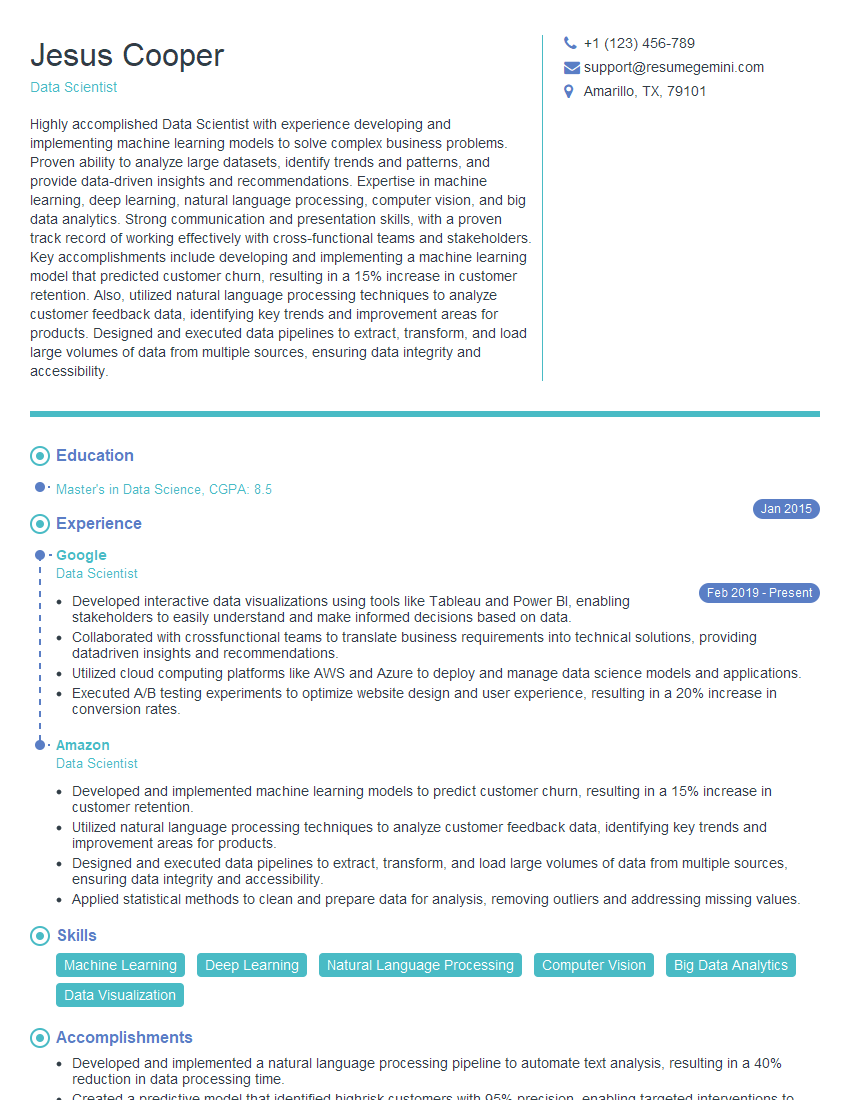
Data Scientist Resume Sample
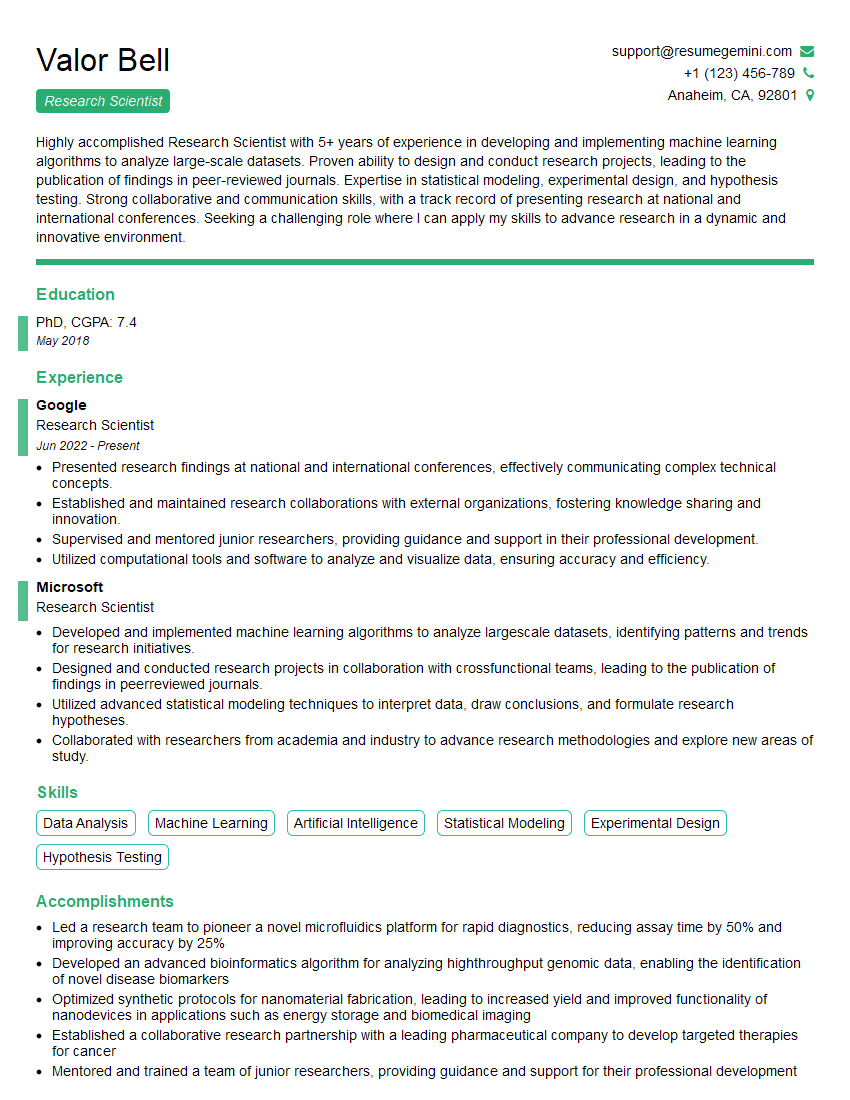
Research Scientist Resume Sample
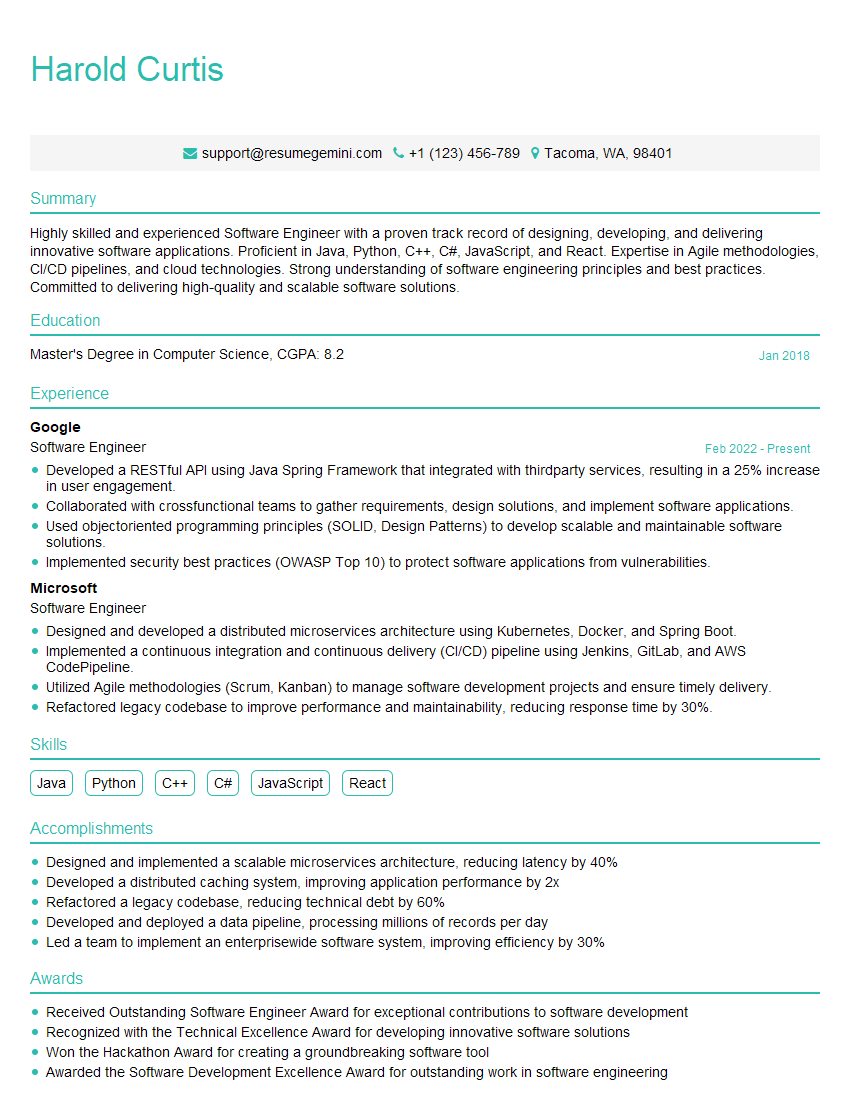
Software Engineer Resume Sample
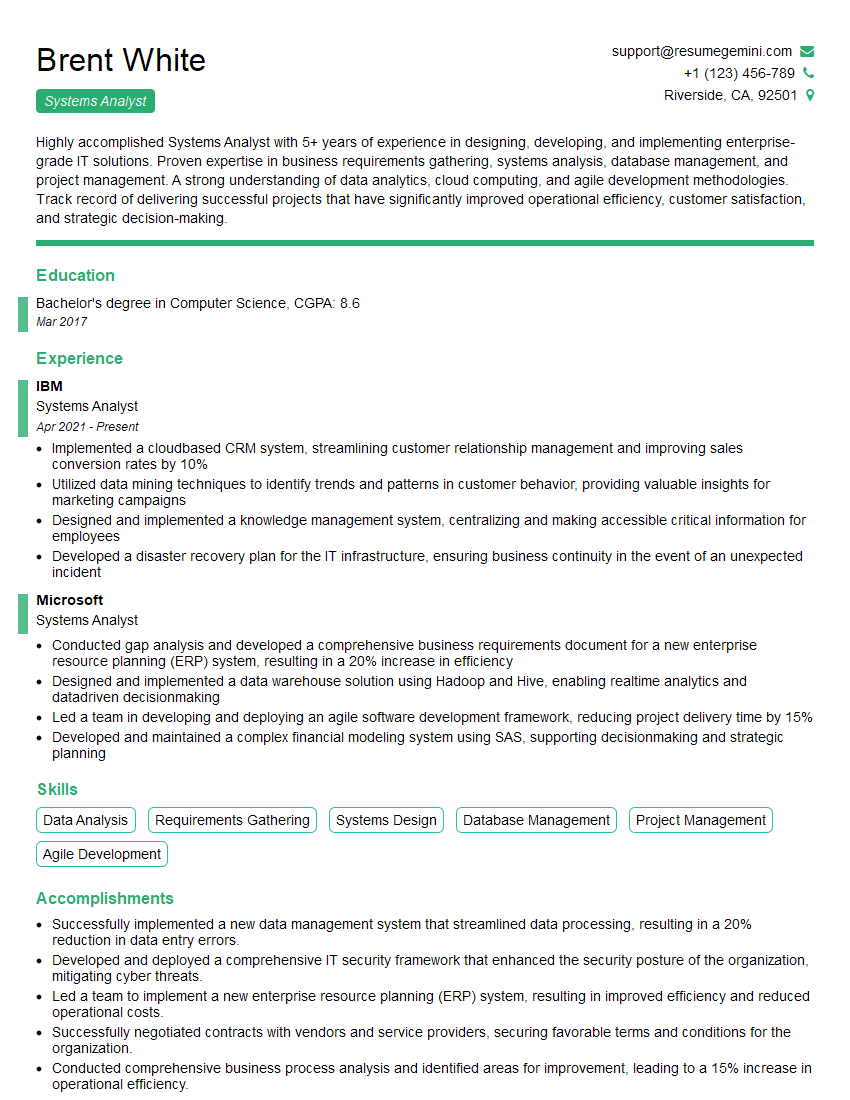
Systems Analyst Resume Sample
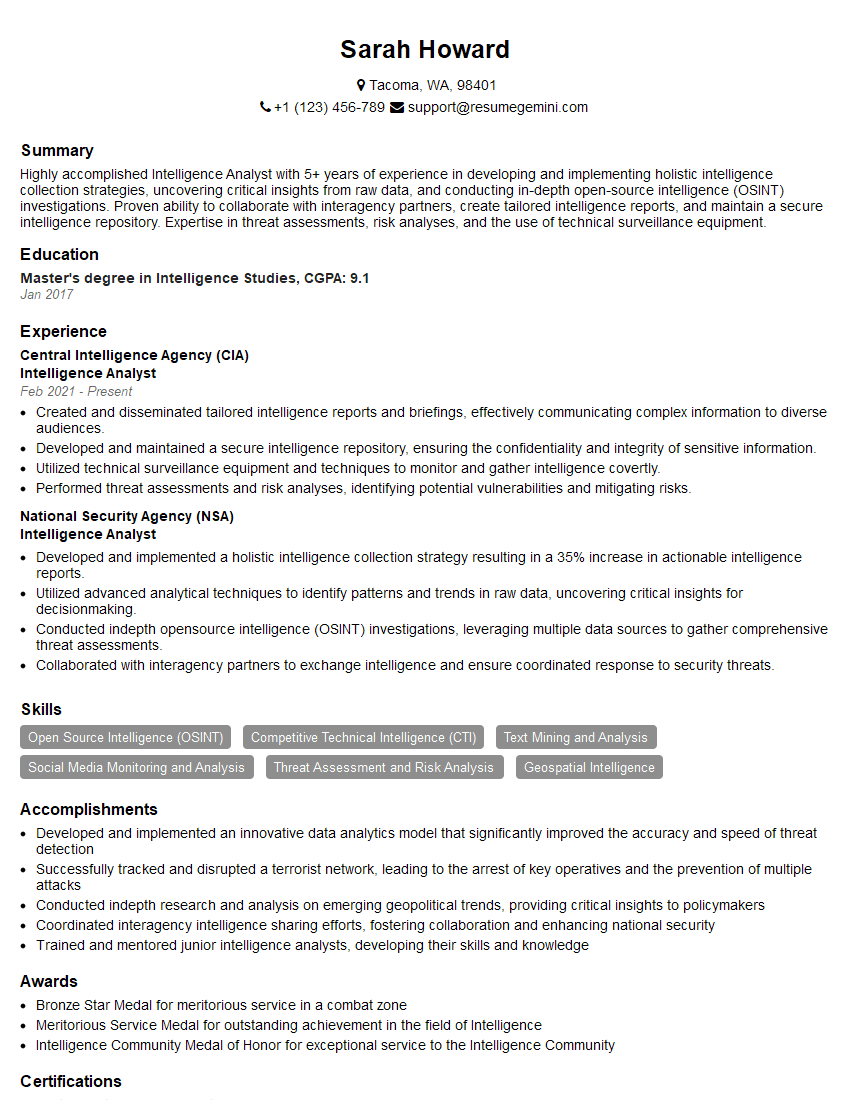
Intelligence Analyst Resume Sample
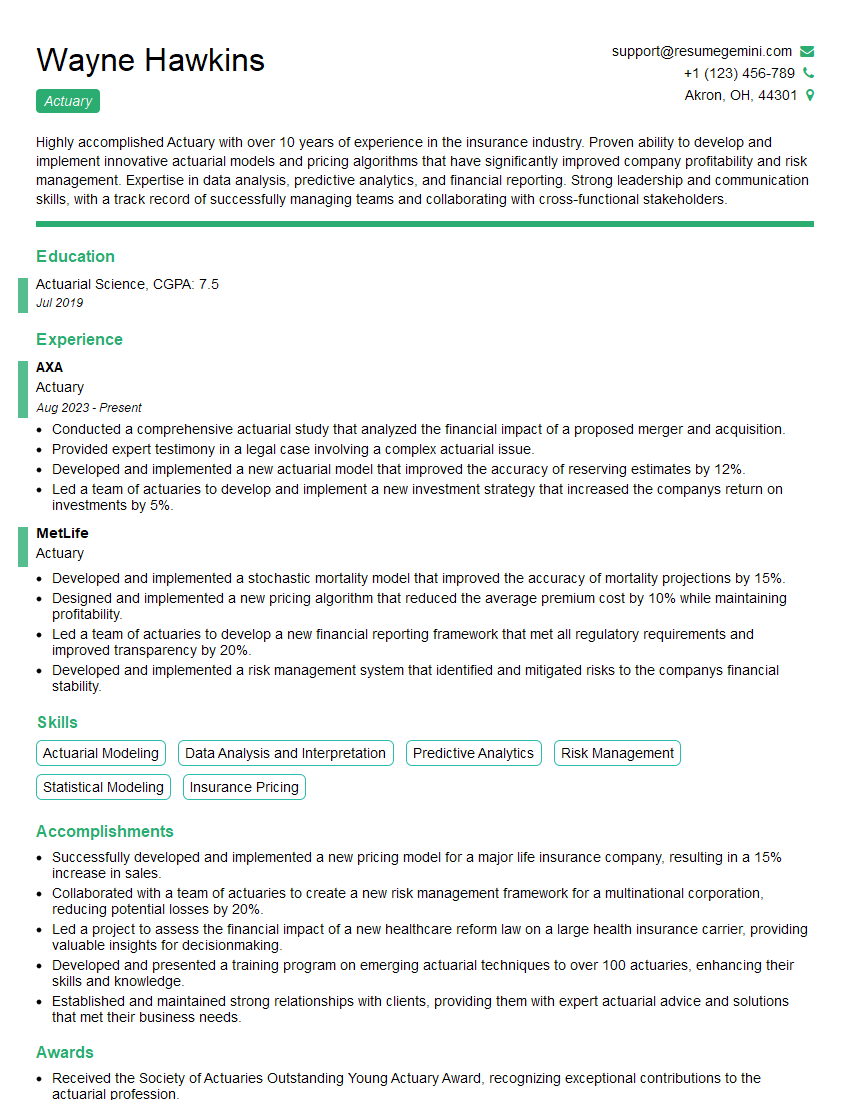
Actuary Resume Sample
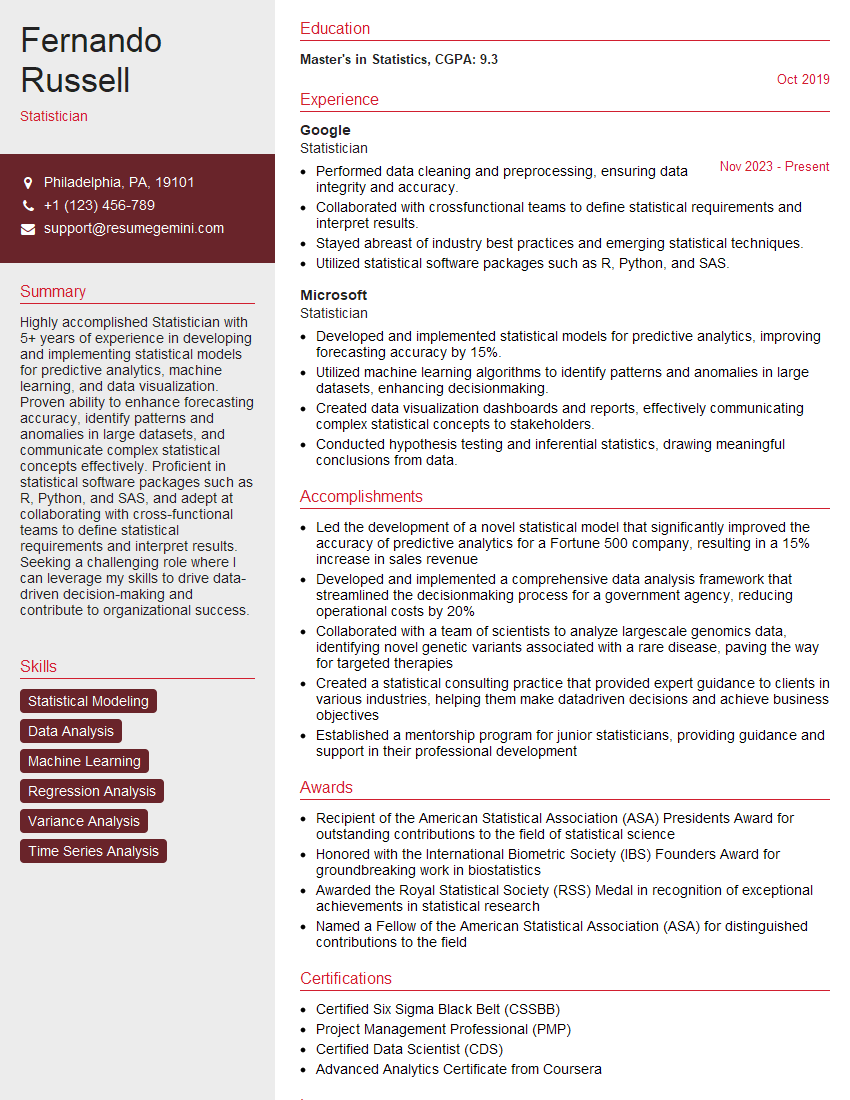
Statistician Resume Sample
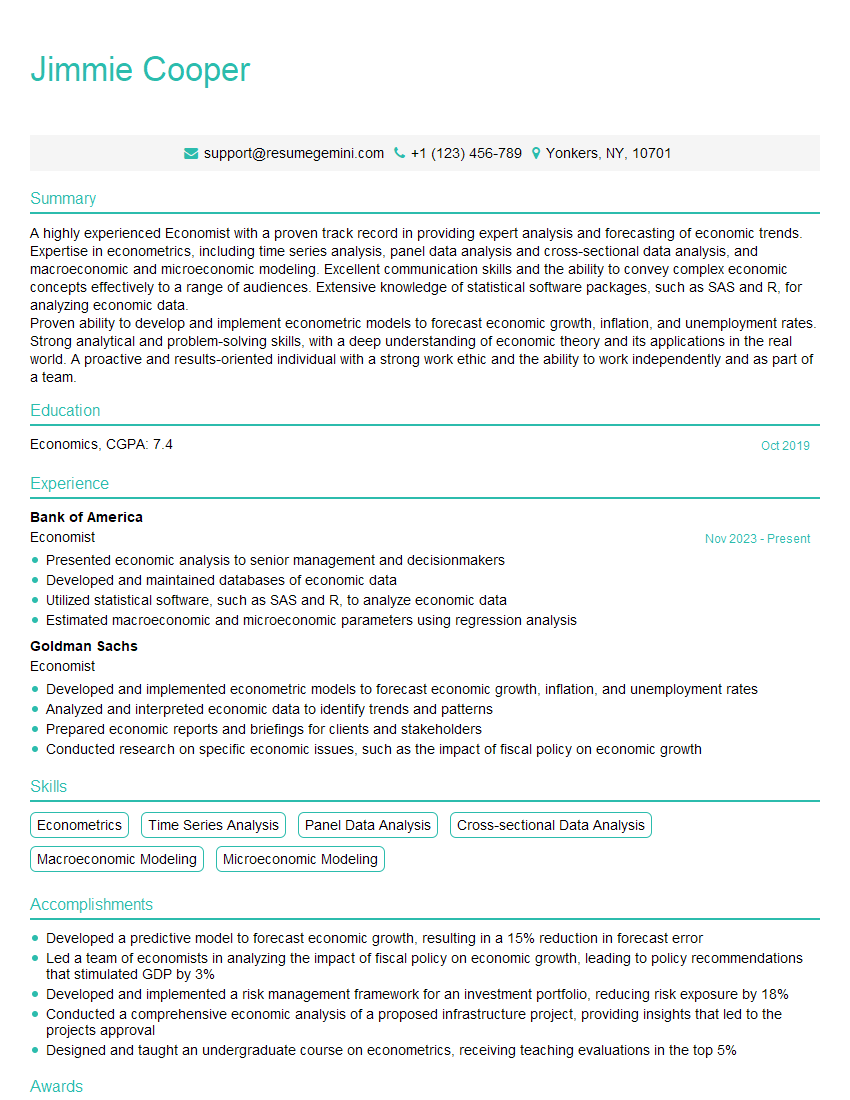
Economist Resume Sample
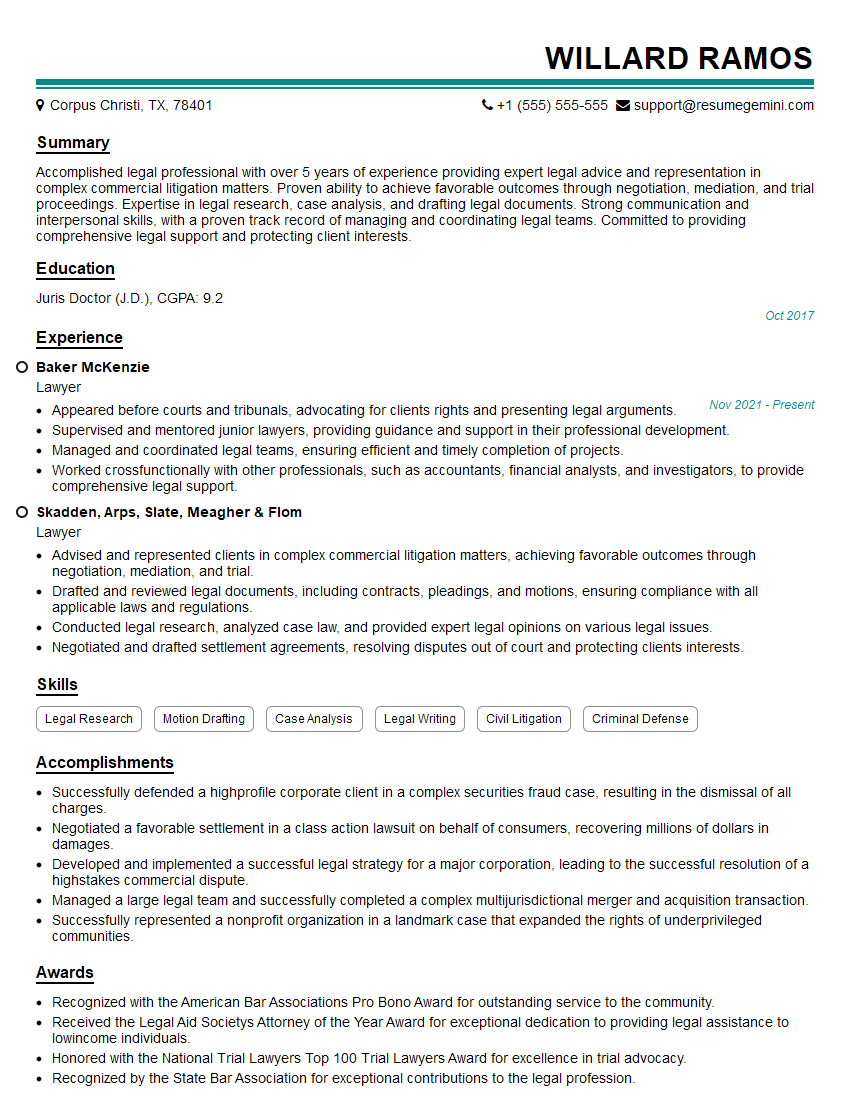
Lawyer Resume Sample
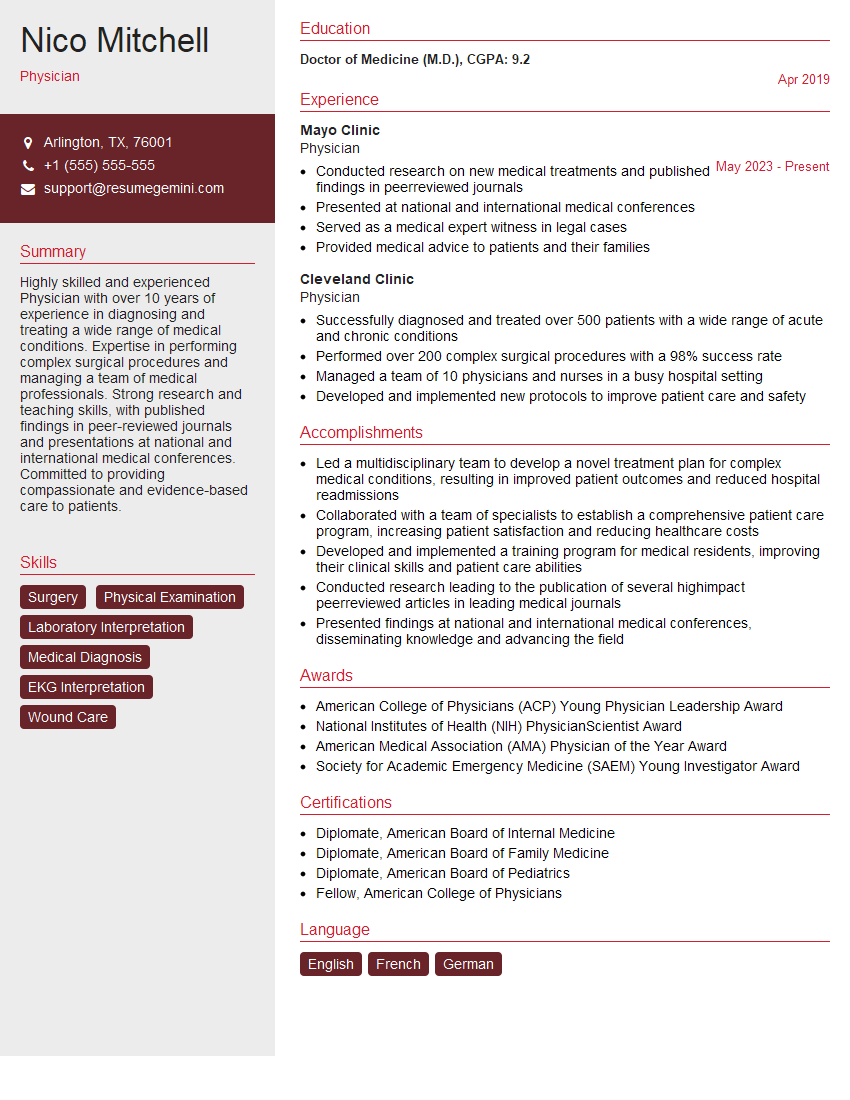
Physician Resume Sample
- Strategic Planner
- Operations Manager
- Product Manager
- Project Manager
- Professor
- Compliance Officer
- Risk Manager
- Business Analyst
- Management Consultant
- Market Research Analyst
- Accountant
- Financial Analyst
- Data Scientist
- Research Scientist
- Software Engineer
- Systems Analyst
- Intelligence Analyst
- Actuary
- Statistician
- Economist
- Lawyer
- Physician
Explore more articles
Users Rating of Our Blogs
Share Your Experience
We value your feedback! Please rate our content and share your thoughts (optional).
What Readers Say About Our Blog
To the interviewgemini.com Webmaster.
Very helpful and content specific questions to help prepare me for my interview!
Thank you
To the interviewgemini.com Webmaster.
This was kind of a unique content I found around the specialized skills. Very helpful questions and good detailed answers.
Very Helpful blog, thank you Interviewgemini team.