Preparation is the key to success in any interview. In this post, we’ll explore crucial Strong Knowledge of Avian Disease Control and Prevention interview questions and equip you with strategies to craft impactful answers. Whether you’re a beginner or a pro, these tips will elevate your preparation.
Questions Asked in Strong Knowledge of Avian Disease Control and Prevention Interview
Q 1. Describe the common avian influenza virus subtypes and their pathogenicity.
Avian influenza viruses, or bird flu, are categorized into subtypes based on two surface glycoproteins: hemagglutinin (HA) and neuraminidase (NA). There are 16 HA subtypes (H1-H16) and 9 NA subtypes (N1-N9). The pathogenicity, or ability to cause disease, varies greatly between subtypes. Highly pathogenic avian influenza (HPAI) viruses, such as H5 and H7 subtypes, can cause severe disease and high mortality rates in poultry. These viruses often lead to rapid spread and significant economic losses. Low pathogenic avian influenza (LPAI) viruses, however, typically cause mild or subclinical infections, though they can mutate into HPAI strains. For example, H5N1, a highly pathogenic subtype, has caused significant outbreaks globally, resulting in mass culling of poultry and even human infections, while many H6 and H9 subtypes generally exhibit low pathogenicity. Understanding the specific subtype is crucial for implementing appropriate control measures, as the virulence and transmission dynamics differ considerably.
Q 2. Explain the different methods for diagnosing Newcastle Disease.
Diagnosing Newcastle Disease (ND), a highly contagious avian disease, involves a multifaceted approach. The clinical signs alone are not definitive, as they can mimic other respiratory illnesses. Therefore, laboratory confirmation is essential. Methods include:
Virus Isolation: Samples (e.g., tracheal swabs, cloacal swabs) are collected and inoculated into embryonated chicken eggs. The presence of ND virus is confirmed by observing characteristic lesions in the embryos or by subsequent identification using serological tests.
Serological Tests: These tests detect antibodies against the ND virus in the blood serum of infected birds. Common methods include hemagglutination-inhibition (HI) test, enzyme-linked immunosorbent assay (ELISA), and agar gel immunodiffusion (AGID). These tests are useful for surveillance and monitoring vaccine efficacy.
Molecular Tests: Polymerase chain reaction (PCR) based techniques are highly sensitive and specific for detecting the ND virus’s genetic material directly from clinical samples. Reverse transcription-PCR (RT-PCR) is commonly used because ND virus is an RNA virus. This method allows for rapid diagnosis, particularly during outbreaks.
A combination of clinical signs and laboratory confirmation provides a reliable diagnosis, enabling timely and effective control measures.
Q 3. What biosecurity measures are crucial for preventing the spread of avian diseases?
Robust biosecurity measures are the cornerstone of avian disease prevention. Think of it like building a fortress around your flock to keep disease out. Crucial aspects include:
Restricting Access: Limiting access to the poultry premises to authorized personnel only, requiring appropriate hygiene protocols (e.g., disinfection of footwear, clothing changes).
Hygiene and Sanitation: Regular cleaning and disinfection of poultry houses, equipment, and vehicles. Effective rodent and pest control is vital as they can spread pathogens.
Isolation and Quarantine: Newly introduced birds should be quarantined for a specified period before integration with the main flock. This allows for observation and early detection of any infections.
Traffic Control: Implementing a strict system for managing movement of people, equipment, and vehicles in and out of the poultry facilities to reduce the risk of disease introduction.
Waste Management: Safe disposal of poultry manure and carcasses to prevent contamination of the environment.
Surveillance and Monitoring: Regular monitoring of bird health, coupled with prompt reporting of any unusual signs of disease, is crucial for early detection and intervention.
Biosecurity is not a one-time action, but a continuous commitment to maintaining a disease-free environment.
Q 4. Discuss the role of vaccination in avian disease control.
Vaccination plays a pivotal role in controlling avian diseases. It’s like giving your flock a shield against infection. Effective vaccination programs reduce the incidence and severity of outbreaks, minimize mortality, and lessen the economic impact. Vaccination strategies vary depending on the specific disease, the age of the birds, the prevalence of the disease in the region, and the type of vaccine used. Live attenuated vaccines, which use a weakened form of the virus, generally provide longer-lasting immunity but pose a slight risk of reversion to virulence. Inactivated vaccines, which use killed virus, are safer but typically require booster doses for sustained protection. For instance, mass vaccination campaigns are often used for Newcastle Disease and Avian Influenza to establish herd immunity within a poultry population. However, careful vaccine selection and proper administration techniques are essential to maximize efficacy and minimize adverse effects.
Q 5. How do you differentiate between infectious and non-infectious diseases in poultry?
Differentiating between infectious and non-infectious diseases in poultry requires careful observation and investigation. Infectious diseases are caused by pathogens like bacteria, viruses, parasites, or fungi that can spread from one bird to another. Non-infectious diseases, on the other hand, result from factors such as nutritional deficiencies, toxicities, genetic abnormalities, or environmental stressors. A detective’s approach is needed:
History: Gather information about the flock’s management practices, recent changes (e.g., feed, environment), and the distribution and progression of the disease.
Clinical Examination: Assess the bird’s physical condition, noting signs like respiratory distress, diarrhea, or neurological signs. Identifying specific symptoms can point towards a specific cause.
Laboratory Testing: This step is essential for confirmation. Tests can include bacteriological culture, virological isolation, parasitological examination, and hematological and biochemical analyses.
For example, an outbreak of sudden death with respiratory symptoms in multiple birds strongly suggests an infectious agent, such as avian influenza. In contrast, a problem limited to a few birds showing leg weakness and bone abnormalities suggests a nutritional deficiency or a genetic disorder (non-infectious).
Q 6. What are the key symptoms of Avian Pox?
Avian pox, also known as fowlpox, is a viral disease characterized by the formation of wart-like lesions or plaques on the skin and mucous membranes. The severity and location of these lesions determine the clinical presentation. Common symptoms include:
Skin lesions: These are typically raised, wart-like nodules that can be grey, yellow, or brown. They commonly appear on the comb, wattles, eyelids, and unfeathered areas of the skin. These lesions can be unsightly and might impede vision or respiration depending on their location.
Mucous membrane lesions: These lesions appear as diphtheritic membranes in the mouth, throat, or air sacs, causing difficulty breathing and swallowing. This can lead to significant weight loss, reduced egg production, and increased mortality.
Systemic effects: Although less frequent, severe cases can cause depression, lethargy, decreased feed intake, and secondary bacterial infections.
The overall appearance and impact depend on the virulence of the strain and the bird’s immune status. Early detection and management are critical.
Q 7. Explain the importance of quarantine in preventing disease outbreaks.
Quarantine is a crucial biosecurity measure used to prevent the introduction and spread of infectious diseases. It’s like implementing a controlled buffer zone between potentially infected birds and healthy birds. The principle is to isolate newly introduced birds or birds suspected of having a disease from the rest of the flock for a specific period, usually several weeks, to observe them for signs of illness. During this period, routine health monitoring and potential testing for infectious diseases are undertaken. If no disease is detected within the specified quarantine duration, the birds are gradually integrated into the main flock. This strategy provides invaluable time to detect and prevent a potential outbreak, helping to protect the entire poultry population from contamination. Quarantine plays a crucial role in preventing the spread of highly contagious diseases, including avian influenza and Newcastle disease, and should be integrated as a standard biosecurity practice.
Q 8. Describe the different types of Salmonella affecting poultry.
Salmonella is a genus of bacteria that causes various illnesses in poultry, primarily affecting the intestinal tract. Several serotypes are pathogenic to birds, with some also posing a zoonotic risk (transmissible to humans). Key serotypes affecting poultry include:
- Salmonella Enteritidis: A common serotype causing significant economic losses due to high mortality and reduced egg production. It can spread rapidly through flocks.
- Salmonella Typhimurium: Another prevalent serotype that also affects various other animal species and humans. Often associated with foodborne illness.
- Salmonella Heidelberg: Frequently isolated from poultry and often associated with outbreaks, impacting both egg-laying and broiler operations.
- Salmonella Gallinarum and Salmonella Pullorum: These are highly specific to poultry and cause fowl typhoid and pullorum disease, respectively. They cause significant mortality and reproductive problems.
Identifying the specific serotype is crucial for effective control measures, as treatment and prevention strategies may vary. This is typically done through laboratory testing of fecal samples or affected tissues.
Q 9. How do you manage an outbreak of Mycoplasma gallisepticum?
Mycoplasma gallisepticum (MG) is a highly contagious bacterial disease of poultry that primarily affects the respiratory system but can also manifest in reproductive organs. Managing an outbreak requires a multi-pronged approach:
- Early Detection and Diagnosis: Rapid and accurate diagnosis is vital. This involves clinical signs evaluation (respiratory distress, coughing, sneezing, reduced egg production) and laboratory testing (e.g., serology, PCR).
- Isolation and Quarantine: Immediately isolate affected birds to prevent further spread within the flock and to other farms. This includes strict biosecurity measures at the farm’s perimeter.
- Treatment: Antimicrobial treatment is commonly used, but the choice of antibiotic needs to consider resistance patterns in the region. Treatment should be guided by veterinary advice and may involve in-feed or in-water medication.
- Vaccination: Vaccination programs are effective for prevention, especially in areas with endemic MG. Vaccination schedules need to be tailored to the age and type of birds.
- Culling: In severe cases, culling of the affected flock might be necessary to control the spread, especially if treatment is ineffective or economically unviable.
- Sanitation and Disinfection: Thorough cleaning and disinfection of the poultry house, equipment, and surrounding areas are critical after an outbreak to eliminate the bacteria from the environment.
Long-term management involves implementing robust biosecurity protocols to prevent future outbreaks. This includes careful bird sourcing, controlled access to the farm, and regular monitoring for clinical signs.
Q 10. What are the zoonotic risks associated with avian diseases?
Several avian diseases pose zoonotic risks, meaning they can be transmitted from birds to humans. The primary risks arise through direct or indirect contact with infected birds or their droppings. Examples include:
- Salmonella: As mentioned earlier, certain Salmonella serotypes found in poultry can cause food poisoning in humans.
- Campylobacter: Another bacterial infection common in poultry, causing diarrhea and other gastrointestinal symptoms in humans.
- Chlamydia psittaci (Psittacosis or Ornithosis): This bacterium can infect various bird species and is transmissible to humans, causing pneumonia-like symptoms.
- Avian Influenza (Bird Flu): Although less common in humans, certain highly pathogenic avian influenza viruses can infect humans causing severe illness.
- Newcastle Disease Virus: While primarily affecting birds, there have been rare cases of human infection with mild symptoms.
Implementing strict hygiene measures during poultry handling and processing, proper cooking of poultry, and handwashing are crucial in minimizing these risks. Furthermore, early diagnosis and prompt treatment of suspected cases are essential in managing potential outbreaks and preventing human-to-human transmission.
Q 11. Explain the role of hygiene in poultry disease prevention.
Hygiene is the cornerstone of poultry disease prevention. It involves maintaining a clean and sanitary environment to reduce the risk of pathogen transmission. This includes:
- Cleaning and Disinfection: Regular cleaning and disinfection of poultry houses, equipment, and surrounding areas eliminate pathogens and reduce their persistence in the environment. Effective disinfectants must be selected based on the target pathogen(s).
- Rodent and Pest Control: Rodents and insects can carry pathogens and contaminate feed and water sources. Implementing effective rodent and pest control measures is critical.
- Biosecurity Measures: Strict biosecurity protocols limit the introduction of pathogens onto the farm. This includes restricting access, implementing footbaths and handwashing stations, and using protective clothing.
- Waste Management: Proper management of manure and other waste products minimizes pathogen spread and contamination of water sources. This typically involves regular removal and proper disposal or composting.
- Feed and Water Hygiene: Maintaining clean feed and water sources is vital. Proper storage and handling of feed, and regular cleaning and disinfection of water lines are key.
Imagine a poultry house as a garden; regular weeding and soil preparation are essential for healthy plant growth, just like hygiene is for healthy birds. Ignoring hygiene is akin to neglecting your garden; it’s an invitation for weeds (pathogens) to proliferate and damage your crops (poultry).
Q 12. Describe different methods of disease surveillance in a poultry farm.
Effective disease surveillance in a poultry farm involves systematically monitoring the flock’s health status to detect disease early. Methods include:
- Clinical Examination: Regular observation of birds for any signs of illness, such as respiratory distress, decreased feed intake, unusual behavior, or mortality. This includes monitoring egg production in layers.
- Mortality Monitoring: Careful recording of daily mortality rates. Sudden increases in mortality warrant investigation.
- Laboratory Diagnostics: Testing samples (blood, fecal, tissue) for the presence of specific pathogens through methods such as serology (detecting antibodies), PCR (detecting pathogen DNA/RNA), and bacterial culture.
- Post-mortem Examinations: Examining carcasses of dead birds to identify possible causes of death.
- Farm Records: Maintaining accurate records of bird introductions, vaccinations, treatments, mortality rates, and production parameters provides valuable data for disease surveillance and trend analysis.
- Environmental Monitoring: Monitoring the environment for the presence of pathogens (e.g., in litter or water) can provide early warning signs of infection.
Integrating these methods allows for early detection and facilitates timely interventions, limiting disease spread and minimizing economic losses. A proactive approach is significantly more effective than a reactive one.
Q 13. How do you interpret serological test results for avian diseases?
Serological tests detect antibodies produced by the bird’s immune system in response to a specific pathogen. Interpreting results requires understanding that:
- Positive Result: Indicates the presence of antibodies against a particular pathogen. This may mean the bird has been exposed to or currently infected with the pathogen. However, it doesn’t always distinguish between active infection and prior exposure.
- Negative Result: Indicates the absence of detectable antibodies. This may mean the bird hasn’t been exposed or the infection is too recent for antibodies to develop (in the early stages). It may also indicate a weak immune response.
- Titers: The strength of the antibody response is measured by antibody titers. Higher titers often indicate a stronger and more recent exposure.
The interpretation should always be considered in context with the clinical findings, the flock’s history, and the prevalence of disease in the area. False positives and negatives are possible and should be considered. For accurate interpretation, consultation with a veterinary diagnostician is recommended.
Q 14. Discuss the importance of proper poultry housing and ventilation in preventing disease.
Proper poultry housing and ventilation are crucial for preventing disease by minimizing stress and providing a suitable environment for birds.
- Housing Design: The design should facilitate ease of cleaning and disinfection. Sufficient space per bird to minimize overcrowding reduces stress, which can compromise the immune system. Appropriate material selection is also crucial. Materials that are easy to clean and disinfect are preferred.
- Ventilation: Adequate ventilation removes ammonia, moisture, and dust, all of which can irritate respiratory tracts and compromise bird health. Proper ventilation also regulates temperature and humidity, crucial for maintaining bird comfort and preventing the proliferation of pathogens.
- Temperature and Humidity Control: Maintaining optimal temperature and humidity levels reduces stress and creates an environment less conducive to pathogen growth. Fluctuations in temperature and humidity should be minimized.
- Lighting: Appropriate lighting management promotes growth, egg production and helps maintain normal physiological functioning. This can support overall health and immune function.
Think of the poultry house as a home for your birds; a well-designed and maintained home protects its inhabitants from the elements and keeps them healthy and comfortable. Similarly, appropriate housing and ventilation play a significant role in protecting the flock from diseases.
Q 15. Explain the role of nutrition in maintaining poultry health and disease resistance.
Proper nutrition is the cornerstone of poultry health and disease resistance. Think of it like building a strong immune system in humans – a well-nourished bird is better equipped to fight off infections.
A balanced diet provides essential vitamins, minerals, and amino acids that are crucial for various bodily functions, including immune response. For example, Vitamin A is vital for maintaining the integrity of mucosal surfaces (like the lining of the respiratory tract), which are the first line of defense against pathogens. Similarly, Vitamin E acts as an antioxidant, protecting cells from damage caused by free radicals. Deficiencies in these nutrients can lead to immunosuppression, making birds more susceptible to diseases like infectious bronchitis or Newcastle disease.
Specific nutritional strategies, such as supplementing diets with immunostimulants like β-glucans or probiotics, can further enhance disease resistance. These supplements improve gut health and stimulate the immune system, leading to improved bird performance and reduced disease incidence. For instance, a broiler flock fed a diet rich in essential amino acids and supplemented with probiotics might exhibit significantly lower mortality rates compared to a flock with inadequate nutrition.
It’s important to consider the bird’s age and stage of production when formulating diets. A growing chick has different nutritional needs than a laying hen, and these needs must be accurately met for optimal health and disease resistance. Regular monitoring of feed intake, bird performance, and mortality rates provides crucial feedback on the effectiveness of the nutritional program.
Career Expert Tips:
- Ace those interviews! Prepare effectively by reviewing the Top 50 Most Common Interview Questions on ResumeGemini.
- Navigate your job search with confidence! Explore a wide range of Career Tips on ResumeGemini. Learn about common challenges and recommendations to overcome them.
- Craft the perfect resume! Master the Art of Resume Writing with ResumeGemini’s guide. Showcase your unique qualifications and achievements effectively.
- Don’t miss out on holiday savings! Build your dream resume with ResumeGemini’s ATS optimized templates.
Q 16. What are the different types of disinfectants used in poultry farms?
Disinfectants are crucial in poultry farms to control and prevent the spread of pathogens. The choice of disinfectant depends on several factors, including the specific pathogen, the environmental conditions, and the safety of the birds and workers.
- Phenolics: These are broad-spectrum disinfectants effective against a wide range of bacteria and viruses. However, they can be corrosive and should be used with caution.
- Quaternary Ammonium Compounds (Quats): Quats are less corrosive than phenolics and are effective against some bacteria and viruses, but they may not be as effective against all pathogens.
- Iodophors: These are iodine-based disinfectants that are effective against a broad range of microorganisms. They are less irritating to the skin than some other disinfectants.
- Chlorine-based disinfectants: These are powerful disinfectants effective against a wide range of pathogens, but they can be corrosive and are affected by organic matter.
- Formaldehyde: Highly effective but is a known carcinogen and requires careful handling and ventilation. Often used for fumigation.
It’s crucial to rotate disinfectants periodically to prevent the development of resistant strains of microorganisms. Proper dilution and application are also critical for effectiveness. Always follow the manufacturer’s instructions and take appropriate safety precautions when handling disinfectants.
Q 17. How do you implement a post-mortem examination protocol for birds?
A post-mortem examination, or necropsy, is crucial for determining the cause of death in poultry and diagnosing diseases. It should be conducted systematically and carefully to avoid contamination and ensure accurate results.
- Preparation: Gather necessary equipment, including dissecting tools (scalpel, scissors, forceps), gloves, and containers for samples. Disinfect the work area.
- External Examination: Note the bird’s overall condition, including any external lesions, deformities, or unusual markings.
- Internal Examination: Open the body cavity and carefully examine all organs for abnormalities. Note the color, size, texture, and presence of any lesions.
- Sampling: Collect samples of tissues, organs, or fluids for further laboratory testing. This might include bacterial cultures, virus isolation, or histopathology.
- Documentation: Maintain thorough records of the necropsy findings, including photographs and descriptions of any lesions or abnormalities. This is essential for diagnosis and disease surveillance.
Proper disposal of carcasses and contaminated materials is essential to prevent disease spread. In many cases, a veterinary pathologist will be involved in interpreting the findings to determine the cause of death.
Example: Observing pale comb and wattles during external examination along with enlarged spleen during internal examination might suggest a diagnosis of fowl typhoid.
Q 18. Describe the different types of avian parasites and their control.
Avian parasites significantly impact poultry health and productivity. Effective control requires a multi-pronged approach.
- External Parasites: These include mites (e.g., red mite, northern fowl mite), lice, and fleas. Control strategies include using insecticides, improving hygiene, and implementing pest control measures in and around the poultry houses. For example, regular cleaning and disinfection of housing are effective ways to reduce mite populations.
- Internal Parasites: These include intestinal worms (e.g., roundworms, tapeworms, cecal worms) and protozoa (e.g., coccidia, histomonas). Effective control involves strategic deworming programs using anthelmintics, ensuring good hygiene, and utilizing coccidiostats in feed to prevent coccidiosis outbreaks. Proper pasture management helps reduce exposure to many intestinal parasites.
Regular fecal examinations are crucial for detecting parasite infections. It’s essential to use appropriate medications and follow label instructions to minimize resistance development. Integrated pest management (IPM) strategies, combining various control measures, are often the most effective approach to minimizing parasite burden and maximizing poultry health.
Q 19. What are the legal and regulatory requirements for reporting avian diseases?
Legal and regulatory requirements for reporting avian diseases vary by country and region, but they are generally stringent due to the potential for widespread economic and public health consequences. These requirements often mandate reporting of notifiable diseases, which are those considered to have a significant impact on animal health or public health.
Reporting typically involves contacting the relevant animal health authorities promptly when suspicion of a notifiable disease arises. This includes providing detailed information about the affected flock, the clinical signs observed, and the location of the farm. Failure to report notifiable diseases can result in significant penalties. The objective is to implement rapid control measures, contain outbreaks and prevent their spread to other flocks or regions.
Examples of notifiable avian diseases include highly pathogenic avian influenza (HPAI) and Newcastle disease. The specific reporting procedures and timelines are outlined in national and regional regulations, and poultry farmers need to be familiar with these regulations to ensure compliance.
Q 20. Explain your understanding of the One Health approach in relation to avian diseases.
The One Health approach recognizes the interconnectedness of human, animal, and environmental health. In the context of avian diseases, this means acknowledging that these diseases don’t exist in isolation. They can impact not only poultry production but also human health (through zoonotic diseases like avian influenza) and the environment (through the use of antimicrobial drugs and disposal of carcasses).
A One Health approach to avian disease control necessitates collaboration between veterinary professionals, human medical professionals, environmental scientists, and policymakers. It promotes integrated strategies that consider all three dimensions of health. For instance, strategies to prevent zoonotic diseases require close cooperation between veterinary and public health professionals, monitoring wild bird populations for disease spread, and implementing biosecurity measures at poultry farms and live bird markets. Sustainable waste management practices minimize environmental impact from poultry production.
Successful implementation of the One Health approach requires data sharing, joint surveillance programs, and coordinated responses to disease outbreaks. By integrating various disciplines, we can develop more effective and sustainable strategies to control avian diseases and protect human, animal, and environmental health.
Q 21. Discuss the challenges in controlling avian diseases in backyard poultry flocks.
Controlling avian diseases in backyard poultry flocks presents unique challenges compared to large commercial operations. These challenges often stem from limited biosecurity, lack of veterinary oversight, and difficulties in implementing comprehensive disease control programs.
- Biosecurity Gaps: Backyard flocks are often less protected from exposure to wild birds and other potential sources of infection. This increases their susceptibility to diseases.
- Limited Resources: Backyard poultry keepers may lack access to diagnostic services, vaccines, and effective treatments.
- Disease Surveillance Difficulties: Monitoring disease prevalence in backyard flocks is more challenging due to the dispersed nature of these operations.
- Lack of Veterinary Care: Many backyard poultry owners may not seek veterinary attention until a severe outbreak occurs.
Effective disease control in backyard flocks requires educational initiatives to raise awareness about biosecurity practices, disease recognition, and the importance of reporting suspected outbreaks. Simplified disease management strategies and access to affordable vaccines and diagnostics are also crucial. Collaboration between local authorities, veterinary services, and community-based organizations can play a vital role in supporting backyard poultry keepers in managing disease risks and promoting overall bird health.
Q 22. Describe different strategies for improving the biosecurity of a poultry farm.
Biosecurity on a poultry farm is a multifaceted approach aimed at preventing the introduction and spread of diseases. Think of it as creating a fortress around your birds to keep out unwanted invaders. It involves strict protocols at every stage, from farm entry to waste disposal.
- Perimeter Security: This includes fencing to restrict access, well-maintained roads to minimize outside vehicle traffic, and signage clearly outlining biosecurity rules. For example, a farm might have a dedicated boot-washing station and change rooms for personnel entering the production area.
- Vehicle and Equipment Control: All vehicles and equipment entering the farm should be disinfected thoroughly. This can involve pressure washing and application of approved disinfectants. We often see farms using disinfectant foot dips for personnel as well.
- Rodent and Pest Control: Rodents and birds can carry diseases. Regular monitoring and control are crucial, using methods like trapping, baiting, and netting. A significant pest infestation can compromise the whole biosecurity strategy.
- Waste Management: Proper disposal of manure, carcasses, and other waste is essential to prevent disease spread. This usually involves composting or secure disposal to prevent contamination of water sources and surrounding areas.
- Personnel Hygiene: Strict hygiene protocols are critical, including handwashing stations, protective clothing (coveralls, boots), and restricted access to the flock.
- Quarantine Procedures: Any new birds introduced to the farm must be quarantined to ensure they are free from disease before being introduced to the main flock. This period of isolation minimizes cross-contamination risks.
- All-in/All-out Management: This system involves raising one flock at a time, followed by thorough cleaning and disinfection before the next flock enters. This prevents disease buildup from one flock to another.
Implementing these measures in a well-coordinated manner significantly reduces the risk of disease outbreaks, maintaining flock health and profitability.
Q 23. How would you approach investigating an unusual mortality event in a poultry flock?
Investigating an unusual mortality event requires a systematic approach. First, we must observe and document everything precisely. It’s like being a detective at a crime scene – attention to detail is critical.
- Initial Observation: Record the number of dead birds, their age and sex, and any clinical signs observed in the affected and surviving birds (e.g., respiratory distress, diarrhea). Collect samples from both dead and sick birds.
- Sample Collection: Collect samples such as blood, organ tissues (liver, kidney, spleen, heart), tracheal swabs, and fecal samples, ensuring proper preservation and labeling. Proper sample collection and handling are fundamental for accurate laboratory diagnosis.
- Laboratory Analysis: Submit the samples to a diagnostic laboratory for various tests. This could include bacteriology, virology, parasitology, toxicology, and histopathology to identify the causative agent. Different tests are used depending on the suspected disease.
- Environmental Assessment: Evaluate the farm’s environment – feed, water quality, bedding, and overall hygiene – to identify potential contributing factors. Was there a recent change in feed, or is there evidence of mycotoxin contamination?
- Epidemiological Investigation: Trace the spread of the disease – when did it start? How quickly did it spread? Did a recent introduction of new birds occur? Who might have been in contact with the flock? Gathering such information can help us understand the spread and develop management strategies.
- Differential Diagnosis: Based on clinical signs, laboratory results, and epidemiological data, formulate a differential diagnosis – a list of possible diseases that could be causing the mortality.
- Disease Confirmation and Control Measures: Once the disease is confirmed, we can implement appropriate control measures. This could involve vaccination, medication, biosecurity upgrades, or even culling, depending on the severity and the nature of the disease.
A thorough, systematic investigation is vital for accurate diagnosis, effective disease control, and preventing future outbreaks. It also helps to inform preventative measures for future flocks.
Q 24. How do you assess and interpret necropsy findings in birds?
Necropsy, or post-mortem examination, is crucial for determining the cause of death in birds. It involves a careful examination of the bird’s internal organs and tissues. It’s like performing a detailed autopsy to understand the cause of death.
- External Examination: Start by noting the bird’s overall condition, body weight, and any external lesions (e.g., skin discoloration, swelling). Observe for any deformities.
- Internal Examination: Open the body cavity carefully and examine the organs for any abnormalities in size, color, texture, and consistency. Note any changes to the liver, spleen, kidneys, heart, lungs, intestines, and reproductive organs.
- Tissue Collection: Collect tissue samples from affected organs for further laboratory analysis (histopathology, microbiology, toxicology).
- Microscopic Examination (Histopathology): Microscopic examination of tissue sections reveals cellular changes consistent with specific diseases. This helps to confirm or rule out specific diseases.
- Interpretation: Correlation of gross necropsy findings with microscopic and laboratory results allows for accurate diagnosis. For example, finding lesions in the lungs along with bacterial growth from a lung sample might indicate bacterial pneumonia.
Precise observation and systematic collection of samples are vital for accurate interpretation. Experience and knowledge of avian anatomy and pathology are essential for a successful necropsy.
Q 25. Explain the role of antimicrobial stewardship in poultry health management.
Antimicrobial stewardship in poultry health management is about using antimicrobials responsibly to minimize the development of antimicrobial resistance (AMR). AMR occurs when bacteria evolve to resist the effects of drugs, making infections harder to treat. It’s like an arms race between us and the bacteria.
- Diagnosis before Treatment: Antimicrobials should only be used after a proper diagnosis of bacterial infection. Treating without knowing the causative agent can promote AMR.
- Appropriate Drug Selection: Choose the right antimicrobial for the specific bacterial infection, considering factors such as the spectrum of activity and the sensitivity profile of the bacteria. Using broad-spectrum drugs when not necessary can contribute to AMR.
- Optimal Dose and Duration: Administer antimicrobials at the correct dose and for the appropriate duration. Underdosing or shortened treatment courses can lead to the selection of resistant bacteria.
- Vaccination and Biosecurity: Prioritize vaccination programs and strong biosecurity measures to prevent infections and reduce the need for antimicrobials.
- Monitoring and Surveillance: Monitor the effectiveness of antimicrobial treatment and conduct regular surveillance for antimicrobial resistance patterns. Tracking AMR patterns helps inform future treatment strategies.
- Hygiene and Sanitation: Maintain high standards of hygiene and sanitation to minimize bacterial contamination, and the need for antimicrobials.
Responsible antimicrobial use is essential for protecting human and animal health. It’s a vital strategy for ensuring the long-term effectiveness of these important drugs.
Q 26. What are the ethical considerations associated with avian disease control?
Ethical considerations in avian disease control involve balancing the health and welfare of birds with economic and societal factors. It’s about making responsible and humane decisions.
- Animal Welfare: Control measures should prioritize minimizing suffering and stress to birds. Culling, if necessary, should be done humanely. This involves adopting methods that cause minimal pain and distress.
- Transparency and Information Sharing: Open communication with stakeholders, including farmers, consumers, and regulatory bodies, regarding disease outbreaks and control strategies, builds trust and promotes informed decision-making. Transparency is key for effective disease control.
- Resource Allocation: Decisions regarding resource allocation for disease control programs must be made judiciously, considering the relative benefits and risks, as well as the impact on different stakeholders. Resources are limited, and their allocation should be optimized.
- Environmental Impact: Disease control measures should also consider their environmental impact, such as the potential for contamination of soil and water resources. Sustainable strategies are essential.
- Public Health: Strategies must address public health concerns related to zoonotic diseases. Zoonotic diseases can be transmitted from animals to humans, so appropriate measures need to be taken.
Ethical considerations are intertwined with all aspects of avian disease control. Making responsible decisions requires careful consideration of the welfare of the birds, public health, environmental impacts, and economic implications.
Q 27. Discuss emerging threats to poultry health.
Emerging threats to poultry health are constantly evolving. These include novel pathogens, antimicrobial resistance, and changing environmental conditions. It’s a dynamic field requiring constant vigilance.
- Novel Avian Influenza Viruses: The emergence of new highly pathogenic avian influenza (HPAI) viruses poses a significant risk to poultry and potentially to humans. These viruses can cause massive mortality and devastate the poultry industry.
- Antimicrobial Resistance: The increasing prevalence of antimicrobial-resistant bacteria in poultry represents a significant challenge to effective treatment. AMR makes common bacterial infections significantly more difficult to treat.
- Climate Change: Climate change is altering the distribution and prevalence of many avian diseases. Changes in temperature and rainfall patterns can influence the spread of disease vectors such as mosquitoes and ticks.
- Emerging Viral Diseases: New viruses with unknown consequences are continually emerging, necessitating careful surveillance and preparedness. We need to be ready for the unknown.
- Bioterrorism: The deliberate release of highly pathogenic avian influenza viruses or other pathogens into poultry populations poses a serious threat.
Effective surveillance systems, rapid diagnostic capabilities, and strong biosecurity measures are crucial for managing these emerging threats. Research and development of new vaccines and therapies are also vital.
Q 28. What is your experience with avian disease diagnostic laboratories?
I have extensive experience collaborating with avian disease diagnostic laboratories. This involves several key aspects: sample submission, result interpretation, and contributing to overall diagnostic capabilities.
- Sample Submission: I am proficient in collecting, preserving, and submitting various samples (tissue, blood, fecal, etc.) following proper protocols to ensure accurate and reliable results. Proper sample handling is critical for accurate diagnostics.
- Result Interpretation: I am skilled in interpreting laboratory results from various diagnostic tests (bacteriology, virology, serology, PCR, etc.). This involves correlating laboratory findings with clinical signs and necropsy findings to reach accurate diagnoses.
- Collaboration and Communication: I work closely with laboratory staff, providing essential information on the clinical history, epidemiological context, and any other relevant details for effective diagnosis. Clear communication is key for achieving accurate diagnosis.
- Quality Assurance: I’m aware of the importance of quality assurance in diagnostic laboratories to ensure accurate and reliable results, thereby influencing disease control strategies.
- Emerging Technologies: I am familiar with and actively follow advances in avian disease diagnostics, including molecular techniques and high-throughput screening methods. Keeping up-to-date with advancements is critical.
My experience encompasses a broad range of diagnostic techniques and a deep understanding of their limitations and applications. This collaborative approach is vital for effective avian disease control.
Key Topics to Learn for Strong Knowledge of Avian Disease Control and Prevention Interview
- Avian Immunology and Pathogenesis: Understanding the avian immune system and how various diseases affect it. This includes knowledge of both innate and adaptive immunity in birds.
- Biosecurity Measures: Practical application of biosecurity protocols in poultry farms and research settings, including quarantine procedures, disinfection techniques, and worker hygiene.
- Common Avian Diseases: In-depth knowledge of prevalent avian diseases (e.g., Avian Influenza, Newcastle Disease, Infectious Bronchitis, etc.), their clinical signs, transmission routes, and diagnostic methods.
- Disease Surveillance and Monitoring: Understanding the importance of active and passive surveillance, data analysis, and reporting procedures in disease prevention and control.
- Vaccination Strategies: Knowledge of various vaccination techniques, vaccine types, and their effectiveness in controlling specific avian diseases. This includes understanding the challenges and limitations of vaccination programs.
- Antimicrobial Stewardship: Understanding the responsible use of antimicrobials in avian health, including resistance management and alternative control strategies.
- Diagnostic Techniques: Familiarity with various diagnostic tools used in avian disease diagnosis, such as PCR, serology, and post-mortem examination techniques.
- Epidemiology and Disease Modelling: Applying epidemiological principles to understand disease spread, risk factors, and potential interventions. This includes understanding basic disease modelling concepts.
- Regulatory Compliance: Understanding relevant regulations and guidelines related to avian disease control and prevention at local, national, and international levels.
- Problem-solving and Decision-making: Demonstrating the ability to analyze complex scenarios, identify potential disease outbreaks, and develop effective control strategies. This includes critical thinking and risk assessment skills.
Next Steps
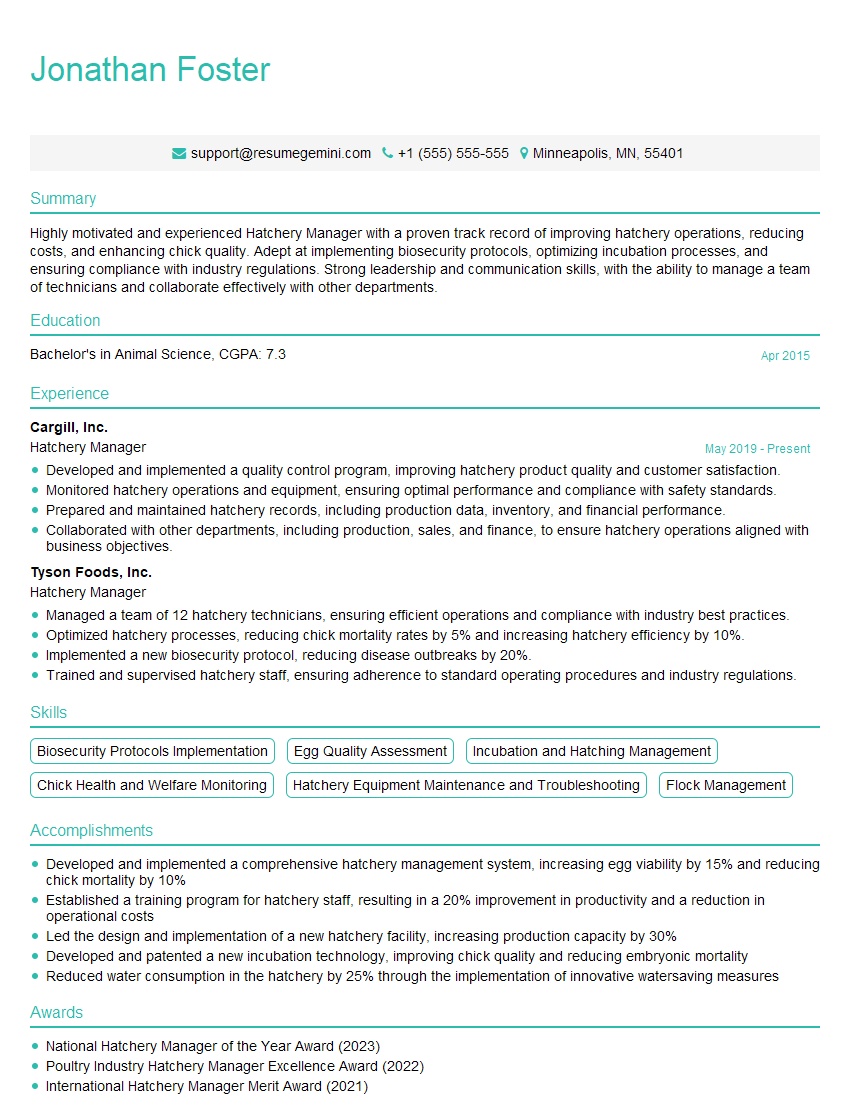
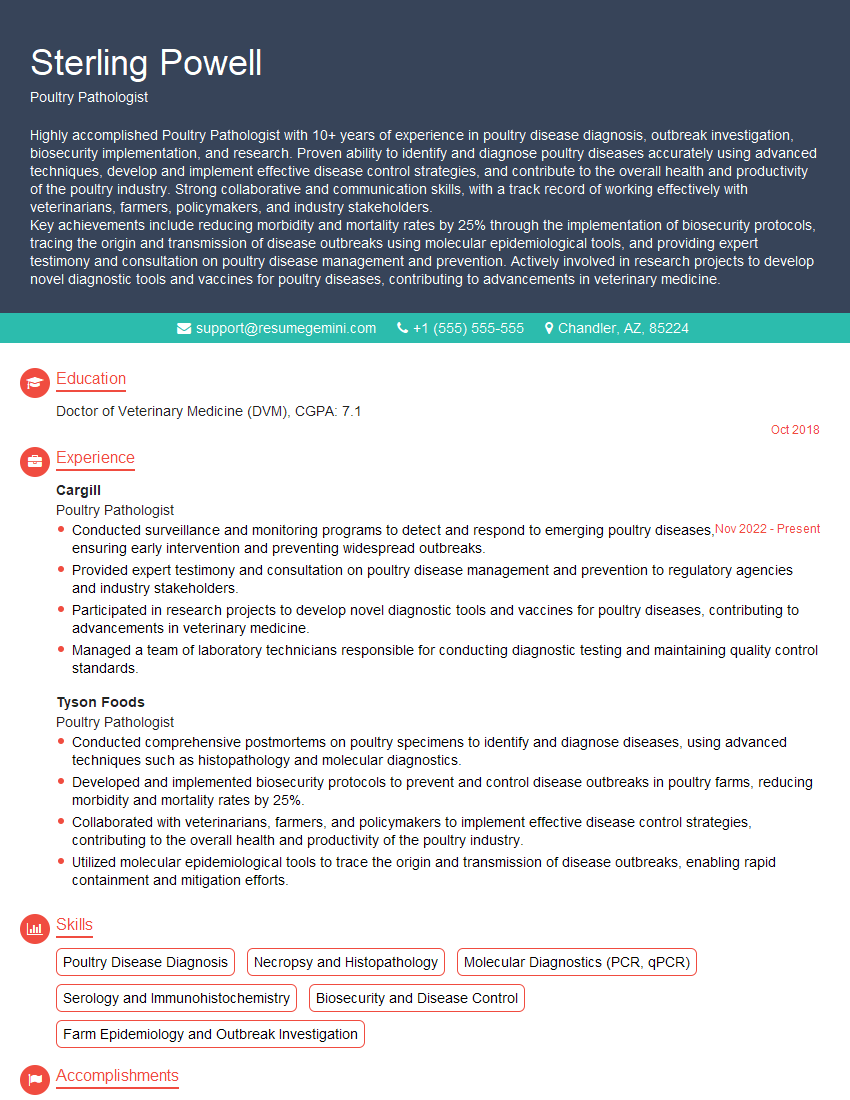
Mastering avian disease control and prevention is crucial for career advancement in the veterinary, poultry, and research sectors. A strong understanding of these concepts will significantly enhance your job prospects and allow you to contribute effectively to the health and welfare of avian populations. To maximize your chances of securing your ideal role, crafting an ATS-friendly resume is essential. ResumeGemini is a trusted resource that can help you build a professional and impactful resume tailored to highlight your expertise. Examples of resumes specifically designed for candidates with strong knowledge of avian disease control and prevention are available to guide you.
Explore more articles
Users Rating of Our Blogs
Share Your Experience
We value your feedback! Please rate our content and share your thoughts (optional).
What Readers Say About Our Blog
To the interviewgemini.com Webmaster.
Very helpful and content specific questions to help prepare me for my interview!
Thank you
To the interviewgemini.com Webmaster.
This was kind of a unique content I found around the specialized skills. Very helpful questions and good detailed answers.
Very Helpful blog, thank you Interviewgemini team.