Every successful interview starts with knowing what to expect. In this blog, we’ll take you through the top Strong understanding of mental health issues interview questions, breaking them down with expert tips to help you deliver impactful answers. Step into your next interview fully prepared and ready to succeed.
Questions Asked in Strong understanding of mental health issues Interview
Q 1. Explain the difference between anxiety and depression.
Anxiety and depression, while often co-occurring, are distinct mental health conditions. Anxiety is characterized by excessive worry, fear, and nervousness, often manifesting as physical symptoms like rapid heart rate, shortness of breath, and trembling. It’s about anticipating future threats. Depression, on the other hand, is predominantly marked by persistent sadness, loss of interest or pleasure (anhedonia), feelings of worthlessness, and fatigue. It’s a pervasive sense of hopelessness about the present and future. Think of it this way: anxiety is like being constantly on high alert, while depression is like being stuck in a deep, dark well.
For example, someone with anxiety might worry excessively about an upcoming presentation, experiencing physical symptoms leading up to it. Someone with depression might feel persistently sad and hopeless, losing interest in activities they once enjoyed, even if there’s no specific external trigger.
Q 2. Describe the diagnostic criteria for PTSD.
Post-traumatic stress disorder (PTSD) is diagnosed based on exposure to a traumatic event that involved actual or threatened death, serious injury, or sexual violence. The Diagnostic and Statistical Manual of Mental Disorders (DSM-5) outlines specific criteria. The individual must experience intrusive symptoms (recurrent, involuntary memories, nightmares, flashbacks), persistent avoidance of trauma-related stimuli, negative alterations in cognition and mood (e.g., distorted beliefs about oneself or the world, persistent negative emotional state, diminished interest in activities), and marked alterations in arousal and reactivity (e.g., irritability, reckless behavior, difficulty sleeping).
These symptoms must persist for at least one month and cause clinically significant distress or impairment in social, occupational, or other important areas of functioning. For example, a veteran who experienced combat might have flashbacks, nightmares, and avoid situations reminiscent of their experience, leading to significant impairment in their daily life.
Q 3. What are the common side effects of antidepressant medications?
Antidepressant medications, while effective for many, can have side effects. These vary depending on the specific medication and individual. Common side effects include nausea, weight changes (gain or loss), sleep disturbances (insomnia or excessive sleepiness), changes in libido, dry mouth, constipation, and dizziness. More serious, though less common, side effects can include serotonin syndrome (a potentially life-threatening condition) or increased suicidal thoughts (particularly in young adults). It’s crucial for patients to discuss potential side effects with their prescribing physician and report any concerning symptoms immediately.
For instance, one patient might experience mild nausea and weight gain, while another might have significant sleep disturbances. Regular monitoring and open communication with the healthcare provider are vital for managing these side effects effectively.
Q 4. How would you assess a patient’s risk for suicide?
Assessing suicide risk requires a comprehensive approach. It’s not a simple yes or no answer. I use a structured approach involving a thorough history, including past suicide attempts, current suicidal ideation (thoughts of suicide), and access to lethal means. I also evaluate the patient’s level of hopelessness, impulsivity, and support system. Specific risk factors such as recent losses, substance abuse, and severe mental health conditions are carefully considered. Tools like the Columbia Suicide Severity Rating Scale (C-SSRS) can be helpful in a standardized assessment.
For example, a patient expressing detailed plans for suicide with access to a firearm presents a significantly higher risk than a patient with passive suicidal ideation and a strong support system. Based on the assessment, I would determine the level of risk and develop a safety plan, potentially involving hospitalization or other interventions.
Q 5. What are some evidence-based treatments for OCD?
Evidence-based treatments for Obsessive-Compulsive Disorder (OCD) primarily involve a combination of therapy and, in some cases, medication. Cognitive Behavioral Therapy (CBT), specifically Exposure and Response Prevention (ERP), is considered the gold standard. ERP involves gradual exposure to feared stimuli (obsessions) while resisting the urge to engage in compulsive behaviors. Medication, such as selective serotonin reuptake inhibitors (SSRIs), can be helpful in reducing the severity of symptoms and making therapy more effective.
For example, a person with contamination obsessions might gradually increase exposure to dirt or germs, while resisting the urge to wash their hands excessively. This systematic desensitization, combined with cognitive restructuring to challenge distorted thoughts, can significantly reduce the impact of OCD on daily life.
Q 6. Explain the concept of trauma-informed care.
Trauma-informed care is a strengths-based framework that recognizes the pervasive impact of trauma and emphasizes safety, trustworthiness, choice, collaboration, and empowerment. It shifts the focus from what’s wrong with the individual to understanding how their experiences have shaped them. It avoids retraumatization by providing a supportive and understanding environment that respects the individual’s pace and autonomy. A trauma-informed approach recognizes that individuals may exhibit certain behaviors as a result of past trauma, rather than solely as symptoms of a disorder.
For example, instead of immediately confronting a patient’s anger, a trauma-informed clinician would seek to understand the root cause and create a safe space for expression. The focus would be on building trust and empowering the patient to take control of their healing journey.
Q 7. Describe your experience working with individuals experiencing schizophrenia.
My experience working with individuals experiencing schizophrenia has been deeply rewarding and challenging. I have worked with a diverse population, each with unique experiences and symptom presentations. My approach involves a combination of medication management, psychotherapy (including cognitive remediation therapy and family-focused therapy), and psychosocial support. It’s crucial to work collaboratively with the patient and their support system to develop a comprehensive treatment plan. The focus is on symptom reduction, improving social functioning, and enhancing quality of life.
One particularly impactful case involved a young man who was struggling with severe paranoia and social isolation. Through a combination of medication, cognitive behavioral therapy to address his delusional beliefs, and supported employment services, we gradually helped him regain his independence and reconnect with his community. Witnessing his progress highlighted the importance of integrated care and personalized treatment approaches.
Q 8. How do you manage a patient exhibiting aggressive behavior?
Managing aggressive behavior in a patient requires a calm, empathetic, and structured approach prioritizing safety. It’s crucial to understand the underlying cause of the aggression, which could stem from various mental health conditions like psychosis, bipolar disorder, or trauma.
- De-escalation techniques: This involves creating a safe space, using a calm and reassuring tone, actively listening to the patient’s concerns without judgment, and offering clear and simple instructions. For instance, I might say, “I understand you’re feeling angry right now. Let’s take a few deep breaths together.”
- Physical safety: Ensuring the safety of both the patient and myself is paramount. This may involve creating physical distance if necessary or seeking assistance from colleagues if the situation escalates beyond my ability to manage.
- Medication: In some cases, medication may be necessary to help manage the aggression. This would be discussed and implemented in consultation with the patient’s psychiatrist or prescribing physician.
- Underlying issues: Once the immediate situation is de-escalated, we address the underlying causes. This involves thorough assessment, possibly including psychological testing, to identify triggers and develop a long-term management plan, including therapy and support groups.
For example, I once worked with a patient experiencing severe anxiety who exhibited verbal aggression when feeling overwhelmed. By implementing relaxation techniques and gradually introducing coping mechanisms, we were able to significantly reduce the frequency and intensity of their outbursts.
Q 9. What is your approach to working with families of patients?
Working with families is an integral part of comprehensive mental health care. It involves building a collaborative relationship based on trust and mutual respect.
- Education: I provide families with education about the patient’s diagnosis, symptoms, and treatment options. This helps families understand the condition and avoid unnecessary blame or guilt.
- Support: I offer emotional support to families, recognizing that caring for a loved one with mental illness can be incredibly challenging.
- Collaboration: I work collaboratively with families to develop a shared treatment plan that aligns with the patient’s preferences and goals, ensuring everyone feels heard and involved.
- Boundaries: I clearly define professional boundaries while maintaining empathy and understanding. This includes respecting confidentiality limits while providing relevant information to family members involved in the care process.
- Communication: Regular and open communication is key. I provide families with updates on the patient’s progress and address their concerns promptly.
For instance, I often facilitate family therapy sessions to improve communication patterns and create a more supportive home environment. I find that involving families actively in the treatment process often leads to improved outcomes.
Q 10. Describe your experience with crisis intervention.
Crisis intervention is a critical skill in mental health. My experience encompasses various situations, from suicidal ideation to acute psychotic episodes. My approach is grounded in risk assessment, rapid intervention, and stabilization.
- Risk Assessment: I conduct a thorough risk assessment to determine the immediate danger to the patient and others. This involves evaluating suicidal or homicidal thoughts, self-harm behaviors, and other potential threats.
- Intervention: Based on the assessment, I implement immediate interventions, such as de-escalation techniques, crisis stabilization strategies, and collaboration with emergency services if needed.
- Safety Planning: In many cases, crisis intervention involves creating a safety plan with the patient to identify warning signs and coping mechanisms to prevent future crises.
- Referral: I refer patients to appropriate resources, such as inpatient hospitalization, emergency psychiatric services, or community-based support programs, based on their individual needs.
For example, I once worked with a patient who was experiencing a severe panic attack. Through calm reassurance and breathing exercises, I was able to help them stabilize their breathing and reduce their anxiety. Then we discussed creating a safety plan to mitigate future episodes.
Q 11. Explain the ethical considerations involved in maintaining patient confidentiality.
Maintaining patient confidentiality is a cornerstone of ethical practice in mental health. It’s governed by legal and ethical guidelines, such as HIPAA in the US.
- HIPAA Compliance: I am meticulous in adhering to all HIPAA regulations regarding the storage, access, and disclosure of protected health information.
- Informed Consent: I obtain informed consent from patients before disclosing any information to third parties, unless legally mandated.
- Exceptions: There are exceptions to confidentiality, such as situations involving imminent harm to self or others, or court orders. In such cases, I am obligated to breach confidentiality, but I take these decisions very seriously and only after careful consideration and consultation when necessary.
- Documentation: I maintain accurate and confidential records, ensuring that all patient information is securely stored and protected from unauthorized access.
Maintaining confidentiality is not just a legal requirement; it’s vital for building trust and fostering a therapeutic relationship. Patients need to feel safe and secure in sharing their most vulnerable thoughts and feelings.
Q 12. How do you handle disagreements with a patient’s treatment plan?
Disagreements regarding treatment plans are sometimes unavoidable. My approach emphasizes collaborative problem-solving and respect for the patient’s autonomy.
- Open Dialogue: I engage in open and honest dialogue with the patient, exploring their concerns and understanding their perspectives.
- Shared Decision-Making: I believe in shared decision-making, where the patient is actively involved in choosing their treatment plan.
- Collaboration with Team: I may consult with other members of the treatment team, such as psychiatrists or social workers, to explore alternative approaches.
- Compromise: I aim to find a compromise that balances the patient’s preferences with evidence-based practices. This might involve modifying the initial treatment plan to better suit the patient’s needs.
- Documentation: All discussions and decisions regarding treatment plans are documented carefully in the patient’s chart.
For example, if a patient disagrees with medication, I would explore their concerns, discuss the benefits and risks of medication, and explore alternative therapies like psychotherapy. The goal is to create a treatment plan that respects the patient’s autonomy while promoting their well-being.
Q 13. How do you build rapport with patients from diverse backgrounds?
Building rapport with patients from diverse backgrounds requires cultural sensitivity, humility, and a genuine interest in understanding their unique experiences.
- Cultural Competence: I strive to enhance my cultural competence through ongoing learning and self-reflection. This includes understanding cultural differences in communication styles, beliefs about mental illness, and preferred treatment approaches.
- Active Listening: I practice active listening, paying close attention to both verbal and nonverbal cues, and seeking clarification when needed.
- Respectful Communication: I use respectful and inclusive language, avoiding stereotypes and generalizations.
- Collaboration: I collaborate with interpreters and community resources when necessary to ensure effective communication and culturally appropriate care.
- Self-Awareness: I acknowledge my own biases and cultural perspectives, recognizing their potential influence on my interactions with patients.
For example, I worked with a patient from a collectivist culture where open expression of emotions was discouraged. By understanding this cultural context, I was able to adapt my therapeutic approach to facilitate communication in a manner respectful of their cultural values.
Q 14. What is your understanding of the DSM-5?
The Diagnostic and Statistical Manual of Mental Disorders, Fifth Edition (DSM-5), is a widely used manual for classifying mental disorders. It provides a standardized system for diagnosing and classifying mental health conditions, allowing for more consistent communication and treatment planning among healthcare professionals.
- Diagnostic Criteria: The DSM-5 outlines specific diagnostic criteria for each mental disorder, based on symptoms, duration, and functional impairment.
- Categorical Approach: It uses a categorical approach, meaning that individuals are diagnosed with specific disorders based on meeting a set of criteria.
- Limitations: It’s important to acknowledge the limitations of the DSM-5. It doesn’t capture the complexity of individual experiences, and diagnoses can be subjective and influenced by cultural factors.
- Clinical Utility: Despite its limitations, the DSM-5 is essential for clinical practice. It helps guide treatment decisions, facilitate communication among professionals, and aid in research.
For example, when assessing a patient presenting with symptoms of depression, I would utilize the DSM-5 criteria for Major Depressive Disorder to determine if the patient meets the diagnostic threshold. However, I would also consider the individual’s unique circumstances and cultural context, avoiding a purely diagnostic-driven approach. The DSM-5 is a tool to inform, but not dictate, my clinical judgment.
Q 15. Describe your experience with Cognitive Behavioral Therapy (CBT).
Cognitive Behavioral Therapy (CBT) is a highly effective, evidence-based therapy focusing on the interplay between thoughts, feelings, and behaviors. My experience with CBT spans over ten years, encompassing a wide range of applications, from treating anxiety disorders to managing depression and overcoming trauma. I utilize CBT’s core principles – identifying and challenging negative or unhelpful thought patterns, and developing coping mechanisms and behavioral strategies – to help patients reshape their responses to challenging situations.
For instance, a patient struggling with social anxiety might, through CBT, identify their catastrophic thinking (‘Everyone will judge me negatively’) and learn to challenge that thought with evidence (‘I’ve had positive interactions before,’ ‘Most people are preoccupied with their own thoughts’). We then collaboratively develop behavioral strategies, like gradually increasing social interaction in a safe and controlled manner, to build confidence and reduce anxiety.
Beyond individual therapy, I’ve also incorporated CBT techniques into group settings and incorporated it into my approach to family therapy, particularly in cases involving adolescent behavioral issues or family conflict.
Career Expert Tips:
- Ace those interviews! Prepare effectively by reviewing the Top 50 Most Common Interview Questions on ResumeGemini.
- Navigate your job search with confidence! Explore a wide range of Career Tips on ResumeGemini. Learn about common challenges and recommendations to overcome them.
- Craft the perfect resume! Master the Art of Resume Writing with ResumeGemini’s guide. Showcase your unique qualifications and achievements effectively.
- Don’t miss out on holiday savings! Build your dream resume with ResumeGemini’s ATS optimized templates.
Q 16. Explain your approach to diagnosing personality disorders.
Diagnosing personality disorders is a complex process requiring a thorough assessment, integrating multiple sources of information. It’s crucial to avoid hasty judgments, as many personality traits exist on a spectrum. My approach involves a comprehensive evaluation using structured interviews like the Structured Clinical Interview for DSM-5 Personality Disorders (SCID-5-PD) and careful observation of the patient’s behavior and interpersonal interactions.
I consider the patient’s history, including childhood experiences, relationships, and overall life patterns. I also gather information from collateral sources, like family members, when appropriate and with the patient’s consent. The diagnosis must meet specific criteria outlined in the DSM-5, and ruling out other conditions is paramount. Importantly, I emphasize a collaborative approach, involving the patient in the diagnostic process and ensuring they understand the implications of the diagnosis.
For example, a patient exhibiting persistent patterns of instability in relationships, self-image, and emotions, along with impulsive behaviors, might be assessed for borderline personality disorder. However, a careful evaluation would also explore potential underlying trauma or other mental health conditions that could contribute to these symptoms. The diagnostic process emphasizes understanding the patient’s experience in the context of their life story.
Q 17. How do you work with patients experiencing substance abuse?
Working with patients experiencing substance abuse requires a holistic and integrated approach. I utilize motivational interviewing techniques to help patients explore their ambivalence towards change and enhance their intrinsic motivation for recovery. This often involves identifying personal values and goals that are inconsistent with substance use.
Alongside motivational interviewing, I frequently integrate CBT to address underlying psychological factors contributing to substance abuse. This could involve identifying and challenging maladaptive thought patterns, such as self-medication beliefs, and developing healthier coping strategies. I also strongly believe in collaboration with other professionals and usually involve them in the care plan. This might include connecting patients with support groups like Alcoholics Anonymous or Narcotics Anonymous, medication management by a psychiatrist if needed, and involvement of family therapy if relevant.
Relapse prevention planning is a critical component of my treatment approach. This involves identifying potential high-risk situations and developing strategies to navigate them effectively. It’s vital to create a supportive and non-judgmental environment where the patient feels comfortable discussing their struggles and celebrating their successes throughout the recovery process.
Q 18. Describe your experience with dialectical behavior therapy (DBT).
Dialectical Behavior Therapy (DBT) is a specialized form of CBT developed to treat borderline personality disorder and other conditions characterized by emotional dysregulation and self-destructive behaviors. My experience with DBT involves training in its core modules, which encompass mindfulness, distress tolerance, emotion regulation, and interpersonal effectiveness.
I use DBT skills training groups to teach patients practical strategies to manage intense emotions, cope with distress, and improve their relationships. Individual DBT therapy provides a personalized approach where we explore the patient’s history, identify triggers for emotional dysregulation, and work on applying DBT skills in real-life situations.
For instance, a patient struggling with intense anger might learn mindfulness techniques to increase self-awareness, distress tolerance skills to cope with overwhelming emotions without resorting to self-harm, and interpersonal effectiveness skills to communicate their needs more assertively. DBT emphasizes validation of the patient’s experiences, alongside the development of coping mechanisms to improve their functioning.
Q 19. How do you handle ethical dilemmas in your practice?
Ethical dilemmas are an inherent part of mental health practice. My approach involves careful consideration of the ethical principles outlined in professional codes of conduct, primarily focusing on beneficence (acting in the best interest of the patient), non-maleficence (avoiding harm), autonomy (respecting the patient’s right to self-determination), and justice (fair and equitable treatment).
When faced with a dilemma, I begin by thoroughly examining the situation, identifying the conflicting ethical principles, and considering the potential consequences of different courses of action. I might consult with colleagues, supervisors, or ethics committees to gain different perspectives and ensure a balanced approach.
Documentation of the dilemma, the decision-making process, and the rationale behind the chosen course of action is crucial for transparency and accountability. A hypothetical example could be maintaining patient confidentiality while also having a duty to protect others from potential harm. In such situations, a careful risk assessment would inform the decision, potentially involving consultation with legal professionals.
Q 20. What are the signs and symptoms of bipolar disorder?
Bipolar disorder is characterized by significant mood swings, ranging from euphoric highs (mania or hypomania) to depressive lows. Signs and symptoms of mania can include elevated mood, inflated self-esteem, decreased need for sleep, increased talkativeness or pressured speech, racing thoughts, impulsive behavior, and risky decision-making.
Symptoms of depression in bipolar disorder are similar to those in major depressive disorder and include persistent sadness, loss of interest in activities, changes in appetite or sleep, fatigue, feelings of worthlessness, and difficulty concentrating. It’s important to note that the intensity and duration of these mood episodes vary among individuals.
It’s also crucial to distinguish bipolar disorder from other conditions that might mimic its symptoms. A proper diagnosis requires a thorough assessment by a mental health professional, who will consider the patient’s history, symptoms, and rule out other possible causes. A comprehensive evaluation might include mood tracking, psychological testing and potentially medical tests to rule out other conditions.
Q 21. How would you differentiate between normal grief and clinical depression?
Differentiating between normal grief and clinical depression is crucial for effective treatment. While both involve sadness, grief is typically a response to a specific loss (e.g., death of a loved one), characterized by a fluctuating emotional experience, including periods of intense sadness interspersed with moments of positive memories or acceptance. It usually follows a trajectory of healing over time.
Clinical depression, on the other hand, is a persistent and pervasive state of low mood, accompanied by other symptoms such as loss of interest in activities, changes in sleep or appetite, fatigue, and feelings of worthlessness, lasting significantly longer than typical bereavement.
Normal grief might include feelings of sadness, yearning, and occasional anger, but these emotions gradually lessen in intensity over time, allowing for a gradual return to daily functioning. Clinical depression, however, profoundly impairs daily functioning, persisting for an extended period and interfering with personal relationships, work, and overall well-being. A mental health professional can use standardized assessments and diagnostic criteria to make a clear distinction between the two.
Q 22. Describe your approach to patient advocacy.
Patient advocacy is central to my practice. It’s about ensuring every patient’s voice is heard and their needs are met, regardless of their circumstances. My approach is multifaceted. First, I actively listen to understand their unique experiences, perspectives, and goals for treatment. Second, I empower them to participate in decision-making about their care. This includes explaining treatment options clearly, answering their questions thoroughly, and respecting their choices, even if those choices differ from my recommendations. Third, I act as a liaison between the patient and other healthcare providers or systems, advocating for necessary resources, such as insurance coverage or access to specialized services. For example, if a patient is struggling to afford medication, I will help them navigate the application process for financial assistance programs. If a patient needs a referral to a psychiatrist, I will facilitate that process and follow up to ensure the referral is completed. Ultimately, my goal is to create a collaborative partnership where the patient feels heard, respected, and empowered to take control of their mental health journey.
Q 23. How do you maintain your own mental health and well-being as a professional?
Maintaining my own well-being is crucial for providing effective care. It’s not a luxury; it’s a necessity. My approach is holistic and incorporates several key strategies. First, I prioritize self-care activities such as regular exercise, a balanced diet, and sufficient sleep. These seemingly simple practices significantly impact my stress levels and overall mood. Second, I maintain strong personal relationships with friends and family who provide emotional support and a sense of community. Third, I engage in activities outside of work that help me relax and de-stress, such as reading, spending time in nature, or practicing mindfulness. Finally, and importantly, I recognize the importance of seeking support when needed. This could involve supervision, peer support groups, or even personal therapy. Recognizing that I need support is not a sign of weakness, but rather a demonstration of professional self-awareness and commitment to providing optimal care.
Q 24. Explain your approach to utilizing telehealth or virtual therapy.
Telehealth has become an invaluable tool for expanding access to mental healthcare. My approach to virtual therapy emphasizes building a strong therapeutic alliance, even remotely. I use secure video conferencing platforms that comply with HIPAA regulations, ensuring patient privacy and confidentiality. Sessions are conducted similarly to in-person sessions, focusing on active listening, empathy, and a collaborative approach. I make sure the technology is not a barrier – I always confirm the patient has reliable internet access and is comfortable with the technology. However, I also recognize the limitations of telehealth. For instance, it can be challenging to build rapport remotely, and there are some clinical situations (e.g., severe suicidality) where in-person care is necessary. I am upfront with patients about these limitations. I always emphasize the importance of a safe environment during virtual sessions and encourage them to let me know if they ever feel uncomfortable or unsafe. Furthermore, I actively monitor patient responses and adjust my approach accordingly to ensure the efficacy of the virtual therapy.
Q 25. What are some common barriers to accessing mental health care?
Many barriers prevent individuals from accessing mental healthcare. These can be broadly categorized into financial, logistical, and social barriers. Financial barriers include the high cost of therapy, lack of insurance coverage, or inability to afford co-pays. Logistical barriers might include lack of transportation to appointments, inconvenient clinic hours, or limited availability of mental health professionals in certain geographic areas. Social barriers are equally significant and can include stigma associated with mental illness, fear of judgment, lack of cultural sensitivity from providers, or language barriers. Addressing these barriers requires a multi-pronged approach, including increasing access to affordable mental healthcare, improving insurance coverage, expanding telehealth services, improving cultural competency training for mental health providers, and continuing efforts to reduce the stigma surrounding mental illness through public awareness campaigns.
Q 26. How do you contribute to a positive team environment?
Contributing to a positive team environment is essential for effective collaboration and patient care. I believe in fostering open communication, mutual respect, and a supportive atmosphere. I actively participate in team meetings, offering my input and collaborating on case discussions. I am always willing to assist colleagues, share knowledge, and provide support when needed. For example, I might help a junior colleague prepare for a challenging patient interaction or offer feedback on a case formulation. I also practice active listening, seeking to understand the perspectives of my colleagues and acknowledging their contributions. By fostering a culture of trust and respect, we can create a team that is both productive and supportive.
Q 27. What are your strategies for managing burnout in a demanding job?
Burnout is a significant concern in the mental health field. My strategies for managing it include setting clear boundaries between work and personal life, prioritizing self-care activities, and seeking supervision and peer support. I use time management techniques to efficiently handle my workload, avoiding overcommitment. Regular breaks throughout the day help me to avoid mental fatigue, and I make sure to take vacations to recharge. It’s also critical to reflect on my accomplishments and celebrate successes, both big and small. Finally, regularly connecting with mentors and colleagues helps to maintain perspective and build resilience. Recognizing the warning signs of burnout—such as emotional exhaustion, cynicism, and reduced professional efficacy—and taking proactive steps to address them is paramount to sustaining a long and rewarding career in mental healthcare.
Q 28. Describe your approach to working collaboratively with other healthcare professionals.
Collaborative practice is fundamental in mental healthcare. My approach to working with other professionals involves open communication, mutual respect, and a shared commitment to the patient’s well-being. I believe in clear, concise communication, regularly updating other members of the treatment team on the patient’s progress and any concerns. I actively seek their input and perspectives, recognizing that a multidisciplinary approach leads to the best outcomes. For example, if a patient has both depression and diabetes, I collaborate closely with their primary care physician and endocrinologist to ensure their care is integrated and holistic. A shared understanding of the patient’s overall health and well-being improves the effectiveness of the treatment plan and leads to more positive patient experiences.
Key Topics to Learn for Strong Understanding of Mental Health Issues Interview
- Diagnostic Criteria and Classification: Understanding the DSM-5 (or ICD-11) criteria for various mental health disorders, including anxiety disorders, mood disorders, psychotic disorders, and personality disorders. Knowing the differences between diagnoses and the implications for treatment.
- Theoretical Frameworks: Familiarity with major theoretical perspectives in understanding mental health, such as psychodynamic, cognitive-behavioral, humanistic, and biological approaches. Being able to discuss the strengths and limitations of each.
- Treatment Modalities: Knowledge of various evidence-based treatments, including psychotherapy (e.g., CBT, DBT, psychodynamic therapy), medication management, and other interventions (e.g., mindfulness, art therapy). Understanding when different approaches are most appropriate.
- Ethical and Legal Considerations: Familiarity with ethical principles in mental health practice, including confidentiality, informed consent, and mandated reporting. Understanding relevant legal frameworks and regulations.
- Cultural Competence: Appreciation of the impact of cultural factors on mental health and treatment. Understanding how cultural differences can influence the presentation, diagnosis, and treatment of mental illness.
- Assessment and Case Formulation: Skills in conducting thorough assessments, including interviews, observations, and utilizing psychological tests. Ability to develop comprehensive case formulations to guide treatment planning.
- Crisis Intervention and Risk Assessment: Understanding strategies for intervening in mental health crises and accurately assessing risk for suicide, self-harm, or harm to others.
- Recovery-Oriented Approach: Understanding the principles of a recovery-oriented approach to mental health care, emphasizing empowerment, self-determination, and person-centered planning.
Next Steps
Mastering a strong understanding of mental health issues is crucial for career advancement in this field. Demonstrating this expertise through a well-crafted resume is essential for attracting prospective employers. An ATS-friendly resume, optimized for applicant tracking systems, significantly increases your chances of getting your application noticed. ResumeGemini is a trusted resource to help you create a professional and impactful resume. Examples of resumes tailored to highlight expertise in mental health issues are available to guide you. Invest time in crafting a compelling resume to showcase your skills and knowledge effectively, and unlock your career potential.
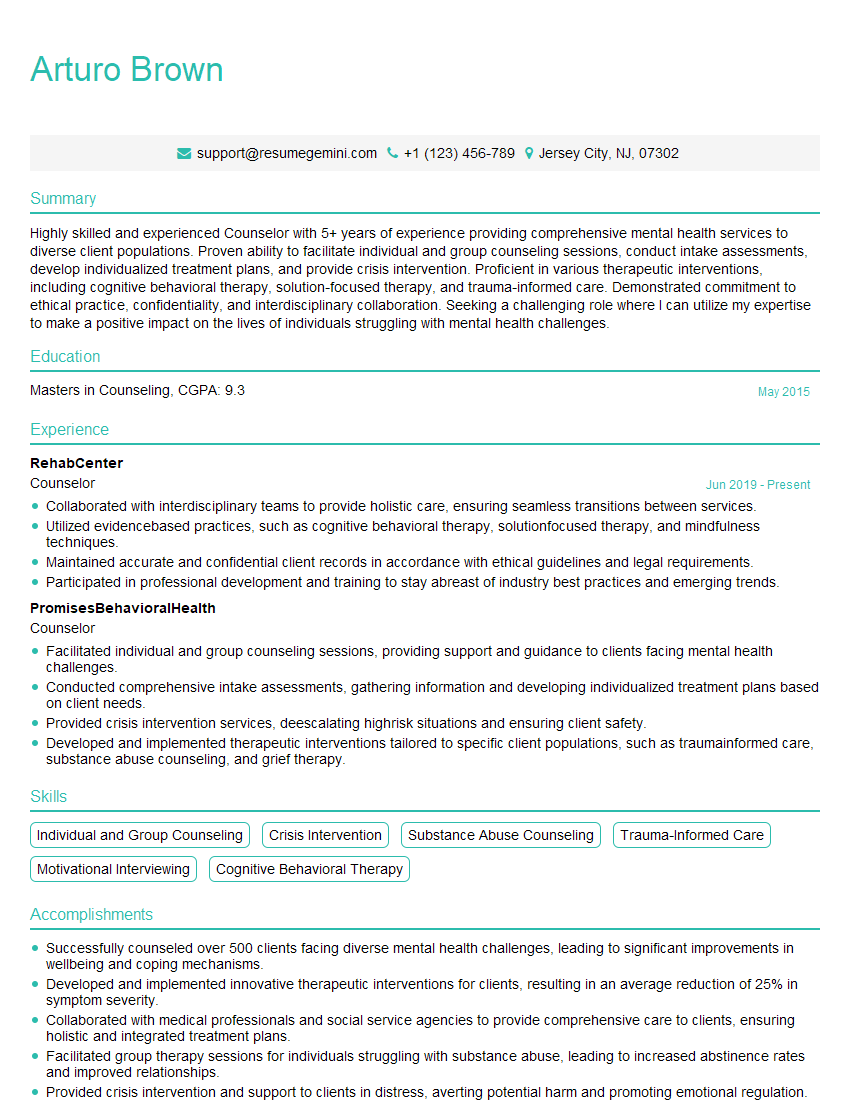
Counselor Resume Sample
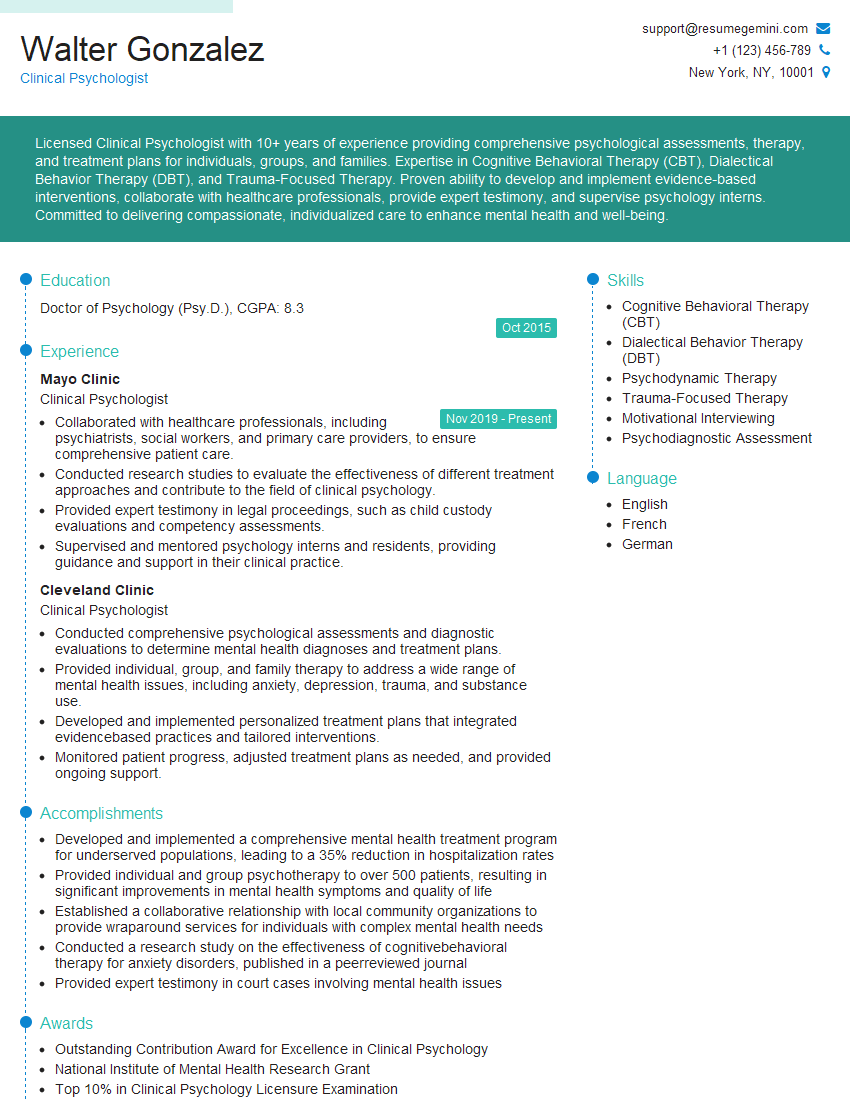
Clinical Psychologist Resume Sample
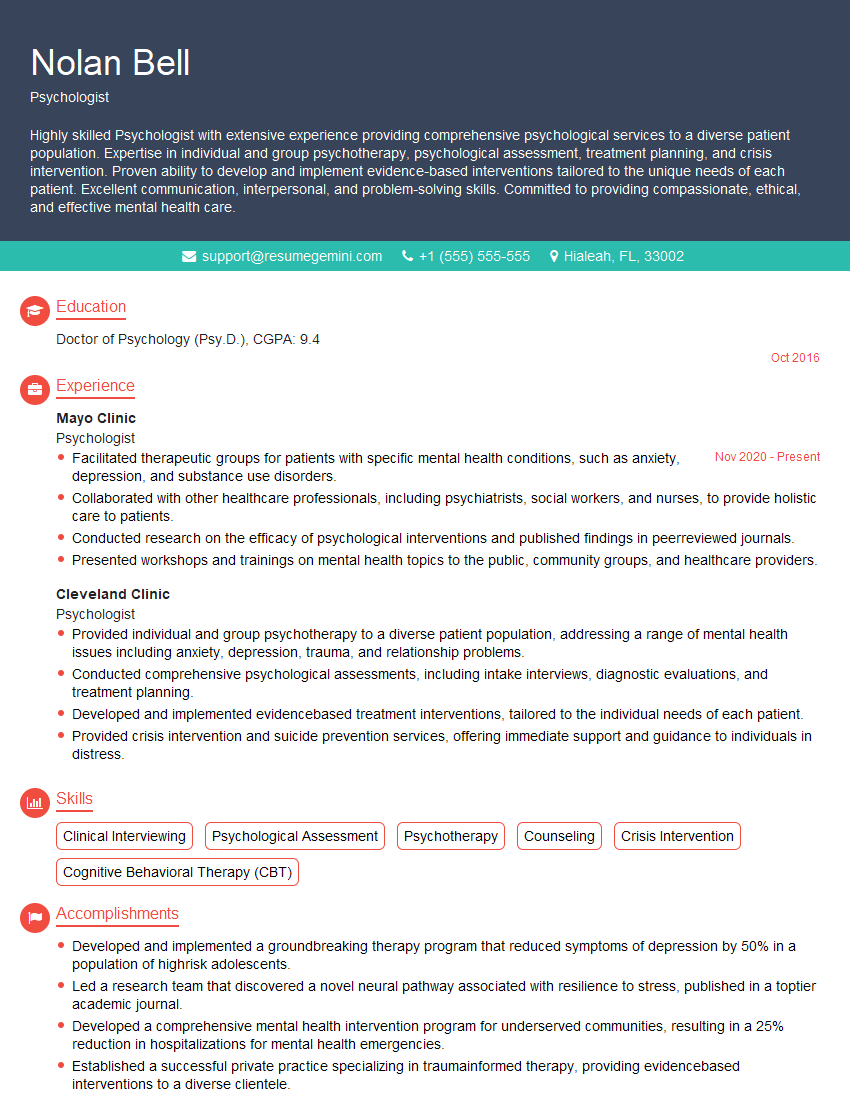
Psychologist Resume Sample
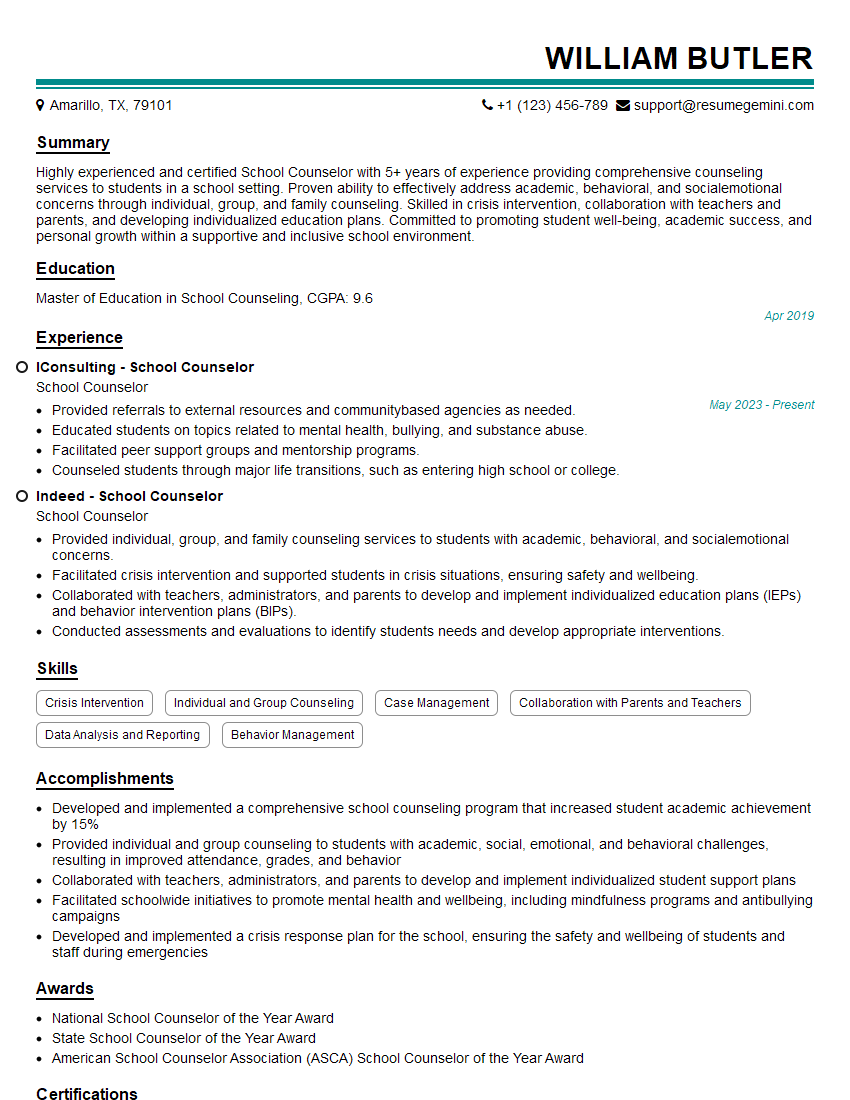
School Counselor Resume Sample
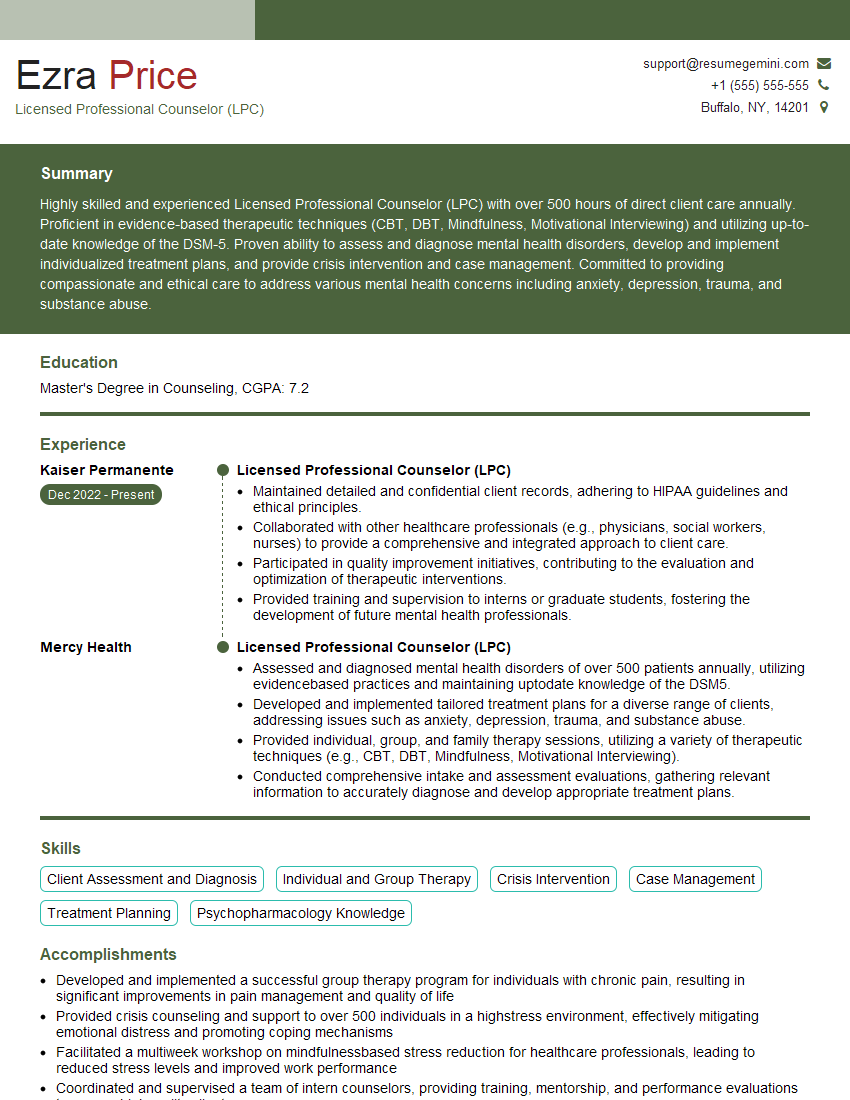
Licensed Professional Counselor (LPC) Resume Sample
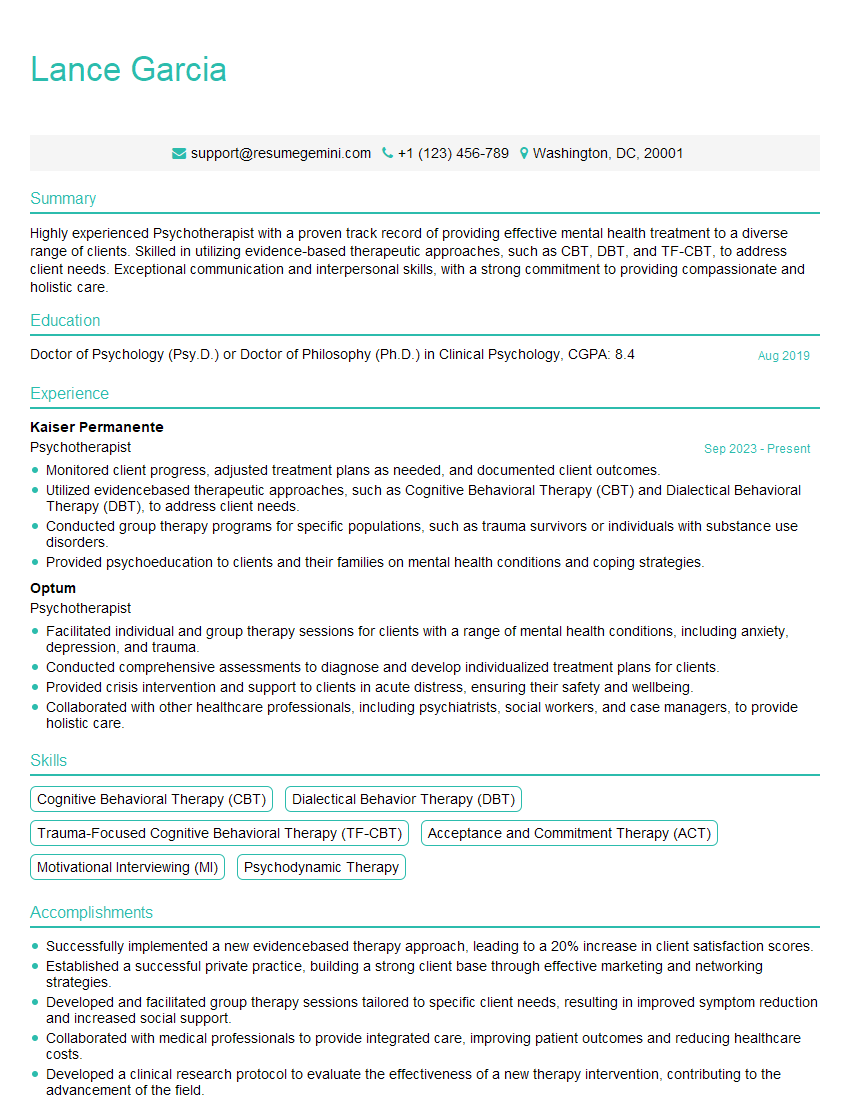
Psychotherapist Resume Sample
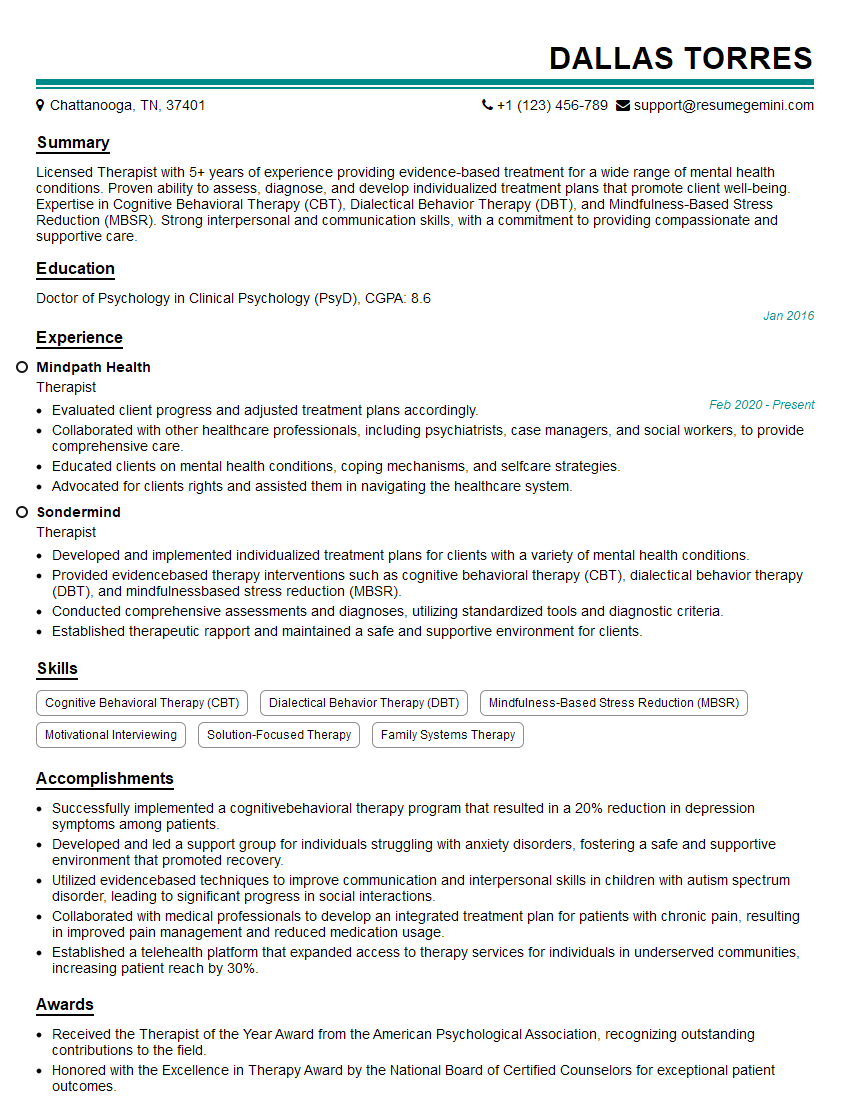
Therapist Resume Sample

Mental Health Counselor Resume Sample
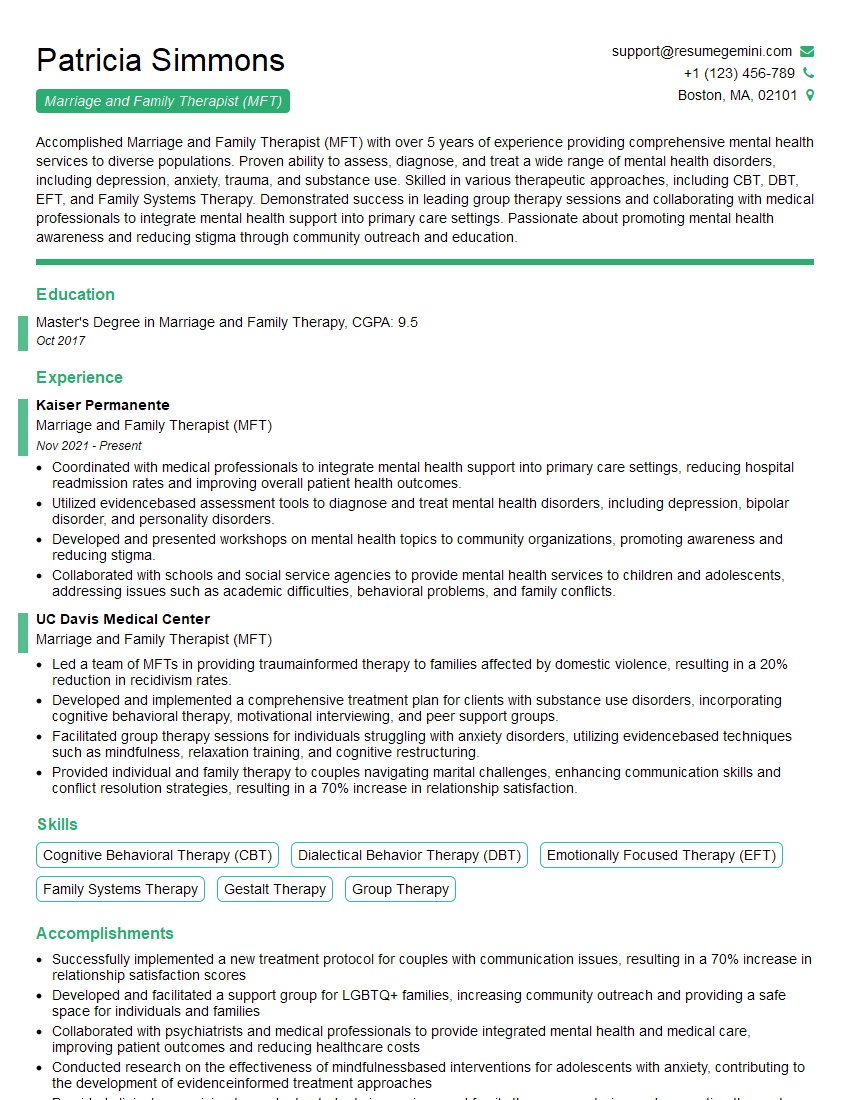
Marriage and Family Therapist (MFT) Resume Sample
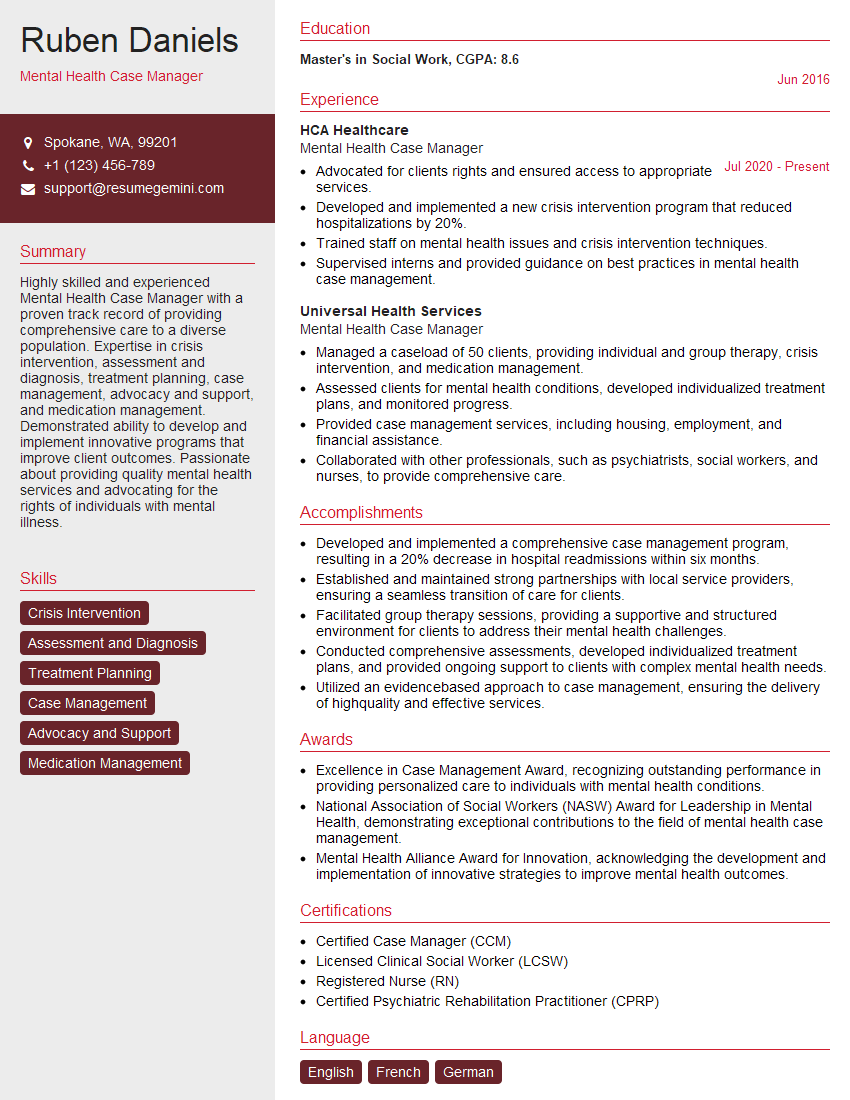
Mental Health Case Manager Resume Sample

Rehabilitation Counselor Resume Sample
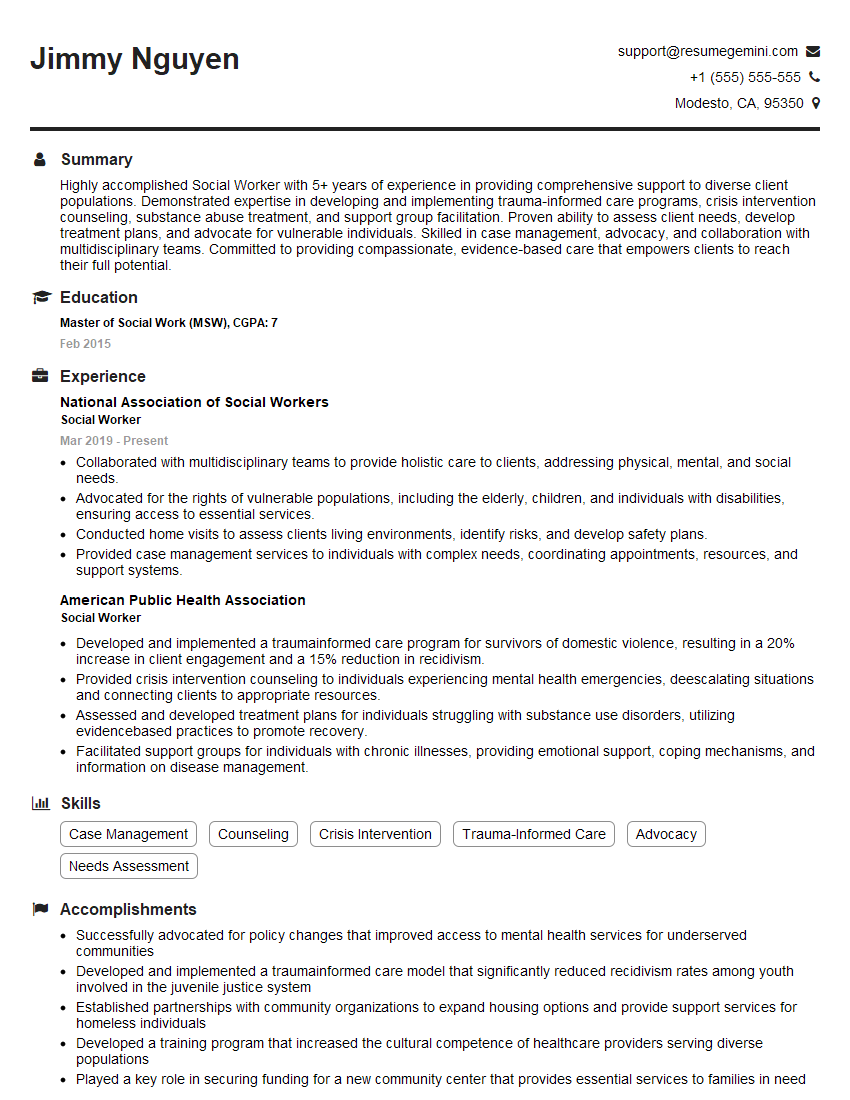
Social Worker Resume Sample
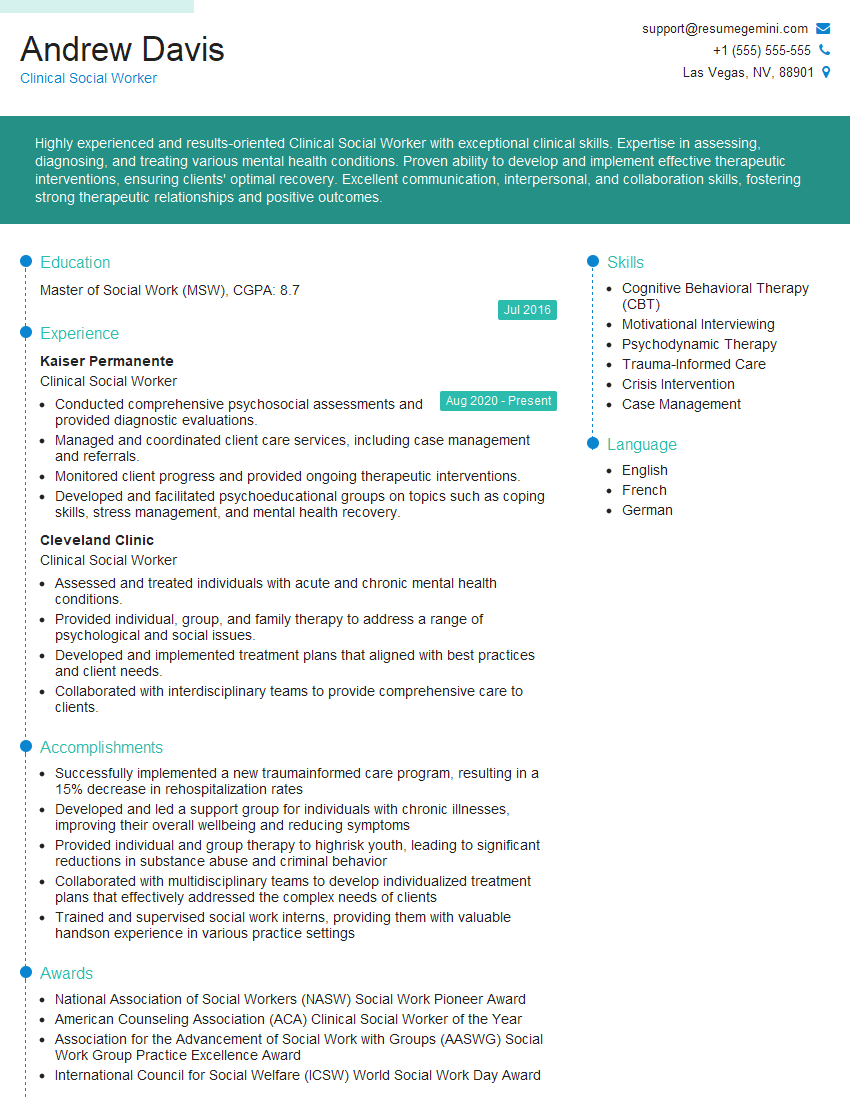
Clinical Social Worker Resume Sample

Community Mental Health Worker Resume Sample
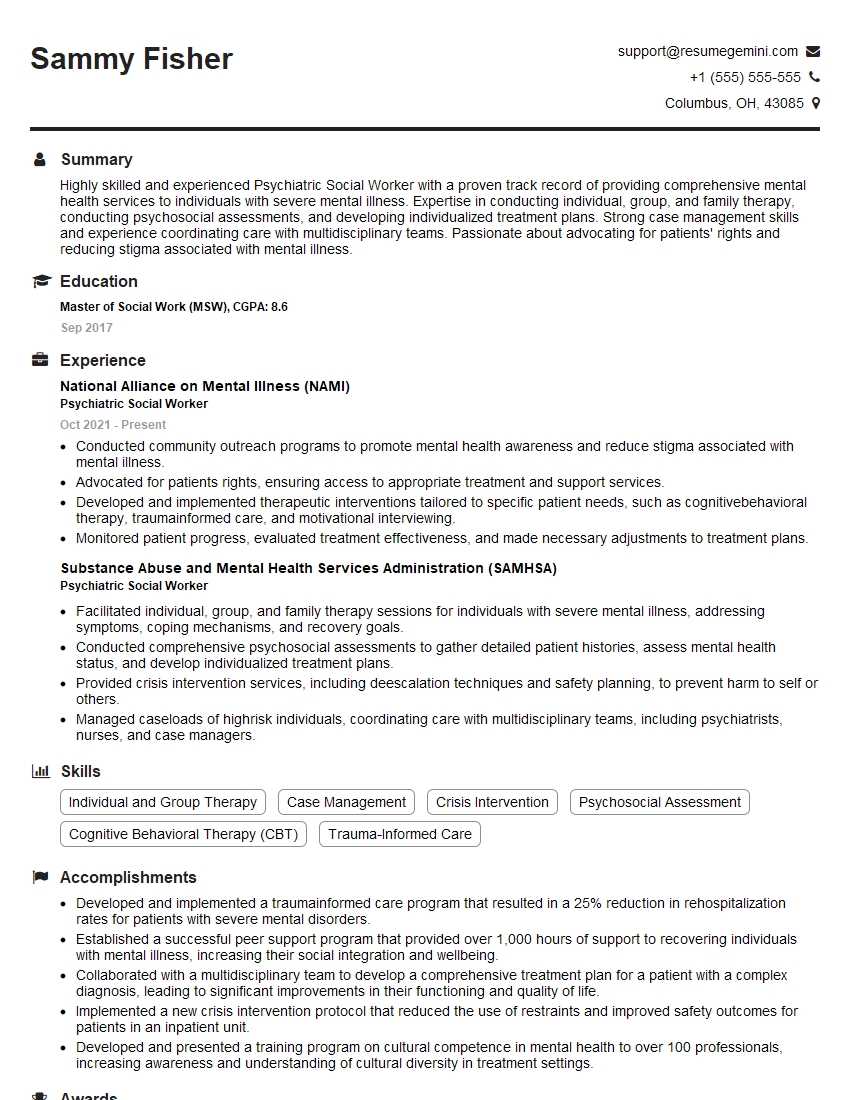
Psychiatric Social Worker Resume Sample
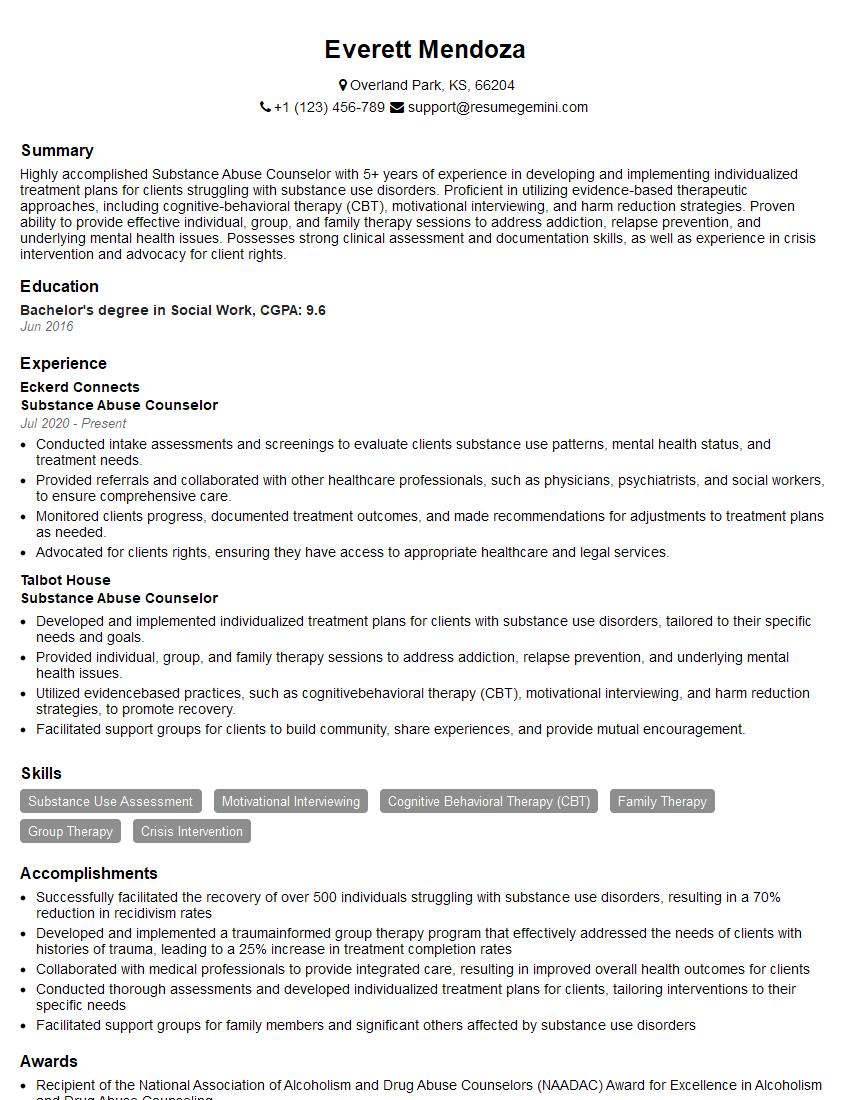
Substance Abuse Counselor Resume Sample
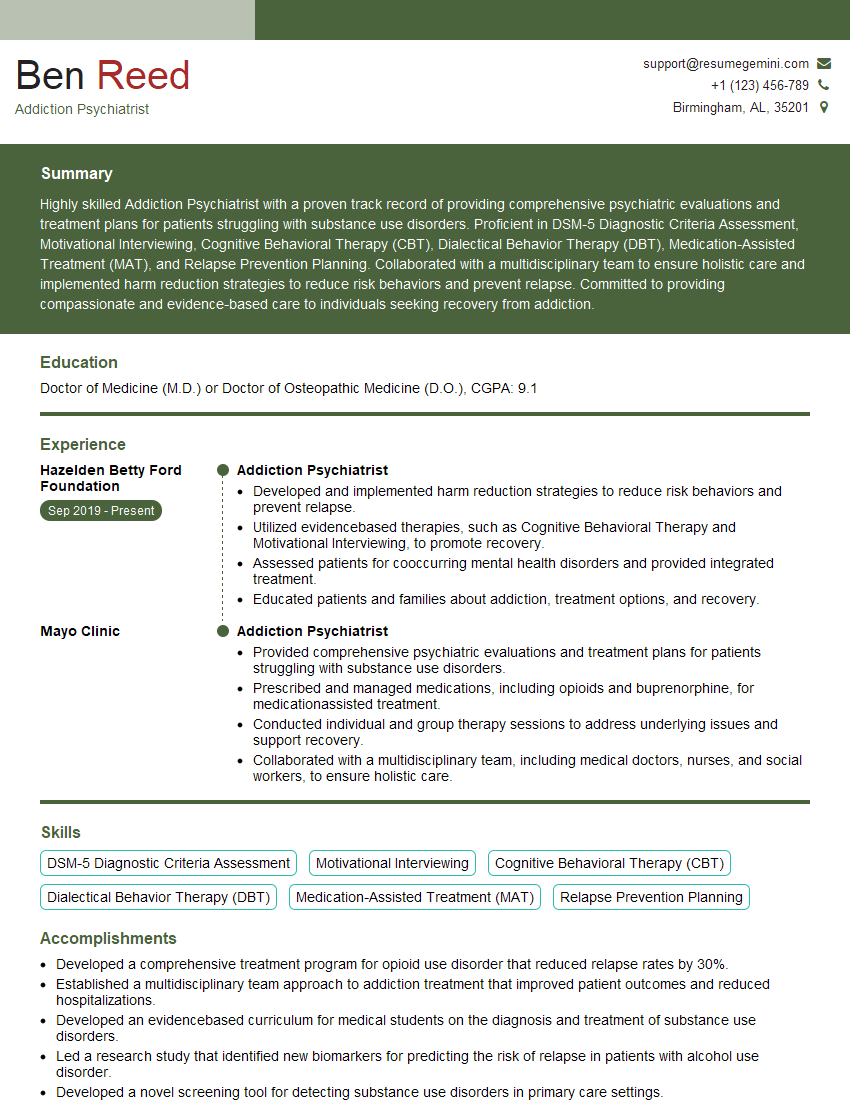
Addiction Psychiatrist Resume Sample
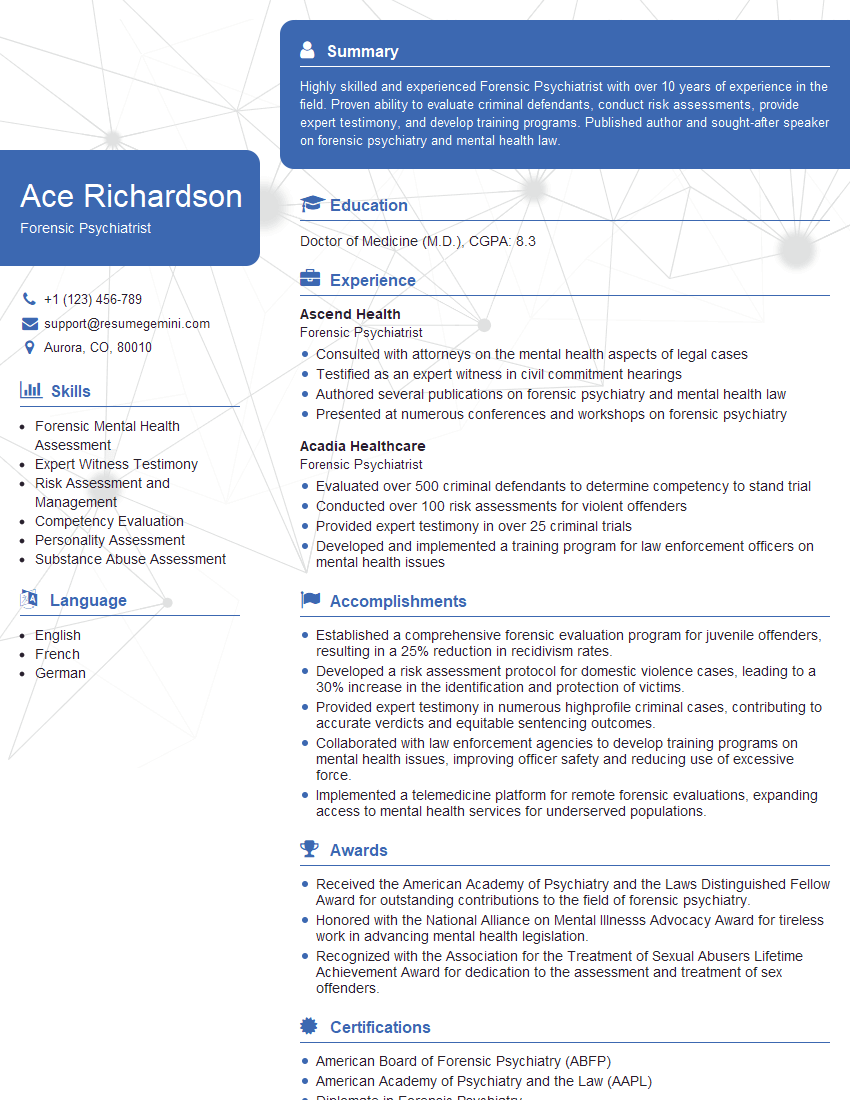
Forensic Psychiatrist Resume Sample
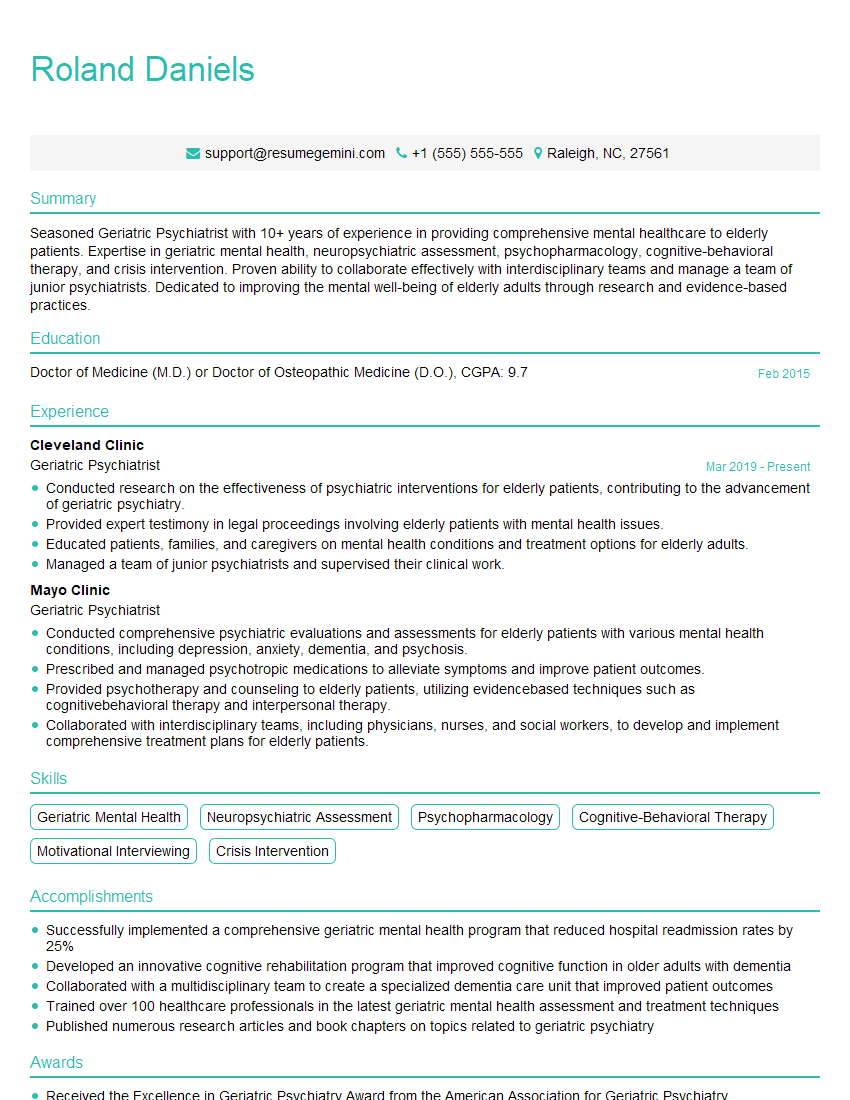
Geriatric Psychiatrist Resume Sample
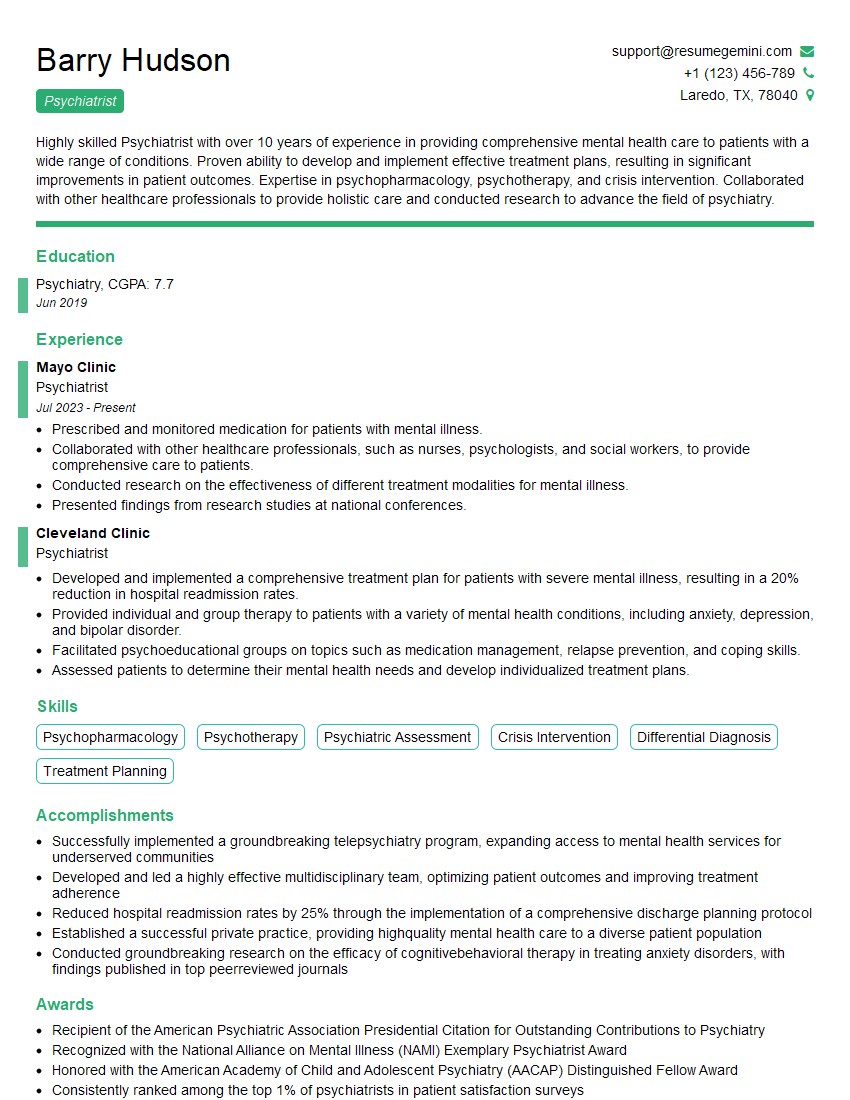
Psychiatrist Resume Sample
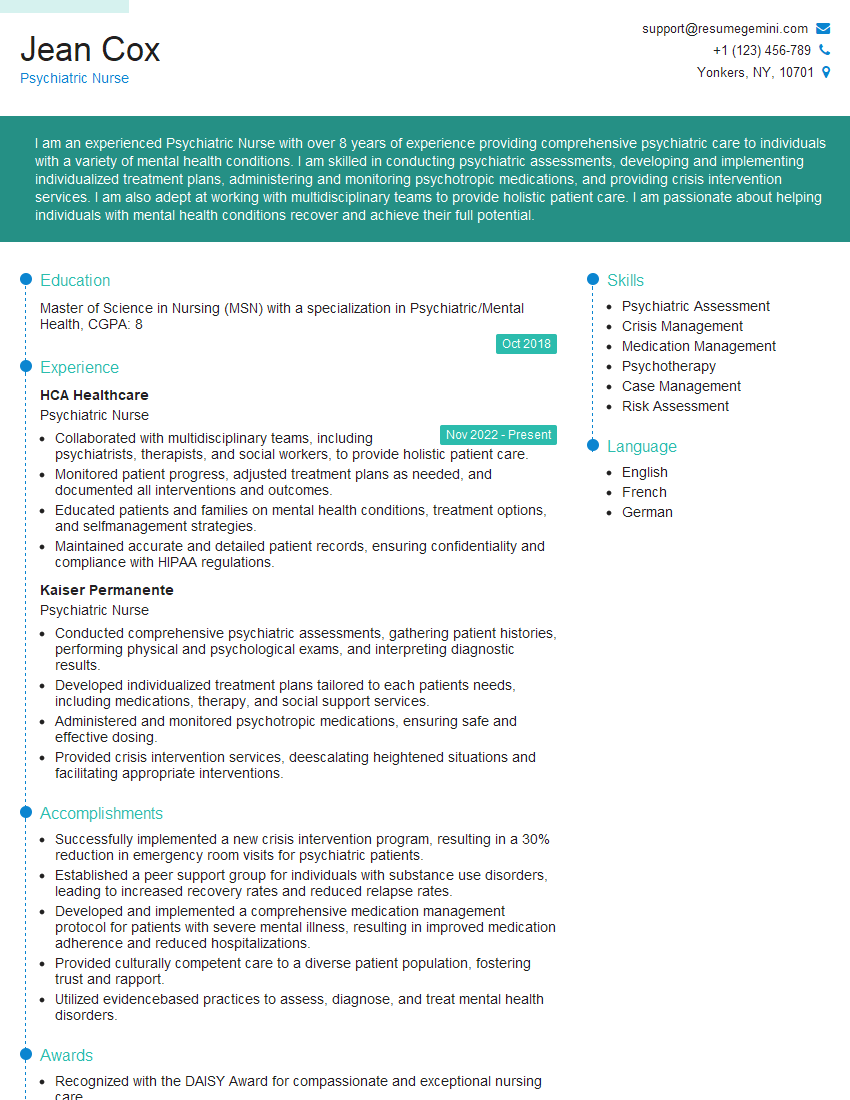
Psychiatric Nurse Resume Sample
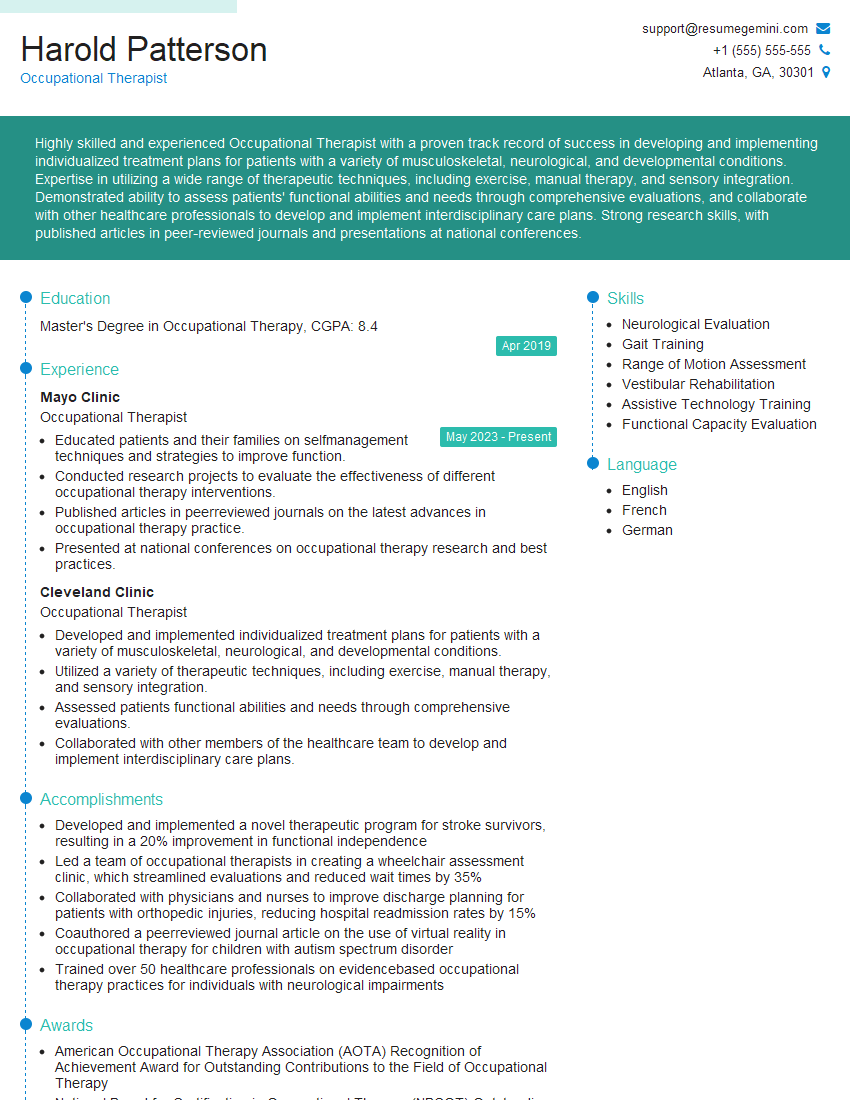
Occupational Therapist Resume Sample
- Counselor
- Clinical Psychologist
- Psychologist
- School Counselor
- Licensed Professional Counselor (LPC)
- Psychotherapist
- Therapist
- Mental Health Counselor
- Marriage and Family Therapist (MFT)
- Mental Health Case Manager
- Rehabilitation Counselor
- Social Worker
- Clinical Social Worker
- Community Mental Health Worker
- Psychiatric Social Worker
- Substance Abuse Counselor
- Addiction Psychiatrist
- Forensic Psychiatrist
- Geriatric Psychiatrist
- Psychiatrist
- Psychiatric Nurse
- Occupational Therapist
Explore more articles
Users Rating of Our Blogs
Share Your Experience
We value your feedback! Please rate our content and share your thoughts (optional).
What Readers Say About Our Blog
To the interviewgemini.com Webmaster.
Very helpful and content specific questions to help prepare me for my interview!
Thank you
To the interviewgemini.com Webmaster.
This was kind of a unique content I found around the specialized skills. Very helpful questions and good detailed answers.
Very Helpful blog, thank you Interviewgemini team.