Preparation is the key to success in any interview. In this post, we’ll explore crucial Surgical Intuition interview questions and equip you with strategies to craft impactful answers. Whether you’re a beginner or a pro, these tips will elevate your preparation.
Questions Asked in Surgical Intuition Interview
Q 1. Describe a situation where your surgical intuition led to a positive outcome.
Surgical intuition, in essence, is the ability to make rapid, informed decisions based on experience and pattern recognition. It’s that ‘gut feeling’ honed by years of practice. In one instance, I was performing a laparoscopic cholecystectomy (gallbladder removal). The patient’s anatomy was unusually complex, with significant adhesions (scar tissue). My initial plan, based on pre-operative imaging, was to proceed along a standard approach. However, my intuition told me something wasn’t right; the tissue felt different than expected. I decided to slightly alter my approach, opting for a more cautious dissection. This prevented a potentially serious bleed that could have resulted from blindly following the original plan. The altered approach, guided by my intuition, led to a smooth, complication-free procedure and a faster recovery for the patient.
Q 2. How do you differentiate between surgical intuition and guesswork?
The key difference between surgical intuition and guesswork lies in the foundation of the decision. Surgical intuition isn’t a random hunch; it’s a synthesis of accumulated knowledge, pattern recognition from countless cases, and an understanding of anatomical variations and potential complications. Guesswork, on the other hand, lacks this robust foundation. It’s a shot in the dark, without the backing of extensive experience or a deep understanding of the surgical field. Think of it like this: an experienced chess player ‘intuitively’ knows a good move, based on years of experience and understanding game patterns, while a novice might make a random move – a guess. Surgical intuition is informed, guesswork is not.
Q 3. Explain your approach to managing unexpected complications during surgery.
Managing unexpected complications requires a calm, methodical approach. My strategy involves three key steps: 1. Assessment: Quickly assess the nature and severity of the complication. Is it life-threatening? What are the immediate risks? 2. Communication: Immediately inform the surgical team, including anesthesiology and potentially other specialists if needed. Clear, concise communication is critical in high-pressure situations. 3. Action: Develop a plan based on the assessment and available resources. This might involve changing the surgical technique, requesting additional imaging, or consulting with other specialists. For instance, if unexpected bleeding occurs, I would immediately control the bleeding source, while simultaneously communicating the situation to the team and potentially requesting blood products. The focus shifts to damage control, patient stabilization, and finding the safest solution, sometimes deviating from the initial surgical plan.
Q 4. How do you balance surgical intuition with evidence-based practice?
The ideal surgical practice balances intuition with evidence-based medicine. Evidence-based medicine provides the framework – the established best practices, guidelines, and clinical trial results. Intuition, honed by experience, allows for adaptation and flexibility within that framework. It’s not an either/or situation. For example, while the evidence supports a particular surgical technique, my intuition, based on the patient’s specific anatomy or response, might suggest a minor modification for a better outcome. This requires a constant process of learning, adapting, and reflecting on the outcomes of various decisions. I regularly review literature, attend conferences, and participate in quality improvement initiatives to continually refine my approach and ensure my intuition aligns with the latest evidence.
Q 5. Describe a time your surgical intuition was incorrect. What did you learn?
There was an instance where my intuition led me astray. I was performing a complex hernia repair, and based on my initial palpation, I believed a particular approach would be efficient. However, during the procedure, I encountered unforeseen anatomical variations that made my initial plan impractical and risky. This resulted in a longer procedure and a slightly increased risk of complications. The crucial lesson learned was the importance of being more thorough in my pre-operative assessment and not relying solely on initial impressions. I subsequently incorporated more detailed imaging and a more rigorous pre-operative planning process, which reduced reliance on subjective intuition alone. This experience reinforced the importance of a methodical approach even when intuition suggests a simpler solution.
Q 6. How do you assess a patient’s surgical risk based on intuition and data?
Assessing a patient’s surgical risk is a multifaceted process. Pre-operative data, such as age, medical history, and lab results, provides objective risk factors. My intuition adds another layer – an assessment of the patient’s overall resilience, their response to examination, and the subtle cues that may not appear in the charts. For example, a patient with seemingly manageable risk factors might exhibit subtle signs of frailty or reduced physiological reserve that my intuition picks up during the physical examination. Combining this intuitive assessment with the data allows for a more comprehensive risk stratification. This informed approach guides the decision-making process, from selecting the optimal anesthetic strategy to making plans for post-operative care.
Q 7. How do you incorporate a team’s input when your intuition differs?
When my intuition differs from the team’s opinion, I foster open communication and collaboration. I clearly articulate my reasoning, explaining the specific observations or patterns that led to my intuition. I actively listen to the team’s perspectives and considerations, understanding their reasoning and concerns. The goal is not to impose my intuition but to collectively arrive at the best course of action. This often involves a detailed discussion of the risks and benefits of different approaches, considering the patient’s unique situation. Ultimately, the decision is collaborative; respecting everyone’s expertise, while prioritizing the patient’s safety and best outcome. A collaborative decision, even if slightly different from my initial intuition, often yields better results because it leverages the collective experience and insights of the team.
Q 8. How do you handle pressure and time constraints when relying on surgical intuition?
Surgical intuition, while invaluable, can be challenged by time constraints and pressure. The key is a structured approach that balances speed and safety. Think of it like a high-stakes chess game; you need to anticipate moves, but also adapt to your opponent’s (the patient’s anatomy’s) responses.
- Preparation is paramount: Thorough pre-operative planning, including reviewing imaging and discussing the case with the team, significantly reduces intraoperative surprises and allows for quicker decision-making under pressure.
- Prioritization of steps: Identifying critical steps that must be completed quickly versus those that can be addressed later allows for efficient workflow management. For example, controlling bleeding is a priority over meticulously suturing a minor structure.
- Mentorship and experience: Experienced surgeons often develop a sense of timing and efficiency that comes from years of managing complex surgical situations. This allows them to quickly assess the situation and prioritize actions based on their vast experience.
- Teamwork: Effective communication and delegation within the surgical team are crucial. Assigning specific tasks to skilled individuals frees the lead surgeon to focus on critical decisions.
For example, during a complex laparoscopic cholecystectomy (gallbladder removal), unexpected bleeding might necessitate quickly switching to an open procedure to gain better control. The experienced surgeon, recognizing this pattern quickly and acting decisively, will mitigate a potentially life-threatening situation.
Q 9. How do you prioritize competing factors when making a critical surgical decision?
Prioritizing competing factors during a critical surgical decision requires a structured approach. I use a framework that integrates my surgical intuition with evidence-based medicine and patient-specific considerations. It’s like solving a complex equation with multiple variables.
- Patient safety first: This always takes precedence. Hemodynamic stability, airway patency, and preventing further injury are top priorities.
- Risk-benefit analysis: Weighing the potential benefits of a particular surgical maneuver against the inherent risks is crucial. For example, removing a tumor might reduce cancer risk but increase the risk of nerve damage. I carefully assess this balance.
- Technical feasibility: Surgical techniques must be technically sound and achievable within the given circumstances. If a complex procedure is too risky, I might prioritize a simpler, safer approach.
- Patient’s preferences: Whenever feasible, incorporating the patient’s values and preferences into the decision process is critical, especially concerning treatment options.
For instance, if a patient presents with a large abdominal aortic aneurysm, the surgeon must weigh the risk of rupture against the surgical risk. This may involve consulting with the patient and their family, balancing the benefits of repair with the potential complications such as stroke or paralysis.
Q 10. How do you recognize patterns in surgical cases that inform your intuition?
Recognizing patterns in surgical cases is fundamental to developing surgical intuition. It’s like a detective piecing together clues to solve a mystery. These patterns can reveal important information about the patient’s anatomy, the pathology, and potential intraoperative complications.
- Imaging analysis: Careful review of pre-operative imaging (CT scans, MRIs, ultrasounds) allows me to visualize the anatomy and identify potential challenges. I look for subtle variations and anomalies that may not be immediately apparent.
- Clinical experience: Repeated exposure to similar cases allows for the recognition of subtle clinical cues – changes in vital signs, palpation findings – that may indicate an underlying problem.
- Knowledge of anatomy and pathology: A strong grasp of anatomy and the specific pathology allows for better prediction of potential challenges and the development of appropriate surgical strategies.
- Case review and reflection: Regularly reviewing past cases, successes, and failures helps to refine pattern recognition and improve decision-making.
For example, recognizing the characteristic radiological signs of a particular type of liver tumor helps in anticipating vascular involvement during surgery, influencing the choice of surgical approach and the need for additional support from vascular surgeons.
Q 11. How do you stay current with advancements that influence surgical intuition?
Staying current with advancements is crucial to enhance surgical intuition. The field is constantly evolving, with new techniques, technologies, and scientific insights constantly emerging.
- Continuing medical education (CME): Attending conferences, workshops, and online courses helps to stay abreast of the latest advancements.
- Reading medical literature: Reviewing peer-reviewed journals and publications keeps my knowledge base updated on new surgical techniques, instrumentation, and imaging modalities.
- Collaboration with colleagues: Discussions and collaborations with colleagues, including experts in related fields, often expose me to new ideas and perspectives.
- Mentorship and observation: Observing experienced colleagues in different surgical settings allows learning from their expertise and best practices.
For example, the advent of robotic surgery has profoundly influenced surgical approaches, and keeping up with its advancements is essential for adapting my intuitive decision-making to incorporate the benefits of this technology.
Q 12. Describe your process for evaluating intraoperative imaging data.
Intraoperative imaging is critical for refining surgical decisions and minimizing complications. My evaluation process involves a systematic approach.
- Correlation with pre-operative imaging: I start by comparing the intraoperative images (fluoroscopy, ultrasound) to the pre-operative studies to identify any discrepancies or unexpected findings.
- Assessment of anatomical structures: I carefully assess the location, size, and relationships of key anatomical structures, paying close attention to any variations from the expected norm.
- Evaluation of pathology: The imaging helps in assessing the extent and characteristics of the pathology (e.g., tumor size, location of lymph nodes) guiding my approach.
- Real-time adjustments: Based on the intraoperative images, I make real-time adjustments to the surgical plan, choosing the most suitable approach and ensuring precision.
For instance, during a minimally invasive procedure, intraoperative fluoroscopy can help precisely place instruments, avoiding damage to surrounding structures. If an unexpected anatomical variation is discovered, the imaging can guide the surgical strategy for safe and effective intervention.
Q 13. How does experience affect surgical intuition and decision-making?
Experience profoundly shapes surgical intuition and decision-making. It’s like developing a muscle; the more you use it, the stronger it gets. Experience translates into pattern recognition, quicker assessment of situations, and enhanced risk mitigation.
- Pattern recognition: Years of surgical experience lead to the recognition of subtle cues that may indicate potential problems or guide the surgical approach.
- Improved problem-solving: Experienced surgeons are adept at quickly identifying and resolving unforeseen intraoperative issues.
- Risk assessment and mitigation: With experience comes a heightened ability to anticipate and minimize complications.
- Efficiency and precision: Experienced surgeons perform surgeries with greater speed and precision, reducing operative time and risk.
For example, an experienced cardiac surgeon can quickly assess the stability of a patient’s heart during surgery, recognize subtle changes, and take immediate corrective action. This expertise develops gradually over time, through numerous surgeries and countless lessons learned.
Q 14. Describe a time you had to adapt your surgical plan based on intraoperative findings.
During a laparoscopic cholecystectomy, I encountered severe inflammation and scarring around the gallbladder, making dissection extremely challenging and risky. The pre-operative imaging had not fully captured the extent of the inflammation.
My initial plan was a purely laparoscopic approach. However, given the extensive adhesions and the high risk of bile duct injury, I decided to convert to an open cholecystectomy. This allowed for better visualization and control, minimizing the risk of complications. The conversion, though unexpected, ensured the patient’s safety and a successful outcome. This experience reinforced the importance of adaptability and the need to prioritize patient safety above adhering rigidly to a preconceived surgical plan.
Q 15. How do you maintain a balance between speed and precision during surgery?
Balancing speed and precision in surgery is a delicate dance, akin to a tightrope walk. It’s not about rushing, but about efficient, deliberate movements. Preoperative planning is paramount; thorough familiarity with the anatomy and the surgical plan minimizes wasted time and maximizes precision. This includes studying imaging (CT scans, MRIs) and rehearsing the procedure mentally, anticipating potential challenges. During the surgery, I use specialized instruments designed for both control and speed, like microsurgical tools for delicate work and powered instruments for more rapid dissection when appropriate. For example, in a laparoscopic cholecystectomy (gallbladder removal), precise movements are needed to avoid damaging the bile duct or cystic artery, but speed is important to minimize the patient’s time under anesthesia. I achieve this by practicing meticulous technique and using energy devices when appropriate. Continuous monitoring of vital signs and the surgical field helps me gauge progress and adjust my pace accordingly.
Career Expert Tips:
- Ace those interviews! Prepare effectively by reviewing the Top 50 Most Common Interview Questions on ResumeGemini.
- Navigate your job search with confidence! Explore a wide range of Career Tips on ResumeGemini. Learn about common challenges and recommendations to overcome them.
- Craft the perfect resume! Master the Art of Resume Writing with ResumeGemini’s guide. Showcase your unique qualifications and achievements effectively.
- Don’t miss out on holiday savings! Build your dream resume with ResumeGemini’s ATS optimized templates.
Q 16. How do you use visual cues during surgery to inform your decisions?
Visual cues are absolutely critical during surgery. They guide every decision, from initial incision to final closure. I rely heavily on direct visualization of the surgical field, constantly assessing color, texture, and anatomical relationships. For instance, the pale appearance of a tissue might indicate ischemia (lack of blood flow), requiring immediate action to restore blood supply. Changes in tissue consistency, like unusual firmness or softness, might suggest pathology. Bleeding can be visually assessed: bright red blood indicates arterial bleeding, whereas darker blood suggests venous bleeding, guiding the appropriate hemostatic technique. Advanced imaging, such as intraoperative ultrasound or fluorescence imaging, enhances visualization and provides crucial information about underlying structures or tissue viability. These visual cues, in conjunction with other data, are constantly interpreted to make informed, dynamic decisions throughout the procedure.
Q 17. How do you communicate your surgical plan to the surgical team effectively?
Effective communication within the surgical team is non-negotiable. Before the incision, I clearly articulate the surgical plan, including the steps, potential challenges, and contingency plans. This involves a structured approach: first, a concise overview of the procedure’s goal; then, a detailed description of the steps, highlighting key landmarks and critical structures. I also discuss anticipated difficulties and how we’ll address them. For instance, in a complex spinal surgery, I might describe the specific levels of the spine involved, the planned approach, and potential complications like nerve injury. During the procedure, I maintain open communication, providing regular updates on progress, unexpected findings, and any necessary adjustments to the plan. Non-verbal communication is also important; clear hand signals for instrument requests or warnings ensure efficiency and safety. Post-operatively, I clearly communicate the procedure’s outcome, any complications encountered, and postoperative care instructions to the patient and the family.
Q 18. How do you handle conflicting data when making surgical decisions?
Conflicting data during surgery demands a systematic approach. This situation requires careful analysis and consideration of multiple factors. Firstly, I re-evaluate the source of the conflicting information; was it from direct observation, imaging, or physiological monitoring? Then I assess the reliability and accuracy of each data point. Is there a potential for error in any measurement? Consideration of the patient’s specific clinical context – age, comorbidities, and medications – is important. In certain cases, I might utilize additional diagnostic tools like intraoperative ultrasound or other imaging to clarify the situation. For example, if intraoperative blood gas analysis indicates acidosis, but the patient’s clinical appearance is stable, I will investigate to rule out a technical error or other underlying factors. A detailed discussion with the anesthesia team, and possibly other consultants, is frequently required to reach a consensus. The ultimate decision is based on the most likely diagnosis and the safest course of action for the patient’s well-being.
Q 19. Describe your process for evaluating patient response to anesthesia and surgical intervention.
Monitoring patient response is a continuous process. Throughout the procedure, I collaborate closely with the anesthesia team. We track vital signs (heart rate, blood pressure, oxygen saturation, respiratory rate), continuously monitoring for signs of hemodynamic instability, respiratory depression, or other adverse effects. We also carefully observe the patient’s response to surgical manipulation; increased heart rate or blood pressure might indicate pain or stress; changes in respiration could indicate pneumothorax (collapsed lung). Neurological monitoring, such as evoked potentials during neurosurgery, might be employed. Post-operatively, monitoring includes assessing pain levels, wound status, and organ function (kidney function, liver function). Any abnormalities necessitate appropriate interventions, adjustments to medication, and close surveillance. Regular communication with the post-anesthesia care unit ensures a smooth transition to the recovery phase.
Q 20. How do you differentiate between normal and abnormal anatomical variations during surgery?
Differentiating normal from abnormal anatomical variations demands a strong foundation in anatomy and a keen eye for detail. Preoperative imaging is invaluable for identifying variations beforehand. During surgery, careful palpation, and meticulous dissection, guided by knowledge of potential variations, is critical. For instance, aberrant blood vessels in the liver are not uncommon and recognizing them is crucial to avoid injury. Familiarity with common variations reduces the risk of complications. I often use anatomical atlases and surgical texts as references. For example, in a heart surgery, understanding the variations in coronary artery anatomy is crucial to avoid damage. If a variation is unexpected, I slow down, take more time to assess the anatomy, and document the finding meticulously. This careful approach avoids potentially dangerous mistakes.
Q 21. How do you approach unexpected bleeding during a surgical procedure?
Unexpected bleeding is a serious situation demanding rapid assessment and response. The first step is to identify the source of the bleeding – is it arterial, venous, or capillary? This informs the choice of hemostatic technique. If the bleeding is significant, I will first control the source using direct pressure, often assisted by surgical sponges. For arterial bleeding, I might use surgical clips or cautery (electrical or laser). For venous bleeding, suture ligation or topical hemostatic agents may be appropriate. If bleeding continues despite these measures, I will seek assistance from the surgical team, potentially needing vascular surgery support for major vessel injury. The process includes securing the airway, administering fluids and blood products (if needed), and monitoring vital signs closely. This rapid, coordinated response helps minimize blood loss and maintain patient hemodynamic stability. Post-hemostasis, the site is carefully inspected for continuing bleeding.
Q 22. How do you assess the risk of surgical site infection?
Assessing the risk of surgical site infection (SSI) is crucial for patient safety. It’s a multi-factorial process involving a careful evaluation of patient-specific factors, surgical procedure specifics, and the overall surgical environment. We use validated risk assessment tools, like the CDC’s SSI risk calculator, which considers factors such as patient age, BMI, comorbidities (diabetes, obesity, immunosuppression), type of surgery (clean, clean-contaminated, contaminated, dirty), duration of surgery, and the use of drains or implants.
- Patient-Specific Factors: A thorough preoperative evaluation, including a review of medical history and current health status, identifies individuals at higher risk. For example, a diabetic patient undergoing a long abdominal procedure carries a significantly higher SSI risk than a healthy individual having a short, uncomplicated procedure.
- Surgical Procedure Factors: The type of surgery and its inherent risk are major considerations. Open procedures, compared to minimally invasive procedures, are associated with higher SSI rates. Similarly, surgeries involving the gastrointestinal tract or those with significant tissue trauma pose a higher risk.
- Environmental Factors: Maintaining a sterile surgical field and adhering to strict infection control protocols are paramount. This includes proper hand hygiene, surgical attire, sterilization of instruments and equipment, and meticulous wound closure techniques.
By carefully considering these factors, we can proactively implement strategies to mitigate SSI risk, such as prophylactic antibiotics, appropriate skin preparation, and meticulous wound care.
Q 23. How do you manage a situation where you’re unsure of your next step during surgery?
Uncertainty during surgery is a common occurrence, even for experienced surgeons. It’s essential to acknowledge this uncertainty and proceed methodically. My approach involves several key steps:
- Pause and Reassess: The first step is to pause the procedure and systematically re-evaluate the situation. This involves reviewing the surgical plan, the current anatomy, and any unexpected findings.
- Consult Resources: This might involve consulting surgical textbooks, online medical databases (like UpToDate), or colleagues with expertise in the specific area. A brief consultation with a more senior colleague is often valuable.
- Utilize Imaging: If appropriate, intraoperative imaging techniques (ultrasound, fluoroscopy) can provide critical information to clarify the anatomy and guide the next steps.
- Seek Second Opinion: In situations with significant uncertainty and when the risk is high, seeking a second opinion from a trusted colleague is always the right choice. Patient safety is the ultimate priority.
- Adapt the Plan: Based on the reassessment and consultation, I would modify the surgical plan to address the unforeseen challenge, always prioritizing patient safety and minimizing risk.
Imagine encountering unexpected bleeding during a complex abdominal procedure. Pausing, gaining a clearer picture of the bleeding source using surgical instruments and possibly intraoperative ultrasound, and then collaborating with a colleague to effectively manage the bleeding would be my approach. It’s about methodical problem-solving and prioritizing safety above speed.
Q 24. How do you handle equipment malfunctions during surgery?
Equipment malfunction during surgery is a serious event requiring immediate and calm response. Our protocol involves a series of steps:
- Assess the Situation: First, we quickly assess the nature and severity of the malfunction. Is it a minor inconvenience or a critical failure affecting patient safety?
- Maintain Patient Safety: Our immediate priority is to ensure patient safety and stability. This might involve changing positions, controlling bleeding, maintaining oxygenation, or other life-supporting measures.
- Troubleshooting: If possible, we attempt to troubleshoot the malfunction. This could involve checking connections, power sources, or trying alternative settings.
- Communicate Clearly: Effective communication with the surgical team is critical. Clearly conveying the nature of the malfunction and the necessary steps helps to maintain a calm and coordinated response.
- Replacement or Alternative: If the malfunction cannot be resolved quickly, a backup instrument or device will be used. The surgical team should have contingency plans in place for such situations.
- Report the Incident: All equipment malfunctions are meticulously documented and reported to the appropriate authorities to ensure prompt repair or replacement and to identify potential systemic issues.
For instance, if the electrosurgical unit fails during a laparoscopic procedure, we would immediately switch to manual dissection, while simultaneously informing the surgical team and arranging for a replacement unit. Patient safety and clear communication are paramount in such stressful situations.
Q 25. How do you utilize surgical technology to enhance your surgical intuition?
Surgical technology significantly enhances surgical intuition. It provides data and visualisations that refine our understanding of the surgical field and improve decision-making.
- Image Guidance: Laparoscopic and robotic surgery utilize high-definition cameras and monitors providing detailed views of the surgical field. This enhanced visualization allows for greater precision and minimizes the need for large incisions.
- Intraoperative Imaging: Ultrasound and fluoroscopy provide real-time information on tissue structures, aiding in locating critical anatomical landmarks, avoiding damage to adjacent structures, and navigating complex areas.
- Robotics: Robotic surgical systems offer increased dexterity, precision, and ergonomic advantages, enhancing the surgeon’s ability to perform complex maneuvers. The filtering of hand tremors contributes to improved accuracy and minimal invasiveness.
- Data Analytics: Surgical navigation systems and sensor technology provide real-time data on surgical progress, tissue characteristics, and instrument interactions. These help me to understand the procedure’s impact on the patient and make adjustments where necessary.
For example, using a navigation system during a spinal surgery allows for precise placement of screws, minimizing the risk of nerve injury. The real-time data and visualization drastically improve my ability to make informed decisions based on intuitive understanding of the anatomy and the procedure.
Q 26. How do you prioritize patient safety when your intuition conflicts with a colleague’s perspective?
Conflicts between my intuition and a colleague’s perspective require careful navigation, always prioritizing patient safety. My approach involves:
- Respectful Dialogue: I would engage in a calm and respectful discussion with my colleague, clearly explaining the basis of my intuition, highlighting the specific observations that led me to my assessment, and listening carefully to their perspective.
- Data Gathering: We would collaboratively gather additional data to support or refute either perspective. This might involve reviewing the patient’s charts, obtaining further imaging, or consulting additional resources.
- Evidence-Based Decision: The ultimate decision needs to be evidence-based. We’d weigh the available evidence, including our combined experience and intuition, to reach a consensus that ensures the best possible outcome for the patient.
- Escalation if Necessary: If a consensus cannot be reached, I would escalate the matter to a senior surgeon or other decision-making authority, explaining both viewpoints and the rationale for each.
- Documentation: The entire process, including discussions, data gathered, and the final decision, is meticulously documented in the patient’s medical record.
A scenario might involve a differing opinion on the extent of a resection during an oncological procedure. Respectful discussion, perhaps including imaging review, would be key to arriving at the best course of action for the patient’s long-term well-being.
Q 27. Describe a time you had to deviate from a standard surgical technique based on intuition.
During a laparoscopic cholecystectomy (gallbladder removal), I encountered significant inflammation around the gallbladder, making dissection extremely difficult and risky. The standard technique involves dissecting the gallbladder from its attachments to the liver and bile duct. However, my intuition suggested that forceful dissection would increase the risk of bile duct injury.
Instead of continuing with the standard technique, I decided to deviate and utilized a more cautious approach. This involved carefully separating the inflamed tissues using blunt dissection and meticulous coagulation. It took longer than usual, but this approach minimized the risk of bile duct injury. Post-operative recovery was uneventful, and the patient experienced no complications. In this case, my intuition, coupled with my experience in managing difficult cases, guided me towards a safer surgical approach, even though it deviated from the textbook technique. This reinforces the importance of combining experience and intuition to adapt surgical techniques based on the unique conditions of each case.
Q 28. How do you incorporate pre-operative planning into your intraoperative decision making?
Preoperative planning is the foundation for effective intraoperative decision-making. A well-structured preoperative plan significantly improves surgical intuition by providing a roadmap and facilitating anticipation of potential challenges.
- Thorough Chart Review: A comprehensive review of the patient’s medical history, including imaging studies, laboratory results, and previous surgical procedures, is crucial. This allows me to predict potential intraoperative challenges and plan accordingly.
- Detailed Surgical Plan: A detailed surgical plan, including anatomical landmarks, potential surgical approaches, and contingency plans for unexpected situations, is essential. This mental framework aids in navigating intraoperative variations.
- Team Briefing: A preoperative team briefing involving all surgical team members provides an opportunity to discuss the surgical plan, anticipated challenges, and contingency plans. This collaborative approach fosters a shared understanding and enhances teamwork during the operation.
- Imaging Review: Careful review of preoperative imaging studies, including CT scans, MRIs, and ultrasounds, helps visualize the anatomy, identify potential anomalies, and anticipate intraoperative complexities. This significantly aids in surgical intuition during the procedure.
For example, in a complex cardiac surgery, a thorough preoperative plan would consider anatomical variations, identify potential vascular challenges, and outline alternative approaches if the initial plan proves unfeasible. This thorough planning enhances my surgical intuition by providing a robust foundation for making informed decisions during the operation.
Key Topics to Learn for Surgical Intuition Interview
- Spatial Reasoning and Visualization: Understanding 3D anatomy and mentally manipulating surgical instruments within a confined space. This involves practicing mental rotations and visualizing surgical steps before execution.
- Decision-Making Under Pressure: Analyzing complex situations rapidly, prioritizing tasks, and adapting to unexpected challenges during a procedure. This requires understanding risk assessment and developing effective problem-solving strategies.
- Instrument Handling and Dexterity: Mastering the precise and controlled manipulation of surgical instruments, including fine motor skills and hand-eye coordination. Consider reviewing techniques for various surgical instruments and procedures.
- Surgical Planning and Strategy: Developing a comprehensive surgical plan, anticipating potential complications, and adapting the approach as needed. Explore different surgical approaches and their advantages/disadvantages.
- Knowledge of Anatomy and Physiology: A thorough understanding of relevant anatomical structures and physiological processes is crucial for making informed decisions during surgery. Focus on areas relevant to the specific surgical specialty you’re targeting.
- Understanding Surgical Principles: Grasping core principles like hemostasis, wound closure, and infection prevention. Practice applying these principles to various scenarios.
- Teamwork and Communication: Effective communication and collaboration with the surgical team is paramount. Think about how you would handle different team dynamics and communication challenges.
Next Steps
Mastering surgical intuition is paramount for career advancement in the surgical field. It’s a key differentiator, leading to improved patient outcomes, greater efficiency, and increased confidence in the operating room. To maximize your job prospects, crafting a compelling and ATS-friendly resume is essential. ResumeGemini can help you build a professional and impactful resume that highlights your skills and experience effectively. Examples of resumes tailored to showcasing surgical intuition are available within ResumeGemini to guide you.
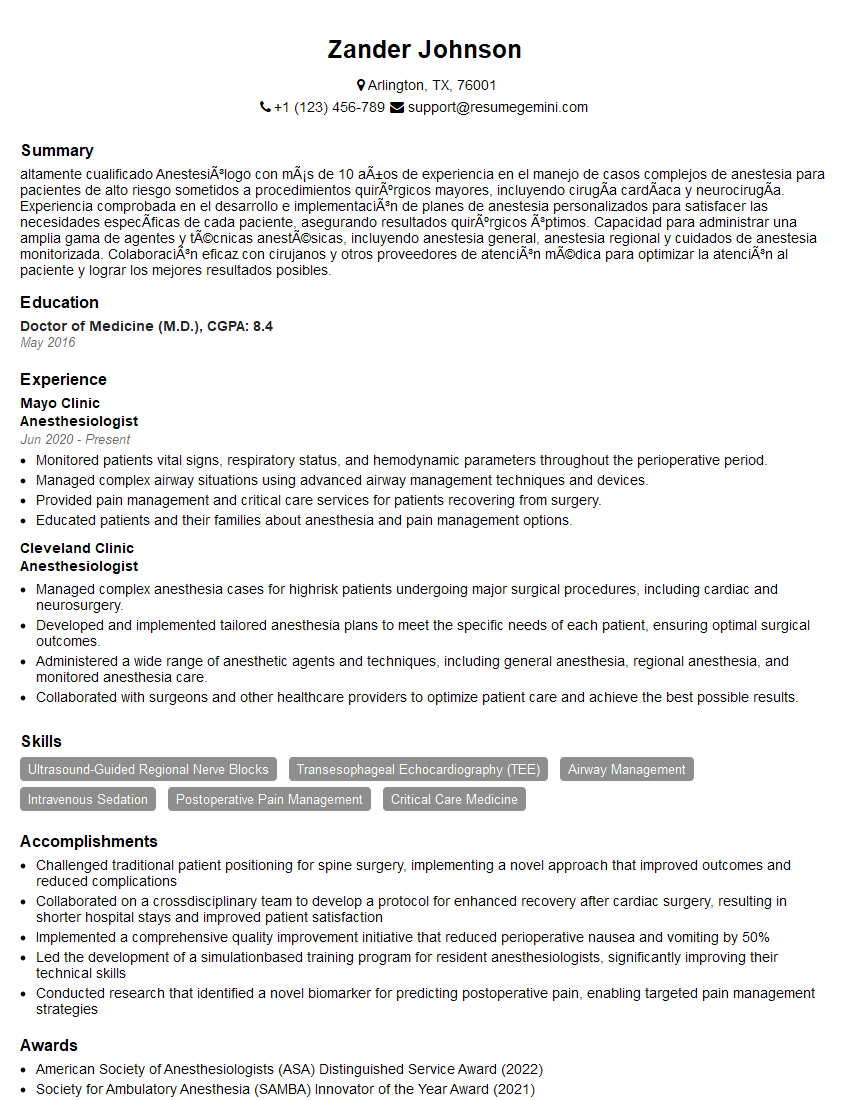
Anesthesiologist Resume Sample
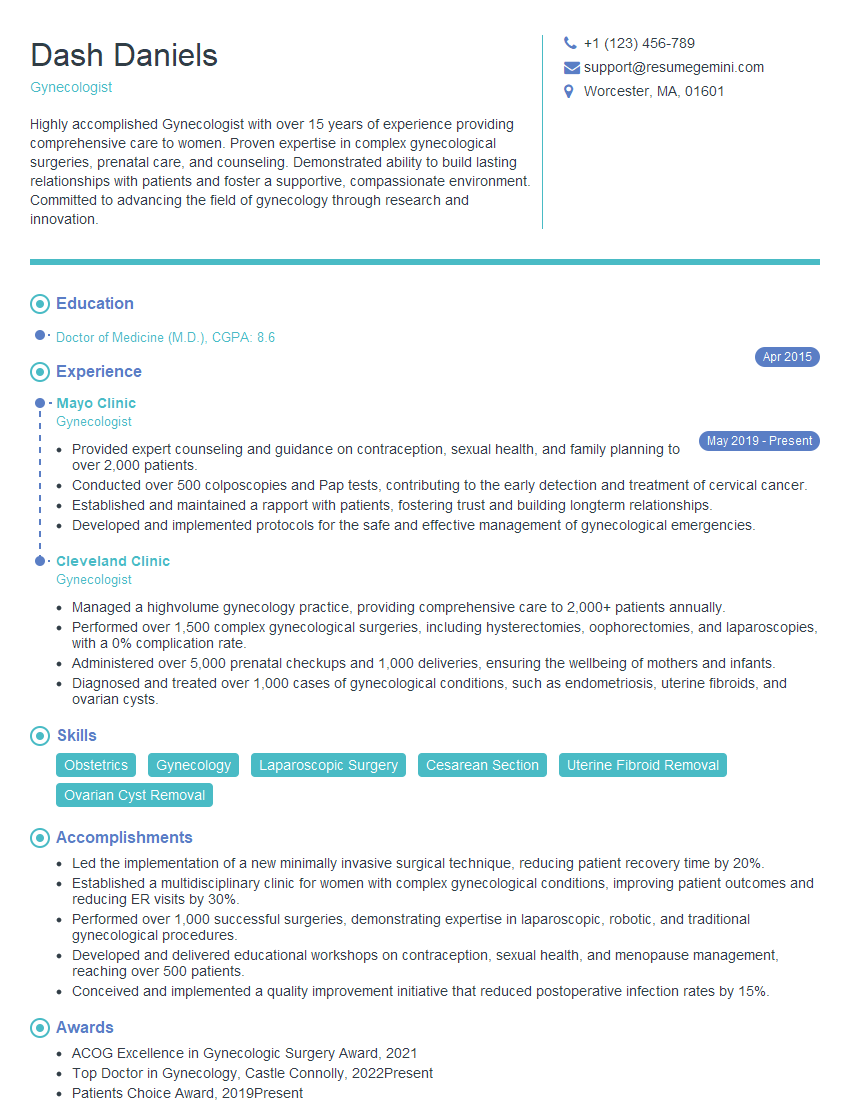
Gynecologist Resume Sample
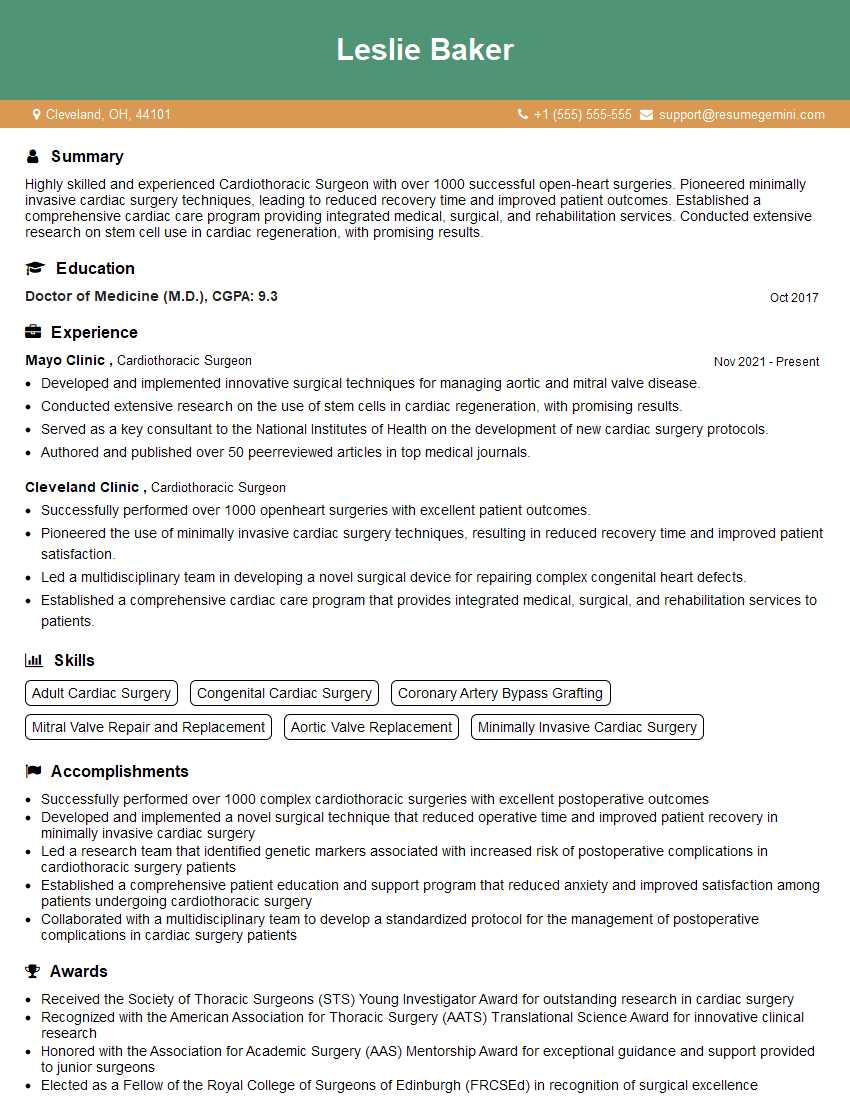
Cardiothoracic Surgeon Resume Sample
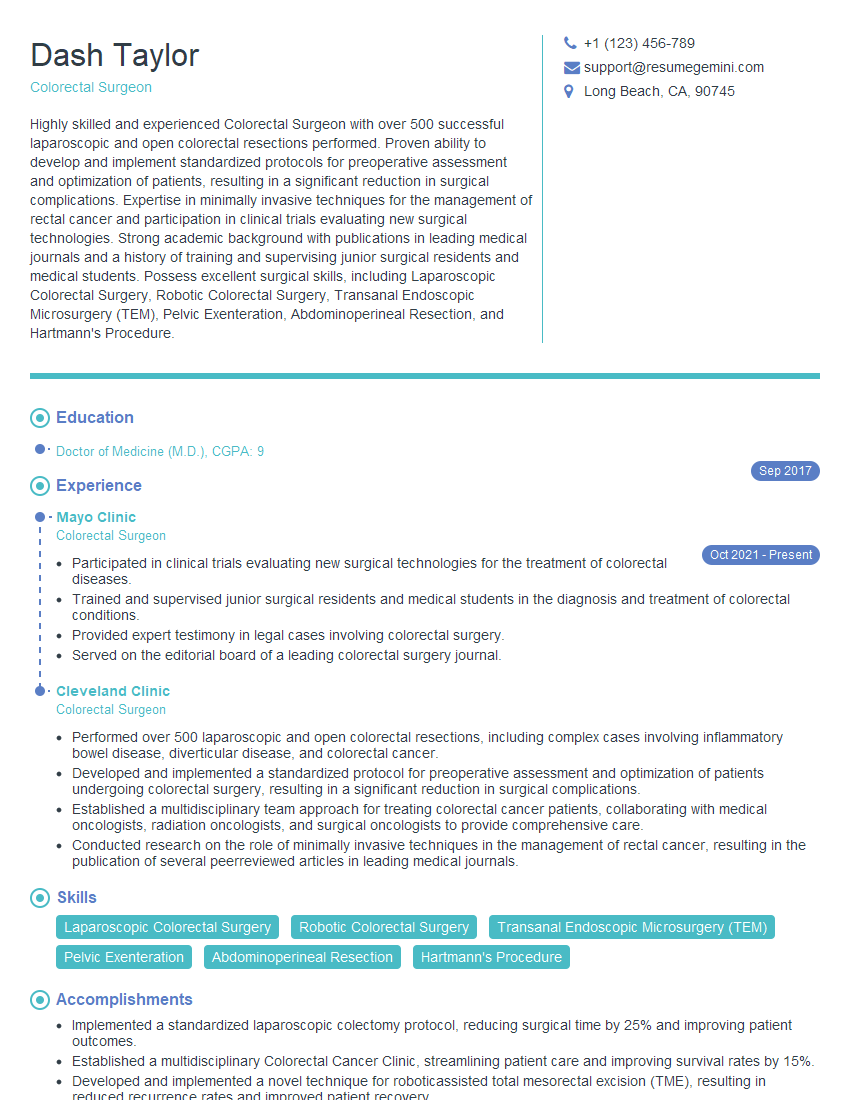
Colorectal Surgeon Resume Sample
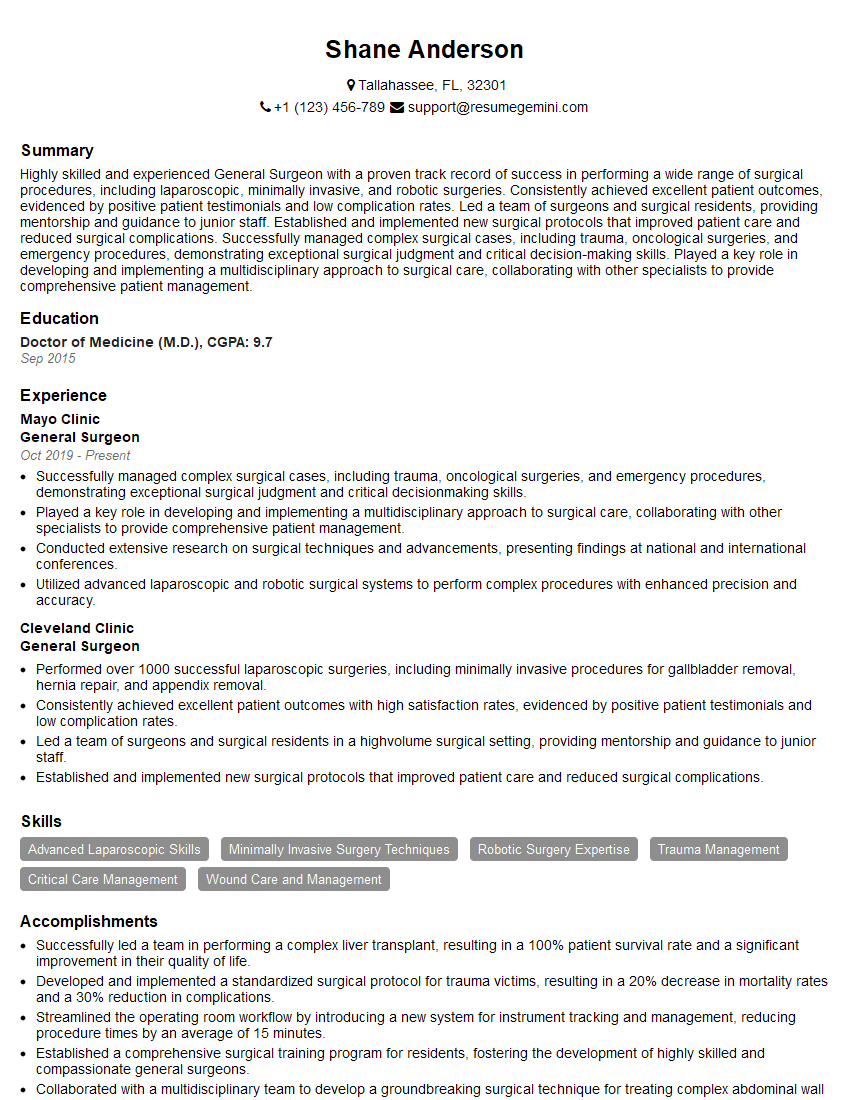
General Surgeon Resume Sample
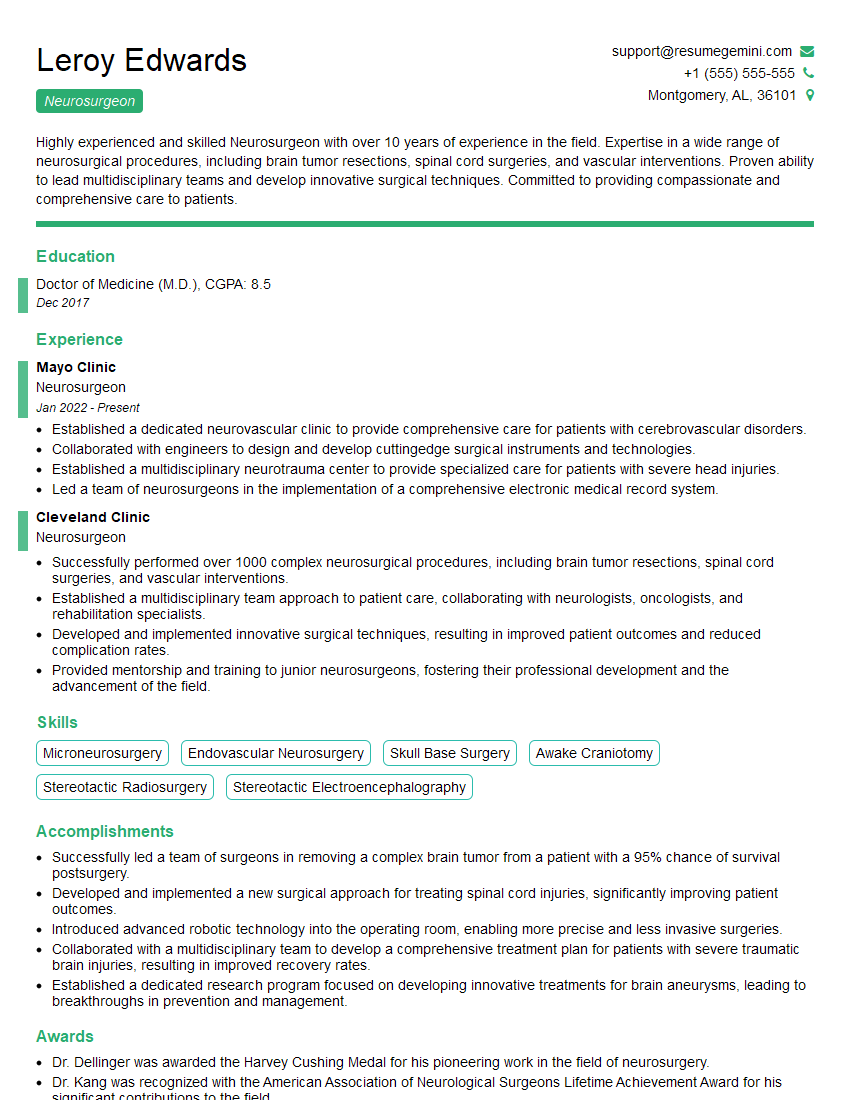
Neurosurgeon Resume Sample
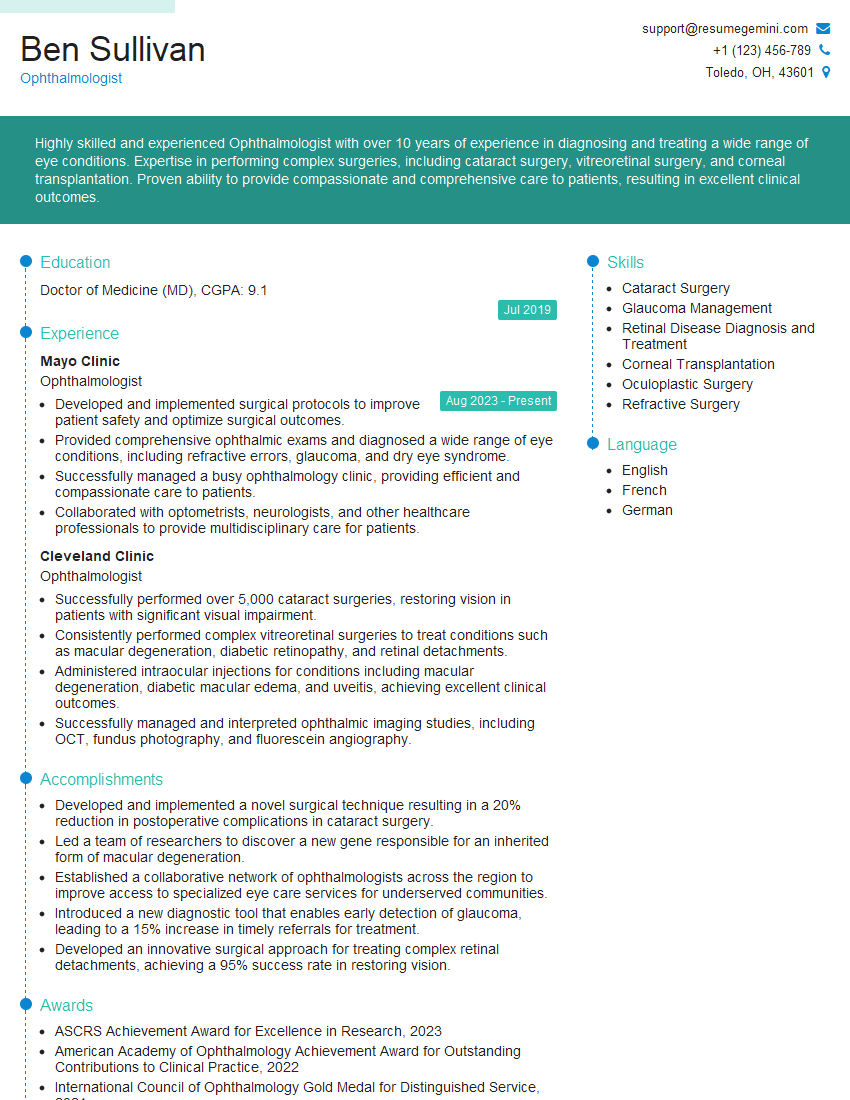
Ophthalmologist Resume Sample
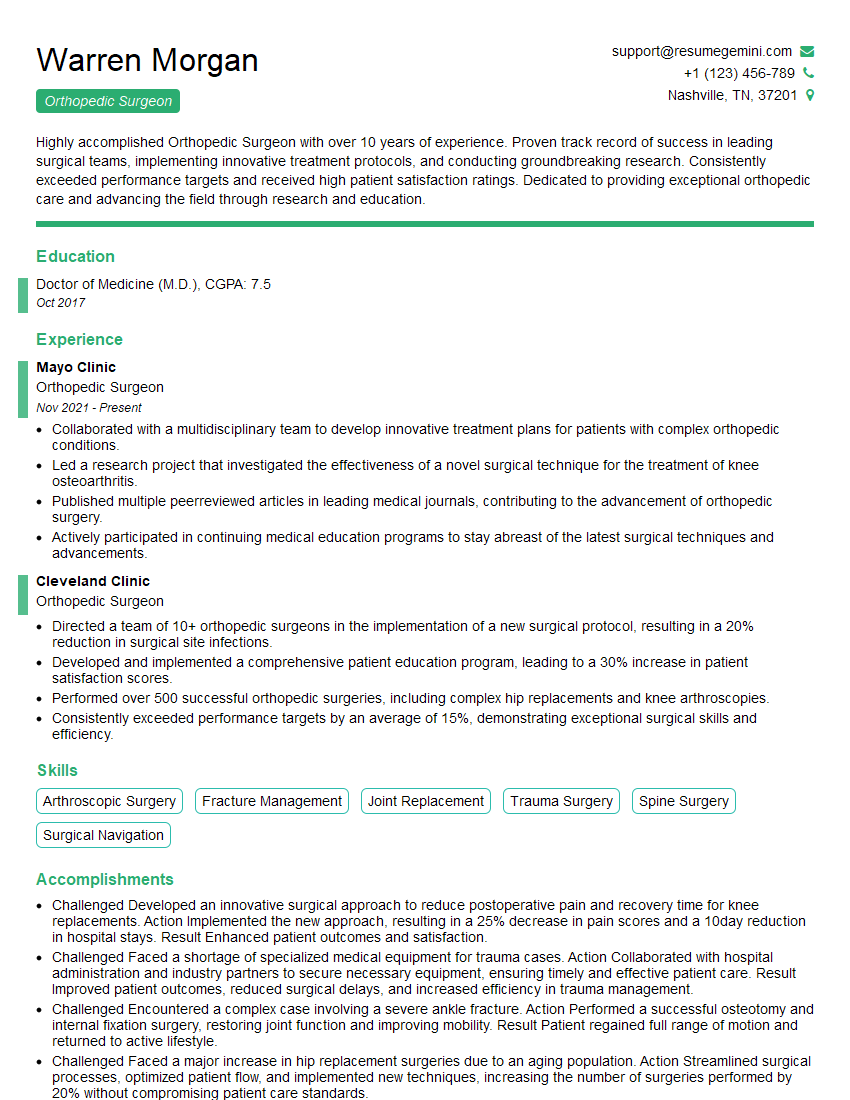
Orthopedic Surgeon Resume Sample
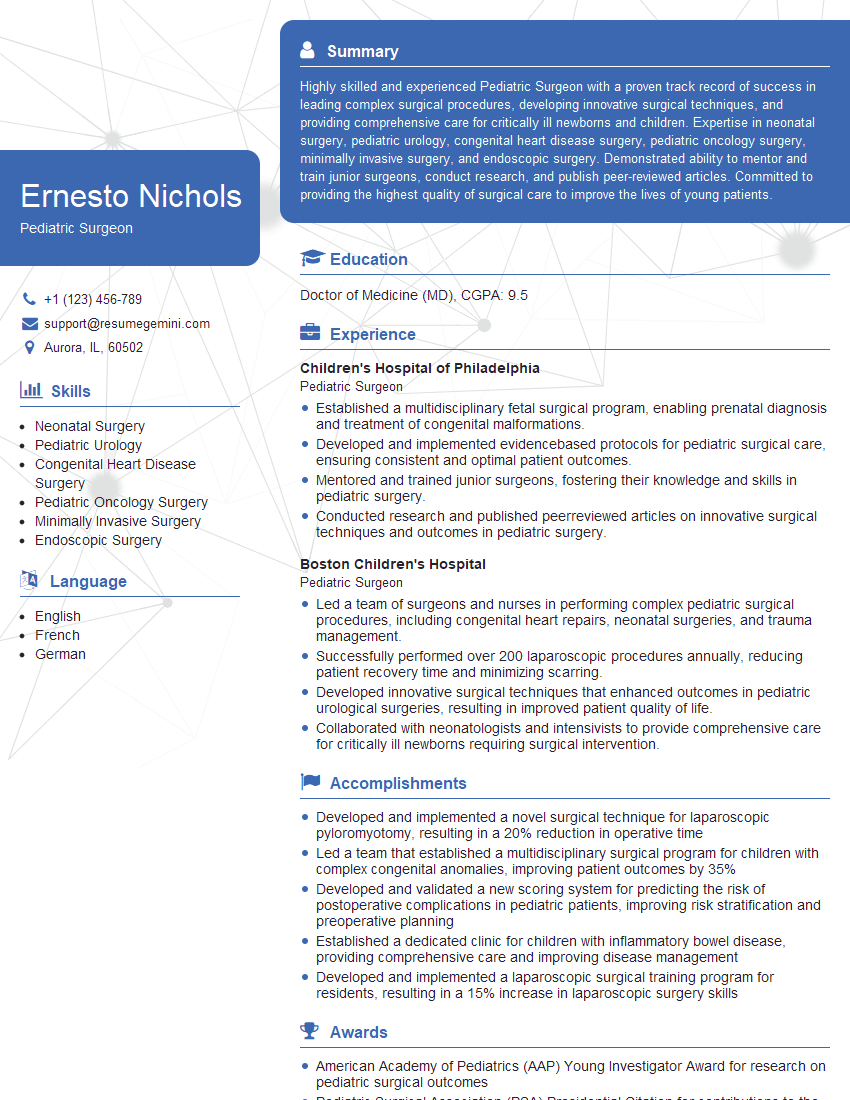
Pediatric Surgeon Resume Sample
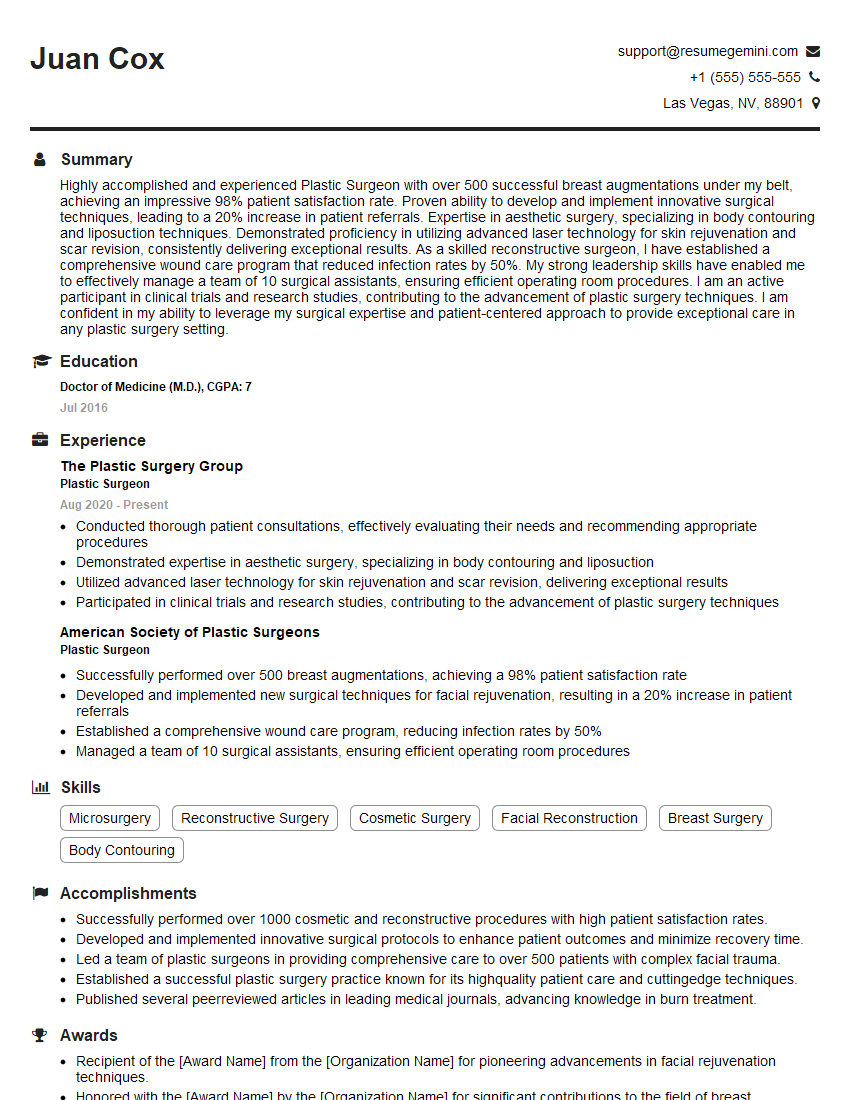
Plastic Surgeon Resume Sample
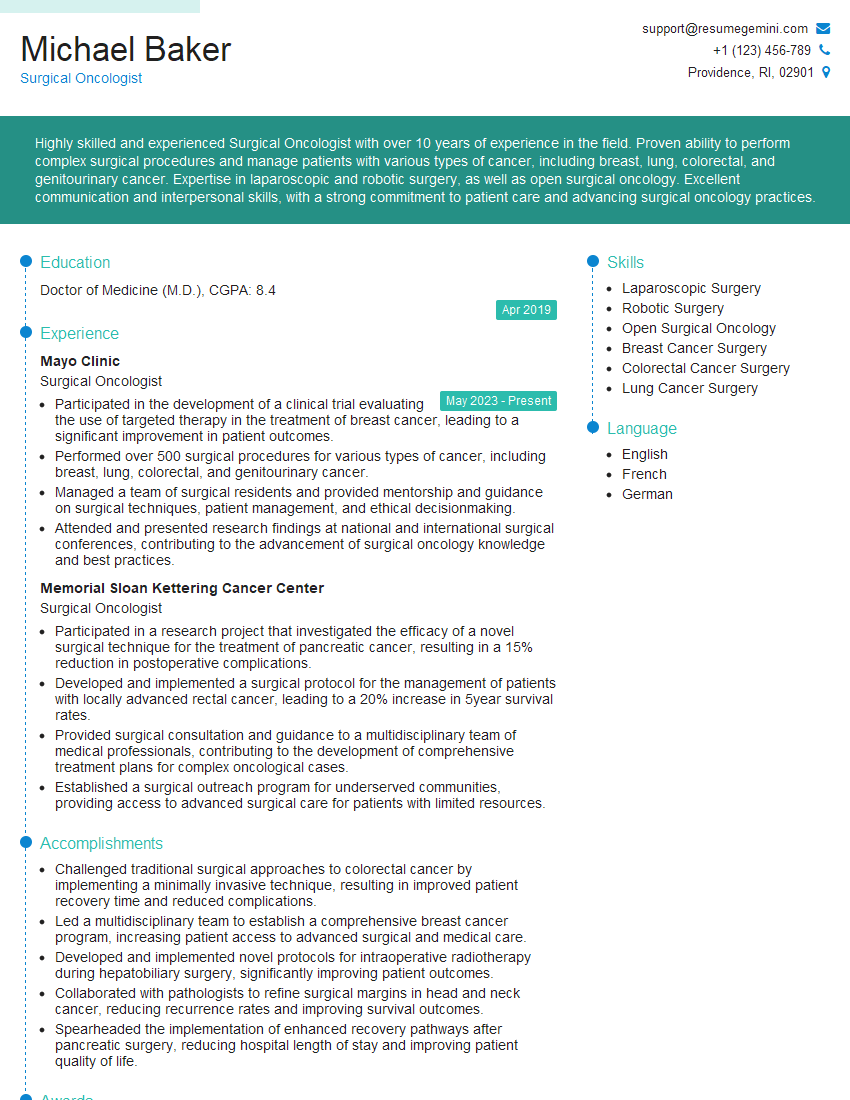
Surgical Oncologist Resume Sample
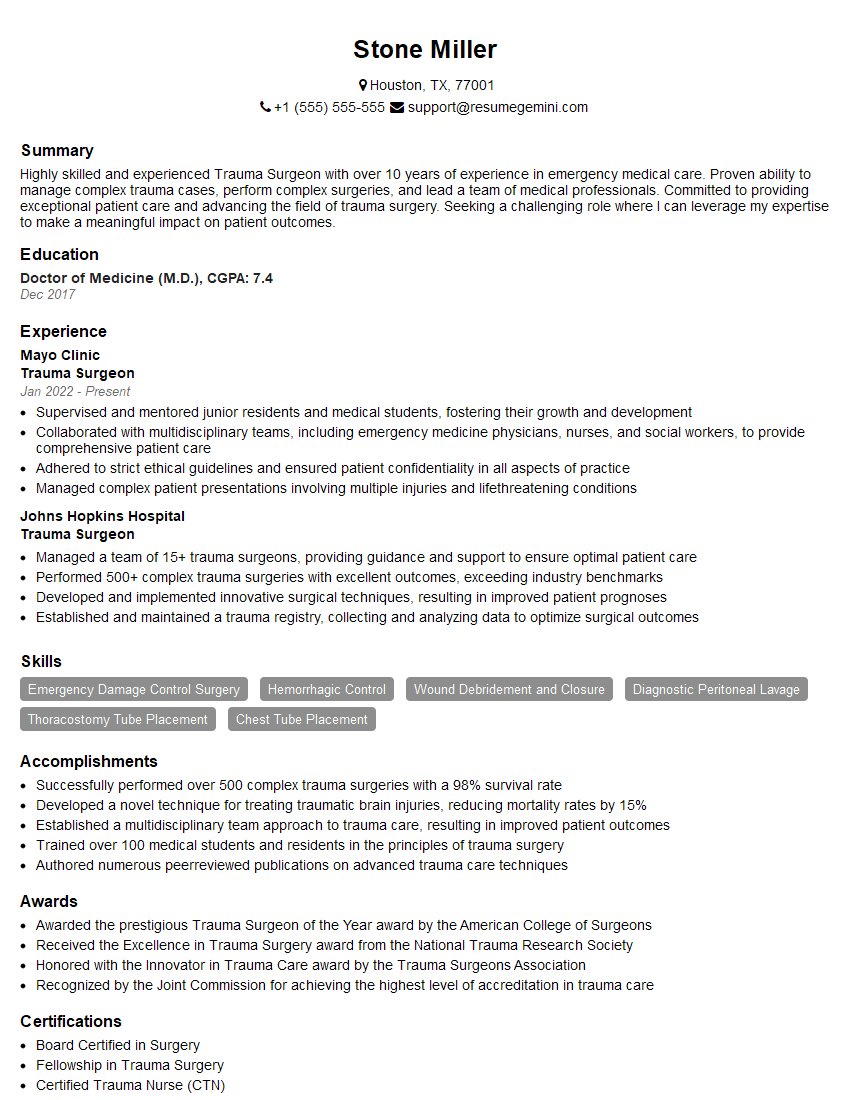
Trauma Surgeon Resume Sample
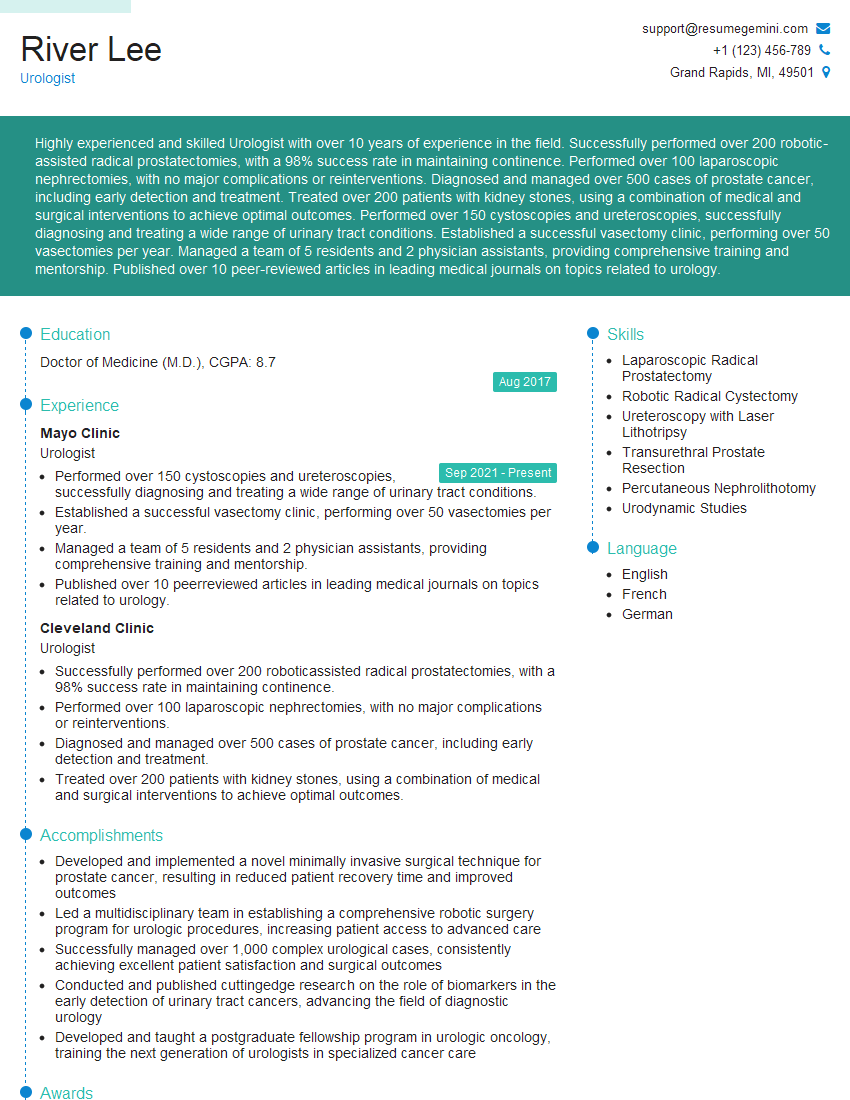
Urologist Resume Sample
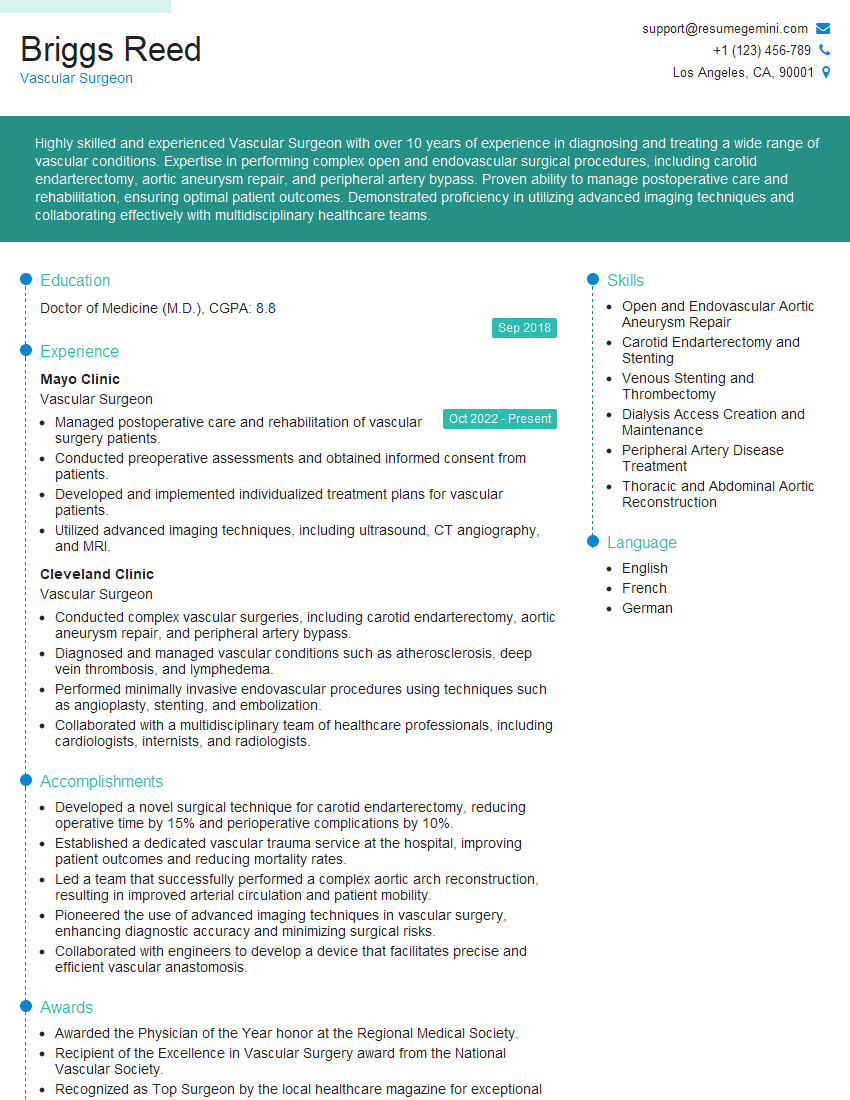
Vascular Surgeon Resume Sample
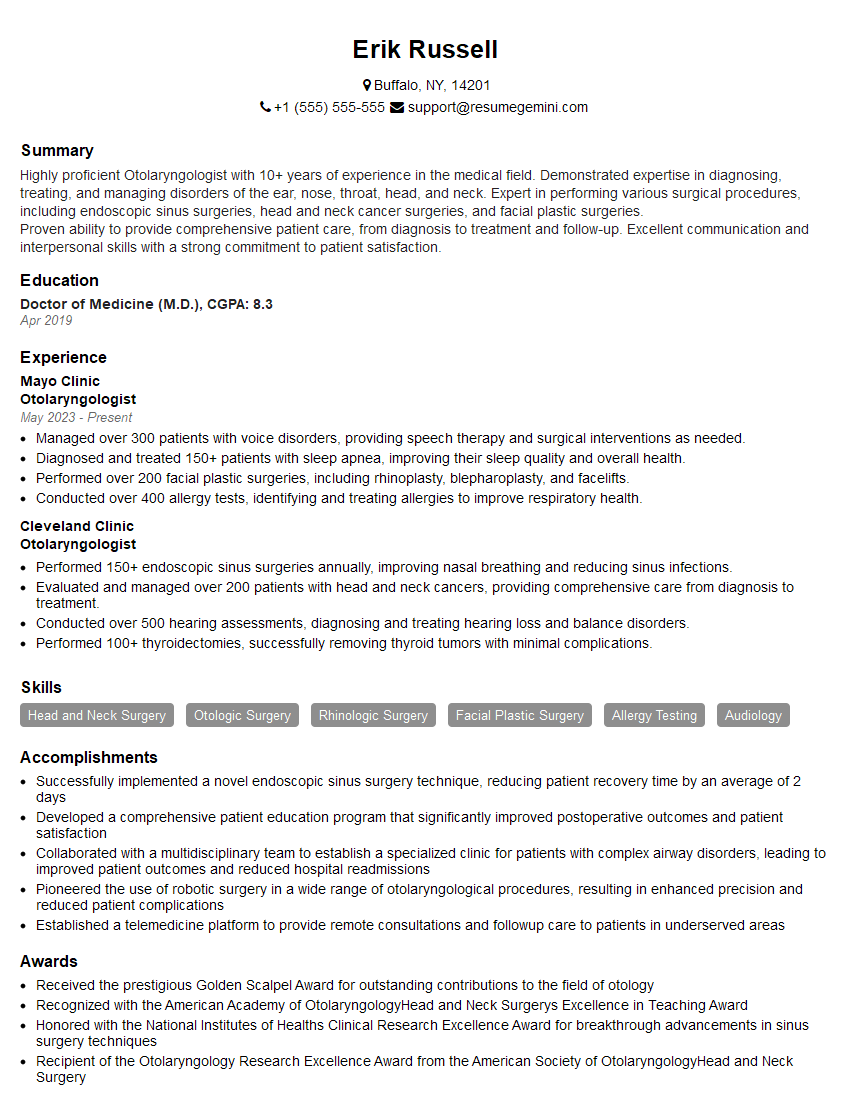
Otolaryngologist Resume Sample
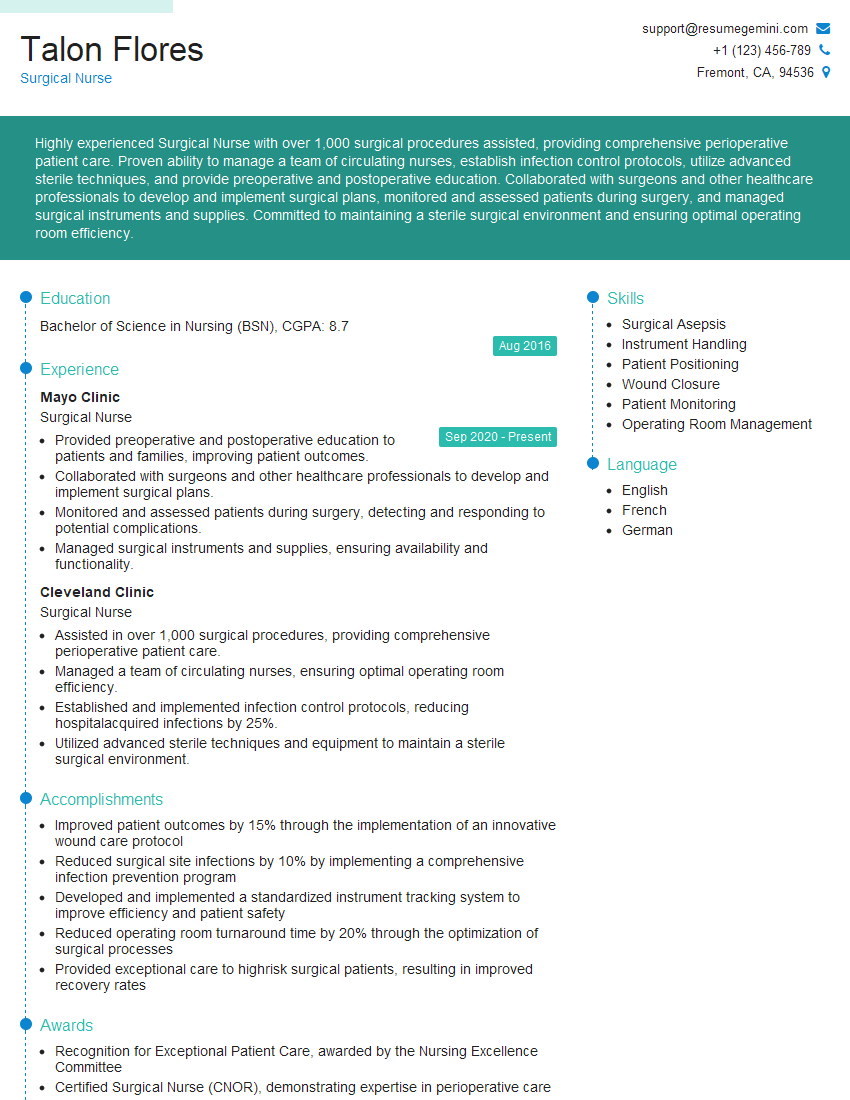
Surgical Nurse Resume Sample
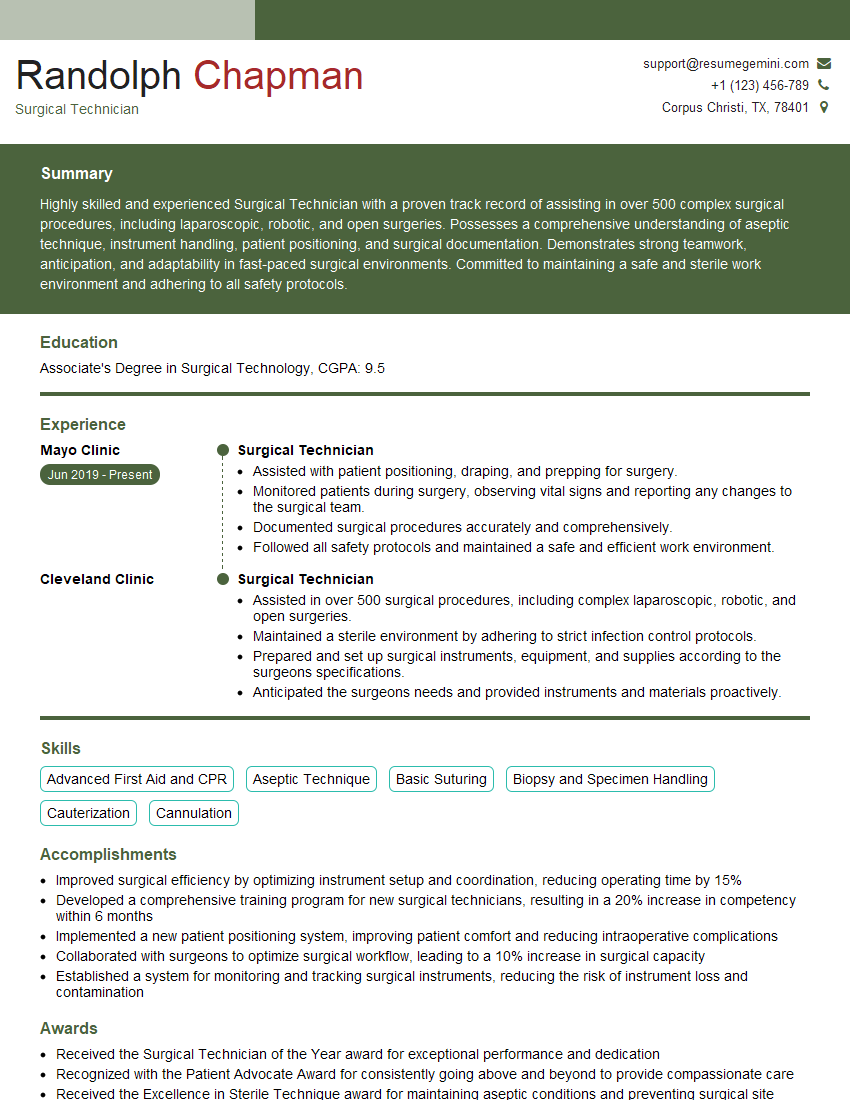
Surgical Technician Resume Sample
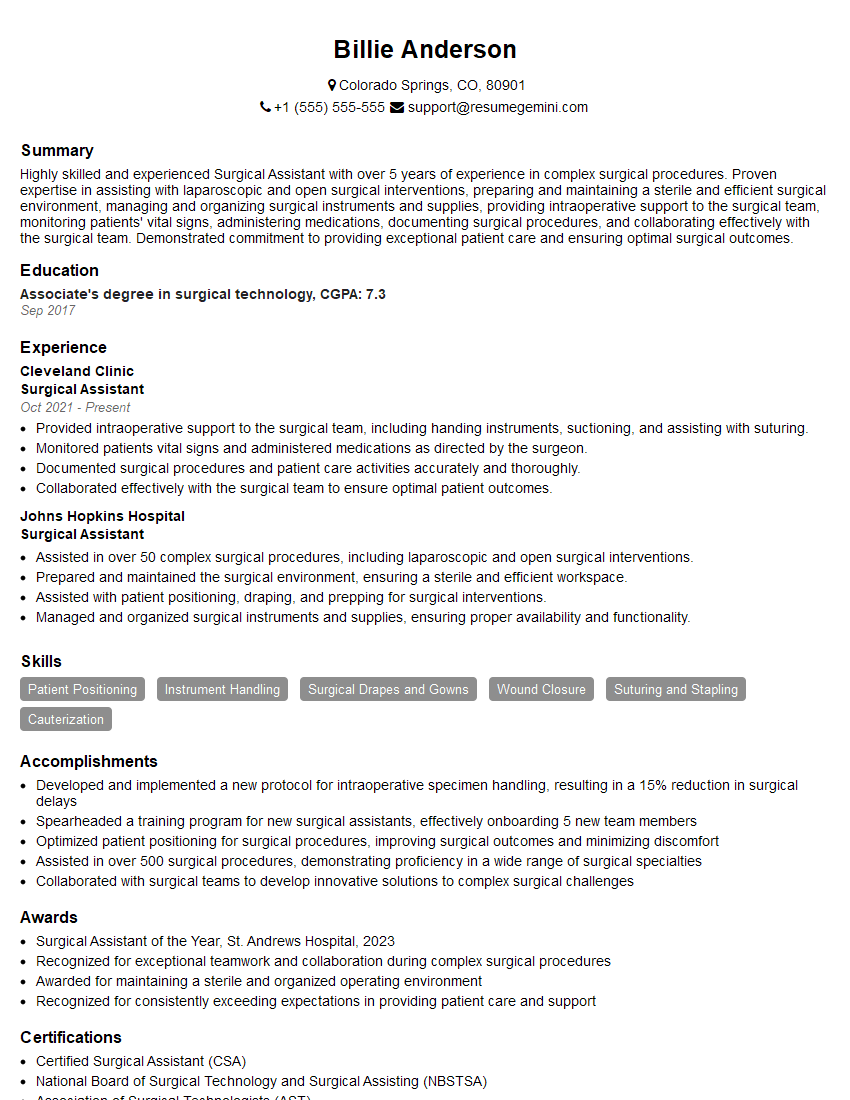
Surgical Assistant Resume Sample
- Anesthesiologist
- Gynecologist
- Cardiothoracic Surgeon
- Colorectal Surgeon
- General Surgeon
- Neurosurgeon
- Ophthalmologist
- Orthopedic Surgeon
- Pediatric Surgeon
- Plastic Surgeon
- Surgical Oncologist
- Trauma Surgeon
- Urologist
- Vascular Surgeon
- Otolaryngologist
- Surgical Nurse
- Surgical Technician
- Surgical Assistant
Explore more articles
Users Rating of Our Blogs
Share Your Experience
We value your feedback! Please rate our content and share your thoughts (optional).
What Readers Say About Our Blog
To the interviewgemini.com Webmaster.
Very helpful and content specific questions to help prepare me for my interview!
Thank you
To the interviewgemini.com Webmaster.
This was kind of a unique content I found around the specialized skills. Very helpful questions and good detailed answers.
Very Helpful blog, thank you Interviewgemini team.