Unlock your full potential by mastering the most common Testing and Inspection Equipment interview questions. This blog offers a deep dive into the critical topics, ensuring you’re not only prepared to answer but to excel. With these insights, you’ll approach your interview with clarity and confidence.
Questions Asked in Testing and Inspection Equipment Interview
Q 1. Explain the difference between accuracy and precision in measurement.
Accuracy and precision are two crucial terms in measurement, often confused but distinctly different. Accuracy refers to how close a measurement is to the true or accepted value. Think of it like aiming for the bullseye on a dartboard – a high accuracy score means your darts are clustered near the center. Precision, on the other hand, describes how close repeated measurements are to each other. This is like the consistency of your aim – even if all your darts are clustered tightly together, but far from the bullseye, you have high precision but low accuracy. A perfectly precise and accurate measurement would have all darts clustered tightly in the center of the bullseye.
Example: Imagine measuring a 10cm metal rod. A highly accurate measurement would be very close to 10cm, perhaps 10.01cm. A precise measurement, regardless of its accuracy, would show similar results upon repeated measurements, perhaps 10.2cm, 10.21cm, and 10.19cm consistently.
Q 2. Describe your experience with various types of Non-Destructive Testing (NDT) methods.
Throughout my career, I’ve extensively utilized various Non-Destructive Testing (NDT) methods. These techniques are crucial for evaluating the integrity of materials and components without causing damage. My experience includes:
- Ultrasonic Testing (UT): I’ve used UT extensively to detect internal flaws in materials like welds, castings, and composites by analyzing the reflection of ultrasonic waves. This is invaluable for identifying cracks, voids, and inclusions that might compromise structural integrity. For example, I used UT to inspect pressure vessels for power plants, ensuring safety and reliability.
- Radiographic Testing (RT): I’m proficient in interpreting radiographic images (X-rays and gamma rays) to identify internal defects. This technique is particularly effective for detecting porosity, cracks, and inclusions in thicker materials. In one project, we used RT to inspect aircraft components, ensuring their airworthiness.
- Magnetic Particle Testing (MT): I have experience in applying MT to detect surface and near-surface flaws in ferromagnetic materials. This involves magnetizing the component and applying ferromagnetic particles to reveal any discontinuities in the magnetic field. We used MT to inspect pipelines for corrosion and cracking.
- Liquid Penetrant Testing (PT): I’ve used PT to identify surface-breaking defects in a wide range of materials. The process involves applying a penetrant, a developer, and then inspecting for indications of cracks or other flaws. This method is simple yet effective for identifying small cracks in components like engine parts.
Understanding the limitations and strengths of each method is crucial for selecting the most appropriate NDT technique for a given application. The choice depends on factors like material type, component geometry, and the type of defects being sought.
Q 3. How do you troubleshoot malfunctioning testing equipment?
Troubleshooting malfunctioning testing equipment requires a systematic approach. My process typically involves:
- Safety First: Always prioritize safety by disconnecting power and ensuring the equipment is in a safe state before commencing troubleshooting.
- Visual Inspection: A careful visual check can often identify obvious problems like loose connections, damaged cables, or broken parts.
- Check Calibration: A significant source of error is often out-of-calibration equipment. Verify the calibration status of the device and its traceability to national standards.
- Consult Documentation: The user manual and any troubleshooting guides are invaluable resources. They often provide detailed steps to diagnose and fix common issues.
- Systematic Testing: Isolate components of the device and test them individually. This will help to pinpoint the faulty part. For example, if an ultrasonic testing device isn’t producing a signal, start by checking the probe, then the transducer, then the power supply.
- Seek Expert Assistance: If the problem persists, don’t hesitate to consult the manufacturer’s technical support or an experienced technician. They might have unique insights or advanced diagnostic tools.
Keeping detailed records of maintenance and troubleshooting helps improve efficiency and reduce downtime in the future.
Q 4. What are the key performance indicators (KPIs) you use to evaluate the effectiveness of testing equipment?
The key performance indicators (KPIs) I use to evaluate testing equipment effectiveness are multifaceted and depend on the specific application. However, some consistently important metrics include:
- Accuracy: How closely the equipment’s measurements match the true values, often assessed through comparisons with calibrated standards or reference materials.
- Precision: The consistency of repeated measurements – low variability is essential for reliable results.
- Sensitivity: The ability of the equipment to detect small defects or deviations – this is vital for early detection of potential failures.
- Reliability: The equipment’s ability to operate consistently and without failure. Mean time between failures (MTBF) is a valuable indicator.
- Uptime: The percentage of time the equipment is available for use. High uptime signifies efficient operation and reduced testing delays.
- Cost of Ownership: Considering factors like maintenance costs, calibration costs, and repair frequency provides a holistic perspective on equipment effectiveness.
By tracking these KPIs, we can identify areas for improvement, optimize testing processes, and ensure the equipment remains effective and efficient.
Q 5. Explain the importance of calibration and its impact on test results.
Calibration is the process of comparing a testing instrument’s measurements to a known standard to ensure accuracy. It’s absolutely paramount for producing reliable and trustworthy test results. Without regular calibration, equipment can drift from its intended accuracy, leading to inaccurate measurements that can have significant consequences. This can result in incorrect decisions, compromised safety, and financial losses.
Impact on Test Results: Inaccurate equipment can lead to false positives (identifying flaws where none exist) or false negatives (missing actual flaws). In construction, a false negative in a structural inspection could lead to catastrophic failure, while in manufacturing, a false positive might lead to the rejection of perfectly good parts.
Example: Imagine a pressure gauge used in a chemical plant. If it’s not calibrated, it might consistently read lower than the actual pressure. This could lead to dangerous overpressurization of the system. Regular calibration ensures the gauge’s readings are accurate, preventing such hazardous situations.
Q 6. What are the different types of calibration standards used in your field?
The types of calibration standards used depend on the specific testing equipment. However, common standards include:
- National Standards: These are primary standards maintained by national metrology institutes, offering the highest level of accuracy and traceability. For example, the National Institute of Standards and Technology (NIST) in the United States.
- International Standards: Organizations like the International Organization for Standardization (ISO) provide internationally recognized standards for calibration.
- Manufacturer’s Standards: Manufacturers often provide certified reference materials or standards specific to their equipment.
- Working Standards: These are secondary standards calibrated against national or international standards and used for routine calibrations of testing equipment.
The choice of standard depends on factors like the accuracy required and the traceability needed to ensure compliance with industry regulations and quality standards.
Q 7. How do you manage and maintain testing equipment records and data?
Effective management and maintenance of testing equipment records and data are critical for ensuring the validity of test results, regulatory compliance, and efficient operations. My approach typically includes:
- Electronic Record Keeping: I utilize a dedicated database or software system to record all calibration certificates, maintenance logs, repair histories, and test results. This provides a centralized, easily searchable repository.
- Version Control: For software-based testing equipment, version control is crucial to track changes and updates, ensuring consistent performance and data integrity.
- Data Security: Appropriate security measures, including access controls and backups, protect valuable data from loss or unauthorized access.
- Regular Audits: Periodic internal audits verify the accuracy and completeness of records and ensure compliance with regulations and company policies.
- Traceability: Maintaining a clear chain of traceability, from the initial calibration to the final test report, is critical for demonstrating the validity and reliability of the results.
This structured approach ensures that all testing data is readily available, easily auditable, and compliant with relevant standards and regulations.
Q 8. Describe your experience with statistical process control (SPC) in testing.
Statistical Process Control (SPC) is a powerful methodology for monitoring and controlling processes by using statistical methods. It allows us to identify trends and variations in a process, ultimately helping us predict and prevent defects. My experience involves implementing and interpreting control charts, such as X-bar and R charts, and CUSUM charts, to monitor key process parameters in various testing scenarios.
For example, in a manufacturing setting where we’re testing the tensile strength of a particular material, we’d collect samples at regular intervals and plot the average strength (X-bar) and the range of strengths (R) on a control chart. If the plotted points consistently fall outside the control limits, it signals that the process is out of control, indicating a potential problem that needs immediate attention – perhaps a change in material batch or a malfunctioning piece of equipment. We would then investigate the root cause and implement corrective actions. I’ve used SPC software such as Minitab to analyze data and generate these charts, and I’m proficient in interpreting the results to identify trends, assignable causes, and opportunities for process improvement.
Q 9. How do you ensure the safety and security of testing equipment in the workplace?
Ensuring the safety and security of testing equipment is paramount. This involves a multi-pronged approach. Firstly, regular calibration and maintenance are crucial to prevent equipment malfunction, which could lead to inaccurate results or even accidents. We meticulously follow manufacturer’s guidelines and maintain detailed calibration records. Secondly, proper training for all personnel using the equipment is essential. This includes instruction on safe operating procedures, emergency protocols, and proper handling of potentially hazardous materials. I’ve personally developed and delivered training programs covering these aspects. Thirdly, we implement strict access control measures to prevent unauthorized use and tampering. This often involves physical security measures like locked cabinets or dedicated testing rooms, alongside digital access controls such as password protection on software.
Furthermore, safety protocols such as the use of personal protective equipment (PPE), like safety glasses and gloves, where appropriate, are strictly enforced. Regular safety inspections and audits are also conducted to identify and mitigate potential hazards. A robust risk assessment is conducted before any testing to anticipate potential dangers and plan mitigation strategies. Finally, we maintain comprehensive documentation, including safety manuals and incident reports, for continuous improvement and compliance with safety regulations.
Q 10. What is your experience with data acquisition and analysis from testing equipment?
My experience with data acquisition and analysis from testing equipment is extensive. I’m proficient in using various data acquisition systems and software to collect, process, and analyze data from a wide range of instruments. This includes using both dedicated data acquisition hardware and software packages integrated into the testing equipment itself. For instance, I’ve worked with systems that use GPIB, Ethernet, and USB interfaces to collect data from instruments like oscilloscopes, multimeters, and strain gauges.
Data analysis typically involves tasks such as filtering noise, correcting for systematic errors, and performing statistical analysis to determine key parameters and generate meaningful reports. I’m familiar with software packages like LabVIEW, MATLAB, and specialized software provided by instrument manufacturers. I’m also adept at exporting data into other applications such as spreadsheets and databases for further analysis and reporting. For example, in a project involving vibration testing of a mechanical component, I used LabVIEW to acquire vibration data, then performed Fast Fourier Transforms (FFTs) in MATLAB to analyze the frequency content and identify potential resonance frequencies.
Q 11. Explain your understanding of measurement uncertainty.
Measurement uncertainty represents the doubt associated with a measured value. It’s a quantification of the range of values within which the true value of a measurand (the quantity being measured) is likely to lie. It’s not simply about random errors, but encompasses all sources of uncertainty, including systematic errors, calibration uncertainties, and environmental factors. A smaller uncertainty value indicates a more precise and reliable measurement.
Understanding measurement uncertainty is crucial for ensuring the validity and reliability of test results. We use various methods to evaluate and report uncertainty, often following guidelines from international standards like ISO/IEC 17025. This involves identifying all sources of uncertainty, quantifying their contributions, and combining them using appropriate statistical methods. For example, the uncertainty associated with a length measurement using a calibrated CMM (Coordinate Measuring Machine) might include uncertainties from the CMM’s calibration, the probe’s repeatability, and the environmental temperature variations. Proper uncertainty analysis allows us to express the measurement result with a clear statement of its reliability, helping us make informed decisions based on the testing data.
Q 12. Describe your experience with different types of sensors and transducers.
My experience with various sensors and transducers is broad, encompassing a wide range of physical phenomena. I’ve worked with sensors for measuring parameters like temperature (thermocouples, RTDs), pressure (strain gauge pressure transducers, piezoelectric pressure sensors), force (load cells), displacement (linear variable differential transformers – LVDTs, capacitive sensors), acceleration (accelerometers), and light intensity (photodiodes, photomultipliers).
The choice of sensor depends heavily on the specific application and the required accuracy, sensitivity, and operating range. For instance, while thermocouples are relatively inexpensive and robust for many temperature measurements, RTDs (Resistance Temperature Detectors) might offer better accuracy in certain applications. Understanding the characteristics of each sensor type – their sensitivity, response time, linearity, and drift – is crucial for selecting the most appropriate sensor and interpreting the collected data accurately. I have experience with both analog and digital sensors and the associated signal conditioning circuits necessary for proper data acquisition and analysis.
Q 13. How do you validate the accuracy of test results?
Validating the accuracy of test results is a critical step. It involves comparing the results obtained from the testing equipment to a known standard or traceable reference. This process often involves calibration, which is the comparison of the testing equipment’s readings to a known standard with a higher accuracy. We use certified standards and traceable calibration certificates to ensure the validity of our calibration procedures.
Besides calibration, we also employ other validation techniques, including using multiple test methods, comparing results from different instruments, and performing inter-laboratory comparisons. We might also use reference materials with known properties to verify the accuracy of measurements. For example, when validating the accuracy of a spectrophotometer, we’d use certified reference materials with known absorbance values. Any significant deviation from the expected values would trigger an investigation into potential errors in the instrument or testing procedure. A robust validation process ensures the reliability and trustworthiness of our test results.
Q 14. What is your experience with different types of testing equipment (e.g., CMM, Spectrometer, etc.)?
My experience encompasses a diverse range of testing equipment, including Coordinate Measuring Machines (CMMs), spectrometers (UV-Vis, FTIR), environmental chambers, material testing machines (tensile testers, hardness testers), oscilloscopes, and multimeters. I’m proficient in operating, maintaining, and troubleshooting these instruments.
For example, I’ve used CMMs to perform high-precision dimensional measurements on manufactured parts, ensuring they meet specified tolerances. Spectrometers have been instrumental in identifying the chemical composition of materials and analyzing their spectral properties. Environmental chambers have been used to assess the performance of components under varying temperature and humidity conditions. My expertise extends to both manual and automated operation of these instruments, including programming and data analysis specific to each instrument type. I understand the limitations of each piece of equipment and select the appropriate instrument based on the specific requirements of the test.
Q 15. Describe a time you had to troubleshoot a complex testing equipment issue.
One particularly challenging troubleshooting experience involved a Coordinate Measuring Machine (CMM) that suddenly started producing inaccurate measurements. Initially, the error seemed random, affecting different dimensions on different parts. My approach was systematic. First, I checked the simplest things – calibration, probe condition, and environmental factors (temperature and vibration). These checks yielded nothing. Then, I moved to more intricate diagnostics. I reviewed the machine’s internal logs, which showed intermittent errors in the Z-axis motor controller. This pointed towards a hardware issue rather than a software problem. Using the machine’s built-in diagnostic tools, I isolated the faulty controller and confirmed its malfunction. Replacing the controller resolved the issue, demonstrating the importance of a methodical approach starting from the simple and moving towards the complex to pinpoint the root cause. The experience highlighted the need for detailed logging and understanding the internal workings of the equipment.
Career Expert Tips:
- Ace those interviews! Prepare effectively by reviewing the Top 50 Most Common Interview Questions on ResumeGemini.
- Navigate your job search with confidence! Explore a wide range of Career Tips on ResumeGemini. Learn about common challenges and recommendations to overcome them.
- Craft the perfect resume! Master the Art of Resume Writing with ResumeGemini’s guide. Showcase your unique qualifications and achievements effectively.
- Don’t miss out on holiday savings! Build your dream resume with ResumeGemini’s ATS optimized templates.
Q 16. How do you identify and mitigate risks associated with using testing equipment?
Risk mitigation in using testing equipment is crucial for safety, data integrity, and compliance. We identify risks through a combination of methods: Hazard analysis, where we systematically assess potential hazards like electrical shocks, mechanical injuries, or inaccurate measurements; Risk assessment, quantifying the likelihood and severity of each hazard; and Regular equipment inspections, checking for damage, wear and tear, and calibration status. Mitigation involves several layers. This includes proper training for operators, implementing safety protocols such as lockout/tagout procedures for maintenance, and establishing a preventative maintenance schedule for calibration and repairs. We also use redundant systems where critical, and develop backup procedures in case of equipment failure. For example, using two independent measurement systems for critical quality checks offers redundancy.
Q 17. Explain your experience with implementing new testing procedures and equipment.
I’ve been involved in several implementations of new testing procedures and equipment, most notably the transition from traditional manual tensile testing to a fully automated system. This involved a detailed needs assessment, identifying the limitations of our existing method and the benefits of automation (increased speed, reduced human error, enhanced data management). Then, selecting the appropriate equipment involved careful consideration of the specifications, including capacity, accuracy, and software integration. We developed detailed SOPs (Standard Operating Procedures) for the new system, including operator training modules, focusing on safety, operation, data interpretation, and troubleshooting. Implementing the new system involved a phased rollout – initially running parallel testing with the old method to validate results, and finally decommissioning the old system once full confidence in the new one was established. The project improved efficiency and data quality significantly.
Q 18. How do you stay updated with the latest advancements in testing and inspection technology?
Staying current in this rapidly evolving field requires a multi-pronged approach. I actively participate in industry conferences and workshops, attending seminars and webinars on cutting-edge technologies. I subscribe to leading industry journals and publications, reviewing technical articles and case studies. Additionally, I actively engage with online professional networks, participating in discussions and forums dedicated to testing and inspection technology. I also seek out training opportunities offered by equipment manufacturers, deepening my understanding of specific technologies. For example, I recently completed a course on advanced laser scanning techniques for dimensional measurement.
Q 19. Describe your experience with writing and interpreting test procedures.
My experience with test procedures spans from writing detailed, step-by-step instructions to interpreting complex results. I use a structured approach to writing procedures, employing clear and concise language, avoiding ambiguity, and including all necessary parameters like sample preparation, equipment setup, data acquisition, and analysis. For example, when writing a procedure for a hardness test, I specify the indenter type, test force, and the number of indentations required, including tolerance levels and data recording templates. Interpreting results involves analyzing data, identifying trends, and drawing conclusions based on statistical analysis. We use statistical process control (SPC) techniques frequently to monitor process capability and identify potential issues early.
Q 20. How do you ensure that testing equipment meets regulatory compliance requirements?
Ensuring regulatory compliance is paramount. We maintain detailed records of equipment calibration, ensuring traceability to national standards. Calibration certificates are reviewed regularly, and any deviations are investigated promptly. We comply with relevant safety standards, such as those defined by OSHA and IEC, for electrical safety and operational procedures. We also adhere to ISO standards related to quality management and testing procedures. Equipment is routinely inspected to verify its continued compliance with regulations. We document all inspection and maintenance activities, creating a comprehensive audit trail. Regular audits help us maintain compliance and identify potential issues before they become problems.
Q 21. What is your experience with root cause analysis of testing equipment failures?
Root cause analysis (RCA) is a critical skill. I typically use a structured approach such as the 5 Whys method to systematically investigate equipment failures. For instance, if a pressure gauge consistently provides inaccurate readings, I’d begin by asking ‘Why is the gauge inaccurate?’ This might lead to answers like ‘Because the sensor is faulty.’ Then, ‘Why is the sensor faulty?’ ‘Because it was subjected to excessive pressure.’ Continuing this process allows us to identify the underlying cause, potentially a design flaw or inadequate safety measures. Beyond the 5 Whys, I utilize Fishbone diagrams (Ishikawa diagrams) to visualize potential contributing factors. These tools help systematically investigate issues, preventing recurrence. Documentation of the RCA process is crucial to learn from mistakes and continuously improve our maintenance and troubleshooting techniques.
Q 22. How do you ensure the traceability of calibration standards?
Ensuring traceability of calibration standards is paramount for maintaining the accuracy and reliability of testing equipment. It’s like having a chain of custody for your measurements, ensuring each standard’s accuracy can be verified back to a national or international standard. This is achieved through a meticulous system of documentation and calibration records.
- Calibration Certificates: Each standard should have a certificate indicating its calibration date, the value assigned, its uncertainty, and the calibration laboratory’s accreditation details. This certificate acts as the primary traceability link.
- Calibration History: Maintain a detailed history of each standard, including all calibration dates, results, and any repairs or adjustments. This allows you to track any changes in the standard’s performance over time.
- Unique Identification: Assign unique identification numbers to each standard for easy tracking and identification. This ensures no confusion during calibration or use.
- Calibration Laboratory Accreditation: Choose calibration laboratories that are accredited by a nationally recognized organization (like A2LA in the US or UKAS in the UK). This assures that their calibration processes meet internationally accepted standards.
For example, imagine a micrometer used in a manufacturing process. Its calibration is traceable back to a master micrometer, which in turn is calibrated to a national standard, ensuring consistency and reliability in all measurements.
Q 23. Explain your understanding of different types of measurement errors.
Measurement errors are inevitable, but understanding their sources is crucial for improving accuracy. They can broadly be classified into two categories: systematic and random errors.
- Systematic Errors: These are consistent errors that affect all measurements in a predictable way. They often stem from flaws in the equipment itself (e.g., a consistently biased scale) or environmental factors (e.g., temperature fluctuations impacting a sensor). They can be corrected by identifying and accounting for the source of error.
- Random Errors: These are unpredictable variations in measurements caused by numerous uncontrolled factors, such as small variations in the operator’s technique or minor environmental changes. They follow a statistical distribution, and their impact can be minimized through repeated measurements and statistical analysis.
Imagine weighing a sample multiple times with a slightly miscalibrated balance (systematic error). You’ll consistently get readings higher than the actual weight. In contrast, repeated measurements with a correctly calibrated balance might show slight variations due to factors like vibration or air currents (random errors).
Other error types include:
- Gross Errors: Mistakes made by the operator, like incorrectly reading a gauge or recording data.
- Environmental Errors: Errors due to temperature, humidity, vibration, etc., affecting the measurement process.
Q 24. How do you handle discrepancies in test results?
Discrepancies in test results demand a thorough investigation. It’s like detective work, systematically eliminating possibilities.
- Review the Test Procedure: Check if the testing procedures were followed meticulously. Was the equipment properly calibrated? Were any steps missed or incorrectly performed?
- Analyze the Data: Examine the data for any patterns or anomalies. Are the discrepancies consistent, or are they random? Is the magnitude of the discrepancy significant?
- Investigate Equipment: Verify the calibration status and overall condition of the testing equipment. Are there any signs of malfunction or drift?
- Evaluate Environmental Factors: Assess whether environmental factors (temperature, humidity, vibrations) could have influenced the results.
- Repeat the Test: Conduct repeated measurements under controlled conditions to see if the discrepancy persists. If possible, test with different equipment or operators to isolate the cause.
- Document Findings: Meticulously document the investigation, including the findings and corrective actions taken. This is vital for quality control and future reference.
For example, if a series of hardness tests on a material shows large variations, a review might reveal the operator was using the equipment incorrectly, leading to inconsistent indentation depths. Addressing the procedural issue will correct future test results.
Q 25. What is your experience with the selection and procurement of testing equipment?
Selecting and procuring testing equipment involves a systematic approach to ensure the right tools for the job. It begins with clearly defining the testing needs and requirements.
- Needs Assessment: Identify the specific tests needed, the required accuracy, and the sample size. Consider factors like the material being tested and the environmental conditions.
- Equipment Research: Research available equipment from reputable manufacturers. Look for specifications such as accuracy, precision, resolution, and range to ensure it meets your needs.
- Vendor Evaluation: Assess the vendors based on their reputation, technical support, warranty, and service contracts. It’s crucial to choose a vendor who can provide ongoing support.
- Cost Analysis: Consider not just the initial purchase price, but also the cost of calibration, maintenance, and consumables over the equipment’s lifespan.
- Procurement Process: Follow the organization’s established procurement procedures, ensuring compliance with regulations and obtaining necessary approvals. Document the process.
- Verification & Validation: Upon delivery, verify the equipment against specifications and validate its performance through calibration and testing. This ensures the equipment functions correctly before being put into use.
For instance, when selecting a tensile testing machine, we considered its load capacity, strain rate control, and data acquisition capabilities. The chosen vendor offered comprehensive technical support and a calibration service, which was a deciding factor.
Q 26. Describe your experience with training others on the use and maintenance of testing equipment.
Training others on the use and maintenance of testing equipment is essential to ensure consistent results and safe operation. My approach is to combine hands-on training with theoretical instruction.
- Structured Curriculum: Develop a structured training program covering theoretical background, operational procedures, safety precautions, and maintenance requirements.
- Hands-on Training: Provide ample opportunity for hands-on practice using the actual equipment. Supervise the trainees to ensure proper technique and understanding.
- Demonstration & Practice: Demonstrate proper operation, calibration procedures, and troubleshooting techniques. Allow trainees to practice independently under supervision.
- Safety Emphasis: Emphasize safety procedures and protocols related to the specific equipment. This is a critical aspect of training.
- Documentation & Assessment: Provide training manuals and other documentation. Assess trainee understanding through quizzes, practical exercises, and observation of their proficiency.
- Ongoing Support: Offer continued support and mentorship to answer questions and assist with troubleshooting issues after the initial training.
For example, when training lab technicians on a new spectrophotometer, I used a step-by-step approach, starting with basic operation, followed by calibration, sample preparation, and data analysis. Practical exercises helped cement their understanding.
Q 27. How do you ensure the proper handling and storage of testing equipment?
Proper handling and storage of testing equipment is crucial for preserving its accuracy and extending its lifespan. It’s a matter of preventing damage and maintaining calibration.
- Cleanliness: Keep the equipment clean and free from dust, debris, or corrosive materials. Use appropriate cleaning agents according to the manufacturer’s recommendations.
- Environmental Protection: Store equipment in a controlled environment, away from extreme temperatures, humidity, and vibrations. Use protective covers to shield from dust and damage.
- Proper Handling: Follow the manufacturer’s instructions for handling and transportation. Avoid dropping or subjecting the equipment to shocks.
- Calibration Schedule: Adhere to a regular calibration schedule to ensure the equipment remains accurate. Store calibration certificates with the equipment.
- Secure Storage: Store equipment in designated areas, ensuring secure storage to prevent unauthorized access or damage.
- Regular Inspection: Regularly inspect the equipment for any signs of damage or wear and tear. Report any issues promptly.
For example, we store precision balances in a temperature-controlled room away from vibrations. We use protective covers to prevent dust accumulation, and the equipment undergoes regular calibration checks to maintain accuracy.
Q 28. What are your preferred methods for documenting testing procedures and results?
Effective documentation is the cornerstone of reliable testing. My preferred methods emphasize clarity, traceability, and accessibility.
- Standard Operating Procedures (SOPs): Develop detailed SOPs for each testing procedure, outlining step-by-step instructions, safety precautions, and data recording methods. SOPs ensure consistency and reproducibility.
- Electronic Data Management Systems (EDMS): Utilize EDMS to store and manage test data, including results, calibration certificates, and inspection reports. This ensures data integrity and simplifies retrieval.
- Templates and Forms: Use standardized templates and forms for data recording to ensure consistency and reduce errors. These templates should include sections for identifying the sample, equipment used, date and time of testing, and the test results.
- Data Analysis Software: Use data analysis software to analyze test results, generate reports, and create graphs. This allows for effective visualization and interpretation of data.
- Version Control: Employ version control for SOPs and other documents, ensuring all personnel use the latest revised procedures. This prevents confusion and errors.
For instance, we use a LIMS (Laboratory Information Management System) to manage our testing data and generate reports. All our testing procedures are documented as SOPs, ensuring compliance with standards and facilitating traceability.
Key Topics to Learn for Testing and Inspection Equipment Interview
- Calibration and Validation: Understanding the principles of calibration, traceability, and validation procedures for various testing equipment. Practical application: Explaining how to ensure accurate and reliable test results by properly calibrating equipment.
- Equipment Operation and Maintenance: Detailed knowledge of the operational procedures and preventative maintenance schedules for common testing and inspection equipment. Practical application: Describing troubleshooting techniques for common equipment malfunctions and explaining the importance of regular maintenance logs.
- Data Acquisition and Analysis: Proficiency in using data acquisition systems and software for collecting, analyzing, and interpreting test data. Practical application: Illustrating how to identify trends, anomalies, and potential issues within datasets obtained from testing equipment.
- Safety Procedures and Regulations: Thorough understanding of relevant safety protocols and regulatory compliance related to operating and maintaining testing and inspection equipment. Practical application: Explaining the importance of risk assessments and safe work practices in a testing environment.
- Specific Equipment Types: In-depth knowledge of at least a few types of common testing and inspection equipment, such as dimensional measuring equipment (CMMs, calipers), material testing machines (tensile testers), or electrical testing equipment (multimeters, oscilloscopes). Practical application: Discussing the strengths and limitations of each equipment type and their suitability for specific applications.
- Quality Control and Assurance: Understanding the role of testing and inspection equipment in maintaining quality control and assurance processes within manufacturing or other industries. Practical application: Explaining how test results are used to identify and address quality issues and improve overall product quality.
- Troubleshooting and Problem-Solving: Demonstrating the ability to identify, diagnose, and resolve issues related to testing and inspection equipment malfunctions or inaccurate readings. Practical application: Describing a situation where you successfully troubleshot a faulty piece of equipment and the steps taken to resolve the problem.
Next Steps
Mastering Testing and Inspection Equipment knowledge opens doors to exciting career opportunities in various industries, offering excellent growth potential and competitive salaries. To maximize your job prospects, crafting an ATS-friendly resume is crucial. ResumeGemini is a trusted resource to help you build a professional and impactful resume that highlights your skills and experience effectively. Examples of resumes tailored to the Testing and Inspection Equipment field are available within ResumeGemini to guide you.

Quality Assurance Manager Resume Sample
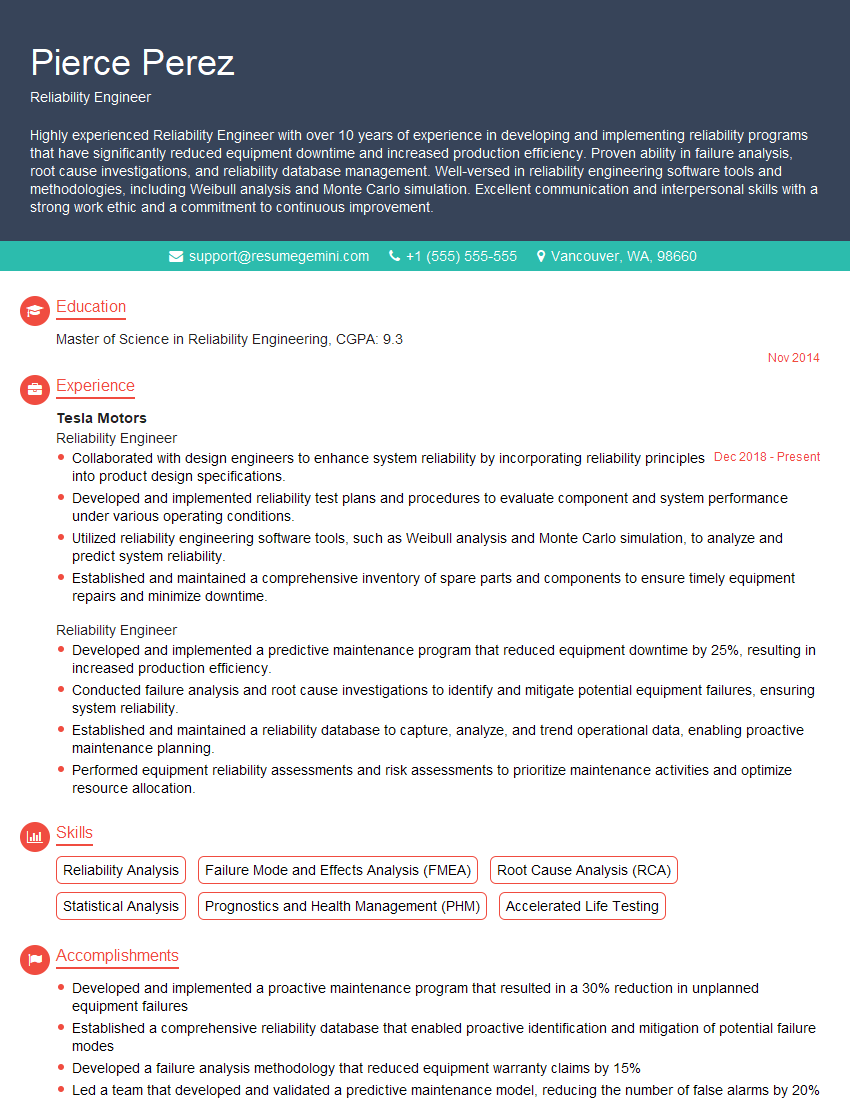
Reliability Engineer Resume Sample
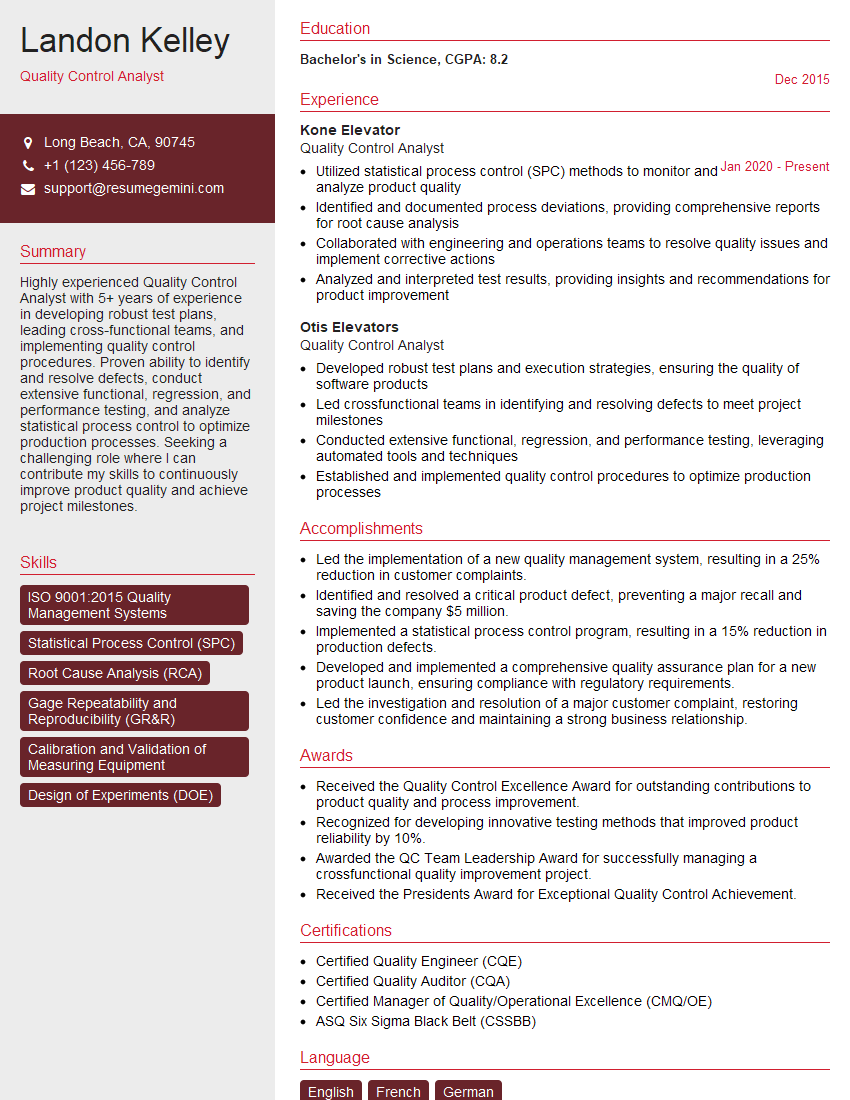
Quality Control Analyst Resume Sample
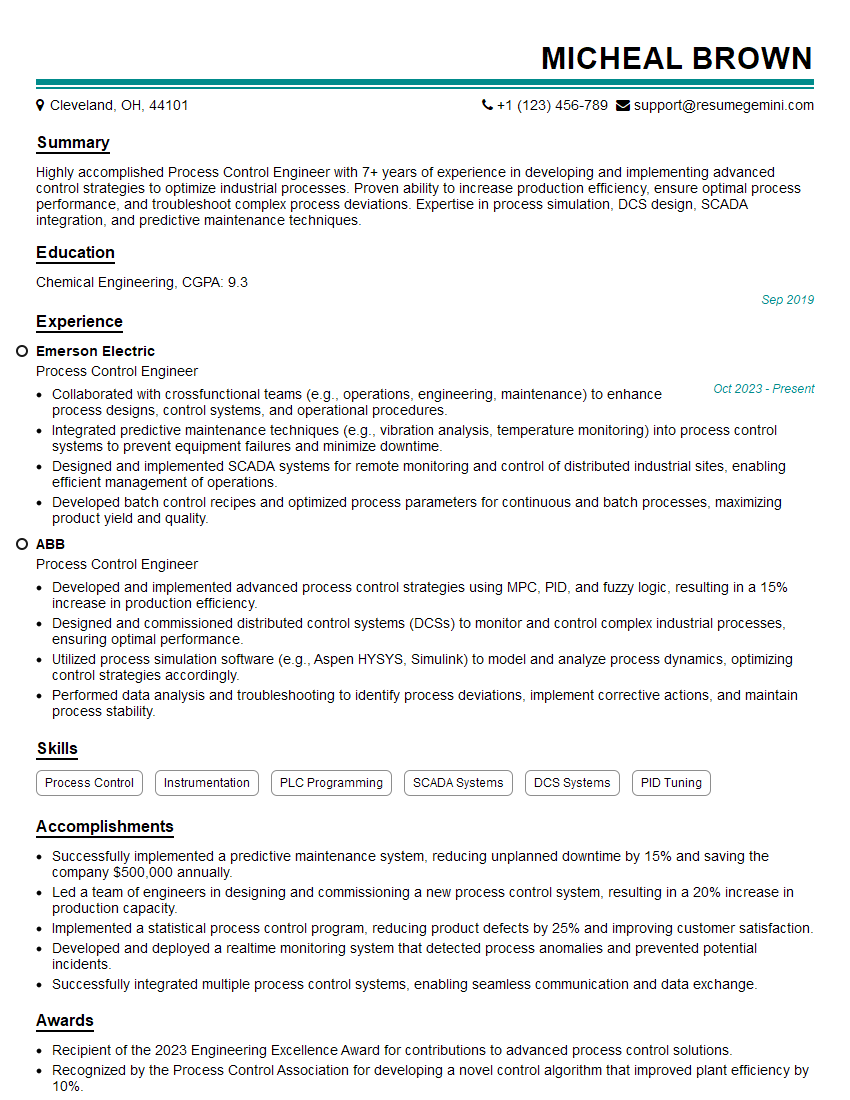
Process Control Engineer Resume Sample
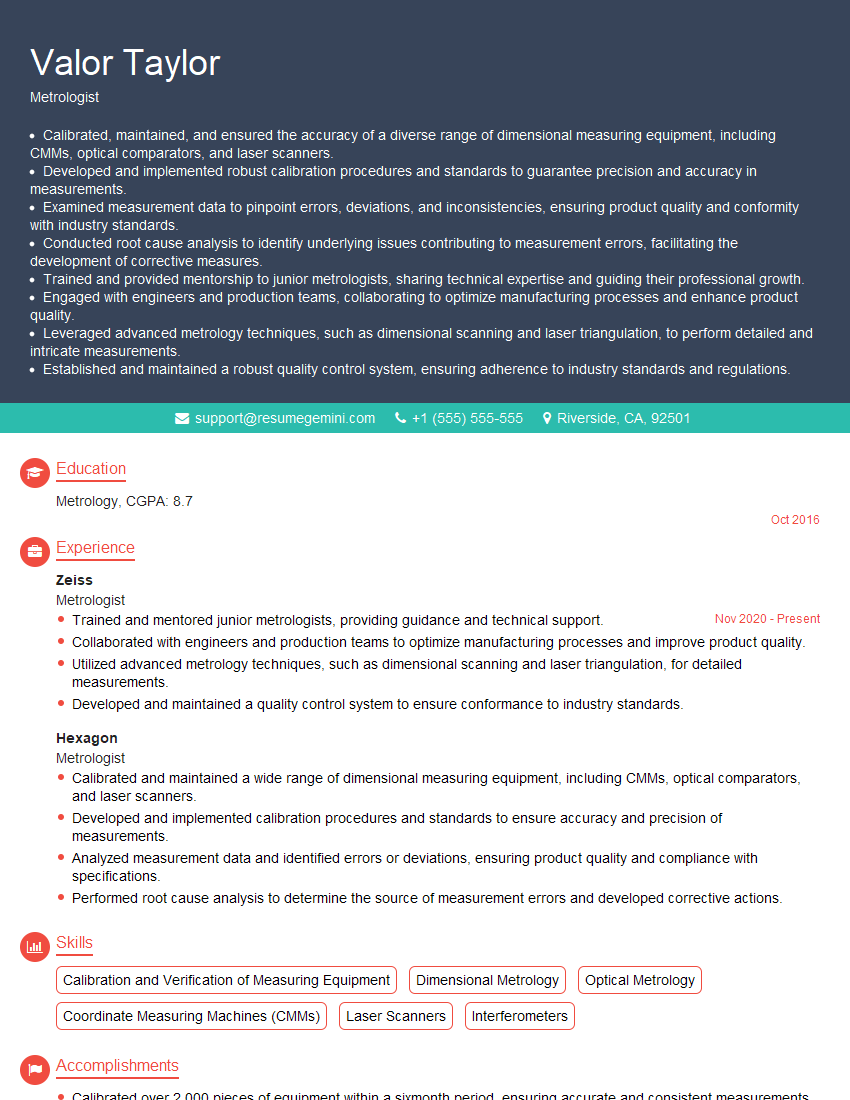
Metrologist Resume Sample
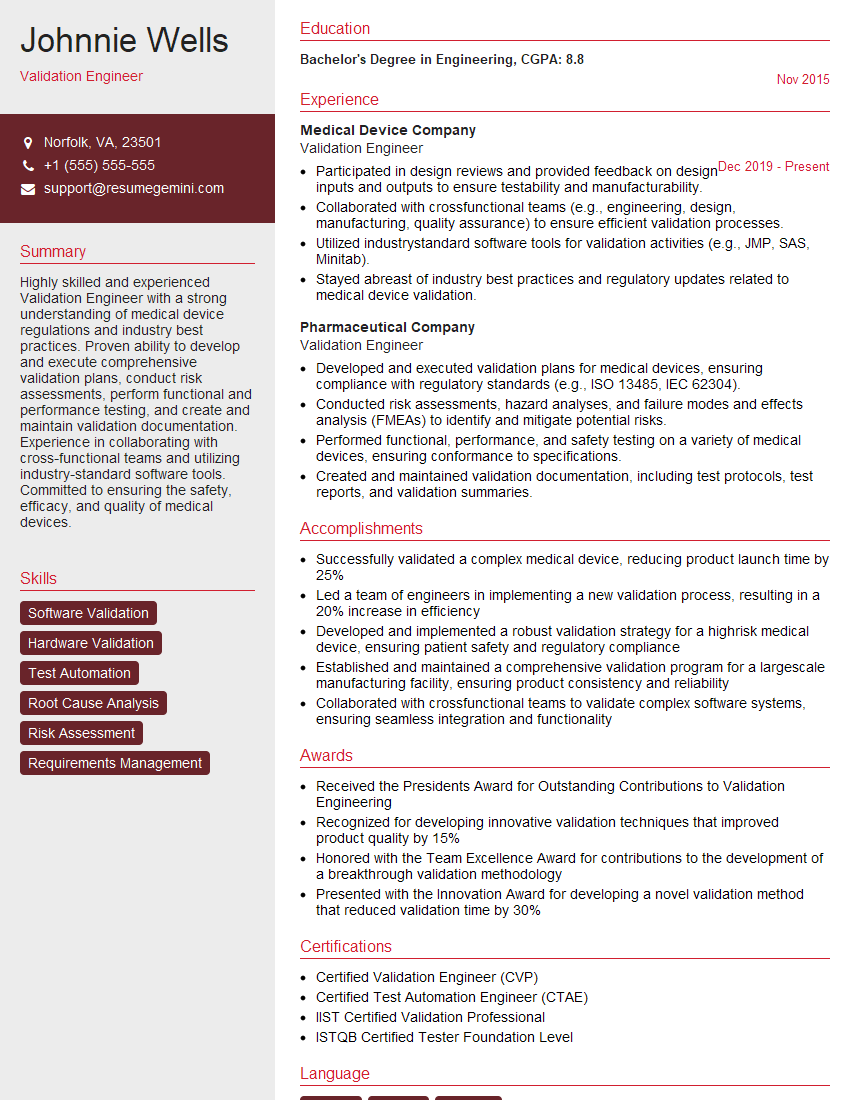
Validation Engineer Resume Sample
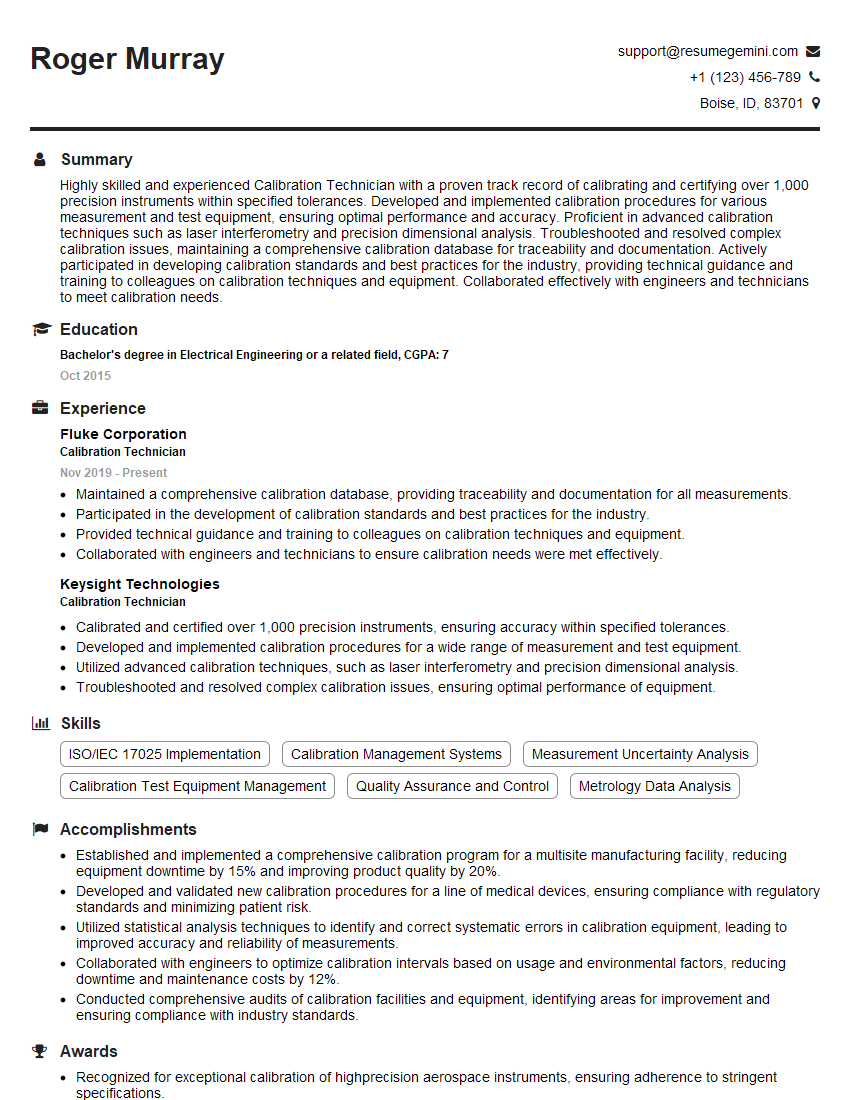
Calibration Technician Resume Sample
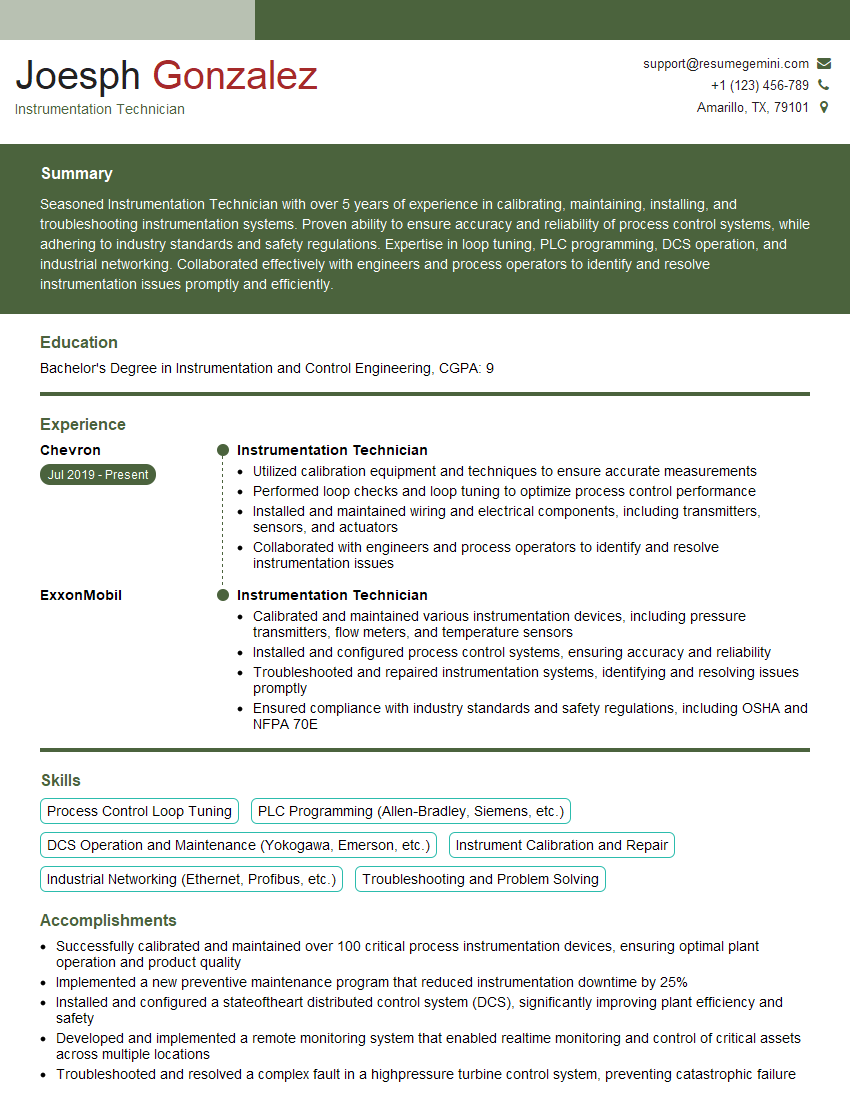
Instrumentation Technician Resume Sample
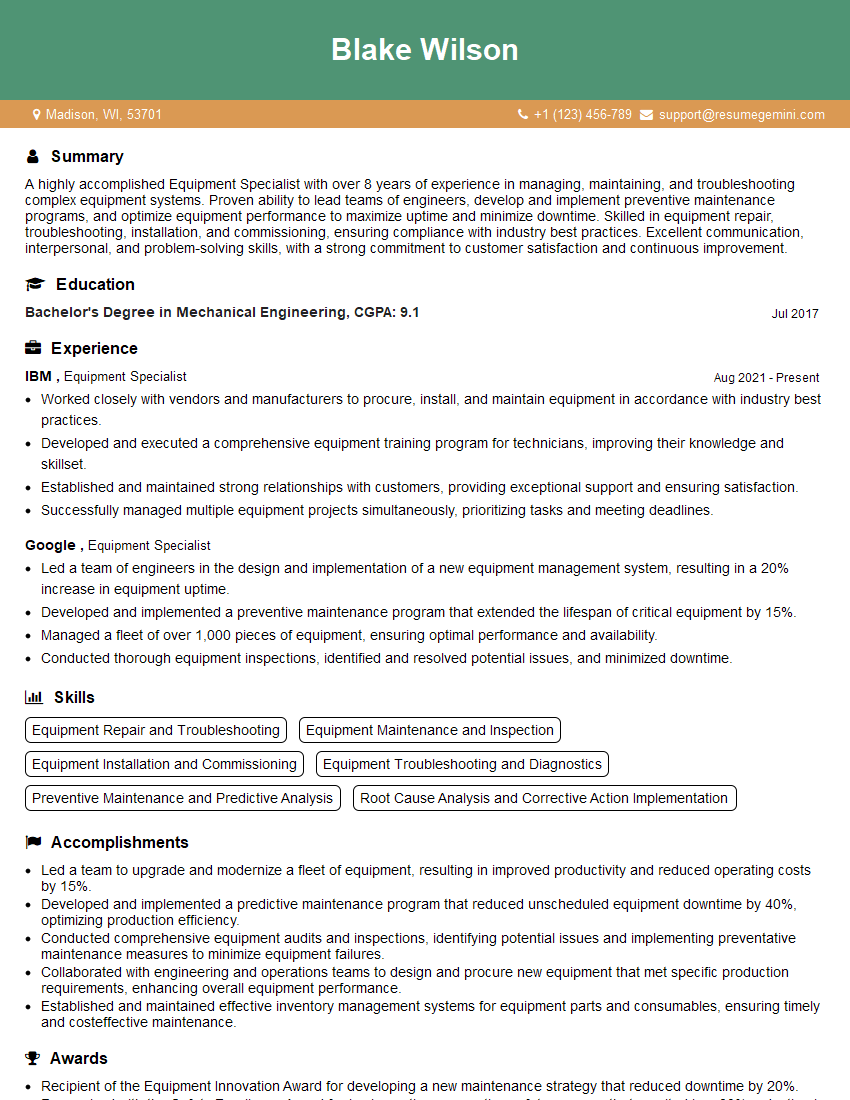
Equipment Specialist Resume Sample
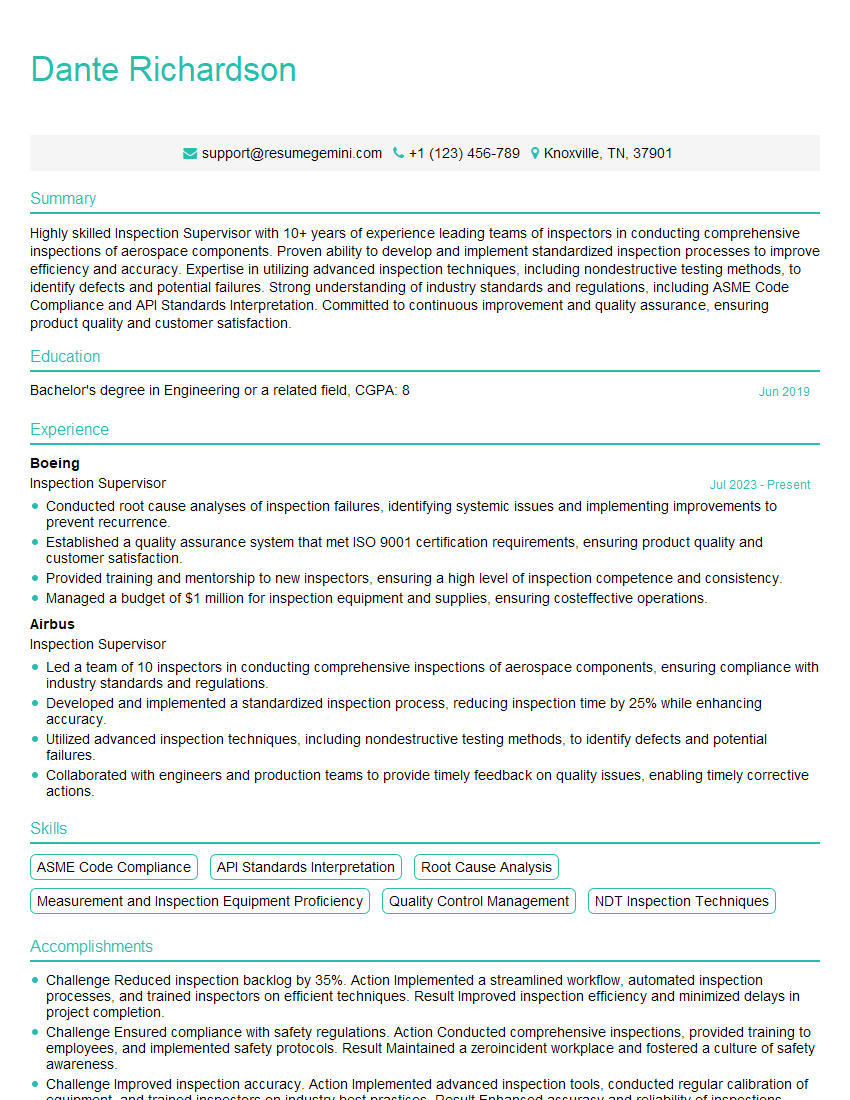
Inspection Supervisor Resume Sample

Quality Control Inspector Resume Sample
Explore more articles
Users Rating of Our Blogs
Share Your Experience
We value your feedback! Please rate our content and share your thoughts (optional).
What Readers Say About Our Blog
To the interviewgemini.com Webmaster.
Very helpful and content specific questions to help prepare me for my interview!
Thank you
To the interviewgemini.com Webmaster.
This was kind of a unique content I found around the specialized skills. Very helpful questions and good detailed answers.
Very Helpful blog, thank you Interviewgemini team.