The thought of an interview can be nerve-wracking, but the right preparation can make all the difference. Explore this comprehensive guide to Time Management and Priority Setting interview questions and gain the confidence you need to showcase your abilities and secure the role.
Questions Asked in Time Management and Priority Setting Interview
Q 1. Describe your approach to prioritizing tasks when faced with multiple deadlines.
Prioritizing tasks with multiple deadlines requires a structured approach. I typically employ a combination of methods, starting with a clear overview of all deadlines. I then use a prioritization matrix, often a variation of the Eisenhower Matrix (Urgent/Important), to categorize each task. This helps me quickly identify which tasks require immediate attention and which can be scheduled later. For instance, a critical client presentation due tomorrow is clearly Urgent and Important, while researching a new marketing strategy for next quarter is Important but not Urgent. I then assign each task a priority level (high, medium, low) based on its impact and urgency. Finally, I utilize a project management tool to schedule tasks and visualize the workflow, ensuring efficient allocation of time and resources.
Imagine you’re a chef preparing for a large banquet. The urgent and important tasks are preparing the main course items scheduled for immediate service. The important but not urgent tasks might be preparing sauces or side dishes that can be completed earlier in the day without jeopardizing the timely delivery of the main courses. This structured approach allows me to tackle the most impactful tasks first, minimizing the risk of missing crucial deadlines.
Q 2. How do you handle interruptions that disrupt your workflow?
Unforeseen interruptions are a fact of life. My approach focuses on minimizing their impact. Firstly, I dedicate specific times in my day as ‘focus blocks,’ periods uninterrupted by emails or meetings. During these blocks, I turn off notifications and focus solely on my prioritized tasks. When an interruption occurs, I use a system of quick triage. If the interruption is urgent and requires immediate attention, I address it briefly, then return to my focused task. If it’s not urgent, I note it down to address later. This system prevents me from being pulled off course by minor distractions and helps me maintain focus and momentum.
Think of it like a surgeon performing a delicate operation. They might have to pause briefly to address a sudden complication, but their primary focus remains the successful completion of the surgery. Similarly, I strive to keep my focus on the most critical tasks, addressing interruptions strategically.
Q 3. What tools or techniques do you use for time management?
My time management arsenal includes several tools and techniques. I rely heavily on digital project management tools like Asana or Trello to track tasks, deadlines, and progress. These platforms provide a visual representation of my workload, allowing me to easily identify potential bottlenecks. In addition, I utilize time-blocking techniques, allocating specific time slots for particular tasks. This ensures focused work and prevents task-switching, a common time waster. Finally, the Pomodoro Technique, working in focused bursts with short breaks, helps maintain concentration and prevent burnout. The key is finding the tools and techniques that best suit my work style and consistently applying them.
Q 4. Explain your process for setting realistic deadlines.
Setting realistic deadlines is crucial for effective time management. My process begins with a thorough understanding of the task’s scope and complexity. I break down larger tasks into smaller, manageable sub-tasks. Then, I estimate the time required for each sub-task, factoring in potential delays and unforeseen circumstances. I often add buffer time to account for unexpected issues. Regularly reviewing and adjusting deadlines based on progress is key. This iterative approach ensures that deadlines are challenging yet achievable, leading to consistent progress and reduced stress.
Think of it like building a house. You wouldn’t start laying the roof before the foundation is complete. Similarly, I break down large tasks into manageable stages, assigning reasonable deadlines to each stage to avoid unrealistic expectations.
Q 5. How do you delegate tasks effectively to manage your time?
Effective delegation is essential for managing my time and workload. I delegate tasks based on the individual’s skills and experience, ensuring a proper fit between the task and the person. Clear communication is paramount; I provide clear instructions, expected outcomes, and deadlines. I also ensure regular check-ins to monitor progress and offer support. I avoid micromanaging, trusting the individuals to perform their tasks. Effective delegation not only frees up my time to focus on higher-priority tasks but also empowers my team and fosters a culture of collaboration and ownership.
For example, instead of spending hours preparing a presentation myself, I might delegate the design aspect to a graphic designer while I focus on writing the content. This division of labor leads to a higher quality outcome and better time management.
Q 6. Have you ever had to re-prioritize tasks due to unforeseen circumstances? Describe the situation and your response.
Yes, I’ve encountered situations where unforeseen circumstances necessitated re-prioritization. For instance, during a large project, a key team member unexpectedly fell ill. This immediately impacted the project timeline and required a swift re-evaluation of priorities. My response involved immediately assessing the impact of the absence, reassigning critical tasks to other team members with overlapping skills, and adjusting the project timeline accordingly. Open communication with the team and stakeholders was key; I kept everyone informed of the changes and the revised timeline. The experience highlighted the importance of having contingency plans and flexible timelines when managing projects.
Q 7. How do you identify and eliminate time-wasting activities?
Identifying and eliminating time-wasting activities involves a process of self-reflection and analysis. I start by tracking my activities for a week to identify patterns of time wastage. Common culprits include excessive social media usage, attending unnecessary meetings, or responding to non-critical emails immediately. Once identified, I consciously implement strategies to minimize these activities. This could involve setting specific times for checking emails, utilizing browser extensions to block distracting websites, or politely declining attendance at unnecessary meetings. Regularly reviewing my time usage and adapting my strategies helps me stay focused and productive.
It’s like decluttering your home – you need to identify what you don’t need and make a conscious effort to remove it. Similarly, identifying and eliminating time-wasting activities involves a proactive approach to streamline your workflow.
Q 8. What strategies do you use to avoid procrastination?
Procrastination is a common enemy of productivity, but it can be conquered with a multi-pronged approach. My strategy focuses on understanding the root cause and employing proactive techniques. First, I identify the underlying reason for procrastination – is it fear of failure, feeling overwhelmed, lack of clarity on the task, or simply a lack of motivation? Once I pinpoint the cause, I tailor my response.
Task Breakdown: Large tasks often seem daunting, leading to procrastination. I break them into smaller, more manageable chunks. This makes the overall project less intimidating and provides a sense of accomplishment as each smaller task is completed.
Time Blocking: I dedicate specific time slots in my schedule for particular tasks. This prevents tasks from sprawling into other parts of my day and allows me to focus my energy effectively. For example, I might allocate 90 minutes to writing a report, ensuring no distractions during that period.
The Pomodoro Technique: This method involves working in focused bursts (e.g., 25 minutes) followed by short breaks (e.g., 5 minutes). It leverages the power of short, intense focus periods, combating mental fatigue and maintaining motivation.
Reward System: I reward myself after completing tasks or milestones. This positive reinforcement motivates me to stay on track. It could be something as simple as a cup of coffee or a walk in the park, or a larger reward for a bigger achievement.
By combining these methods, I proactively manage my workload and avoid falling into the procrastination trap. It’s about building a system that works for me, and adapting it as needed.
Q 9. How do you stay organized and track your progress on multiple projects?
Staying organized and tracking progress across multiple projects requires a structured approach. I rely on a combination of digital and analog tools to ensure everything stays on track.
Project Management Software: I use project management software like Asana or Trello to visualize my projects, assign tasks, set deadlines, and monitor progress. These tools allow me to create Kanban boards, Gantt charts, and other visual representations of my workload, providing a clear overview of everything I’m working on. This allows for seamless collaboration if needed as well.
Prioritization Matrix: I utilize an Eisenhower Matrix (Urgent/Important) to prioritize tasks. This helps me focus my efforts on the most crucial activities, avoiding getting bogged down in less important tasks.
Regular Reviews: I dedicate time each week (usually at the start and end) to review my progress, adjust my schedule as needed, and identify any potential roadblocks. This proactive approach keeps me ahead of the curve and ensures I stay on schedule.
Detailed Task Lists: I maintain detailed to-do lists for each project, breaking down larger tasks into smaller, actionable items. Checking off completed items provides a sense of accomplishment and motivation.
The key is to find a system that works best for you, and to be consistent in its application. It’s about creating a clear and transparent system to monitor your own work, so you know exactly where you stand at any given moment.
Q 10. How do you measure your personal productivity?
Measuring personal productivity isn’t about simply checking off tasks; it’s about assessing the impact and value of your work. I use a combination of qualitative and quantitative methods:
Goal Achievement: I set clear, measurable, achievable, relevant, and time-bound (SMART) goals. Tracking my progress towards these goals provides a tangible measure of my productivity.
Task Completion Rate: While not the sole indicator, tracking the number of tasks completed within a given timeframe offers a basic understanding of my output. However, this needs to be considered in conjunction with the quality and impact of the work.
Quality of Work: I assess the quality of my work by seeking feedback from colleagues, clients, or supervisors. This helps identify areas for improvement and ensures that my efforts are producing high-quality results.
Impact Assessment: I regularly reflect on the impact of my work. Did it move the needle on a project? Did it contribute to a team goal? This helps me understand whether my efforts are aligned with my overall objectives.
It’s important to remember that productivity isn’t just about quantity; it’s about the effective and efficient completion of high-value tasks that contribute to meaningful results.
Q 11. How do you handle conflicting priorities?
Conflicting priorities are inevitable in a busy professional life. My approach involves a structured process to resolve these conflicts fairly and efficiently.
Prioritization Matrix (Eisenhower Matrix): As mentioned before, I use this matrix to categorize tasks based on urgency and importance. This clarifies which tasks need immediate attention and which can be delegated or scheduled for later.
Time Allocation: Once priorities are established, I allocate specific time blocks to each task. This ensures that important tasks receive adequate attention.
Delegation: When possible, I delegate tasks that can be effectively handled by others. This frees up my time to focus on higher-priority items.
Negotiation and Communication: If conflicts arise, I communicate openly and honestly with stakeholders to find mutually agreeable solutions. This might involve adjusting deadlines, re-allocating resources, or re-prioritizing tasks.
Saying No: It’s crucial to learn to say no to tasks that don’t align with my priorities or capacity. This prevents overcommitment and burnout.
Handling conflicting priorities effectively requires a proactive approach, clear communication, and a willingness to adapt and negotiate.
Q 12. Describe a time you had to manage a high-pressure situation with tight deadlines.
During a recent product launch, we faced a critical bug discovered just days before the release. The pressure was immense, as the launch was crucial for the company’s financial projections. We had to fix the bug without compromising the overall quality or delaying the launch.
Emergency Meeting: We immediately convened an emergency meeting with the development, testing, and project management teams. We assessed the severity of the bug and its potential impact.
Task Allocation: We divided the tasks among the team members based on their expertise and availability. This ensured that everyone had a clear role and responsibility.
Extended Hours: We worked extended hours, including weekends, to address the bug promptly. We ensured regular breaks to prevent burnout.
Communication: We maintained constant communication throughout the process, providing regular updates to stakeholders and each other. This transparency reduced anxiety and ensured everyone remained informed and aligned.
Successful Launch: Thanks to our collaborative effort, we successfully resolved the bug and launched the product on schedule. We learned valuable lessons about crisis management and proactive risk mitigation from this high-pressure situation.
This experience highlighted the importance of teamwork, clear communication, and decisive action under pressure. While stressful, it ultimately strengthened our team’s ability to handle unexpected challenges.
Q 13. What is your preferred method for scheduling appointments and meetings?
My preferred method for scheduling appointments and meetings involves a digital calendar integrated with my project management software. This allows for a centralized view of all my commitments.
Digital Calendar: I use Google Calendar or Outlook Calendar, leveraging their features for setting reminders, recurring events, and sharing schedules with colleagues.
Integration: I ensure that my calendar is integrated with my project management software to maintain consistency and visibility. This ensures my appointments and meetings are directly linked to project tasks and deadlines.
Buffer Time: I incorporate buffer time between appointments to account for unforeseen delays or travel time. This minimizes the risk of running late and allows for a smoother transition between tasks.
Regular Review: I regularly review my calendar to ensure that my schedule aligns with my priorities and project goals. This helps me identify potential conflicts and adjust my schedule accordingly.
This comprehensive approach ensures that my schedule remains organized, manageable, and aligned with my overall objectives.
Q 14. How do you use technology to enhance your time management skills?
Technology plays a vital role in enhancing my time management skills. I leverage several tools to streamline my workflow and maximize productivity.
Project Management Software (Asana, Trello, etc.): These tools help me manage tasks, track progress, and collaborate with team members effectively.
Calendar Apps (Google Calendar, Outlook Calendar): These apps facilitate appointment scheduling, reminders, and seamless integration with other productivity tools.
Note-Taking Apps (Evernote, OneNote, etc.): These apps help me capture ideas, meeting notes, and important information in a centralized location, making it easily accessible.
Focus Apps (Forest, Freedom): These apps help minimize distractions by blocking access to certain websites or apps during focused work sessions.
Automation Tools (Zapier, IFTTT): These tools automate repetitive tasks, such as file organization or email management, freeing up time for more strategic work.
The key is to carefully select the tools that align with my specific needs and workflow. The use of technology is not just about adopting tools but about strategic integration of these tools into a well-defined personal workflow.
Q 15. How do you handle unexpected urgent tasks?
Unexpected urgent tasks are a fact of life, especially in dynamic work environments. My approach is based on a triage system, prioritizing impact and minimizing disruption. First, I assess the urgency and importance of the new task using a rapid version of the Eisenhower Matrix (explained further in the next answer). If it’s truly urgent and important, I immediately interrupt my current workflow and address it. If it’s urgent but not crucial, I delegate it if possible, or schedule a short, focused block of time to complete it quickly. If it’s neither urgent nor important, it’s deferred or delegated, and if it’s important but not urgent, I add it to my schedule for later. This requires discipline in sticking to the initial assessment and avoiding getting sidetracked.
For example, if a critical server goes down, that trumps everything else. I’ll address that immediately. However, if a colleague needs a quick clarification on a non-critical report, I might schedule a 5-minute call later rather than interrupt my current workflow on a high-priority project.
Career Expert Tips:
- Ace those interviews! Prepare effectively by reviewing the Top 50 Most Common Interview Questions on ResumeGemini.
- Navigate your job search with confidence! Explore a wide range of Career Tips on ResumeGemini. Learn about common challenges and recommendations to overcome them.
- Craft the perfect resume! Master the Art of Resume Writing with ResumeGemini’s guide. Showcase your unique qualifications and achievements effectively.
- Don’t miss out on holiday savings! Build your dream resume with ResumeGemini’s ATS optimized templates.
Q 16. Explain your understanding of the Eisenhower Matrix (Urgent/Important).
The Eisenhower Matrix, also known as the Urgent/Important Matrix, is a powerful time management tool that categorizes tasks based on their urgency and importance. It helps prioritize tasks effectively, preventing us from getting bogged down in less important activities.
- Urgent and Important (Do First): These are crises, deadlines, and pressing problems requiring immediate attention. Think of a burning deadline or a critical client request.
- Important but Not Urgent (Schedule): These are tasks contributing to long-term goals, such as strategic planning, relationship building, or professional development. They might include working on a presentation for a big upcoming conference.
- Urgent but Not Important (Delegate): These are often interruptions and distractions, such as some emails or less-critical requests. Ideally, these should be delegated to free up time for more important tasks.
- Neither Urgent nor Important (Eliminate): These are time-wasting activities that offer little value. These tasks should be eliminated altogether to regain time and focus.
Using this matrix, I systematically evaluate each task, assigning it to a quadrant and scheduling accordingly. This ensures that I focus on the most impactful activities and avoid being reactive to low-value demands.
Q 17. How do you balance short-term and long-term priorities?
Balancing short-term and long-term priorities is crucial for sustainable success. I use a system that integrates both, preventing the urgent from overshadowing the important. My approach incorporates the Eisenhower Matrix, but extends it further by creating a detailed schedule incorporating both short-term deadlines (like daily or weekly tasks) and dedicated blocks for long-term initiatives (like project planning or strategic work). For example, I’ll allocate specific time slots each week dedicated to working on the long-term project even if no immediate deadline is present. I also use a system of regular reviews—weekly or monthly—to assess progress on long-term goals and re-prioritize tasks as needed. This ensures a healthy blend of action-oriented short-term focus and proactive long-term planning.
Think of it like a gardener: tending to the immediate needs of the garden (short-term tasks) while also planning for the future by planting seeds and preparing the soil (long-term priorities). Both are essential for a thriving garden.
Q 18. How do you communicate your workload and priorities to your team?
Clear communication is paramount. I use a combination of methods to ensure my team understands my workload and priorities. Regular team meetings, preferably with clear agendas, are essential. During these meetings, I clearly articulate key priorities, deadlines, and roadblocks, ensuring everyone is aligned. I utilize project management tools (like Trello or Asana) to visually represent task assignments, dependencies, and deadlines. This creates a shared understanding of the workload and allows team members to see the bigger picture. Furthermore, I foster open communication, encouraging team members to raise concerns or propose solutions, promoting a collaborative approach to tackling priorities.
Transparency is key—keeping everyone informed allows for proactive problem-solving and team cohesion.
Q 19. What is your strategy for managing your inbox and email communications?
Email management is a crucial aspect of time management. My strategy involves a combination of techniques to keep my inbox manageable. I follow a process of processing emails in batches, rather than reacting to each one as it arrives. I use filters and folders to organize emails based on their importance and sender. I aim to respond to emails quickly and decisively. For those requiring more extensive replies, I schedule a specific time to compose them thoroughly. Finally, I unsubscribe from unnecessary mailing lists, reducing the number of emails I receive. The goal is to process my email inbox efficiently, avoiding it from becoming a source of constant distraction.
Think of it like dealing with a pile of papers—you wouldn’t process each one individually as it lands on your desk. You’d batch process them, prioritizing and organizing as you go.
Q 20. How do you assess the urgency and importance of various tasks?
Assessing urgency and importance is a judgment call, but a structured approach enhances accuracy. My method hinges on asking a series of targeted questions: What are the potential consequences of not completing this task? Is there a deadline or external dependency? What impact will the completion of this task have on my overall goals or the goals of the team? How much time and resources does this task require compared to its potential impact? By systematically considering these factors, I develop a clear understanding of the relative urgency and importance of each task, making informed prioritization decisions.
Consider two tasks: writing a blog post and finalizing a crucial client presentation. The presentation clearly holds more urgency and importance due to the potential client impact and tight deadline.
Q 21. Describe a situation where you had to make a difficult decision about task prioritization.
During a major product launch, we faced a critical situation. Two high-priority features were nearing the deadline, but one was experiencing significant technical issues requiring extensive debugging, while the other was almost ready for launch. Both were essential for a successful launch, and time was extremely limited. After carefully evaluating the risks and potential impact on the launch’s success, I decided to prioritize the less-problematic feature for immediate launch while dedicating a focused team to tackle the debugging of the other, setting a revised deadline for a slightly later release. This involved transparent communication with stakeholders, managing their expectations, and ensuring the team understood the rationale behind the decision. The result was a successful launch that, although slightly delayed in one aspect, ultimately minimized disruption and ultimately proved successful.
Q 22. How do you adapt your time management techniques to different work environments?
My approach to time management is adaptable, not rigid. I don’t believe in a one-size-fits-all solution. Instead, I assess the work environment first. Is it a fast-paced startup with frequent changes? A more structured, agile approach using techniques like timeboxing and daily stand-ups is key. In a more traditional corporate setting, a more structured calendar-based system with longer-term project planning might be preferable. For example, in a fast-paced project environment, I rely heavily on Kanban boards to visualize workflow and prioritize tasks. In a more stable environment, I might use a detailed Gantt chart to manage project timelines. The core principle remains the same: understanding the demands of the environment and tailoring my techniques accordingly to maximize efficiency and minimize stress.
Q 23. How do you ensure you are consistently meeting your goals and deadlines?
Consistently meeting goals and deadlines involves a combination of strategic planning and proactive execution. I begin with clearly defined goals, breaking them down into smaller, manageable tasks. These tasks are then prioritized using methods like the Eisenhower Matrix (urgent/important), allowing me to focus on the most critical items first. Regular review and tracking are essential. I use project management software to monitor progress, identify potential roadblocks early, and adjust my schedule as needed. For instance, I might allocate buffer time for unexpected delays or dedicate specific time slots for focused work on critical tasks. This proactive approach minimizes surprises and ensures consistent delivery.
Q 24. What is your approach to time blocking?
My approach to time blocking is highly structured yet flexible. I begin by identifying my peak productivity times and allocate these blocks to my most demanding tasks. I then schedule less demanding tasks for times when my energy levels might be lower. Crucially, I include buffer time between blocks to account for unexpected interruptions or task overruns. For example, I might schedule a 90-minute block for focused writing, followed by a 30-minute break before moving on to responding to emails. This structured approach enhances focus and significantly improves my ability to complete tasks efficiently. The key is to regularly review and adjust the time blocks based on how effective the current schedule is.
Q 25. How do you handle multitasking effectively (if at all)?
I actively avoid multitasking. Research shows it reduces efficiency and increases error rates. Instead, I practice focused monotasking, concentrating on one task at a time until completion. This allows for deeper concentration and faster execution. If multiple tasks require attention, I prioritize them and tackle them sequentially, rather than attempting to juggle them simultaneously. Think of it like this: trying to cook multiple dishes at once, without properly prepping the ingredients, is likely to result in subpar meals. Focusing on one dish at a time, with complete dedication and careful attention, leads to better, more enjoyable results.
Q 26. What are some common pitfalls you see in others’ time management strategies?
A common pitfall is underestimating task durations. People often fail to account for unforeseen delays or complexities, leading to missed deadlines and increased stress. Another frequent mistake is a lack of prioritization. Without a clear understanding of which tasks are most important, individuals can waste time on less critical activities. Finally, many struggle with effective delegation. Knowing when and what to delegate to others can free up valuable time and resources. In essence, people often neglect the planning and strategic aspects of time management, leading to reactive, inefficient work habits.
Q 27. Describe a time you failed to manage your time effectively. What did you learn?
Once, I underestimated the time required for a significant project, failing to account for unexpected challenges and dependencies. This led to a stressful crunch period and a lower-quality deliverable than I aimed for. The lesson learned was the importance of thorough planning and proactive risk management. I now dedicate time to a detailed risk assessment at the beginning of projects, identifying potential roadblocks and developing contingency plans. This more robust approach ensures I’m better prepared for unexpected events and avoid similar situations in the future.
Q 28. How do you maintain a work-life balance while effectively managing your time?
Maintaining a work-life balance requires intentional effort and boundary setting. I use time blocking to allocate specific times for work and personal activities, ensuring both receive adequate attention. I also set clear boundaries, disconnecting from work outside of designated work hours. This might include turning off notifications or setting specific times to check emails. Further, incorporating regular breaks and leisure activities throughout the day reduces stress and promotes a healthy work-life integration. Remember, prioritizing self-care isn’t selfish; it’s essential for maintaining long-term productivity and well-being. Just as an airplane needs to refuel, so do we, and neglecting this crucial aspect can lead to burnout and reduced effectiveness.
Key Topics to Learn for Time Management and Priority Setting Interview
- Understanding Your Time: Analyze your current time usage, identifying time-wasters and productive periods. Practical application: Try a time audit for a week to pinpoint areas for improvement.
- Prioritization Techniques: Learn and apply methods like Eisenhower Matrix (Urgent/Important), MoSCoW method (Must have, Should have, Could have, Won’t have), and Pareto Principle (80/20 rule). Practical application: Practice prioritizing tasks using different methods on sample project scenarios.
- Goal Setting and Planning: Break down large goals into smaller, manageable tasks with deadlines. Practical application: Create a project plan with realistic timelines and milestones for a hypothetical work project.
- Effective Scheduling and Time Blocking: Schedule dedicated time blocks for specific tasks, minimizing context switching and maximizing focus. Practical application: Design a sample weekly schedule incorporating both work and personal commitments.
- Proactive vs. Reactive Time Management: Differentiate between responding to urgent requests and planning proactively to prevent issues. Practical application: Develop strategies to anticipate and mitigate potential project roadblocks.
- Delegation and Teamwork: Effectively delegate tasks and collaborate with others to optimize workload distribution. Practical application: Outline a plan for delegating tasks within a team environment, considering skill sets and deadlines.
- Stress Management and Time Management: Recognize the link between stress and poor time management, and implement techniques for managing stress effectively. Practical application: Explore stress-reducing techniques that can improve focus and productivity.
- Tools and Technology: Explore various time management tools (calendars, task management apps) and learn how to utilize them effectively. Practical application: Research and compare different productivity tools, justifying your choice based on specific needs.
Next Steps
Mastering Time Management and Priority Setting is crucial for career advancement. It demonstrates essential organizational skills and allows for increased efficiency and productivity, leading to greater success and professional recognition. To significantly boost your job prospects, create an ATS-friendly resume that highlights these skills. ResumeGemini is a trusted resource that can help you build a professional resume showcasing your abilities. Examples of resumes tailored to Time Management and Priority Setting are available to guide you. Invest in building a strong resume – it’s your first impression!
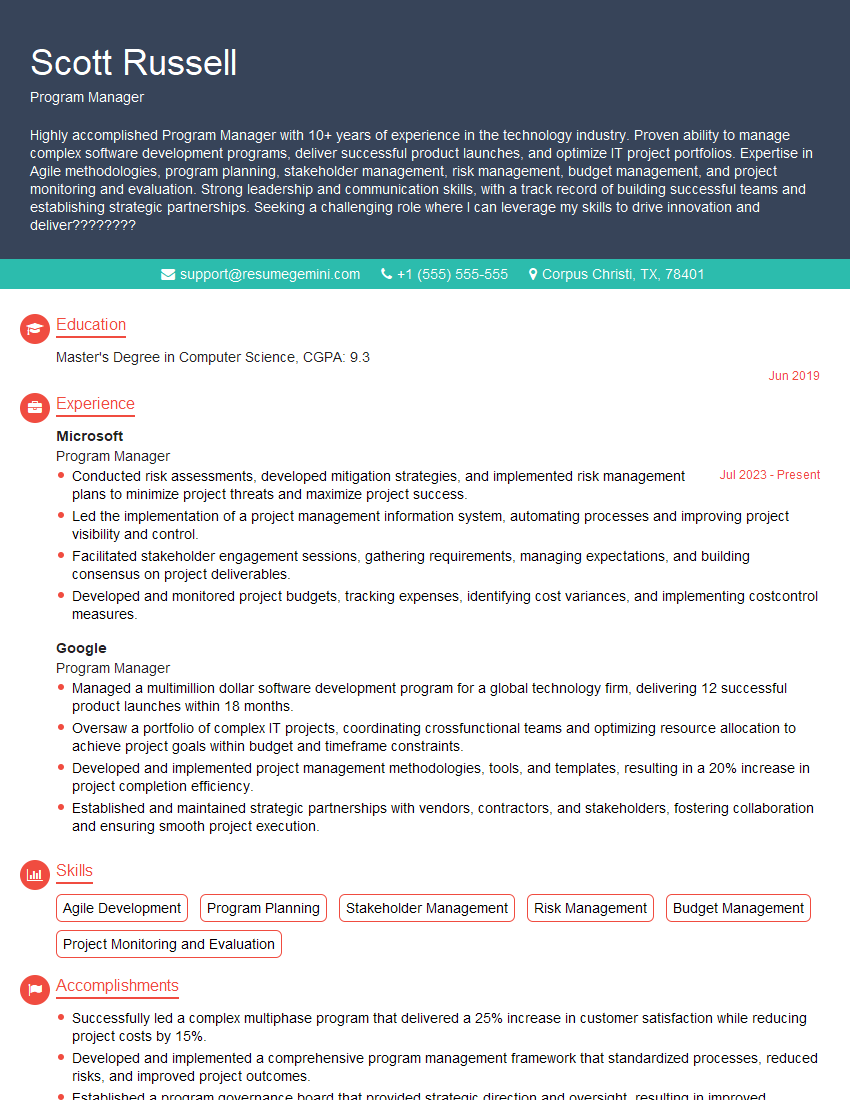
Program Manager Resume Sample
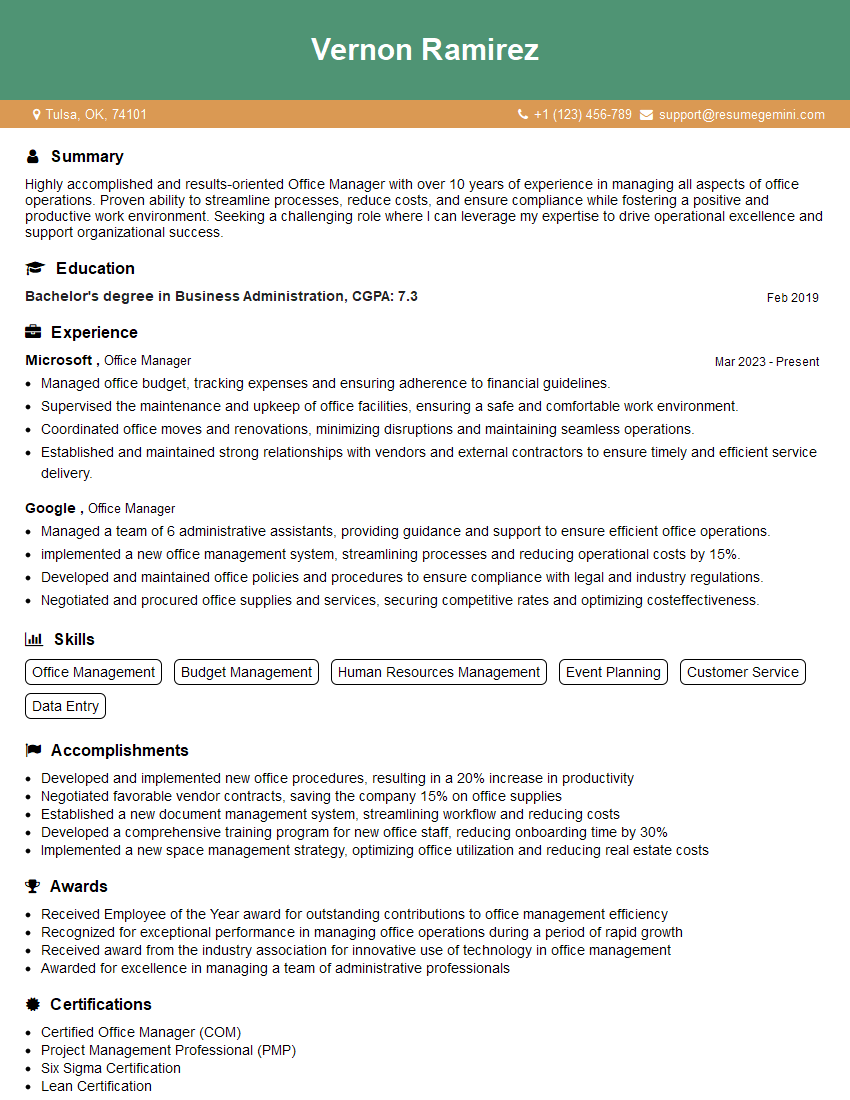
Office Manager Resume Sample

Operations Manager Resume Sample
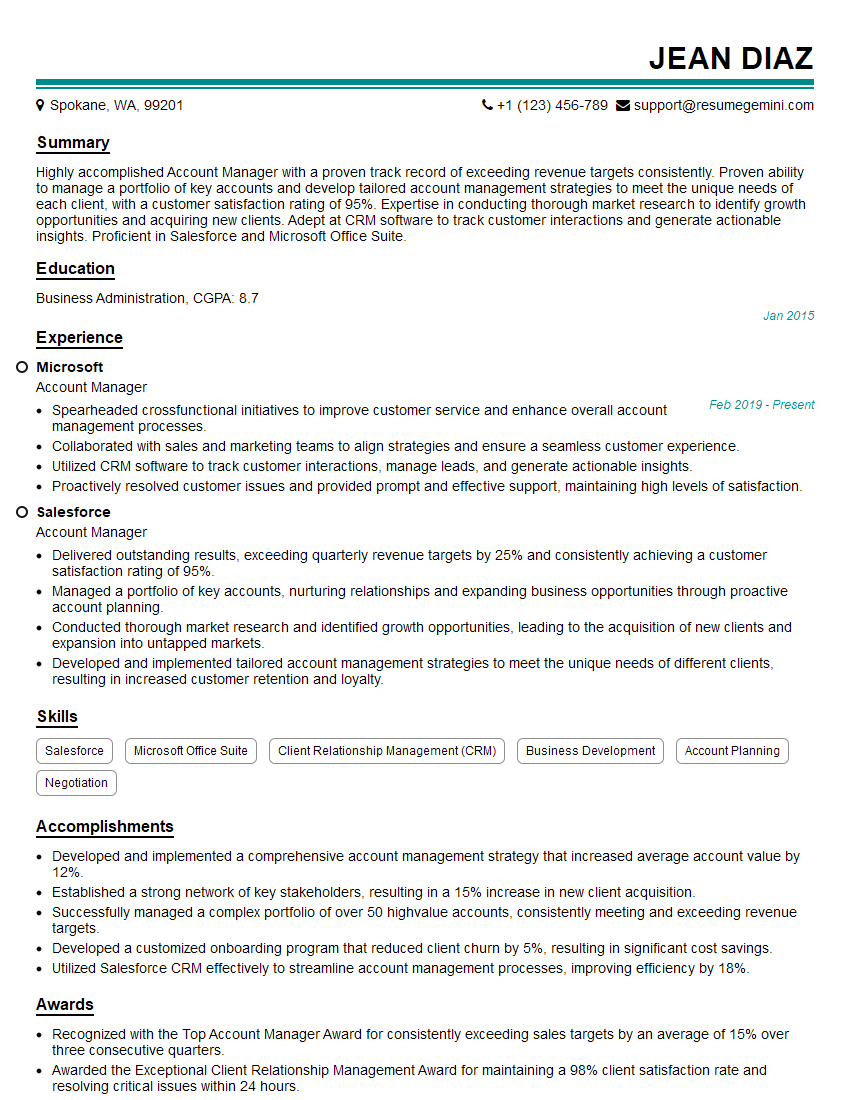
Account Manager Resume Sample
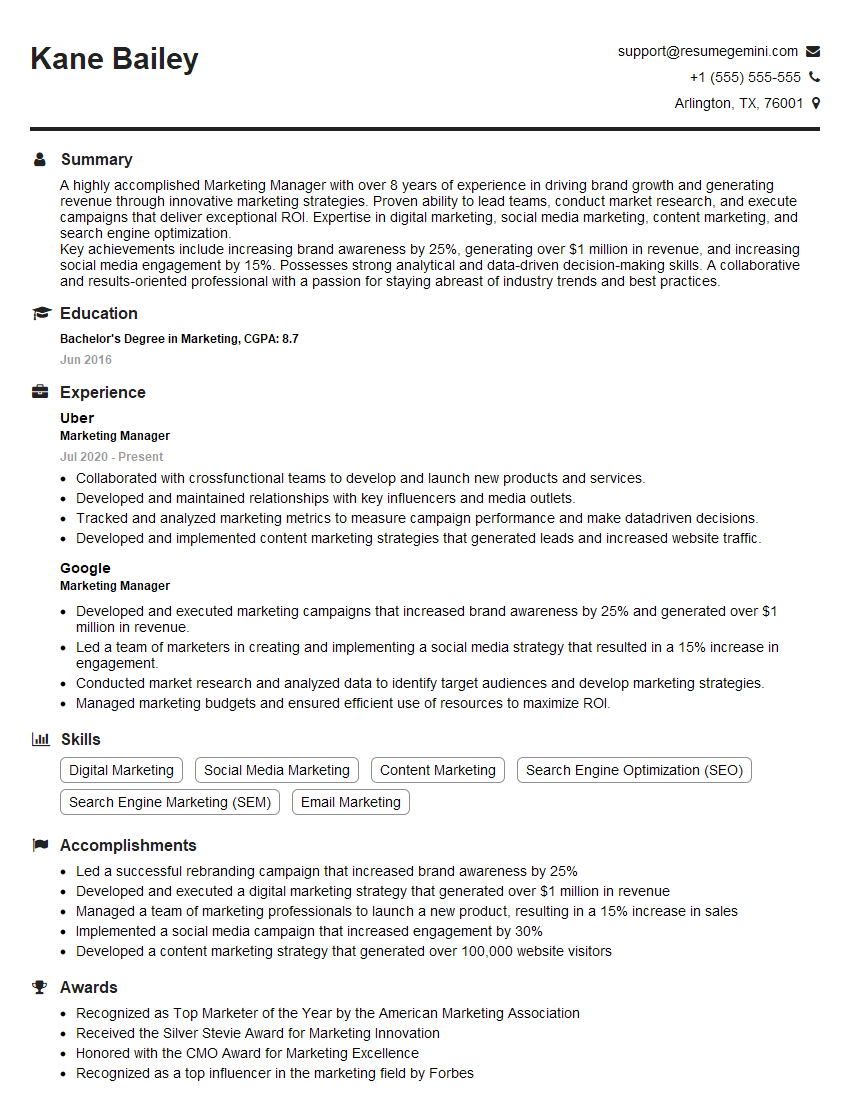
Marketing Manager Resume Sample
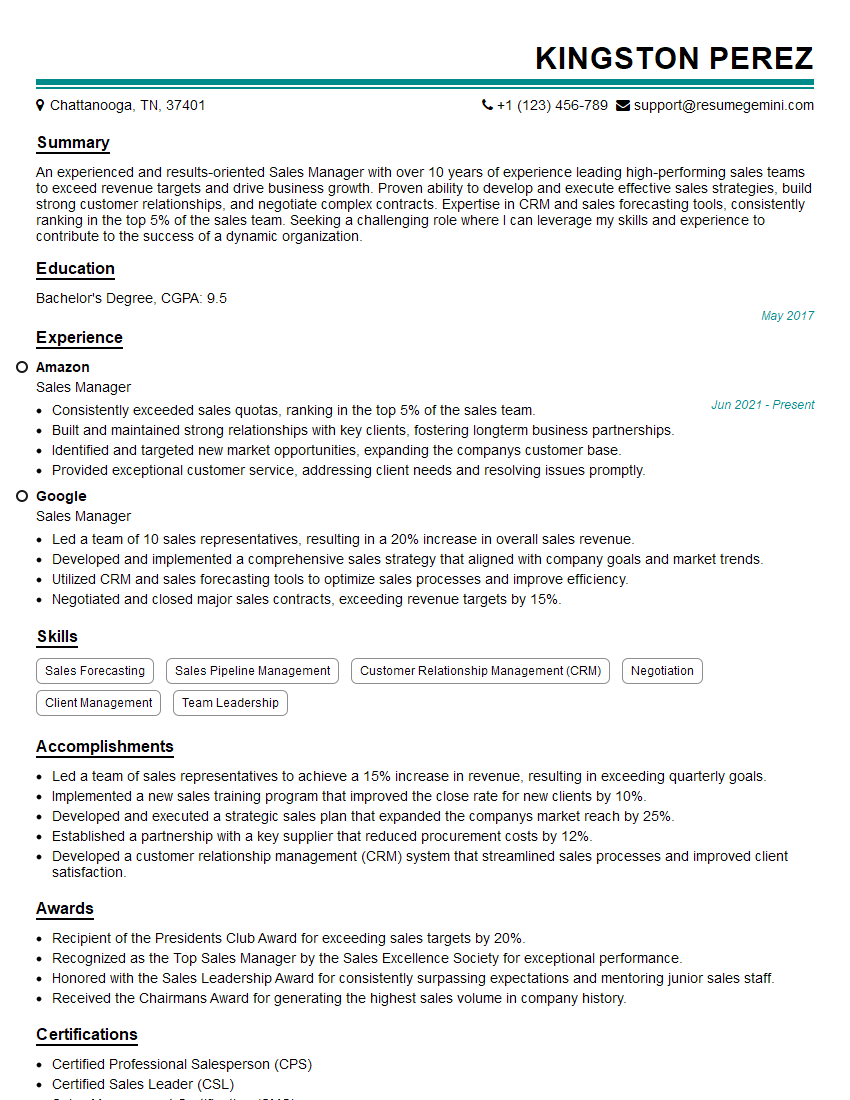
Sales Manager Resume Sample
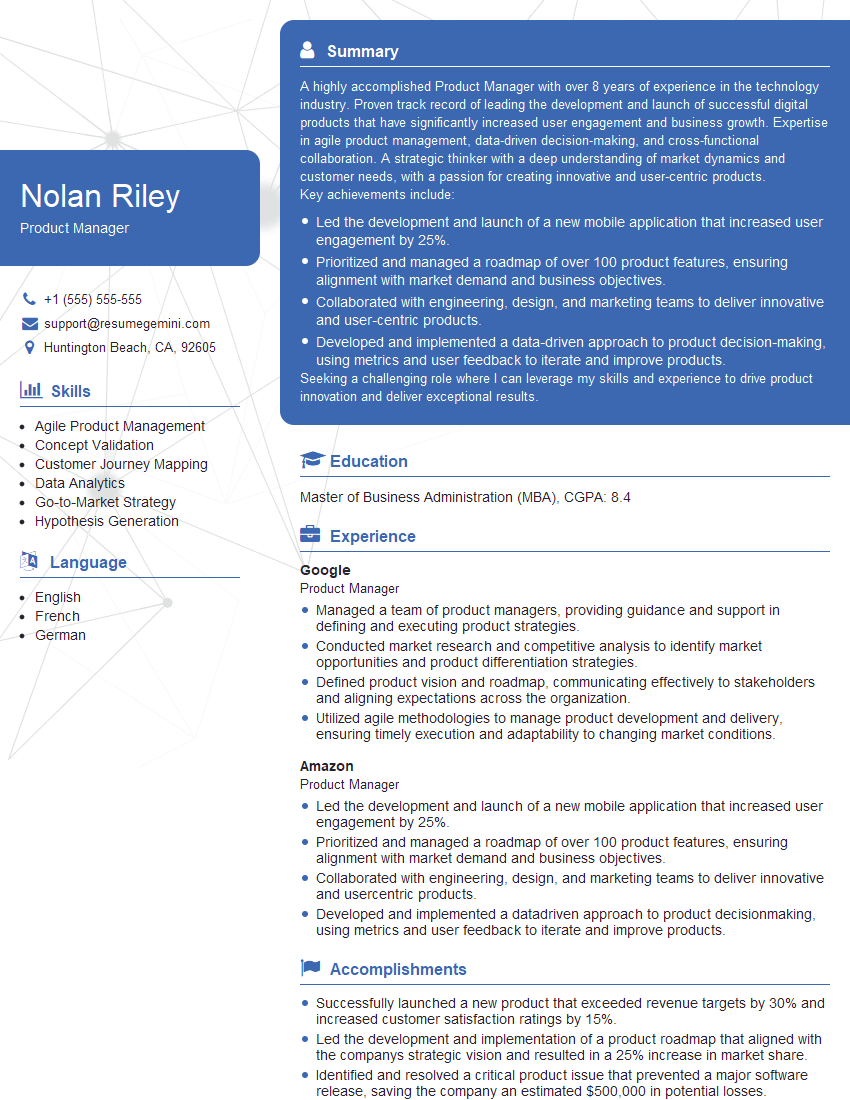
Product Manager Resume Sample
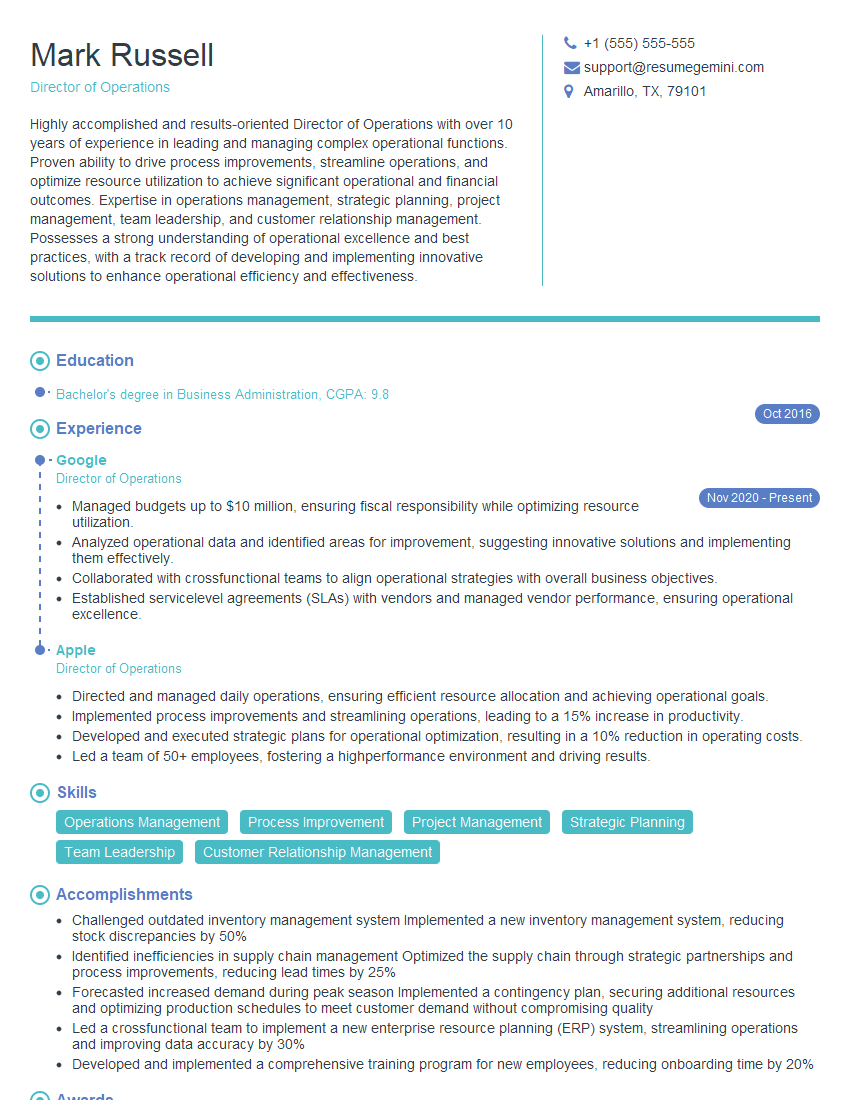
Director of Operations Resume Sample

Supply Chain Manager Resume Sample
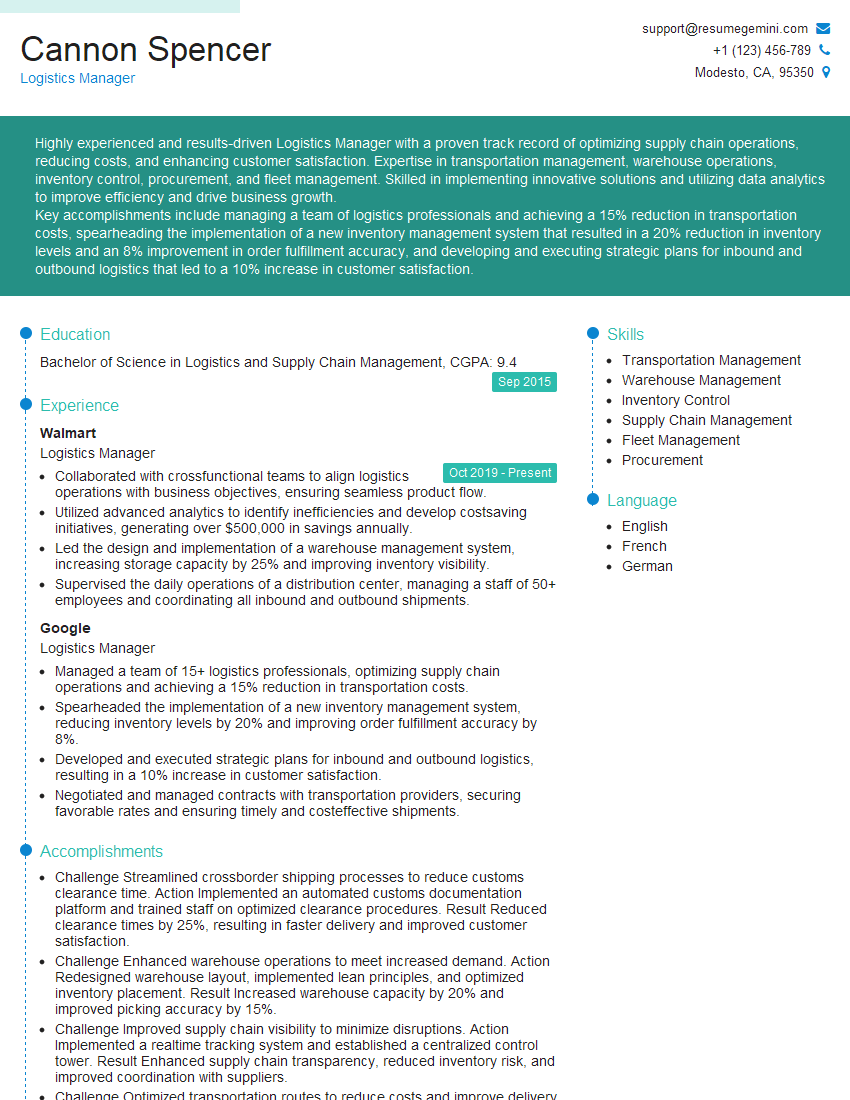
Logistics Manager Resume Sample
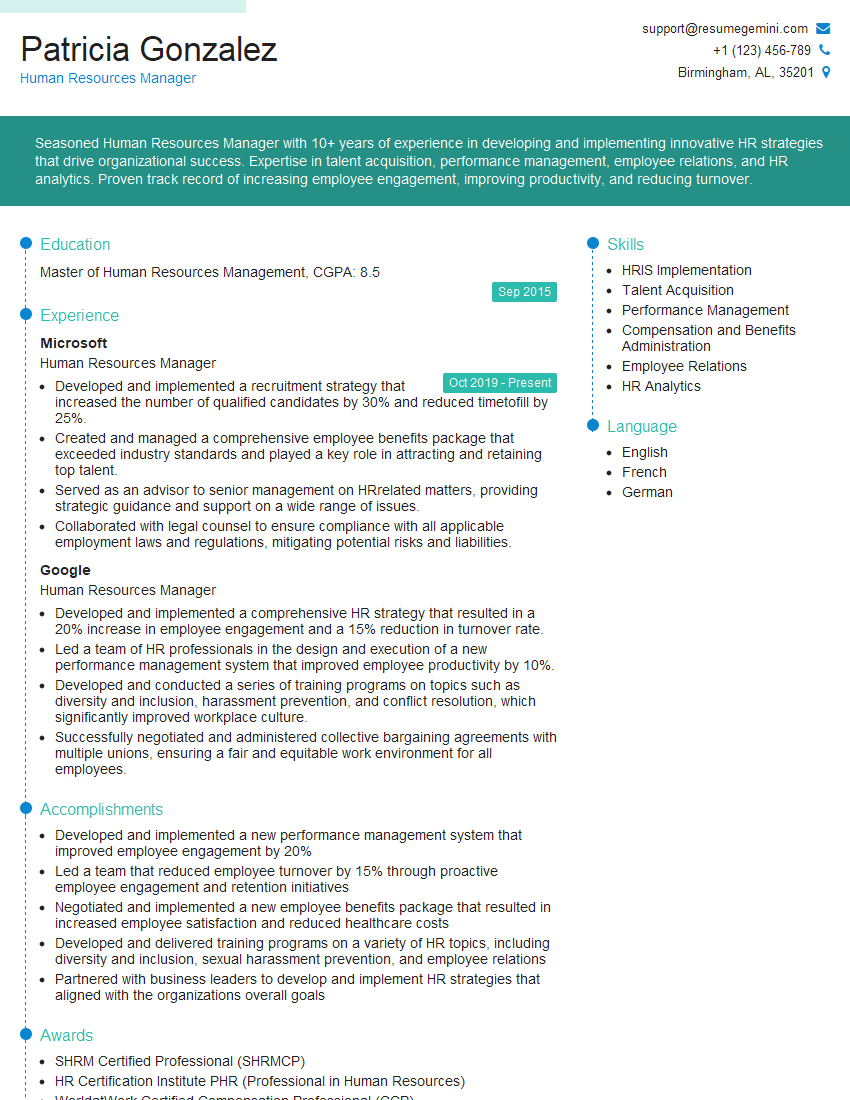
Human Resources Manager Resume Sample

Project Manager Resume Sample
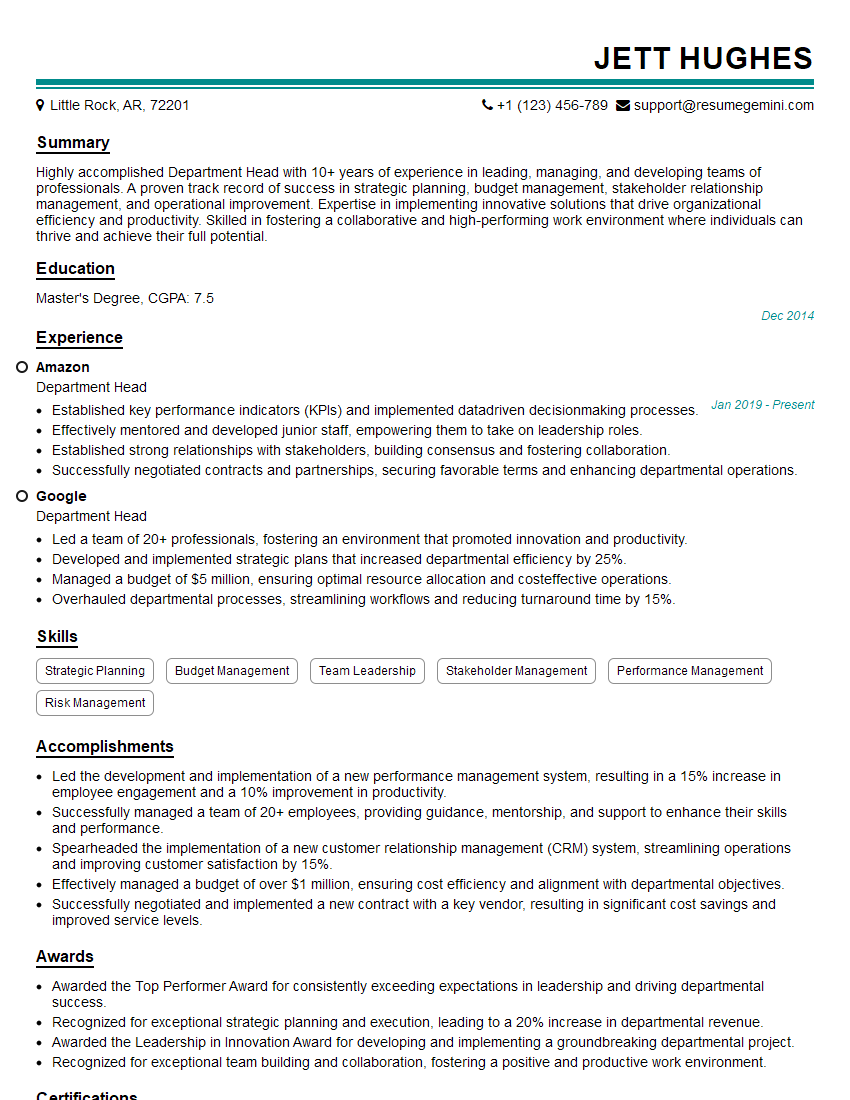
Department Head Resume Sample
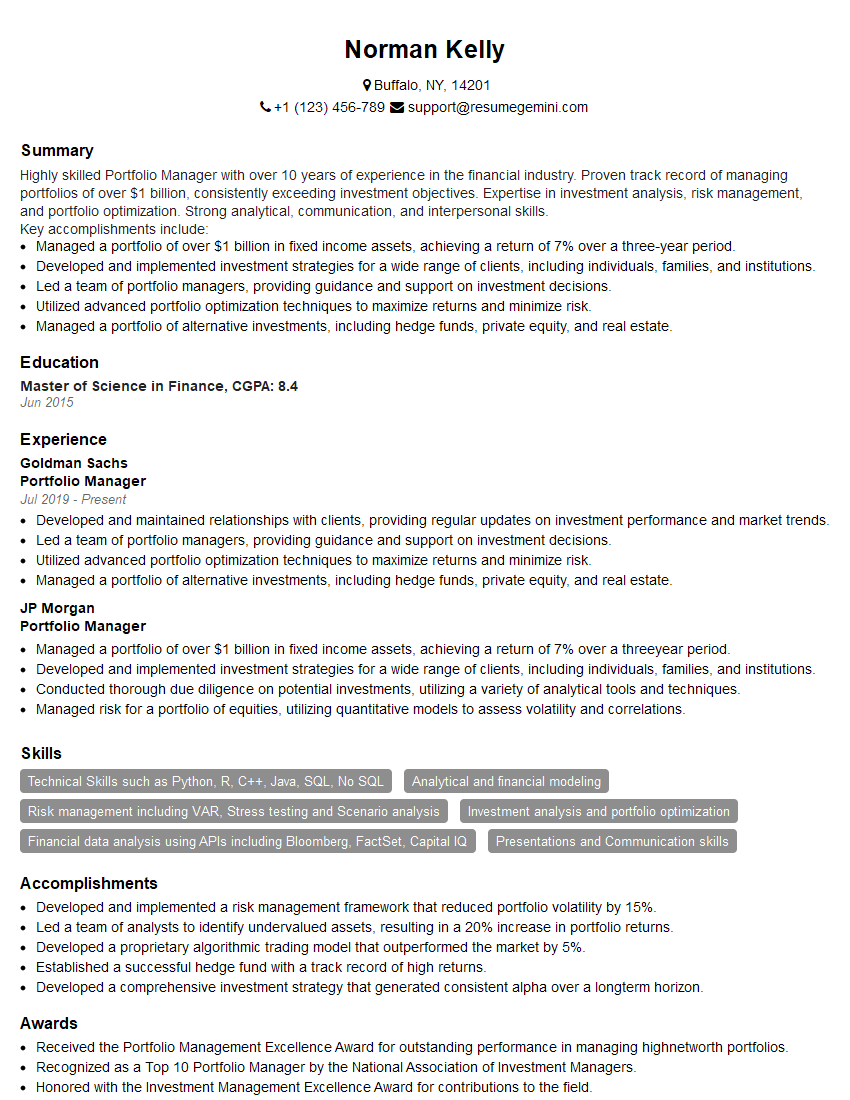
Portfolio Manager Resume Sample
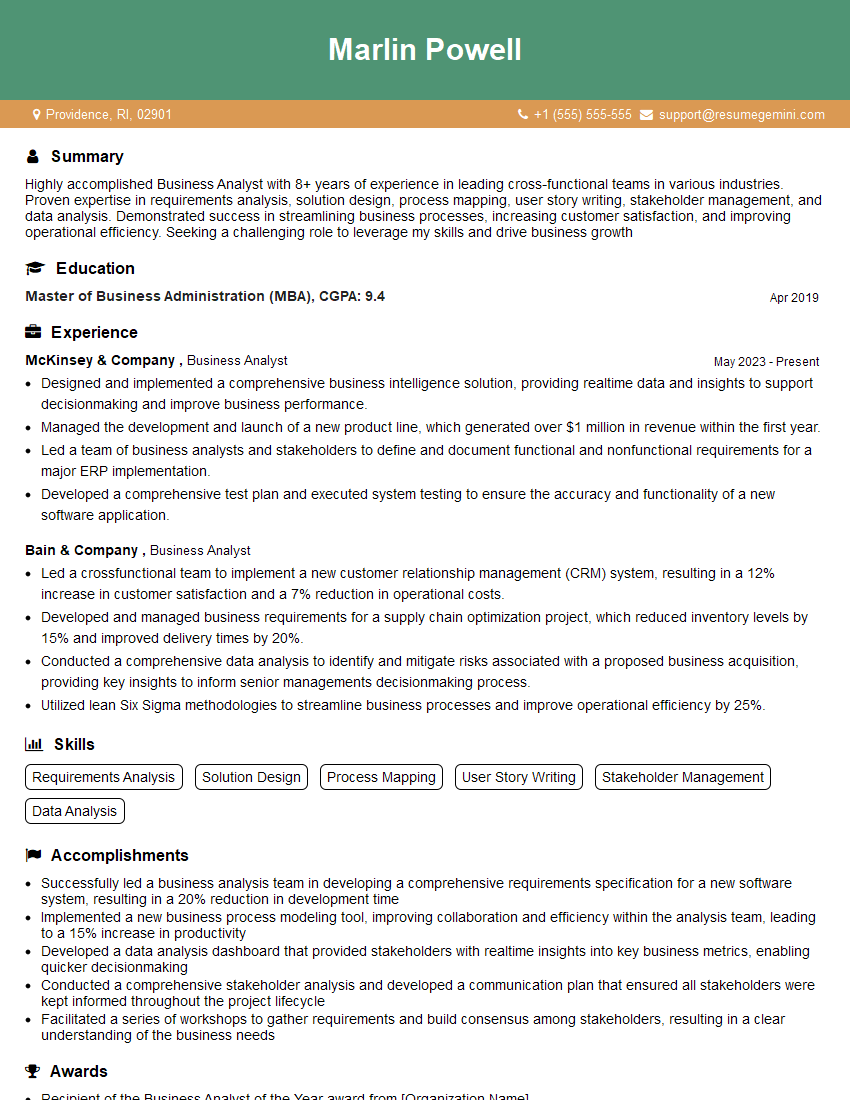
Business Analyst Resume Sample
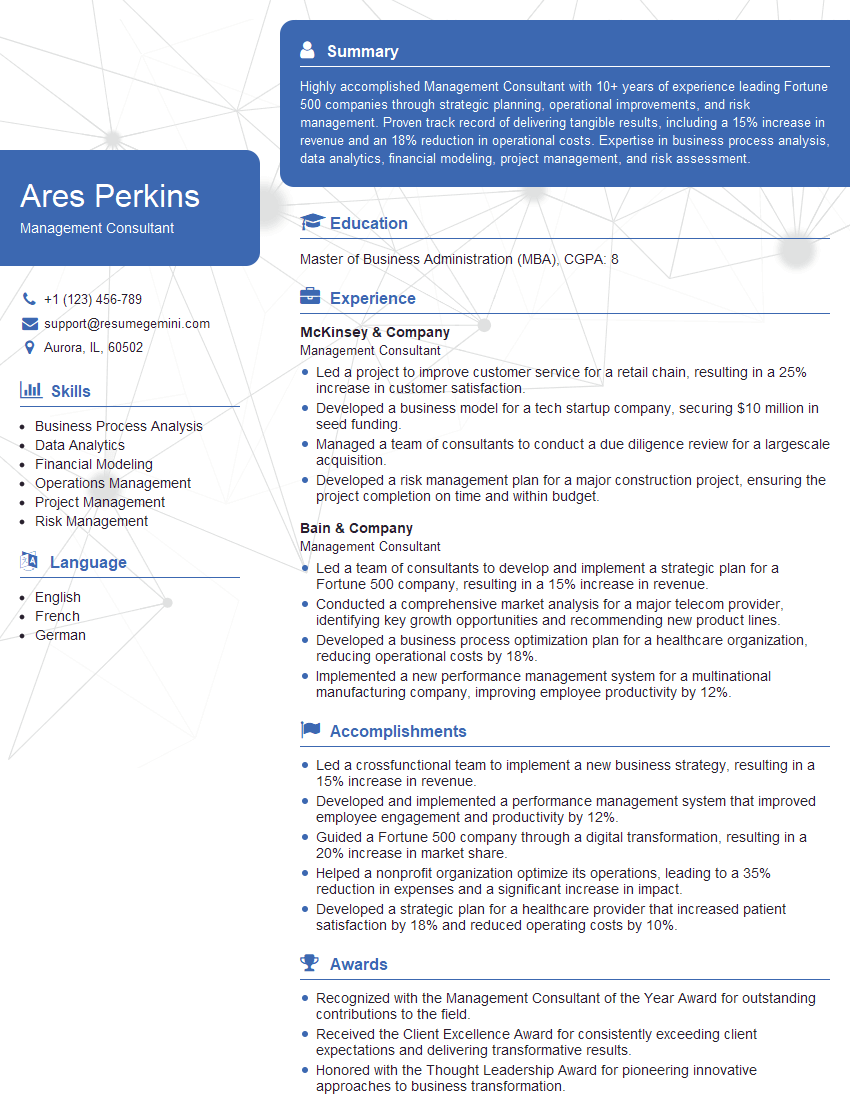
Management Consultant Resume Sample
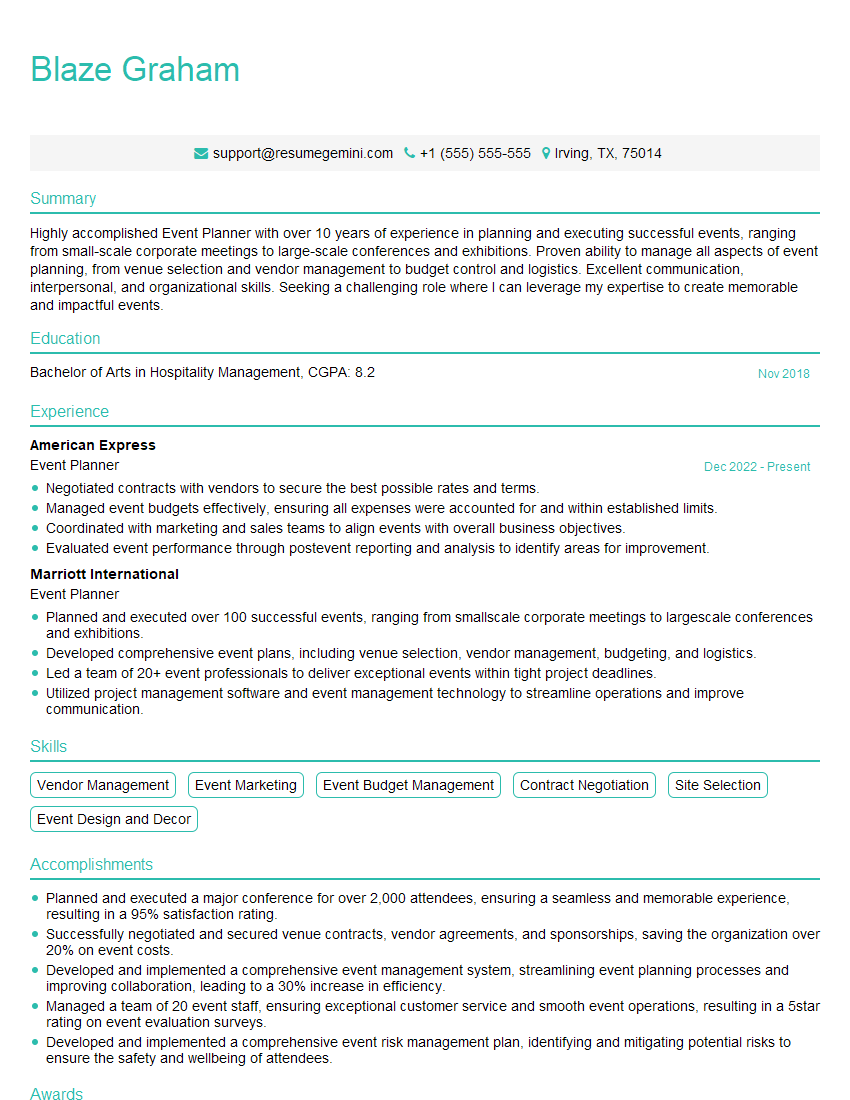
Event Planner Resume Sample

Scheduling Coordinator Resume Sample
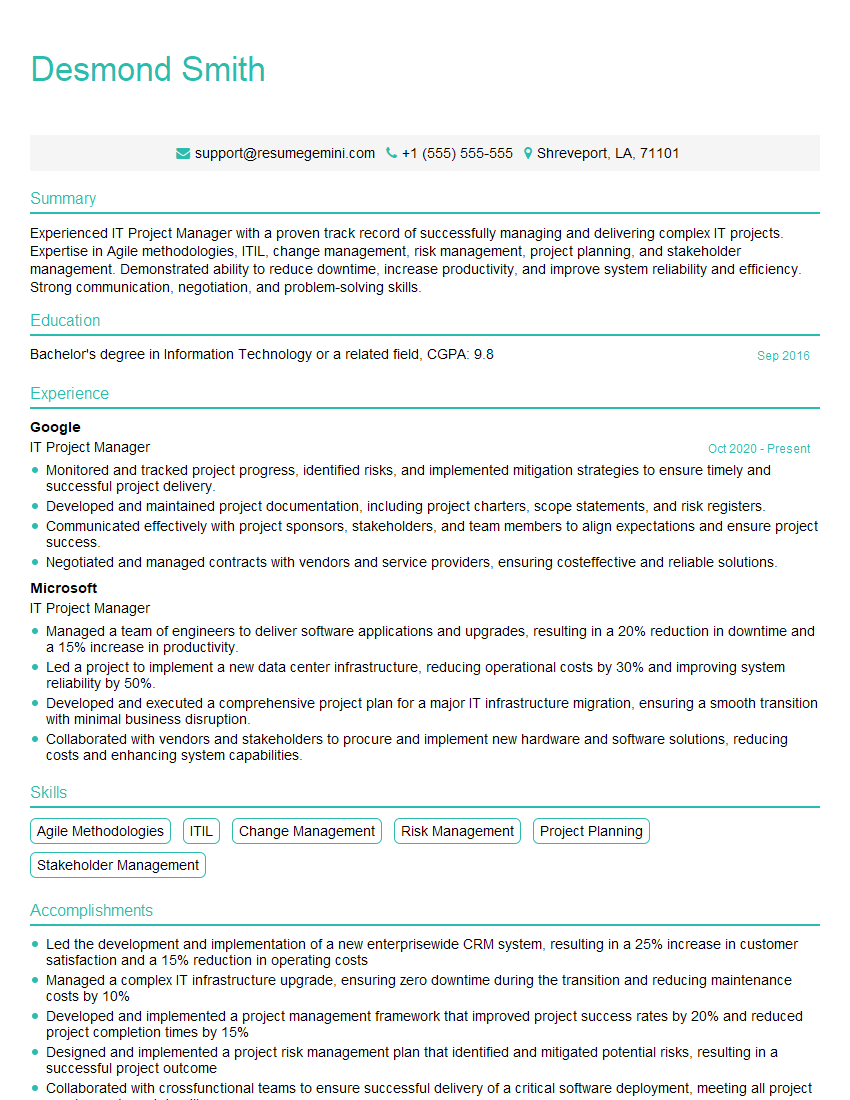
IT Project Manager Resume Sample
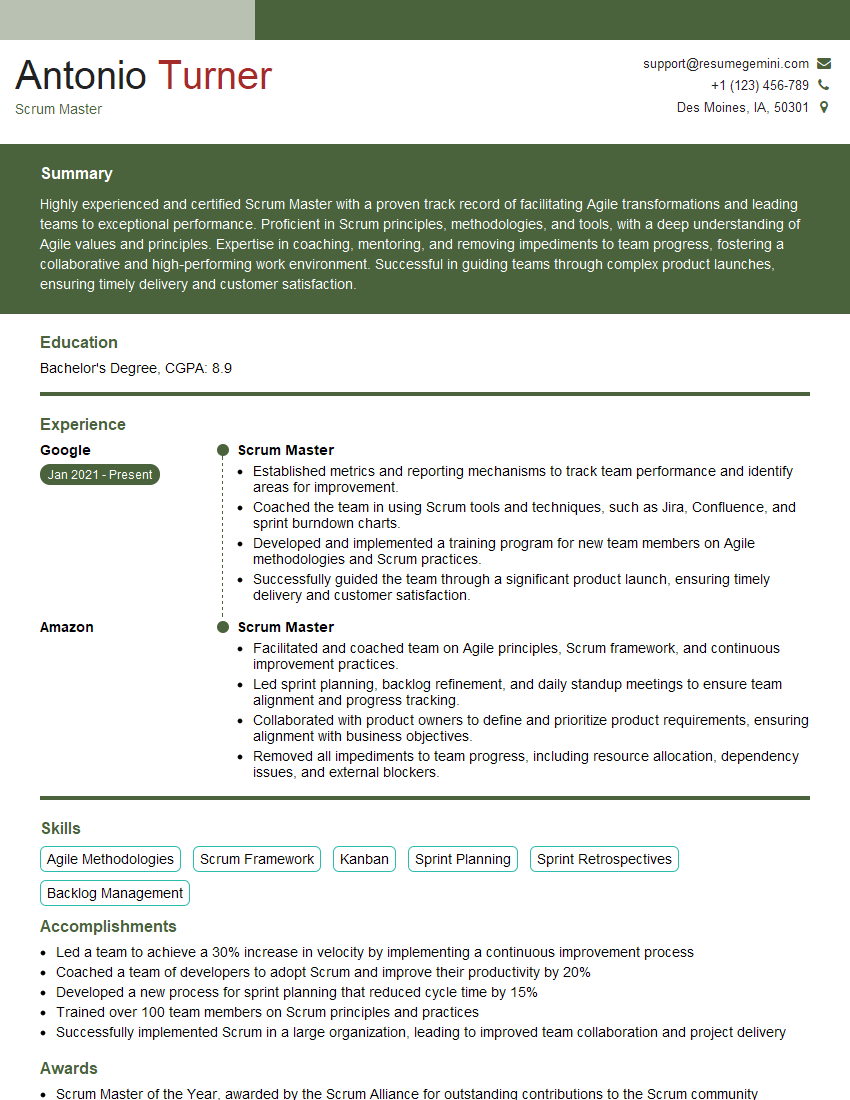
Scrum Master Resume Sample
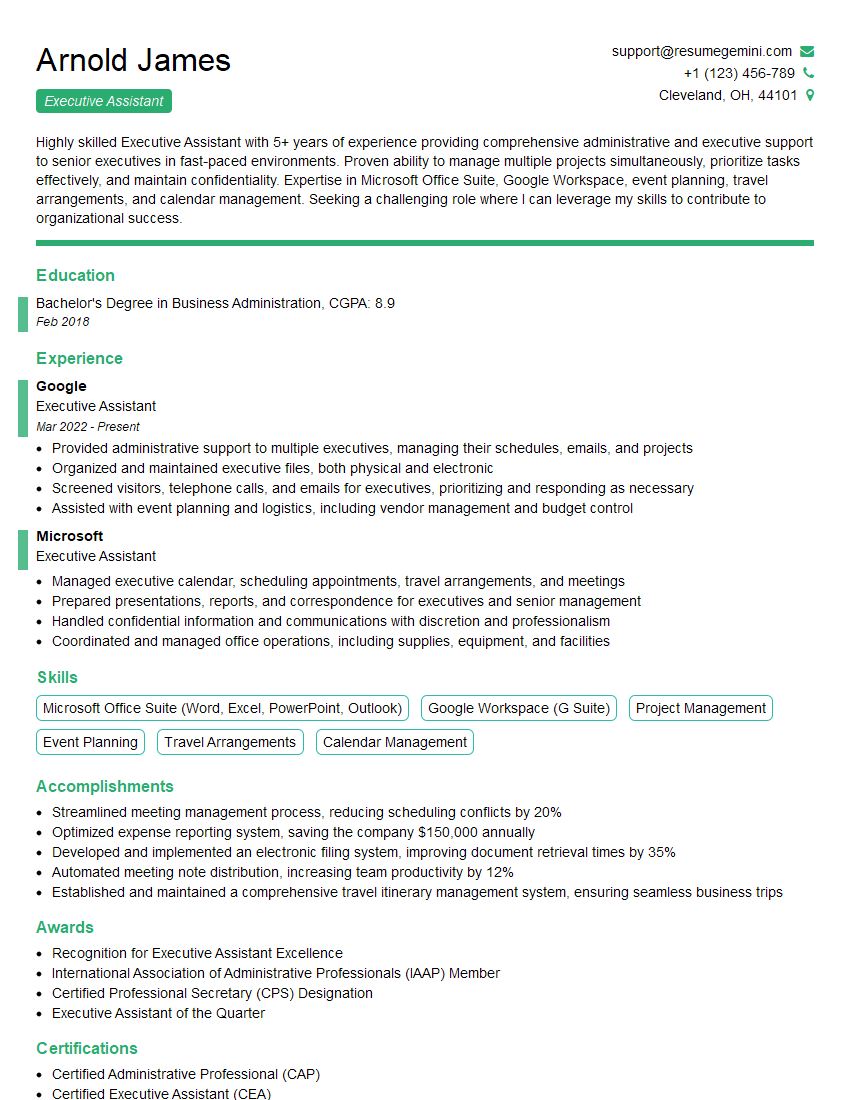
Executive Assistant Resume Sample
- Program Manager
- Office Manager
- Operations Manager
- Account Manager
- Marketing Manager
- Sales Manager
- Product Manager
- Director of Operations
- Supply Chain Manager
- Logistics Manager
- Human Resources Manager
- Project Manager
- Department Head
- Portfolio Manager
- Business Analyst
- Management Consultant
- Event Planner
- Scheduling Coordinator
- IT Project Manager
- Scrum Master
- Executive Assistant
Explore more articles
Users Rating of Our Blogs
Share Your Experience
We value your feedback! Please rate our content and share your thoughts (optional).
What Readers Say About Our Blog
To the interviewgemini.com Webmaster.
Very helpful and content specific questions to help prepare me for my interview!
Thank you
To the interviewgemini.com Webmaster.
This was kind of a unique content I found around the specialized skills. Very helpful questions and good detailed answers.
Very Helpful blog, thank you Interviewgemini team.