Unlock your full potential by mastering the most common Tracheal Dilatation interview questions. This blog offers a deep dive into the critical topics, ensuring you’re not only prepared to answer but to excel. With these insights, you’ll approach your interview with clarity and confidence.
Questions Asked in Tracheal Dilatation Interview
Q 1. Describe the different techniques used in tracheal dilatation.
Tracheal dilatation techniques aim to widen a narrowed trachea, improving airflow. The choice of technique depends on the cause and severity of the stenosis, as well as the patient’s overall health. Methods include:
Balloon dilatation: A balloon catheter is advanced through a bronchoscope into the narrowed area of the trachea. The balloon is then inflated to a predetermined pressure, expanding the tracheal lumen. This is often the first-line treatment for benign tracheal stenosis.
Dilation with rigid bronchoscopy: Using a rigid bronchoscope, various dilators (such as bougie dilators or progressively larger graduated dilators) can be passed through the stenosis to gradually widen it. This technique offers more control and is preferred for more complex or severe stenosis.
Stenting: If dilatation alone is insufficient or the stenosis recurs, a stent (a small, expandable tube) can be placed within the trachea to maintain patency. Stents are usually made of metal or silicone and are chosen based on the location and size of the stenosis. Self-expanding metallic stents are commonly used.
Surgical Tracheal Resection and Anastomosis: In cases of severe, complex stenosis or where other methods have failed, surgical intervention may be required. This involves removing the narrowed section of the trachea and reconnecting the remaining healthy ends.
Q 2. What are the indications for tracheal dilatation?
Tracheal dilatation is indicated when a narrowing (stenosis) of the trachea obstructs airflow, leading to respiratory distress. Indications include:
Benign tracheal stenosis: This can be caused by various factors such as prior intubation, inflammation, infection, or trauma.
Malignant tracheal stenosis: Cancer that invades or compresses the trachea can cause narrowing.
Tracheomalacia: This condition causes the trachea to collapse during breathing, impairing airflow.
Post-intubation tracheal stenosis: This is a common complication of prolonged endotracheal intubation.
Congenital tracheal stenosis: Some individuals are born with a narrowed trachea.
The decision to proceed with dilatation will consider the severity of symptoms, the extent of the stenosis, and the patient’s overall health.
Q 3. What are the contraindications for tracheal dilatation?
Contraindications to tracheal dilatation vary depending on the technique and patient factors. Generally, contraindications include:
Severe bleeding disorders: The risk of bleeding during the procedure is significant.
Uncontrolled infection: Dilatation could worsen the infection.
Severe pulmonary hypertension: The procedure could exacerbate their condition.
Inability to cooperate with the procedure: This is especially true for conscious sedation techniques.
Presence of active tracheal infection: The risk of worsening infection necessitates postponing the procedure until the infection is treated.
Severe cardiopulmonary disease: The procedure poses a significant risk for these patients.
A thorough assessment of the patient’s overall health is crucial before proceeding.
Q 4. Explain the role of bronchoscopy in tracheal dilatation.
Bronchoscopy plays a crucial role in tracheal dilatation. It allows for direct visualization of the trachea, assessment of the stenosis, and precise delivery of dilatation devices. Flexible bronchoscopy is often used for initial evaluation and balloon dilatation, while rigid bronchoscopy provides better access and control for more complex procedures, such as those involving multiple dilators or stent placement. Bronchoscopy also allows for tissue sampling (biopsy) if a cause for the stenosis needs to be determined.
Q 5. Detail the pre-procedure assessment for a patient undergoing tracheal dilatation.
Pre-procedure assessment is critical to ensure patient safety and procedural success. It involves:
Complete medical history: Including respiratory history, medications, allergies, and bleeding disorders.
Physical examination: Focusing on respiratory status and cardiovascular function.
Imaging studies: Chest X-ray, CT scan, or MRI to define the extent of the stenosis.
Pulmonary function tests (PFTs): To assess lung function and help predict post-procedure outcome.
Blood tests: To evaluate clotting factors and organ function.
Consent and discussion of risks and benefits: The patient must fully understand the procedure and its potential complications.
These steps help to identify any potential risks and optimize the patient’s condition before the procedure.
Q 6. Describe the post-procedure care for a patient who has undergone tracheal dilatation.
Post-procedure care focuses on monitoring the patient’s respiratory status and managing potential complications. This includes:
Close monitoring of vital signs: Including oxygen saturation, heart rate, and respiratory rate.
Pain management: Providing analgesics as needed.
Respiratory support: Oxygen therapy may be necessary, especially in the immediate postoperative period.
Monitoring for bleeding or infection: Any signs of these complications necessitate prompt treatment.
Follow-up appointments: To assess the success of the procedure and monitor for recurrence of stenosis.
Chest X-ray: May be performed to monitor the airway and detect complications.
The duration of post-procedure monitoring depends on the complexity of the procedure and the patient’s clinical status. Patients may need to stay in the hospital for observation.
Q 7. What are the potential complications of tracheal dilatation?
Potential complications of tracheal dilatation include:
Bleeding: Minor bleeding is common, but major hemorrhage is a rare but serious complication.
Infection: Infection at the site of dilatation or pneumonia can occur.
Tracheal perforation: A tear in the tracheal wall, a potentially life-threatening complication.
Pneumothorax: Collapsed lung due to air leaking into the pleural space.
Recurrence of stenosis: The narrowing may return over time, requiring repeat dilatation.
Esophageal perforation (rare): Injury to the esophagus during the procedure.
Stent migration or displacement (if a stent is placed): This necessitates further intervention.
Careful attention to technique and diligent post-procedure monitoring are vital in minimizing these risks.
Q 8. How do you manage complications during or after tracheal dilatation?
Managing complications during and after tracheal dilatation requires a proactive and multi-faceted approach. Potential complications include bleeding, perforation, pneumothorax (collapsed lung), infection, and airway obstruction. Prevention is key. This involves meticulous technique, careful patient selection, and appropriate pre-procedural assessment including coagulation studies.
During the procedure, if bleeding occurs, we might use techniques like applying pressure, using electrocautery (to seal blood vessels), or packing the area. Pneumothorax is managed with chest tube insertion. If a perforation occurs, it may require surgical repair. Post-procedure, close monitoring of vital signs, oxygen saturation, and respiratory status is crucial. Antibiotics are often prescribed prophylactically to minimize infection risk. Any signs of airway obstruction, such as increasing dyspnea (shortness of breath) or stridor (a harsh, high-pitched sound during breathing), necessitate immediate intervention, potentially including re-intubation or surgical management.
For example, I once had a patient who developed significant bleeding during dilatation. Immediate pressure and careful haemostasis (stopping of blood flow) were vital, preventing the need for further intervention. In another case, a post-procedural pneumothorax required chest tube insertion, which successfully resolved the complication.
Q 9. What are the different types of tracheal stents and when would you use each?
Several types of tracheal stents exist, each with its strengths and weaknesses. The choice depends on the specific clinical scenario, including the location and extent of the tracheal stenosis (narrowing), the patient’s overall health, and the presence of any comorbidities.
- Self-expanding metallic stents (SEMS): These are usually made of nitinol, a shape-memory alloy, and expand upon deployment to conform to the tracheal lumen (opening). They’re excellent for longer segments of stenosis, providing immediate airway relief. However, they can cause in-stent restenosis (re-narrowing) and migration.
- Silicone stents: These are flexible, less likely to cause tissue injury, and suitable for short segments of stenosis. However, they’re prone to migration and often require longer-term follow-up. They’re generally less durable than SEMS.
- Covered stents: These stents have a layer of material that covers the metallic frame, reducing the risk of tissue ingrowth and granulation. They can be used when there is a high risk of perforation or fistula formation (abnormal connection between tissues).
For instance, a patient with a long segment of tracheal stenosis caused by malignancy might benefit from a self-expanding metallic stent for immediate airway improvement, while a patient with a short segment of benign stenosis might be a better candidate for a silicone stent due to its lower risk of complications.
Q 10. Describe the process of selecting the appropriate size and type of dilator.
Selecting the appropriate dilator size and type is critical for successful tracheal dilatation. It’s a process that combines careful assessment with a degree of clinical judgment.
First, we obtain accurate imaging, typically using bronchoscopy or CT scans, to determine the location, length, and severity of the stenosis. This allows precise measurement of the narrowest point. The dilator size is then chosen based on this measurement, aiming to achieve a lumen (opening) that provides adequate airflow. We may initially use smaller dilators and progressively increase the size, carefully assessing airway patency (openness) at each step.
The choice of dilator type – balloon, rigid, or guidewire – is determined by factors such as the nature of the stenosis (e.g., benign vs. malignant), its location and length, and the presence of any other anatomical abnormalities. Balloon dilators are generally used for benign stenosis, while rigid dilators are sometimes used for more complex situations. Guidewires can aid in navigation and provide support during dilatation. Pre-operative imaging and bronchoscopic assessment are key in making the most informed decision on the appropriate size and type of dilator.
For example, a gradual dilatation using increasing sized balloon catheters is often favored for benign tracheal stenosis. On the other hand, a more forceful, potentially rigid dilatation might be considered for a dense, fibrotic stricture.
Q 11. How do you monitor a patient’s airway during and after tracheal dilatation?
Continuous monitoring of the airway during and after tracheal dilatation is paramount. This involves a combination of clinical assessment and technological tools.
During the procedure, pulse oximetry (measuring blood oxygen saturation), capnography (measuring carbon dioxide levels in exhaled breath), and continuous monitoring of vital signs (heart rate, blood pressure) are essential. Direct visualization of the airway using bronchoscopy allows immediate assessment of the dilatation’s effect and detection of any complications. The patient’s respiratory effort and any signs of distress – such as increased work of breathing, cyanosis (bluish discoloration of the skin), or decreased oxygen saturation – need to be closely watched.
Post-procedure monitoring is equally crucial and involves frequent assessments of respiratory rate, oxygen saturation, and the presence of any airway compromise. Chest auscultation (listening to breath sounds) may detect abnormalities such as pneumothorax. Chest X-rays are typically obtained post-procedure to rule out complications like pneumothorax or bleeding.
For instance, during a procedure, a sudden drop in oxygen saturation may indicate airway obstruction, requiring immediate intervention. Post-operatively, abnormal breath sounds might point to a pneumothorax, prompting a chest X-ray and subsequent management.
Q 12. Explain the use of fluoroscopy or other imaging during tracheal dilatation.
Fluoroscopy and other imaging techniques play a crucial role in tracheal dilatation, providing real-time visualization and guidance during the procedure. Fluoroscopy allows the physician to see the position of the dilator and monitor its progress as it traverses the airway. This is especially valuable for complex or challenging cases.
It helps ensure the dilator is properly positioned, preventing complications such as esophageal perforation or injury to adjacent structures. Furthermore, fluoroscopy can aid in the placement of stents if required, ensuring optimal positioning and expansion. Other imaging modalities, such as CT scans, may be used pre- and post-procedure to assess the extent of the stenosis and evaluate the outcome of the dilatation. Pre-procedural CT scans are valuable for planning the procedure and predicting potential challenges.
For example, in a case with a tortuous (twisted) airway, fluoroscopy allows for precise guidance of the dilator, minimizing the risk of perforation. Post-procedure imaging can confirm the successful dilatation and the absence of complications such as pneumothorax.
Q 13. How do you assess the success of a tracheal dilatation procedure?
Assessing the success of a tracheal dilatation procedure involves a combination of clinical evaluation and imaging.
Immediate post-procedural assessment includes evaluation of respiratory function, oxygen saturation, and the absence of any respiratory distress. Bronchoscopy is frequently performed to visually confirm the adequacy of dilatation and to rule out any complications such as perforation or bleeding. Imaging studies, such as chest X-rays, may be used to rule out pneumothorax or other complications.
Long-term success is assessed through follow-up appointments that include clinical examination, spirometry (measuring lung function), and potentially imaging studies to detect any restenosis or recurrence of stenosis. The patient’s subjective experience, such as their ability to breathe comfortably and engage in normal activities, also serves as a crucial measure of the procedure’s long-term success. A successful procedure results in improved airflow, reduced respiratory symptoms, and improved quality of life for the patient. For instance, a successful procedure might be reflected in a significant improvement in the patient’s FEV1 (Forced Expiratory Volume in 1 second) and a reduction in their dyspnea scores.
Q 14. What are the long-term implications of tracheal dilatation?
The long-term implications of tracheal dilatation vary depending on several factors, including the underlying cause of the stenosis, the technique employed, and the patient’s overall health.
Potential long-term complications include restenosis (re-narrowing of the airway), stent migration (movement of the stent from its initial position), stent fracture, infection, and granulation tissue formation (scar tissue growth). Regular follow-up appointments are crucial to monitor for these complications. Patients may need further dilatation or stent replacement over time. The underlying cause of the stenosis must also be addressed as much as possible; otherwise, the stenosis is likely to recur. For instance, if the stenosis was caused by a tumor, the long-term prognosis would depend on the successful management of the malignancy.
For example, a patient with a benign stenosis who undergoes successful tracheal dilatation may experience long-term symptom relief with minimal complications. However, a patient with a malignant stenosis might require ongoing management and interventions due to the persistent risk of recurrence.
Q 15. How do you counsel patients about the risks and benefits of tracheal dilatation?
Counseling patients about tracheal dilatation involves a careful balance of outlining the potential benefits and acknowledging the inherent risks. I begin by explaining the procedure in simple terms, avoiding overly technical jargon. I describe how tracheal stenosis (narrowing of the trachea) can cause breathing difficulties, impacting daily life and potentially leading to serious complications. Dilatation aims to improve airflow and alleviate these symptoms.
Regarding benefits, I highlight the potential for improved breathing, increased exercise tolerance, and an enhanced quality of life. I often use patient-specific examples to illustrate these points, such as a return to normal activities or a reduction in shortness of breath.
On the risk side, I’m transparent about the possibilities of bleeding, perforation (a hole in the trachea), infection, and the need for potential repeat procedures. I explain the likelihood of these complications in a clear and honest way, acknowledging that the risk profile varies depending on the individual’s condition and the severity of the stenosis. I also discuss the possibility of the procedure not being completely successful and the need for alternative treatments like stenting in such cases. Finally, I encourage open communication and answer all their questions patiently, ensuring they feel empowered to make an informed decision.
Career Expert Tips:
- Ace those interviews! Prepare effectively by reviewing the Top 50 Most Common Interview Questions on ResumeGemini.
- Navigate your job search with confidence! Explore a wide range of Career Tips on ResumeGemini. Learn about common challenges and recommendations to overcome them.
- Craft the perfect resume! Master the Art of Resume Writing with ResumeGemini’s guide. Showcase your unique qualifications and achievements effectively.
- Don’t miss out on holiday savings! Build your dream resume with ResumeGemini’s ATS optimized templates.
Q 16. Describe your experience with different types of dilators (balloon, bougie, etc.).
My experience encompasses the use of various dilators, each suited to different clinical scenarios. Balloon catheters are frequently used for their ability to deliver controlled, predictable dilatation. The size and inflation pressure are carefully chosen based on the degree of stenosis and the patient’s anatomy. I find balloon dilatation particularly useful for relatively straightforward cases of benign tracheal stenosis.
Bougie dilators, on the other hand, offer a less forceful approach. They are more suitable for less severe stenosis or as a means to gently dilate after balloon dilatation. The gradual, controlled dilation minimizes the risk of complications, especially perforation. I often use a combination of balloon and bougie dilatation, tailoring the approach to the individual patient’s needs. In complex cases with calcified or rigid stenoses, I might use specialized dilators designed to navigate challenging anatomy and overcome resistance. The selection of the dilator always depends on careful pre-procedural assessment and imaging.
Q 17. How do you manage bleeding during tracheal dilatation?
Bleeding during tracheal dilatation, while infrequent, can be a significant complication. My approach focuses on prevention and prompt management. Prior to the procedure, I carefully assess the patient’s coagulation profile to minimize the risk of bleeding. During the procedure, meticulous technique and careful use of the dilator are crucial. If bleeding occurs, I first assess the severity. Minor bleeding often resolves spontaneously with careful observation.
For more significant bleeding, I may employ several strategies: applying topical hemostatic agents directly to the bleeding site, using balloon tamponade to compress the bleeding vessel, or, in rare cases, resorting to surgical intervention. Post-procedure, close monitoring of vital signs, particularly blood pressure and oxygen saturation, is essential. The patient is also carefully observed for any signs of recurrent bleeding and managed accordingly, which may include blood transfusions if necessary. The key is early recognition and a tailored response to the specific situation.
Q 18. How do you handle perforation during tracheal dilatation?
Tracheal perforation is a serious complication, demanding immediate attention. Prevention is paramount—using appropriate dilator size and technique, avoiding excessive force, and careful assessment of the tracheal anatomy beforehand. However, despite meticulous planning, perforation can still occur. If suspected during the procedure, I immediately stop dilatation and assess the extent of the injury using bronchoscopy.
Management depends on the severity of the perforation: small perforations often heal spontaneously with conservative management including close monitoring, antibiotics, and chest tube placement if pneumothorax (collapsed lung) is present. Larger or more complex perforations may require surgical repair, possibly with tracheal stenting to provide support during the healing process. Early recognition and appropriate, timely intervention are crucial to minimizing the risk of life-threatening complications like mediastinitis (infection of the chest cavity).
Q 19. Describe your experience with tracheal stent placement.
Tracheal stent placement is an important component of my practice, often used in cases where dilatation alone is insufficient or where recurrent stenosis is a concern. I have experience with various types of stents, selecting the optimal type based on the patient’s individual anatomy and the characteristics of the stenosis. Self-expanding metallic stents provide immediate airway patency and are particularly useful in patients with severe stenosis or complex anatomy.
Silicone stents are a good option for patients who may require longer-term support, or when the concern for long-term metallic stent issues exists. The procedure itself involves careful placement of the stent under bronchoscopic guidance, ensuring optimal positioning and minimizing trauma to the surrounding tracheal tissue. Post-stent placement, regular follow-up bronchoscopy is essential to monitor stent patency and identify any complications such as migration or in-growth. Close patient monitoring, both clinically and radiographically, is crucial for successful stent management.
Q 20. What are the challenges you have faced in performing tracheal dilatation?
One major challenge is managing patients with severe, calcified, or unusually shaped tracheal stenosis. These cases often require a more complex approach, potentially involving multiple dilatation sessions or the need for stent placement. Another challenge is predicting long-term outcomes. While dilatation and stenting can offer significant improvement, the possibility of restenosis remains.
Careful patient selection, ongoing monitoring, and timely intervention are crucial to optimize long-term success. Finally, managing patient expectations is important. While most patients experience significant benefit, complete resolution is not always possible. Open communication and realistic expectations are key to building a positive therapeutic relationship and ensuring patient satisfaction.
Q 21. How do you stay up-to-date on advancements in tracheal dilatation techniques?
Staying current in the field of tracheal dilatation requires a multi-faceted approach. I actively participate in professional organizations like the American College of Chest Physicians, attending conferences and workshops to learn about the latest techniques, technologies, and research findings. I regularly review peer-reviewed medical journals and publications, focusing on high-impact studies that report on the efficacy and safety of novel techniques.
Furthermore, collaboration with colleagues and participation in interdisciplinary discussions are valuable learning opportunities. I frequently engage in case conferences and knowledge sharing with other specialists involved in the management of airway diseases to benefit from different perspectives and expertise. Maintaining a close network of contacts and staying involved in the professional community is essential to continued professional growth in this constantly evolving field.
Q 22. How do you ensure patient comfort and minimize pain during the procedure?
Patient comfort and pain minimization during tracheal dilatation are paramount. We achieve this through a multi-pronged approach. First, a thorough discussion with the patient beforehand, explaining the procedure and addressing any anxieties, is crucial. This builds trust and reduces pre-procedure stress. Second, we use appropriate sedation and analgesia tailored to the patient’s needs and medical history. This can range from mild oral sedation to deeper intravenous sedation, depending on the complexity of the procedure and the patient’s tolerance. We closely monitor vital signs throughout the process to ensure the patient remains comfortable and safe. Third, the use of topical anesthesia, sprayed or applied directly to the airway, further reduces discomfort during the procedure itself. Finally, post-procedure pain management with analgesics and close monitoring of respiratory parameters are essential for a comfortable recovery. For example, a patient with a known allergy to certain medications would require alternative strategies to manage their pain and anxiety. We always prioritize a personalized approach.
Q 23. What are the differences between balloon dilatation and other dilatation techniques?
Tracheal dilatation utilizes several techniques, with balloon dilatation being the most common. Balloon dilatation involves inflating a small balloon catheter at the site of the stenosis to stretch and expand the airway. This is a relatively straightforward procedure, often done under local or moderate sedation. Other techniques include rigid bronchoscopic dilatation using specialized dilators of varying sizes, which allows for more precise control, especially in complex stenosis. Laser tracheoplasty is another option that employs a laser to precisely reshape and open the airway, particularly useful in severe cases or when multiple stenoses are present. Finally, metallic stents can be deployed to provide ongoing structural support and prevent re-stenosis. The choice of technique depends on factors such as the severity and location of the stenosis, the patient’s overall health, and the presence of any comorbidities. For example, a patient with a long segment of stenosis might benefit more from stent placement, while a short, localized stenosis could be adequately treated with balloon dilatation.
Q 24. Explain your understanding of the anatomy of the trachea and its surrounding structures.
The trachea is a cartilaginous tube approximately 10-12 cm long, connecting the larynx to the main bronchi. It’s composed of C-shaped hyaline cartilage rings, which provide structural support and prevent collapse. These rings are connected by the trachealis muscle, which allows for some degree of diameter adjustment. The trachea is lined with a ciliated pseudostratified columnar epithelium, crucial for mucus clearance. Surrounding the trachea are vital structures, including the thyroid gland, esophagus, great vessels (carotid arteries, innominate artery, subclavian artery), and vagus nerve. A detailed understanding of this anatomy is vital for safe and effective tracheal dilatation. Failure to consider the proximity of these structures could lead to complications such as bleeding, vocal cord paralysis (due to vagus nerve injury), or damage to other surrounding organs. Therefore, precise imaging and careful procedural technique are essential.
Q 25. How do you differentiate between benign and malignant tracheal stenosis?
Differentiating between benign and malignant tracheal stenosis requires a multi-modal approach. Imaging studies such as CT scans or MRI provide detailed anatomical information, revealing the extent and location of the stenosis. Bronchoscopy with biopsy is crucial for obtaining tissue samples for histopathological examination. This allows for definitive diagnosis of the underlying cause, differentiating between benign conditions like scar tissue formation (post-intubation, surgery), inflammatory processes (granulomatosis with polyangiitis), or infections, from malignant tumors such as squamous cell carcinoma or adenoid cystic carcinoma. The location, growth pattern, and radiological characteristics of the lesion often provide important clues. For instance, a rapidly growing lesion with irregular margins would raise suspicion for malignancy. Careful assessment of patient history and other symptoms are also vital.
Q 26. Describe your approach to managing patients with complex tracheal stenosis.
Managing patients with complex tracheal stenosis often involves a multidisciplinary approach, including pulmonologists, thoracic surgeons, and interventional radiologists. The strategy is tailored to the individual patient’s condition, considering factors such as the length and severity of stenosis, patient’s age and overall health, and presence of comorbidities. This might involve a staged approach, starting with less invasive techniques such as balloon dilatation or rigid bronchoscopic dilatation. If these are insufficient, more advanced techniques like laser tracheoplasty or stent placement may be considered. In some severe cases, surgical resection and reconstruction might be necessary. Regular follow-up appointments, including imaging studies and bronchoscopy, are essential to monitor treatment efficacy and detect any recurrence. It’s a careful balancing act between effective airway management and minimizing risks to the patient.
Q 27. How would you approach a patient with recurrent tracheal stenosis after dilatation?
Recurrent tracheal stenosis after dilatation is a significant challenge. The first step is to determine the cause of recurrence. This often involves repeat bronchoscopy with biopsy to rule out underlying conditions such as infection or inflammation. Imaging studies help assess the extent of restenosis. Treatment strategies may include repeat dilatation, possibly with larger dilators or a different technique. Stent placement, particularly if restenosis is extensive or in a challenging location, may be indicated. However, the use of stents comes with its own challenges including potential complications like migration, infection, and granulation tissue formation. In cases where restenosis is frequently recurrent, despite multiple interventions, surgery might be the ultimate solution. Each case requires meticulous evaluation and a personalized plan of care.
Q 28. What are the ethical considerations related to tracheal dilatation?
Ethical considerations in tracheal dilatation are centered around patient autonomy, informed consent, and balancing benefits against risks. Patients must be fully informed about the procedure, including potential benefits, risks, and alternatives. This necessitates clear and transparent communication, ensuring the patient understands the procedure’s complexity and potential complications. The decision to proceed should always be based on shared decision-making, respecting the patient’s wishes and values. Additionally, there is an ethical imperative to carefully weigh the potential benefits of dilatation against the risks, ensuring the intervention is medically justified and proportionate to the patient’s overall health. In cases of high risk or limited benefit, it’s ethically responsible to discuss palliative care options with patients and their families. The procedure should never be undertaken without the patient’s informed consent.
Key Topics to Learn for Tracheal Dilatation Interview
- Anatomy and Physiology of the Trachea: Understanding the normal structure and function of the trachea is fundamental. Consider the cartilaginous rings, tracheal membranes, and surrounding vasculature.
- Etiology and Pathophysiology of Tracheal Dilatation: Explore the various causes of tracheal dilatation, including congenital anomalies, infections, trauma, and tumors. Focus on the mechanisms leading to airway widening and its consequences.
- Clinical Presentation and Diagnosis: Familiarize yourself with the symptoms patients present with, diagnostic imaging techniques (e.g., CT scans, bronchoscopy), and the role of pulmonary function tests.
- Treatment Modalities: Review the range of treatment options, from conservative management to surgical interventions. Understand the indications and contraindications for each approach.
- Complications and Management: Be prepared to discuss potential complications associated with tracheal dilatation and their management, such as airway obstruction, infection, and bleeding.
- Long-Term Outcomes and Prognosis: Understand factors influencing long-term outcomes and the overall prognosis for patients with tracheal dilatation.
- Case Studies and Problem-Solving: Practice analyzing hypothetical clinical scenarios, applying your knowledge to diagnose and manage different cases of tracheal dilatation.
Next Steps
Mastering the intricacies of tracheal dilatation significantly enhances your value as a healthcare professional, opening doors to specialized roles and advanced career opportunities. To maximize your job prospects, crafting a compelling and ATS-friendly resume is crucial. ResumeGemini is a trusted resource designed to help you build a professional resume that effectively showcases your skills and experience. We provide examples of resumes tailored to Tracheal Dilatation to help you get started. Invest time in creating a strong resume – it’s your first impression with potential employers.

Medical Technologist Resume Sample
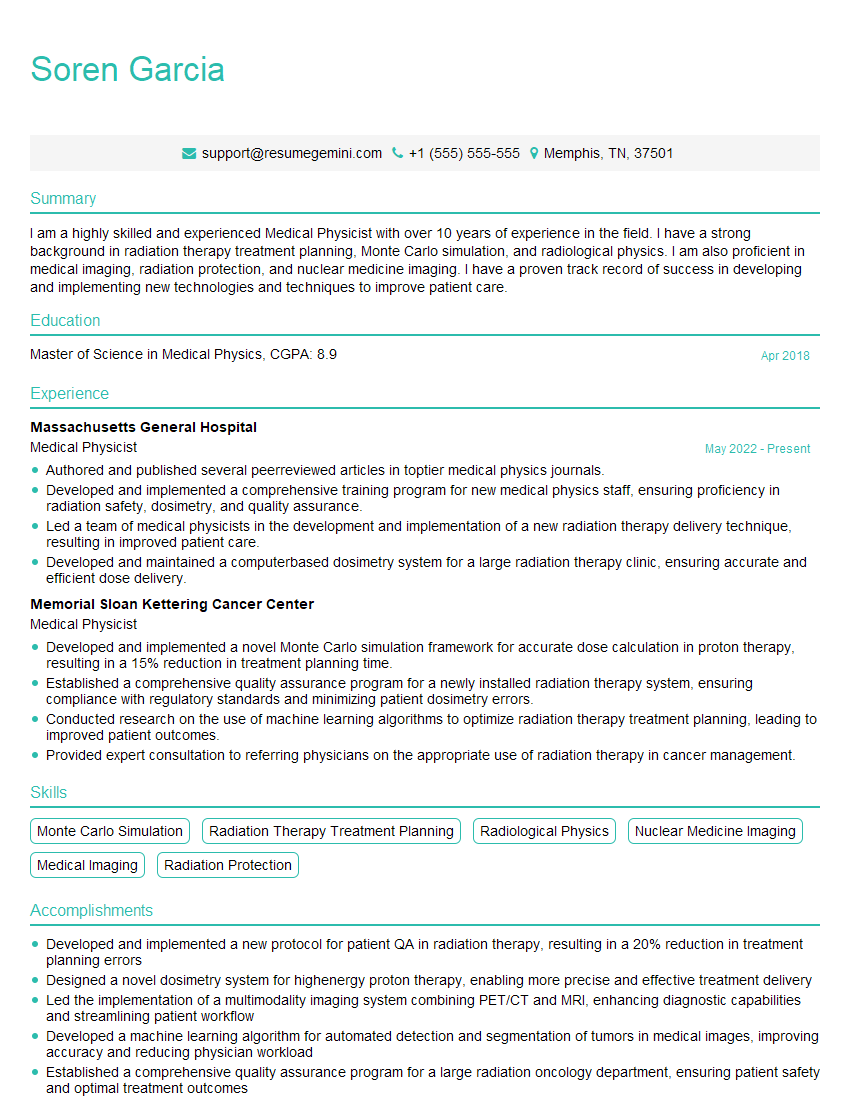
Medical Physicist Resume Sample

Nurse Practitioner Resume Sample
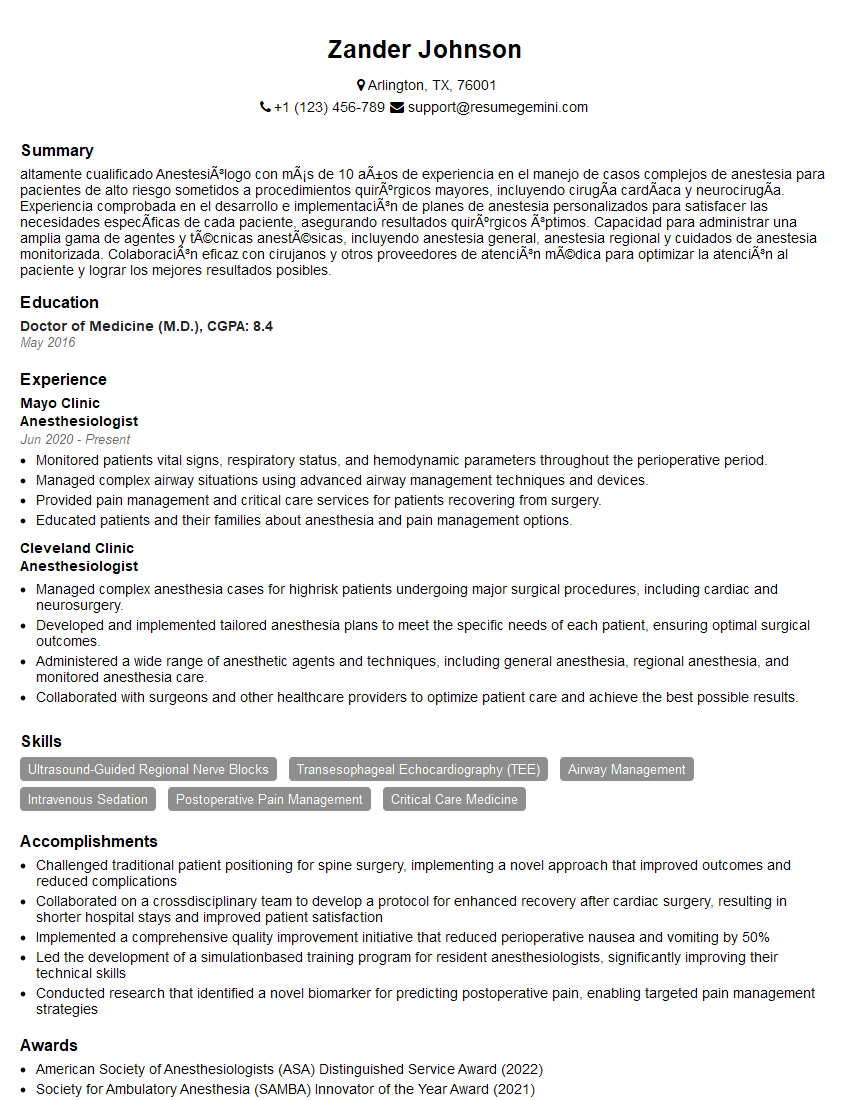
Anesthesiologist Resume Sample

Physician Assistant Resume Sample

Pulmonologist Resume Sample
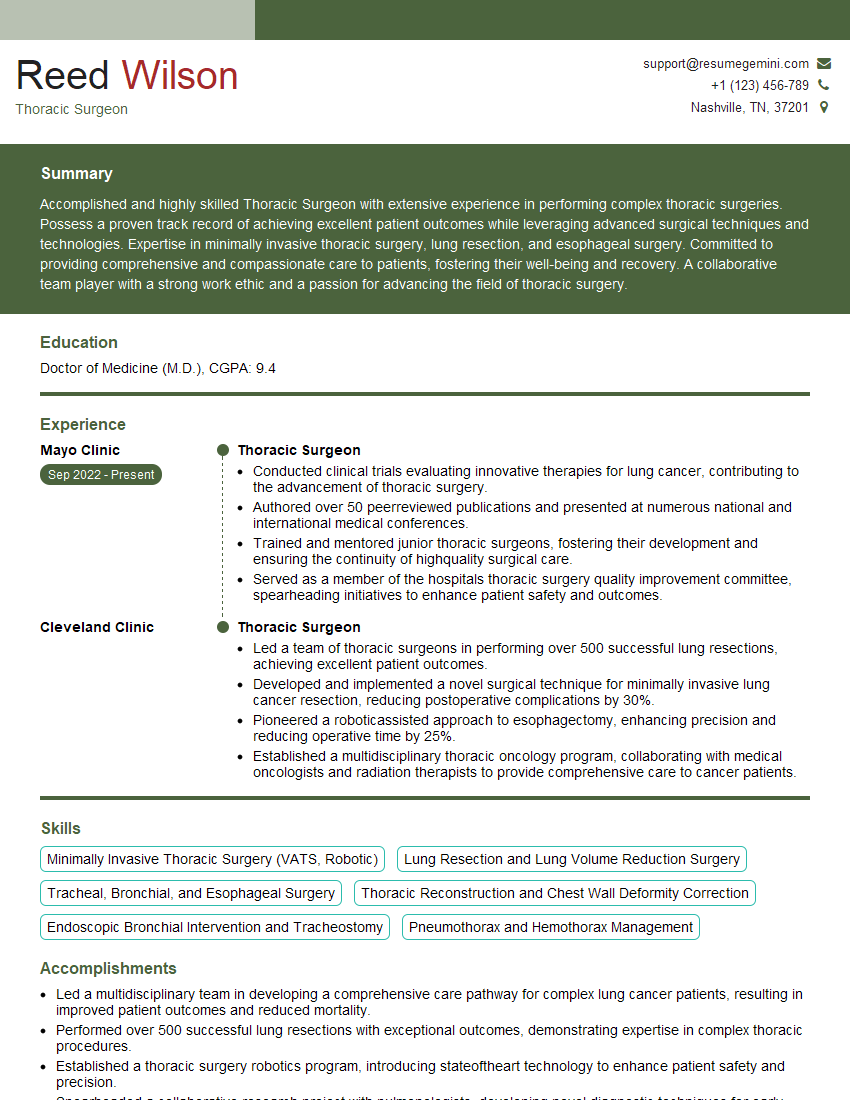
Thoracic Surgeon Resume Sample
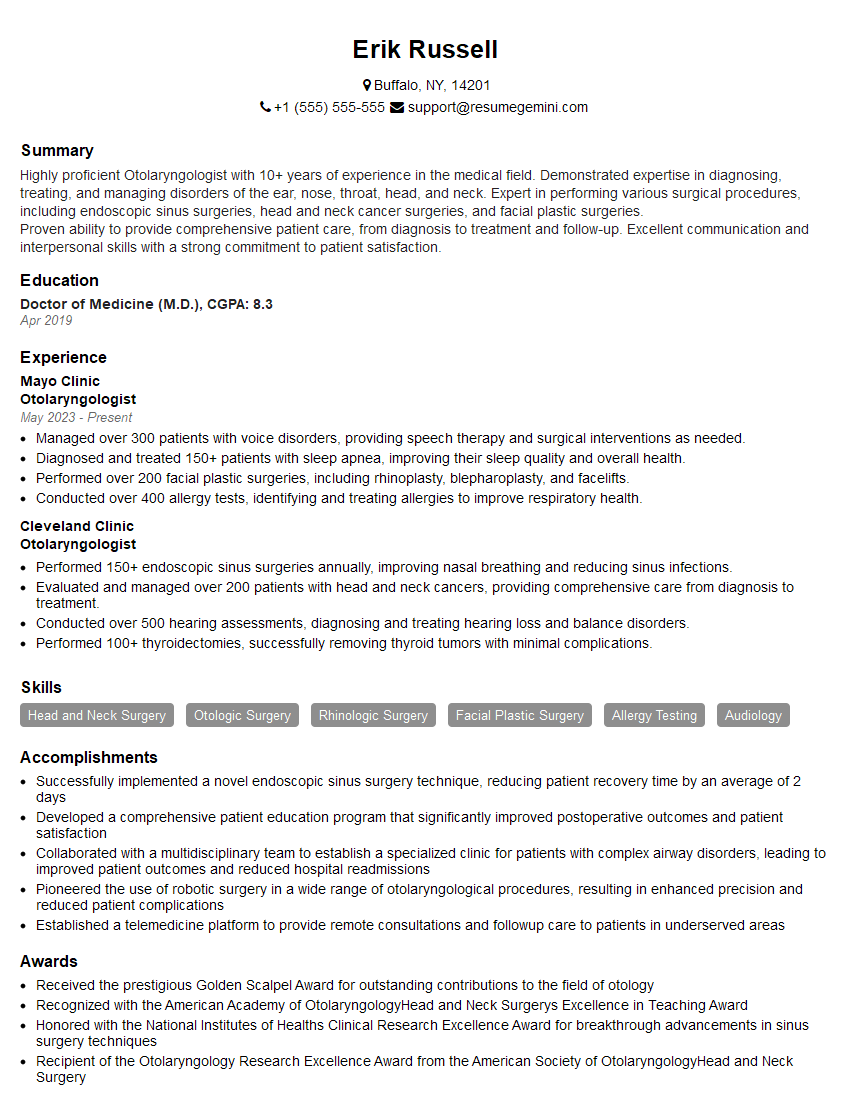
Otolaryngologist Resume Sample
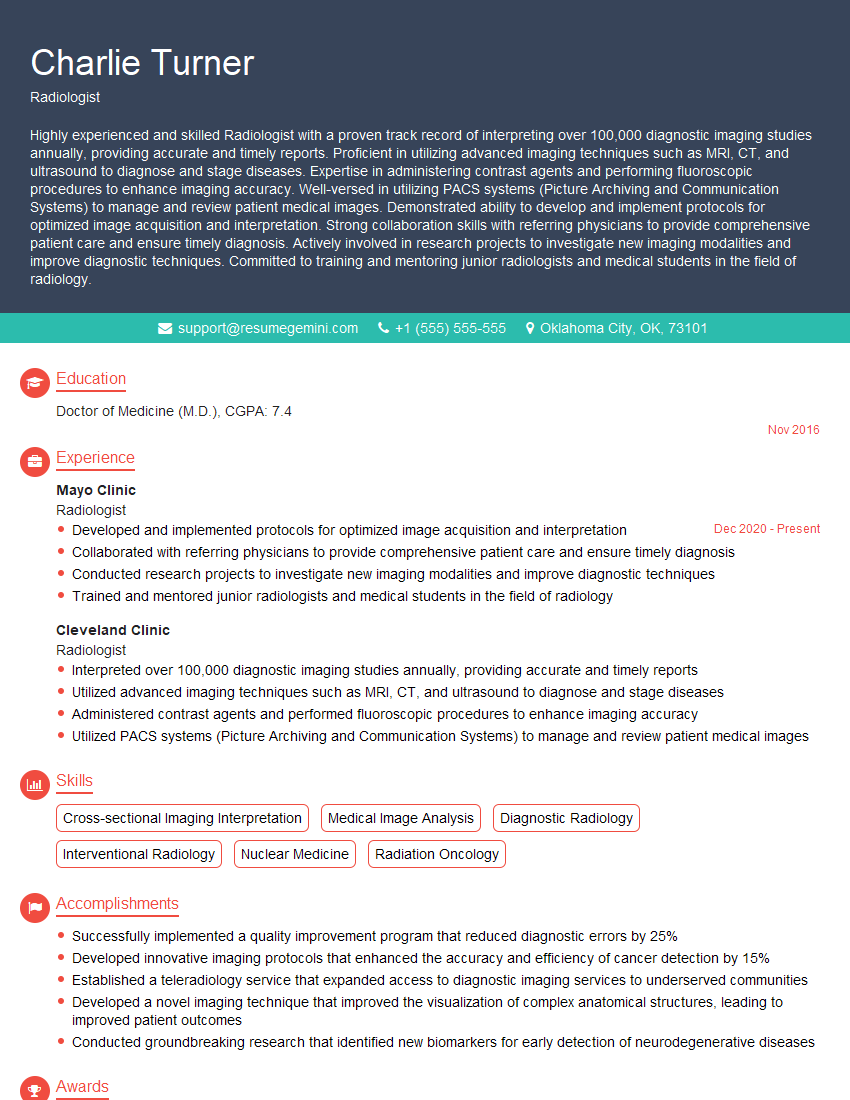
Radiologist Resume Sample
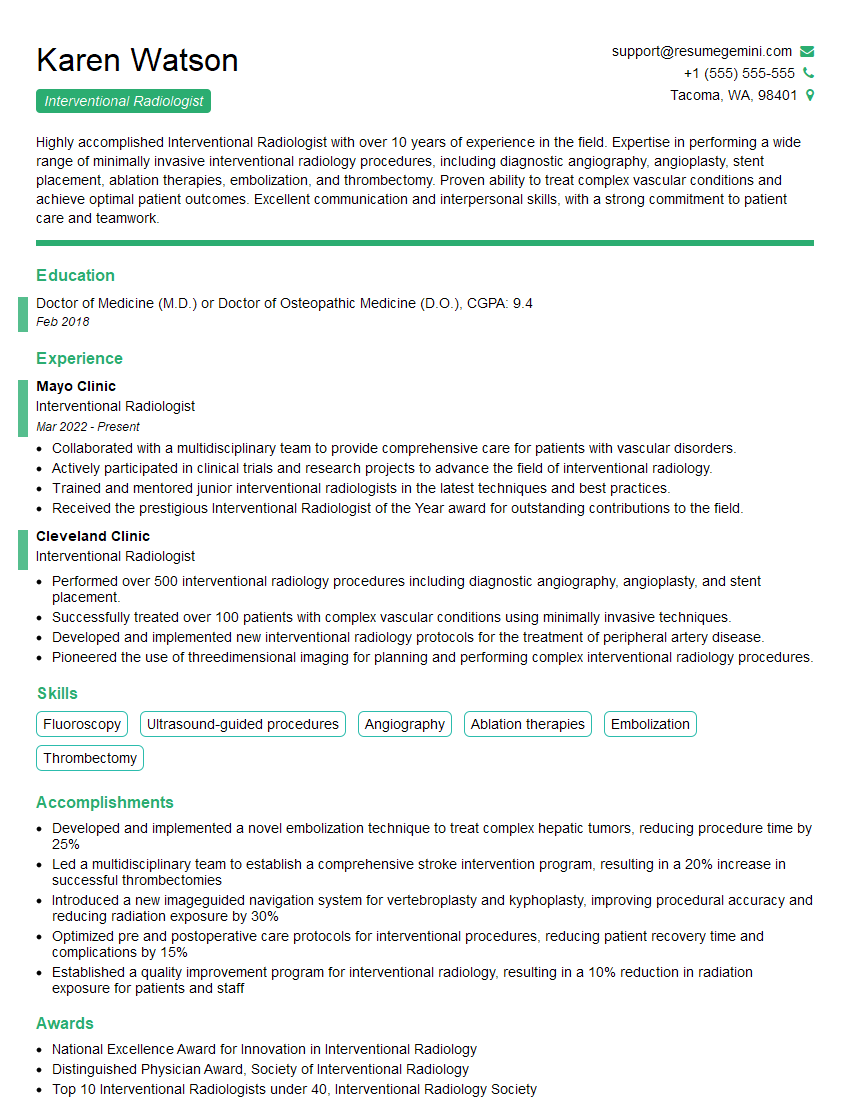
Interventional Radiologist Resume Sample
Explore more articles
Users Rating of Our Blogs
Share Your Experience
We value your feedback! Please rate our content and share your thoughts (optional).
What Readers Say About Our Blog
To the interviewgemini.com Webmaster.
Very helpful and content specific questions to help prepare me for my interview!
Thank you
To the interviewgemini.com Webmaster.
This was kind of a unique content I found around the specialized skills. Very helpful questions and good detailed answers.
Very Helpful blog, thank you Interviewgemini team.