The right preparation can turn an interview into an opportunity to showcase your expertise. This guide to Trade and Investment Analysis interview questions is your ultimate resource, providing key insights and tips to help you ace your responses and stand out as a top candidate.
Questions Asked in Trade and Investment Analysis Interview
Q 1. Explain the difference between fundamental and technical analysis.
Fundamental analysis and technical analysis are two distinct approaches to evaluating investments. Fundamental analysis focuses on the intrinsic value of a security by examining related economic and financial factors. This includes a company’s financial statements, management quality, competitive landscape, and overall economic conditions. Think of it as assessing the ‘fundamentals’ of a business to determine if its current price reflects its true worth. Technical analysis, on the other hand, focuses on past market data like price and volume to predict future price movements. It doesn’t consider the underlying company’s financials; instead, it relies on chart patterns, indicators, and trends to identify potential trading opportunities. It’s like studying the behavior of investors in the market rather than the company itself.
In short: Fundamental analysis looks at the company, while technical analysis looks at the market’s behavior regarding the company’s stock.
Example: A fundamental analyst might scrutinize a company’s earnings reports and balance sheet to determine if its stock is undervalued. A technical analyst, however, might look at the stock’s price chart to identify support and resistance levels and predict future price movements based on past patterns.
Q 2. Describe your experience with financial modeling.
I have extensive experience in financial modeling, spanning various applications from discounted cash flow (DCF) analysis to merger modeling and leveraged buyout (LBO) valuations. I’ve built models in Excel and dedicated financial modeling software, incorporating complex financial statements, forecasting revenue growth, and calculating key performance indicators (KPIs).
For instance, I recently developed a DCF model for a technology startup to assess its potential acquisition value. This involved projecting the company’s revenue and expenses over a ten-year period, considering various scenarios like market penetration and competitive pressures. The model accounted for capital expenditures, working capital needs, and the terminal value to arrive at a present value estimate for the company. The model not only helped in valuation but also highlighted key drivers of value creation, informing strategic decisions.
Furthermore, I’m proficient in sensitivity analysis and scenario planning, allowing me to test the model’s robustness against different assumptions and identify key risks and uncertainties.
Q 3. How do you assess the creditworthiness of a company?
Assessing a company’s creditworthiness involves a thorough evaluation of its ability to repay its debts. This is usually done using a combination of qualitative and quantitative factors. Quantitative factors include analyzing financial ratios such as debt-to-equity ratio, interest coverage ratio, and current ratio. A high debt-to-equity ratio indicates higher financial risk, while a low interest coverage ratio suggests difficulty in meeting interest payments. The current ratio helps assess short-term liquidity. Qualitative factors involve considering the company’s management team, industry position, overall economic outlook, and legal and regulatory environment. Credit rating agencies like Moody’s, S&P, and Fitch use detailed frameworks to assess credit risk, providing ratings that reflect the probability of default.
In practice: I would examine the company’s financial statements, look for any red flags in its operations, and assess its overall financial health against industry benchmarks. I also consider external factors that may affect the company’s ability to repay its debts, such as economic cycles and regulatory changes.
Q 4. What are the key ratios you use to evaluate a company’s financial health?
Several key ratios help evaluate a company’s financial health, each providing a different perspective. These include:
- Profitability Ratios: Gross profit margin, operating profit margin, and net profit margin show how efficiently the company generates profits from its sales. They indicate pricing power and cost control.
- Liquidity Ratios: Current ratio and quick ratio measure a company’s ability to meet its short-term obligations. A high ratio suggests good liquidity.
- Solvency Ratios: Debt-to-equity ratio and times interest earned ratio gauge the company’s ability to meet its long-term debt obligations. A low debt-to-equity ratio and a high times interest earned ratio are generally favorable.
- Efficiency Ratios: Inventory turnover, accounts receivable turnover, and asset turnover demonstrate how effectively the company utilizes its assets to generate sales.
- Valuation Ratios: Price-to-earnings (P/E) ratio and price-to-book (P/B) ratio compare the company’s market value to its earnings and book value, respectively. They help assess whether a stock is overvalued or undervalued.
I don’t rely on a single ratio; instead, I analyze a combination of these ratios in conjunction with the company’s qualitative factors to get a comprehensive picture of its financial health.
Q 5. Explain the concept of diversification in investment portfolios.
Diversification in investment portfolios is the strategy of spreading investments across different asset classes, sectors, and geographies to reduce overall risk. The idea is that if one investment performs poorly, others might offset those losses. Think of it like not putting all your eggs in one basket. Diversification doesn’t guarantee profits, but it helps mitigate the impact of potential losses.
Example: A diversified portfolio might include stocks, bonds, real estate, and commodities. Within stocks, it might include companies from various sectors, such as technology, healthcare, and finance. Geographical diversification would involve investing in companies or assets from different countries.
The level of diversification depends on the investor’s risk tolerance and investment goals. A more risk-averse investor might choose a highly diversified portfolio, while a more aggressive investor might accept higher risk for potentially higher returns with a less diversified portfolio.
Q 6. What is your understanding of market risk and how do you manage it?
Market risk, also known as systematic risk, refers to the inherent uncertainty in the market that can affect all investments. This risk is beyond the control of any single company or investor and is often caused by macroeconomic factors such as interest rate changes, inflation, recessions, geopolitical events, etc. Managing market risk involves strategies to reduce its impact on the portfolio.
Strategies for managing market risk include:
- Diversification: As discussed earlier, spreading investments across different asset classes reduces reliance on any single market segment.
- Hedging: Using financial instruments like derivatives to offset potential losses from adverse market movements.
- Asset Allocation: Carefully determining the proportion of assets in different asset classes based on risk tolerance and investment objectives. A conservative portfolio might have a higher allocation to bonds, while a more aggressive portfolio might have a larger allocation to stocks.
- Dollar-cost averaging: Investing a fixed amount of money at regular intervals, regardless of market fluctuations, to reduce the impact of market volatility.
It’s crucial to remember that market risk cannot be completely eliminated but can be effectively managed through a combination of these strategies.
Q 7. How do you interpret financial statements (balance sheet, income statement, cash flow statement)?
Financial statements – the balance sheet, income statement, and cash flow statement – provide a comprehensive view of a company’s financial health. They are interconnected and should be analyzed together.
- Balance Sheet: A snapshot of a company’s assets, liabilities, and equity at a specific point in time. It reveals the company’s financial position, highlighting liquidity and solvency.
- Income Statement: Shows a company’s revenues, expenses, and profits over a period. It reveals the company’s profitability and operational efficiency.
- Cash Flow Statement: Tracks the movement of cash both into and out of the company over a period. It reveals the company’s ability to generate cash and manage its working capital.
Interpreting these statements involves:
- Ratio Analysis: Calculating various financial ratios to assess profitability, liquidity, solvency, and efficiency.
- Trend Analysis: Comparing financial data over several periods to identify trends and patterns.
- Benchmarking: Comparing the company’s financial performance to its industry peers and competitors.
- Qualitative Analysis: Considering factors beyond the numbers, such as management quality, competitive landscape, and macroeconomic factors.
By analyzing these statements together, I can gain a complete understanding of a company’s financial position, performance, and cash flows, providing valuable insights for investment decisions.
Q 8. Describe your experience with different asset classes (e.g., equities, bonds, derivatives).
My experience spans a wide range of asset classes, encompassing equities, fixed-income securities (bonds), and derivatives. In equities, I’ve focused on both fundamental and quantitative analysis, selecting stocks based on factors like growth potential, financial health, and market valuation. My bond analysis incorporates credit risk assessment, duration analysis, and yield curve interpretation to optimize portfolio returns while managing interest rate risk. My work with derivatives has primarily involved options and futures contracts, utilized for hedging purposes, generating alpha through directional bets, and creating sophisticated trading strategies.
For example, during a period of high market volatility, I used options to hedge a portfolio against significant downside risk. This involved purchasing put options on a basket of stocks, limiting potential losses while preserving upside potential. Conversely, in an anticipated bullish market, I’ve utilized futures contracts to gain leveraged exposure to specific sectors, amplifying returns. This involved carefully managing risk by setting appropriate stop-loss orders and monitoring market conditions closely.
Q 9. What are your views on current market trends and their potential impact on investments?
Current market trends are characterized by a complex interplay of factors, including persistent inflation, rising interest rates, geopolitical uncertainties, and technological advancements. The potential impact on investments is multifaceted. Rising interest rates typically lead to lower valuations for growth stocks and increased attractiveness for bonds, while inflation erodes purchasing power and necessitates a strategic allocation to assets that can hedge against inflation, such as commodities or real estate. Geopolitical risks introduce uncertainty, requiring investors to carefully assess country-specific risk and diversify their portfolios appropriately. Technological disruption continues to reshape industry landscapes, creating opportunities in emerging technologies while rendering some traditional sectors obsolete.
For instance, the current inflationary environment necessitates careful selection of investments. While bonds might offer higher yields, the risk of further interest rate hikes remains. Hence, a balanced portfolio that includes inflation-protected securities alongside carefully selected equities and alternative asset classes, is essential.
Q 10. How do you evaluate the intrinsic value of a company?
Evaluating a company’s intrinsic value involves determining its true worth independent of its current market price. This is achieved through a combination of qualitative and quantitative analysis. Key aspects include analyzing the company’s financial statements (income statement, balance sheet, cash flow statement) to understand its profitability, financial strength, and cash generation capabilities. Future growth prospects are also crucial, considering factors such as market size, competitive landscape, and the company’s competitive advantages. Qualitative factors such as management quality, corporate governance, and industry trends are also weighed.
A common approach is Discounted Cash Flow (DCF) analysis, which projects future free cash flows and discounts them back to their present value using an appropriate discount rate. Other methods include comparing the company’s valuation multiples (Price-to-Earnings ratio, Price-to-Sales ratio, etc.) to those of comparable companies. Ultimately, a comprehensive valuation considers all relevant factors, leading to an informed judgment of the company’s intrinsic value.
Q 11. Explain your understanding of the Capital Asset Pricing Model (CAPM).
The Capital Asset Pricing Model (CAPM) is a financial model that calculates the expected rate of return for an asset or investment. It’s based on the idea that the return of an asset is linearly related to its systematic risk (beta). The formula is: Expected Return = Risk-Free Rate + Beta * (Market Return - Risk-Free Rate)
Where:
Risk-Free Raterepresents the return on a risk-free investment like a government bond.Betameasures the asset’s volatility relative to the overall market.Market Returnrepresents the expected return of the market portfolio.
In essence, CAPM suggests that investors demand a higher return for taking on more systematic risk. A high beta signifies a higher potential return, but also higher risk. A beta of 1 indicates the asset moves in line with the market; a beta greater than 1 suggests higher volatility than the market; and a beta less than 1 indicates lower volatility.
Practically, CAPM is used to determine a required rate of return for investments, which is then used in valuation models like DCF analysis.
Q 12. Discuss your experience with using Bloomberg Terminal or similar financial data platforms.
I have extensive experience using Bloomberg Terminal, a comprehensive financial data platform. My proficiency includes using its various functions for market data retrieval, financial statement analysis, company screening, portfolio management, and news analysis. I use it daily for tasks such as generating valuation models, running comparative analyses, constructing and monitoring investment portfolios, and staying up-to-date on market news and events.
For instance, I’ve used Bloomberg’s screening tools to identify undervalued companies within specific sectors based on predefined financial metrics. Its analytical tools are crucial for building and testing investment strategies, evaluating investment performance, and generating insightful reports. The real-time data feed ensures that I am always working with the most current information.
Q 13. How do you identify and manage investment risks?
Risk management is an integral part of my investment process. I identify risks through a combination of top-down and bottom-up analysis. Top-down analysis focuses on macroeconomic factors such as interest rates, inflation, and geopolitical events, while bottom-up analysis focuses on individual company-specific risks. Once risks are identified, I employ various strategies to mitigate them.
These strategies include diversification across different asset classes and geographies, hedging techniques using derivatives, setting stop-loss orders to limit potential losses, and conducting thorough due diligence before making investment decisions. Regular portfolio monitoring and rebalancing are crucial to manage risk over time. I always maintain a clear understanding of my risk tolerance and tailor my investment approach accordingly.
Q 14. Explain your understanding of different valuation methodologies (e.g., DCF, comparable company analysis).
Different valuation methodologies provide diverse perspectives on a company’s worth. Discounted Cash Flow (DCF) analysis projects future cash flows and discounts them back to present value, providing an intrinsic value estimate. This requires forecasting future cash flows, choosing an appropriate discount rate (often the Weighted Average Cost of Capital – WACC), and considering terminal value. Comparable company analysis involves comparing a company’s valuation multiples (like P/E ratio or EV/EBITDA) to those of similar companies, providing a relative valuation. Other methods include precedent transactions analysis, where past acquisitions of similar companies are used as valuation benchmarks, and asset-based valuation, which focuses on the net asset value of the company’s assets.
Each method has its strengths and weaknesses. DCF is theoretically robust but relies heavily on assumptions. Comparable company analysis is simpler but relies on the comparability of companies. The best approach often involves using a combination of methods to arrive at a more robust valuation.
Q 15. How do you stay updated on market news and economic indicators?
Staying updated in the dynamic world of finance requires a multi-pronged approach. I rely on a combination of resources to ensure I have a comprehensive view of market movements and economic indicators.
- Reputable Financial News Sources: I regularly follow leading financial news outlets like the Financial Times, Wall Street Journal, Bloomberg, and Reuters. These provide real-time updates, in-depth analysis, and expert commentary on global markets.
- Economic Data Providers: I utilize data providers such as Trading Economics, FRED (Federal Reserve Economic Data), and the OECD (Organisation for Economic Co-operation and Development) to access key macroeconomic indicators like GDP growth, inflation rates, unemployment figures, and central bank announcements. This allows me to track economic trends and their potential impact on investments.
- Industry-Specific Publications and Research: Depending on the specific sectors I’m analyzing, I subscribe to specialized publications and research reports that provide in-depth sector-specific information and analysis.
- Central Bank Statements and Reports: Monitoring announcements and publications from major central banks like the Federal Reserve, European Central Bank, and Bank of Japan is crucial for understanding monetary policy decisions and their potential influence on markets.
- Social Media (with caution): While social media can offer some early glimpses of market sentiment, I use it cautiously, verifying information from multiple reliable sources before considering it in my analysis.
This layered approach ensures I’m not reliant on any single source and helps me build a more robust understanding of market dynamics.
Career Expert Tips:
- Ace those interviews! Prepare effectively by reviewing the Top 50 Most Common Interview Questions on ResumeGemini.
- Navigate your job search with confidence! Explore a wide range of Career Tips on ResumeGemini. Learn about common challenges and recommendations to overcome them.
- Craft the perfect resume! Master the Art of Resume Writing with ResumeGemini’s guide. Showcase your unique qualifications and achievements effectively.
- Don’t miss out on holiday savings! Build your dream resume with ResumeGemini’s ATS optimized templates.
Q 16. Describe a time you had to make a difficult investment decision. What was the outcome?
One challenging investment decision involved a potential investment in a renewable energy company during a period of significant market volatility. The company had promising technology but was relatively new and had a high degree of uncertainty surrounding its future profitability. The market was also experiencing a downturn due to broader economic concerns.
My analysis weighed the long-term growth potential of the renewable energy sector against the short-term risks associated with the company’s early stage and the overall market conditions. I used a combination of discounted cash flow (DCF) analysis and sensitivity analysis to evaluate the investment’s potential returns under various scenarios. After thorough due diligence, including a competitive landscape assessment and a deep dive into the company’s financial statements and management team, I decided to proceed with a smaller, strategically timed investment rather than a large initial commitment.
The outcome was positive. While the company experienced some initial setbacks due to the broader market downturn, its long-term growth trajectory matched my projections, leading to a satisfactory return on the investment. This experience reinforced the importance of thorough due diligence, strategic risk management, and the value of a phased investment approach in navigating uncertain markets.
Q 17. What are your strengths and weaknesses in trade and investment analysis?
My strengths lie in my ability to synthesize complex information from diverse sources, perform rigorous quantitative analysis, and communicate my findings clearly and concisely, regardless of the audience’s financial background. I’m adept at identifying emerging market trends and assessing their potential impact on investment strategies. I possess a strong understanding of both fundamental and technical analysis.
A potential area for improvement is my time management in the face of multiple concurrent projects and deadlines. While I have a proven track record of successful project completion, refining my organizational strategies will allow me to handle even higher workloads more effectively.
Q 18. What is your experience with quantitative analysis techniques?
My experience with quantitative analysis techniques is extensive. I’m proficient in using statistical software such as R and Python to conduct regression analysis, time series forecasting, and Monte Carlo simulations. I regularly utilize these techniques for portfolio optimization, risk management, and financial modeling. For example, I’ve used regression analysis to identify key factors driving stock prices and built time series models to predict future market movements. My proficiency extends to econometric modeling, enabling me to assess the causal relationships between macroeconomic variables and asset returns.
Furthermore, I’m experienced in using various valuation techniques such as Discounted Cash Flow (DCF) analysis, comparable company analysis, and precedent transactions analysis. These allow me to determine intrinsic value and compare it with market prices to identify potential investment opportunities.
Q 19. How do you handle conflicting information from different sources?
Handling conflicting information is a crucial aspect of effective investment analysis. My approach involves a systematic process:
- Source Verification: I first assess the credibility and reputation of each source. A source’s track record and potential biases are key factors in determining its reliability.
- Data Triangulation: I cross-reference information from multiple independent sources to identify patterns and inconsistencies. This helps to validate or refute specific claims.
- Qualitative Analysis: Beyond quantitative data, I consider qualitative factors like management quality, industry trends, and geopolitical events that could influence the accuracy of the information.
- Scenario Planning: Rather than seeking a single ‘truth,’ I often develop several scenarios based on different interpretations of the conflicting information. This helps prepare for various possible outcomes.
Ultimately, my goal is not to eliminate uncertainty, but to manage it effectively by understanding the range of potential outcomes and their associated probabilities.
Q 20. How do you communicate complex financial information to non-financial audiences?
Communicating complex financial information to non-financial audiences requires clear, concise language and effective visualization. I avoid jargon and technical terms whenever possible, using relatable analogies and examples to illustrate key concepts. For instance, when discussing complex investment strategies, I might use the analogy of a diversified portfolio to a well-balanced diet, ensuring that all asset classes are properly represented to minimize risk and maximize return.
I also make extensive use of visual aids, including charts, graphs, and presentations, to simplify complex data and make it easier to understand. Storytelling is also a powerful tool; I often frame my explanations within a narrative context that makes the information more engaging and memorable.
Q 21. Explain your understanding of macroeconomic factors and their impact on investments.
Macroeconomic factors are critical drivers of investment performance. They create the broader environment in which individual companies and markets operate. Understanding these factors is essential for making informed investment decisions.
- Interest Rates: Interest rate changes significantly impact borrowing costs for businesses and consumers. Higher rates generally lead to lower valuations for growth stocks and bonds, while lower rates can stimulate economic activity and boost stock prices.
- Inflation: Inflation erodes purchasing power and affects corporate profitability. High inflation often leads to higher interest rates as central banks try to control price increases, potentially impacting investment returns negatively.
- Economic Growth (GDP): Strong economic growth usually benefits corporate earnings and stock prices. Recessions, on the other hand, can significantly impact market valuations.
- Exchange Rates: Fluctuations in exchange rates affect international trade and investment flows. A strong domestic currency can hurt exporters, while a weak currency can benefit them.
- Government Policies: Fiscal and monetary policies implemented by governments and central banks have a profound effect on the economy and markets. These policies can influence inflation, interest rates, and economic growth.
- Geopolitical Events: Geopolitical risks, such as wars, political instability, and trade disputes, can create significant market volatility and impact investment decisions.
I regularly analyze these macroeconomic indicators to assess their potential impact on various asset classes and adjust investment strategies accordingly. For example, anticipating a period of high inflation might lead me to favor investments in inflation-hedged assets like commodities or inflation-protected securities.
Q 22. What are your thoughts on current geopolitical events and their potential market impact?
Current geopolitical events, such as the ongoing war in Ukraine and rising US-China tensions, significantly impact global markets. These events introduce uncertainty, affecting investor sentiment and capital flows. For example, the war in Ukraine caused a surge in energy prices, impacting inflation globally and triggering interest rate hikes by central banks. This ripple effect affects various sectors, from energy and agriculture to technology and manufacturing. Increased geopolitical risk often leads to a flight to safety, with investors moving towards perceived safe haven assets like gold and US Treasury bonds. Conversely, emerging markets heavily reliant on trade with affected regions experience significant volatility. Analyzing the interconnectedness of global supply chains and understanding specific impacts on various industries is crucial for accurate market predictions. I constantly monitor geopolitical risk indices and news sources, assessing the potential implications for specific investment strategies and portfolio allocations.
For instance, the increase in energy prices following the Ukraine conflict negatively affected many businesses relying on energy-intensive processes. Conversely, renewable energy companies might have seen increased investor interest as a result of growing demand for alternatives. Understanding these nuanced sector-specific impacts is key to effective risk management and investment strategy.
Q 23. Describe your experience with portfolio construction and optimization.
My experience in portfolio construction and optimization involves a multi-step process. It begins with a thorough understanding of the client’s risk tolerance, investment goals (e.g., retirement planning, wealth preservation), and time horizon. I then develop a diversified portfolio using various asset classes like equities, fixed-income securities, and alternative investments. The asset allocation is optimized using modern portfolio theory (MPT) principles, aiming to maximize returns for a given level of risk. This often involves utilizing quantitative methods and software to identify optimal portfolio weights. Backtesting and scenario analysis help ensure robustness. Regular portfolio rebalancing is essential to maintain the desired asset allocation and risk profile, adapting to market changes and client objectives.
For example, a conservative investor with a long-term horizon might have a larger allocation towards bonds and less towards equities, while a more aggressive investor with a shorter time horizon might have a higher equity allocation. I use sophisticated software to run simulations, optimizing for factors like Sharpe Ratio (risk-adjusted return) and maximum drawdown. The optimization process considers various constraints, including regulatory guidelines and client-specific limitations.
Q 24. How familiar are you with different trading strategies (e.g., value investing, growth investing)?
I am proficient in various trading strategies. Value investing focuses on identifying undervalued securities, buying them at a discount to their intrinsic value, and holding them until the market recognizes their true worth. Growth investing, on the other hand, targets companies with high growth potential, often foregoing current profitability for future gains. Other strategies include momentum investing (riding winning stocks), quantitative investing (algorithmic trading), and arbitrage (exploiting price discrepancies). I’ve used all these approaches, understanding their strengths, weaknesses, and applicability based on market conditions. The choice of strategy depends significantly on market cycles, individual stock characteristics, and client objectives.
For example, during periods of economic uncertainty, value investing might be preferable as the market may undervalue fundamentally strong companies. Conversely, during periods of rapid economic growth, growth investing may be more appropriate. My expertise lies in adapting my approach to exploit market opportunities while managing risks effectively.
Q 25. What is your experience with regulatory compliance in the investment industry?
Regulatory compliance is paramount in the investment industry. My experience encompasses a deep understanding of regulations like the Securities Act of 1933, the Securities Exchange Act of 1934, and the Investment Advisers Act of 1940 (in the US context, adapting appropriately for other jurisdictions). This includes adhering to KYC/AML (Know Your Customer/Anti-Money Laundering) procedures, maintaining accurate client records, following proper disclosure requirements, and complying with all relevant reporting regulations. I’ve worked closely with compliance officers to ensure adherence to all applicable regulations and best practices. Failure to comply can lead to severe penalties, including fines and legal action. I prioritize maintaining meticulous records and undergoing continuous professional development to stay updated on regulatory changes.
For instance, I ensure all client transactions are properly documented, all client communications are archived, and all conflicts of interest are disclosed. Understanding and adapting to changing regulatory landscapes is an ongoing and critical aspect of my work.
Q 26. Explain your understanding of different types of investment vehicles (e.g., mutual funds, ETFs, hedge funds).
I understand various investment vehicles, each with distinct characteristics and risk profiles. Mutual funds are professionally managed portfolios pooling funds from multiple investors. ETFs (Exchange Traded Funds) are similar but trade like stocks on exchanges, offering greater liquidity. Hedge funds are typically private investment pools employing complex strategies with higher risk and often higher fees. Other vehicles include private equity, real estate investment trusts (REITs), and structured products. The choice of vehicle depends on individual investor needs, risk tolerance, and financial goals. I help clients navigate these choices, emphasizing the importance of understanding the fees, risk, and potential returns associated with each.
For example, a risk-averse investor might choose a low-cost index fund ETF for diversification, while a more adventurous investor might allocate a portion of their portfolio to a hedge fund seeking alpha (excess returns beyond market benchmarks). It’s crucial to explain the nuances of each to clients to ensure they make informed decisions.
Q 27. How do you use financial data to inform investment decisions?
Financial data is the bedrock of my investment decisions. I utilize a wide range of data sources, including fundamental data (financial statements, industry reports), technical data (price charts, trading volume), and macroeconomic data (inflation rates, interest rates, GDP growth). I employ quantitative analysis techniques to identify trends, patterns, and valuation discrepancies. This involves using statistical modeling, econometrics, and financial modeling software to forecast future performance and assess risk. The interpretation of data is crucial, and I always consider the context and limitations of the data.
For example, I might use discounted cash flow (DCF) analysis to estimate the intrinsic value of a company, compare it to its current market price, and identify potential investment opportunities. Similarly, I use regression analysis to assess correlations between different asset classes and macroeconomic indicators to understand potential risks and rewards. Data visualization tools help me to quickly identify trends and patterns and communicate findings clearly to clients.
Key Topics to Learn for Trade and Investment Analysis Interview
- International Trade Theories: Understand theories like comparative advantage, Heckscher-Ohlin model, and gravity model. Apply these to analyze trade patterns and policy implications.
- Trade Policy Analysis: Evaluate the impact of tariffs, quotas, subsidies, and free trade agreements on different stakeholders (consumers, producers, government). Practice analyzing case studies of trade disputes and negotiations.
- Investment Analysis Frameworks: Master fundamental and technical analysis techniques used in evaluating investment opportunities in various asset classes (stocks, bonds, commodities).
- Financial Modeling: Develop proficiency in building financial models to forecast future performance, assess risk, and determine investment viability. Practice with discounted cash flow (DCF) analysis and other valuation methods.
- Risk Management in Trade and Investment: Learn to identify, assess, and mitigate various risks associated with international trade and investment, including currency risk, political risk, and market risk.
- Economic Indicators and Forecasting: Understand key macroeconomic indicators (GDP, inflation, interest rates, exchange rates) and their influence on trade and investment decisions. Practice forecasting techniques.
- Data Analysis and Interpretation: Develop strong skills in data analysis using relevant software (e.g., Excel, statistical packages). Practice interpreting economic data and drawing meaningful conclusions.
- Industry-Specific Knowledge: Research specific industries you’re interested in and understand their unique trade and investment characteristics. Demonstrate familiarity with current events and market trends.
Next Steps
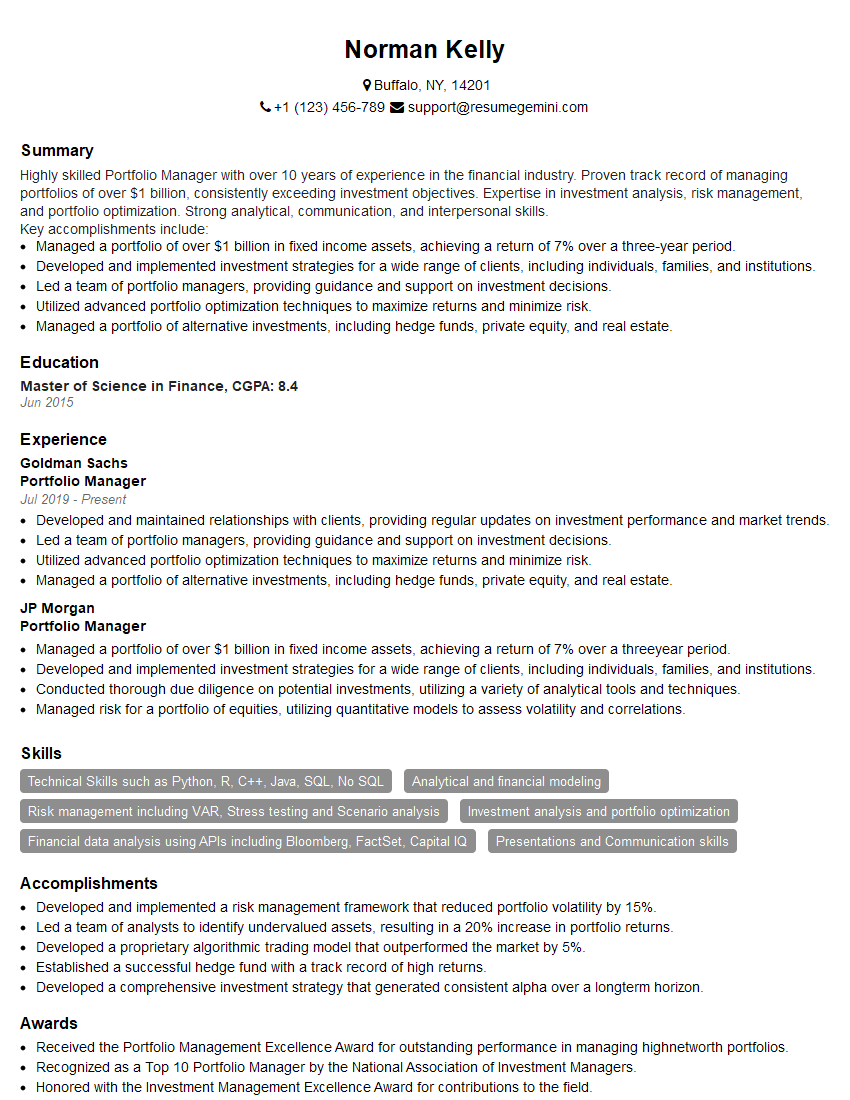
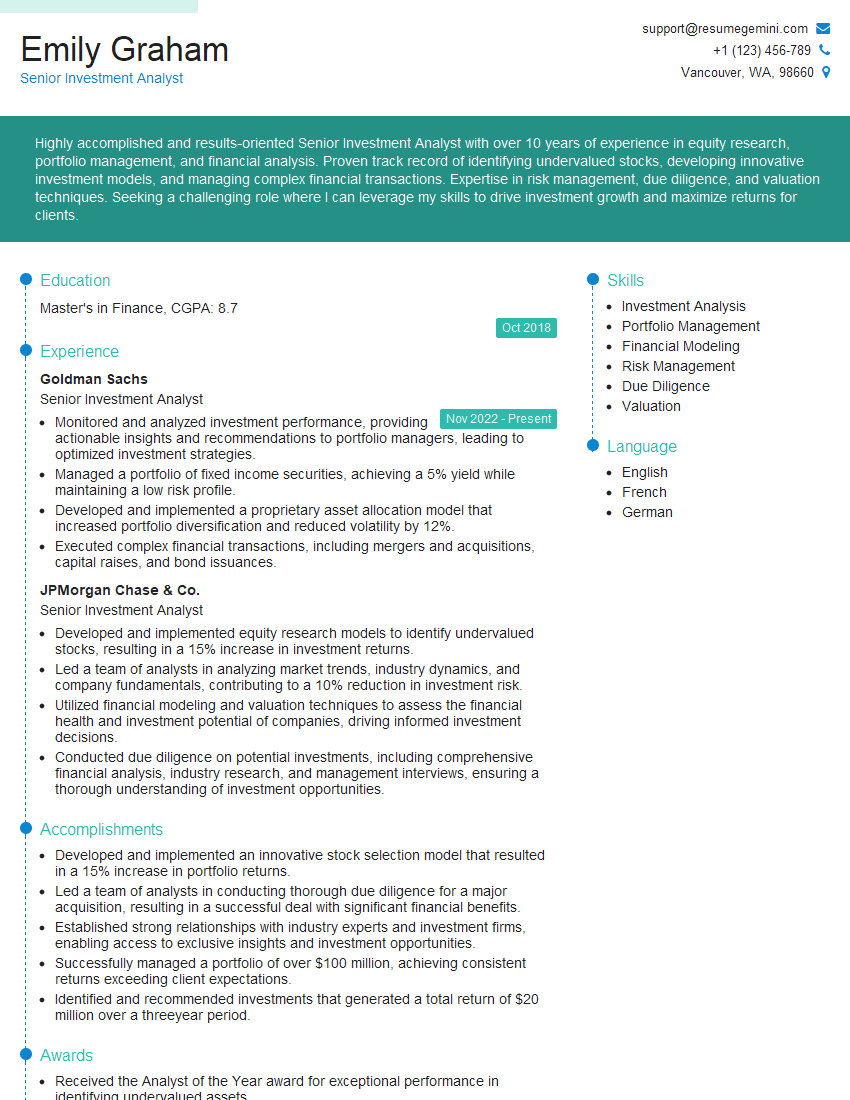
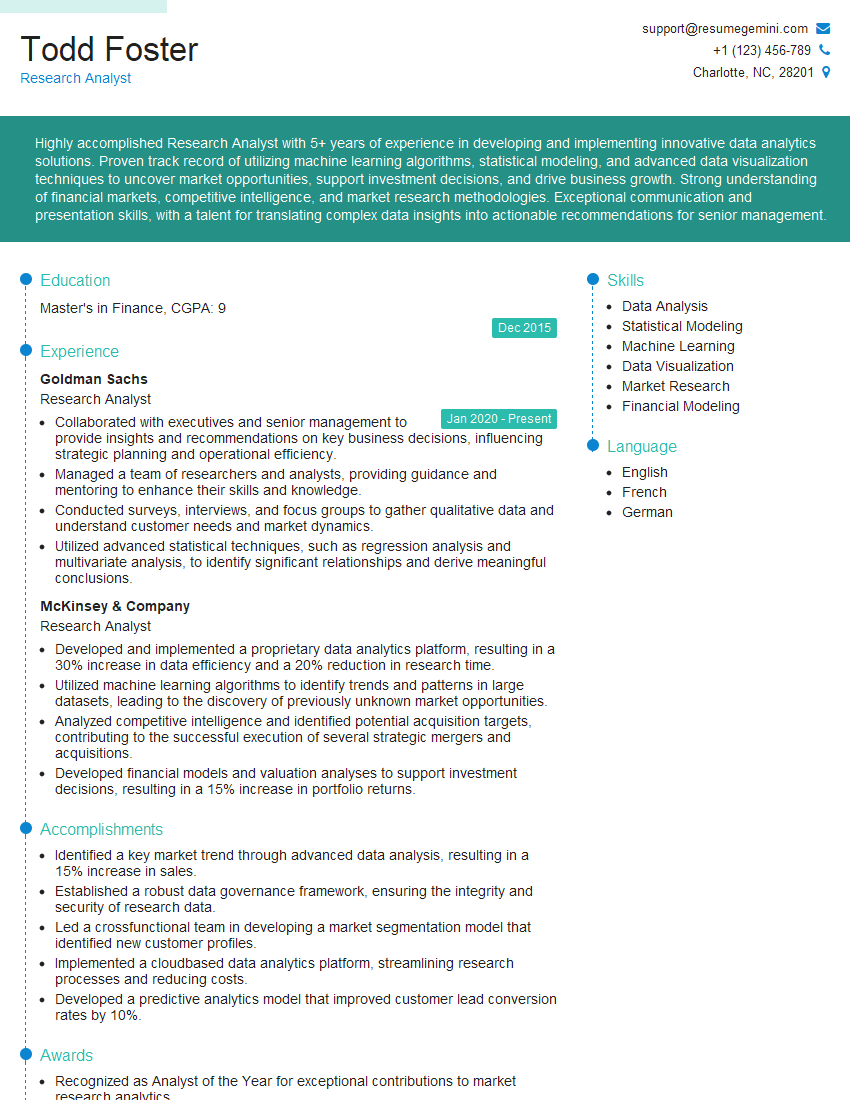
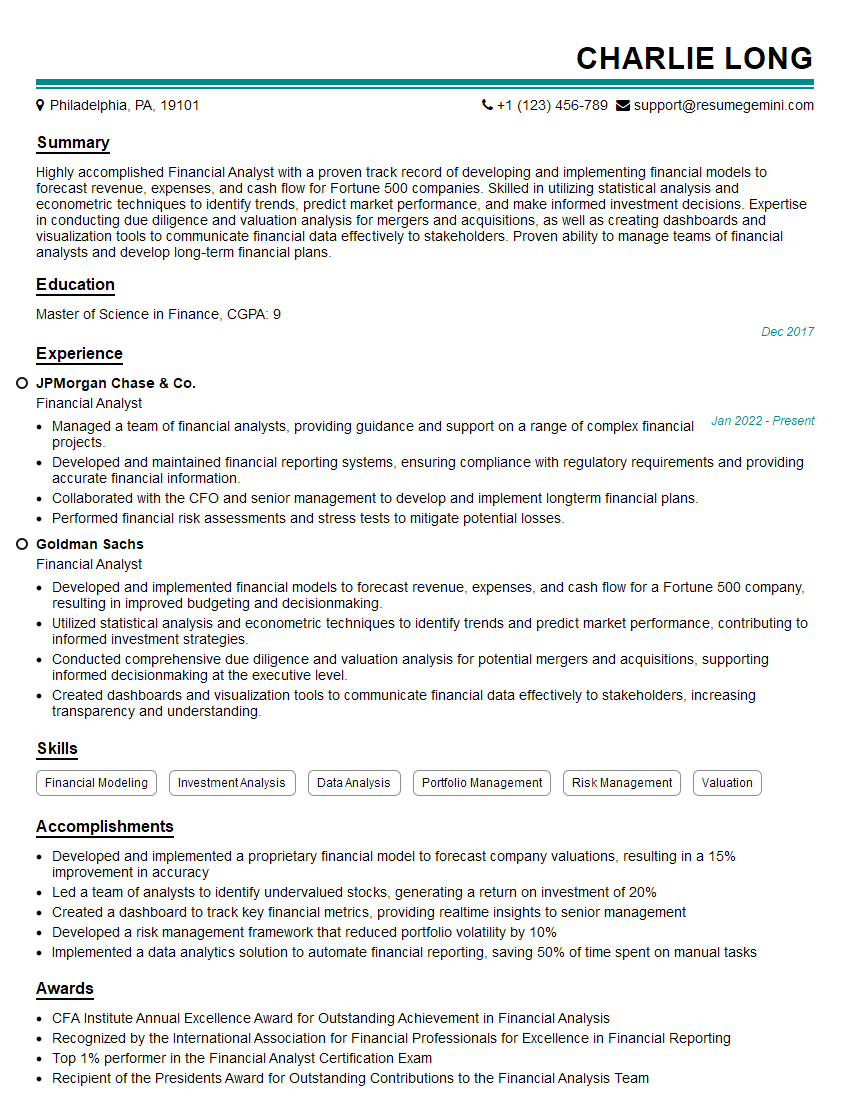
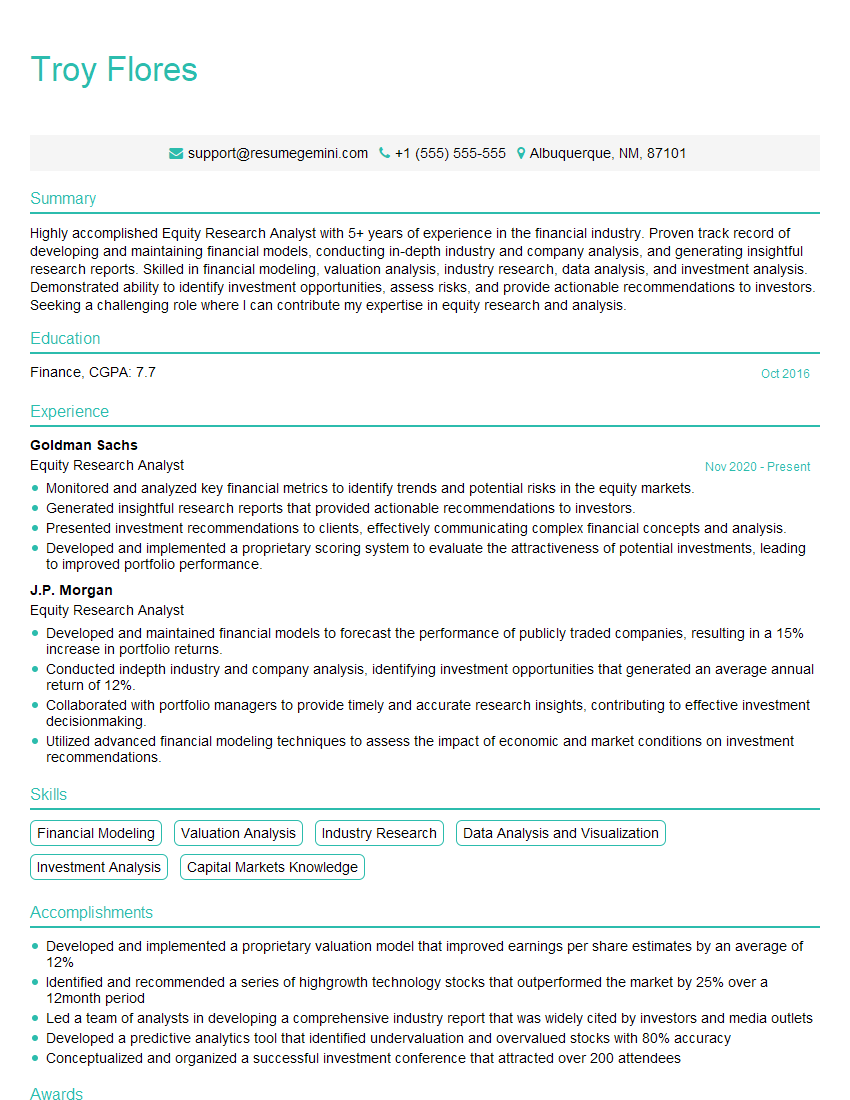
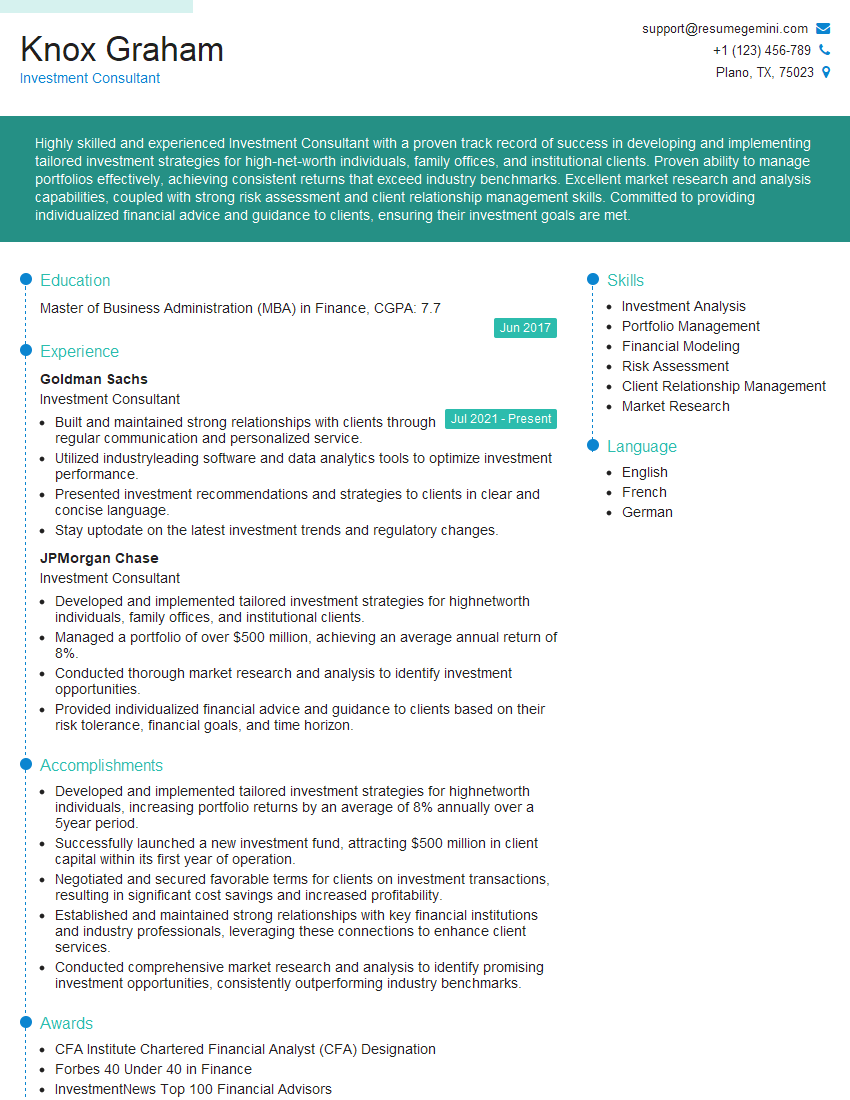
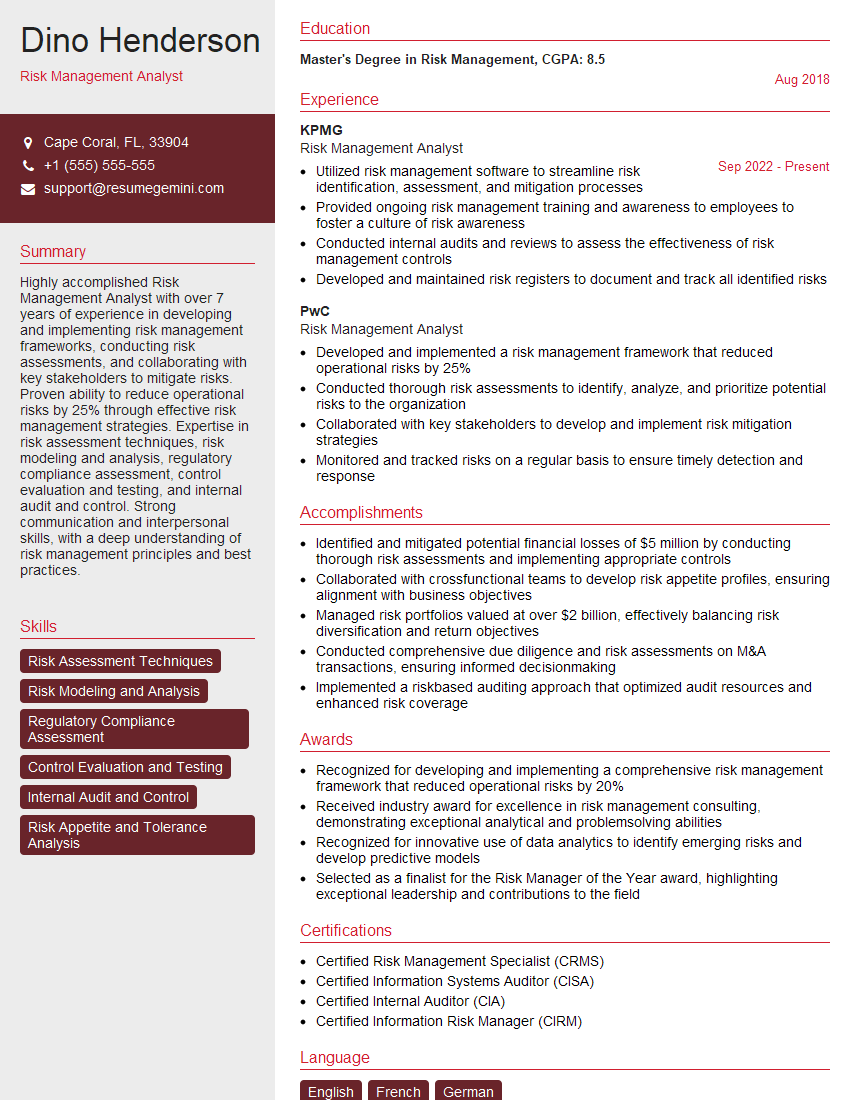
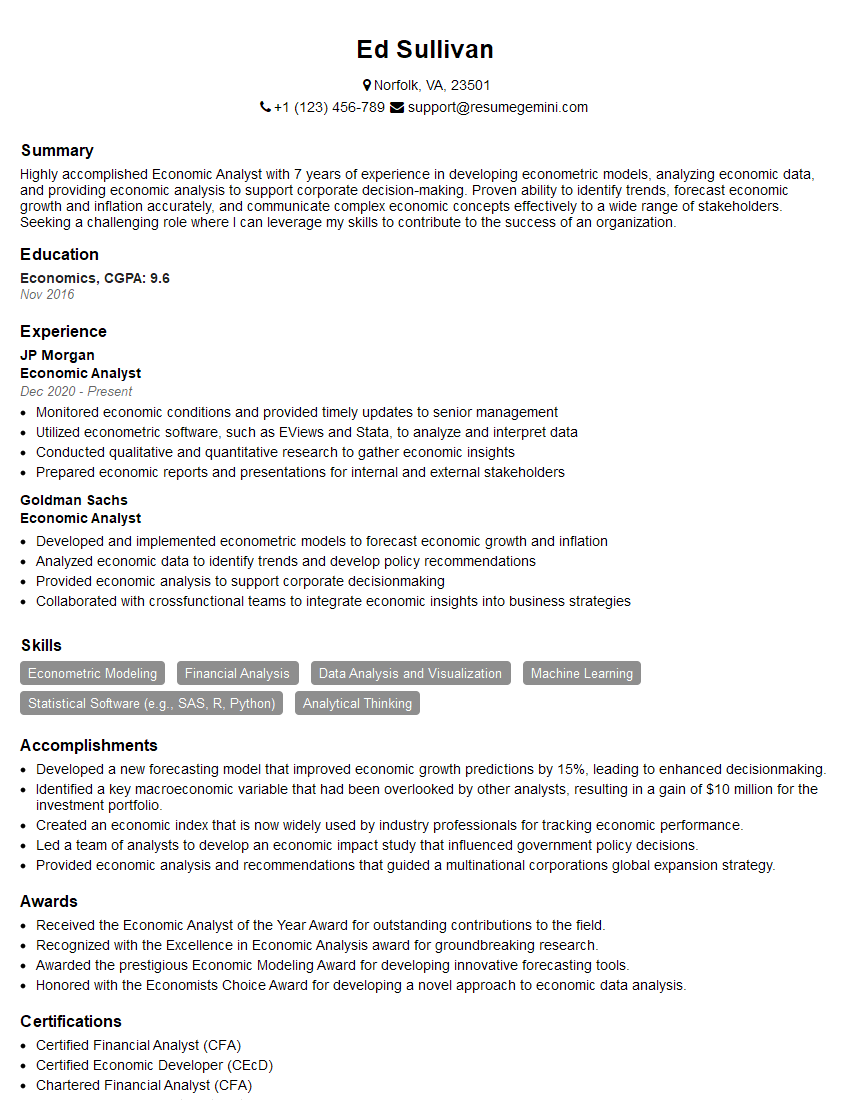
Mastering Trade and Investment Analysis opens doors to exciting and rewarding careers in finance, international business, and economic consulting. To maximize your job prospects, focus on creating a compelling and ATS-friendly resume that highlights your skills and experience effectively. ResumeGemini is a trusted resource to help you build a professional and impactful resume that showcases your qualifications. We provide examples of resumes tailored to Trade and Investment Analysis roles to help guide you. Invest time in crafting a strong resume – it’s your first impression with potential employers.
Explore more articles
Users Rating of Our Blogs
Share Your Experience
We value your feedback! Please rate our content and share your thoughts (optional).
What Readers Say About Our Blog
To the interviewgemini.com Webmaster.
Very helpful and content specific questions to help prepare me for my interview!
Thank you
To the interviewgemini.com Webmaster.
This was kind of a unique content I found around the specialized skills. Very helpful questions and good detailed answers.
Very Helpful blog, thank you Interviewgemini team.