Are you ready to stand out in your next interview? Understanding and preparing for Trailblazing and Route Finding interview questions is a game-changer. In this blog, we’ve compiled key questions and expert advice to help you showcase your skills with confidence and precision. Let’s get started on your journey to acing the interview.
Questions Asked in Trailblazing and Route Finding Interview
Q 1. Explain the difference between map reading and compass navigation.
Map reading and compass navigation are complementary skills in route finding, but they serve distinct purposes. Map reading relies on interpreting topographic maps – those showing elevation, features, and trails – to visually plan and follow a route. It’s like having a bird’s-eye view of the terrain. Compass navigation, on the other hand, uses a compass to maintain a specific bearing (direction) regardless of visibility or landmarks. It’s your ‘on-the-ground’ orientation tool. Think of it this way: the map shows you where you want to go, while the compass helps you go there, even if the trail is obscured or you’re navigating off-trail.
For instance, you might use a map to plan a hike across a valley, identifying the best route based on elevation changes and trail markings. However, if you encounter dense fog or a heavily wooded section, a compass will allow you to maintain your intended direction, preventing you from getting lost.
Q 2. Describe your experience using GPS technology for route planning.
GPS technology has revolutionized route planning and navigation. I’ve extensively used GPS devices and apps like Gaia GPS, AllTrails, and Avenza Maps for years, both for personal adventures and professional trail assessments. These tools allow for precise route planning, incorporating elevation profiles, trail conditions (reported by other users), and points of interest. I particularly appreciate the ability to create waypoints, mark specific locations, and record my tracks. This data is invaluable for post-trip analysis, helping me understand my pace, identify areas for improvement in future route planning, and even assist in search and rescue if needed.
For example, I recently planned a multi-day backpacking trip using Gaia GPS. I meticulously marked campsites, water sources, and challenging sections of terrain on the map. The app’s elevation profile helped me estimate travel time and energy expenditure, ensuring I packed appropriately and planned realistic daily distances. After the trip, reviewing the recorded track helped me fine-tune the route for future use or for guiding others.
Q 3. How do you assess terrain difficulty and choose an appropriate route?
Assessing terrain difficulty involves a multi-faceted approach. I consider several factors: elevation gain/loss (steepness of climbs and descents), trail conditions (well-maintained trails vs. overgrown paths or scrambling), the presence of hazards (water crossings, cliffs, exposed ridges), and the overall distance. I typically use topographic maps and aerial imagery to visually assess these aspects. I also consult online resources and user reviews to gain insights into current trail conditions.
To choose an appropriate route, I balance the desired challenge with my experience and capabilities. For example, if I’m leading a group of beginner hikers, I’d prioritize a route with minimal elevation gain, well-maintained trails, and manageable distance. On the other hand, for a personal, challenging endeavor, I might choose a route involving more technical terrain and significant elevation gain, ensuring I possess the necessary skills and equipment.
Q 4. What are the key factors to consider when selecting a safe and efficient route?
Selecting a safe and efficient route involves careful consideration of several key factors:
- Safety: Assessing potential hazards (weather, wildlife, terrain), ensuring adequate emergency preparedness (first-aid, communication devices), and considering escape routes.
- Efficiency: Optimizing the route to minimize distance and travel time while considering elevation changes and terrain difficulty.
- Environmental Impact: Selecting routes that minimize disturbance to the natural environment and respect Leave No Trace principles.
- Legal Considerations: Knowing and respecting land ownership and access restrictions.
- Physical Capabilities:Matching the route’s difficulty to the physical abilities of all participants.
For example, a route seemingly shorter on the map might be significantly longer and more challenging due to steep terrain. Prioritizing safety over efficiency might mean choosing a longer, less strenuous route instead.
Q 5. Describe your experience with various mapping software and tools.
My experience encompasses various mapping software and tools, each with its strengths and weaknesses. I’m proficient with topographic maps (paper and digital), using them for detailed terrain analysis. I’ve used professional GIS software like ArcGIS for more complex route planning and analysis, particularly useful in large-scale projects. I regularly utilize online mapping platforms such as Google Earth, Google Maps, Gaia GPS, and AllTrails, each serving different purposes. For example, Google Earth provides detailed aerial imagery, useful for assessing terrain features, while Gaia GPS offers robust offline mapping capabilities and track recording.
The choice of software depends on the specific needs of a project. For a simple day hike, AllTrails might suffice; for a complex multi-day expedition, a combination of topographic maps and a dedicated GPS app like Gaia GPS would be essential. The selection depends on the complexity of the project, the data needed, and the resources available.
Q 6. How do you identify and mitigate potential risks on a trail or route?
Identifying and mitigating potential risks is crucial for safe route planning. I utilize a risk assessment framework, considering weather forecasts (severe weather, temperature extremes), wildlife encounters (awareness of local fauna and appropriate safety precautions), terrain hazards (steep slopes, water crossings, unstable ground), and potential for getting lost (having backup navigation and communication).
Mitigation strategies involve preparing for potential issues. This could involve carrying appropriate gear (waterproof clothing, bear spray, trekking poles, extra food and water), selecting alternative routes if hazards are identified, informing others of the route plan, carrying personal locator beacons (PLBs) or satellite messengers for emergencies, and having a thorough understanding of wilderness first aid. For example, encountering a river crossing might involve assessing its depth and current, selecting the safest crossing point, and using appropriate gear like trekking poles for stability.
Q 7. Explain your process for creating a detailed route plan.
My route planning process is iterative and detailed. It involves these steps:
- Define Objectives: Clarify the purpose of the route (e.g., day hike, backpacking trip, research project).
- Gather Information: Collect data using topographic maps, aerial imagery, online resources, and user reviews.
- Identify Potential Routes: Explore multiple options based on the collected information.
- Assess Terrain and Hazards: Analyze elevation profiles, trail conditions, and potential risks.
- Select Optimal Route: Balance efficiency, safety, and environmental impact to choose the best route.
- Develop Detailed Plan: Create waypoints, estimate travel time, plan campsites (if necessary), and outline contingency plans.
- Prepare Gear and Supplies: Pack appropriate gear and supplies based on the route plan and potential hazards.
- Share Plan: Inform someone about the route details and expected return time.
This process is often repeated and refined as more information becomes available or conditions change. It’s an iterative, not linear, procedure. For example, I might initially plan a direct route but revise it after noticing a steep, exposed section that needs a safer bypass.
Q 8. Describe your experience with emergency procedures during route finding.
Emergency procedures in route finding are paramount. My experience involves a layered approach, starting with preventative measures. Before any trip, I meticulously plan my route, considering potential hazards and carrying appropriate safety gear: first-aid kit, emergency shelter, satellite communication device, extra food and water, etc. This proactive strategy minimizes risks.
However, unforeseen circumstances can occur. During a recent solo trek in the Himalayas, a sudden blizzard severely reduced visibility. My pre-planned route became impossible to follow. I immediately activated my emergency beacon, sought shelter, and rationed my supplies. Prioritizing safety, I waited for rescue rather than attempting a risky navigation in whiteout conditions. The key is a calm assessment, relying on prior training and preparation. I regularly practice emergency shelter construction and survival skills to build confidence and competence in stressful situations. This experience highlighted the importance of thorough planning and the critical need to have reliable communication systems in remote locations.
Q 9. How do you account for changing weather conditions when planning a route?
Weather significantly impacts route planning. I incorporate weather forecasting as a crucial step. I use multiple sources, including specialized mountaineering forecasts, and even local reports from communities if available. My approach is to create multiple route options based on various weather scenarios. For example, if rain is predicted, I’d select a route that avoids steep, exposed slopes prone to landslides. If high winds are expected, a lower-elevation, sheltered route becomes the priority. Flexibility is key; I always have contingency plans. These might include alternative campsites, emergency shelters, or even altering the overall timeline of the trip to avoid the worst weather conditions. I constantly monitor forecasts throughout the trip and am prepared to adjust accordingly. Essentially, I build ‘weather-resilient’ plans instead of rigidly adhering to one pre-defined path.
Q 10. How do you use topographic maps to determine elevation changes and potential obstacles?
Topographic maps are indispensable for understanding elevation changes and obstacles. Contour lines, the most critical element, depict elevation. Closely spaced contour lines indicate steep terrain, while widely spaced lines show gentler slopes. I look for patterns in these lines to identify saddles (low points between hills), ridges, and valleys.
Identifying potential obstacles involves scrutinizing the map for symbols representing features such as cliffs (represented by specific cliff symbols), forests (density shown by variations in shading or symbols), water bodies (rivers, lakes), and even man-made structures. I pay attention to the scale to assess the size and impact of these features on the chosen route. For instance, a seemingly small stream on the map could be a significant obstacle depending on the time of year and recent rainfall. By combining contour lines and symbols, I create a holistic picture of the terrain, allowing for a realistic assessment of potential difficulties and the need for extra planning.
Q 11. What are some common navigation errors and how do you avoid them?
Common navigation errors stem from carelessness or insufficient preparation. One frequent error is failing to regularly check bearings against the map, leading to gradual drift from the planned route. This can be avoided by taking compass bearings frequently and confirming location using triangulation or other methods. Another mistake is relying solely on GPS without backup navigation tools. GPS devices can fail (battery depletion, satellite signal loss), so I always carry a map, compass, and altimeter.
Misinterpreting map symbols is another issue. Thorough map-reading practice is vital to avoid this. For example, correctly identifying trail markers and understanding their significance is crucial. Finally, failing to account for magnetic declination (the difference between true north and magnetic north) can lead to significant errors. Compensating for declination using the map’s information or a declination adjuster on the compass is critical for accuracy.
Q 12. Describe your experience with utilizing various types of compasses.
My experience encompasses various compasses, from basic lensatic compasses to more advanced models with clinometers (for measuring slope angles) and even GPS-integrated compasses. Basic compasses are reliable and simple to use for basic bearings and triangulation. I am adept at using a baseplate compass for map work, aligning it with map features and taking accurate bearings. The lensatic compass is excellent for quick bearings in the field, especially in challenging terrain. More advanced compasses provide additional functionality valuable for detailed route planning and terrain assessment, particularly in mountainous areas where slope angles are significant.
Understanding each compass’s strengths and limitations is important. For example, a simple compass might not account for declination automatically, whereas a more advanced model might have an integrated declination adjustment. Regardless of the model, proper technique, including holding the compass level and avoiding magnetic interference, is crucial for accurate readings.
Q 13. How do you interpret aerial imagery for route planning?
Aerial imagery, especially high-resolution satellite or aerial photographs, provides a valuable perspective for route planning. I use these images to identify potential routes, assess terrain features, and identify obstacles not clearly depicted on topographic maps. For example, identifying the density of vegetation, the condition of trails, or the presence of unexpected obstacles like fallen trees or rockfalls is significantly easier using aerial imagery.
I often use online tools to access and analyze aerial imagery. Features like measuring distances, identifying landmarks, and even creating 3D models from overlapping images significantly enhances my route planning capabilities. Combining aerial imagery with topographic maps creates a synergistic approach leading to well-informed decisions about the best and safest routes to take.
Q 14. Explain your understanding of different map projections and their limitations.
Map projections are methods for representing the three-dimensional Earth’s surface on a two-dimensional map. Each projection has inherent distortions since a perfect representation is impossible. Understanding these limitations is critical. Common projections include Mercator, UTM (Universal Transverse Mercator), and Lambert Conformal Conic.
The Mercator projection, while preserving direction, greatly exaggerates areas near the poles. UTM is more accurate for local areas and uses a grid system for precise coordinate referencing. Lambert Conformal Conic is suitable for large areas spanning east-west directions. Choosing the right projection depends on the specific needs of the project. For example, a long north-south route might benefit from a different projection than a route primarily east-west. When using maps, always be aware of the projection used and its potential impact on distance, area, and shape accuracy.
Q 15. Describe your experience in using altimeters and barometers for navigation.
Altimeters measure altitude, while barometers measure atmospheric pressure. Changes in pressure correlate with changes in altitude, and this is how barometric altimeters work. My experience spans years of using both analog and digital versions in diverse terrains. Analog altimeters require setting the reference pressure based on a known altitude, for example, from a map or a known location’s elevation. I’ve used this method extensively in areas with unreliable GPS signals. Digital altimeters often automatically adjust for pressure changes, providing a more convenient reading. However, understanding the limitations of both is crucial. For example, weather systems significantly impact barometer readings; a rapidly changing barometer can lead to inaccurate altitude readings. In these situations, I’d cross-reference with topographic maps and other navigational tools. I always maintain a healthy skepticism, and rely on multiple sources to ensure accuracy.
Example: During a recent trek through the Himalayas, I used a digital altimeter paired with a paper map. The altimeter gave me a general idea of my altitude, while the map helped me understand the terrain profile and make corrections if the altimeter showed unexpected values due to weather.
Career Expert Tips:
- Ace those interviews! Prepare effectively by reviewing the Top 50 Most Common Interview Questions on ResumeGemini.
- Navigate your job search with confidence! Explore a wide range of Career Tips on ResumeGemini. Learn about common challenges and recommendations to overcome them.
- Craft the perfect resume! Master the Art of Resume Writing with ResumeGemini’s guide. Showcase your unique qualifications and achievements effectively.
- Don’t miss out on holiday savings! Build your dream resume with ResumeGemini’s ATS optimized templates.
Q 16. How do you calculate distance and time estimations for a route?
Estimating distance and time involves a combination of map reading, terrain assessment, and personal pace. I start by measuring the route distance on a topographic map using a map scale. Then, I break down the route into segments considering terrain difficulty. For example, a steep uphill climb will require more time and effort than a flat section. I factor this into my calculations. I use a pace count or estimations based on past experiences. It’s about understanding that my walking pace differs over various terrains, and adjusting estimations according to conditions. I always add extra time for unexpected delays and rest stops.
Formula (Illustrative): Total Time = (Distance / Pace) + Terrain Adjustment + Contingency Time
Example: On a 10km trek with 2km of steep incline, I would first calculate the time for the flat 8km based on my typical pace, then add extra time for the steeper section. I would also include buffer time for unforeseen circumstances such as navigation issues or injuries.
Q 17. How do you maintain accurate bearings and directions in challenging terrain?
Maintaining accurate bearings in challenging terrain requires a multi-faceted approach. A compass is essential. However, simply relying on compass readings can be misleading due to local magnetic variations or metallic objects. I often combine compass bearings with features on my map, a technique known as triangulation. I identify at least two landmarks whose locations are clearly depicted on my map, take bearings to these landmarks using the compass, and then plot these bearings on the map to establish my location. Furthermore, I constantly use visual references – landmarks, streams, ridges – to check if I’m staying on course. In areas with poor visibility, I might use GPS for more precise bearings but always consider its limitations – potential satellite signal loss in canyons or dense forests.
Example: During navigation through a dense forest with little visibility, I frequently used triangulation by taking compass bearings to distant hills and peaks visible through breaks in the canopy. This ensured that I stayed within my anticipated route despite the lack of visual cues along the immediate trail.
Q 18. What are some different ways to mark a trail or route?
Trail marking depends on the environment, purpose, and duration. Temporary markers, suitable for short-term use, can include brightly coloured flagging tape, stacks of rocks (cairns), or strategically placed natural objects. Cairns should be used cautiously because they are easily disturbed or naturally altered. For longer lasting marks, I might use more durable markers such as painted blazes on trees (in appropriate environments and with permission, when needed), or even GPS waypoints recorded in my device. The key is to choose markers that are easily visible, won’t degrade quickly, and won’t harm the environment. Importantly, I always follow Leave No Trace principles – remove markers when finished.
Example: When leading a day hike, I used bright flagging tape to mark the trail, ensuring its removal at the end of the day. For a longer-term project such as establishing a wildlife monitoring route, I might use more permanent markers while adhering to regulations.
Q 19. Explain your experience using waypoints and tracks in GPS devices.
Waypoints are specific locations saved in a GPS device, serving as navigational checkpoints. Tracks record a continuous path travelled. My experience involves extensive use of both. I use waypoints to mark key locations such as campsites, water sources, or challenging route sections. Tracks allow me to retrace steps if needed or to analyze my route after completion, useful for future planning. I always ensure that my GPS device has sufficient battery life and that I have backup maps and compass in case of device failure. I regularly check my position against the map to verify the GPS information.
Example: During a multi-day trek, I set waypoints at each campsite and water source. The track recording helped me analyze the route’s elevation profile and identify areas to improve upon for the return journey. If GPS failed, I would be able to refer to my topographic map and use waypoints to help orient myself.
Q 20. How do you handle unexpected obstacles or route changes during navigation?
Unexpected obstacles are an inevitable part of trailblazing and route finding. My approach involves a combination of adaptability, problem-solving, and risk assessment. Firstly, I reassess my situation. This involves identifying the obstacle and its implications for my route. I consult my map and compass to check if an alternative route is feasible. If not, I might need to improvise. I have experience in evaluating terrain to identify safe passages around obstacles like landslides or dense vegetation. Safety always comes first. I have contingency plans for different scenarios, for example, a backup route or extra supplies.
Example: Encountering a flooded river crossing forced me to reassess my route. I consulted my map for an alternative ford or bypass. After careful consideration of water depth, current and potential hazards, I proceeded using techniques and precautions that minimized risks.
Q 21. What are your strategies for route planning in remote or wilderness areas?
Route planning in remote or wilderness areas requires meticulous preparation. I start by thoroughly researching the area using topographic maps, satellite imagery, and guidebooks. I carefully assess weather forecasts and consider potential hazards like wildlife encounters, water availability, and terrain difficulties. I establish multiple backup plans, considering potential route changes due to unexpected circumstances. I always share my itinerary with someone reliable, providing details of my route, planned return time and emergency contact information. The selection of gear is also very important: I ensure that I have appropriate clothing, survival equipment, and communication devices. I always carry a first-aid kit and have sufficient provisions.
Example: For a solo expedition in a remote mountain range, I meticulously studied topographic maps to identify potential hazards like avalanche zones or river crossings. I planned alternative routes in case of unforeseen conditions, and informed trusted contacts of my itinerary, sharing regular updates through satellite messenger.
Q 22. Explain your familiarity with different types of trail markers and signage.
Trail markers and signage are crucial for safe and efficient navigation. My familiarity encompasses a wide range, from the simple blazes found on established hiking trails to more complex systems used in wilderness areas.
- Blazes: These are painted marks (often rectangular or diamond-shaped) on trees or rocks, indicating the trail’s direction. Different colors often signify different trails or levels of difficulty.
- Trail Registers: These are physical logs or digital systems where hikers can record their presence, providing crucial information in case of emergencies.
- Signposts: These provide directional information, distances to destinations, and warnings about potential hazards.
- Cairns: Stacks of rocks used to mark trails, especially in areas with sparse vegetation, though their reliability can vary due to weather and human intervention.
- GPS Coordinates and Waypoints: Modern methods also utilize GPS coordinates and waypoints marked on maps and GPS devices. These offer precise location data, especially beneficial in challenging terrain.
Understanding the nuances of each marker type is critical for successful route finding and avoiding getting lost. For instance, a faded blaze might indicate a less-maintained trail requiring extra caution. A cluster of cairns could signal a tricky section or potential confluence of trails.
Q 23. How do you ensure the safety and well-being of a group during trailblazing?
Ensuring group safety during trailblazing requires meticulous planning and proactive risk management. It’s a multi-faceted approach encompassing:
- Thorough Pre-Trip Planning: This includes studying maps, weather forecasts, and potential hazards. We share this information with the group, ensuring everyone understands the itinerary and potential risks.
- Appropriate Equipment and Training: Every member should carry essential gear, including first-aid kits, navigation tools, and appropriate clothing. We conduct briefings on basic navigation, emergency procedures, and Leave No Trace principles.
- Constant Communication and Monitoring: Maintaining open communication throughout the expedition is vital. Regular check-ins and visual contact within the group ensure no one gets separated. We employ techniques such as trail buddies and designated rear-guards.
- Environmental Awareness: This includes recognizing potential hazards such as river crossings, steep slopes, and wildlife encounters. We adjust our plans accordingly, and implement necessary safety measures such as using ropes for challenging crossings.
- Emergency Procedures: We develop a comprehensive emergency plan, including communication protocols, evacuation procedures, and the location of emergency services. This plan is explicitly explained to all members beforehand.
For example, during a recent trailblazing expedition in mountainous terrain, we encountered sudden, heavy snowfall. We immediately implemented our emergency plan, finding shelter, utilizing our emergency communication devices, and adapting the route based on the changed conditions, prioritizing the safety and well-being of everyone involved.
Q 24. Describe your experience in utilizing satellite imagery for route planning.
Satellite imagery has become an indispensable tool for route planning. I have extensive experience utilizing various platforms such as Google Earth, ArcGIS, and Sentinel imagery to:
- Identify Potential Routes: High-resolution imagery allows for detailed analysis of terrain features, identifying suitable paths and avoiding obstacles like dense vegetation, steep slopes, or water bodies.
- Assess Terrain Difficulty: By analyzing slope angles, vegetation density, and the presence of obstacles, we can accurately gauge the difficulty of a route, adjusting the plan accordingly.
- Identify Environmental Features: Satellite imagery helps identify key environmental features such as river systems, wetlands, and areas of sensitive habitat, allowing us to plan routes that minimize environmental impact.
- Plan Logistics: We can identify potential campsites, water sources, and access points, optimizing the overall efficiency and safety of the expedition.
For instance, during a recent project, using high-resolution satellite imagery allowed us to identify a previously unmapped route through a dense forest, reducing the overall distance and time required for the expedition while avoiding challenging terrain.
Q 25. How do you integrate technology and traditional navigation methods?
Integrating technology and traditional navigation methods is vital for robust and reliable route finding. I believe in a complementary approach.
- GPS Devices: These provide precise location data, crucial for tracking progress, finding waypoints, and navigating in poor visibility. However, GPS devices can malfunction, hence the need for backup.
- Maps and Compass: Traditional map and compass navigation remains a fundamental skill, providing a reliable backup to GPS and enhancing situational awareness. Understanding map symbols, contours, and declination is key.
- Altimeter: Crucial for accurate elevation monitoring, especially in mountainous terrain. Essential for safety and route planning in mountainous areas.
- Smartphone Apps: Apps provide digital maps, GPS tracking, and often include additional features like weather forecasts and emergency contact information, acting as a supplementary tool but not primary navigation.
A practical example would be using a GPS device to track our progress along a planned route, while simultaneously using a map and compass to verify our location and navigate around unforeseen obstacles. This redundancy ensures we avoid reliance on a single source and maintain a reliable approach to navigation.
Q 26. How do you choose the appropriate navigation equipment for a specific task?
Selecting appropriate navigation equipment depends heavily on the specific task, environmental conditions, and the duration of the expedition. Factors to consider include:
- Terrain: Mountainous regions might necessitate a robust GPS with altimeter, while flat terrain may only require a basic GPS or even just map and compass.
- Weather Conditions: Harsh weather might require waterproof and durable equipment.
- Group Size and Experience: Larger groups with less experience might require redundant equipment and simpler navigation tools.
- Expedition Duration: Longer expeditions necessitate more reliable, long-lasting equipment with sufficient battery life.
- Accessibility and Repair: Consider the availability of replacement parts or repairs during the trip.
For a short, well-marked day hike, a simple map and compass might suffice. Conversely, a multi-day backcountry expedition would demand a high-quality GPS with a long battery life, a backup compass, paper maps, and perhaps a satellite messenger for emergencies.
Q 27. Explain your experience with route planning considering environmental impact.
Environmental impact is a primary concern in route planning. My approach involves:
- Trail Selection: We prioritize established trails to minimize disturbance to vegetation and wildlife habitats. We avoid creating new trails unless absolutely necessary.
- Minimizing Footprint: We practice Leave No Trace principles, minimizing waste, properly disposing of waste, and avoiding disturbance of flora and fauna.
- Sensitive Habitat Avoidance: Satellite imagery and maps are used to identify and avoid sensitive habitats, minimizing impact on vulnerable ecosystems.
- Erosion Control: We carefully select routes to minimize erosion, avoiding steep slopes or areas prone to erosion.
- Wildlife Consideration: We plan routes considering wildlife behavior and migration patterns, minimizing disturbance to animal populations.
For example, during a recent project, we diverted from a direct route to avoid a nesting area of a protected bird species, opting for a slightly longer, but environmentally safer, alternative.
Q 28. Describe your process for post-trip analysis and route optimization.
Post-trip analysis and route optimization are critical for continuous improvement. My process involves:
- Data Review: We review GPS track data, noting deviations from the planned route, time spent in different sections, and any unexpected challenges encountered.
- Feedback Collection: We gather feedback from all participants, identifying areas for improvement in planning, safety procedures, or equipment selection.
- Environmental Impact Assessment: We assess the environmental impact of the trip, identifying areas where we could have minimized our footprint further.
- Route Refinement: Based on the data analysis and feedback, we refine the route, eliminating unnecessary detours, improving trail selection, and optimizing the overall efficiency and safety of the route.
- Documentation: We meticulously document the revised route, including updated maps, GPS waypoints, and descriptions of any changes made.
This iterative process ensures that each subsequent expedition is more efficient, safer, and has a minimized environmental impact. For example, identifying a consistently slower section of a previous route might lead to exploring alternative routes that avoid difficult terrain in the future.
Key Topics to Learn for Trailblazing and Route Finding Interviews
- Navigation Techniques: Mastering map and compass skills, GPS utilization, and alternative navigation methods in various terrains.
- Terrain Assessment: Identifying and interpreting terrain features, understanding environmental factors (weather, vegetation), and assessing risk.
- Route Planning & Decision-Making: Developing efficient and safe routes, considering factors like distance, elevation, time constraints, and potential hazards. This includes understanding route optimization strategies.
- Safety Procedures: Implementing safe practices, including risk mitigation, emergency preparedness, and communication protocols.
- Teamwork & Communication: Effective collaboration and communication within a team, sharing information, and coordinating navigation efforts.
- Problem-Solving & Adaptability: Responding to unexpected challenges, adapting to changing conditions, and finding solutions to navigational problems.
- Technical Proficiency: Demonstrating a strong understanding of relevant software and hardware (e.g., GPS devices, mapping applications).
- Legal & Ethical Considerations: Adhering to regulations and ethical guidelines related to trailblazing and route finding in specific contexts (e.g., land ownership, environmental protection).
Next Steps
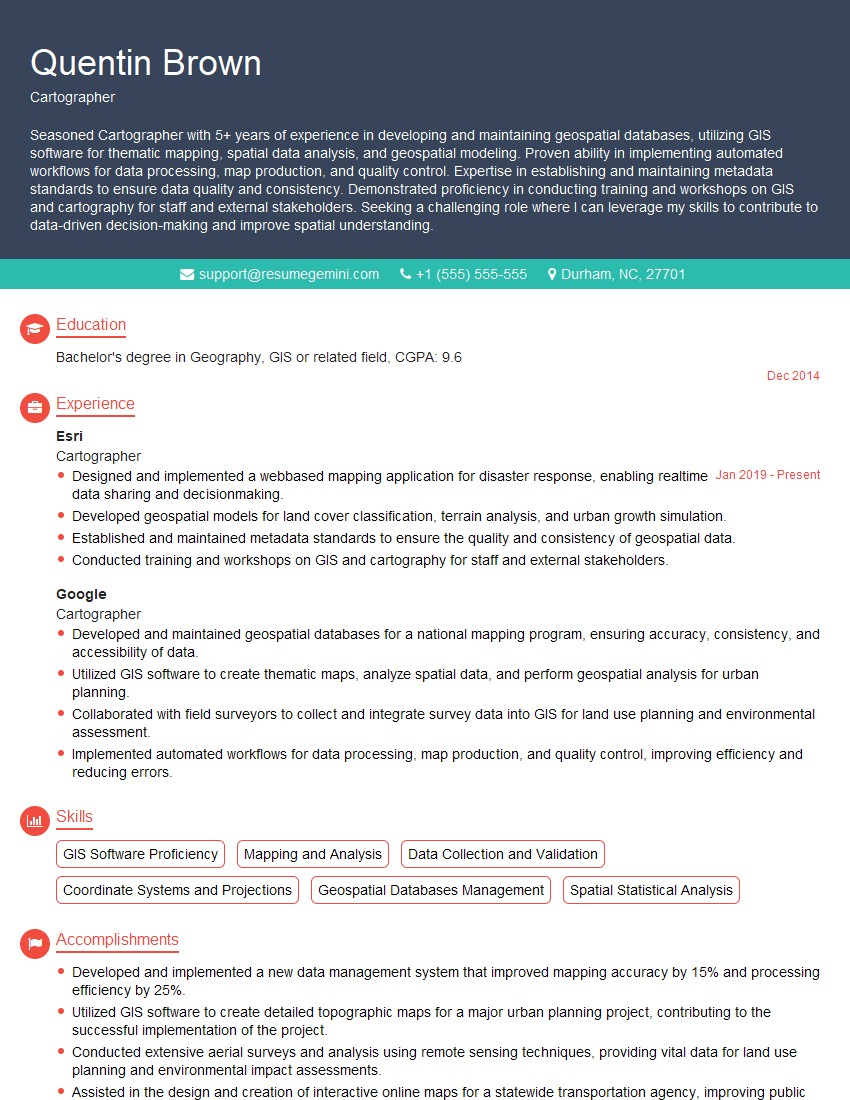
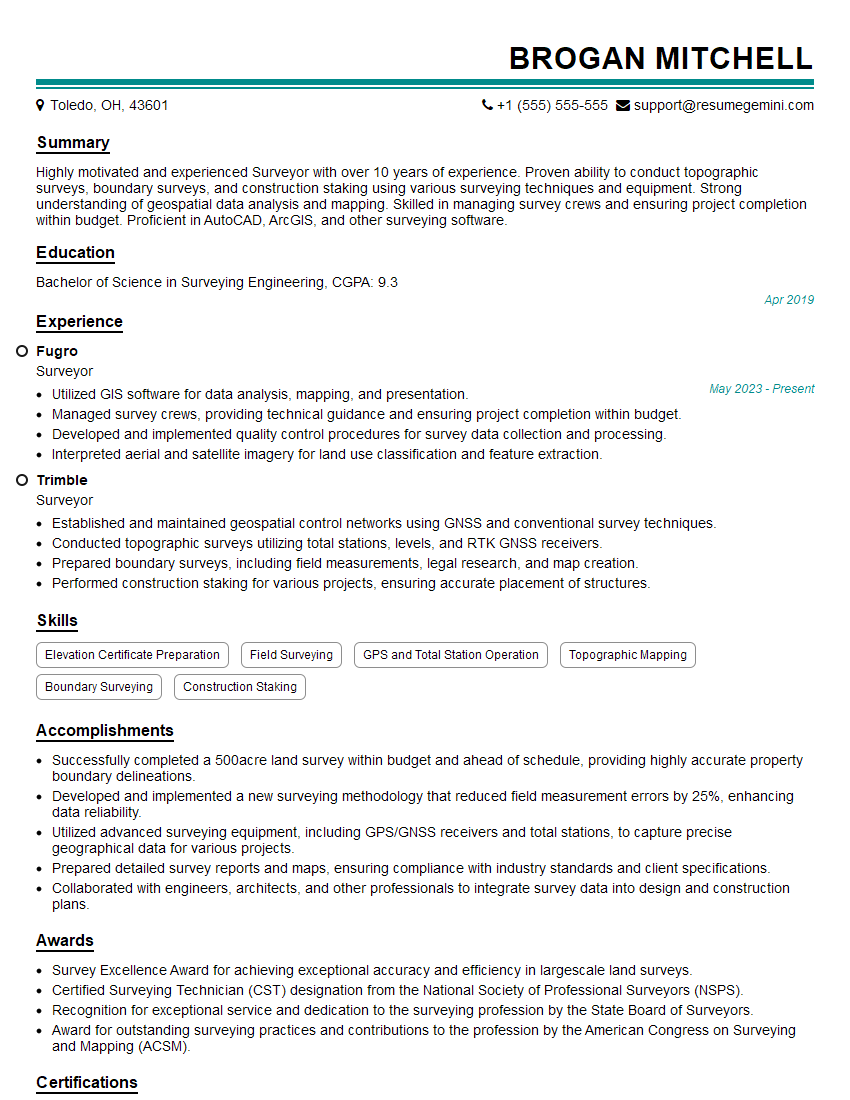
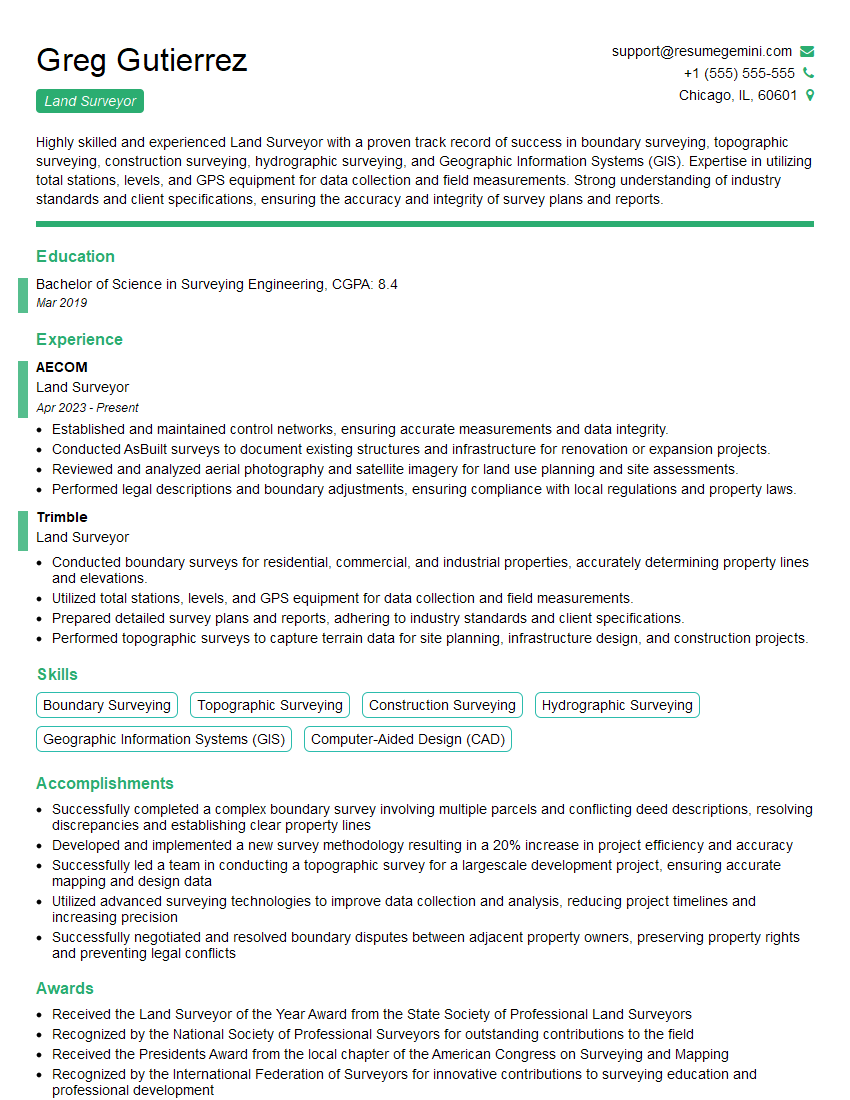
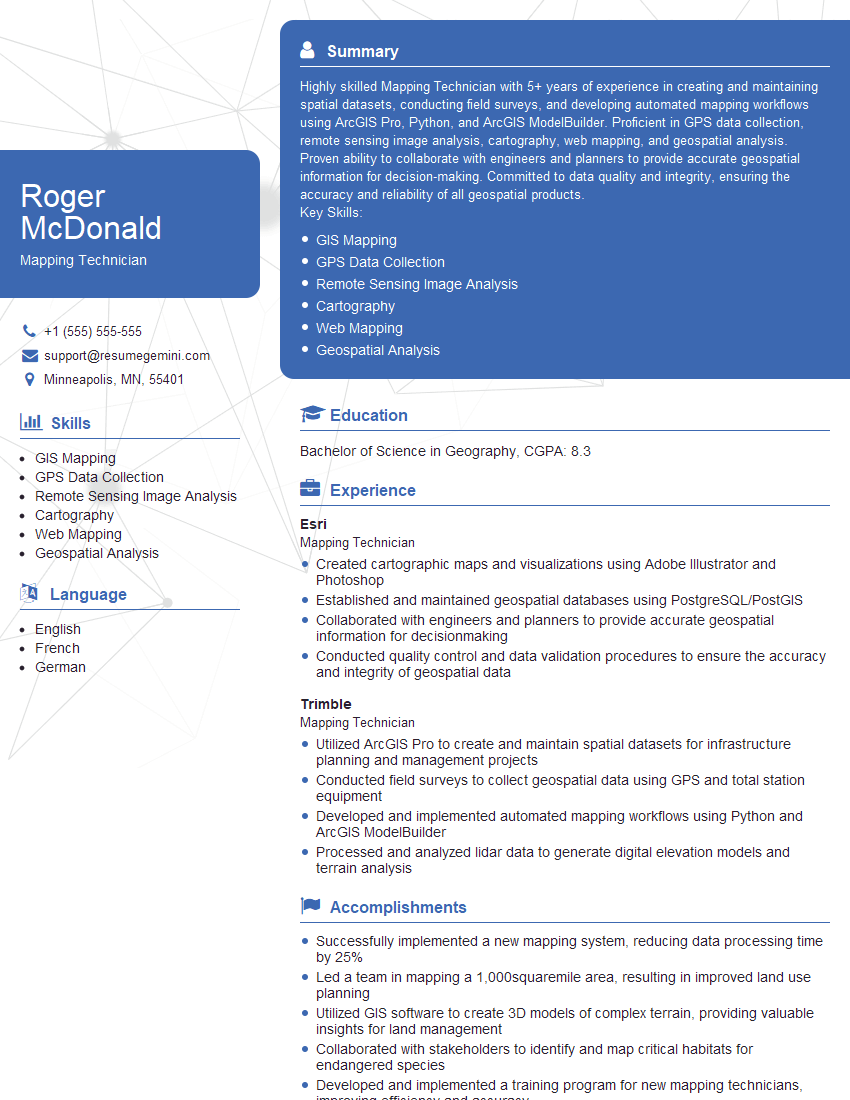
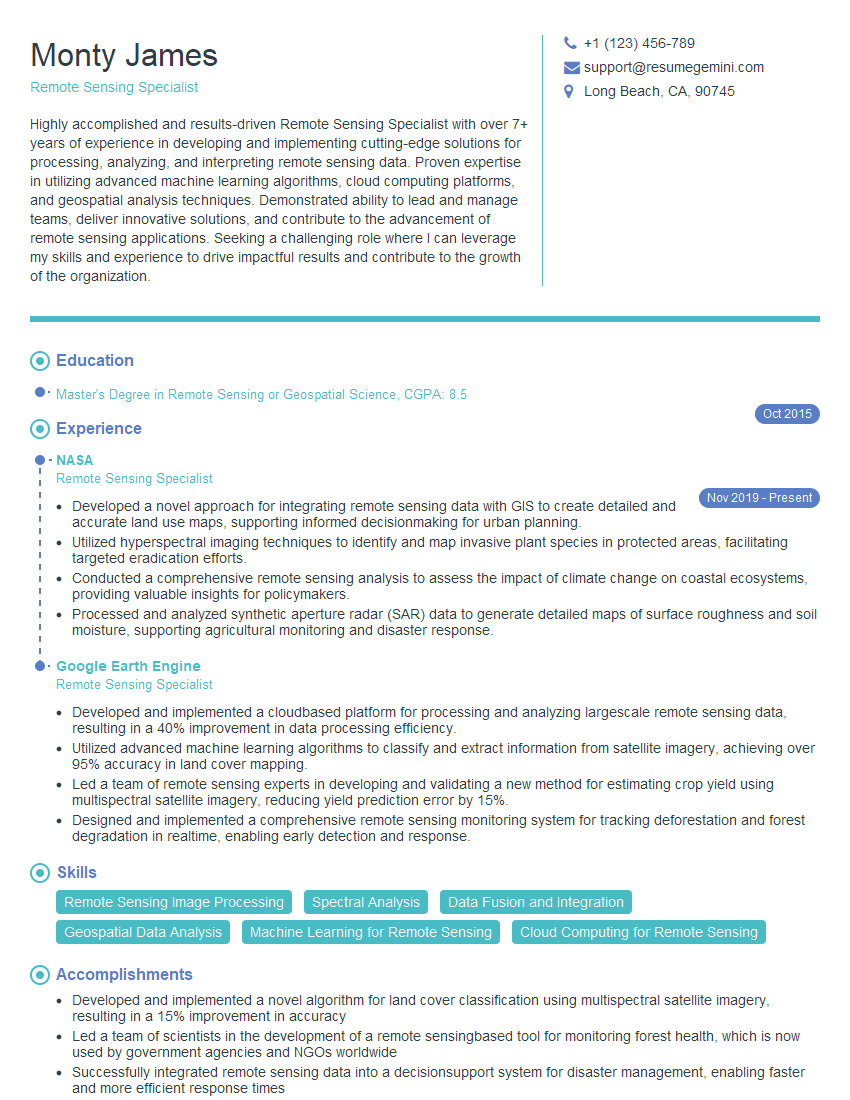
Mastering Trailblazing and Route Finding is crucial for career advancement in fields requiring navigational expertise and problem-solving skills. A strong foundation in these areas demonstrates your ability to handle complex situations and work effectively under pressure – highly sought-after qualities in many industries. To significantly boost your job prospects, crafting an ATS-friendly resume is essential. ResumeGemini can help you build a compelling and effective resume that showcases your skills and experience to potential employers. We provide examples of resumes tailored to Trailblazing and Route Finding to help you create the best possible representation of your qualifications.
Explore more articles
Users Rating of Our Blogs
Share Your Experience
We value your feedback! Please rate our content and share your thoughts (optional).
What Readers Say About Our Blog
To the interviewgemini.com Webmaster.
Very helpful and content specific questions to help prepare me for my interview!
Thank you
To the interviewgemini.com Webmaster.
This was kind of a unique content I found around the specialized skills. Very helpful questions and good detailed answers.
Very Helpful blog, thank you Interviewgemini team.